

The Royal Loop
Royal marriage was rarely about romance first. For centuries, crowns, borders, alliances, inheritance, and sheer dynastic anxiety kept royal families looking inward until the family tree started to resemble a knot. What feels shocking now was often treated as practical statecraft, especially in courts where the pool of acceptable spouses was already tiny and everybody important seemed to share grandparents, uncles, or both. So here are 20 royals who married relatives, sometimes for power, sometimes for stability, and very often because monarchy had a claustrophobic idea of who counted as a suitable match.
 commons.wikimedia.org on Google
1. Cleopatra VII And Ptolemy XIII
Cleopatra VII became co-ruler with her younger brother Ptolemy XIII after their father’s death, and under Ptolemaic custom that arrangement included marriage as well as power-sharing. It reads like a dynasty that had stopped distinguishing between family management and government, which, to be fair, was pretty much the Ptolemaic brand.
 Boston Public Library on Wikimedia
2. Cleopatra VII And Ptolemy XIV
After Ptolemy XIII died, Cleopatra repeated the pattern and ruled alongside another younger brother, Ptolemy XIV, who also became her husband. By that point the whole system felt less like an exception and more like a court policy: keep the throne inside the house, no matter how unnerving the housekeeping got.
 Institute for the Study of the Ancient World on Wikimedia
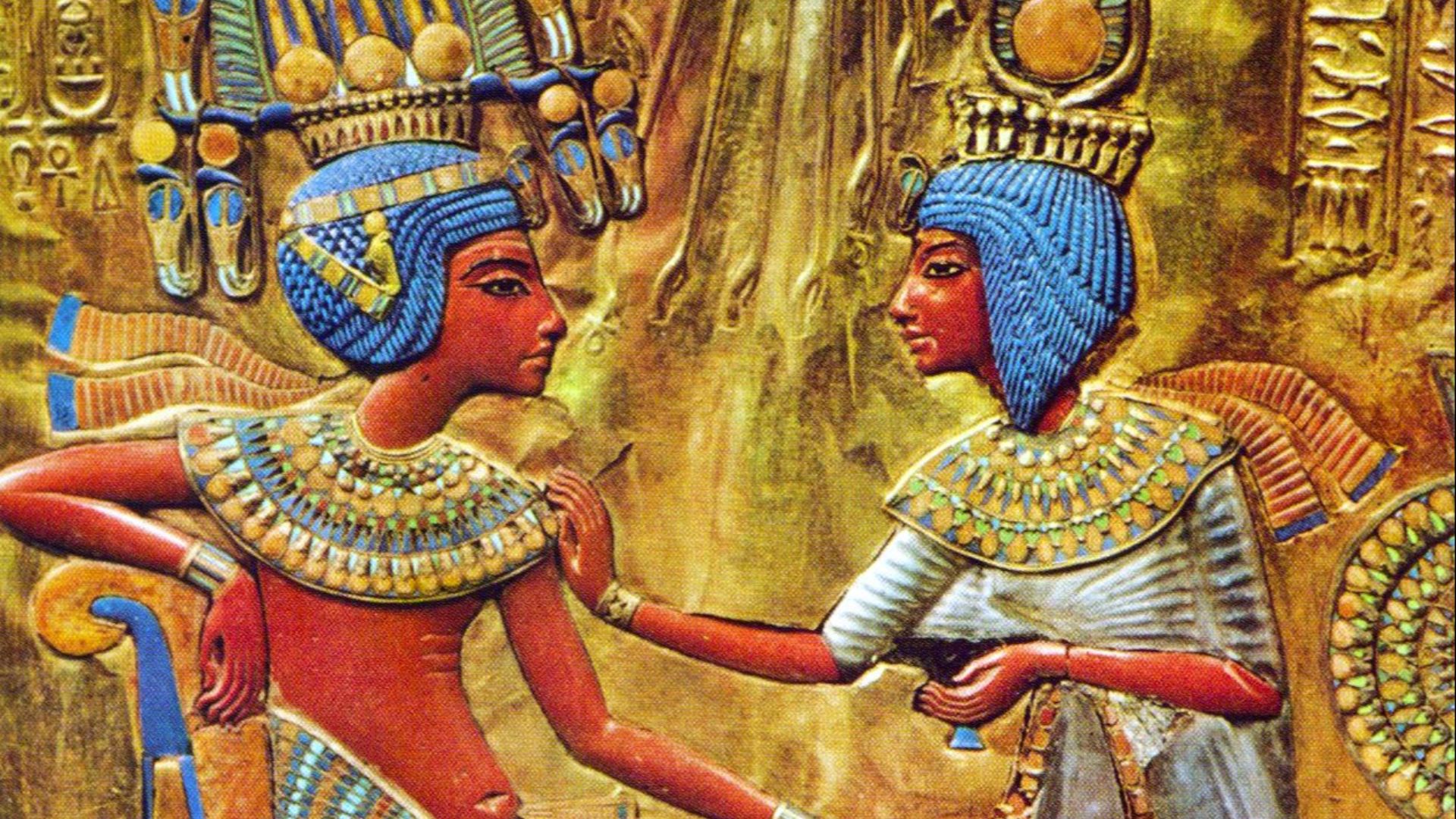
3. Tutankhamun And Ankhesenamun
Tutankhamun married Ankhesenamun, a close royal relation usually described as his half-sister, in a world where Egyptian kingship treated bloodline and divinity as tightly linked.
The result is one of those marriages that makes ancient monarchy feel very far away right up until you remember how many later dynasties kept using the same basic logic.
 Scan by Pataki Márta on Wikimedia
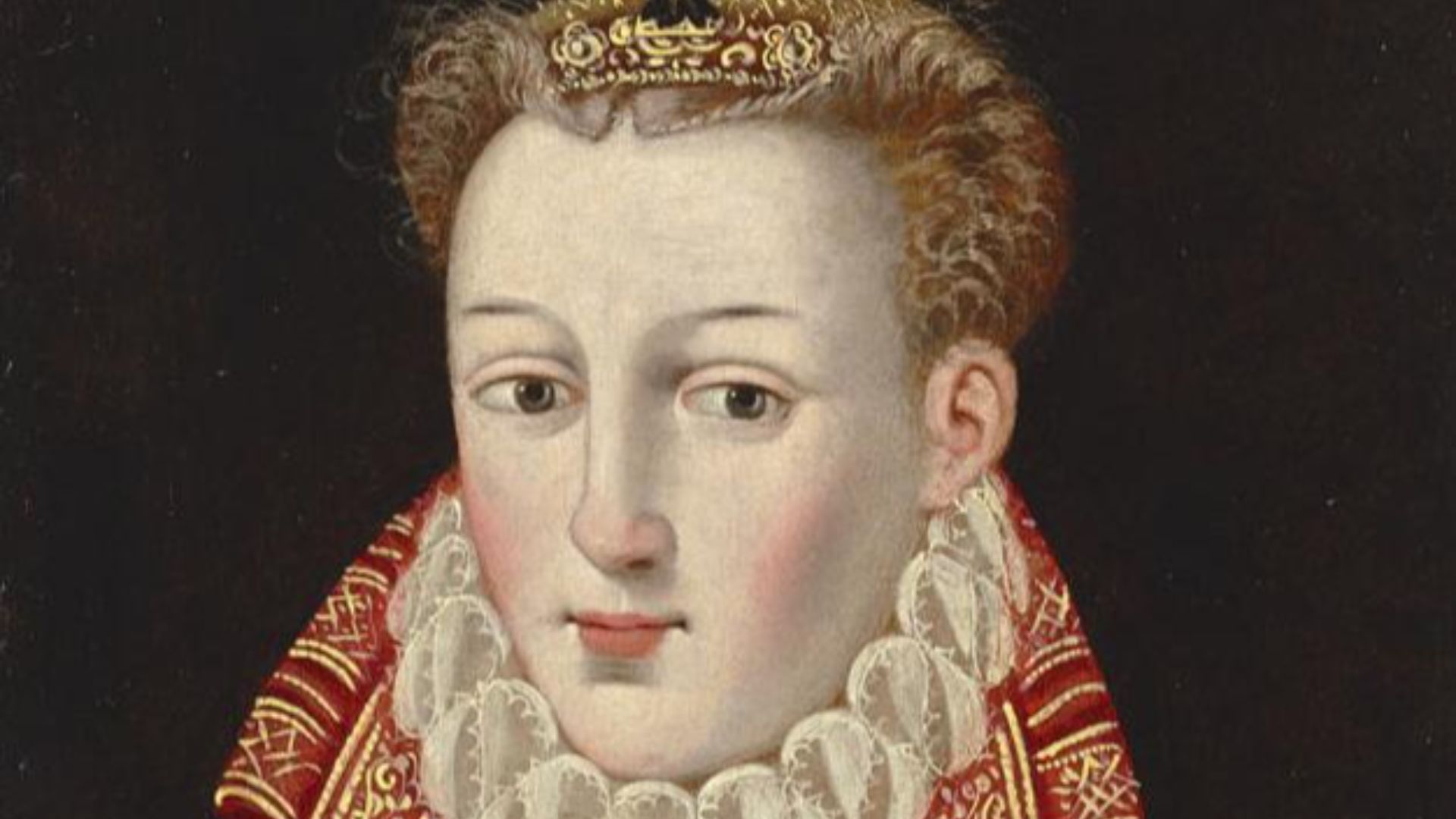
4. Philip II Of Spain And Anna Of Austria
Philip II’s fourth wife, Anna of Austria, was not just another Habsburg match but his own niece, which is the sort of dynastic sentence the Habsburgs somehow kept making sound administrative. The family spent so long marrying inward for control that by this stage the strategy had started to look less disciplined than compulsive.
 Unidentified painter on Wikimedia
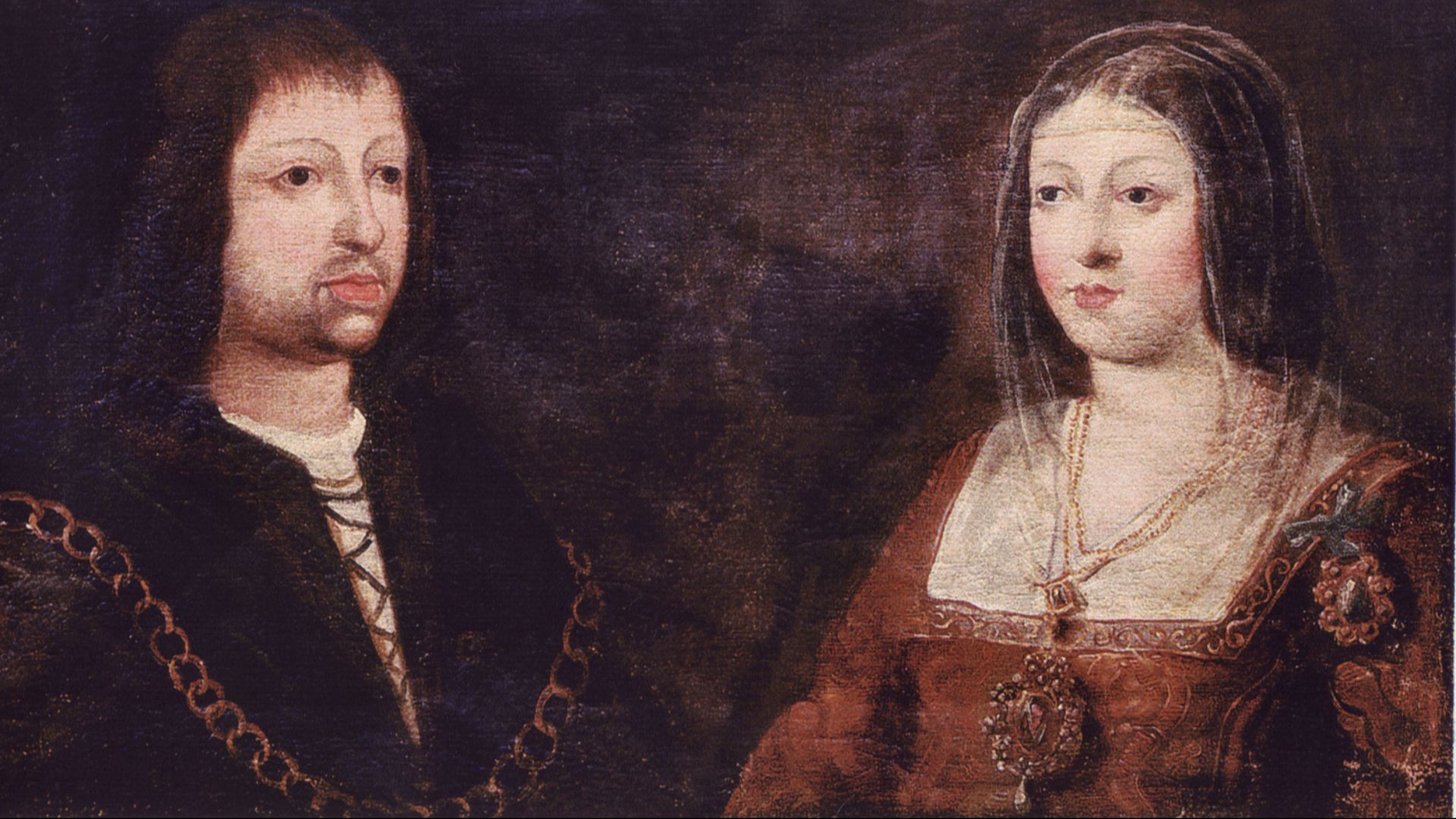
5. Ferdinand II Of Aragon And Isabella I Of Castile
Ferdinand and Isabella are remembered as the Catholic Monarchs who helped unite Spain, but they were also second cousins marrying squarely within the same noble web. Their union changed European history, yet it still sat inside the older royal habit of treating family connection as a feature, not a problem.
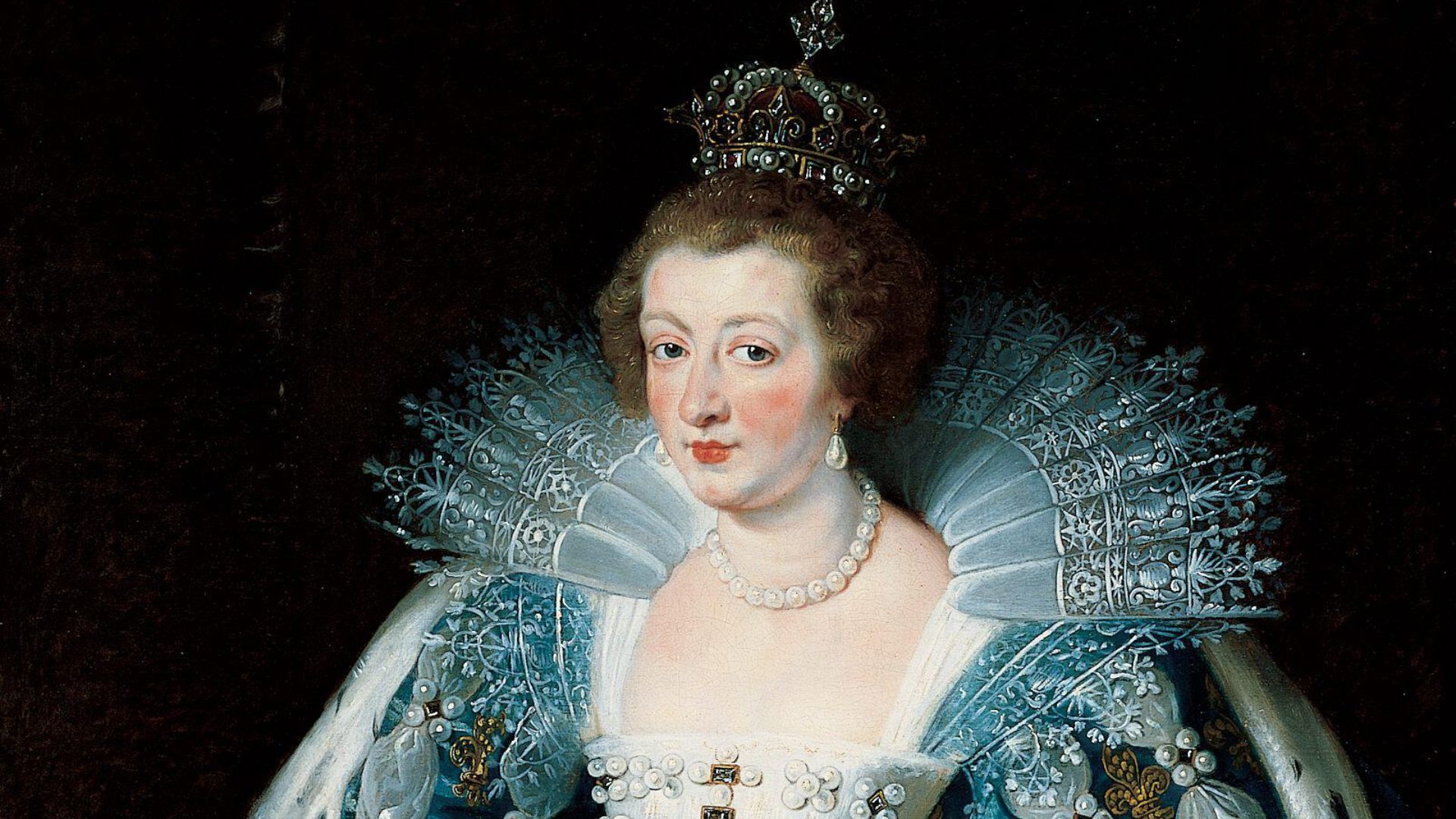
6. Louis XIII And Anne Of Austria
Louis XIII of France married Anne of Austria in a match designed to stabilize relations between Bourbon France and Habsburg Spain, and the fact that they were close kin barely registered as remarkable. That is one of the recurring themes in royal history: diplomacy and consanguinity kept showing up hand in hand, dressed as prudence.
 Peter Paul Rubens on Wikimedia
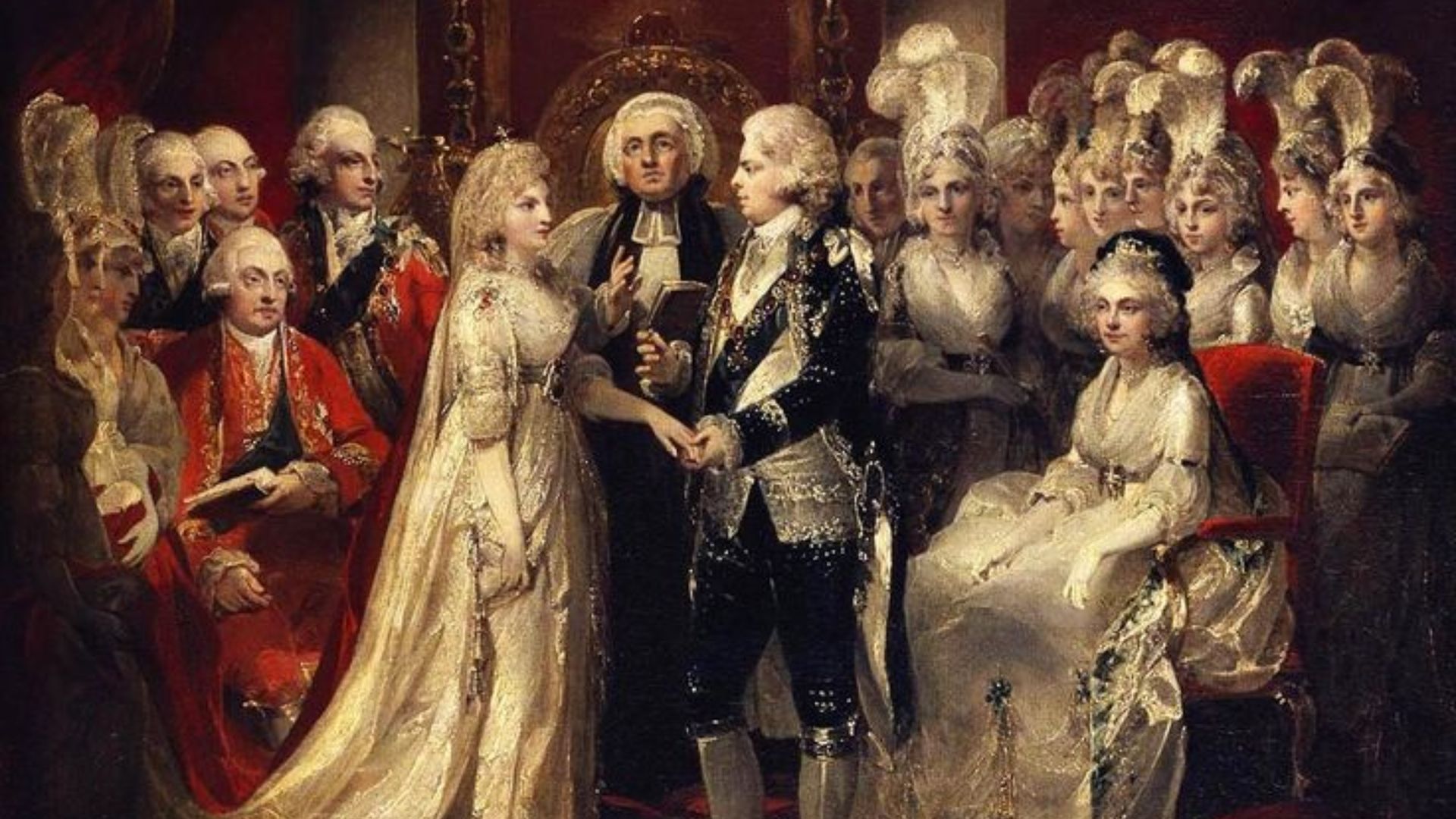
7. George IV And Caroline Of Brunswick
George, then Prince of Wales and later George IV, married Caroline of Brunswick, who was also his cousin, and the marriage turned sour almost on contact.
It is a useful reminder that cousin marriage may have looked neat on a family chart, but it did absolutely nothing to guarantee peace once the deed was done.
 Gainsborough Dupont on Wikimedia
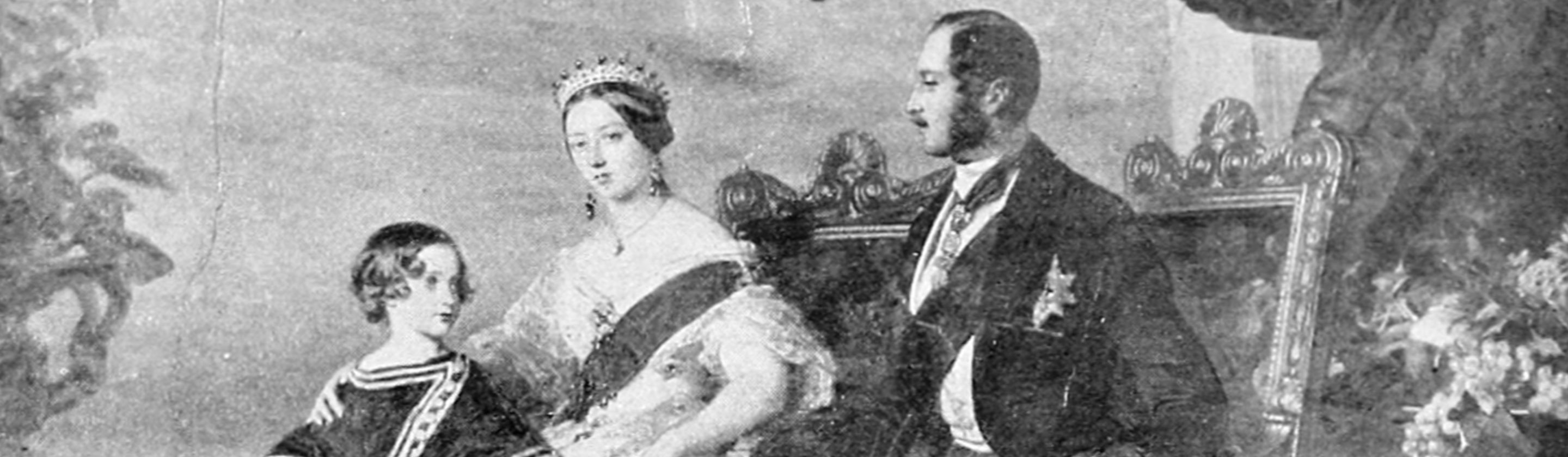
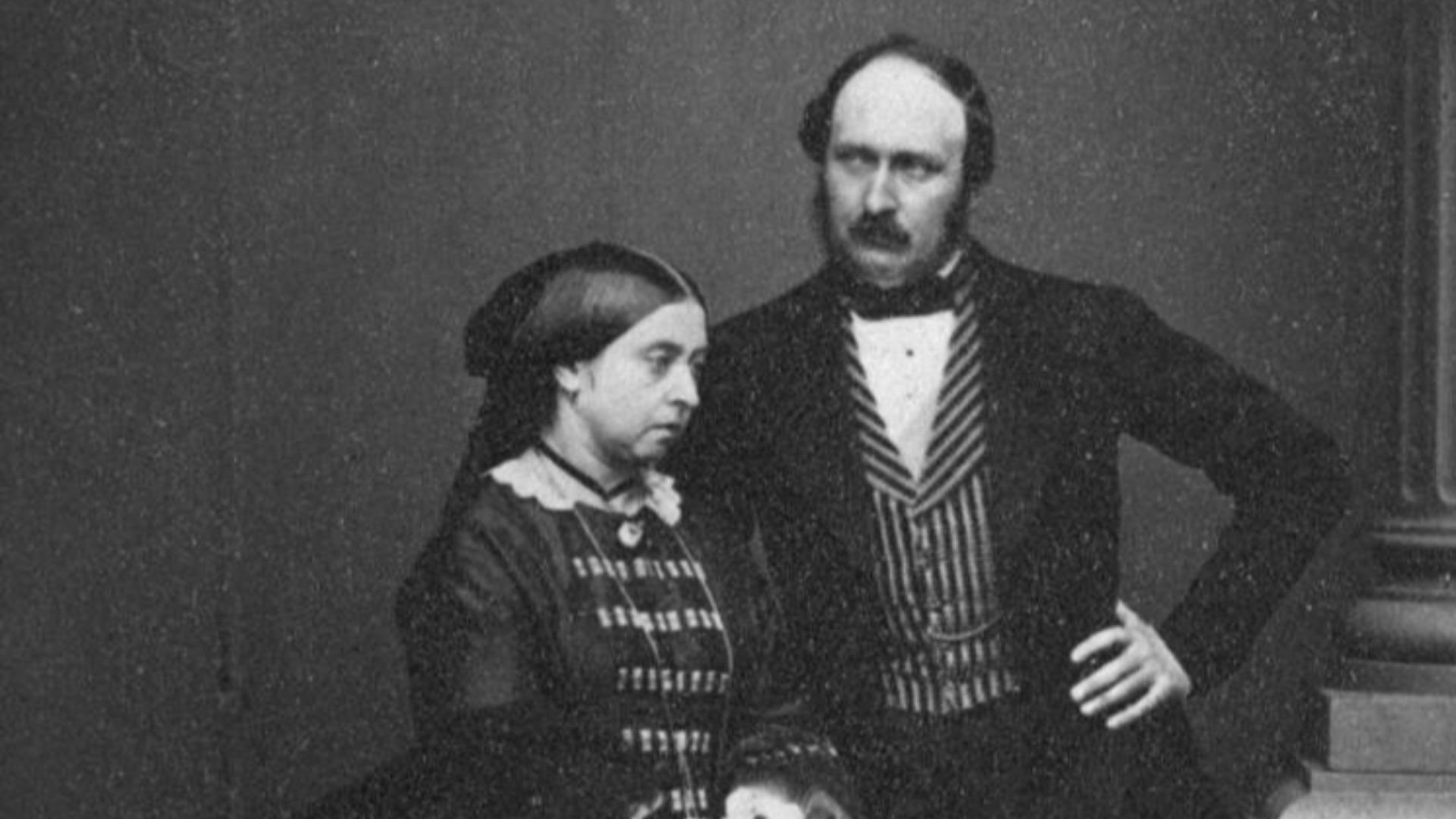
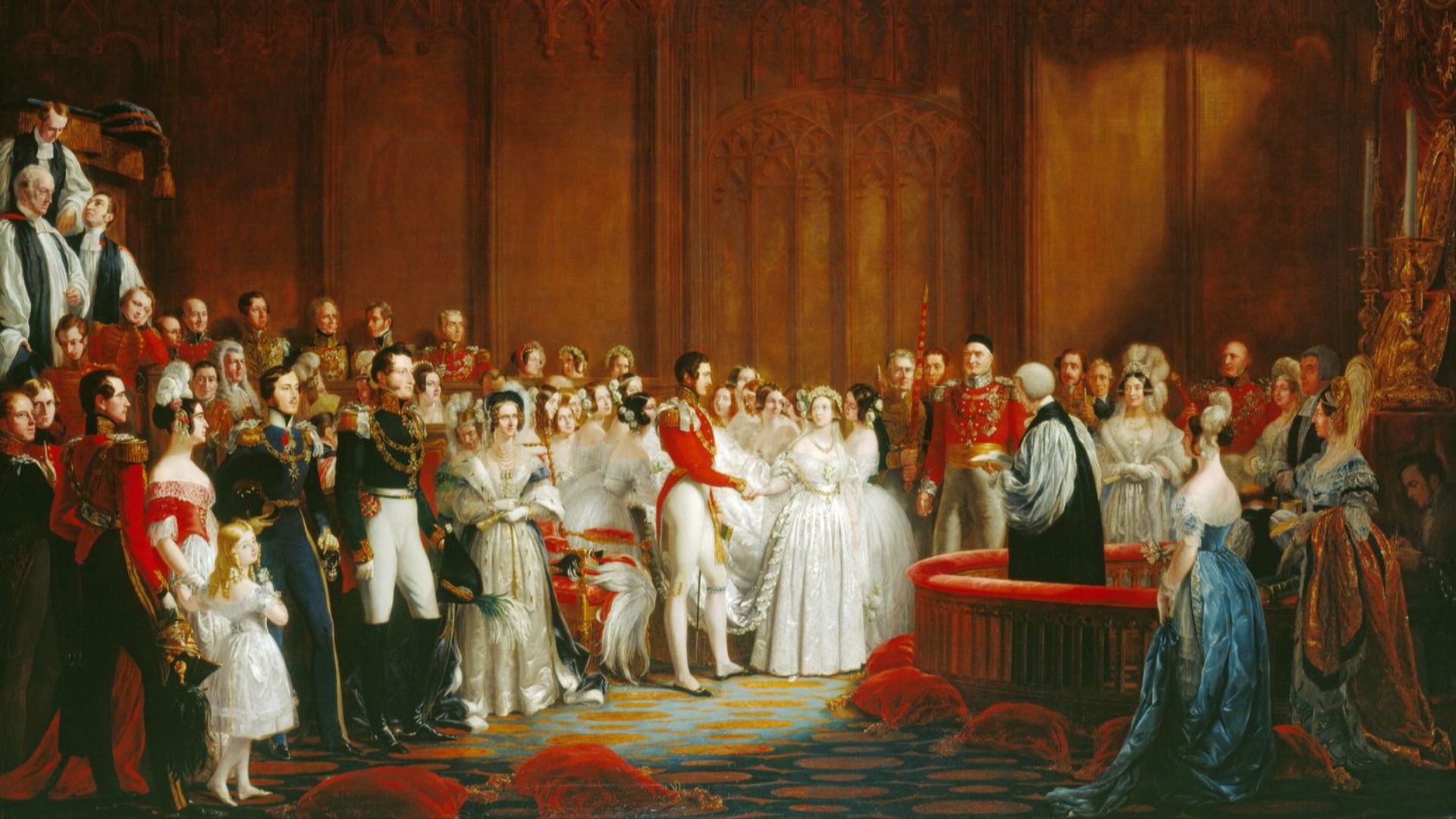
8. Queen Victoria And Prince Albert
Victoria and Albert are often remembered as the unusually devoted royal couple, which can make people forget they were first cousins. Their marriage became a model of domestic monarchy, but it also helped reinforce how normal cousin marriage still seemed among nineteenth-century European royals.
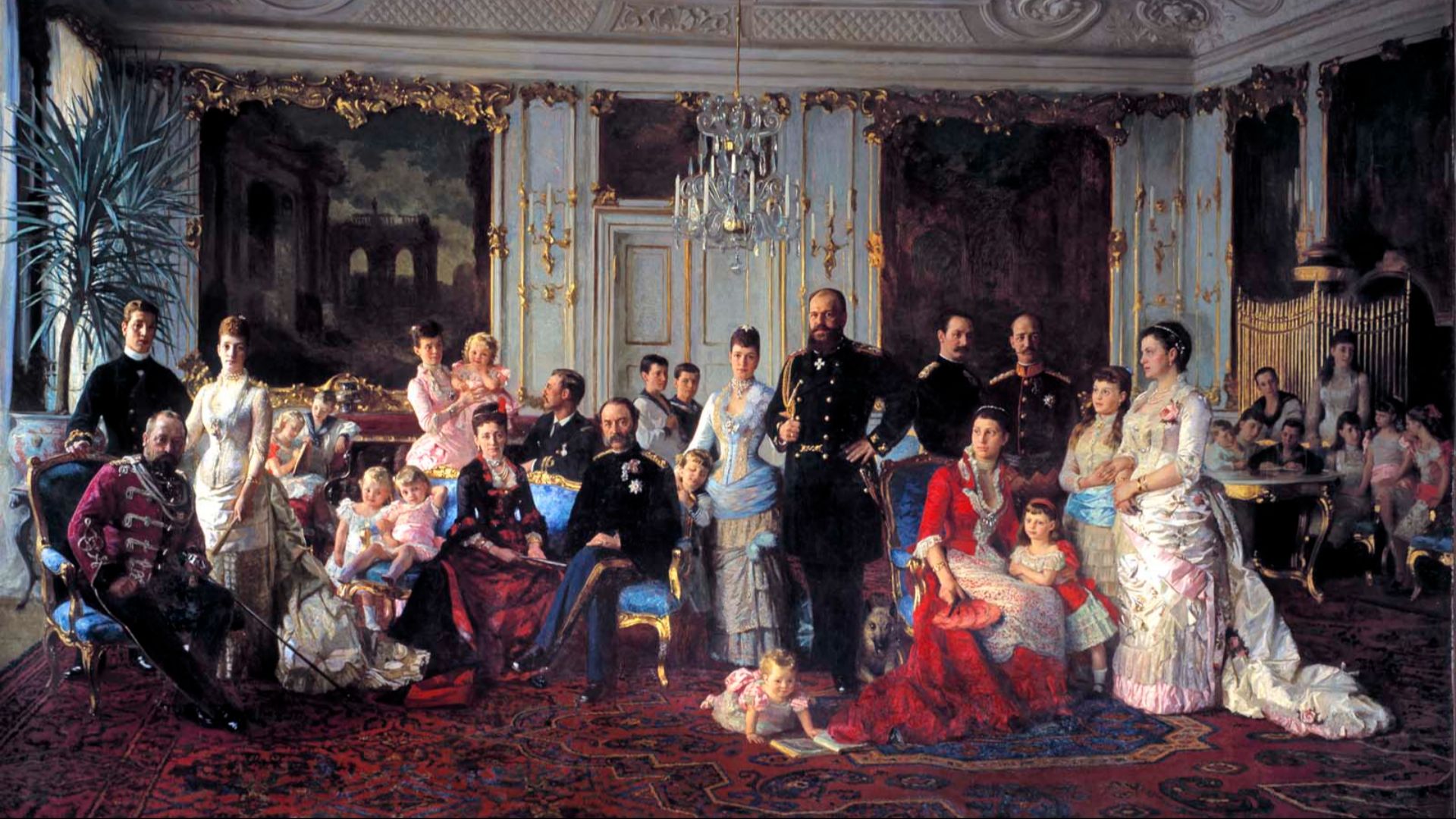
9. Christian IX Of Denmark And Louise Of Hesse-Kassel
Christian IX and Louise of Hesse-Kassel married as close relations in a dynastic landscape where Danish succession politics and family ties were hopelessly tangled together. The marriage was not just personal but strategic, combining claims, connections, and a very old instinct to keep legitimacy circulating within the same extended clan.
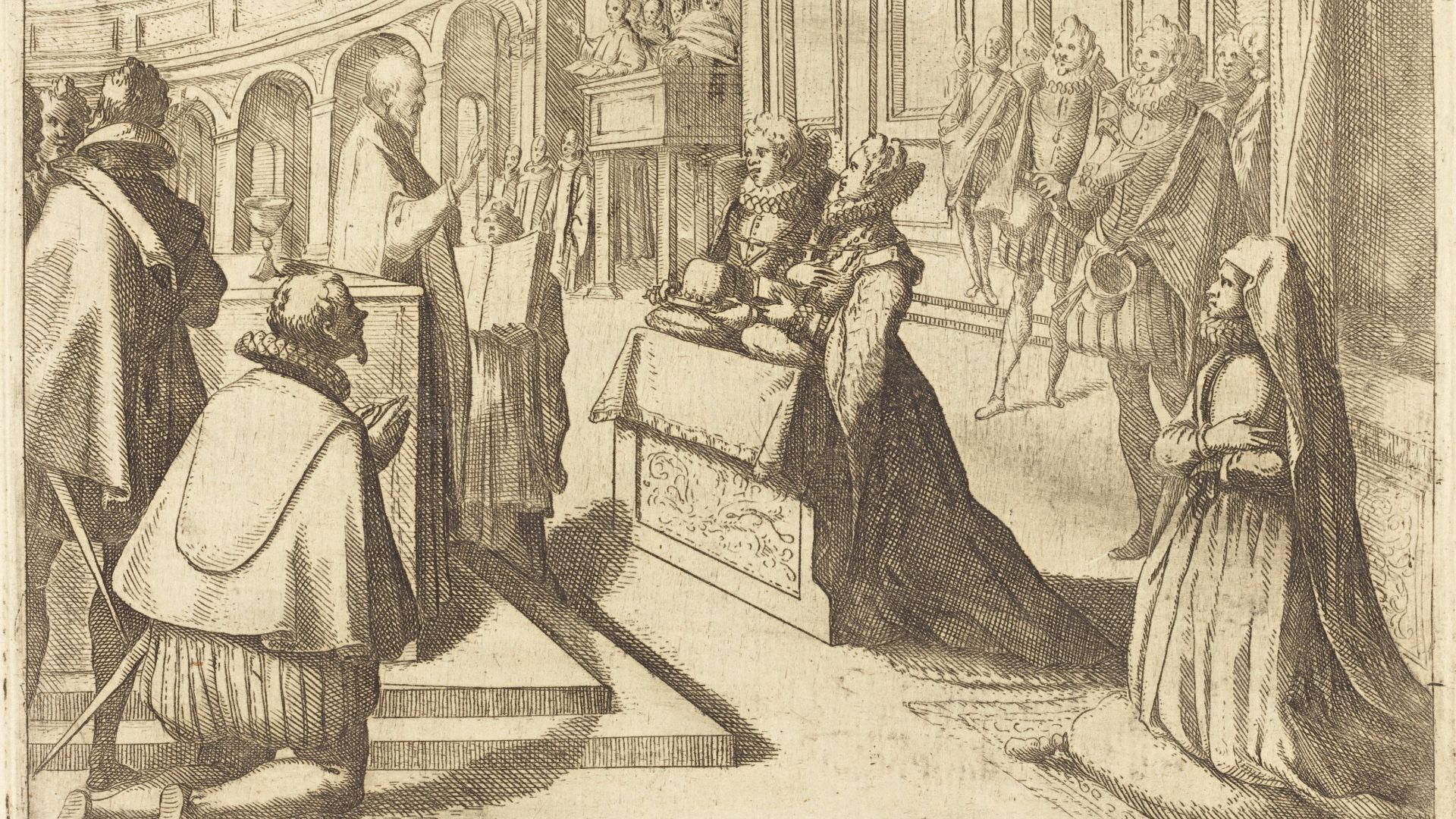
10. Philip III Of Spain And Margaret Of Austria
Philip III married Margaret of Austria, another Habsburg match that kept the dynasty folding back in on itself. The family was so committed to preserving influence through marital repetition that a union like this barely counted as dramatic by court standards, which is saying a lot.
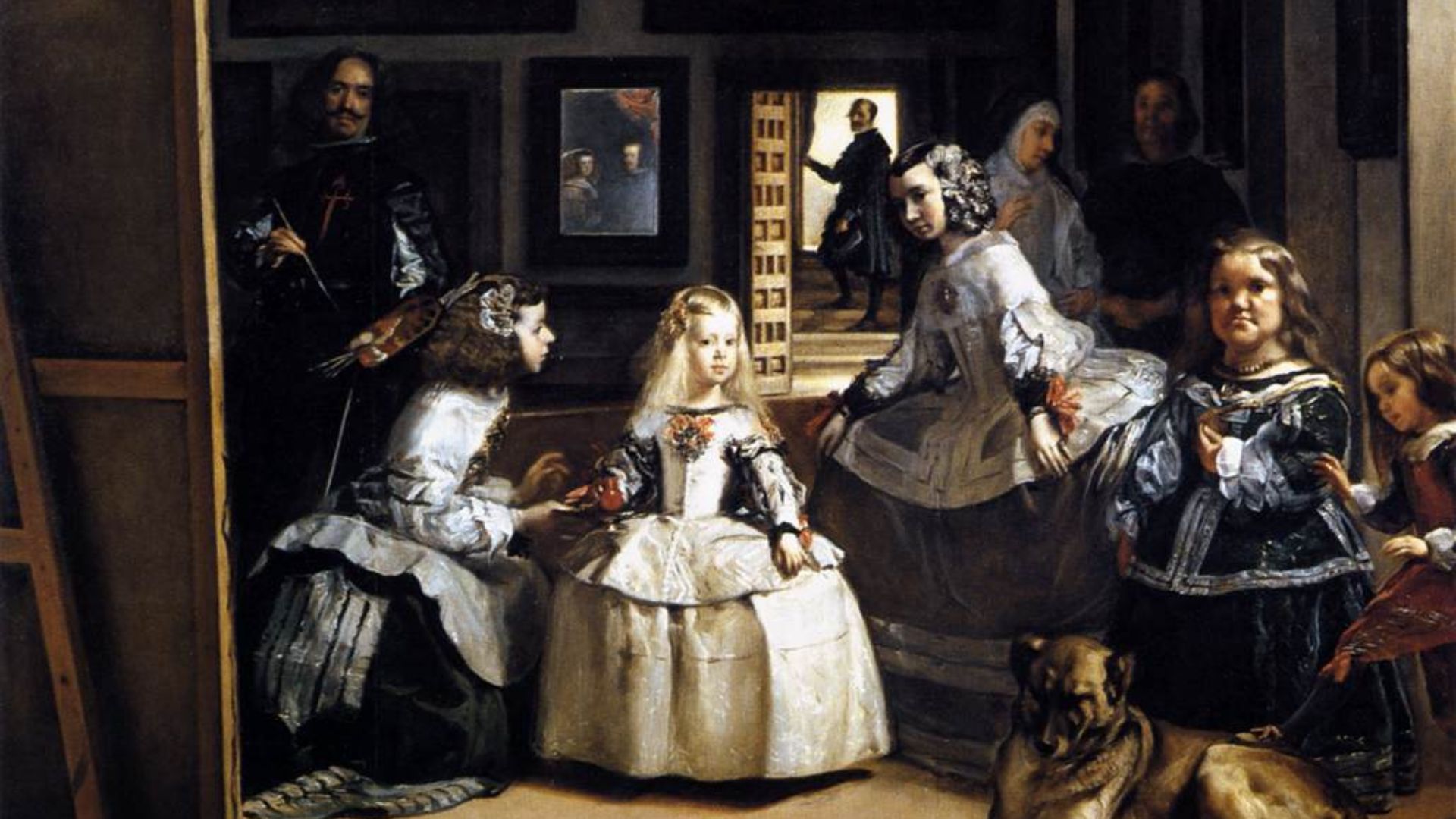
11. Philip IV Of Spain And Mariana Of Austria
Philip IV went even further and married Mariana of Austria, his own niece, after an earlier marriage plan collapsed. This is one of those cases where royal politics stopped merely narrowing the field and started marching straight past modern comfort into something that feels alarmingly engineered.
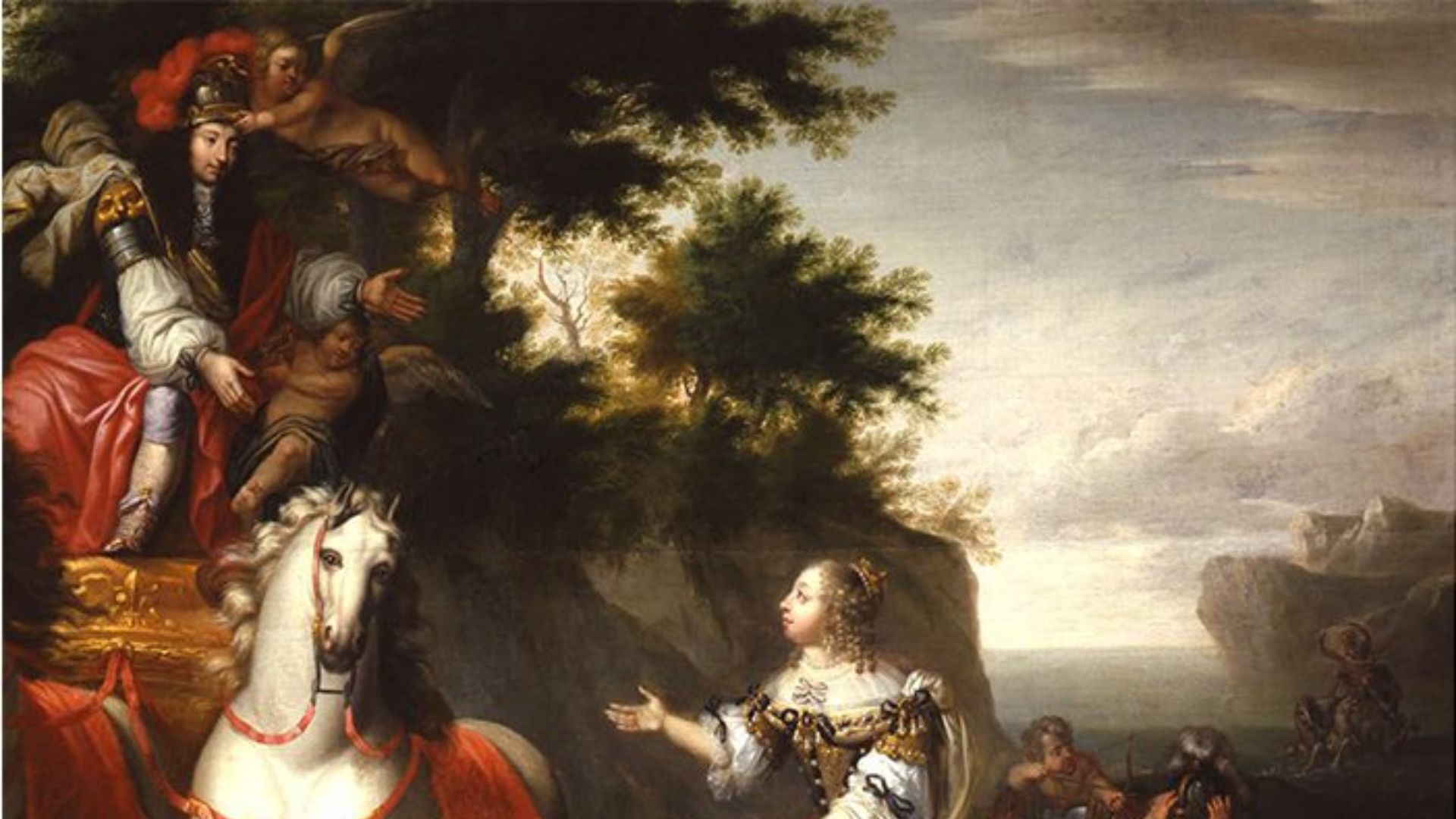
12. Louis XIV And Maria Theresa Of Spain
Louis XIV married Maria Theresa of Spain to help seal the Peace of the Pyrenees, and the match joined two people who were already very closely related. Royal propaganda loved to present this kind of wedding as a triumph of statecraft, though from a distance it often looks like Europe trying to solve continental conflict with the same handful of relatives.
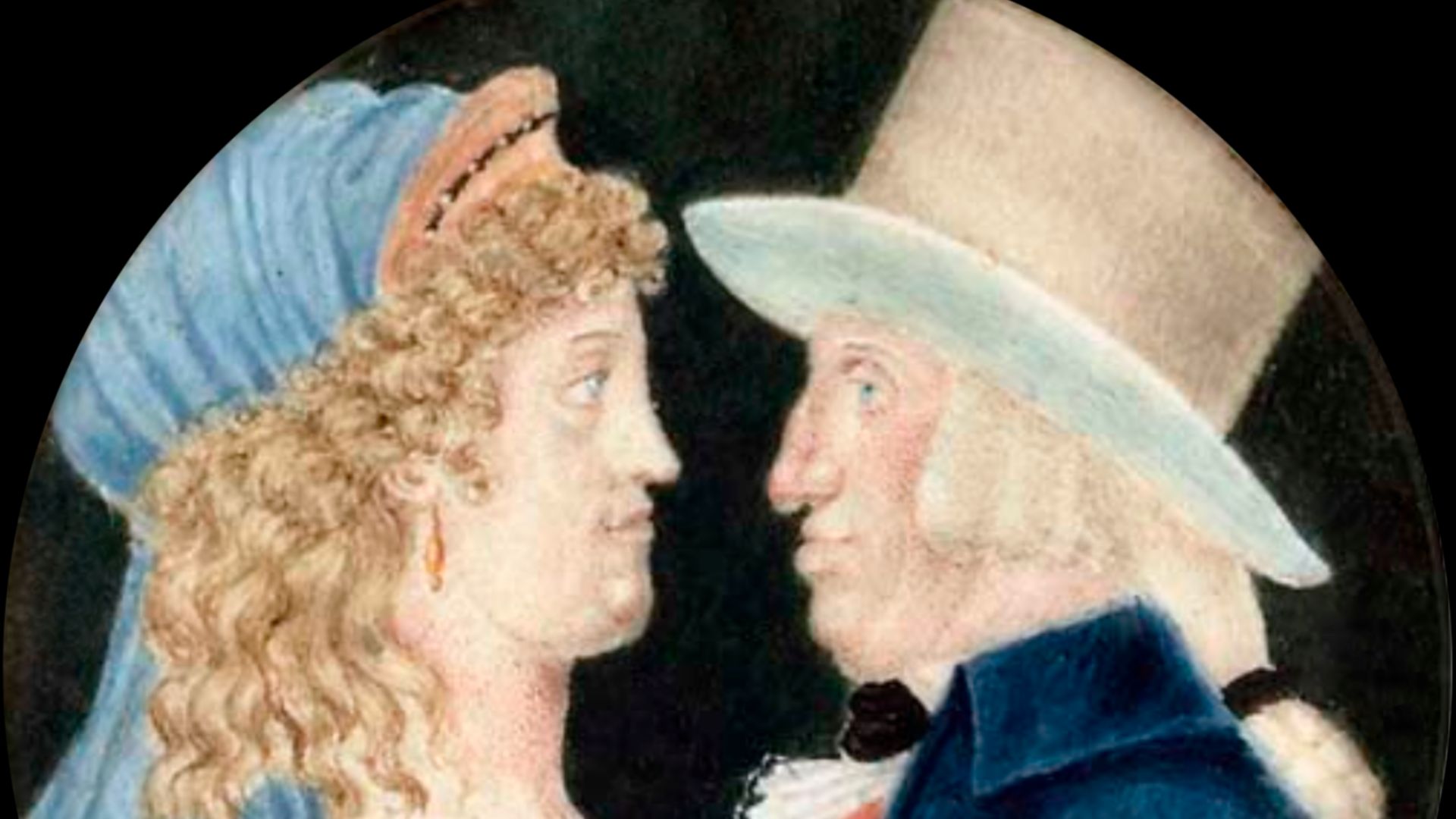
13. Ferdinand I Of The Two Sicilies And Maria Carolina Of Austria
Ferdinand I and Maria Carolina of Austria were another classic eighteenth-century cousin match, with politics, inheritance, and familiar bloodlines all bundled together in one ceremony. Their marriage shows how often royal houses treated the idea of marrying out almost like a failure of nerve.
 Attributed to Domenico de Costanzo on Wikimedia
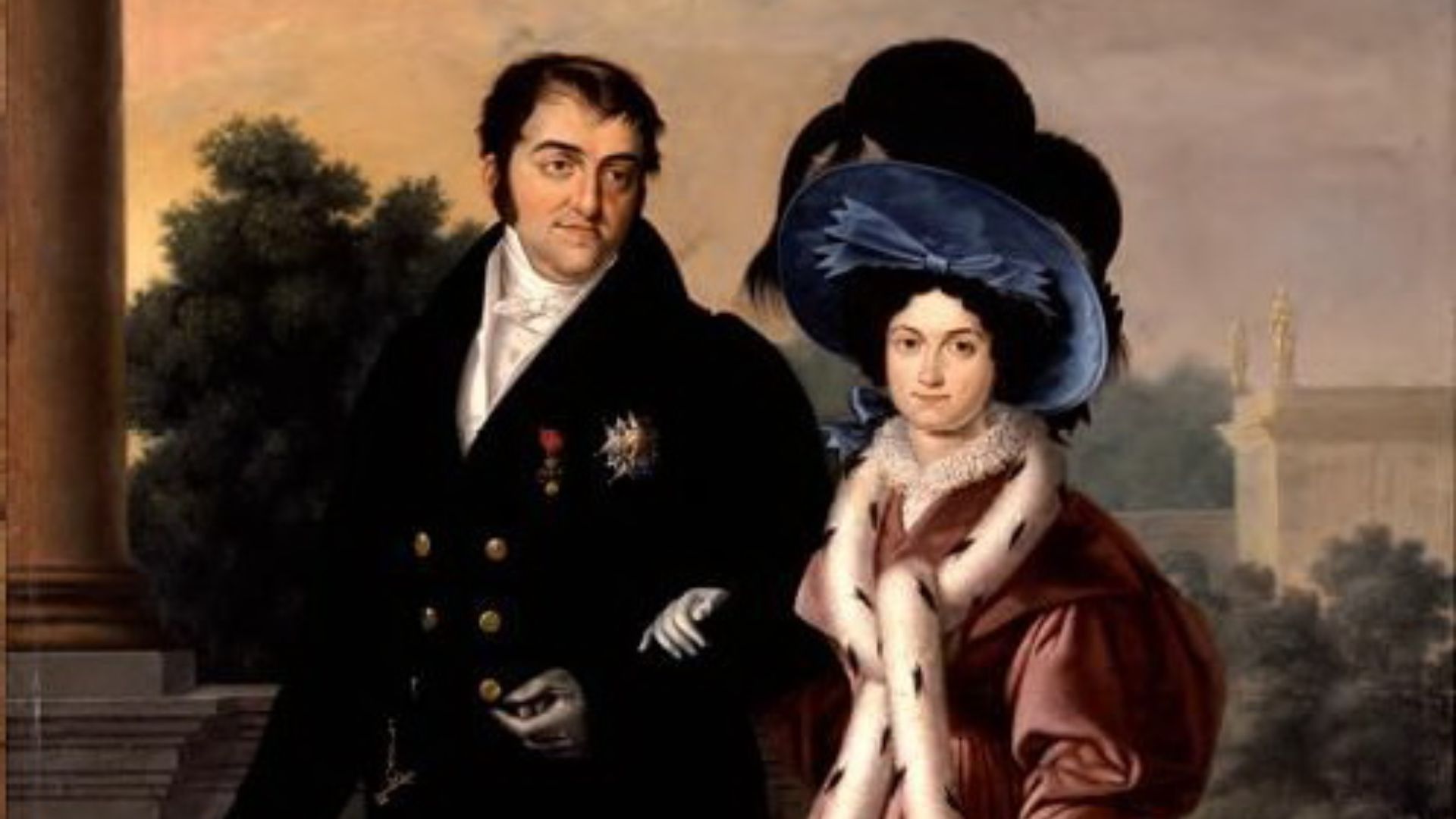
14. Ferdinand VII Of Spain And Maria Christina
When Ferdinand VII married Maria Christina, he married his niece, because apparently Bourbon and Habsburg-influenced courts never saw a cramped family circle they could not make smaller. The marriage mattered enormously for succession, too, which meant the personal awkwardness came packaged with national consequences.
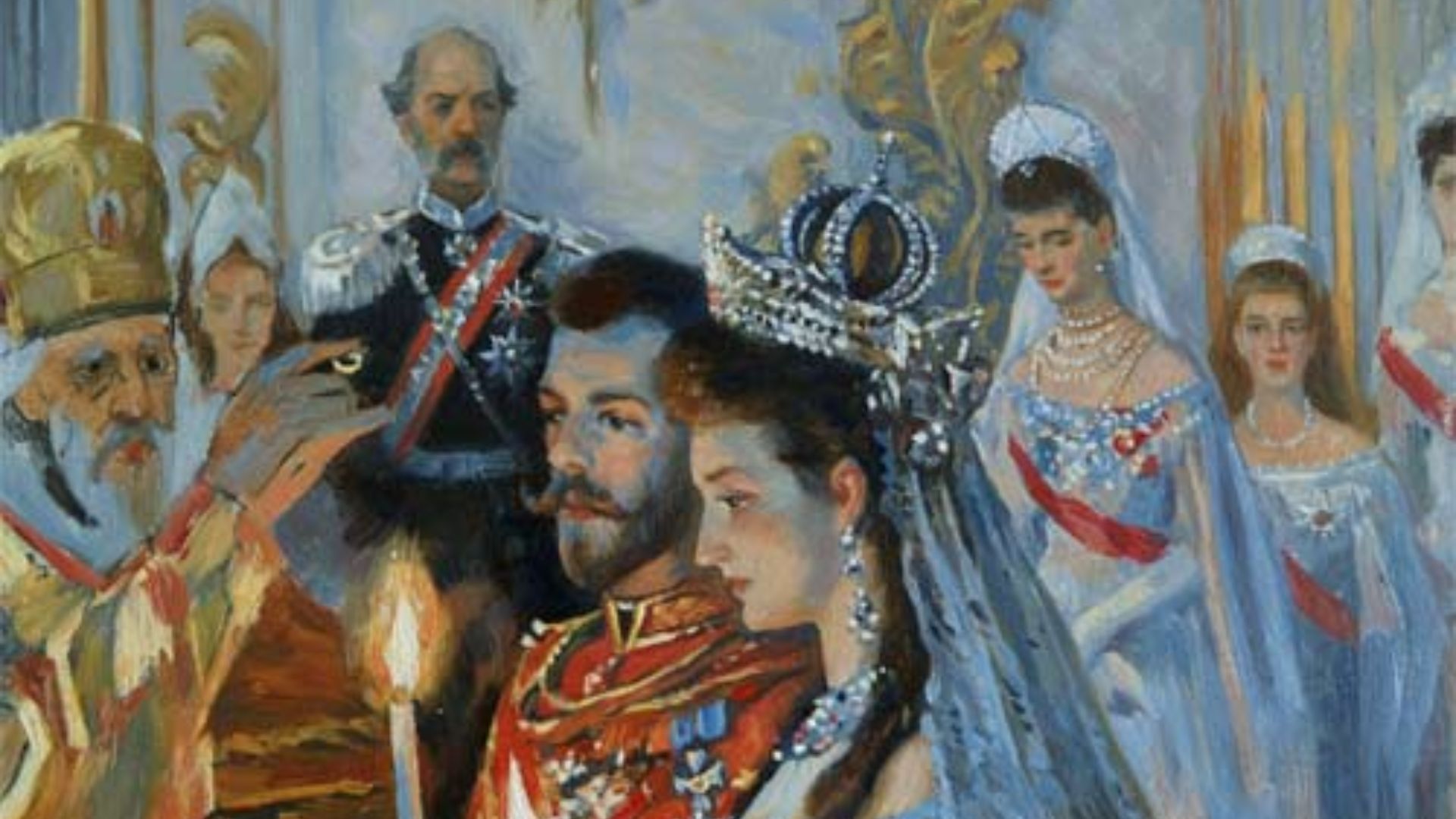
15. Nicholas II And Alexandra Feodorovna
Nicholas II and Alexandra Feodorovna were related through the dense mesh of European royalty, the same interlocking network that made late-imperial weddings feel less like new alliances than internal reshufflings. By then so many royal houses were entwined that family gatherings and geopolitics had begun to share an uncomfortable amount of overlap.
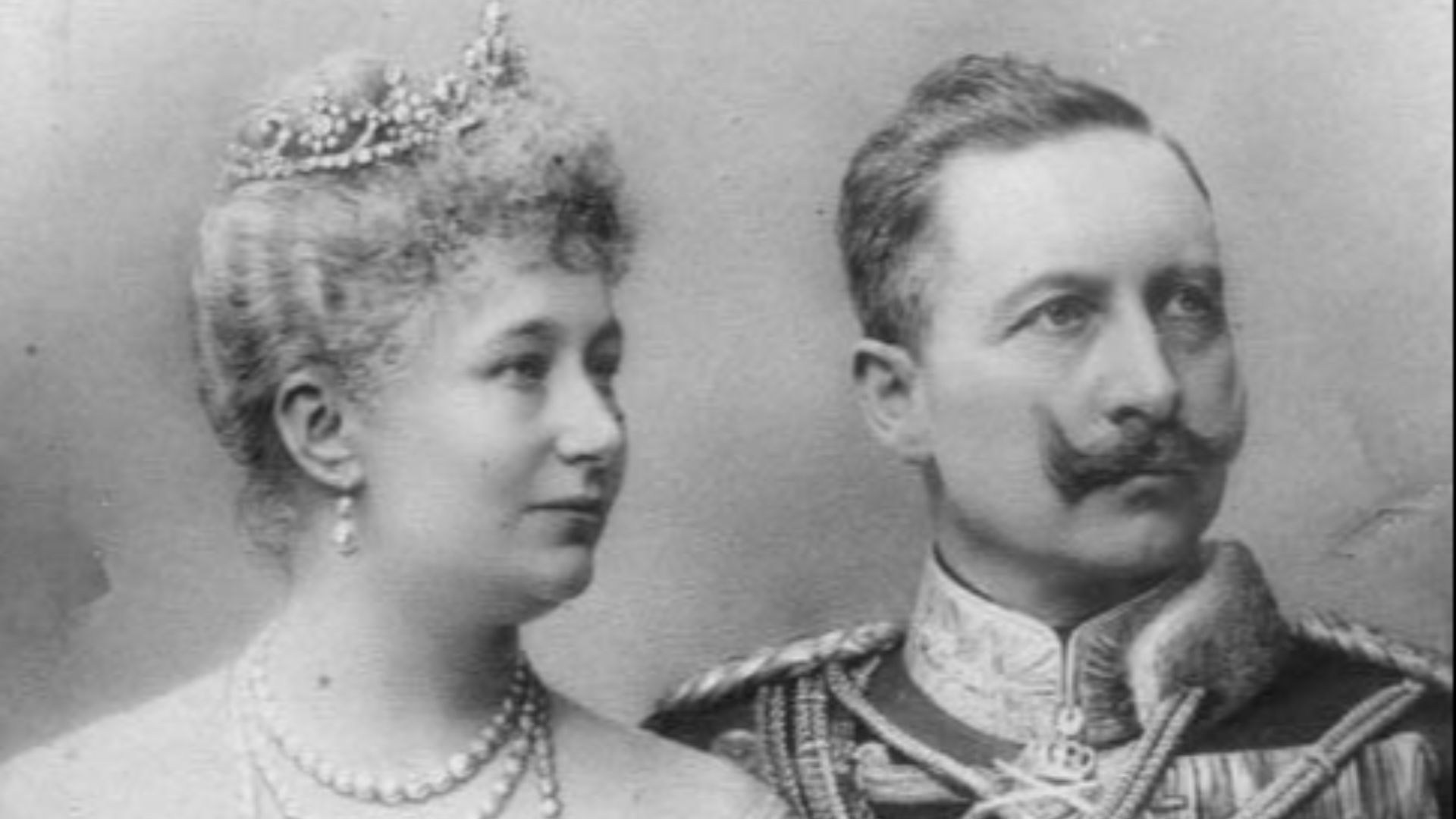
16. Wilhelm II And Augusta Victoria
Wilhelm II’s marriage to Augusta Victoria also fit neatly into that same cousin-heavy European royal system. Once you spend enough time around these lineages, what first looks exceptional starts feeling like the default language of monarchy:
inherit, negotiate, and marry somebody already in the file.
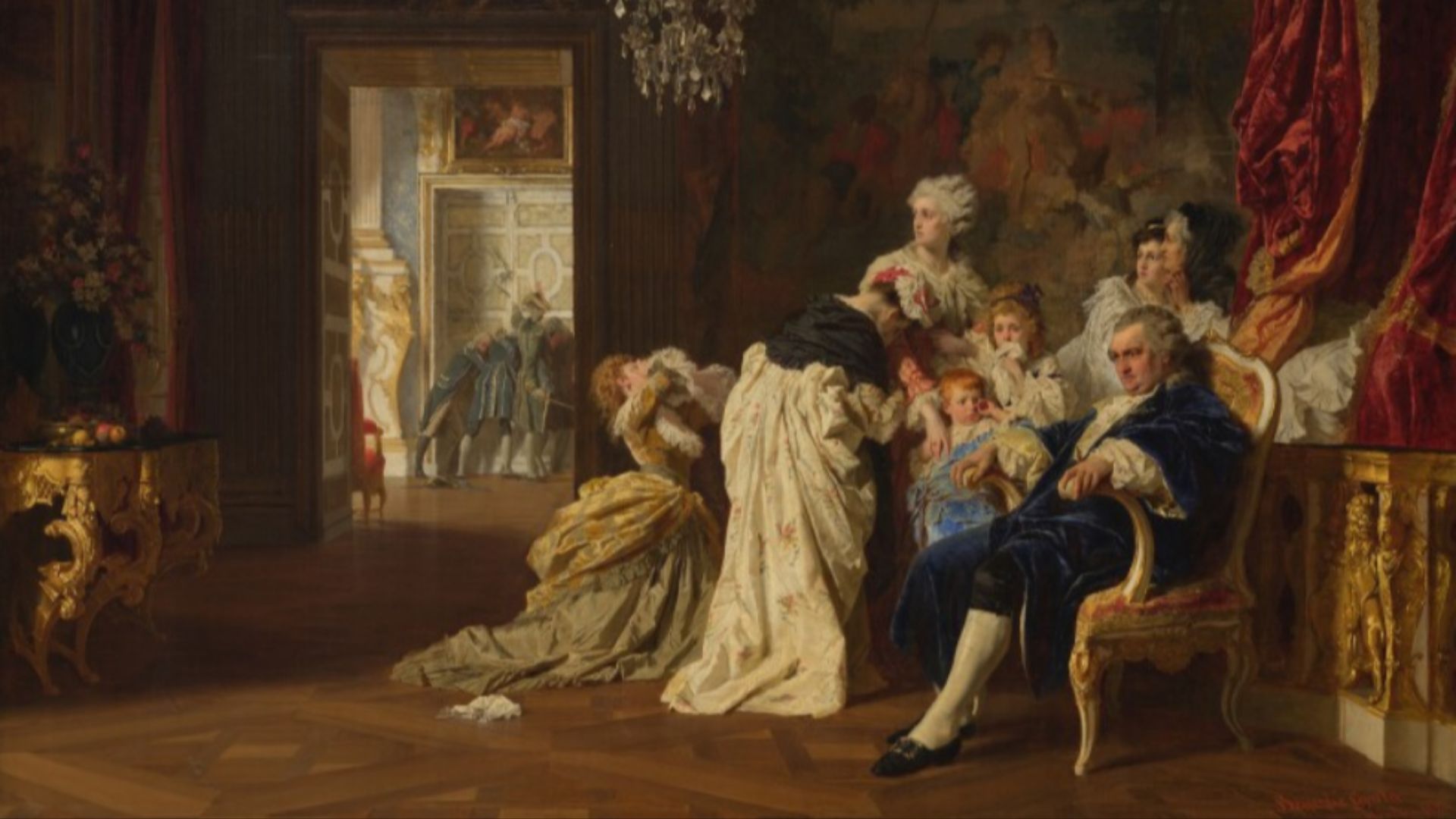
17. Louis XVI And Marie Antoinette
Louis XVI and Marie Antoinette are usually framed as a diplomatic Bourbon-Habsburg match, which they were, but they also belonged to the same deeply interrelated ruling world. Even the marriages remembered for wigs, scandal, and revolution were still built on the older assumption that royal blood should circulate within a very exclusive orbit.
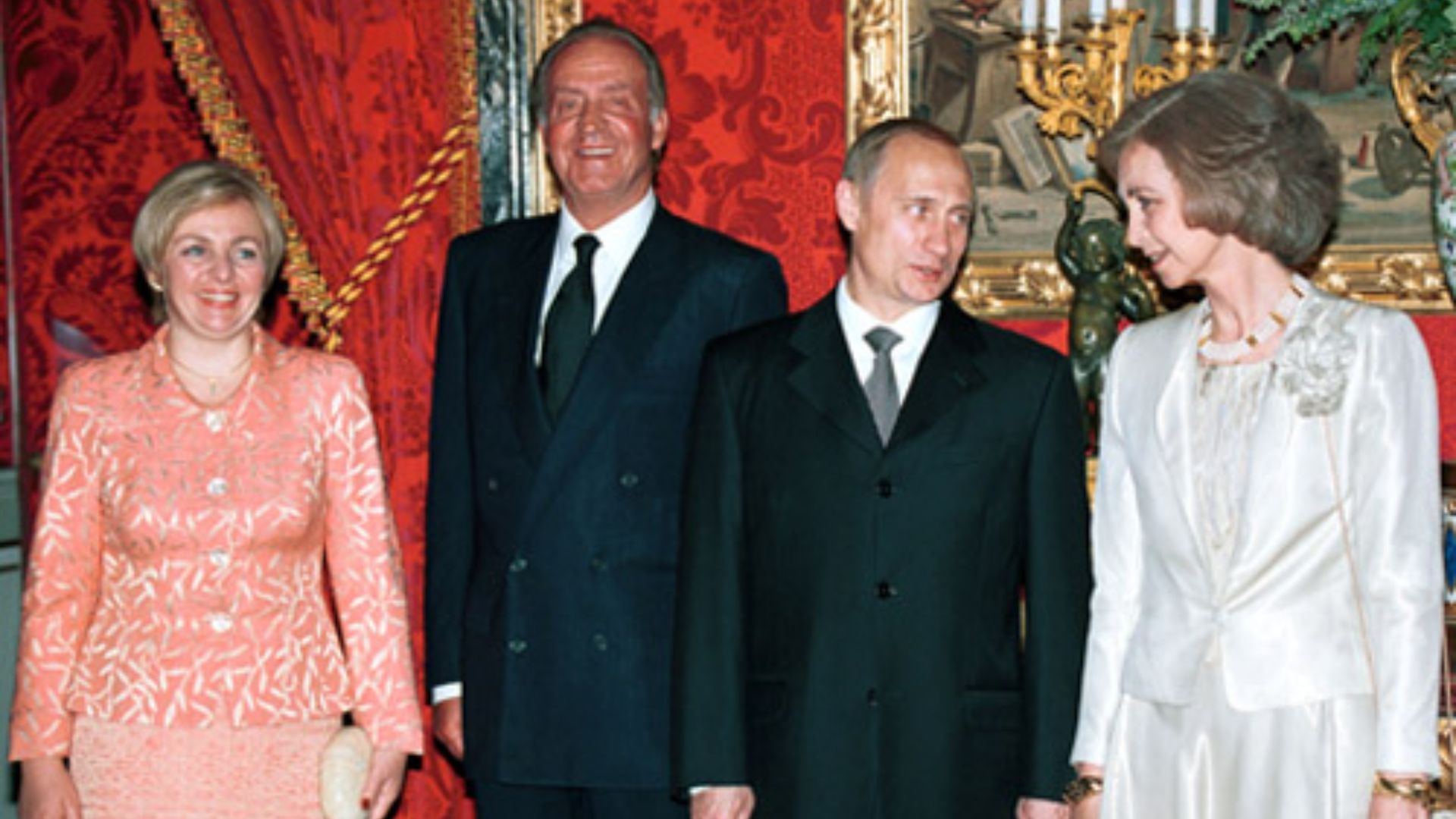
18. Juan Carlos I And Sofía
Juan Carlos and Sofía looked, on the surface, like a thoroughly modern twentieth-century royal couple, yet they too were linked through Europe’s familiar dynastic web. That is part of what makes royal genealogy so strange: the clothes get modern, the weddings get televised, and the bloodlines remain stubbornly old-fashioned.
 Presidential Press and Information Office on Wikimedia
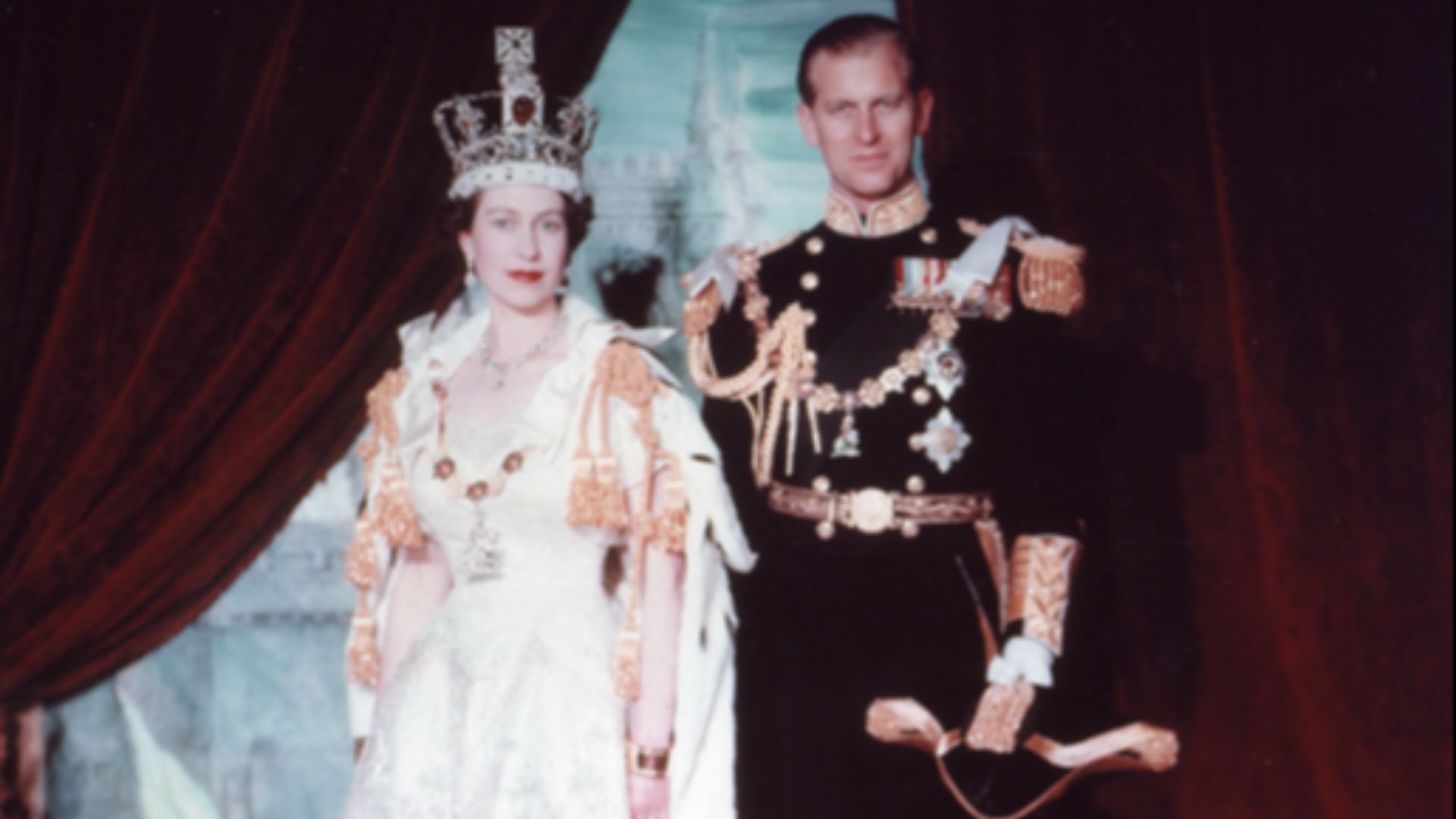
19. Queen Elizabeth II And Prince Philip
Elizabeth II and Prince Philip were related through Queen Victoria and also through the Danish royal line, which is a very efficient way for royalty to be cousins twice over. Their marriage feels recent enough to seem ordinary, but it still carried the long European habit of royal families circulating among one another for generations.
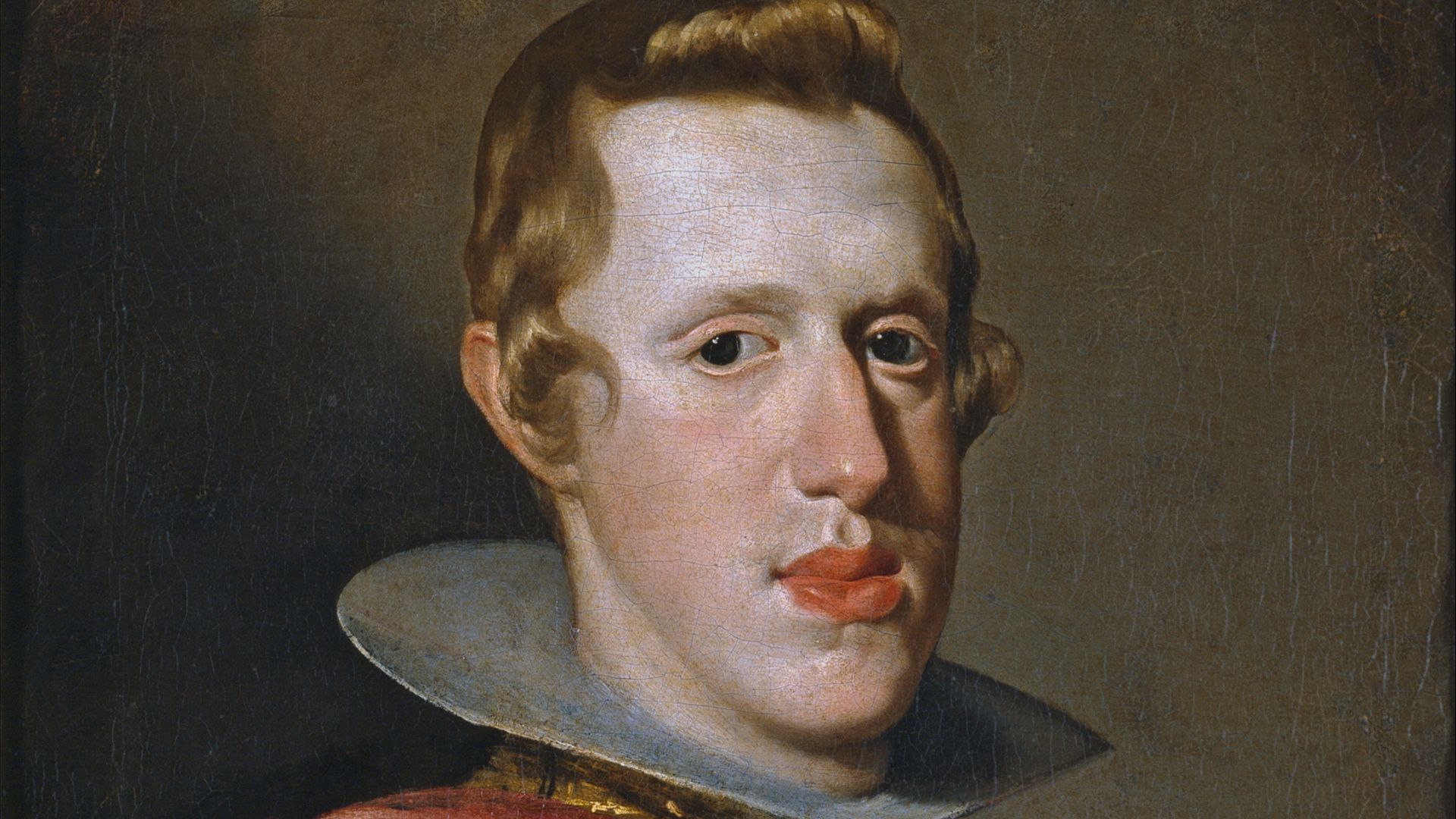
20. Charles II Of Spain’s Parents As The Warning Label
If there is a grim final chapter hanging over all of this, it is the marriage of Philip IV and Mariana of Austria and the birth of Charles II, whose health and inheritance problems became the cautionary tale royal Europe could no longer ignore.
At a certain point dynastic strategy stopped looking like clever consolidation and started looking like a biological bill coming due.


KEEP ON READING
10 Explorers Who Changed Maps Forever & 10 Who Never…
The Triumphs and Tragedies of Exploration. Exploration has always shaped…
By Rob Shapiro Apr 9, 2026
The War Fought Over a Bucket
Zairon on WikimediaIn November 1325, a group of Modenese soldiers…
By Cameron Dick Apr 9, 2026
The 20 Most Common Names You Hear Repeatedly In History…
Names Rich With History. Remembering dates and places throughout history…
By Cathy Liu Apr 9, 2026
10 Book Bans That Backfired & 10 That Worked
When Censorship Misfires. Book bans get talked about as if…
By Cameron Dick Apr 8, 2026
20 Times in History Fashion Trends Were Genuinely Dangerous
Looking Stylish Hasn't Always Been a Safe Hobby. Fashion has…
By Emilie Richardson-Dupuis Apr 8, 2026
20 Historical Figures Who Were More Dangerous Than They Seemed
Power Hidden Behind a Calm Face. History is full of…
By Annie Byrd Apr 8, 2026