Clever Women Always Win
History isn't short on powerful men, armies, kings, and political factions that assumed they knew exactly how things would turn out. Yet plenty of women managed to survive hostile courts, defeat political rivals, protect their people, or simply stay one step ahead when the odds looked terrible. Some relied on diplomacy, others used intelligence networks, strategic marriages, careful timing, or a very well-placed alliance.
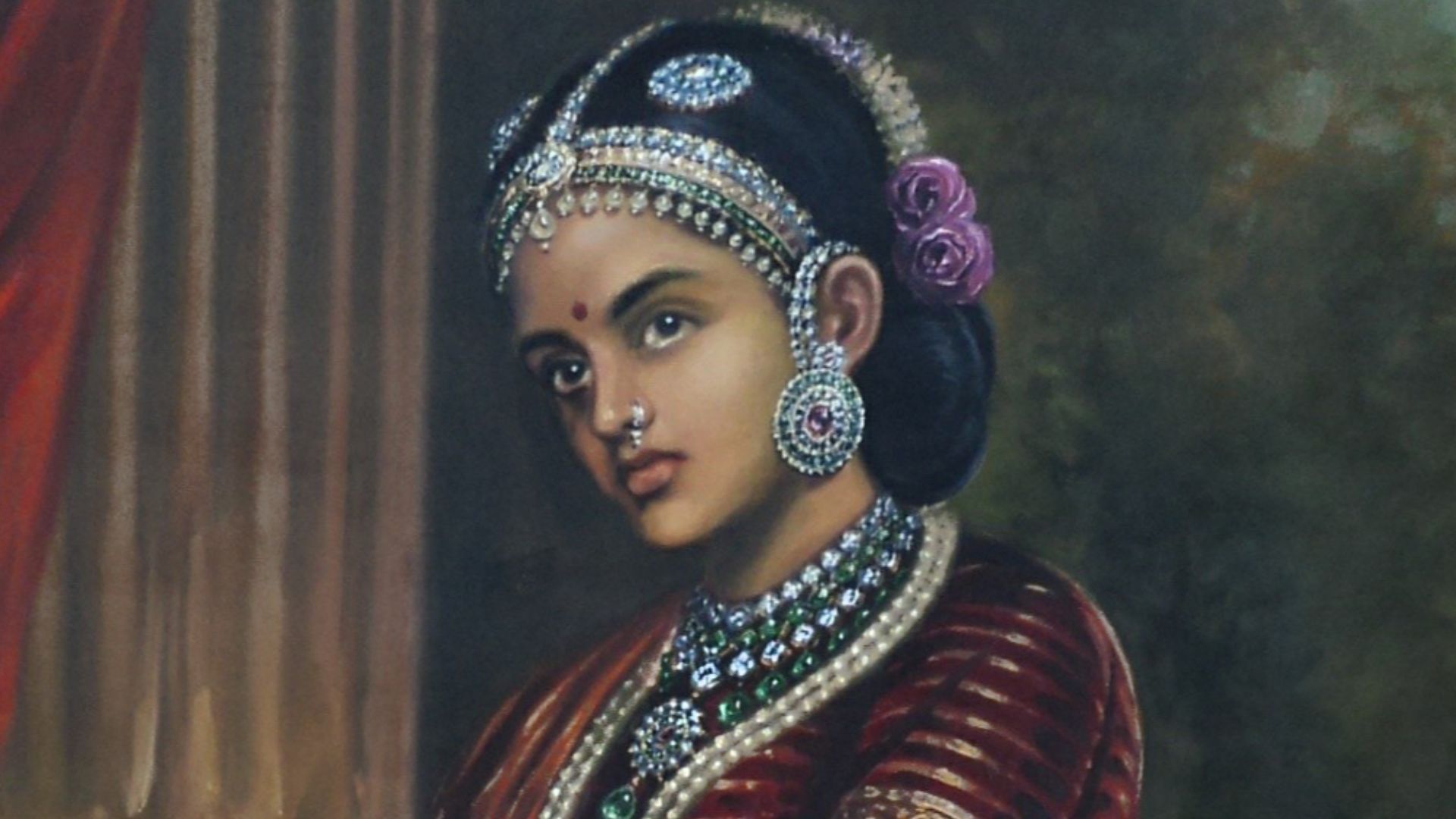
1. Cleopatra Used Diplomacy to Protect Her Throne
Cleopatra VII knew that being queen of Egypt required more than simply having a crown. She secured political alliances with Julius Caesar and Mark Antony, leveraging those connections to secure her position and keep Egypt independent for as long as possible. She also portrayed herself as a competent pharaoh who embraced Egyptian customs.
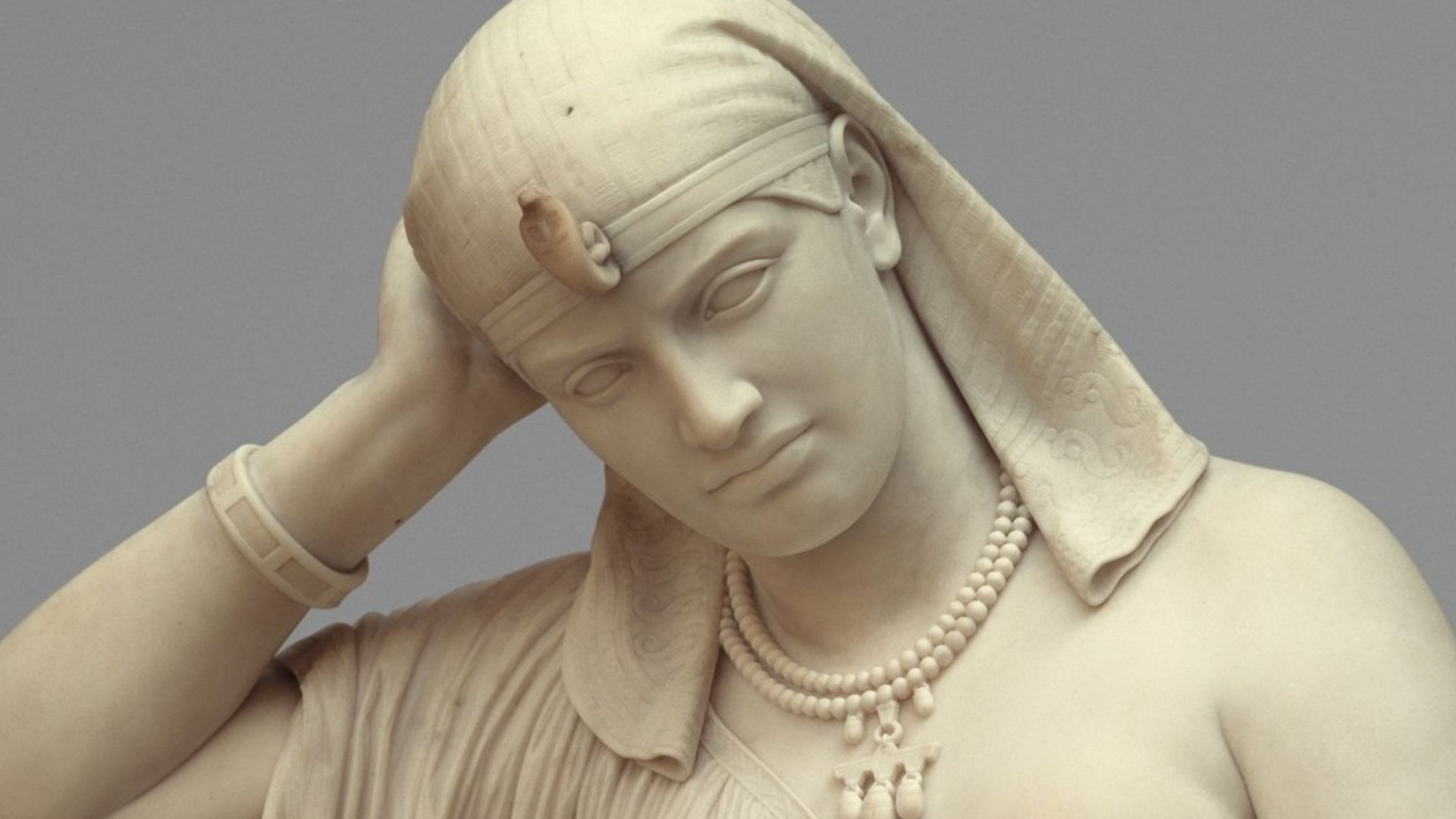 William Wetmore Story on Wikimedia
2. Hatshepsut Built Power Through Stability
Hatshepsut inherited a tricky political situation when she became Egypt’s ruler with a young stepson, Thutmose III, next in line. Instead of plunging the country into an obvious succession crisis, she slowly secured her role as pharaoh and crafted an image of legitimate authority. Her peaceful reign allowed her to focus on trade, impressive building projects, and economic development, which gave supporters few reasons to look for change.
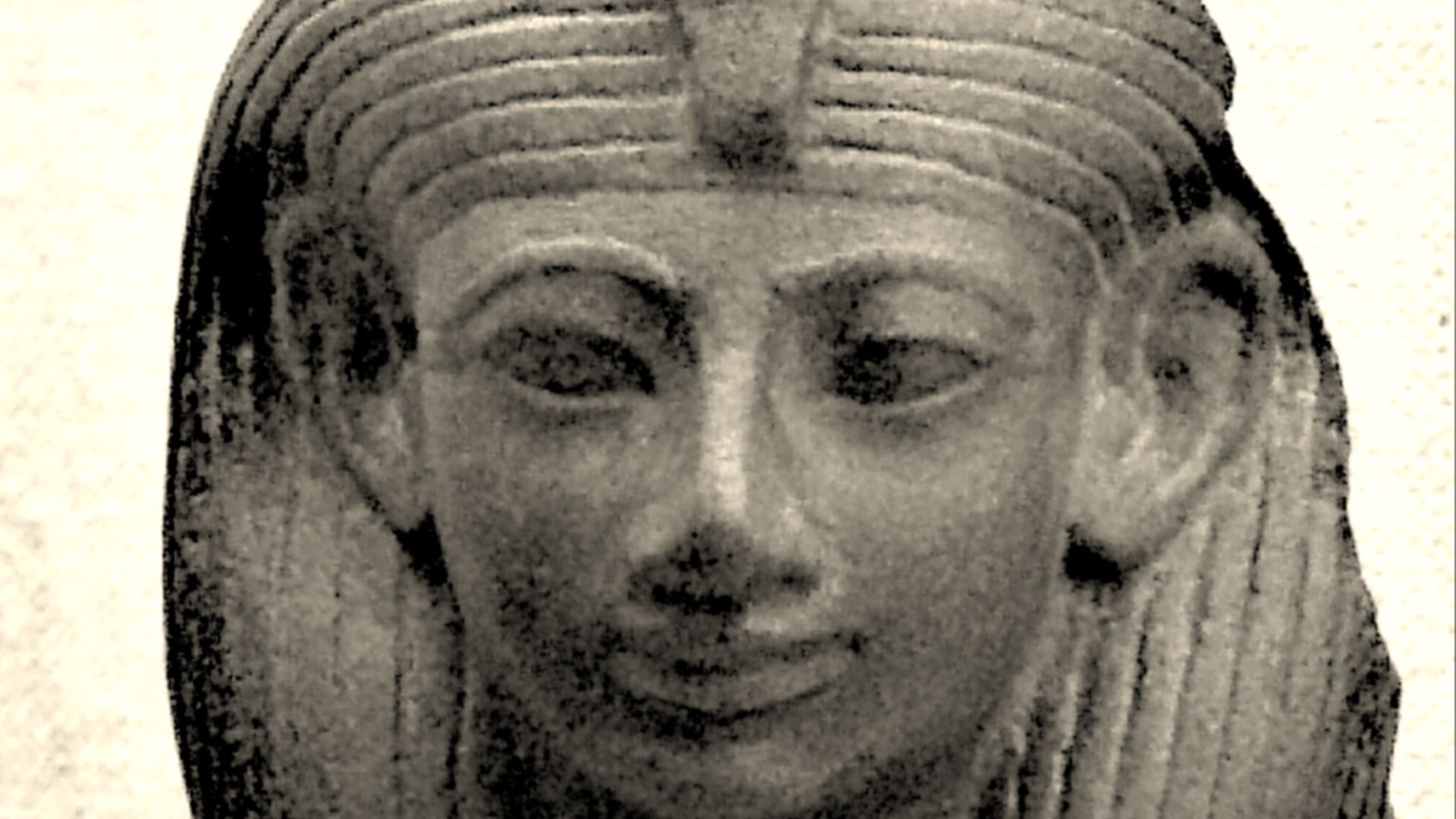 Keith Schengili-Roberts on Wikimedia
3. Wu Zetian Took Control of the Chinese Court
Empress Wu Zetian did not inherit the Chinese throne. Instead, she had to take what she wanted from the imperial court around her. Wu climbed her way up from a position in the imperial household to empress. She took power as emperor by removing threats and rivals when necessary.
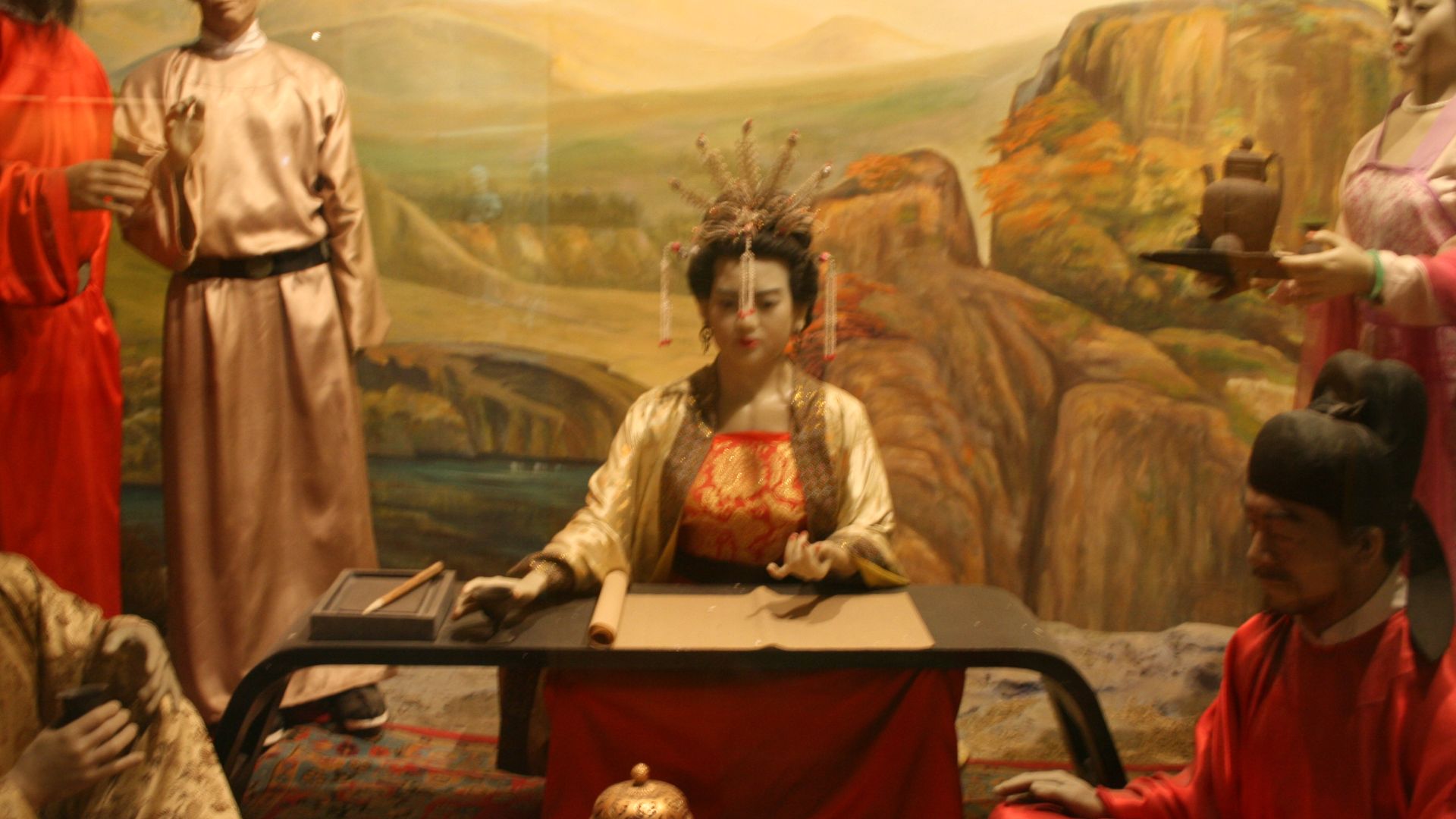
4. Elizabeth I Kept Her Rivals Guessing
When Elizabeth I took the throne of England, she inherited political factions, powerful neighbors seeking to take English territory, and religious tensions that threatened to tear her kingdom apart. Elizabeth often avoided picking a side early in political debates, which left her opponents and allies unsure of where she stood. She also made use of effective intelligence networks to have plots against her discovered.
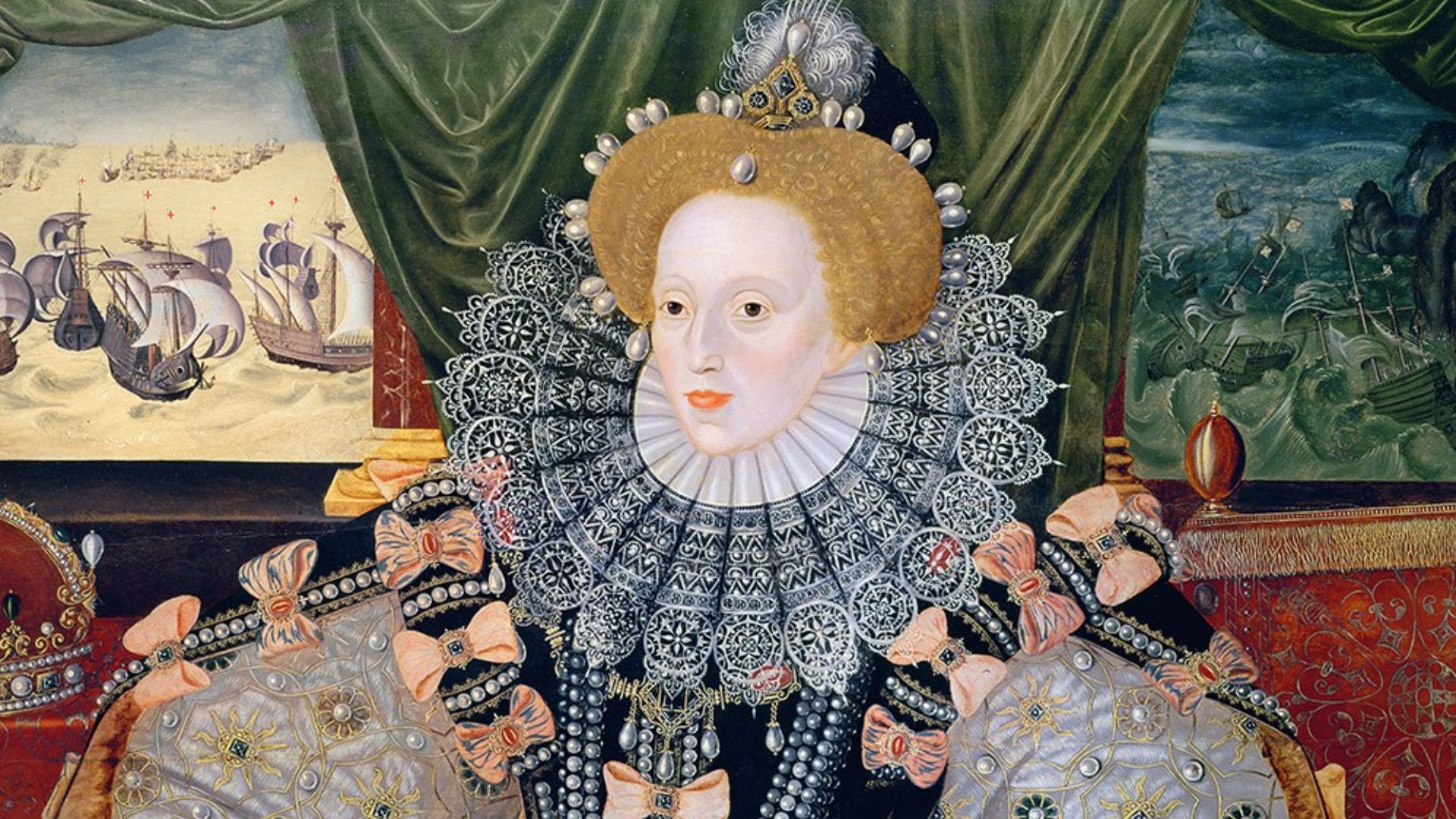 Formerly attributed to George Gower on Wikimedia
5. Catherine the Great Seized the Moment
If Catherine the Great hadn’t kept her political options open, she would have never become ruler of Russia. She wasn’t expected to become czar after her marriage to Peter III, but she cultivated contacts within the military and political leadership as her marriage fell apart. When an opportunity to stage a coup arose in 1762, Catherine acted fast.
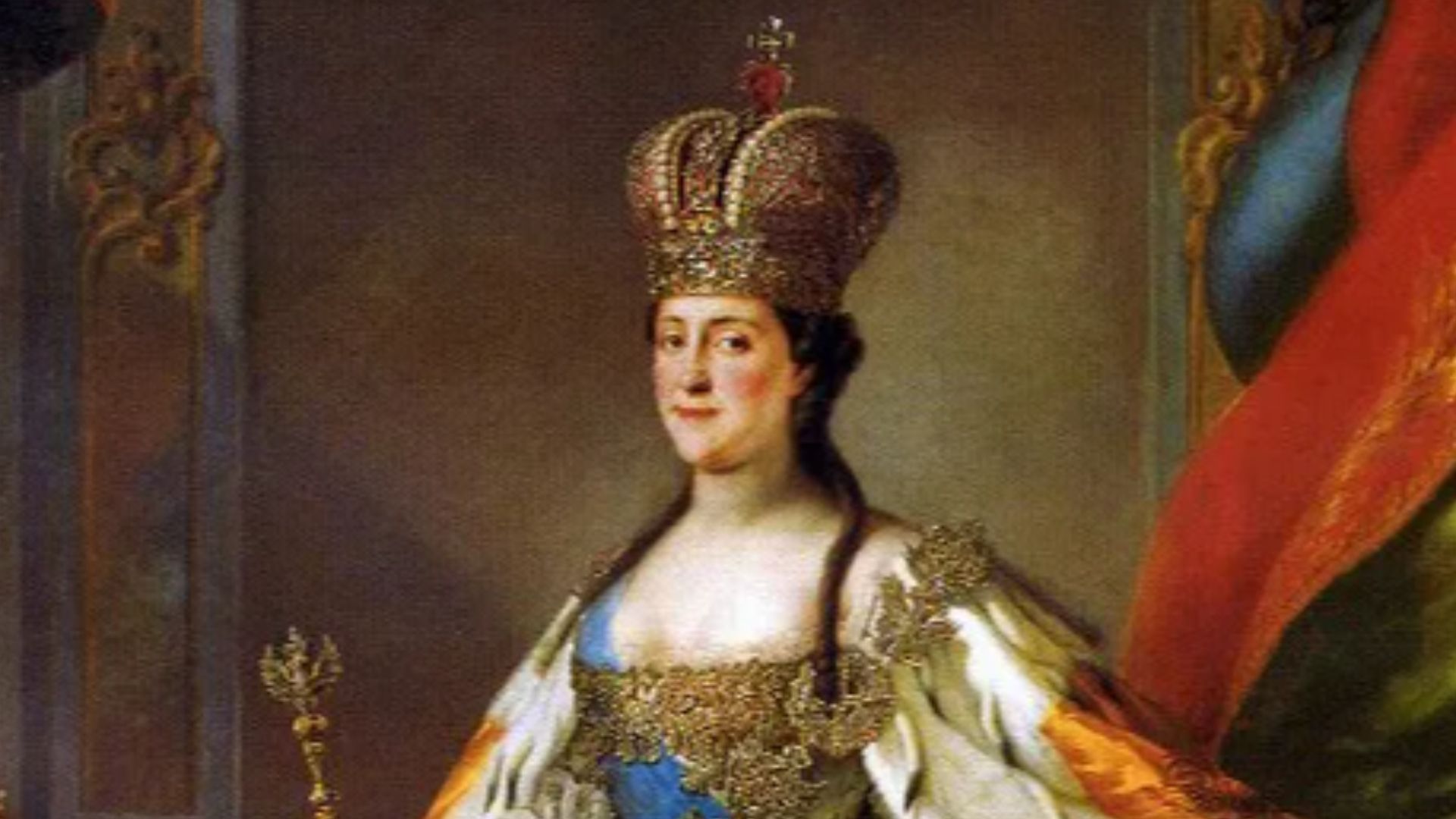
6. Eleanor of Aquitaine Played the Long Game
Eleanor of Aquitaine managed to survive several political regimes that would have broken most ruling families. Through strategic marriage, diplomacy, and the vast lands she inherited from her father, Eleanor remained politically active across two reigns as queen. Even after she was imprisoned for supporting her son in rebellion against her husband, Henry II, Eleanor maintained her political skill and stayed relevant.
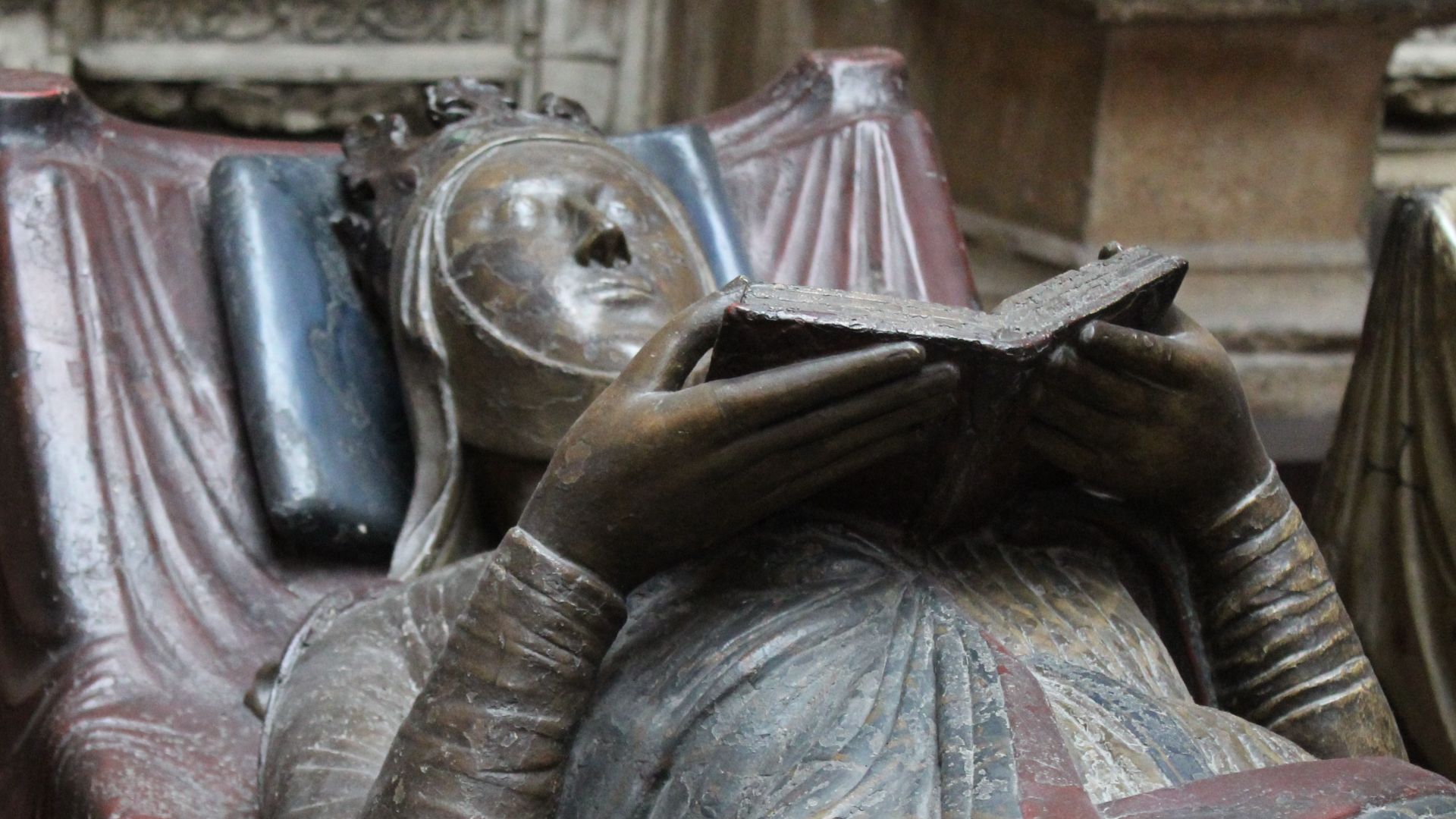
7. Queen Nzinga Negotiated With Colonial Powers
When Portuguese colonization began expanding in southern Central Africa, Nzinga of Ndongo and Matamba looked for ways to maintain sovereignty and political power. She used diplomacy, shifting allegiances, political strategy, and military tactics to stay in control. While Nzinga fought against the Portuguese and attempted to arrange treaties, she built a new power base in Matamba that gave her authority over a strong military.
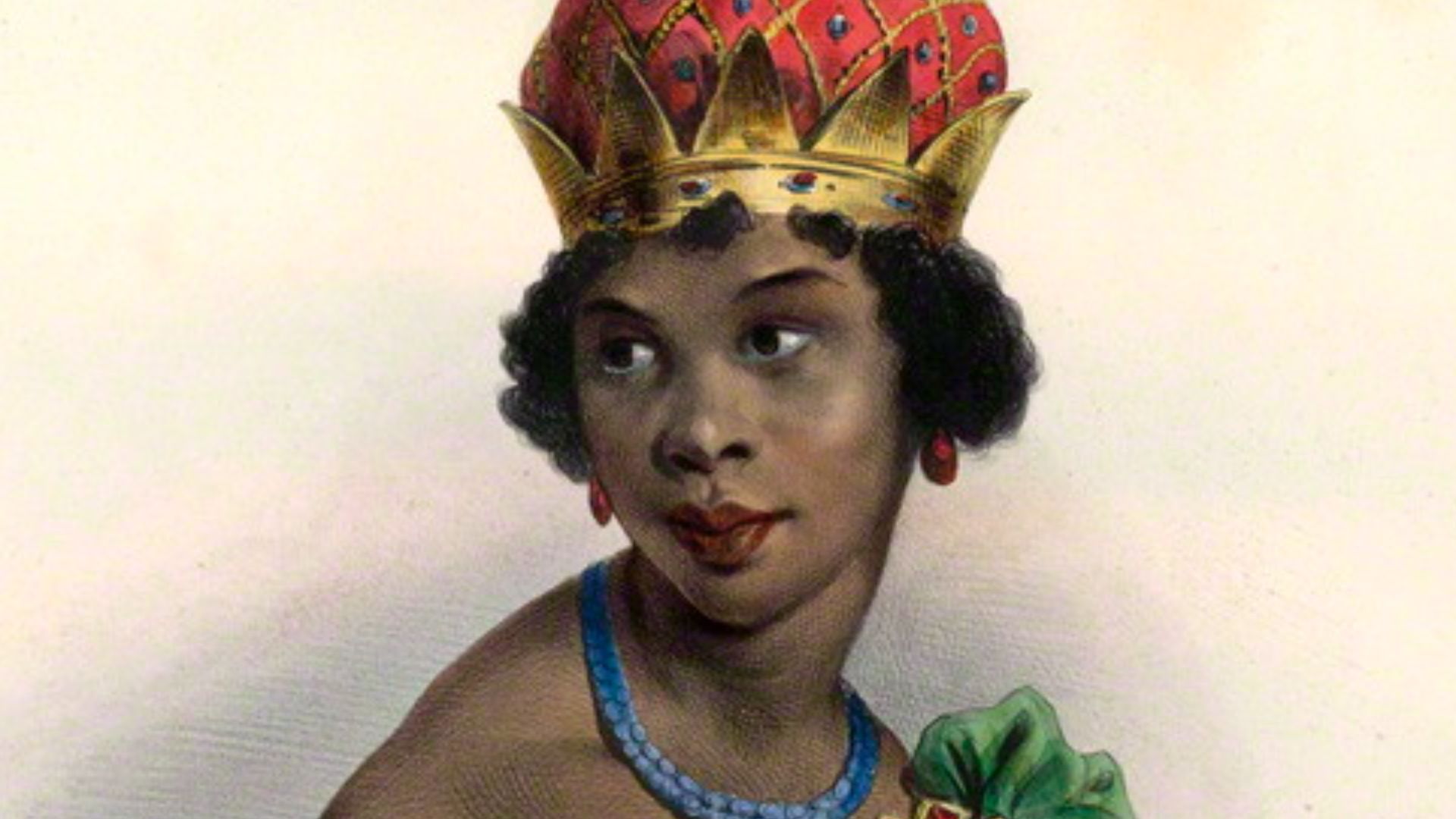
8. Boudica Turned Outrage Into Rebellion
The daughter of an Iceni king, Boudica used political events to fuel tribal opposition to Roman rule. When her husband died and the Romans attempted to seize the throne by unfairly taxing Boudica and her daughters, Boudica took control. Several tribes had the resources and motivation to fight the Romans, so Boudica unified them.
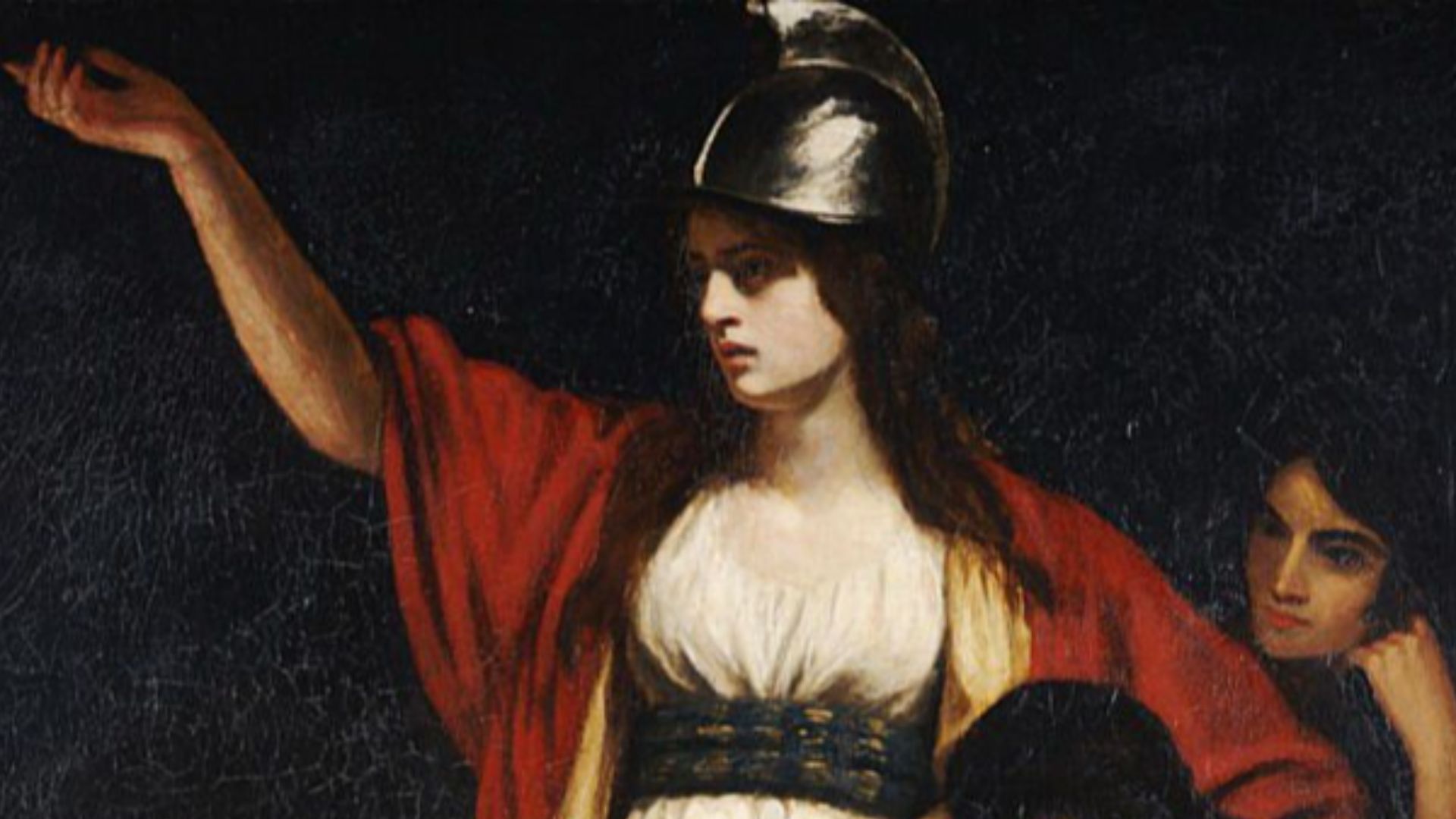
9. Maria Theresa Protected Her Inheritance
Maria Theresa could not have been expected to inherit control of the Habsburg monarchy when European powers wouldn’t recognize a woman ruling the territories. When she was challenged by several different nations, Maria Theresa employed diplomacy and worked to inspire her people to stay loyal.
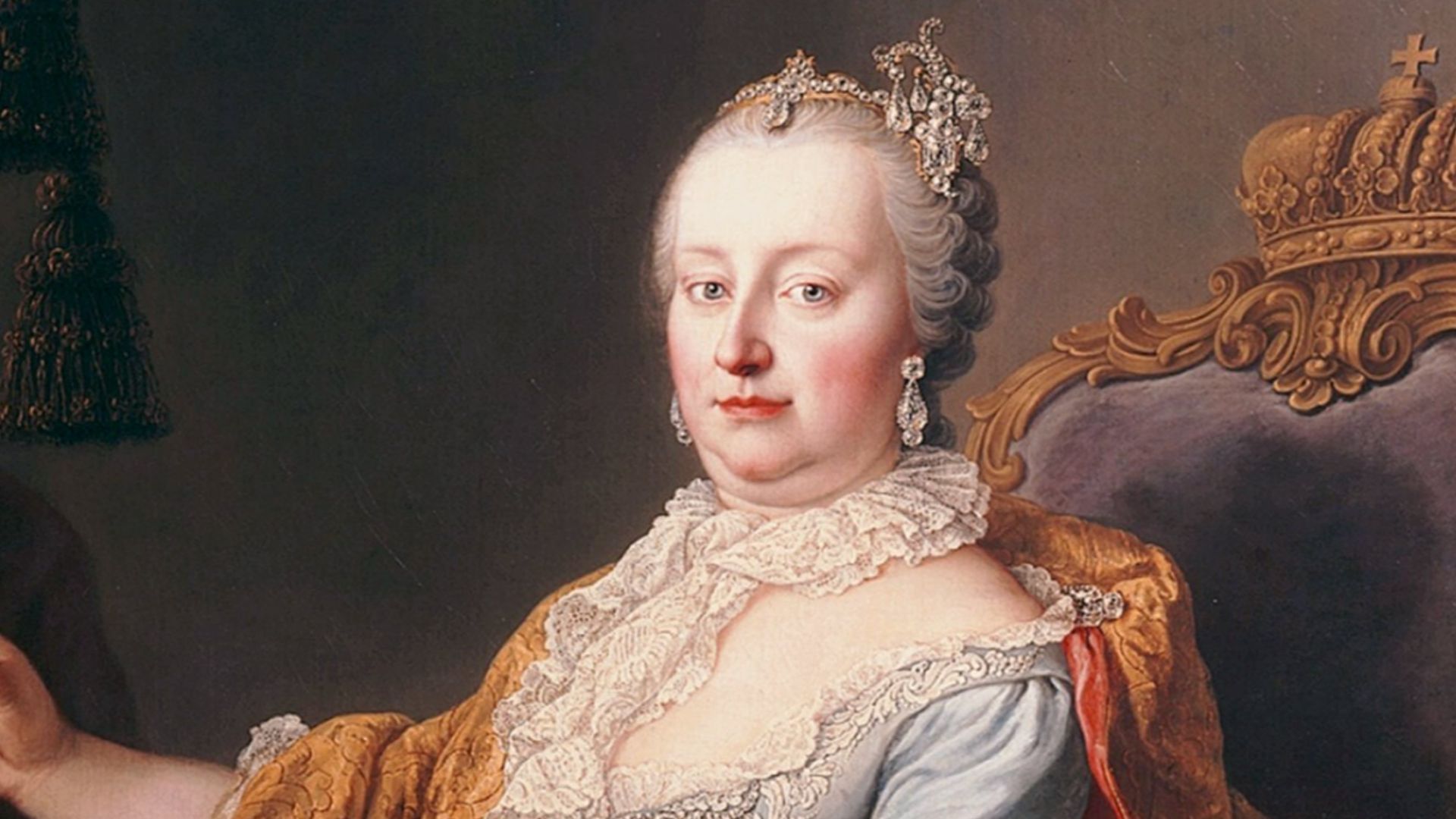 Martin van Meytens on Wikimedia
10. Anne Boleyn Challenged the English Court
Anne Boleyn’s relationship with King Henry VIII sparked political changes that reached far beyond her affair-turned-marriage. By refusing to take Henry’s proposal and become another of his mistresses, Anne held out for marriage and changed the political and religious conversation. Henry was allowed to divorce Catherine and marry Anne, which would inspire England’s split from Rome.
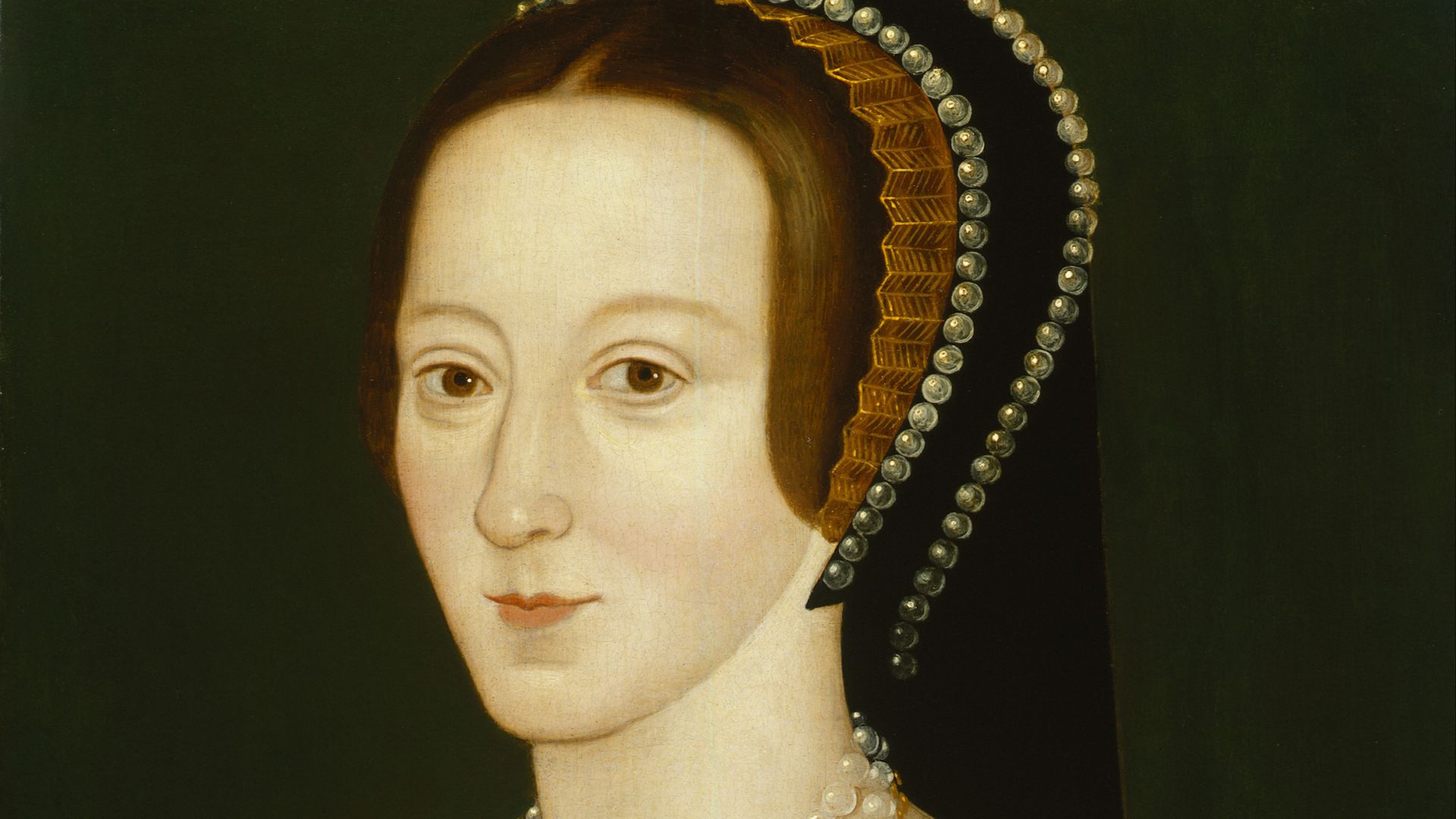 UnknownUnknown , English on Wikimedia
11. Theodora Helped Save Justinian's Reign
Empress Theodora became one of Justinian I’s most valued political assets and advisors. She used her influence during the Nika riots in Constantinople to support Justinian’s reign when it was threatened by political enemies. Theodora spoke with the emperor, convincing him that they should stand and fight rather than flee.
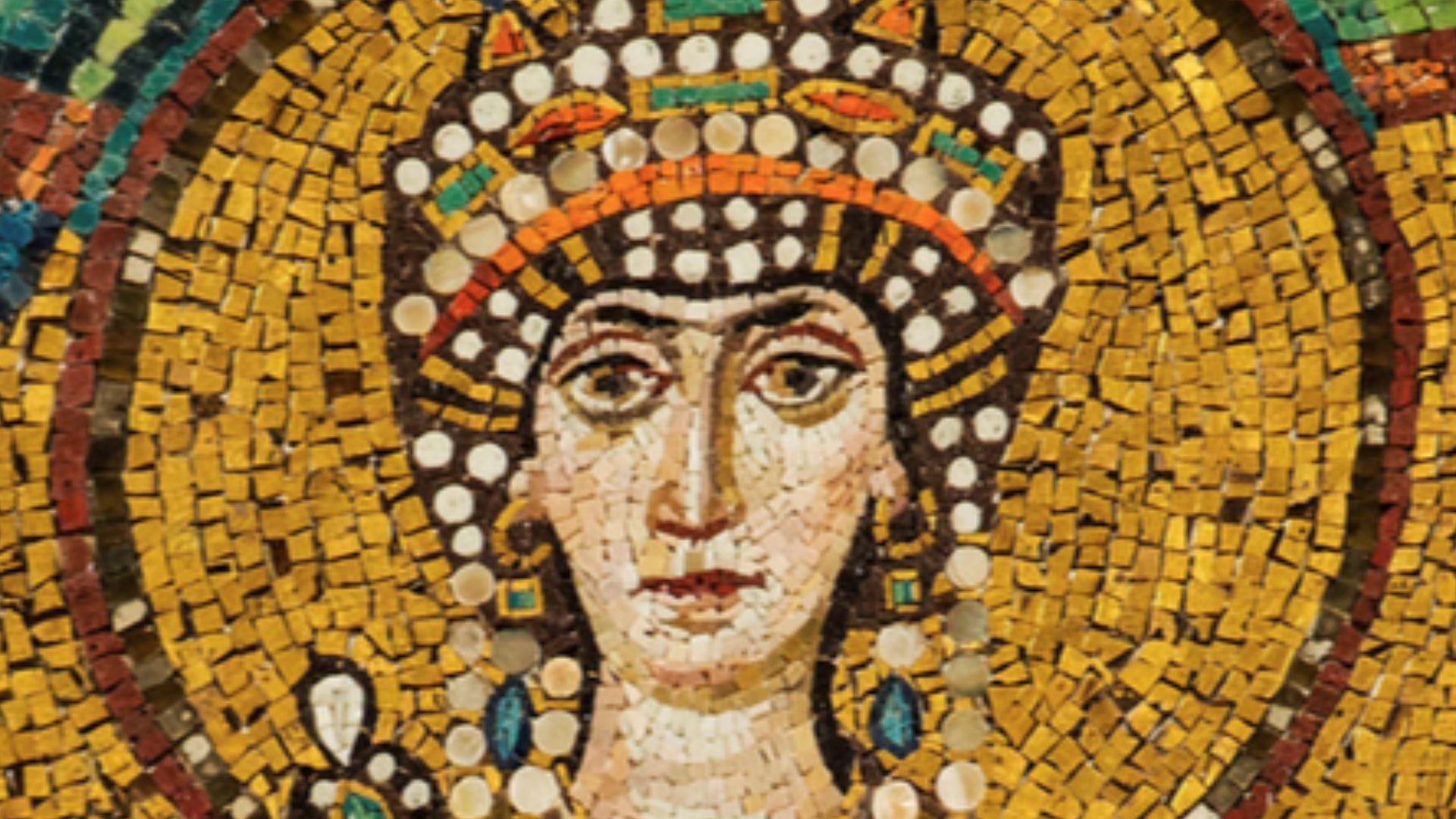
12. Margaret of Anjou Fought for Her Family
Margaret of Anjou stepped up for the Plantagenet dynasty during England’s War of the Roses. Her husband, Henry VI, suffered from political missteps and incompetence due to his medical condition, and their son was too young to lead. Margaret worked closely with military and political figures to promote her son Edward of Westminster.
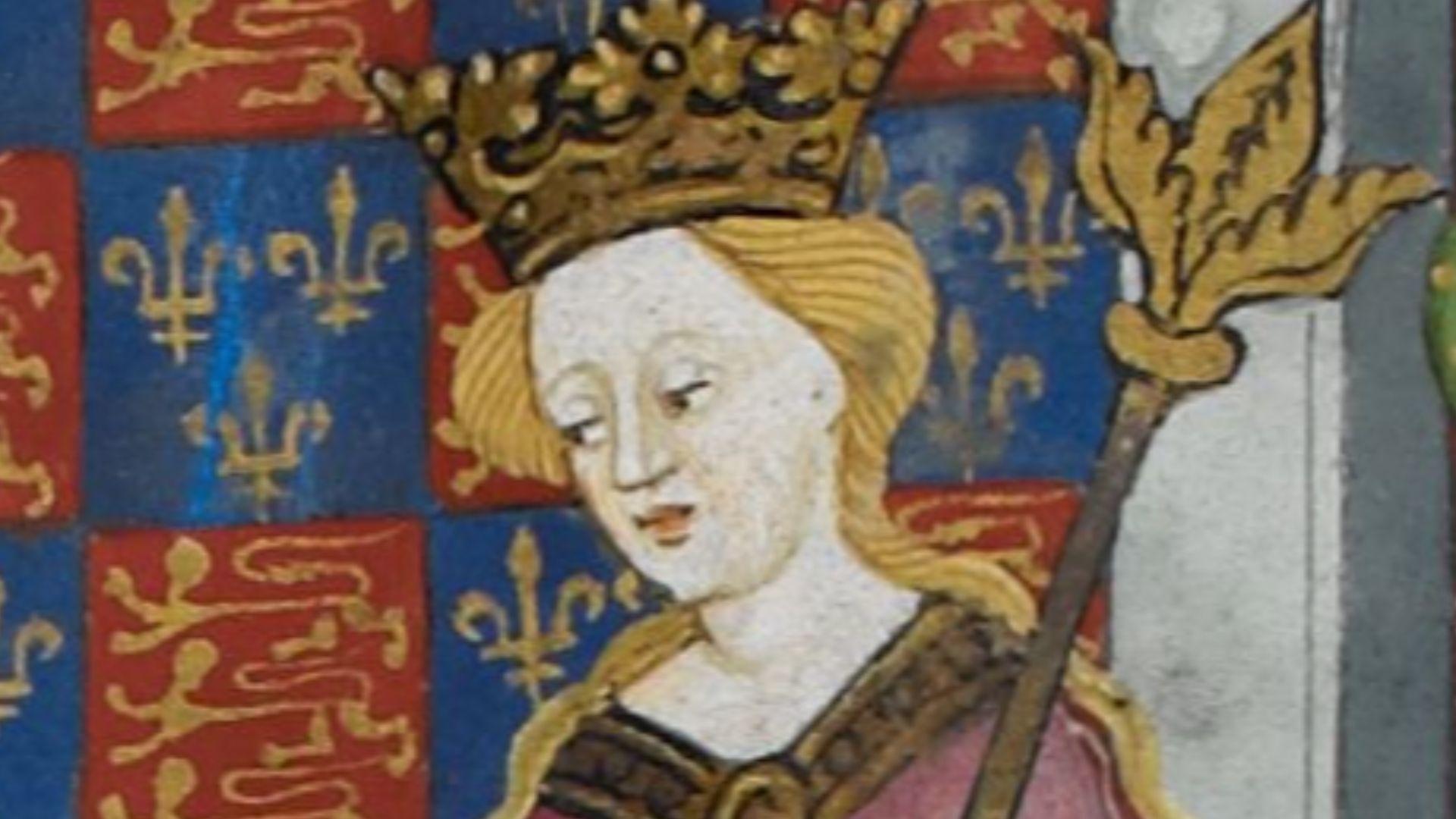 Talbot Master (fl. in Rouen, c. 1430–60) on Wikimedia
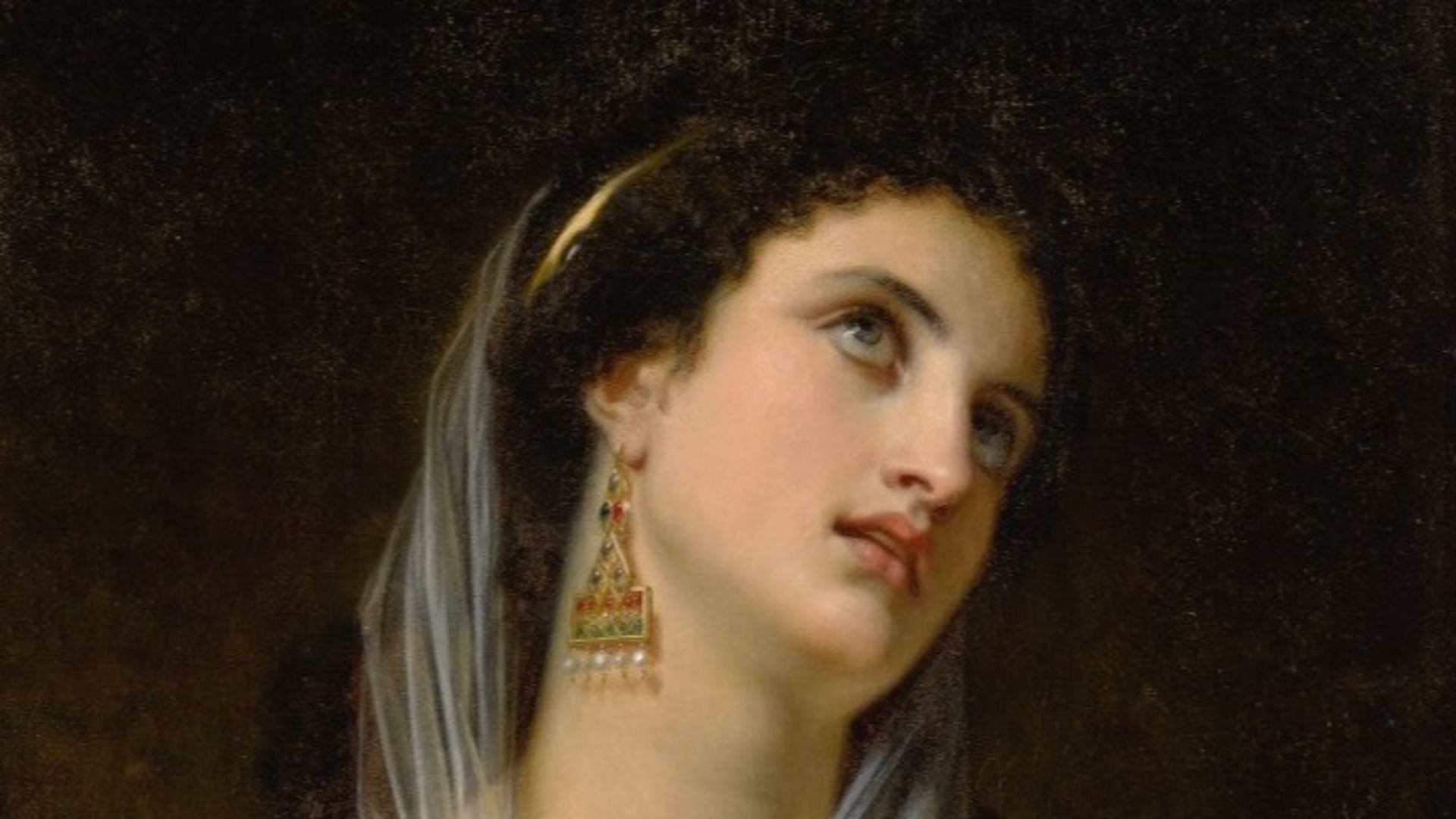
13. Esther Used Timing to Protect Her People
Esther’s biblical tale tells the story of a woman in the Persian court who needed to stop someone from attacking her people. She couldn’t simply accuse Haman of treason without putting herself in danger, so Esther bided her time and planned her revelations strategically. She hosted banquets for the king and waited until the right moment presented itself.
14. Harriet Tubman Outsmarted Her Captors
Escaping slavery was dangerous during Harriet Tubman’s lifetime, so remaining hidden was integral to avoiding capture. She used information about routes, accomplices, and even coded language to keep herself and others safe while utilizing the Underground Railroad. Tubman would return to the South multiple times to escort others to freedom.
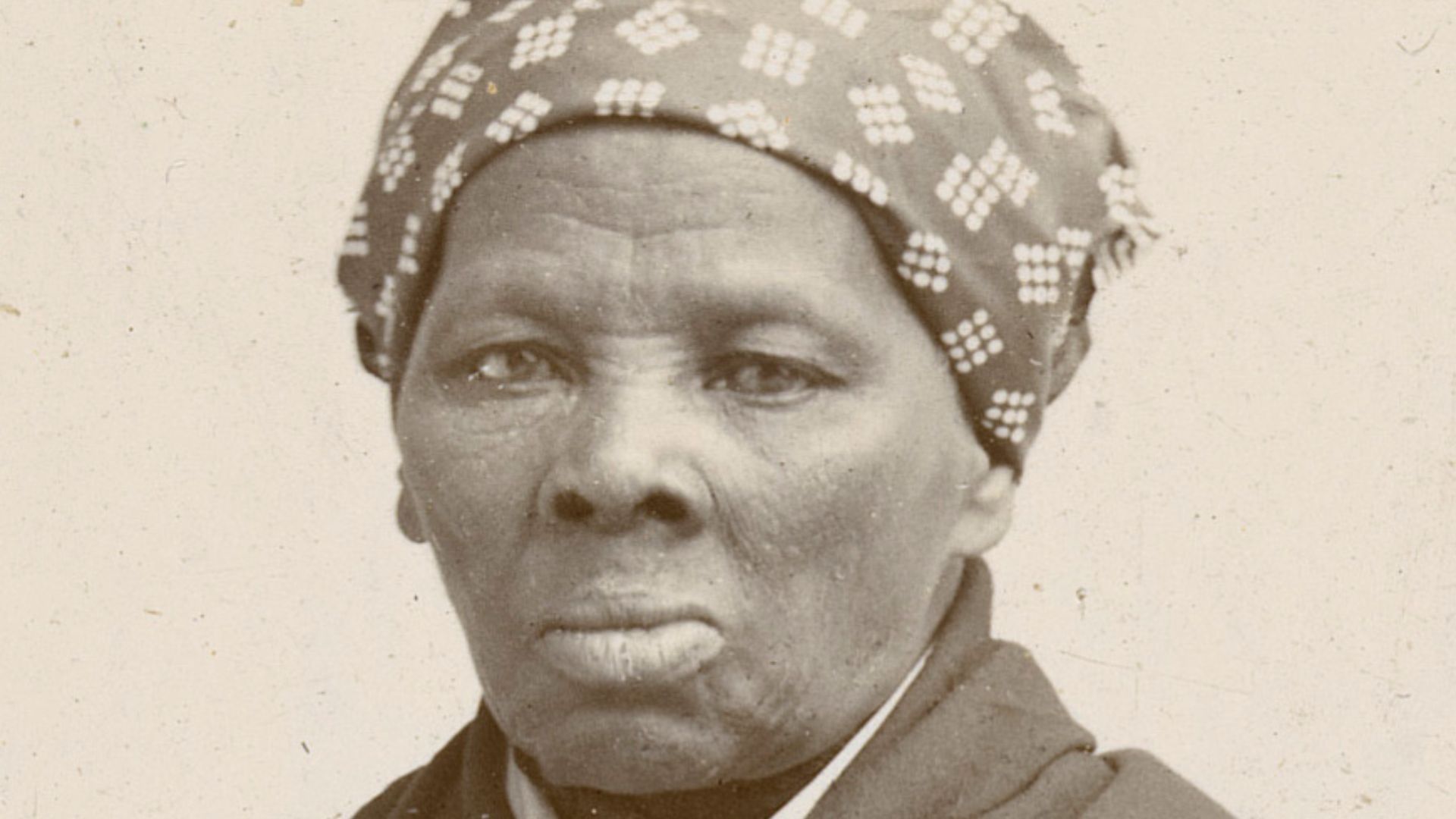 Horatio Seymour Squyer on Wikimedia
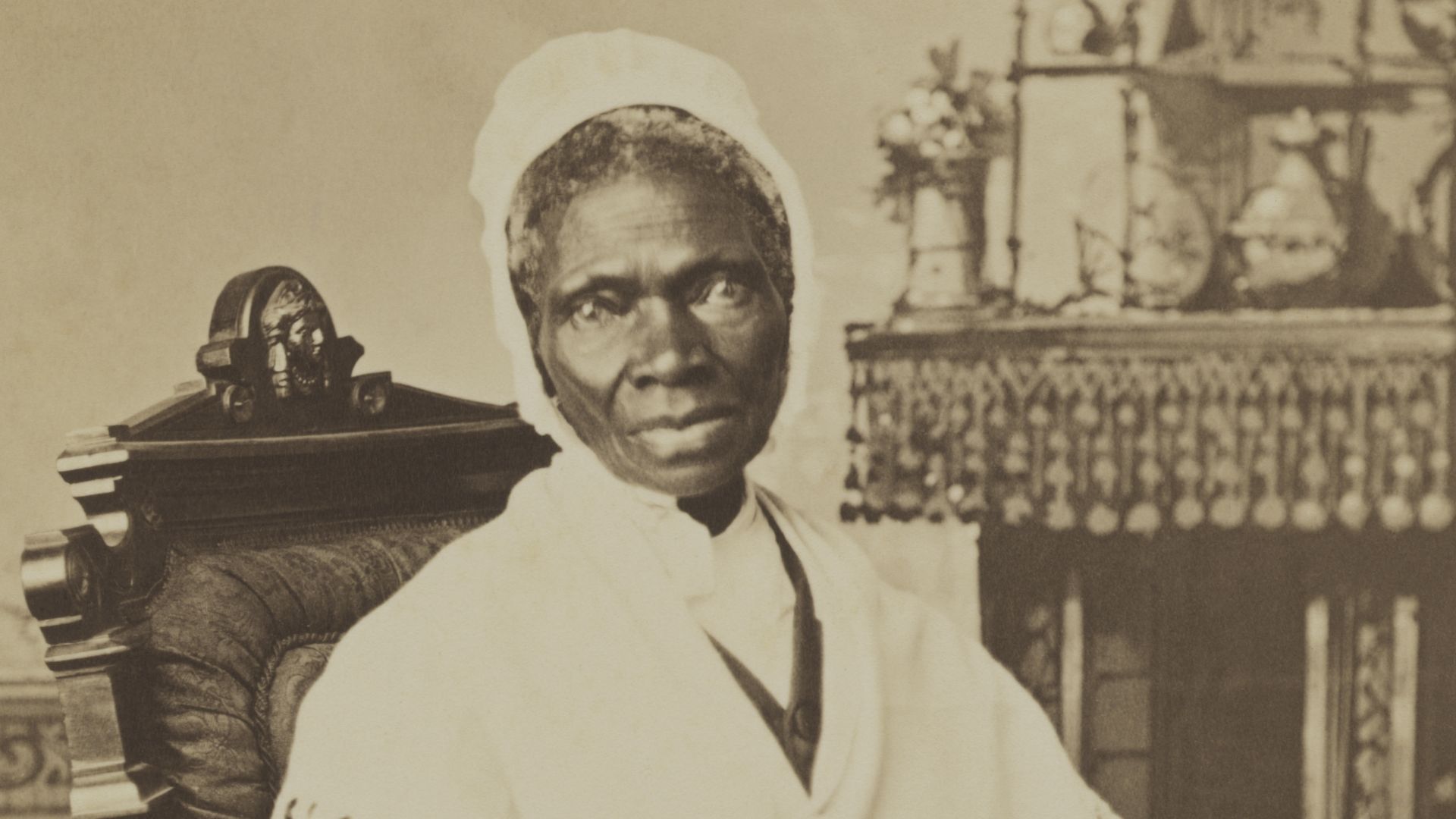
15. Sojourner Truth Turned Words Into Weapons
At a time when women were expected to be seen and not heard, Sojourner Truth became a popular speaker and leader. She realized that audiences would listen to her as she shifted the way she presented arguments to reach new listeners. Sojourner Truth traveled extensively, engaging with politicians, giving speeches, and participating in influential meetings.
16. Empress Dowager Cixi Survived a Dangerous Court
Few people were in a more politically hostile environment than Empress Dowager Cixi. After entering the Qing imperial court as a minor concubine, Cixi made herself an integral part of court politics for decades. She handled intense challenges like succession crises, foreign political pressure, and even rebellions.
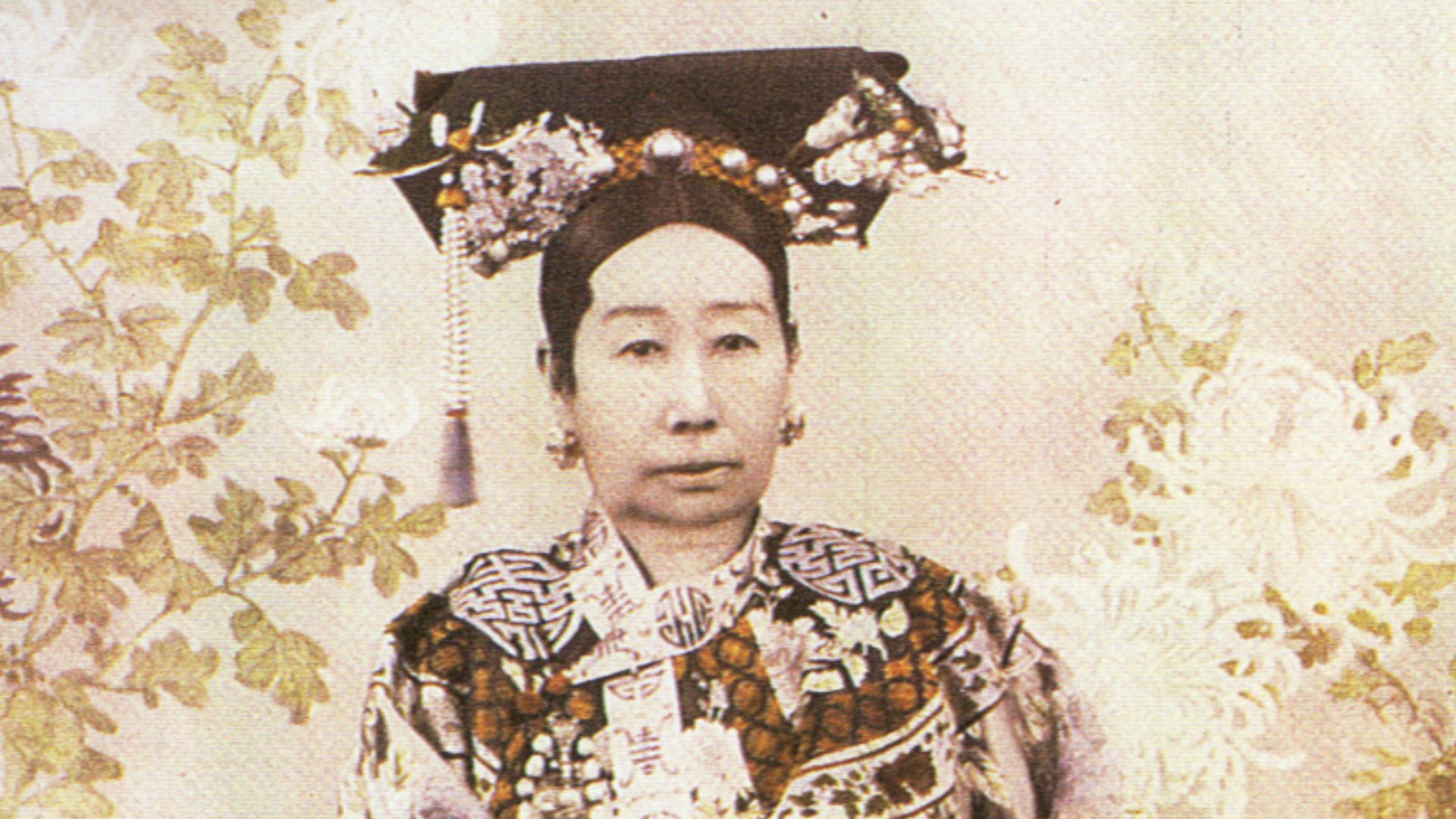 Yu Xunling (court photographer). on Wikimedia
17. Joan of Arc Changed the French War Effort
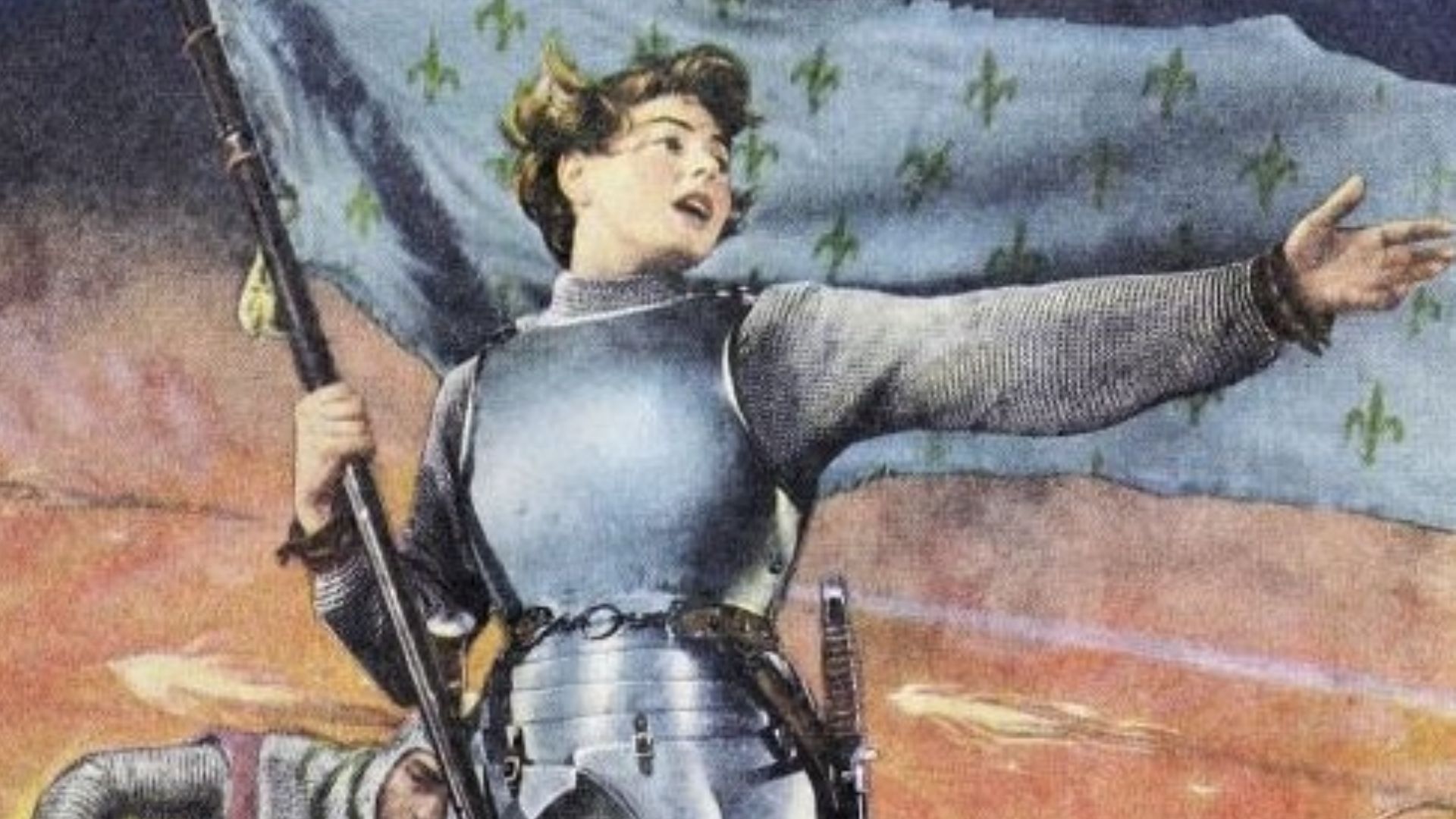
France’s Hundred Years’ War was a prolonged conflict that didn’t allow for amateurs to wander in and affect the war’s outcome. But Joan of Arc managed to insert herself into the fray and inspire both troops and leaders. She convinced Charles VII’s camp that she had what it took to help, then utilized her presence to encourage troops and affect strategy.
18. Lakshmi Bai Refused to Surrender Jhansi
When the British tried to shift control of Jhansi from an aging ruler to their own, Rani Lakshmi Bai stood in their way. After they invaded and her adopted son was taken, Lakshmi rallied the people of Jhansi and joined them in active defense. When the British took the city, Lakshmi continued to fight on rather than let them take what was rightfully hers.
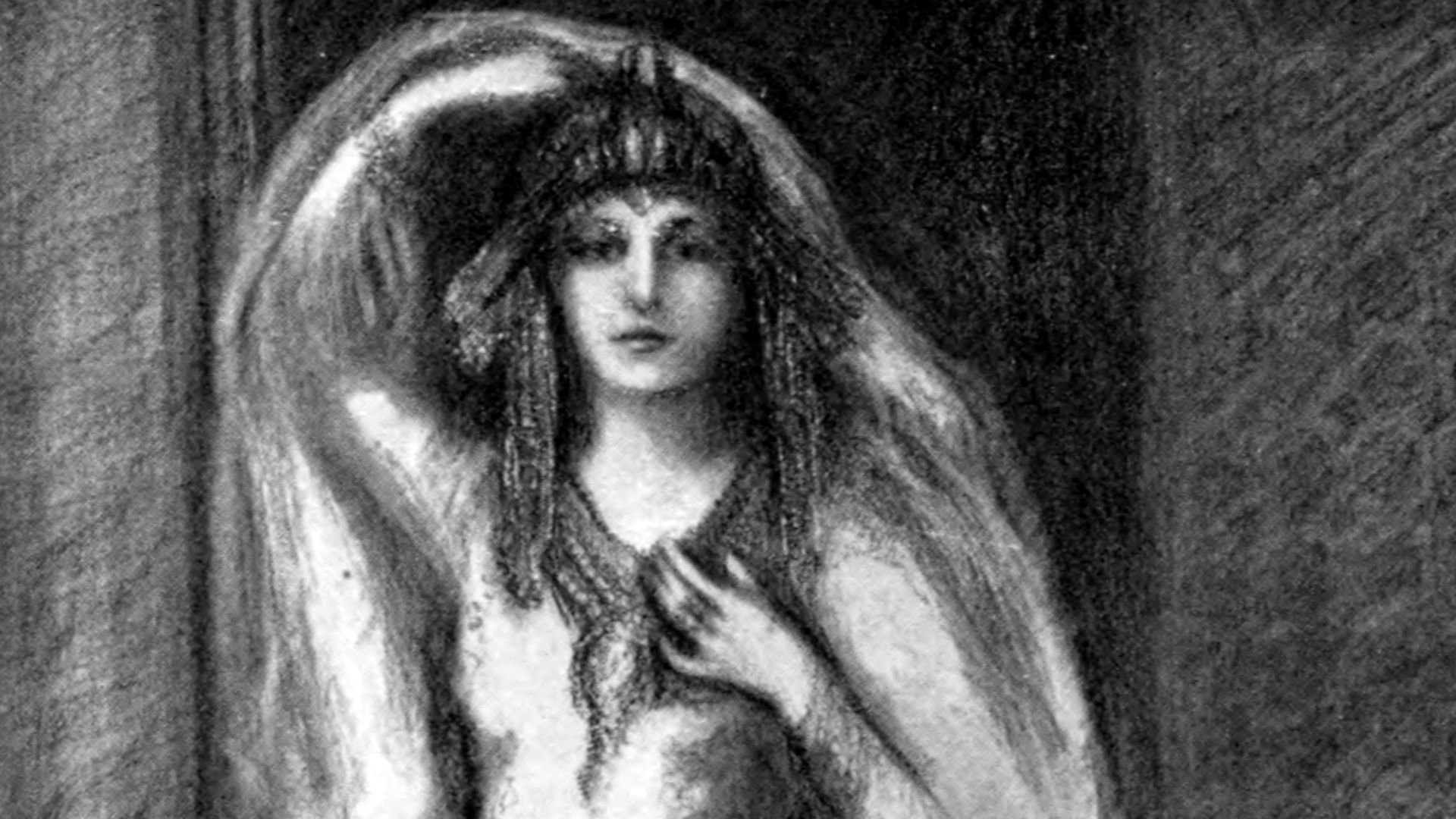 Author Michael White on Wikimedia
19. Queen Liliʻuokalani Defended Hawaiian Sovereignty
Many Hawaiian politicians supported extending their power by appealing to American businessmen and politicians who wanted Hawaiian sovereignty for themselves. Instead of outright resisting them, Liliʻuokalani worked within the political system to strengthen the Hawaiian Kingdom. She would become a symbol of political resistance after Americans took over the Hawaiian monarchy in 1893.
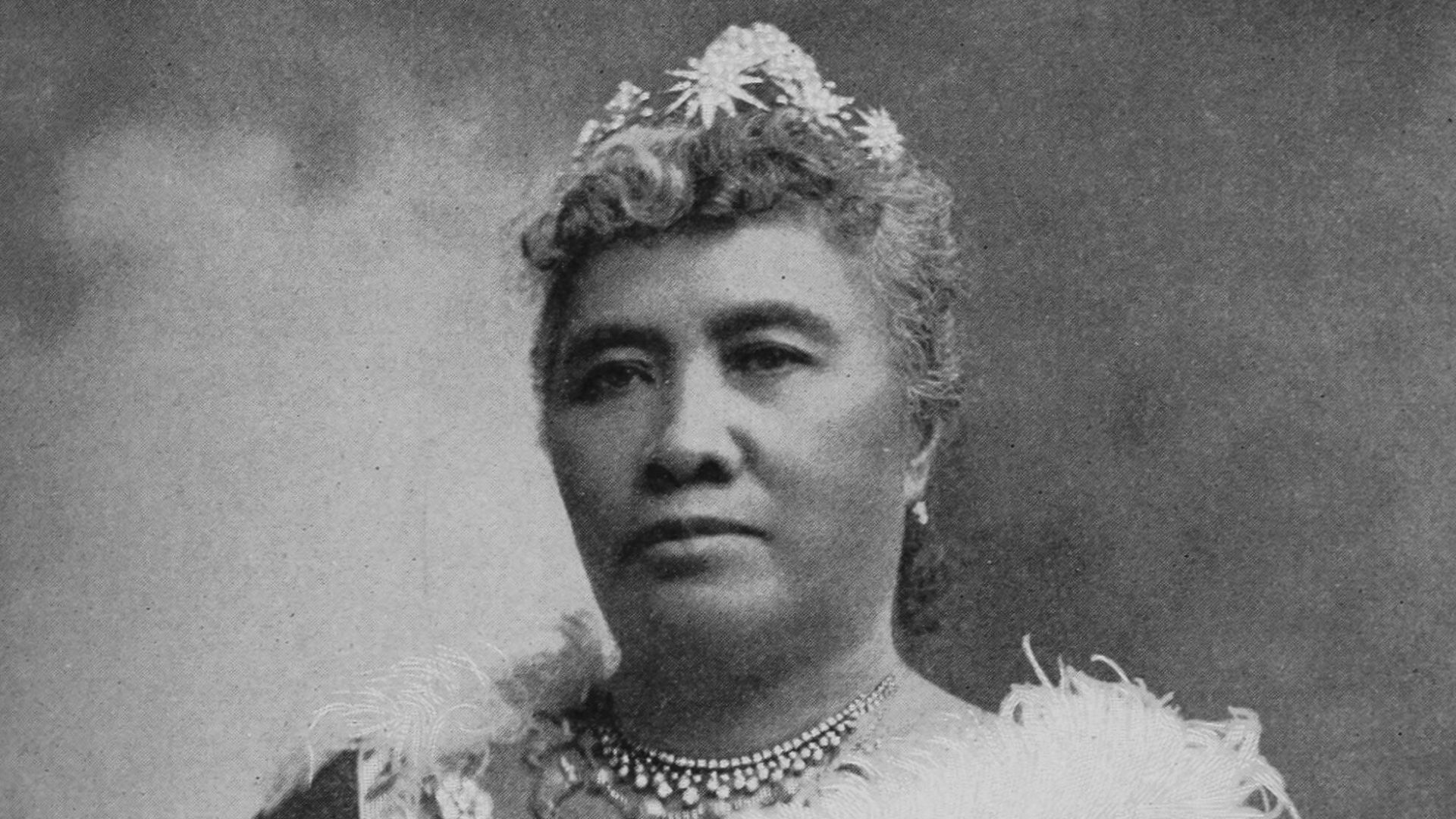 George Prince, of Washington, DC on Wikimedia
20. Golda Meir Navigated a Hostile Political Environment
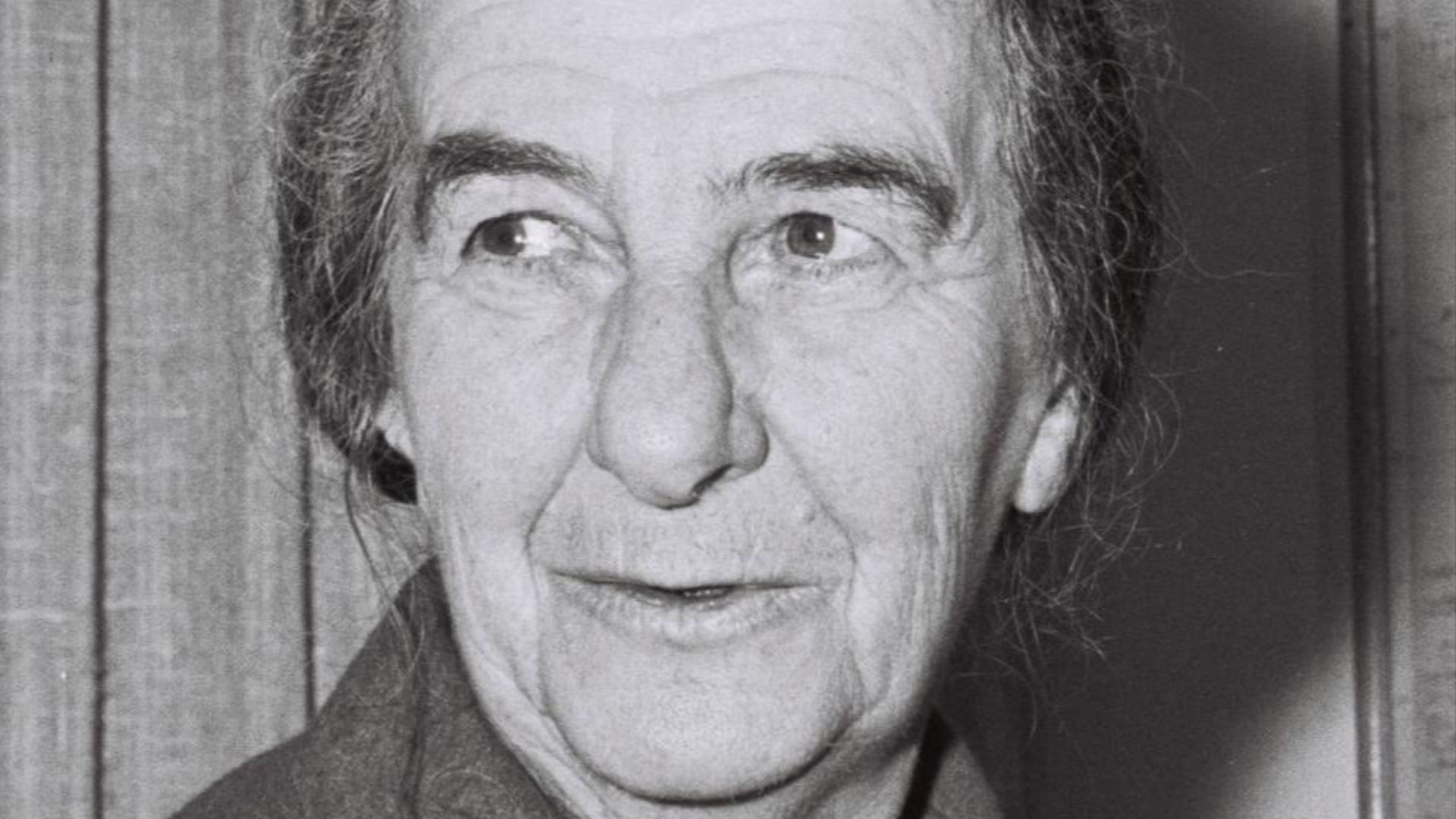
Becoming Israel’s prime minister was only possible because Golda Meir had spent decades making connections within and outside her country. She weathered political challenges and teamed up with colleagues who could either strengthen her position or cause strife. When Israel was caught off guard by the Yom Kippur War, Meir felt the heat from her nation as they were dragged into conflict.