
When Sleeping In Had Unexpected Consequences
Most people have experienced the frustration of waking up late and realizing they've missed something important, but usually the consequences involve a missed meeting or a rushed morning. Throughout history, however, a delayed wake-up has occasionally had much bigger implications, affecting military campaigns, political decisions, scientific discoveries, and even the outcomes of major events. While not every historical delay was caused by someone genuinely oversleeping, there are some fascinating stories in which sleep, exhaustion, or a late start played a role in changing what happened next.
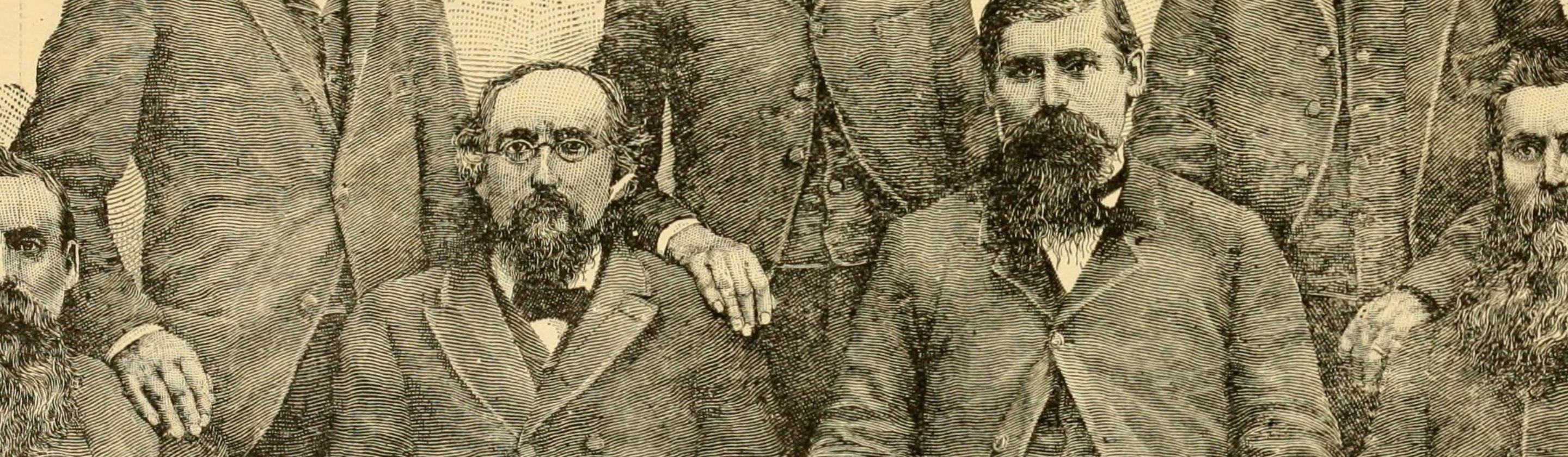
 Pittenger, William, 1840-1904 on Wikimedia
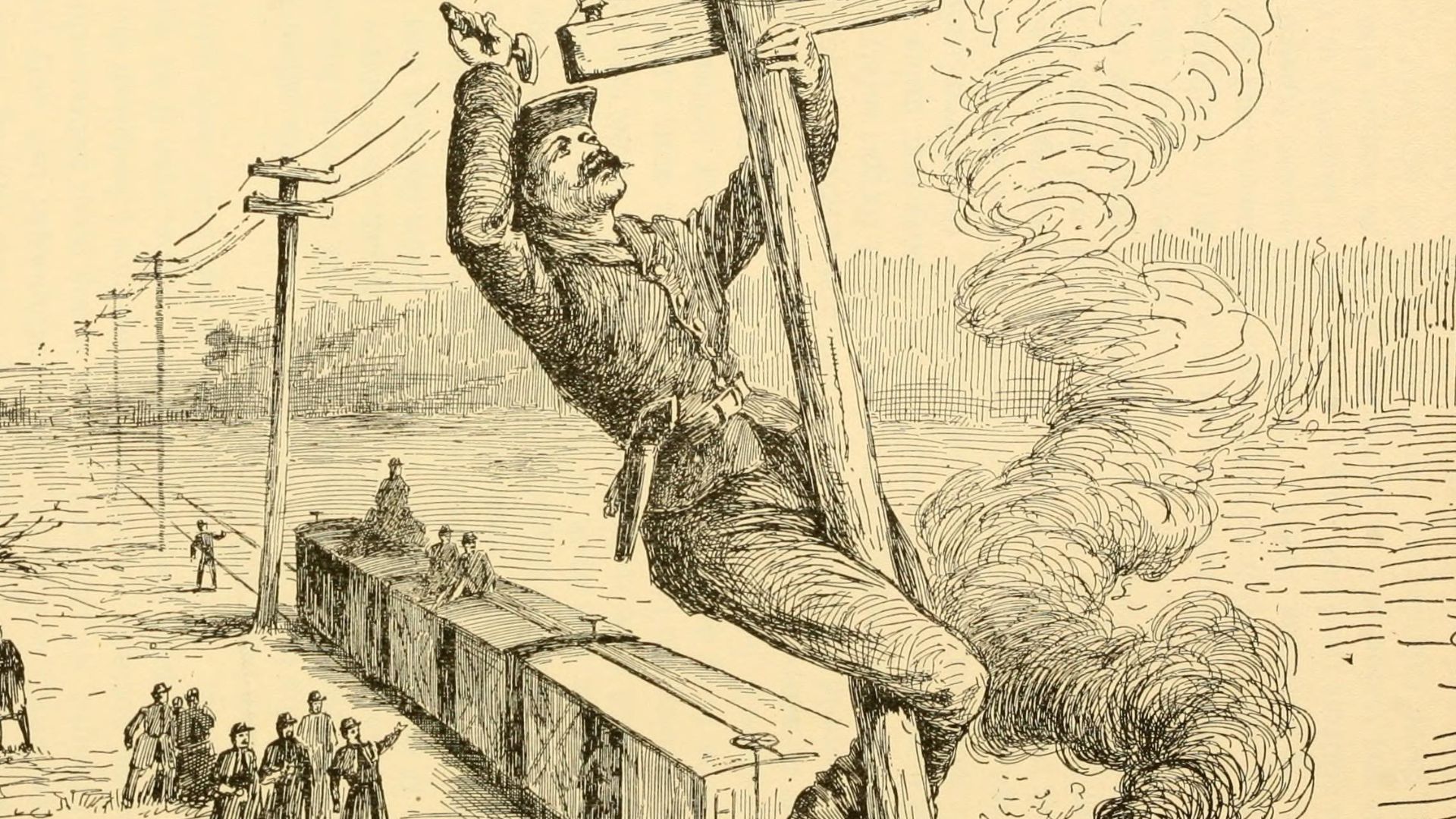
1. Alexander the Great's Unexpectedly Late Start at Gaugamela
Alexander the Great was fighting a larger Persian force at the Battle of Gaugamela. There is a common legend that says Alexander slept in that morning, leaving all of his generals waiting for him while the Persian forces were able to wait through most of the night to ambush them. Who knows if it helped him out or not, but he won the fight and beat the tired Persian soldiers.
 Unknown authorUnknown author on Wikimedia
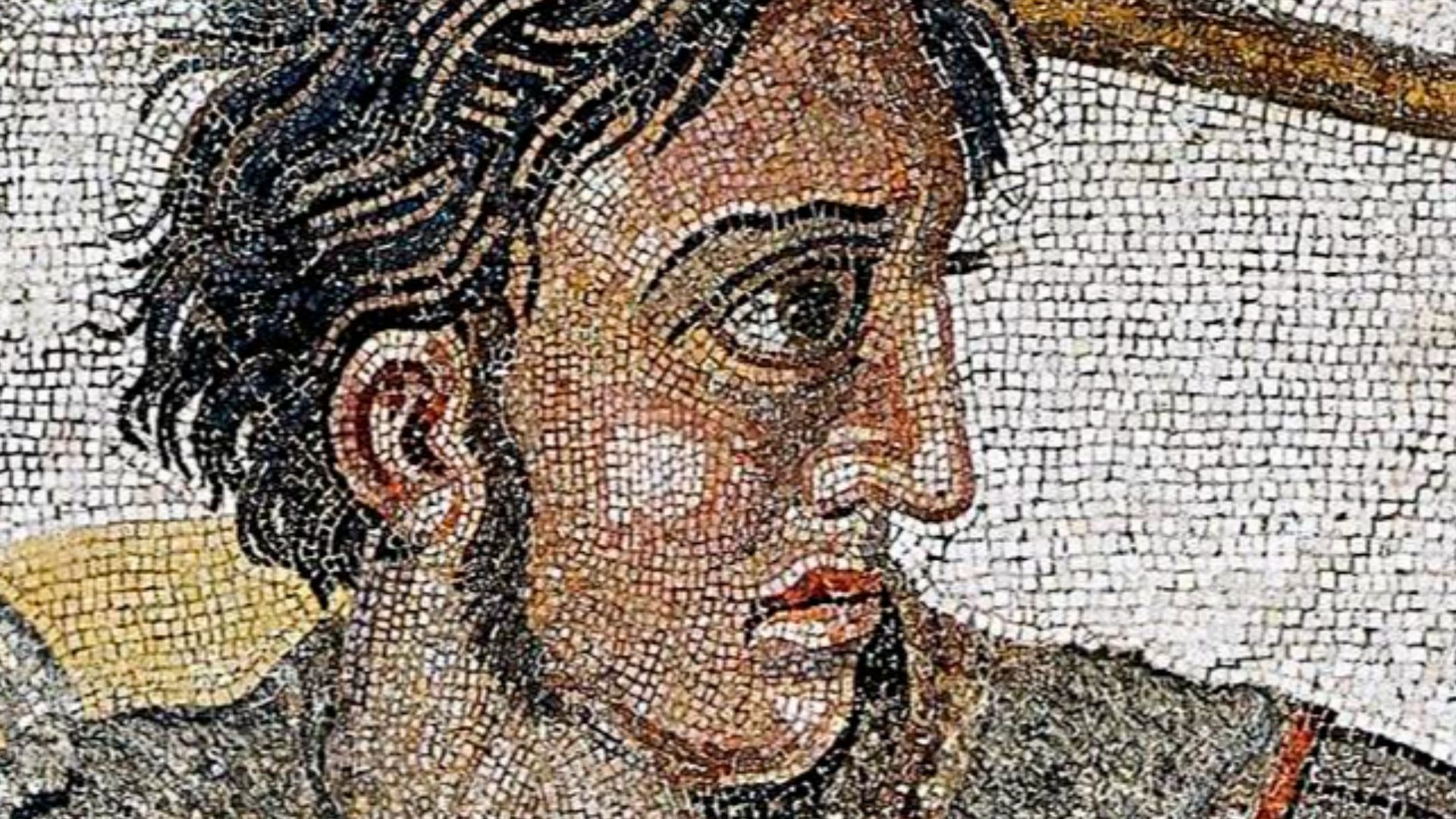
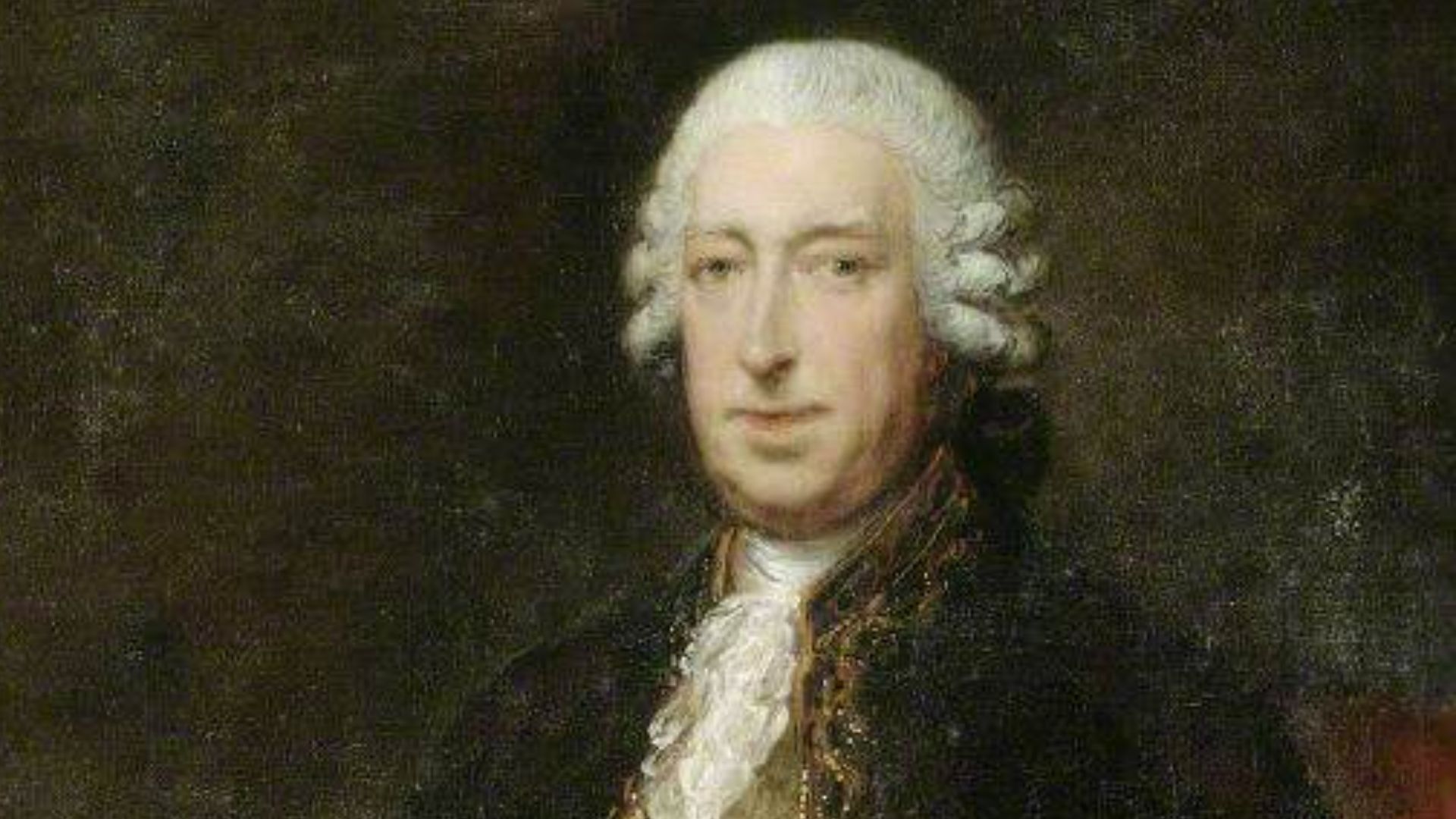
2. Lord Sackville's Oversleeping at the Battle of Minden
This occurred during the Battle of Minden in modern-day Germany, where forces from Britain and their allies were fighting against the French army. Lord Sackville was supposed to make a push with his cavalry forces, but he overslept and did not get his troops into position.
 Thomas Gainsborough on Wikimedia
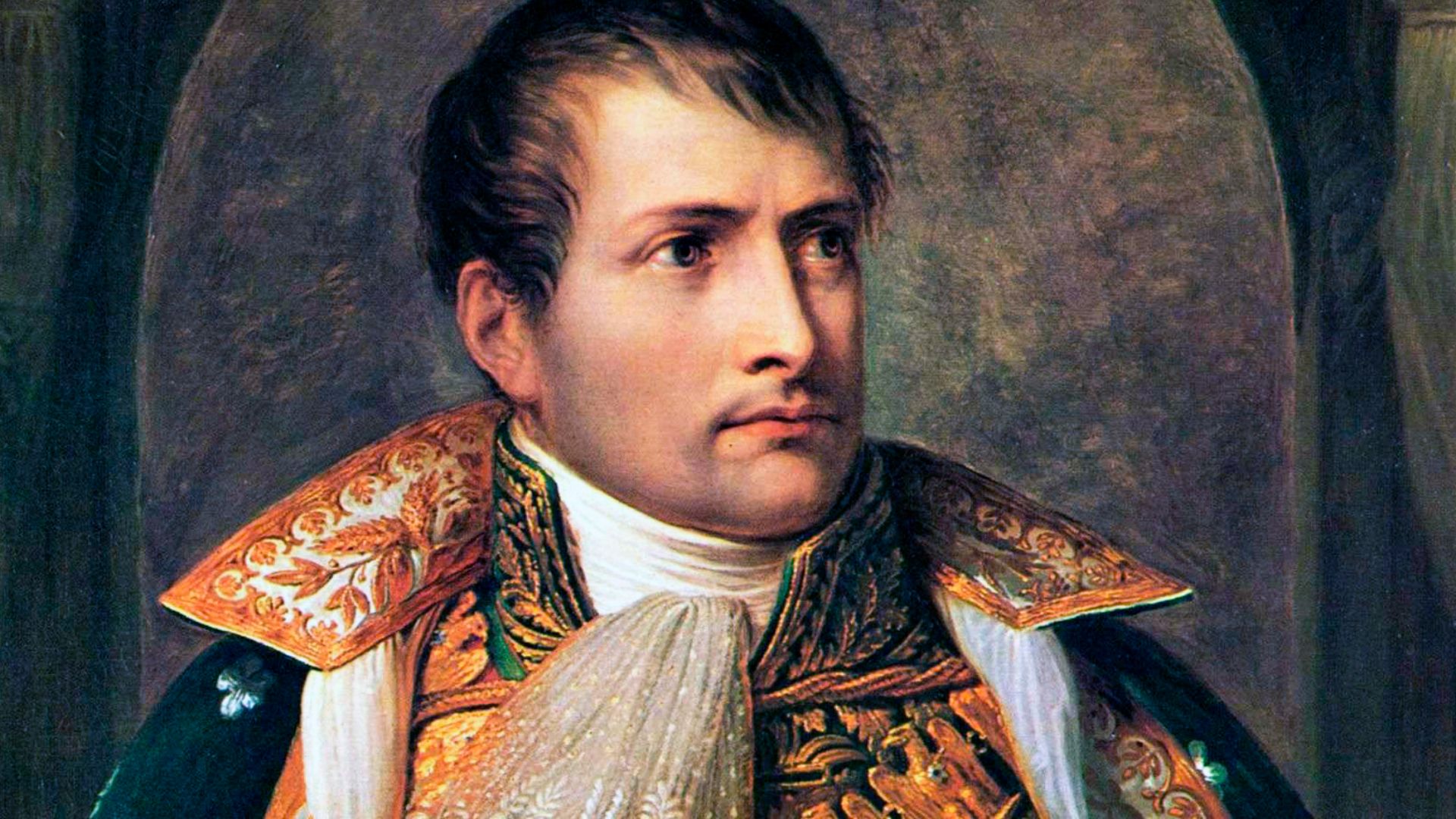
3. Napoleon's Late Start Before Waterloo
Napoleon did not get his troops started until later in the day on June 18, 1815. Many historians believe that this played a role in his defeat, as there were many things that contributed to Napoleon's defeat that day, including his delayed attack. The eventual afternoon battle gave Prussian forces time to arrive and reinforce Wellington's army, helping bring Napoleon's rule to an end.
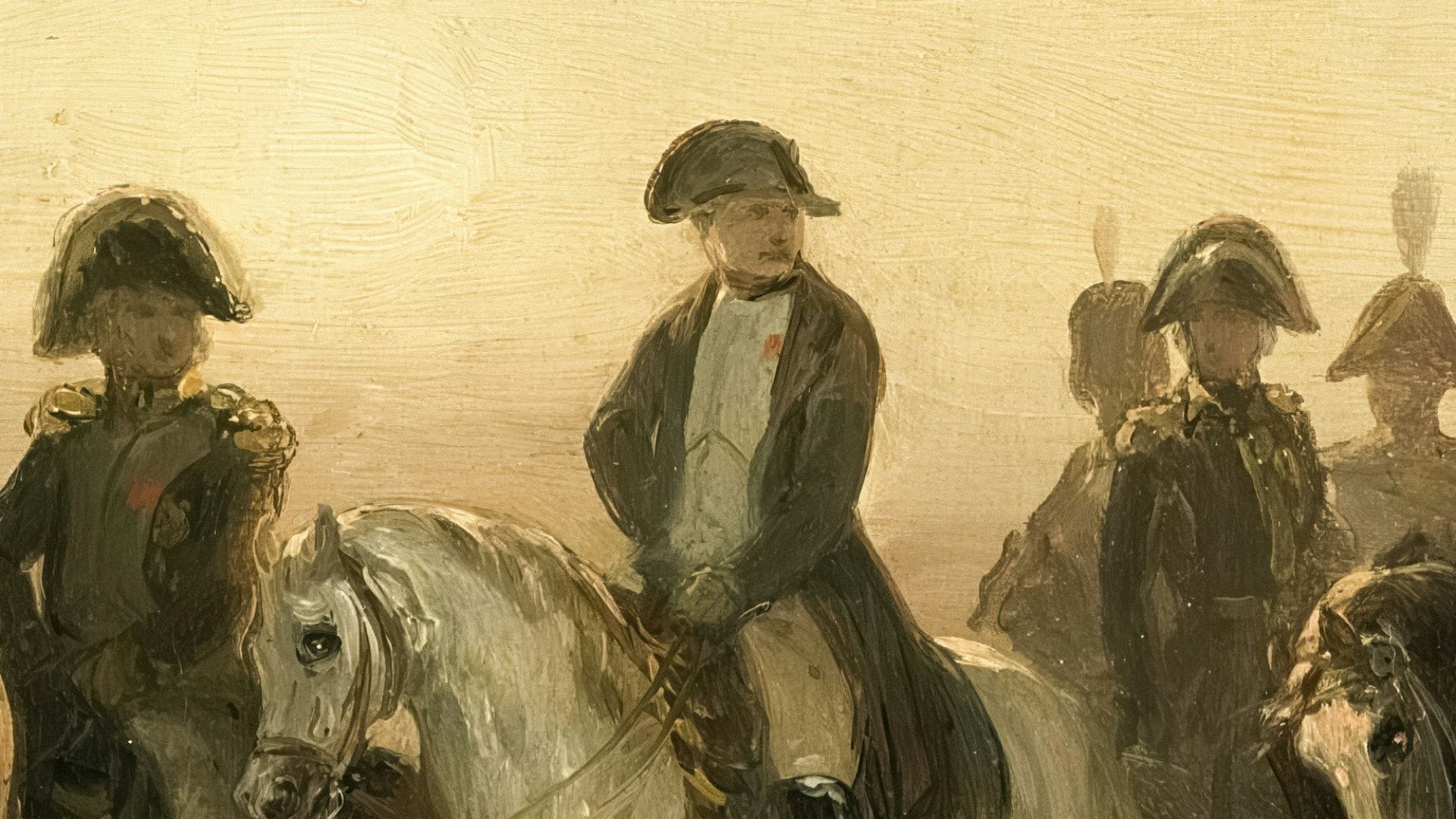
4. Jerome Kern Missed the Lusitania's Fatal Voyage
Composer Jerome Kern was supposed to sail on the Lusitania with his friend Charles Frohman. Kern stayed up late that night entertaining his friends and slept in the following morning, not knowing that the ship would be sunk by a German U-boat. The Lusitania was torpedoed by a German submarine on May 7, killing nearly 1,200 people, including Frohman, while Kern survived and continued his successful musical career.
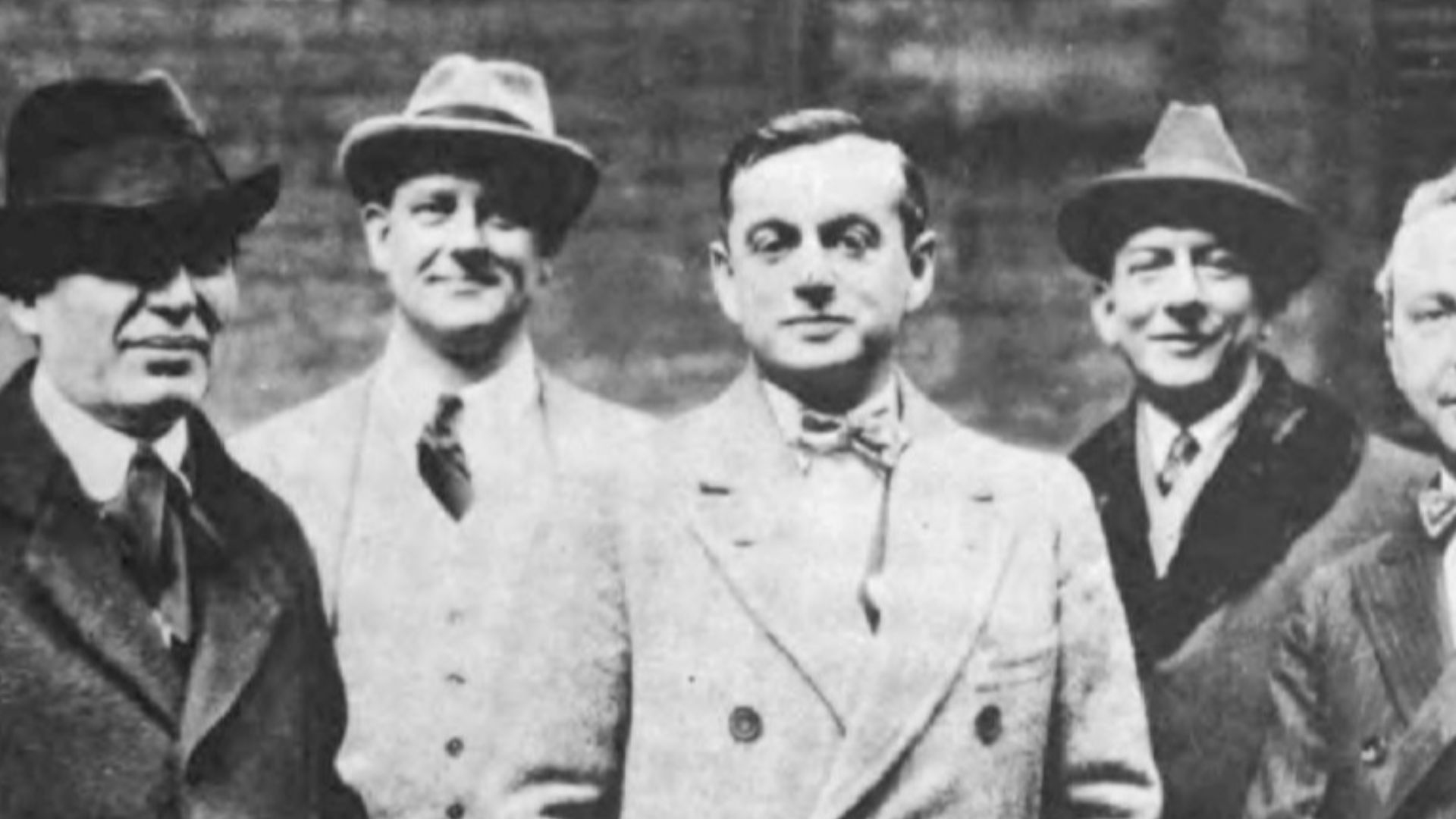
5. Winston Churchill Nearly Missed His Future Wife
If Winston Churchill had slept in one more time, he might never have met his future wife. When he slept in that day, his cousin took care of Clementine Hozier, while a servant woke Winston up in time to see his future wife. If that had not happened, Clementine might never have become one of Winston's greatest friends, and it's a reminder that even a missed morning appointment can have surprisingly long-lasting consequences.
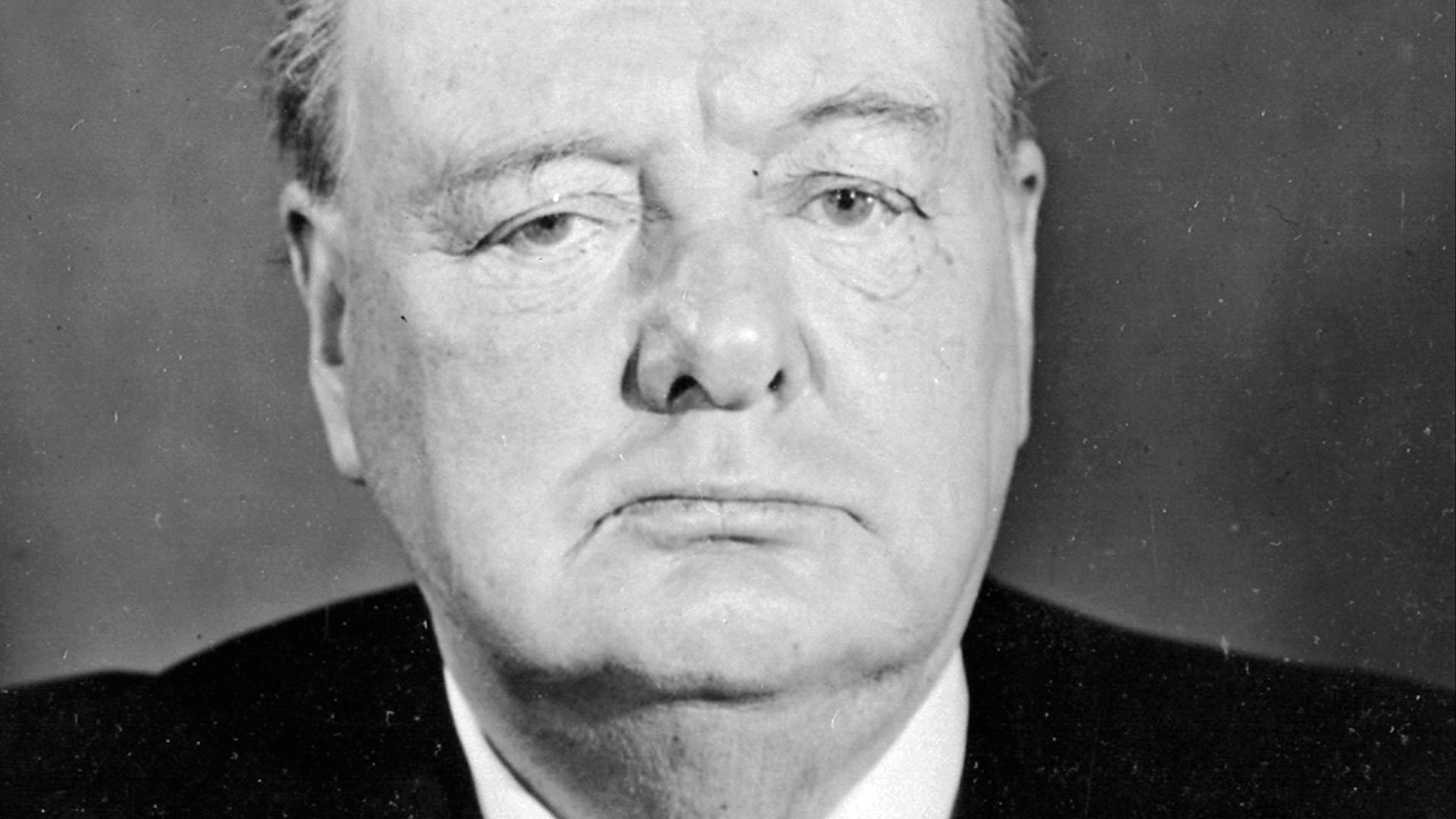 Central Office of Information on Wikimedia
6. George Dantzig's Late Arrival Led to Mathematical Breakthroughs
One day, when George Dantzig was in college at Berkeley, he overslept and arrived late to class. When he walked in, there were two equations on the board that he thought were his homework, so he proceeded to solve both over the course of a few days. Those two problems were unsolved problems that he unknowingly solved, and his story later helped inspire the famous blackboard scene in Good Will Hunting, although the movie took plenty of creative liberties.
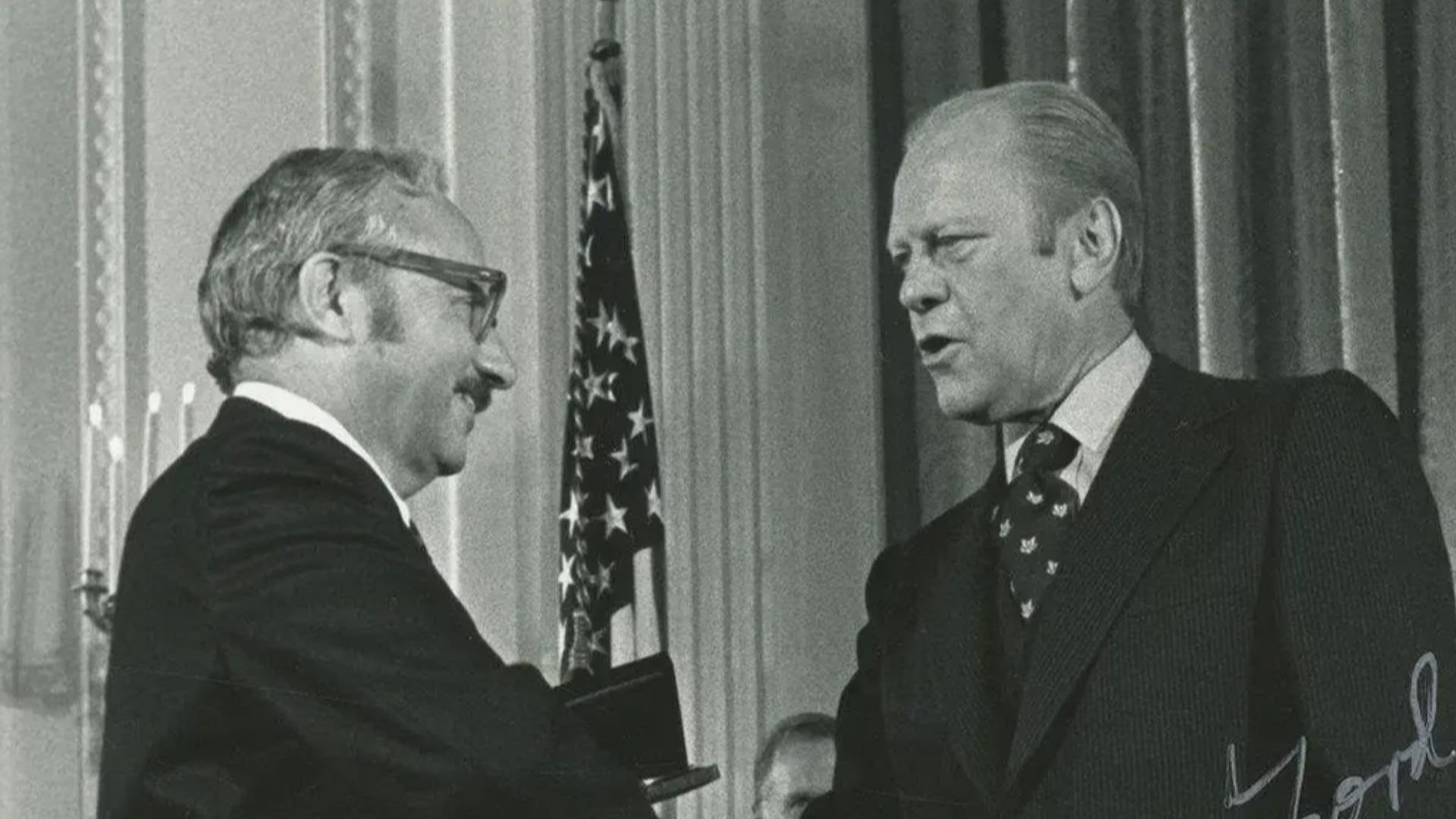 White House Photographic Office (WHPO) - Fitz-Patrick on Wikimedia
7. Hitler's Late Awakening During D-Day
On June 6, 1944, Hitler slept in at his home in Bavaria, and it was said that he did not wake up until the Allies had already taken off for France. Once he was woken up and told what was happening, it was too late, and his soldiers had experienced many hours of delay that morning because of Hitler sleeping in. However, historians caution that Hitler's late awakening wasn't the reason D-Day succeeded, since the Allies had overwhelming advantages in manpower, equipment, and naval and air support.
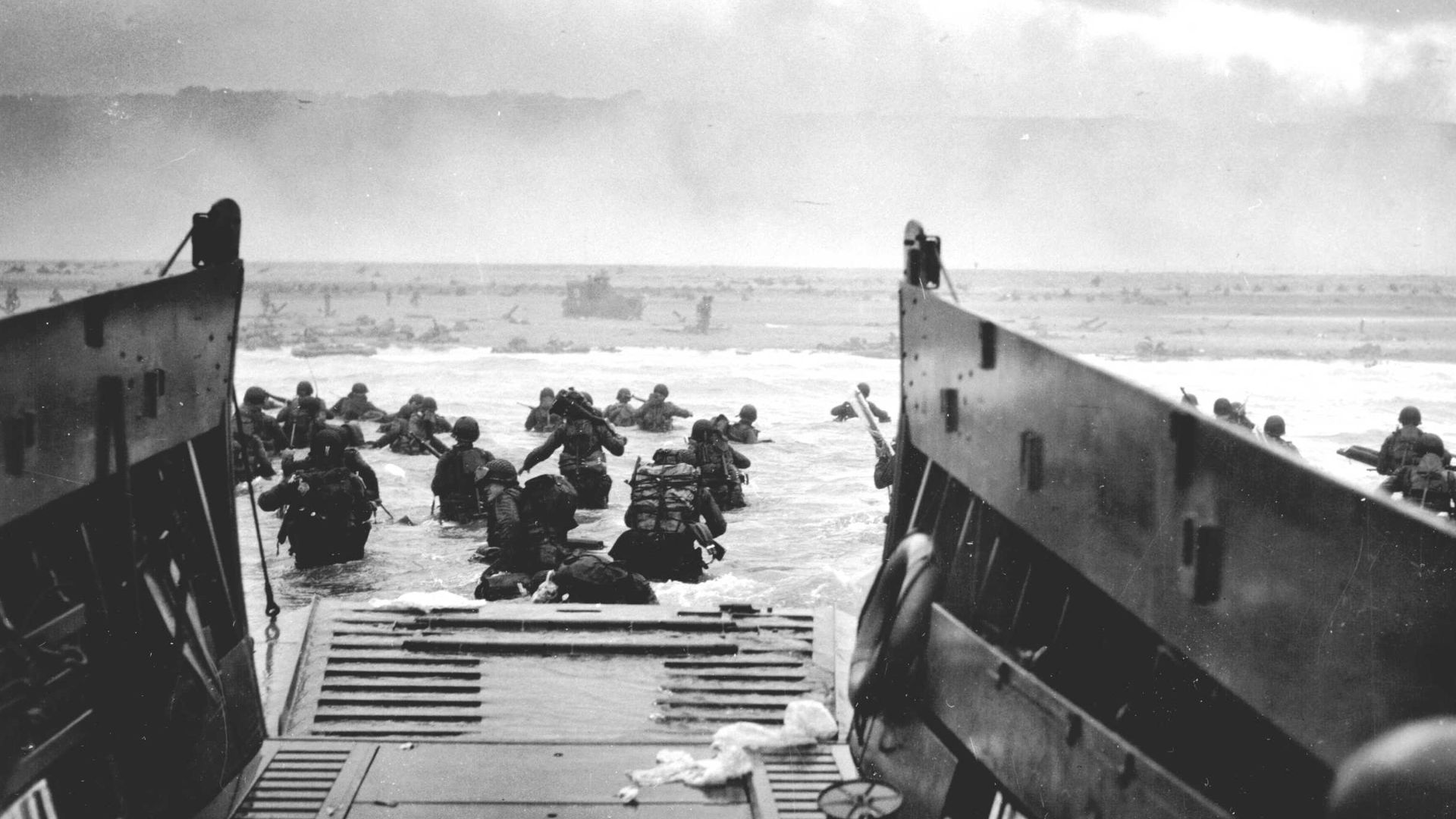 Chief Photographer's Mate (CPHOM) Robert F. Sargent, U.S. Coast Guard on Wikimedia
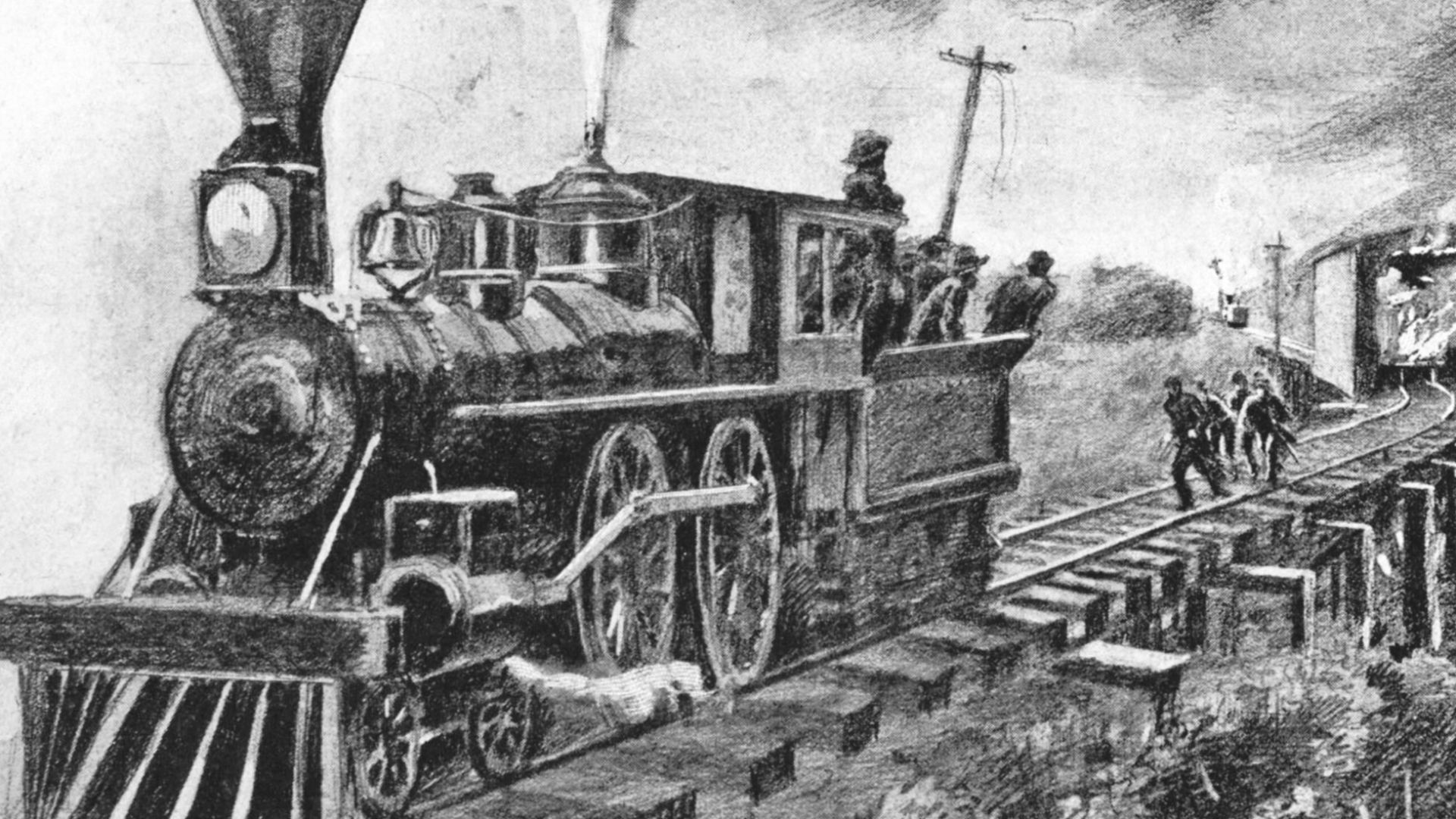
8. Two Union Raiders Missed the Great Locomotive Chase
While there were many acts of heroism and bravery during the Civil War, not all of them went according to plan. Some Union forces tried to steal a loco from the Confederates in Georgia and blow up railways, but on the morning of April 12, two of the men overslept and missed their train. These men never made it to their destination, but the others went on without them, and their absence didn't stop the raid, although it meant two men missed one of the most unusual military operations of the war.
9. Mark Twain's Missed Steamboat May Have Saved His Life
Mark Twain overslept before he could board his boat, which was headed toward his next show. Little did he know that the boat exploded, killing many of the people on board that day, meaning he was lucky to have slept in. Some might say it's one of those what-ifs, but there are many versions of this story, and none are verified, so please don't use this as fact. Twain's life certainly included plenty of dangerous encounters with steamboats, making it important not to confuse separate incidents.
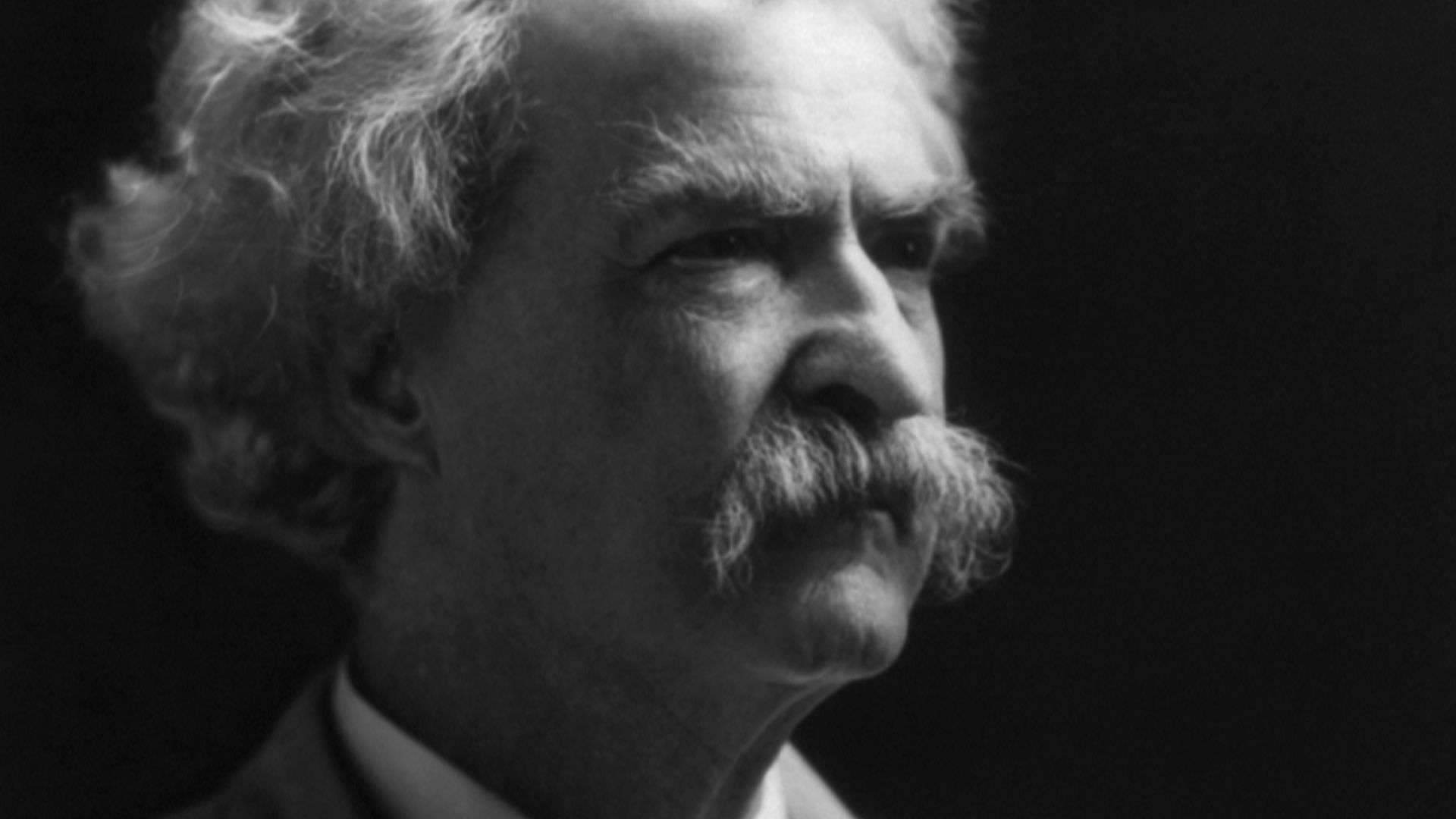 Photographer: A.F. Bradley in his studio. on Wikimedia
10. Napoleon's Exhaustion Complicated His Final Campaign
Napoleon had to go through many strenuous battles during his campaign back in power, and some believe that he did not sleep well during these times. This may have played a factor in his last battle, as Napoleon also sent orders that would delay him and Marshal Grouchy. These delays could have affected his final campaign.
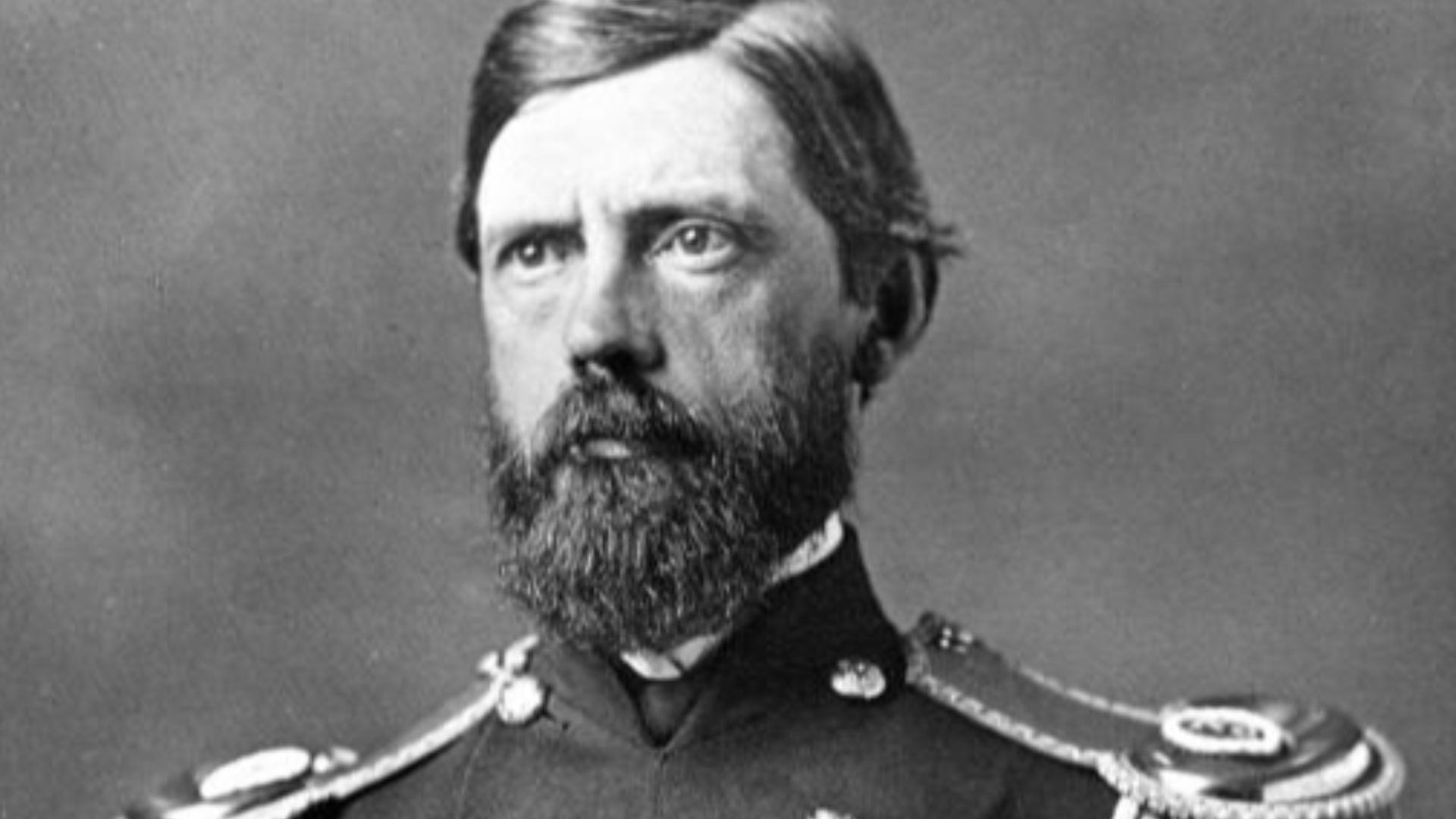
11. General John Reynolds Nearly Slept Through the Battle of Fredericksburg
Union General John Reynolds reportedly came close to oversleeping during preparations for the Battle of Fredericksburg in December 1862. He was eventually saved from missing the opening of the battle by the arrival of delayed orders from headquarters. Reynolds went on to become an important Union commander and later died during the first day of the Battle of Gettysburg in 1863, making his near miss at Fredericksburg a reminder that military schedules didn't always run according to plan, even for experienced officers.
 Unknown authorUnknown author on Wikimedia
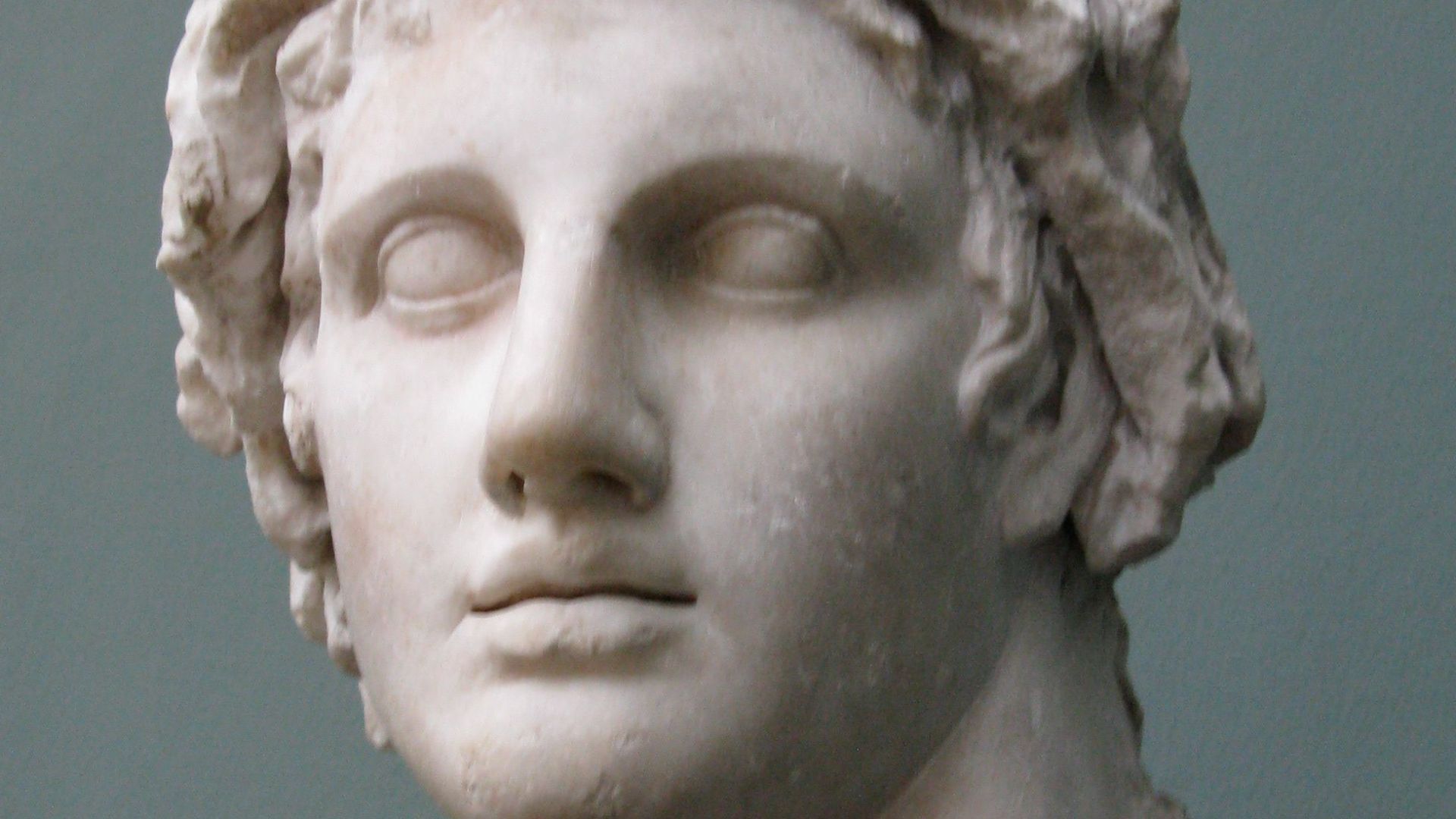
12. The Persian Army Was Exhausted Before Alexander's Victory
Before Alexander the Great could defeat King Darius III's Persian forces, they stayed awake all night long expecting an attack from Alexander. The attack never came until sunrise, which allowed the Greeks to rest that night and ultimately helped Alexander win against the Persians. Although the exact role of sleep deprivation is uncertain, the contrast between the two armies makes this an interesting example of how rest can matter in military history.
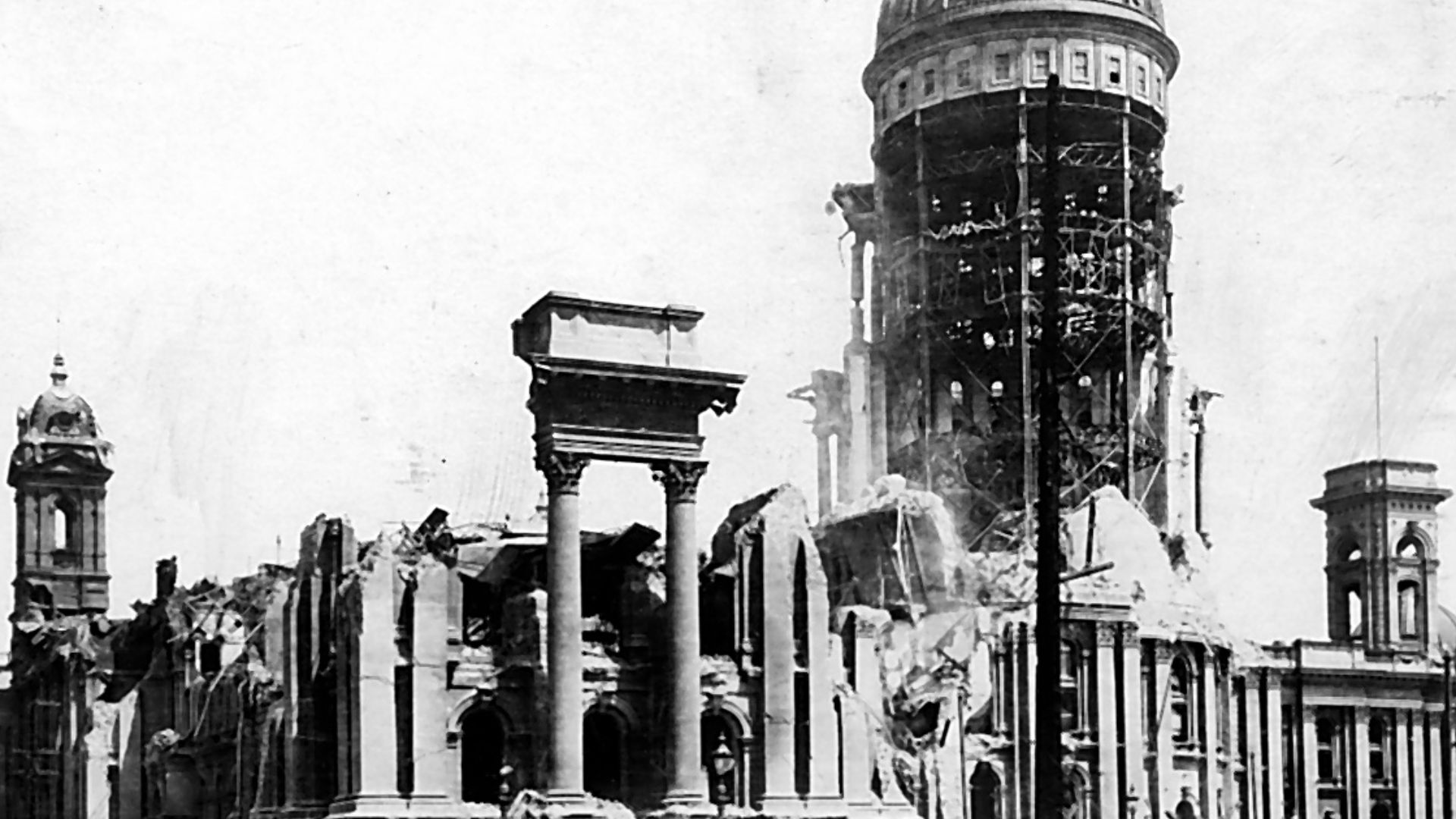
13. A Musician Slept Through the 1906 San Francisco Earthquake
On April 18, 1906, most citizens of San Francisco were woken up by a huge earthquake, but one man who worked for an opera company did not wake up. His name was Fred Ruhlmann, and he did not wake up until 8 a.m. that morning. When asked about the event, he laughed and stated that he had slept through many situations.
 Walter Curran Mendenhall on Wikimedia
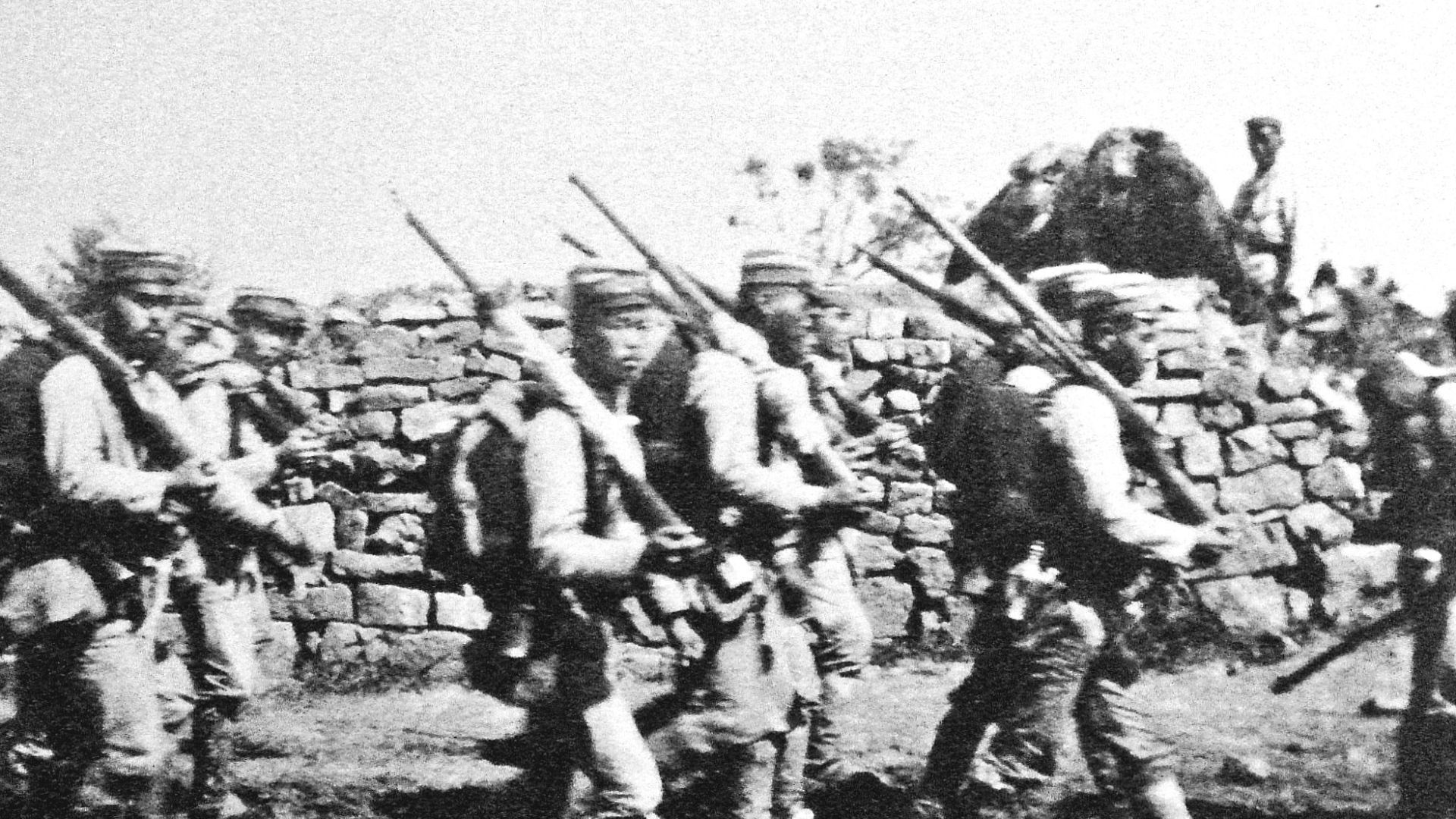
14. A British Officer Slept Through the Beginning of the Russo-Japanese War
When Japan attacked Russia, they launched a torpedo at their ship, and many people aboard did not notice the attack. When he was asked about what happened, one man said that he slept through the whole thing. His account eventually appeared in newspapers under the rather amusing headline "SLEPT THROUGH TORPEDO FIGHT."
 AnonymousUnknown author on Wikimedia
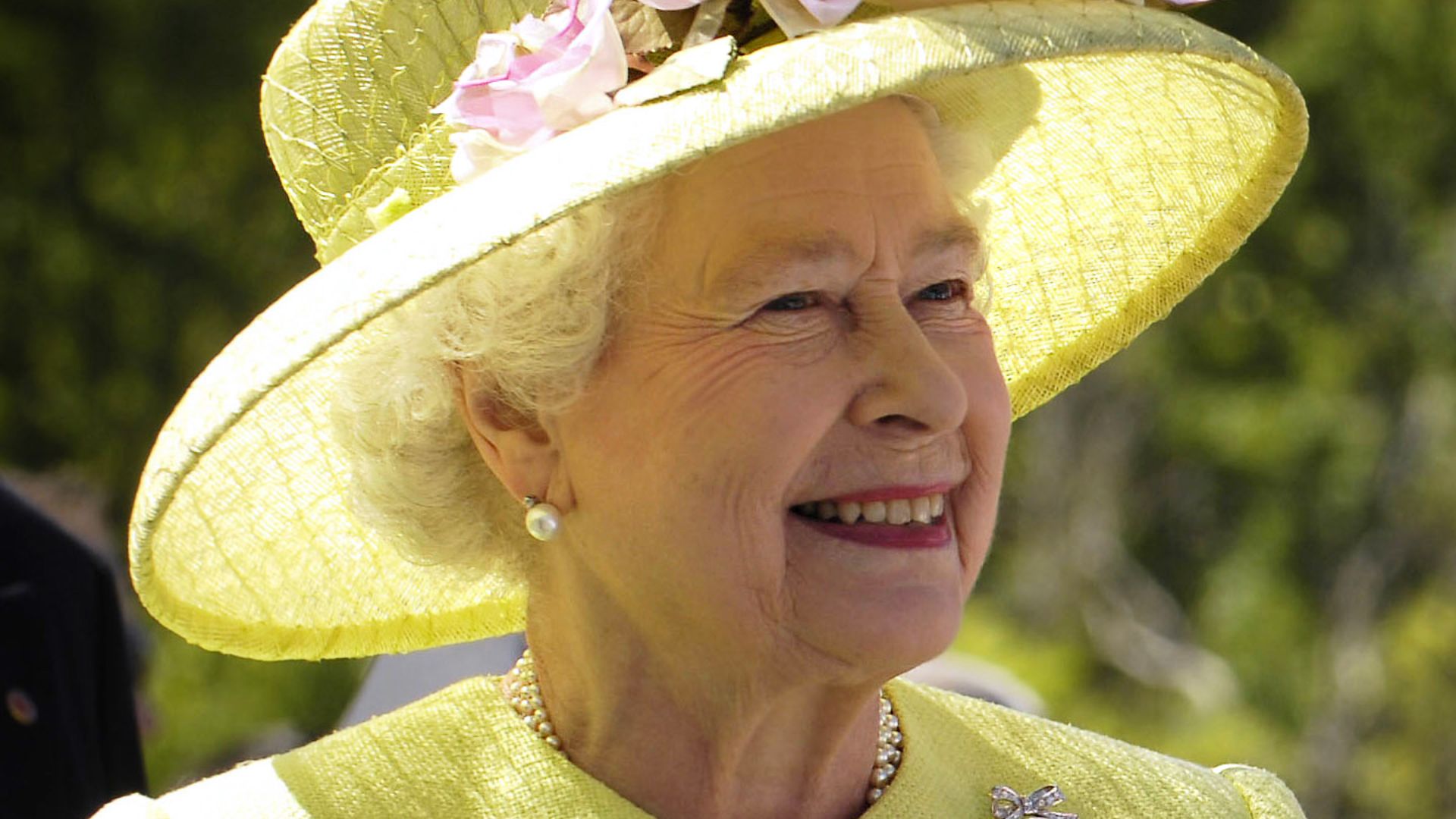
15. Queen Elizabeth II Slept Through a Royal Reception
Royalty sleeps too! Queen Elizabeth slept through music being played for her during her trip around the Commonwealth in 1953. This was a big deal at the time because the music was played to celebrate her visit to Fiji, and it certainly wasn't the reaction the performers were hoping for, although the story has become a memorable royal anecdote.
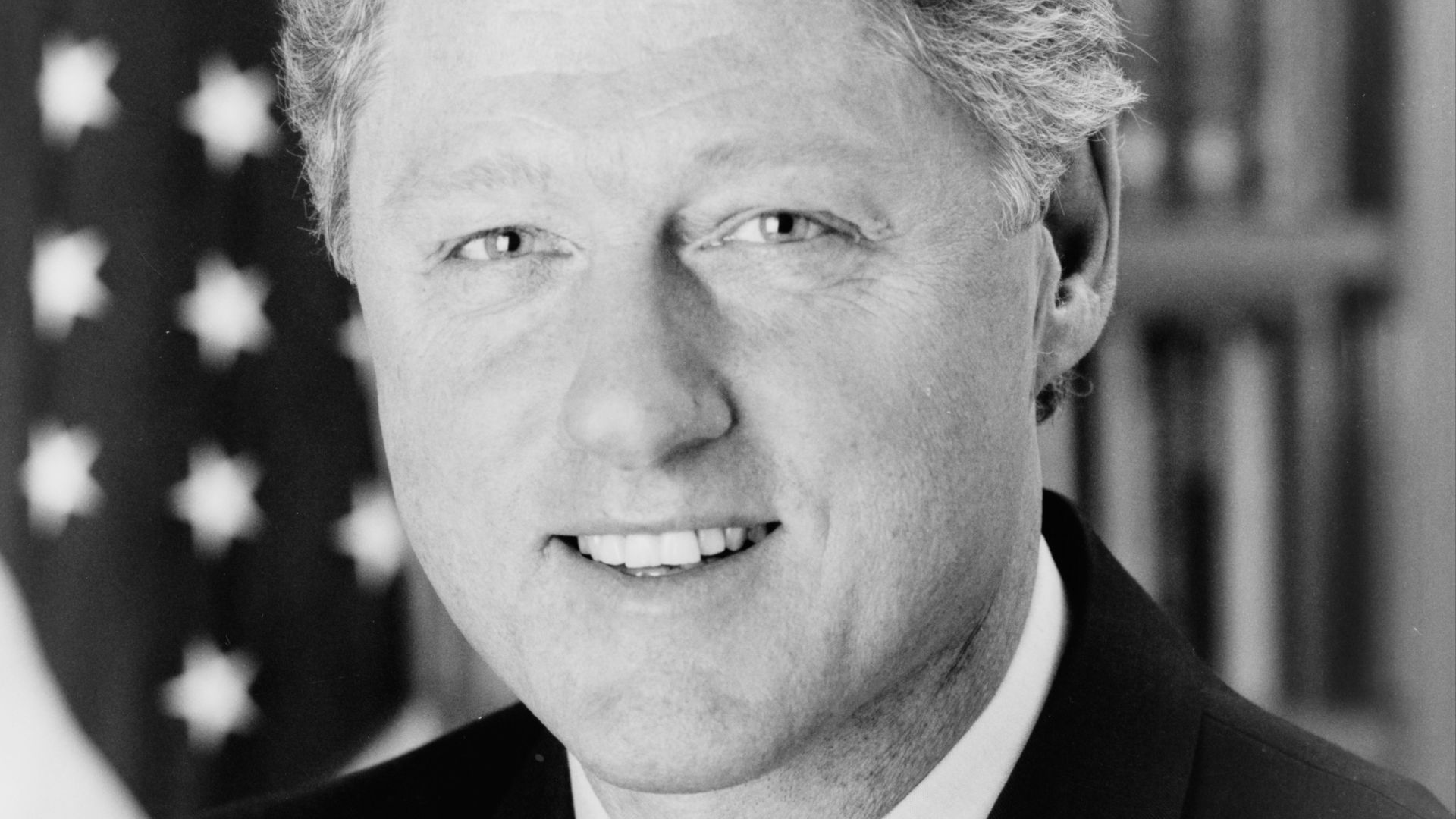
16. The Clintons Slept Through a Attack at the White House
In September 1994, a man named Francisco Martin Duran fired shots at the White House from outside the building. Bill and Hillary Clinton were reportedly asleep at the time and didn't wake up during the shooting. Although the incident caused a major security response, the president and first lady weren't directly involved in the confrontation, making it an unusual reminder that even major security incidents don't necessarily interrupt everyone's sleep.
 Library of Congress on Unsplash
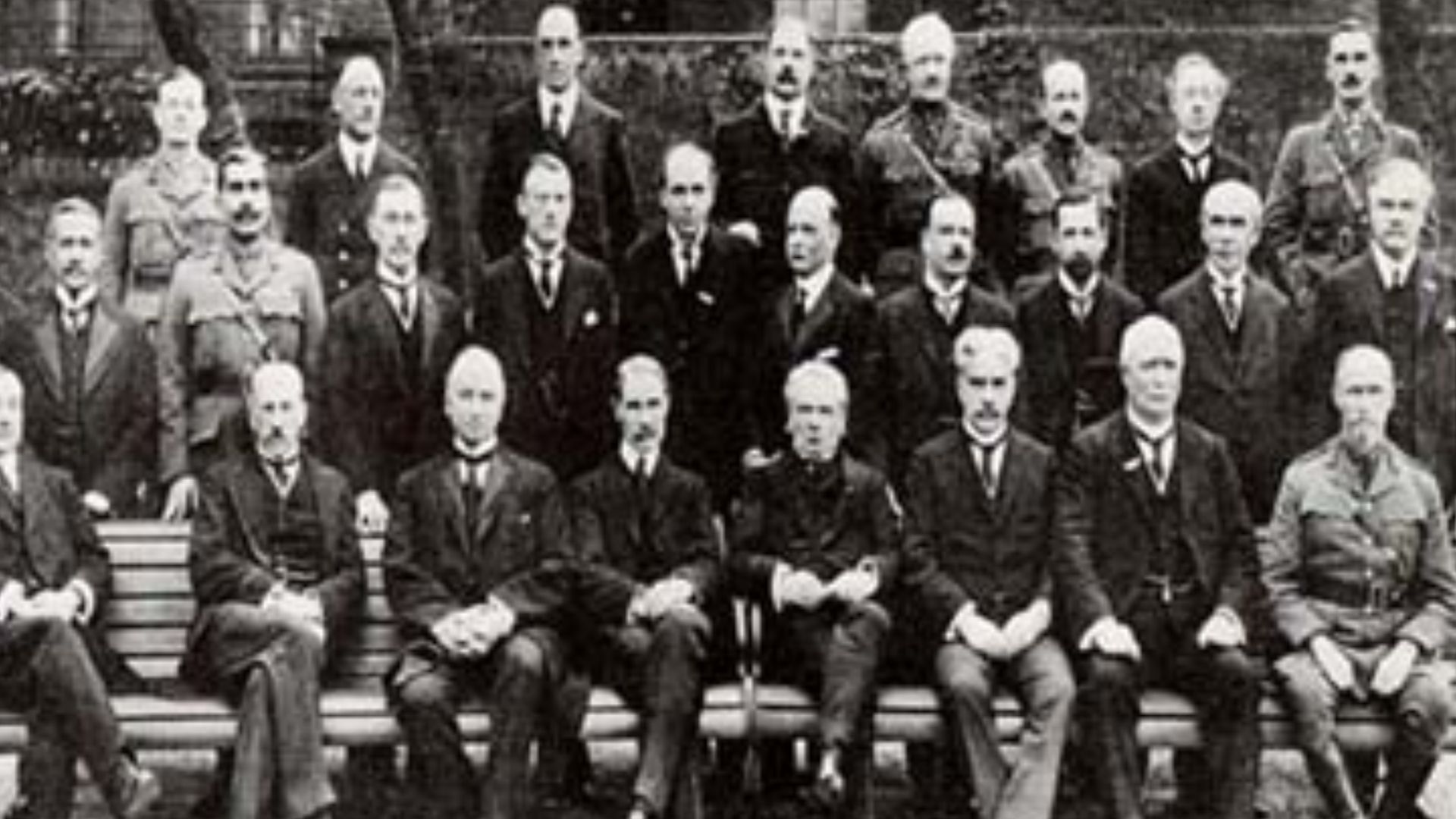
17. Leo Amery Missed the Train That Led to Winston Churchill's Capture
While Winston Churchill was becoming a great political leader, he first worked as a war correspondent. He caught the attention of many politicians at that time, including Leo Amery. While traveling around South Africa, he got on a train that was attacked by Boers and became imprisoned.
 Department of Foreign Affairs and International Trade Public domain on Wikimedia
18. A Ship's Passenger Slept Through an Emergency Evacuation
Fred Ruhlmann, the opera company manager who reportedly slept through the San Francisco earthquake, had another extraordinary sleeping story to share. He recalled an occasion aboard the steamship City of Rome when he didn't wake up until most of the other passengers had already been taken to lifeboats. According to his account, he was eventually able to walk calmly to his assigned place rather than joining the initial rush, and his remarkable ability to sleep through emergencies certainly made him memorable in newspaper interviews.
19. Harold Godwinson's Exhausted Army Faced the Battle of Hastings
After England won against Norway, they marched their way down to where another battle was taking place. Many of the English soldiers were exhausted from this long journey and did not get much sleep, leaving England depleted of energy when it came time to fight the Normans. The Normans ultimately won at Hastings, changing the English monarchy and beginning a new chapter in the country's history.
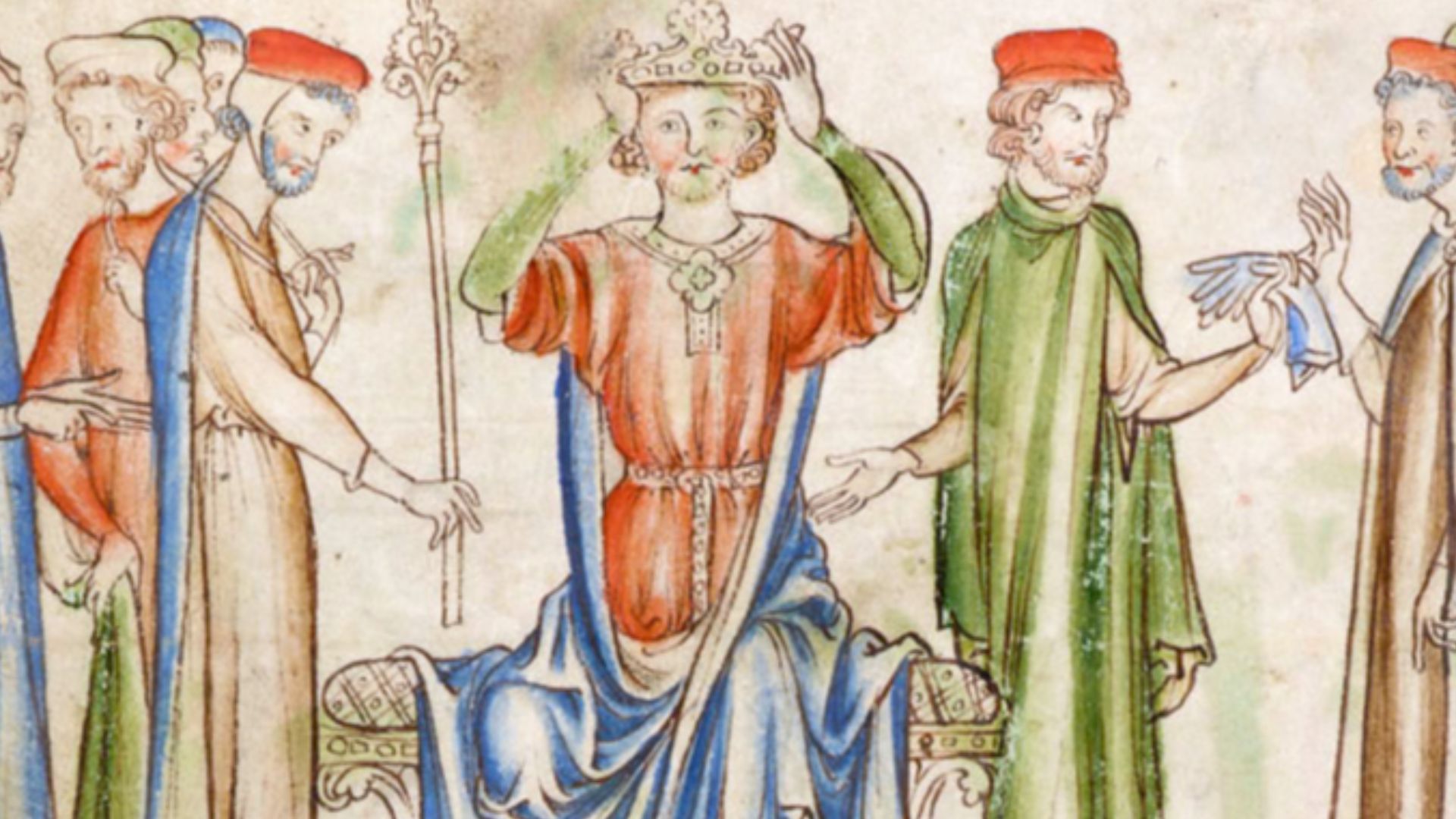 Anonymus (The Life of King Edward the Confessor) on Wikimedia
20. Napoleon's Sleep Deprivation Became Part of His Waterloo Legend
Napoleon's final campaign has inspired countless discussions about military decisions, missed opportunities, and the importance of rest. Accounts of the Battle of Waterloo describe the emperor operating under considerable physical strain, with some reports suggesting he had slept very little during the preceding days. His fatigue has been used by historians and biographers to explore whether he was still capable of making the rapid decisions that had once made him such a formidable commander.
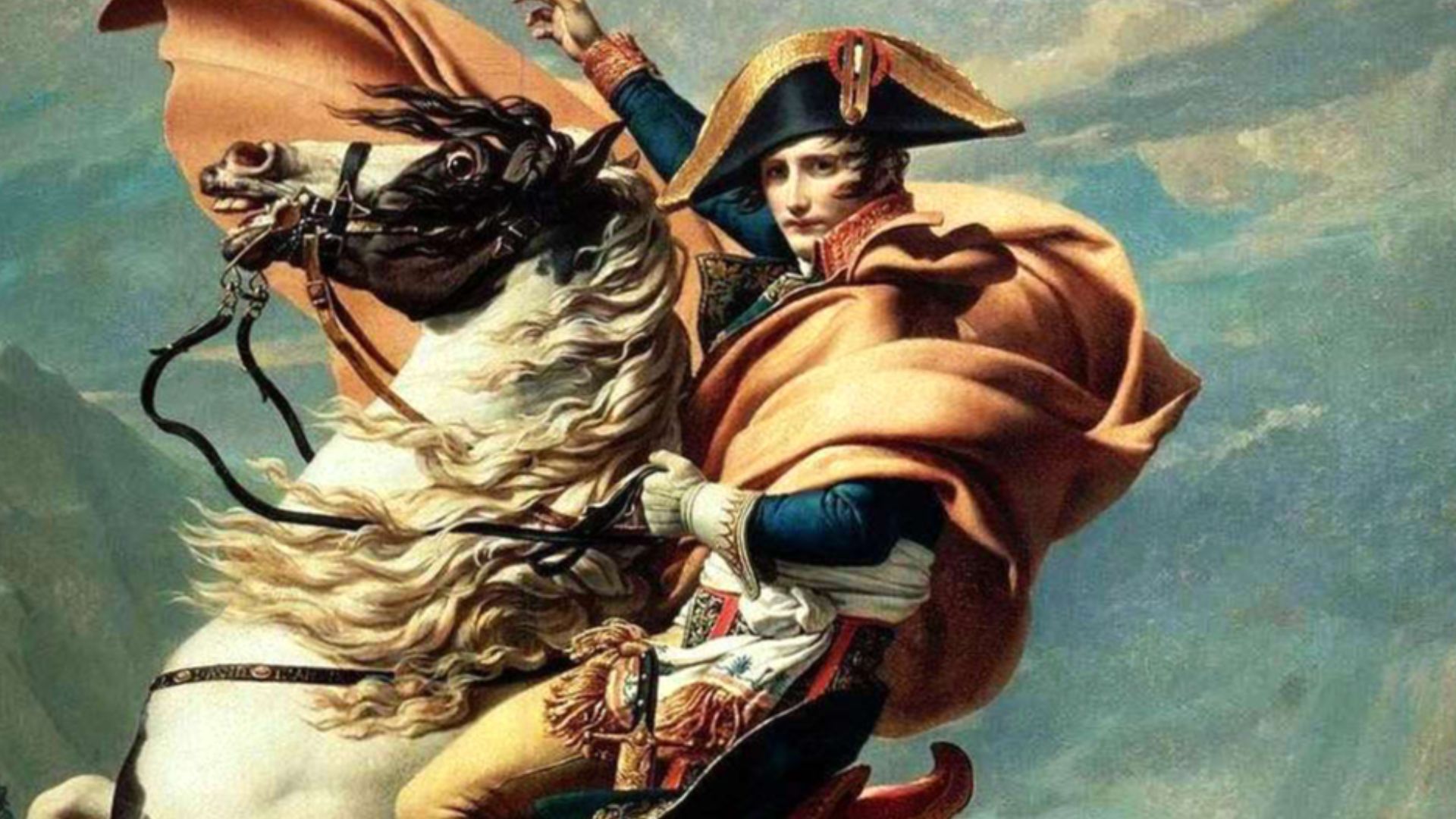 Jacques-Louis David on Wikimedia
KEEP ON READING