


20 Times In History That a Ruler’s Jealousy Created a Disaster
When Power Meets Insecurity, Everybody Else Pays
History is full of rulers who could command armies, rewrite laws, and reshape entire countries, yet still could not cope when somebody else looked a little too talented, admired, or loved. What makes jealousy such a dangerous force in royal courts is that once it mixes with absolute power, private insecurity can become public catastrophe very quickly. Sometimes the result was murder, sometimes it was exile, and sometimes it was a political disaster big enough to shake a whole kingdom. Here are 20 times a ruler's fragile ego created a disaster.
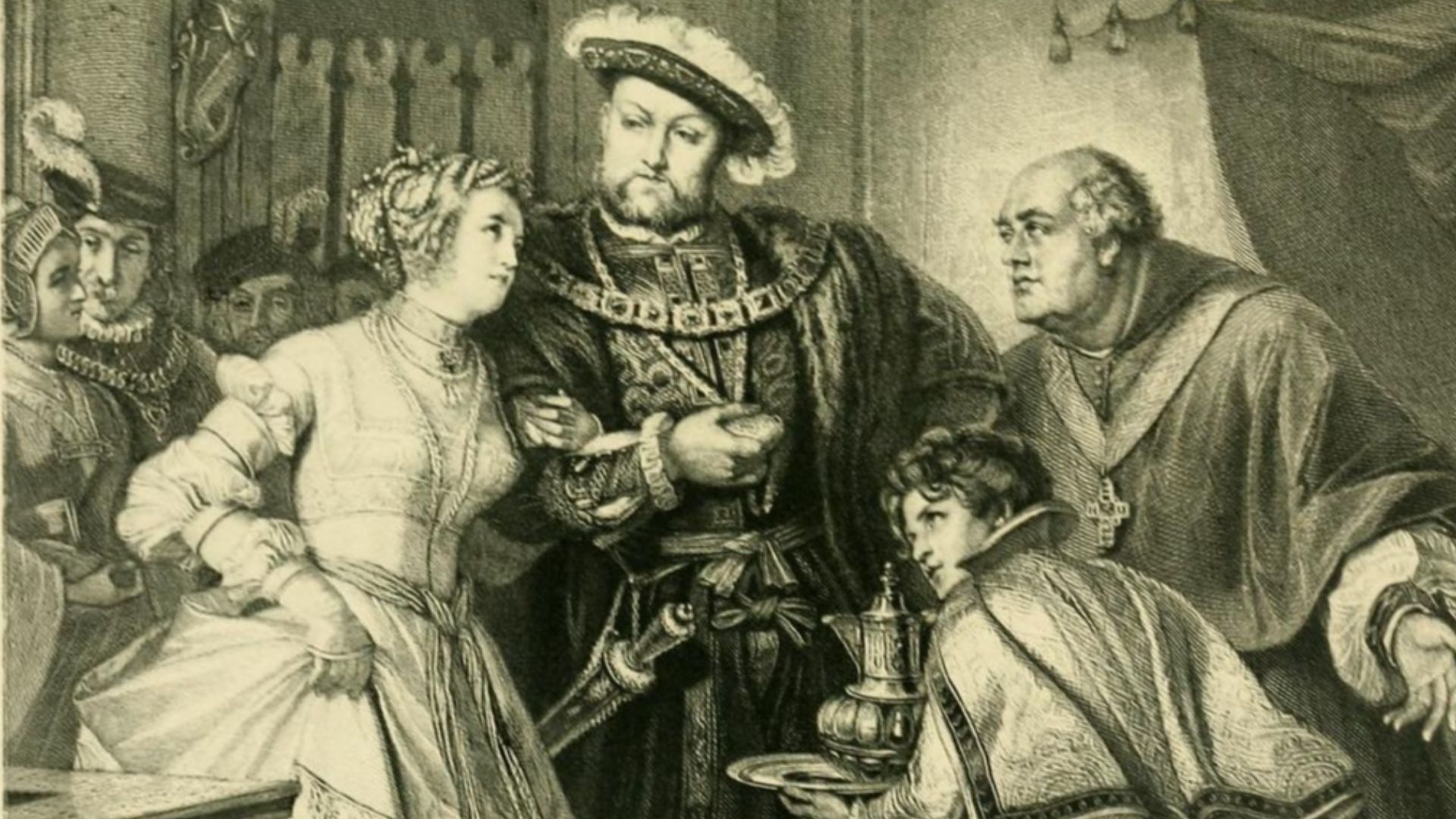 Goupil; painting Fr. Pecht on Wikimedia
1. Henry VIII & Anne Boleyn
Henry VIII’s jealousy wasn't limited to romance, but it certainly did enough damage there. Once his fascination with Anne Boleyn turned into suspicion, resentment, and wounded pride, he helped create the conditions for her downfall through charges that were widely viewed as politically convenient. What might have been a private collapse became a national scandal and a royal execution.
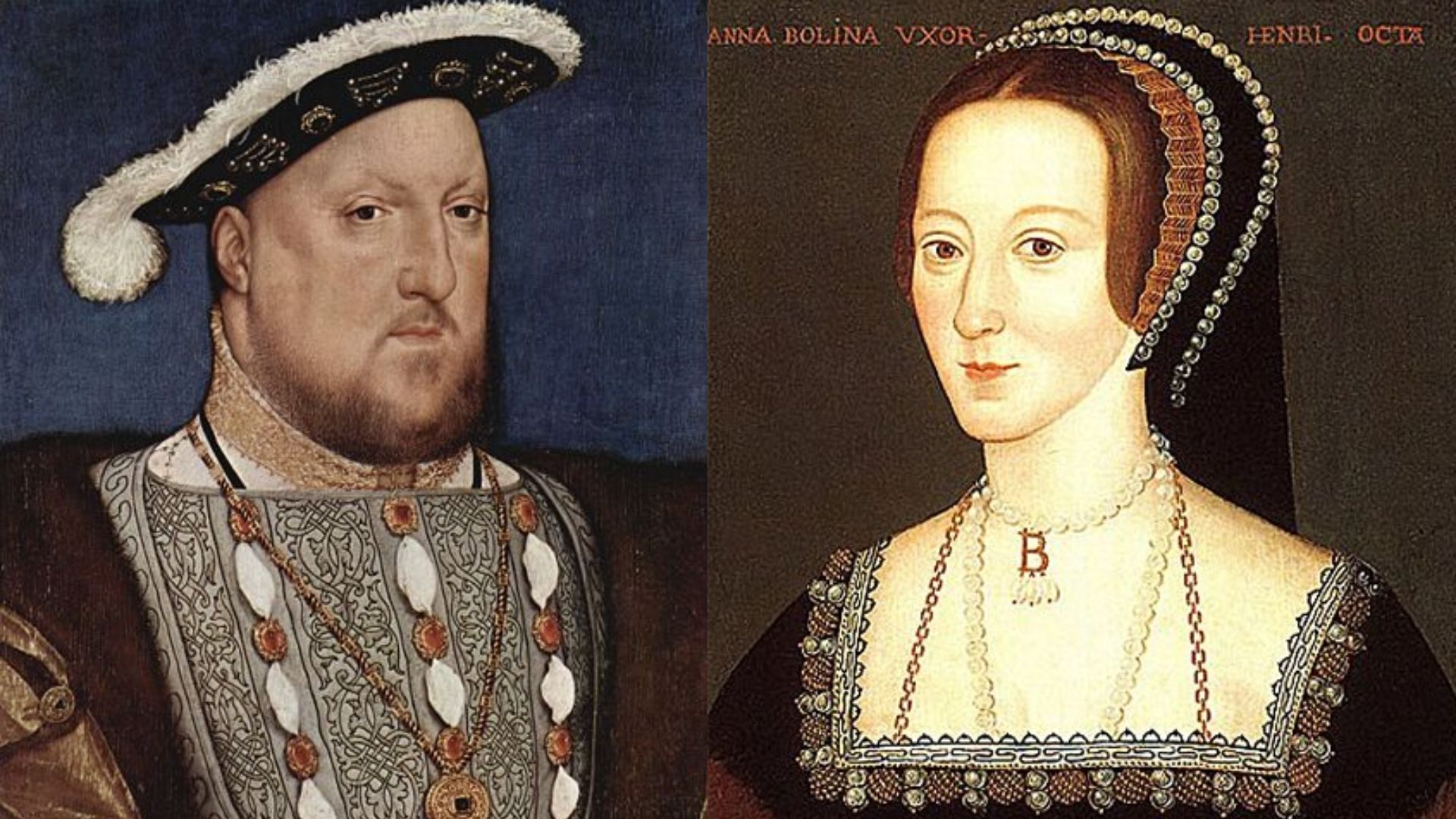 Hans Holbein the Younger on Wikimedia
2. Ivan the Terrible & His Son Ivan Ivanovich
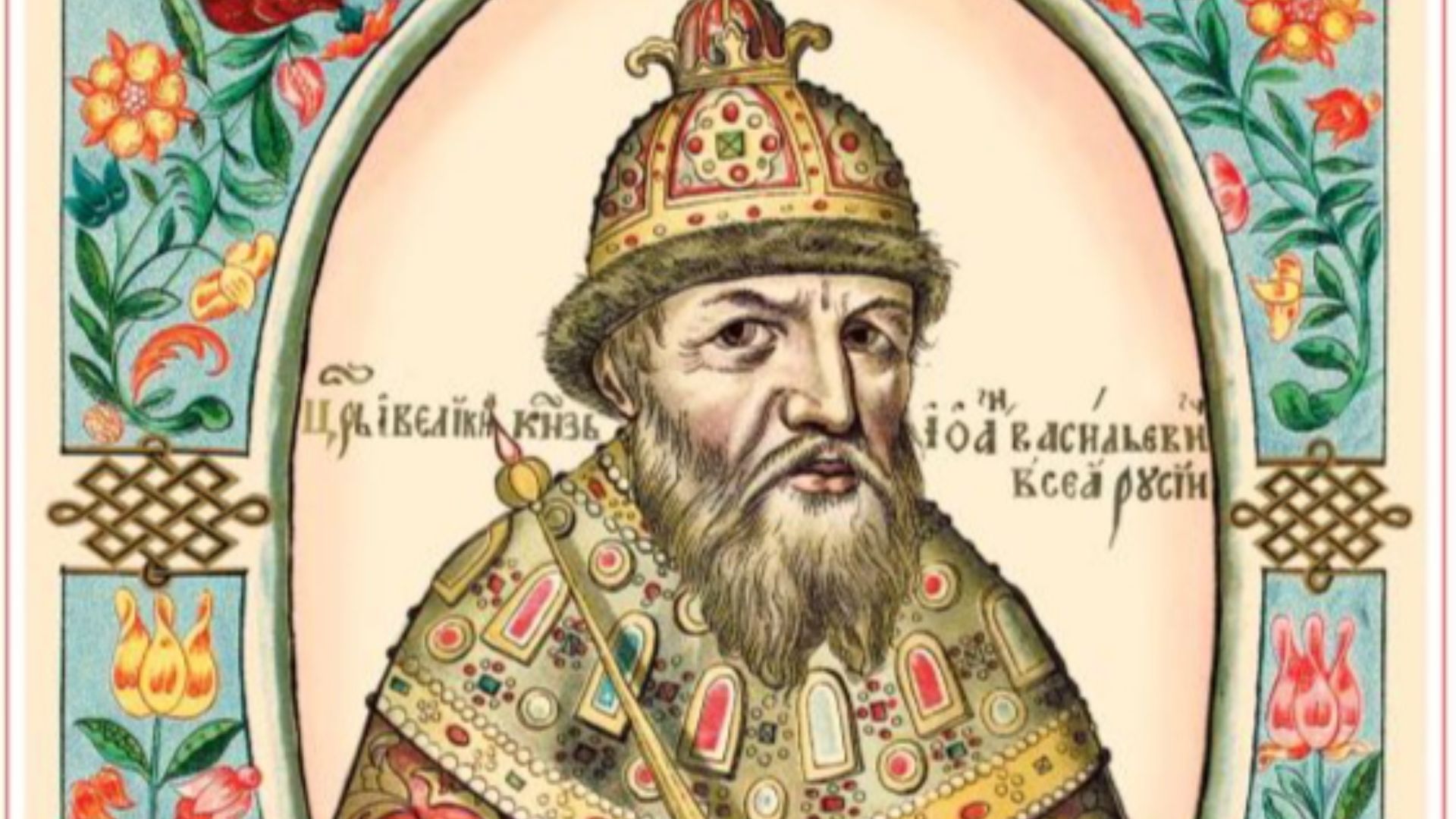
Ivan IV’s jealousy and paranoia had a habit of making even family life dangerous. In one of history’s grimmest royal household disasters, he struck his own heir during an argument, fatally injuring him. That single act helped throw Russian succession into even greater instability.
3. Joseph Stalin & Sergey Kirov
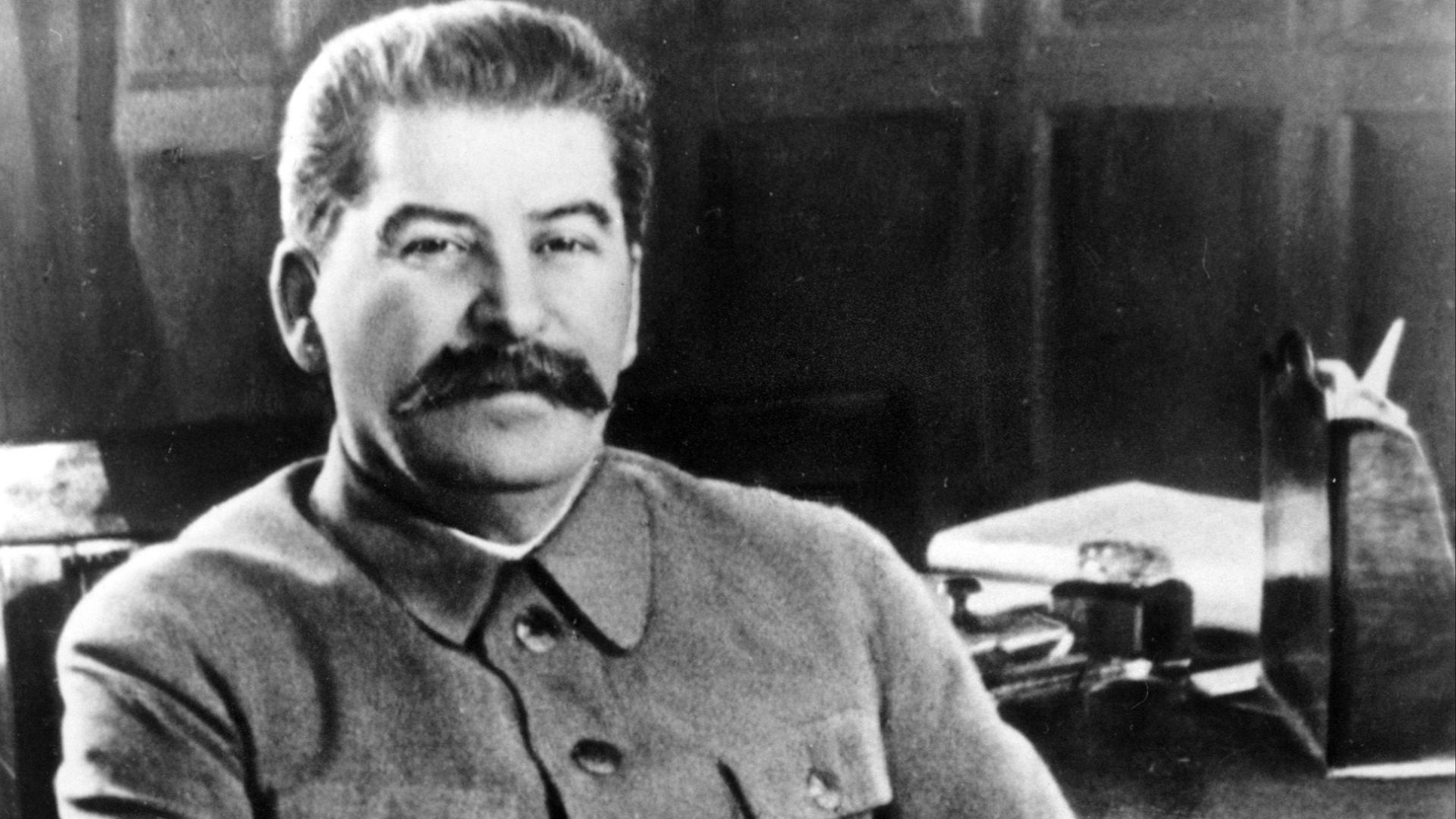
Stalin wasn't a crowned monarch, but he ruled like one and reacted to popular rivals with unmistakable jealousy. Sergey Kirov was charismatic and eloquent, two traits Stalin didn't possess. Kirov's growing prominence made him exactly the kind of figure Stalin couldn't comfortably tolerate, and his murder in 1934 became one of the major turning points leading into the Great Purge.
4. Nero & Britannicus
Nero had little interest in sharing attention, especially with a rival claimant from inside the imperial family. Britannicus, the son of Claudius, represented both a dynastic threat and a reminder that Nero’s position wasn't beyond question. Britannicus died suddenly, widely believed to have been poisoned on Nero’s orders. Rome had many problems, but a jealous emperor with access to murder was always near the top of the list.
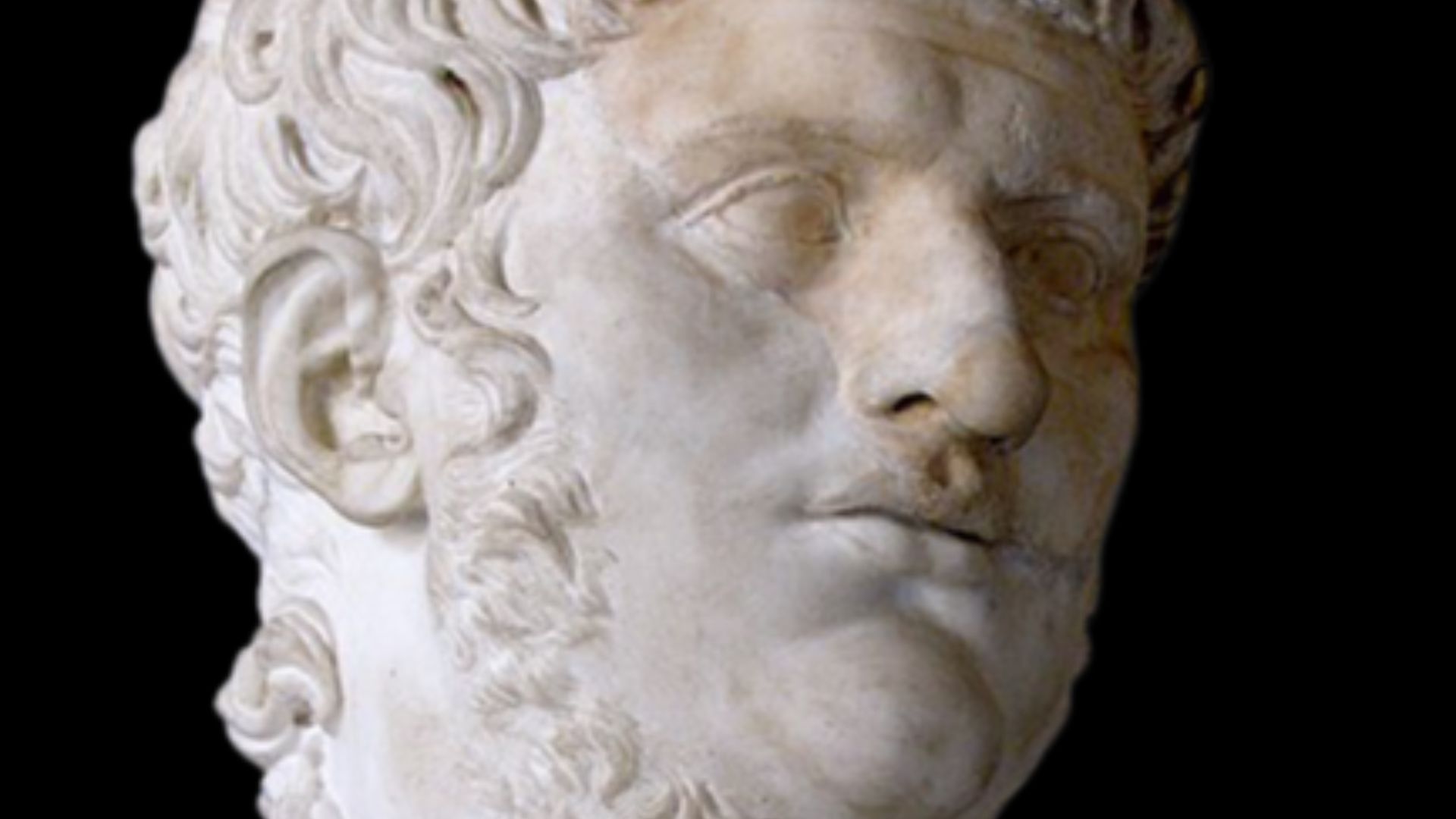
5. Commodus & His Generals
Commodus had a gift for turning ordinary insecurity into imperial dysfunction. He became deeply suspicious of anyone whose competence, military reputation, or political standing might outshine his own increasingly bizarre rule. That jealousy helped fuel executions, purges, and a broader collapse in confidence around the throne.
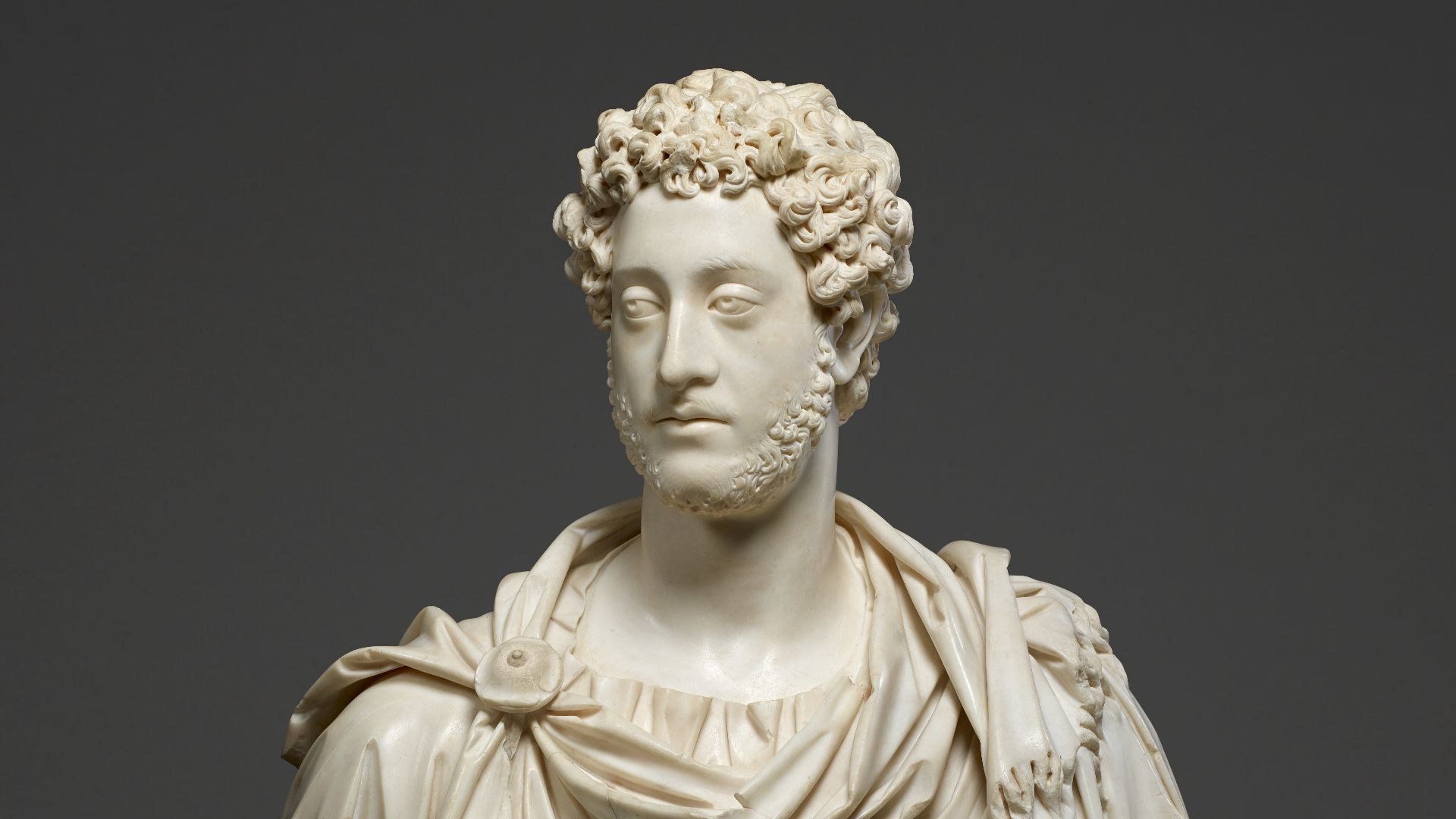 J. Paul Getty Museum on Wikimedia
6. Caligula & Mauretania’s Ptolemy
Caligula didn't need much of a reason to react badly, and Ptolemy of Mauretania apparently gave him enough simply by being rich, royal, and noticeable. Ancient accounts suggest Caligula’s jealousy over Ptolemy’s display of prestige helped provoke the king’s murder. That killing had real political consequences and helped destabilize Mauretania.
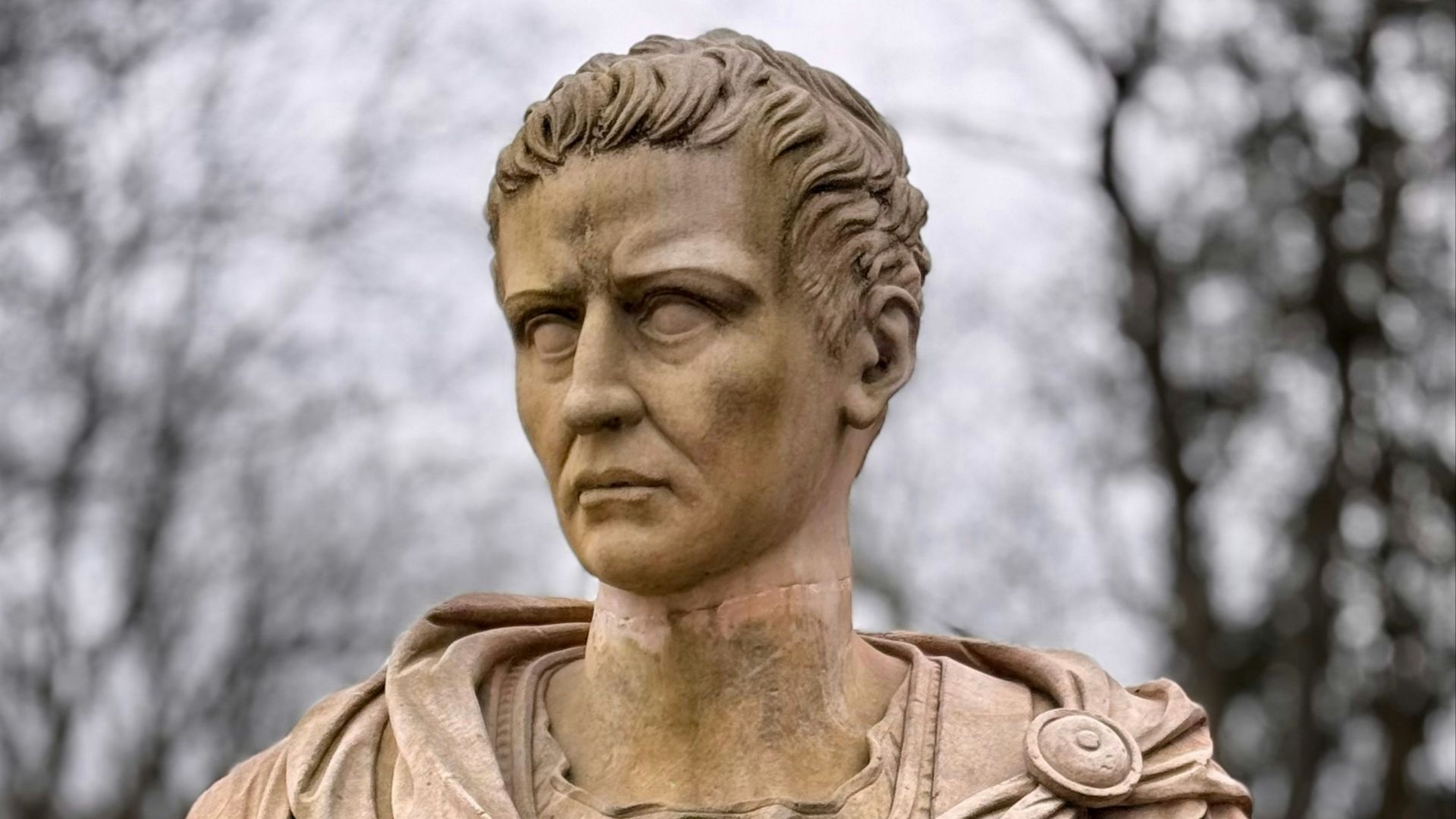 Roman Empire Times on Unsplash
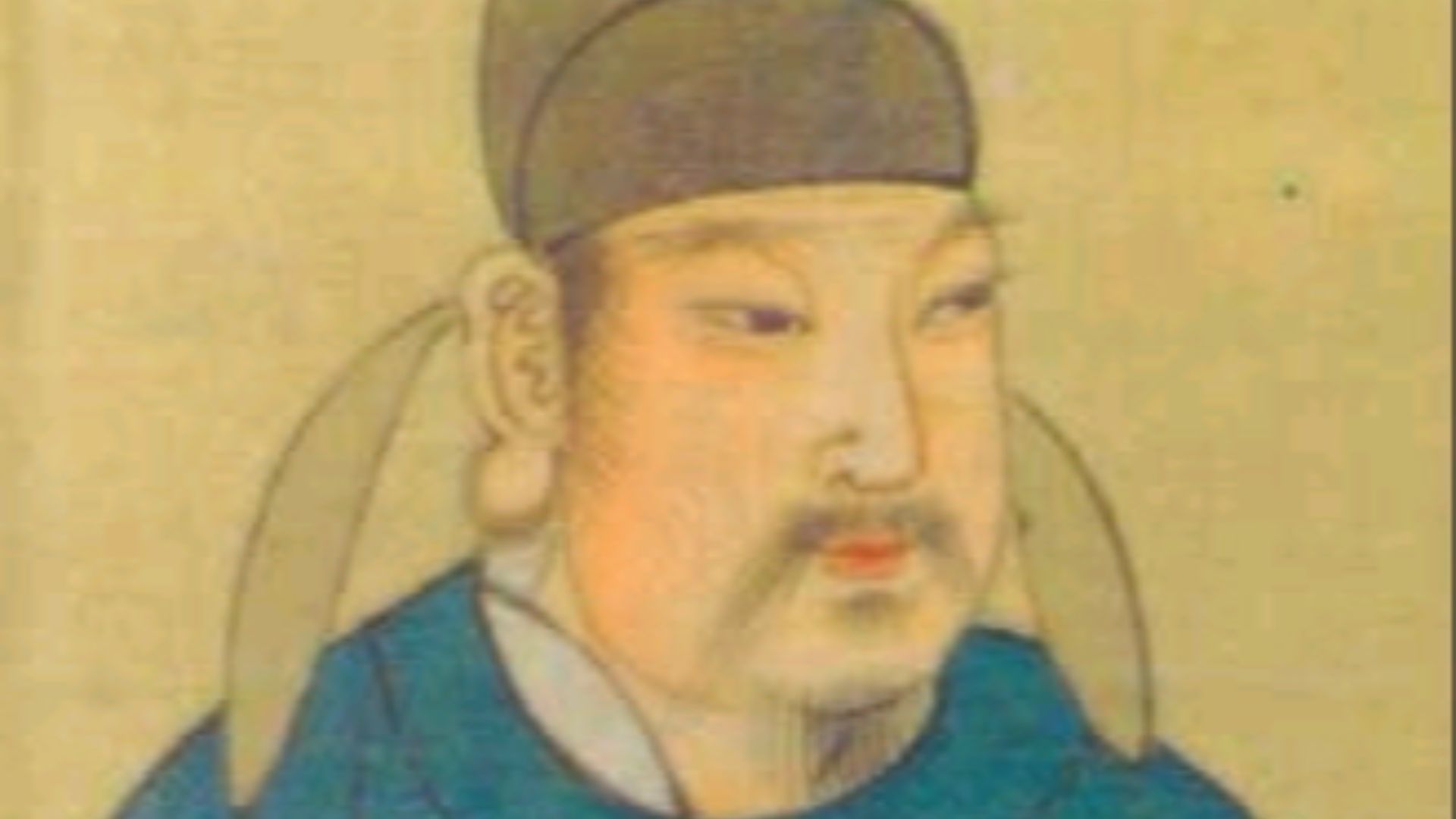
7. Emperor Xuanzong & Crown Prince Li Ying
Court jealousy in imperial China was often a family business, and Emperor Xuanzong’s later reign had more than enough of it. Influenced by court intrigue and shifting favor, he turned against Crown Prince Li Ying, whose position became increasingly vulnerable. Li Ying was eventually forced to commit suicide after being accused in a plot.
8. King Saul & David
David’s success, popularity, and military reputation made Saul increasingly fearful and resentful instead of grateful. That jealousy drove repeated attempts on David’s life and weakened Saul’s own household and rule in the process. It's difficult to govern well once you're obsessed with the applause somebody else is getting.
 Dr. Lidia Kozenitzky on Wikimedia
9. Qin Er Shi & His Brothers
The second emperor of Qin inherited one of history’s most brittle new empires and handled family rivalry with ruthless jealousy. Potential competitors inside the ruling house were eliminated because they threatened his insecure grip on power. Instead of calming succession, that violence made the dynasty even more fragile.

10. Suleiman the Magnificent & Mustafa
Suleiman’s relationship with his son, Mustafa, remains one of the most haunting Ottoman examples of jealousy mixed with succession fear. Mustafa was admired, capable, and seen by many as a strong future ruler, which made him dangerous inside an empire where popularity could look like rebellion. Suleiman ultimately ordered his execution after accusations of treason, but the empire never stopped arguing about the decision.
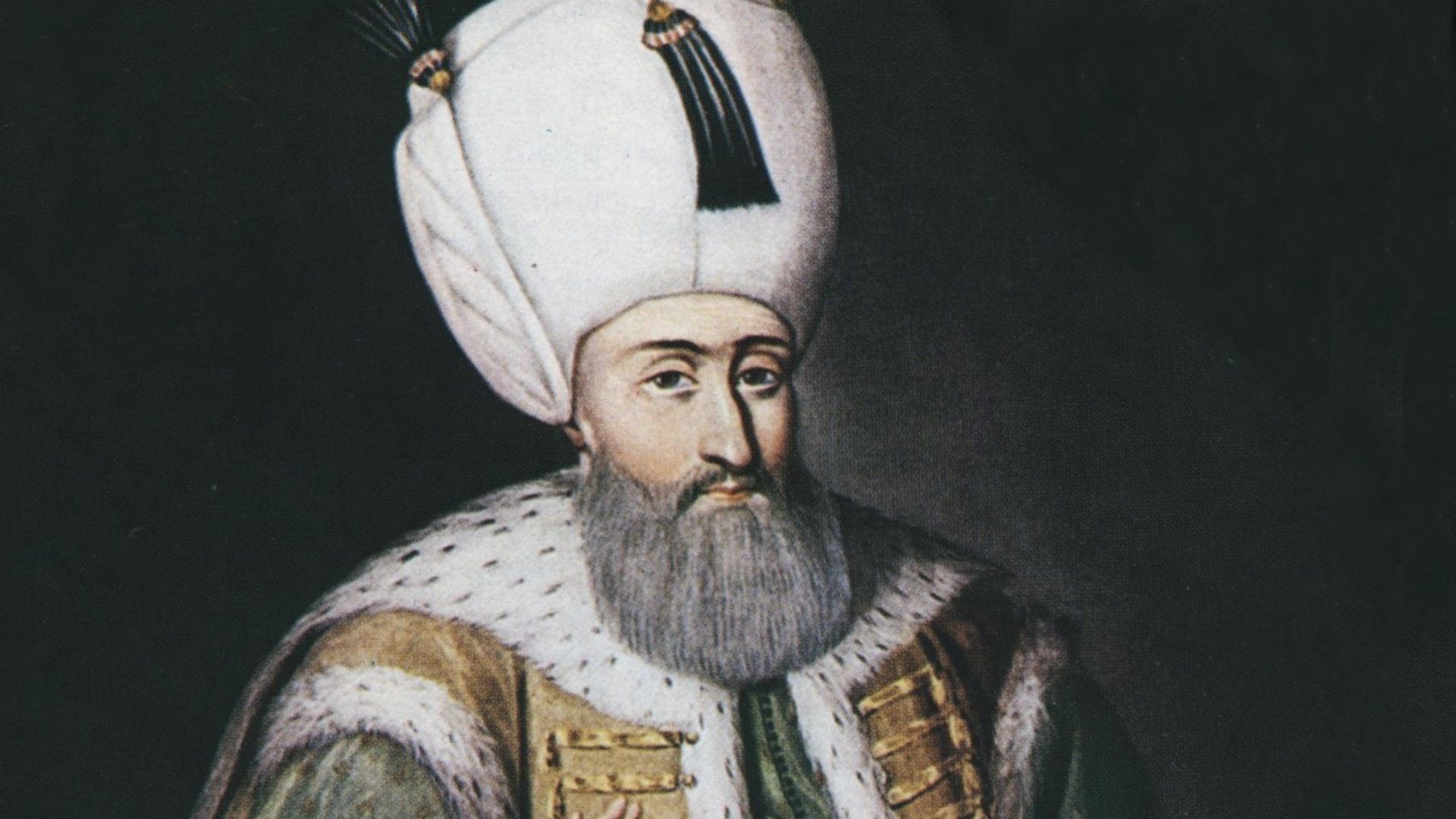 Konstantin Kapıdağlı on Wikimedia
11. Herod & Mariamne
Herod the Great’s jealousy toward his wife Mariamne turned into one of the ugliest royal domestic disasters of the ancient world. He became increasingly consumed by suspicion about her loyalty and intentions, even though much of that fear was tangled up with his own insecurity and the poisonous politics around him. Eventually, he had Mariamne executed, then reportedly spiraled into grief and instability afterward.
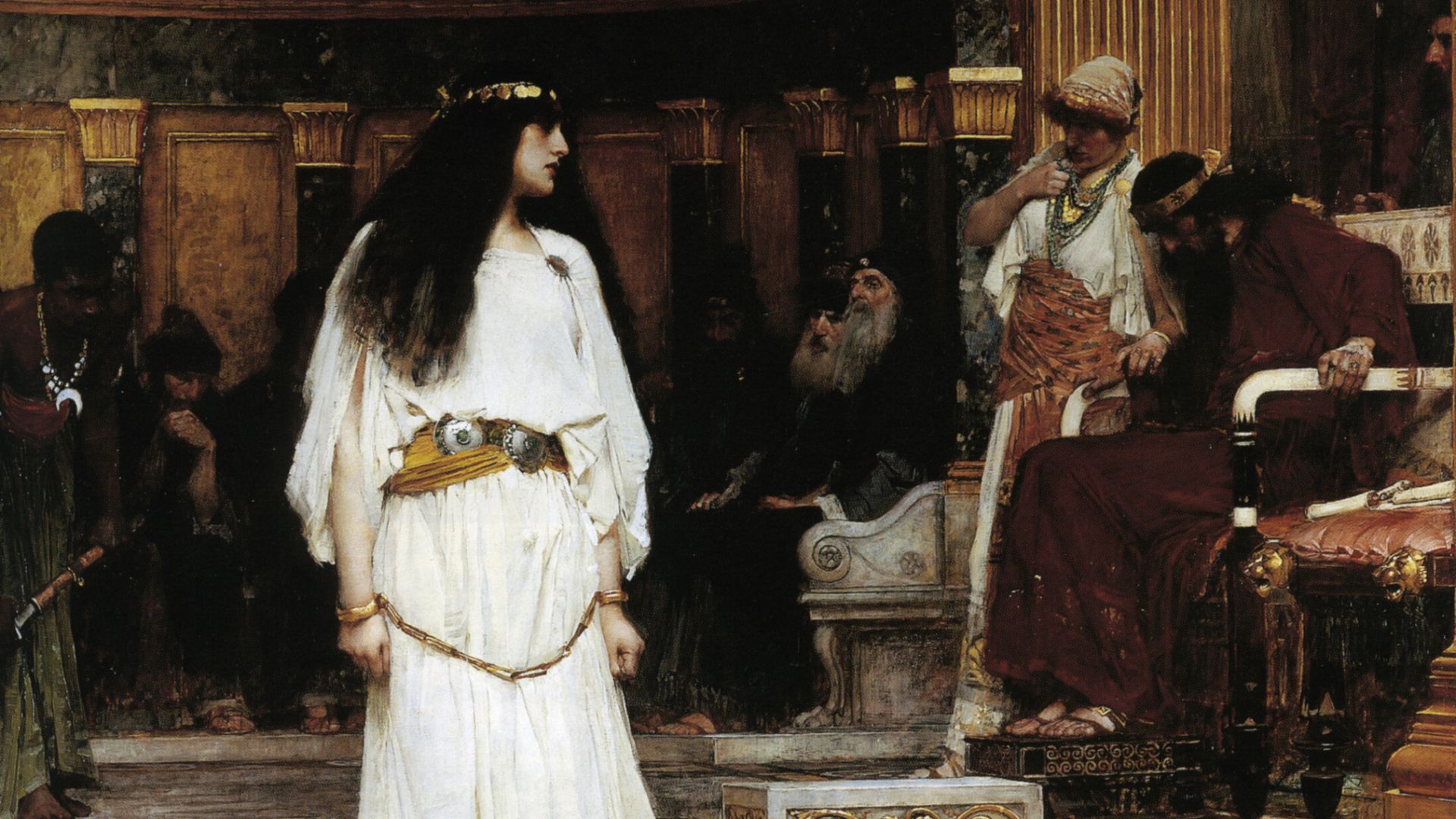 John William Waterhouse on Wikimedia
12. Nero & Poppaea Sabina
Nero’s relationship with Poppaea Sabina had all the signs of imperial obsession, volatility, and very bad emotional regulation. Ancient accounts describe a violent argument in which Nero, in a burst of rage and jealousy, kicked the pregnant Poppaea, leading to her death. Even allowing for the dramatic tendencies of Roman sources, the story has endured because it fits the larger pattern of Nero turning private passion into public horror.
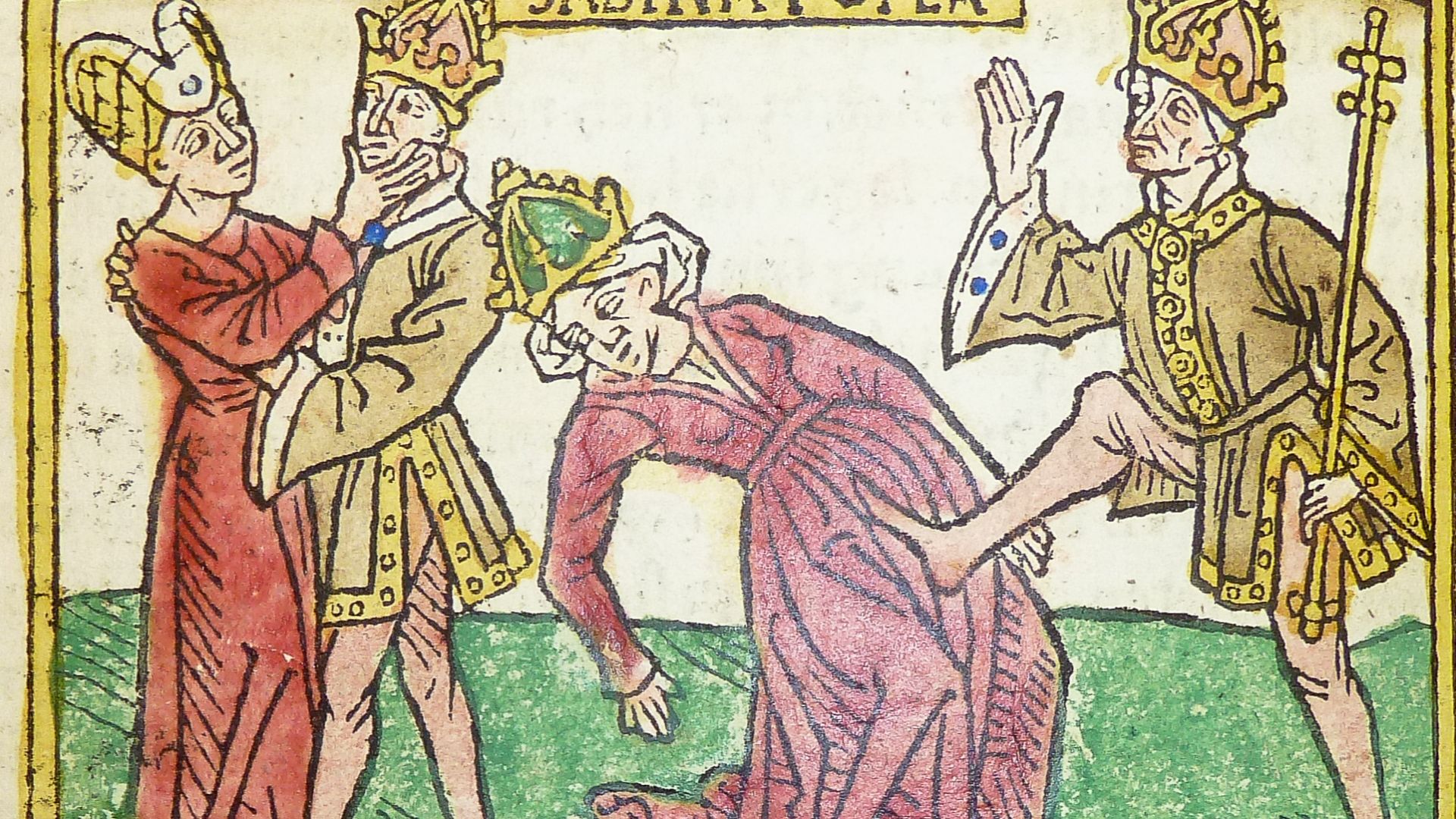
13. Pedro I of Portugal & Inês de Castro
Pedro’s love for Inês de Castro created enormous tension at court, where their relationship was seen as politically dangerous and deeply threatening to the royal order. After Inês was murdered on the orders of Pedro’s father, the result wasn't calm succession management but rage, vengeance, and years of legendary bitterness. Pedro’s romantic fixation and the jealousy surrounding Inês’s place at court helped turn a love affair into a full dynastic crisis.
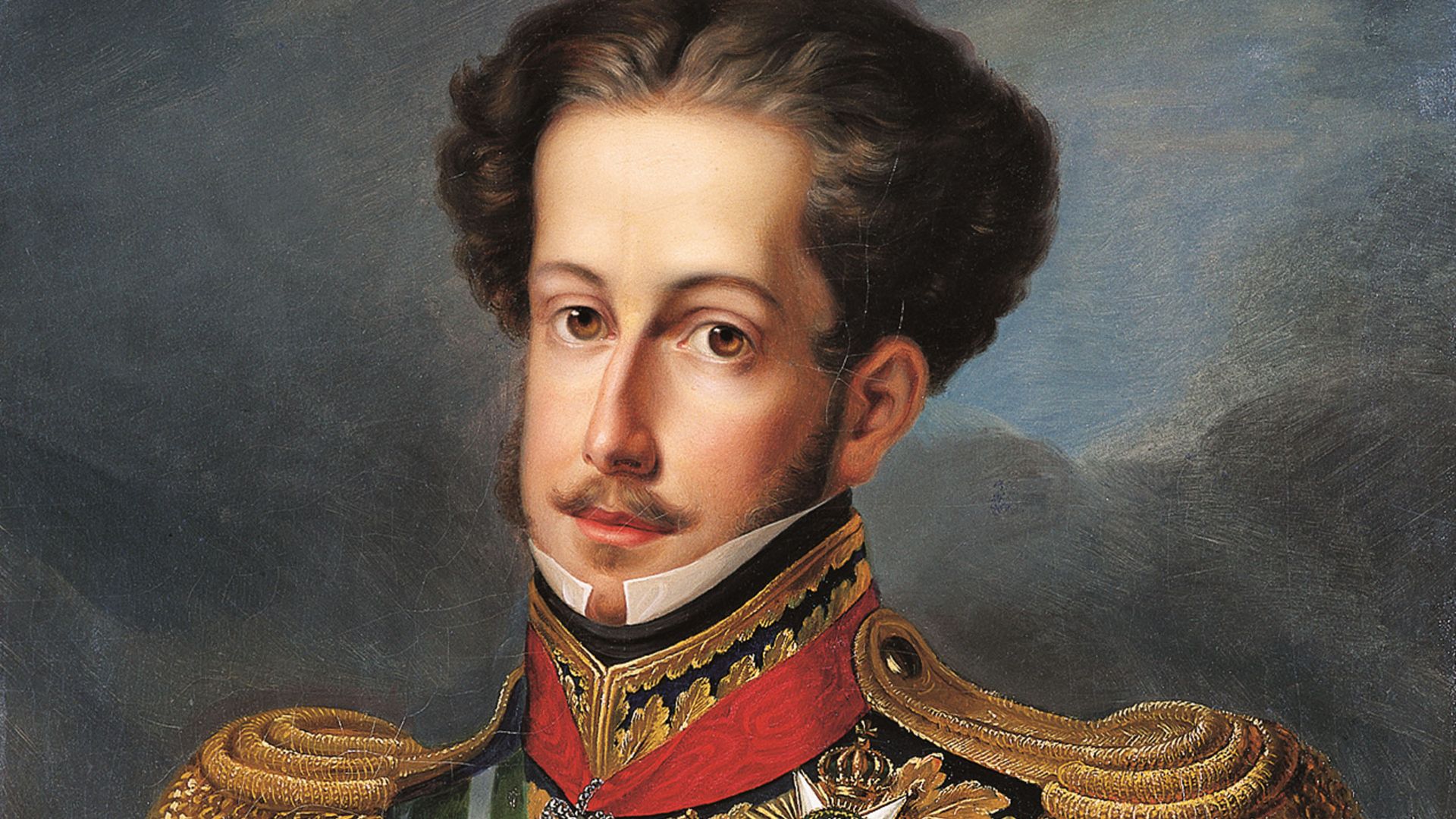 Simplício Rodrigues de Sá on Wikimedia
14. Louis XI & Charles, Duke of Burgundy
Louis XI didn't rule Burgundy, but his jealousy of Charles’s power and prestige drove some spectacularly dangerous maneuvering. He envied and feared any rival prince strong enough to stand outside his control. That mutual hostility helped fuel wars, betrayals, and the kind of diplomatic poison that leaves whole regions unstable. When kings start treating neighboring greatness as a personal insult, ordinary people usually end up paying for it.
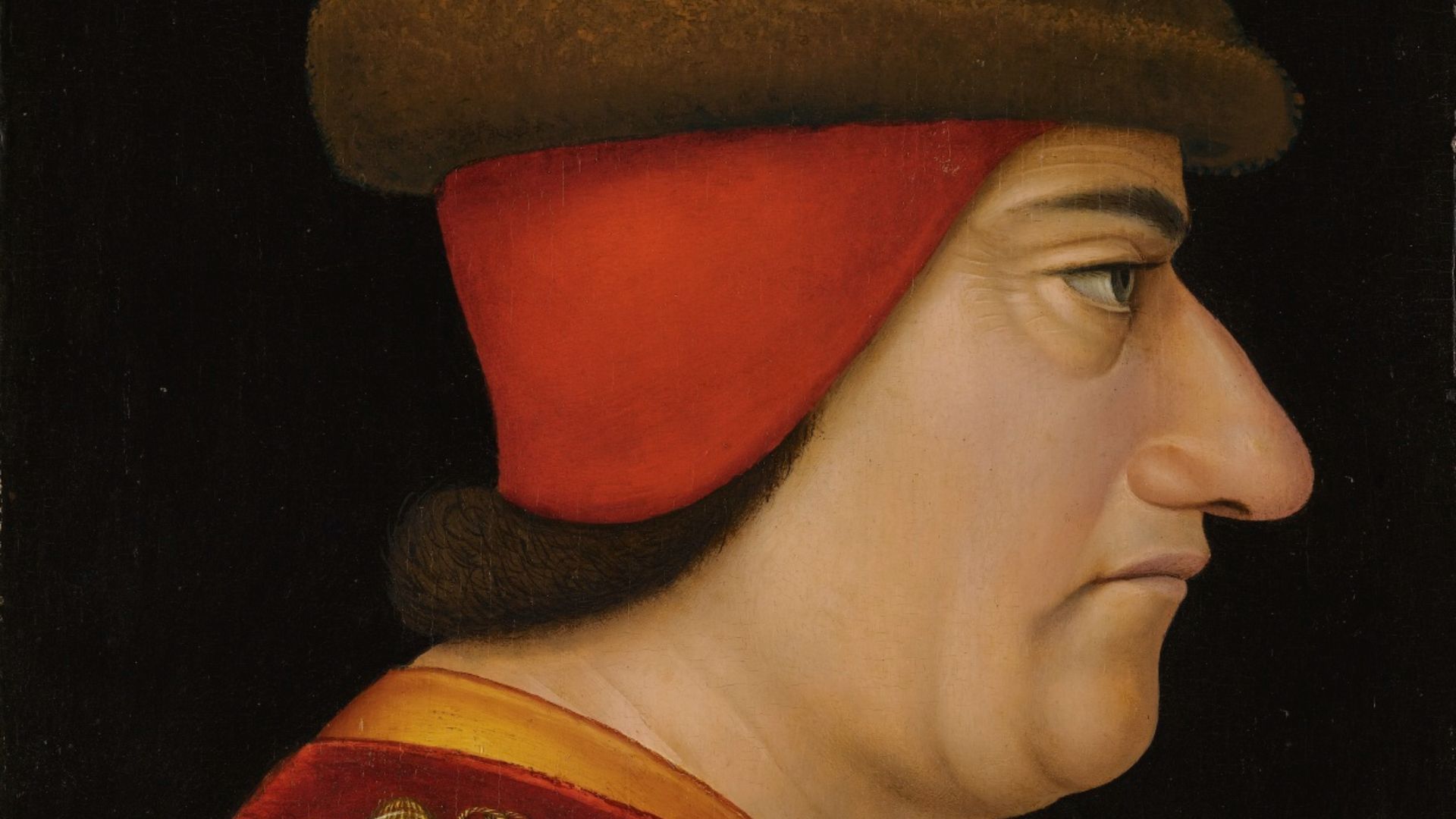 Jacob de Litemont on Wikimedia
15. Louis X of France & Margaret of Burgundy
Louis X’s jealousy over his wife Margaret’s alleged affairs helped turn the Tour de Nesle scandal into a royal disaster. Once accusations of infidelity surfaced, the response was ruthless, public, and politically explosive, with Margaret imprisoned and the monarchy dragged into humiliation. What might have been a private marital crisis instead became a dynastic mess that damaged the crown’s image and stability.
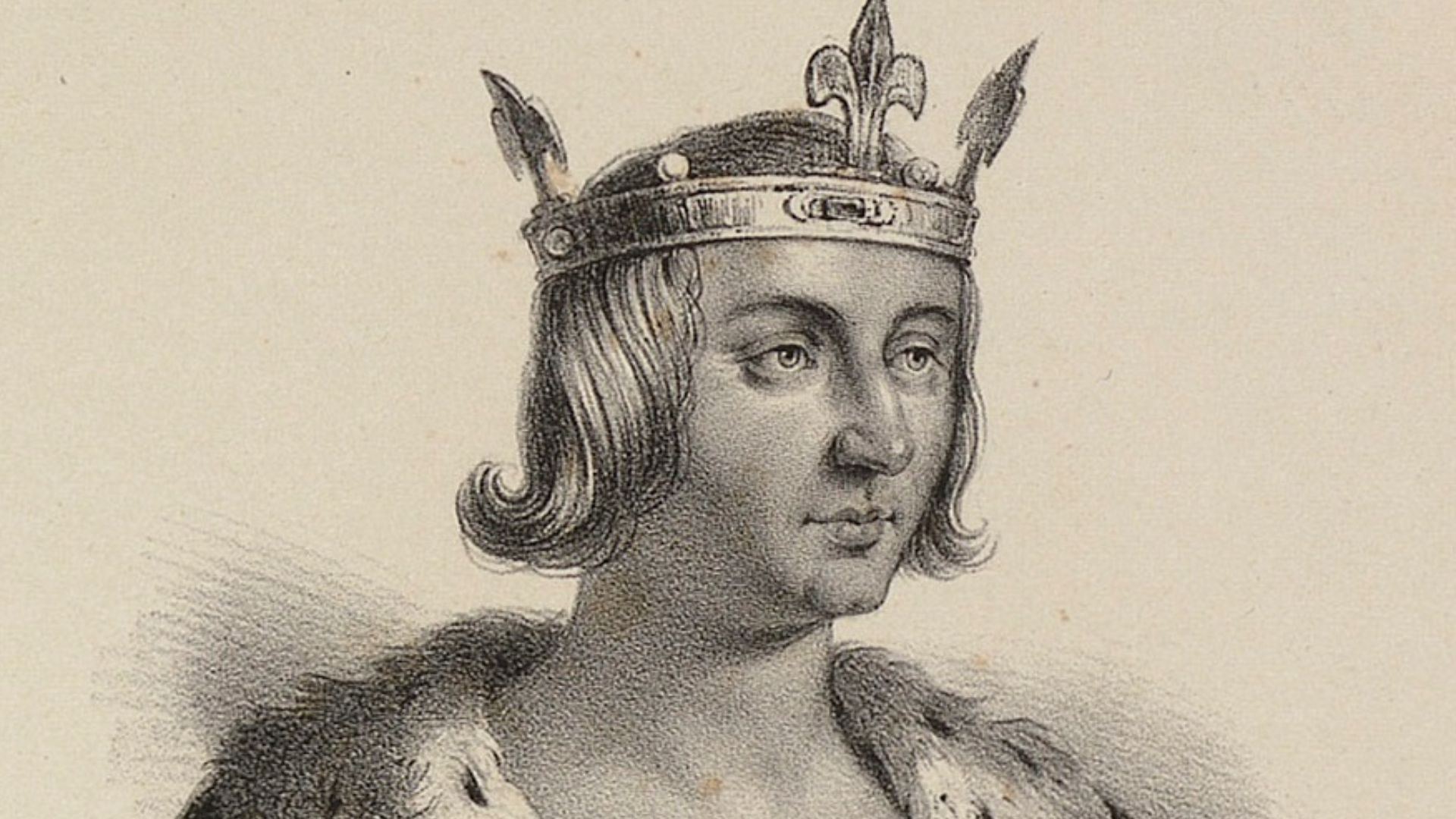 François-Séraphin Delpech on Wikimedia
16. Philip IV of France & the Templars
Philip IV’s jealousy was unmistakably about power, wealth, and prestige. The Knights Templar had enormous resources and an international standing that irritated a king who wanted more control and more money. His campaign against them led to arrests, torture, executions, and the destruction of the order in France. It was a masterclass in what happens when a ruler sees someone else’s influence and decides it must be erased.
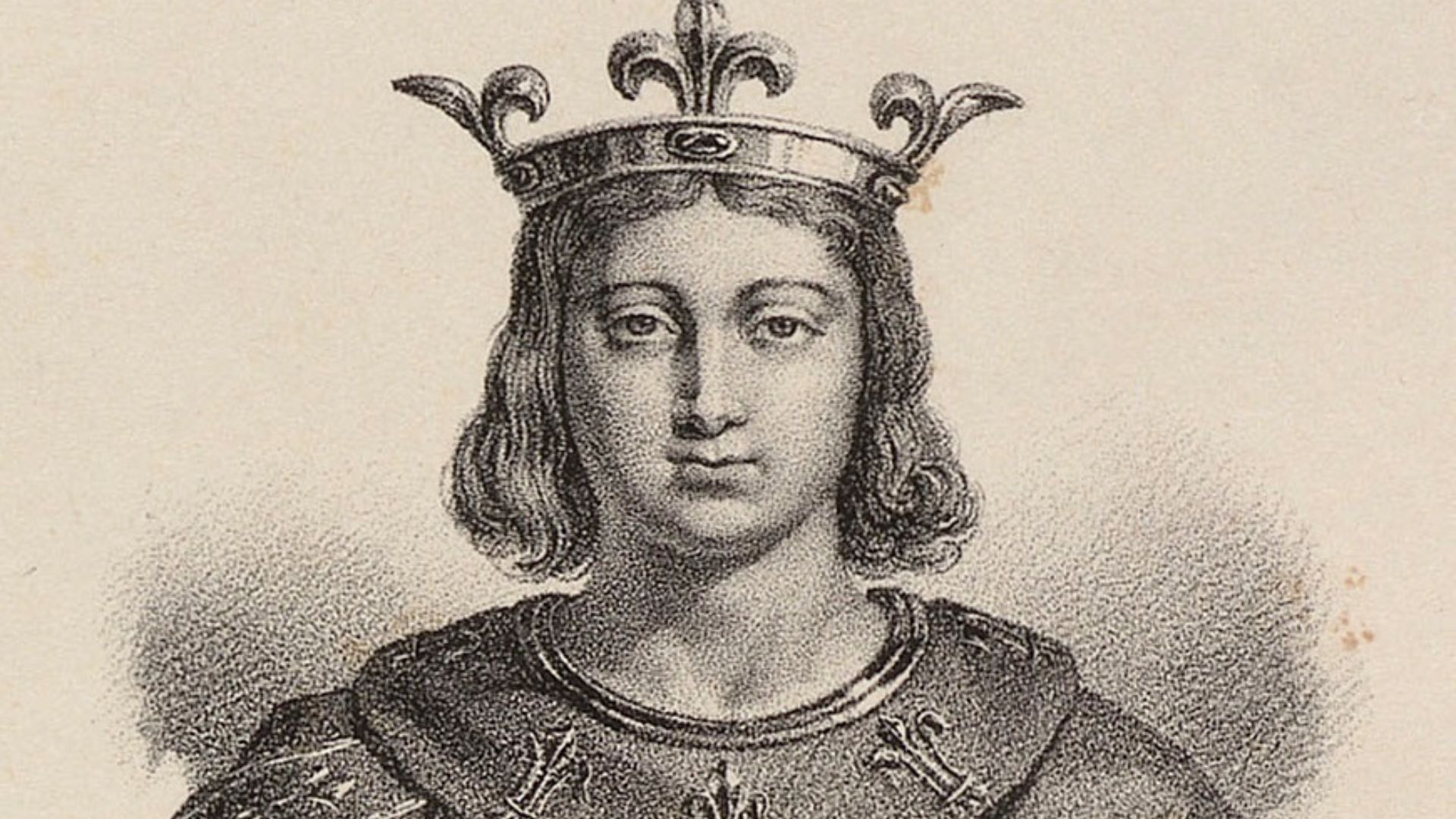 François-Séraphin Delpech on Wikimedia
17. Richard II & Henry Bolingbroke
Richard II had a habit of taking personal slights and turning them into constitutional crises. His jealousy and insecurity around powerful nobles, especially Henry Bolingbroke, helped drive decisions that made his own position weaker. By overreaching against rivals he wanted humbled, Richard set the stage for his own deposition.
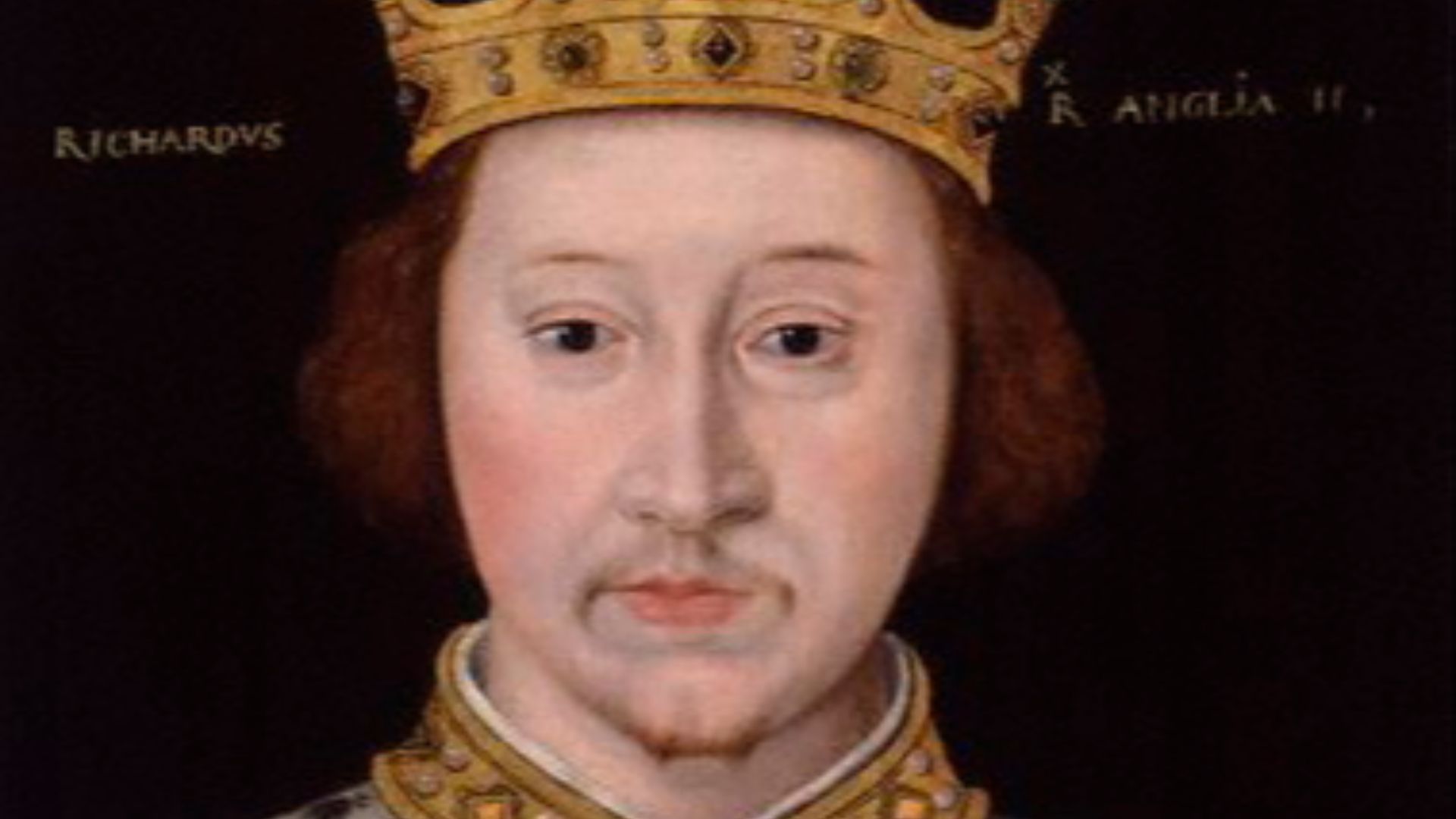
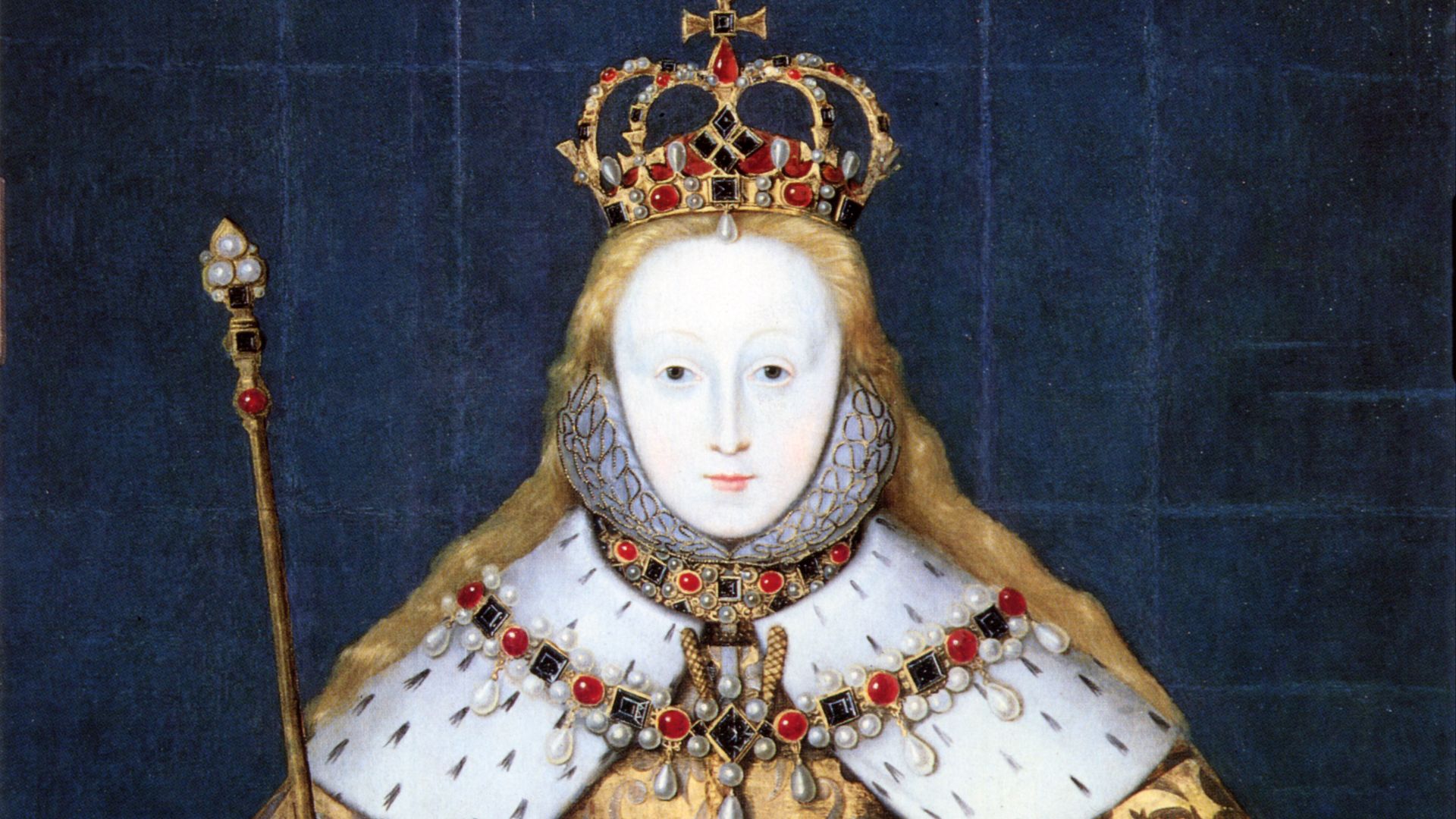
18. Mary I & Elizabeth
Mary I and Elizabeth were half-sisters trapped in one of Tudor England’s least relaxing family dynamics. Mary’s suspicion and jealousy toward Elizabeth’s popularity and political usefulness helped turn the younger princess into a recurring focus of fear. Elizabeth was imprisoned in the Tower and kept under close watch because Mary could not afford to ignore her.
 After Levina Teerlinc on Wikimedia
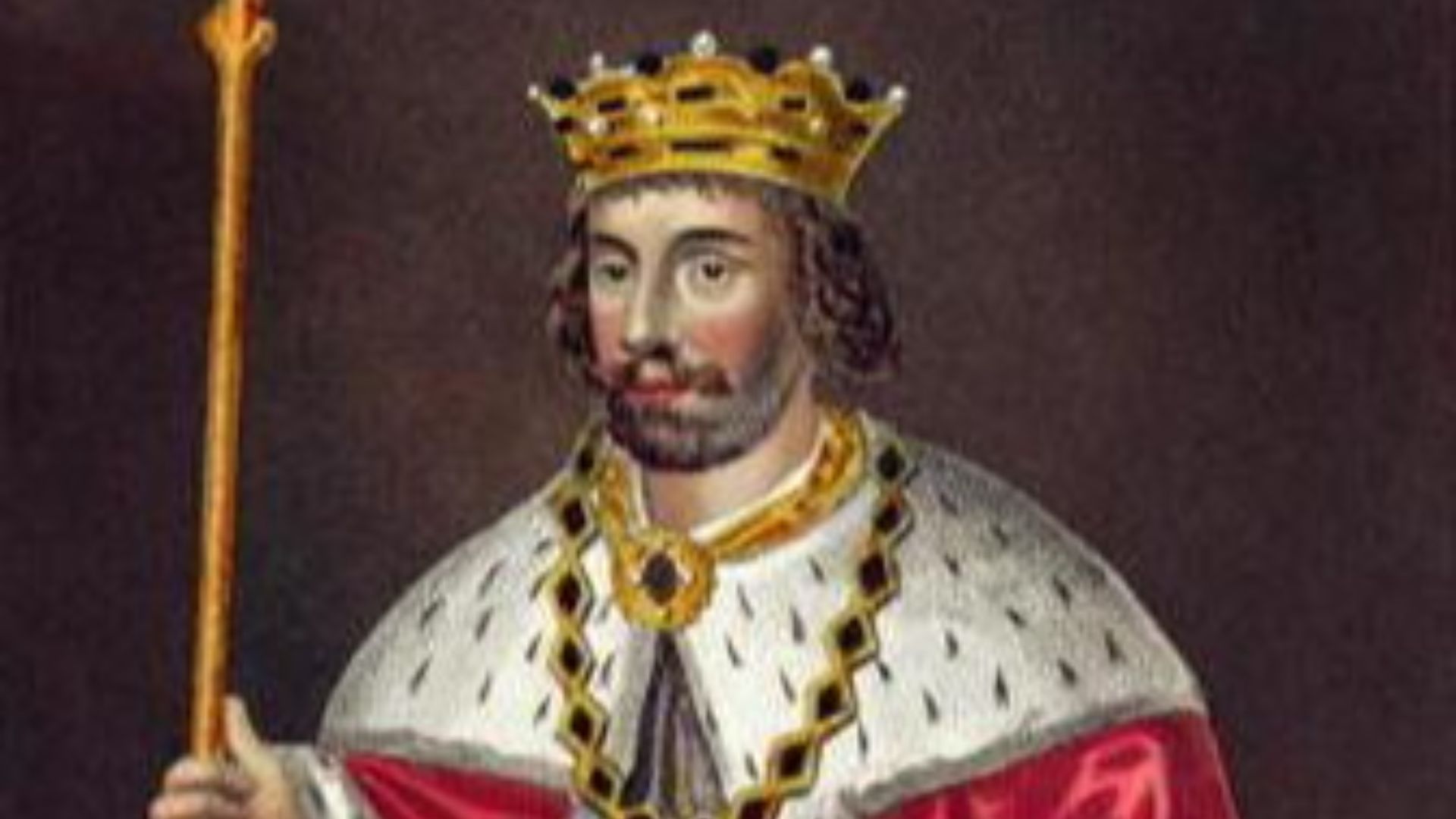
19. Edward II & Queen Isabella
Edward II’s favoritism toward his male favorites—especially Piers Gaveston and later Hugh Despenser—caused Queen Isabella to be intensely jealous, and the fallout became a political disaster. Isabella’s anger and resentment weren't just personal because they helped drive her into open rebellion against Edward alongside Roger Mortimer. The result was invasion, deposition, and eventually Edward’s grim downfall.
 Founder of Oriel College on Wikimedia
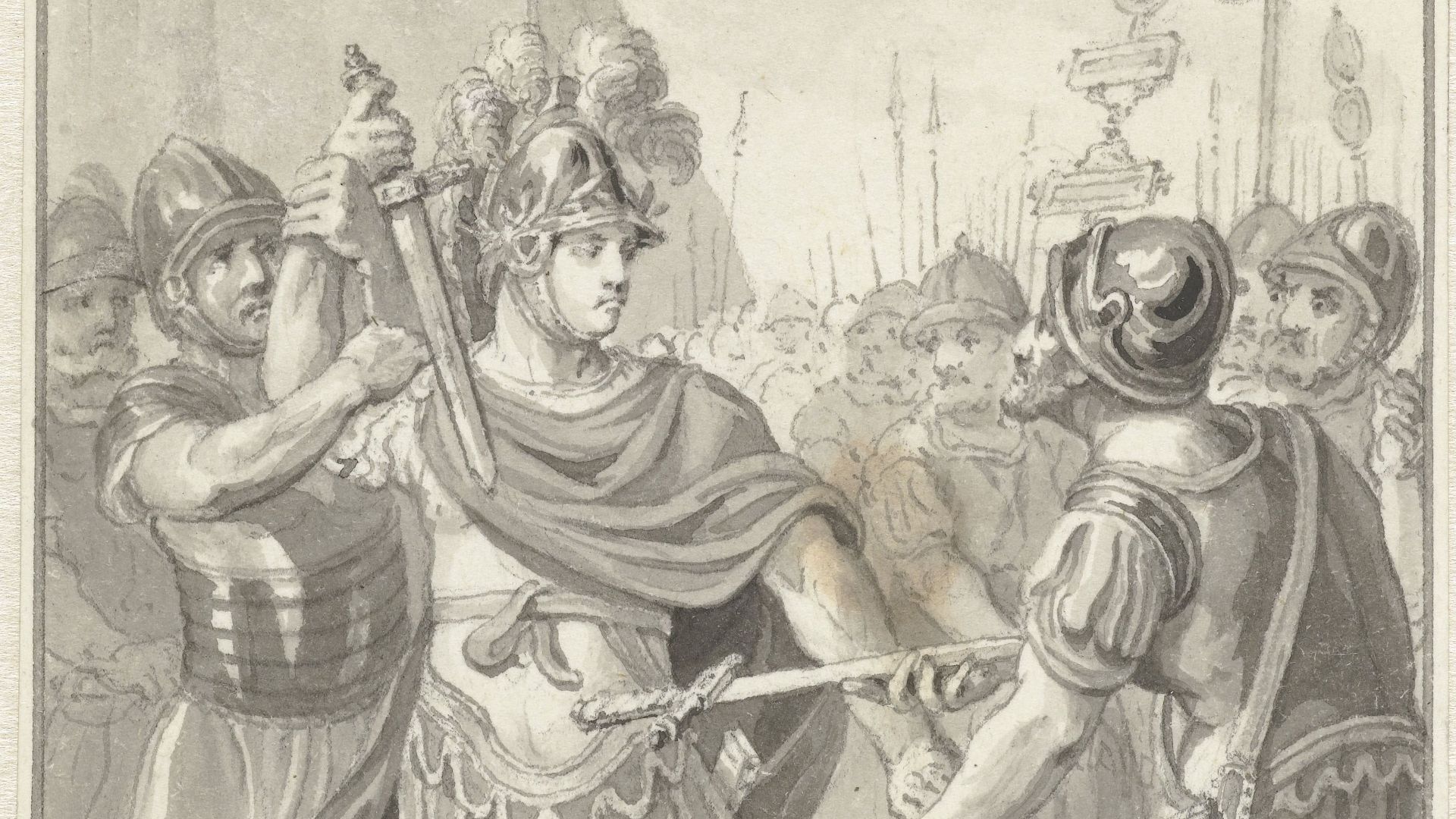
20. Tiberius & Germanicus
The emperor, Tiberius's, jealousy of his adopted heir's popularity became one of Rome’s defining tensions. Germanicus was adored by soldiers and the public, which made him exactly the sort of figure an insecure ruler would struggle to tolerate. His early death created suspicion that never fully left Tiberius’s reputation alone.
KEEP ON READING
The 20 Most Recognized Historical Figures Of All Time
The Biggest Names In History. Although the Earth has been…
By Cathy Liu Oct 4, 2024
10 of the Shortest Wars in History & 10 of…
Wars: Longest and Shortest. Throughout history, wars have varied dramatically…
By Emilie Richardson-Dupuis Oct 7, 2024
10 Fascinating Facts About Ancient Greece You Can Appreciate &…
Once Upon A Time Lived Some Ancient Weirdos.... Greece is…
By Megan Wickens Oct 7, 2024
20 Lesser-Known Facts About Christopher Columbus You Don't Learn In…
In 1492, He Sailed The Ocean Blue. Christopher Columbus is…
By Emilie Richardson-Dupuis Oct 9, 2024
20 Historical Landmarks That Have The Craziest Conspiracy Theories
Unsolved Mysteries Of Ancient Places . When there's not enough evidence…
By Megan Wickens Oct 9, 2024
The 20 Craziest Inventions & Discoveries Made During Ancient Times
Crazy Ancient Inventions . While we're busy making big advancements in…
By Cathy Liu Oct 9, 2024