20 Reasons Grooms Of The Stool Were Actually Positions Of Power
Courtroom Game Changers
Ever wonder who really pulled the strings behind the throne? It wasn’t always the most obvious nobles or generals. Some of the most powerful people spent their days in the most unexpected places, quietly shaping decisions, handling secrets, and influencing every corner of court life. The Groom of the Stool sounds funny, but its holders had power few could match.
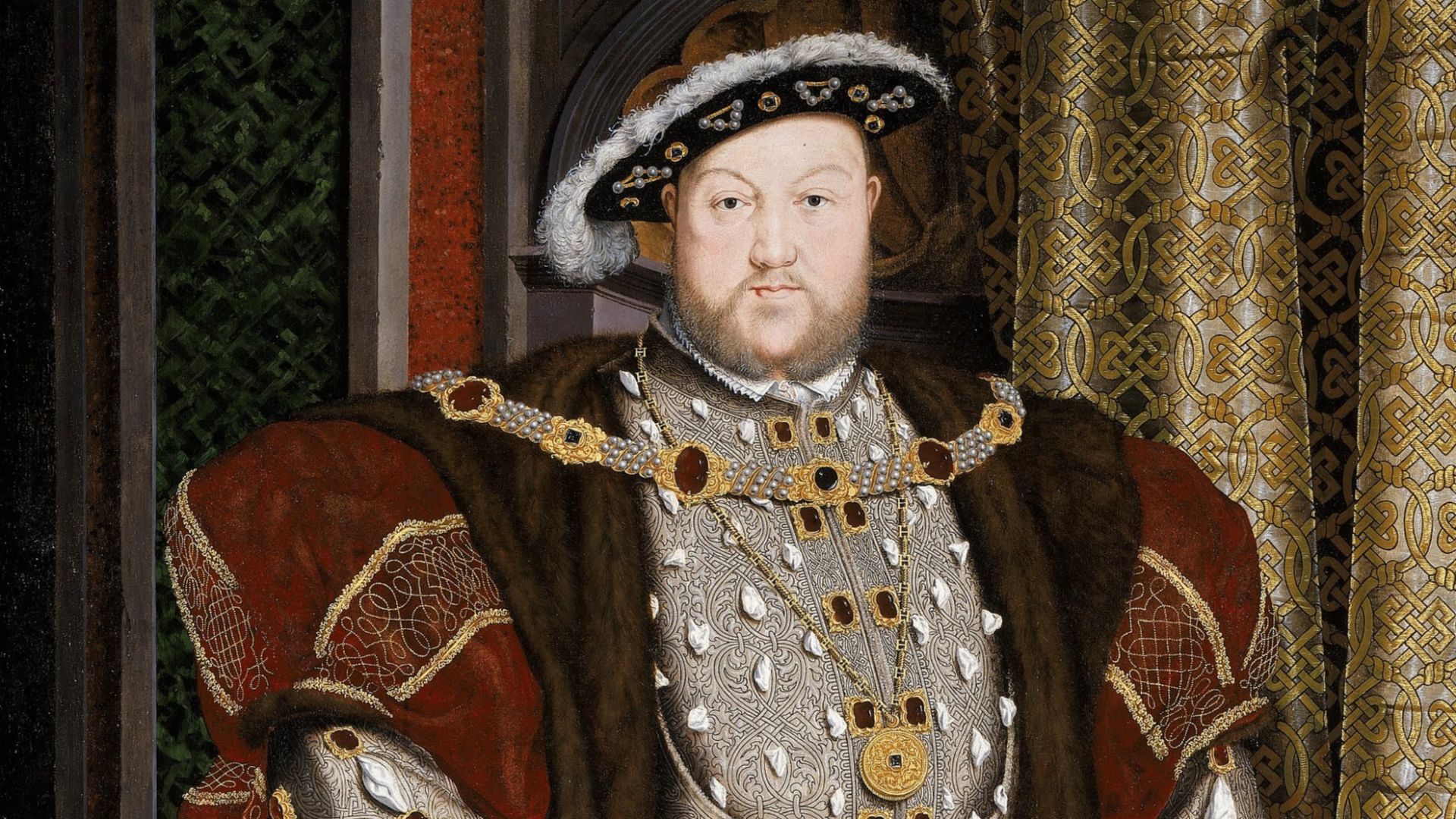 After Hans Holbein the Younger on Wikimedia
1. Unlimited Access
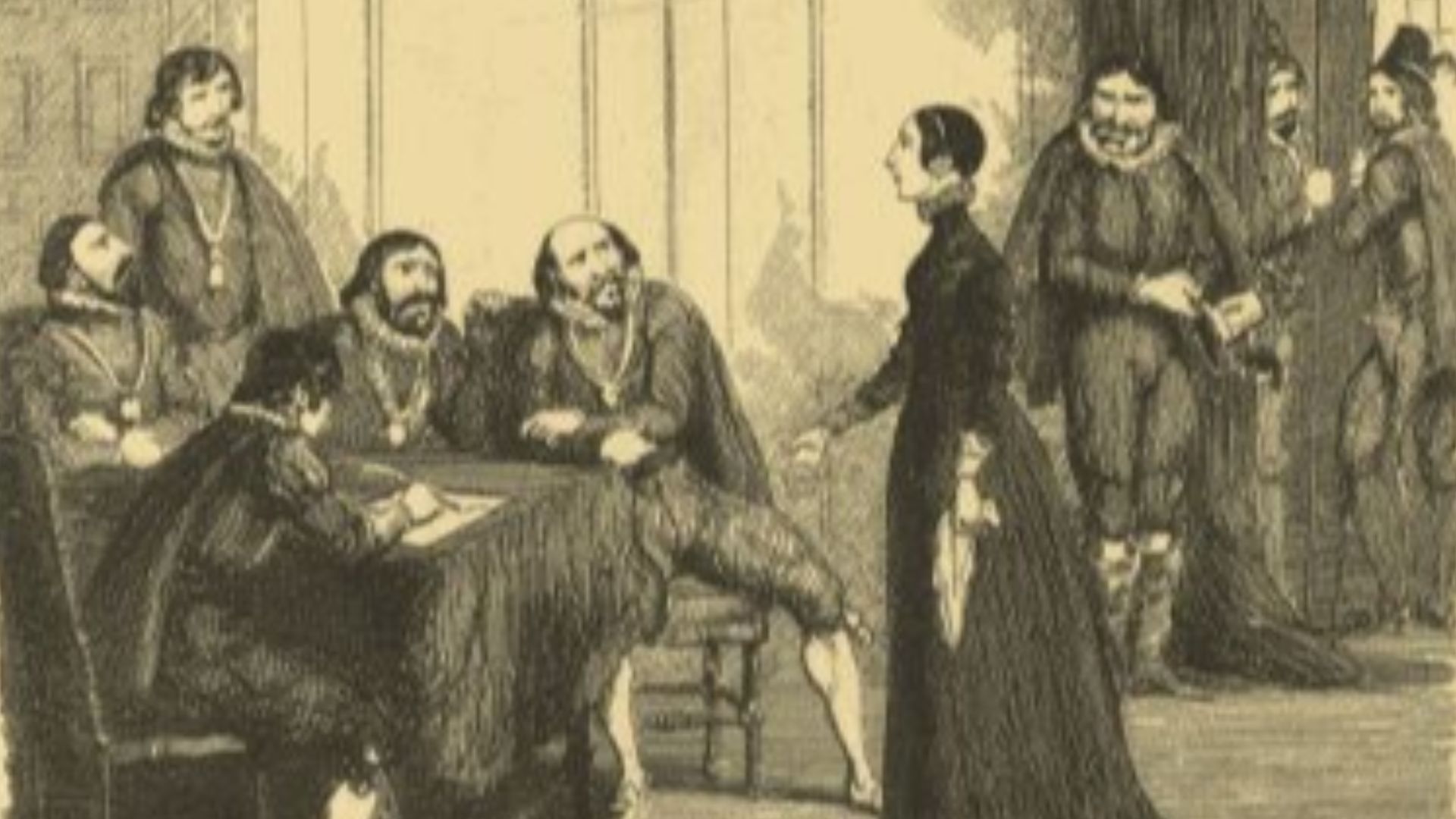
The Groom of the Stool enjoyed something no other courtier could claim: the right to attend the monarch at literally all times. This was a transformative power in an era when face time with the king determined your influence.
 George Cruikshank on Wikimedia
2. Access Controller
Sir Anthony Denny didn't just tend to Henry VIII's needs—he decided who else could. By the 1540s, the Groom of the Stool had evolved into the ultimate gatekeeper, dictating who entered the king's private chambers. This meant controlling the flow of information.
 Josep Serra i Porsón on Wikimedia
3. Treasury Manager
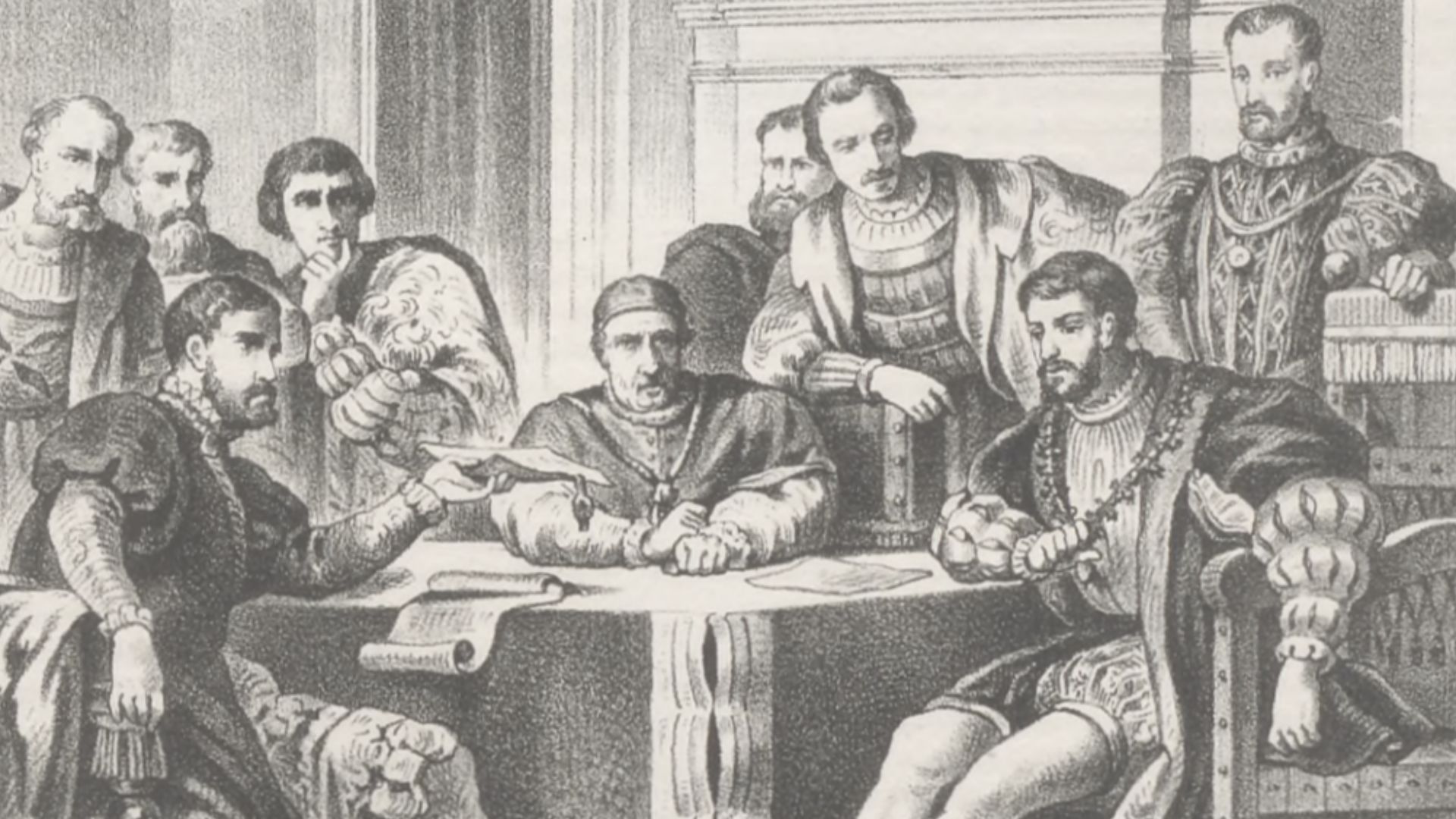
Managing the Privy Purse turned the Groom into something resembling a modern finance minister. The position controlled the king's personal funds, separate from the public Exchequer, which paid for everything from royal gifts to household expenses to political favors.
 George Cruikshank on Wikimedia
4. Signature Stamp
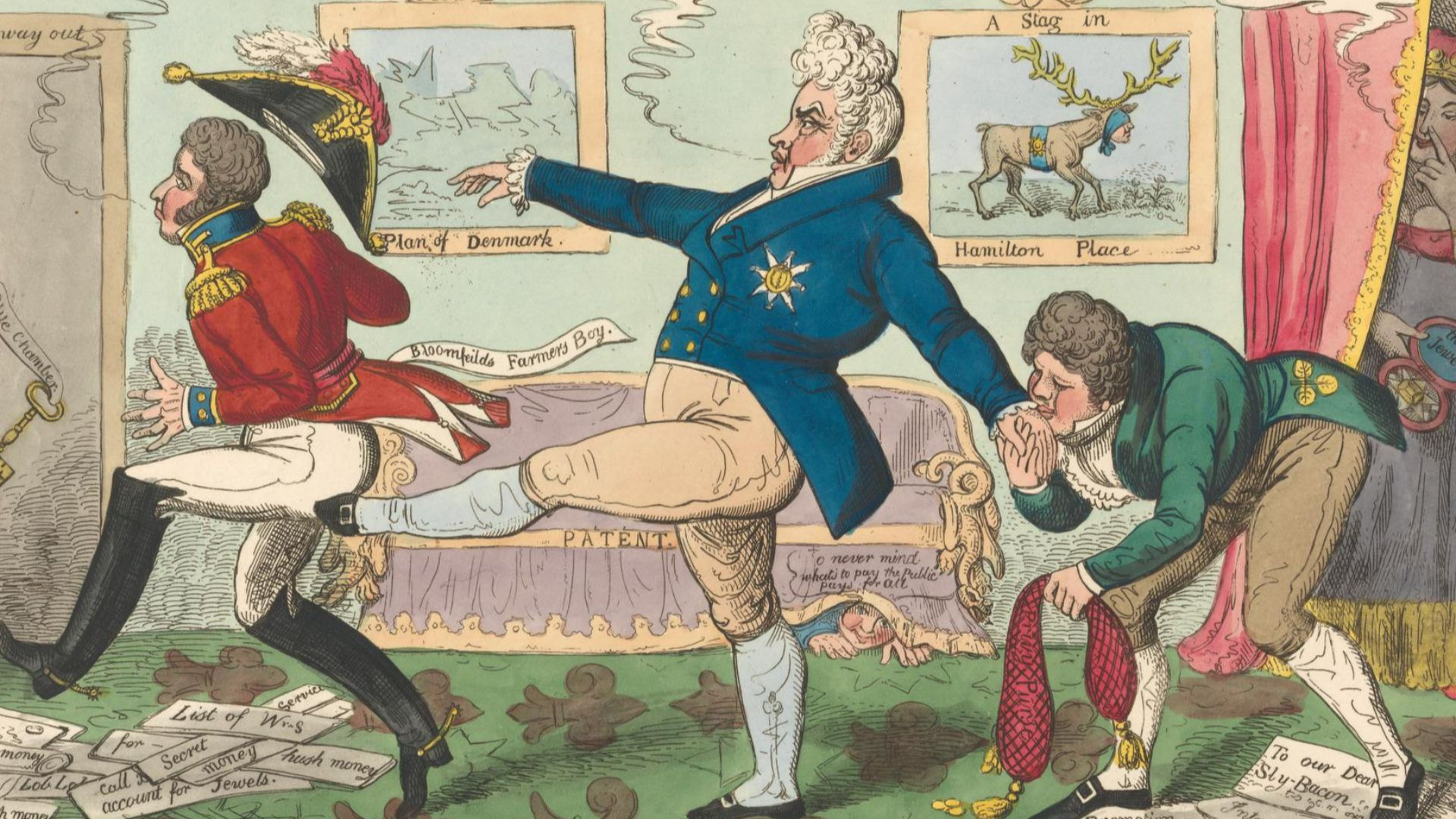
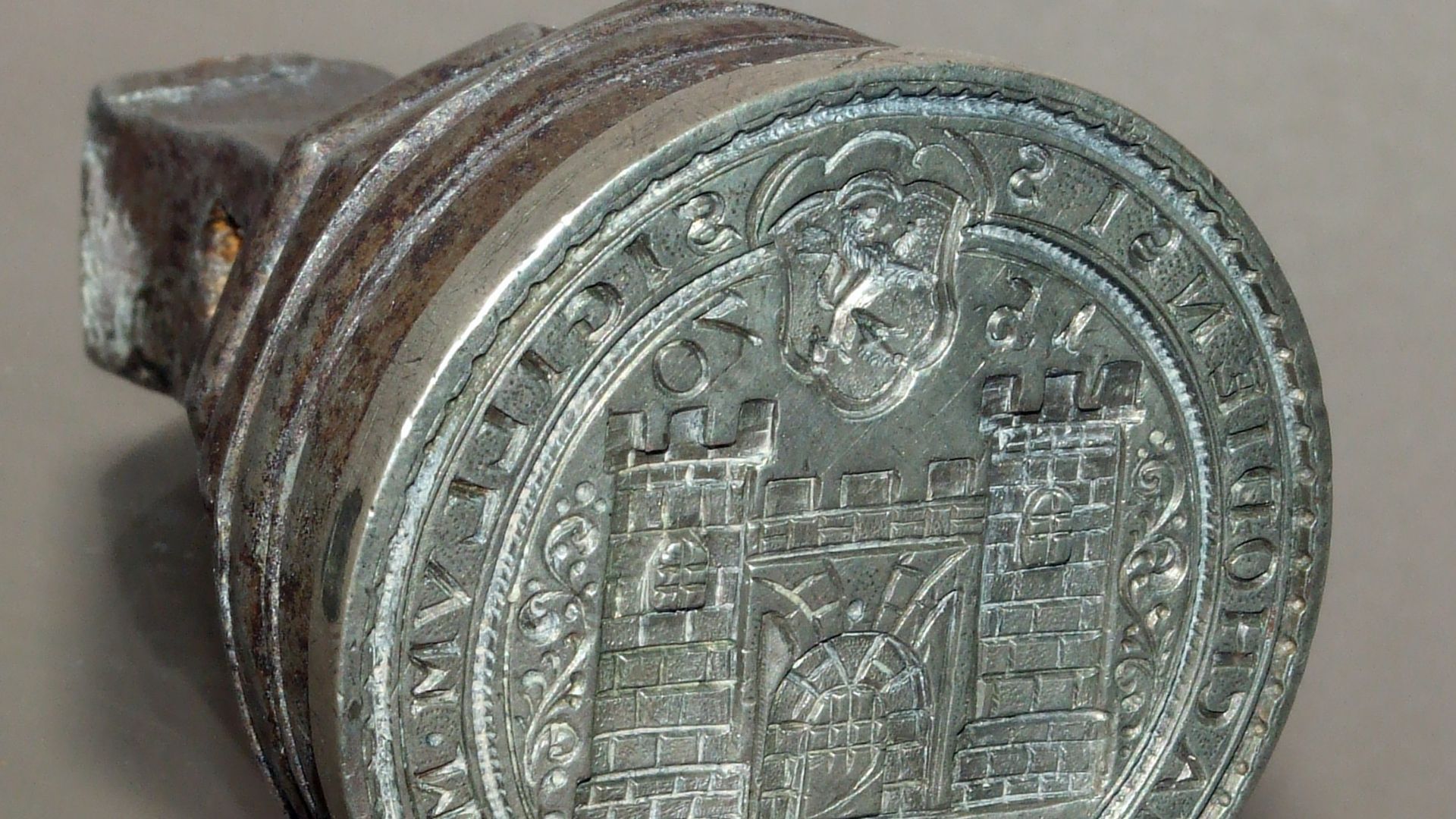
Picture holding a key that could literally sign the king's name. That's exactly what Sir Anthony Denny possessed—control over Henry VIII's "dry stamp," a device that replicated the royal signature on official documents. It carried the full weight of the king's authority.
5. Noble Heritage
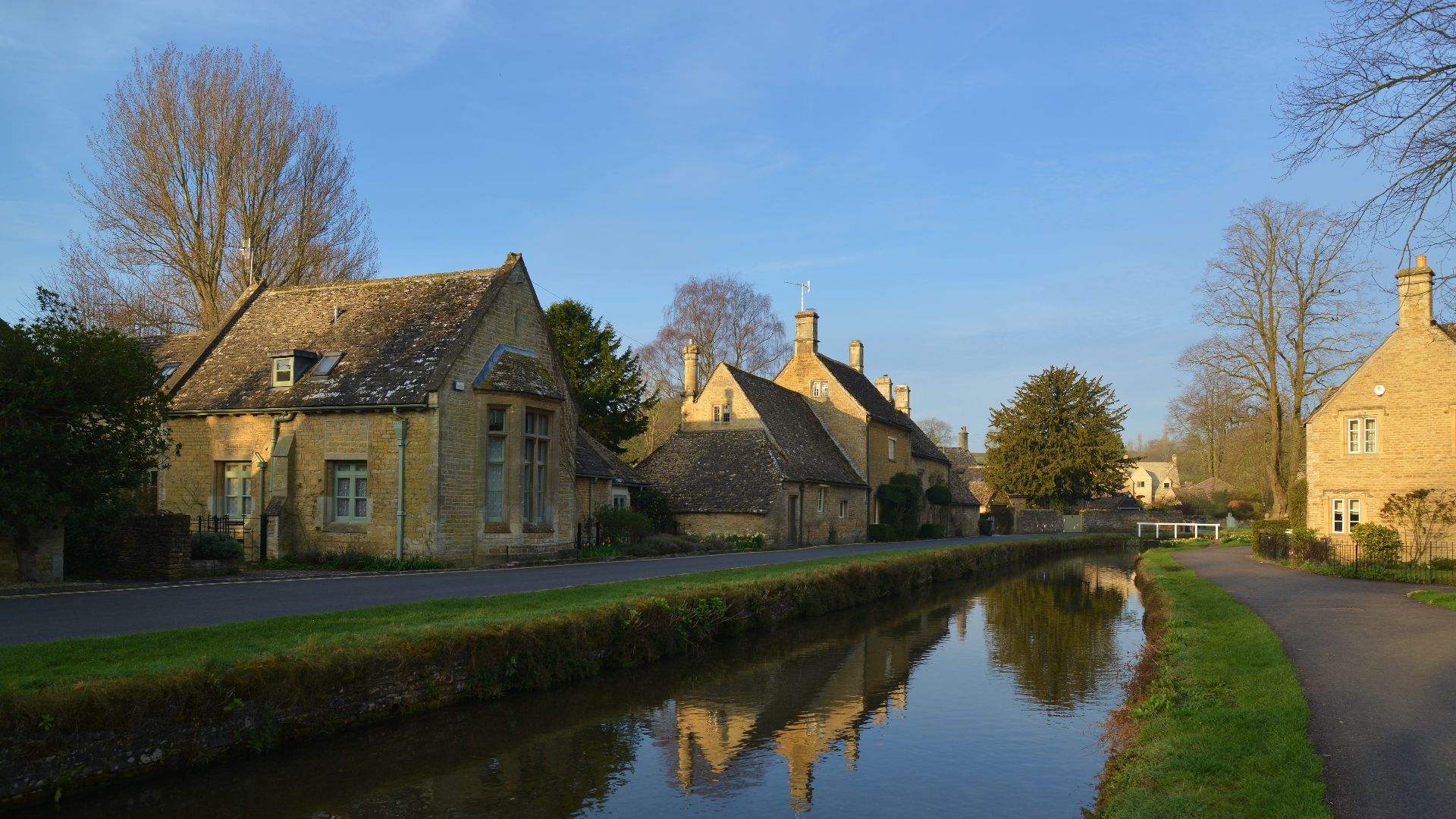
The position was exclusively reserved for sons of noblemen or prominent gentry families, ensuring the Groom came from England's social elite. Hugh Denys, who served Henry VII, was a wealthy Gloucestershire gentleman married into the aristocracy. When he passed away, he actually owned at least four manors.
 Barry Marsh from London, England on Wikimedia
6. Secret Keeper
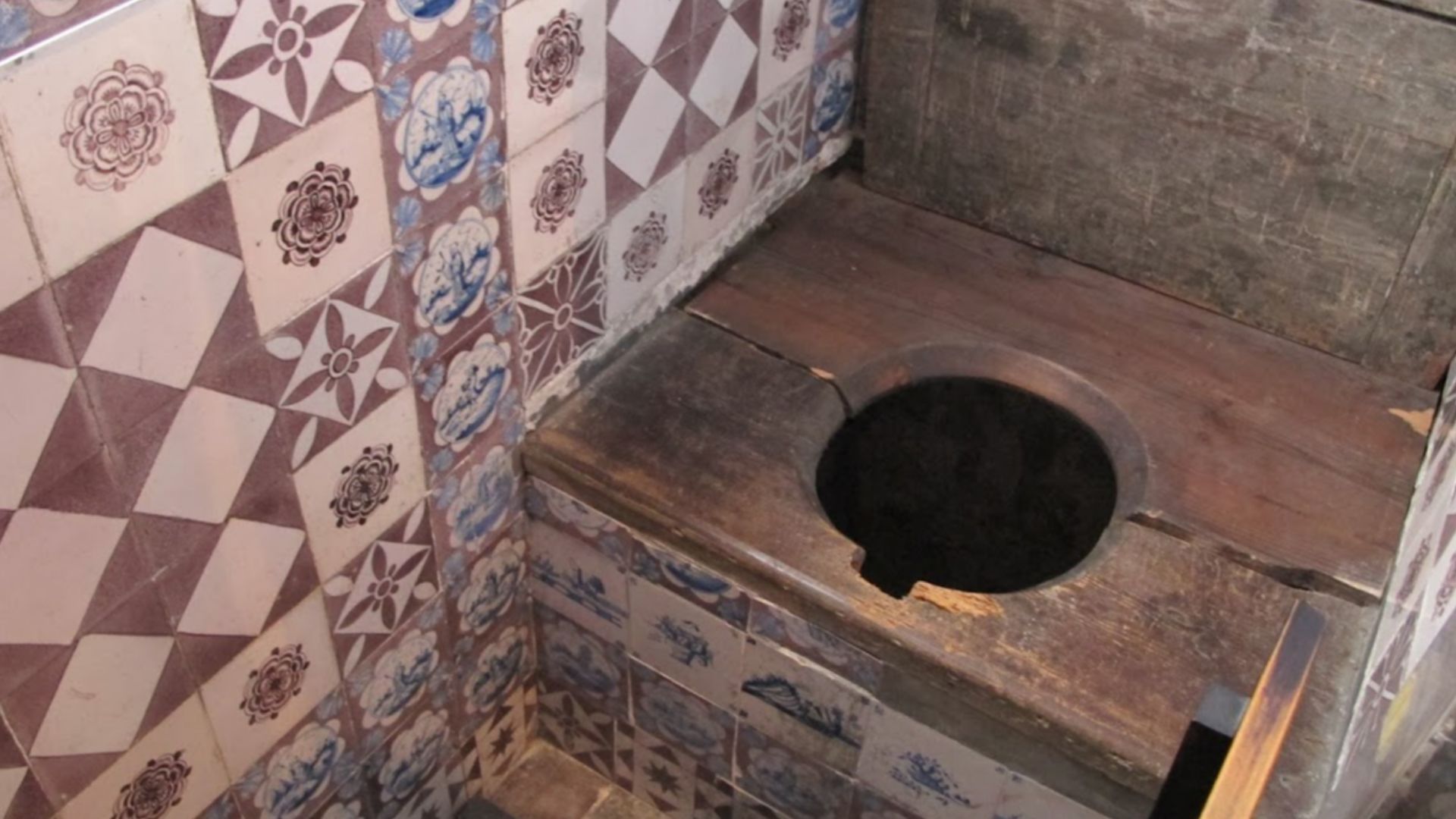
It's said that the toilet is where kings let their guards down, and Grooms heard everything. During those private moments, monarchs discussed military strategies, marriage prospects, political betrayals, and personal fears they'd never voice publicly. As you can imagine, it was the kind of privileged information that became currency.
7. Personal Secretary
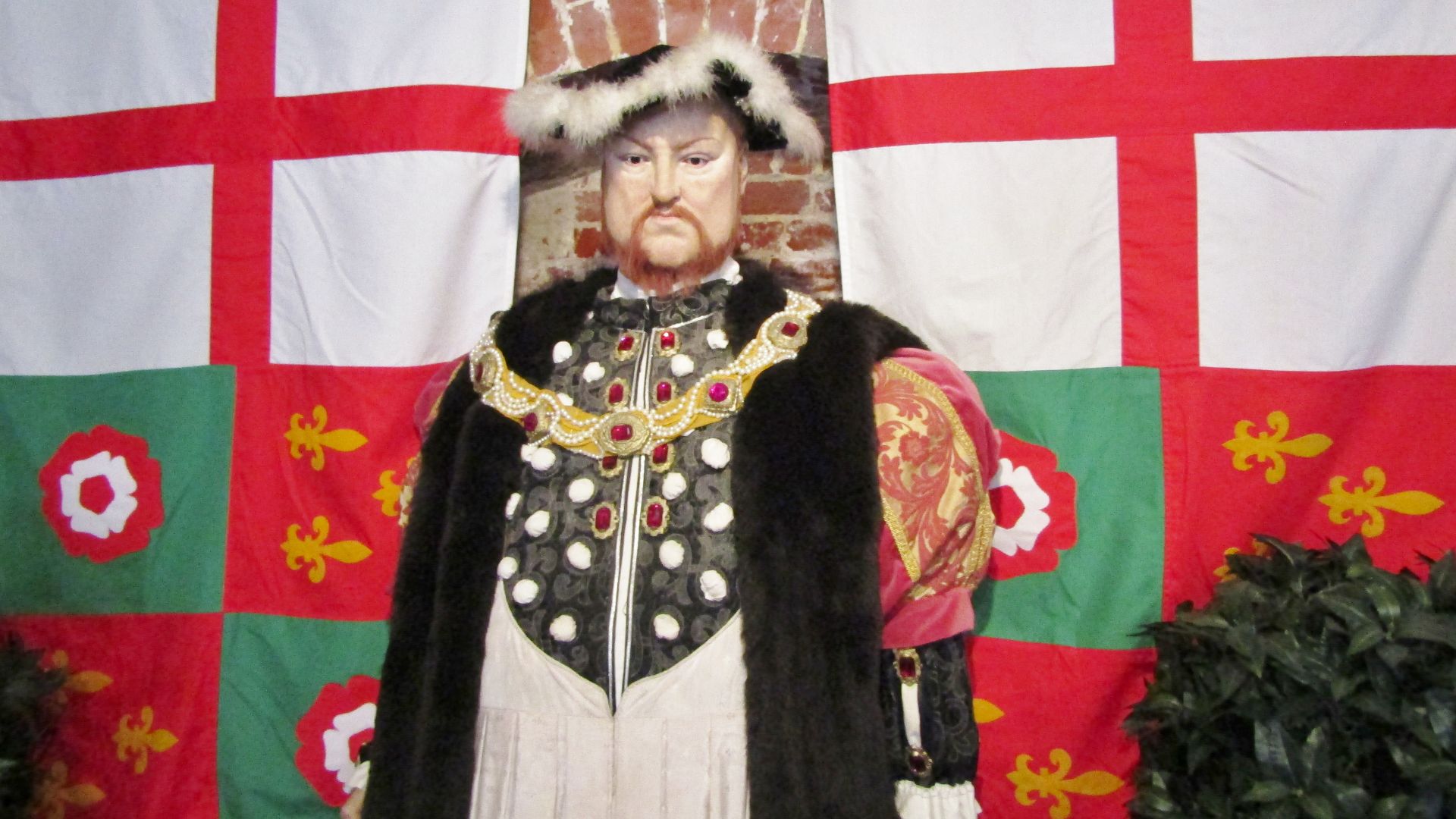
What started as bathroom assistance expanded into comprehensive administrative support by the time of Henry VIII's reign. Grooms organized the king's daily schedule, managed correspondence, handled petitions, and coordinated meetings, essentially running the monarch's private office.
8. Fiscal Policymaker
By the Tudor period, historian David Starkey notes, the Groom had become "a virtual minister of the royal treasury" who actively shaped national fiscal policy. This was economic statecraft; under Henry VII's "chamber system," Hugh Denys controlled private and secret finances.

9. Chamber Supervisor
The Groom commanded everyone serving in the king's Privy Chamber—a staff of gentlemen, ushers, grooms, and pages who maintained the monarch's private apartments. This supervisory role meant hiring, firing, and directing men who came from important families themselves.
10. Jewel Guardian
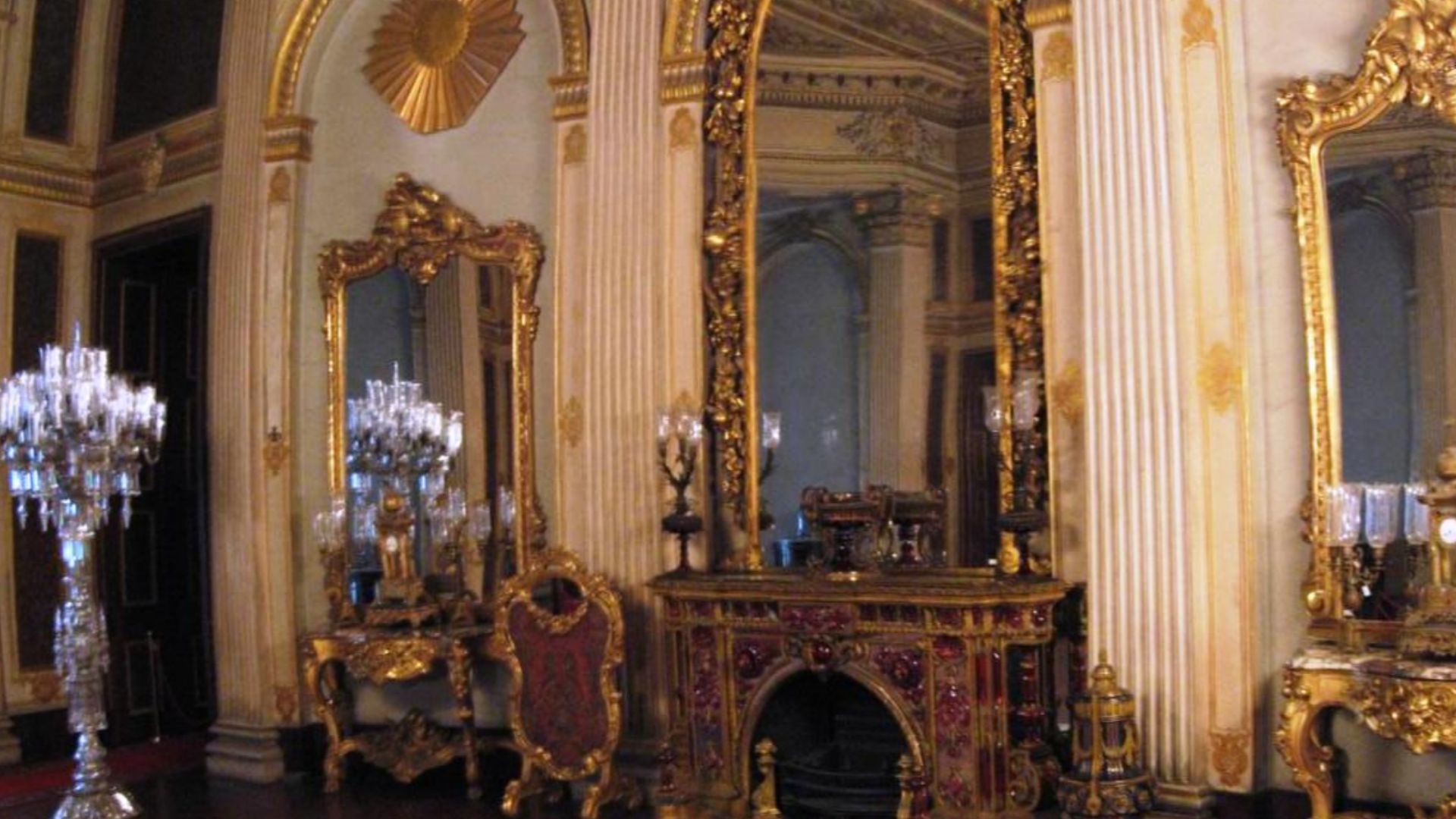
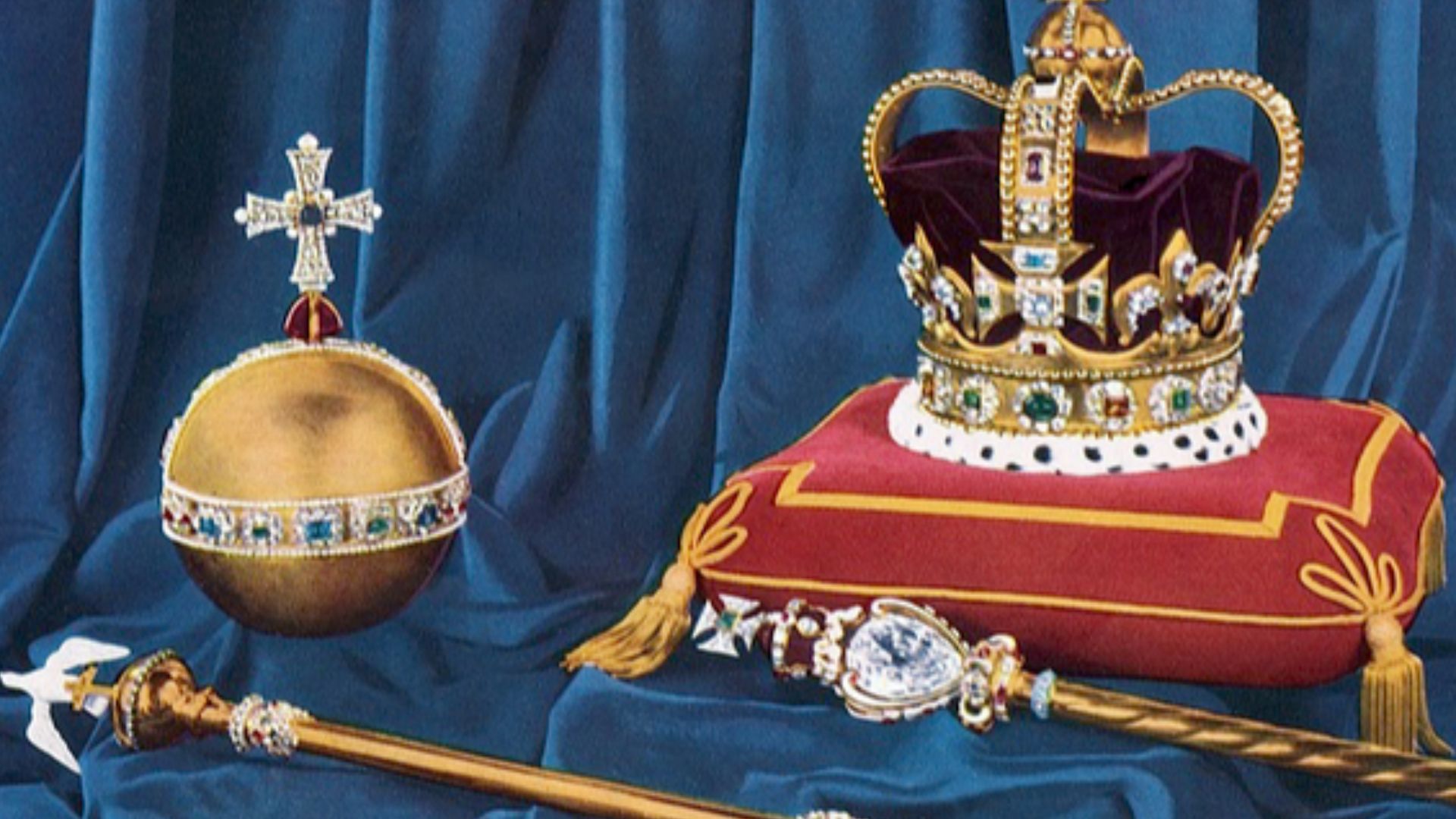
Apparently, the Groom bore responsibility for safeguarding the king's most precious personal possessions, such as jewels or valuable items stored in the Privy Chamber. It also meant maintaining inventories, preventing theft, and ensuring nothing disappeared from the king's private collection.
 United Kingdom Government on Wikimedia
11. Wardrobe Keeper
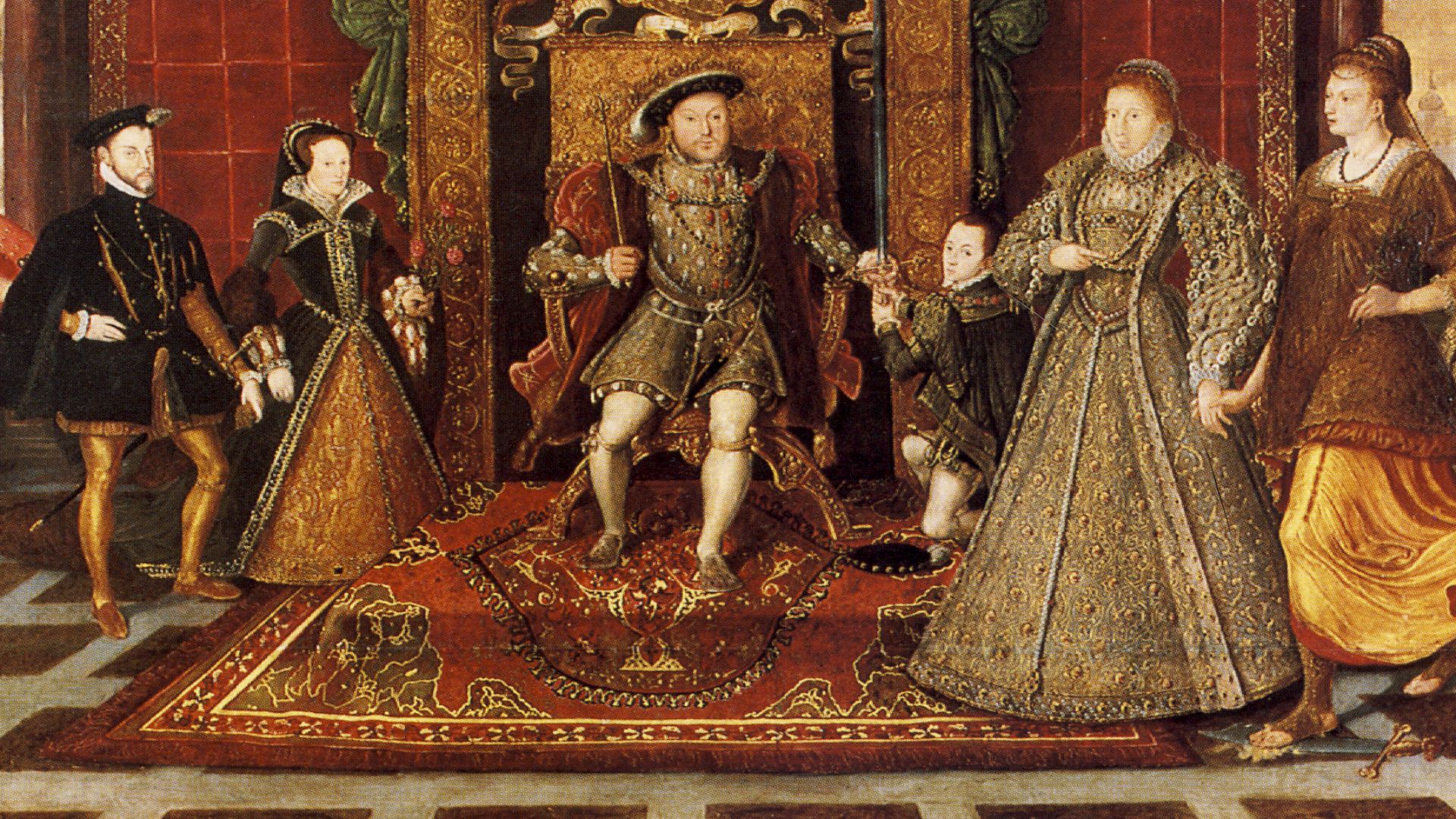
Every morning, the Groom had the honor of dressing the king. Multiple layers of fine garments required careful handling, and by 1726, the role explicitly included presenting "his Majesty's first Garment or Shirt every morning."
 Attributed to Lucas de Heere on Wikimedia
12. Health Assessor
Monitoring the king's bowel movements was medical surveillance in an era when excrement revealed health status. The Groom examined consistency, color, and frequency, then liaised with royal physicians about any concerning changes. It sounds odd, but the duty made him the first line of defense against potentially fatal illnesses.

13. Generous Salary
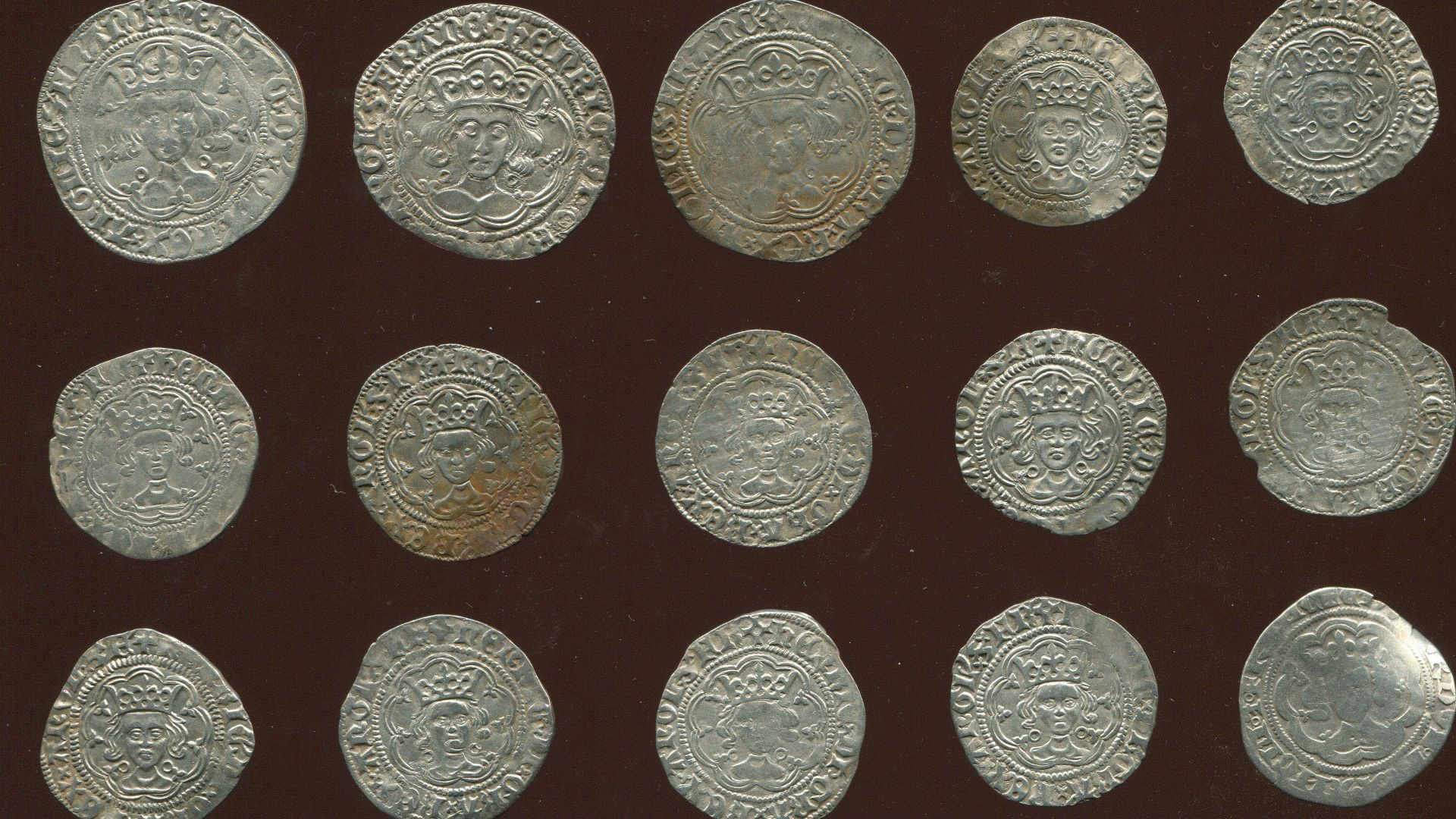
Money talked in Tudor England, and the Groom's annual salary of £50-plus made him one of the court's highest-paid servants. Combined with other benefits, the total compensation package rivaled what many minor nobles earned from their estates.
 The British Museum, Caroline Barton, 2011-06-14 14:02:33 on Wikimedia
14. Estate Grants
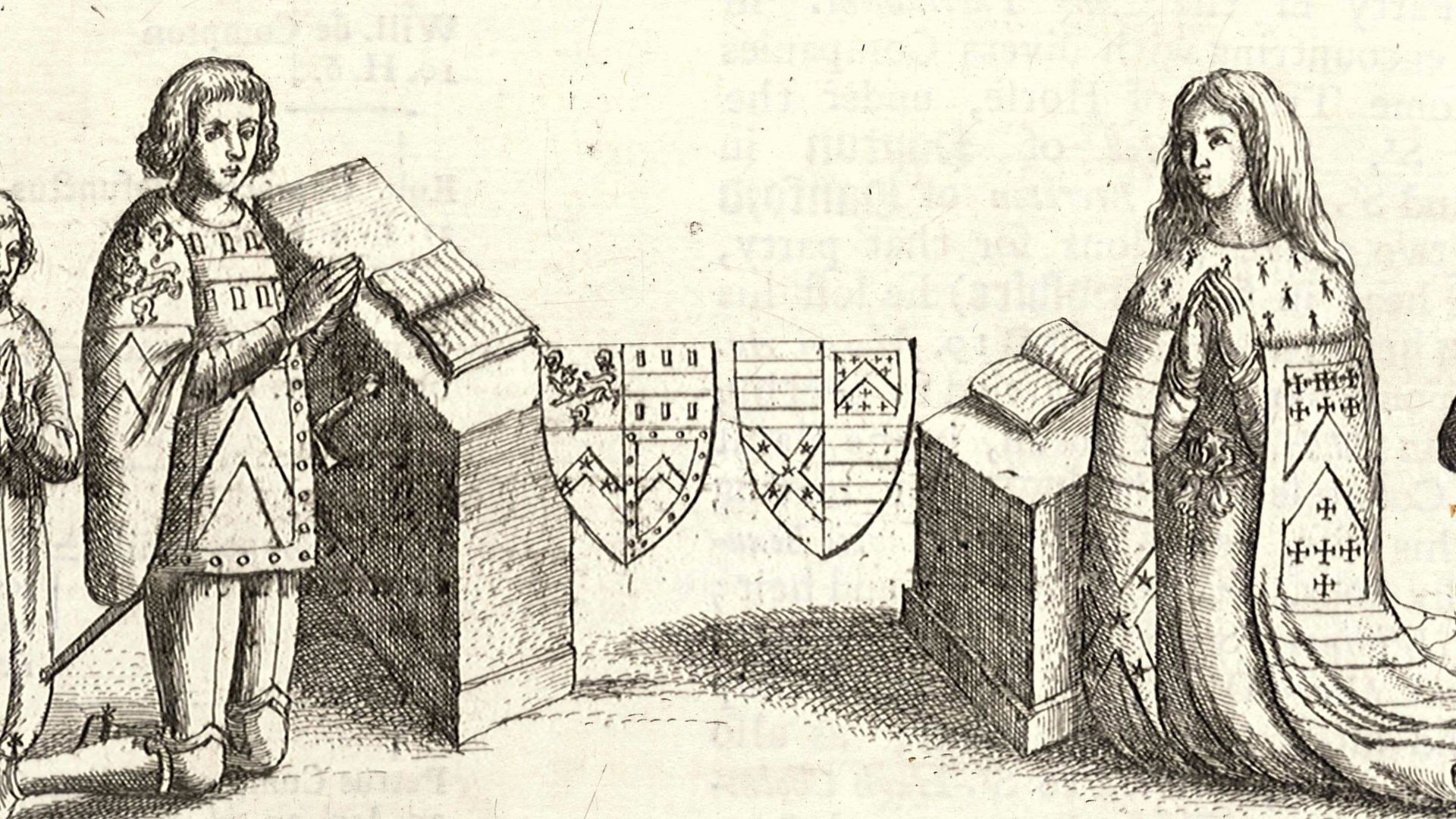
It wasn't unheard of for Grooms to walk away with land. Hugh Denys started as Henry VII's Groom and ended up owning at least four manors. Sir William Compton accumulated enough wealth through royal grants to become sheriff of Worcestershire in 1516. Kings rewarded loyal Grooms with land grants and lucrative appointments that built substantial personal fortunes.
 Wenceslaus Hollar on Wikimedia
15. Travel Companion
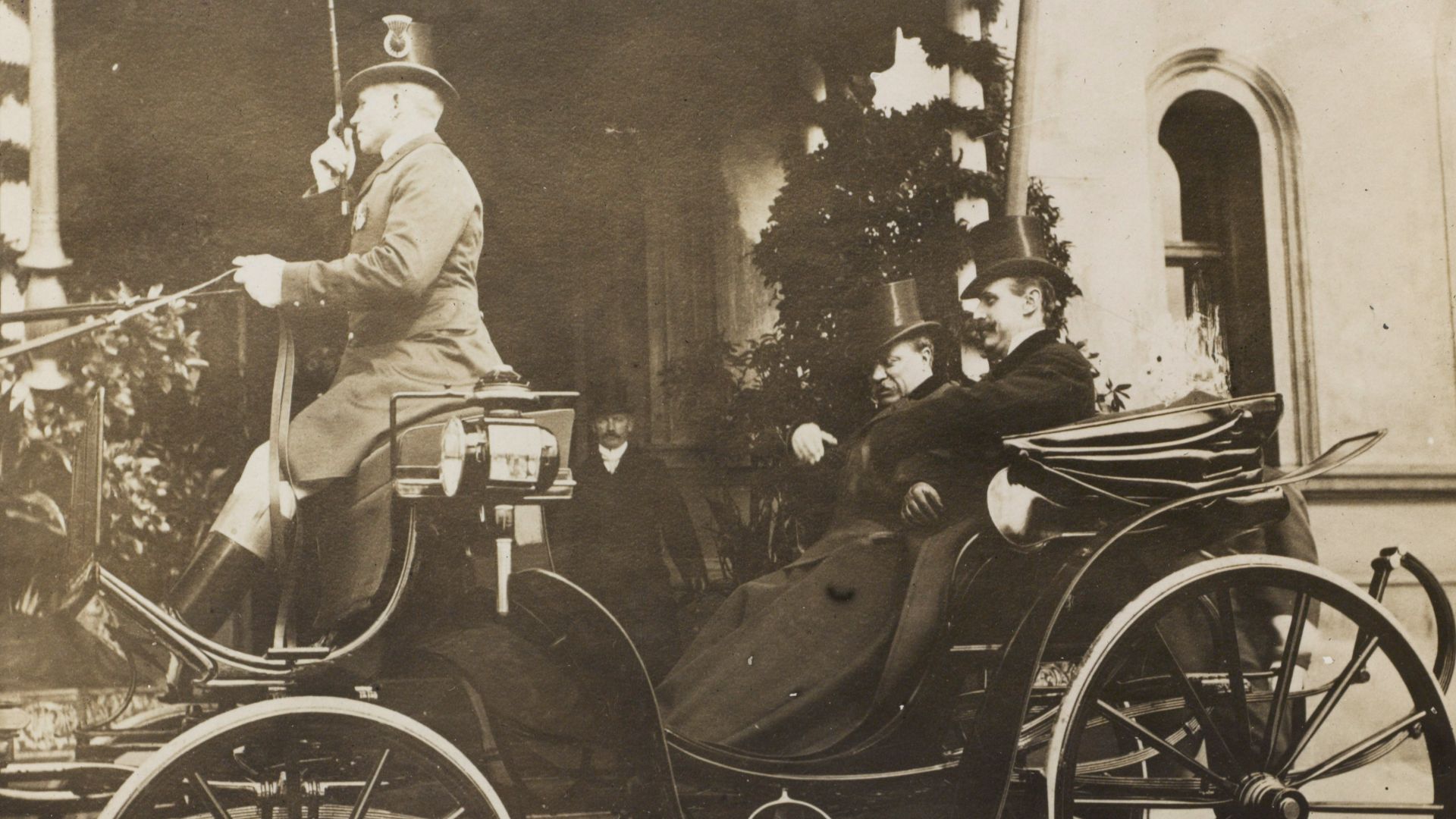
Wherever the king went, the Groom followed—not as a servant trailing behind, but housed nearby in accommodations befitting his status. Royal progresses through the kingdom, hunting expeditions, military campaigns, diplomatic visits; the Groom attended them all, ensuring the monarch's comfort.
 Miscellaneous Items in High Demand, PPOC, Library of Congress on Wikimedia
16. Bedchamber Regulator
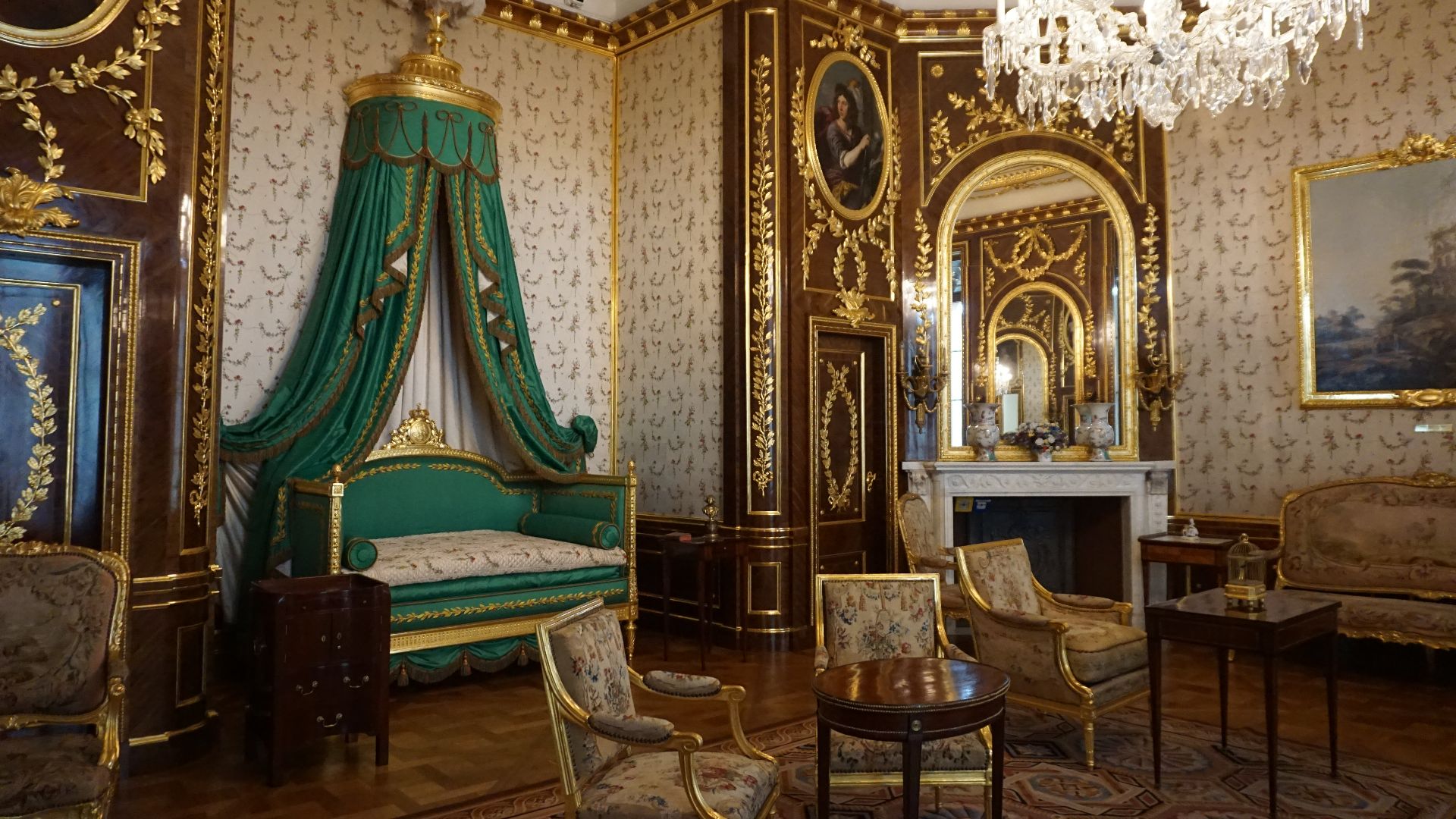
After the 1660 Restoration, the office turned into the Groom of the Stole. This was a powerful position invariably combined with First Gentleman of the Bedchamber. As effective head of the royal bedchamber, this evolved Groom regulated all access to the monarch's private quarters.
 Andrew Milligan sumo on Wikimedia
17. Royal Gifts
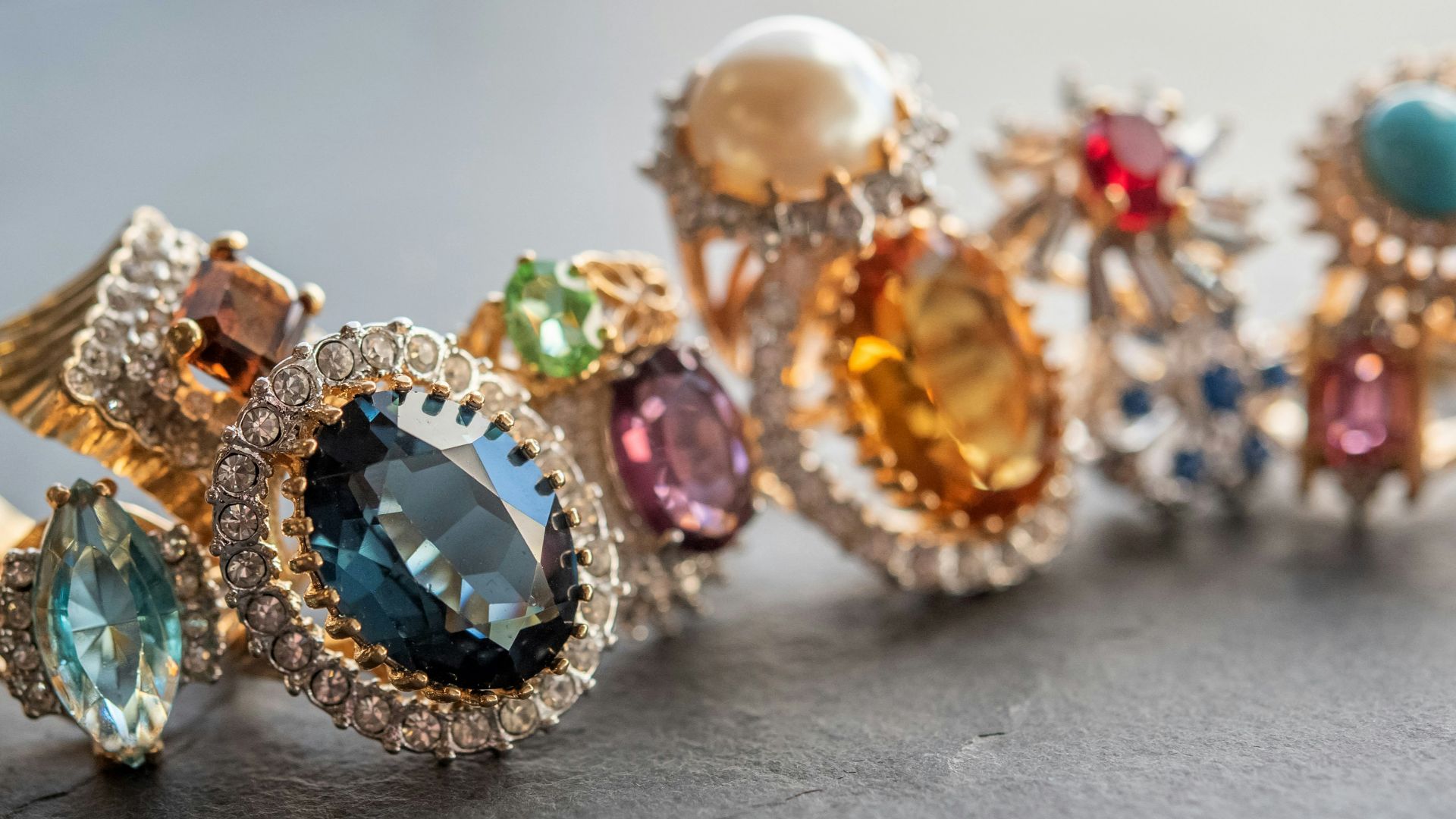
The Groom inherited the king's discarded clothing and furniture. Of course, this was an enormous benefit considering royal garments featured silk, velvet, gold thread, and sometimes embedded jewels. What modern sensibilities might dismiss as "hand-me-downs" represented wealth that most nobles couldn't afford new.
 Anthony Calandrelli on Unsplash
18. Appointment Influencer
Courtiers understood a simple truth: the Groom's opinion of you mattered immensely. He could whisper favorable assessments in the king's ear during private moments, potentially securing you positions or royal favor. Conversely, his subtle disapproval could doom your prospects.
19. Policy Shaper
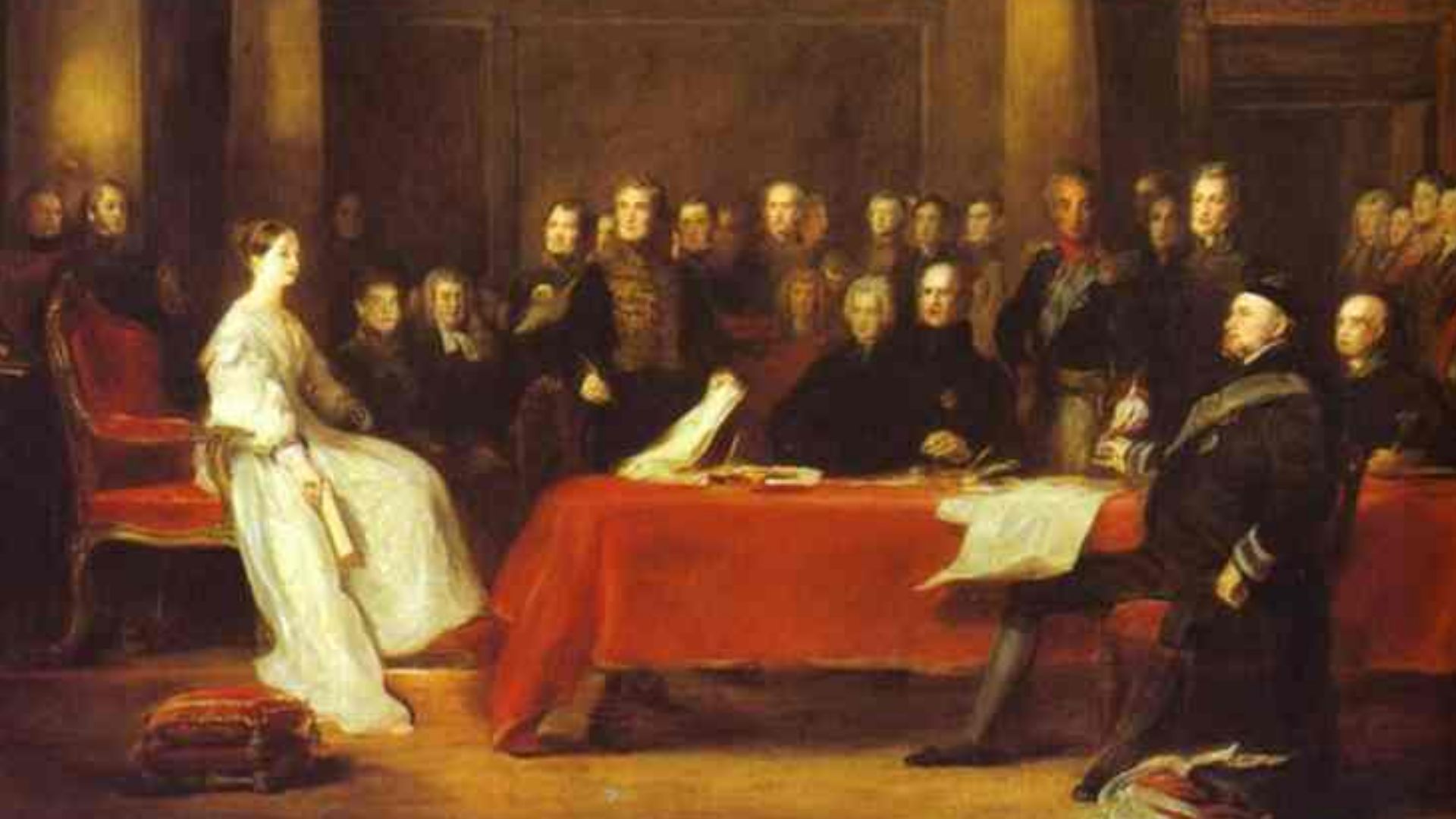
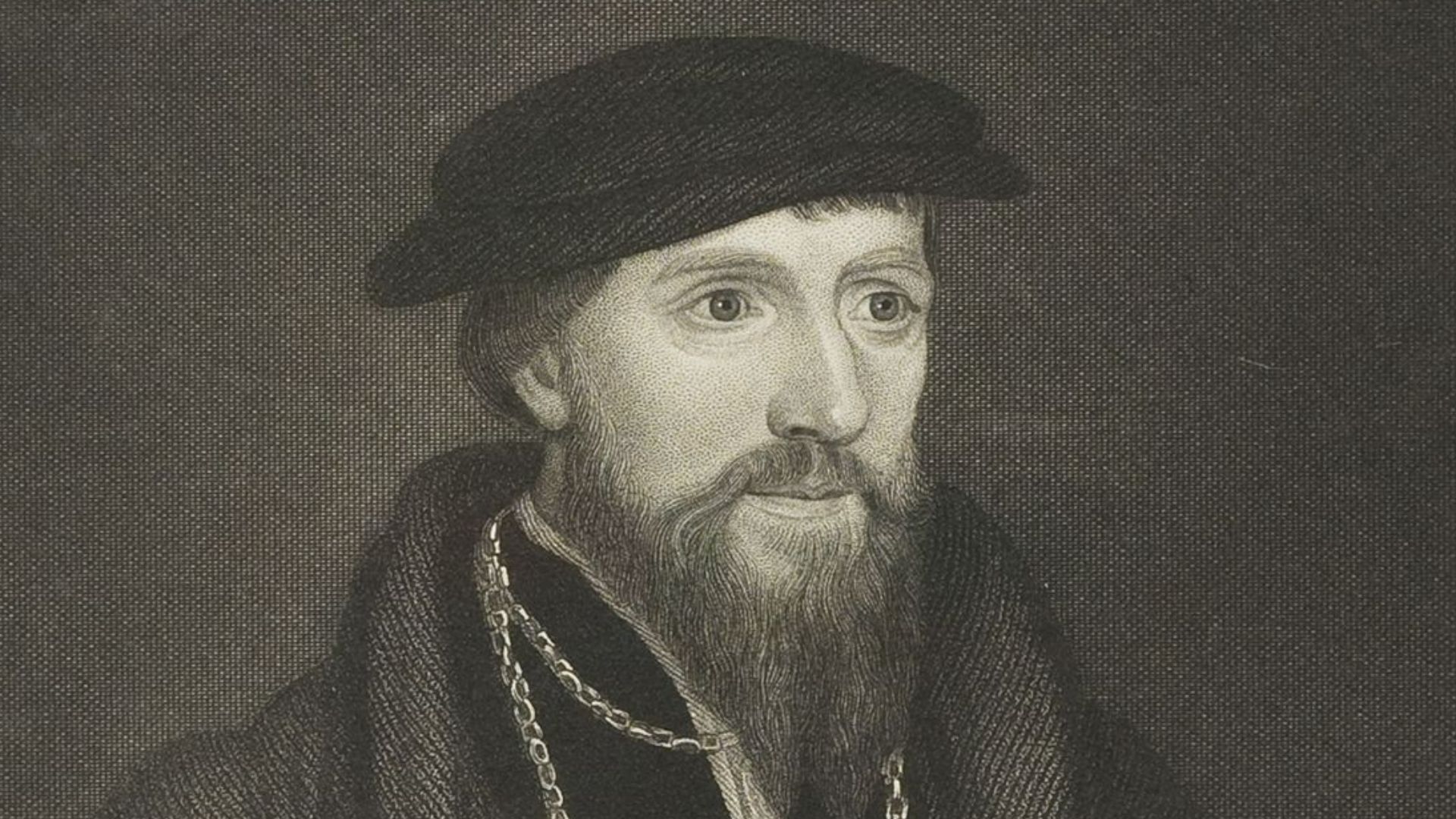
The position's influence extended beyond individual favors into actual governmental decisions. Grooms participated in discussions that shaped religious policy, foreign alliances, and domestic governance, thanks to their constant access to the monarch's private thoughts.
20. War Catalyst
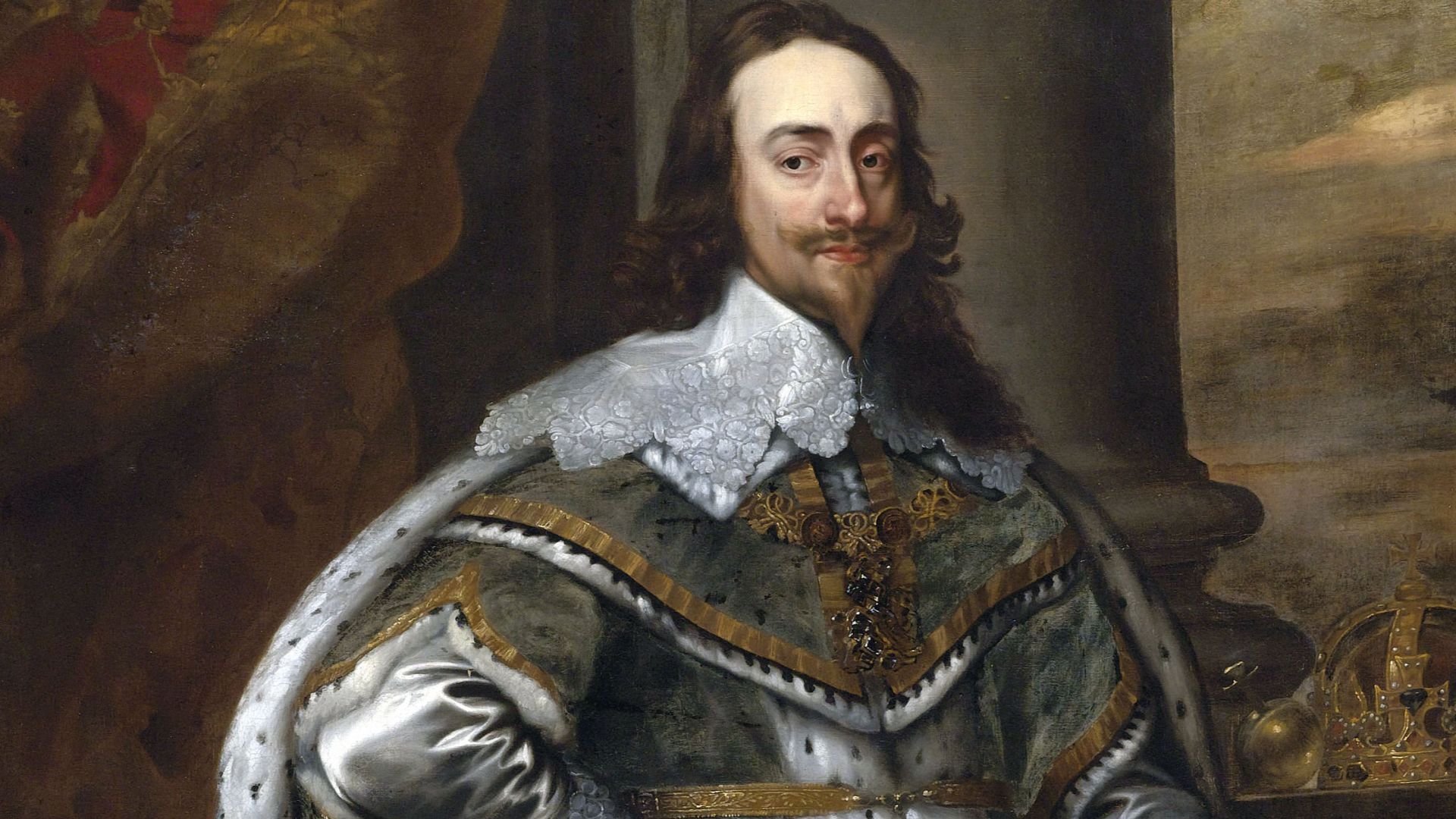
According to historian Lucy Worsley, both James I and Charles I were so influenced by their Grooms' counsel that these privy chamber discussions actually helped fuel the seventeenth-century English Civil War. All in all, the political advice offered during intimate moments shaped royal responses to parliamentary challenges.
 Workshop of Anthony van Dyck on Wikimedia
KEEP ON READING