20 People From History Who Died Trying to Prove A Point
When Conviction Had Very Real Consequences
Some people are willing to argue their case for hours, while others have taken the considerably riskier approach of putting themselves directly into the evidence. Across history, inventors have personally tested questionable machines, daredevils have attempted feats to prove they were possible, and political or religious figures have accepted death rather than abandon a stated position. Here are 20 historical figures who died trying to prove a point.
1. Franz Reichelt
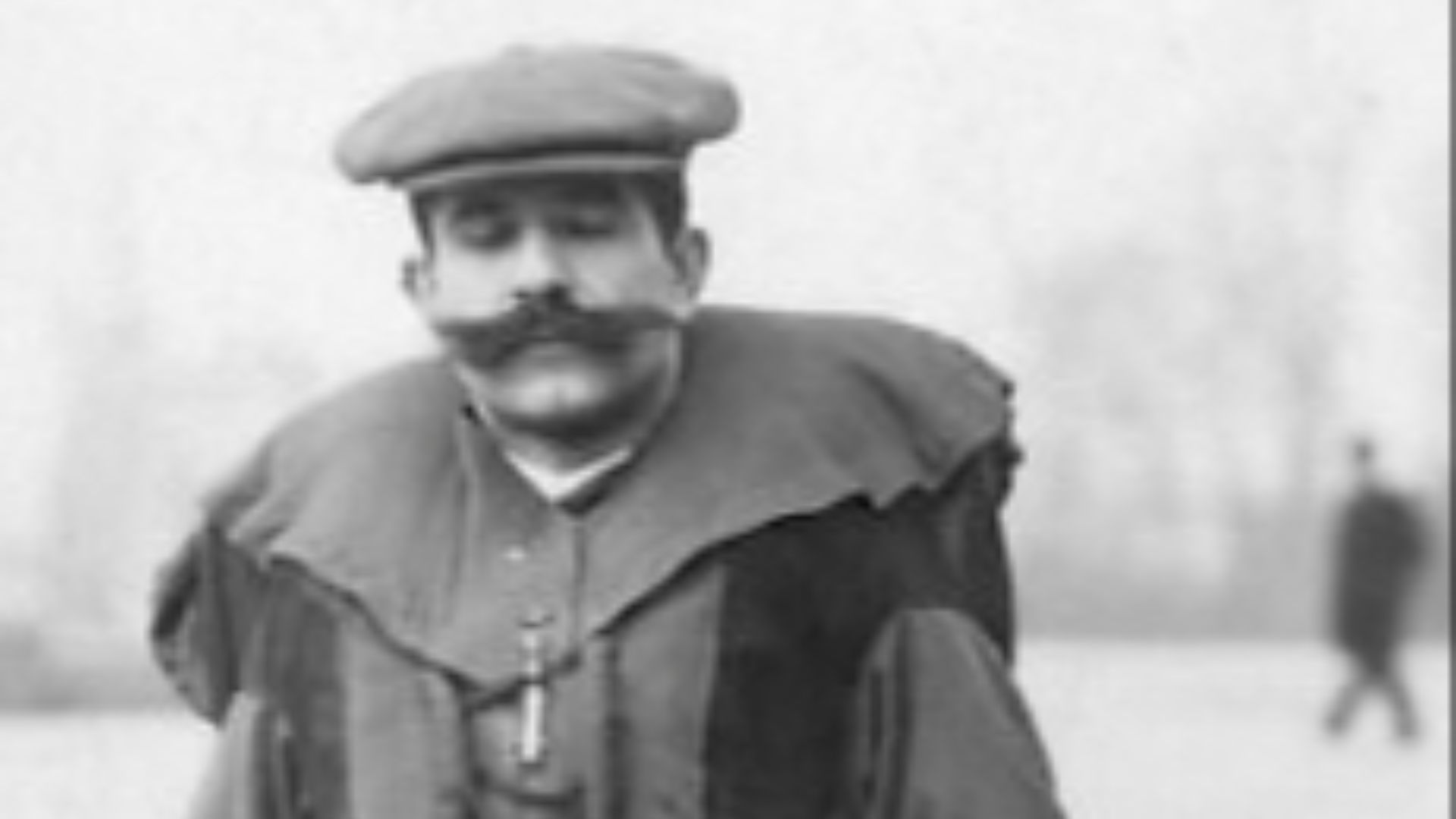
Franz Reichelt believed his wearable parachute could give early aviators a safe way to escape a failing aircraft. In 1912, he went to the Eiffel Tower for a public demonstration and insisted on jumping himself rather than using a dummy. Reichelt's invention failed to deploy properly, killing him during the very test intended to prove its usefulness.
 Agence de presse Meurisse on Wikimedia
2. Garry Hoy
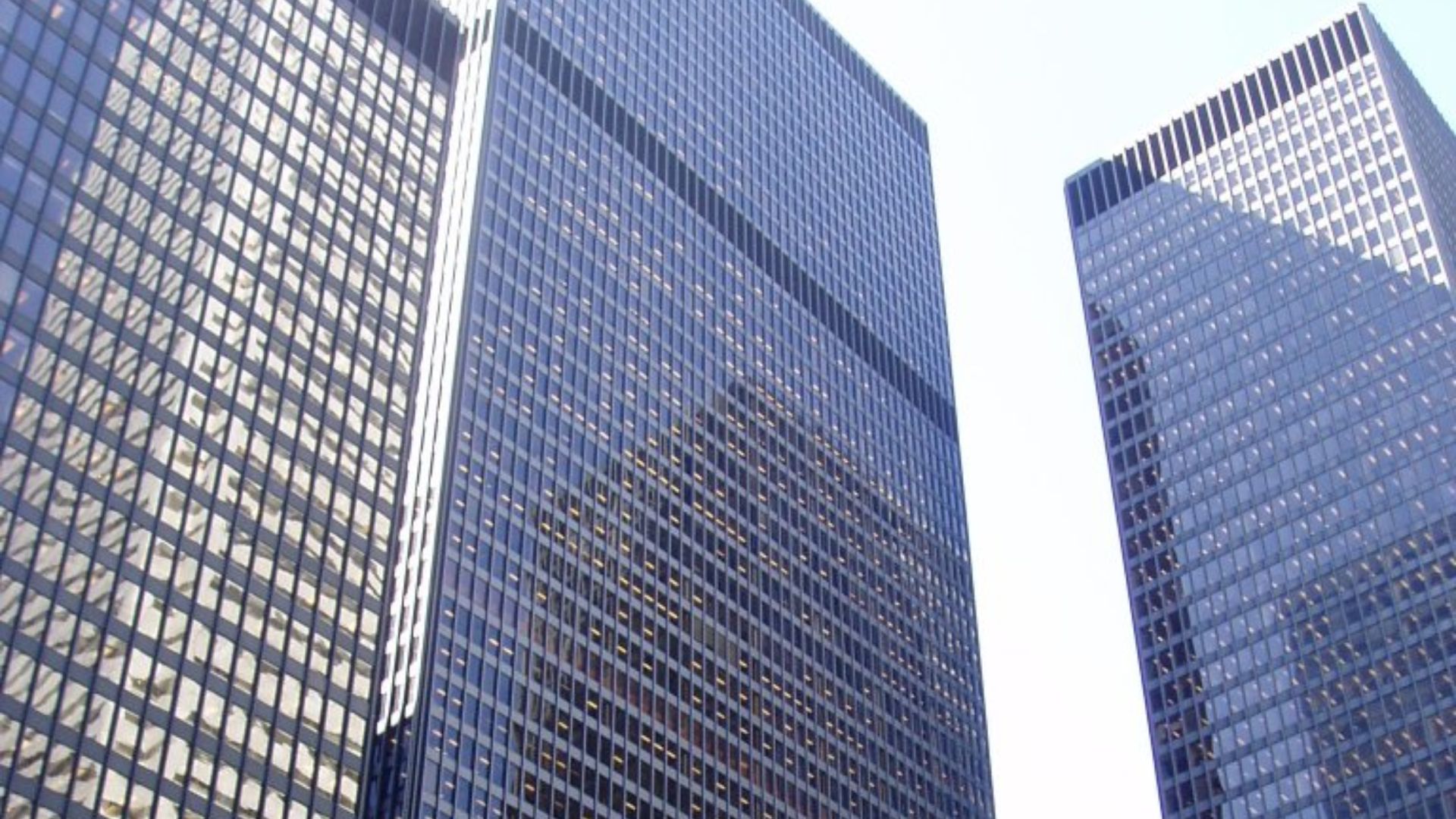
Toronto lawyer Garry Hoy had repeatedly demonstrated the strength of his office building's windows by throwing himself against them. During a 1993 tour for prospective articling students, he performed the trick again to show just how durable the glass was. The glass remained intact, but the window came out of its frame, and Hoy fell from the 24th floor to his death.
3. Robert Cocking
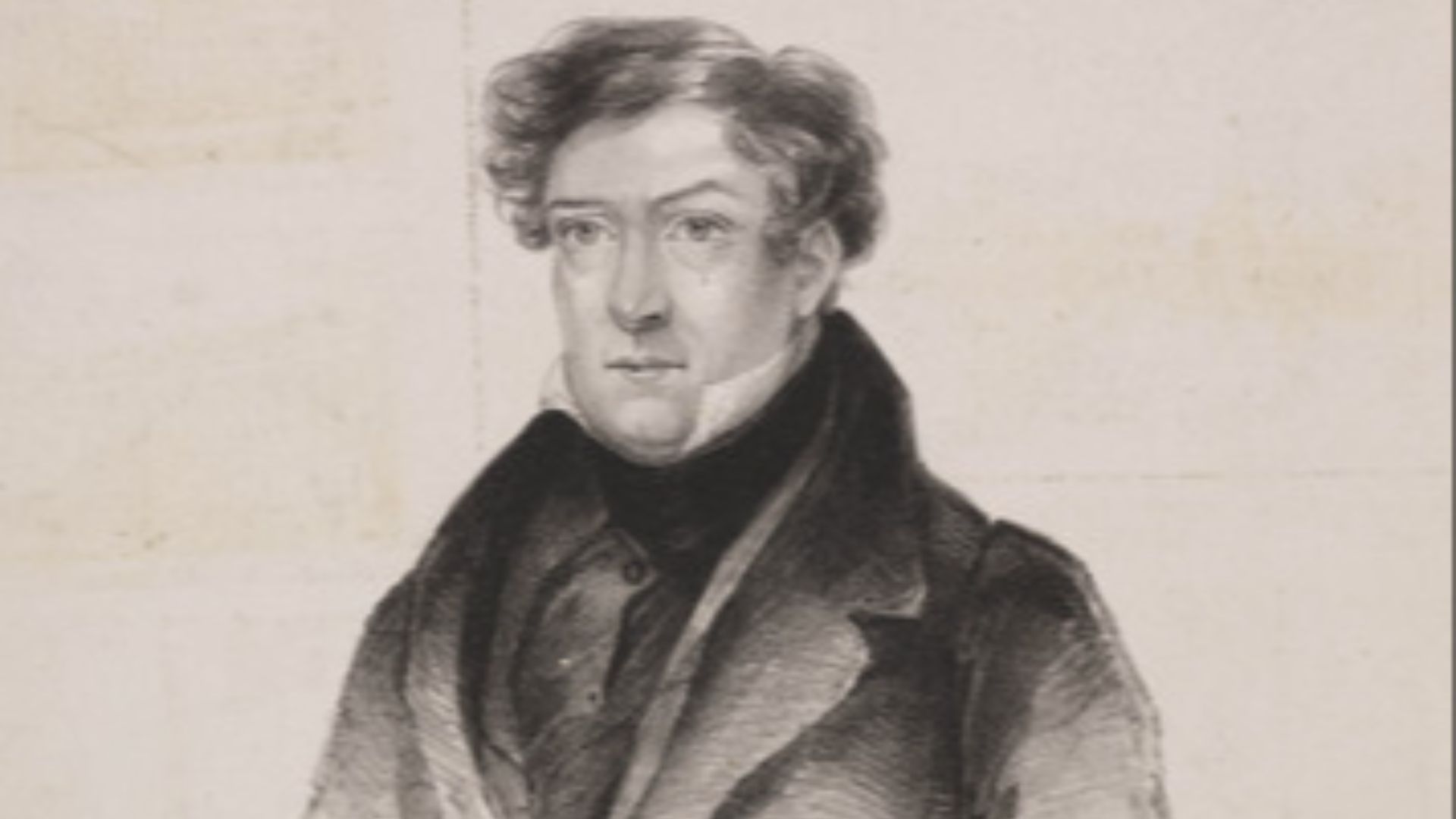
Robert Cocking thought the parachutes of his era swung too violently during descent, so he developed an inverted cone design that he believed would be steadier. In 1837, the 61-year-old inventor publicly tested it by descending beneath a balloon in front of a large crowd. The parachute's construction failed during the drop, and Cocking became the first known person killed in a parachuting accident.
 Lithograph by Louisa Corbaux after J B Beech on Wikimedia
4. Sam Patch
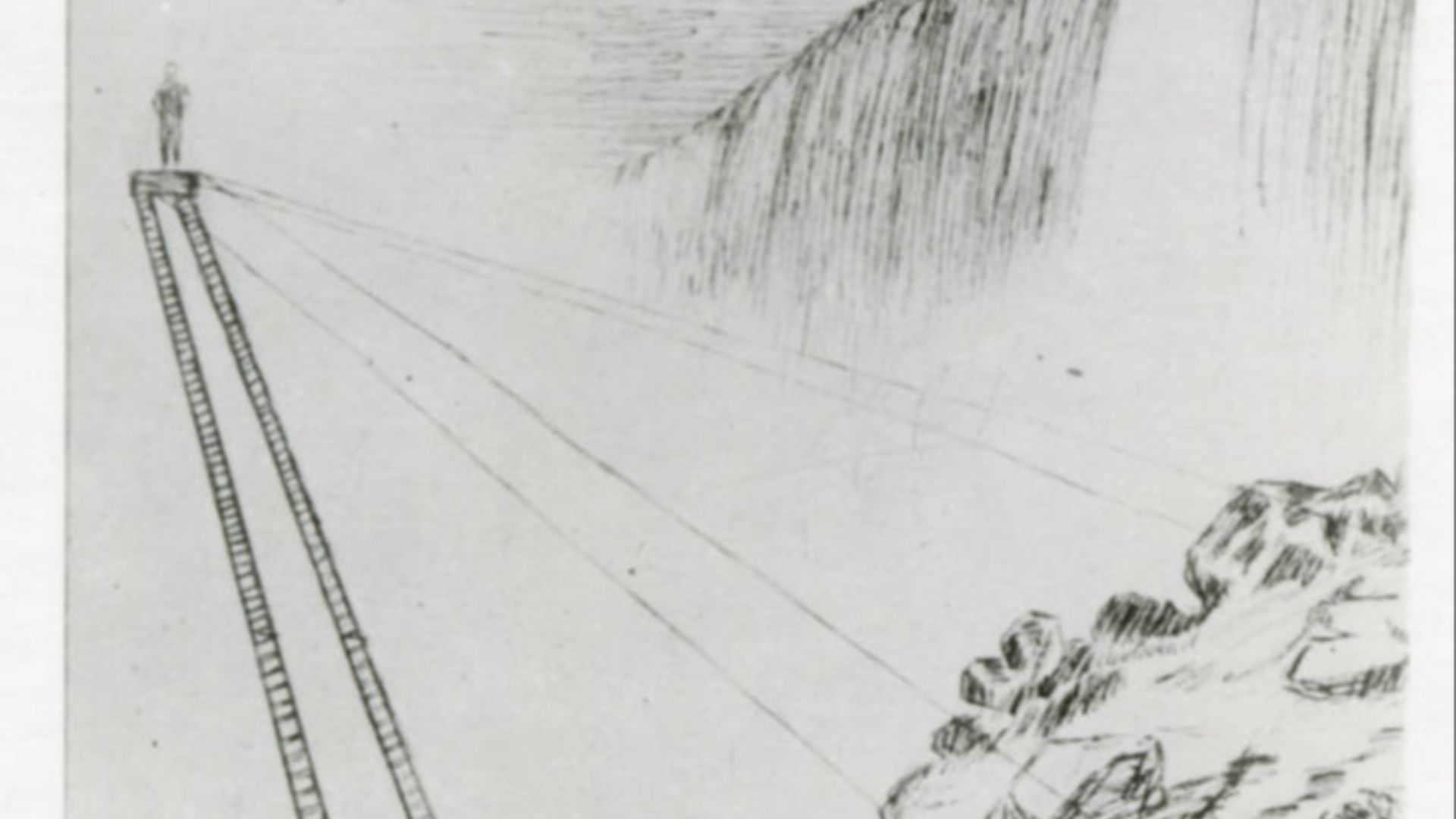
Daredevil Sam Patch had made his reputation by surviving spectacular jumps, including a famous leap near Niagara Falls. His repeated performances supported his favorite message that seemingly impossible things really could be done. During an 1829 jump at Genesee Falls, Patch disappeared beneath the water and was later found dead, ending his campaign to keep demonstrating exactly that point.
5. Charles Stephens
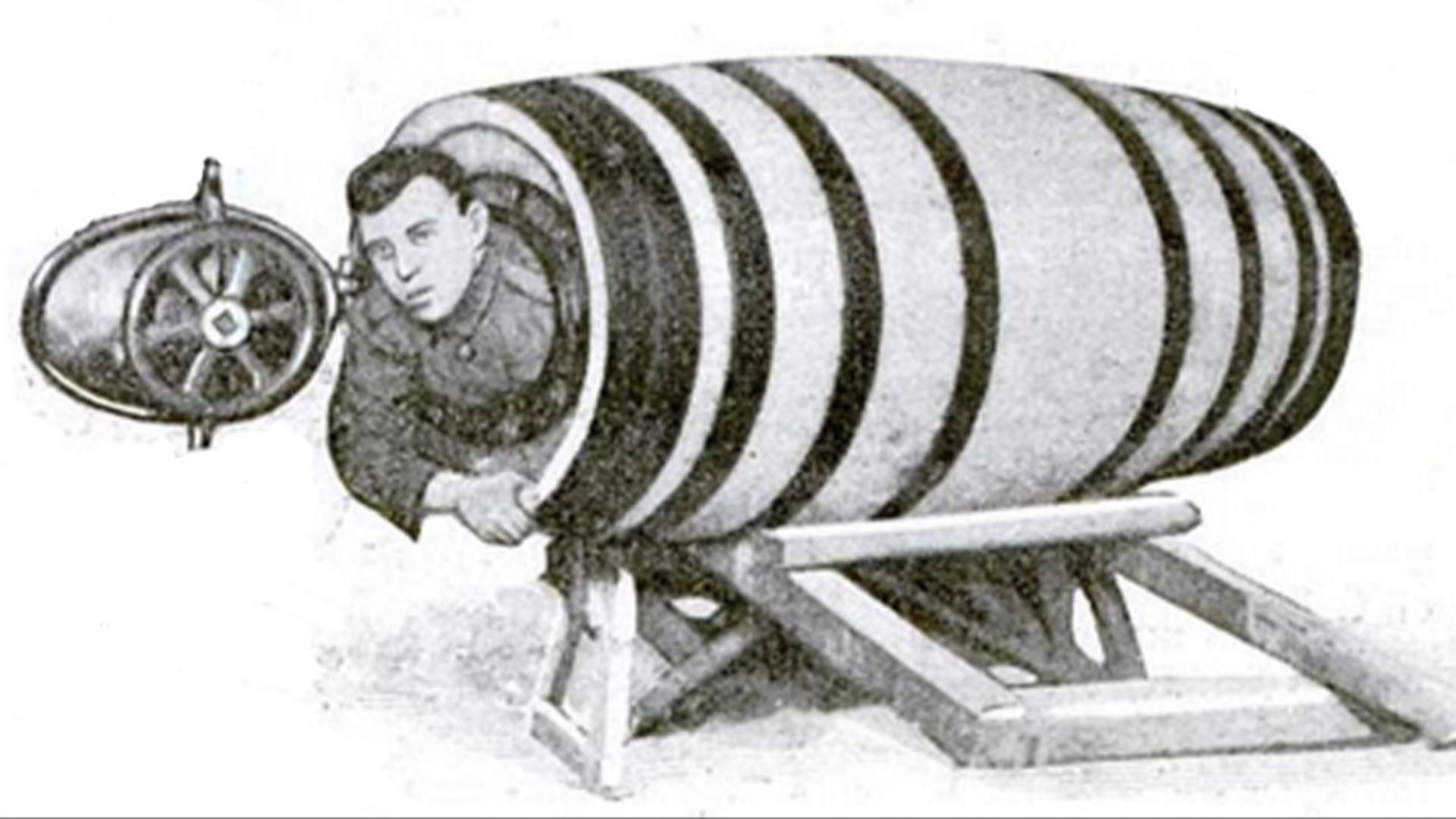
English barber Charles Stephens traveled to Niagara Falls convinced he could survive going over the Horseshoe Falls inside a barrel. Experienced daredevils reportedly urged him to test his equipment first, but Stephens went ahead with the stunt in 1920. His barrel broke apart during the descent, making him the first person known to die attempting the feat.
6. Karel Soucek
Karel Soucek had already survived going over Niagara Falls in a custom barrel, which understandably gave him considerable confidence in his stunt designs. In 1985, he arranged to be dropped 180 feet from the Houston Astrodome roof into a small tank of water despite warnings about the danger. The barrel struck the tank's rim rather than landing safely inside, and Soucek died from his injuries.
7. J.G. Parry-Thomas
J.G. Parry-Thomas had held the world land speed record until Malcolm Campbell surpassed him. Rather than accept second place, he returned to Pendine Sands in 1927 to demonstrate that he could reclaim the title. The car crashed during the attempt, and Parry-Thomas became the first driver killed while pursuing the world land speed record.
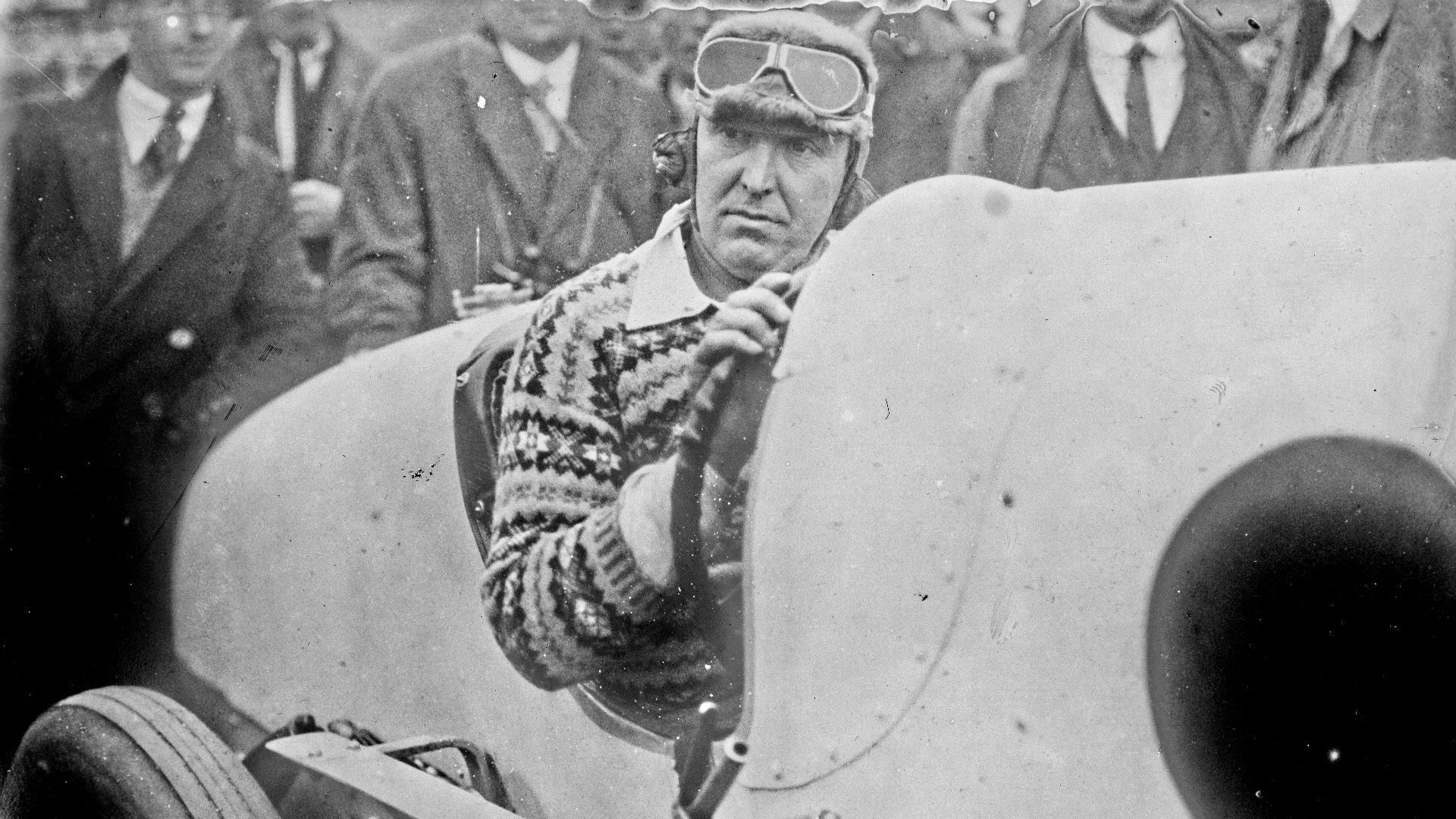 Agence Rol. Agence photographique (commanditaire) on Wikimedia
8. Frank Lockhart
Indianapolis 500 winner Frank Lockhart was also a gifted engineer who believed clever design and supercharging could compete with much larger engines. He built the streamlined Stutz Black Hawk Special to challenge the land speed record and took it to Daytona Beach in 1928. Unfortunately, tire failure caused a fatal crash.
9. John Cobb
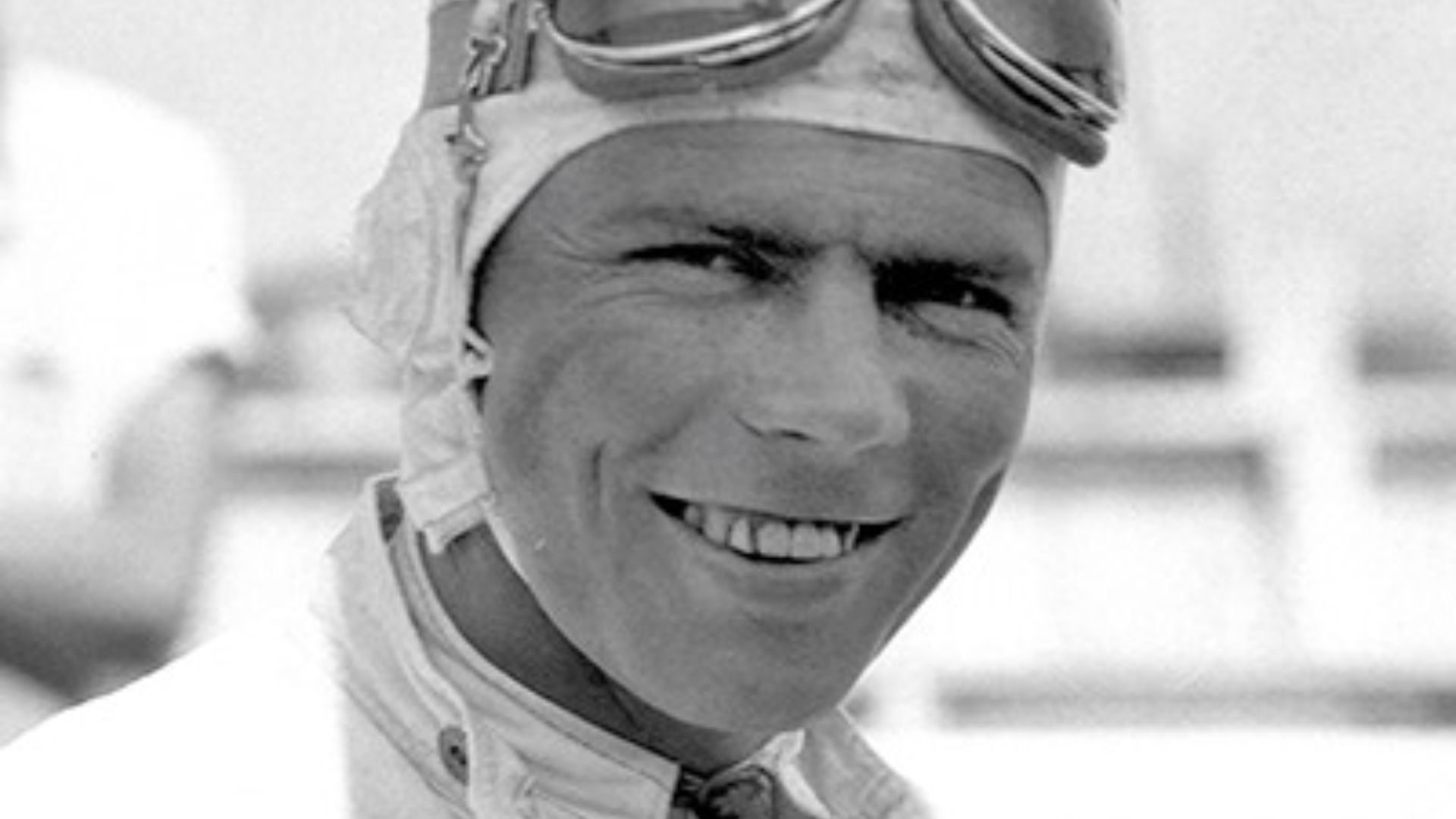
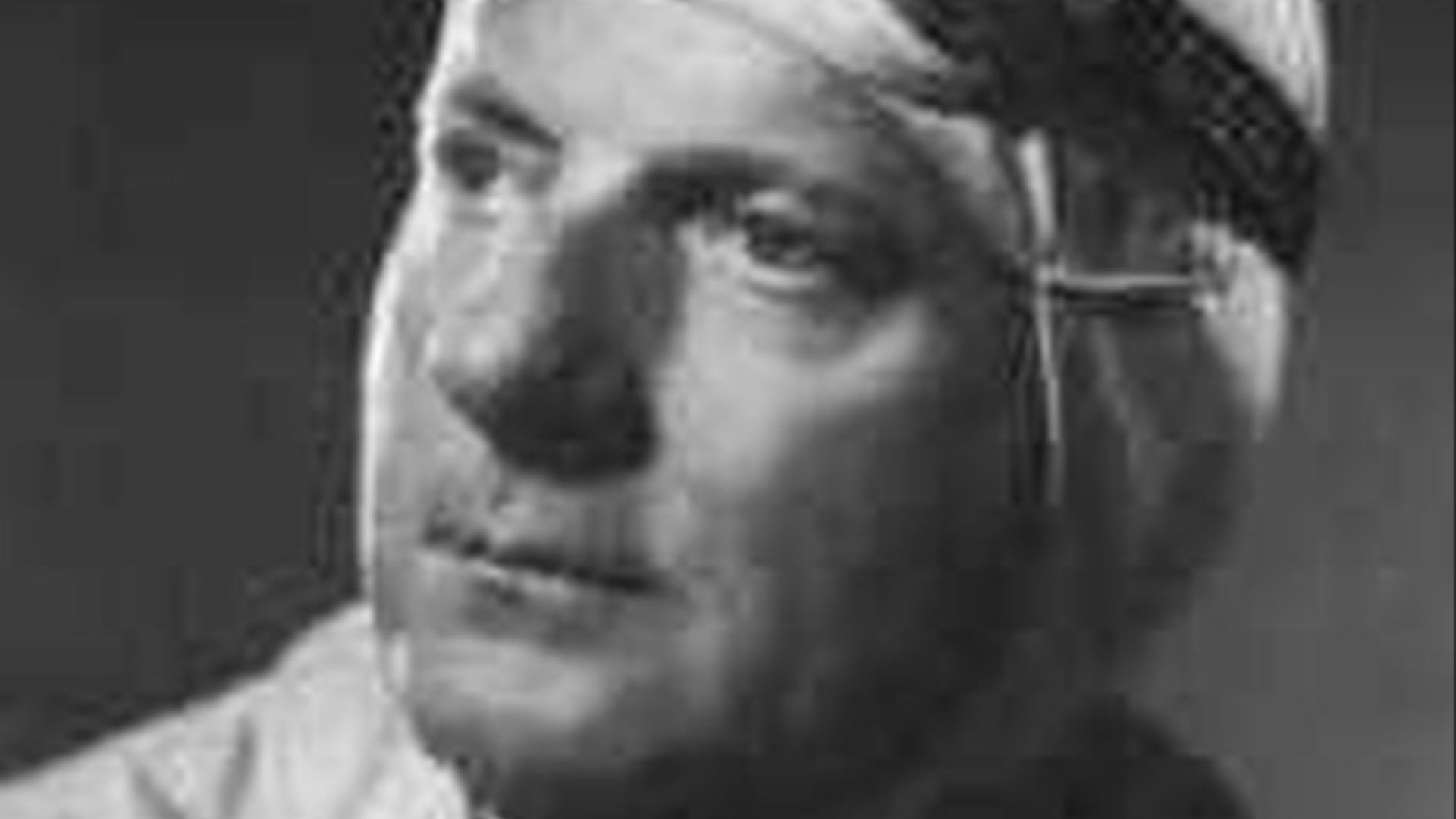
John Cobb had already set records on land before deciding that water offered another opportunity to demonstrate just how fast a machine could travel. He commissioned the jet-powered Crusader and attempted the world water speed record on Loch Ness in 1952. The boat became unstable at high speed and broke apart, killing Cobb during the run.
 Birmingham Museums Trust on Wikimedia
10. Donald Campbell
Donald Campbell spent much of his life proving that his Bluebird vehicles could travel faster than almost anyone thought practical. In 1967, he returned to Coniston Water in an effort to raise his own water speed record, completing one extremely fast run before immediately attempting another. Bluebird K7 flipped during the second pass, and Campbell died while pushing for an even higher mark.
11. Socrates
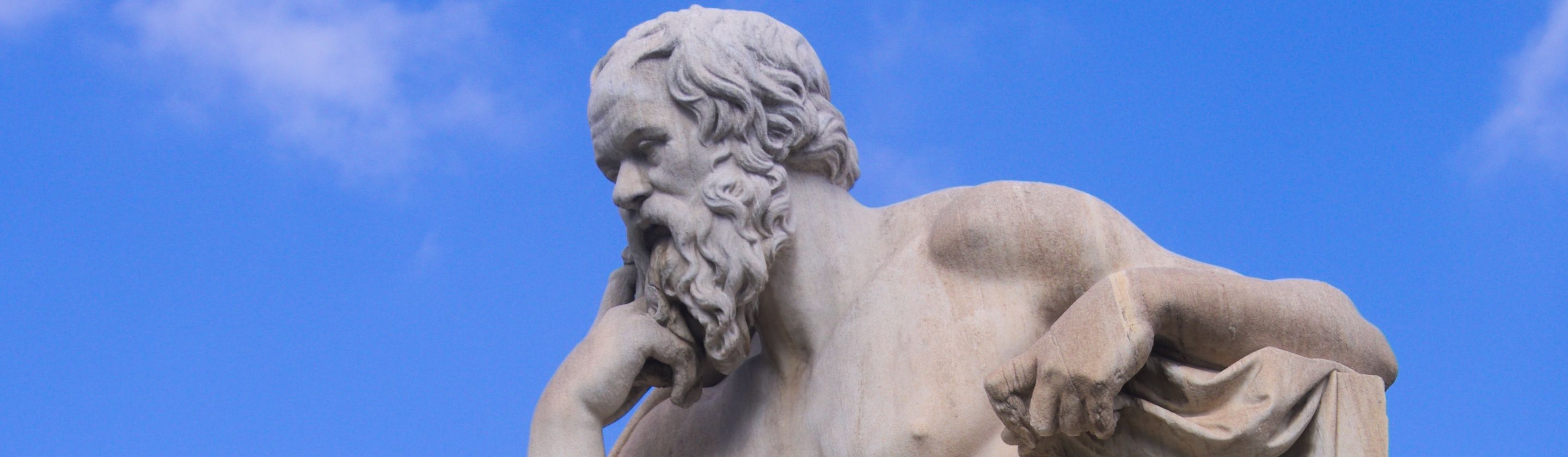
After Athens sentenced Socrates to death in 399 B.C., his friends presented him with the possibility of escape. According to Plato's account, Socrates rejected that option because fleeing would conflict with his arguments about accepting the laws and obligations of the city. He drank the prescribed poison instead, making his final decision an unusually literal demonstration that his principles weren't merely material for conversation.
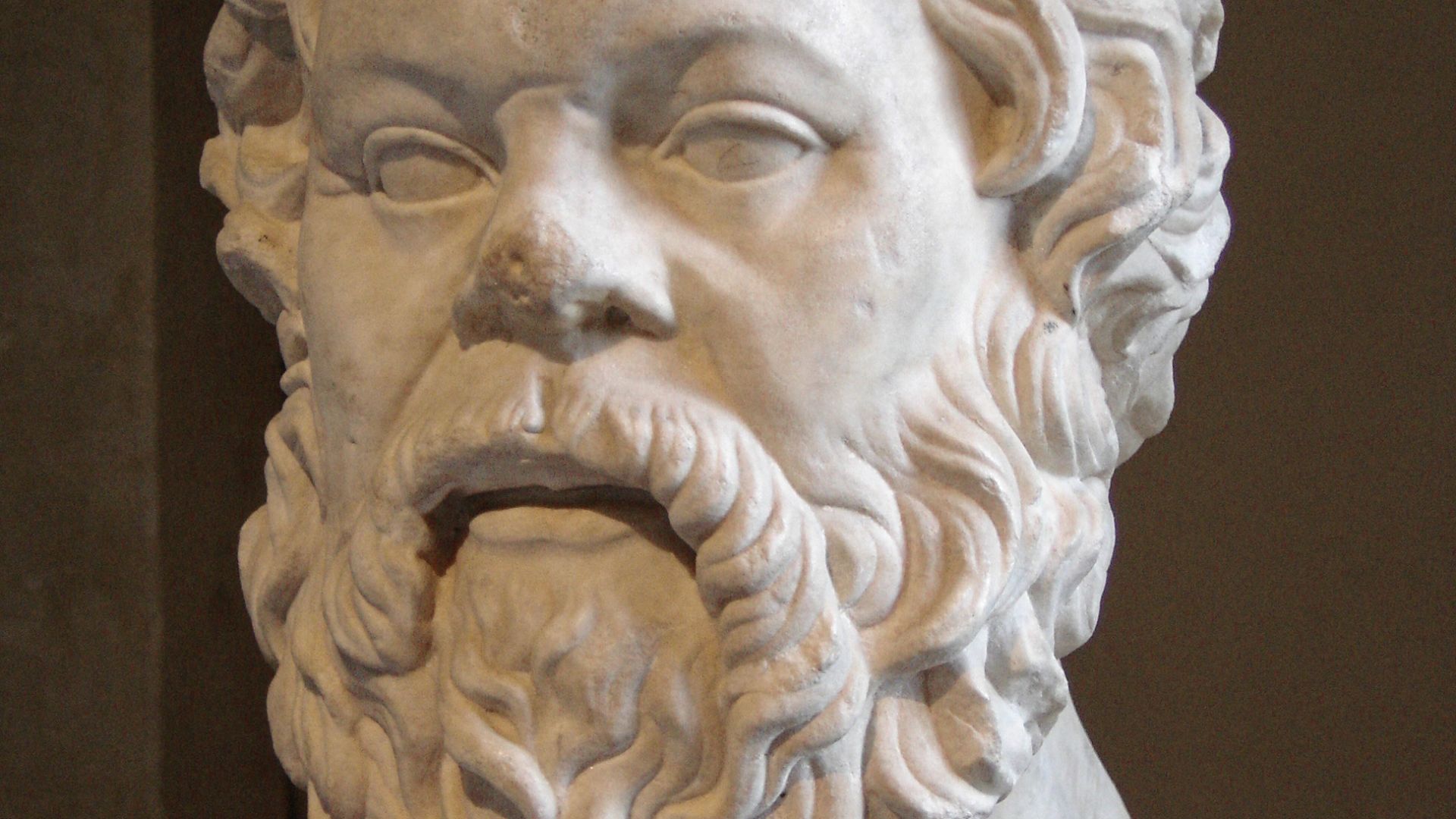 Copy of Lysippos (?) on Wikimedia
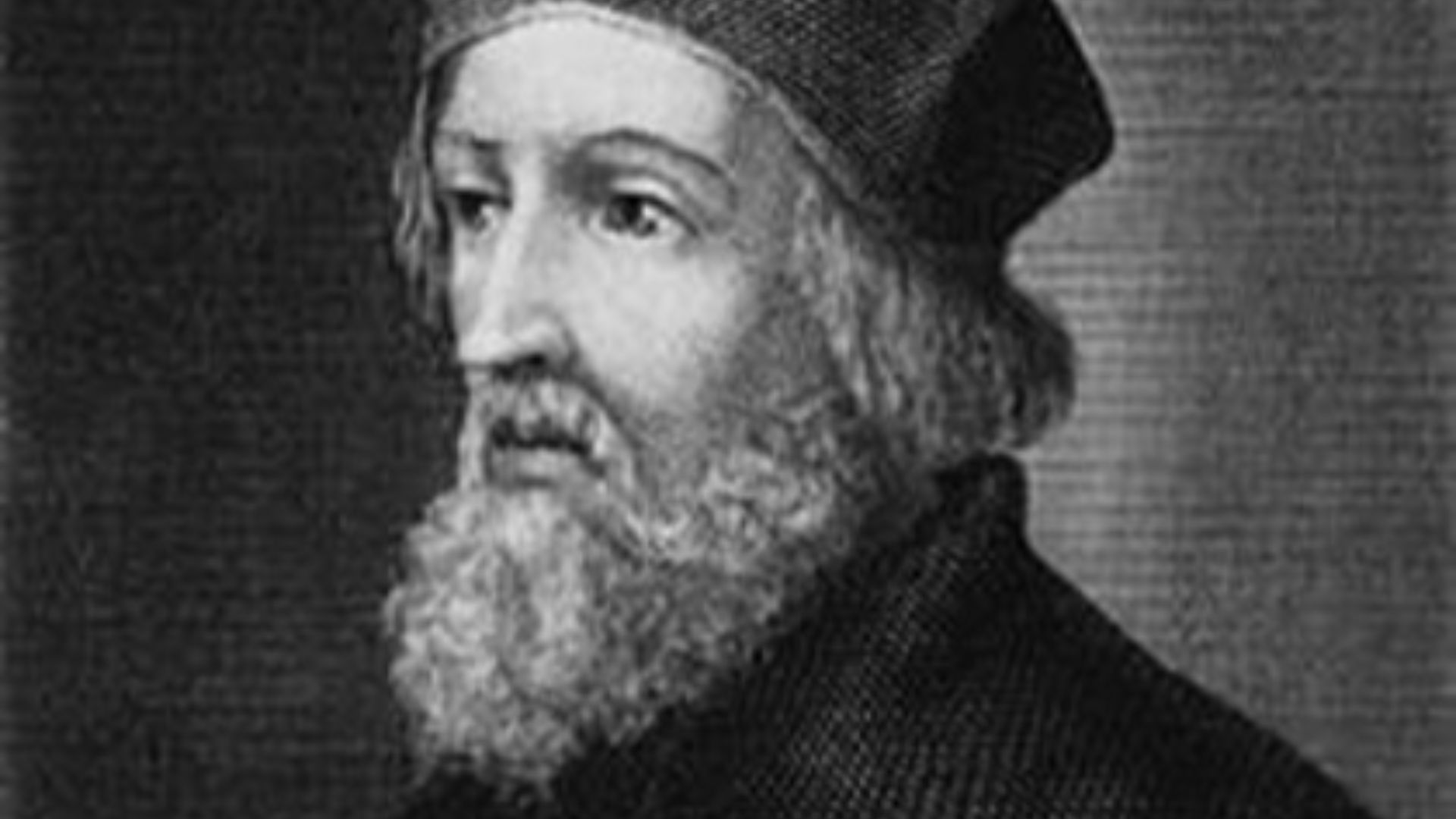
12. Jan Hus
Religious reformer Jan Hus was brought before the Council of Constance and ordered to renounce teachings the council considered heretical. Hus maintained that he couldn't honestly recant positions he believed were correct unless his errors were demonstrated to him. He was executed in 1415 after repeatedly refusing the kind of retraction that could have saved his life.
13. Thomas More
Thomas More's conflict with Henry VIII centered on his refusal to accept the king's religious authority in the manner demanded by the English government. His refusal to swear the required oath eventually led to imprisonment, trial, and conviction for treason. More was beheaded in 1535 rather than publicly give his approval to a position his conscience wouldn't allow him to endorse.
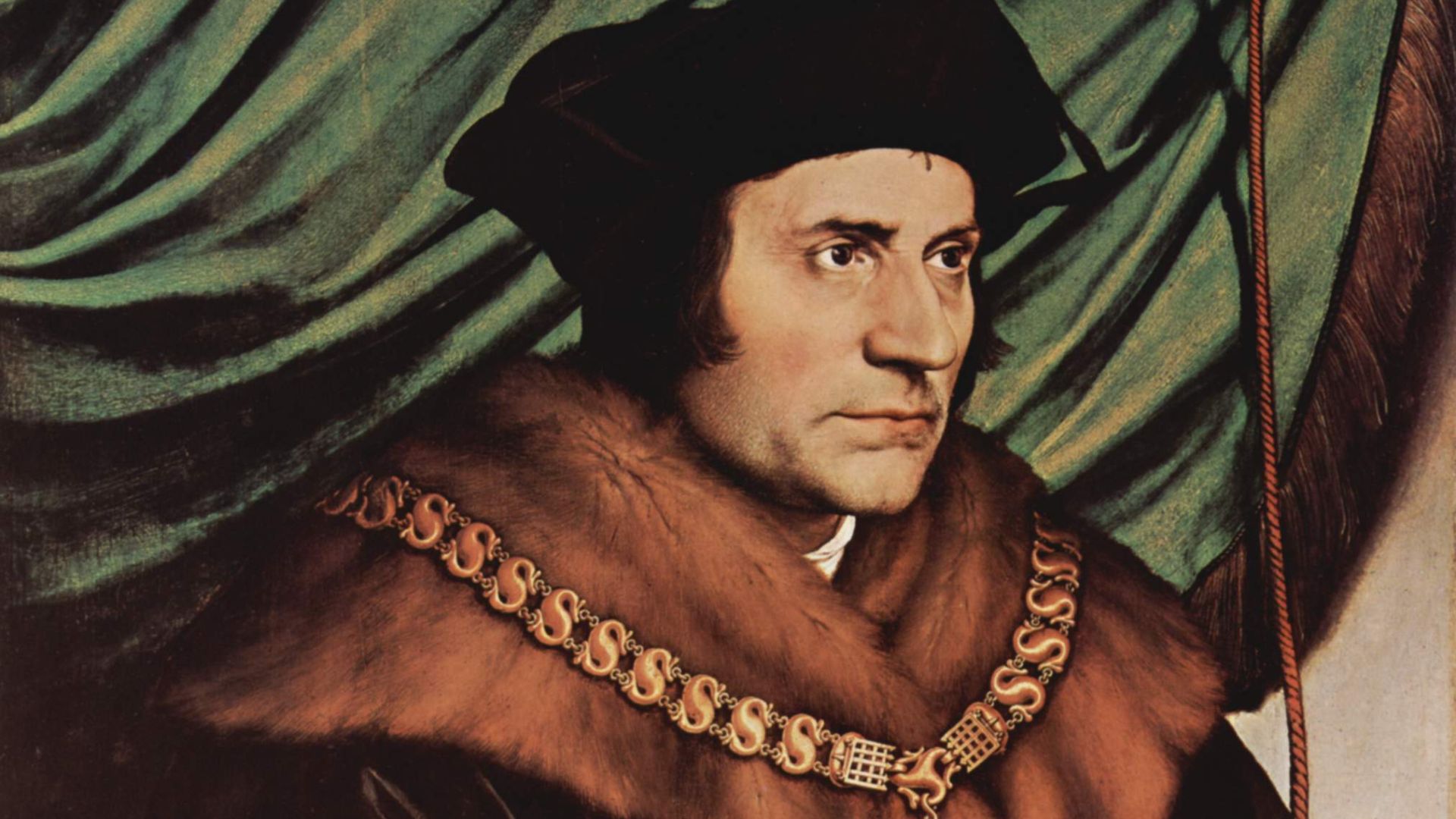 Hans Holbein the Younger on Wikimedia
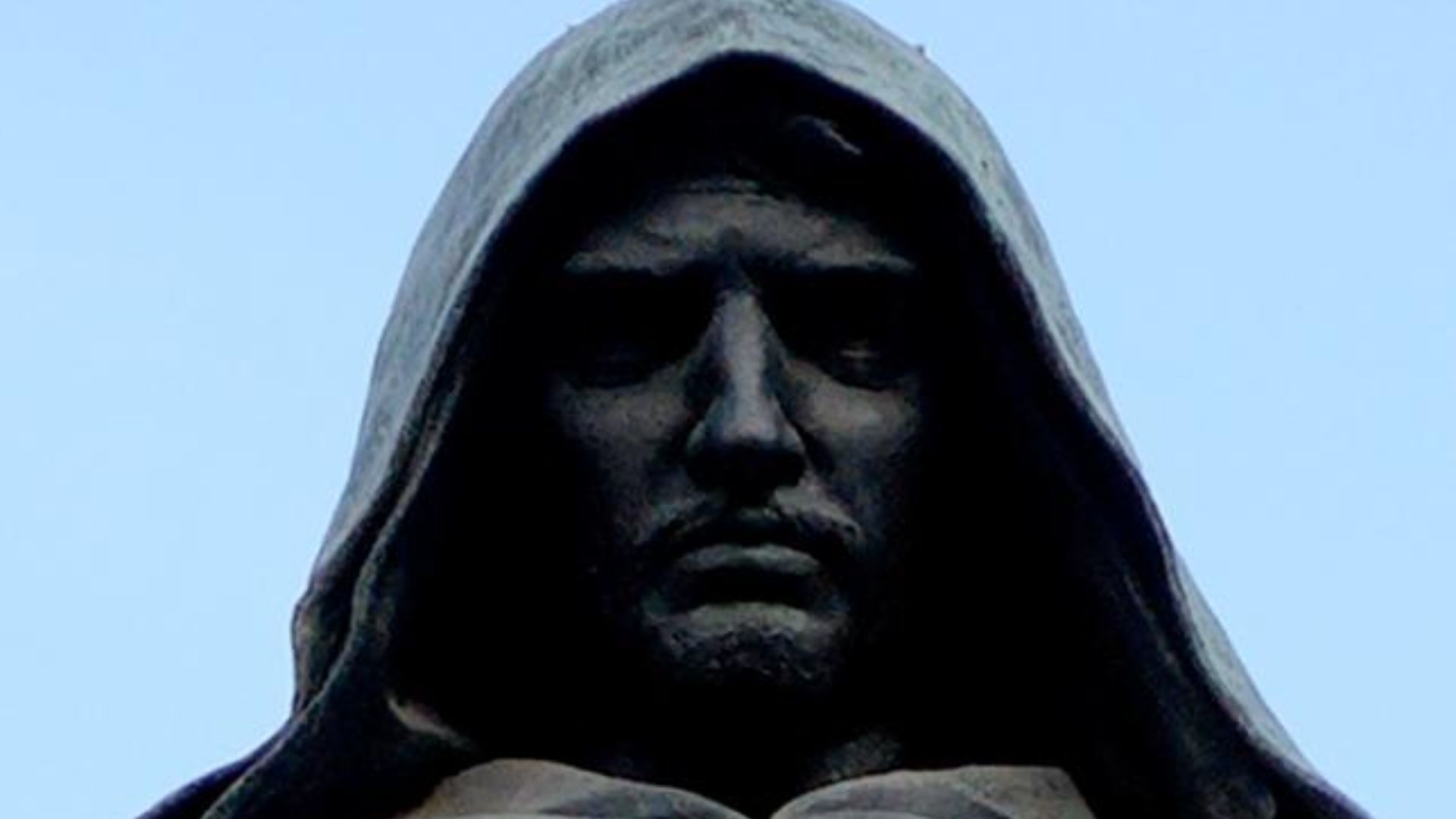
14. Giordano Bruno
Giordano Bruno spent years facing an inquisitorial trial over a wide range of theological, philosophical, and cosmological beliefs. Authorities demanded a full recantation, but Bruno ultimately refused to abandon the positions at the center of the case. He was executed in Rome in 1600, although his story is more complicated than the popular version that presents him solely as a martyr for astronomy.
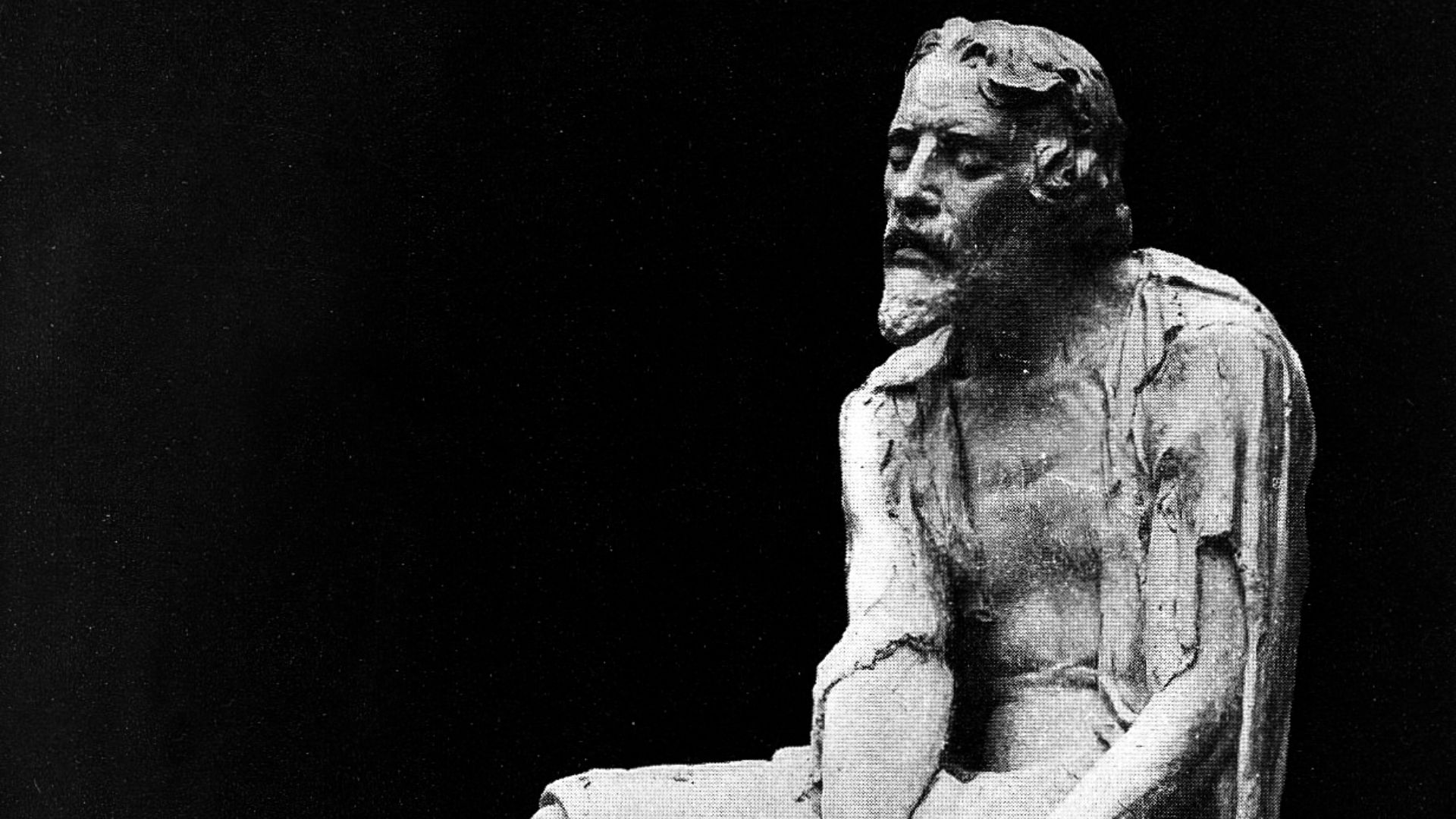
15. Michael Servetus
Physician and theologian Michael Servetus challenged established Christian teachings about subjects including the Trinity, attracting hostility from both Catholic and Protestant authorities. After being arrested in Geneva, he continued defending beliefs that officials considered heretical rather than making the required recantation. Servetus was convicted and executed in 1553, demonstrating how little room 16th-century Europe gave someone determined to win a theological disagreement.
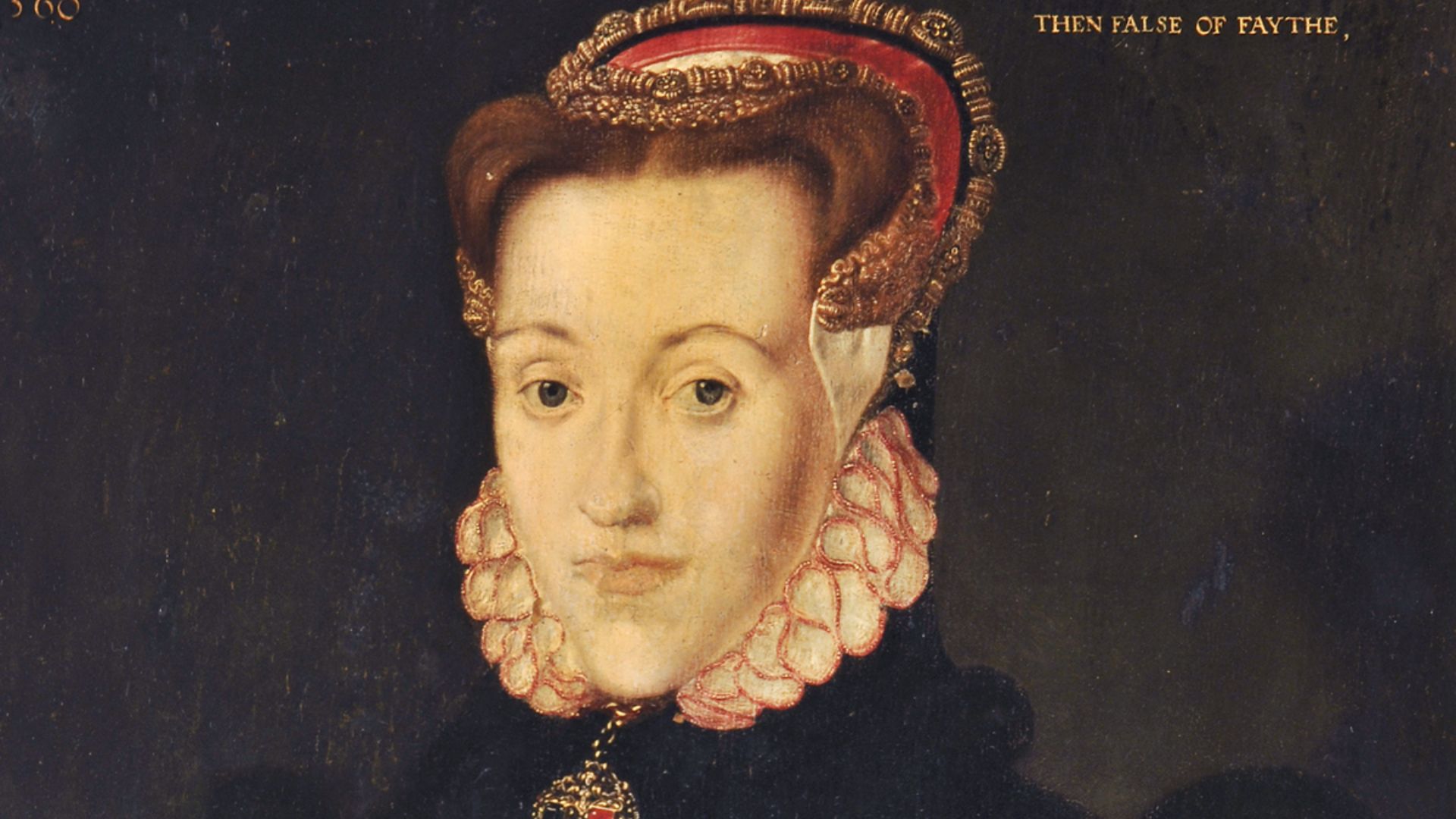
16. Anne Askew
English Protestant Anne Askew came under investigation for religious views that directly contradicted official doctrine during Henry VIII's reign. She wouldn't recant her position on the Eucharist, even after interrogation, imprisonment, and torture. Askew was executed for heresy in 1546, having refused to publicly endorse a belief she rejected.
17. John Brown
Abolitionist John Brown didn't merely argue that slavery should end; he attempted to trigger an armed uprising by seizing the federal arsenal at Harpers Ferry in 1859. The raid failed, and Brown was captured after U.S. Marines retook the position. He was later executed, but his trial and death dramatically amplified the antislavery message he had been trying to force into the national conversation.
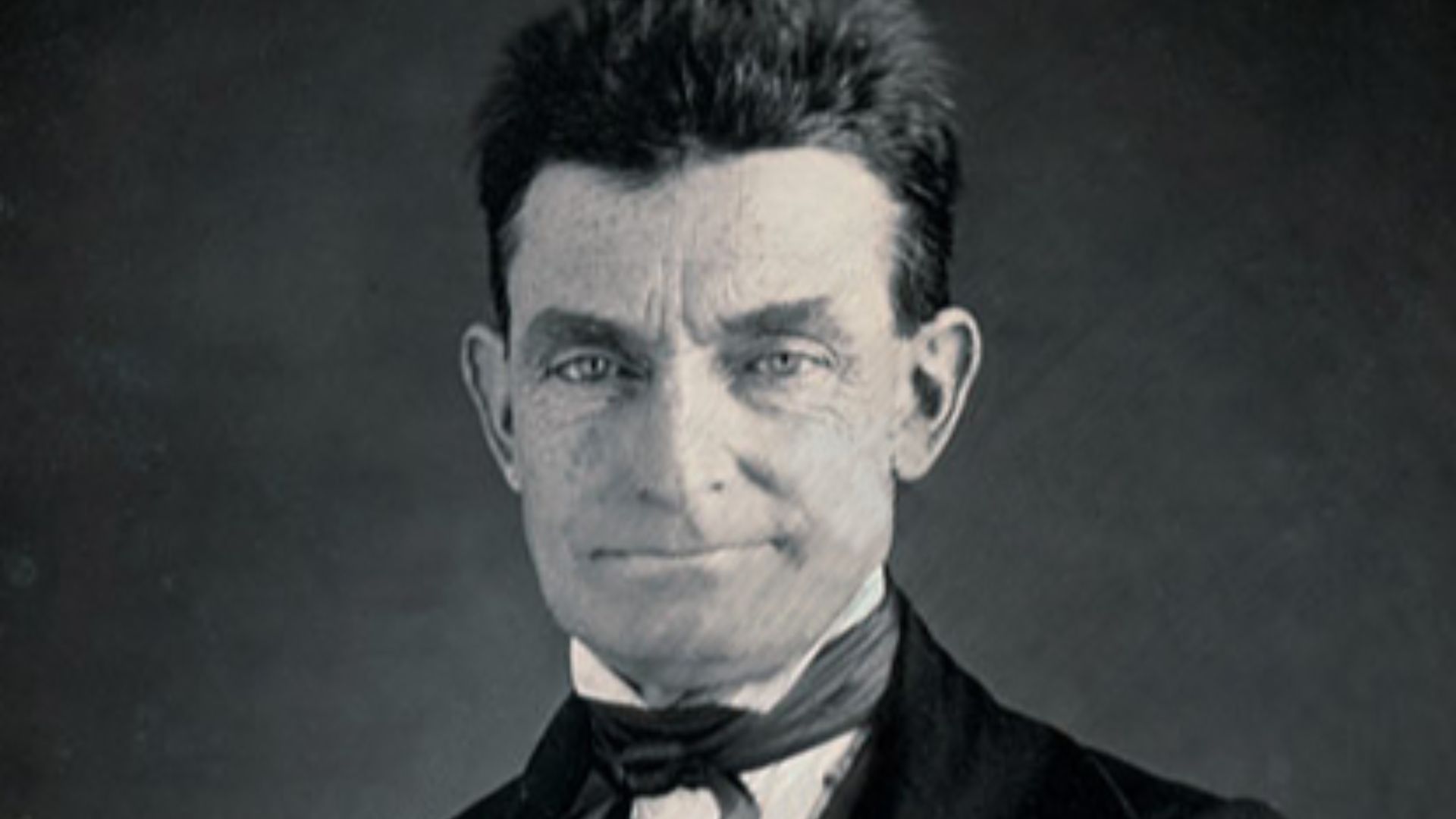 Augustus Washington on Wikimedia
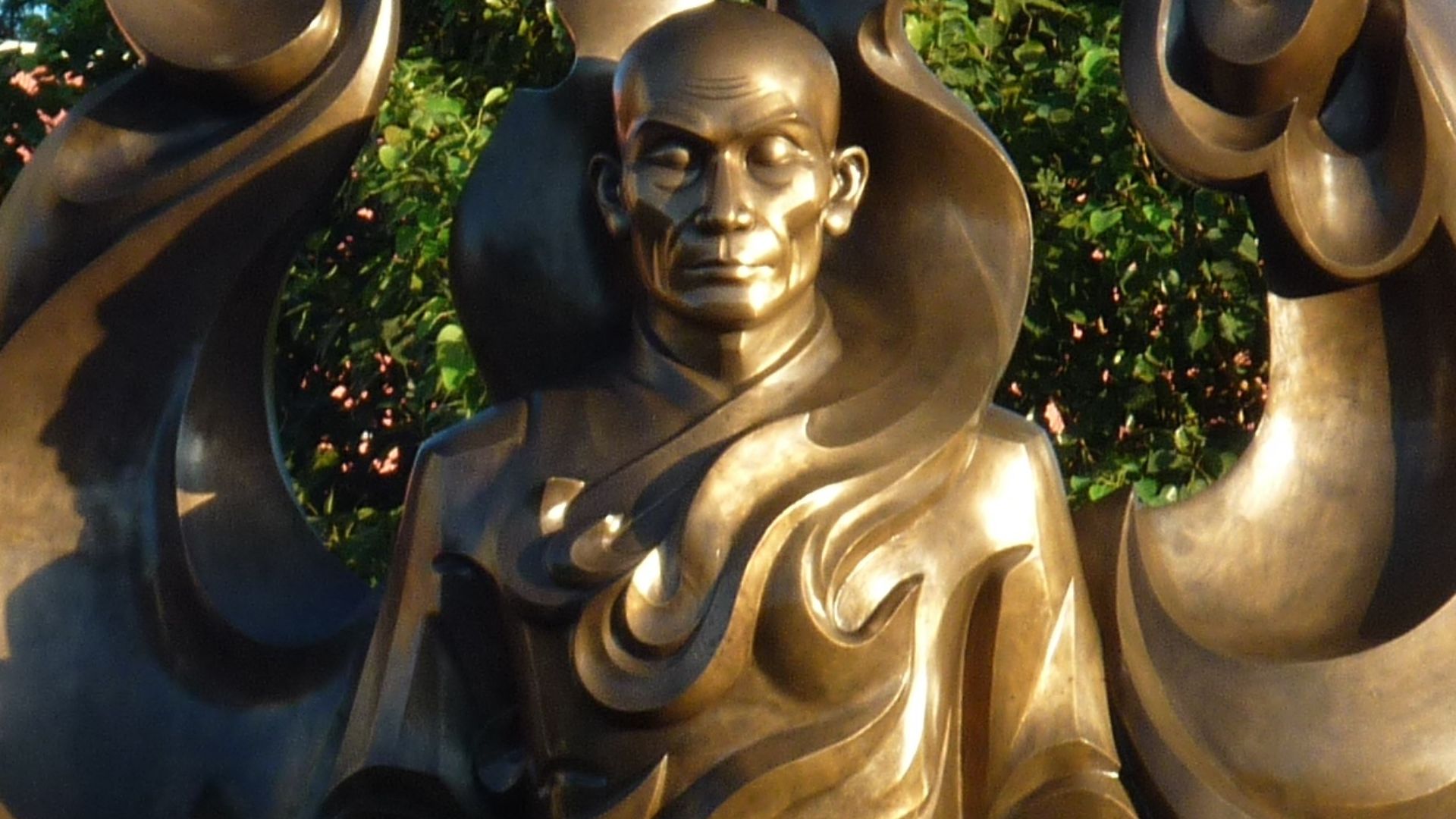
18. Thích Quảng Đức
Vietnamese Buddhist monk Thích Quảng Đức staged a fatal public protest in Saigon in 1963 against the South Vietnamese government's treatment of Buddhists. His purpose was explicitly political and religious, and photographs of the protest quickly circulated internationally. The shocking act brought enormous global attention to grievances that had previously received far less notice outside Vietnam.
19. Jan Palach
Student Jan Palach took an extreme and fatal action in Prague in January 1969 after the Warsaw Pact invasion had crushed the Prague Spring. His letters called for specific changes, including an end to censorship and resistance to the growing public resignation that followed the occupation. Palach died three days later, and his protest became an enduring symbol of opposition to Soviet domination in Czechoslovakia.
20. Bobby Sands
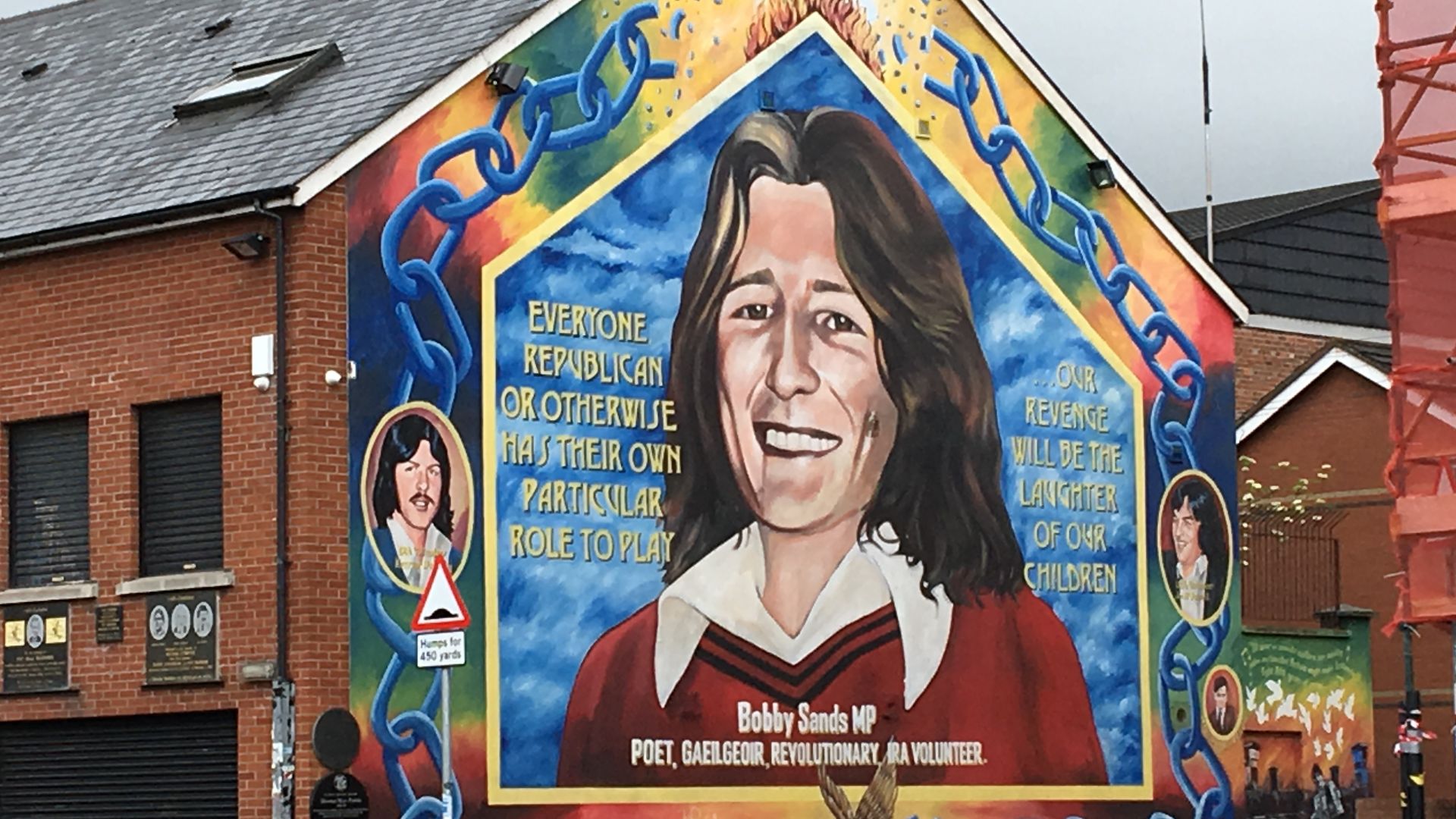
Irish republican prisoner Bobby Sands joined the 1981 hunger strike at Maze Prison as part of a campaign demanding special status and specific rights for republican prisoners. He continued refusing food after being elected to the British Parliament during the protest, keeping international attention focused on the dispute. Sands died after 66 days, making his death inseparable from the political demands he and the other hunger strikers were attempting to force the British government to address.