20 People From History Who Became Heroes Unexpectedly
They Weren’t Exactly Planning on Making History
History loves a heroic figure, but not every hero wakes up expecting to do something extraordinary. Sometimes a routine job, failed mission, unexpected disaster, or terrible bit of timing suddenly puts an ordinary person in an extraordinary situation. What matters is what they do once that moment arrives. Here are 20 people who weren’t necessarily searching for a heroic moment, but when one unexpectedly landed in front of them, they rose to it.
 Official photographer on Wikimedia
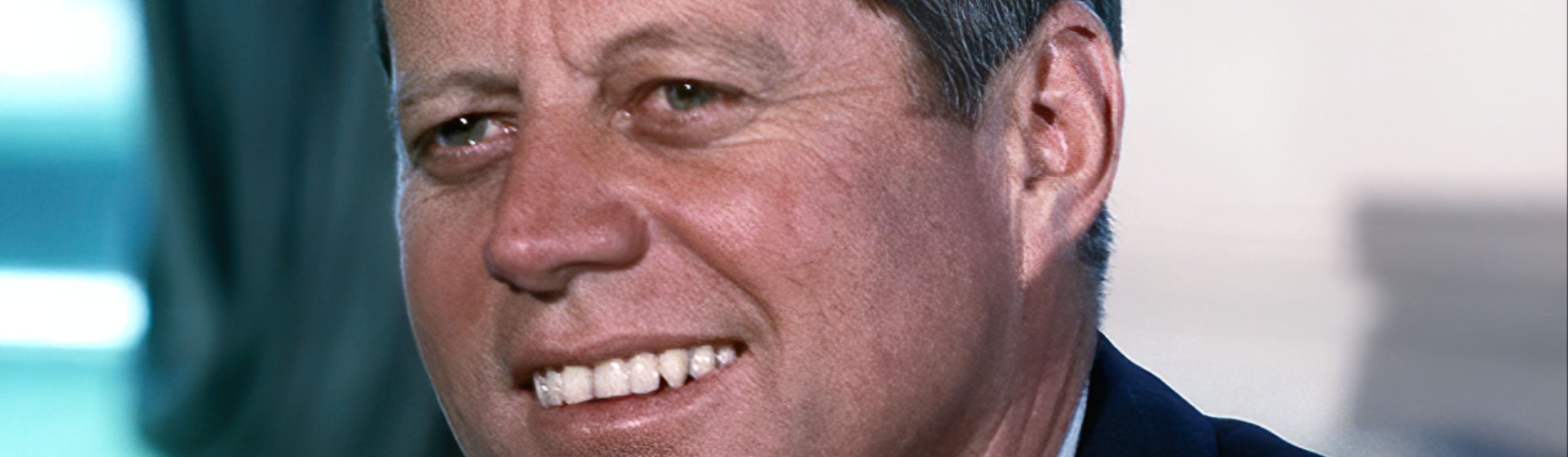
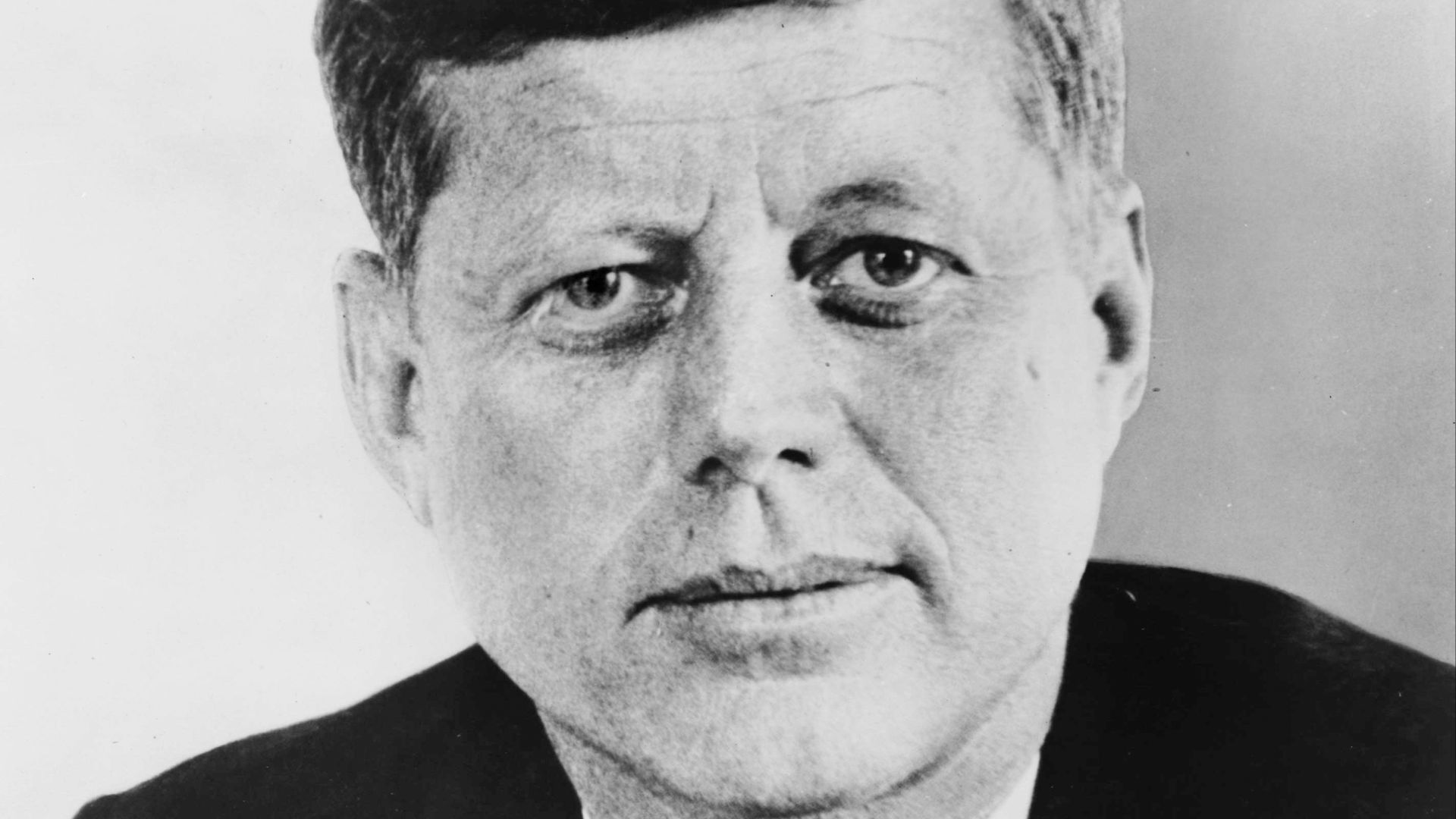
1. John F. Kennedy
Long before he became president, John F. Kennedy was commanding a patrol boat in the Pacific during World War II. In 1943, a Japanese destroyer rammed PT-109, leaving Kennedy and his surviving crew stranded in the water. Kennedy helped lead the men to safety and famously towed an injured crew member by gripping the strap of his life jacket between his teeth.
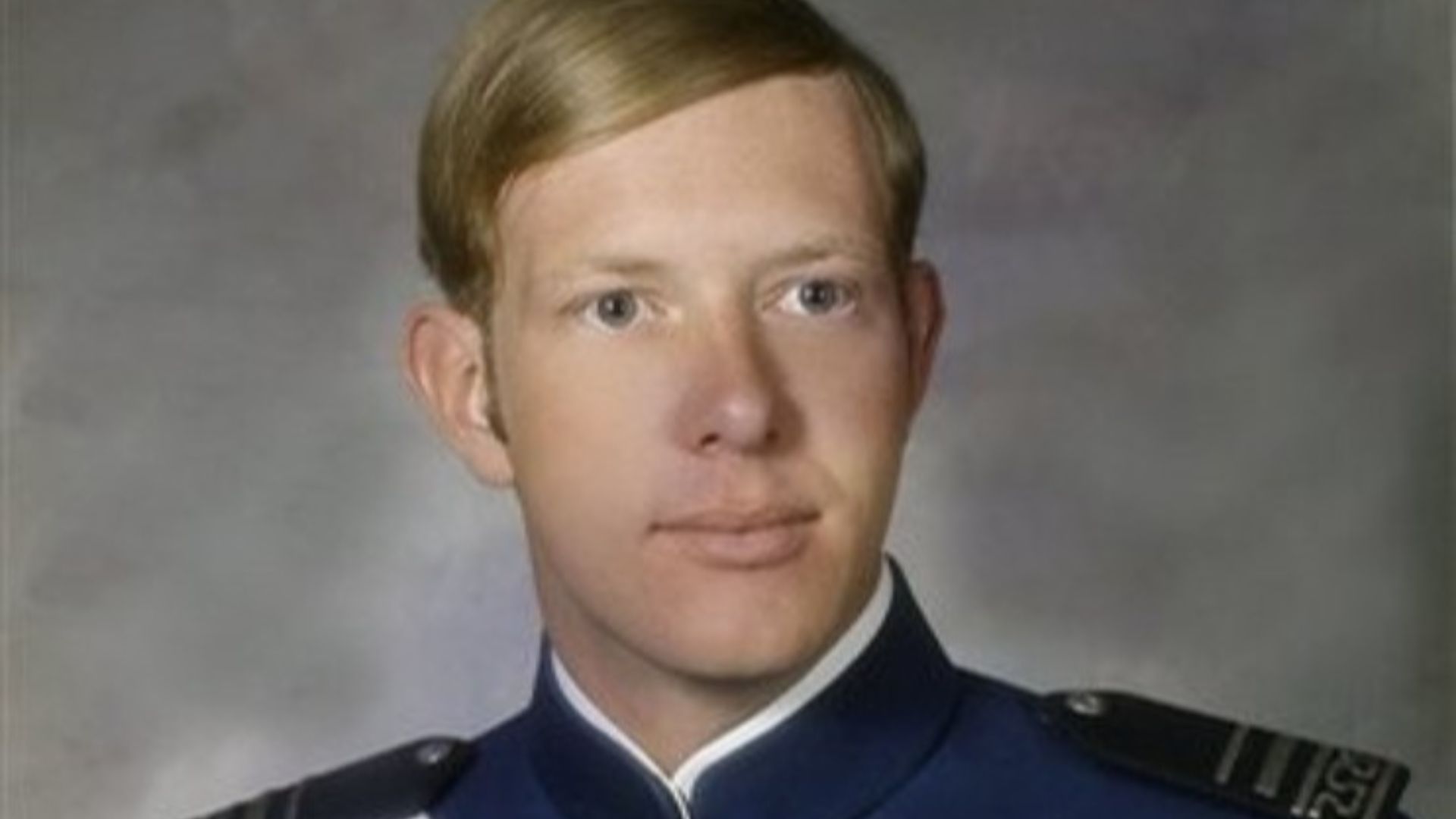
2. Chesley “Sully” Sullenberger
Pilot Chesley Sullenberger was simply flying US Airways Flight 1549 from New York to Charlotte when birds struck both engines shortly after takeoff in January 2009. With nowhere safe to land, he managed to bring the Airbus A320 down on the Hudson River, saving the lives of all 155 people aboard. He hadn’t set out to perform a heroic landing, but a few terrifying minutes turned a veteran pilot into a national hero.
 U.S. Air Force Academy on Wikimedia
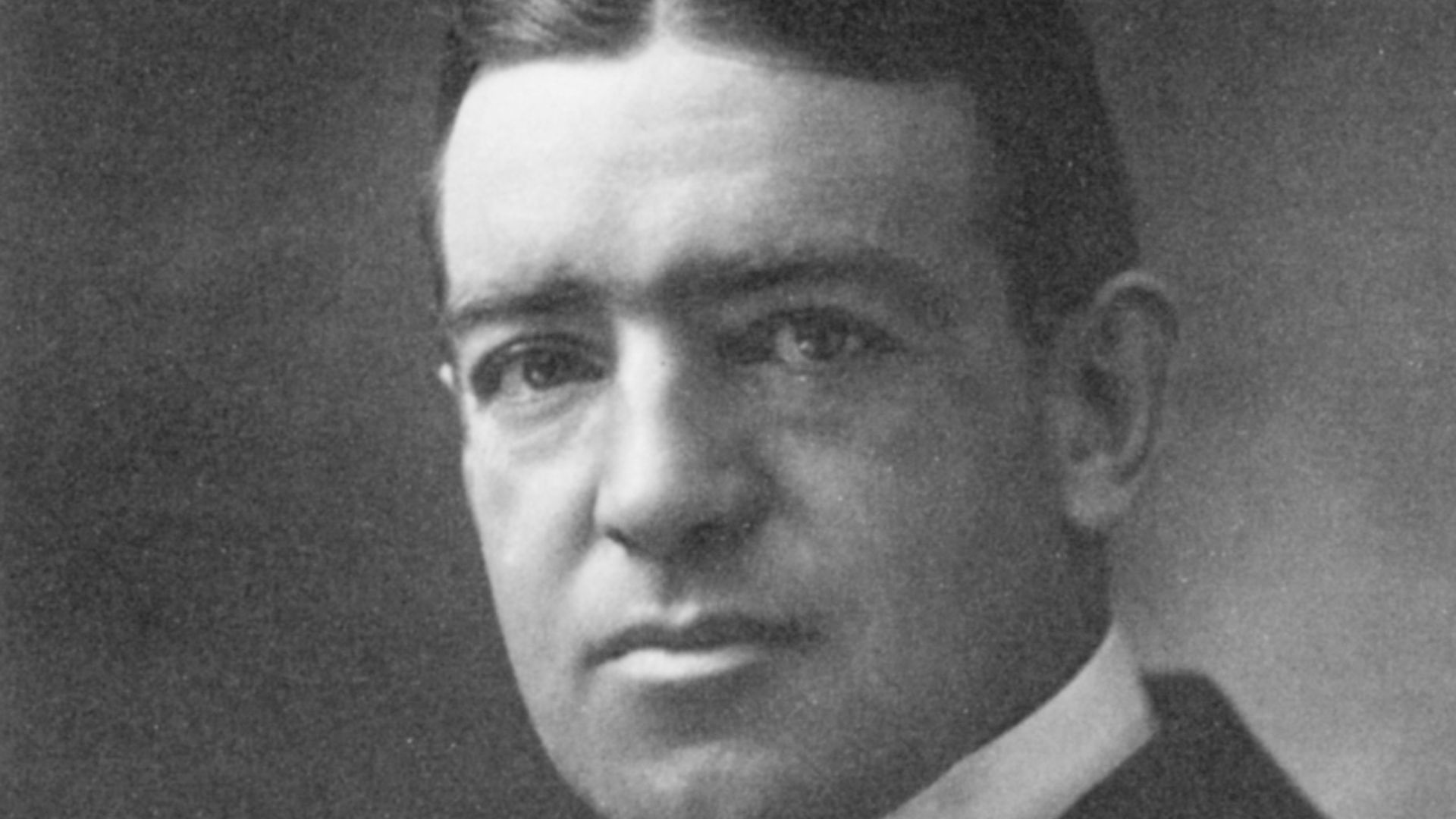
3. Ernest Shackleton
Ernest Shackleton wanted his 1914 expedition to become famous for crossing Antarctica, but almost nothing went according to plan. His ship, the Endurance, became trapped and was eventually crushed by ice, leaving the expedition stranded. Shackleton then focused entirely on keeping his men alive, eventually making a dangerous open-boat journey to seek rescue. He failed to accomplish the expedition’s original goal, but miraculously, all 28 of his crew members survived, which is the reason he’s remembered as one of history’s great leaders.
4. Jim Lovell
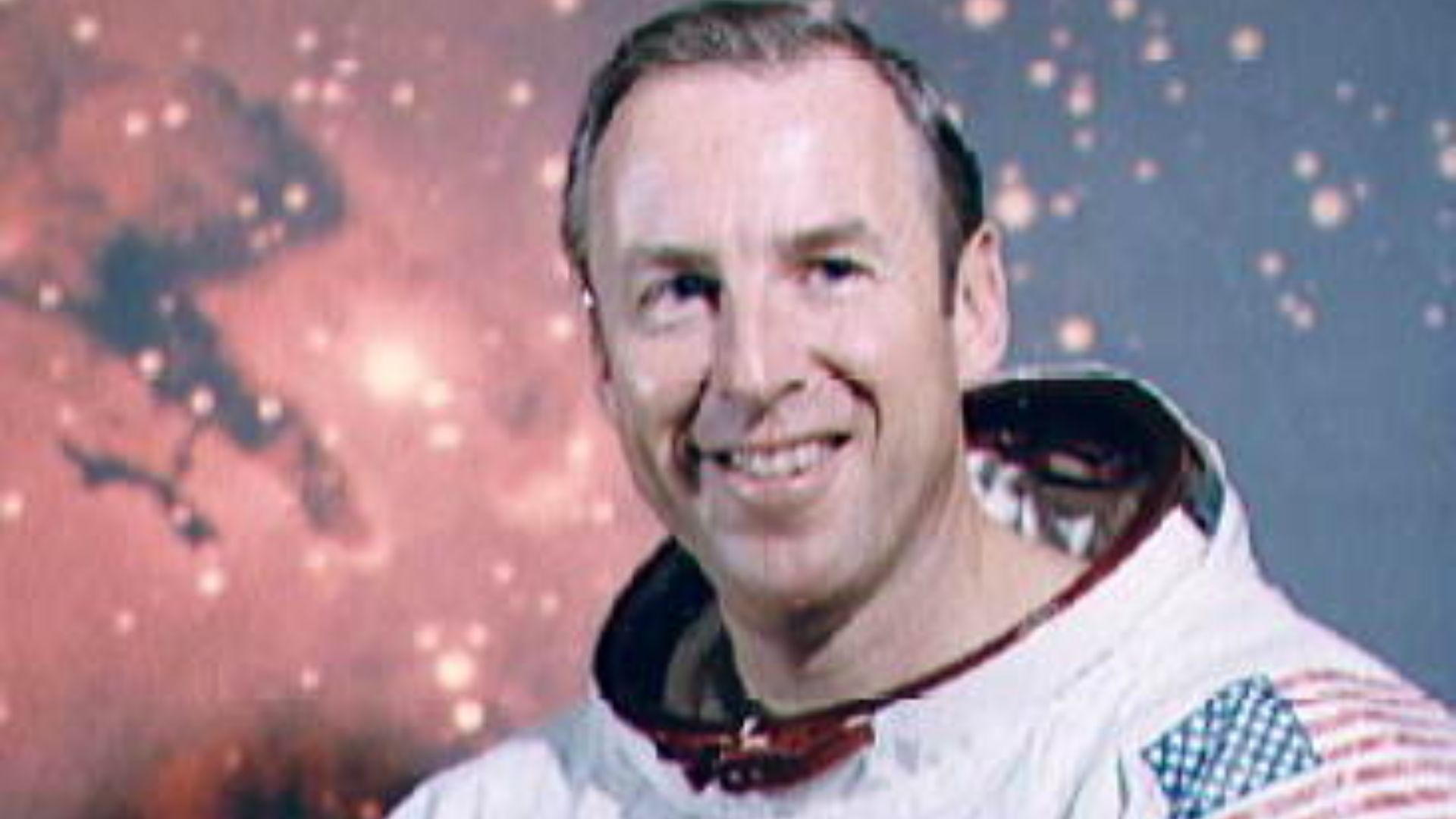
Astronaut Jim Lovell expected Apollo 13 to become his chance to walk on the Moon. Instead, an oxygen tank exploded during the 1970 mission, forcing Lovell and his crewmates to abandon the landing and concentrate on surviving the trip home. The crew worked with NASA engineers to conserve power, navigate safely, and keep the damaged spacecraft functioning. Lovell never got his Moon landing, but the failed mission made him one of the most famous astronauts in American history.
5. Alvin York
Alvin York didn’t enter World War I dreaming of battlefield glory. A devout Christian, he initially struggled deeply with serving in combat and even sought exemption on religious grounds. During fighting in France in 1918, however, York unexpectedly found himself taking the lead after several superior soldiers were killed or wounded, and his small group captured more than 100 German troops. The reluctant soldier returned home as one of America’s biggest war heroes.
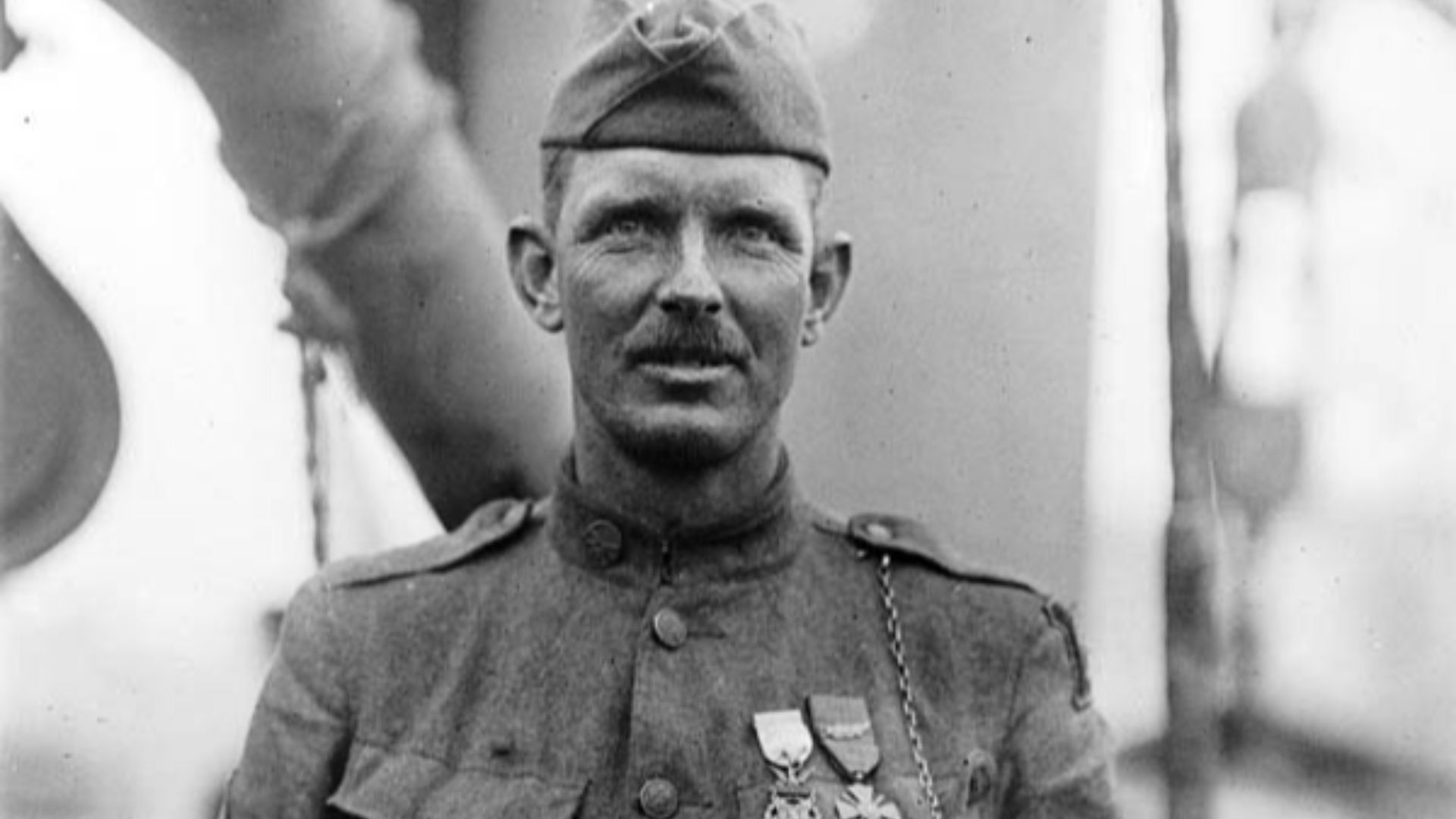 Signal Corps, U.S. Army on Wikimedia
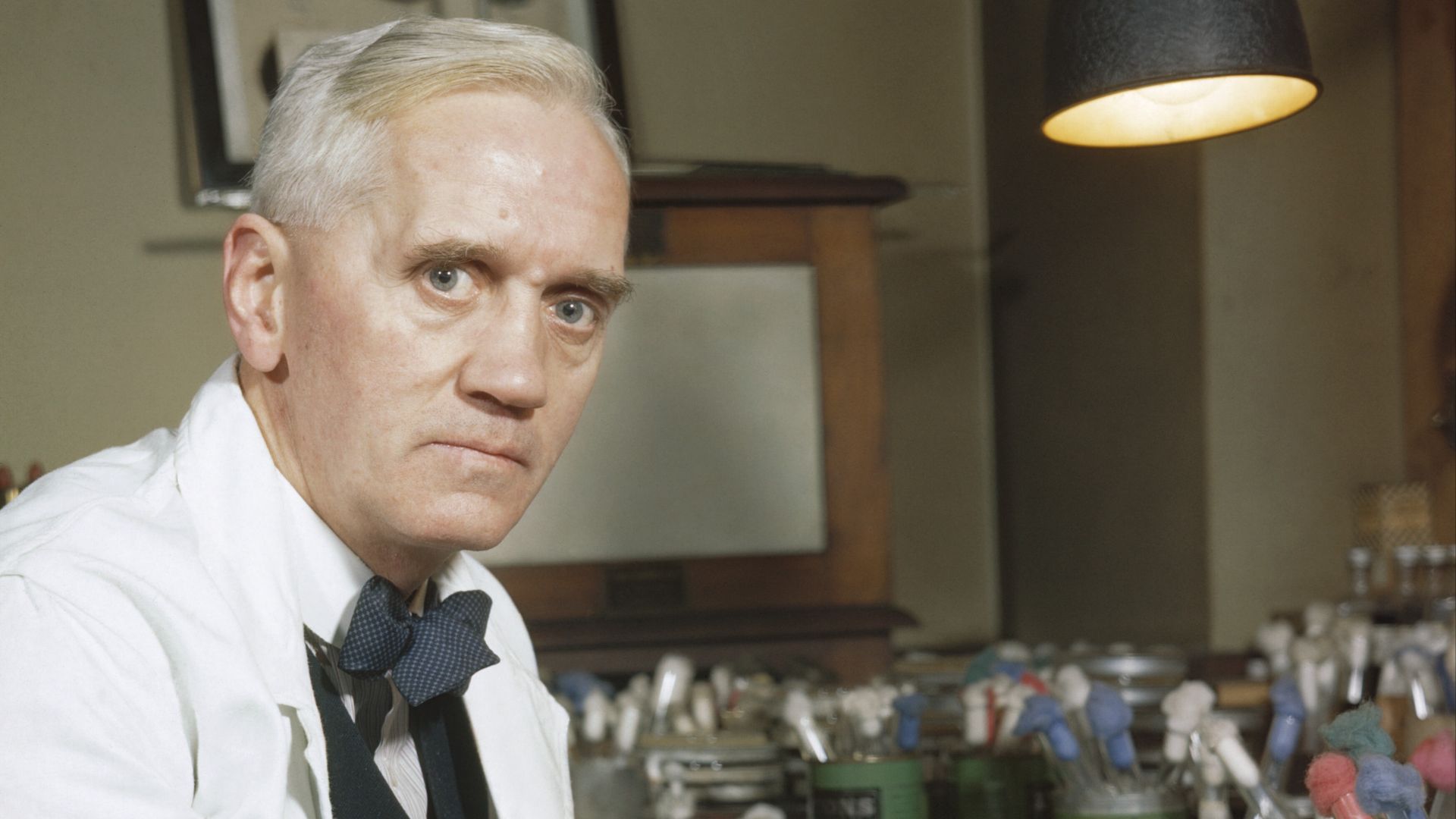
6. Alexander Fleming
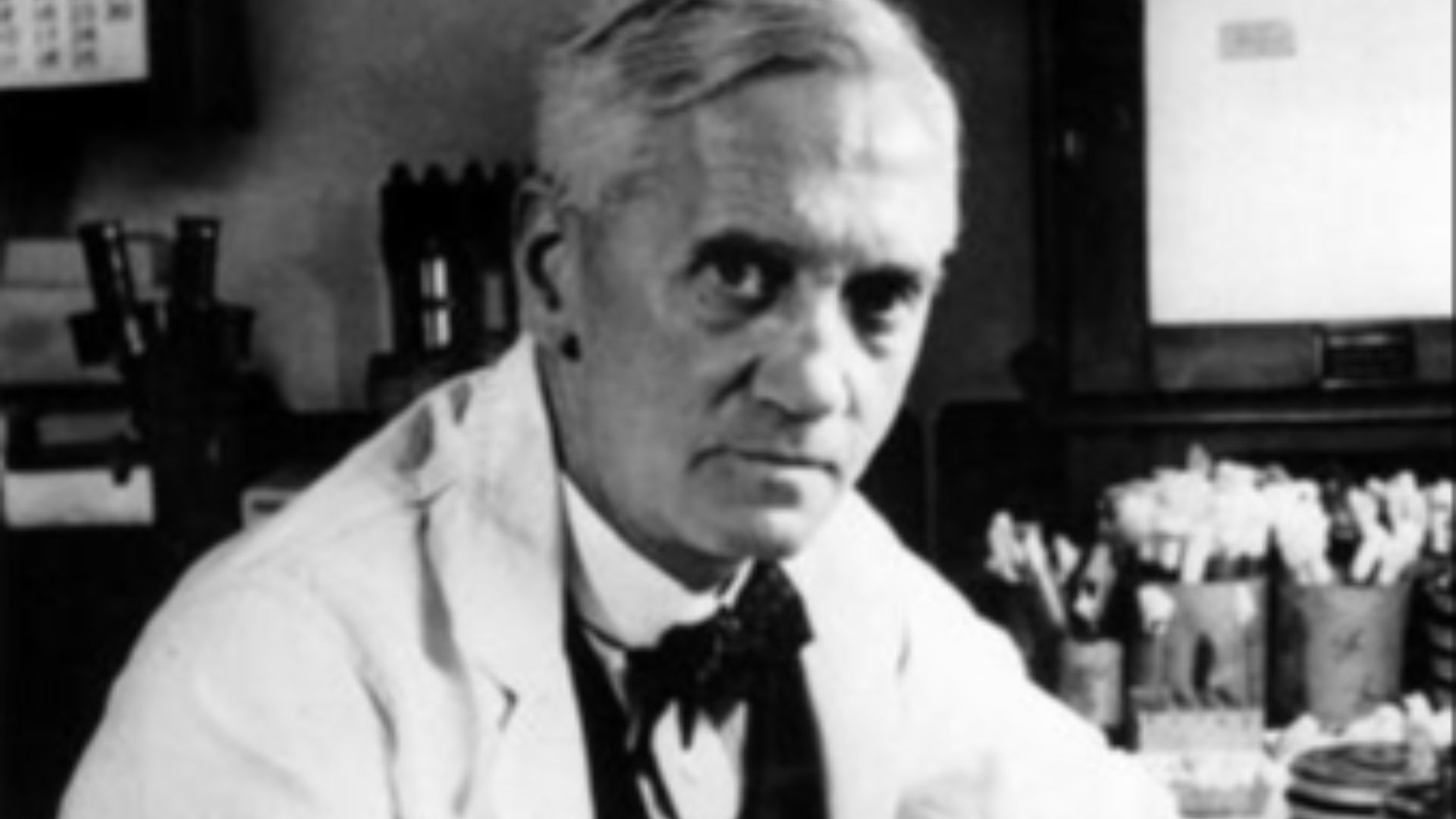
Alexander Fleming wasn’t trying to revolutionize medicine when he discovered penicillin by accident in 1928. He noticed that mold had accidentally contaminated one of his bacterial culture dishes and that bacteria weren’t growing around it. Rather than simply throwing the spoiled sample away, Fleming investigated what had happened. A laboratory accident ultimately helped pave the way for antibiotics that would save millions of lives.
7. Oskar Schindler
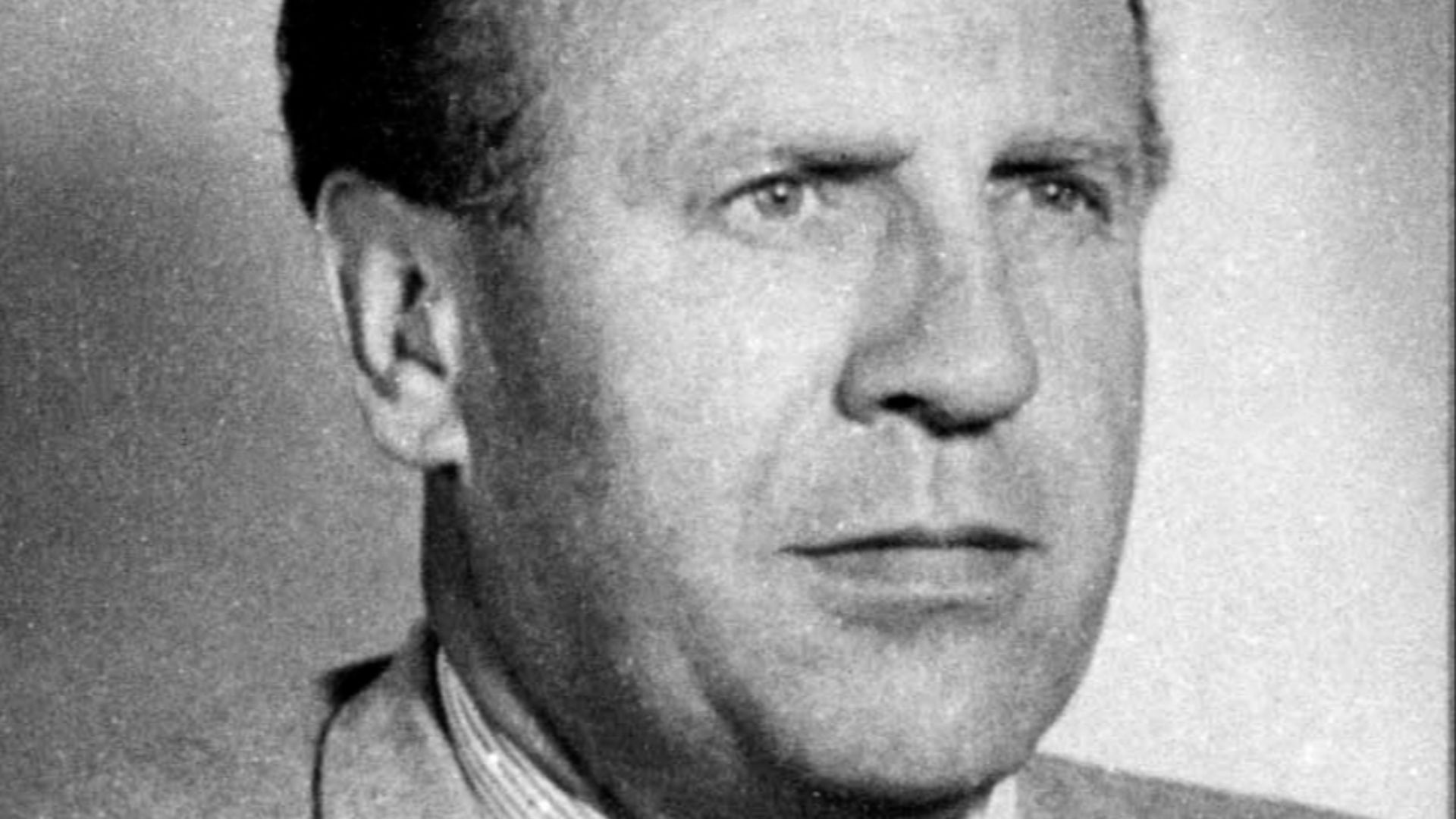
Oskar Schindler arrived in Nazi-occupied Poland during World War II hoping to make money. He opened factories, cultivated relationships with German officials, and initially benefited from cheap Jewish labor. As he witnessed the brutality of the Holocaust, however, his priorities changed, and he began using his wealth and connections to protect his workers. The businessman who went looking for profit ended up being remembered for helping save more than 1,000 Jews.
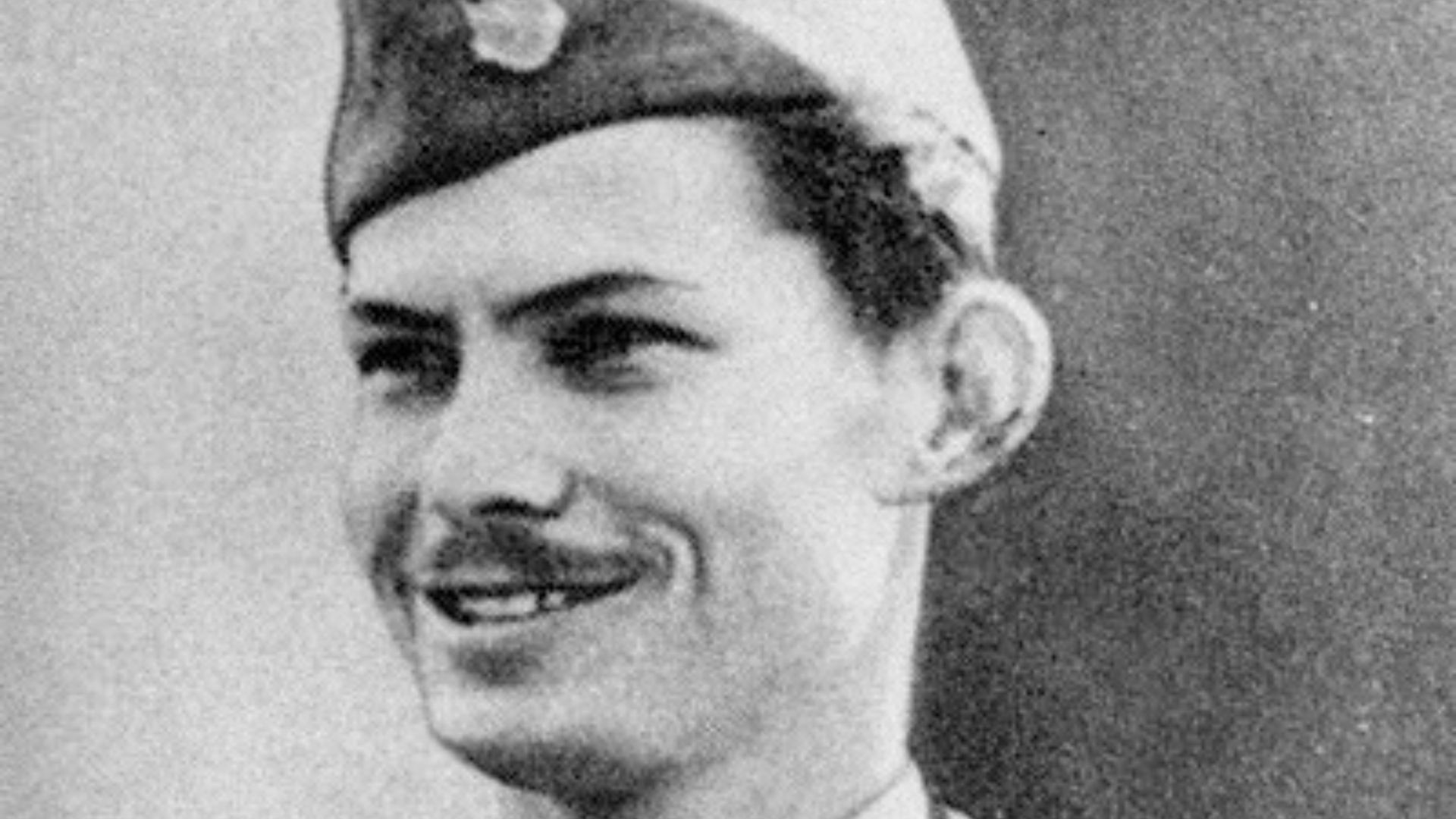
8. Desmond Doss
Desmond Doss joined the U.S. Army during World War II but refused to carry a weapon because of his religious beliefs. His stance made him deeply unpopular with some fellow soldiers, who initially viewed him as someone who might become a burden in combat. He proved them wrong, however, during the Battle of Okinawa, when he repeatedly entered areas under heavy fire to rescue wounded men and lower them to safety. He became one of the war’s most celebrated heroes despite not shooting a single shot.
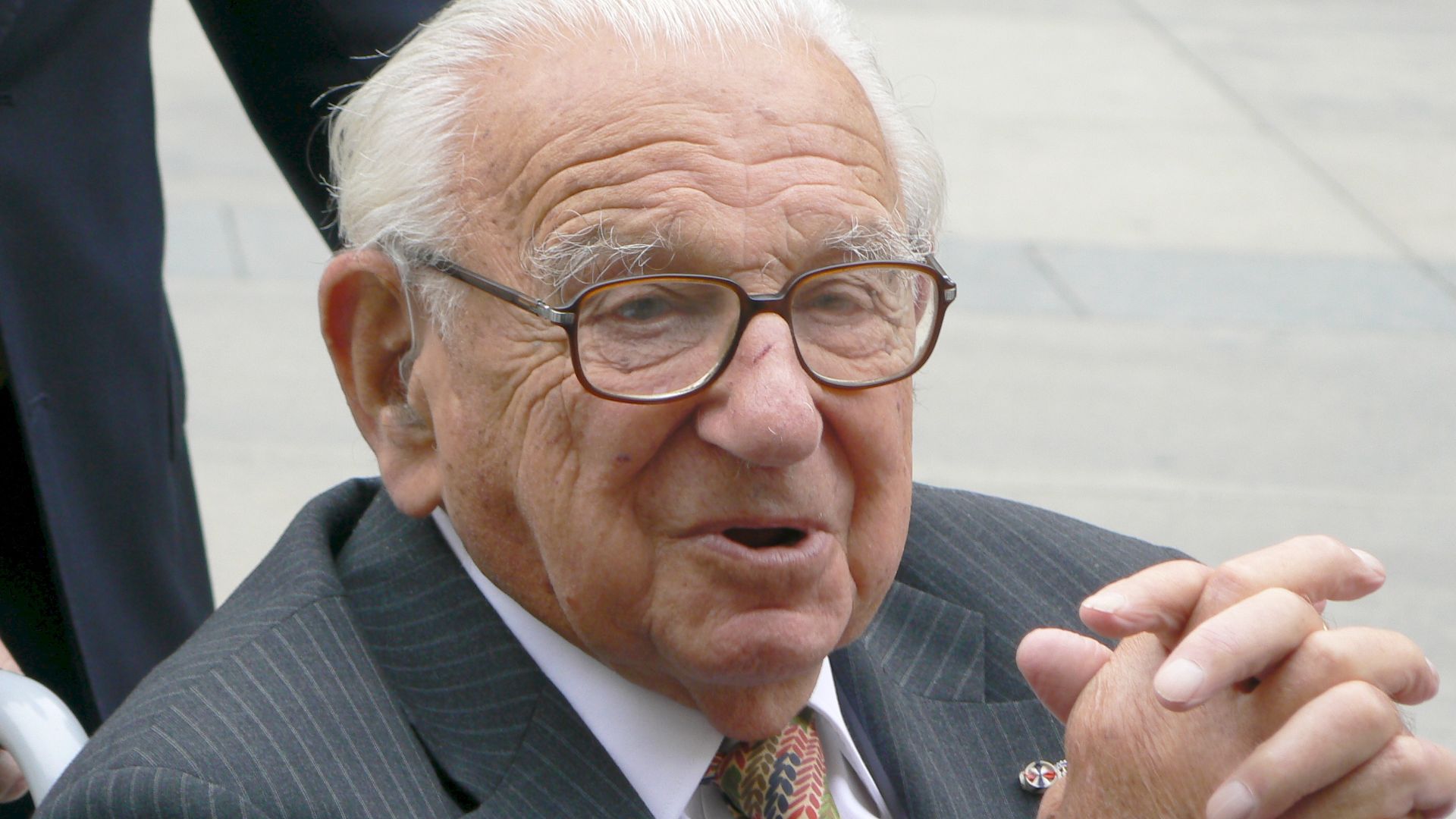
9. Nicholas Winton
Nicholas Winton was planning a skiing vacation in 1938 when a friend instead asked him to visit Czechoslovakia. After seeing the growing danger faced by refugees there, particularly Jewish families, Winton began helping arrange for children to escape to Britain. His efforts eventually helped rescue hundreds of children before World War II began, which may not have happened if his vacation plans hadn't randomly changed.
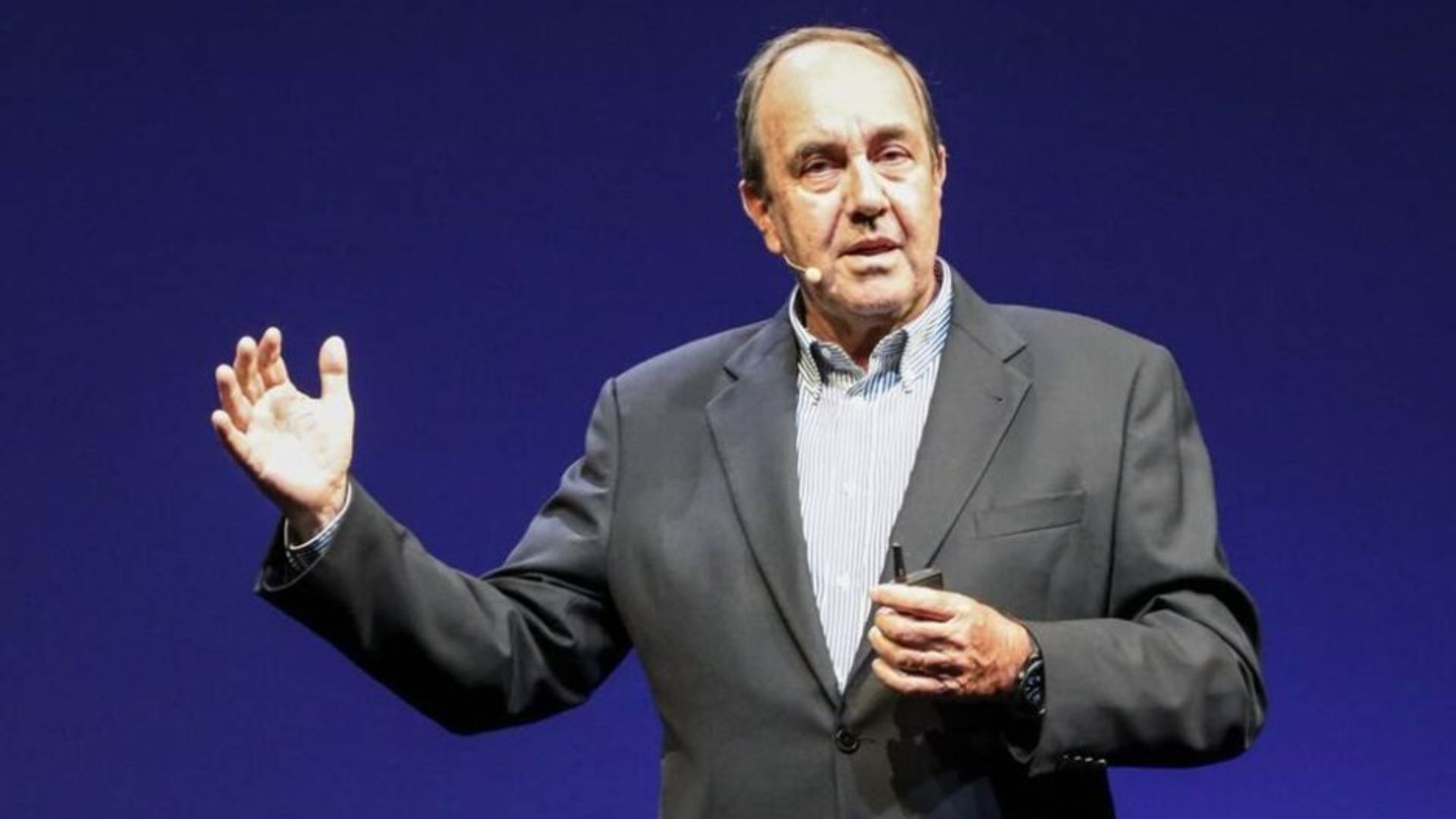
10. Nando Parrado
Nando Parrado was traveling with the Uruguayan rugby team when their plane crashed in the Andes in 1972. After weeks in freezing conditions, it became increasingly clear that rescuers weren’t coming. Parrado and fellow survivor Roberto Canessa eventually set out across the mountains on foot to find help. Their desperate journey led rescuers back to the crash site and turned Parrado from an ordinary passenger into an international symbol of survival.
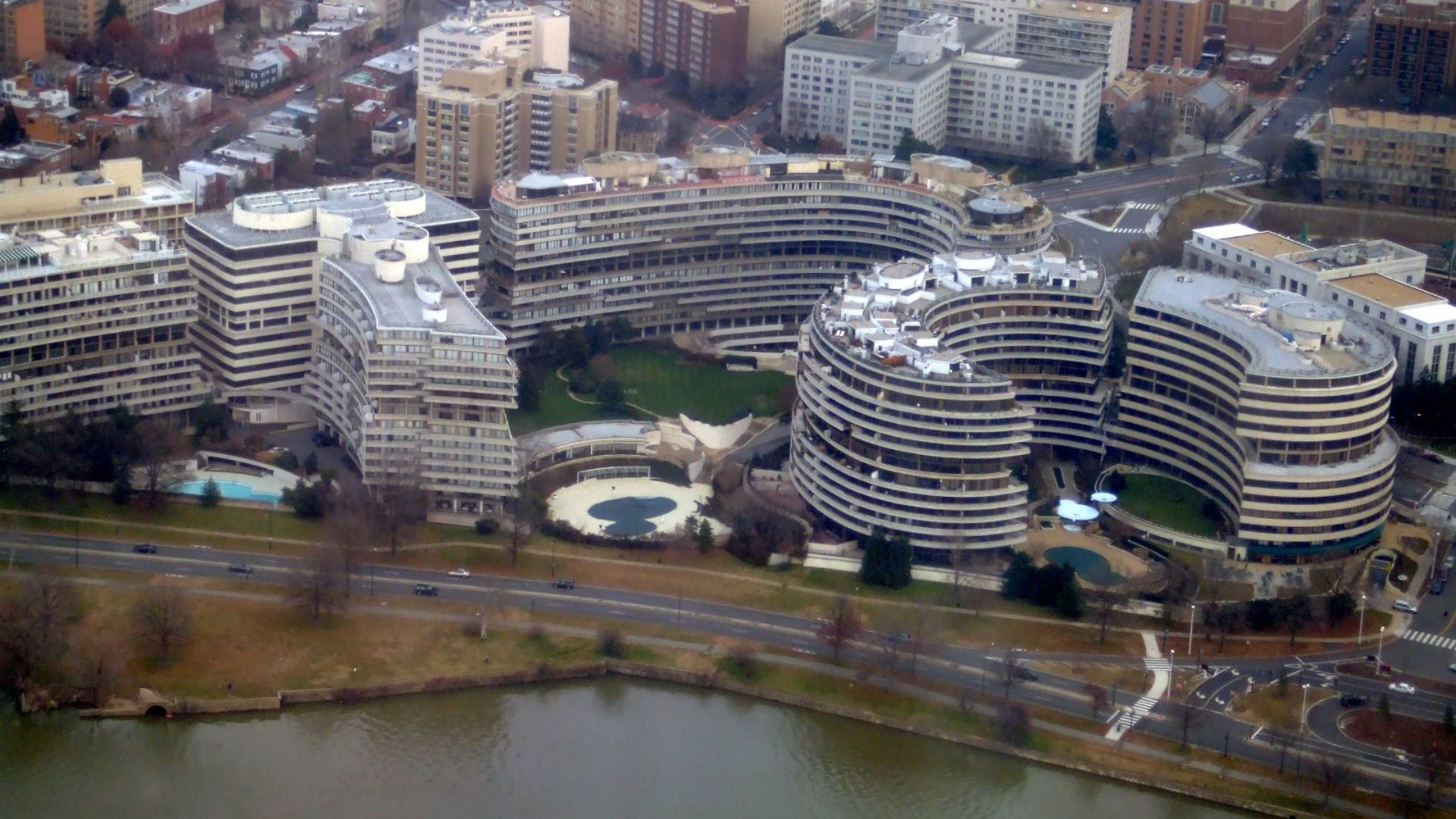
11. Frank Wills
Frank Wills was working as a security guard in Washington, D.C., when he noticed something odd during his shift in June 1972. Tape had been placed over a door latch in the Watergate complex, and after removing it, Wills later discovered that someone had taped the door again. He called police, who arrested burglars inside the Democratic National Committee headquarters. Wills had simply been doing his job, but his attention to one small detail helped expose the scandal that brought down a president.
12. Vasili Arkhipov
Soviet naval officer Vasili Arkhipov wasn’t looking for a chance to influence world history during the Cuban Missile Crisis. His submarine was being pursued by U.S. forces, and its crew had lost contact with Moscow, leaving officers unsure whether war had already begun. When the possibility of firing a nuclear torpedo arose, Arkhipov opposed the launch. His decision remained little known for years, but it may have helped prevent an already dangerous confrontation from escalating into nuclear war.
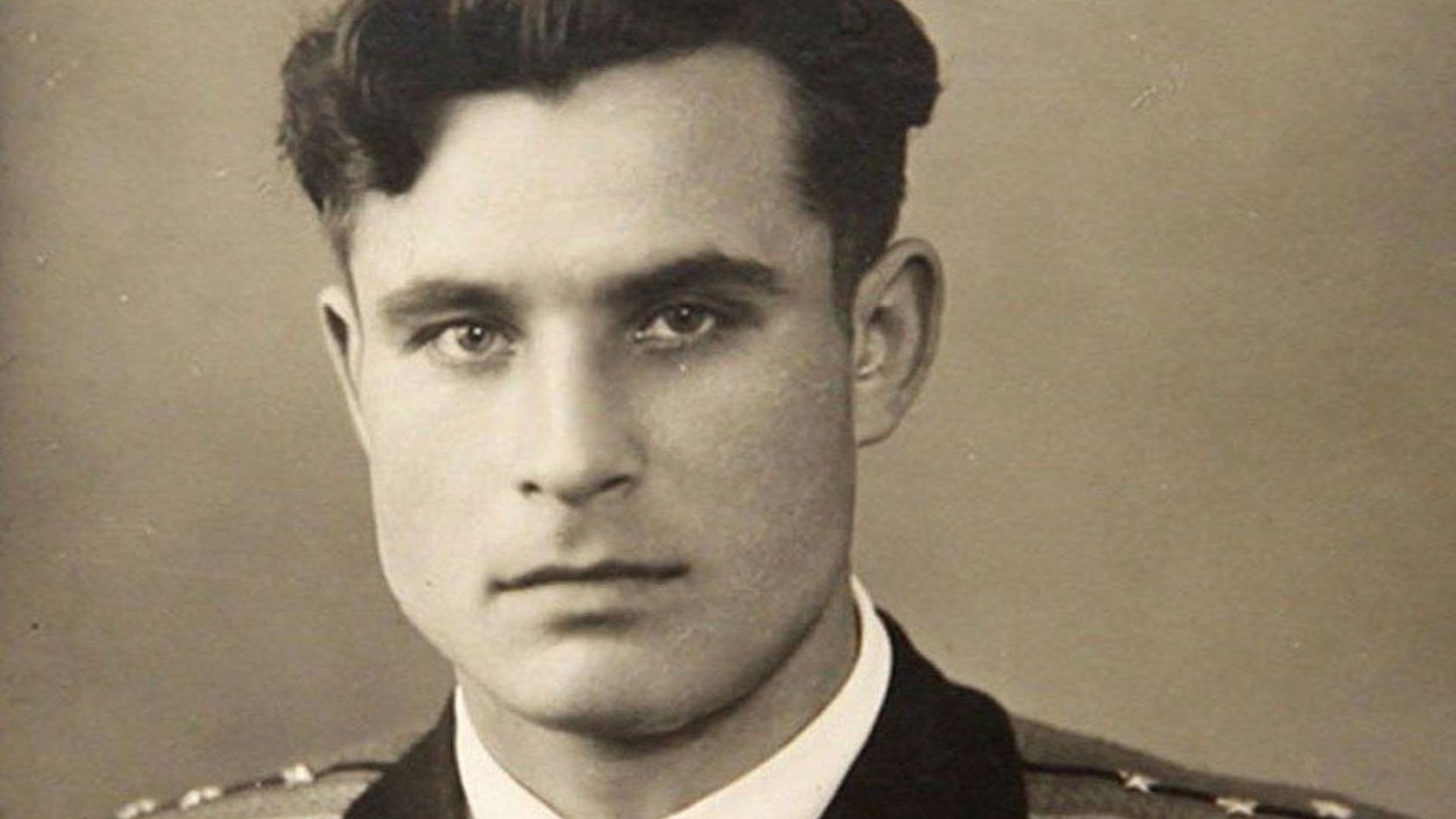 Image courtesy by Olga Arkhipova on Wikimedia
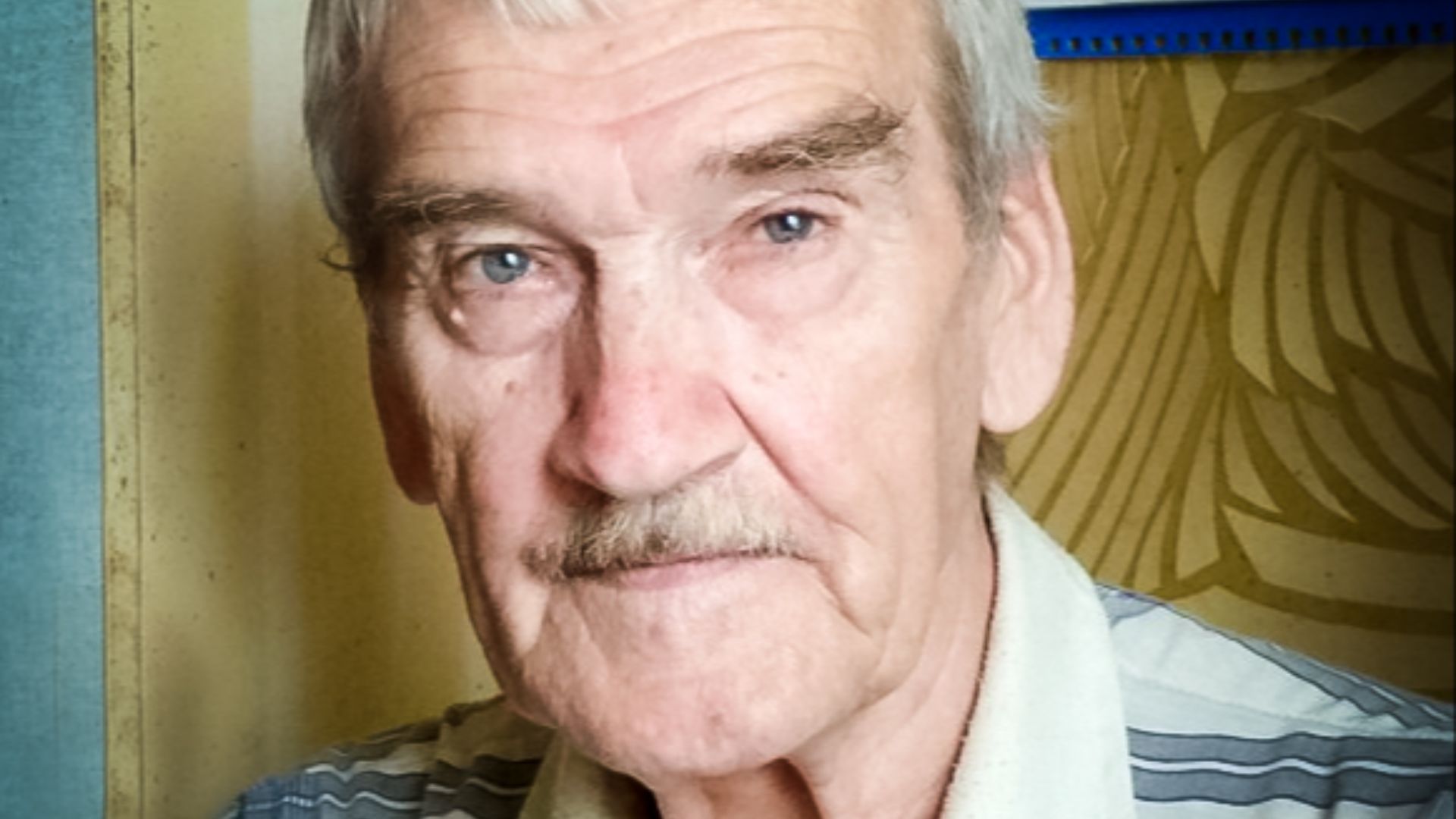
13. Stanislav Petrov
Stanislav Petrov was working a routine shift at a Soviet early-warning center in 1983 when computers suddenly reported that American nuclear missiles had been launched. The system indicated an attack, but Petrov thought the warning didn’t make sense and suspected a malfunction. Instead of immediately reporting an incoming strike as genuine, he treated the alert as false. He was correct, and by making that call he prevented a potentially devastating chain of events.
14. Grace Darling
Grace Darling was living with her lighthouse-keeper father off the coast of England when a ship wrecked nearby during a storm in 1838. Seeing survivors stranded on rocks, Grace and her father rowed through rough seas to rescue them. News of her actions spread quickly, and she became one of Victorian Britain’s most famous heroines. 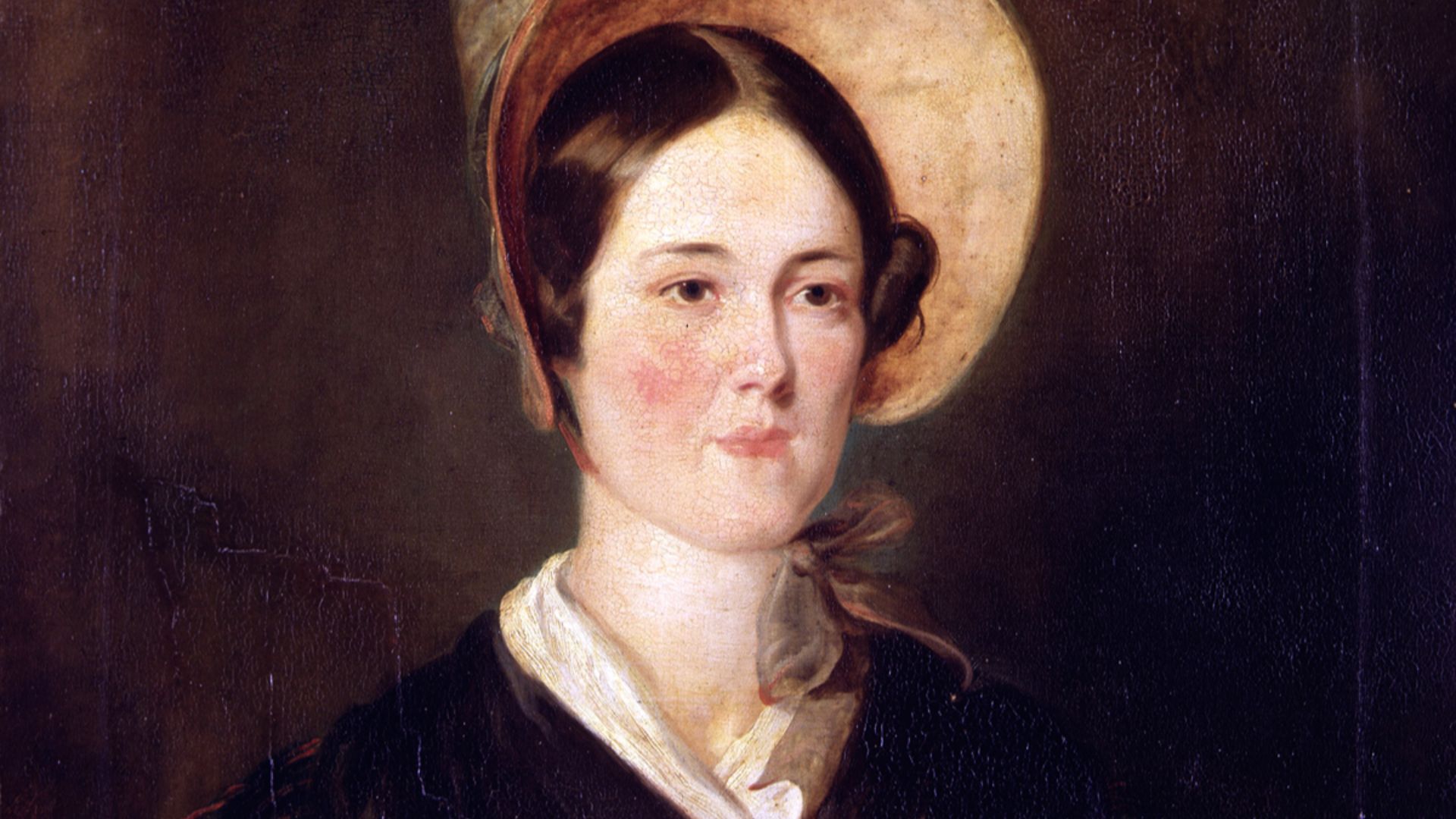 Thomas Musgrave Joy on Wikimedia
15. Hugh Thompson Jr.
Hugh Thompson Jr. was piloting a helicopter over the Vietnamese village of My Lai in 1968 when he realized something horrifying was happening below. American soldiers were killing unarmed civilians, and Thompson decided to intervene. He landed his helicopter between troops and villagers and instructed his crew to protect civilians while he helped arrange evacuations. A reconnaissance flight unexpectedly became a moral test, and Thompson chose to act against members of his own side.
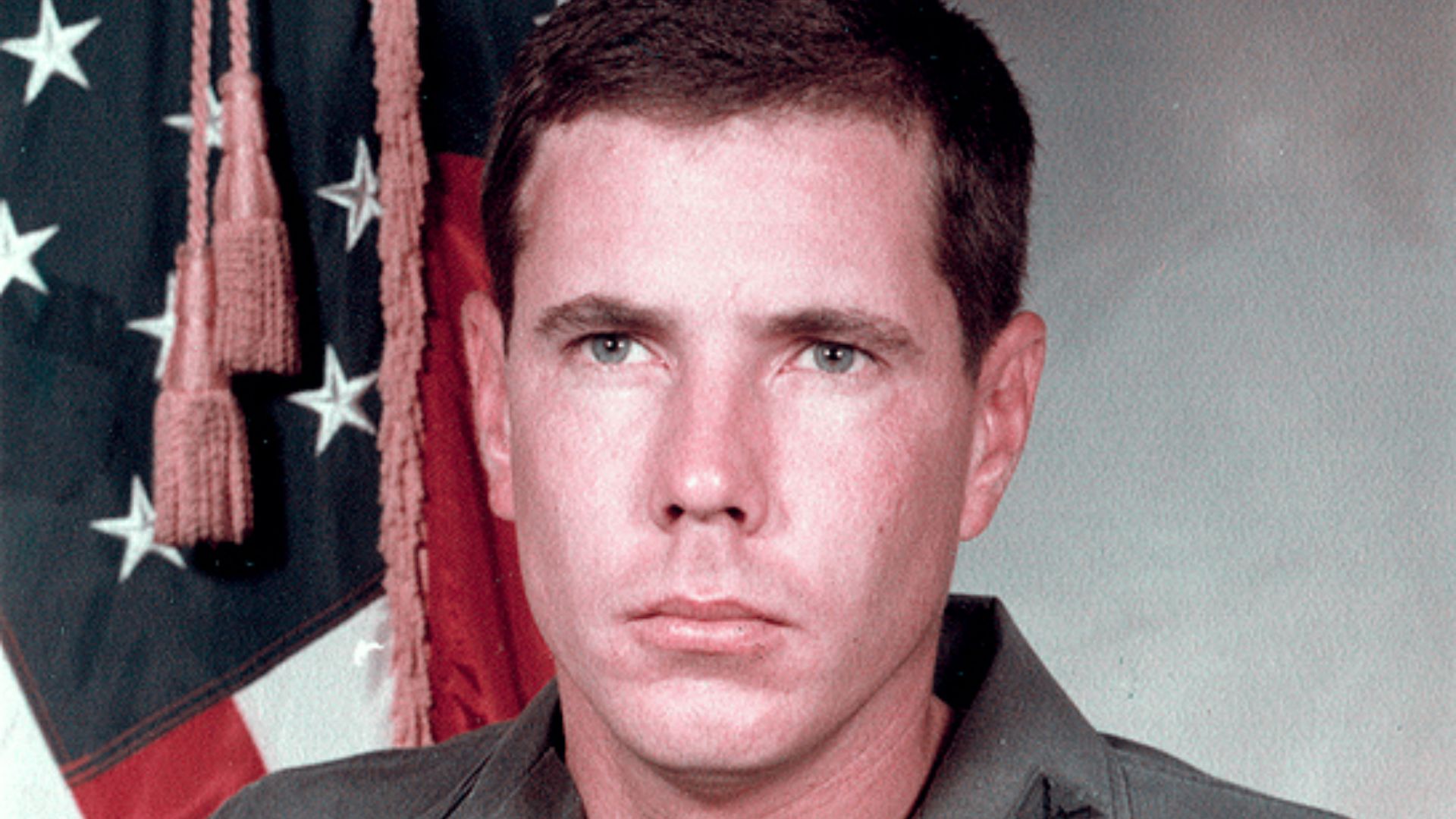
16. Welles Crowther
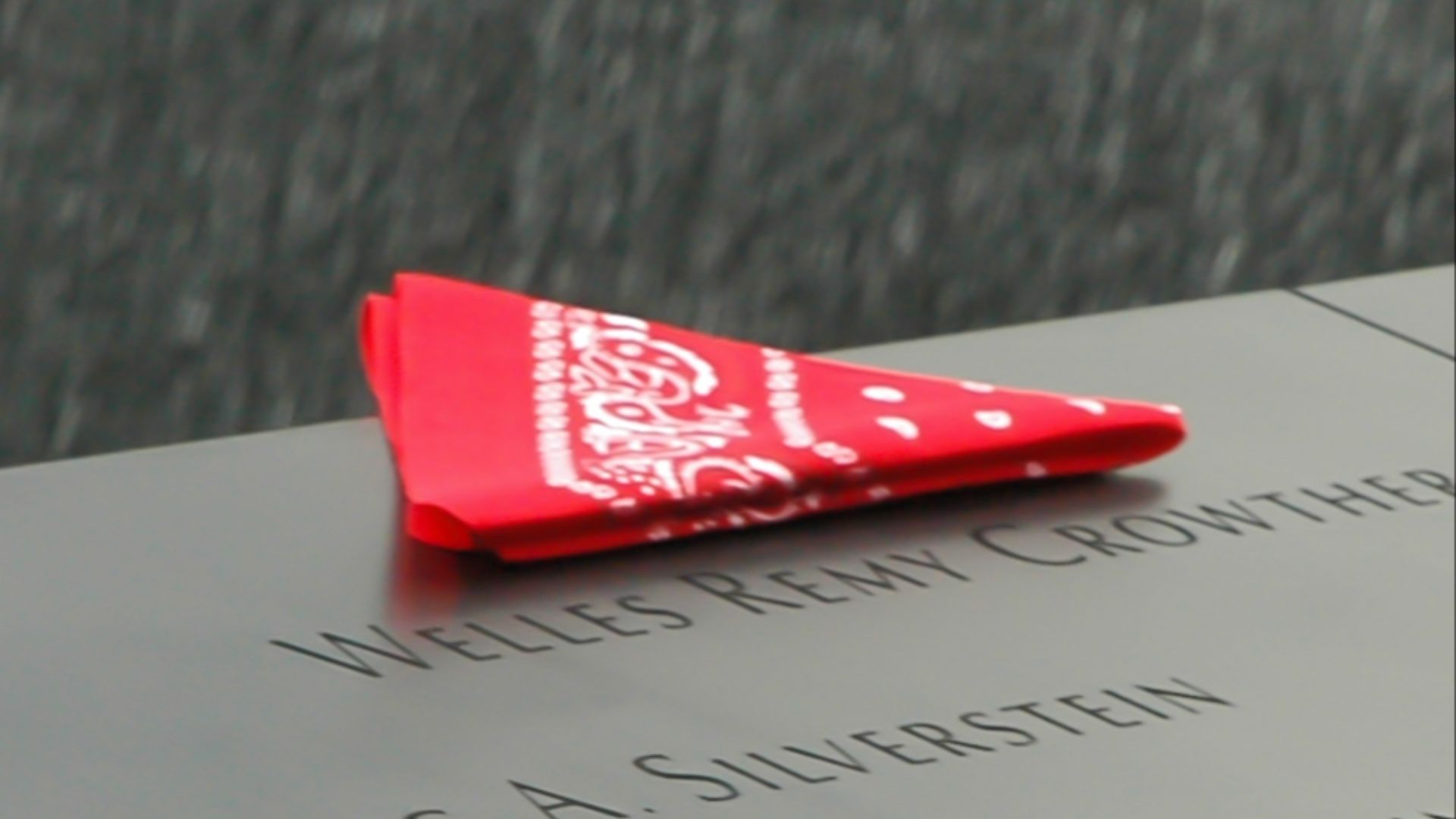
Welles Crowther was working in the South Tower of the World Trade Center when the September 11 attacks began. A former volunteer firefighter, he used what he knew to guide injured and frightened people toward safety. Several survivors later remembered being helped by an unidentified man wearing a red bandanna. Crowther died that day, and only later did his family realize that the mysterious rescuer described by survivors had been him.
17. Lenny Skutnik
Lenny Skutnik was heading home from his government job when Air Florida Flight 90 crashed into Washington’s icy Potomac River in 1982. As rescue attempts unfolded, he watched a surviving passenger struggle to stay above water. Skutnik suddenly jumped into the freezing river and helped pull her to safety. He went to work that morning as an unassuming office employee and finished the day as a household name.
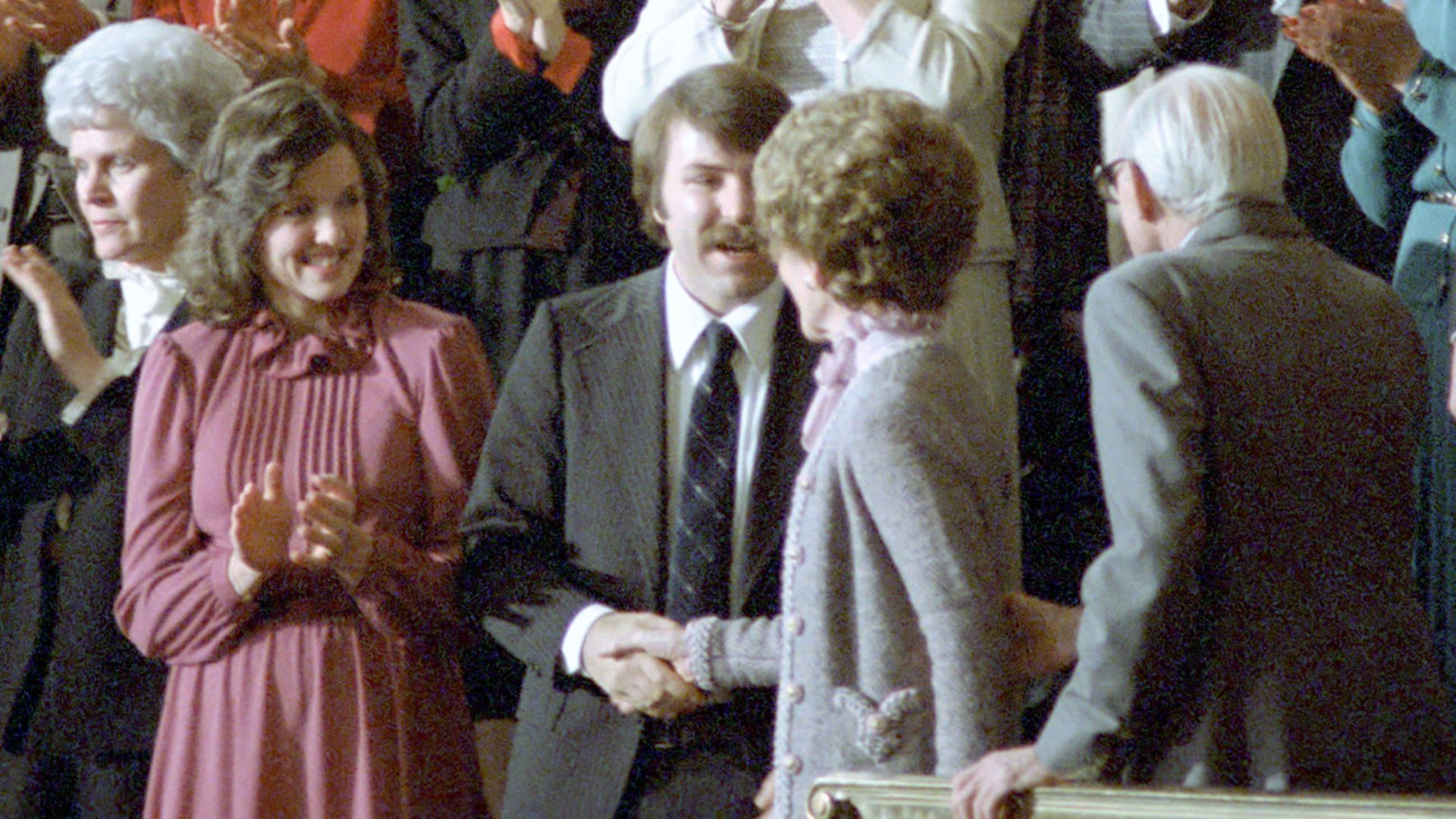 President (1981-1989 : Reagan). White House Photographic Office. 1981-1989 on Wikimedia
18. Tilly Smith
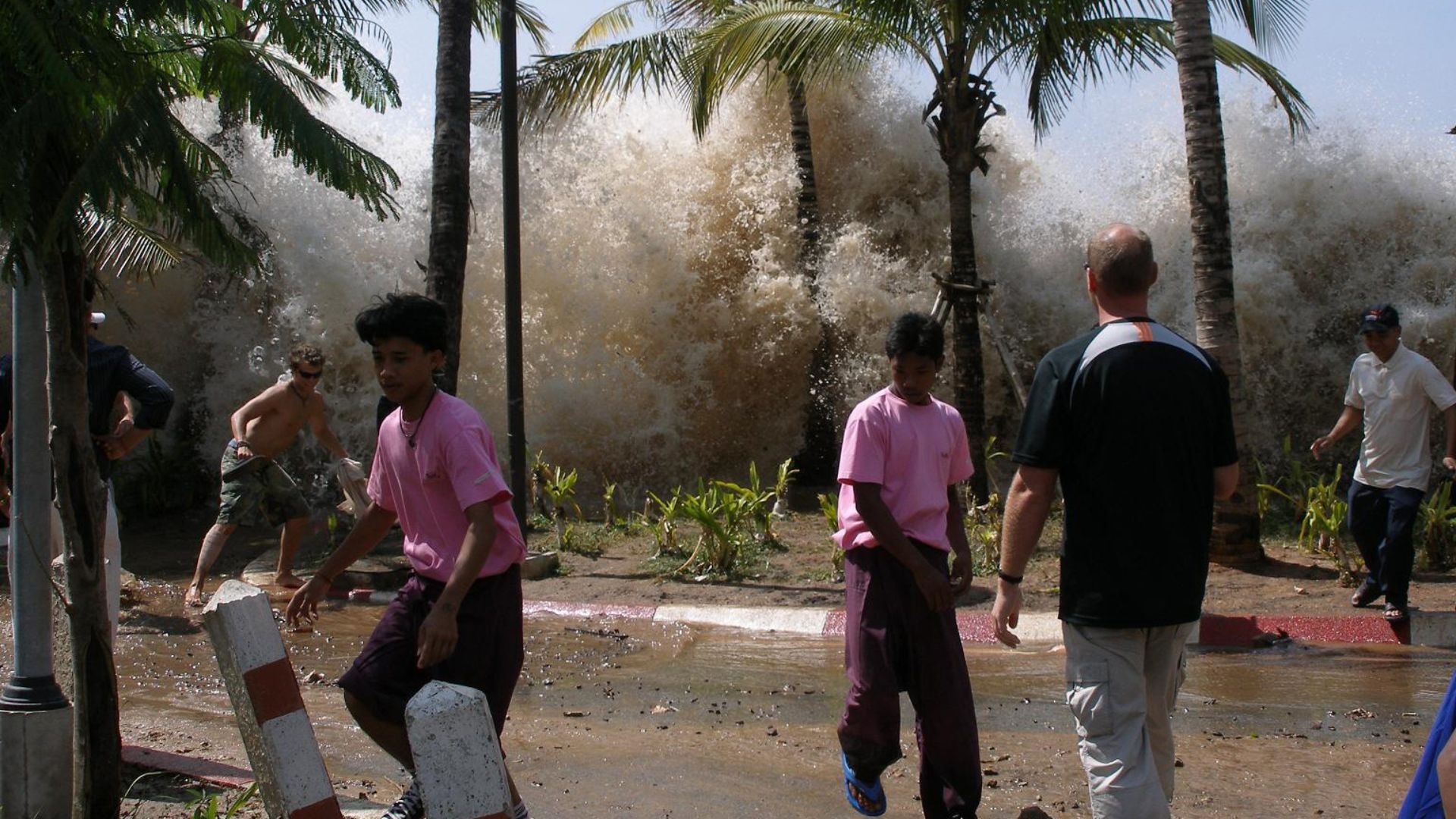
Tilly Smith was only 10 years old when she went on vacation with her family in Thailand in 2004. While standing on the beach, she noticed the sea behaving in a way that reminded her of a recent geography lesson about tsunamis. She warned her parents, who alerted others and helped people move away from the shore before the Indian Ocean tsunami arrived, saving the lives of approximately 100 people. Paying attention in school unexpectedly gave a child exactly the knowledge she needed at the right moment.
19. Arthur Rostron
Arthur Rostron was captain of the RMS Carpathia when his ship received a distress call from the Titanic in April 1912. Rostron immediately changed course, ordered preparations for survivors, and pushed his vessel through icy waters toward the disaster site. The Carpathia rescued more than 700 people from lifeboats after the Titanic sank. Rostron had started the voyage as the captain of a relatively ordinary passenger ship and finished it as a central figure in one of history’s most famous rescues.
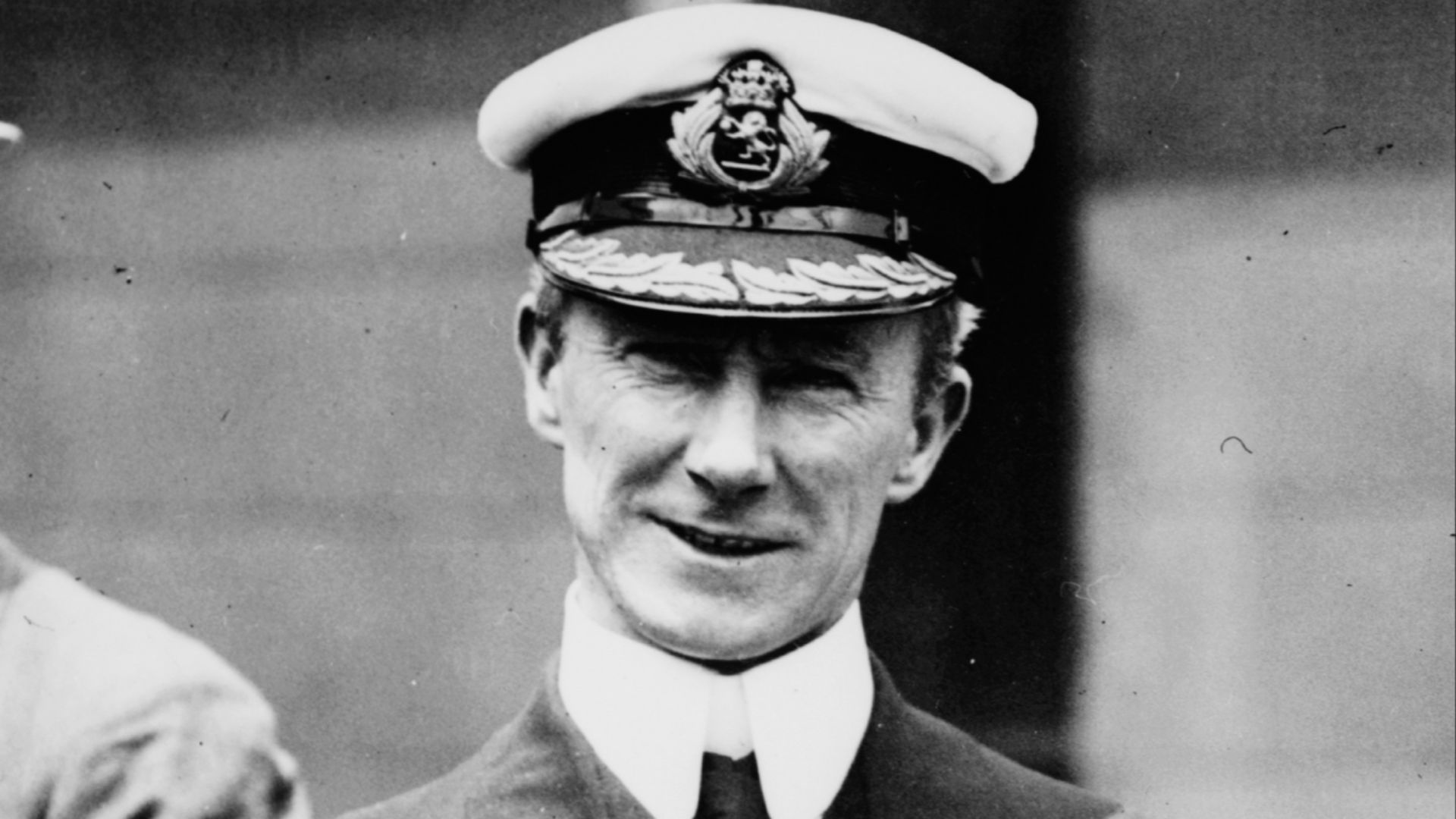 Library of Congress on Wikimedia
20. Richard Jewell
Richard Jewell was working security at the 1996 Summer Olympics in Atlanta when he noticed an unattended backpack beneath a bench. After alerting authorities, he helped move people away before a bomb inside the bag exploded. His actions likely prevented many more casualties, although he later endured intense scrutiny after becoming wrongly suspected in the bombing. Jewell had simply spotted something that looked wrong, but that decision turned him into a hero long before his name became caught up in controversy.