

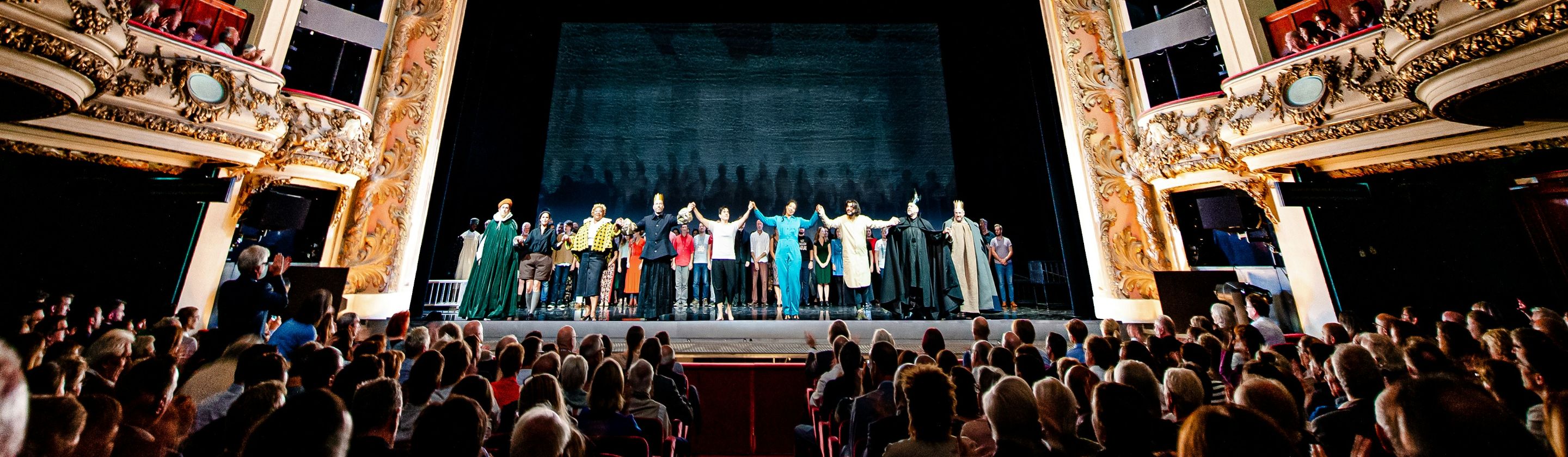
Music in the Air
Have you ever wondered where hip hop got its start, or how a certain instrument became so popular? Well, throughout history, there were genre-defining moments that made music into the beloved machine it is today. So with that in mind, here are 20 things all history buffs and music lovers alike should never forget.
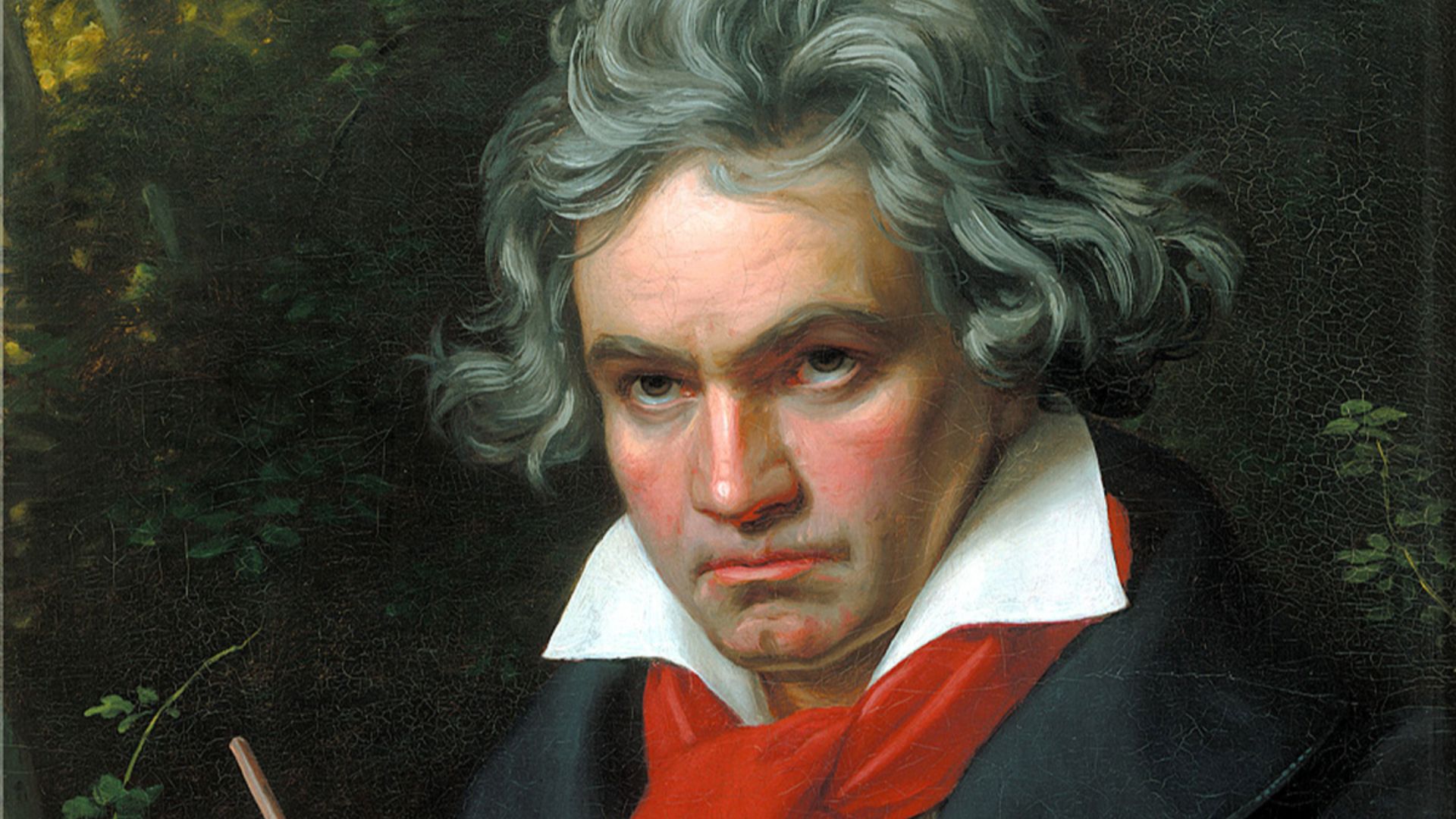 Joseph Karl Stieler on Wikimedia
1. Western Musical Notation
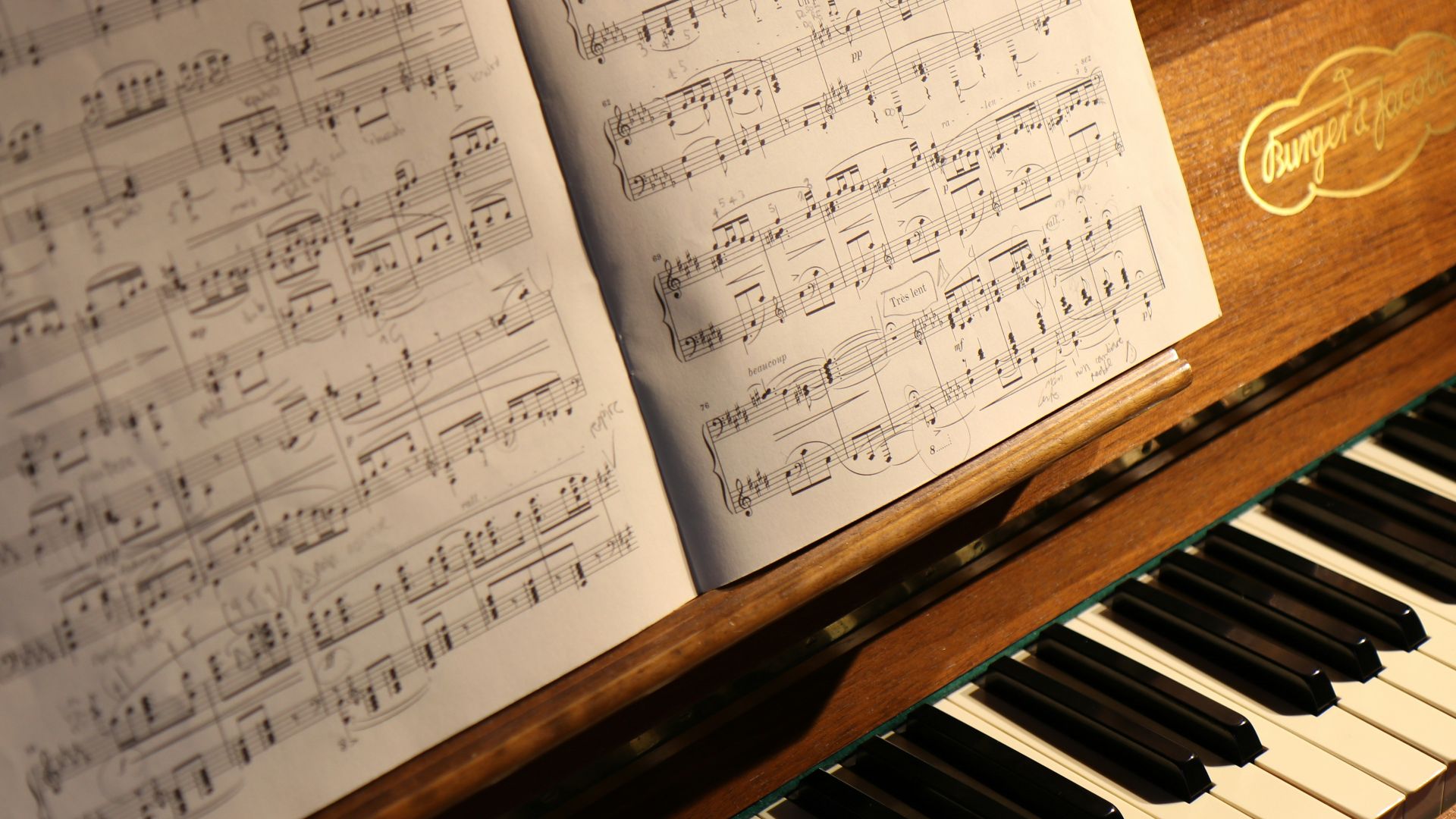
The earliest musical notation preserved the words of chants and other works. Music notation allowed composers to fix and communicate their works accurately. The development of Western musical notation enabled widespread performance of music across regions and generations.
2. Printing of Music
In 1501, Ottaviano Petrucci published the first book containing a large collection of printed polyphonic music. The printing of music facilitated the exchange of works and compositions. Printed music made pieces more widely available to performers and scholars.
3. Opera
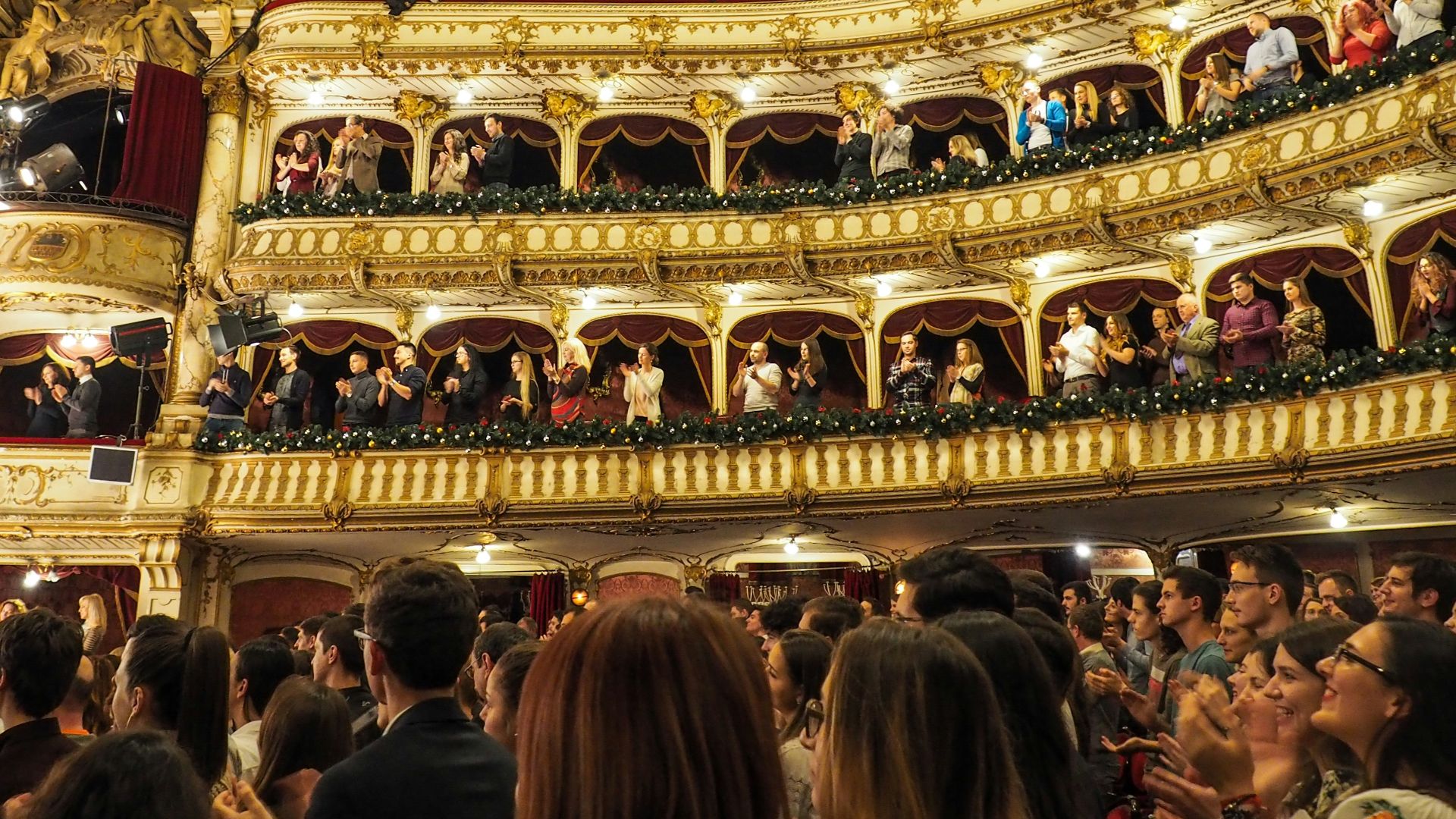
Opera is a form of staged drama combining music, text, and action. It was first developed at the end of the 16th century in Italy. Composers attempted to revive Greek drama by setting texts to music, which was an exciting new form of musical and emotional expression.
4. The Piano
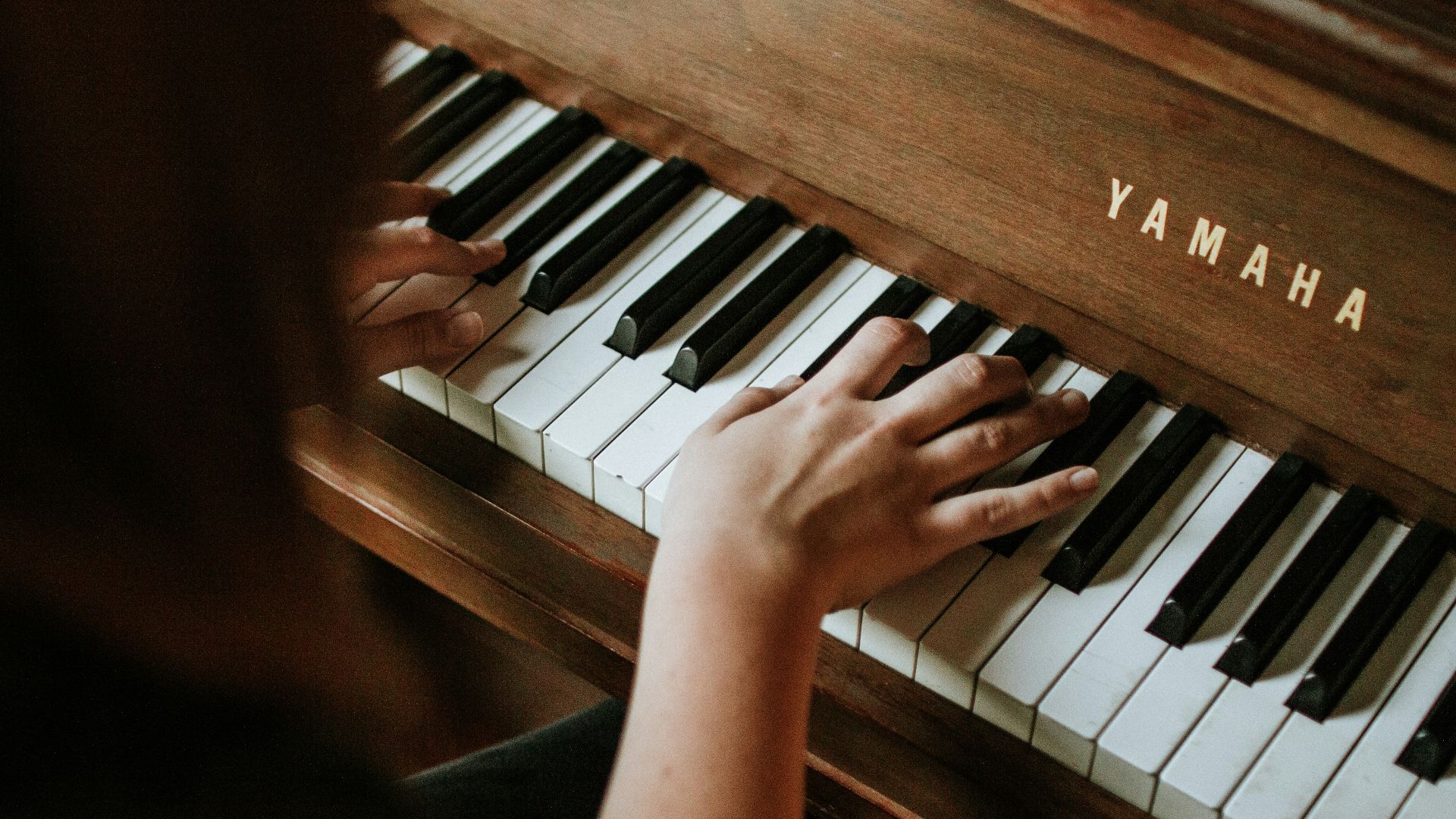
The piano was invented by Bartolomeo Cristofori around the year 1700. The player could control the volume of sound through touch, which was very different from earlier keyboard instruments. This expressive nuance transformed composition and performance on keyboard instruments.
5. Bach’s Well-Tempered Clavier
The Well-Tempered Clavier, by Johann Sebastian Bach, was written in 1722. Bach wrote music in all keys, which made it universally useful. The work became the standard for keyboard study and composition.
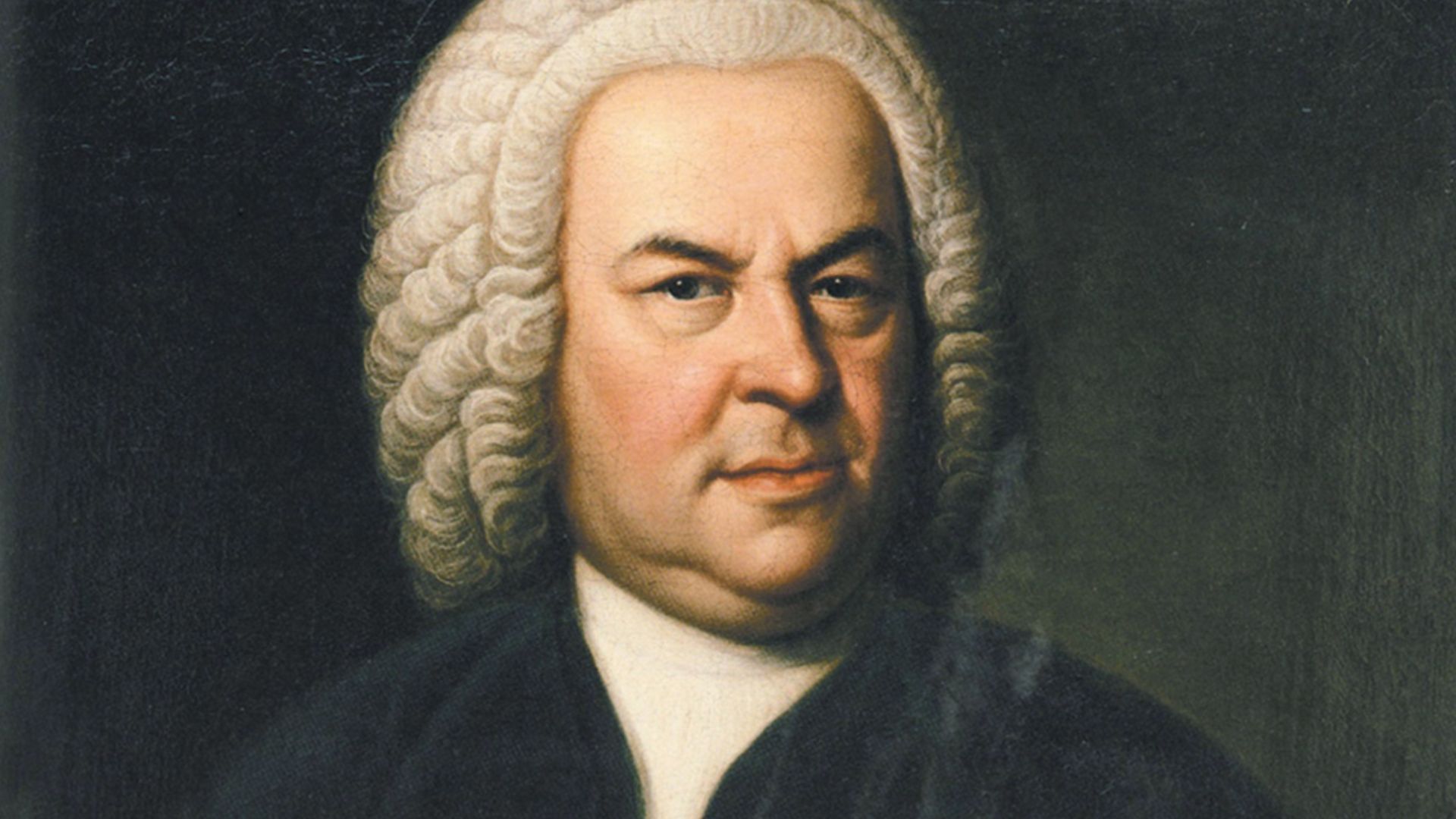 Elias Gottlob Haussmann on Wikimedia
6. The Symphony
Joseph Haydn, an 18th-century Austrian composer, was very important in standardizing the symphony. Haydn used the four-movement symphony and musical ideas of his predecessors. He standardized the form and function of the symphony, making it a primary form of musical expression.
7. Beethoven’s Ninth Symphony
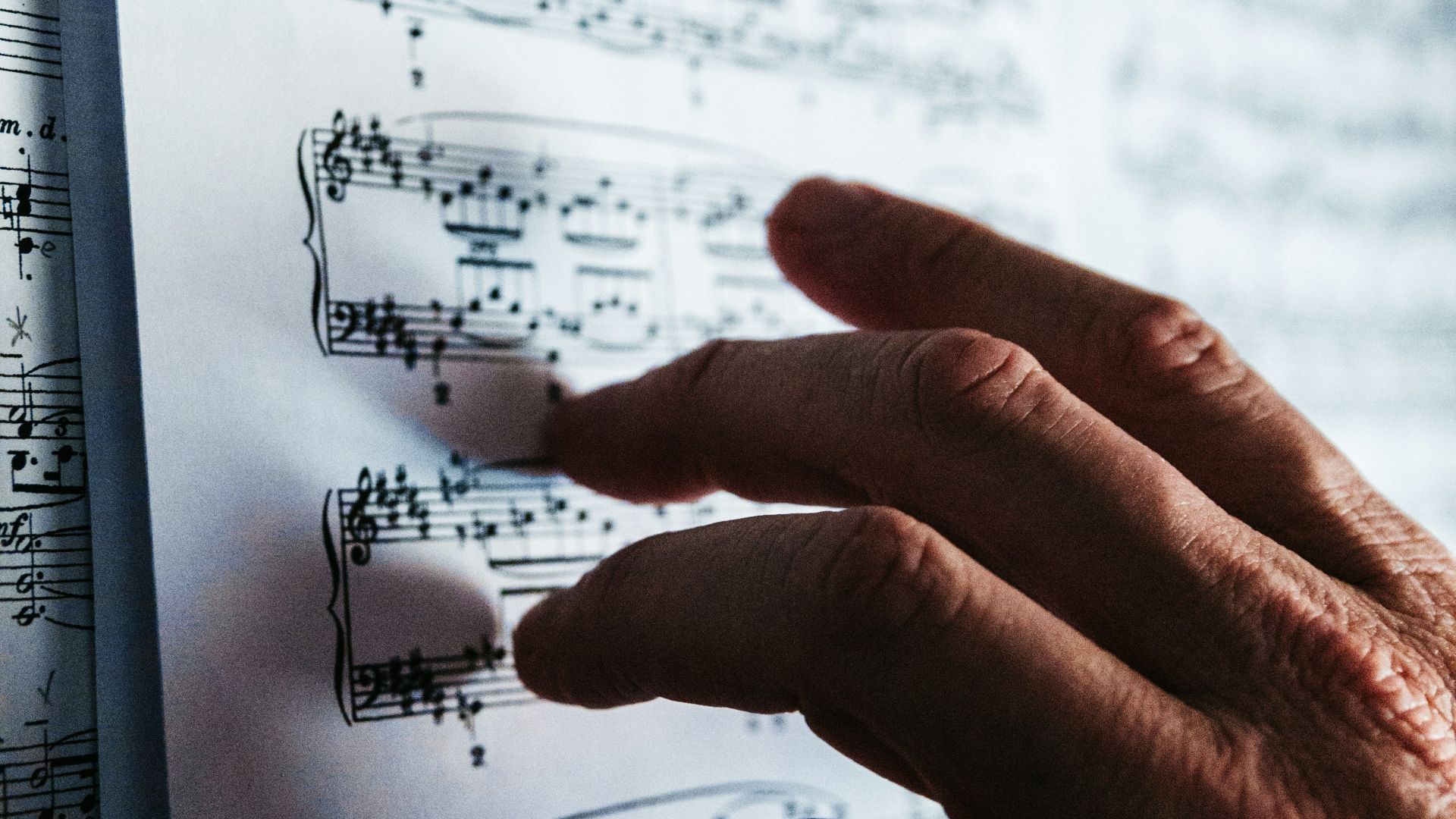
In 1824, Beethoven’s Symphony No. 9 premiered in Vienna, Austria. This symphony was innovative for its time, as it introduced chorus and solo voices. Beethoven’s Ninth expanded the emotional range of the symphony form, and it remains one of the most important works of music to this day.
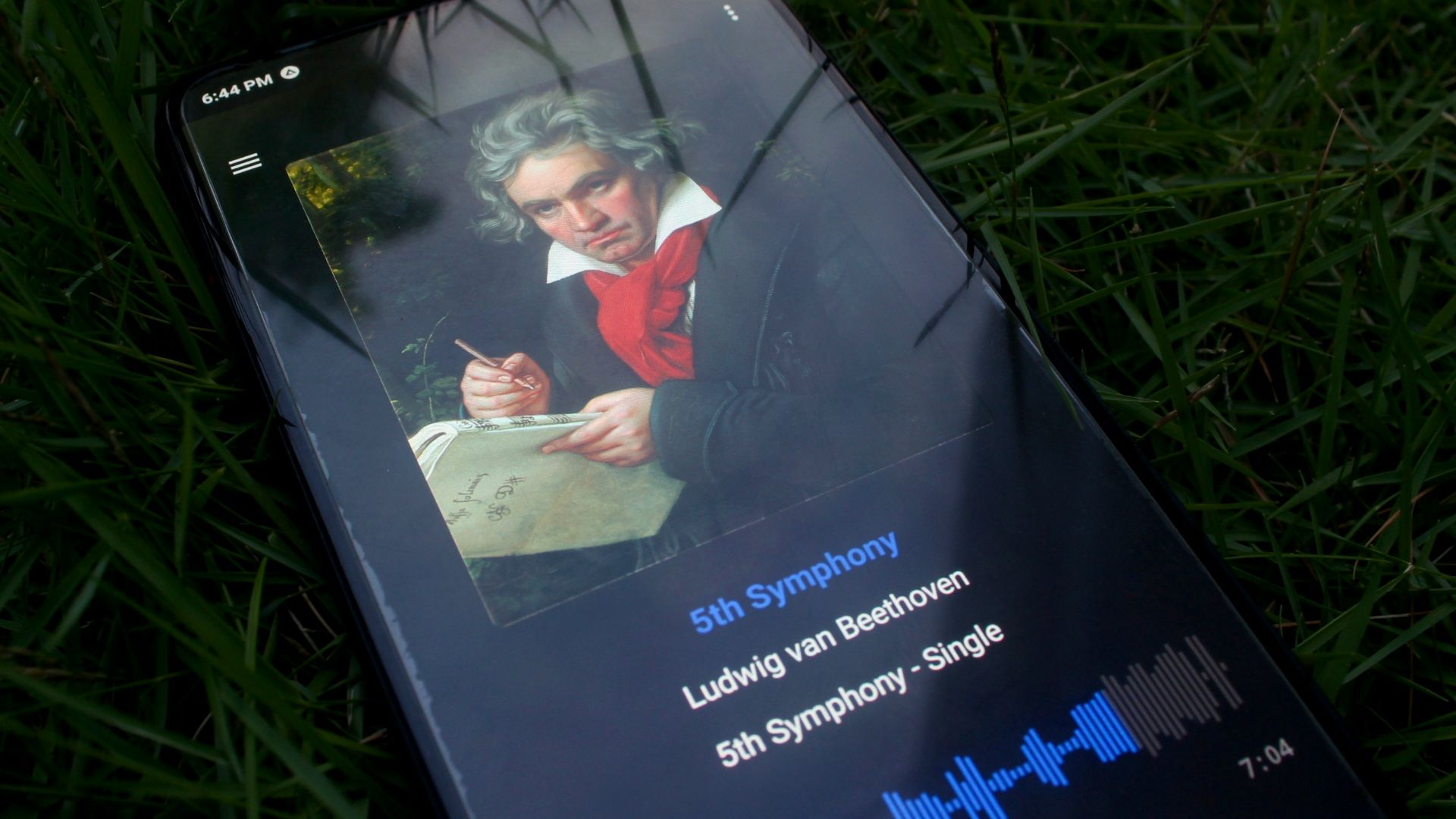
8. The Phonograph
In 1877, the phonograph was invented by Thomas Edison. The phonograph was a device for recording and playing back sounds. This made music a repeatable experience, rather than a live one.
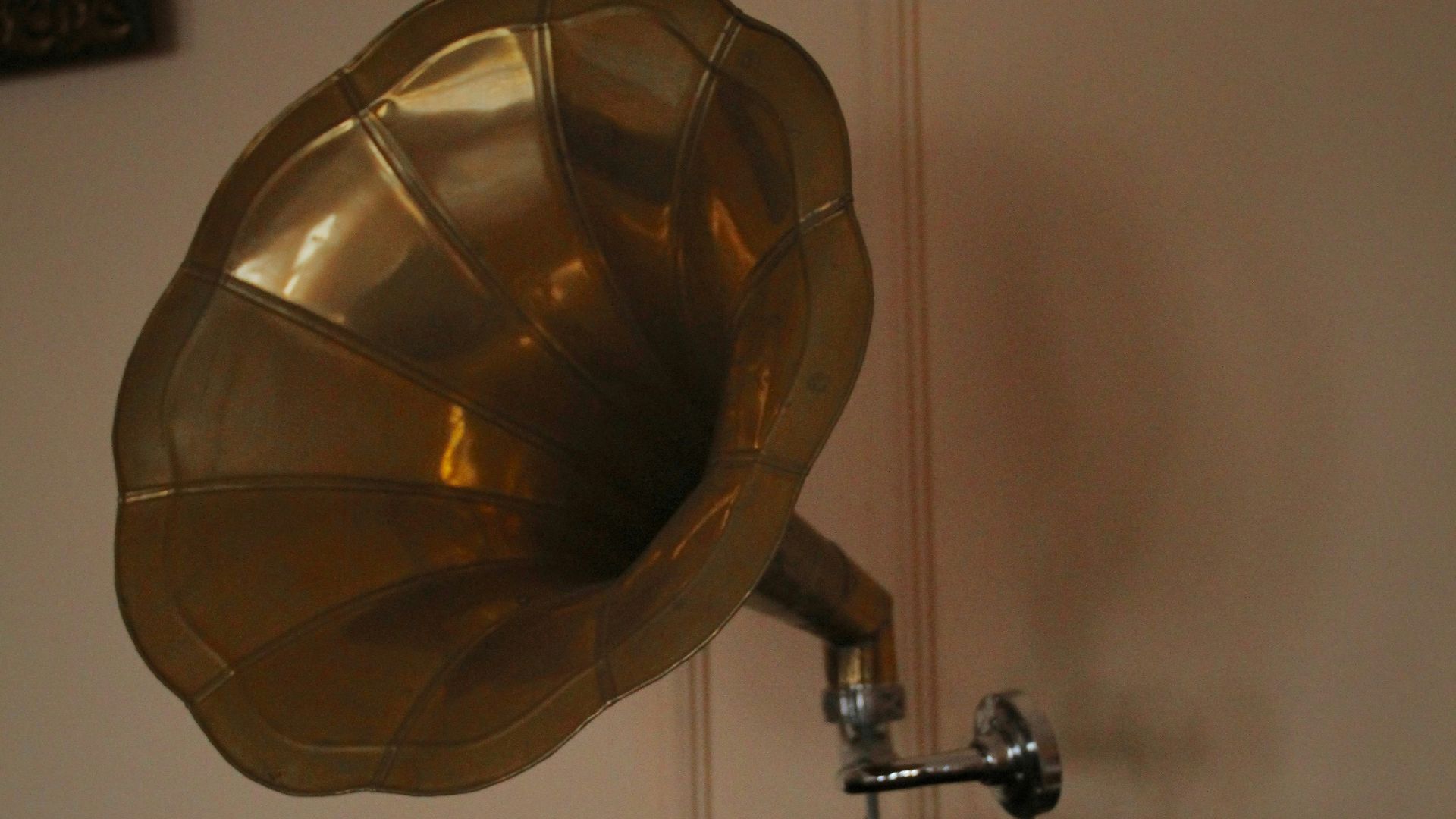
9. Radio Broadcasting
Radio became a common medium for listening to music in the 1920s. Audiences could hear live and recorded music in their own homes. This was a revolutionary way of listening to music that has stood the test of time even in the modern era.
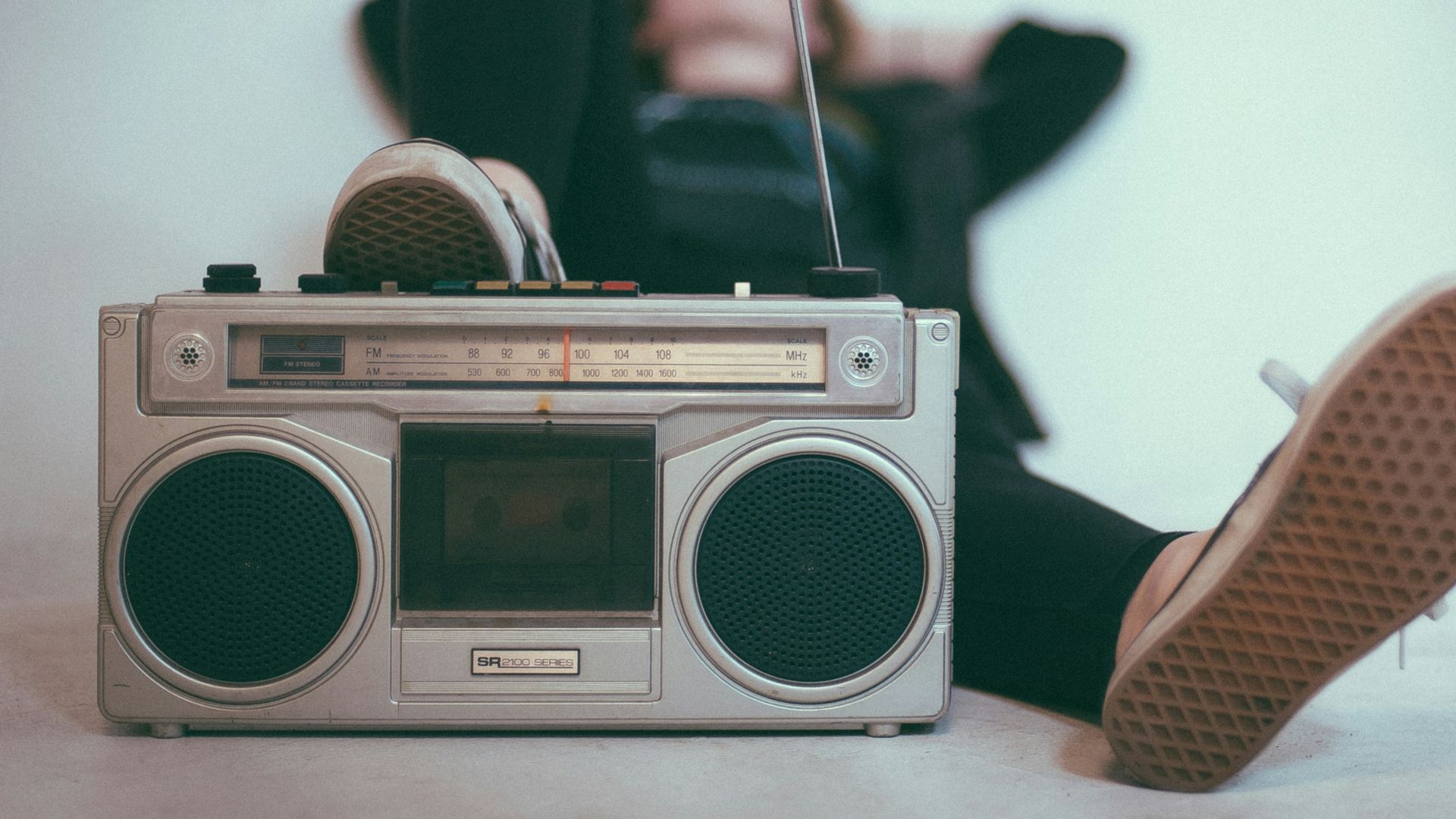
10. Jazz
Jazz music developed in the early 20th century in New Orleans, Louisiana. It was developed from a mixture of African American musical styles and forms. These included blues, ragtime, and improvisational music, which made jazz a major influence on almost all subsequent popular music.
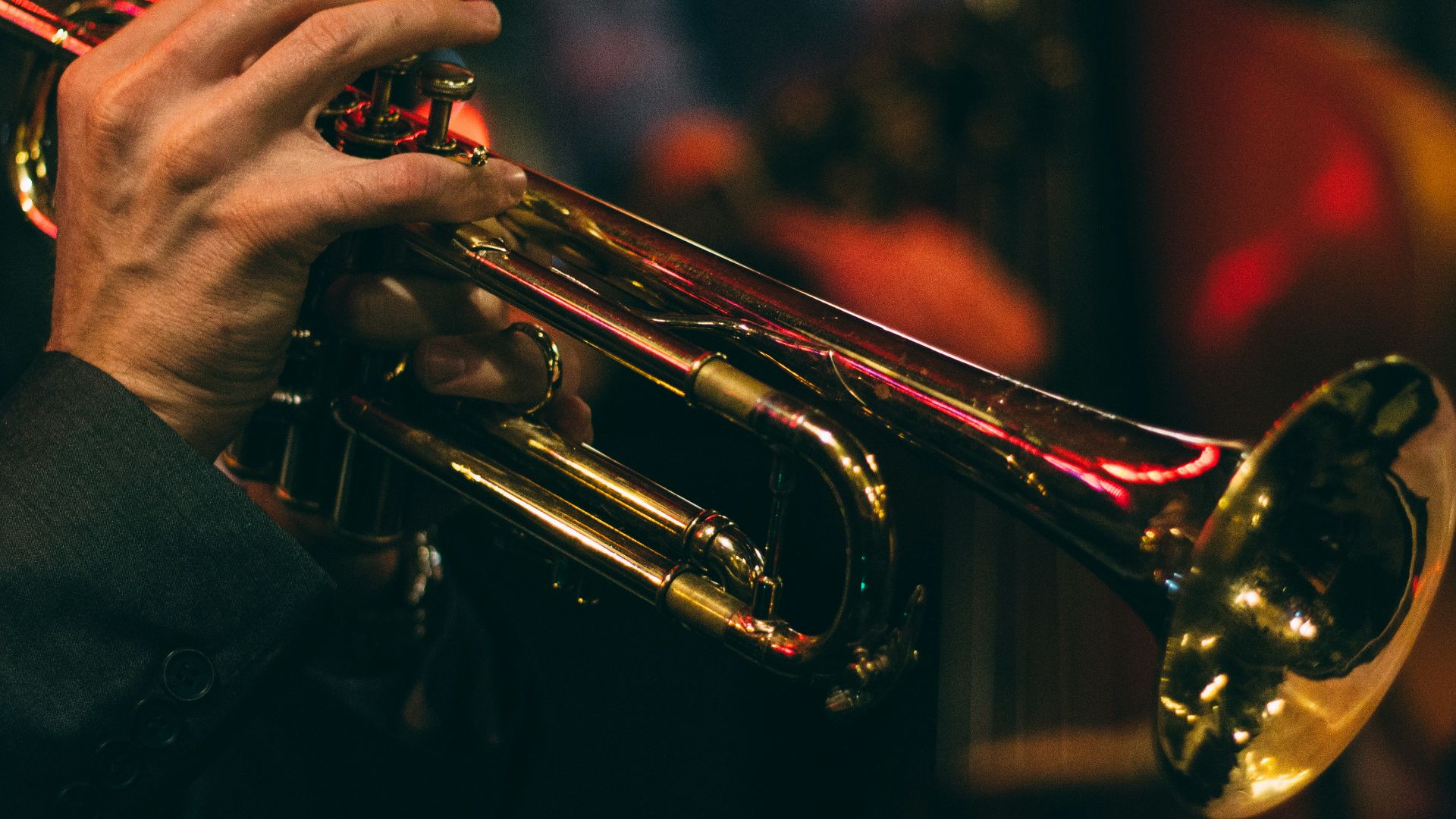
11. Blues
The blues song “Crazy Blues” was recorded in 1920 by Mamie Smith. This was one of the first commercially successful blues recordings by an African American artist. The music industry recognized there was a large market for African American artists, which helped open the way for many artists.
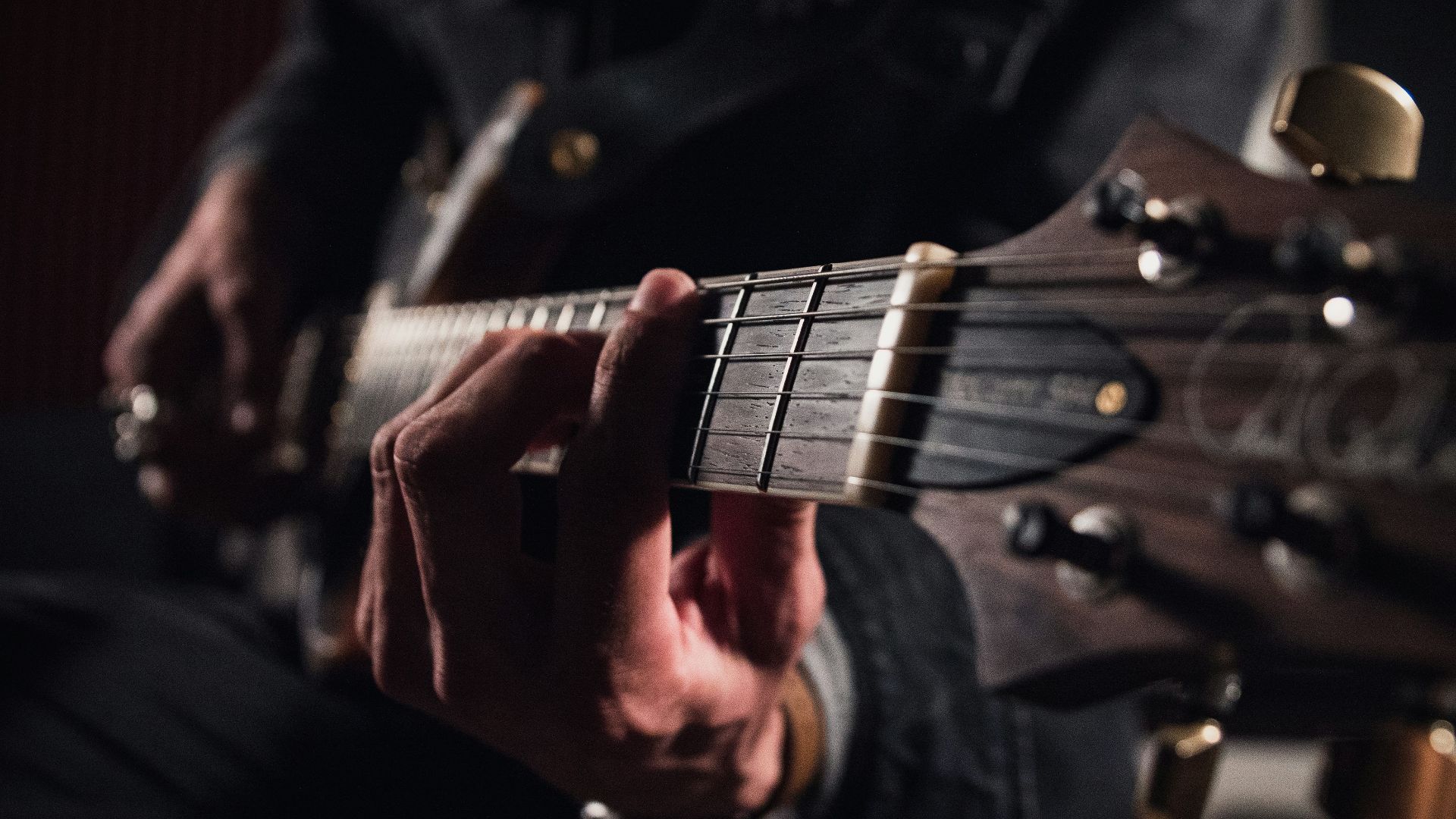
12. The Electric Guitar
The electric guitar entered popular music in the 1930s and 1940s. It could be amplified so it could be heard with other instruments. The electric guitar allowed for new sounds and styles of playing, and it quickly became the defining voice of modern popular music.
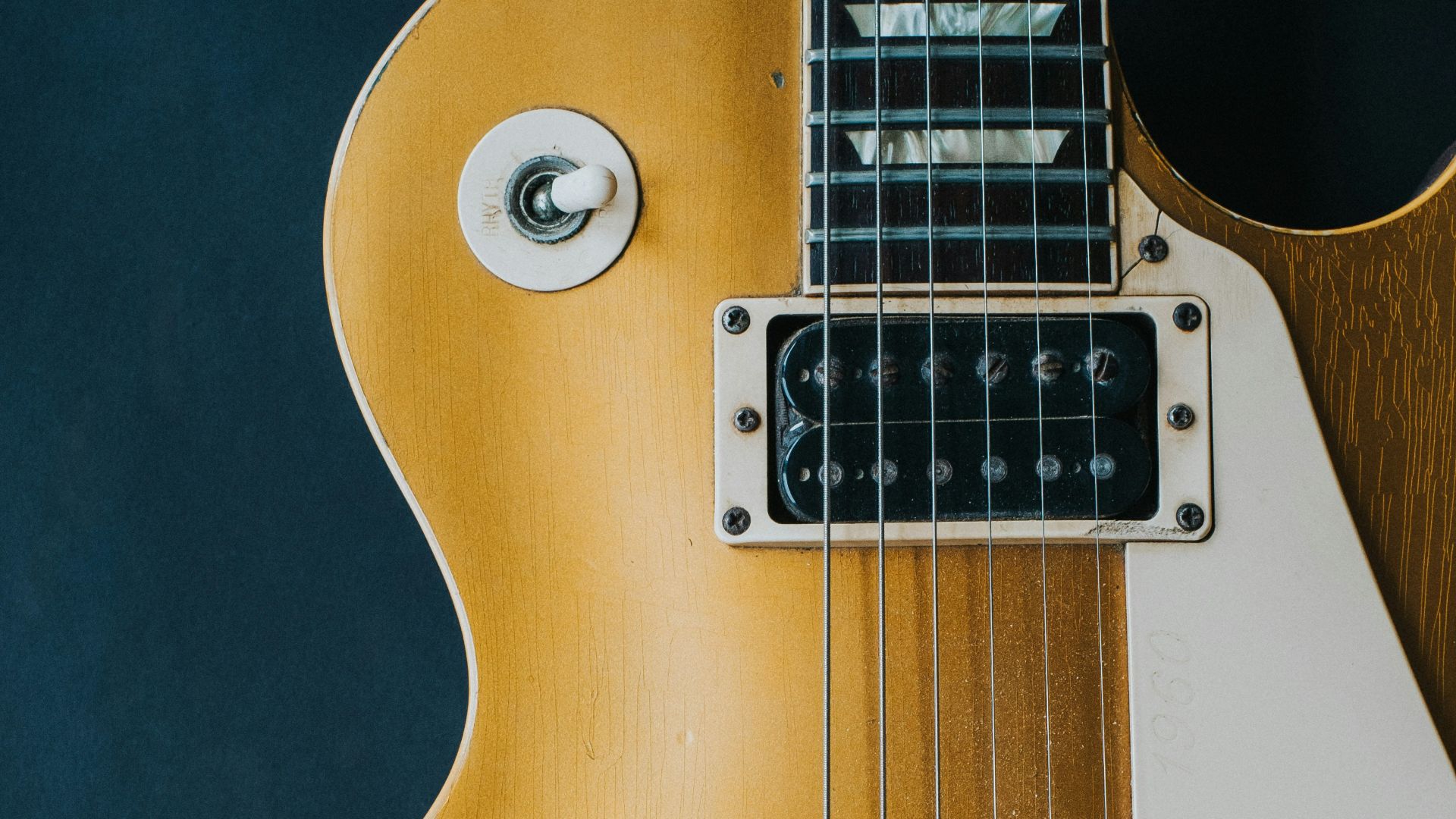
13. Rock and Roll
Rock and roll music first emerged in the mid-1950s. Rock music developed from blues, country, and R&B styles. Artists like Elvis Presley brought rock and roll to mass audiences, connecting with youth and bringing social change.

14. The Beatles
In the 1960s, The Beatles changed popular music. Albums like Sgt. Pepper’s Lonely Hearts Club Band focused on artistic cohesion. Studio experimentation became a central part of production, and artists began taking popular music more seriously as an art form.
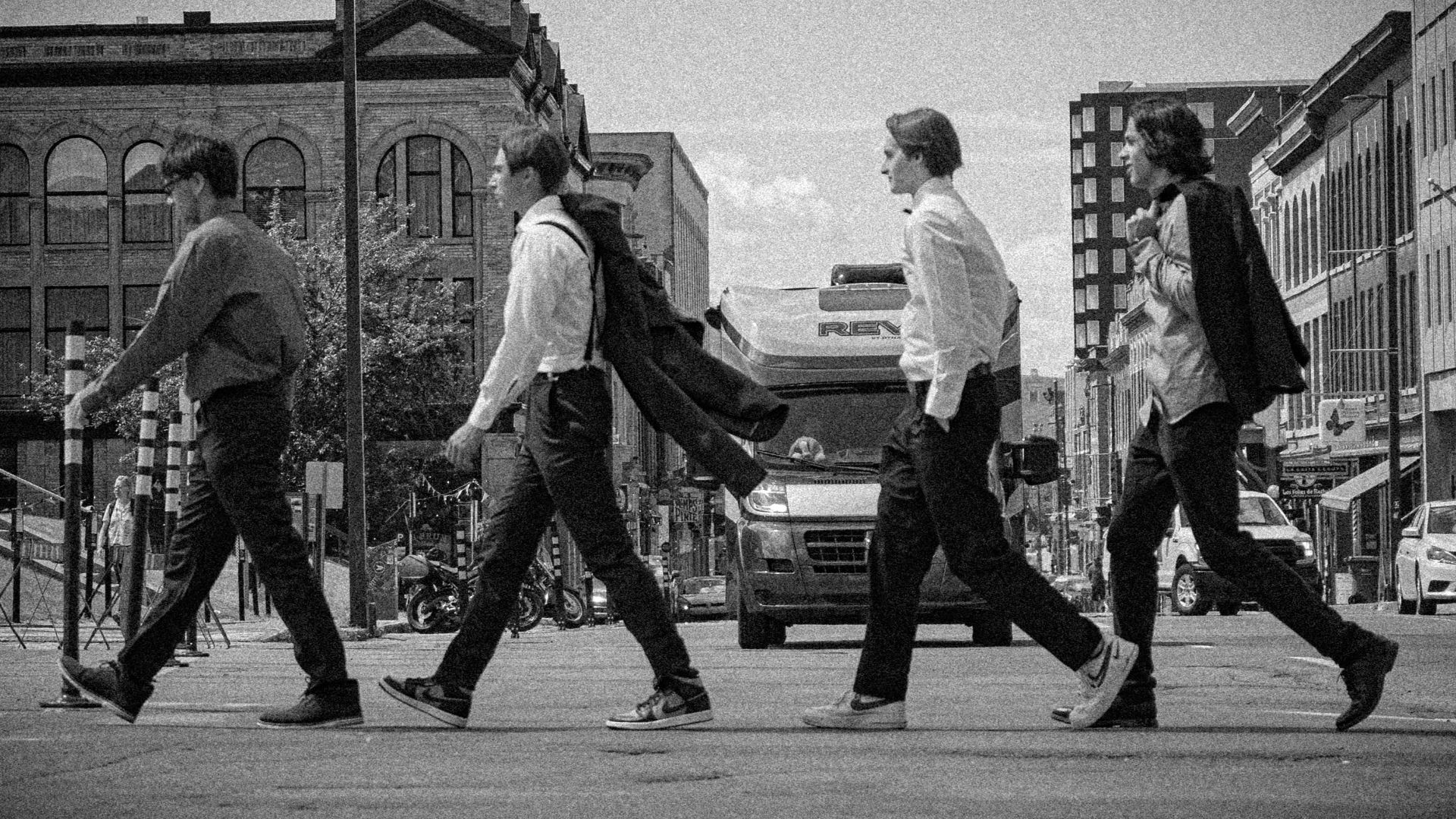
15. Woodstock and the Counterculture
The Woodstock Music and Art Fair was held in 1969. Woodstock is considered a defining moment of the counterculture era. The three-day festival was a musical gathering of unprecedented size.

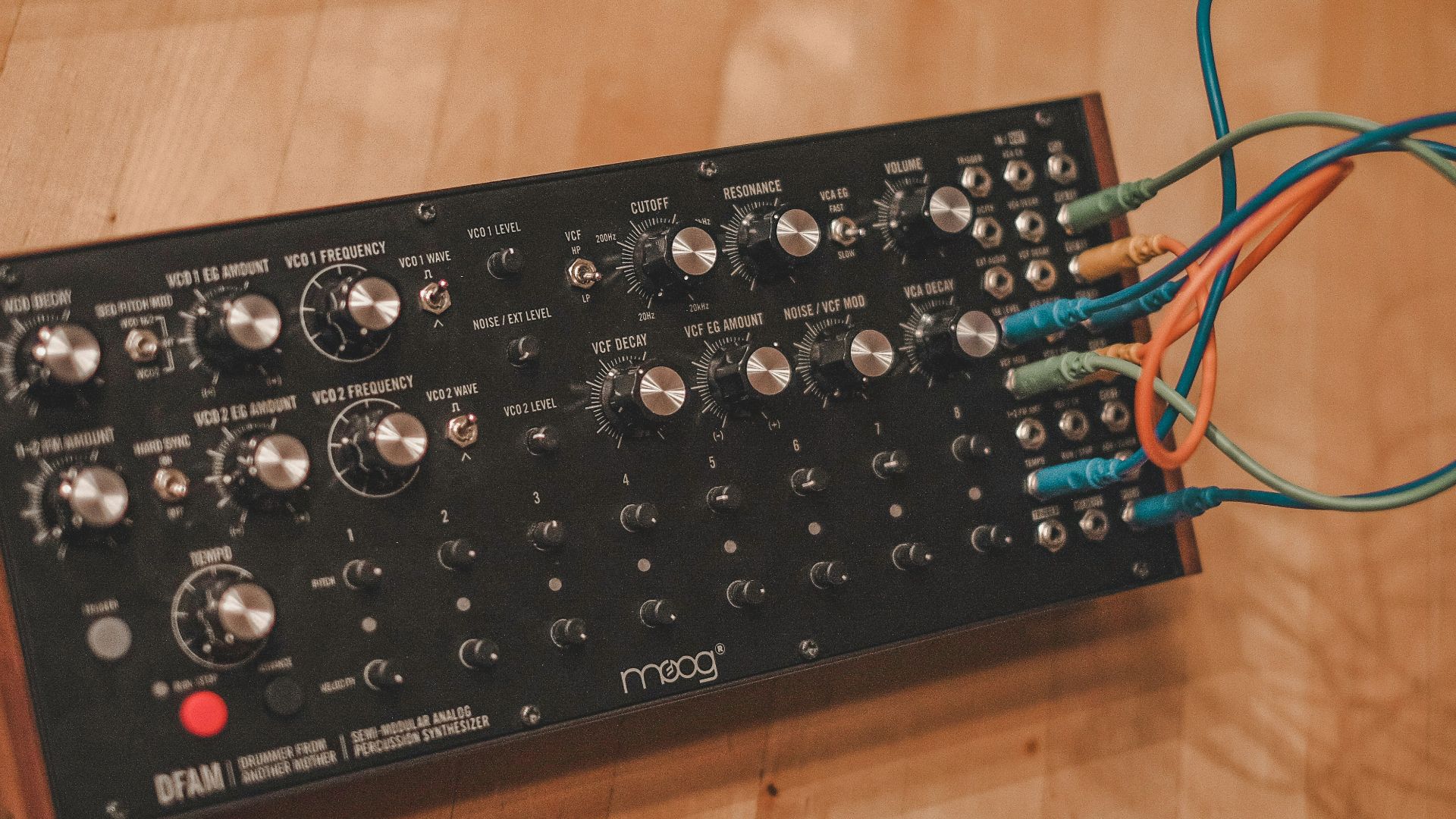
16. Moog Synthesizer
In the 1960s, the Moog synthesizer was developed by Robert Moog. These early synthesizers were portable compared to their predecessors, programmable electronic instruments. The synthesizer offered musicians new and unique sounds.
17. Hip Hop
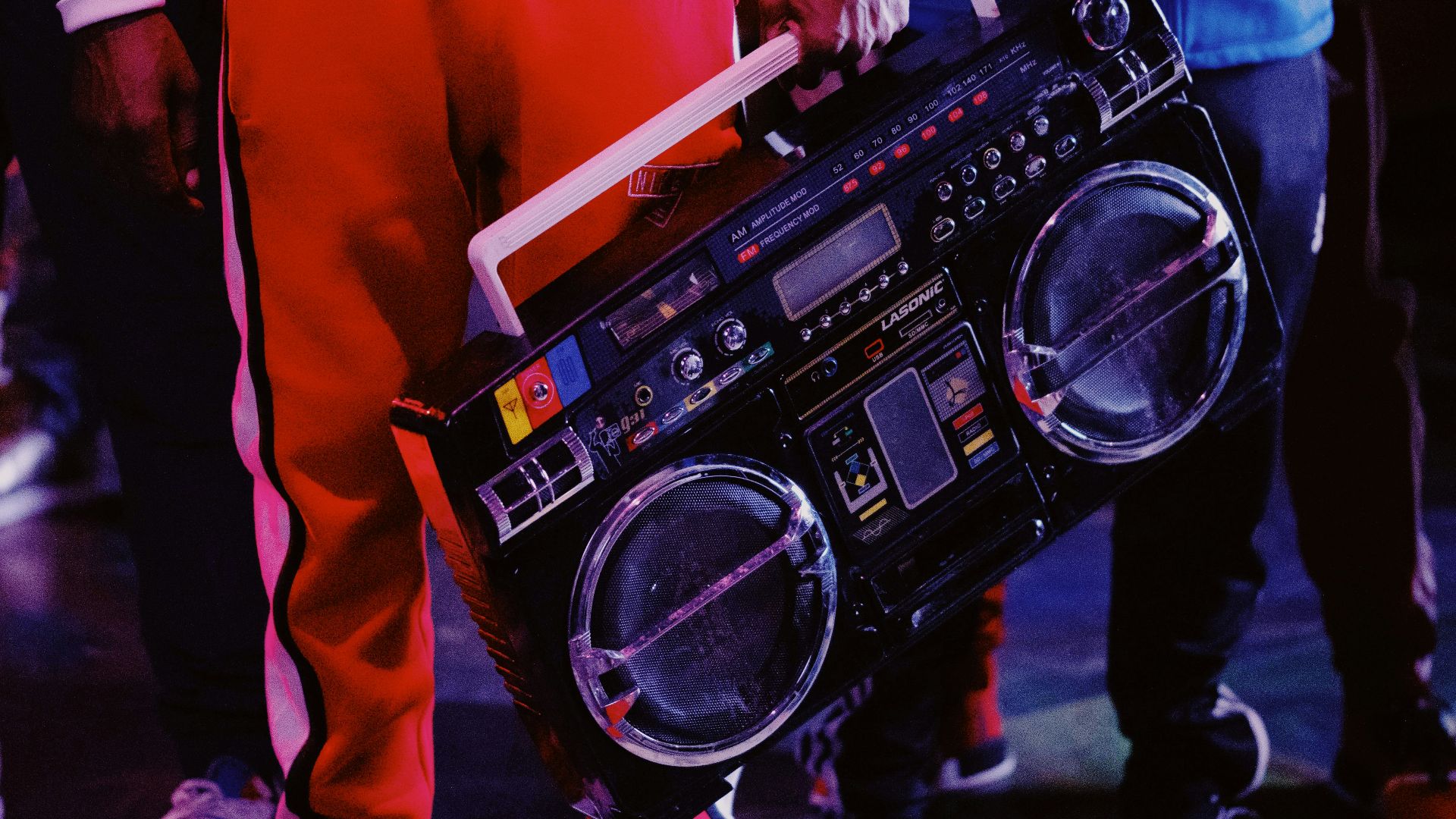
Hip hop first emerged in the Bronx in the early 1970s. DJ Kool Herc would host block parties featuring his music. Herc’s sound system played rhythmic loopings, which would soon after make hip hop one of the most influential genres in music.
18. MTV
Music Television, known as MTV, first launched in 1981. Music videos became a new standard and expectation of popular music. The visual component of music gained a new emphasis, and MTV changed how audiences heard and experienced music forever.

19. Compact Discs
The compact disc was introduced commercially in 1982. Compact discs provided improved sound and a longer lifespan than earlier formats. Digital recording and playback were standardized in music.
20. Digital File Sharing
Napster was a popular file-sharing program released in 1999. The program was peer-to-peer, rather than from a centralized network. Napster posed a new challenge to the ownership and sale of music, forcing the music industry to adapt to new technologies. This marked the beginning of the modern online music economy.

KEEP ON READING

20 Strangest Beauty Trends Throughout History
Beauty Has Always Had Strange Rules. History is full of…
By Christy Chan Jun 12, 2026
20 First Class Meals Served On The Titanic's Final Night
The Ultimate Final Feast. When the wealthiest passengers gathered in…
By Sara Springsteen Jun 12, 2026
20 Facts About The Library of Alexandria
More Than Just A Room. The Library of Alexandria has…
By Elizabeth Graham Jun 12, 2026
20 Baby Names That Became Unusable After One Historical Figure
Some Names Never Fully Escape Their Reputation. Most baby names…
By Emilie Richardson-Dupuis Jun 12, 2026
The 20 Creepiest People In History
Truly Uncomfortable. History isn’t only made by kings, reformers, and…
By Annie Byrd Jun 12, 2026
10 Historical Figures Flattered By Portraits & 10 Who Got…
History's Paintbrush Wasn't Always Honest. Before cameras, the only record…
By Cameron Dick Jun 12, 2026