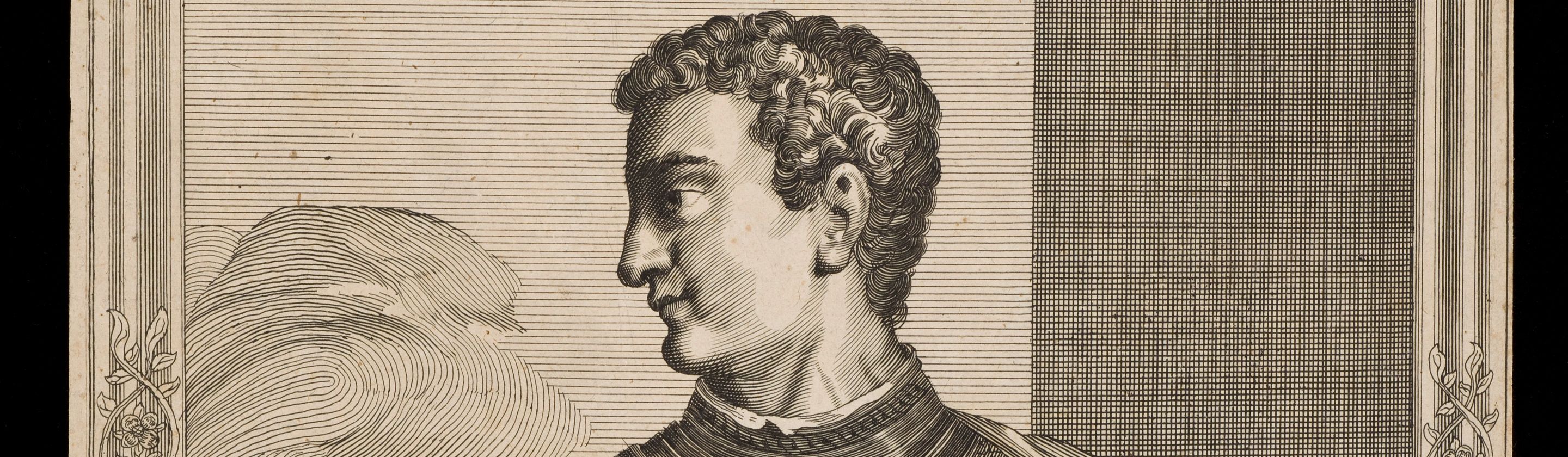
Roman Emperor Caligula is one of ancient history's darkest and most unsettling figures. His name is synonymous with excess, cruelty, and madness. Some historians describe his shocking acts of violence and humiliation, and his erratic behavior has been a point of fascination for centuries.
The question remains: was Caligula the most ruthless Roman emperor, or was his legacy shaped by lies and hostility? Examining his time as emperor in context reveals some of the historical facts about his reign and allows us to separate the truth from myth.
Let's explore Caligula to determine the extent of his infamy.
Caligula's Rise and Initial Promise
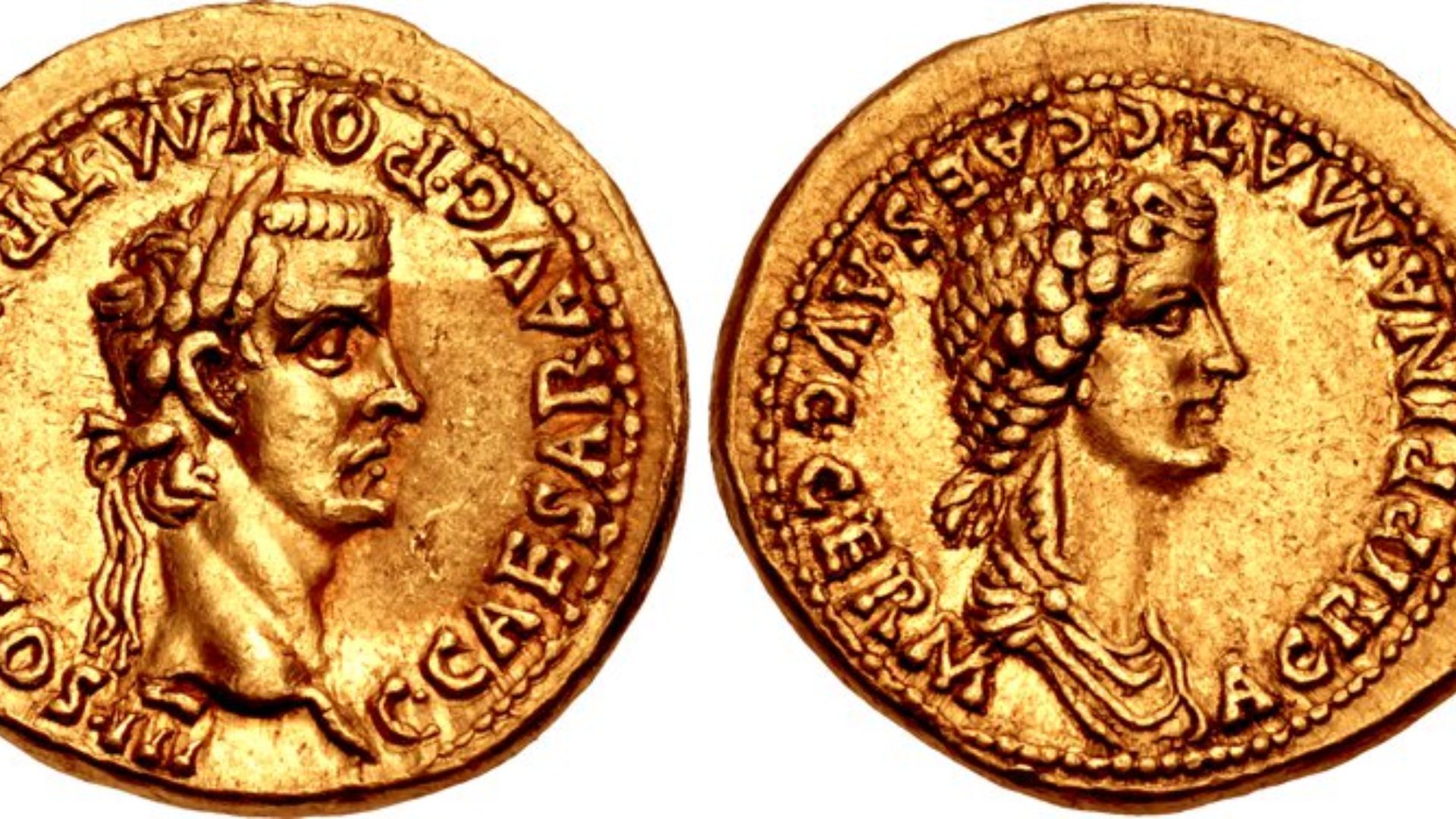
Born Gaius Julius Caesar Germanicus, Caligula became emperor in AD 37 when he was only 24 years old. He was the son of a famous general and was met with strong public support. Early accounts reveal that the beginning chapter of his reign was filled with generosity and optimism. He granted bonuses to soldiers, recalled exiled individuals, and honored his familial legacy.
The goodwill did not last long. After a severe illness during his first year as emperor, Caligula's behavior shifted. He became increasingly unpredictable and more authoritarian. While modern historians debate how much his illness impacted his actions, it provides a turning point in his legacy.
Abuses of Power
Caligula's penchant for ruthlessness stems mostly from his treatment of political rivals, senators, and enemies. He was prone to ordering executions and confiscating property to eliminate threats and enrich his treasury. Many members of the elite class lived in fear of Caligula, unsure if one remark would lead to their death.
He also enjoyed humiliating the Senate, undermining authority whenever he could, and mocking its members. His behavior strained Rome's political institutions, and the ruling class came to resent him. His public spectacles included executions for entertainment, which he used to reinforce his image as a ruler with no regard for the lives of his subjects.
Separating Myth from Reality
Much of what we know about Caligula's reign comes from historians who wrote about him long after his death. Some of these historians have been accused of being aligned with Caligula's enemies. Furthermore, some of his extreme behaviors may reflect satire.
Compared to later emperors, like Nero or Commodus, Caligula's reign was short, at less than four years. While brutal, his actions never led to widespread civil war or systematic persecution. Modern scholars caution against accepting every sensational account of Caligula at face value. There was at least some incentive to paint him as a monster by his political opponents.
Caligula was a harsh authoritarian whose short reign left a lasting historical impression. His cruelty and disregard for people and political norms justified the widespread fear that ultimately led to his assassination. That said, labelling him as the most ruthless Roman ruler doesn't quite work and undermines his complex legacy. While he stands out for his excess and unpredictability, history offers other examples of rulers whose brutality had far worse consequences.