

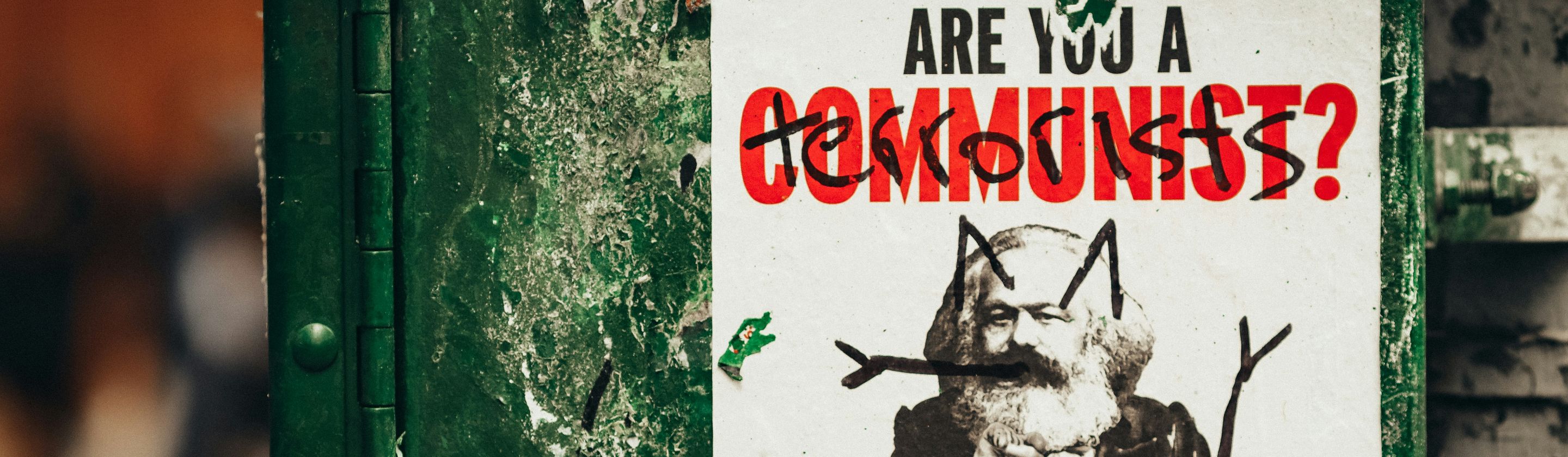
How the World’s Most Powerful Communist State Collapsed
The Soviet Union lasted 69 years. During this time, it terrified the West, launched the space race, and created a nuclear arsenal that could have ended civilization several times over. Then, on December 26, 1991, the red flag came down over the Kremlin, and the largest country on Earth dissolved into fifteen separate nations without a single shot fired. Decades of structural rot, economic stagnation, and ideological exhaustion had finally eroded the foundation. Here are 20 reasons why the Soviet Union failed.
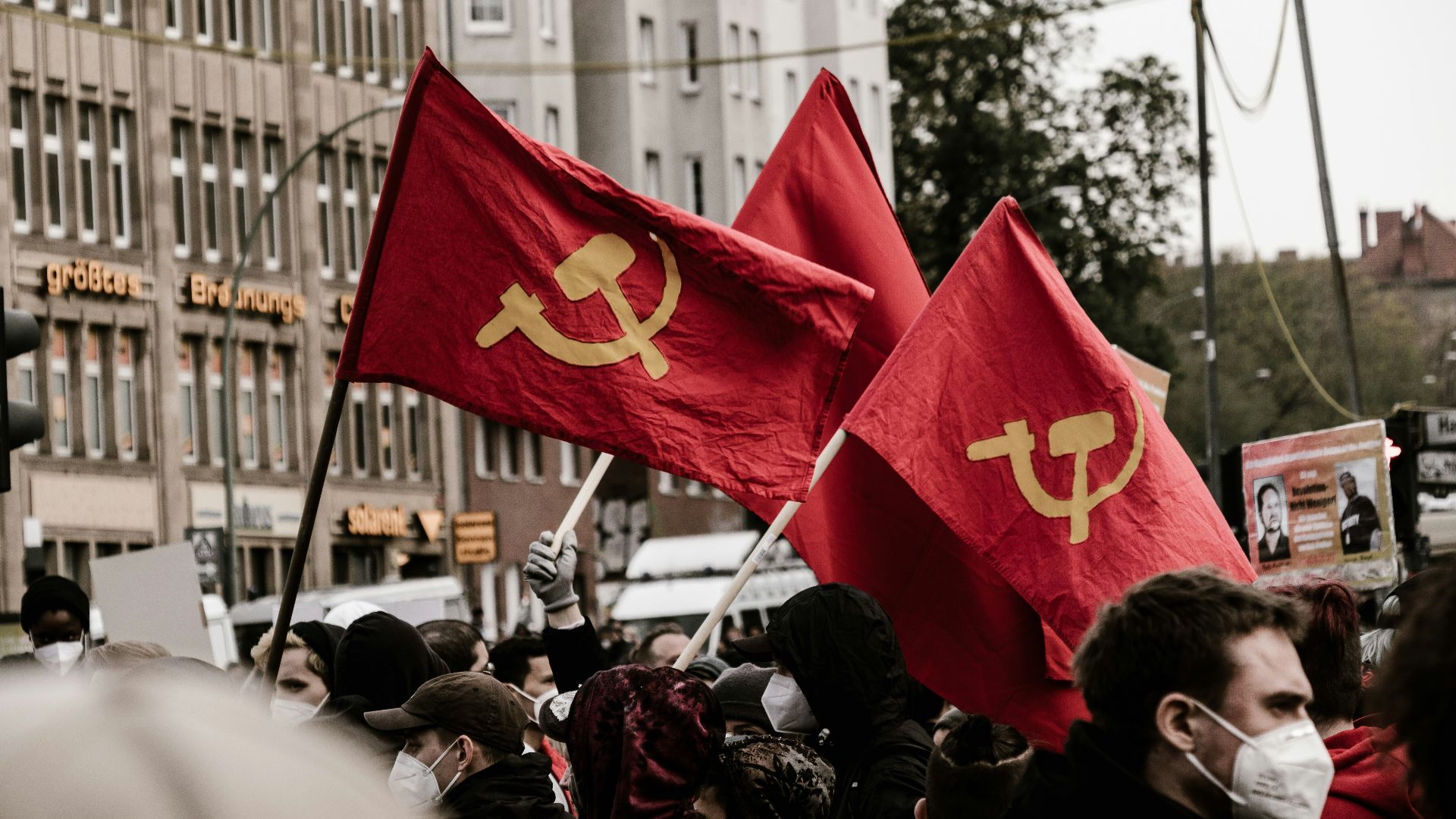
1. Central Planning Couldn't Keep Up with Complexity
Gosplan, the Soviet central planning agency, attempted to coordinate the production of millions of products across eleven time zones. When factories produced quotas measured by weight, they made the heaviest possible chandeliers and nails. When quotas shifted to quantity, manufacturers made thousands of tiny, useless nails.
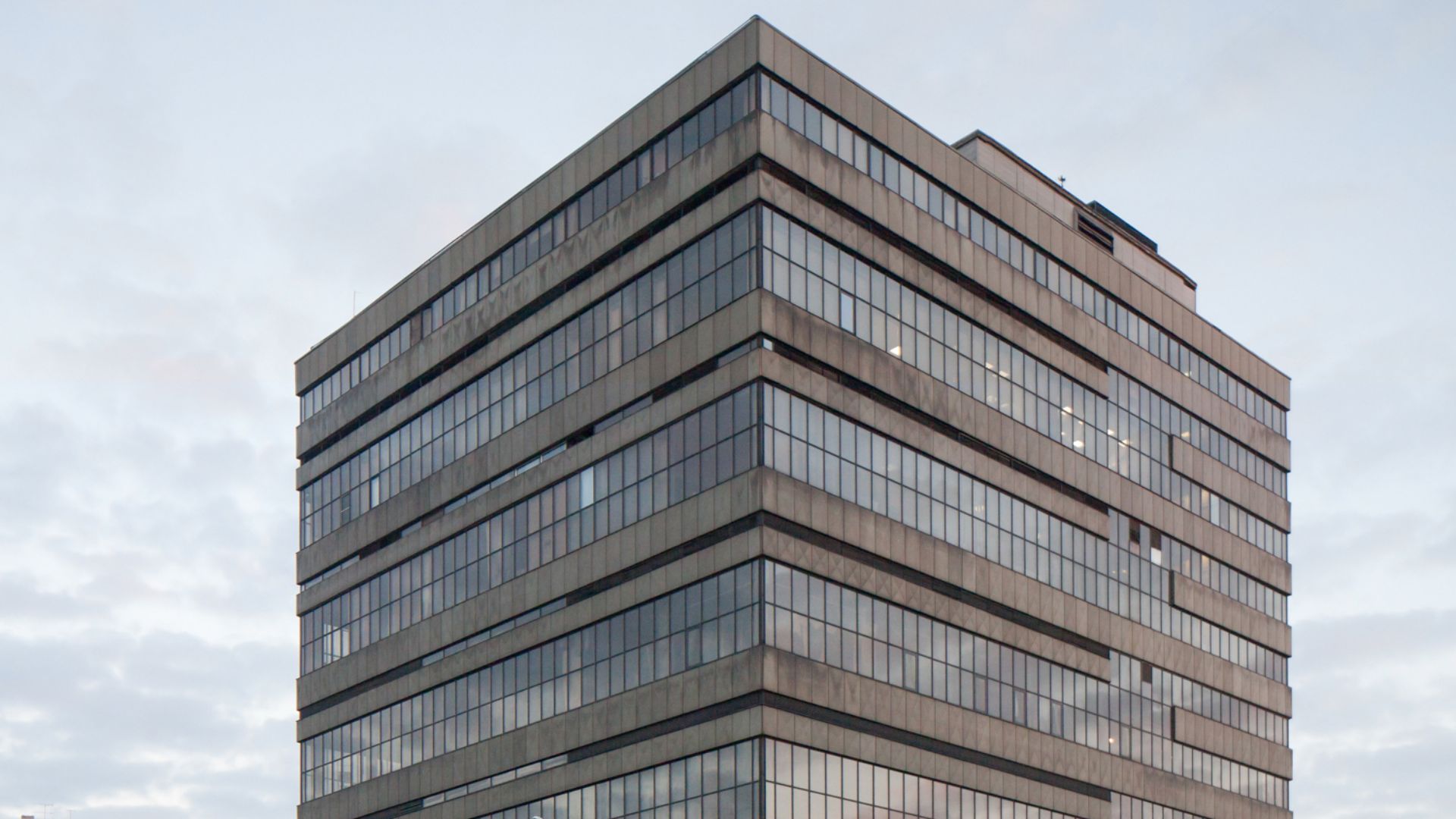
2. The Arms Race Drained Everything
By the late 1980s, defense spending was consuming about a quarter of Soviet GDP. The USSR was trying to compete militarily with an economy one-third the size of America’s. Something had to give.
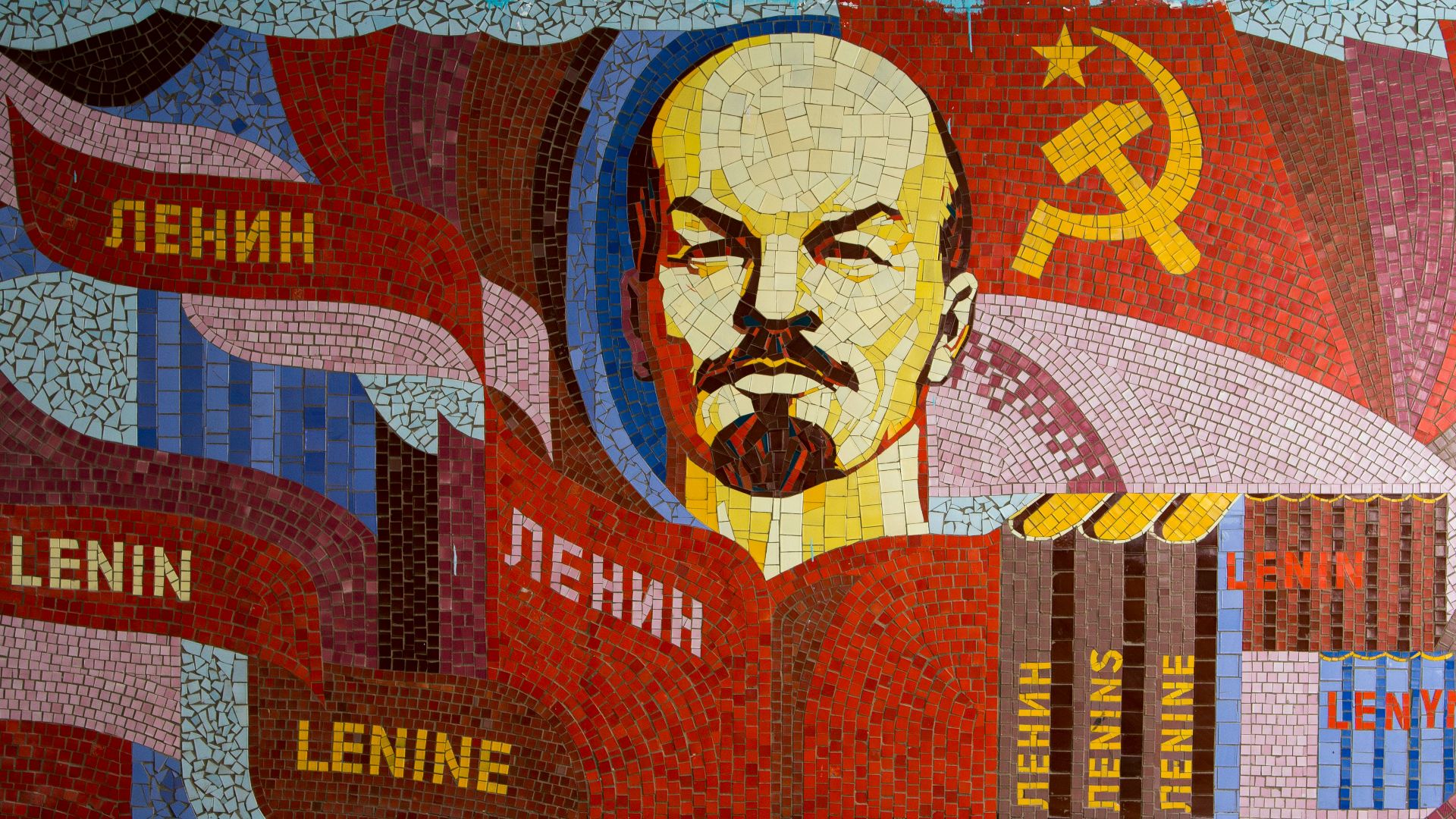
3. Agriculture Never Worked
A country stretching across two continents couldn’t feed itself. Collectivization had killed millions and destroyed farming expertise. By the 1980s, the Soviet Union was importing 40 million tons of grain annually from the West.
4. The Black Market Was the Real Economy
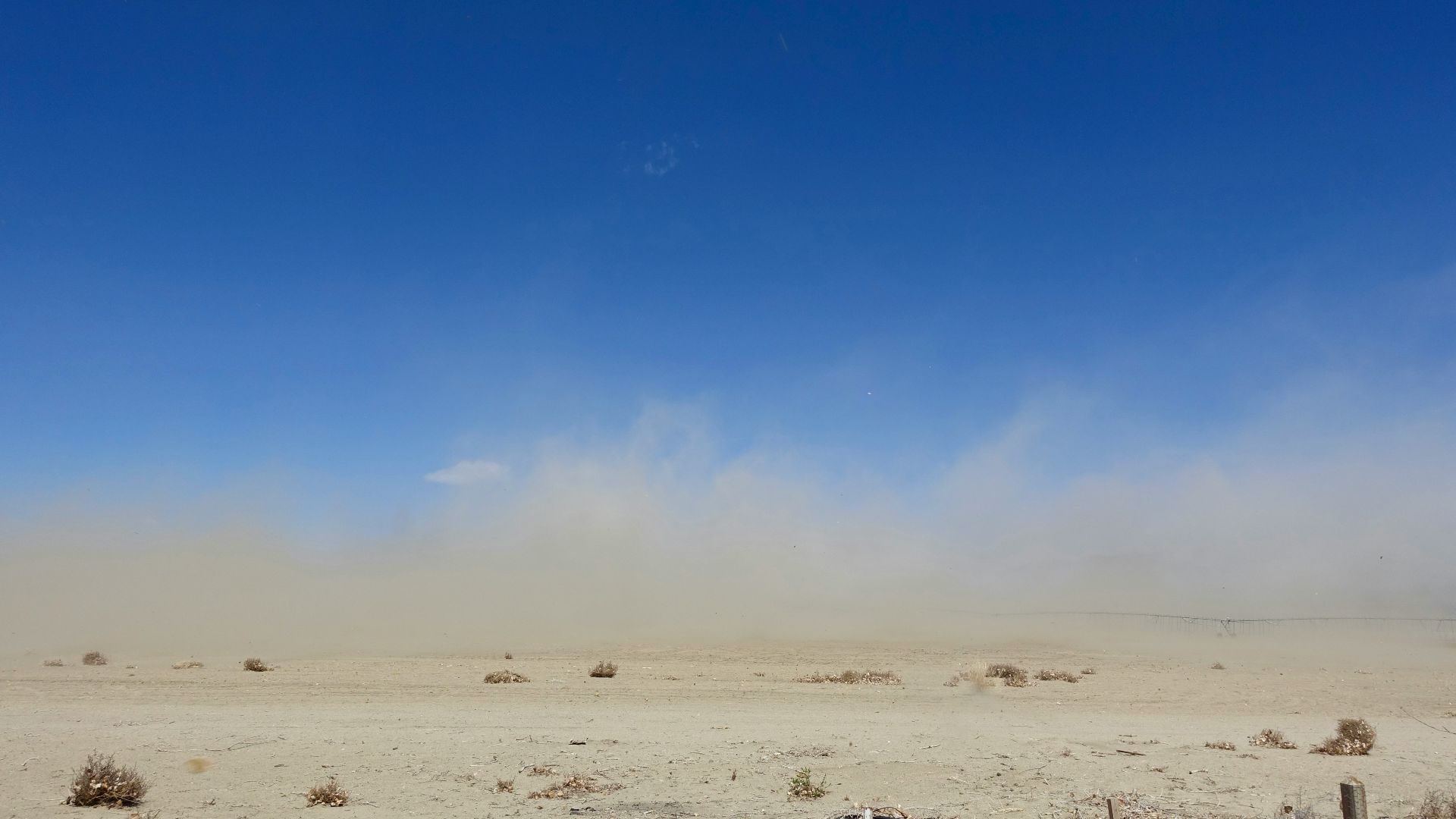
Blat—the system of connections and favors—kept society functioning when official channels failed. If you wanted an apartment, you needed a contact at the housing ministry. If you wanted meat, you needed to befriend a butcher.
5. Technology Stagnated
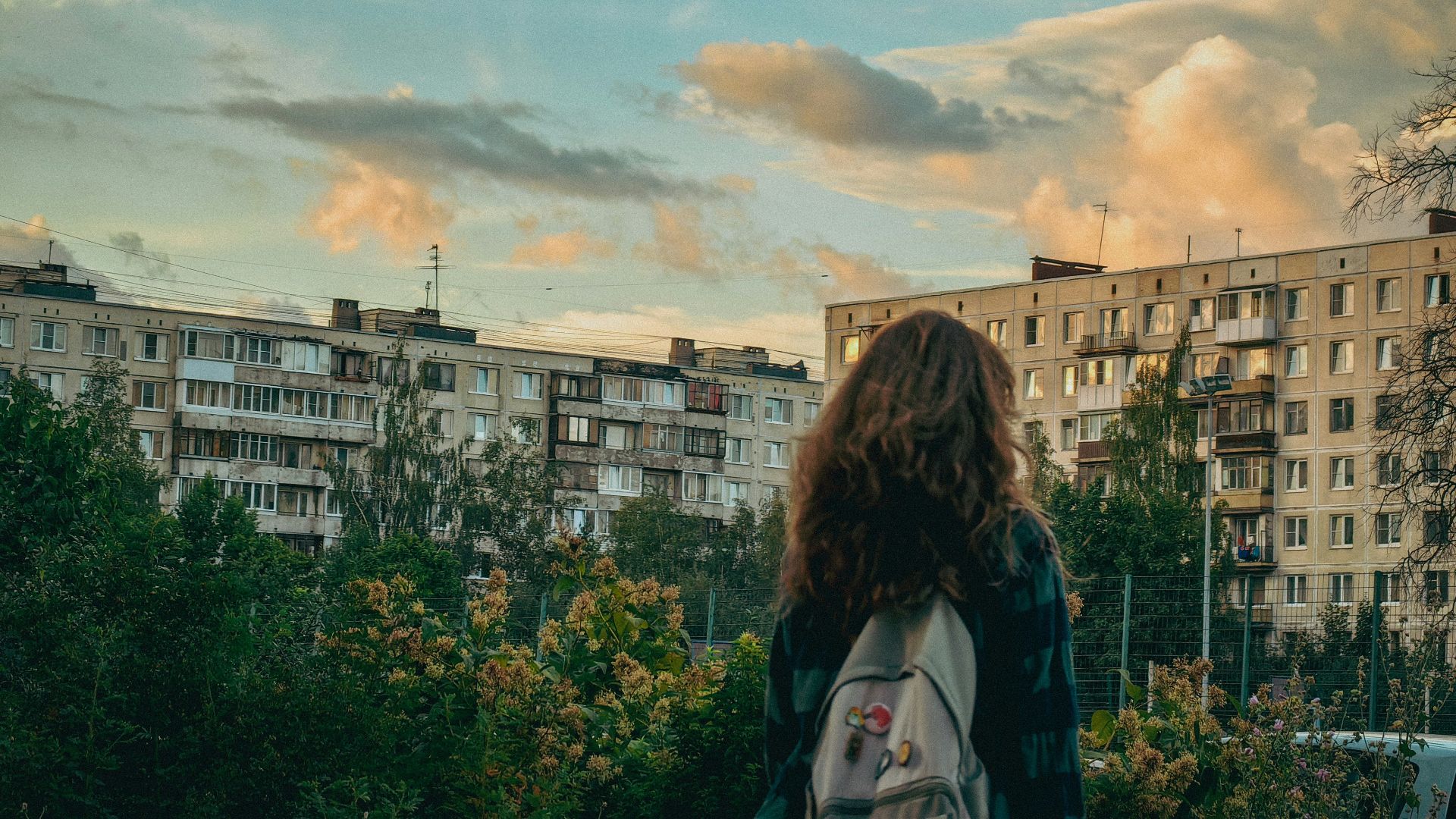
Soviet computers in the 1980s were copying 1970s American designs. Innovation requires information flow, experimentation, failure, and adaptation. The Soviet system punished failure, restricted information, and rewarded meeting yesterday’s quotas.
6. Chernobyl Exposed Everything
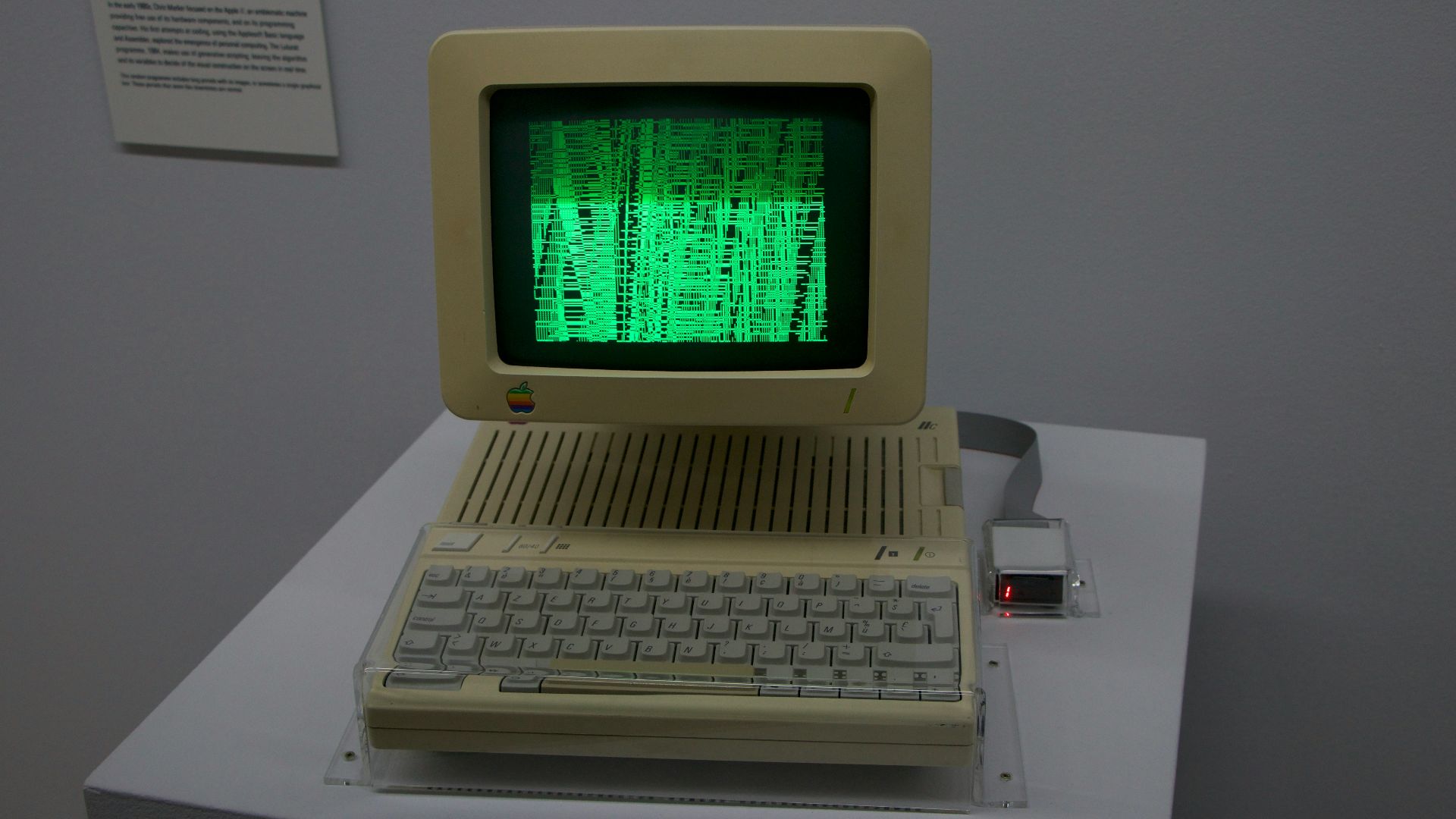
On April 26, 1986, Reactor Four exploded at Chernobyl, and the government’s first instinct was to lie about it. Swedish radiation detectors caught the plume before Soviet media admitted anything had happened. The accident revealed that officials were more concerned with their careers than preventing catastrophe.
7. Ethnic Tensions Were Always There
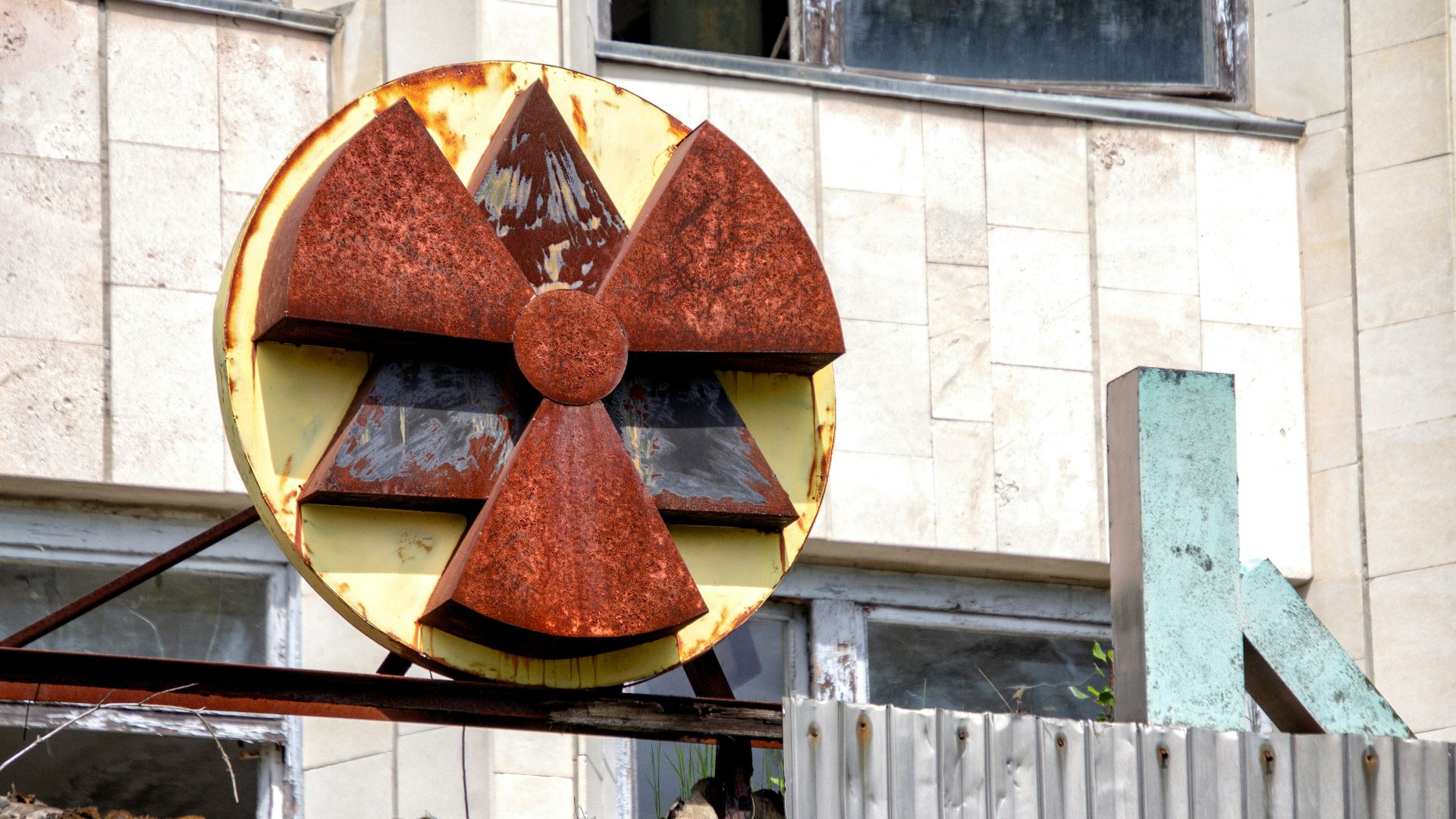
The USSR was an empire consisting of Ukrainians, Uzbeks, Kazakhs, Georgians, Armenians, Azerbaijanis, and dozens of other ethnic groups with their own languages, cultures, and nationalist aspirations. Stalin’s forced deportations and Russification policies created resentments that simmered for generations.
8. The Afghan Quagmire Bled Them Dry
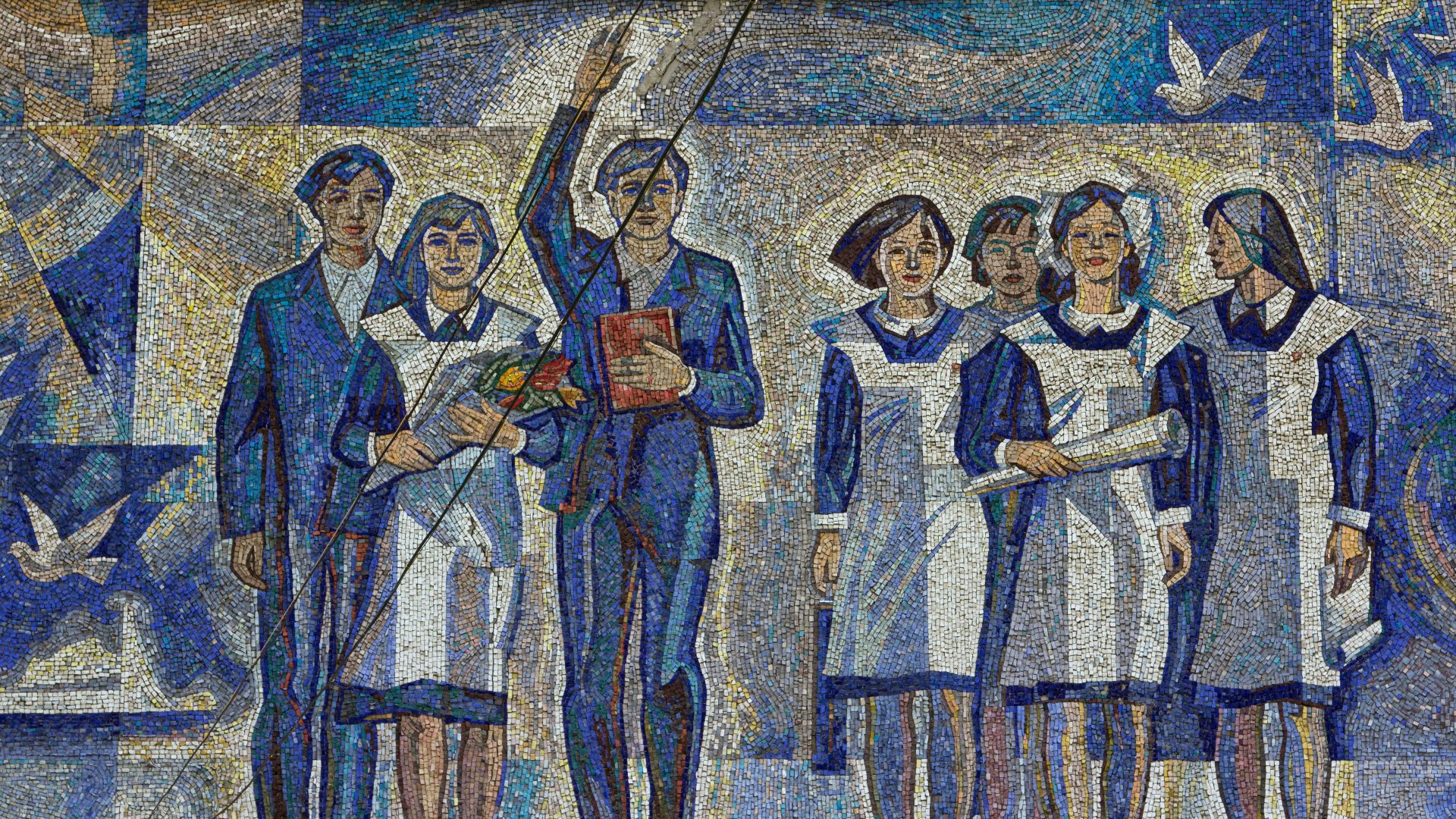
The Soviet–Afghan War lasted from 1979 to 1989 and killed roughly 15,000 Soviet soldiers. Afghans call it their own Vietnam, and the comparison fits. The USSR spent billions propping up an unpopular government and accomplished nothing.
9. Oil Prices Collapsed
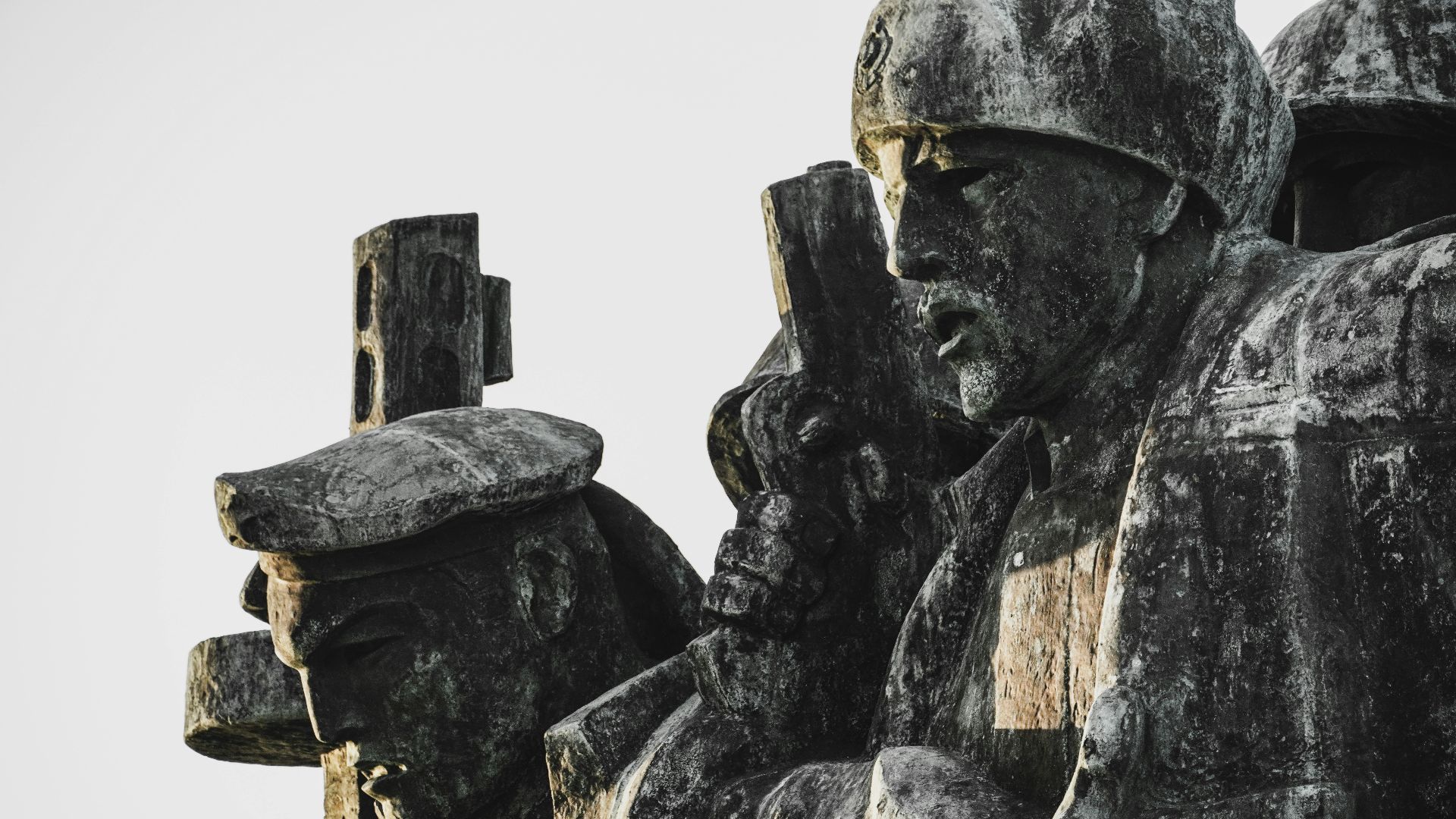
When oil prices crashed, the Soviet treasury hemorrhaged. They had been using oil revenue to buy grain and consumer goods from abroad, masking agricultural failure and industrial inadequacy. Suddenly, they couldn’t afford either.
10. Generations Lost Faith
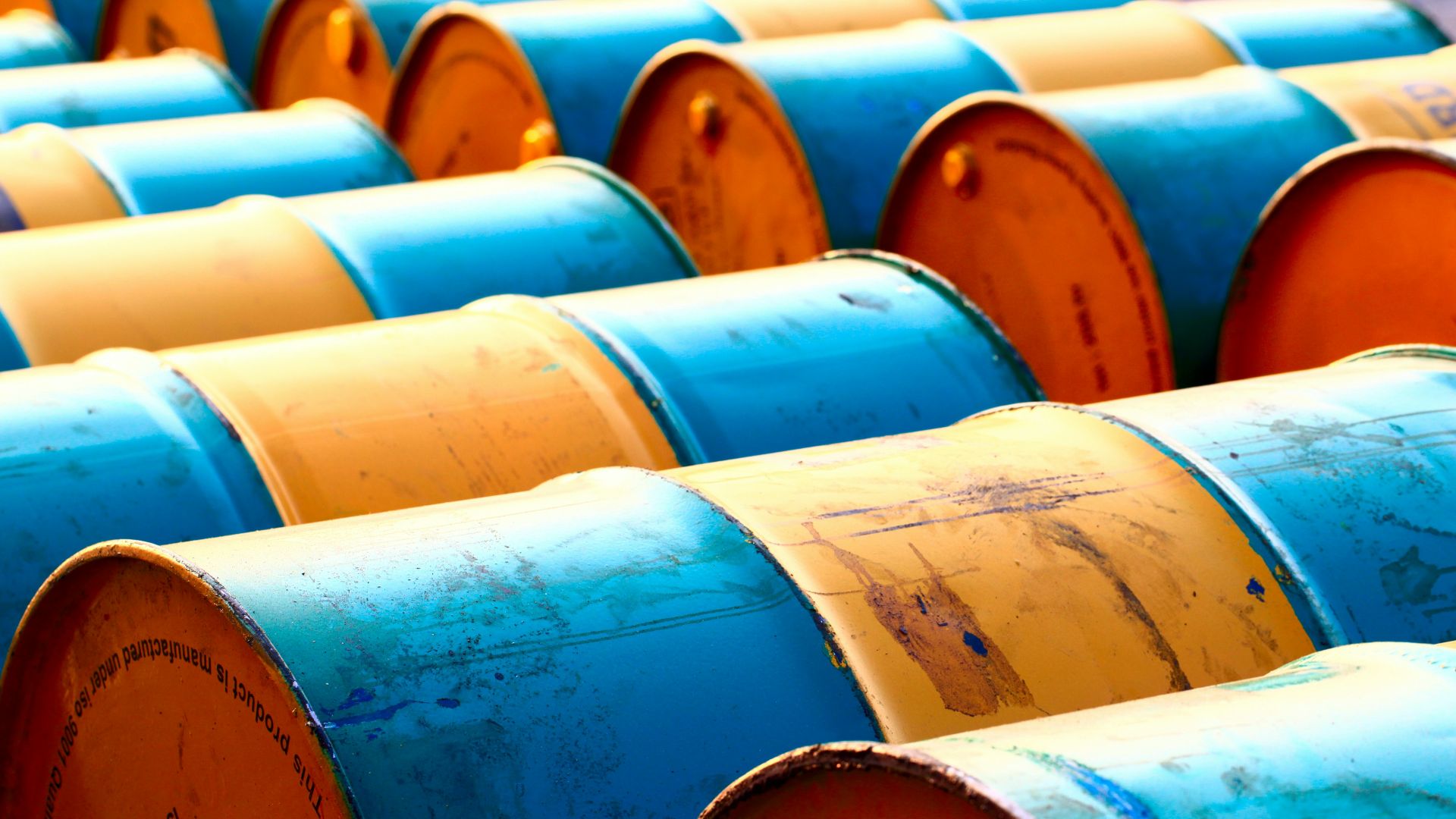
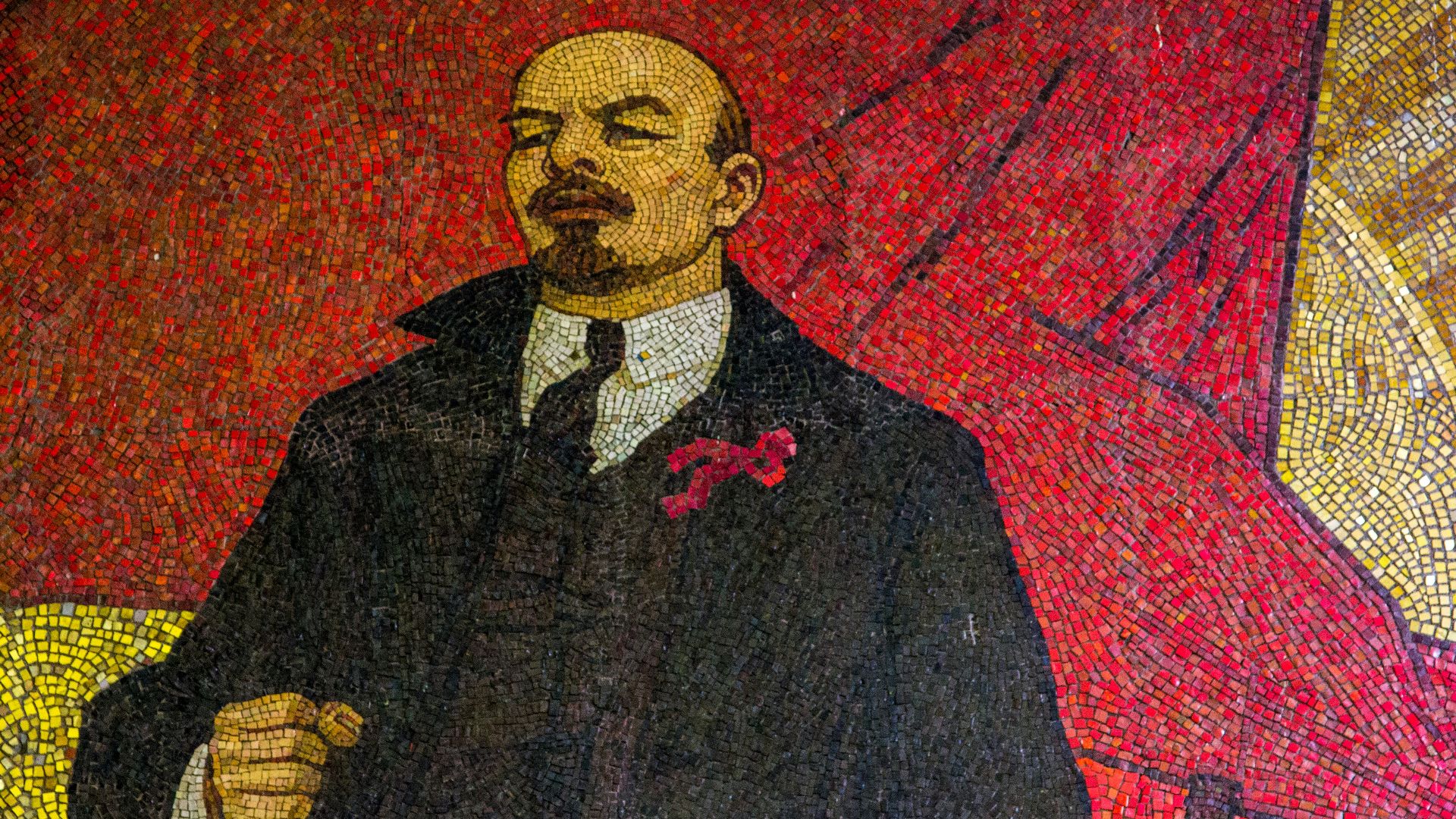
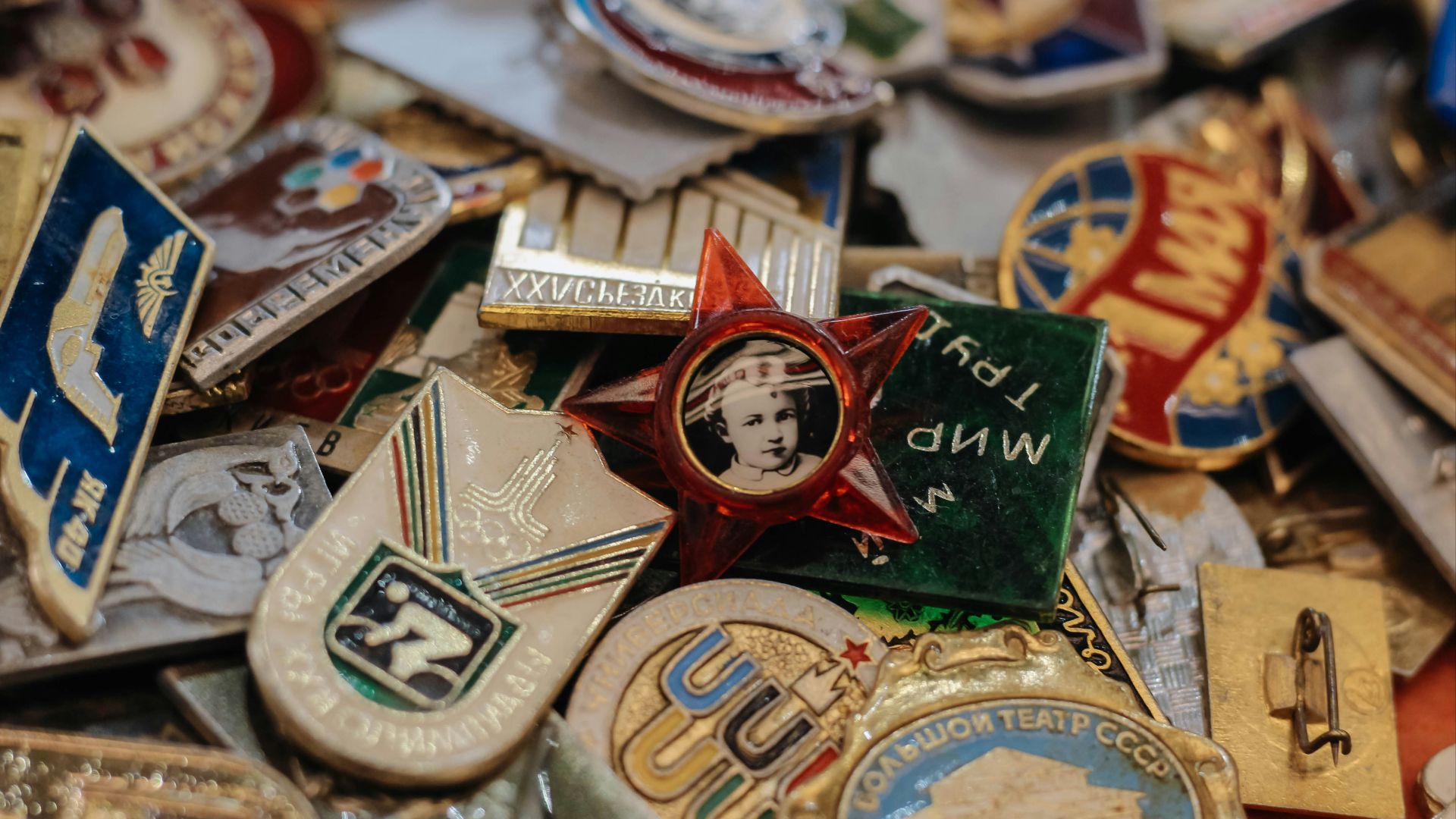
Young Soviets in the 1980s didn’t recite Lenin with conviction; they told political jokes and listened to Western rock on bootleg tapes. The Communist Party had roughly 19 million members by 1990, and almost nobody joined from genuine ideological commitment.
11. Glasnost Revealed Too Much
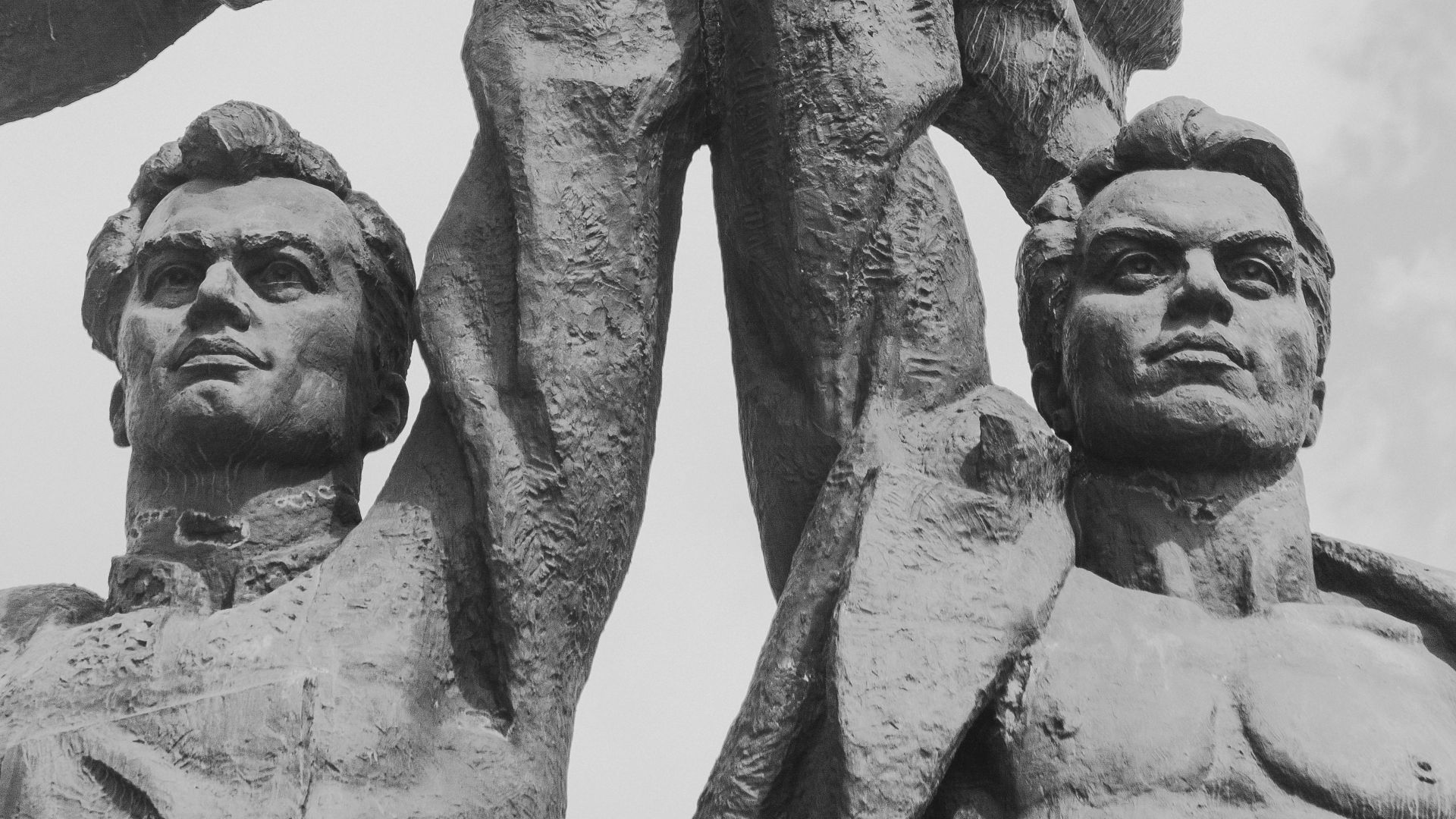
Gorbachev’s policy of openness was intended to foster constructive criticism. Instead, it unleashed decades of suppressed fury. Newspapers published accounts of Stalin’s purges, the Katyn massacre, and the secret protocols of the Molotov–Ribbentrop Pact. Every revelation further undermined the party’s legitimacy.
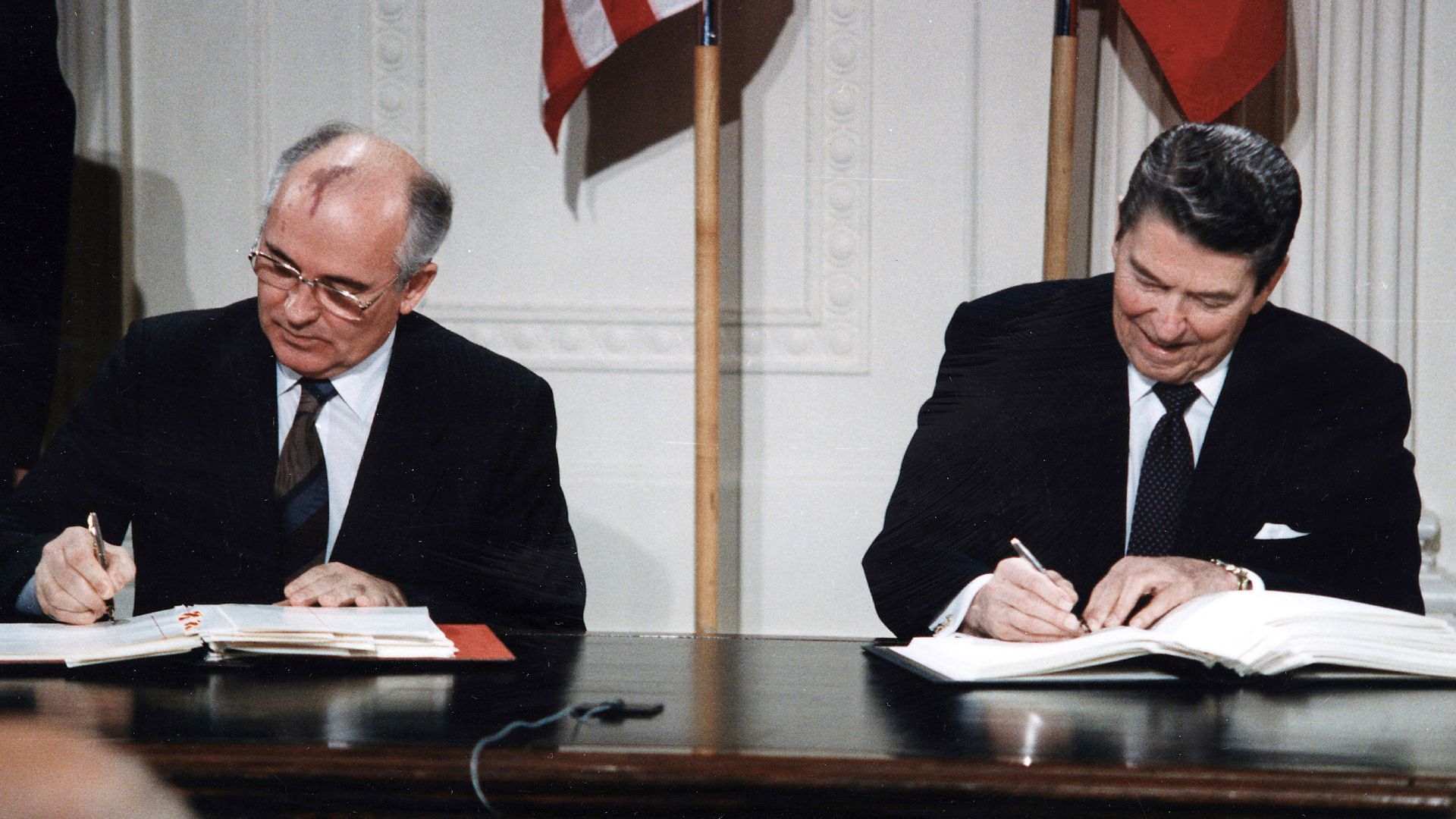 White House Photographic Office on Wikimedia
12. Environmental Destruction Was Catastrophic
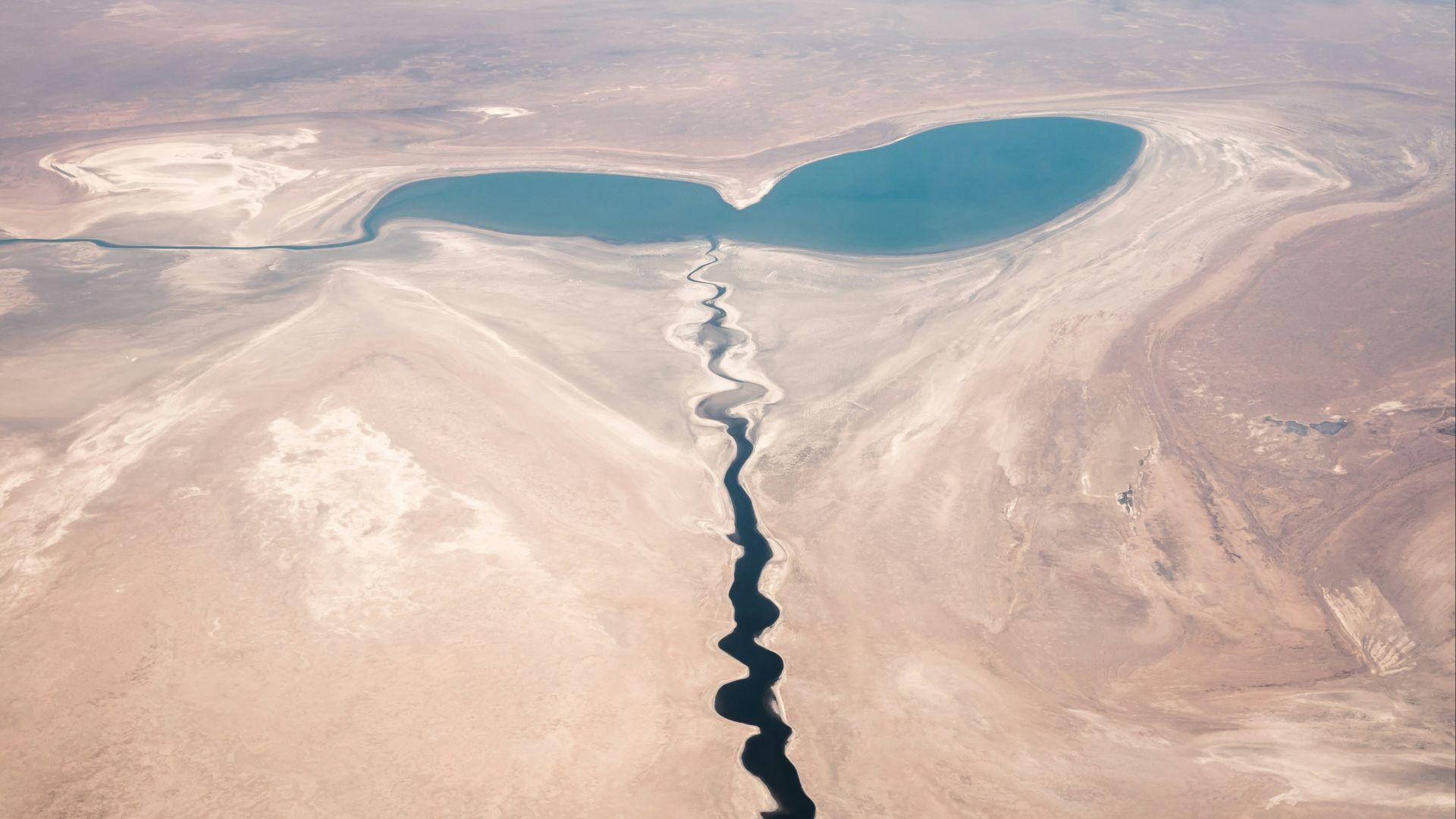
The Aral Sea shrank to a fraction of its size due to irrigation mismanagement. Industrial pollution made entire cities nearly unlivable. In some areas, life expectancy actually declined.
13. Consumer Goods Were Miserable
Soviet citizens waited years for apartments, cars, and appliances. When products arrived, they were shoddily made. Western television and radio penetrated the Iron Curtain enough that people knew they were living poorly compared to the West.
14. The Brain Drain Accelerated
When restrictions eased, scientists, engineers, and intellectuals left in the millions. The country was losing the exact people needed to fix its problems. Jewish emigration to Israel and the US took mathematicians, physicists, and doctors.
15. Republics Wanted Out
Lithuania declared independence in March 1990. Latvia and Estonia followed. When Moscow didn’t immediately crush these movements with tanks, it signaled weakness. Georgia, Armenia, and Ukraine saw the door opening.
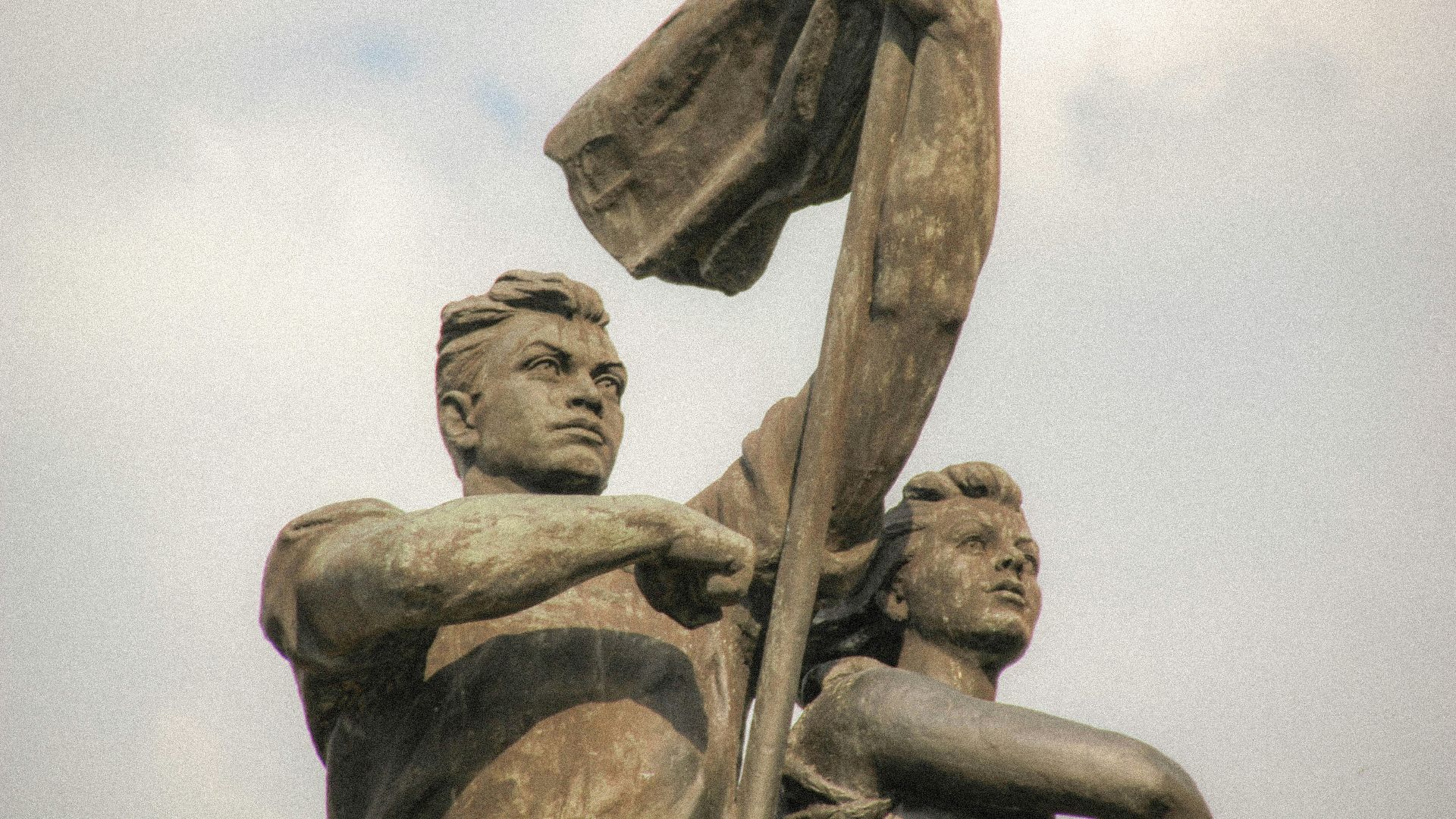
16. Economic Reforms Failed
Gorbachev attempted to introduce capitalist market elements without abandoning socialism. Cooperative businesses emerged, creating a strange hybrid economy that functioned poorly. Half-measures don’t work when the system itself is broken.
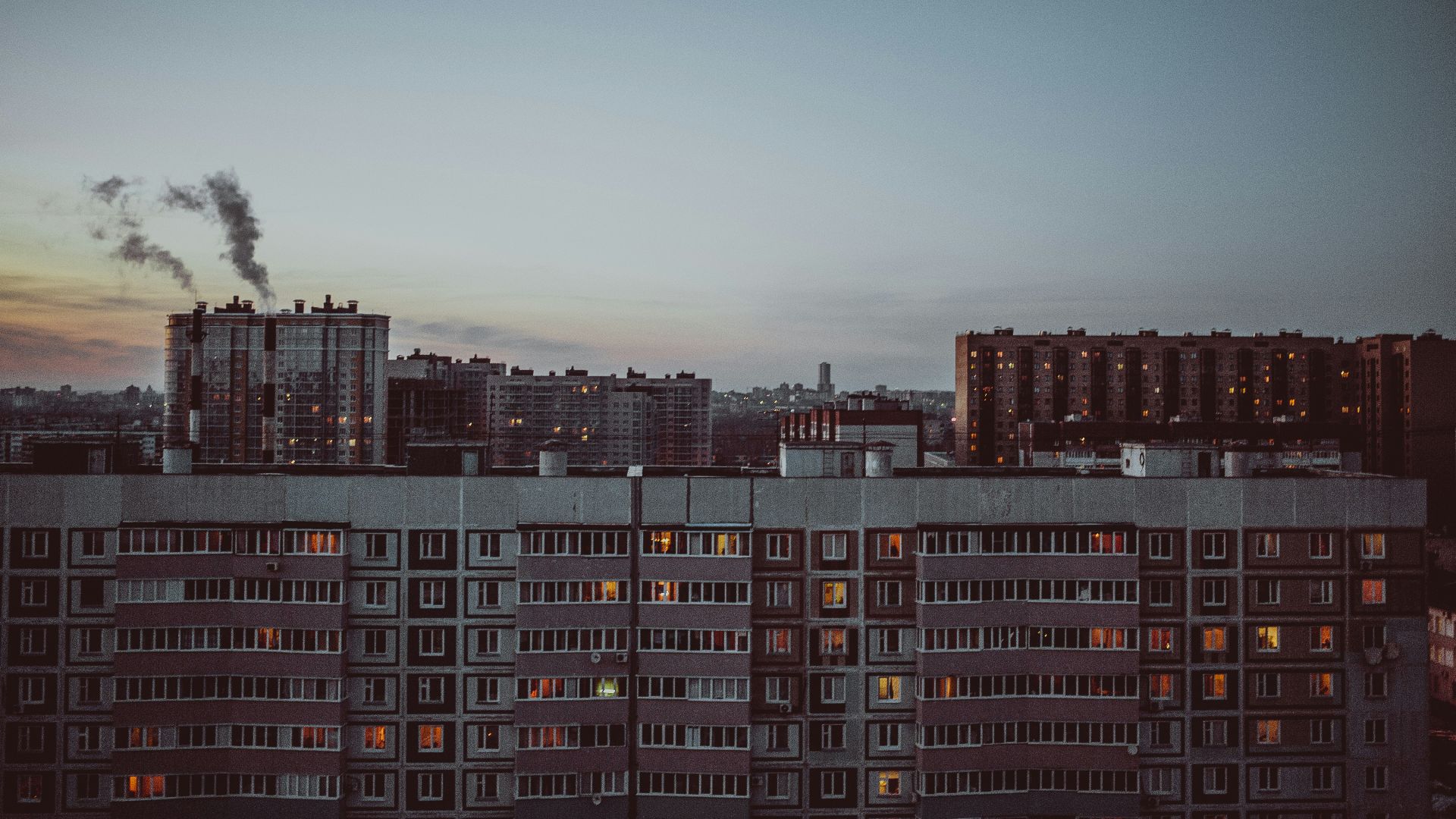
17. Party Bureaucracy Resisted Change
The party elite who controlled appointments and resources had everything to lose from reform. They sabotaged, delayed, and undermined Gorbachev’s initiatives at every turn. These weren’t ideologues; they were protecting the privileges they had accumulated over decades.
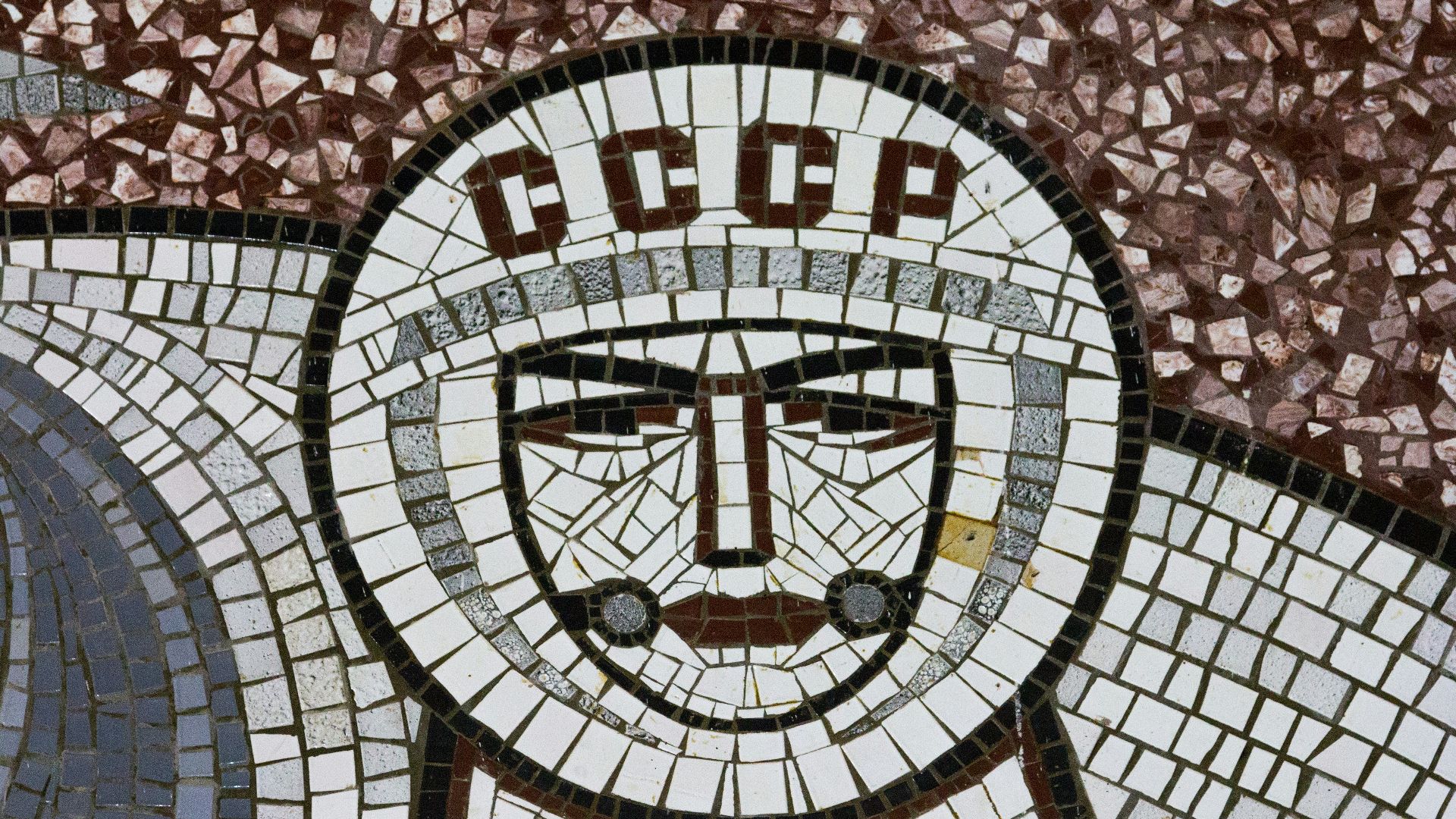
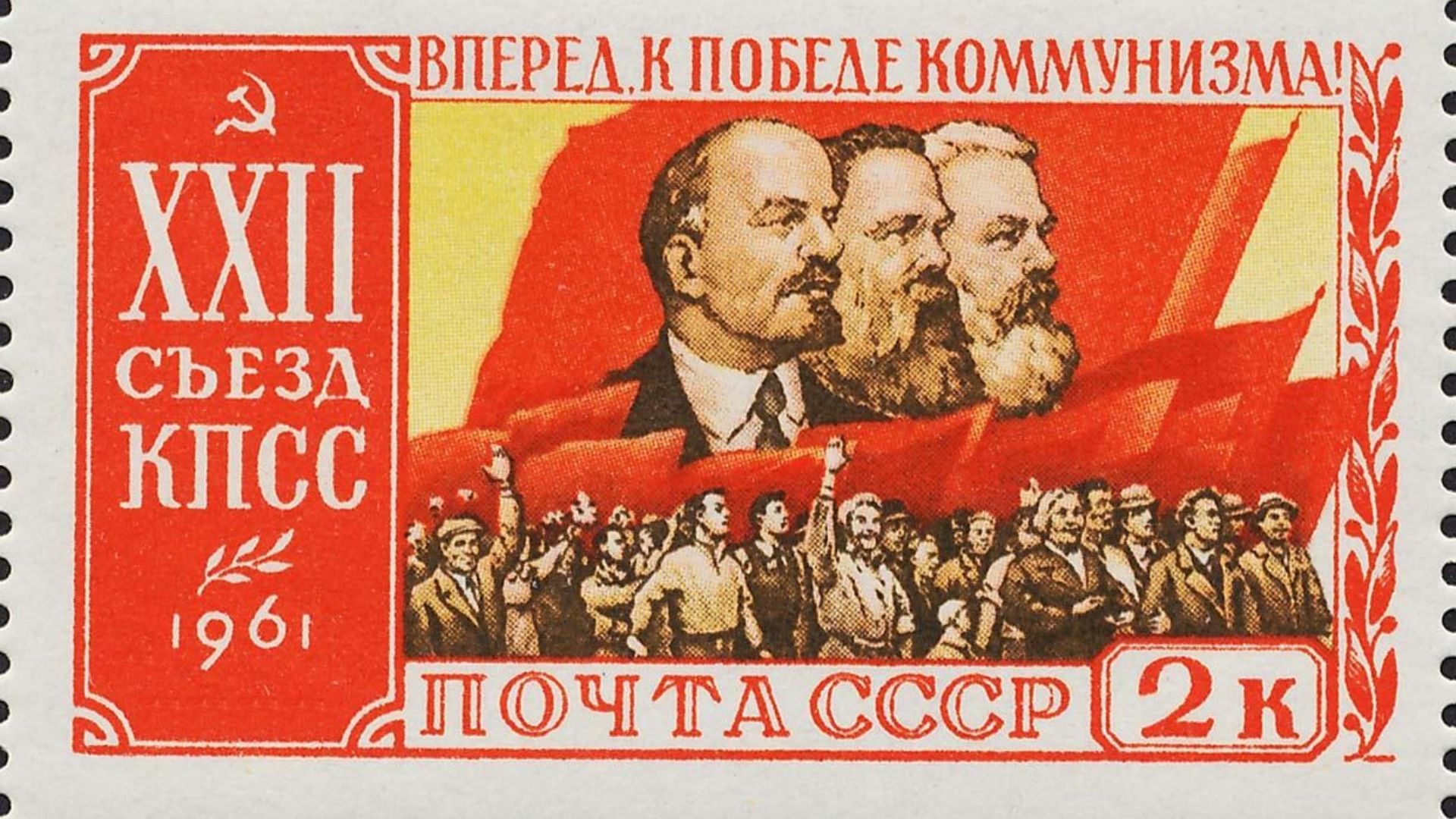 Post of the Soviet Union (V. V. Zavialov, V. Pimenov). on Wikimedia
18. Nationalist Movements Gained Strength
Populist movements emerged across the USSR demanding autonomy, cultural rights, and eventually independence. Millions participated in protests. When that many citizens openly defy Moscow, authority is already gone.
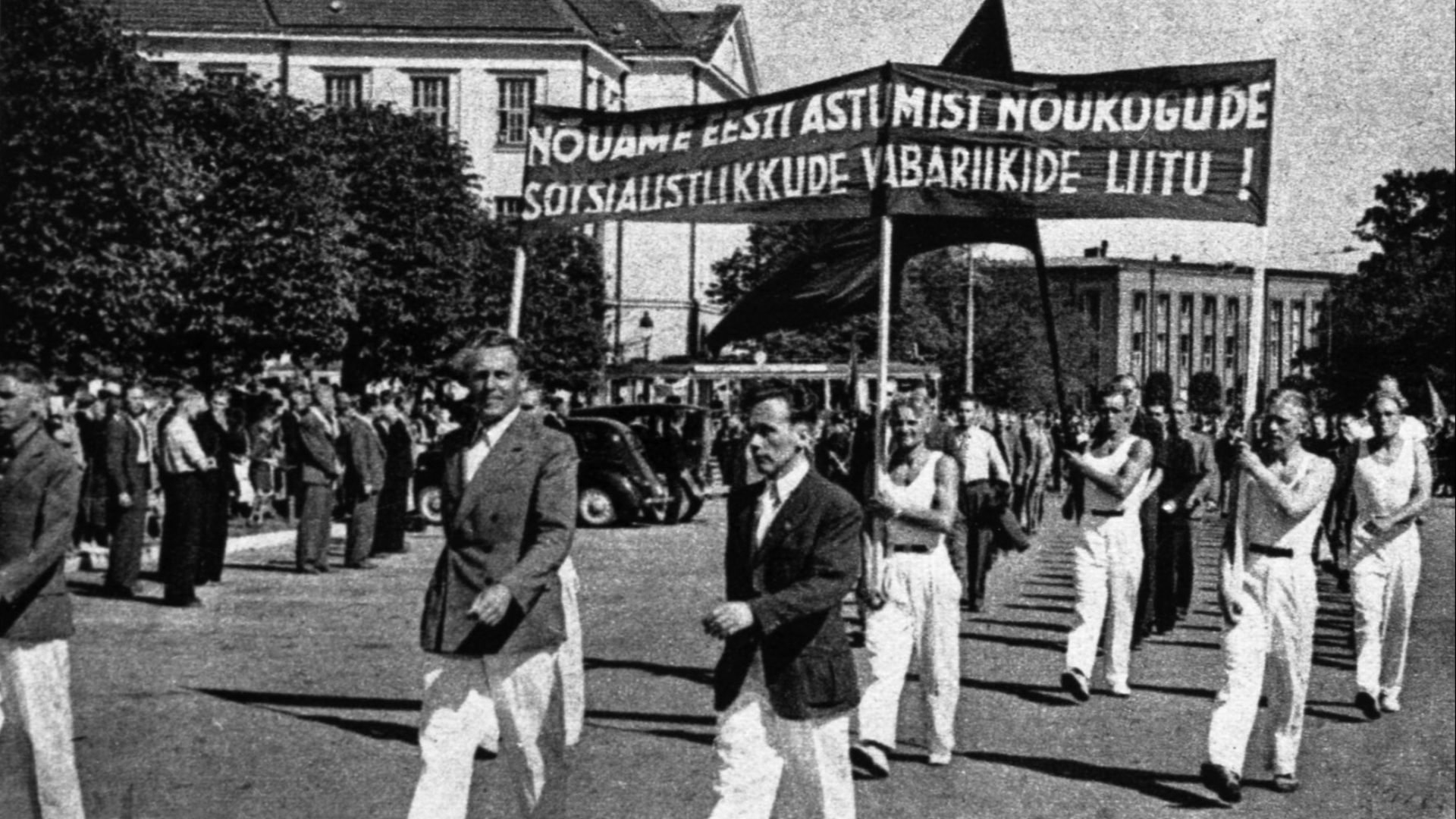 Unknown authorUnknown author on Wikimedia
19. The August Coup Backfired Spectacularly
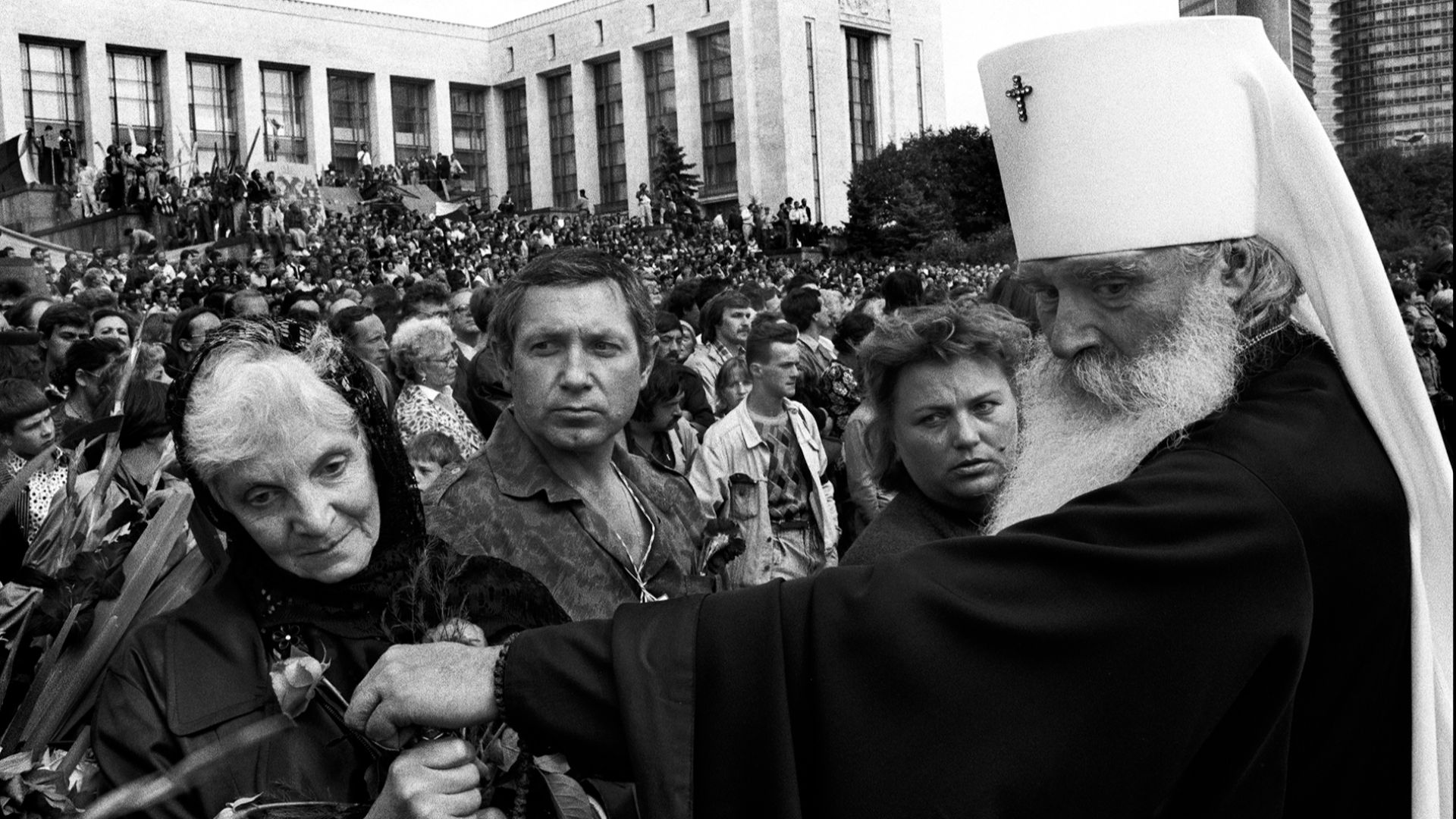
Hardliners attempted to overthrow Gorbachev in August 1991, believing they could restore order. Instead, they accelerated collapse. The coup failed within three days, destroying whatever legitimacy the Soviet government retained.
 LibertySU / Oleg Klimov on Wikimedia
20. Nobody Defended It
When the end came, the true believers in communism remained quiet. The KGB didn’t crack down on dissidents. The military didn’t intervene. Workers didn’t strike in support of the union. The Communist Party that claimed to represent the proletariat discovered the proletariat wanted nothing to do with them.
KEEP ON READING
The 20 Most Recognized Historical Figures Of All Time
The Biggest Names In History. Although the Earth has been…
By Cathy Liu Oct 4, 2024
10 of the Shortest Wars in History & 10 of…
Wars: Longest and Shortest. Throughout history, wars have varied dramatically…
By Emilie Richardson-Dupuis Oct 7, 2024
10 Fascinating Facts About Ancient Greece You Can Appreciate &…
Once Upon A Time Lived Some Ancient Weirdos.... Greece is…
By Megan Wickens Oct 7, 2024
20 Lesser-Known Facts About Christopher Columbus You Don't Learn In…
In 1492, He Sailed The Ocean Blue. Christopher Columbus is…
By Emilie Richardson-Dupuis Oct 9, 2024
20 Historical Landmarks That Have The Craziest Conspiracy Theories
Unsolved Mysteries Of Ancient Places . When there's not enough evidence…
By Megan Wickens Oct 9, 2024
The 20 Craziest Inventions & Discoveries Made During Ancient Times
Crazy Ancient Inventions . While we're busy making big advancements in…
By Cathy Liu Oct 9, 2024