20 Shakespearean Words, Translated For A Modern Audience
What’s In A Word?
Shakespeare was a wordsmith of the highest degree, often putting dirty jokes into phrases that only the most educated of us could truly understand. However, the old English dictionary is a maze of definitions that requires careful understanding. While we usually get some slight understanding from our high school courses, we’ve compiled this list to help you get just a little more understanding of the Bard’s storytelling methods.
1. Abate
Today, abate is a term that means a lowering of intensity from something hostile, threatening, or negative. Shakespeare used the word to mean deprive, strip, dispossess, as well as lessen, lower, or diminish. Other definitions for the word included blunt, bar, put an end to, or set aside.
2. Zany
Zany is a word that usually describes something unconventional—synonymous with eccentric, bizarre, weird, odd, quirky, or peculiar. Historically, the word zany meant a stooge, a clown’s assistant, or a mimic.
3. Back
In modern terms, back usually refers to the part of our bodies, as a term of support, or to describe something towards the rear. Old English did use it to mean support or help, but it was also used to mean through and through, ride, mount, or sit on.

4. Yeoman
Another outdated term we don’t see too much anymore. Yeoman was a derogatory term for a commoner, but was also used to mean a land-holding man who was not a gentleman. Yeoman also meant keeper of the wardrobe, or to mean good and faithful service.

5. Canker
We often use the word canker to mean a mouth sore in some capacity, but the word wasn’t used for such in Old English— although it did share some similarities. Canker often meant parasite, cancer, ulcer, corruption, decay, or grub.

6. Daub
Daub is a word we hardly see today. It’s often used as a verb in Old English, meaning to smear, defile, fake, pass off, or pretend. The word daubery (or daubry), a noun, also means trickery, pretence, or deceit.

7. Wanton
Today, wanton has two usual meanings: cruel or violent action done unprovoked, or an individual who has several…intimate relationships. Shakespeare also used the word to describe something as uncontrolled, unrestrained, or naughty, but also to mean carefree, light-hearted, playful, or child-like.

8. Eightpenny
Aside from the overall lack of pennies we currently see in the world, an eightpenny is most often used to describe a type of nail. In Old English, eightpenny was used to mean trivial, negligible, or insignificant.

9. Voluble
This word was used in three different forms throughout Shakespeare’s works. In one play, it meant changeable, inconstant, or mutable; in another, it could mean glib, facile, persuasive, and in another, fluent, eloquent, or articulate.

10. Fadge
Fadge isn’t a popular word today, but it is most commonly used to describe a traditional Irish potato bread, or it means an “irregular package of wool” in Australia. However, the word was often used to mean turn out, end up, come off, succeed, or be suitable.

11. Ungartered
Not often used today, due to an overwhelming lack of garters being worn, Shakespearean English used it in a few different ways. Yes, it meant one not wearing a garter, or untied, but it was also used to describe one who is lovesick.

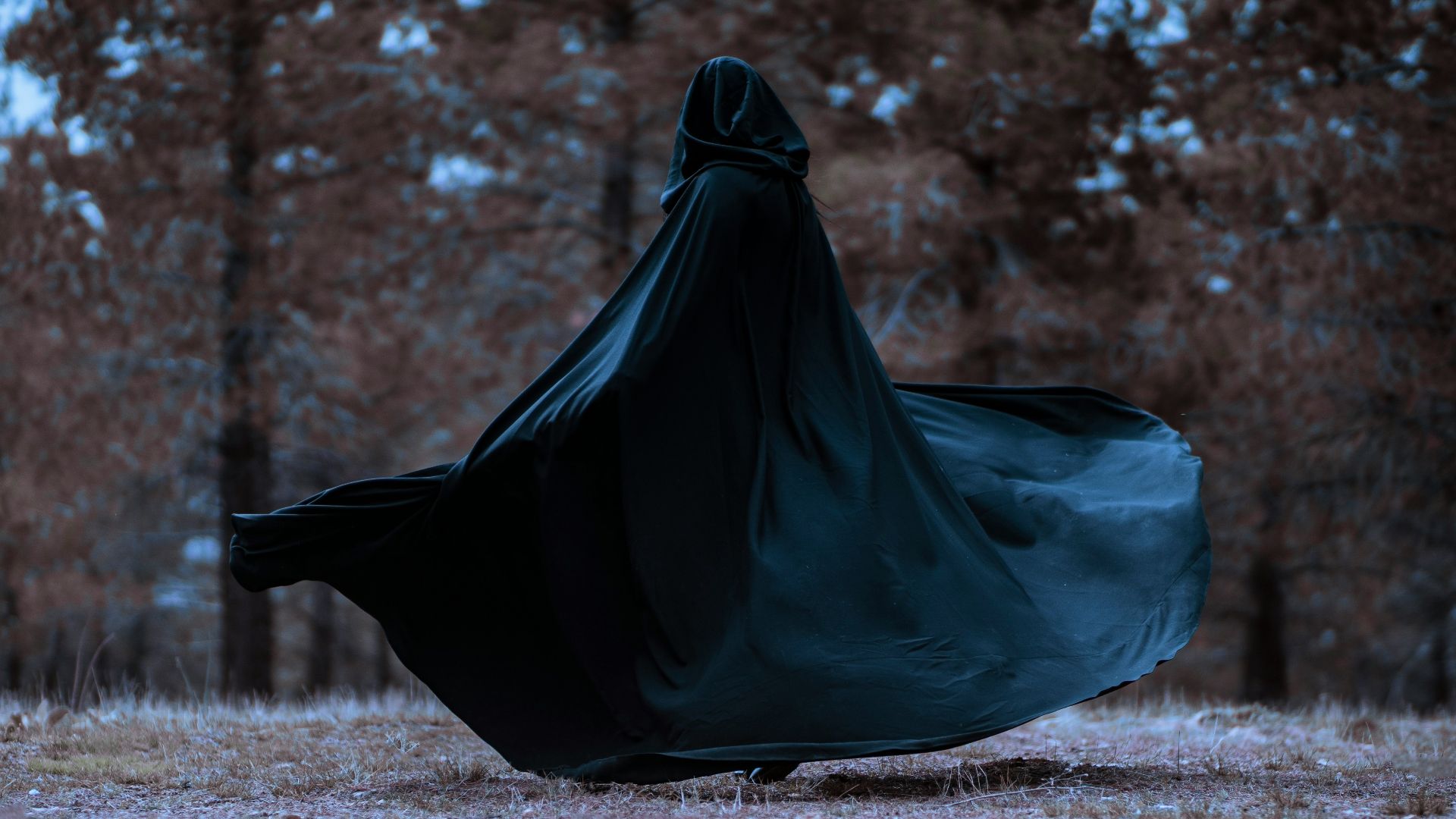
12. Gaberdine
Gaberdine is one of the few words on this list that you’ve probably never heard of before, unless you majored in English or fashion. The word describes a cloak, cape, or generally loose upper garment. The word gabardine is still used to describe a type of wool today.
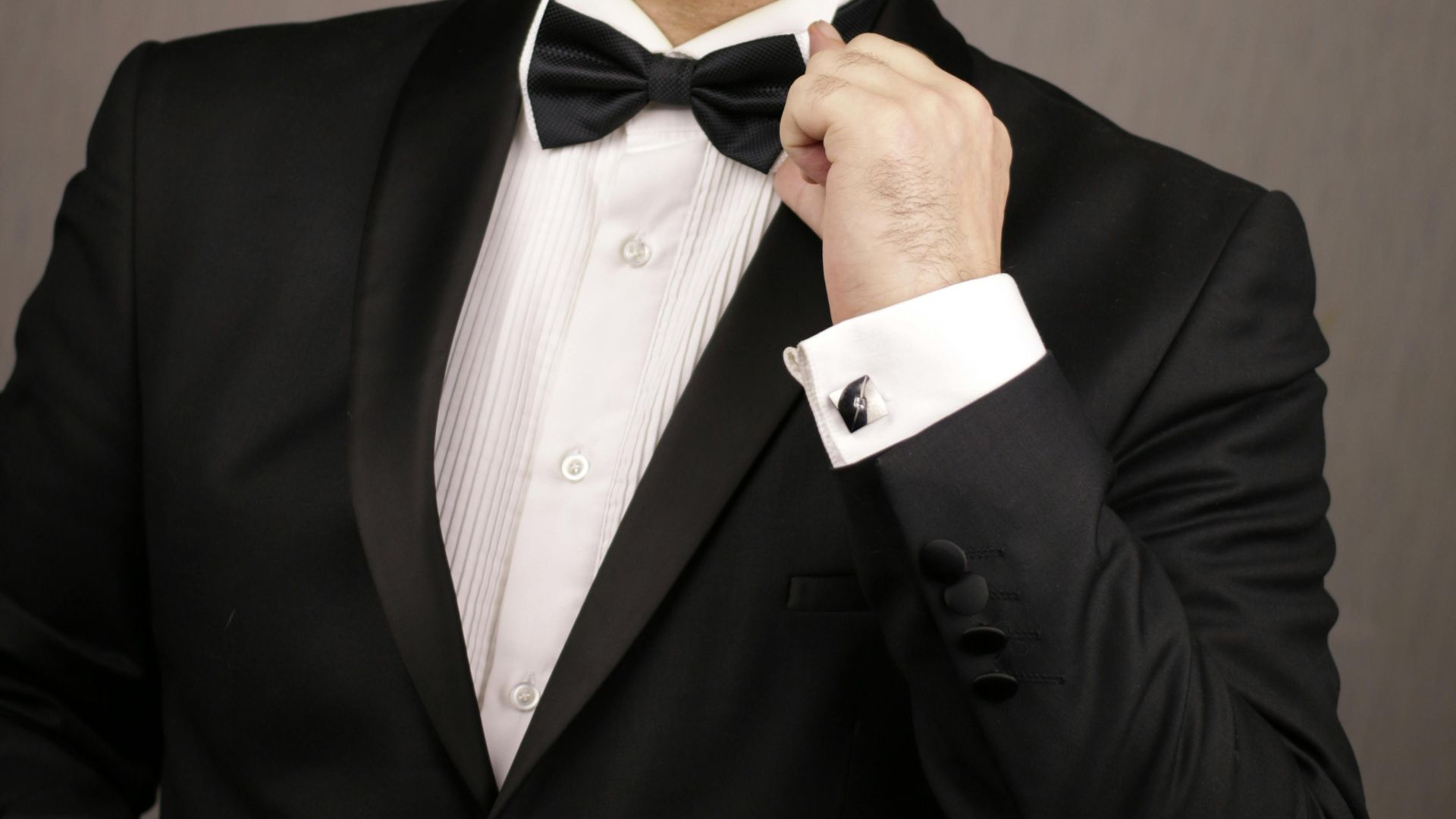
13. Taffety
Taffety is an old spelling of the word taffeta, which usually describes a woven fabric made of silk, nylon, or polyester. The word comes from Persia, meaning to “twist or spin.” In Shakespeare’s lingo, taffety meant to be finely dressed, overdressed, or otherwise showy.
 Антон Леонардович Варфоломеев on Pexels
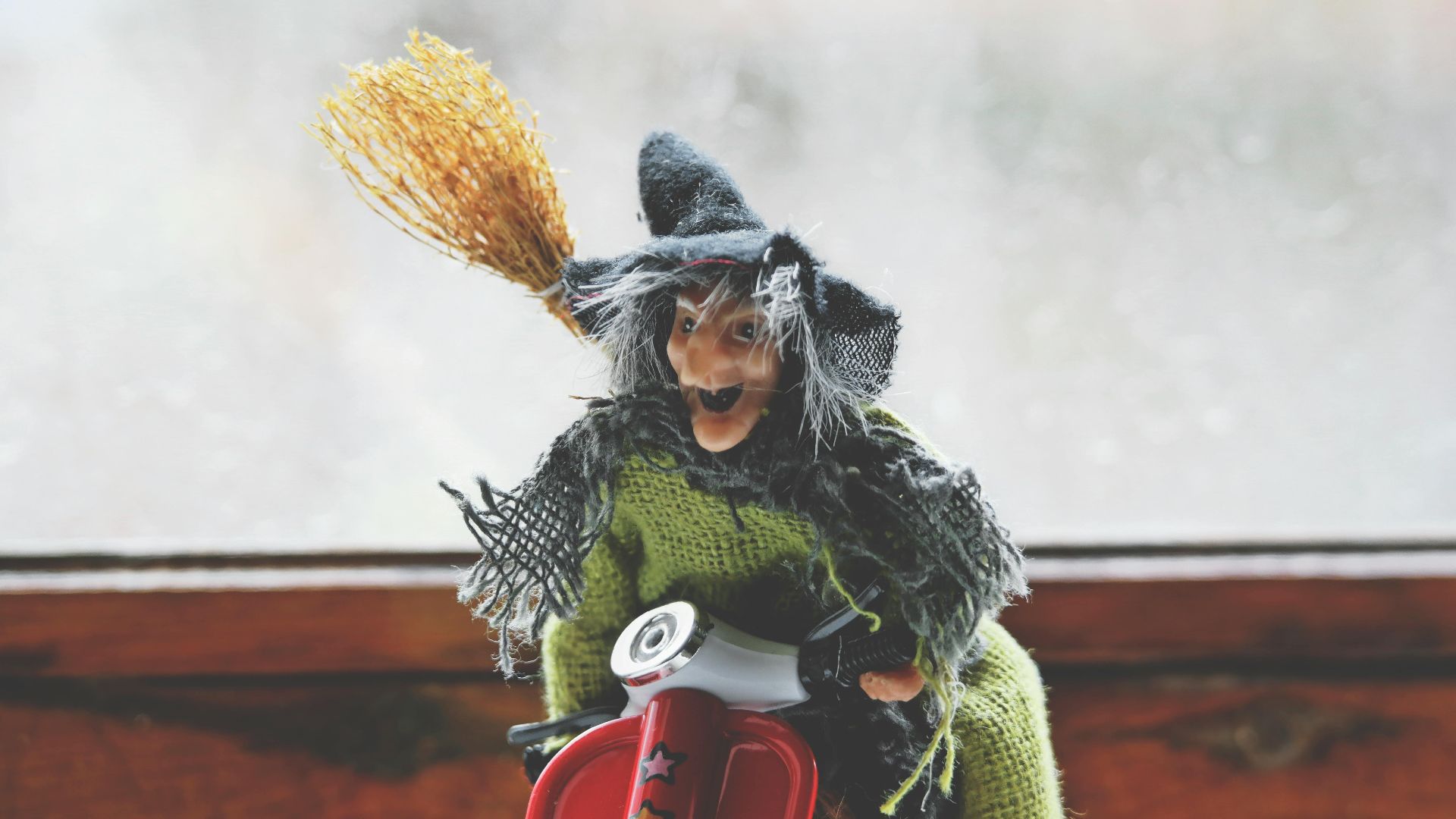
14. Hag
The word hag is often a derogatory term to describe an old woman, used especially to describe a mean-spirited one. The term was derogatory back in the day as well, often used to mean a witch, sorceress, malicious sprite, or wicked fairy.
 revac film's&photography on Pexels
15. Scotch
Aside from its associations with a certain liquor, scotch also means “to put an end to” or to “wedge somewhere.” Old English, however, used scotch to describe a cut, gash, slash, or wound. This comes from the phrase to “scotch a rumor,” meaning essentially to stop something from developing further.
 Priscilla Du Preez 🇨🇦 on Unsplash
16. Innocent
The word innocent today usually means not guilty or responsible, but still facing the consequences of a situation that has occurred. Old English used the word a little differently, however, often meaning silly, foolish, or as a kinder word for simpleton.

17. Reverted
Today, reverted means to return to, reply, or respond. Shakespearean English used the term a little differently, often meaning revolted, in rebellion, or mutinied. The word comes from a Latin term that means to “turn back,” but also has roots in the Old French word “revertir,” which originally meant to regain consciousness.
18. Madonna
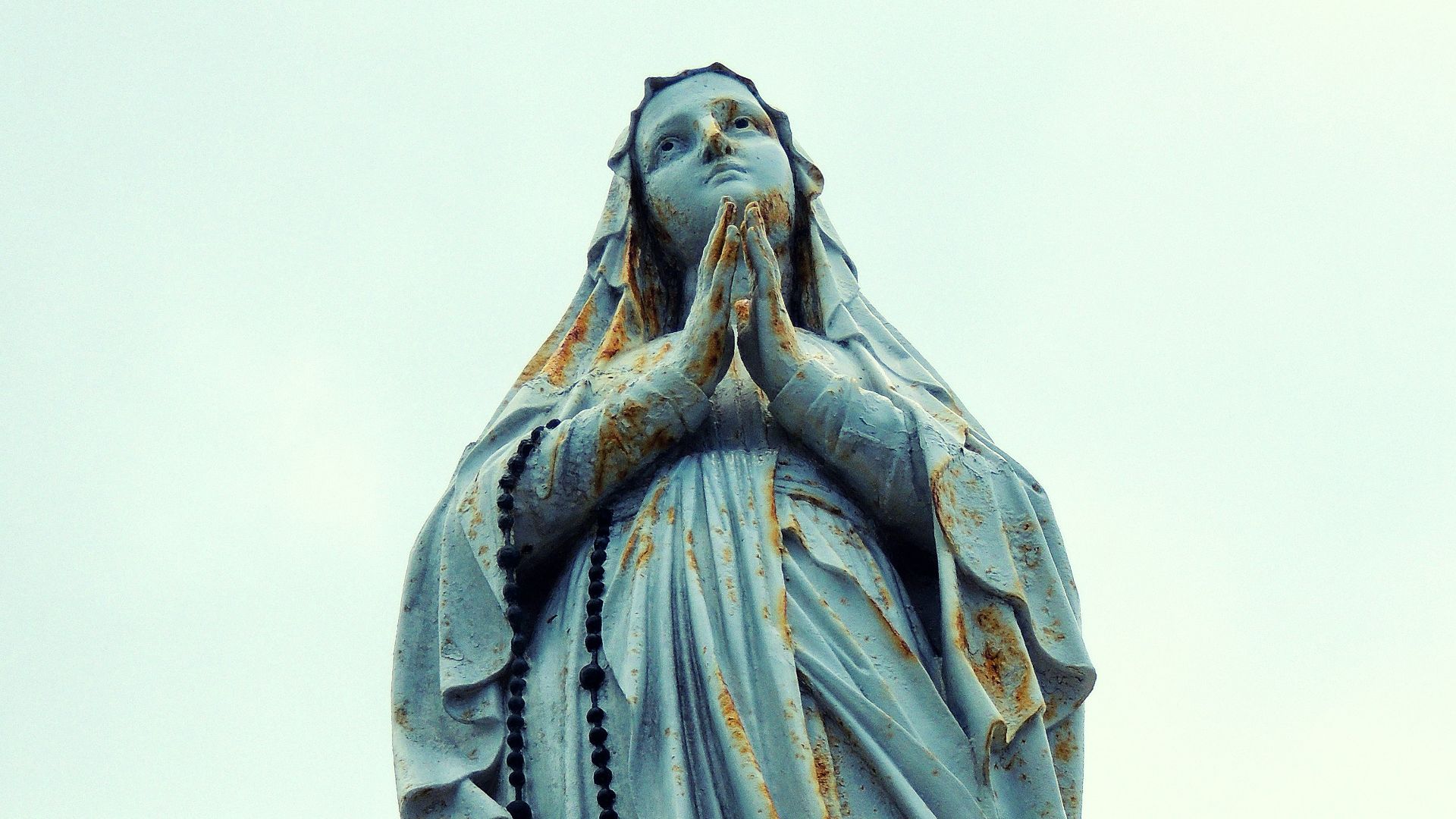
Sadly, the pop icon didn’t exist in Shakespearean times, although the bard would’ve probably adored her. The word madonna (or madona) meant “my lady” or “madam” in Old English. Aside from the queen of pop, a more modern definition of Madonna usually means “the Virgin Mary.”
19. Paint
While paint today most often means to apply a colored substance over a surface, it could also mean how to depict someone. In Shakespearean terms, the word paint could mean any of the following: adorn, beautify, enhance, display, or portray.
20. Nephew
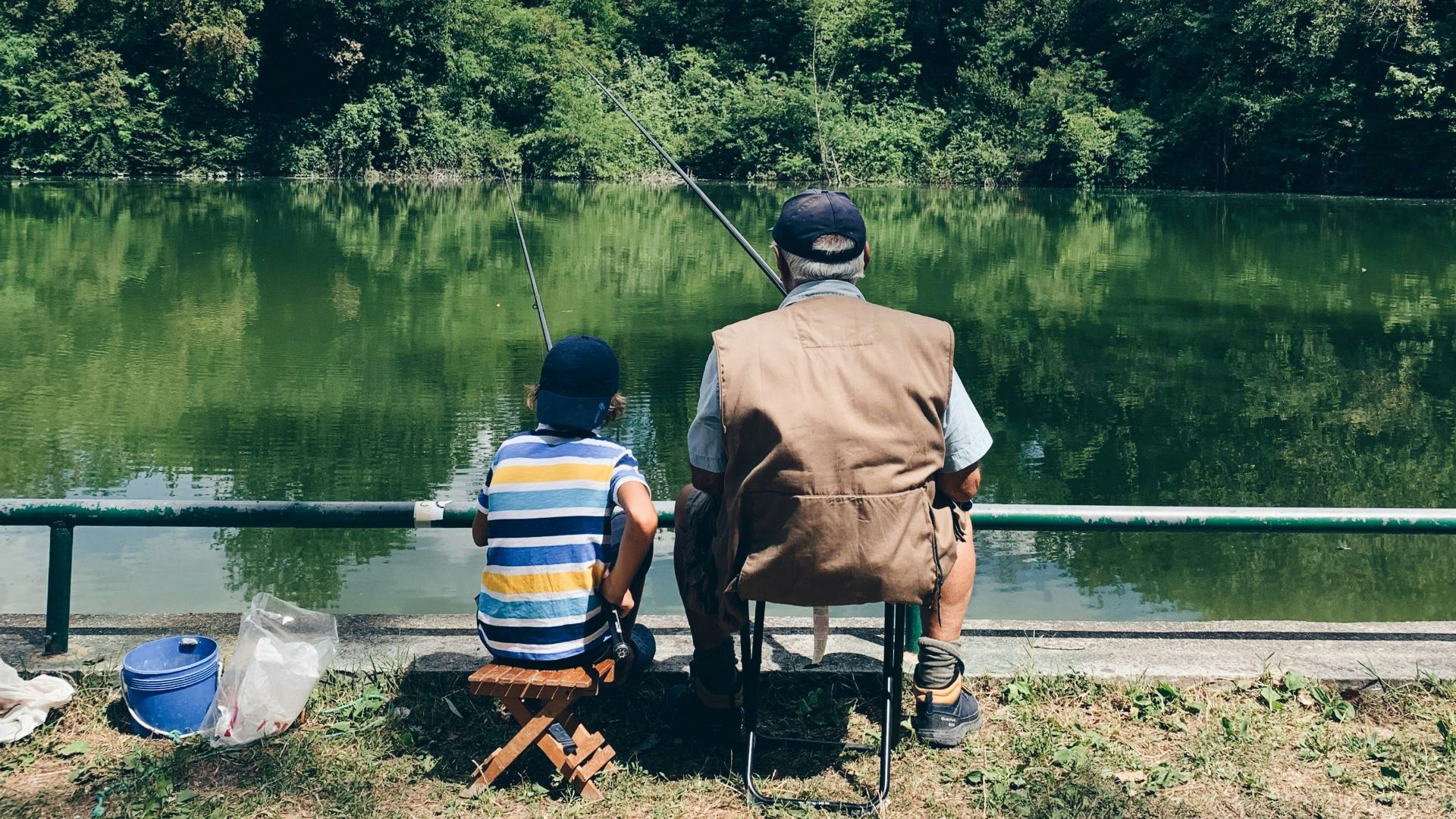
Today, nephew means the son of one’s sibling. However, old English speakers used the word nephew to mean cousin as well as grandson. The modern word nephew comes from the Middle English word neve, and the Old English term nefa, essentially meaning male descendant.
 Federico Giampieri on Unsplash
KEEP ON READING