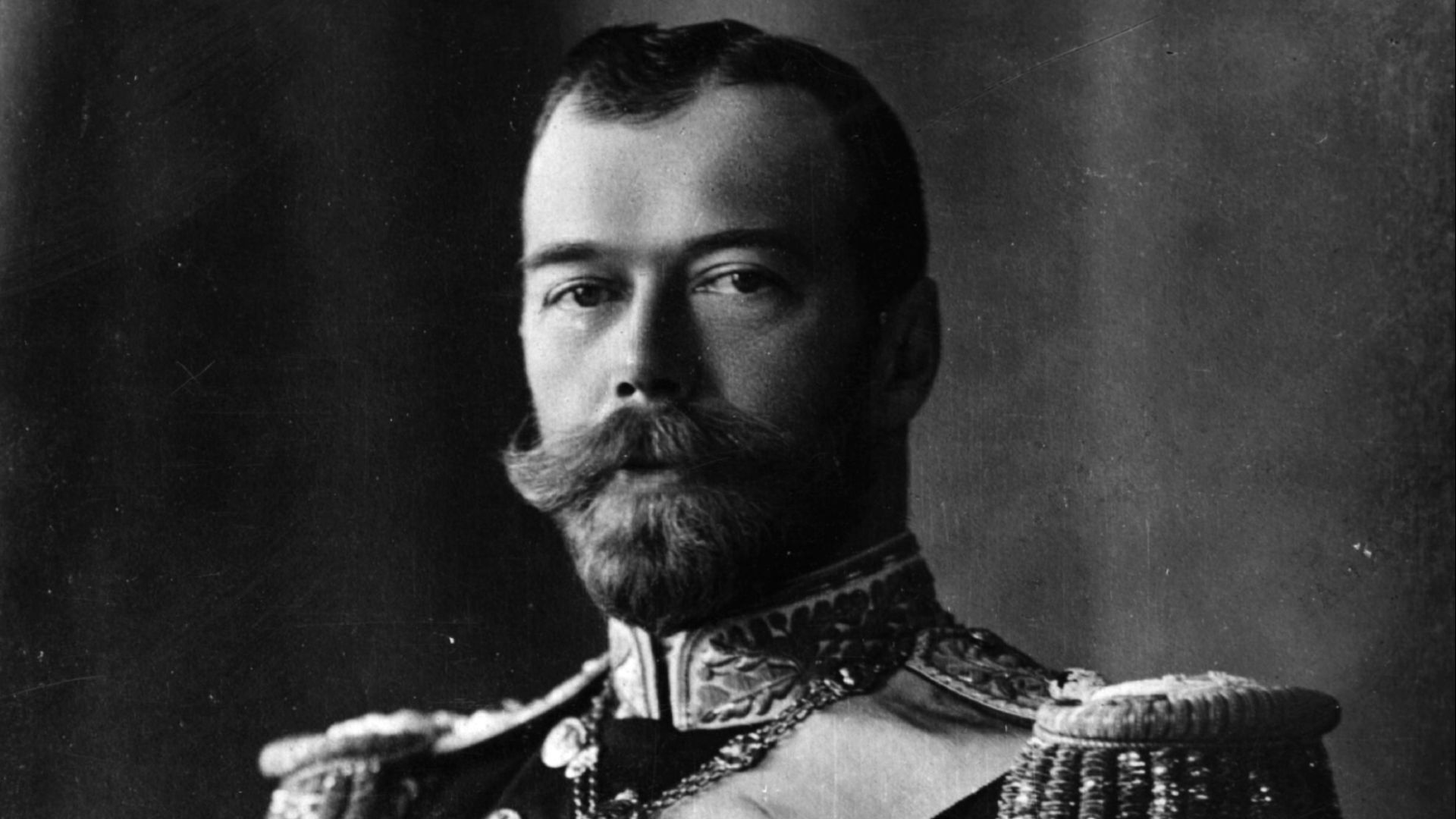
 Boissonnas & Eggler on Wikimedia
The document, titled Protocols of the Elders of Zion, arrived in Britain around 1919, carried in the luggage of Russian émigrés fleeing the Bolshevik Revolution. It claimed to be the secret minutes of Jewish leaders plotting world domination through wars, revolutions, and financial manipulation. Despite being complete fiction plagiarized from French political satire, this clumsy forgery found eager believers in postwar Britain. Within months, this bit of Tsarist propaganda was being discussed in Parliament, serialized in newspapers, and treated as genuine evidence of a vast conspiracy.
The Morning Post Gives It Credibility
The Morning Post, a respectable conservative newspaper, ran the Protocols as a series in 1920. The paper's coverage lent the forgery a veneer of legitimacy it never deserved, introducing conspiracy theories to drawing rooms and gentlemen's clubs across Britain.
Suddenly, respectable people were nodding along to fantasies about shadowy cabals controlling world events. The timing mattered. Britain was reeling from World War I's devastation, facing economic turmoil and labor unrest. People wanted explanations for why everything felt so unstable. The Protocols offered a simple answer: sinister forces were orchestrating chaos.
The Times Exposes the Fraud
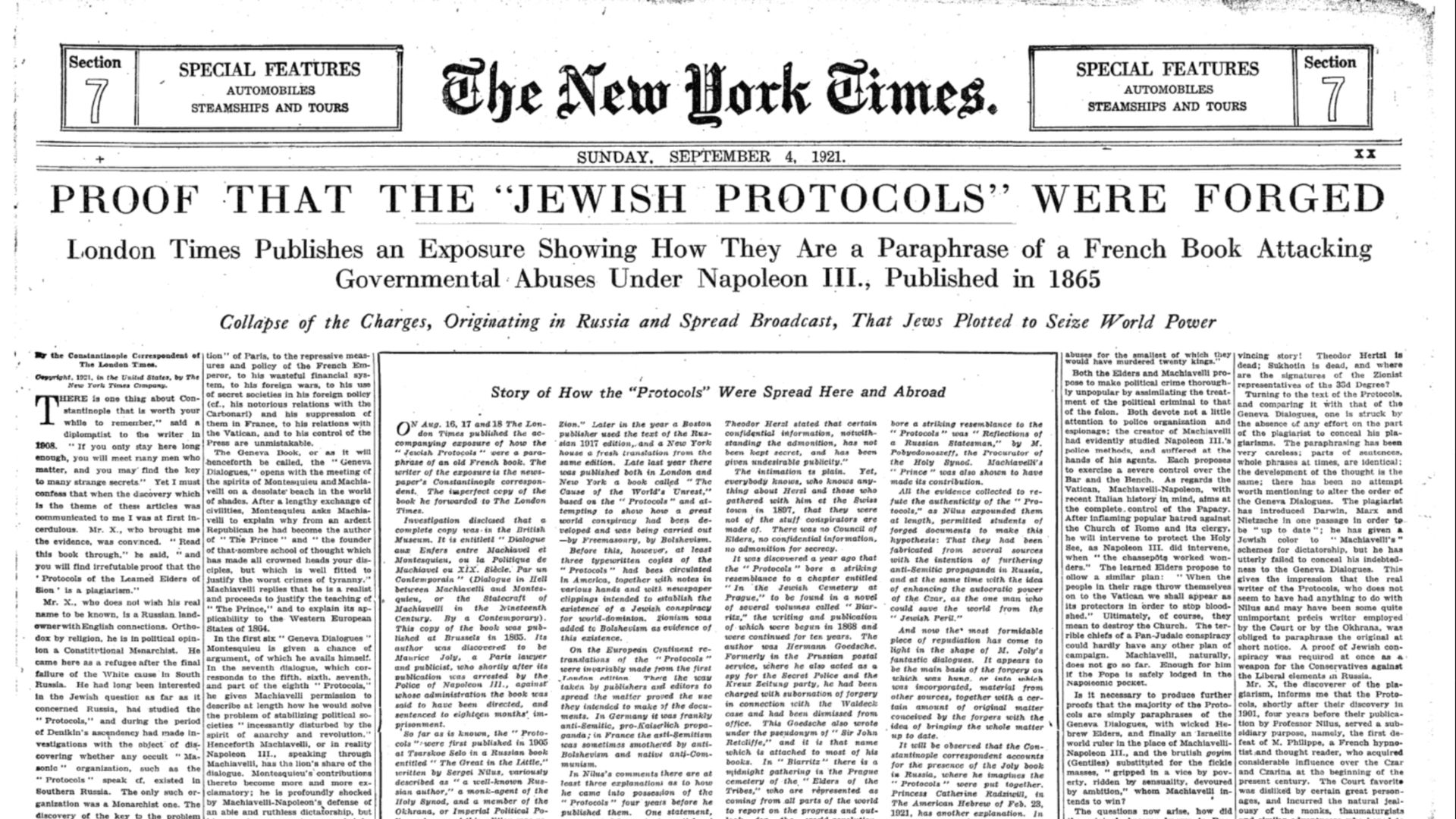 Unknown authorUnknown author on Wikimedia
Philip Graves, a correspondent for The Times, demolished the Protocols in August 1921. While working in Constantinople, he'd been shown an 1864 French book by Maurice Joly that the Protocols had plagiarized, with entire passages lifted nearly verbatim. Joly's original text satirized Napoleon III and contained zero references to Jewish people.
Graves published his findings across three articles, methodically comparing passages side by side. The evidence was overwhelming. Anyone who cared about truth could see the Protocols were fabricated. Oddly enough, many people didn't care.
Believers Kept Believing
Despite being exposed as fraud, the Protocols continued to spread. Those already convinced of these conspiracy theories simply incorporated the debunking into their worldview and convinced themselves the press was controlled.
This circular logic made the forgery nearly bulletproof against facts. The more evidence against it, the more believers felt vindicated. Some argued that even if the document itself was forged, it still accurately described real plans. Truth became optional when fear and prejudice were involved.
Parliament Took It Seriously
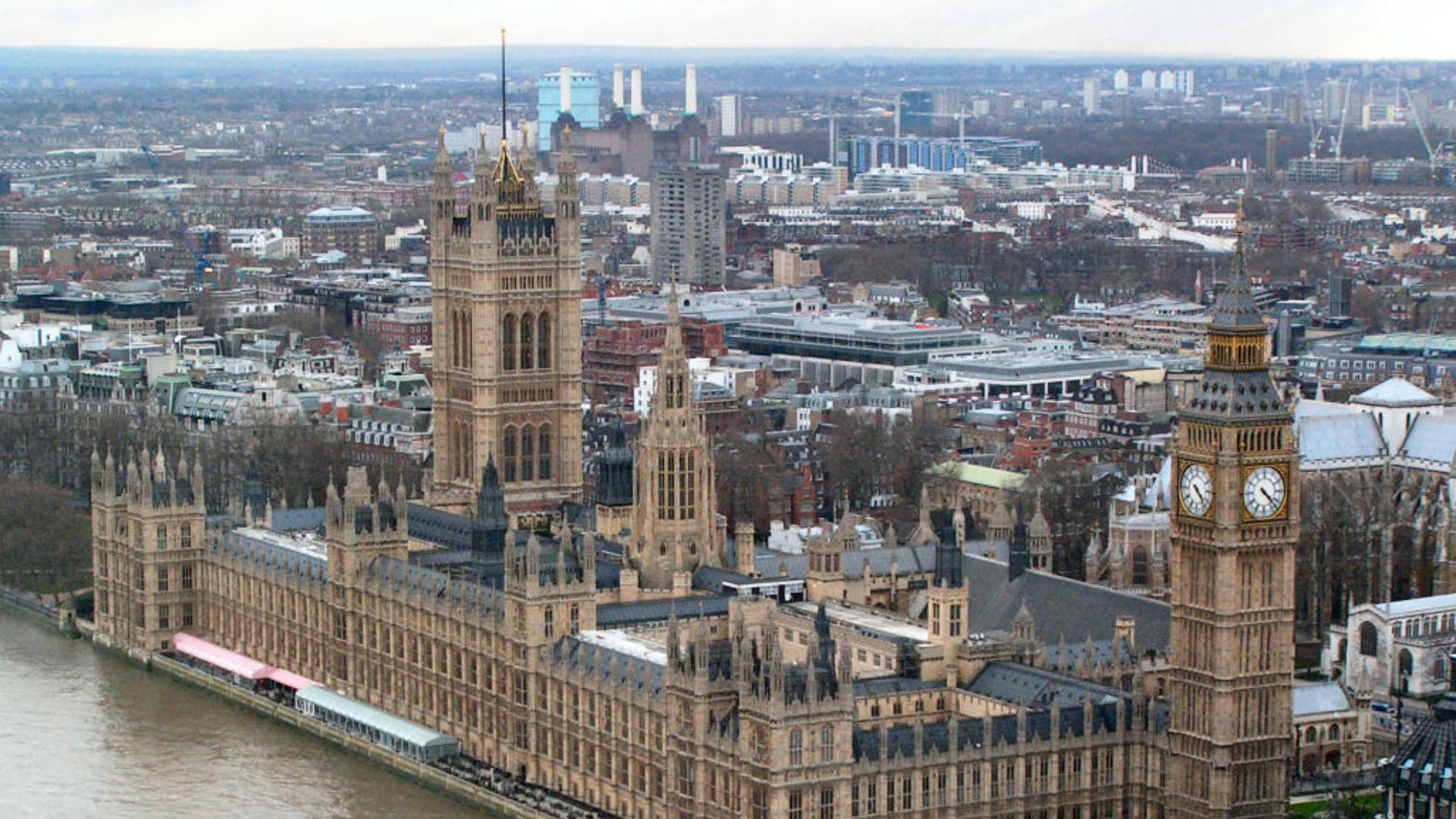
Members of Parliament referenced the Protocols in debates throughout the early 1920s, discussing it as if it might be genuine rather than a wild conspiracy theory. This official attention amplified the document's impact far beyond what fringe pamphleteers could've achieved alone.
The Protocols influenced immigration debates, with some MPs arguing against admitting certain demographics of refugees based on supposed evidence of their disloyalty. Real policy discussions were infected by transparent fiction.
The Damage Lasted Decades
The forgery's British reception established patterns that persisted long after exposure. Years later, the Protocols would be used by Nazi propagandists to justify persecution and genocide. The British intellectual community's initial willingness to entertain this obvious forgery helped legitimize it internationally. Once respectable newspapers and politicians had treated it seriously, others felt permission to do likewise. The consequences of that credulity extended far beyond 1920s Britain, rippling through the twentieth century in ways that remain visible today.
KEEP ON READING