


20 Lessons From Historical Stoics That Will Fix Your Modern Burnout
Ancient Thinkers Had the Same Modern Struggles
If you’re feeling like a fried circuit board in a world that never hits the pause button, you aren't alone. Modern life often feels like a relentless marathon where the finish line keeps moving further away, leaving people exhausted and cynical. Thankfully, the ancient Stoics dealt with their own versions of "system crashes" and left behind a roadmap for keeping your cool when everything feels like it's falling apart.
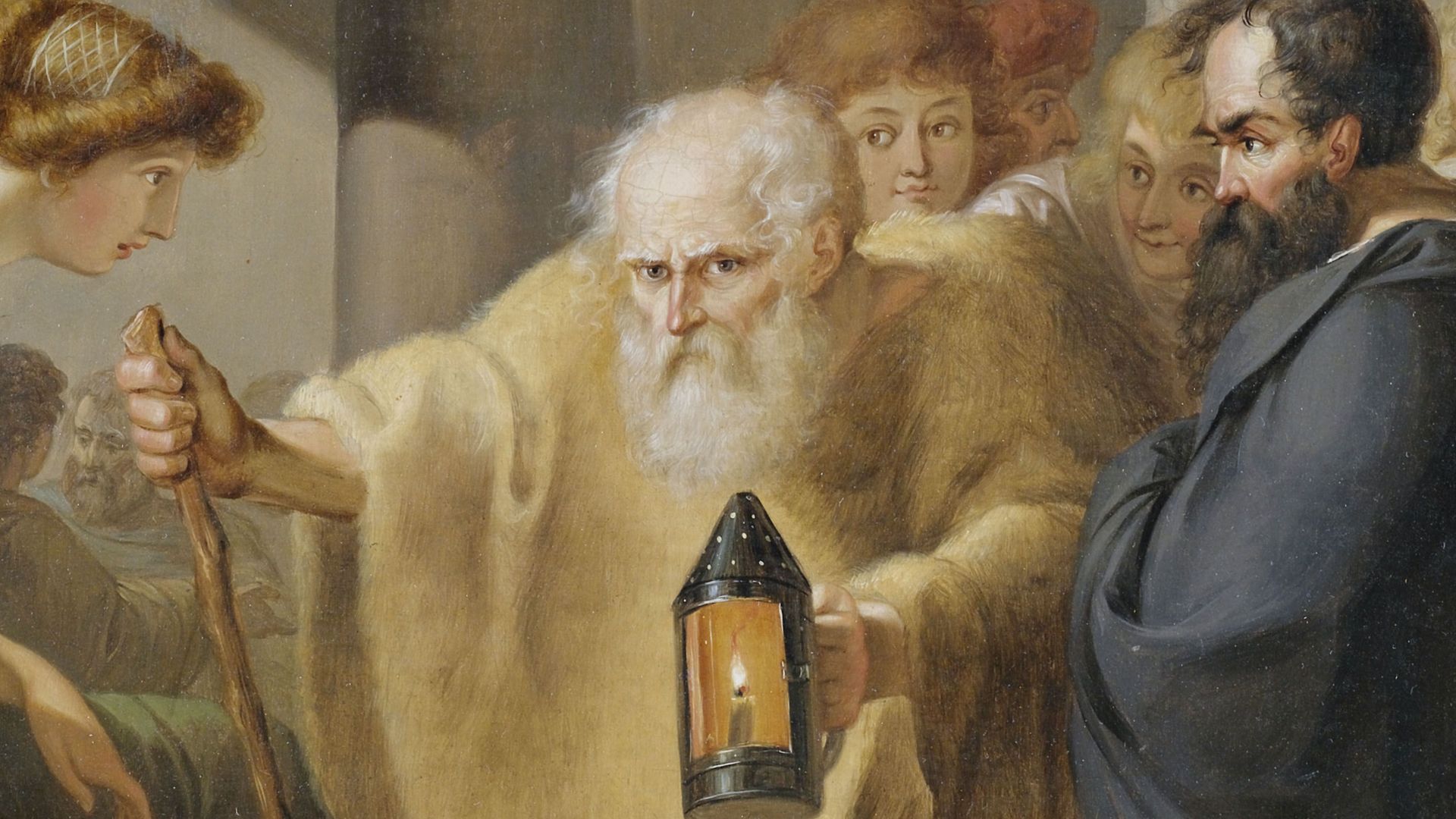 Attributed to Johann Heinrich Wilhelm Tischbein on Wikimedia
1. Zeno’s Focus on the Core
Zeno of Citium started Stoicism after losing everything in a shipwreck, which is a pretty intense way to begin a career. He taught that you should focus exclusively on what is within your direct control rather than sobbing over spilled cargo. When your inbox is overflowing and the Wi-Fi fails, remember that your only real job is to manage your own reaction to the mess.
 Unknown authorUnknown author on Wikimedia
2. Cleanthes and the Power of Persistence
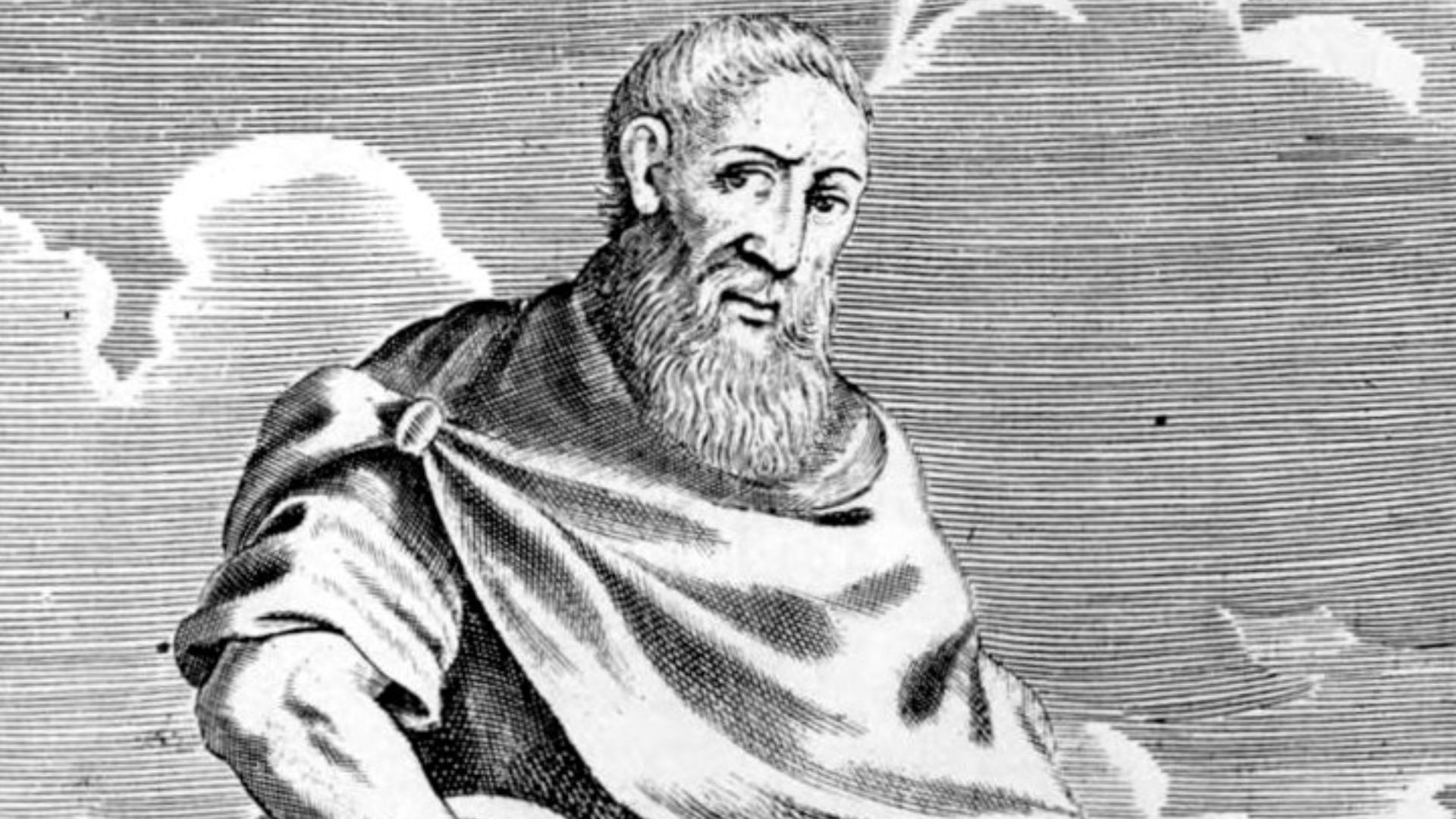
Cleanthes was a philosopher who previously worked night shifts as a water carrier to afford food during the day. While you’re not living in ancient Greece, the lesson remains that your mental and spiritual health doesn’t need to suffer when life is busy. You can find meaning in any work by allowing it to fuel your greater pursuits.
3. Aristo’s Rejection of the Unnecessary
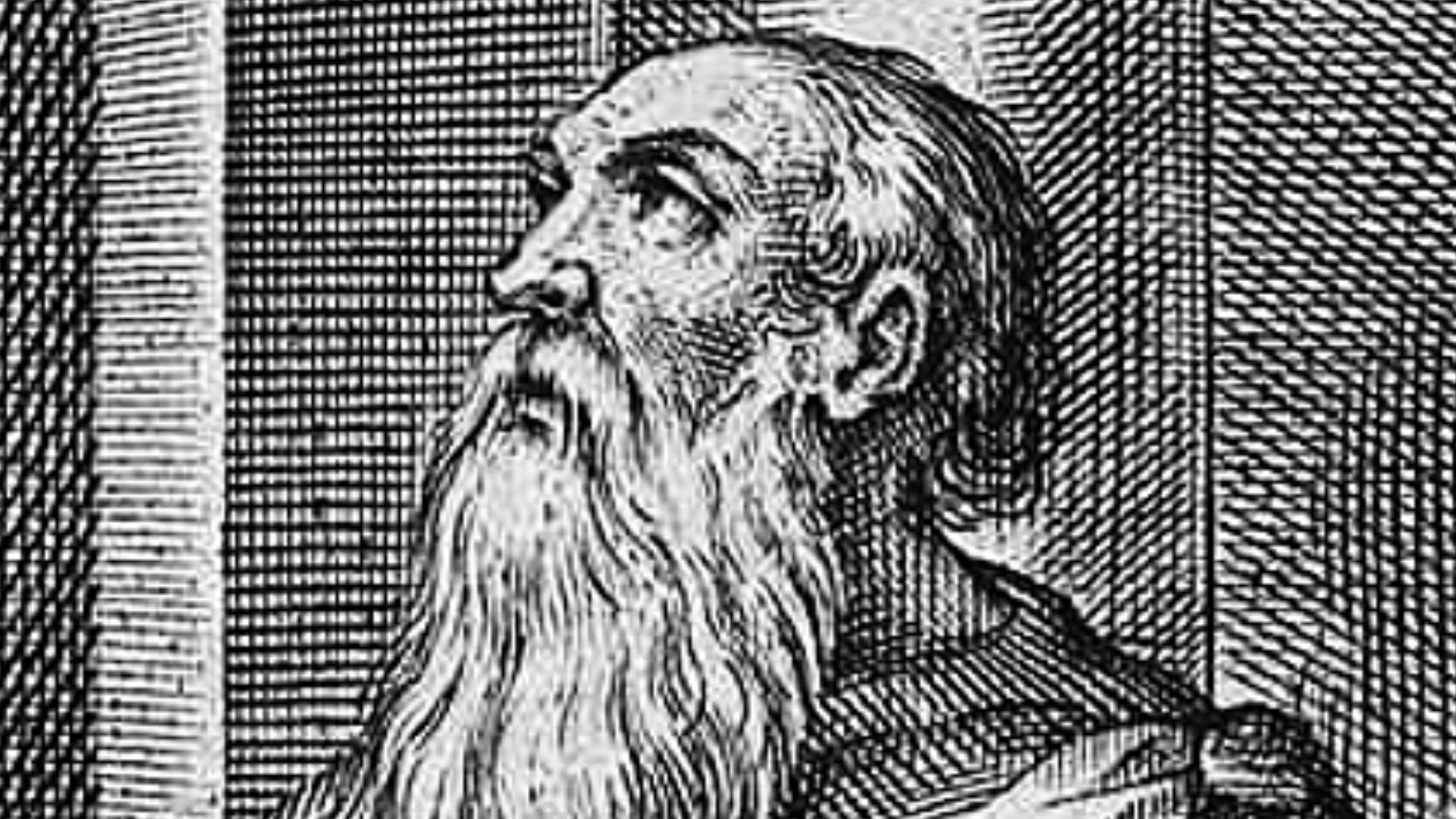
Aristo believed that most of the things people stress about are actually "indifferents" that don't truly affect their character. He’d likely tell you to stop doom-scrolling through social media or worrying about office politics that won't matter in a year. By stripping away these superficial layers of anxiety, you’ll find that your daily burden becomes much lighter to carry.

4. Chrysippus and Logical Resilience
Known as the person who “ironed out” Stoic logic, Chrysippus was adamant that the way problems are perceived often causes unnecessary suffering. When you’re burning out, he wouldn’t blame the workload. He’d say belief has shifted toward needing to perform perfectly under these circumstances.
5. Cato the Younger’s Unshakable Integrity
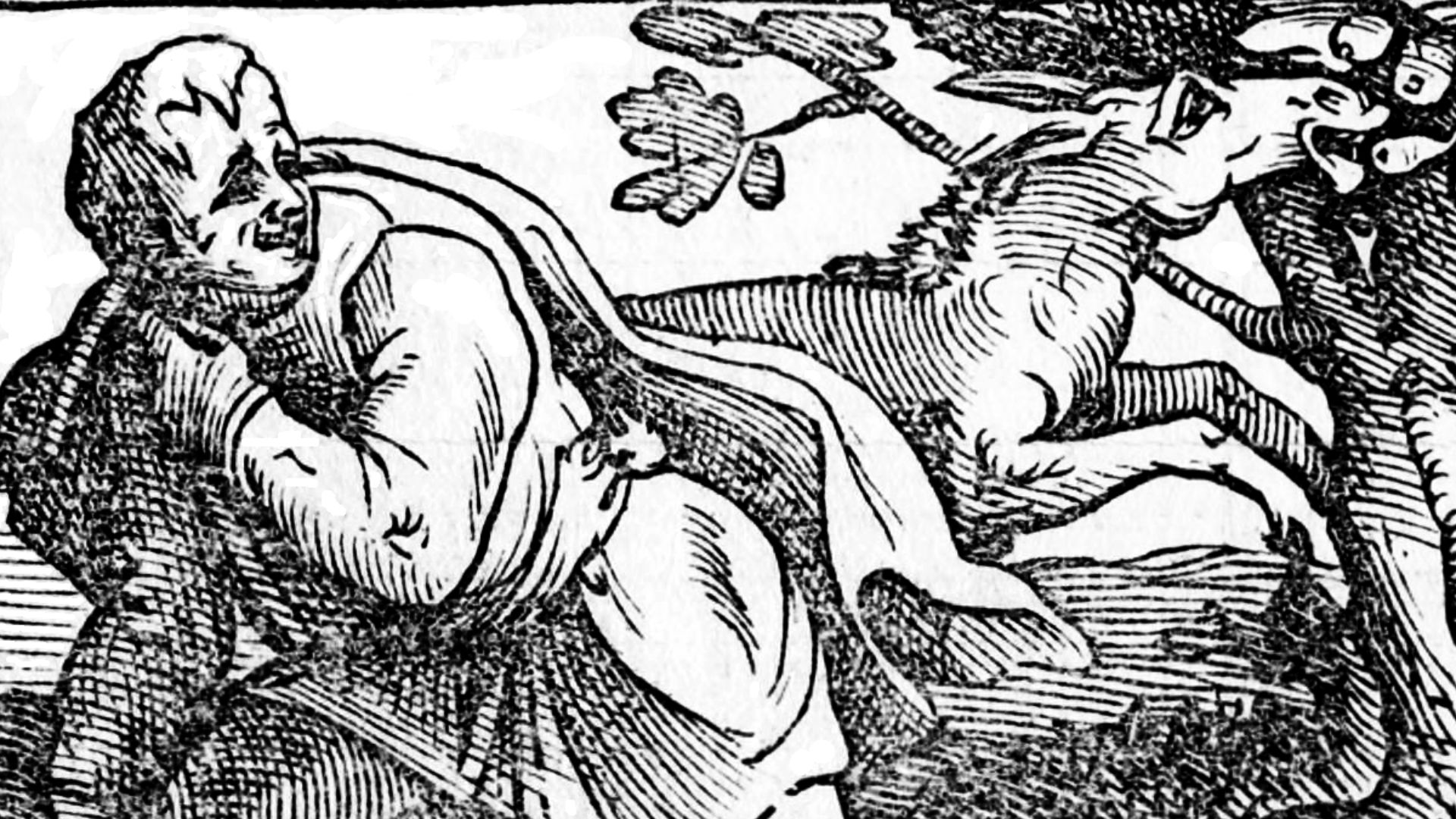
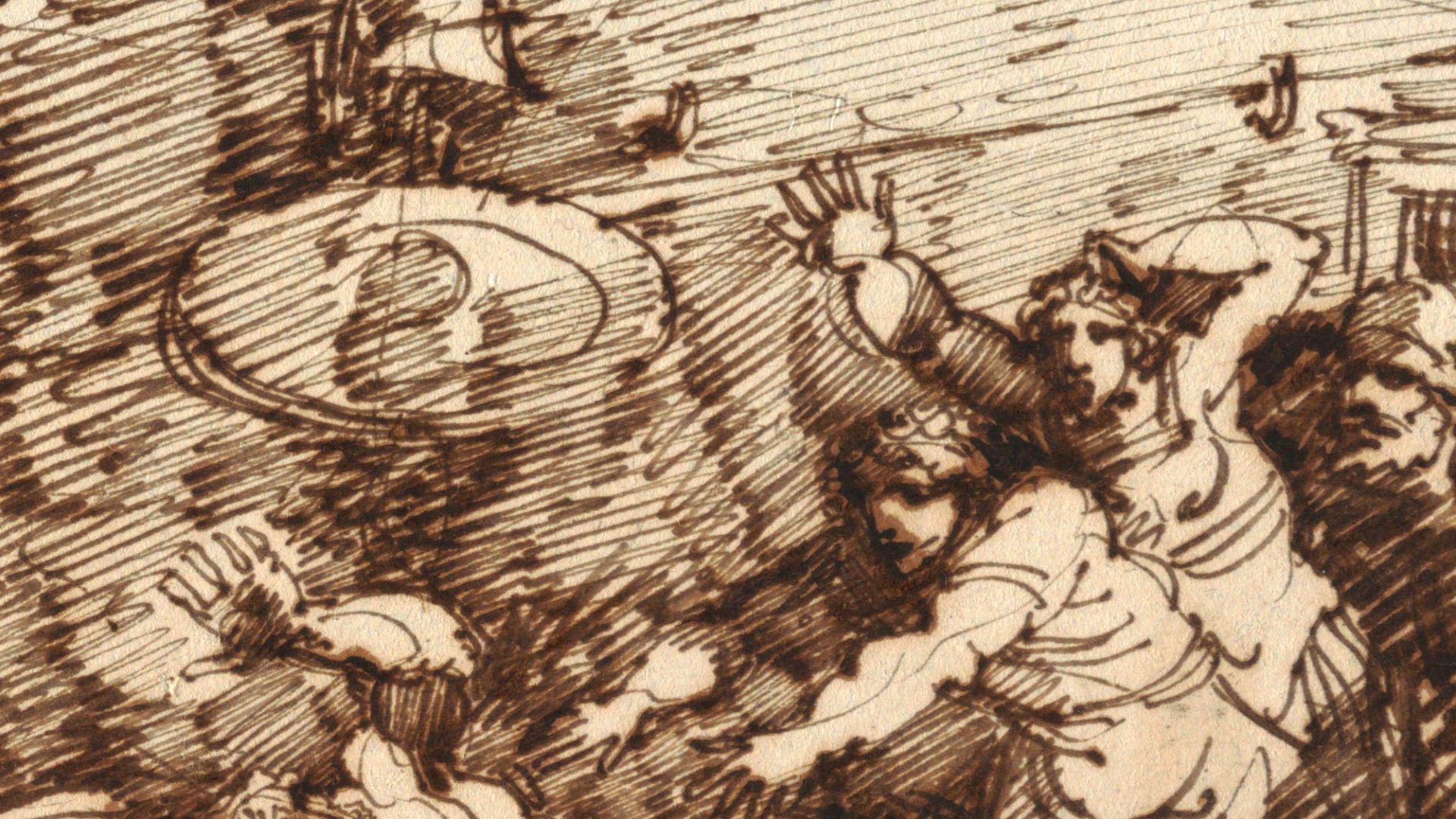
While the Roman Republic was falling apart around him, Cato the Younger stood by his principles.
If he can hold strong during the breakdown of an entire government, a bad manager or stressful job can be endured. Take care of your own moral well-being and external chaos will bounce right off of you.
 Unknown artistUnknown artist on Wikimedia
6. Seneca’s Perspective on Time
There are not enough hours in the day. There are too few hours in the day, and they are wasted on nonsense. Seneca would say that instead of letting coworkers drain the schedule, cut them off. Doing away with the “time wasters” in life is the quickest way to stop feeling burned out.

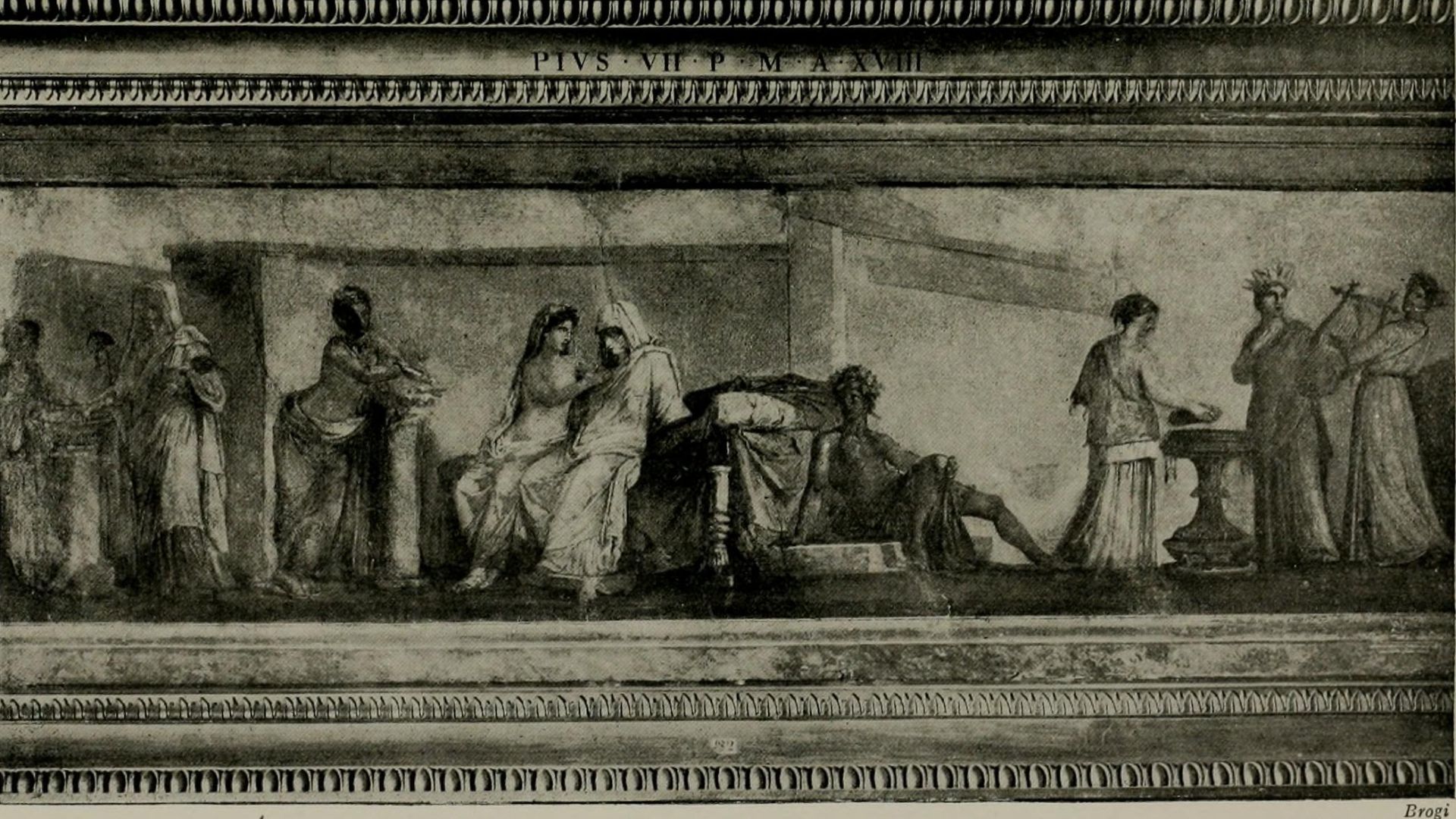
7. Musonius Rufus on Simple Living
As the teacher of other Stoic thinkers, Musonius Rufus had time to reflect on what is needed for happiness. He taught that happiness comes from simplicity. You don’t need all of the fancy things to feel fulfilled in your career.
 Internet Archive Book Images on Wikimedia
8. Epictetus and the Freedom of the Mind
Born into slavery, Epictetus taught that while physical circumstances are not always controllable, the mind remains a private fortress. He’d say that a boss might control working hours, but cannot dictate mood or self-worth. Embracing this mental independence allows calm to persist even in restrictive or demanding environments.
9. Marcus Aurelius and the Morning Routine
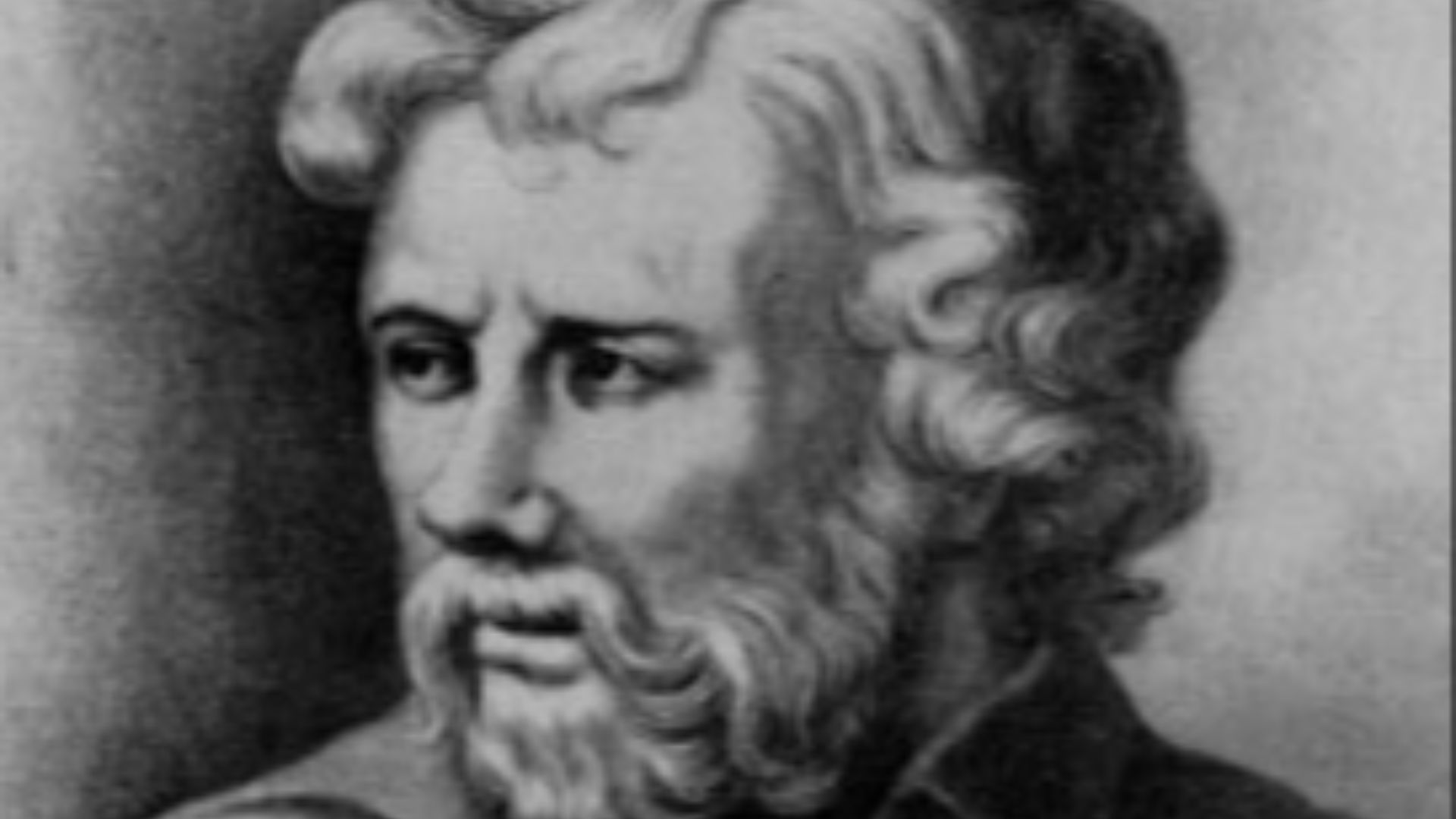
The Roman emperor literally wrote Meditations while the world was ending. But he started each day by reminding himself that annoyances would arise on the way to the office.
If the morning begins with the expectation of frustration, it won’t feel surprising when it happens.
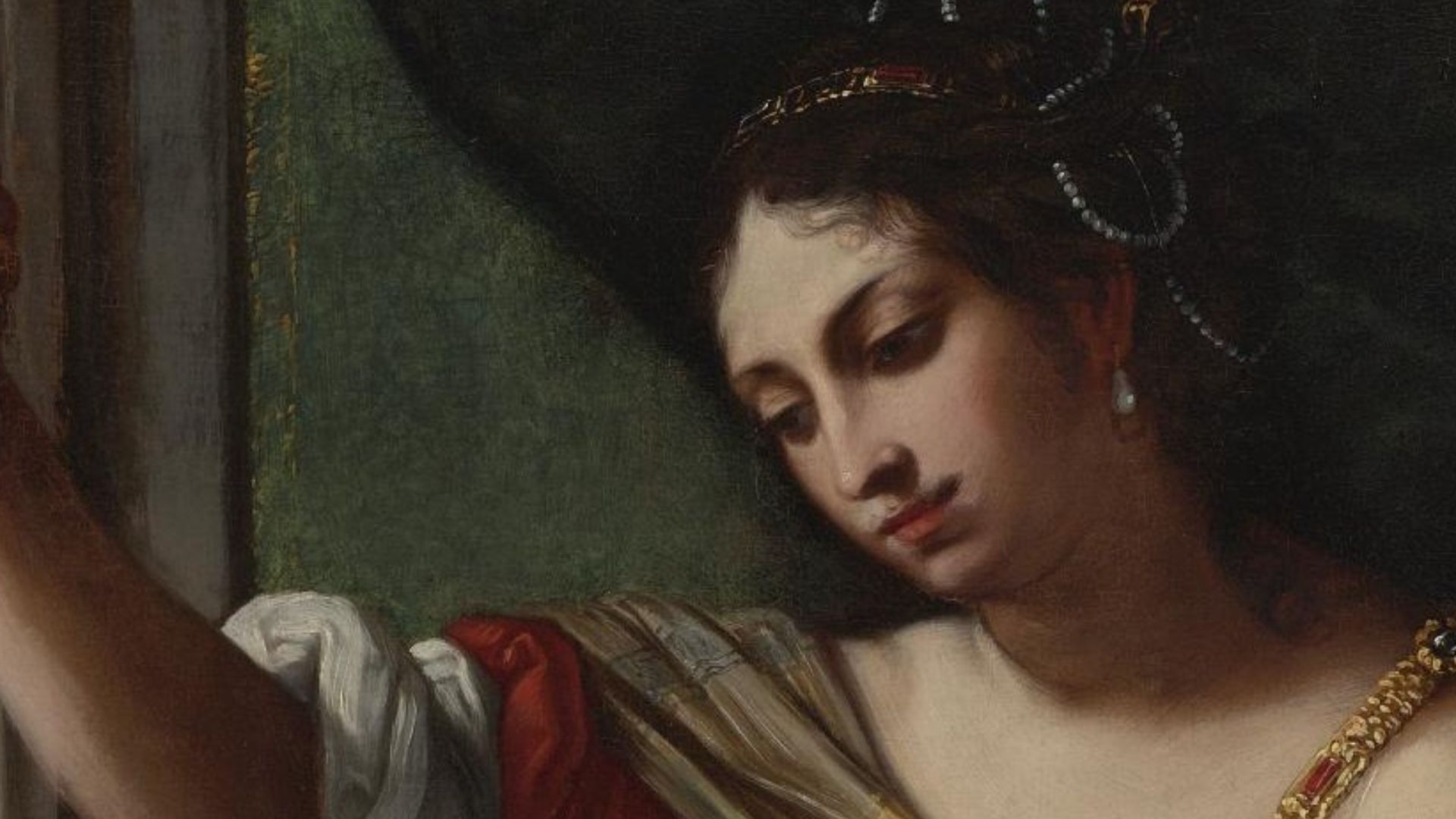
10. Porcia Catonis and Emotional Bravery
Porcia was known for her immense self-discipline and her refusal to let fear or grief dictate her actions. She reminds us that people are often much stronger than they believe during times of high stress. When feeling fragile, tapping into that inner reservoir of grit helps push through the toughest weeks.
 Elisabetta Sirani on Wikimedia
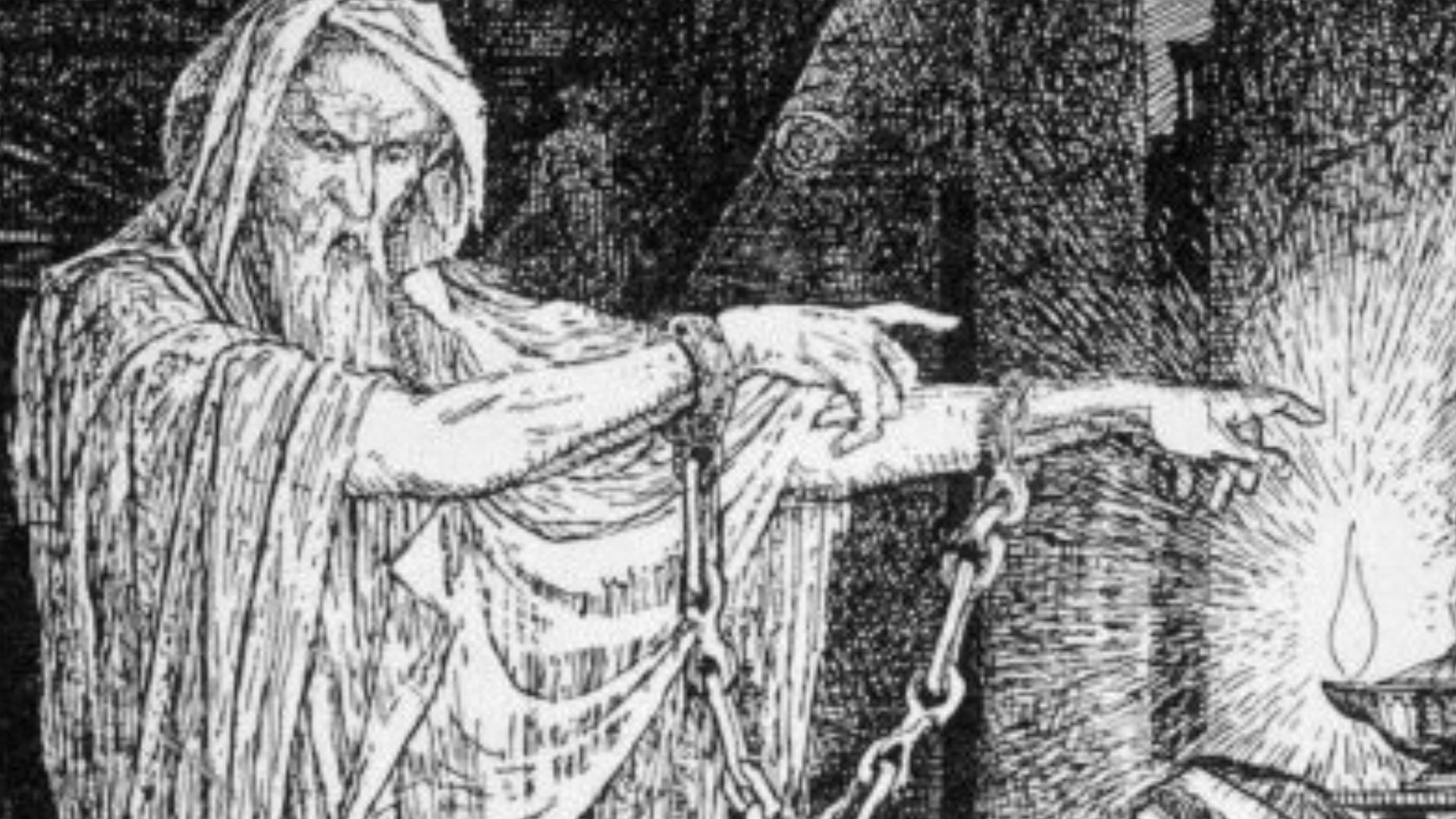
11. Athenodorus Cananites and the Value of Service
A Greek Stoic and advisor to the first emperor knew that purpose is achieved by bettering others. If burnout is setting in, helping someone else with their workload can shift perspective. Not only does it take the mind off personal stress, but giving freely is also a great way to feel re-energized.
 Henry Justice Ford on Wikimedia
12. Arius Didymus and Moral Consistency
As a philosopher who navigated the transition from the Republic to the Empire, Arius focused on maintaining steadiness during massive societal shifts. He believed that consistency in actions leads to a tranquil mind regardless of what’s happening in the news. Maintaining personal standards during an "extinction event" in an industry keeps the spirit intact.
 Unknown artistUnknown artist on Wikimedia
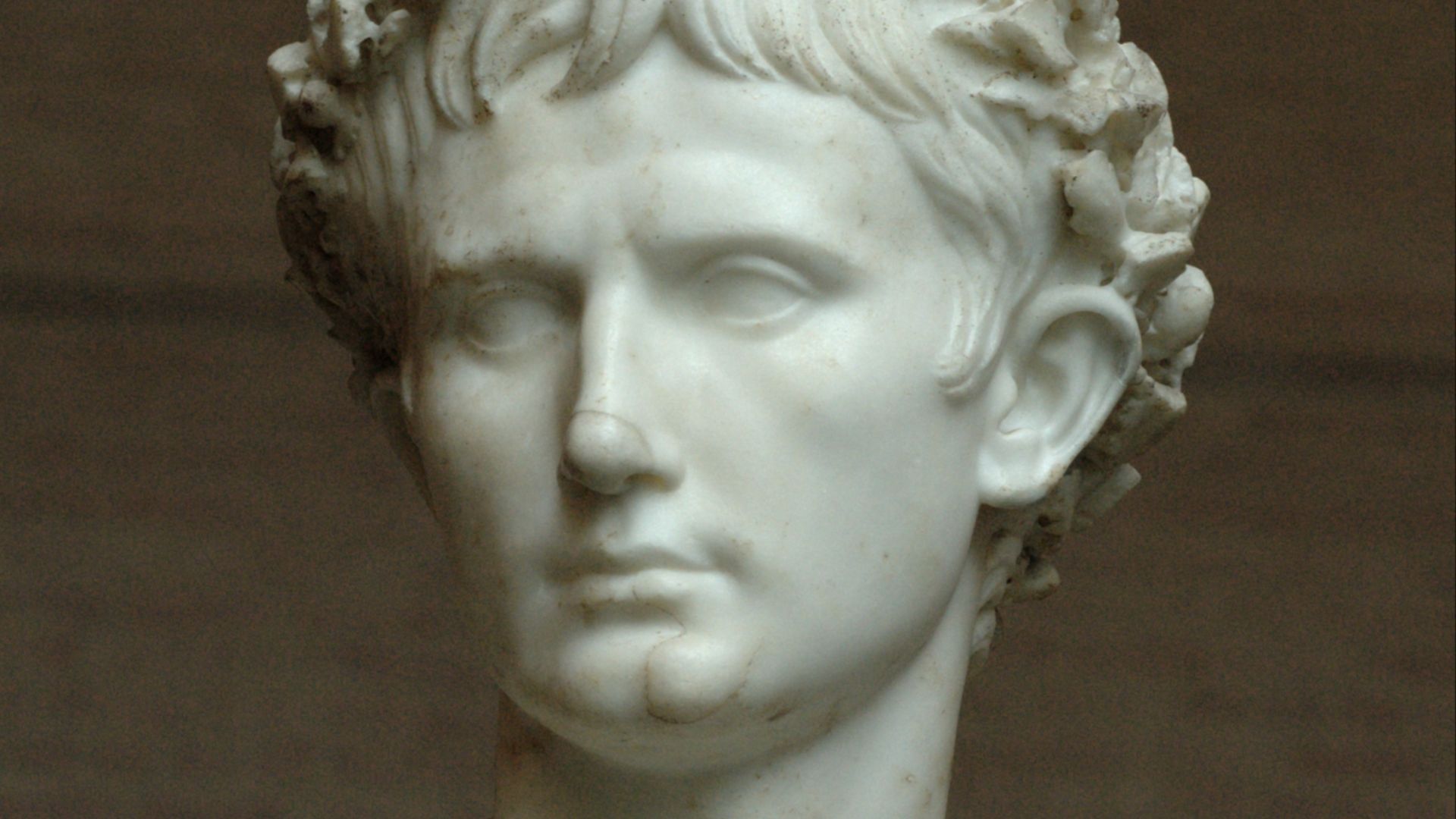
13. Panaetius and Adapting to the World
Panaetius was instrumental in bringing Stoicism to Rome and making it practical for people with busy, public lives. He taught that living in isolation is unnecessary to be a Stoic; duties simply need to be fulfilled with excellence.
Peace in a career comes from doing your best and letting go of the results.

14. Posidonius and the Big Picture
A true polymath, Posidonius studied everything from tides to history to understand how the universe fits together. He’d encourage stepping back and viewing burnout through a much larger timeline. Realizing that a current "crisis" is just a tiny blip in history makes it feel far less intimidating.

15. Hecato of Rhodes on Gratitude
Did you know that Stoics pioneered the practice of gratitude? Hecato believed that awareness of life’s benefits should always be maintained. So take a moment and find something, anything, to be thankful for on a day off.

16. Antipater of Tarsus and Intentional Effort
Antipater suggested that while success is a goal, the true aim is the "intent" to act virtuously. If full effort is given to a project and it still fails due to a market crash, failure has not actually occurred in a Stoic sense. This mindset protects against the crushing disappointment of things beyond influence.

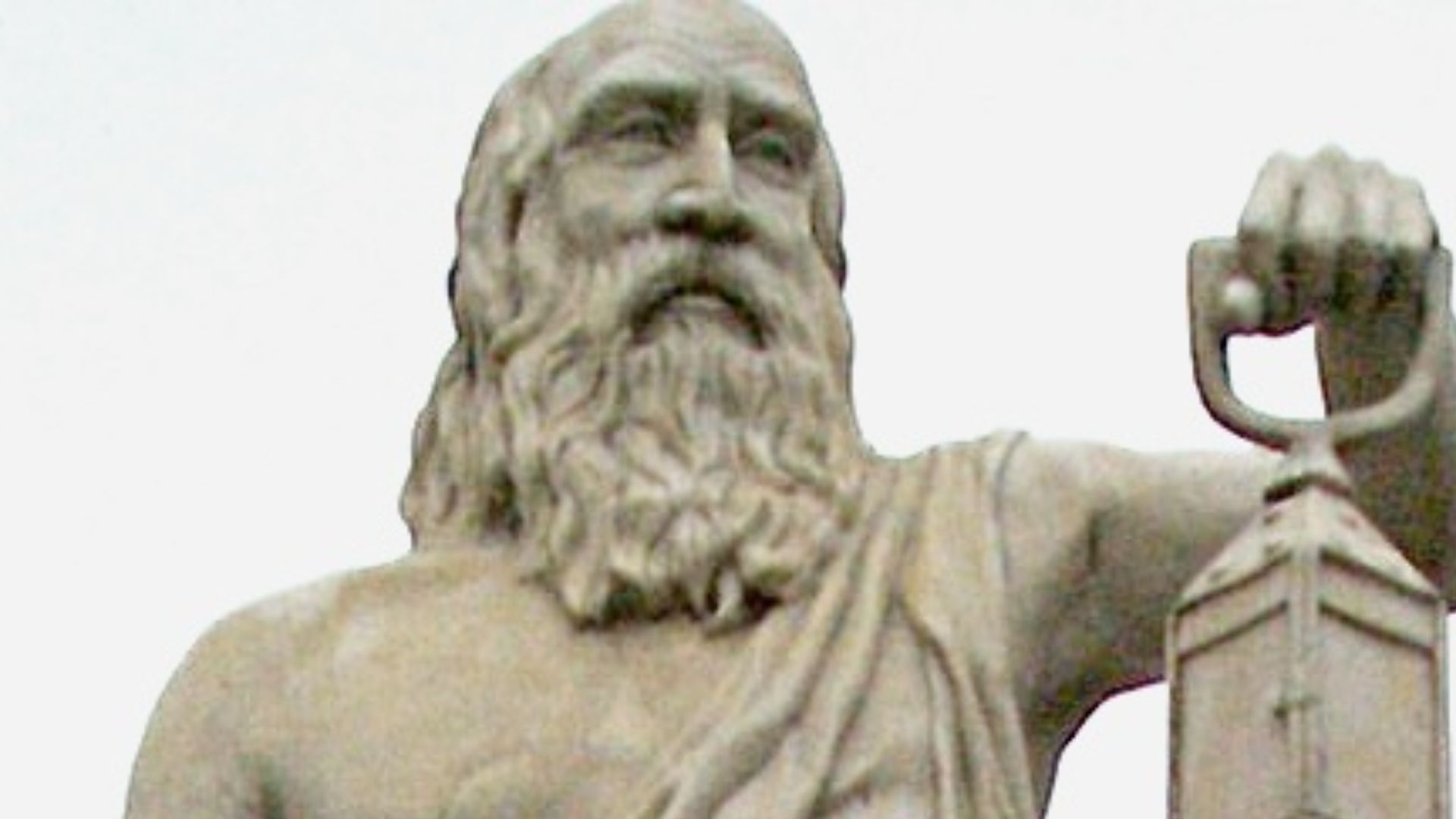
17. Diogenes of Babylon and the Power of Language
Words are powerful, and Diogenes was a master of using them. Instead of saying “this job is ruining my life,” it is better to say something like “this job is challenging right now”. Making a conscious effort to use positive language reshapes emotional experience.
 Diogenes-statue-Sinop.JPG: Tony f
derivative work: Singinglemon (talk) on Wikimedia
Diogenes-statue-Sinop.JPG: Tony f
derivative work: Singinglemon (talk) on Wikimedia
18. Apollonius of Chalcedon and Radical Composure
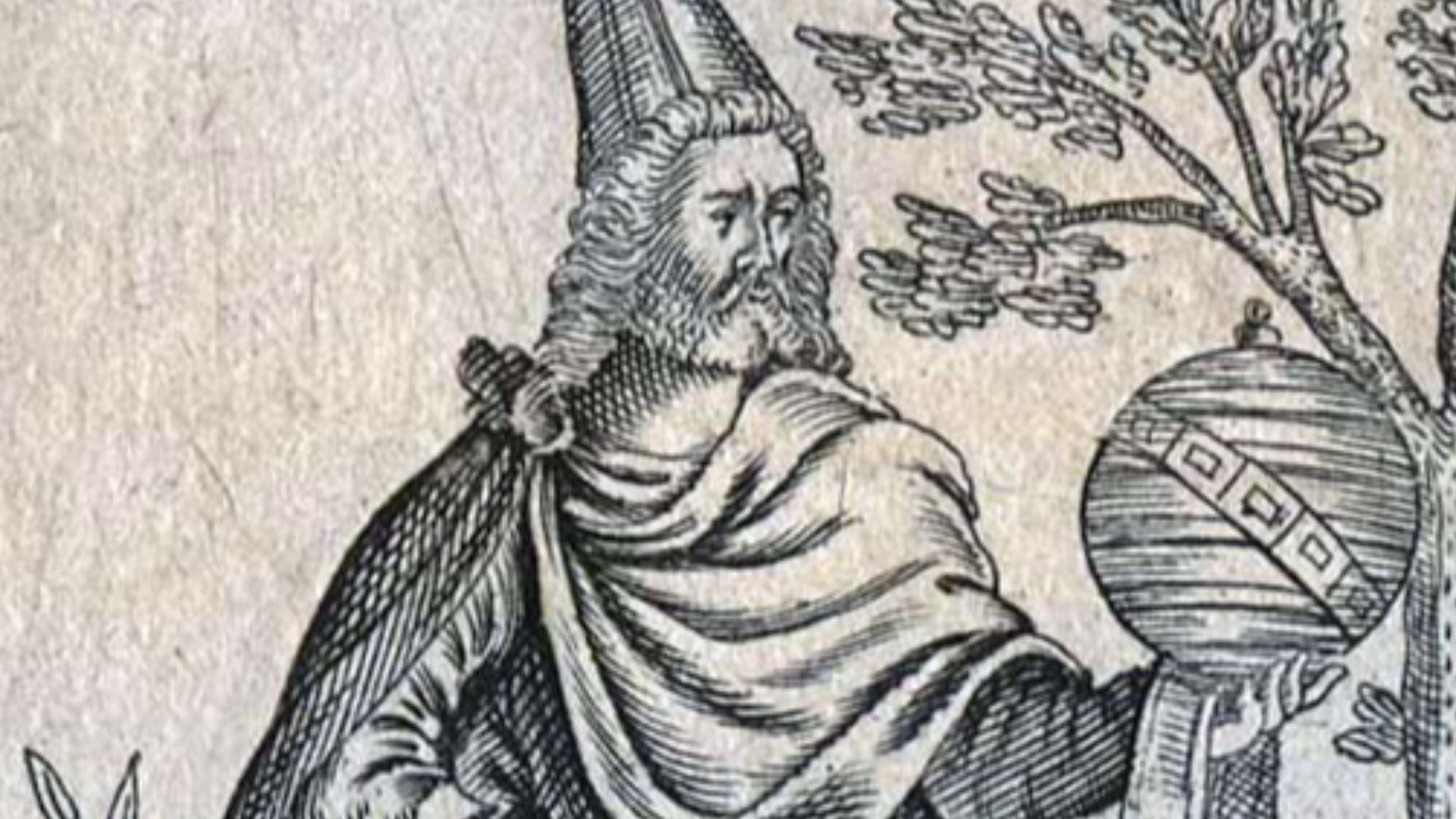
Apollonius was a teacher to emperors who was famous for staying perfectly calm during even the most heated debates. He showed that matching the frantic energy of others is unnecessary. By remaining the "coolest person in the room," mental reserves are protected and others are encouraged to settle down.
 Unknown authorUnknown author on Wikimedia
19. Sphaerus and Mental Rigor
Sphaerus helped build the curriculum for Spartan children. Though his teachings were mostly lost, it is known that he emphasized mental fortitude. Taking a mental health day is just as important as caring for the body.
20. Hierocles and the Circles of Concern
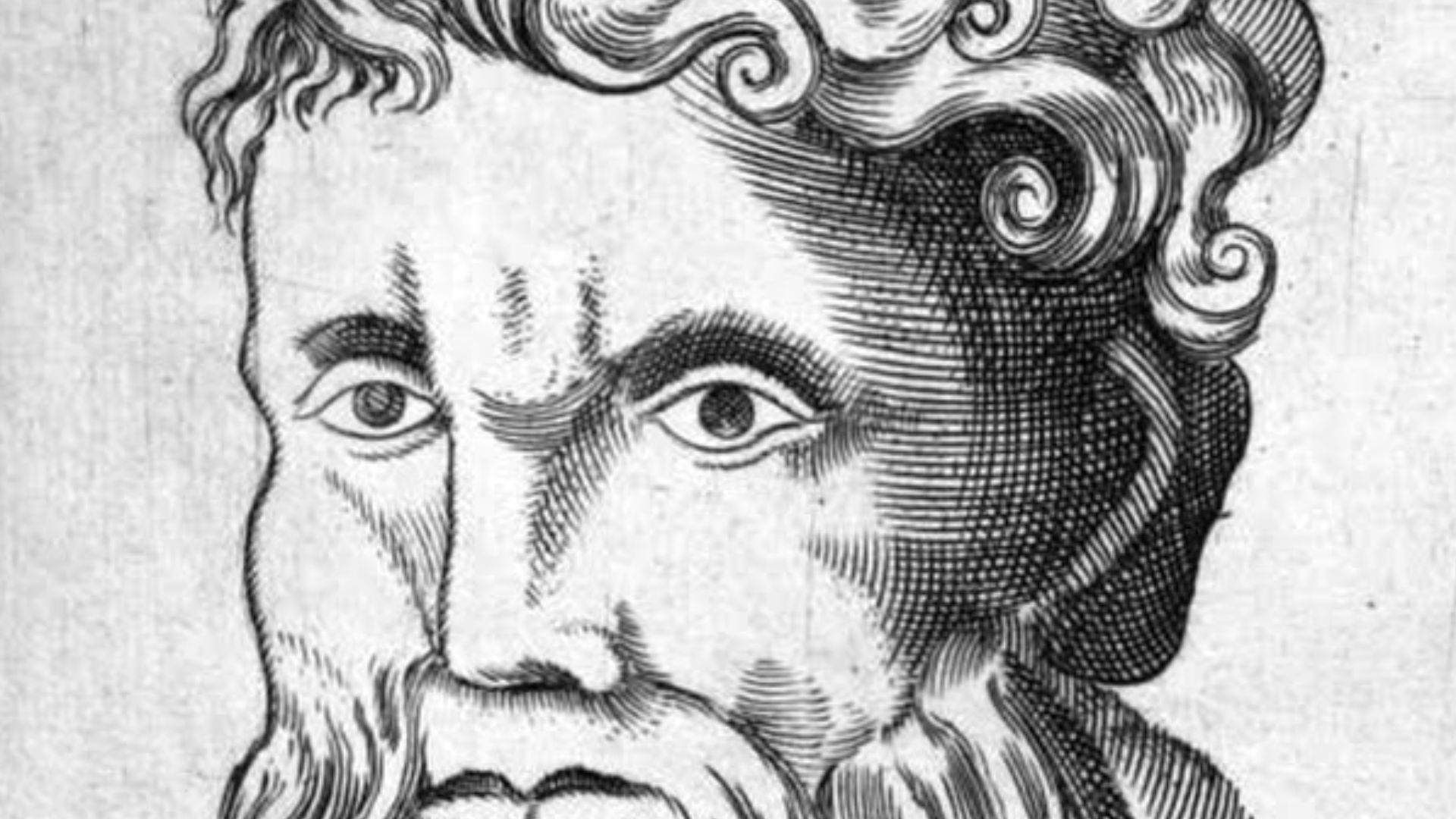
Hierocles imagined relationships as a series of concentric circles, starting with the self and moving outward to humanity. He’d remind us that while there is a duty to the world, care must begin with that innermost circle first. Others cannot be helped if the inner flame has completely flickered out, so there should be no guilt in prioritizing rest.
KEEP ON READING
The 20 Most Recognized Historical Figures Of All Time
The Biggest Names In History. Although the Earth has been…
By Cathy Liu Oct 4, 2024
10 of the Shortest Wars in History & 10 of…
Wars: Longest and Shortest. Throughout history, wars have varied dramatically…
By Emilie Richardson-Dupuis Oct 7, 2024
10 Fascinating Facts About Ancient Greece You Can Appreciate &…
Once Upon A Time Lived Some Ancient Weirdos.... Greece is…
By Megan Wickens Oct 7, 2024
20 Lesser-Known Facts About Christopher Columbus You Don't Learn In…
In 1492, He Sailed The Ocean Blue. Christopher Columbus is…
By Emilie Richardson-Dupuis Oct 9, 2024
20 Historical Landmarks That Have The Craziest Conspiracy Theories
Unsolved Mysteries Of Ancient Places . When there's not enough evidence…
By Megan Wickens Oct 9, 2024
The 20 Craziest Inventions & Discoveries Made During Ancient Times
Crazy Ancient Inventions . While we're busy making big advancements in…
By Cathy Liu Oct 9, 2024