20 Interesting Facts That Prove You Don't Know Enough About Isaac Newton
Newton Beyond The Textbook
Most people learn about Isaac Newton as a calm genius who neatly explained how the universe works. That version leaves out the paranoia, grudges, extreme experiments, and personal chaos that shaped his life. Behind the laws and equations was a deeply complicated human being. These lesser-known facts reveal how little the polished story tells you—read on to meet the real Newton.
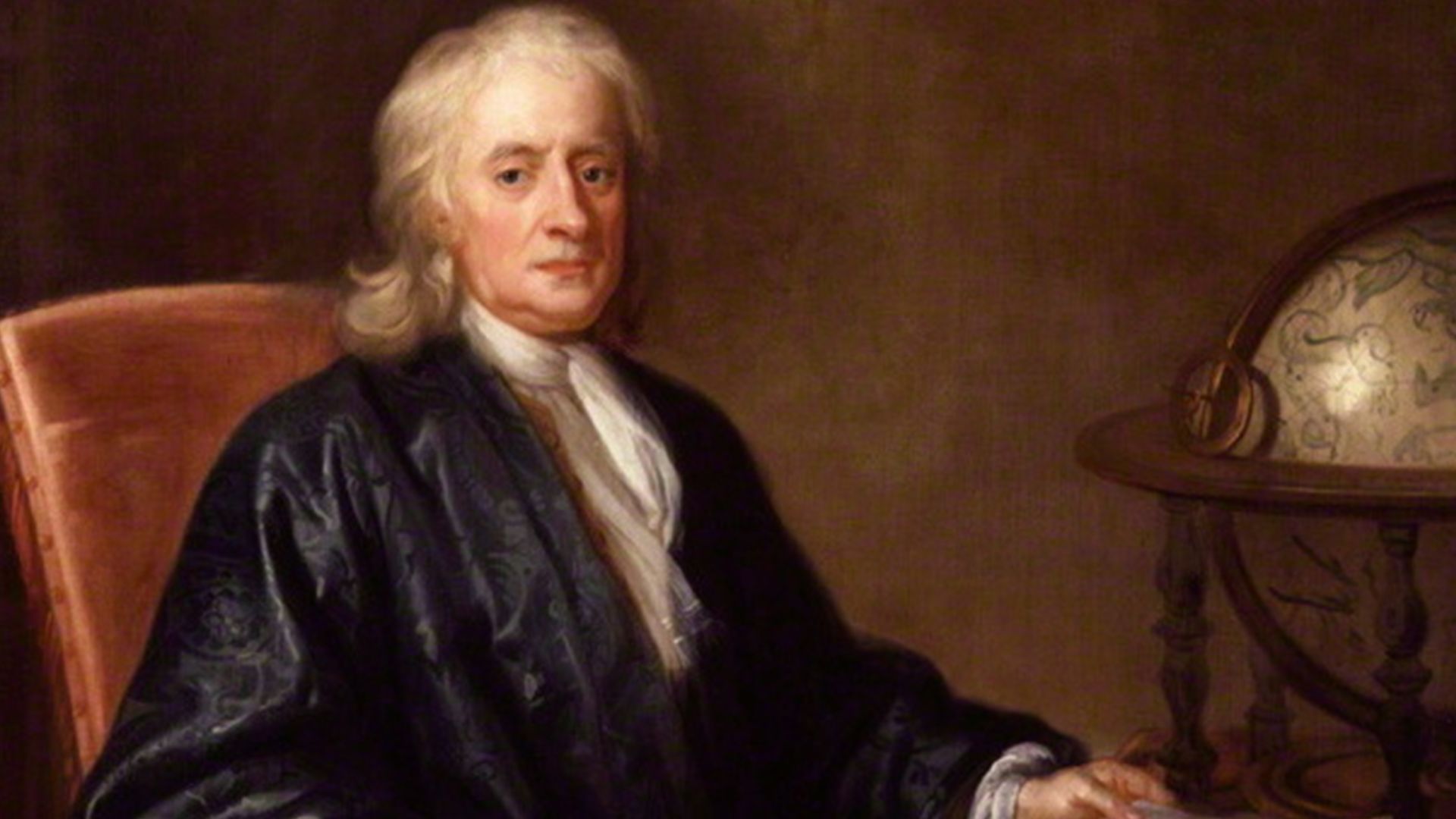
1. Newton Obsessed Over Alchemy More Than Physics
While we celebrate Newton for gravity and calculus, he actually devoted decades to alchemy. His obsession was intense—over a million words written about transmuting metals and finding the Philosopher's Stone. Mercury from these experiments even showed up in his hair centuries later.
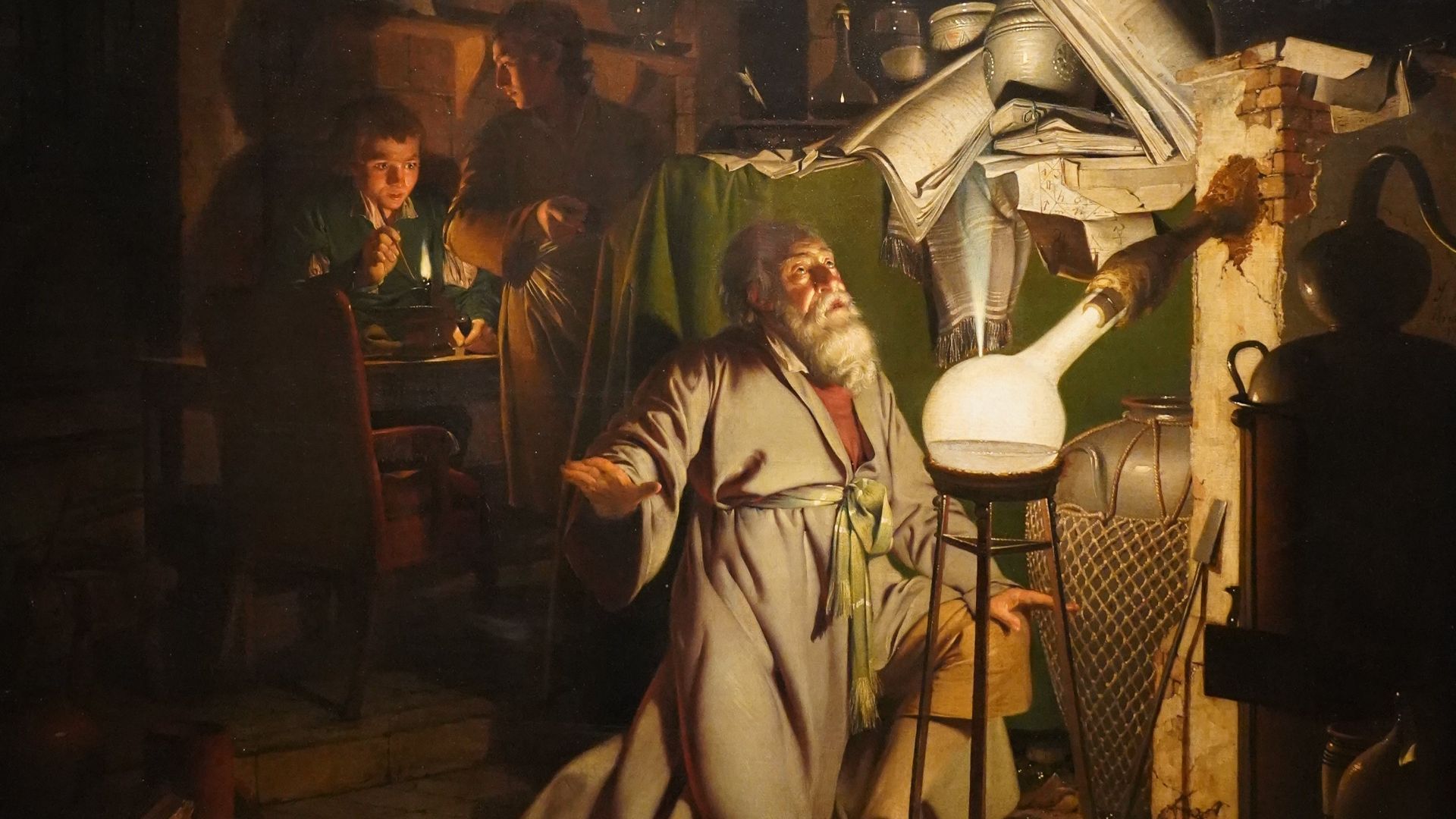
2. He Stabbed His Eyeball To Study Vision
Newton once shoved a blunt needle between his eyeball and eye socket just to see what would happen. The self-inflicted pressure created colorful circles and spots that helped him understand how vision actually works.
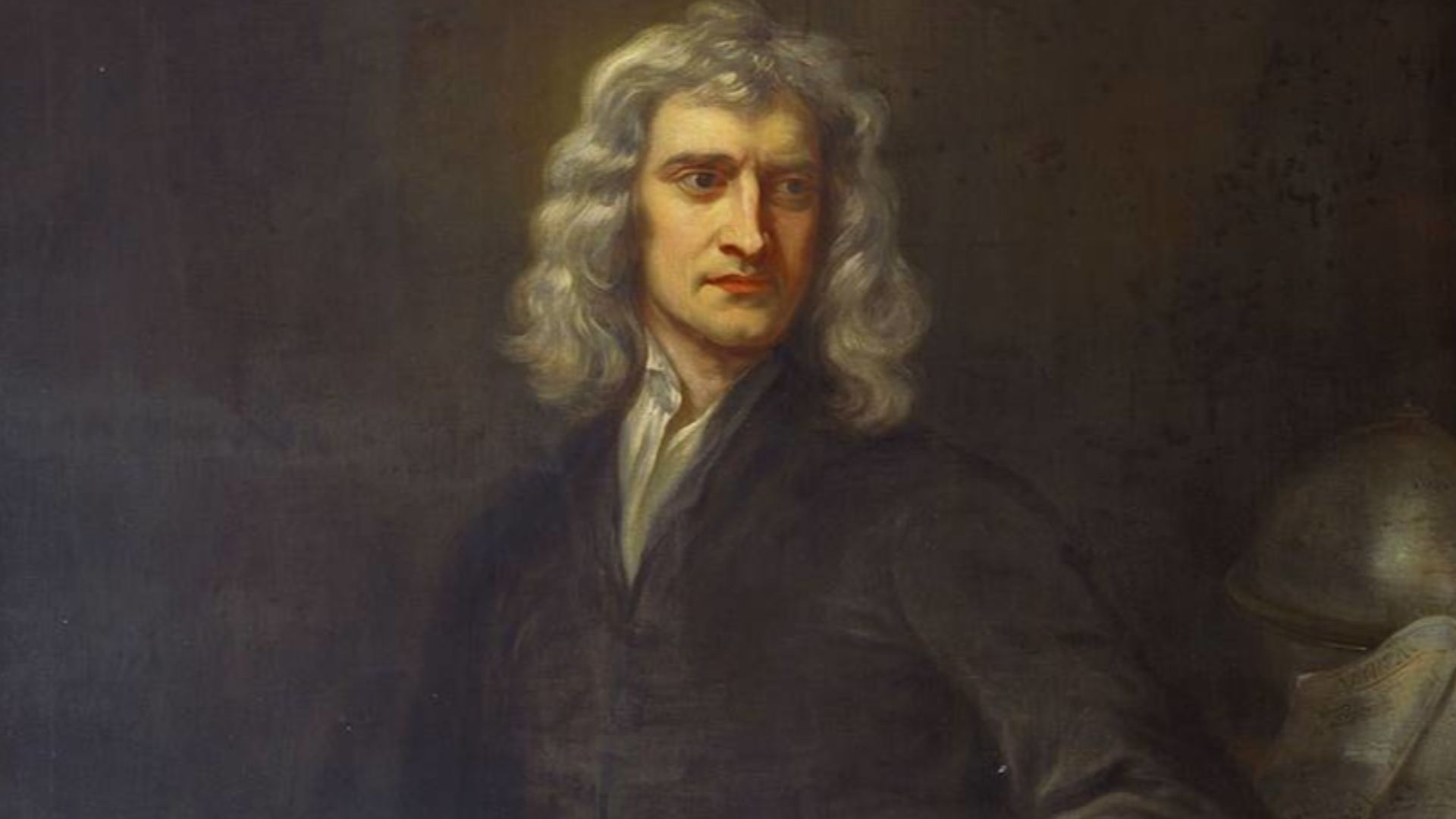 After Godfrey Kneller / Charles Jervas on Wikimedia
3. Newton Secretly Rigged Calculus Investigation Against Leibniz
When Leibniz challenged Newton's claim to have invented calculus, Newton didn't play fair. As president of the Royal Society, he formed an "impartial" committee to investigate—then secretly wrote the report himself. The verdict? Leibniz was guilty. European mathematicians split into camps for decades afterward.
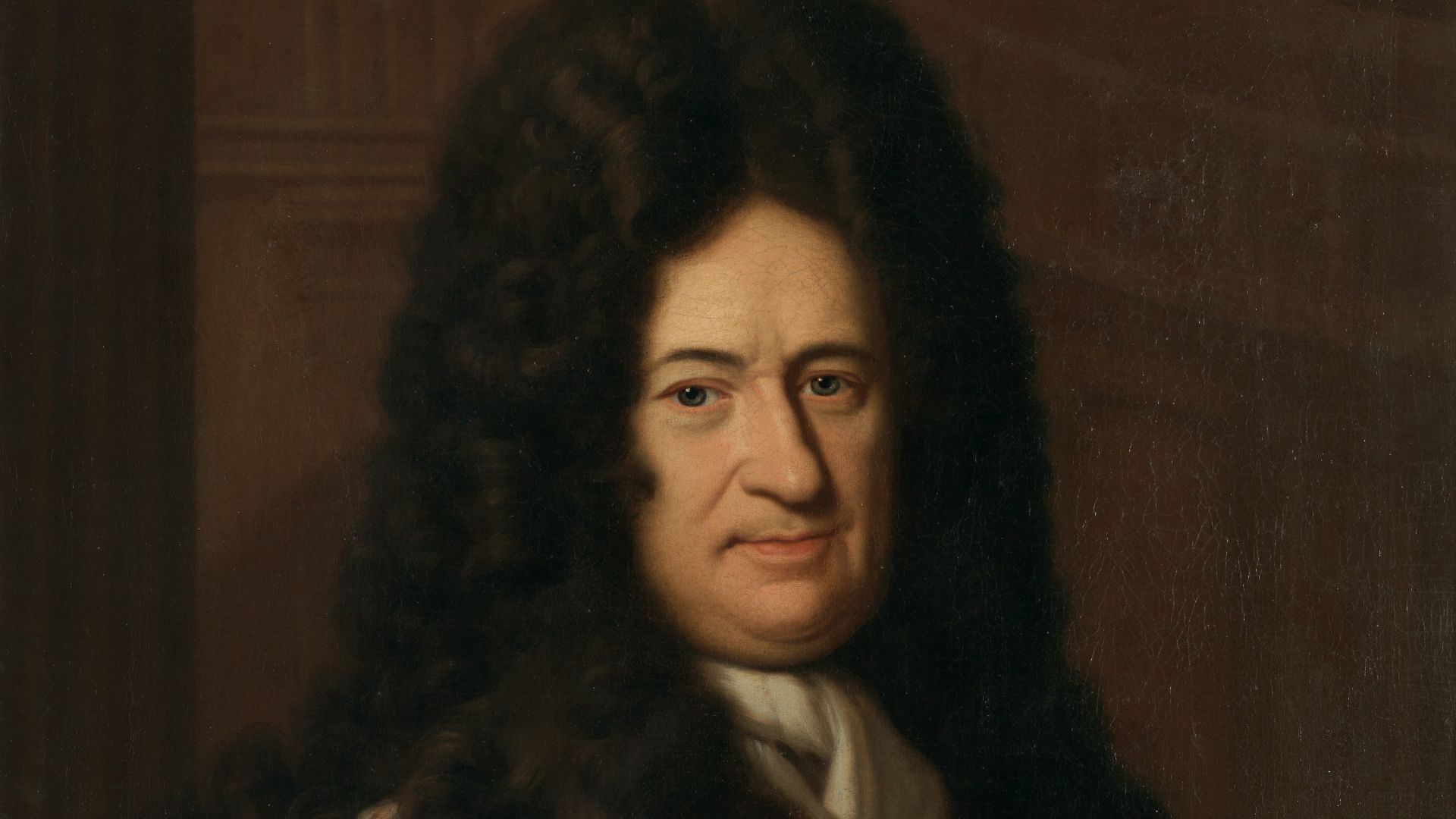 Christoph Bernhard Francke on Wikimedia
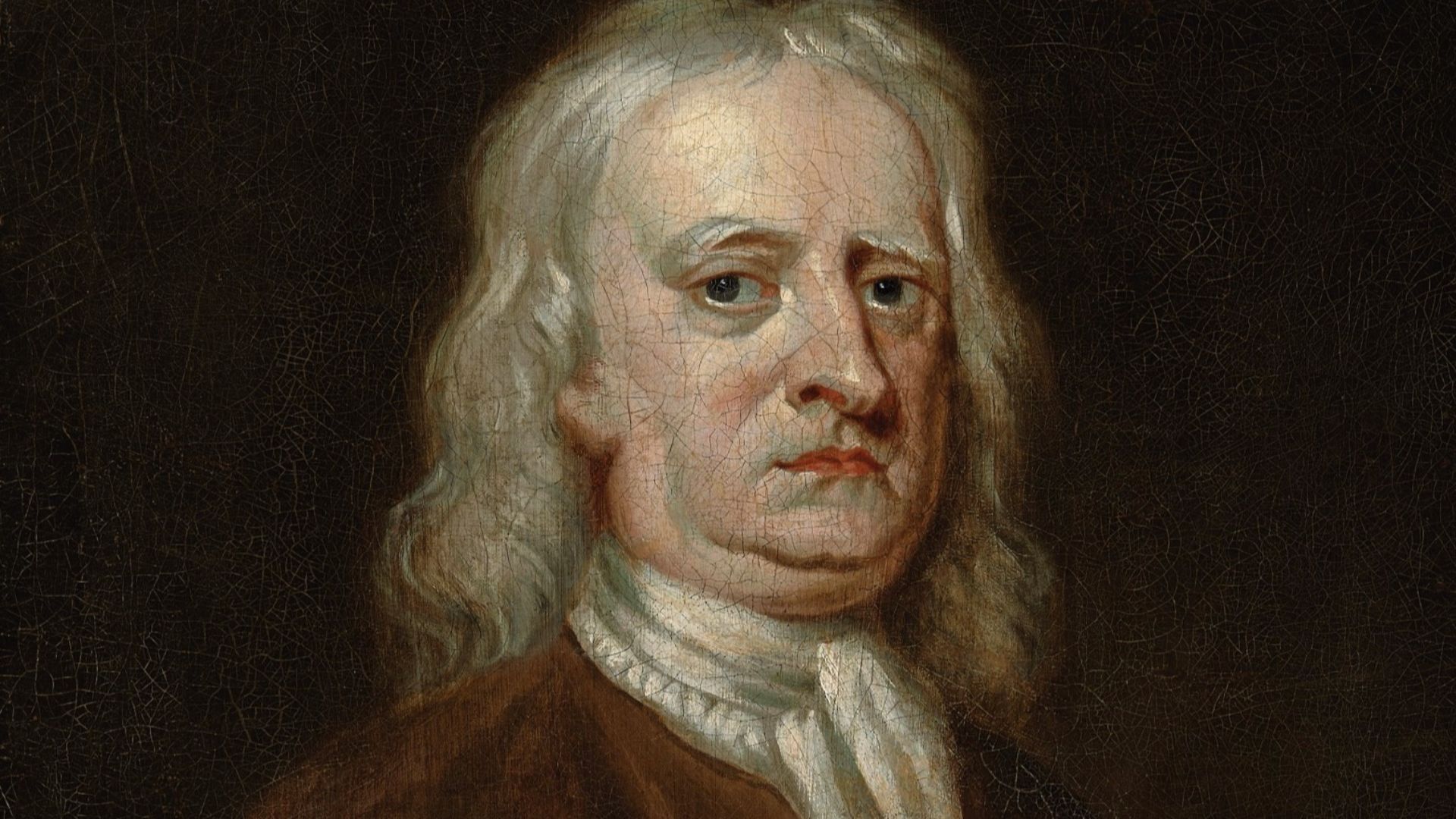
4. Newton Suffered A Severe Mental Breakdown
At age 50, Newton completely unraveled for about 18 months. Insomnia tortured him while paranoid delusions convinced him friends were conspiring against him. He wrote accusatory letters that he later regretted. Historians suspect mercury poisoning from alchemy experiments triggered the collapse.
 John Vanderbank / Formerly attributed to Godfrey Kneller on Wikimedia
5. He Viewed Comets As Divine Warning Signs
Despite proving comets follow gravitational laws, Newton privately viewed them as God's coded warnings. His biblical prophecy studies linked these celestial visitors to apocalyptic disasters and wars. He even calculated the world wouldn't end before 2060.
 Edu INAF, photographer: Alessandro Bianconi on Wikimedia
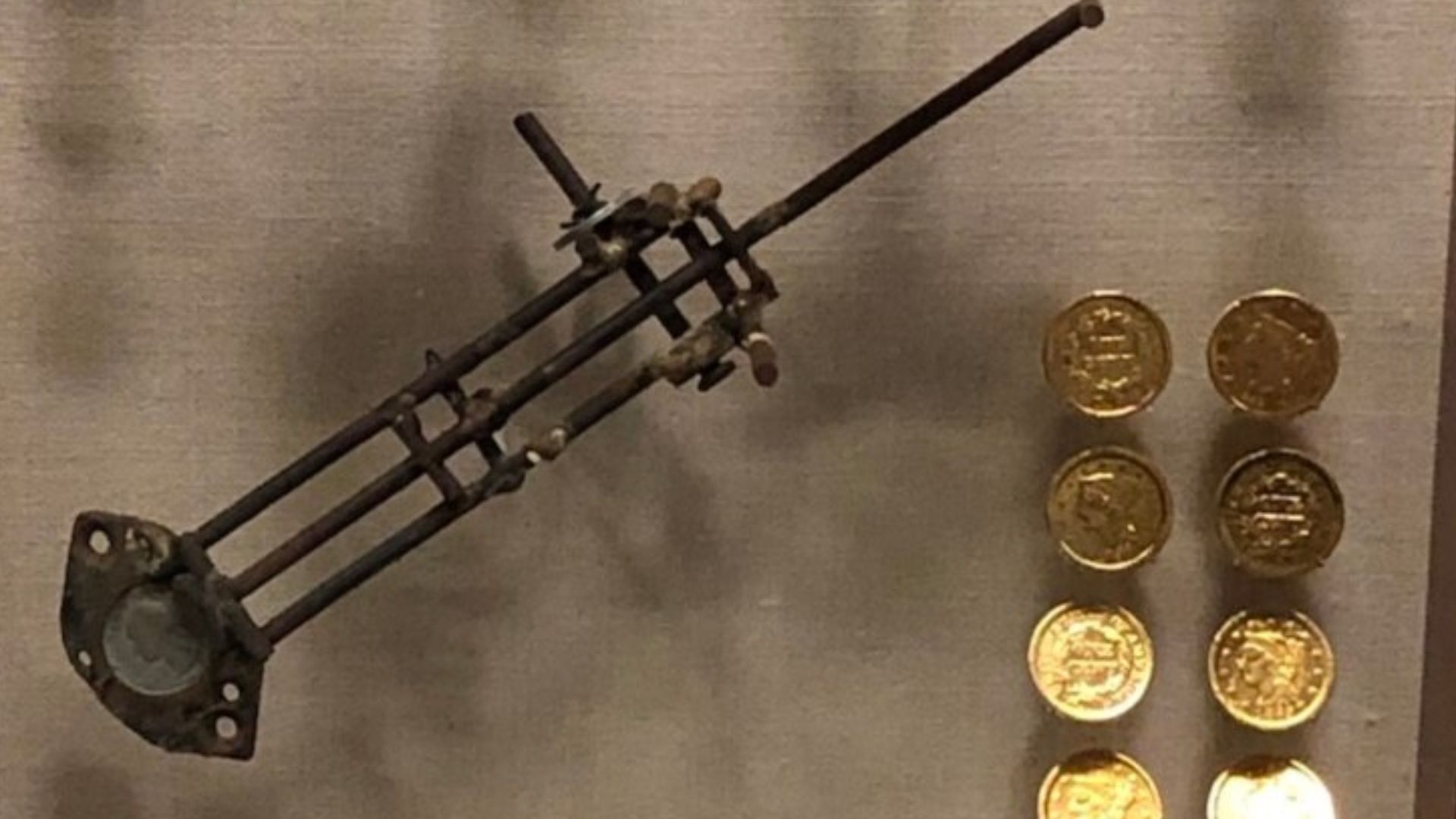
6. As Mint Master, He Executed Counterfeiters
Newton went full detective mode against coin forgers. He personally interrogated criminals, gathered evidence, and testified in court, viewing counterfeiting as treason. His relentless pursuit sent William Chaloner to the gallows in 1699. Newton even went undercover in London's criminal underworld.
 Dorea Mekouar for Voice of America on Wikimedia
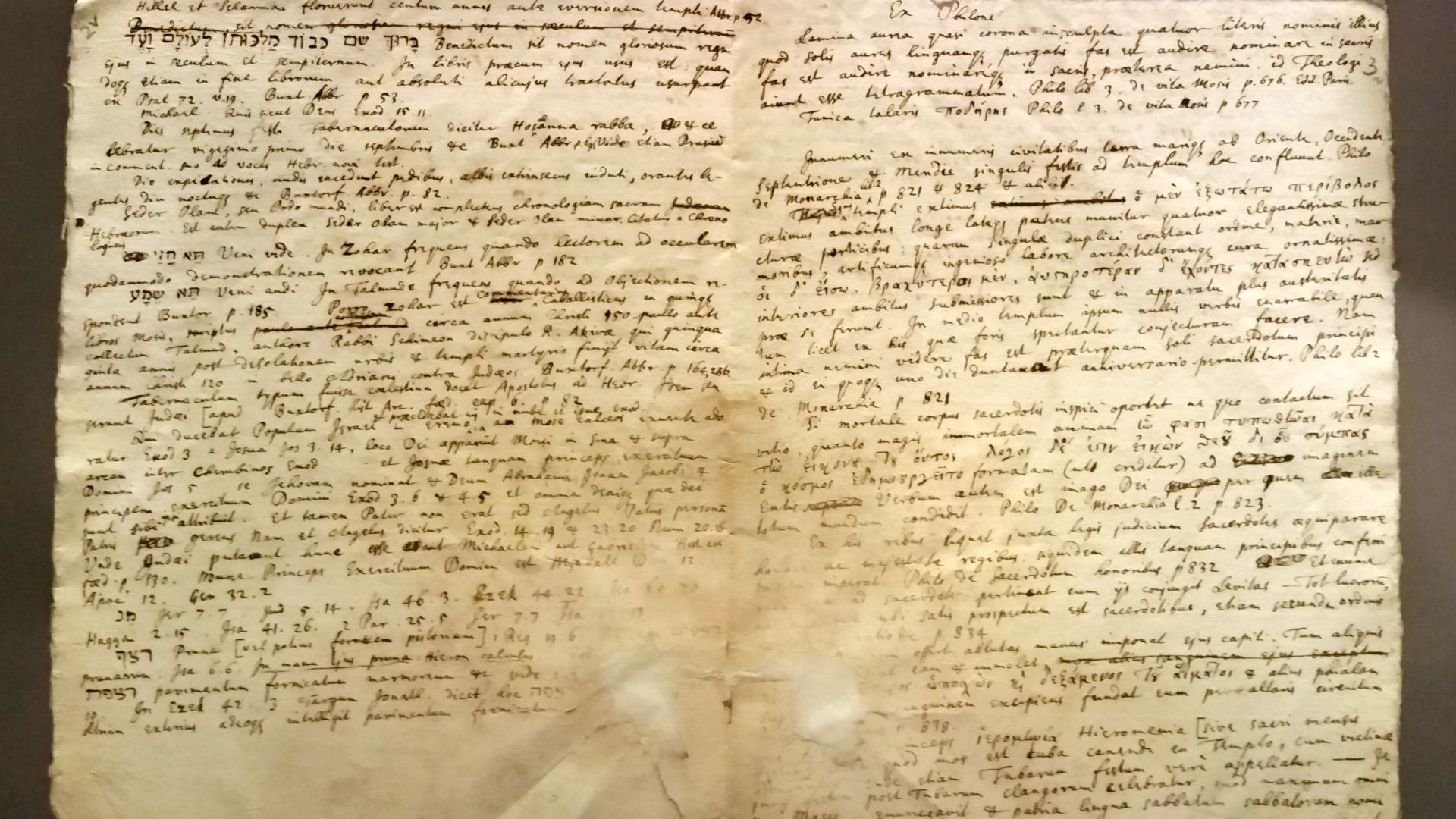
7. He Wrote Coded Heretical Manuscripts In Secret
Thousands of Newton's pages stayed hidden for centuries because they contained heretical ideas. He rejected the Trinity doctrine but coded his anti-Christian views using anagrams and symbols to avoid persecution. These explosive manuscripts only surfaced fully in the 1900s.
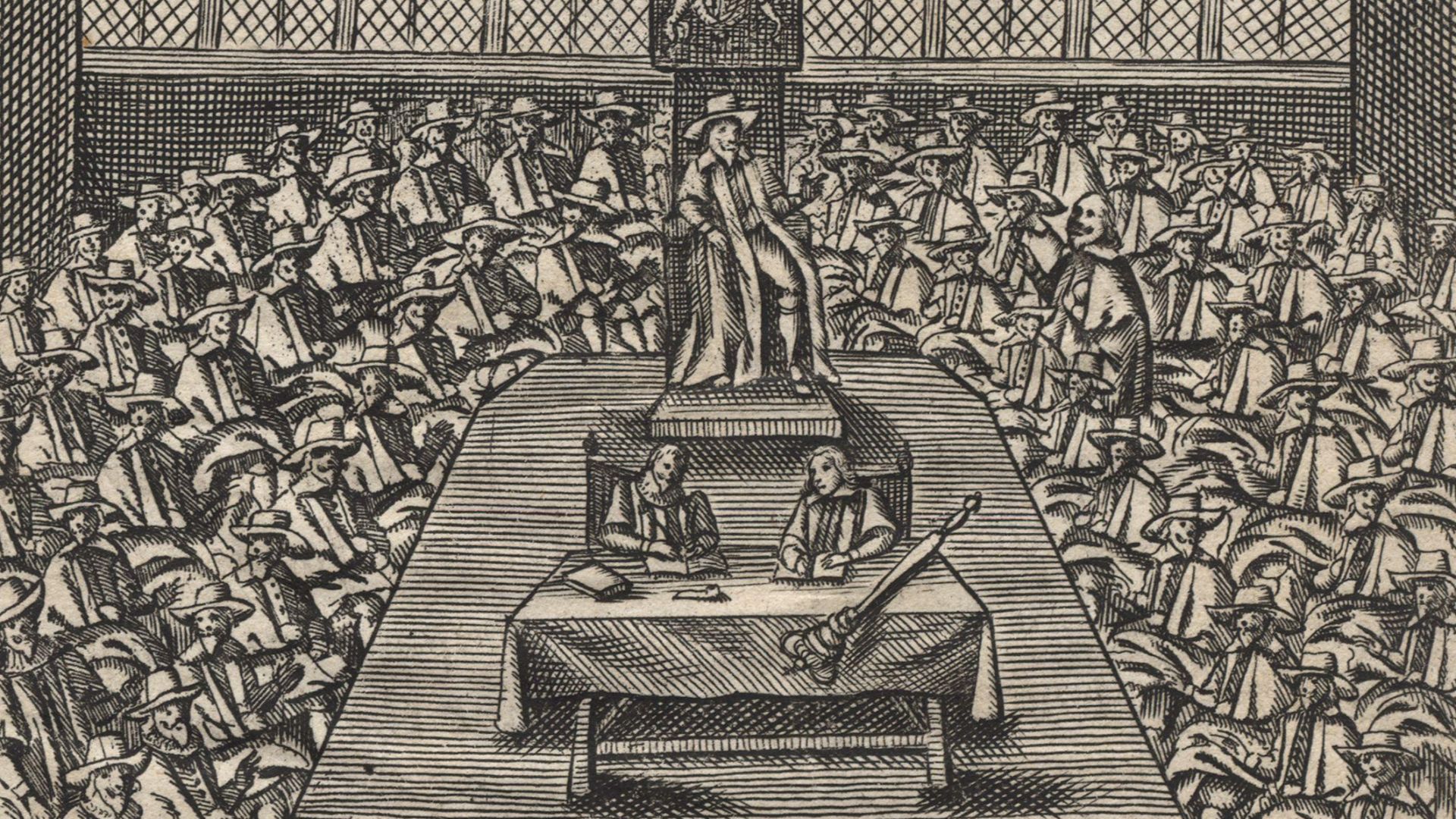
8. Newton Barely Spoke During His Time As MP
Parliament got basically nothing from Newton. During his entire term representing Cambridge University, he sat silently through debates and contributed zero ideas. His sole recorded comment? Asking someone to shut a drafty window.
 Unknown authorUnknown author on Wikimedia
9. He Lost A Fortune In Stock Speculation
Newton made £7,000 (≈$1.5–2 million USD today) selling South Sea Company shares early—then got greedy and reinvested everything. The 1720 bubble burst cost him at least £20,000 (≈$4–5 million USD today). His famous quote afterward: he could calculate heavenly motions but not human madness. Finance classes still cite that line today.
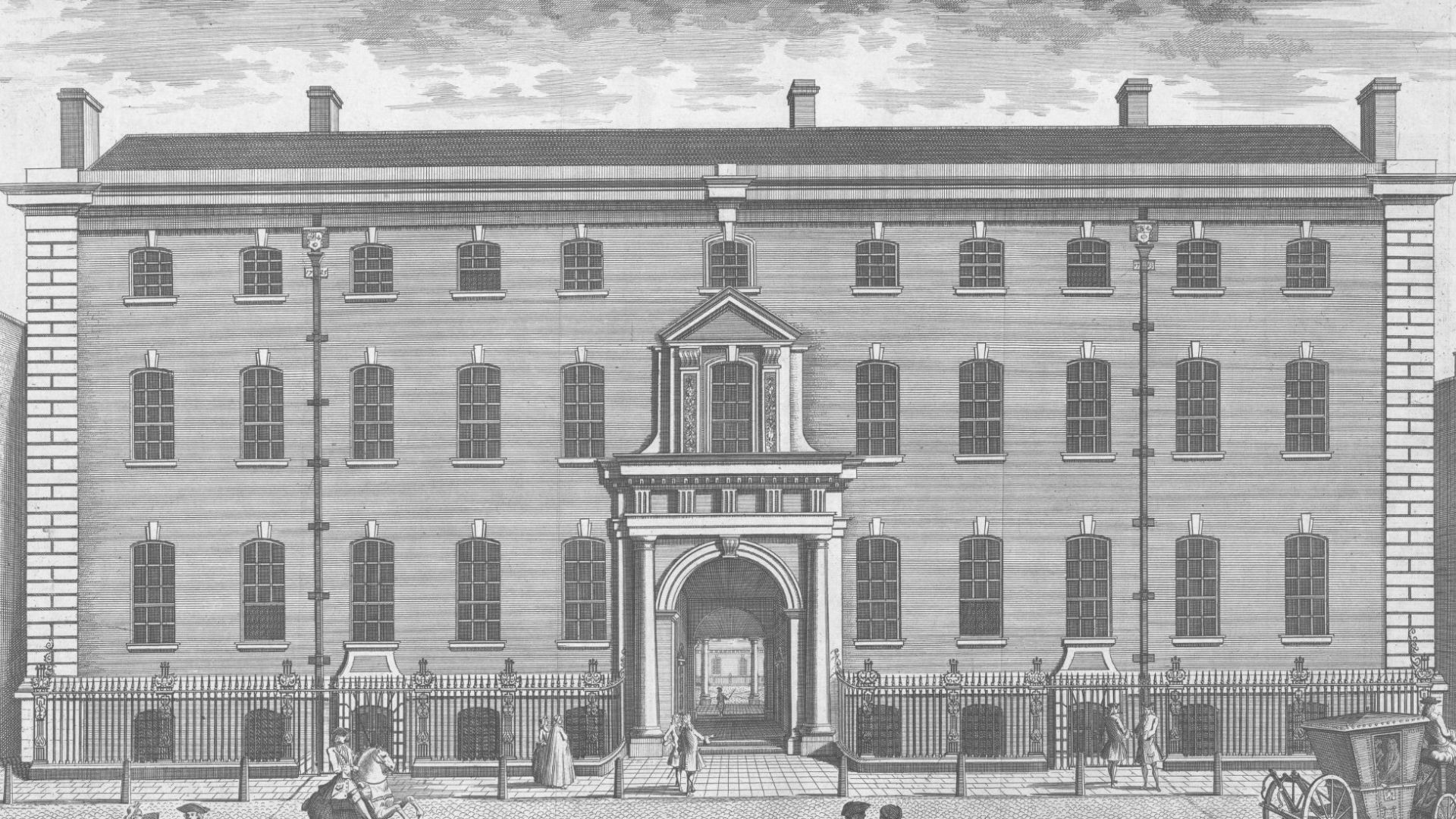 Creator:Thomas Bowles (born circa 1712) on Wikimedia
10. He Delayed Publishing Until Hooke Died
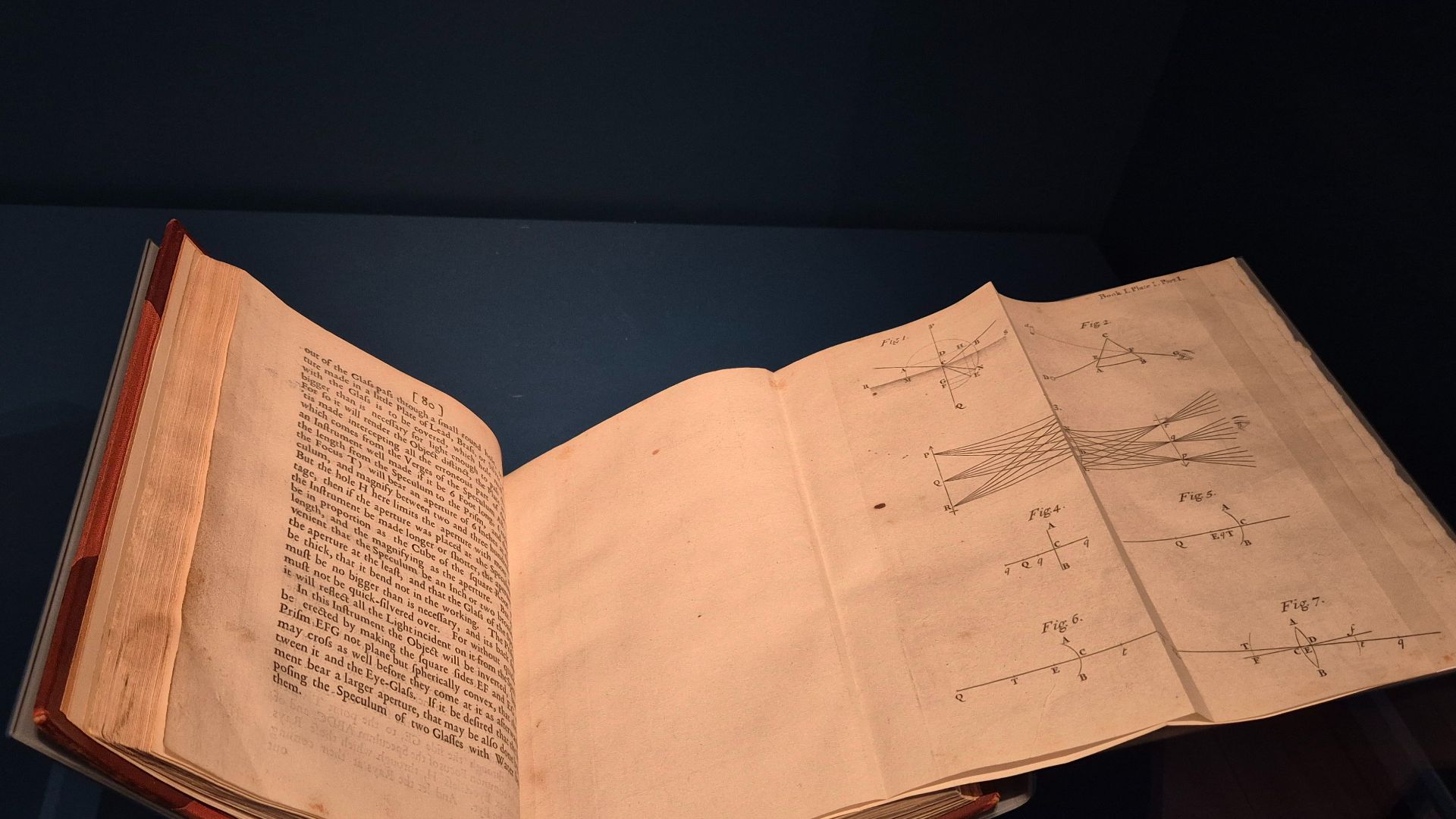
Robert Hooke, Newton's bitter rival, claimed credit for ideas about optics and gravity. Rather than face criticism, Newton sat on his Opticks manuscript for years. The moment Hooke died in 1703, Newton published it. He also scrubbed Hooke's name from later editions of Principia.
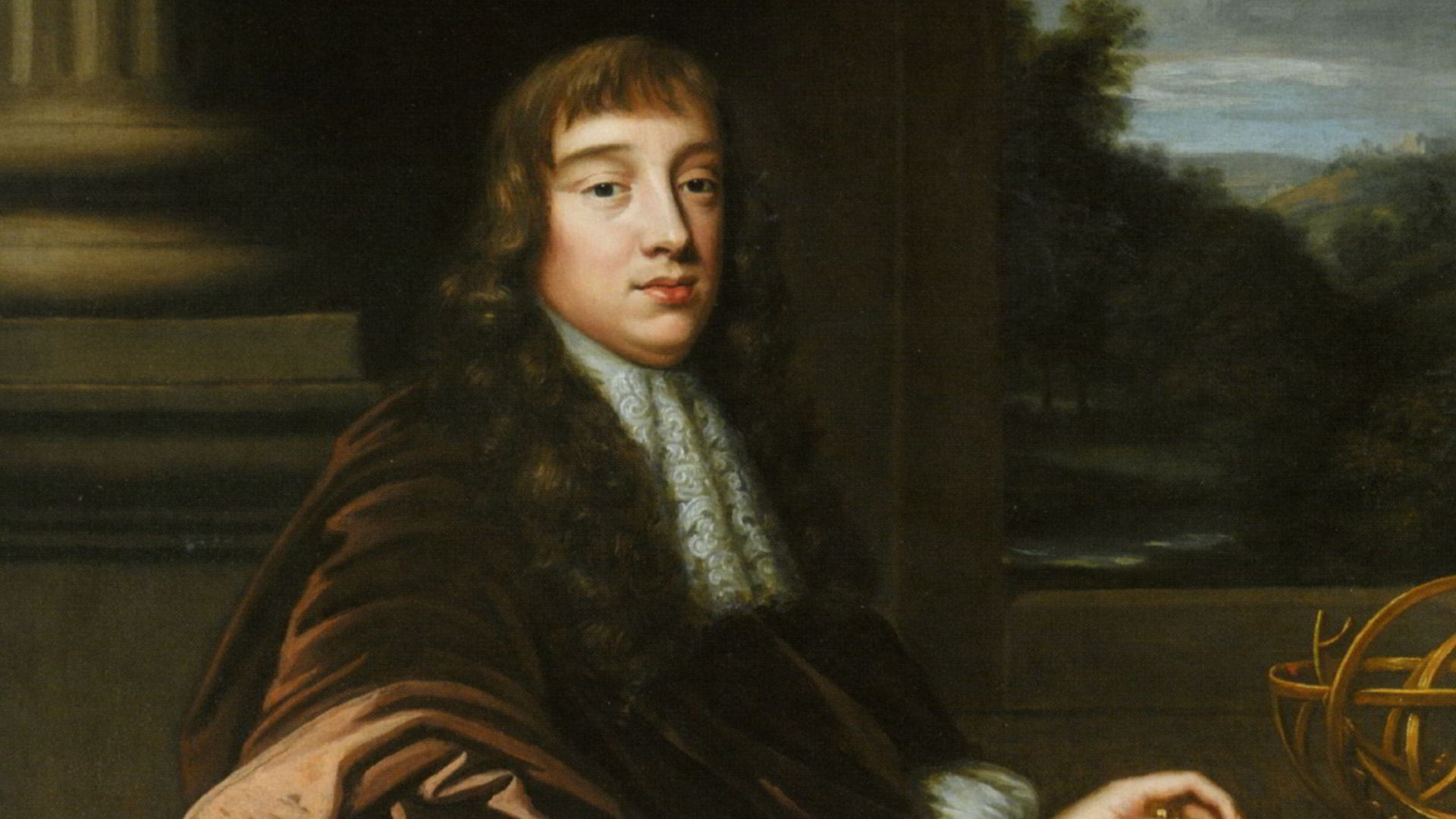
11. Newton Failed Miserably As A Farmer
After his stepfather died, Newton's mom pulled him from school at 14 to run the family farm. He was terrible at it—constantly reading instead of tending sheep. His uncle eventually convinced her to send him back to school.
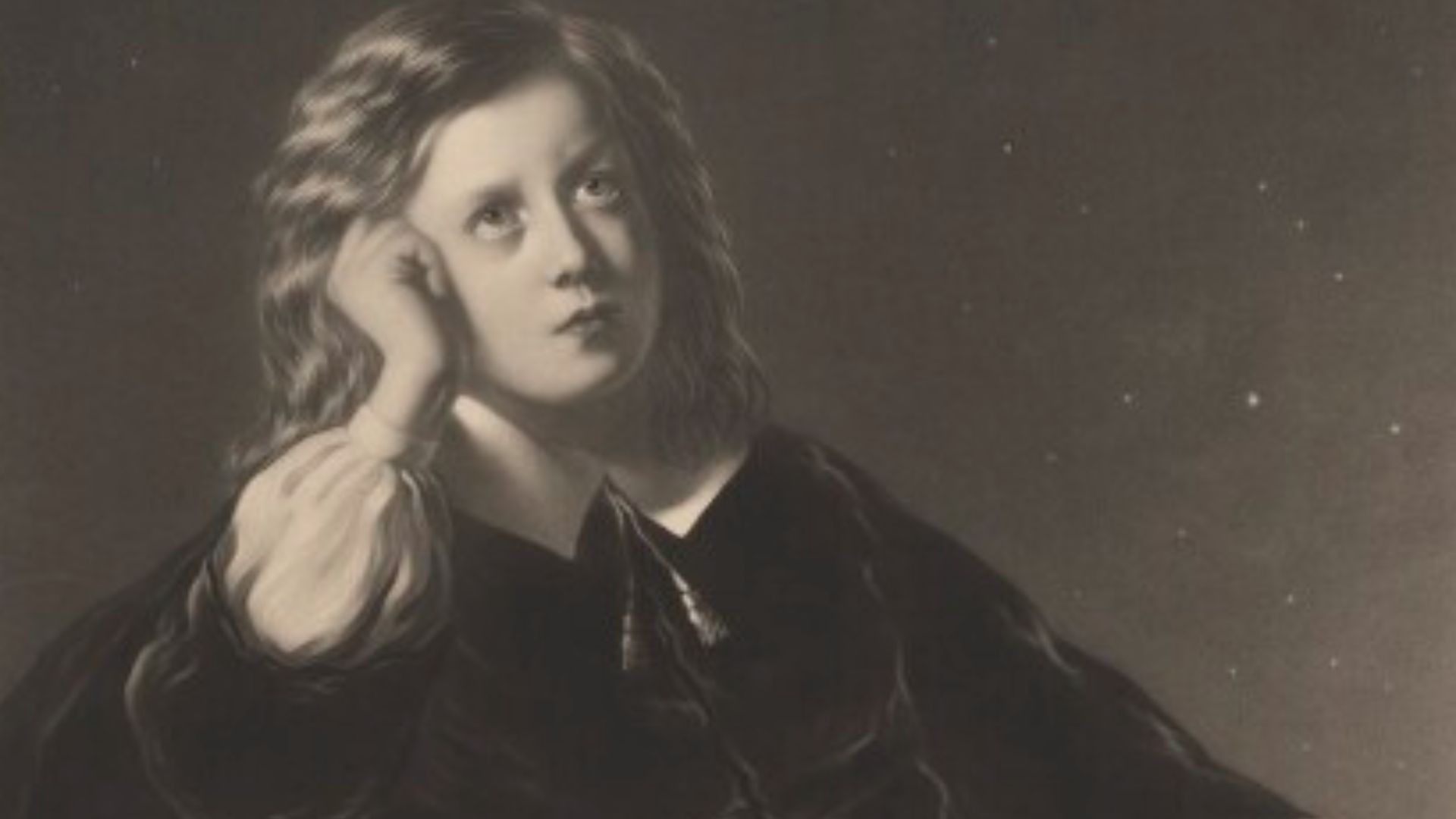
12. He Avoided Public Debates But Fought Privately
Public confrontation terrified Newton. After critics attacked his 1672 light theory, he threatened to quit publishing forever. He avoided direct debates and let supporters fight his battles instead. Yet behind the scenes, he ruthlessly pursued priority claims through institutions he secretly controlled.
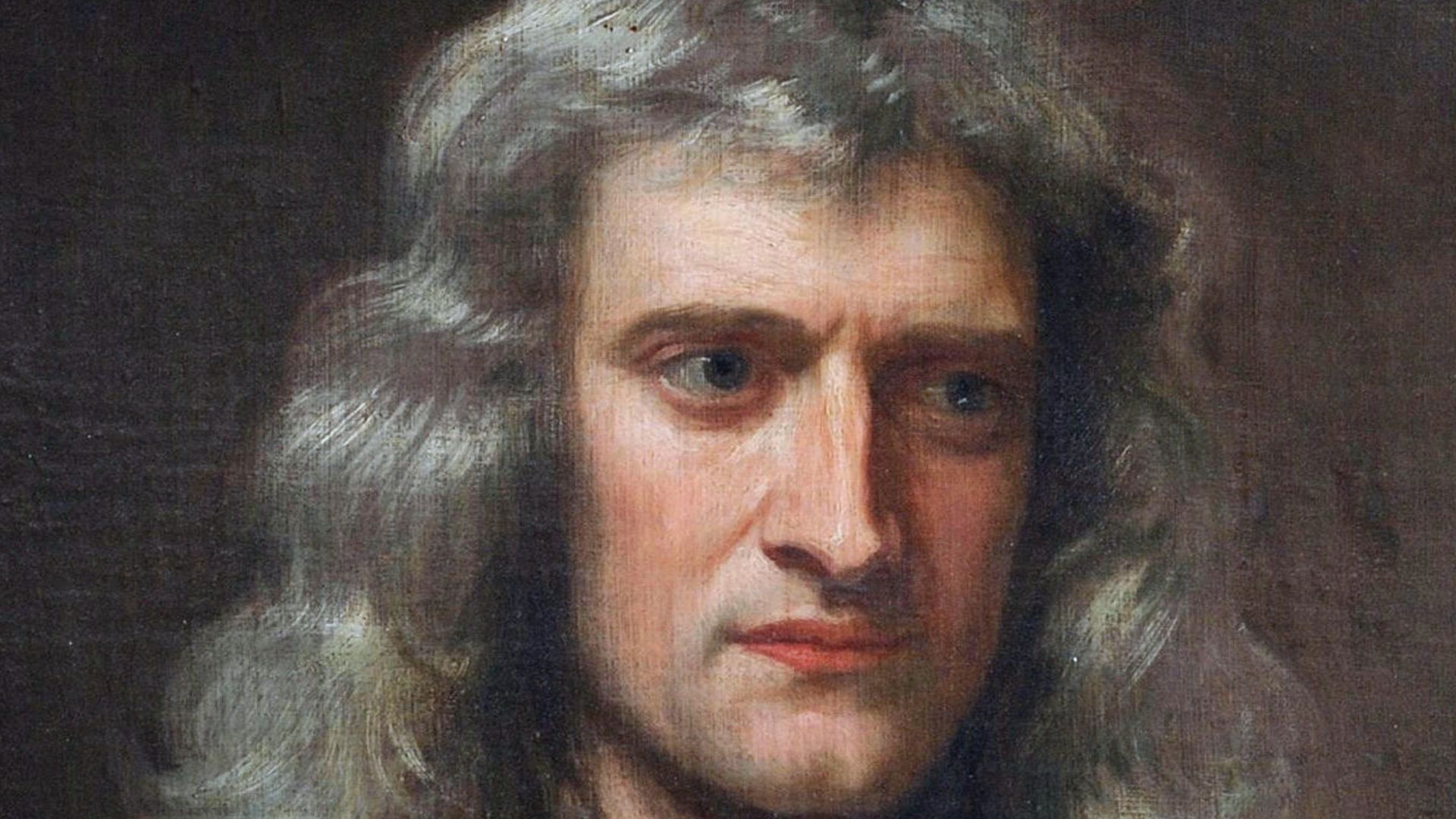 James Thronill after Sir Godfrey Kneller on Wikimedia
13. He Nearly Blinded Himself Studying The Sun
Newton's optics obsession led him to stare directly at the sun through mirrors for extended periods. His vision went haywire—persistent spots and color distortions plagued him for days. He locked himself in a dark room to recover and documented the whole dangerous experiment anyway.
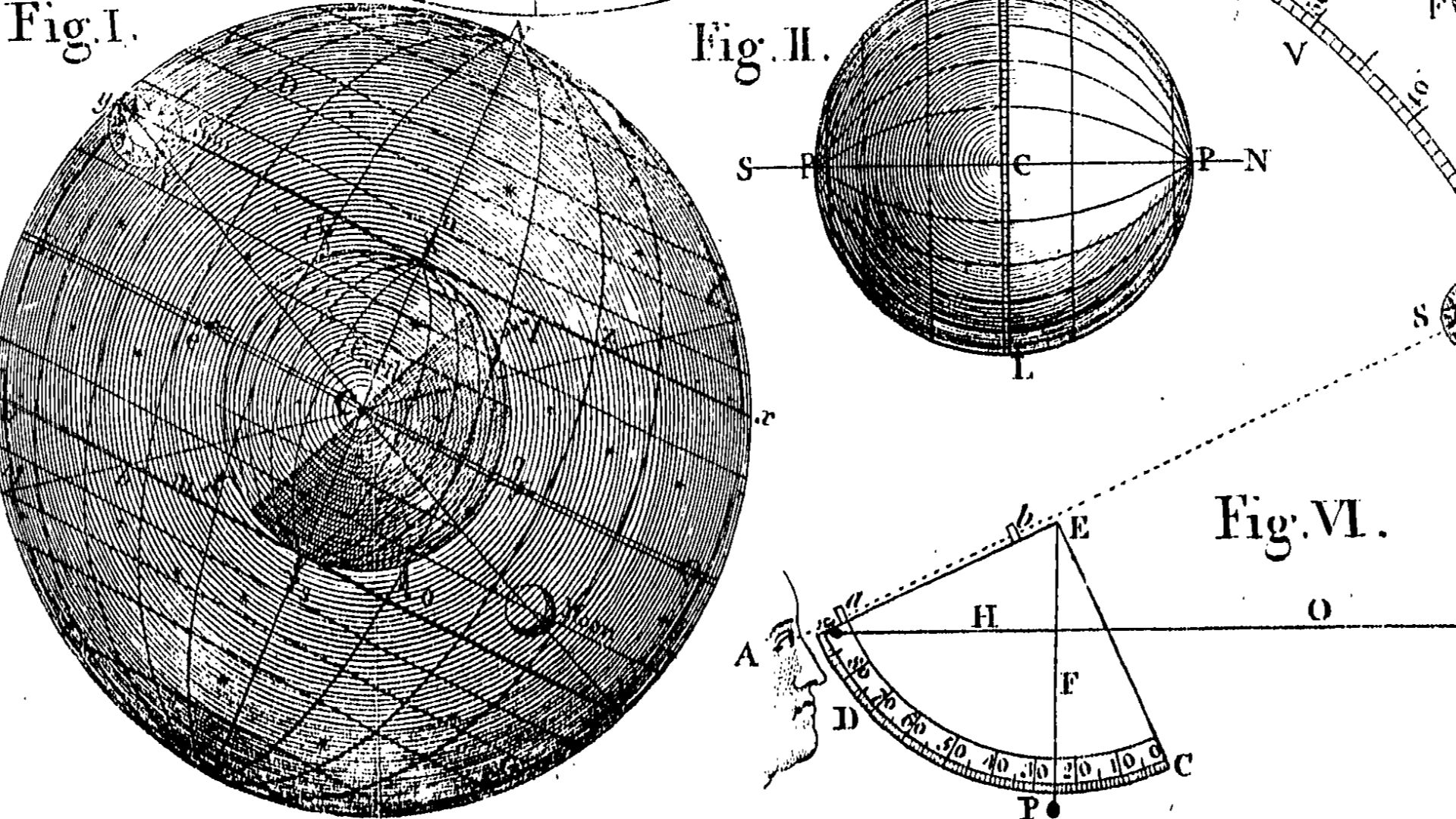
14. Knighthood Honored Politics, Not Scientific Work
Queen Anne knighted Newton in 1705, but not for discovering gravity or revolutionizing mathematics. His title recognized years of public service reforming currency and hunting counterfeiters as Mint Master. Scientific genius alone wasn't enough—he earned "Sir Isaac" by chasing criminals.
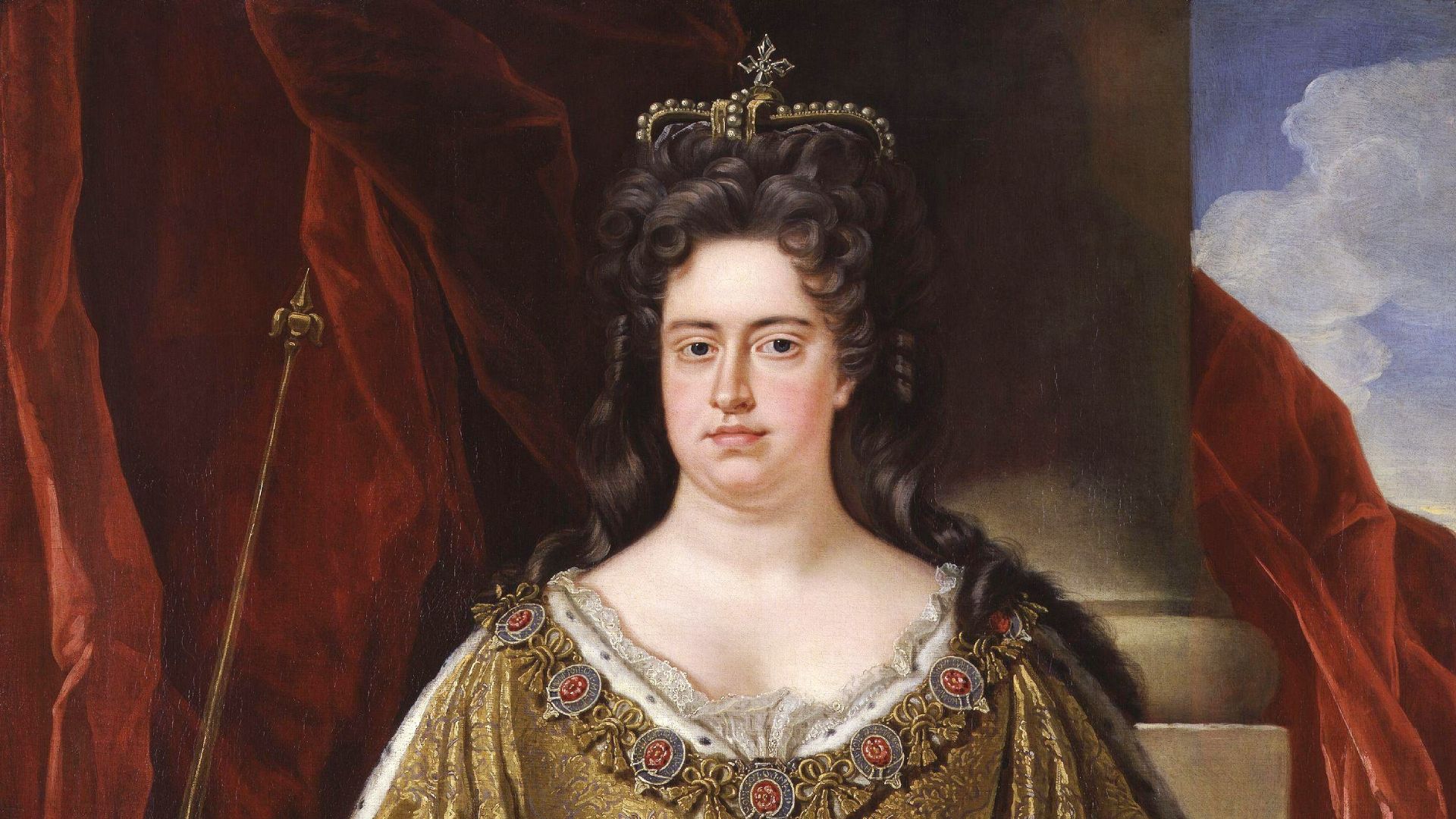 Workshop of John Closterman on Wikimedia
15. Newton Collected Books On Occultism
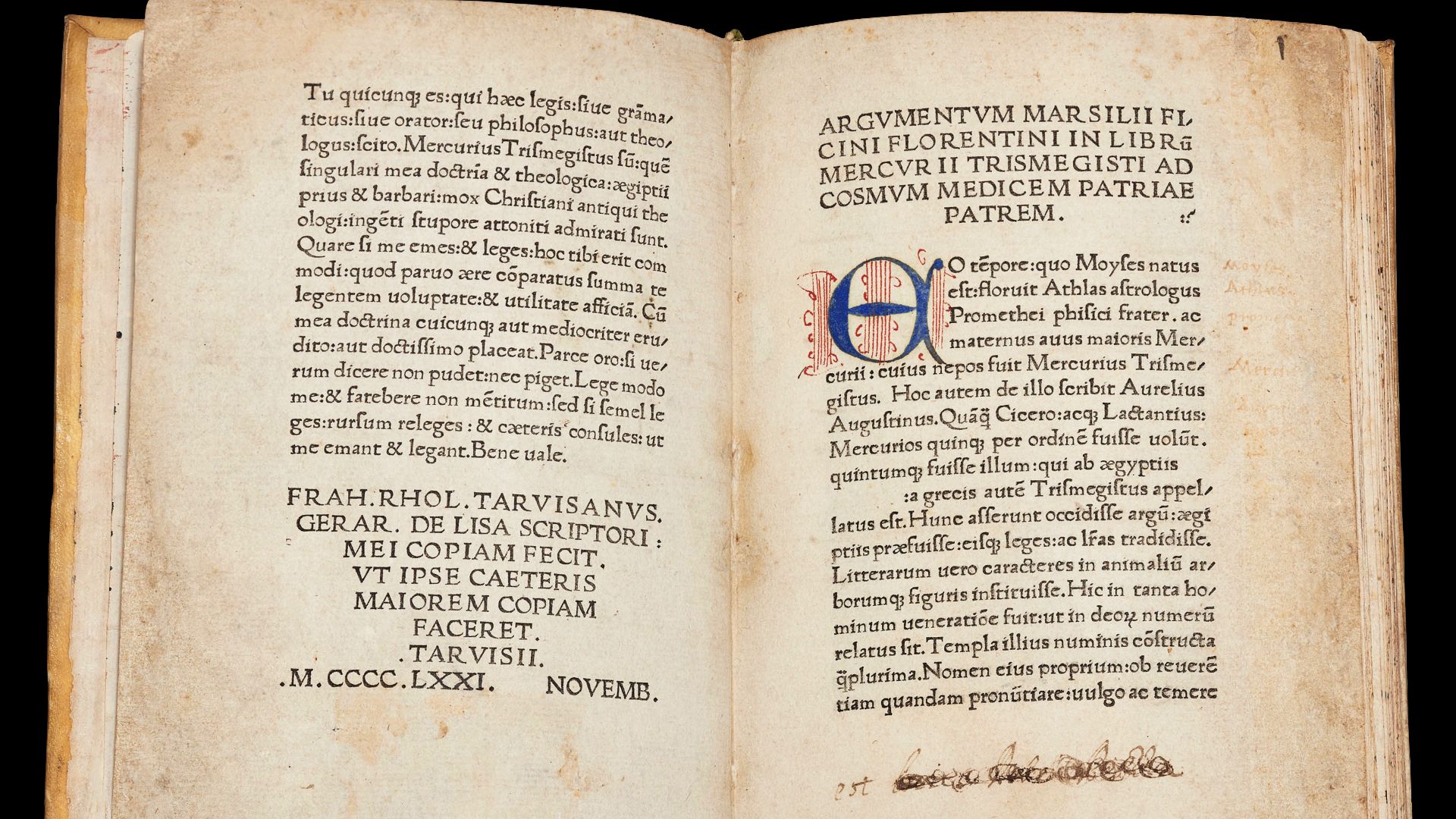
His library overflowed with texts on hermeticism, Kabbalah, and occult philosophy. Newton actively collected and annotated these magical works, viewing them as sources of hidden ancient wisdom. He owned more occult books than many professional magicians.
16. He Held A Professorship
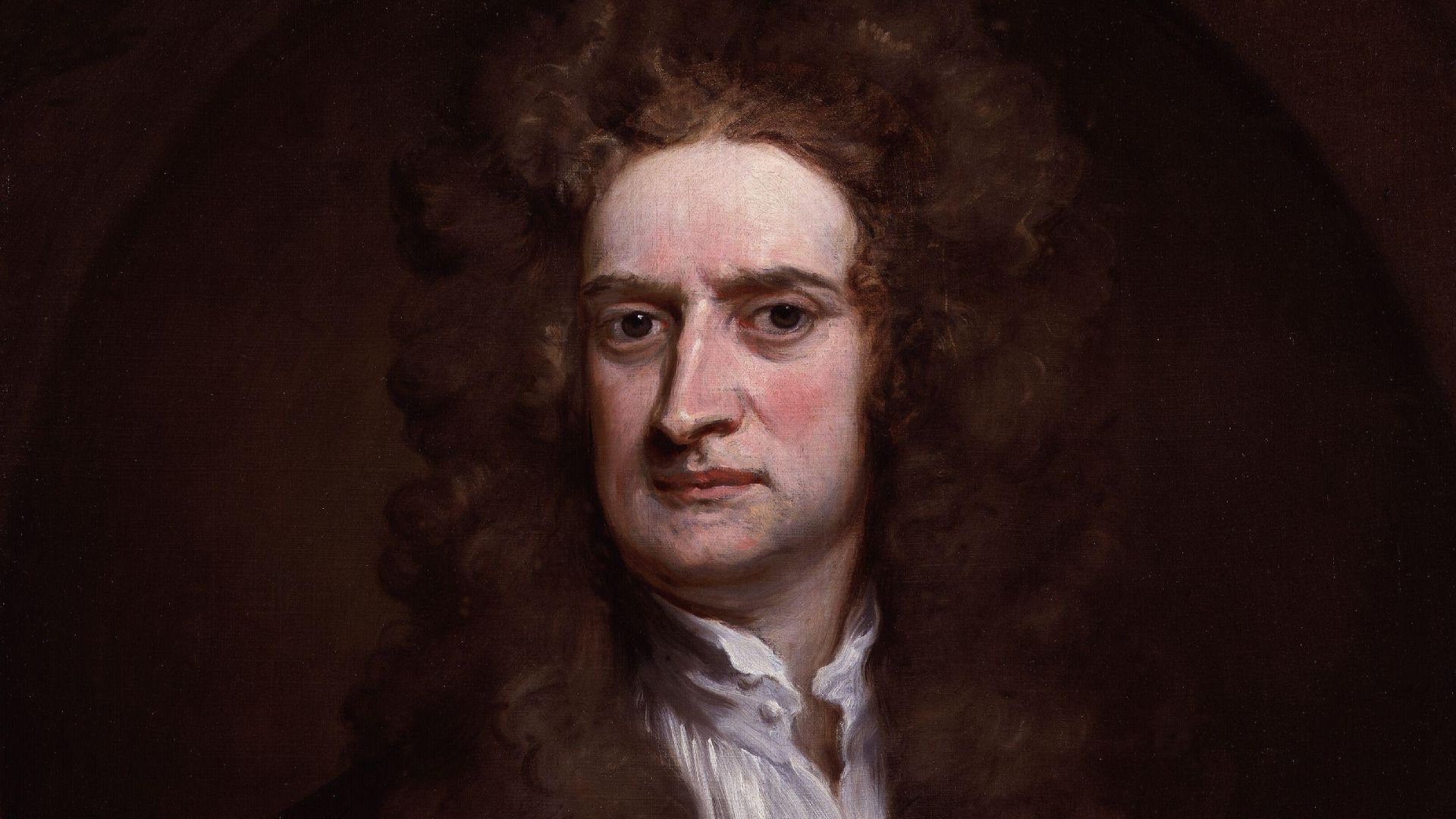
Newton held the prestigious Lucasian Professorship from 1669 to 1702, yet students routinely skipped his lectures. Sometimes he showed up to completely empty rooms and lectured anyway to fulfill his contract. Teaching bored him—private research in his cluttered rooms mattered far more.
17. Newton Believed Gravity Was God’s Force
Newton rejected purely mechanical explanations for gravity. His private writings suggest he viewed gravitational force as God's active will holding the universe together. In later Opticks editions, he hinted that invisible forces might stem from divine rather than material causes.
18. As A Teen, He Threatened His Mother
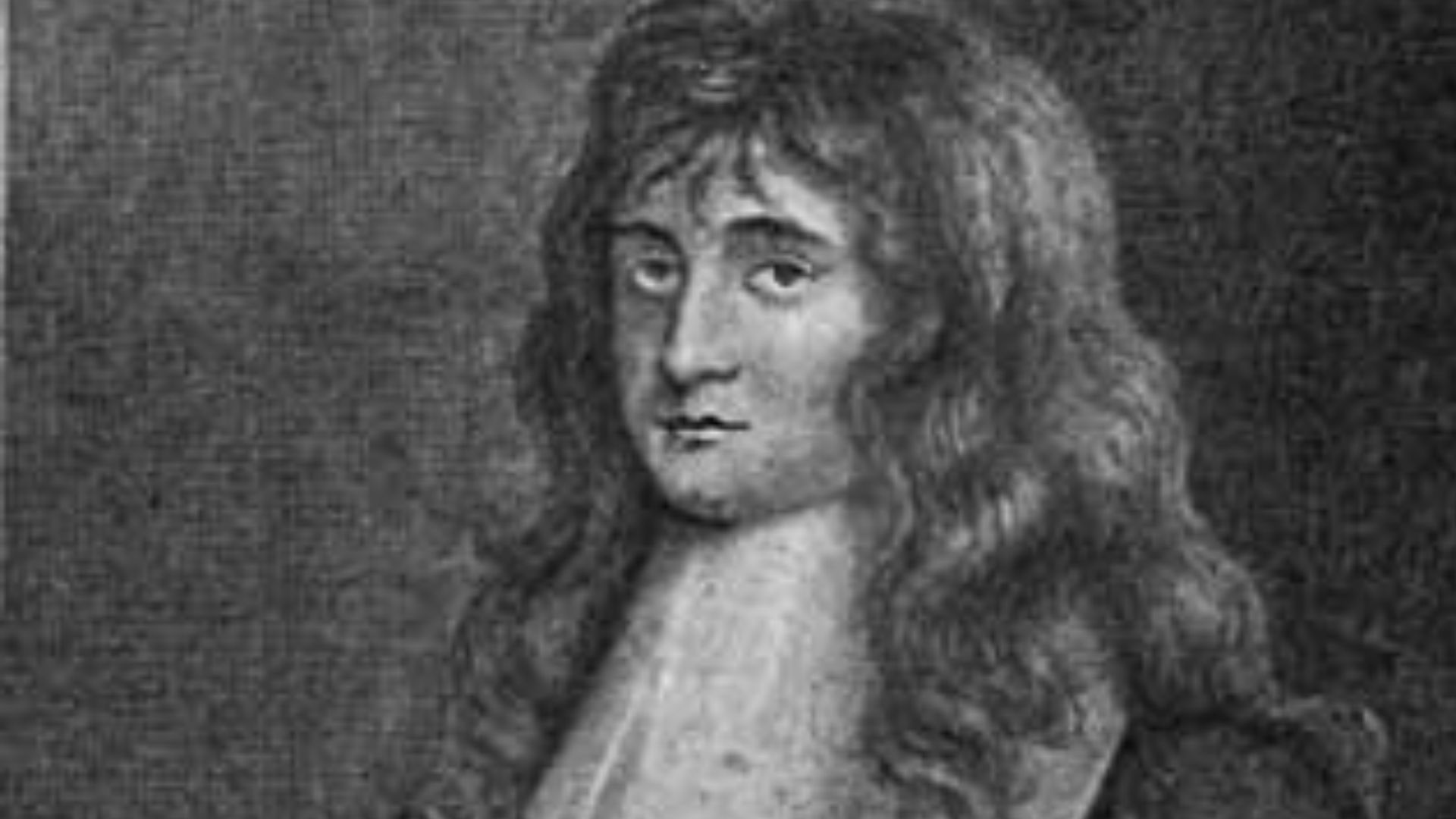
A teenage Newton once threatened to burn his mother Hannah and stepfather Barnabas Smith. His private sin list documented this violent rage alongside confessions about punching his sister and stealing plums. Family resentment ran deep after Hannah remarried and essentially abandoned young Isaac.
 Burnet Reading / After Peter Lely on Wikimedia
19. He Isolated Himself For Prism Experiments
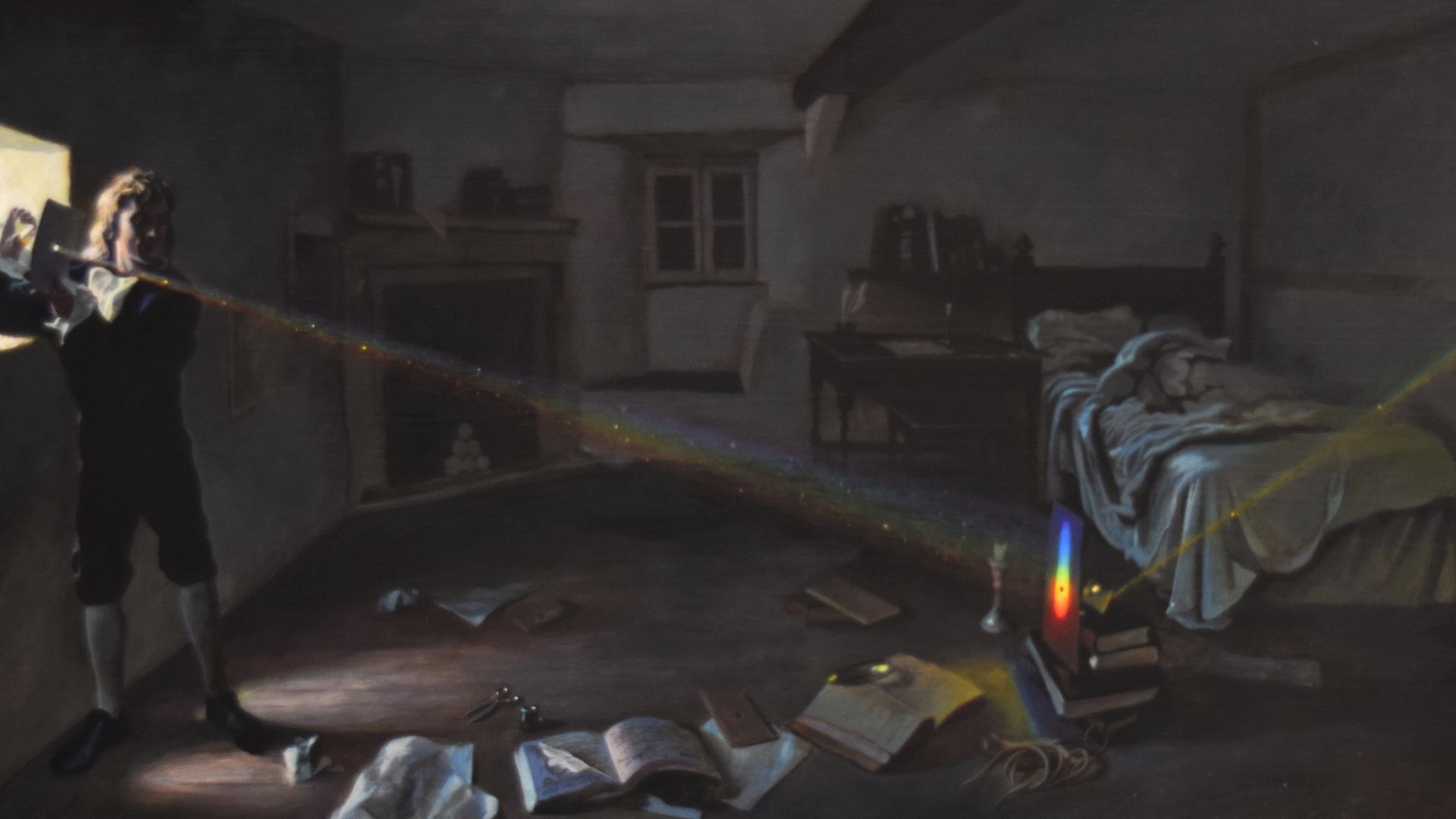
Newton sealed himself in a darkened room at Woolsthorpe Manor with just a tiny light beam and a prism. For months, he barely left, obsessively studying how white light split into colors. His experimentum crucis with two prisms proved colors were fundamental.
20. Newton Seized And Suppressed Flamsteed’s Data
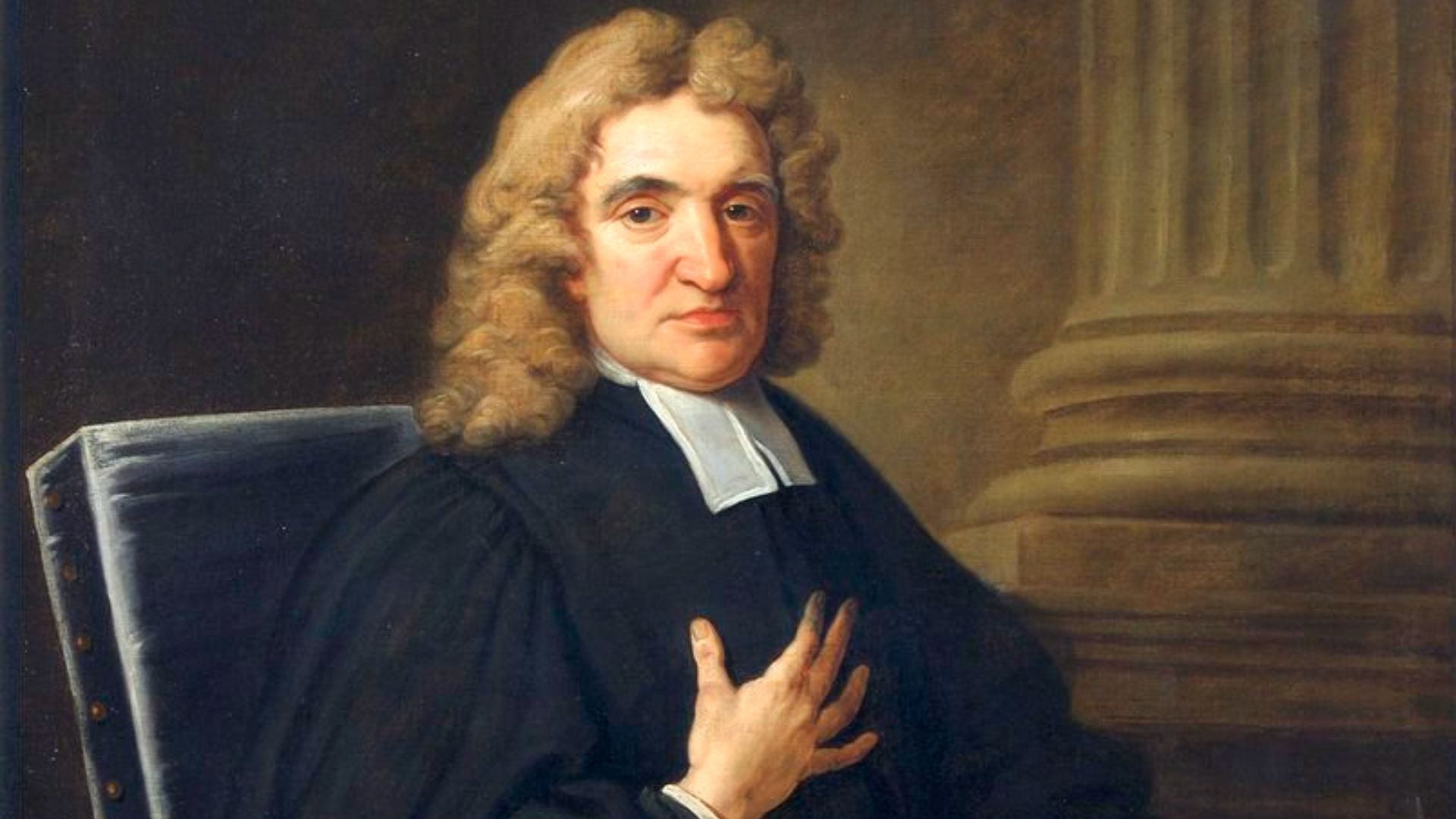
John Flamsteed, the Astronomer Royal, refused to hand over the lunar observations that Newton desperately wanted. Newton retaliated by using Royal Society power to seize Flamsteed's data and publish it without permission in 1712. Flamsteed fought back in court and literally burned copies of the unauthorized edition.
KEEP ON READING