


A Legend Forged in Combat
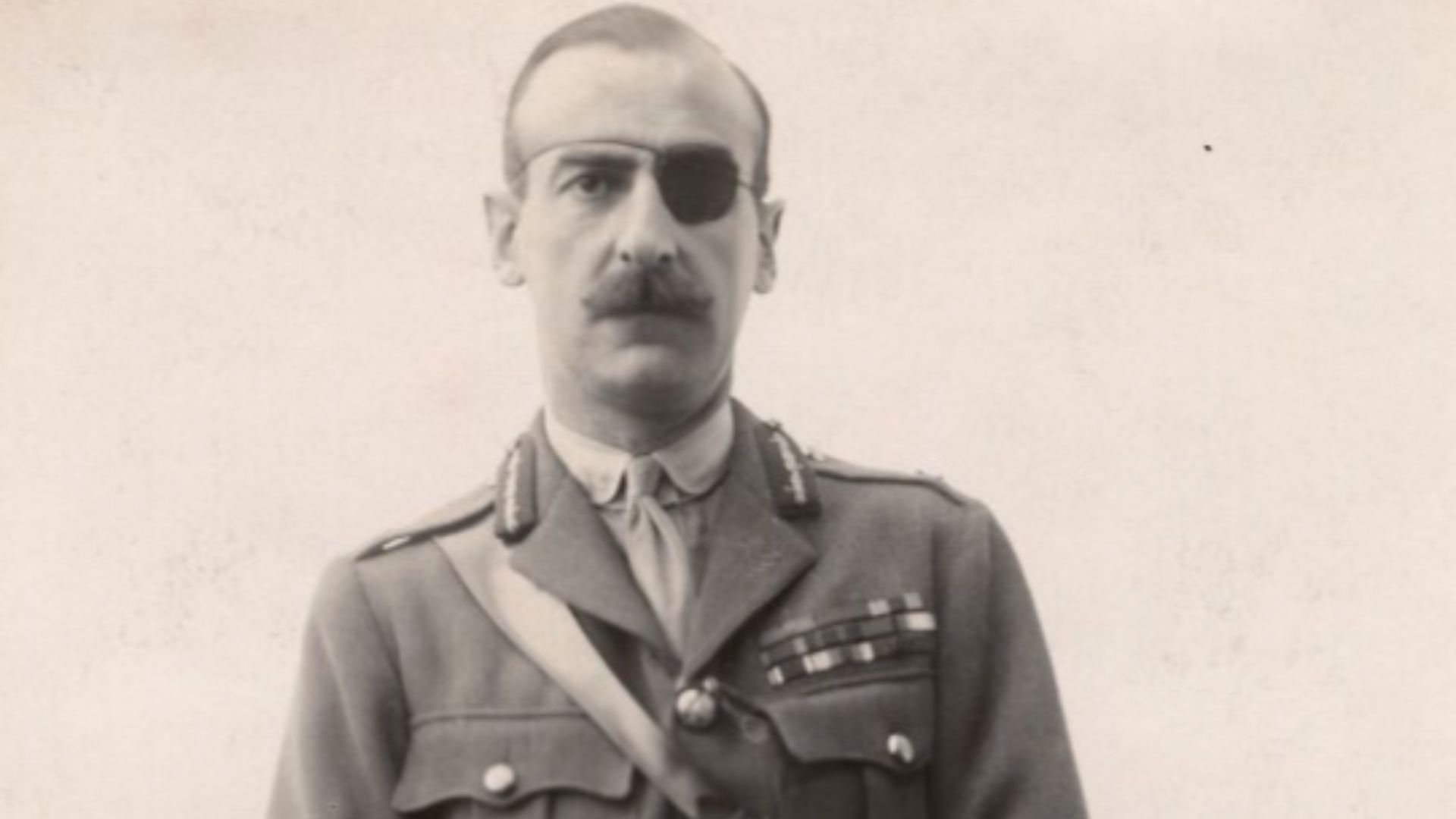
Some lives read less like biographies and more like improbable adventure novels. Sir Adrian Carton de Wiart’s story belongs firmly in that category, shaped by relentless courage, dark humor, and a complete disregard for personal safety. His reputation grew through extremes that would have ended most careers many times over; each chapter reveals a personality as fearless as it was unconventional. Read on to uncover the man behind the legend.
 H. Walter Barnett on Wikimedia
1. Rumored Royal Illegitimacy
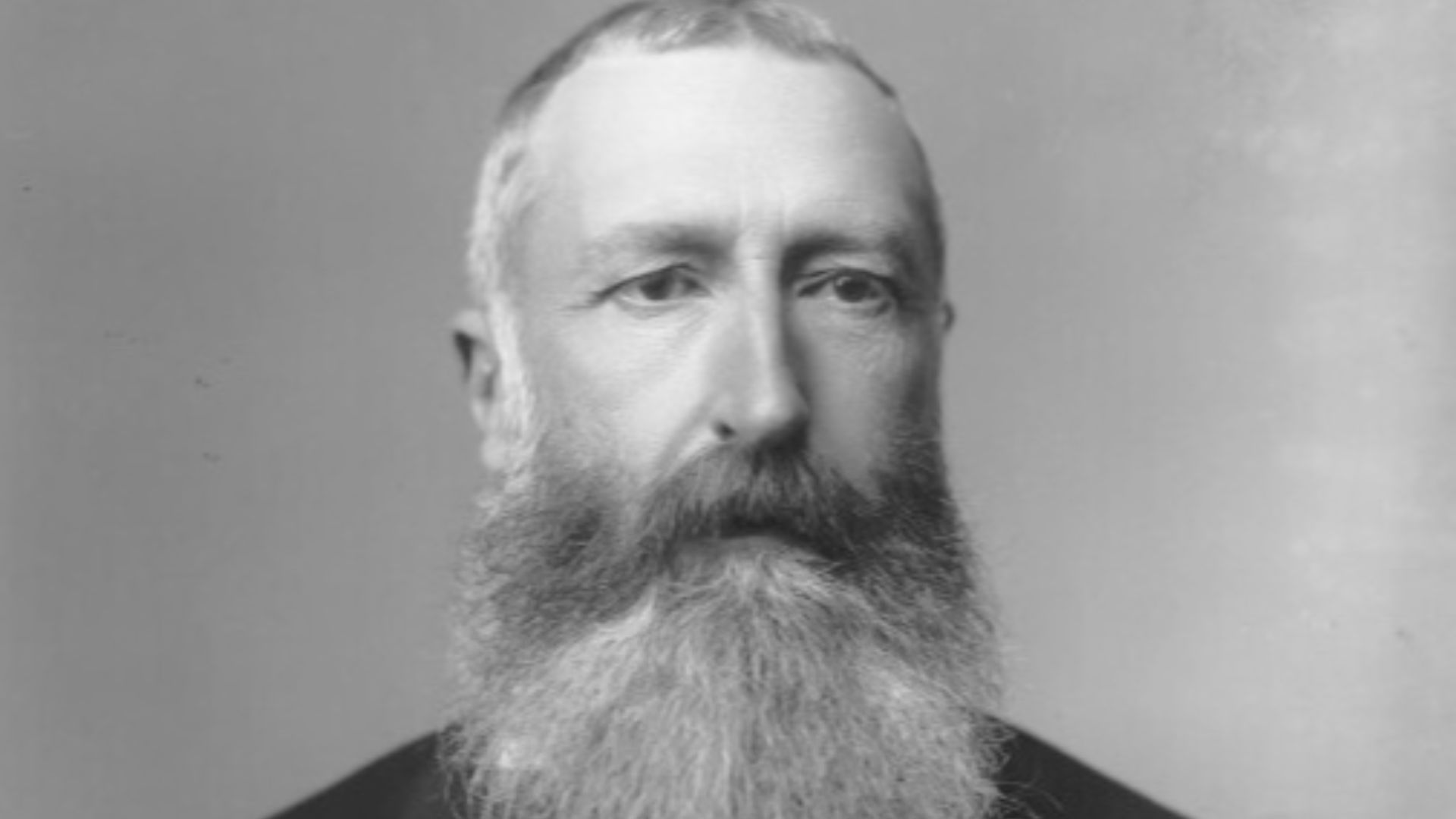
Whispers followed Adrian throughout his life—was he secretly King Leopold II's illegitimate son? Born in Brussels on May 5, 1880, the rumor gained steam after his parents' 1886 divorce and his sudden departure to England. Adrian himself dismissed the gossip with humor, crediting his wild spirit to "mixed blood" rather than royal lineage.
 Alexander Bassano on Wikimedia
2. Falsified Identity For Enlistment
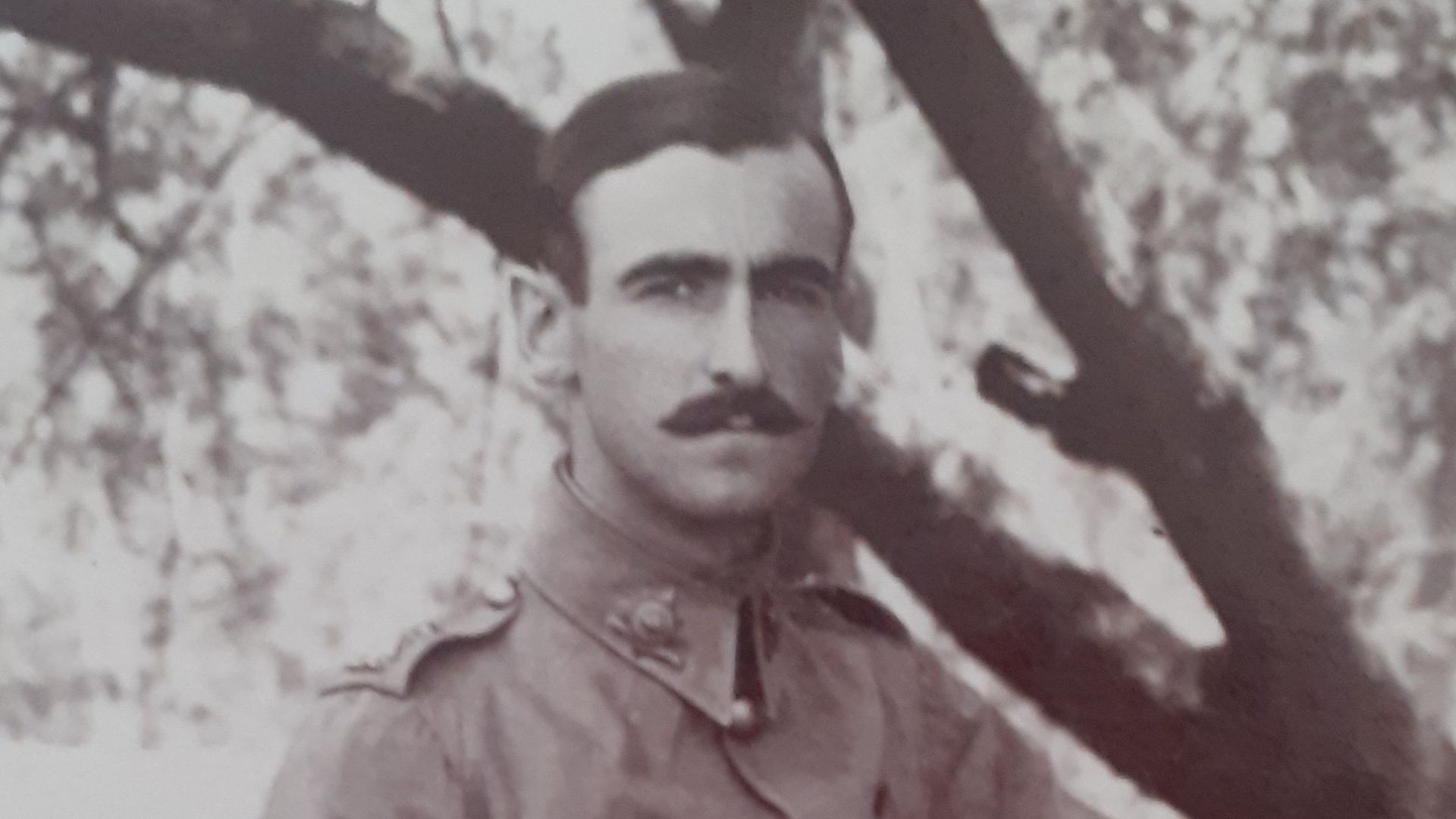
Oxford felt too boring for a 19-year-old craving adventure. So in 1899, Adrian simply lied about his age, called himself "Trooper Carton," and enlisted for the Second Boer War by claiming he was 25. His father was furious when he found out, but eventually gave up trying to stop his son's reckless pursuit.
 Major Gerald Lamont on Wikimedia
3. Early Wounds in South Africa
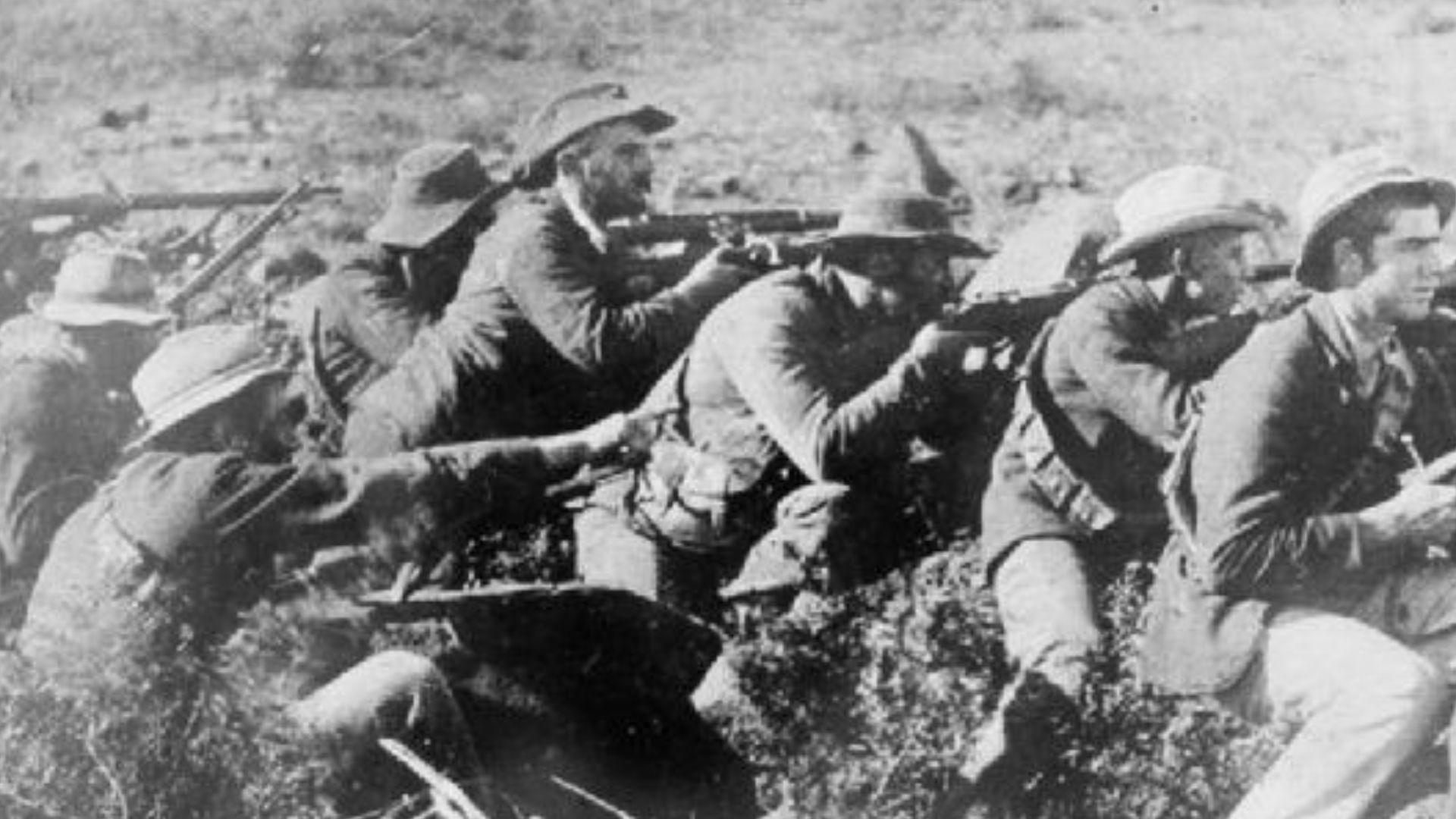
The Boer War nearly ended his life in 1900 when bullets tore through his stomach and groin. Recovery in England didn't dampen his enthusiasm—he returned to South Africa in 1901 and earned his commission as second lieutenant.
4. Naturalization Amid Service
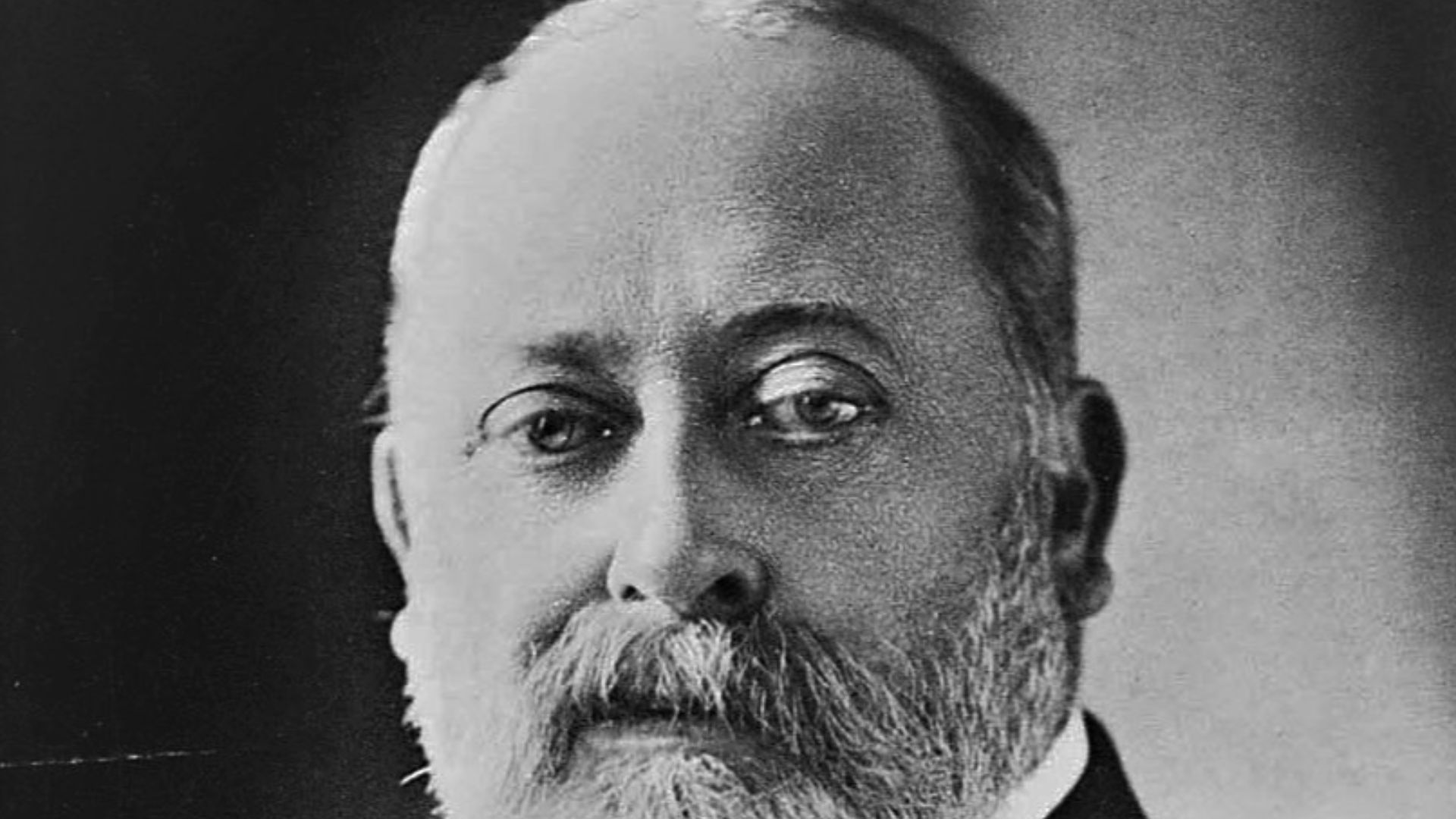
After eight years fighting for Britain, Adrian made it official on September 13, 1907, swearing allegiance to King Edward VII. The Belgian-born soldier needed British citizenship for career advancement, though he saw it differently. He quipped about "becoming officially British just in time for more trouble" with his usual ironic wit.
 Frédéric Boissonnas / André Taponier on Wikimedia
5. Aristocratic Marriage
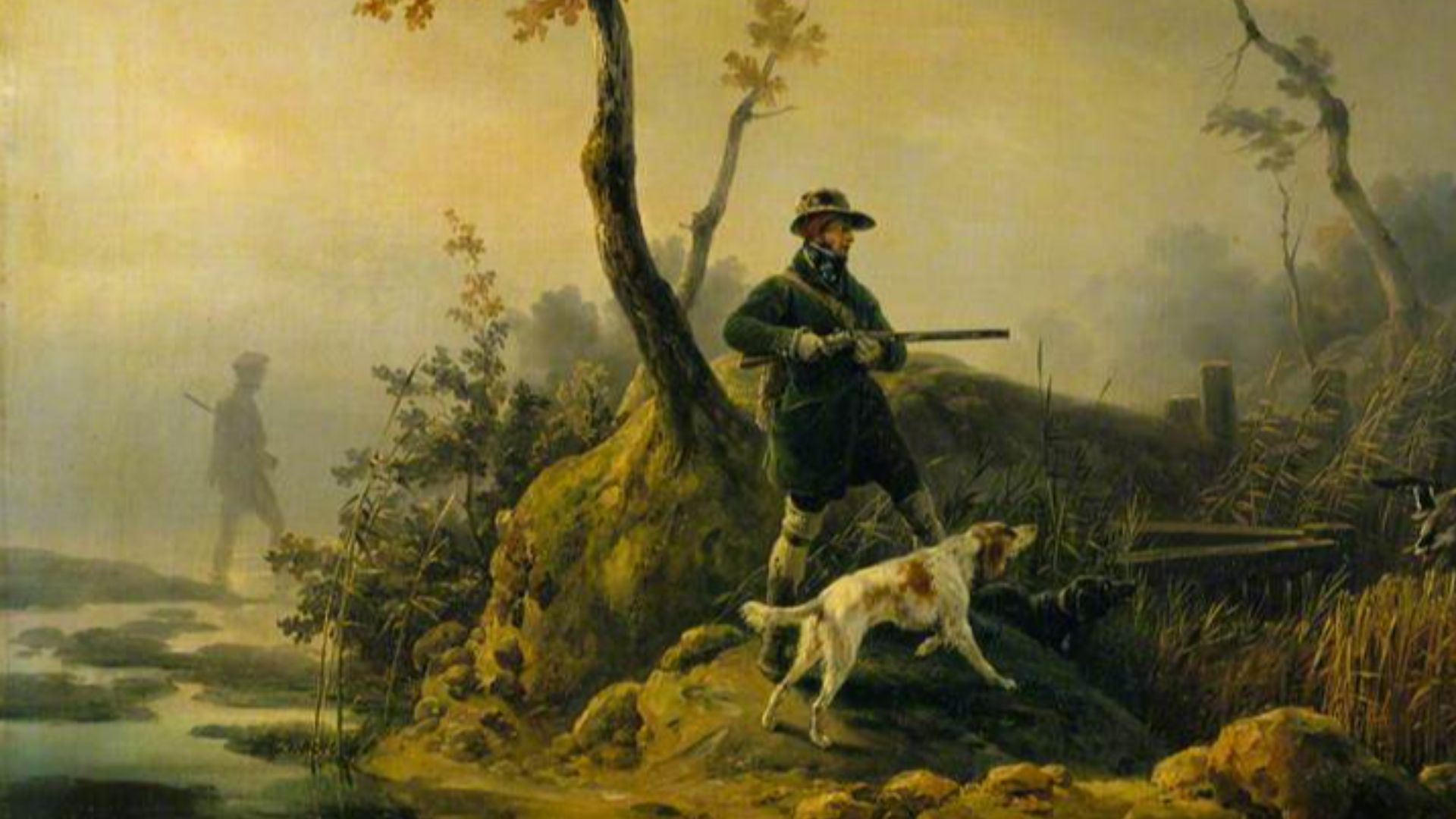
Countess Friederike Fugger von Babenhausen came from Austrian banking royalty, and in 1908, she married Adrian. Together, they had two daughters, and the marriage granted him entry into Europe’s elite hunting circles.
6. Leadership in Somaliland
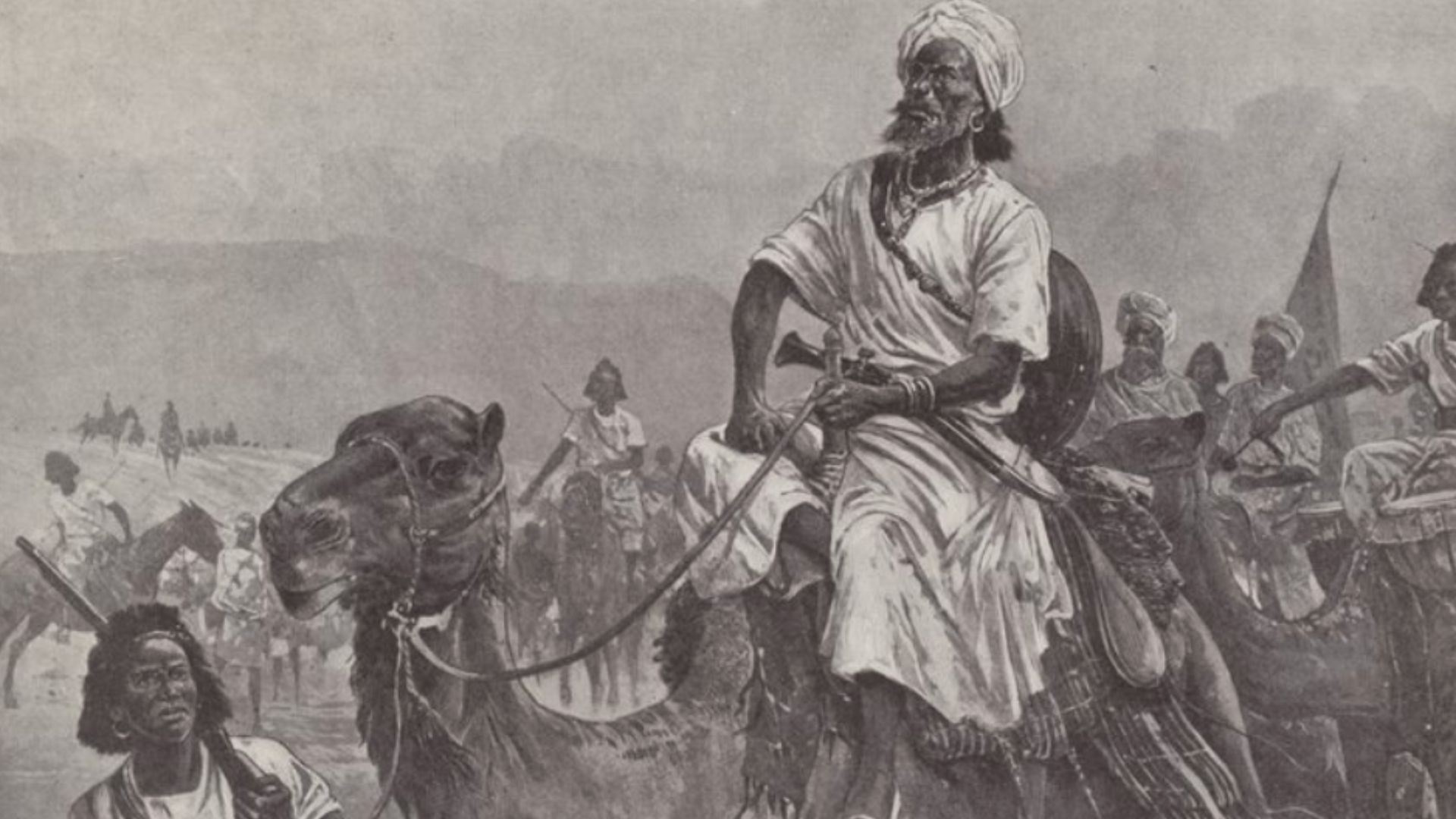
Desert warfare against Mohammed Abdullah Hassan's forces in 1914 put Adrian in command of the Somaliland Camel Corps. He coordinated troops through brutal heat at fortified positions like Shimber Berris, proving his tactical brilliance.
7. Loss of Eye and Ear
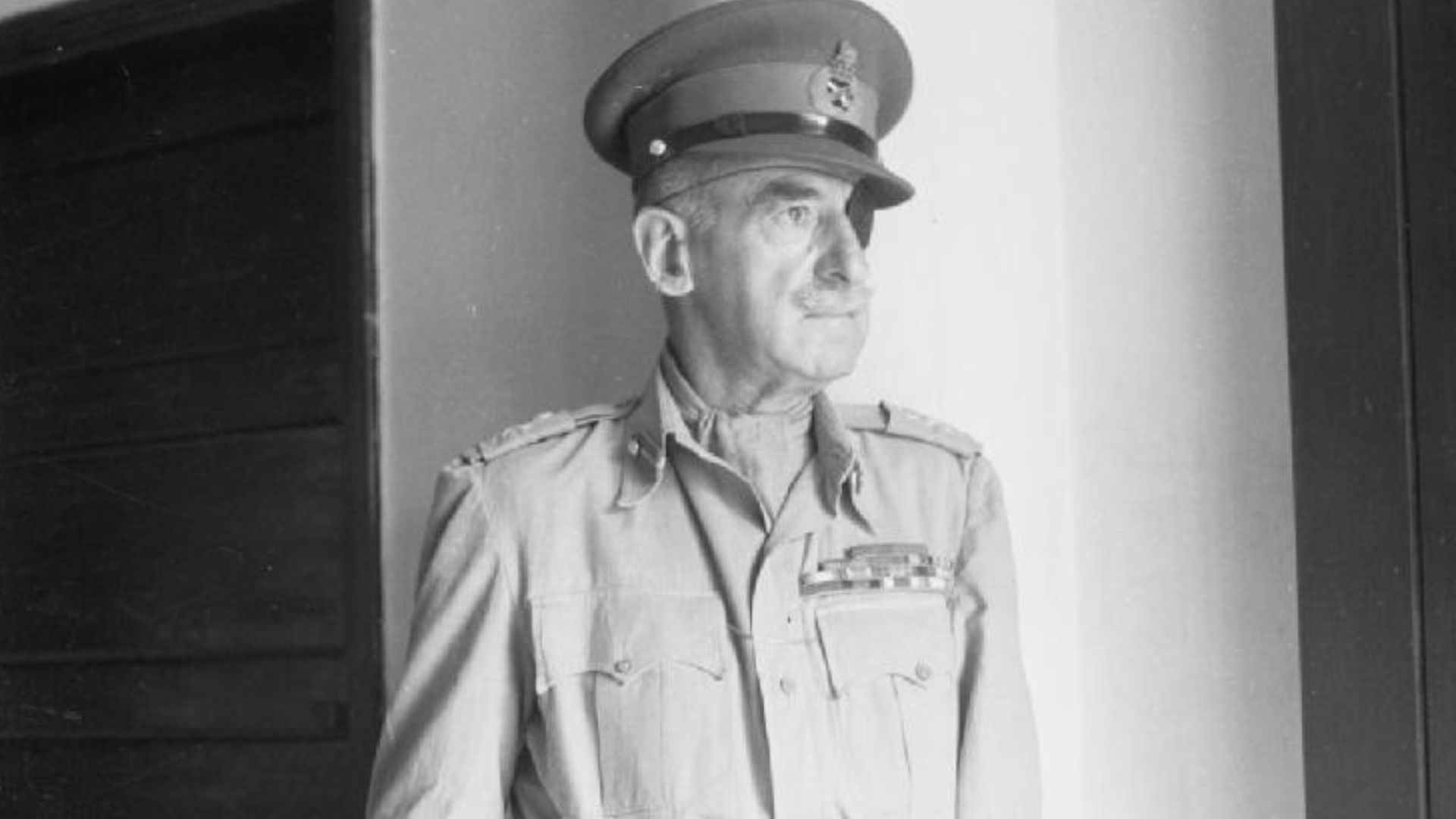
Two bullets smashed into Adrian's face during the 1914–1915 Somaliland campaign at Shimber Berris. His left eye and part of his ear were destroyed, but he allegedly stitched himself up before evacuation. The disfiguring wounds barely slowed him down, and he returned to active duty remarkably quickly afterward.
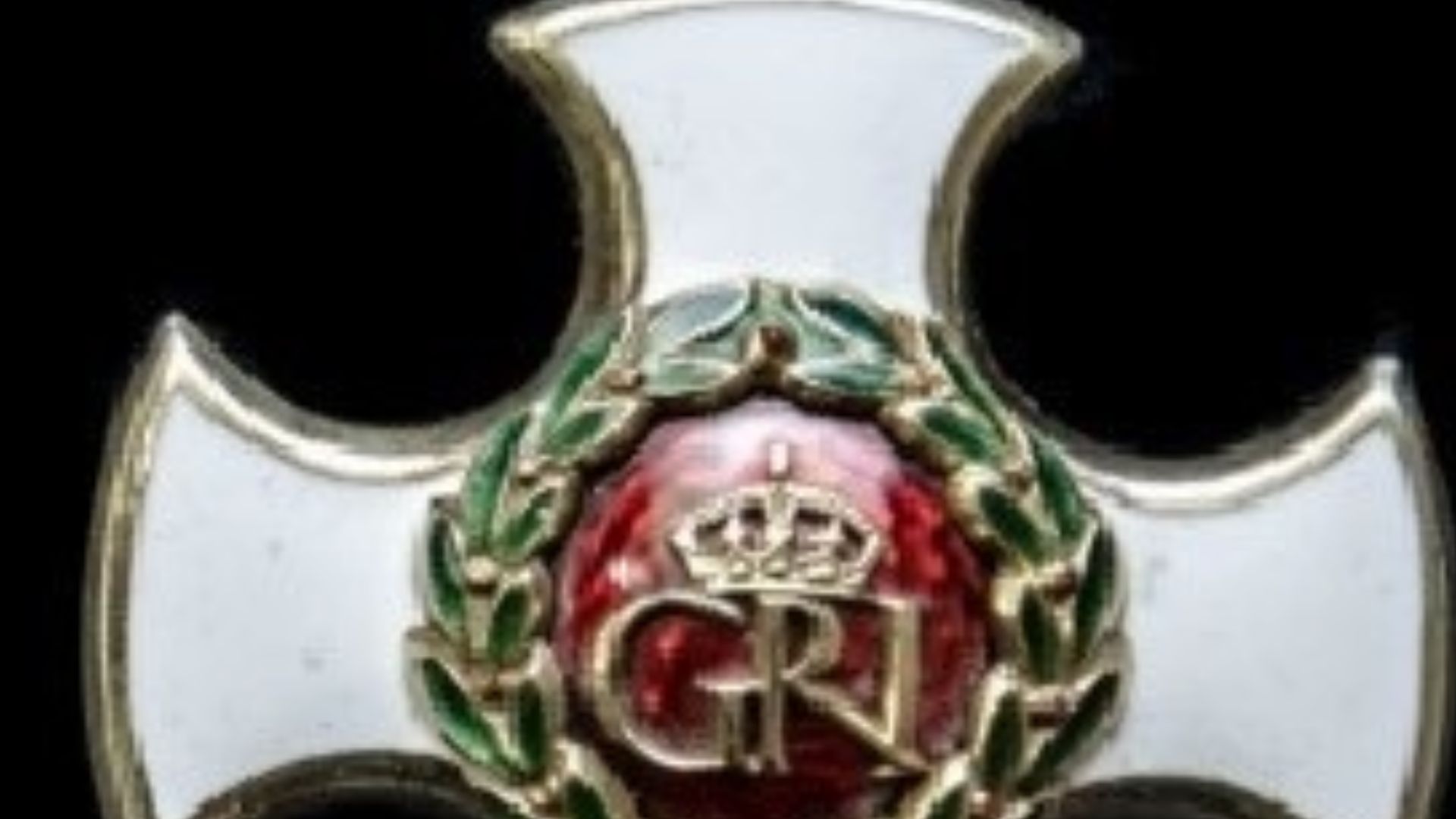
8. Distinguished Service Order Award
Gallantry at Somaliland earned Adrian the Distinguished Service Order on May 15, 1915. The award recognized his leadership against Dervish forces before WWI's Western Front called his name. Recognition meant little to him, though—he reportedly dismissed it as "just another scrap" while preferring actual combat.
9. Rejection of Prosthetic Eye
Glass eyes annoyed Adrian intensely after he lost his in 1915. He threw the irritating prosthetic straight out of a taxi window and switched to his famous black eyepatch instead. The "elegant pirate" look became iconic, and he joked that it "saved him from bad sights" when people asked about it.
 Master Sgt. Cohen Young on Wikimedia
10. Self-Amputation of Fingers
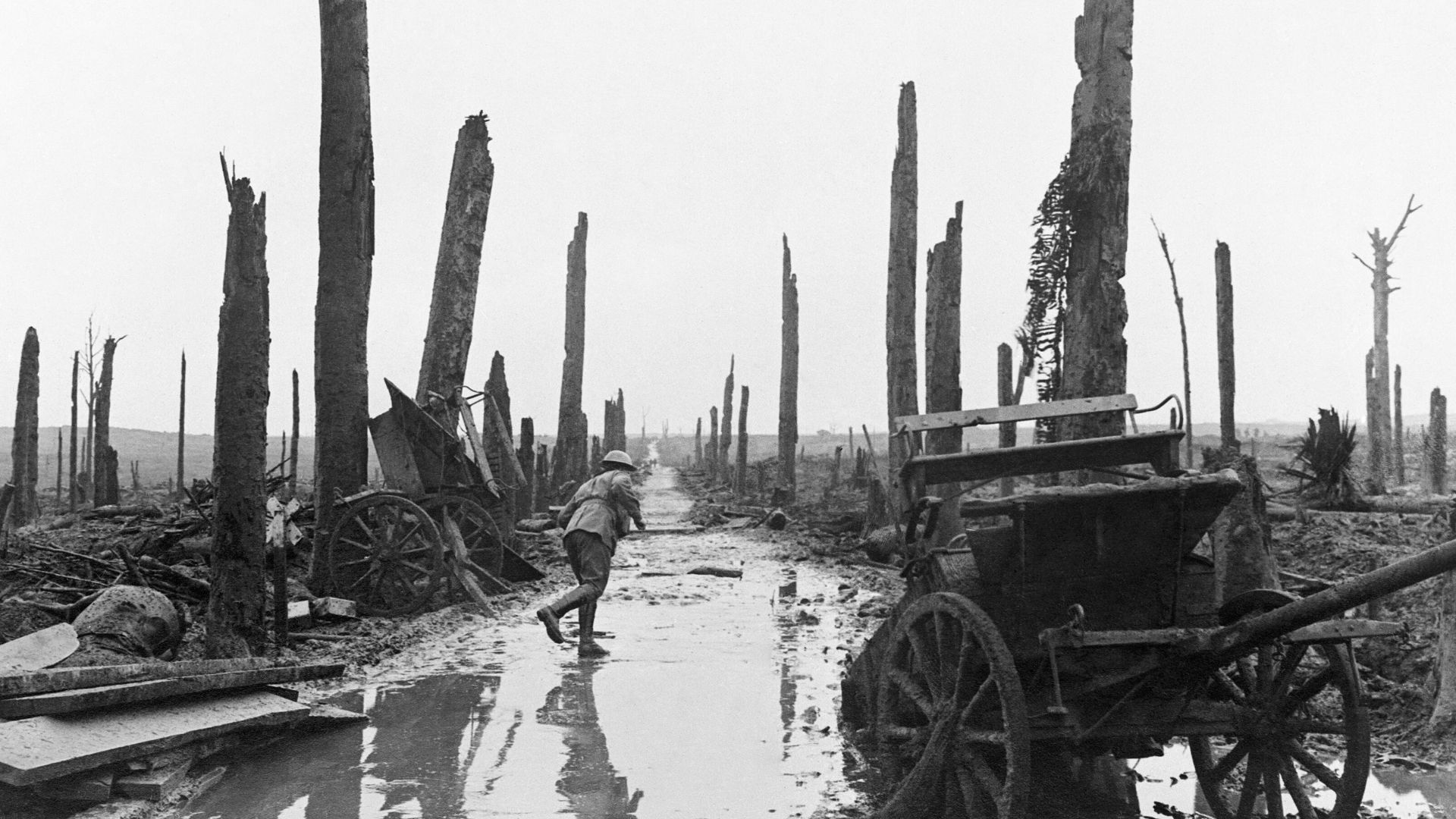
Shrapnel mangled Adrian's left hand at the Second Battle of Ypres in 1915, but the surgeon refused immediate amputation. Without anesthesia or permission, he simply amputated his own damaged fingers right there.
11. Victoria Cross at the Somme
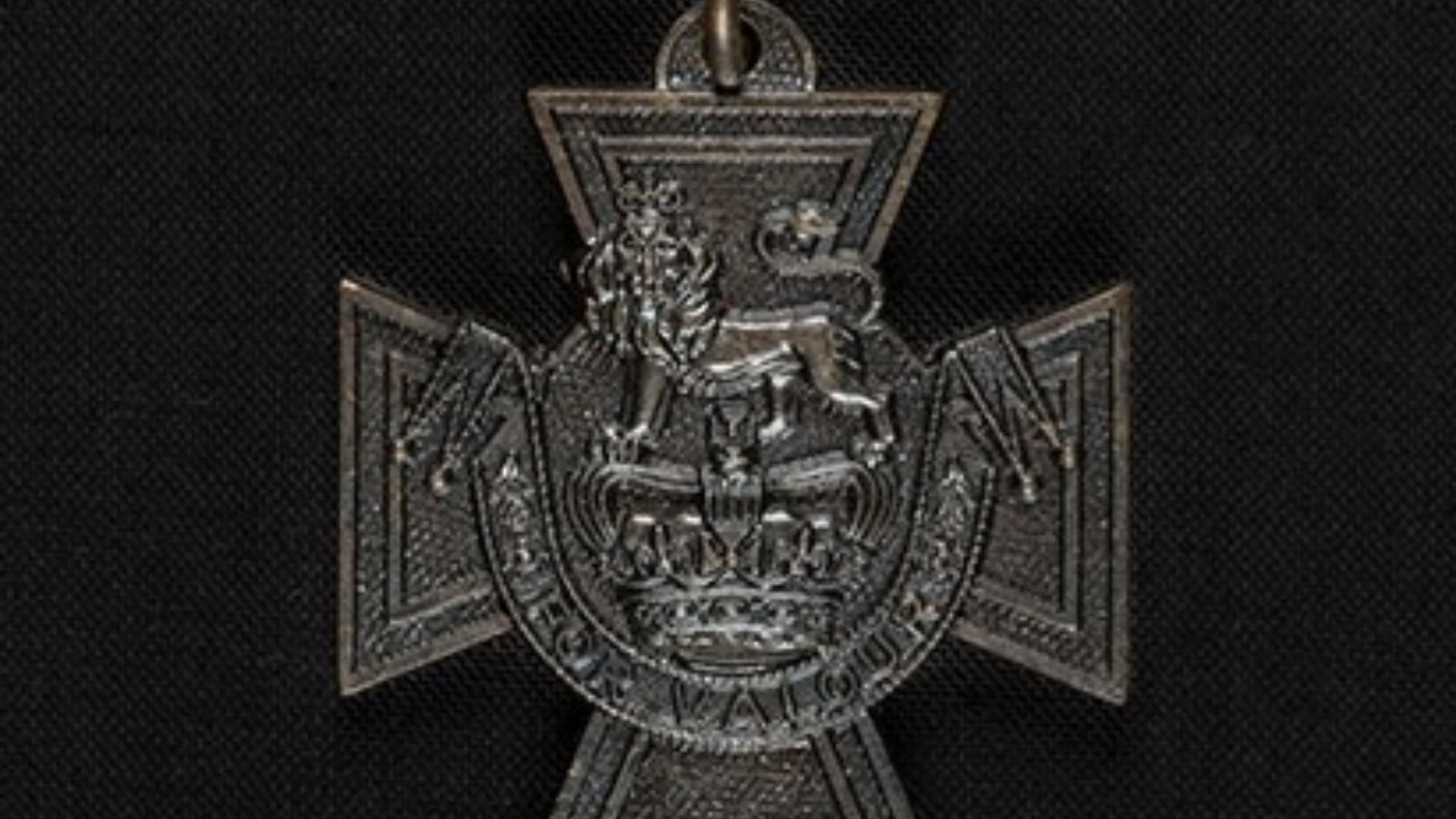
Britain's highest military honor came to Adrian for his actions on July 2–3, 1916, at La Boisselle. Leading charges under devastating fire as a temporary lieutenant-colonel, he rallied troops despite mounting casualties around him. The citation praised his "conspicuous bravery."
 Wikimedia commons user Arghya1999 on Wikimedia
12. Skull Wound Survival
A bullet pierced the back of Adrian's skull at the Somme in 1916, yet miraculously avoided his spinal cord and brain. Pure luck kept him alive, according to his servant, who witnessed the impossible survival. Adrian later joked the bullet "must have gotten lost in his thick skull" with typical self-deprecating wit.
13. Multiple WWI Wounds
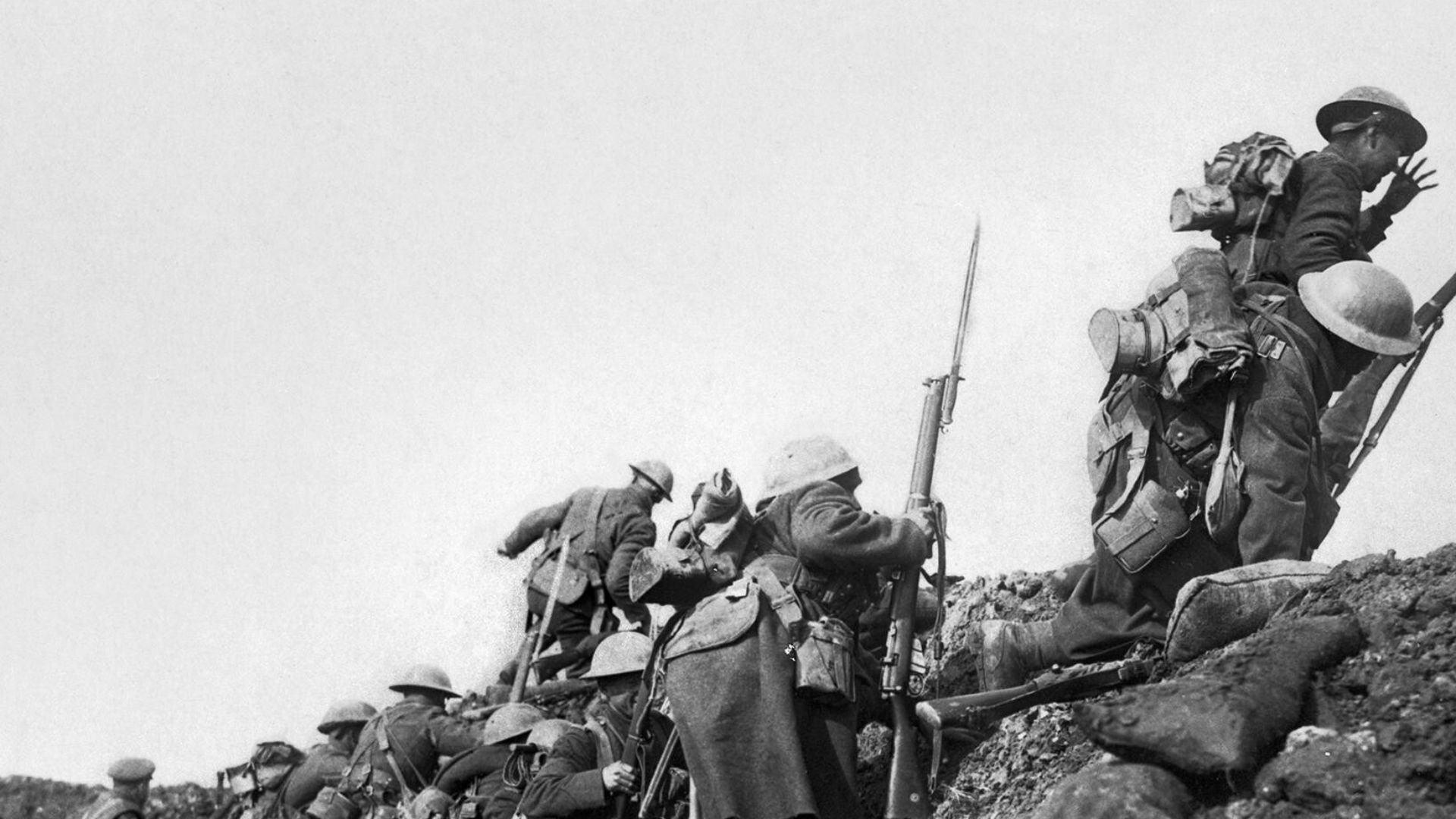
Eight separate wounds marked Adrian's WWI service across the Western Front's bloodiest battles. Hip injuries at Passchendaele in 1917, leg wounds at Cambrai, ankle and ear damage at Arras in 1918—the list just kept growing.
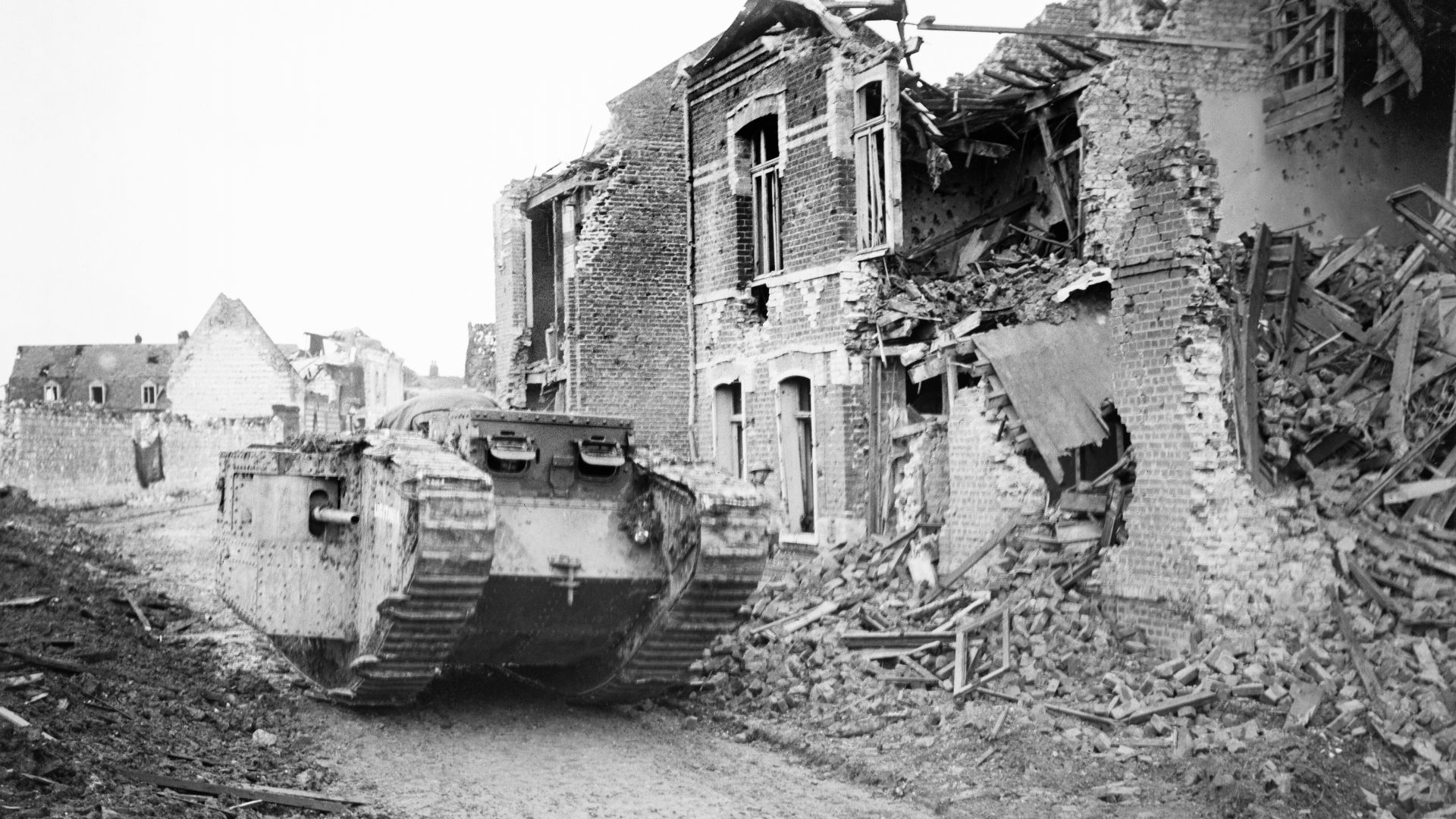 John Warwick Brooke on Wikimedia
14. Brigade Command Near Armistice
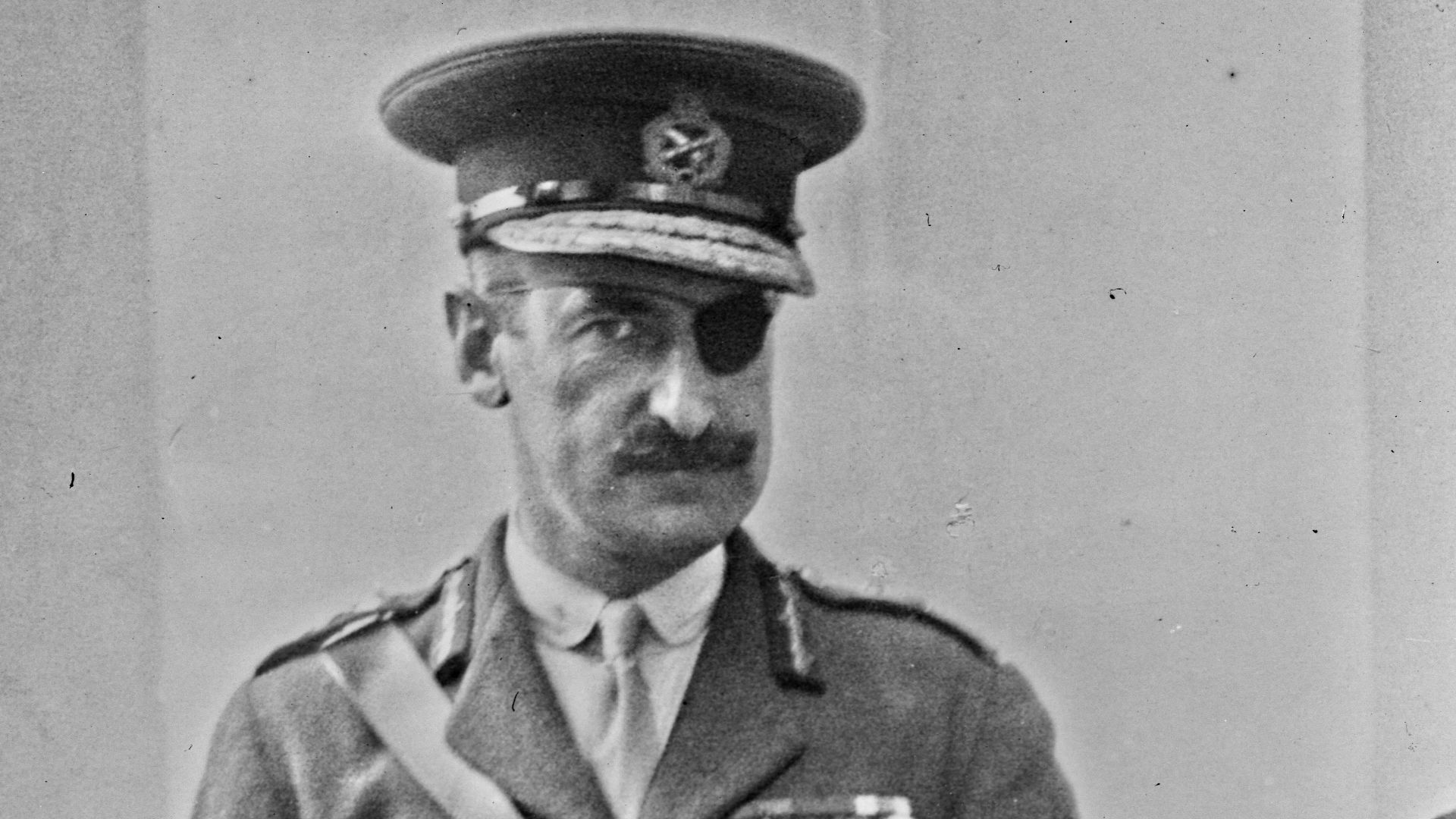
Just three days before the war ended, Adrian received his brigadier general promotion on November 8, 1918. He arrived on horseback with his eyepatch and empty sleeve to inspect troops in those surreal final moments. Soldiers reportedly saluted him as a "legend" while he grinned about the war being almost over.
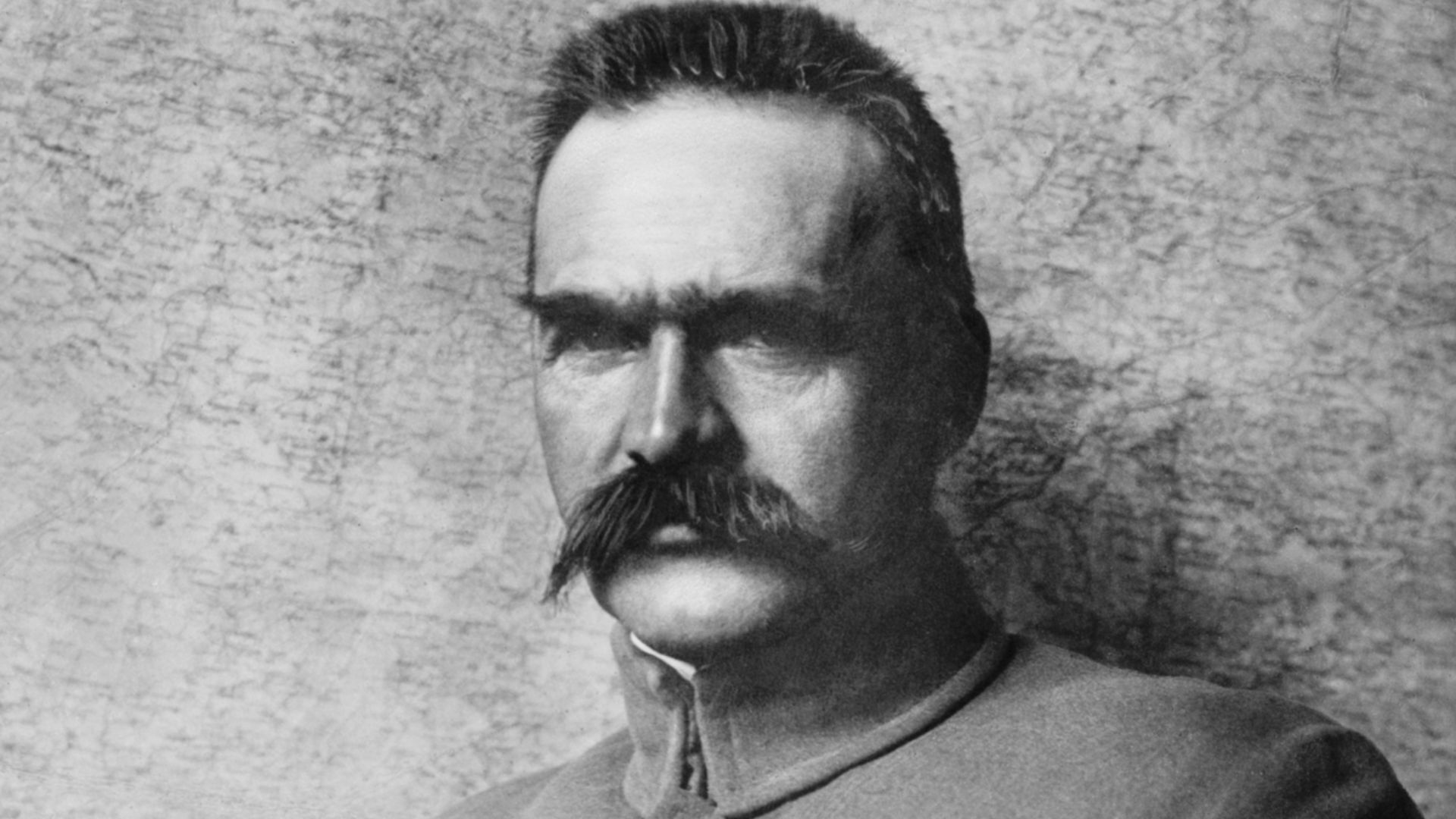
15. Polish Military Mission Role
Britain sent Adrian to Poland from 1919 to 1921, advising during messy conflicts with Soviet Russia and neighboring states. He met Józef Piłsudski and attempted peace negotiations that mostly failed due to impossible geopolitical tensions. The two leaders bonded over cigars and shared contempt for politicians during their diplomatic meetings.
 K. Pęcherski (based on note on photo) on Wikimedia
16. Lithuanian Plane Crash Captivity
A 1920 aircraft crash over Lithuanian territory landed Adrian in brief detention during the Polish-Soviet War. Guards found themselves charmed by his endless stories while he waited for diplomatic release. The whole incident was "just a detour," he joked with his characteristic unflappable demeanor throughout the ordeal.
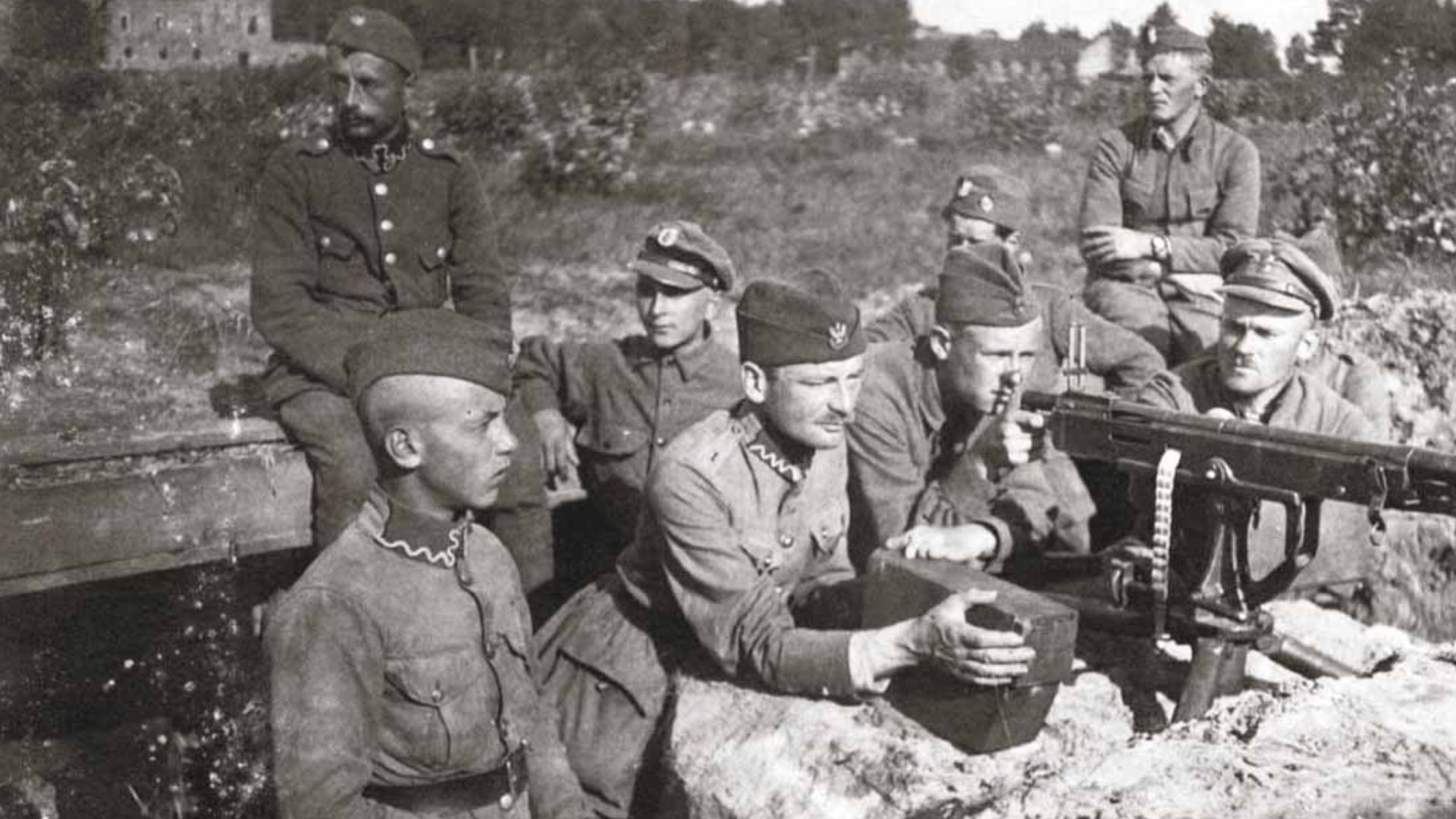 Unknown authorUnknown author on Wikimedia
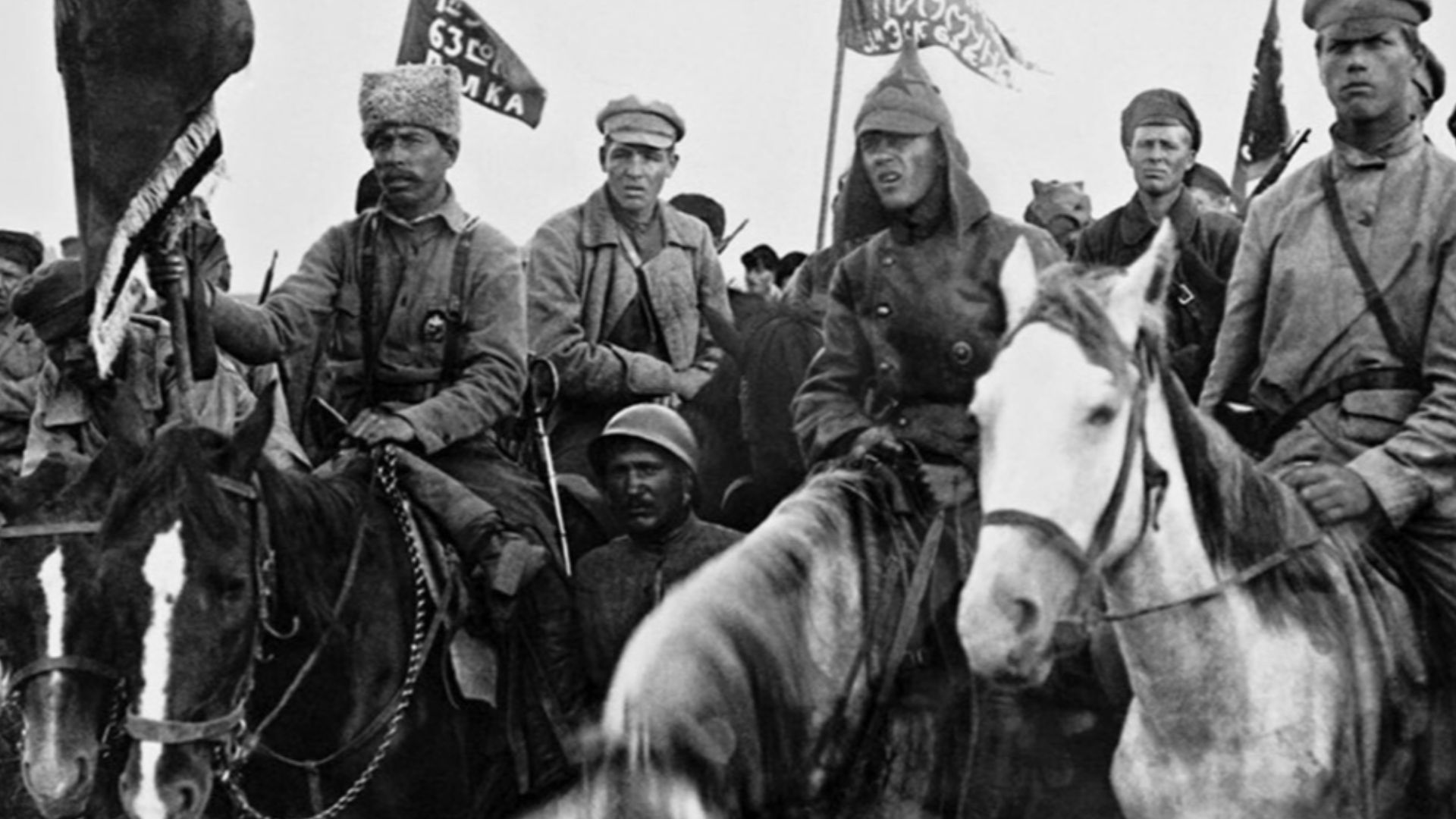
17. Train Defense Against Cavalry
Soviet Red Cavalry charged Adrian's observation train in 1920, but he fought them off alone with just his revolver. One eye and one hand didn't stop his accurate shooting at galloping horsemen before he fell off and scrambled back aboard.
 Unknown authorUnknown author on Wikimedia
18. Polish Estate Retirement
Fifteen years of daily hunting consumed Adrian's retirement from 1924 to 1939 on Prince Radziwiłł's massive Polish estate. The Pripet Marshes offered wetlands larger than Ireland for his pursuits, keeping him physically sharp until Soviet invasion ended the idyll.

19. WWII Recall to Poland
Age 59 didn't excuse Adrian from duty when Britain recalled him in July 1939 as war loomed again. Leading the Military Mission to Poland, he successfully advocated for fleet evacuations, though retreat advice went ignored.
 Unknown authorUnknown author on Wikimedia
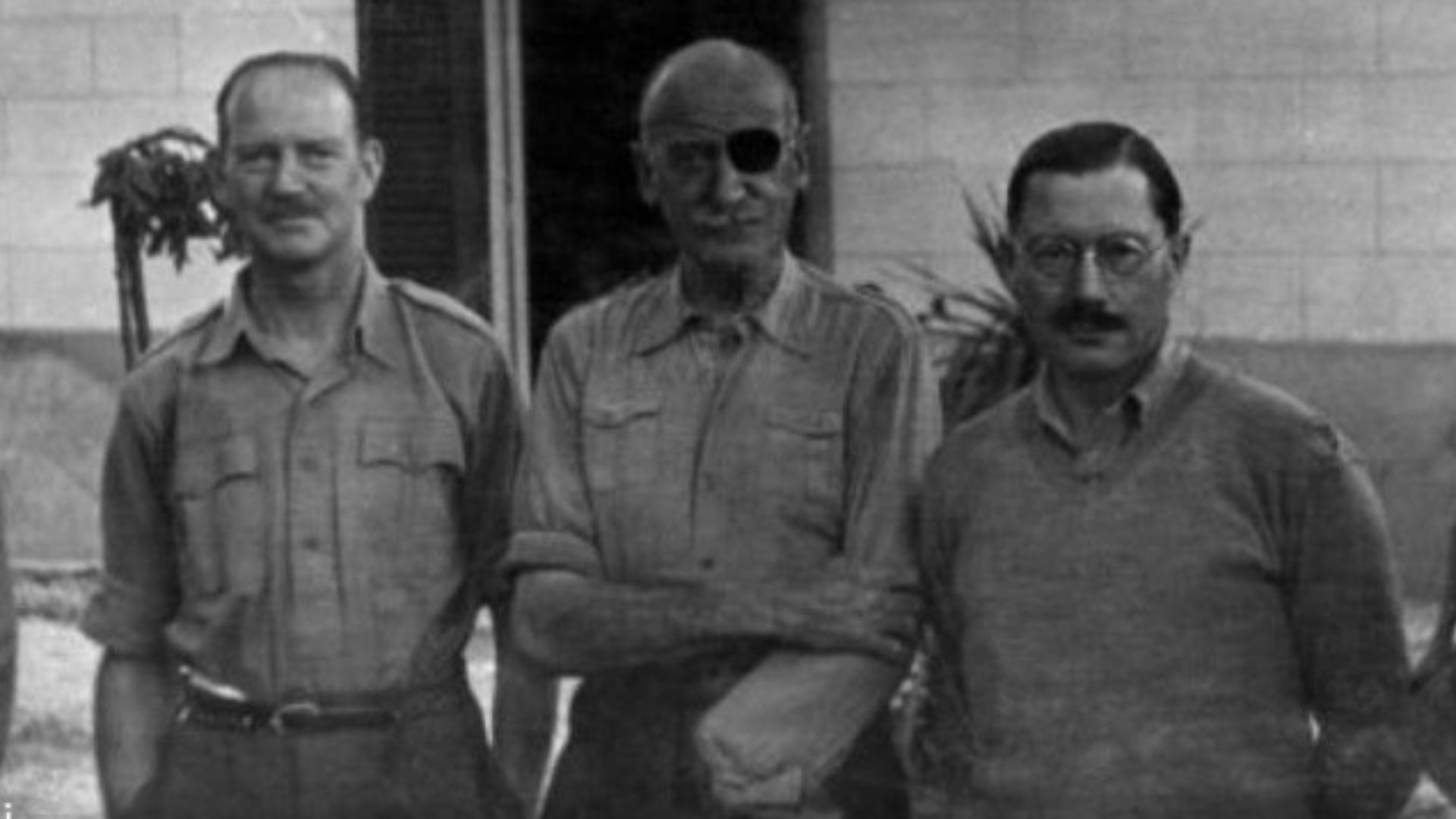
20. Mediterranean Plane Crash Capture
In April 1941, Adrian’s plane plunged into the Mediterranean off Libya. He swam ashore unconscious, only to face Italian captors. During his 1941–1943 imprisonment at Castello di Vincigliata, he attempted five escapes, including a seven-month tunnel, once remaining free for eight days disguised as an Italian peasant.

KEEP ON READING

From Heroes To Zeroes 20 Historical Figures Whose Heroism Was…
History is full of legends, but not every hero lived…
By Noone Feb 25, 2026
The Clueless Crush: How I Accidentally Invited a Hacker Into…
Fluorescent Lights and First Impressions. My name is Tessa, I'm…
By Ali Hassan Nov 4, 2025
This Infamous Ancient Greek Burned Down An Ancient Wonder Just…
History remembers kings and conquerors, but sometimes, it also remembers…
By David Davidovic Nov 12, 2025
Einstein's Violin Just Sold At An Auction—And It Earned More…
A Visionary's Violin. Wanda von Debschitz-Kunowski on WikimediaWhen you hear…
By Ashley Bast Nov 3, 2025
The Mysterious "Sea People" Who Collapsed Civilization
3,200 years ago, Bronze Age civilization in the Mediterranean suddenly…
By Robbie Woods Mar 18, 2025
There Have Been 5 Mass Extinctions. Are We Entering the…
Yasser Mokhtarzadeh on UnsplashEarth has a flair for dramatic resets,…
By Emilie Richardson-Dupuis May 19, 2026