20 Historical Figures Who Were Obsessed With Finding Aliens
He Heard Radio Messages From Mars
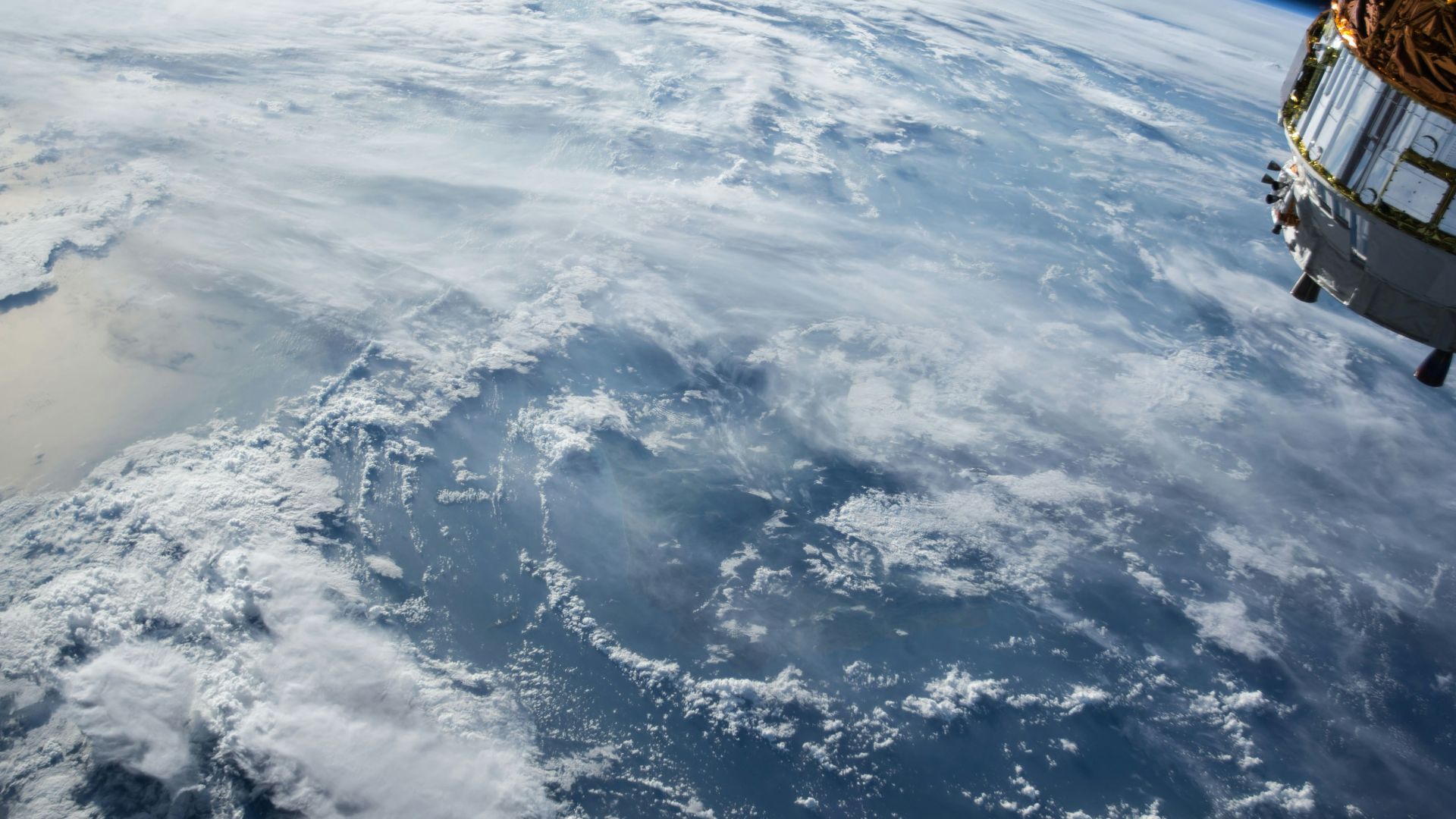
For centuries, some of the most brilliant minds in history looked up at the night sky and felt certain that other civilizations were staring right back at them. These pioneers didn’t just casually wonder about life on other planets; they dedicated their careers, fortunes, and reputations to proving that Earth was just one populated island in a vast celestial ocean.
 After Napoleon Sarony on Wikimedia
1. Anaxagoras and the Lunar Inhabitants
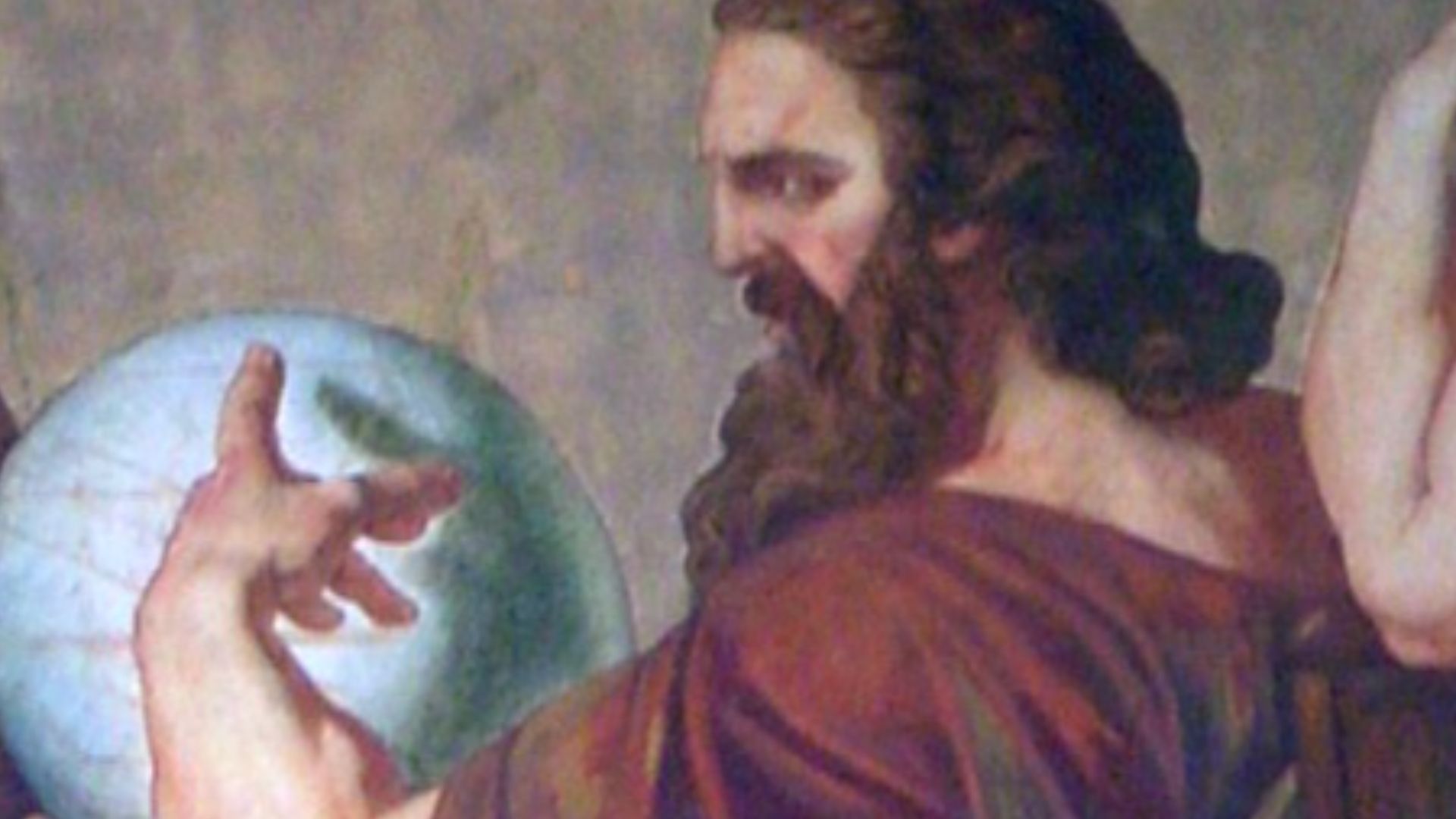
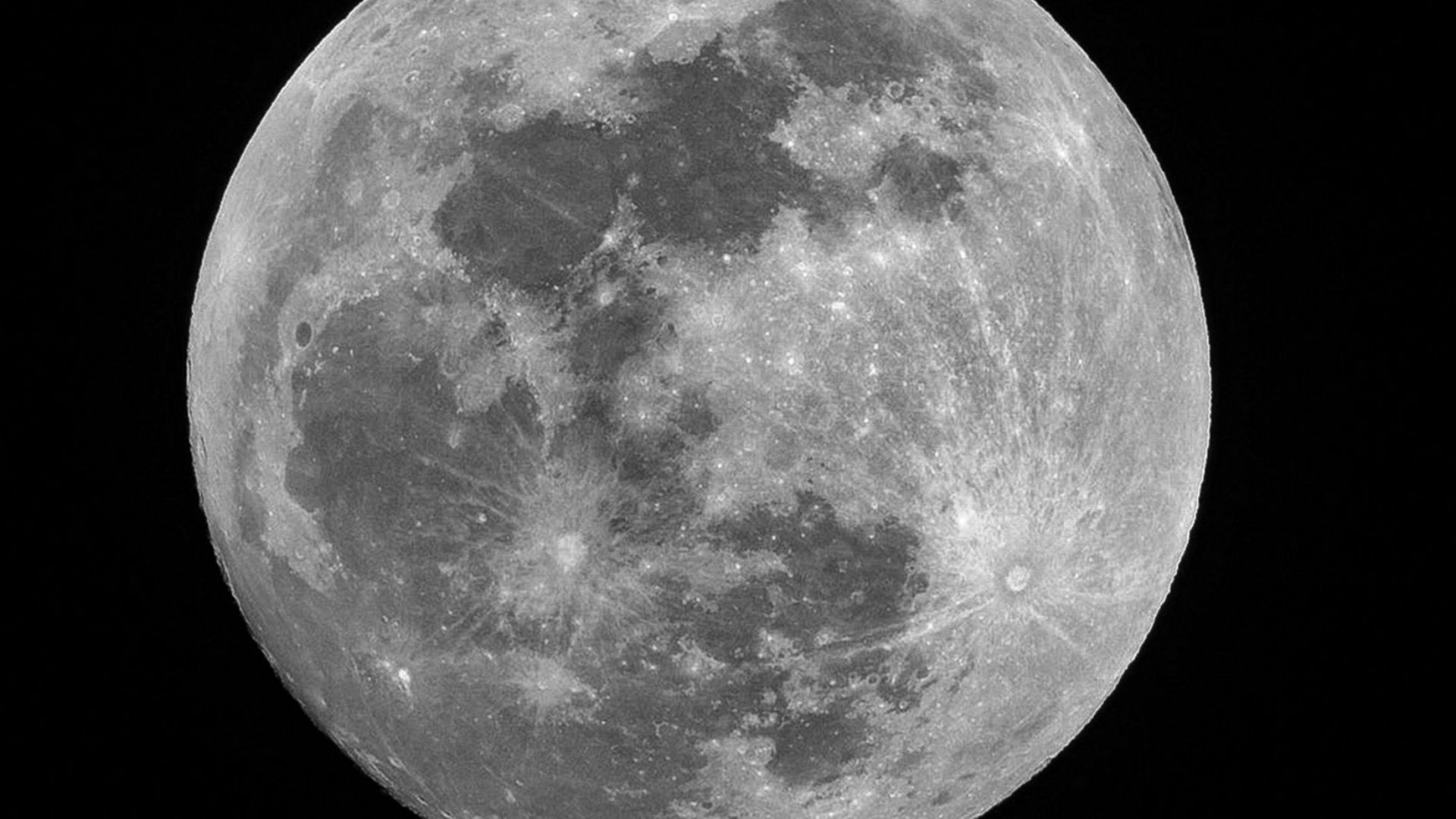
Before he was famously expelled from Athens for blasphemy, this pre-Socratic philosopher was convinced that the Moon had hills and craters filled with life. While it wasn’t considered proper scientific reasoning in the fifth century BCE, you’ve got to give the guy credit for standing up for his beliefs. His ideas pushed early thinking about celestial bodies beyond simple observation.
 Eduard Lebiedzki, after a design by Carl Rahl on Wikimedia
2. Giordano Bruno’s Infinite Worlds
Living hundreds of years before Galileo first pointed his telescope at the heavens, Bruno suggested that stars were suns with planets of their own. From there, he took an incredibly bold leap of logic and concluded that they must all be inhabited since God is infinite and wouldn’t create life just once. His views were controversial but undeniably ahead of their time.
3. Johannes Kepler’s Moon Journey
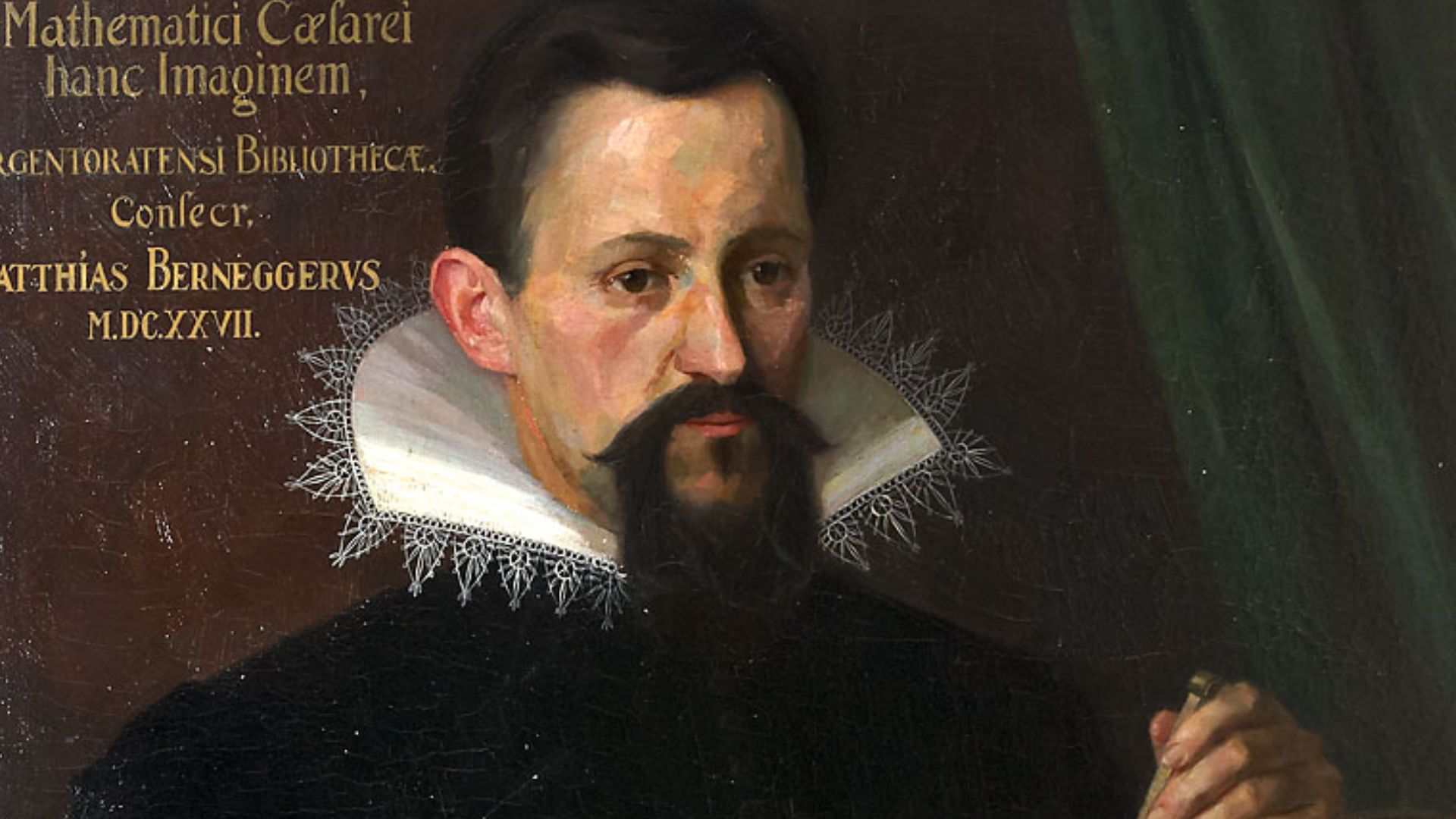
Kepler is best known for discovering orbital mechanics, but that didn’t stop him from writing a fanciful story about traveling to the Moon. There, he put aliens on display who evolved to enormous sizes to stay warm overnight. Kepler offered plenty of hard science as to why moon aliens wouldn’t look human.
 August Köhler [1] on Wikimedia
4. Christiaan Huygens and Cosmotheoros
The scientist credited with discovering Saturn’s largest moon spent his later years thinking and writing about alien life. He reasoned that God wouldn’t waste water and vegetation on Earth without placing them elsewhere in the universe. Logical to the core, Huygens probably imagined aliens had fingers and toes just like humans.
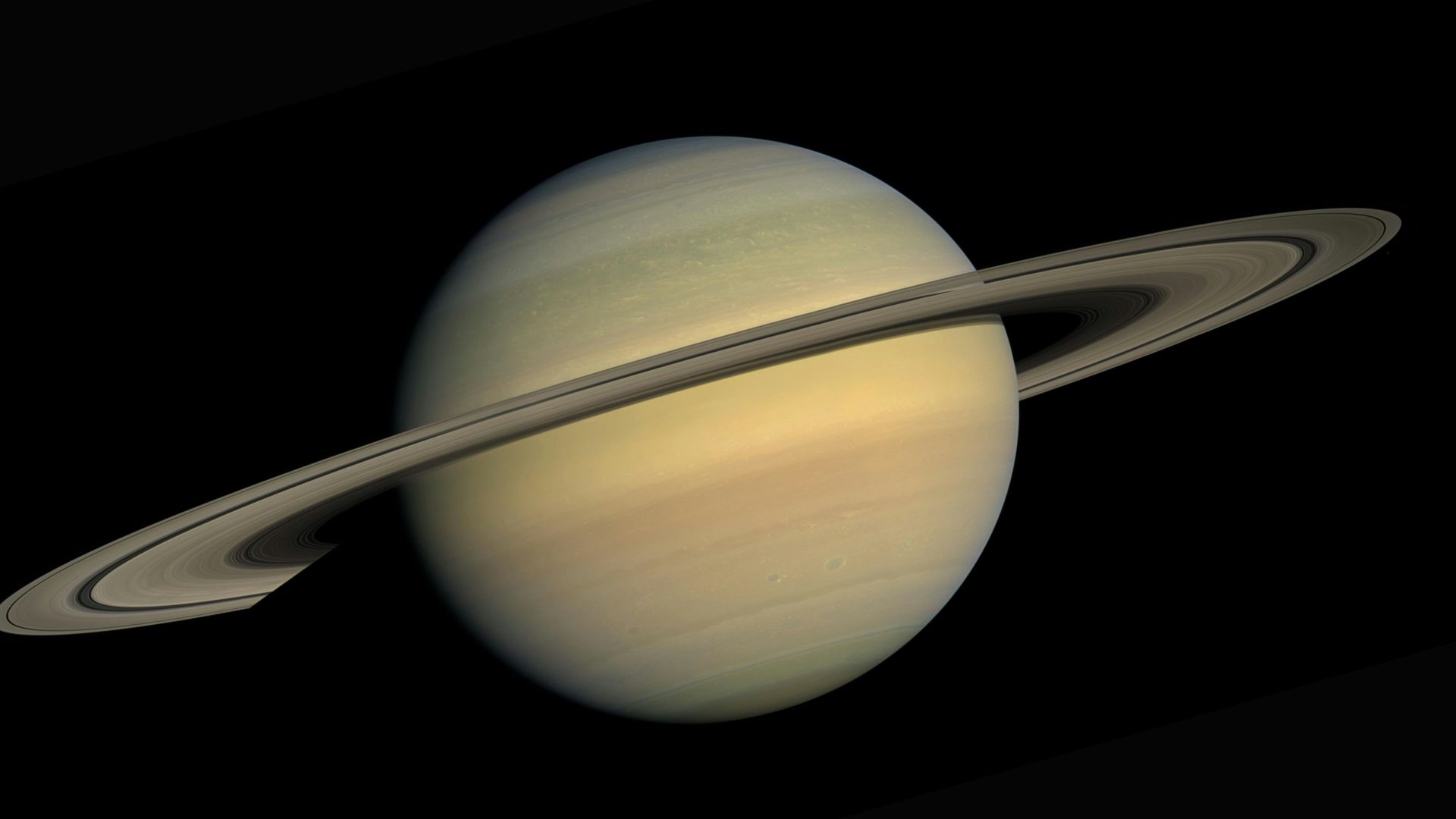
5. Sir William Herschel’s Solar Residents
Sir William Herschel is best known for discovering Uranus but held some pretty out-there beliefs about extraterrestrial life. He suspected that the Sun was actually a solid mass capable of supporting plant and animal life. Not only that, but he also claimed he could make out forests and circular structures on the Moon.
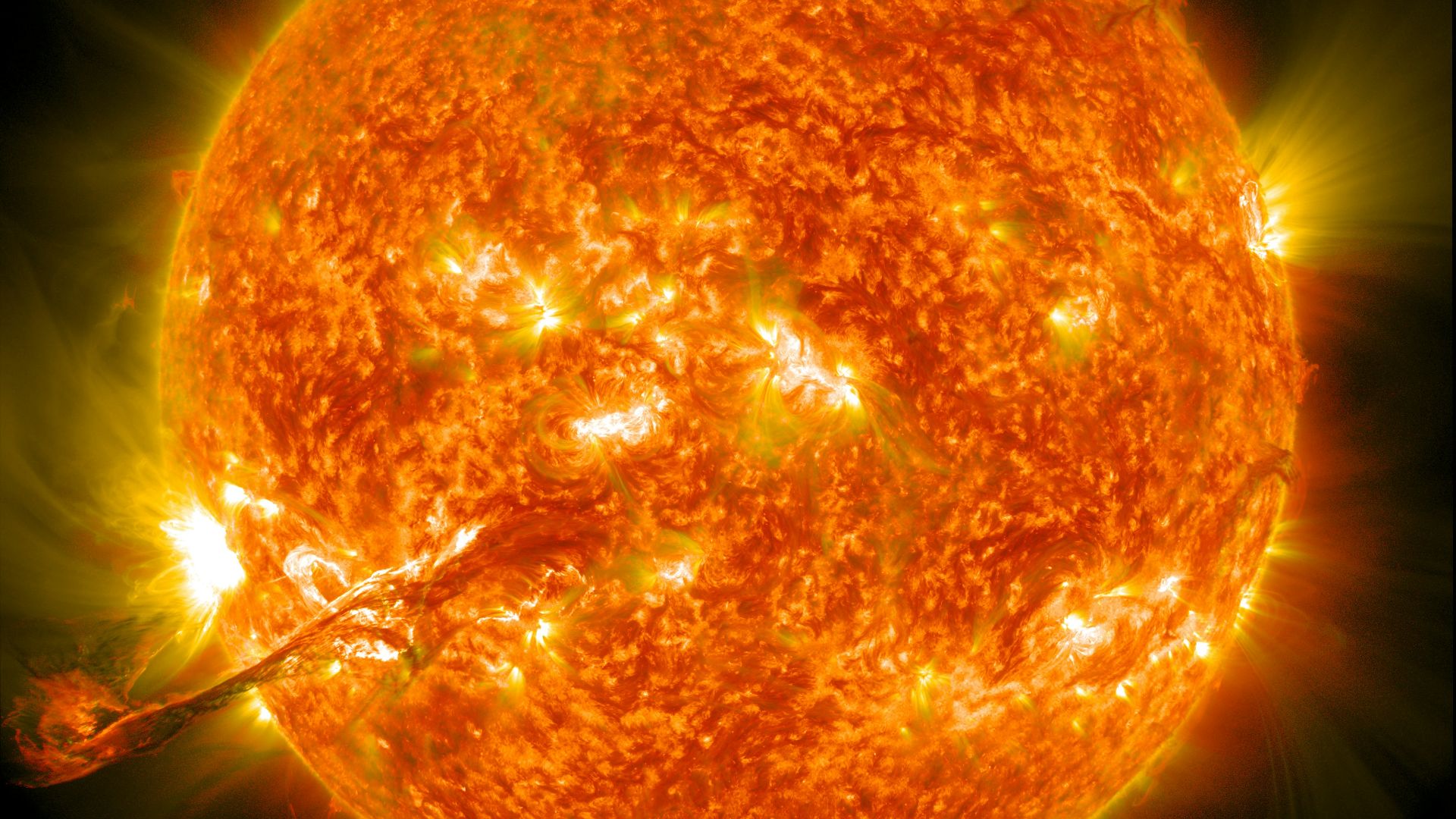
6. Benjamin Franklin’s Extraterrestrial Conviction
America’s forefather stated plainly in writing that he believed the universe teemed with life. He said it was unfair to think that God placed so many bright stars without someone nearby to see them and admire his creation. Just imagine what Ben Franklin would think of modern UFO sightings.
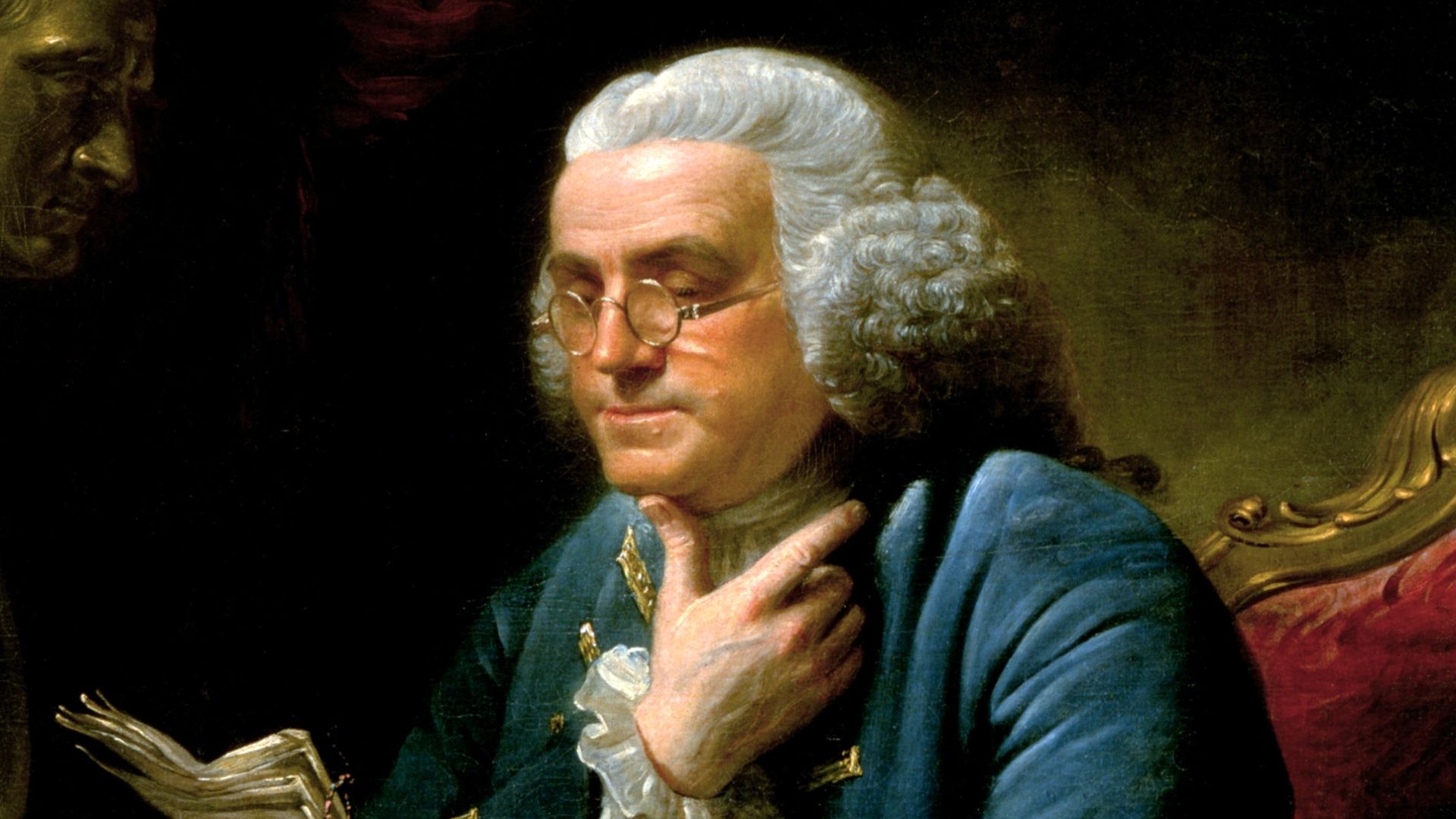
7. Thomas Paine’s Plurality of Worlds
Thomas Paine questioned the idea that there was only one world inhabited by living creatures in his political tract Common Sense. He suggested that believing so would go against all that scientists were learning about the solar system. Give that man some fireworks because he wanted to free up more than just one planet.
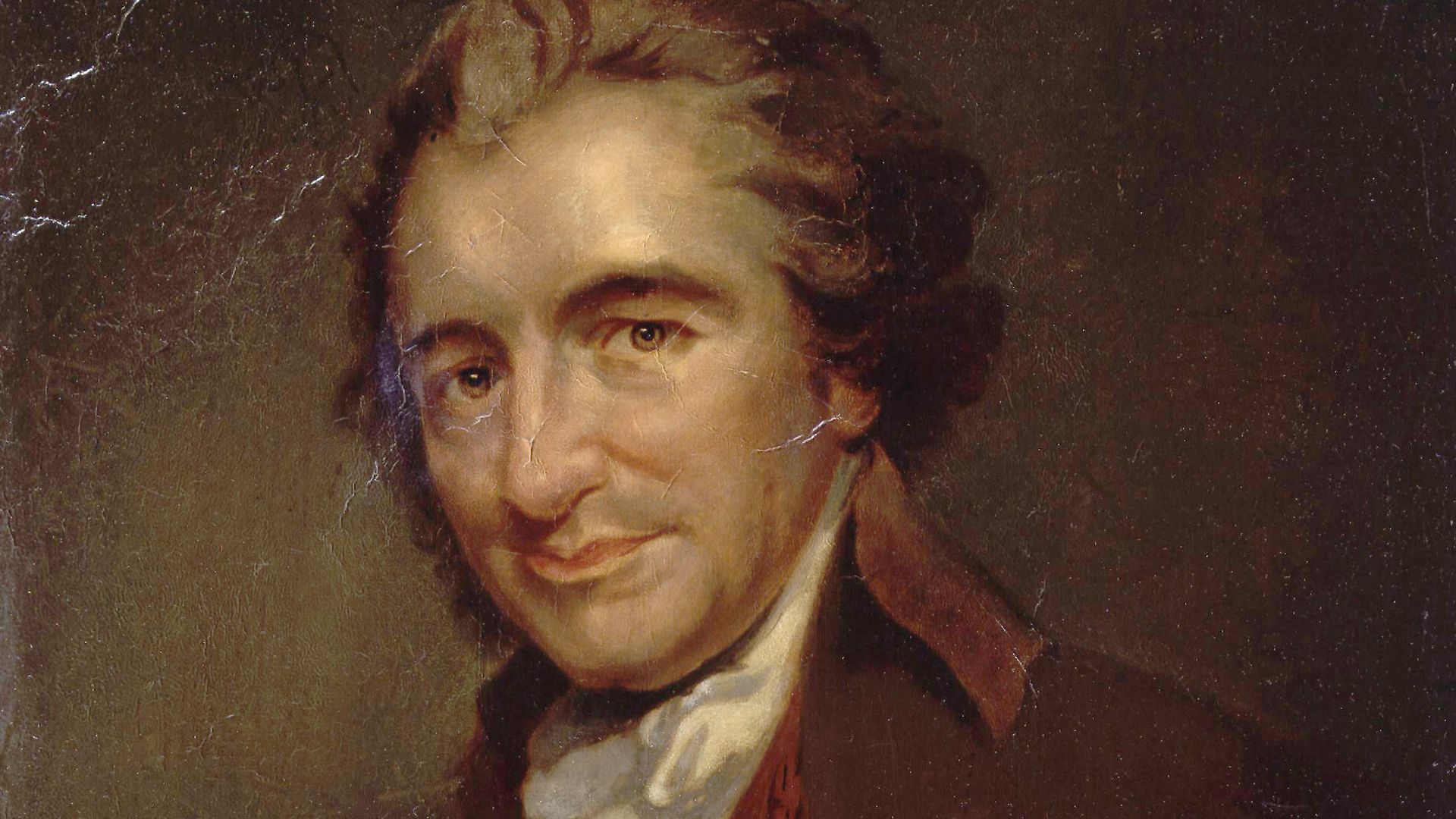 Auguste Millière / After George Romney / After William Sharp on Wikimedia
8. Percival Lowell’s Martian Canals
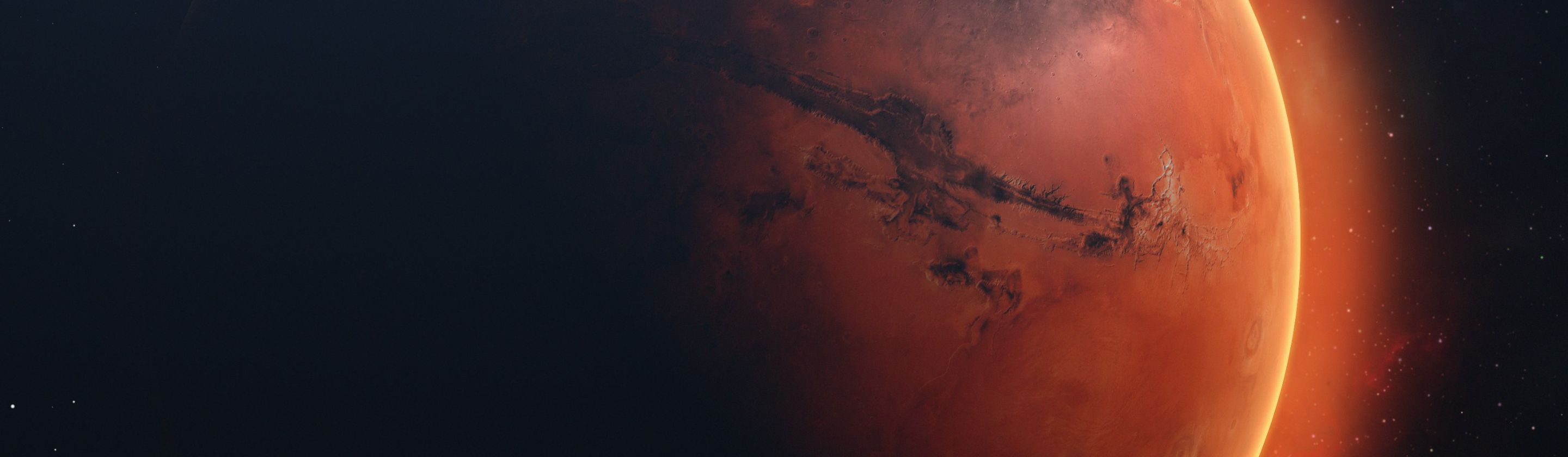
Lowell was a wealthy astronomer who obsessed over the idea that aliens were building canals on Mars. He had a private observatory built so he could chart the artificial waterways he believed he could plainly see. While aliens were not real, they certainly existed in the minds of millions who read his books and listened to his lectures.

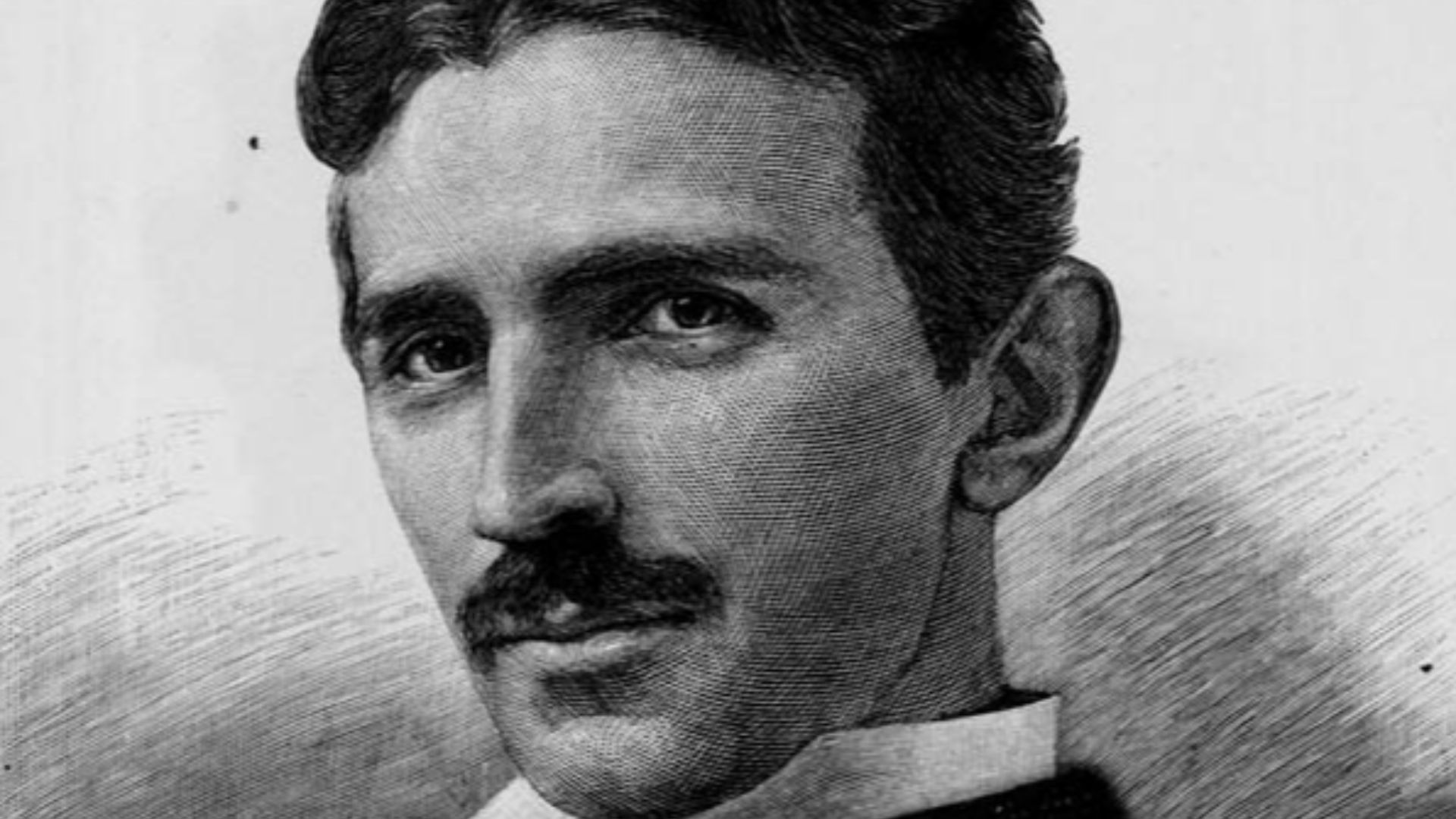
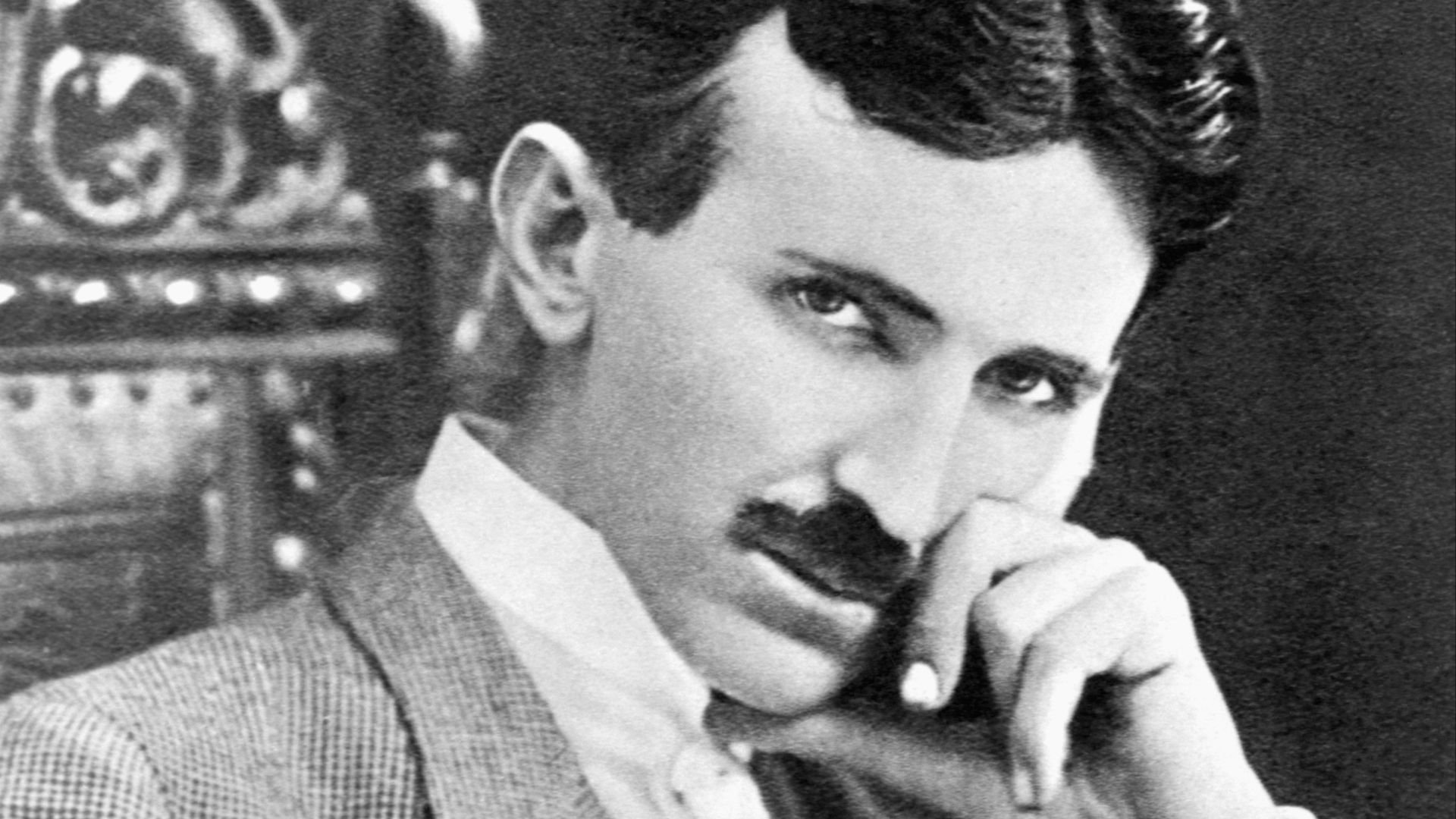
9. Nikola Tesla’s Martian Radio Signals
Not content with changing the world with his electrical innovations, Tesla also experimented with receiving radio signals from Mars. At one point, he announced to the press that he received a series of signals that were clearly from highly intelligent beings. He spent decades building devices that he believed could facilitate interplanetary contact.
 Unknown authorUnknown author on Wikimedia
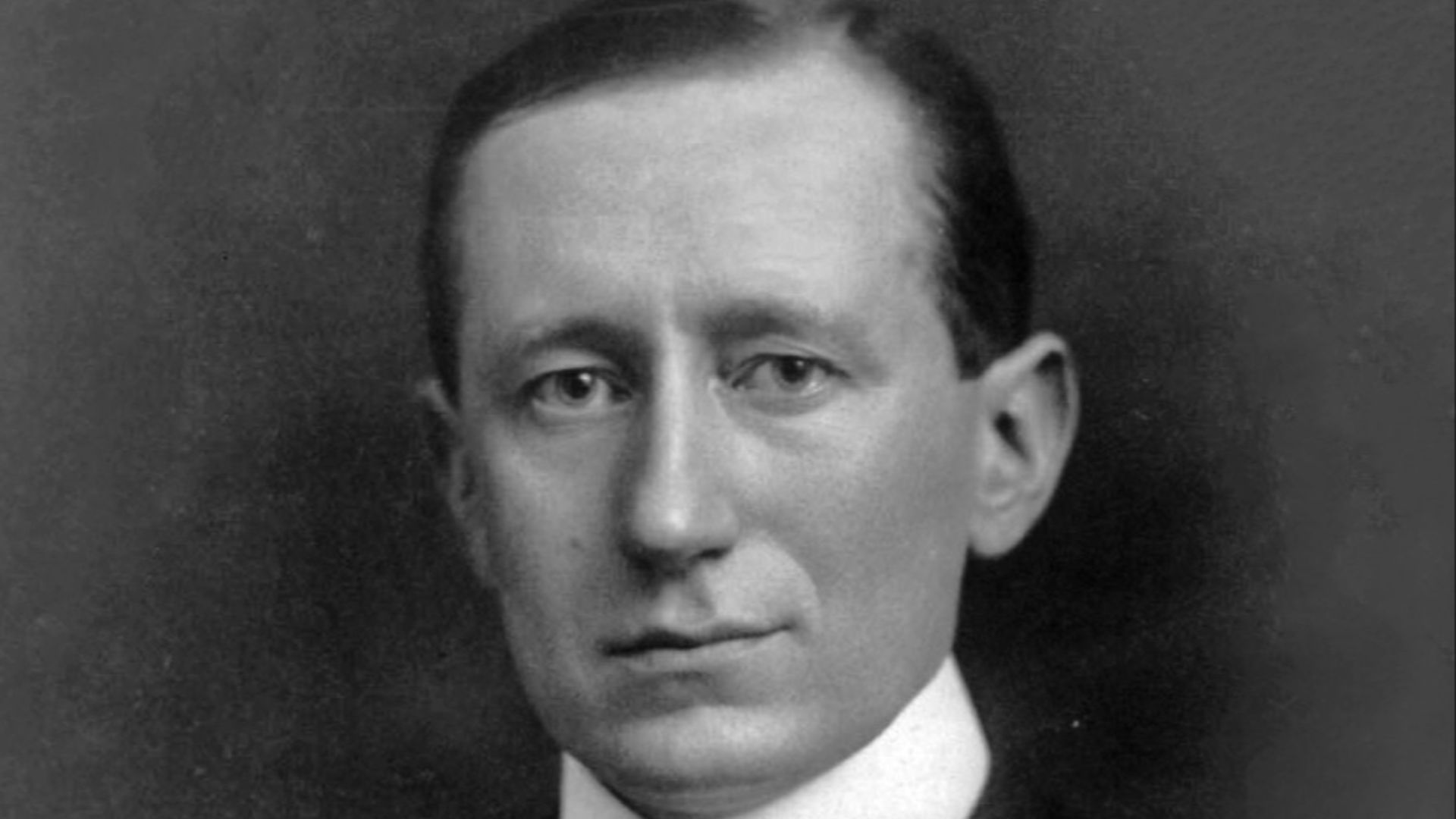
10. Guglielmo Marconi’s High-Frequency Hopes
Unbeknownst to most, inventor of the radio Guglielmo Marconi attempted to contact Mars using his own scientific equipment. He mentioned during a lecture that he frequently received high-frequency whistles that originated from neither Earth nor its atmosphere. Marconi said it would be reasonable to assume they were coming from a highly advanced society.
11. Camille Flammarion’s Psychic Planets
French astronomer Flammarion was not only a best-selling author of his time, but he was also convinced aliens existed on other planets. Not content to stick with what he knew of physics, he theorized that human spirits would inhabit other planets after death on Earth. His ideas blended science with mysticism in unusual ways.
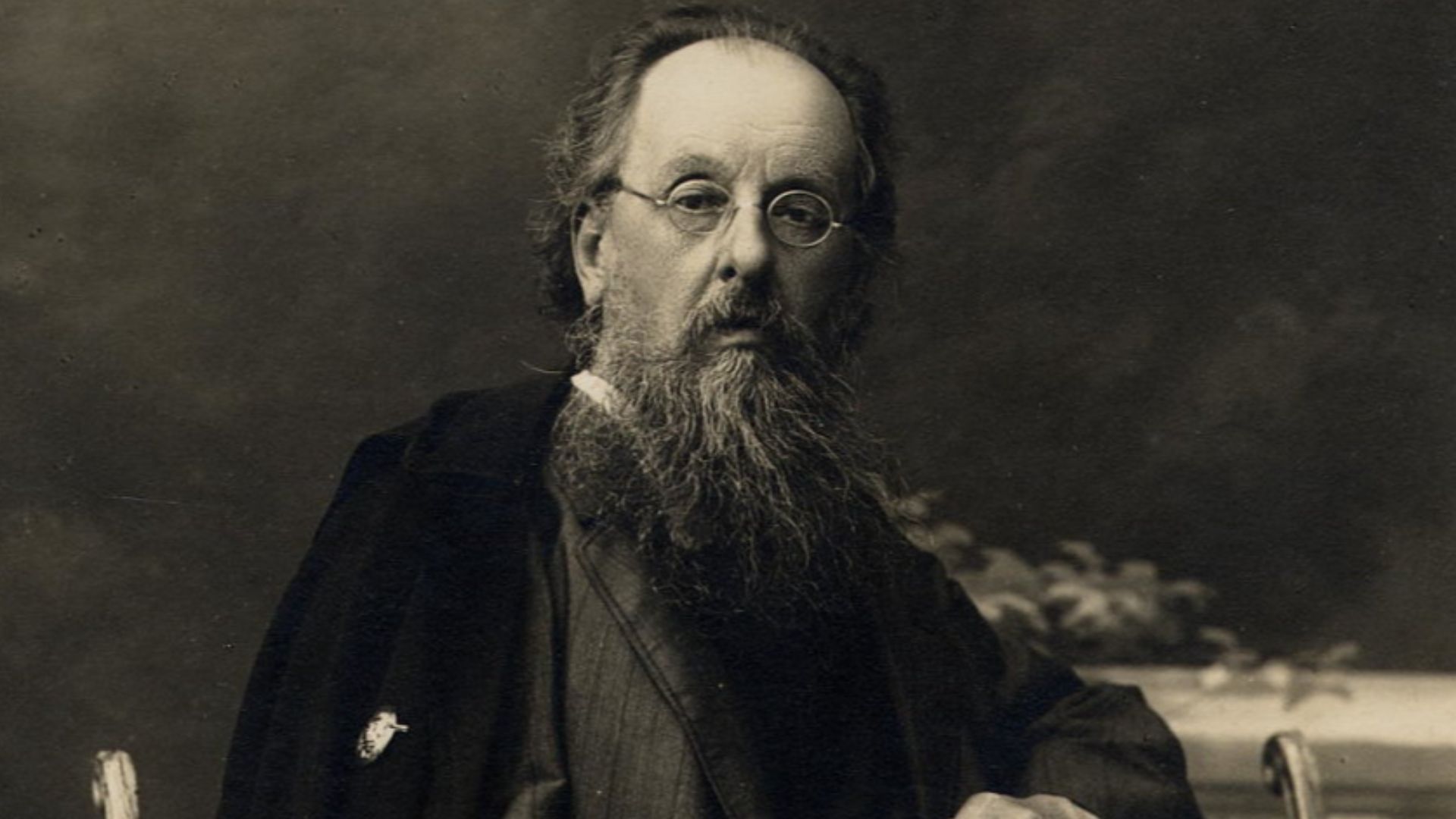
12. Konstantin Tsiolkovsky’s Cosmic Philosophy
Russian rocket scientist Tsiolkovsky once said that his life’s work was merely a stepping stone toward meeting alien civilizations. He felt that our planet was very young and primitive compared to what he imagined was out there. His vision helped inspire future generations of space exploration.
 Unknown authorUnknown author on Wikimedia
13. Lord Rosse and the Spiral Nebulae
Using a massive telescope nicknamed the "Leviathan of Parsonstown," this Irish aristocrat peered deeper into space than anyone before him. He was convinced that the strange spiral shapes he saw in the sky were actually clusters of stars that supported life. His detailed drawings of these galaxies made people realize just how many potential homes for aliens were out there.
14. Bernard de Fontenelle’s Conversations
This French writer became famous for a book that featured a philosopher explaining the inhabited universe to a charming noblewoman. He argued that it was sheer arrogance to think that humans were the only creatures capable of reason in such a large space. His lighthearted approach made the idea of aliens a popular topic in the fashionable salons of Paris.

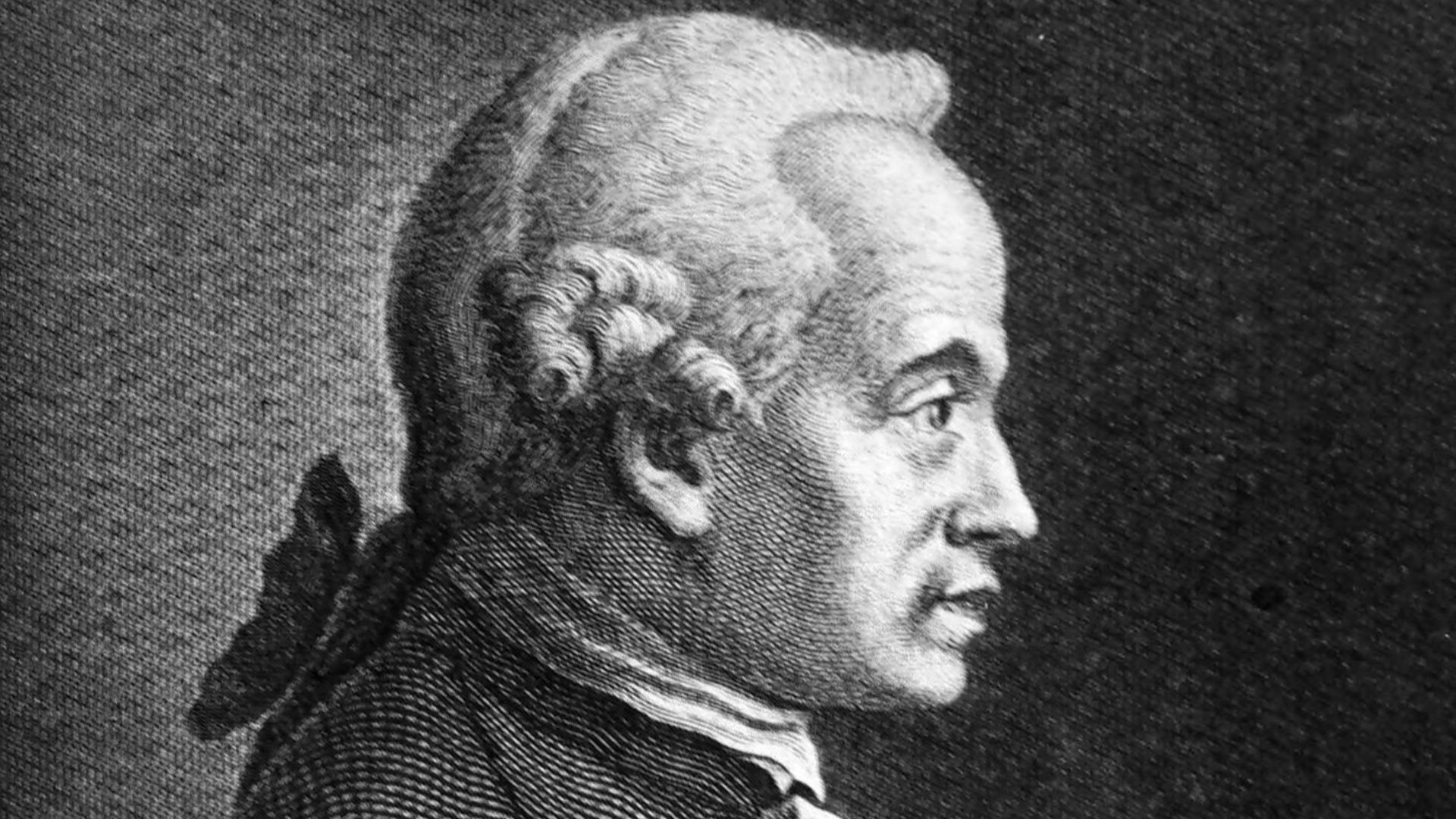
15. Immanuel Kant’s Planetary Ranking
German philosopher Immanuel Kant publicly graded the intelligence of potential alien species. He postulated that the closer a planet was to the Sun, the lower its general intelligence would be. While this logic may sound odd now, Kant was fully convinced of its validity.
 Unknown authorUnknown author on Wikimedia
16. Robert Burton’s Celestial Curiosity
Burton was the somewhat melancholy writer of The Anatomy of Melancholy. He found himself fascinated with the idea of infinite worlds as science was just coming into its own during the 1600s. He wondered whether other worlds would have their own priests and kings to wage war over land and gods.

17. David Brewster’s Theological Defense
As a prominent physicist and inventor of the kaleidoscope, Brewster argued that God wouldn’t create empty planets. He believed that every heavenly body served as a home for intelligent creatures who could appreciate the glory of the universe. He even pushed back against scientists who claimed that Earth was unique or special.

18. Richard Locke’s Moon Hoax
American journalist Richard Locke published a series of articles reporting life on the Moon. In what became known as the “Great Moon Hoax,” he reported that the astronomer John Herschel had discovered reptile-humanoids. While false, readers around the world were desperate for these aliens to be real.
19. Wernher von Braun’s Mars Project
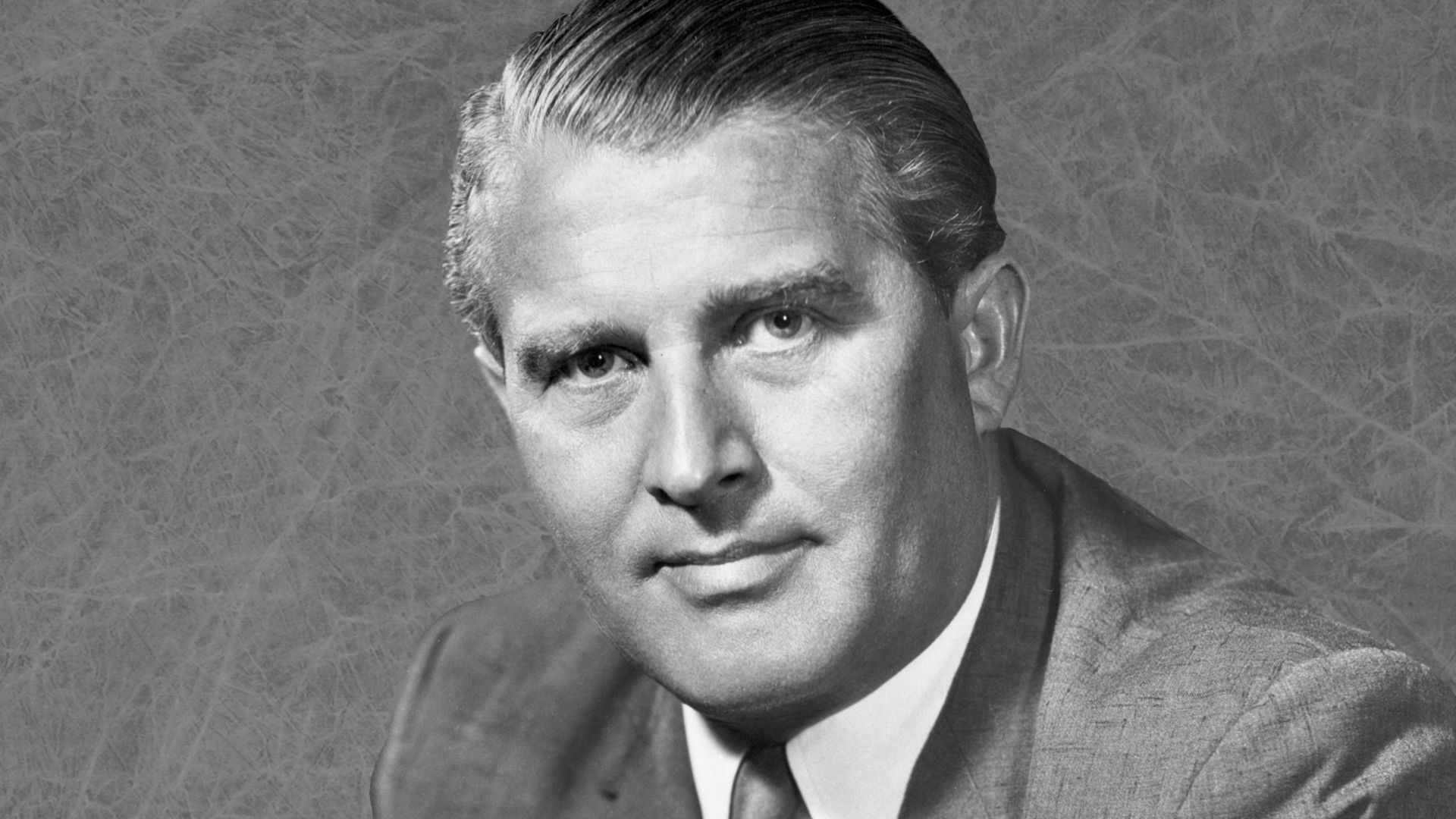
If it takes one to know one, then NASA’s leading rocket scientist Wernher von Braun was obsessed with little green men. He wrote countless papers describing how a mission to Mars could be built to find proof of its extinct civilization. After helping put a man on the Moon, von Braun continued working toward reaching other worlds.
 NASA/Marshall Space Flight Center on Wikimedia
20. Carl Sagan and the Golden Record
While he lived into the modern era, Sagan’s legacy is rooted in a deep, historical passion for making contact. He insisted that "extraordinary claims require extraordinary evidence" but remained one of the world’s biggest advocates for searching the skies. By placing music and greetings on the Voyager spacecraft, he ensured that humanity’s message would travel through the stars for generations.