

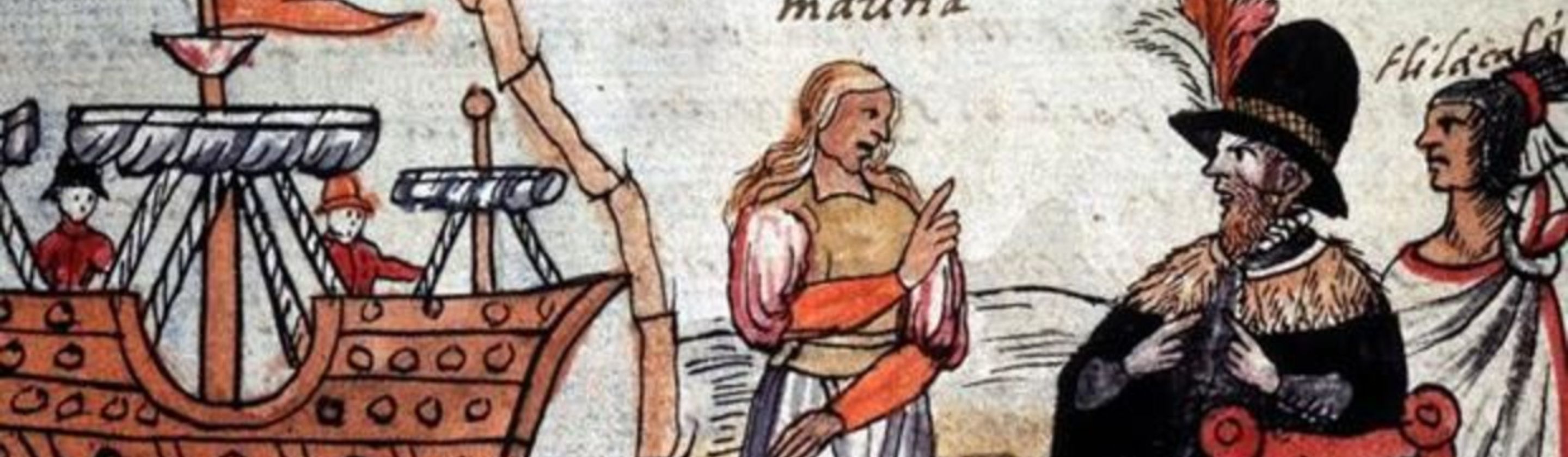
When First Encounters Change Everything
History likes to tidy things up after the fact. It turns messy encounters into neat beginnings, as if whole worlds met, understood each other, and then moved on in a straight line. Real first contact is rarely that clean. Sometimes it starts with trade, food, ceremony, or a few cautious gestures that somehow hold. Other times it collapses almost on arrival, either because violence breaks out immediately or because the meeting opens the door to something much worse. These first 10 show how peaceful first contact could be, at least for a moment. The next 10 show how quickly it could turn catastrophic.
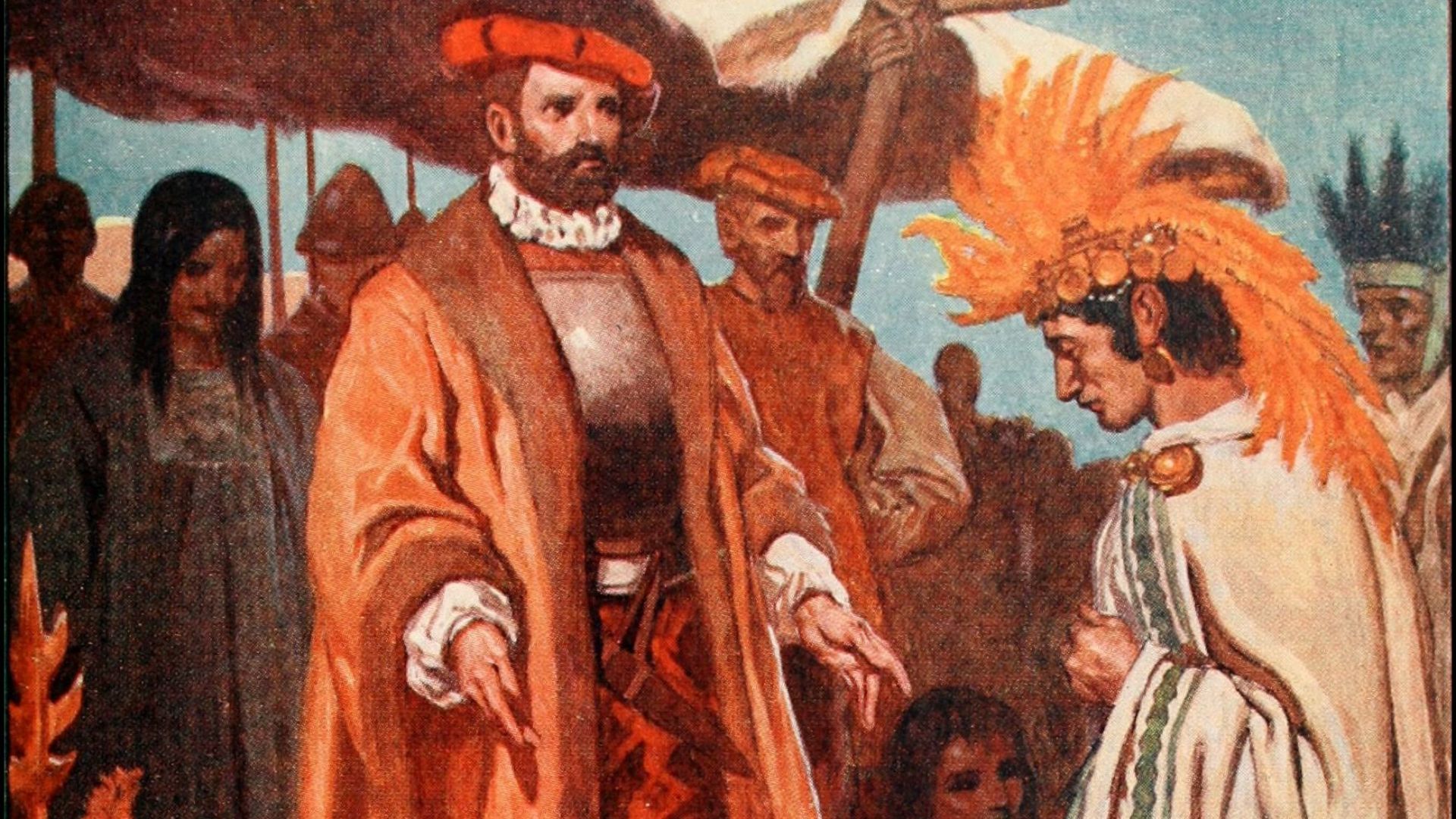 Margaret Duncan Coxhead on Wikimedia
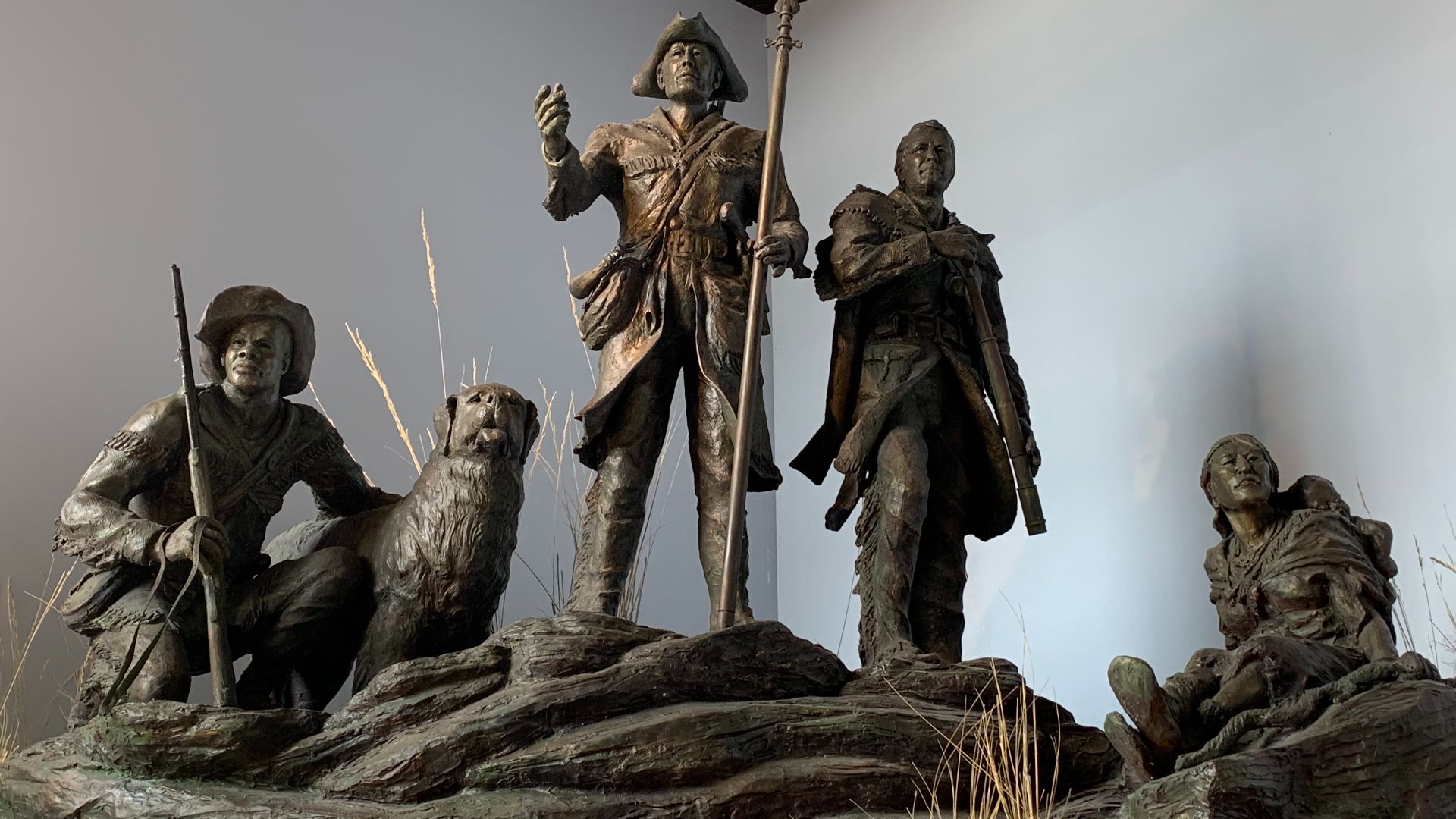
1. Lewis And Clark And The Nez Perce
When the Lewis and Clark expedition reached Nez Perce country in 1805, they were in rough shape. They were hungry, worn down, and in no position to force much of anything. The Nez Perce helped them survive, offering food, advice, and practical support at a moment when things could have gone very differently.
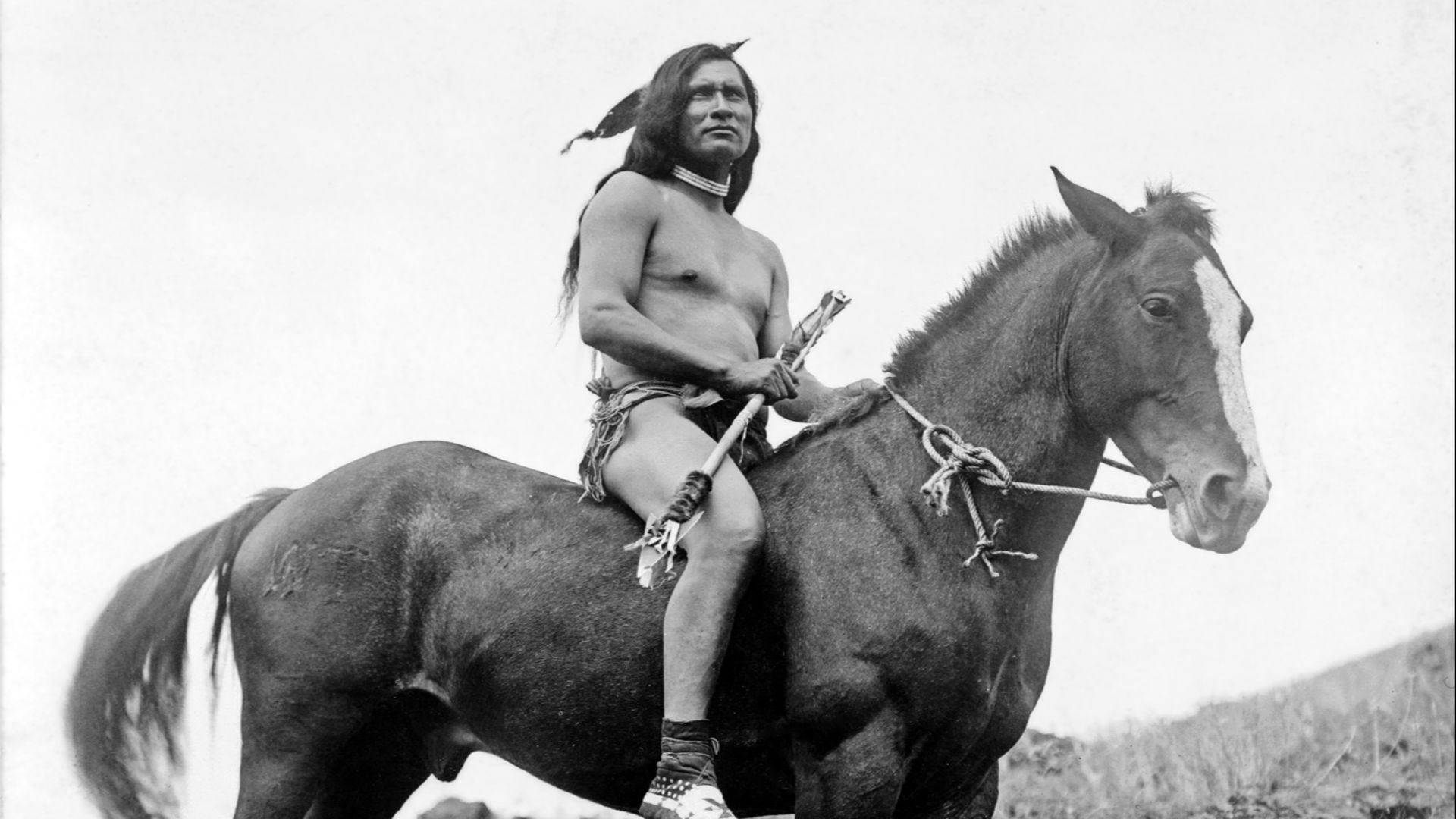
2. Tupaia, Cook, And The Māori
James Cook’s arrival in New Zealand was not peaceful everywhere, but Tupaia changed the shape of some early encounters. As a Tahitian navigator who could communicate across related Polynesian languages, he helped prevent total confusion and opened the door to actual exchange. It is one of those rare cases where one person’s presence made a whole meeting feel less dangerous.
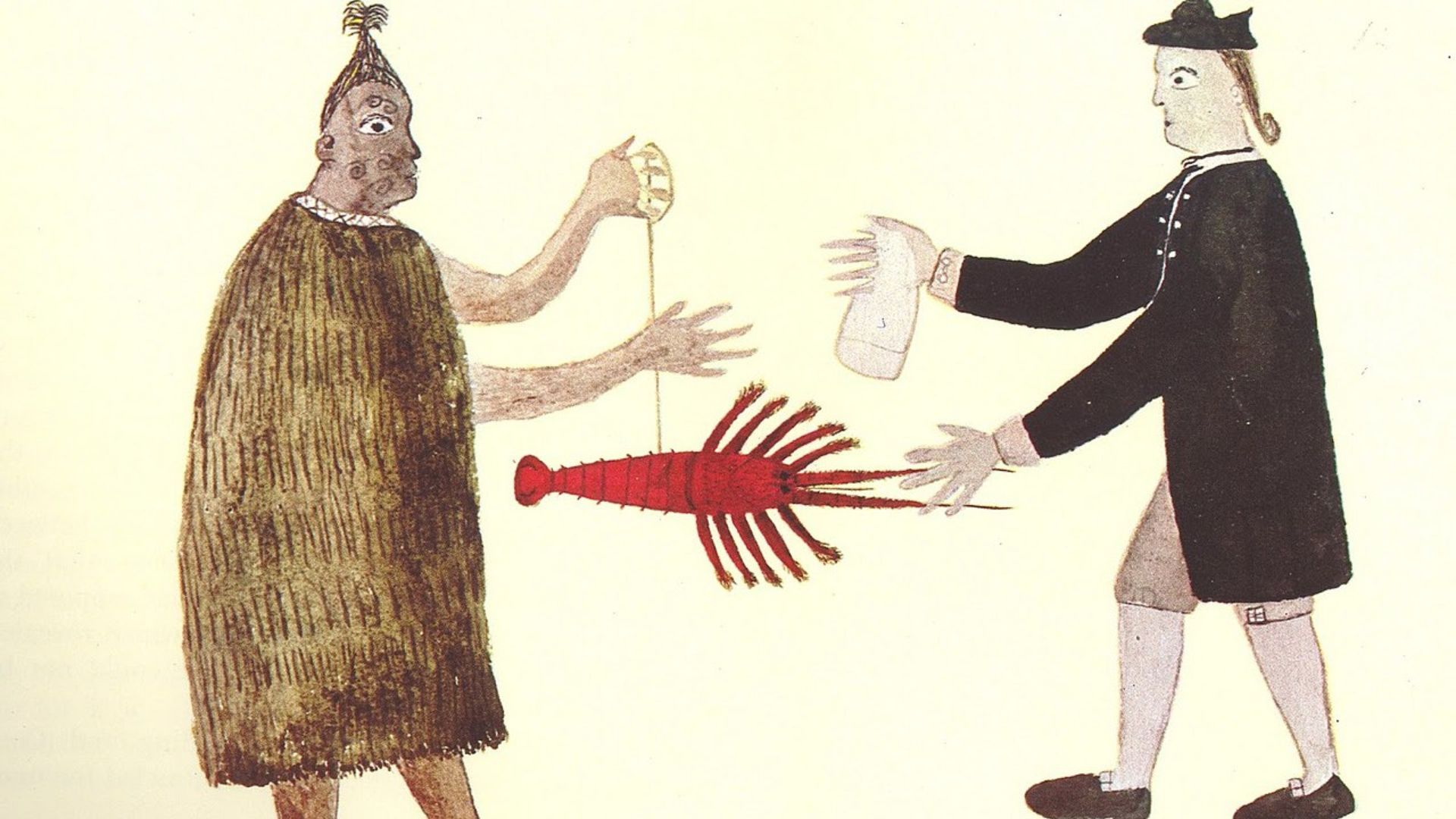 commons.wikimedia.org on Google
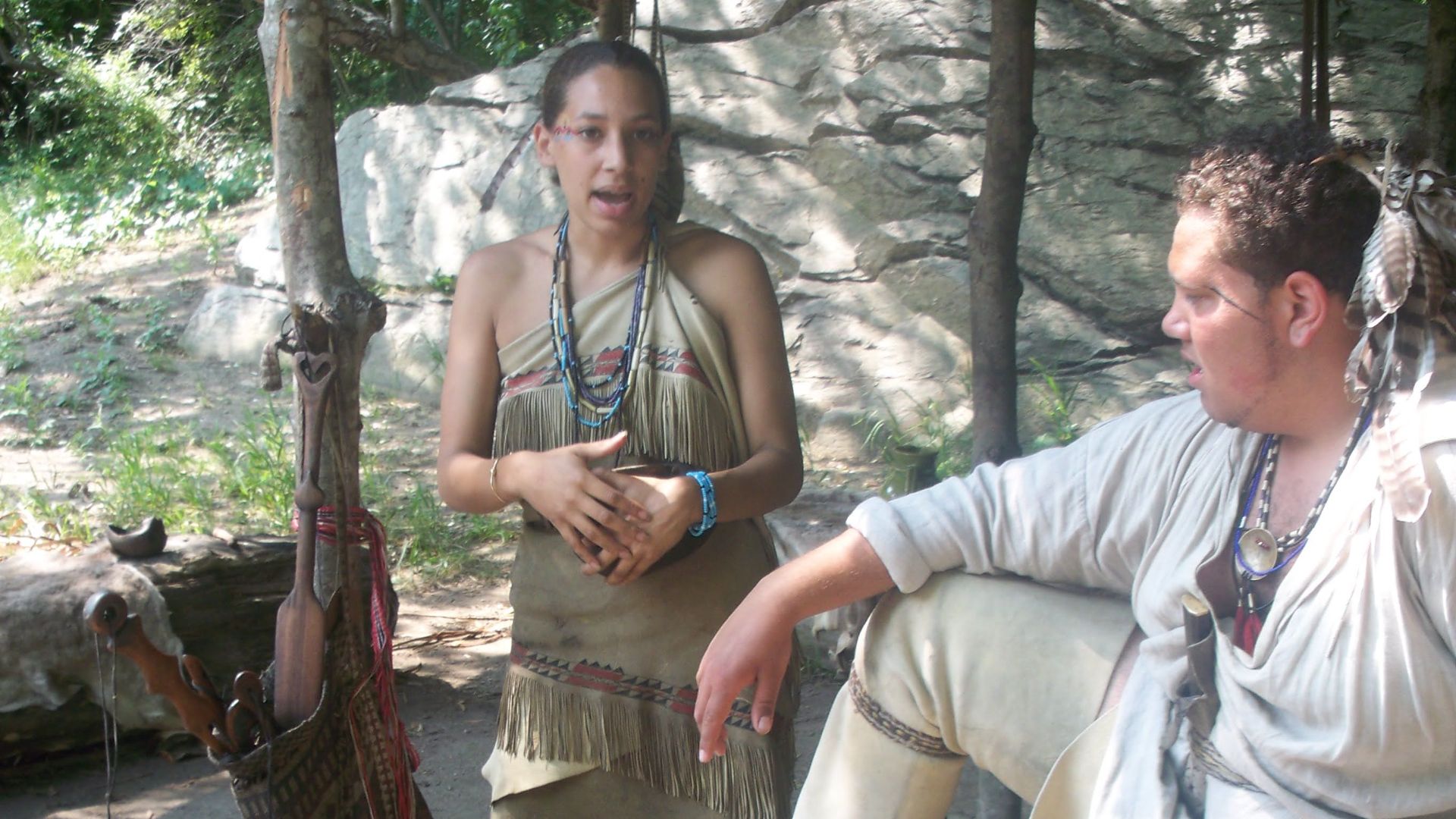
3. The Pilgrims And The Wampanoag
The early contact between Plymouth settlers and the Wampanoag gets remembered in a very polished, school-play way. In reality, it was strategic, careful, and rooted in mutual need more than warmth. Still, those first meetings involved diplomacy, negotiation, and a workable peace, at least for a time.
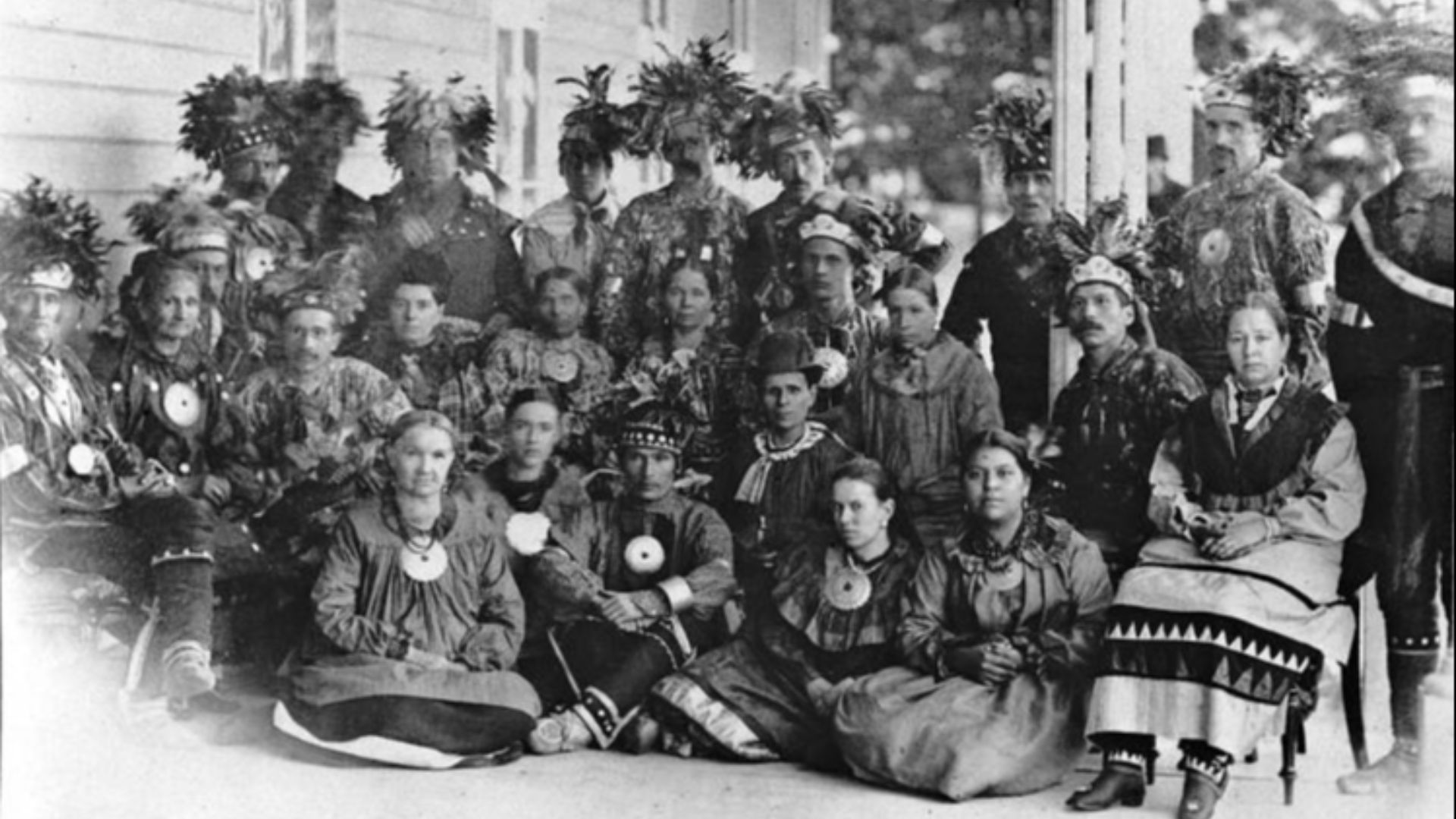
4. Early French Contact With The Wendat
French contact with the Wendat often began through trade and alliance rather than direct conflict. That did not make it simple, but it did make it structured. A lot of first contact stays peaceful when both sides quickly understand that there is something to gain by keeping things orderly.
 Jules-Isaïe Benoît on Wikimedia
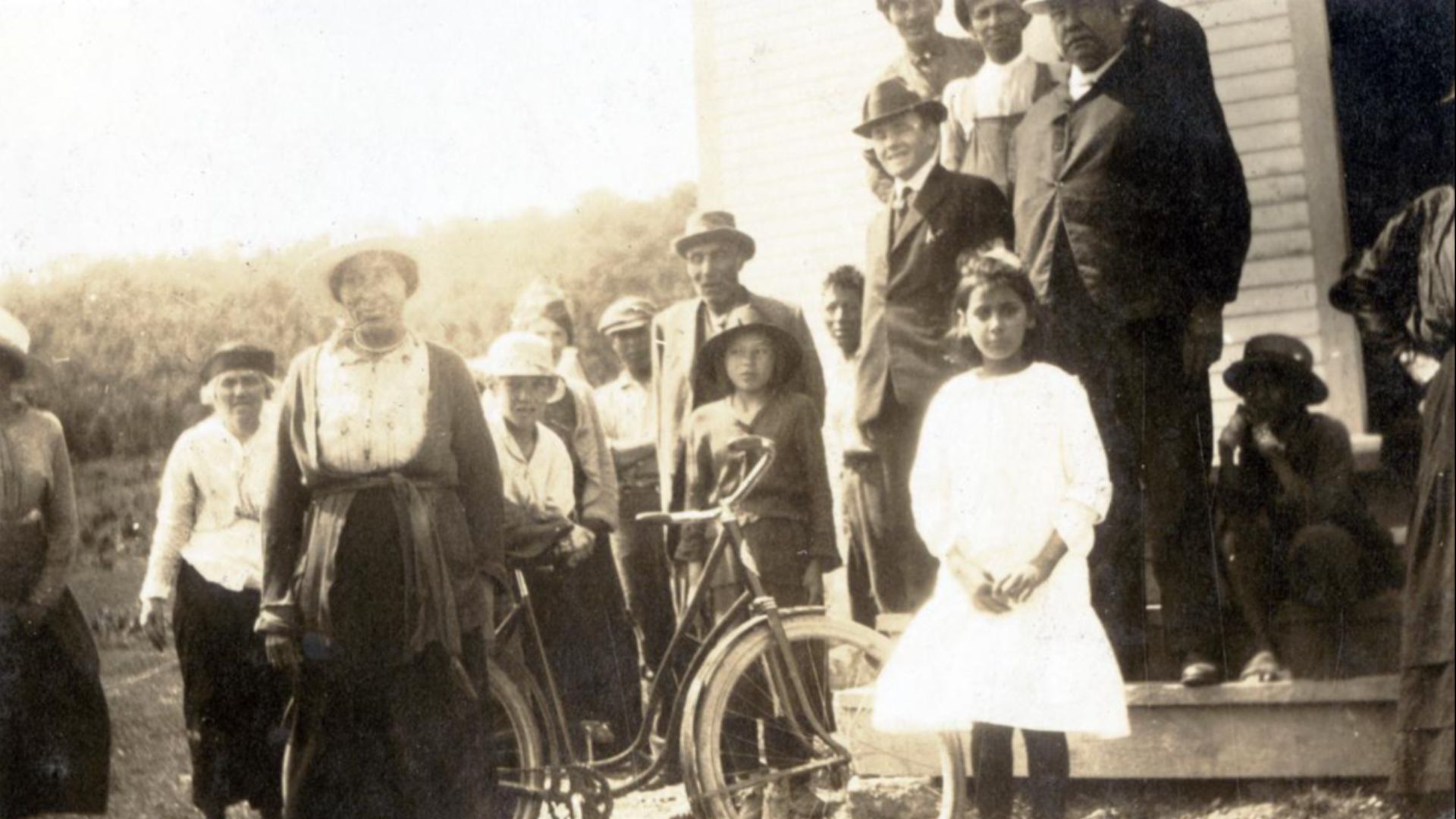
5. Cartier And The Mi’kmaq
When Jacques Cartier reached parts of Atlantic Canada in the 1530s, some early meetings with the Mi’kmaq involved trade rather than violence. Goods were shown, gestures were exchanged, and both sides tried to read intent without much shared language. Peaceful can be a low bar in history, but this still clears it.
 Nova Scotia Archives on Wikimedia
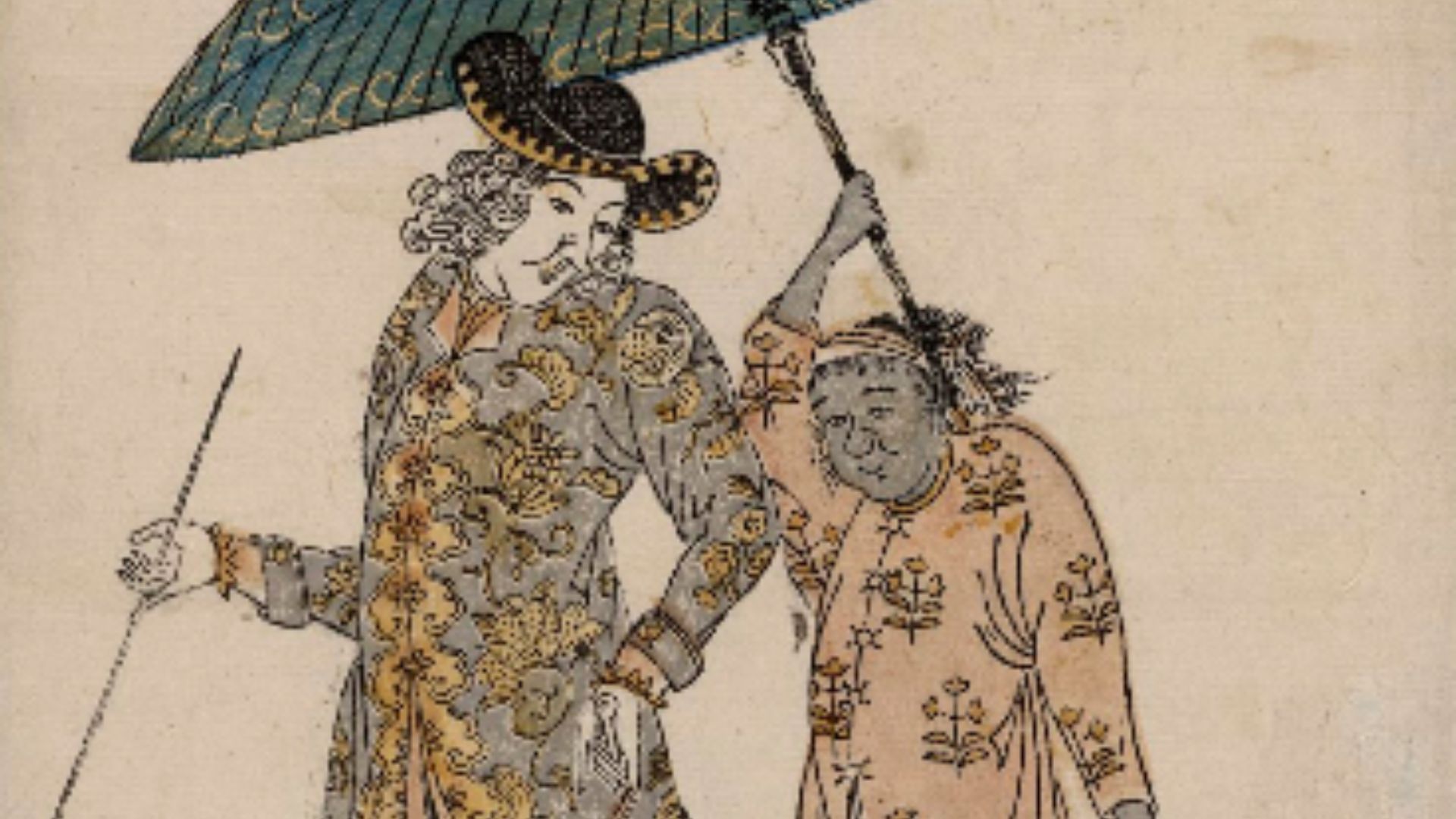
6. The Dutch And Japan
When the Dutch established relations with Japan in the 17th century, the relationship was cautious and businesslike from the start. There was no real sense of trust. Both sides were focused on keeping trade stable and controlled.
 Unknown Painter in Nagasaki on Wikimedia
7. Sacagawea’s Role In Western Encounters
Sacagawea was not just a guide traveling with the Lewis and Clark expedition. Her presence also affected how some groups understood the expedition when it arrived. A party traveling with a woman and child did not look quite like a raiding force, and that changed the emotional weather of an encounter before anyone said a word.
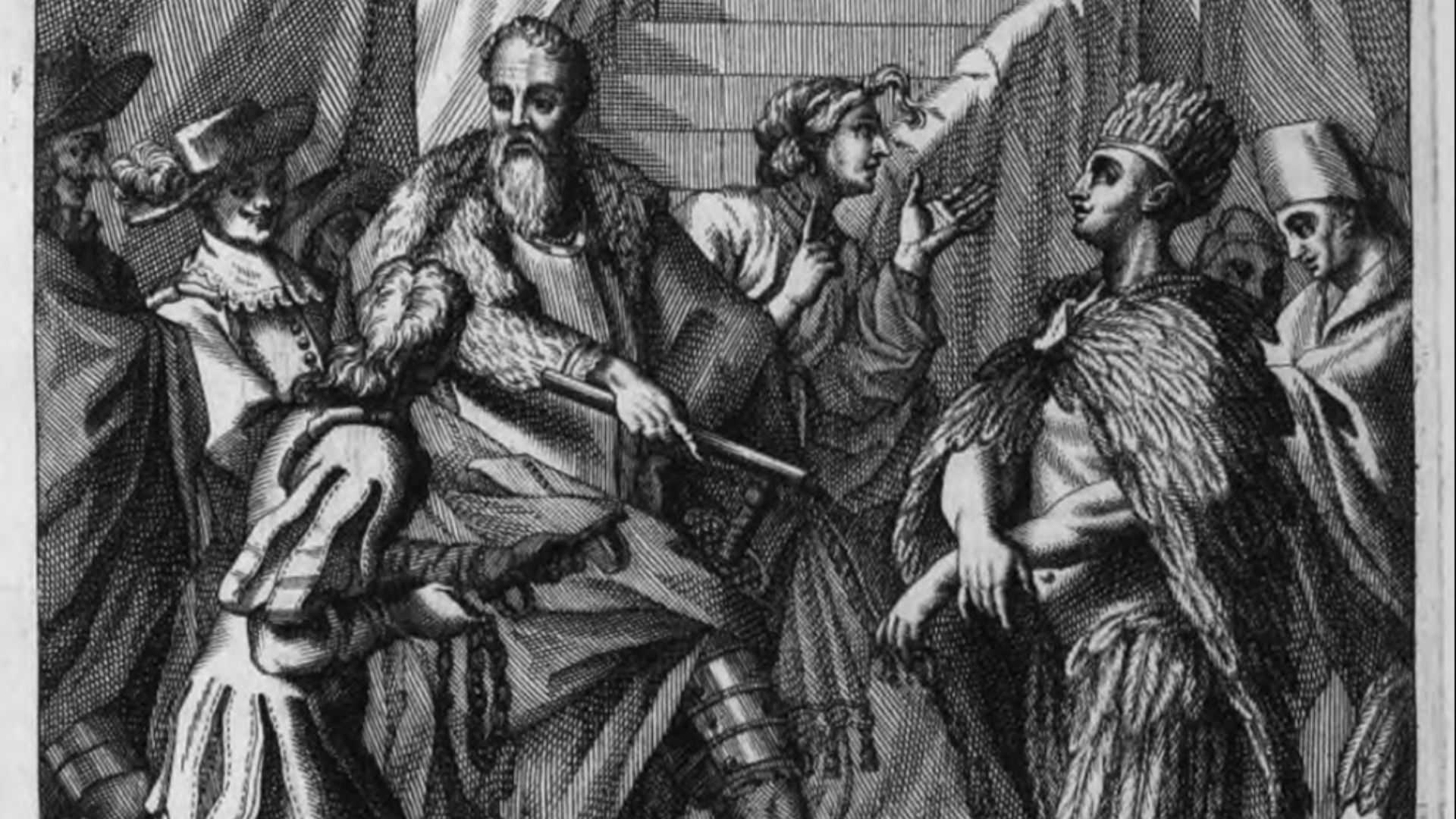
8. Cortés And Moctezuma’s First Meeting
Given how badly this story ends, it can feel strange to place the first meeting itself on the peaceful side. But when Hernán Cortés and Moctezuma II first met in 1519, the scene was formal, ceremonial, and outwardly calm. There were gifts, public gestures, and the kind of controlled politeness people use when they know the stakes are enormous.
 Jan Karel Donatus Van Beecq (1638-1722) on Wikimedia
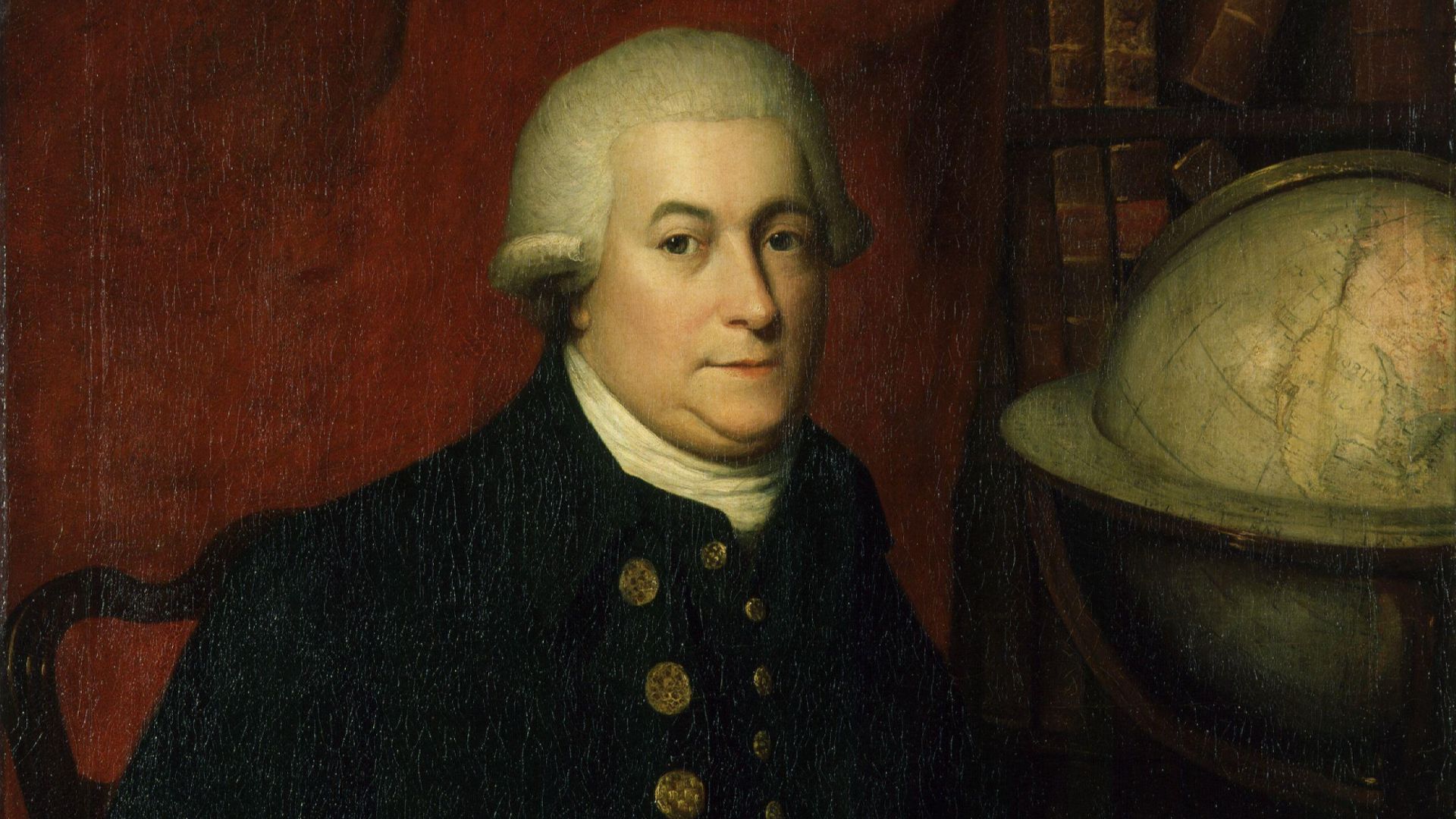
9. George Vancouver And Hawaiian Leaders
European contact in Hawaiʻi would bring deep damage, but some meetings involving British explorers and Hawaiian leaders were diplomatic and measured at first. There was ceremony, exchange, and a real effort to build relationships that served both sides. First contact can be calm even when the longer history turns darker.
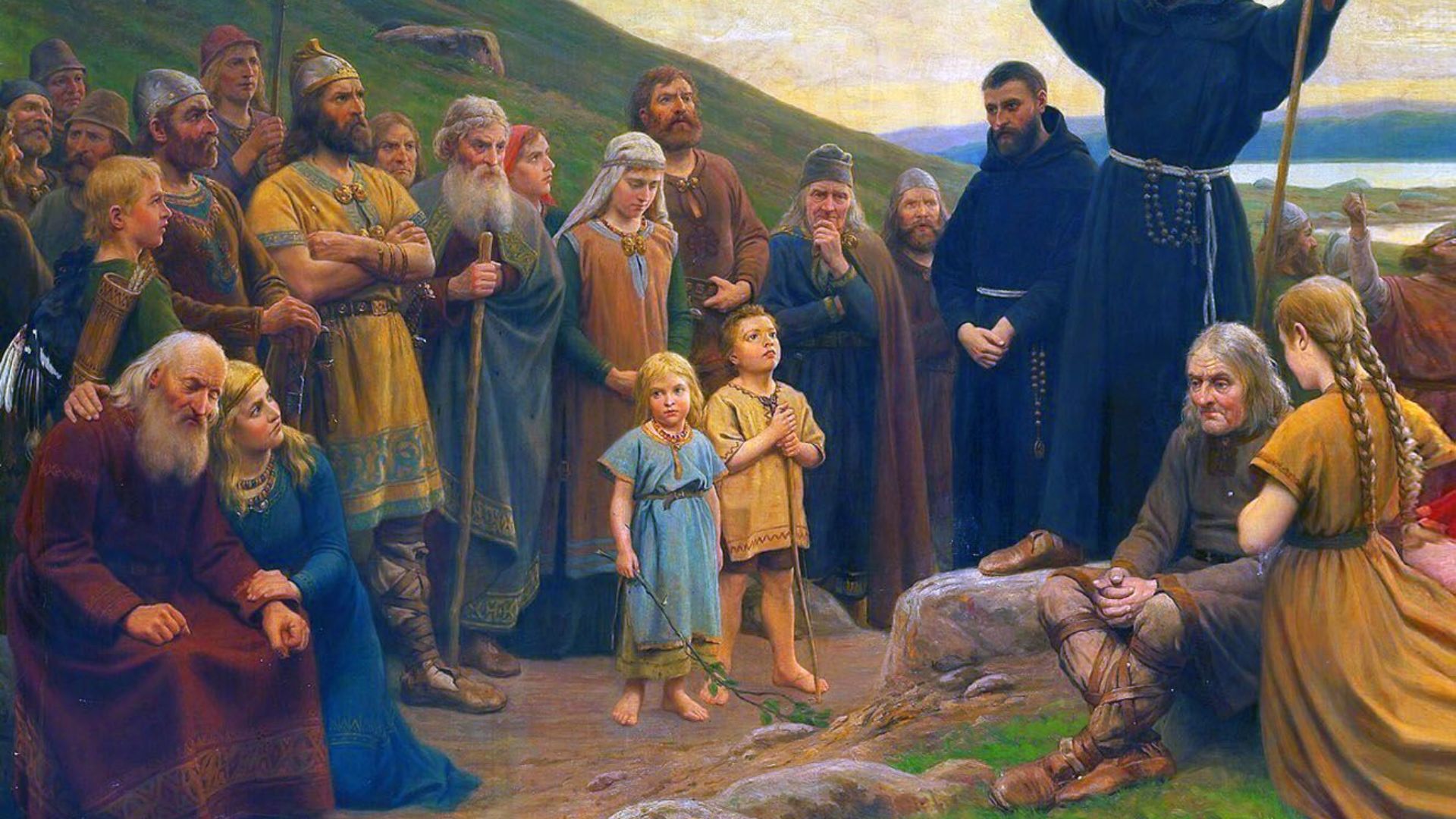
10. The Norse In North America
The Norse sagas suggest that some of the earliest encounters between Norse visitors and Indigenous people in North America involved trade before violence followed. That pattern feels familiar across centuries. Curiosity gets the first meeting, and suspicion often gets the next one.
Some first contacts held together for a while. The next ten either broke down fast or carried disaster in with them from the start.
1. Columbus And The Taíno
Christopher Columbus’s first encounters in the Caribbean are often softened by the language people still use around “discovery.” But the catastrophe was there from the beginning. The meeting opened into enslavement, forced labor, exploitation, and a demographic collapse that devastated Taíno communities.
2. Cook’s Landing At Gisborne
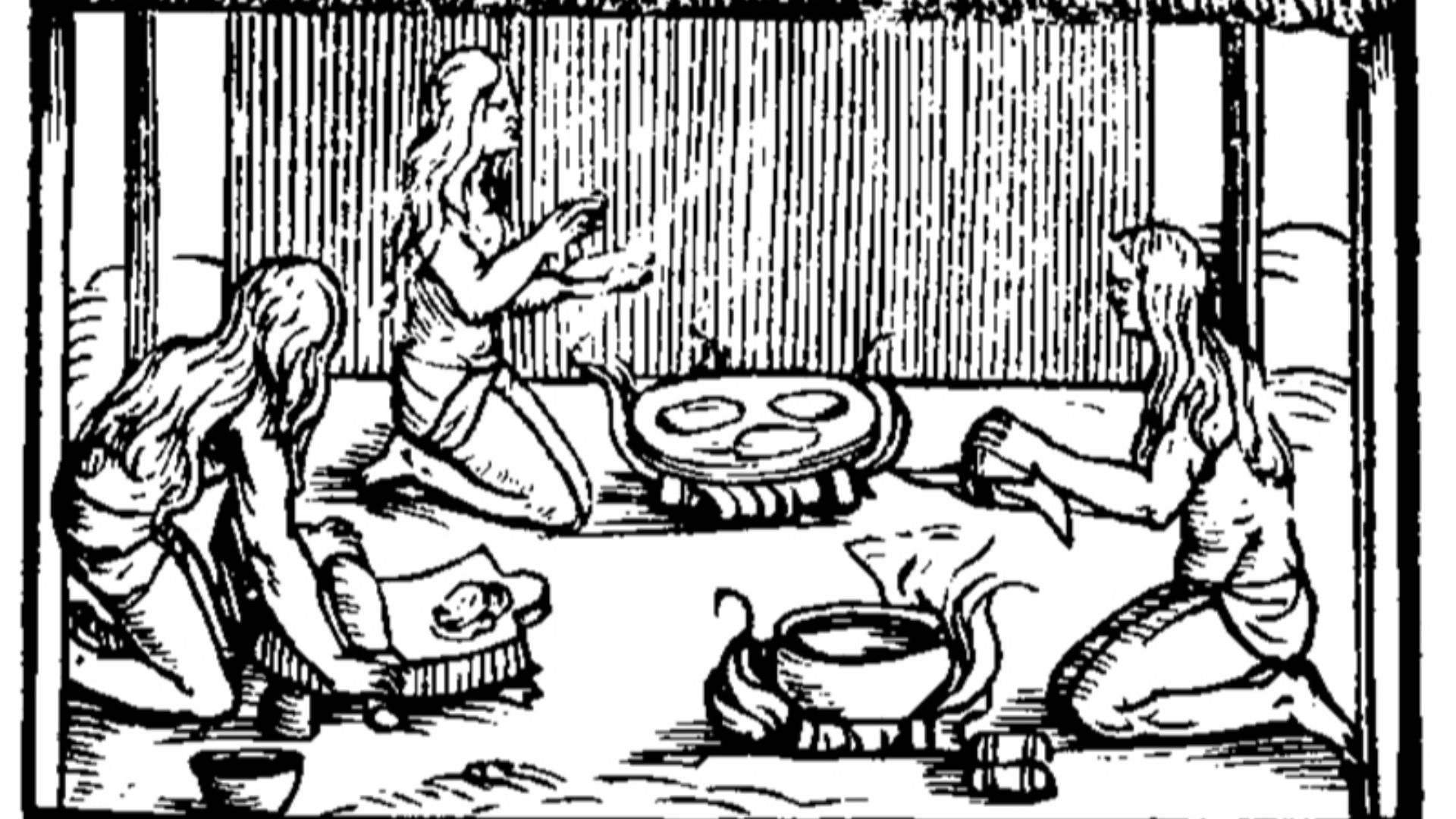
Cook’s arrival at Tūranganui-a-Kiwa in 1769 went wrong almost immediately. Māori were killed in the first encounters, and whatever chance there was for a more careful introduction disappeared right there on the shore. Later communication improved in some places, but the opening itself was violent and damaging.
3. Pizarro And Atahualpa
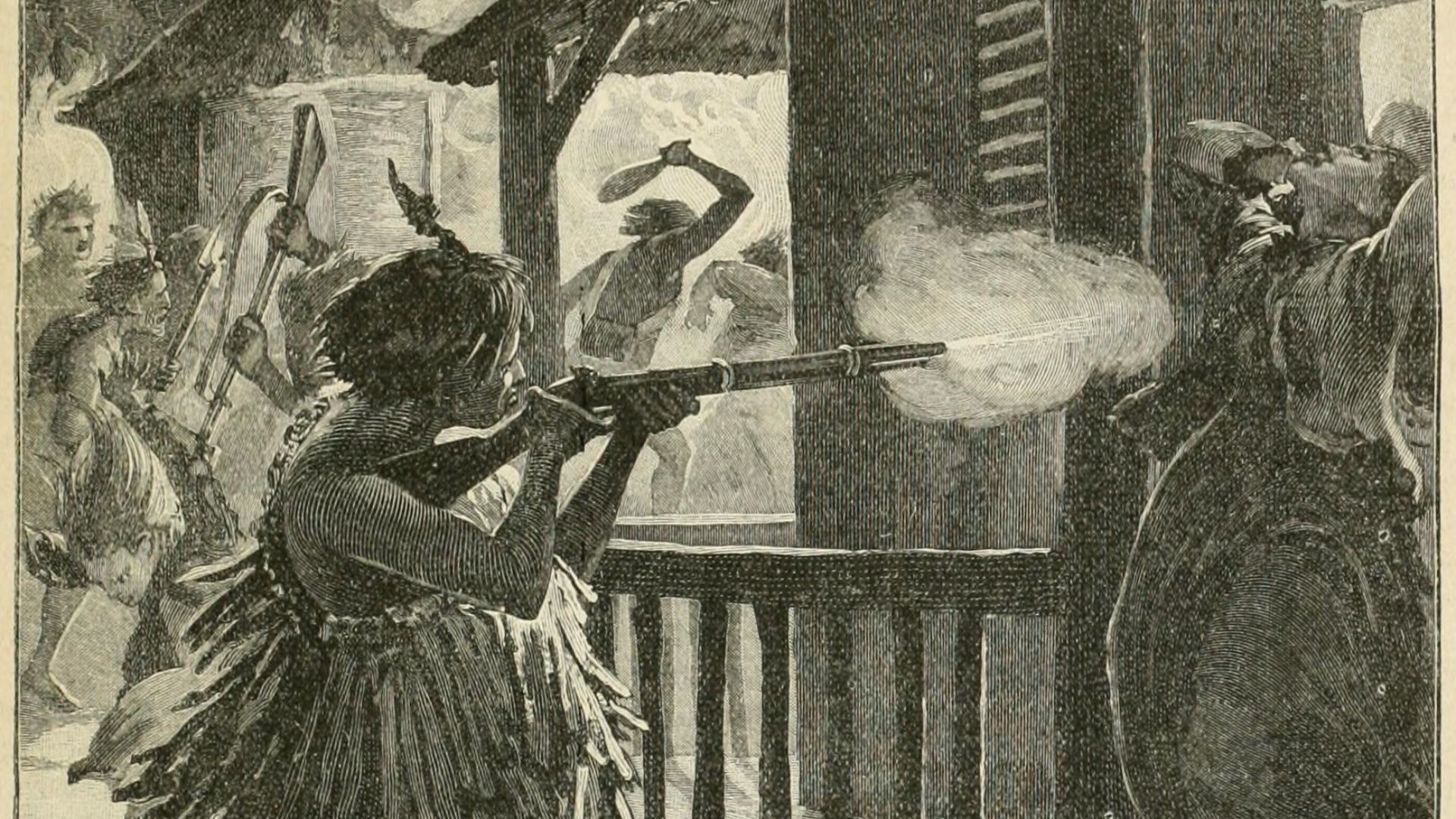
Francisco Pizarro’s meeting with the Inca ruler Atahualpa at Cajamarca in 1532 is one of history’s clearest examples of first contact turning into a trap. There was an invitation, an encounter framed as negotiation, and then an ambush. Thousands died, and the capture of Atahualpa changed the course of the empire in a single blow.
4. The Spanish And The Aztec Empire
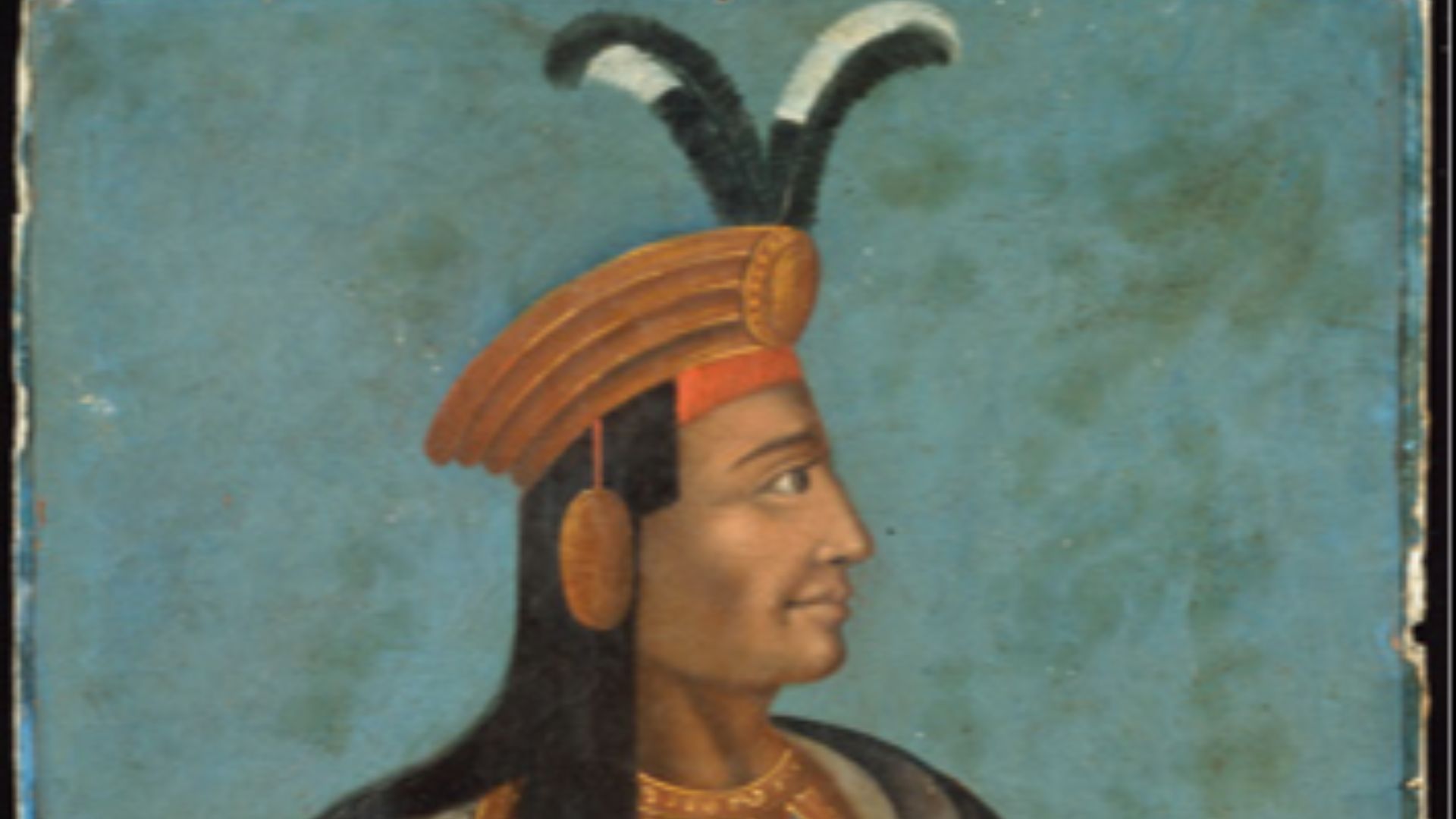
The first meeting between Cortés and Moctezuma may have looked orderly, but the wider first contact between the Spanish and the Aztec world was catastrophic. Mass violence, siege, political collapse, and disease followed in quick succession. It is a strong reminder that a calm opening scene can still lead straight into disaster.
5. The First Fleet And Aboriginal Australians
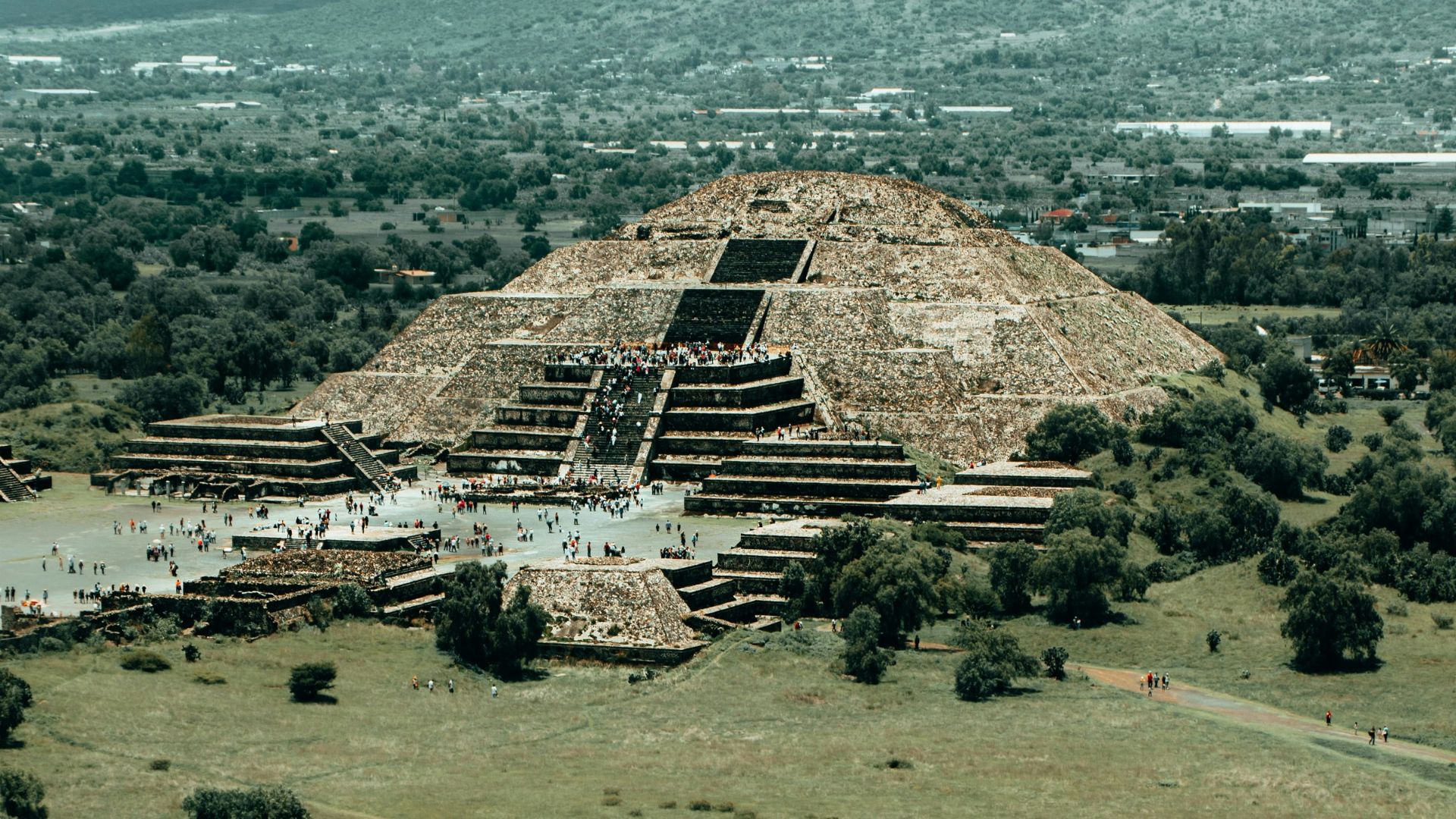
When the First Fleet arrived in 1788, the British operated as though the land were theirs to claim and define. Some early encounters involved caution rather than immediate bloodshed, but the larger contact history brought dispossession, violence, disease, and long-term trauma. Catastrophe does not always announce itself all at once. Sometimes it arrives as a system.
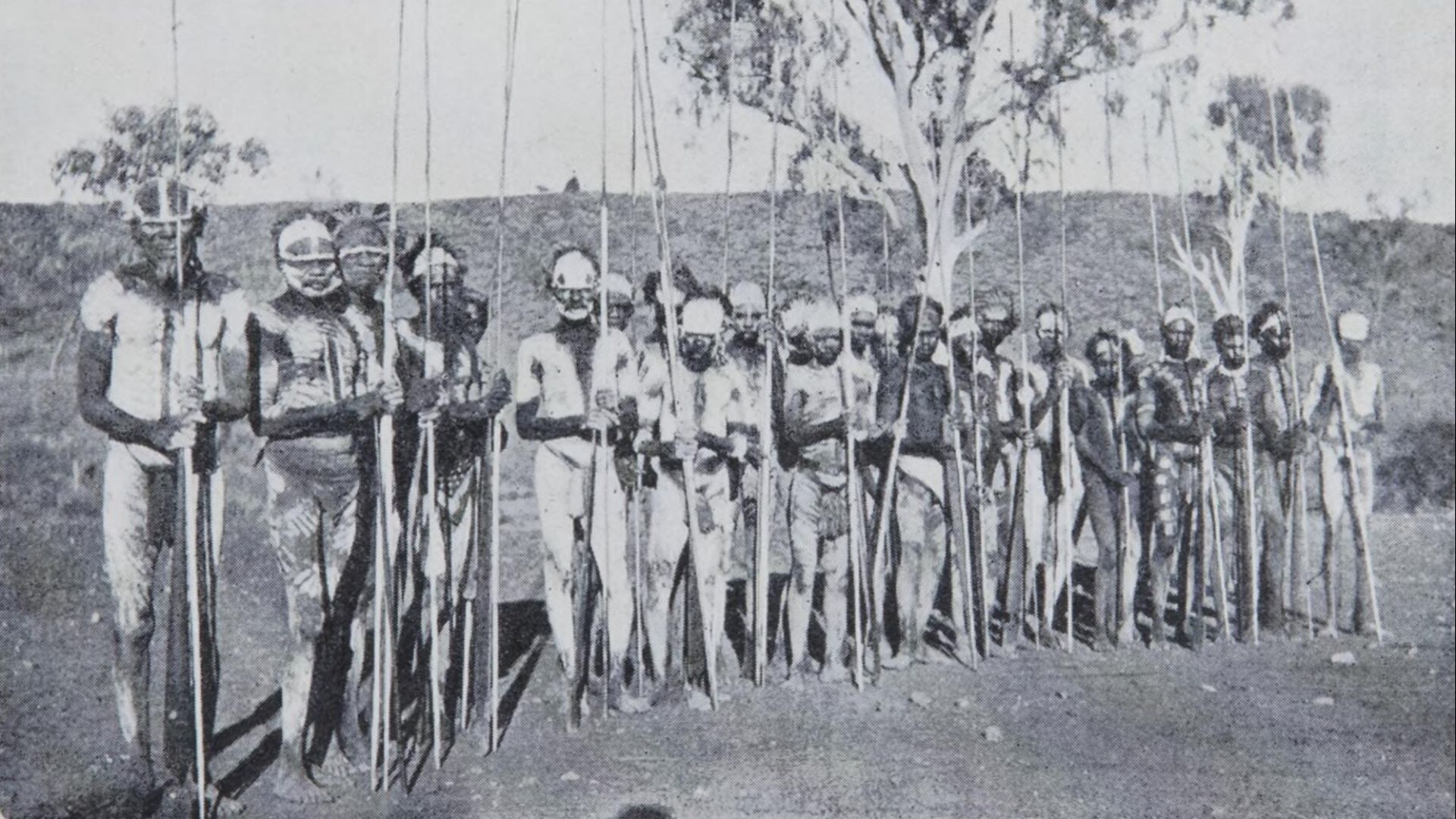 James Sykes Battye on Wikimedia
6. Jamestown And The Powhatan Confederacy
The English settlement at Jamestown quickly produced tension with the Powhatan world around it. There were moments of exchange, but distrust, food pressure, raids, and military force turned the relationship into a recurring crisis. Nobody in this story seems to have had enough room to be patient for very long.
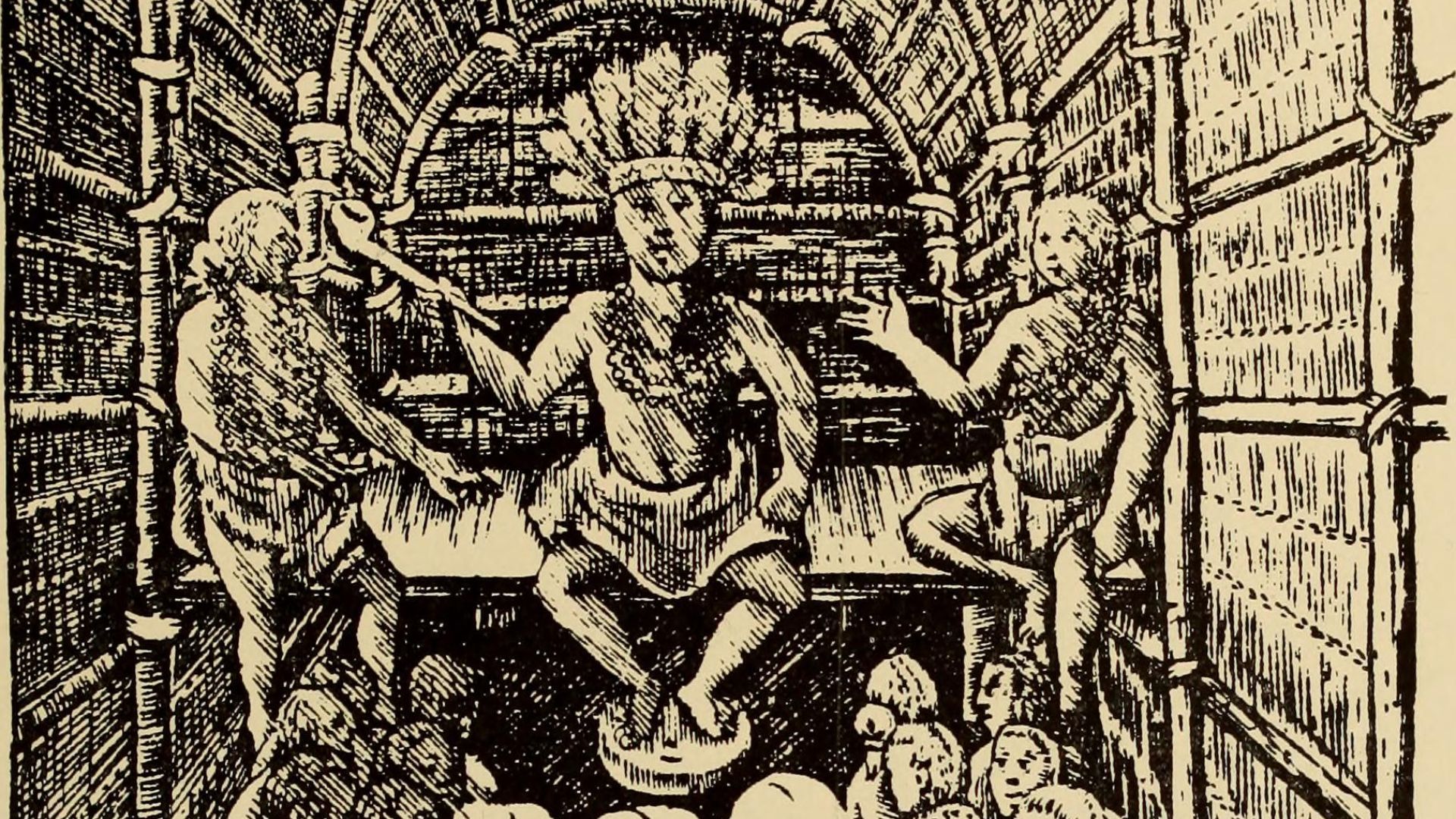 Internet Archive Book Images on Wikimedia
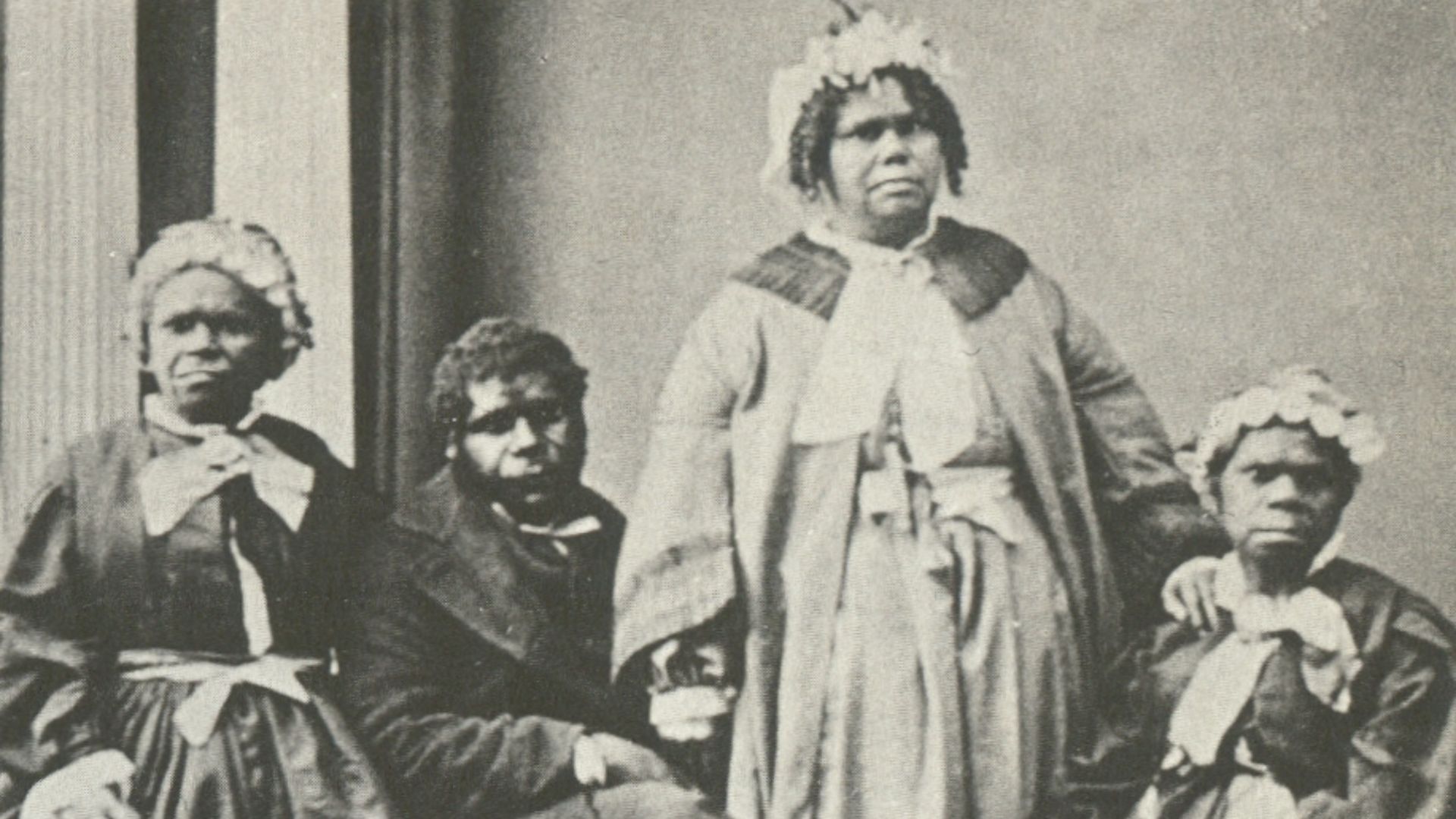
7. British Colonists And Aboriginal Tasmanians
British contact with Aboriginal Tasmanians became catastrophic with frightening speed. Land seizure, violence, kidnapping, and disease shattered communities and narrowed the space for survival. Some first-contact stories are complicated. This one is mostly brutal.
8. Magellan In The Philippines
Ferdinand Magellan’s arrival in the Philippines in 1521 moved quickly from contact and alliance-making into conflict. He entered a political world he did not fully understand and wound up entangled in local rivalries. That misreading ended at Mactan, where he was killed.
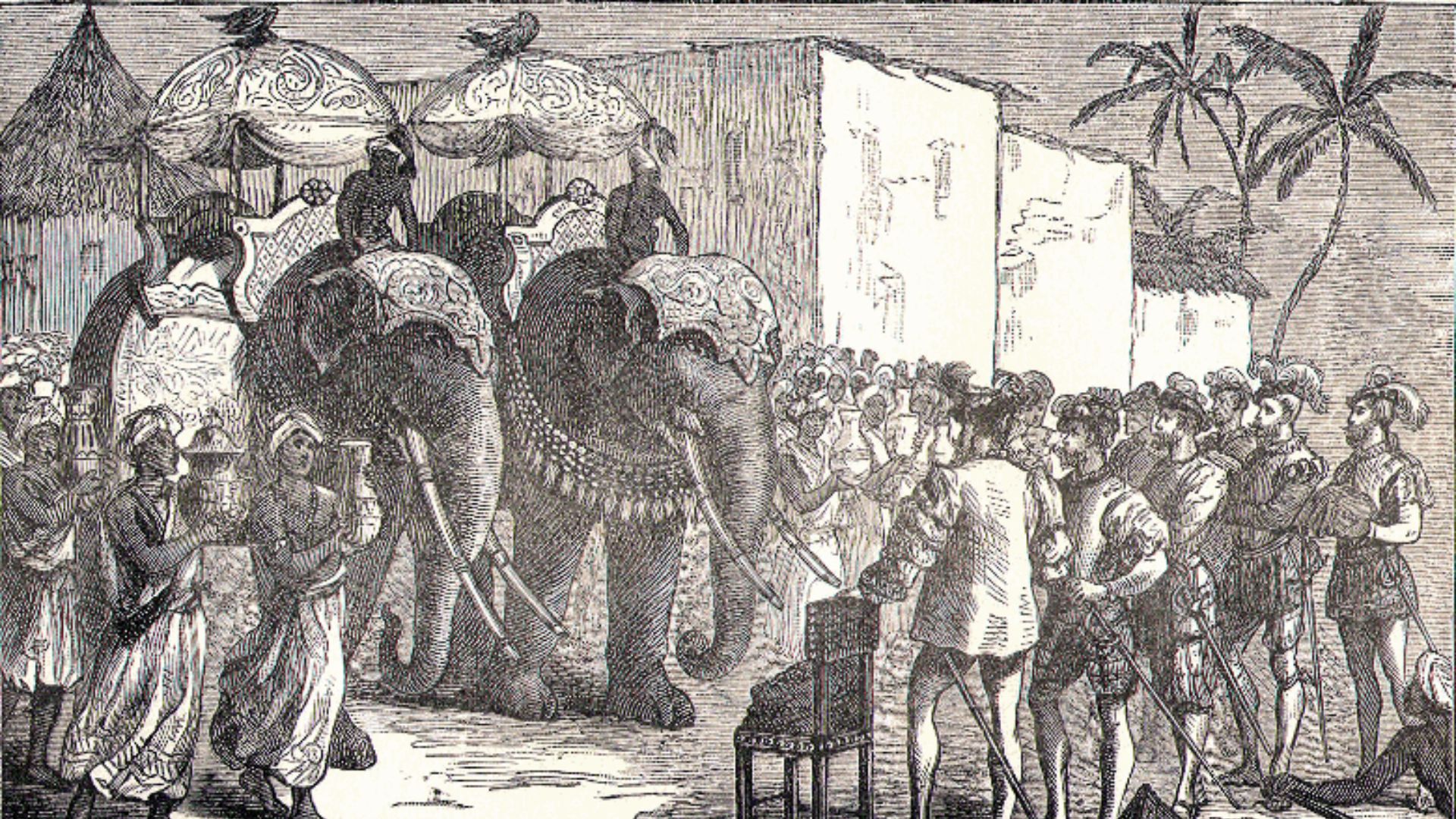 George M. Towle, Lee and Shepard on Wikimedia
9. The Beothuk And European Settlers
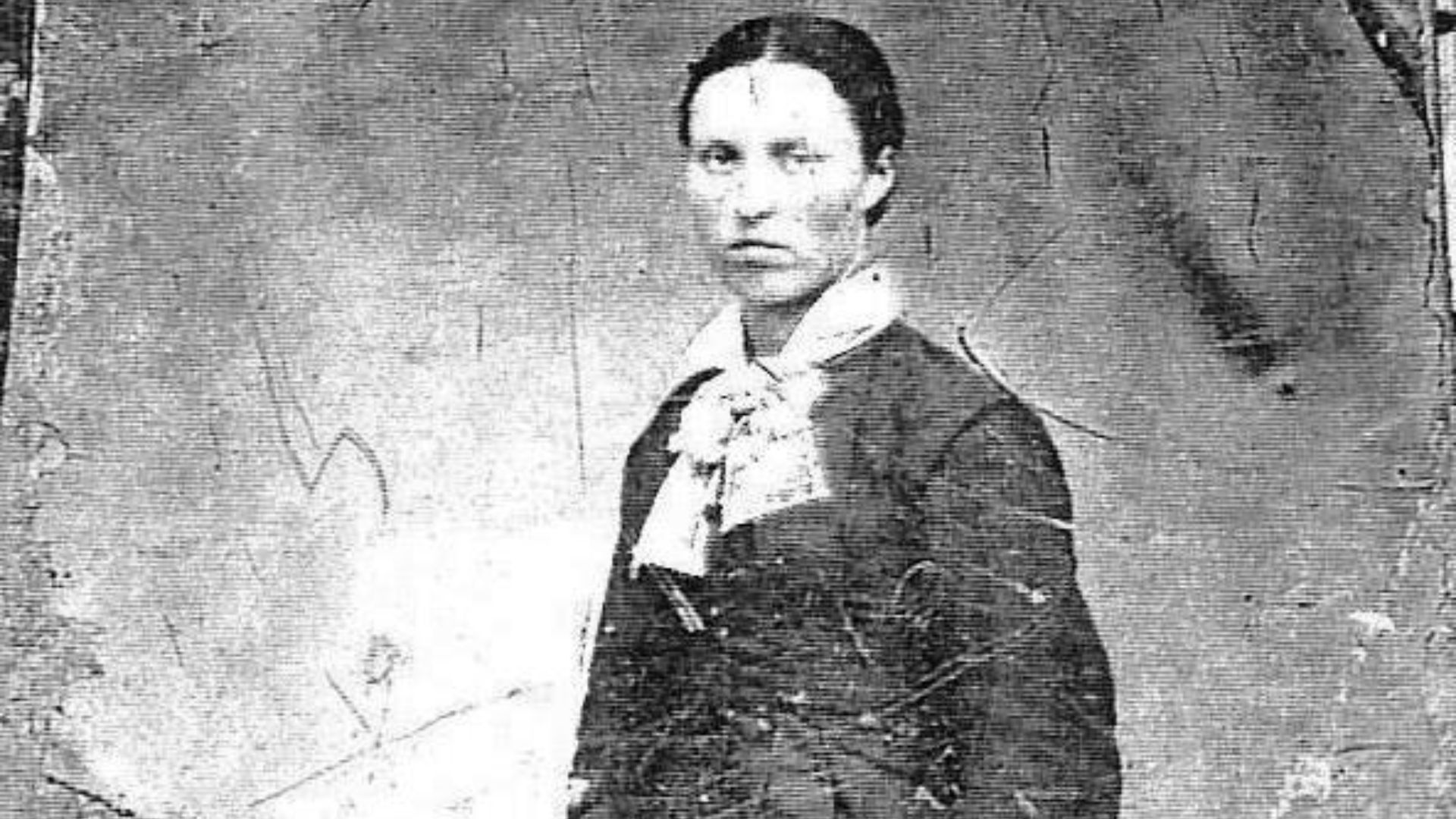
Contact between the Beothuk of Newfoundland and European fishers and settlers was limited, tense, and ultimately disastrous. Competition over resources, violence, displacement, and disease pushed the Beothuk toward collapse. What makes the story especially bleak is how little real mutual understanding ever had a chance to develop.
 Photographers unknown on Wikimedia
10. The Sentinelese And Outsiders
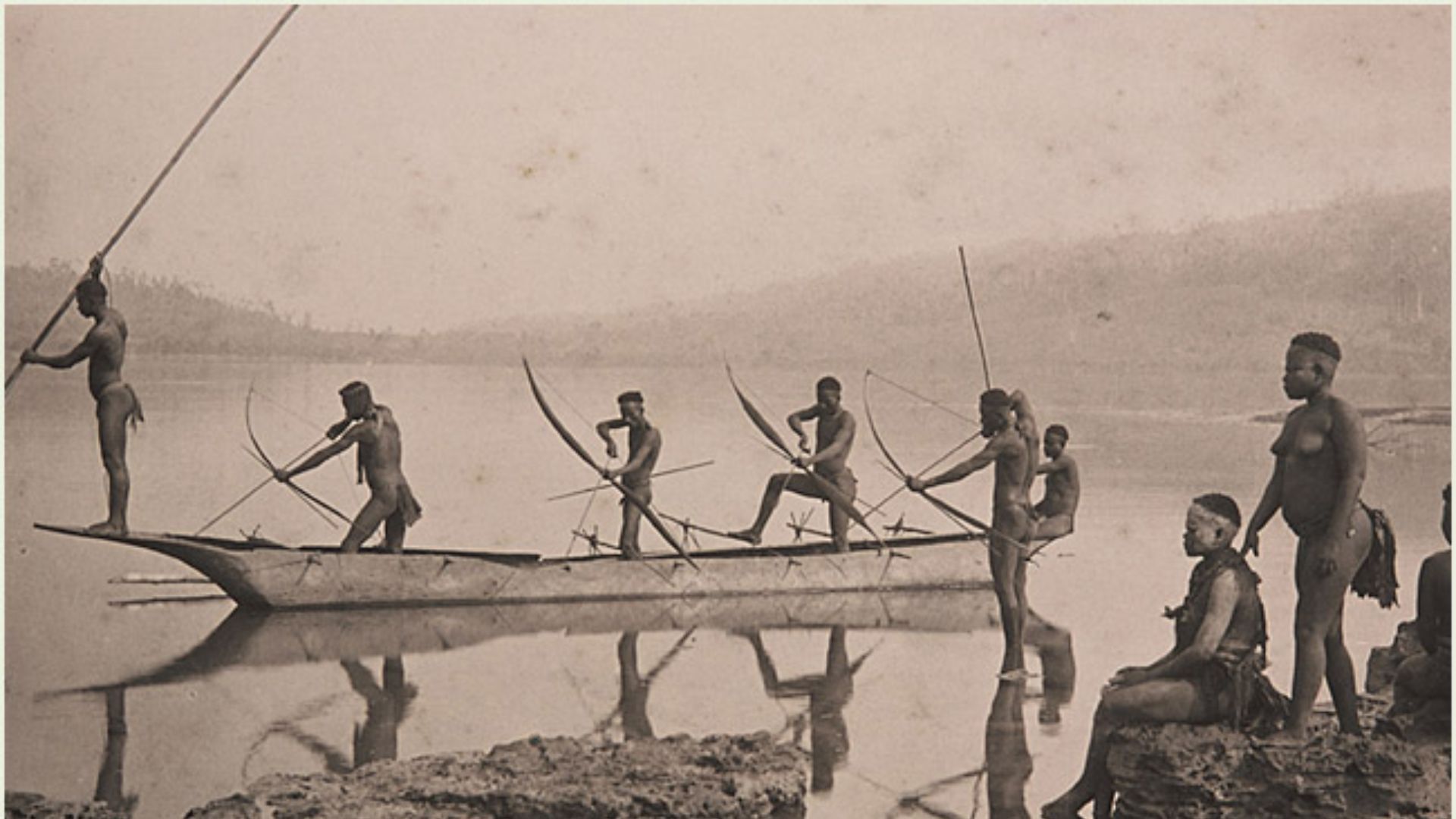
The Sentinelese are known today for resisting outside contact, and history gives them every reason to keep doing so. Attempts to approach North Sentinel Island have repeatedly ended in hostility, injury, or death. From the outside, that can seem extreme. From their side, it looks a lot like survival.


KEEP ON READING

From Heroes To Zeroes 20 Historical Figures Whose Heroism Was…
History is full of legends, but not every hero lived…
By Noone Feb 25, 2026
The Clueless Crush: How I Accidentally Invited a Hacker Into…
Fluorescent Lights and First Impressions. My name is Tessa, I'm…
By Ali Hassan Nov 4, 2025
This Infamous Ancient Greek Burned Down An Ancient Wonder Just…
History remembers kings and conquerors, but sometimes, it also remembers…
By David Davidovic Nov 12, 2025
Einstein's Violin Just Sold At An Auction—And It Earned More…
A Visionary's Violin. Wanda von Debschitz-Kunowski on WikimediaWhen you hear…
By Ashley Bast Nov 3, 2025
The Mysterious "Sea People" Who Collapsed Civilization
3,200 years ago, Bronze Age civilization in the Mediterranean suddenly…
By Robbie Woods Mar 18, 2025
The Spy Networks That Won The Cold War
KGB USSR on WikimediaThe Cold War wasn’t fought through direct…
By Rob Shapiro Apr 16, 2026