

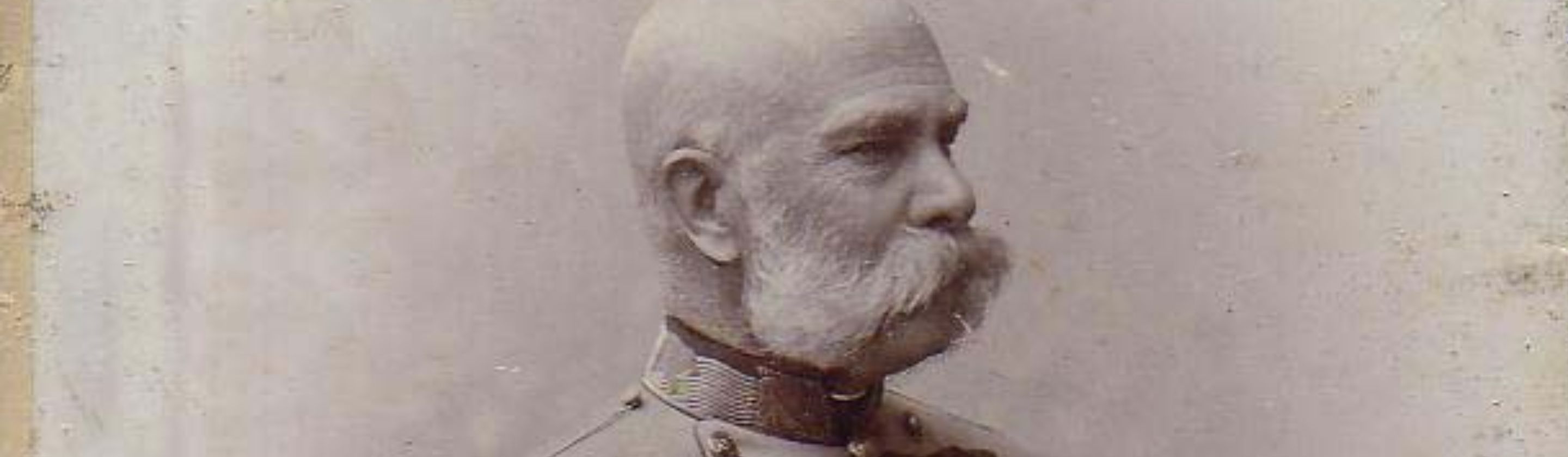
20 Historical Figures With The Most Epic Facial Hair
Whiskers Worth Remembering
History classes don’t always spend enough time on the truly important details, and yes, that includes spectacular facial hair. Some historical figures are remembered for wars, inventions, politics, or art, but plenty of them also brought a very serious commitment to mustaches, beards, sideburns, or some wonderfully excessive combination of the three. Let's give some credit where it's due by looking at 20 historical figures with the most epic facial hair.
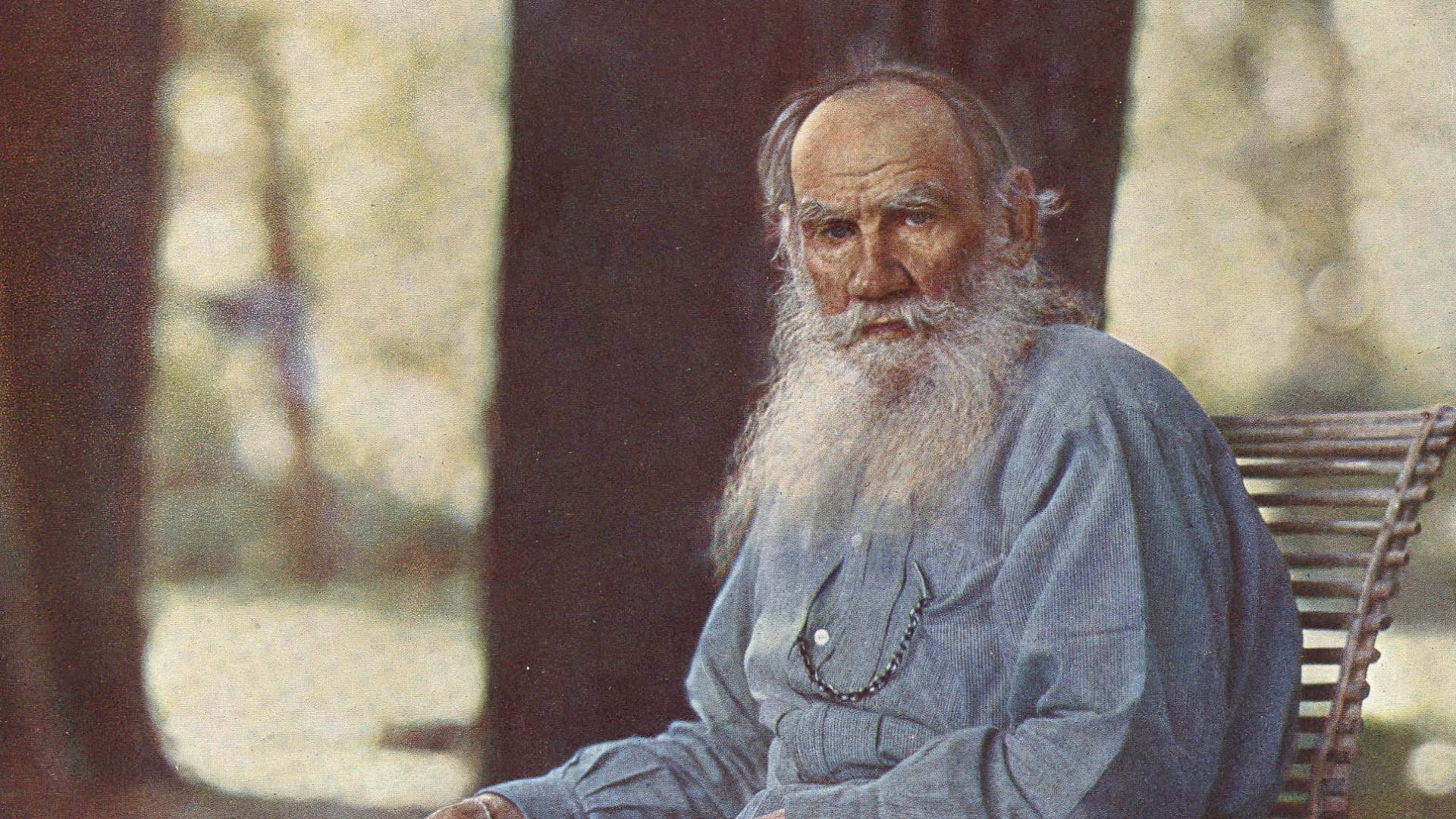 Sergei Prokudin-Gorskii on Wikimedia
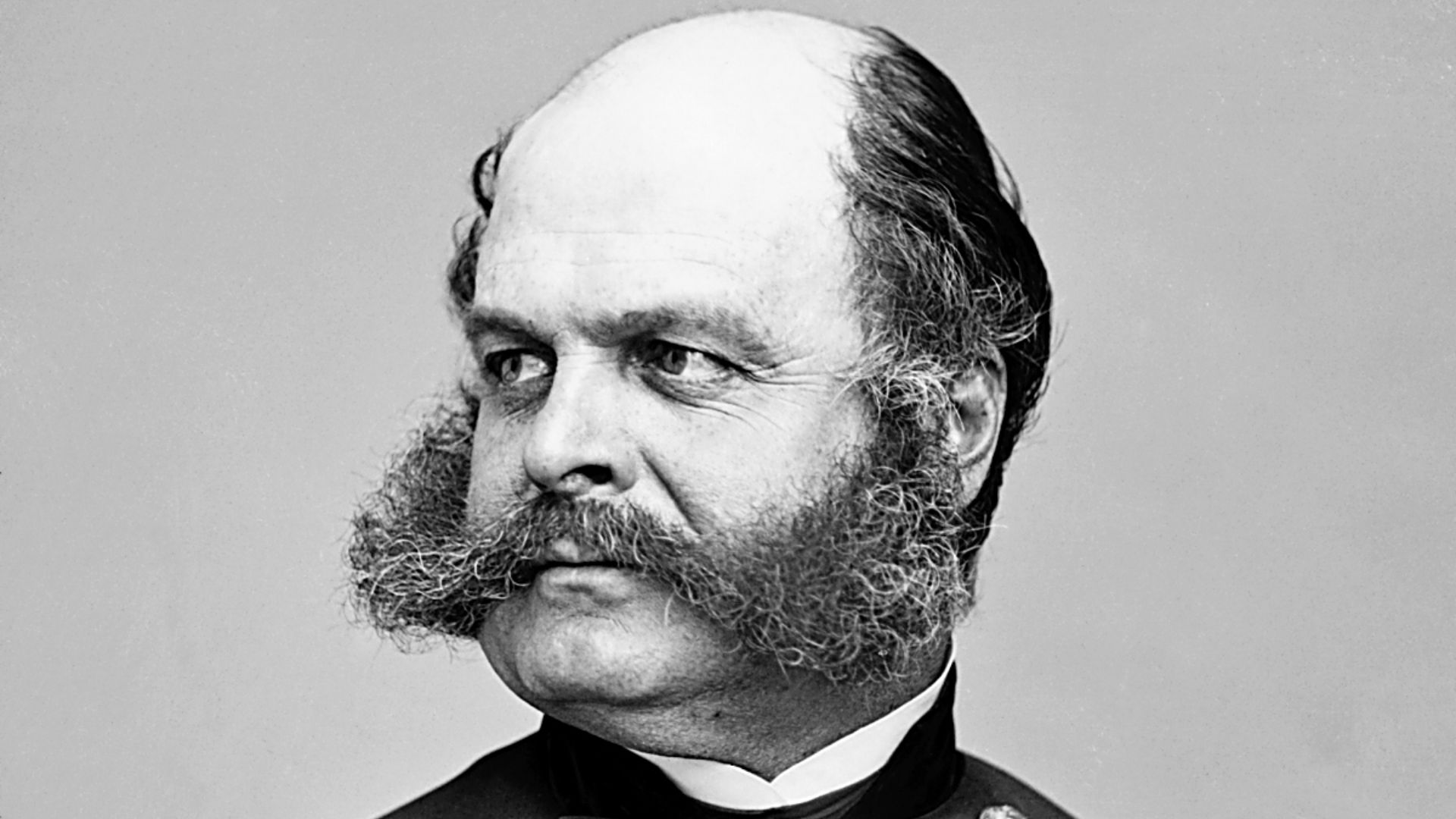
1. Ambrose Burnside
Ambrose Burnside is one of the rare people whose facial hair basically became part of the language. His famously dramatic side whiskers were so distinctive that they inspired the term “sideburns,” which is an incredible legacy to leave behind. Even if you know very little about the Civil War general, you’ve probably seen that face and immediately understood why it stuck.
 Mathew Benjamin Brady on Wikimedia
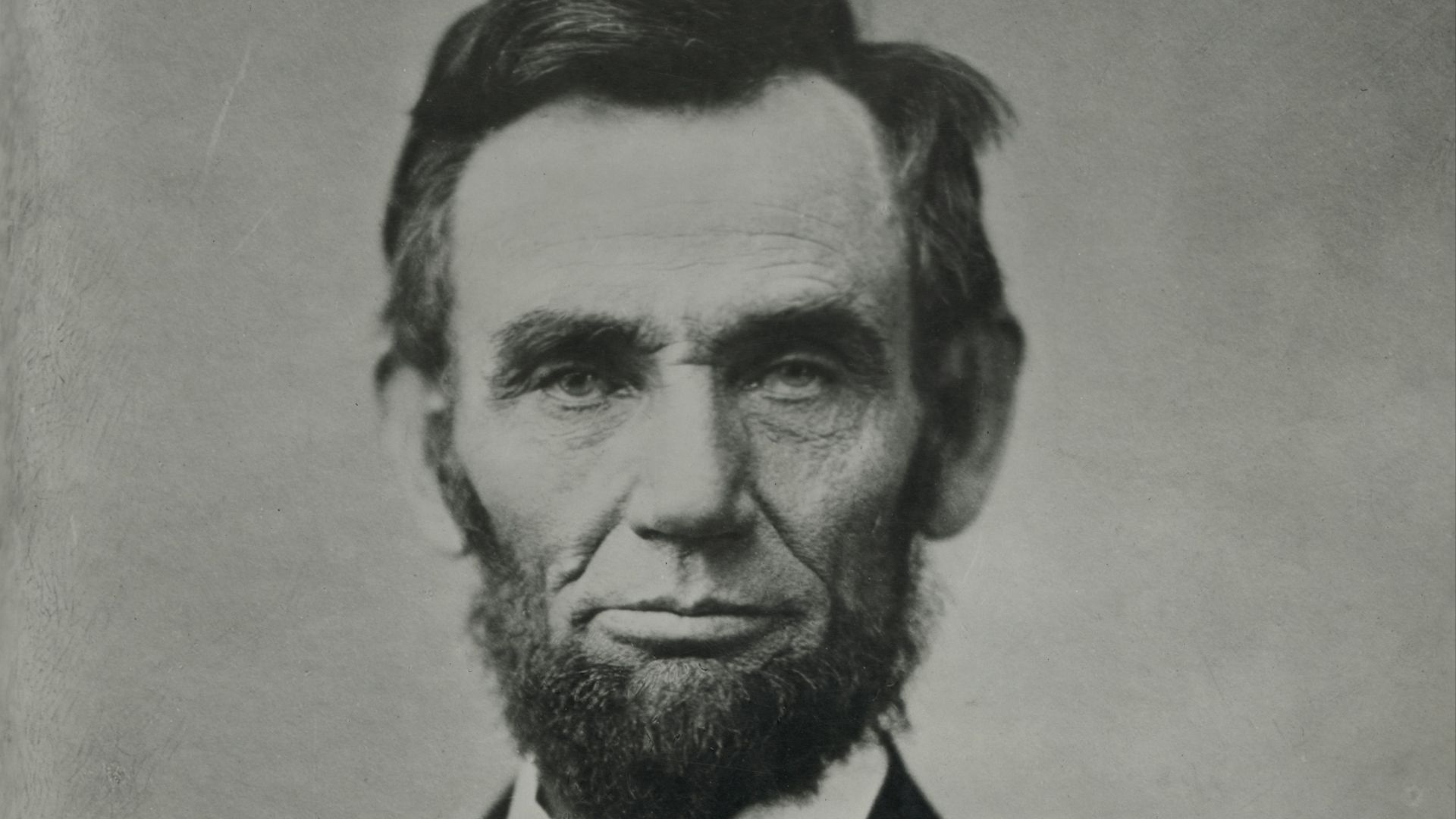
2. Abraham Lincoln
Abraham Lincoln’s beard has become so iconic that it’s hard to picture him without it. What makes it even better is that he grew it after a young girl wrote to suggest it would improve his appearance, which is one of history’s more charming image consultations. The result gave him an instantly recognizable look that balanced seriousness with a bit of frontier ruggedness. We can only hope that the little girl grew up to become a professional stylist.
 Library of Congress on Unsplash
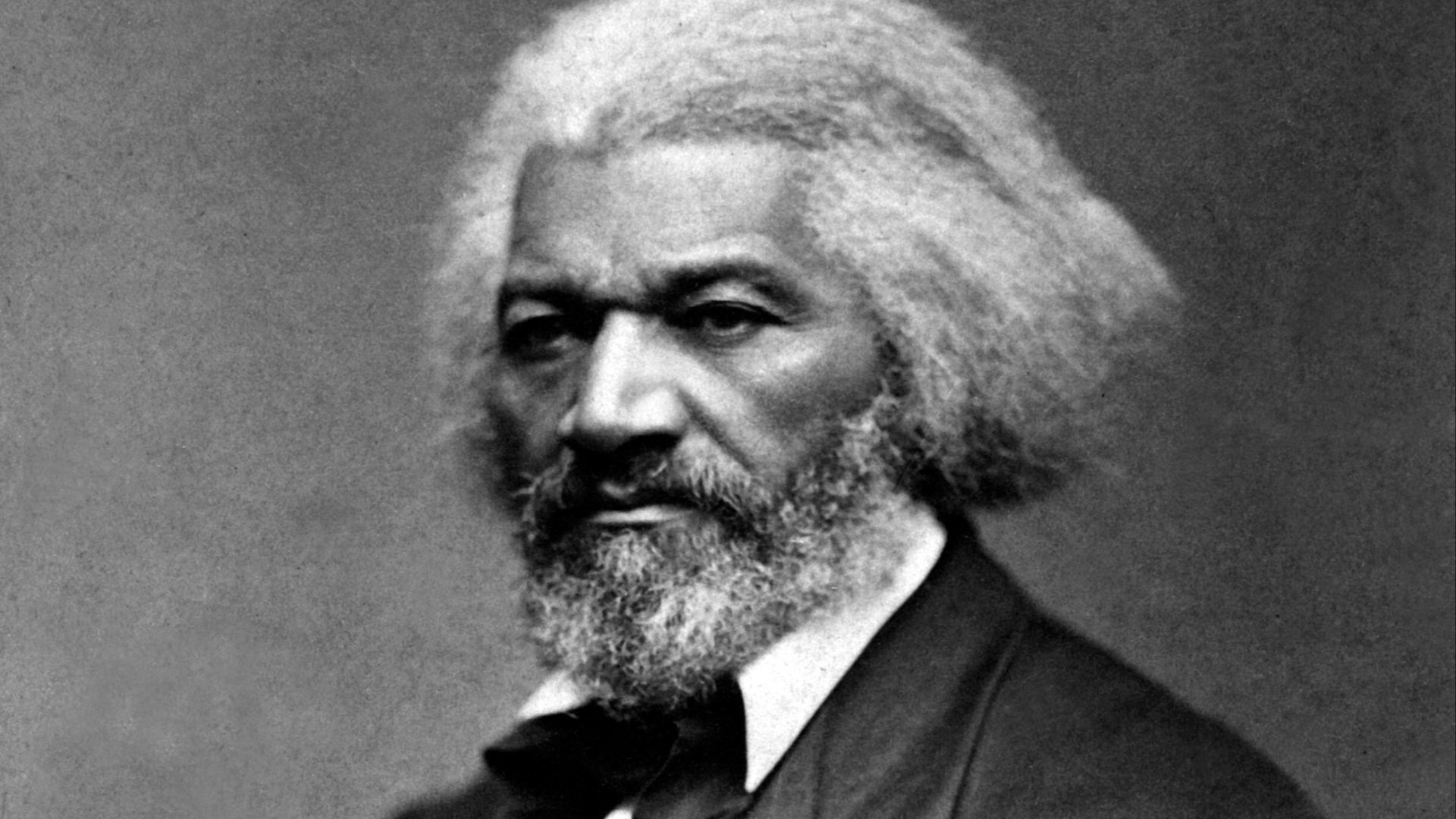
3. Frederick Douglass
Frederick Douglass had the kind of hair and beard combination that made every portrait feel even more commanding. His full beard gave him a stately, thoughtful presence, which fit perfectly with the force and clarity of his public life. There’s nothing fussy about the look, but it still has an undeniable impact.
 George Kendall Warren on Wikimedia
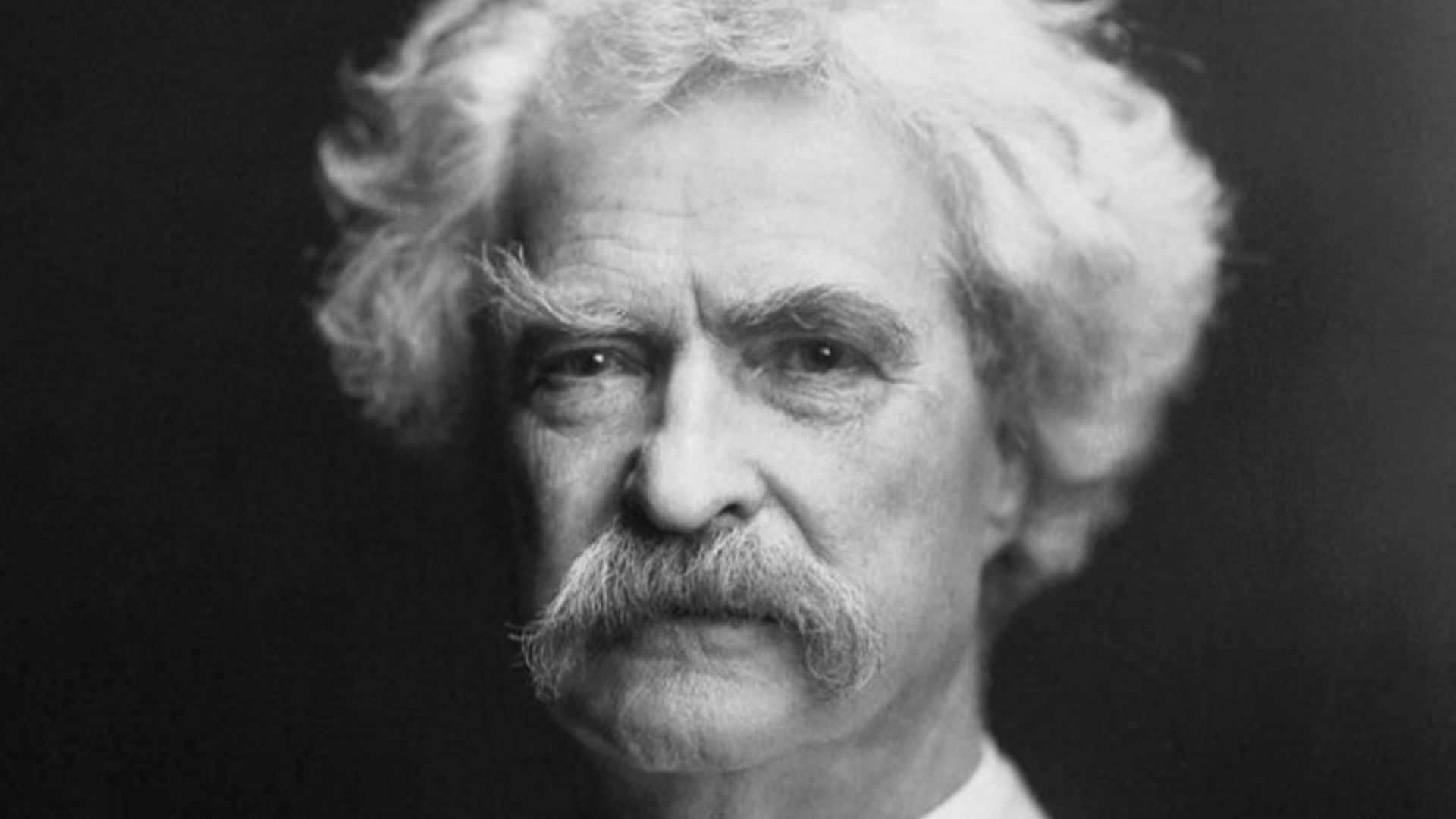
4. Mark Twain
Mark Twain’s white mustache is one of those features that almost competes with the writing in terms of recognizability. It had that wonderfully unruly, larger-than-life quality that made him seem even more like the wisecracking literary institution people wanted him to be. It’s the kind of facial hair that somehow feels opinionated all by itself.
 A.F. Bradley, New York on Wikimedia
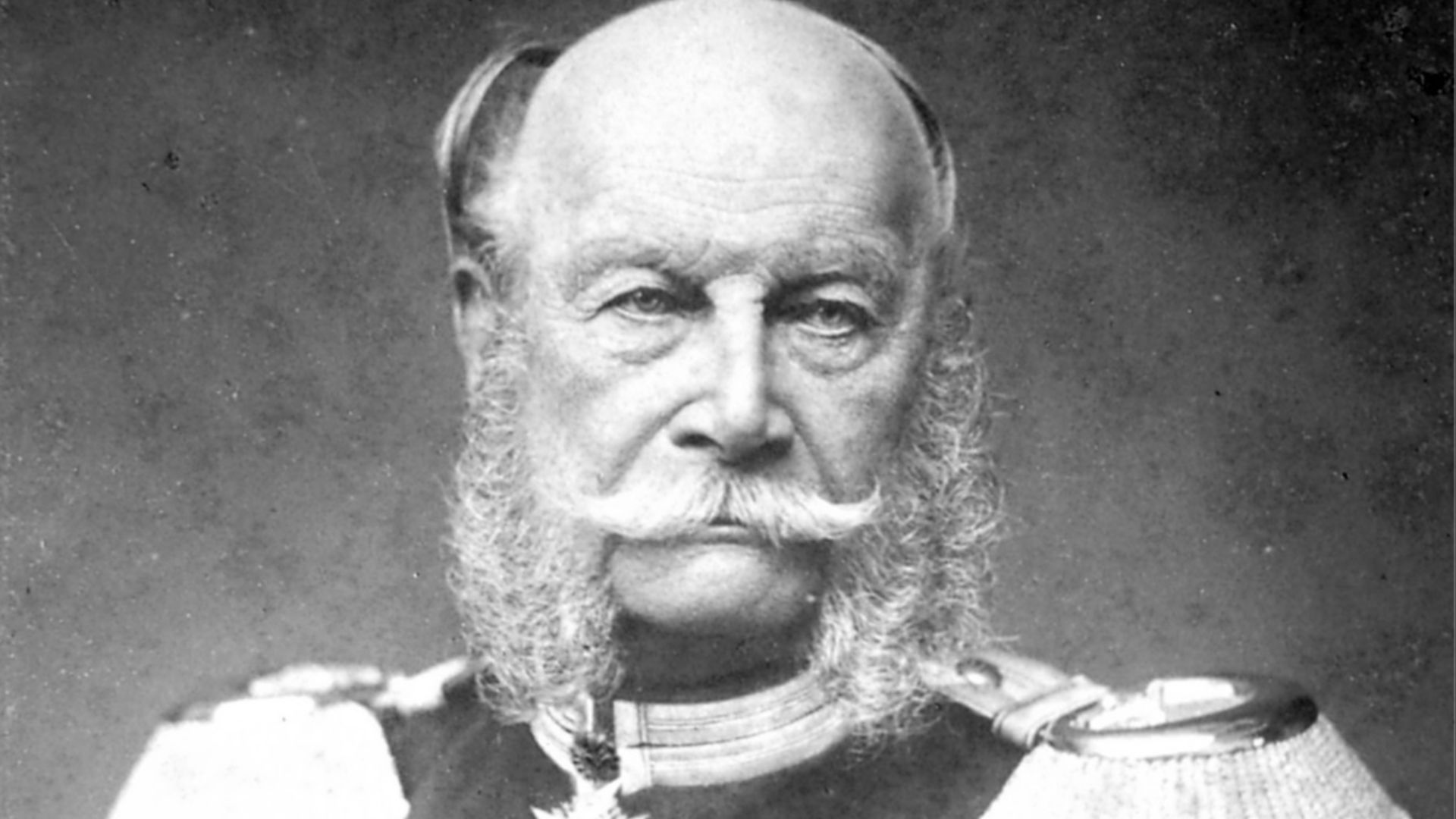
5. Kaiser Wilhelm I
Kaiser Wilhelm, I brought a very particular kind of imperial facial hair to the table, and it certainly wasn’t subtle. His beard and mustache combination had the polished grandeur you’d expect from a 19th-century ruler who took appearances seriously. There’s a formal stiffness to the look, but that’s part of what makes it memorable.
 Wilhelm Kuntzemüller on Wikimedia
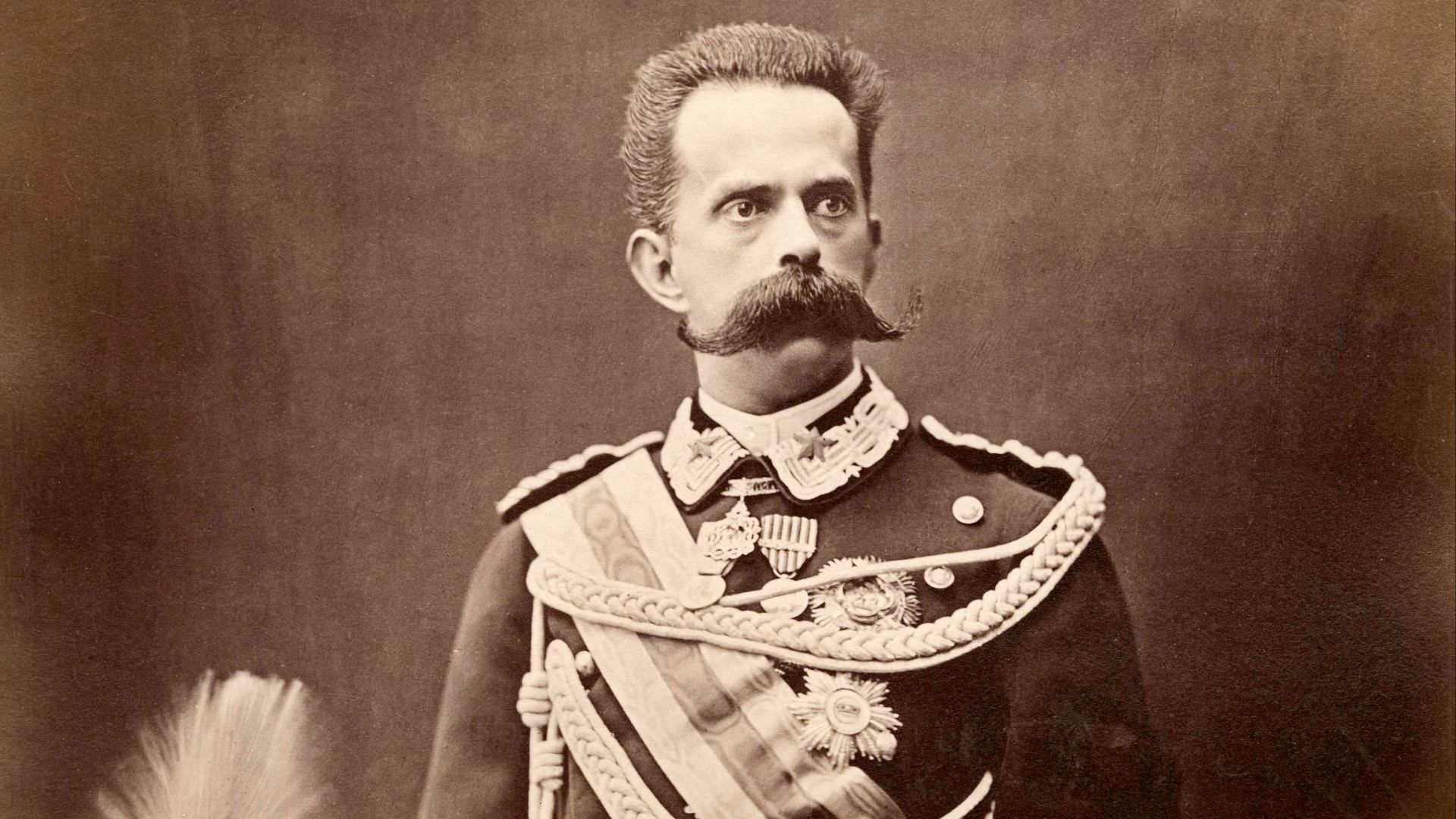
6. Umberto I
Umberto I had the kind of mustache that looked like it arrived before he did. Sweeping outward with unmistakable royal confidence, it gave him the sort of sharply groomed, high-drama look that 19th-century monarchs seemed to favor when subtlety wasn’t really the goal. It’s a style that instantly grabs your attention, even in a crowded field of historical facial hair.
 Fratelli Vianelli on Wikimedia
7. Karl Marx
Karl Marx had one of the most overwhelming beards in recorded history, and that’s not an exaggeration. The sheer scale of it gives him the look of someone whose thoughts were too large to be contained by ordinary grooming choices. It’s dense, imposing, and impossible to ignore, which turns out to be a pretty fitting visual companion to his intellectual legacy.
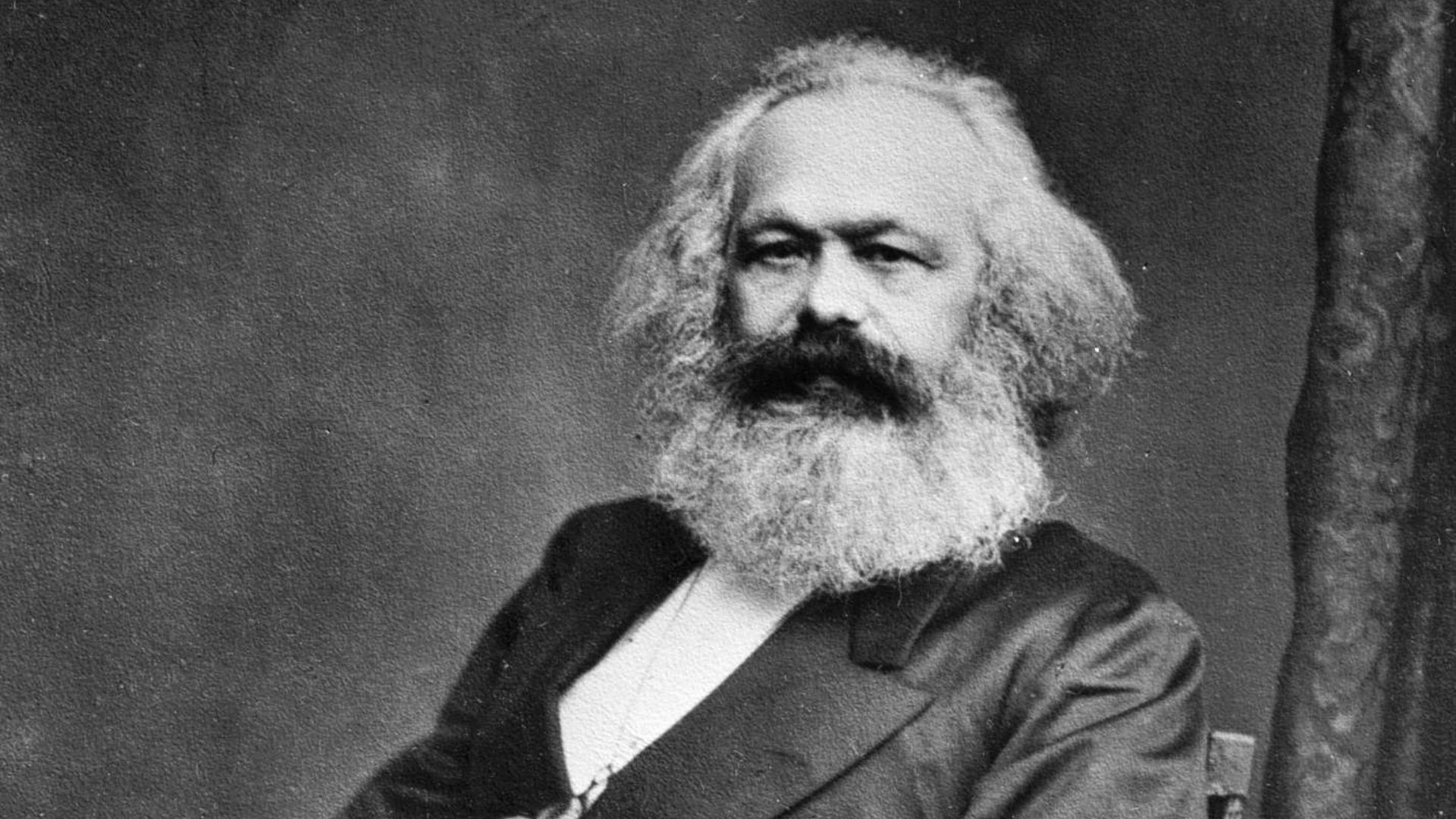 John Jabez Edwin Mayall on Wikimedia
8. Friedrich Nietzsche
Nietzsche’s mustache deserves its own philosophical category because it was operating on a completely different level. Thick, oversized, and unmistakably theatrical, it somehow made him look both stern and faintly eccentric at the same time. You could spend an afternoon reading about his ideas and still come away thinking about the mustache first.
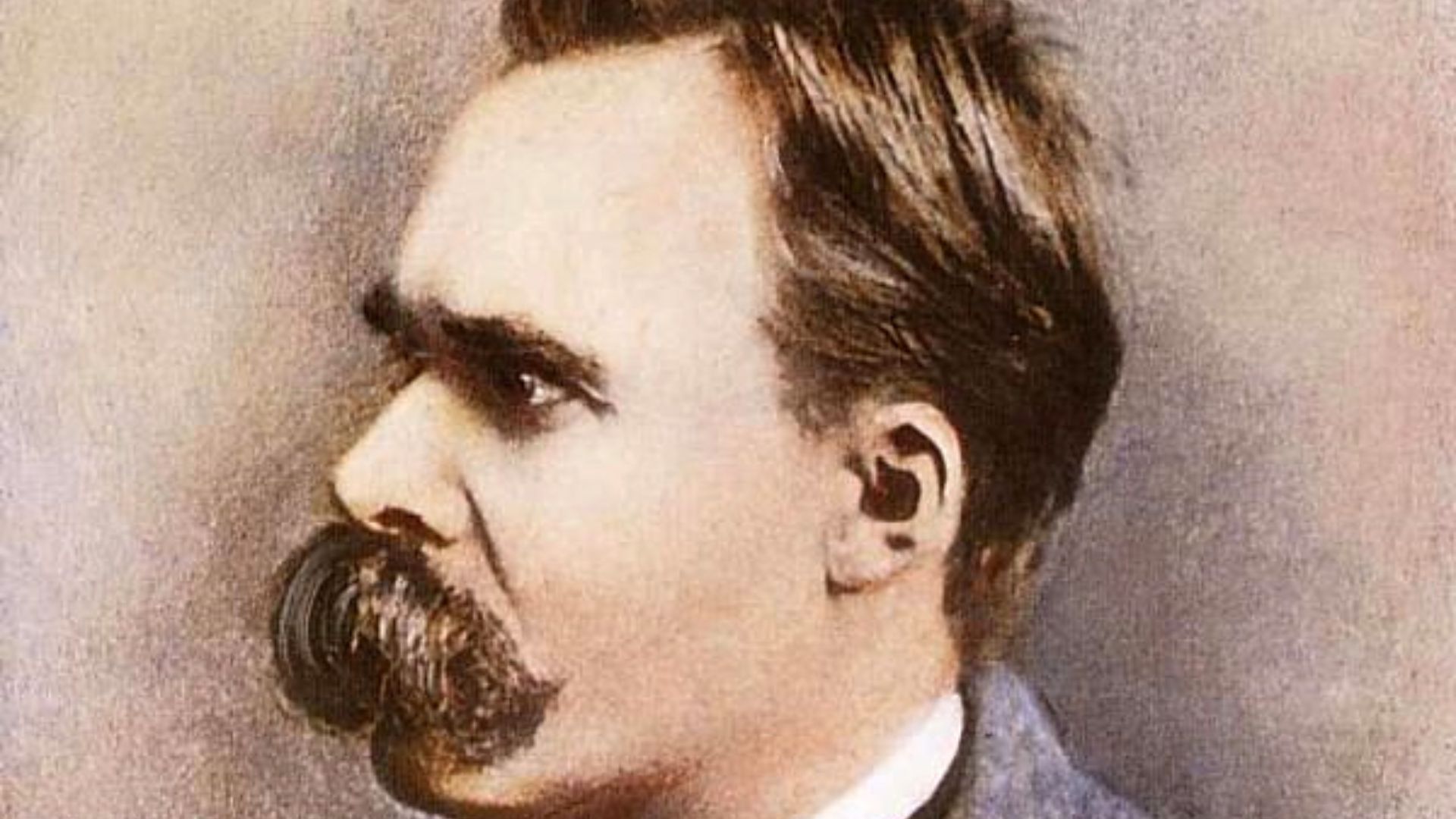
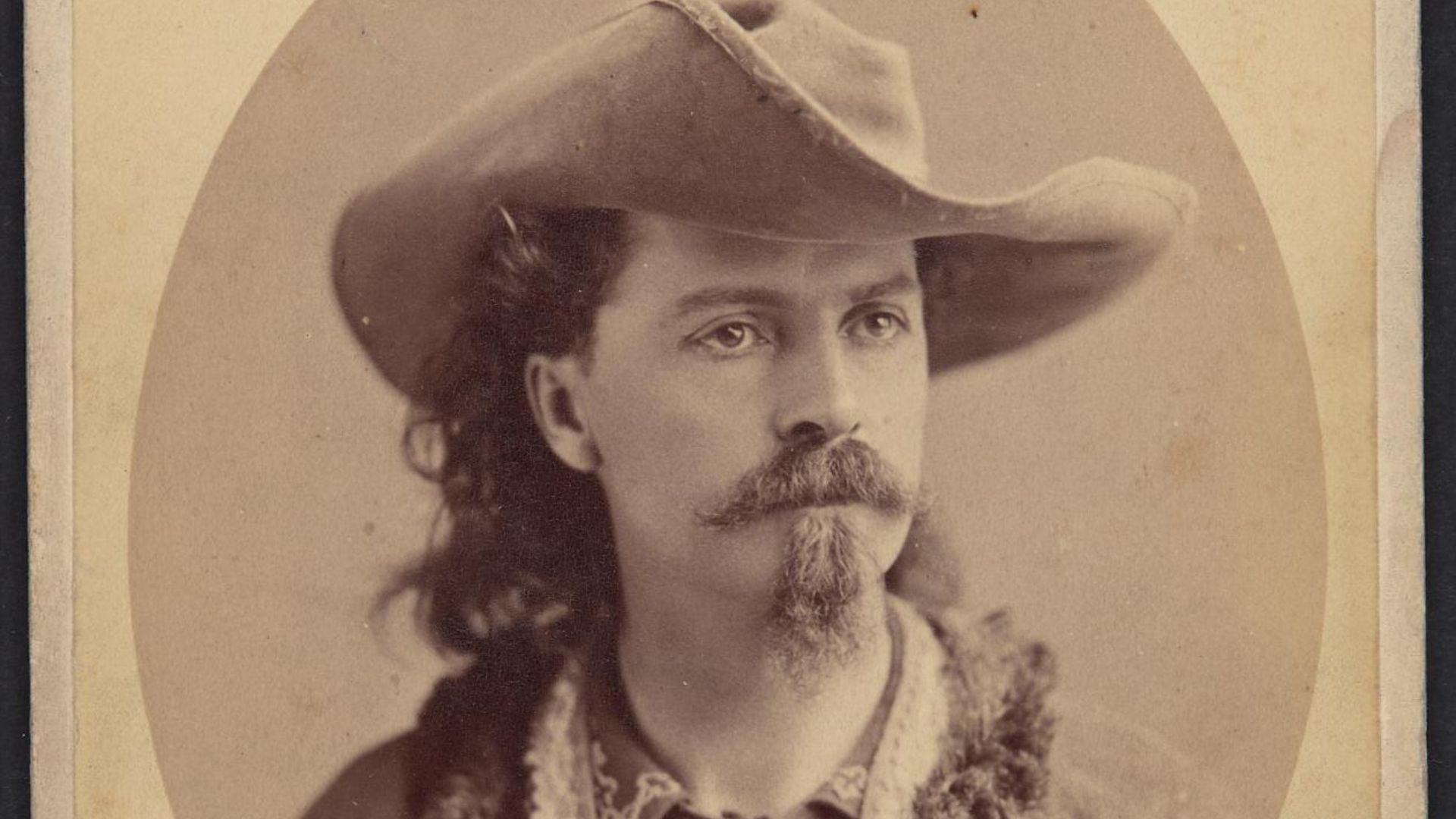
9. Buffalo Bill Cody
Buffalo Bill Cody looked exactly like someone who understood the value of a memorable public image. His long hair, goatee, and mustache gave him a showman’s version of frontier style, which fit perfectly with the legend he built around himself. Nothing about the look feels accidental or underplayed.
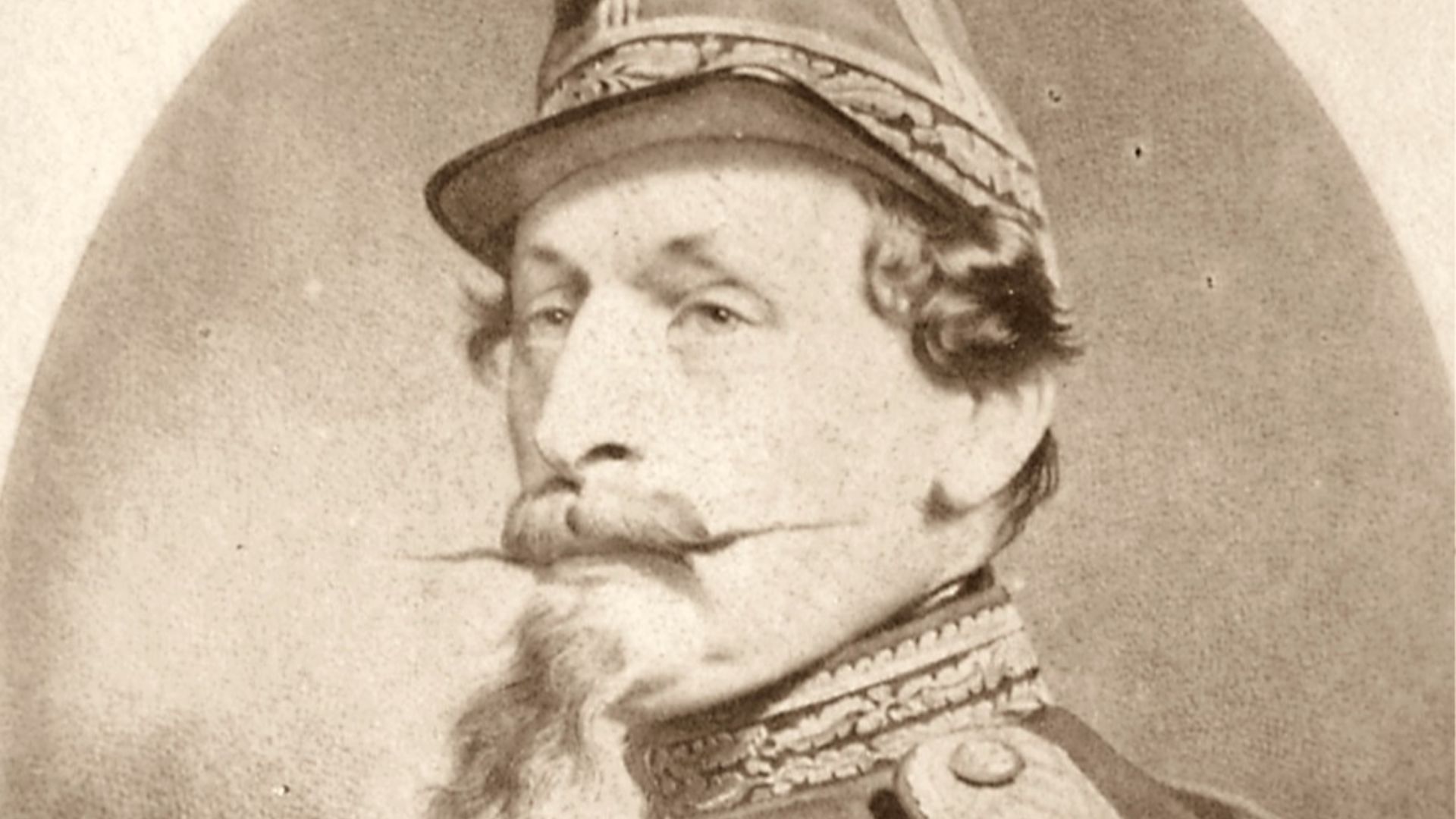
10. Napoleon III
Napoleon III's signature combination of a pointed mustache that appears as if it defies the laws of gravity and a neatly trimmed goatee gave him a polished, theatrical appearance that felt perfectly suited to a ruler who cared about image. It’s a very specific style, but that’s part of why it stands out so well in portraits from the period. You don’t have to know much about the Second French Empire to see that Napoleon III understood the value of a memorable face.
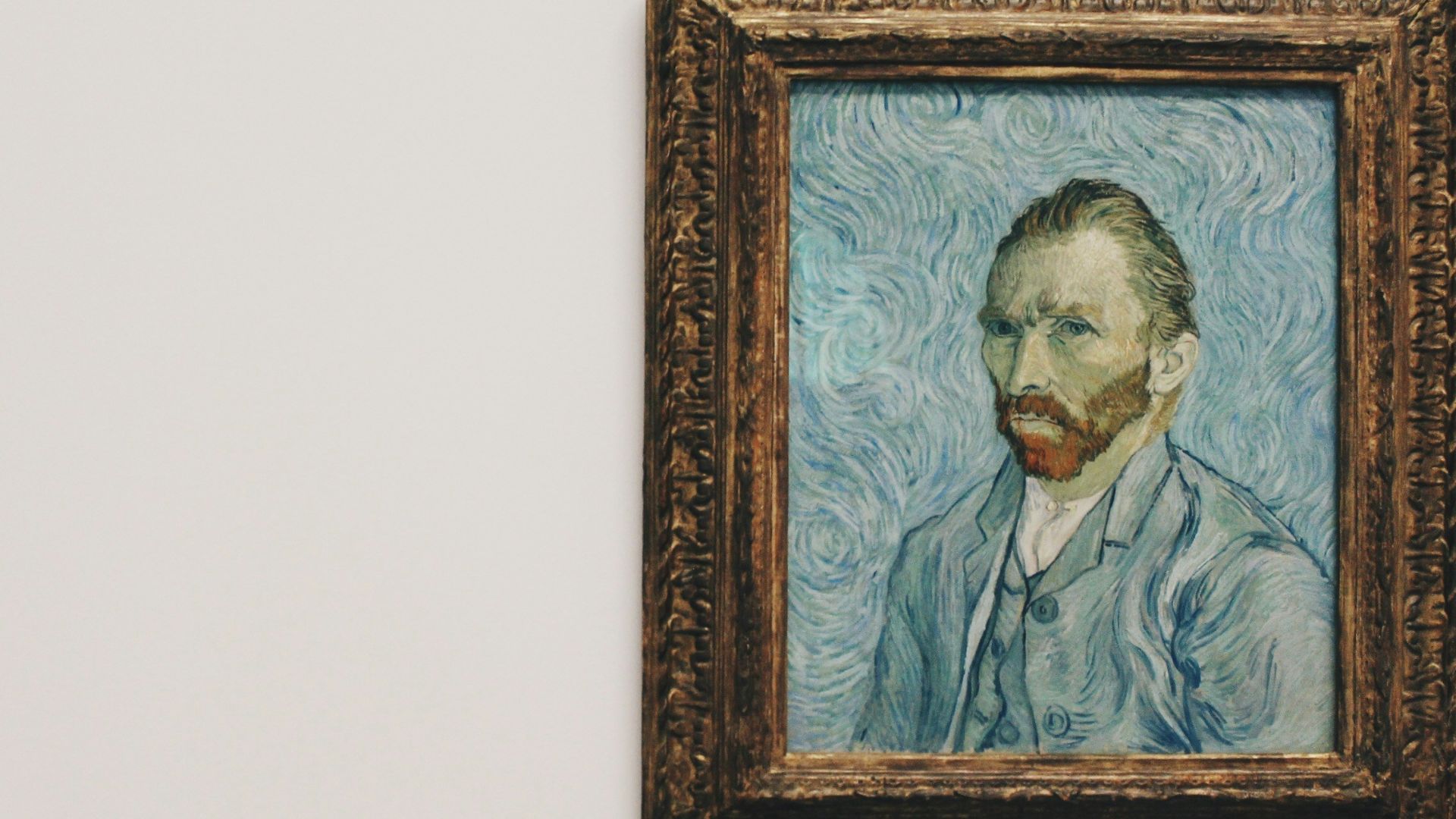
11. Vincent van Gogh
Vincent van Gogh’s red beard added even more personality to a face that was already unforgettable. The color alone made it striking, but the slightly rough, natural texture kept it from seeming too polished or overly arranged. It worked beautifully with the intensity of his portraits and self-portraits, where everything already felt charged with emotion. You really can’t separate the beard from the image of van Gogh that lives in people’s minds.
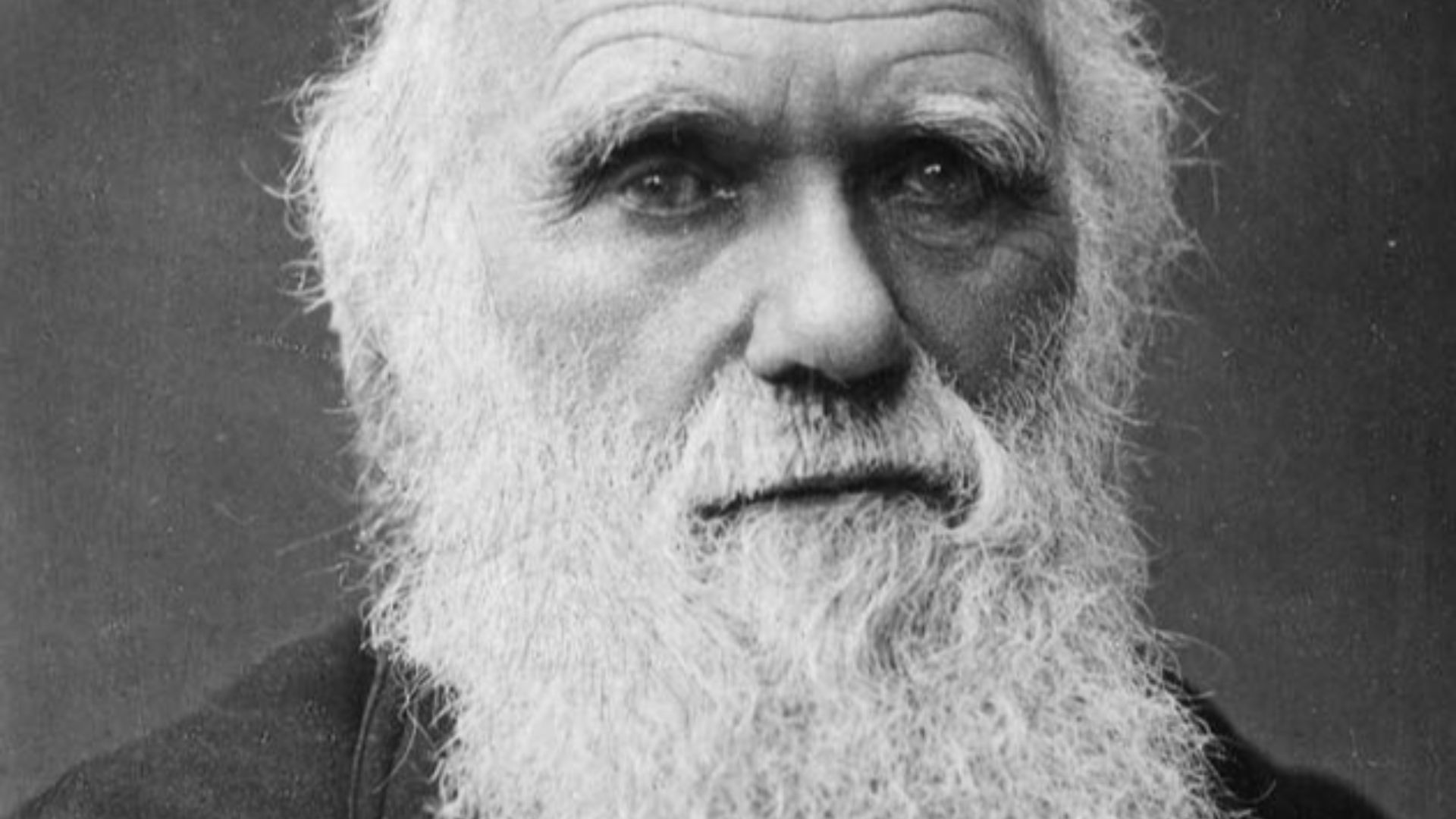
12. Charles Darwin
Charles Darwin’s beard was gloriously abundant and gave him the air of a man who had fully outgrown ordinary grooming restraint. It’s the kind of beard that makes modern efforts look a little timid by comparison. Combined with his thoughtful expression, it created a look that has become shorthand for serious scientific wisdom.
 Herbert Rose Barraud on Wikimedia
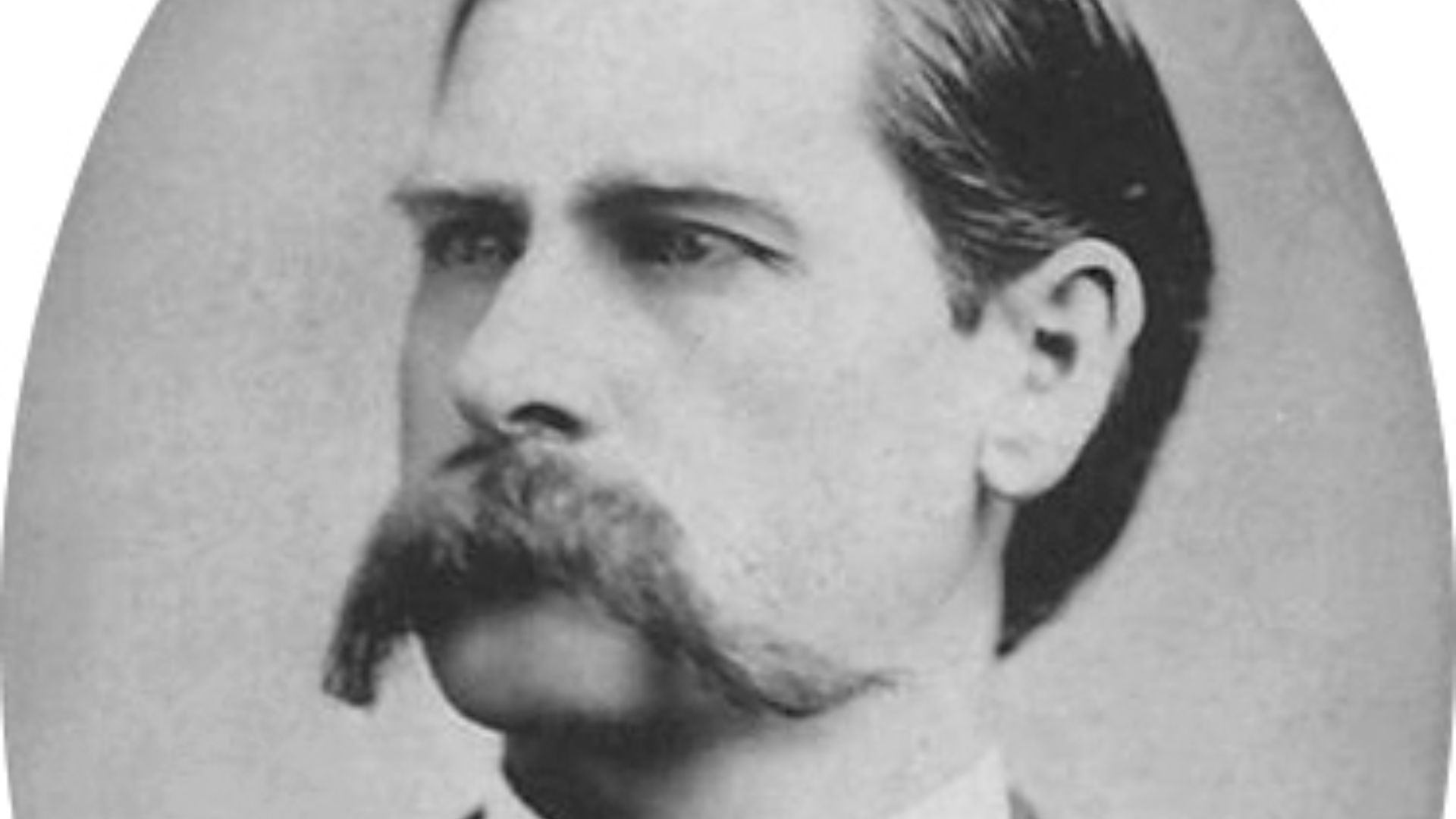
13. Wyatt Earp
Wyatt Earp’s mustache wasn’t as extravagant as some on this list, but it had exactly the right sharpness for the man’s reputation. Neat, defined, and very much in control, it gave him the kind of face you’d expect from a lawman who wanted no confusion about who was in charge. Sometimes, epic facial hair isn’t the biggest in the room; it’s the one that looks like it could end an argument without raising its voice.
 Materialscientist on Wikimedia
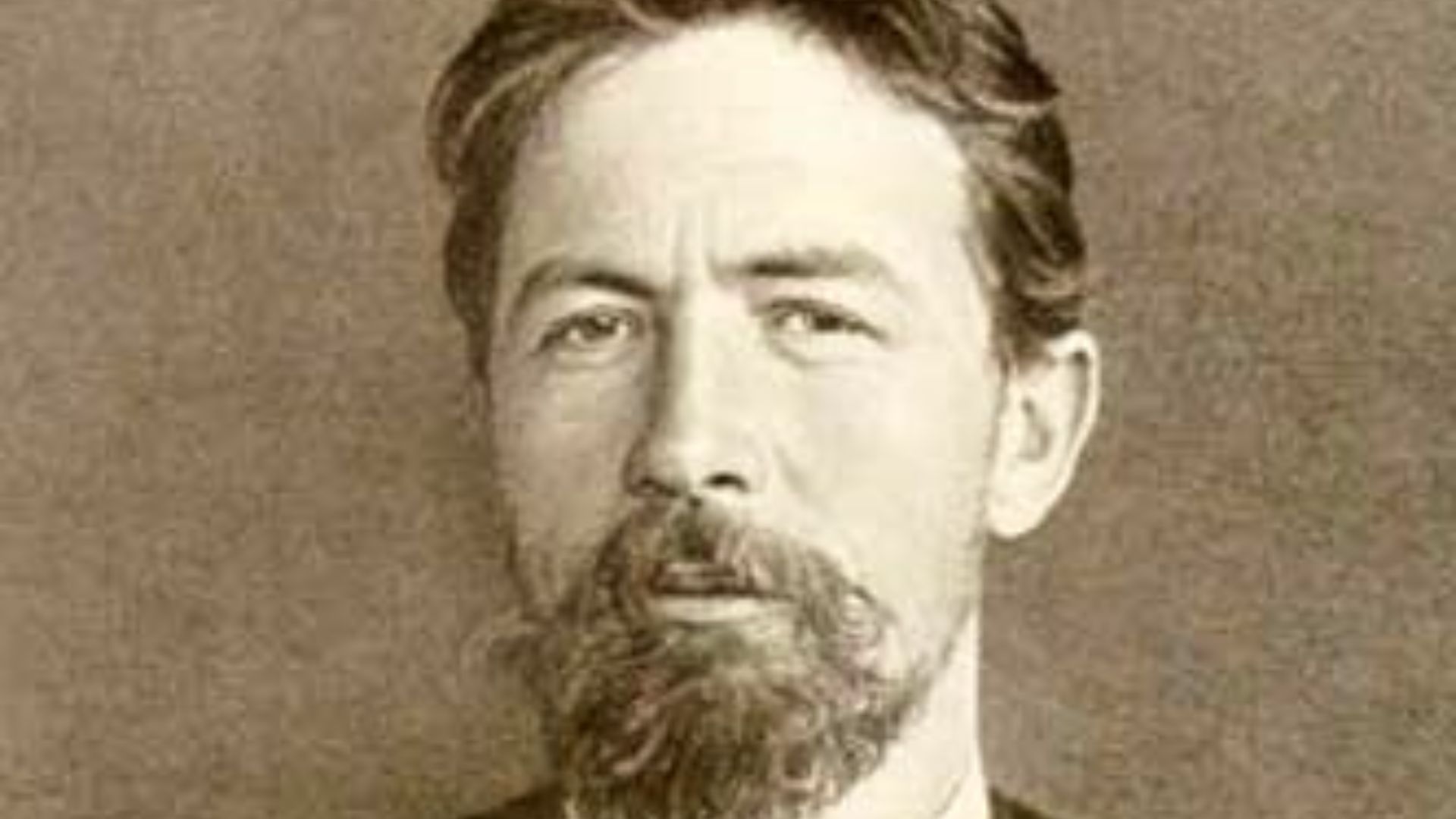
14. Anton Chekhov
Anton Chekhov wore a beard that felt less intimidating than some of the more booming entries here, but it had plenty of quiet style. His facial hair gave him an elegant, intelligent look that came across as thoughtful. There’s something especially appealing about a beard that doesn’t seem to be competing for attention and still leaves a strong impression.
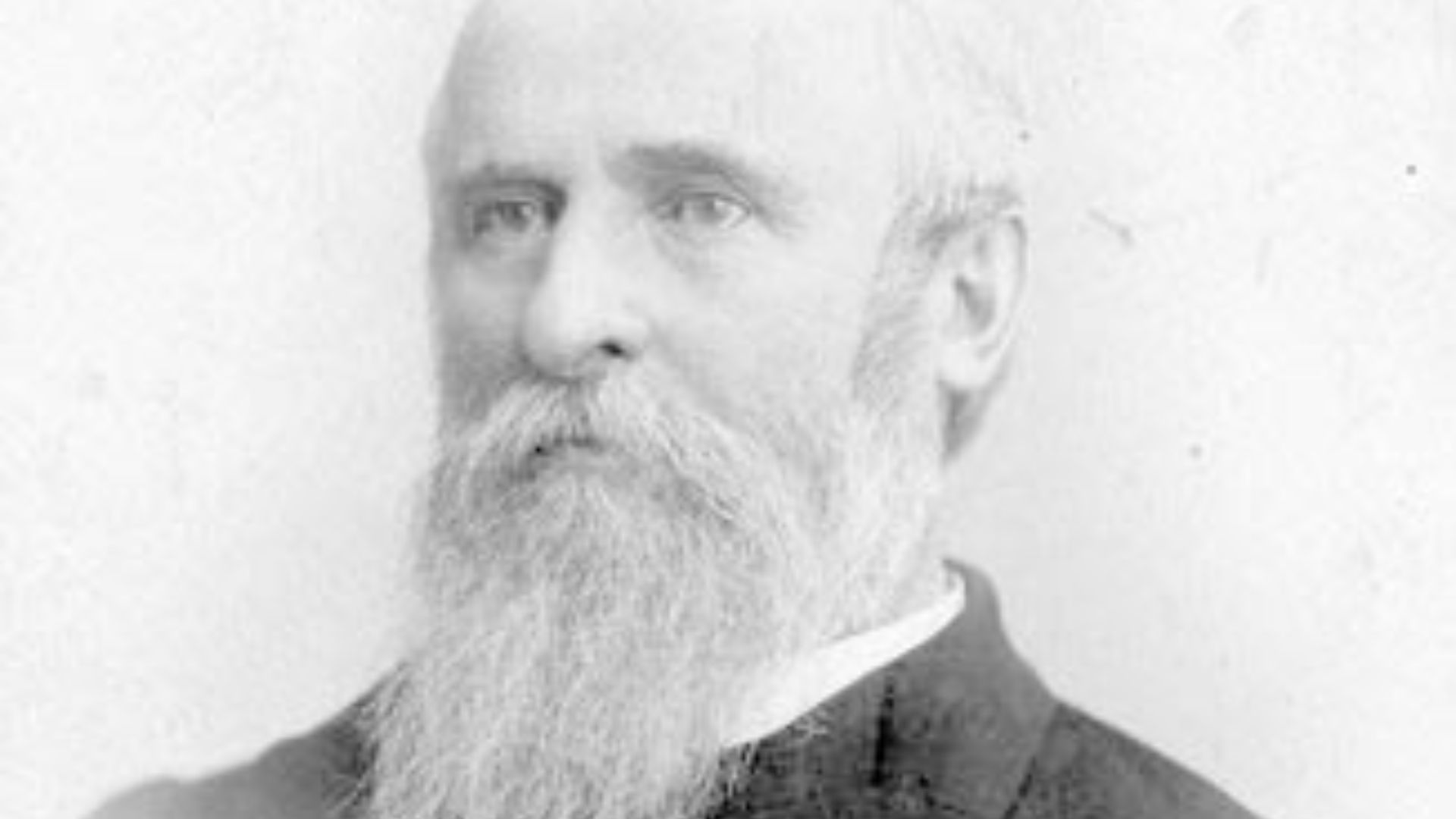
15. Rutherford B. Hayes
Rutherford B. Hayes had one of those classic presidential beards that seemed designed to reassure voters that the republic was in sturdy hands. Full and carefully shaped, it projected exactly the kind of respectable 19th-century gravitas that was in fashion at the time. Looking at him now, you can tell the beard was doing a lot of work for the overall image.
 Baker's Art Gallery on Wikimedia
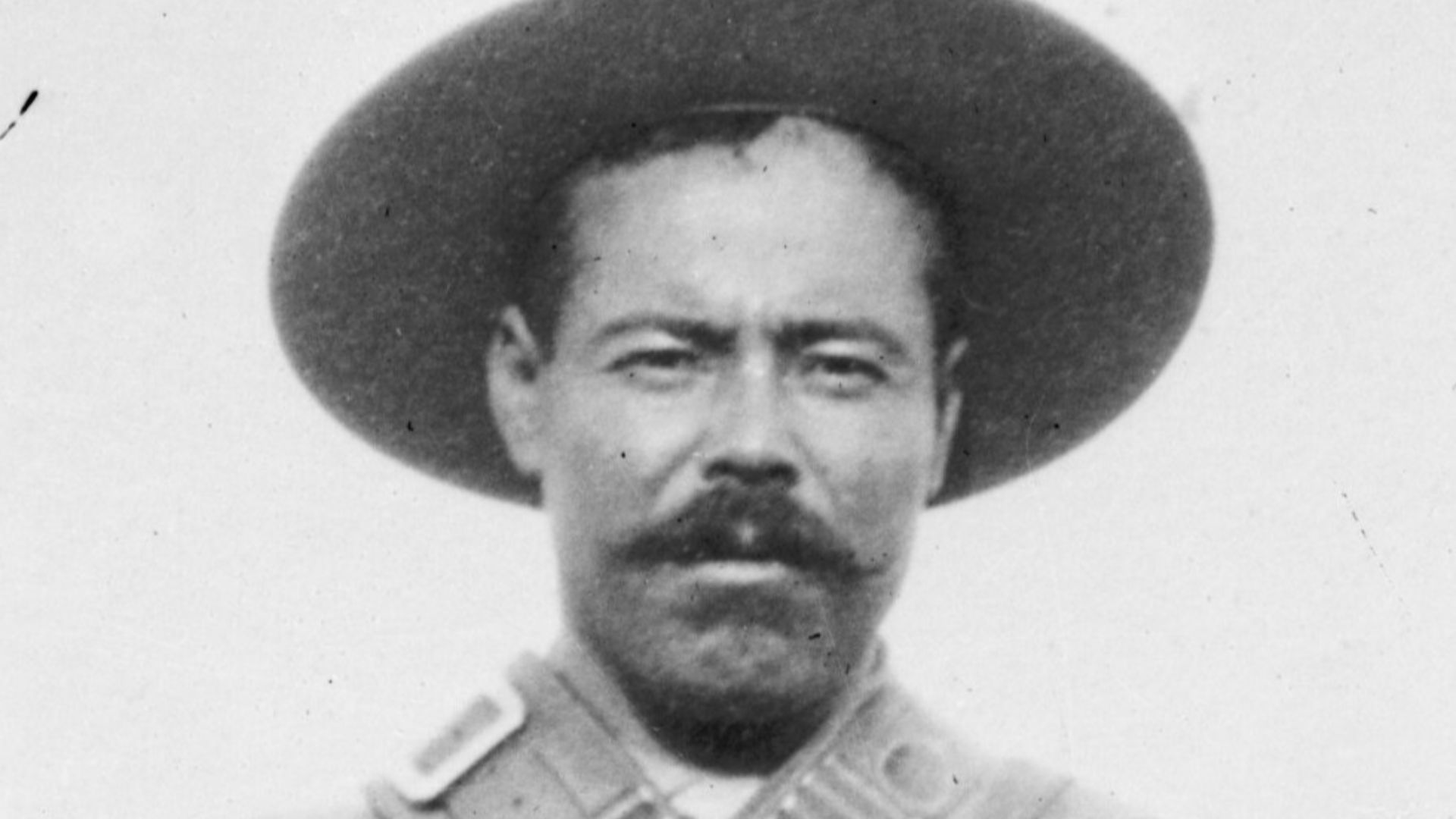
16. Pancho Villa
Pancho Villa’s mustache had an undeniable screen presence long before anyone would’ve described it that way. Thick, dark, and sharply defined, it suited his forceful public image perfectly and helped give him an instantly recognizable silhouette. More than decorative, it looked like part of the man's authority.
 Bain News Service on Wikimedia
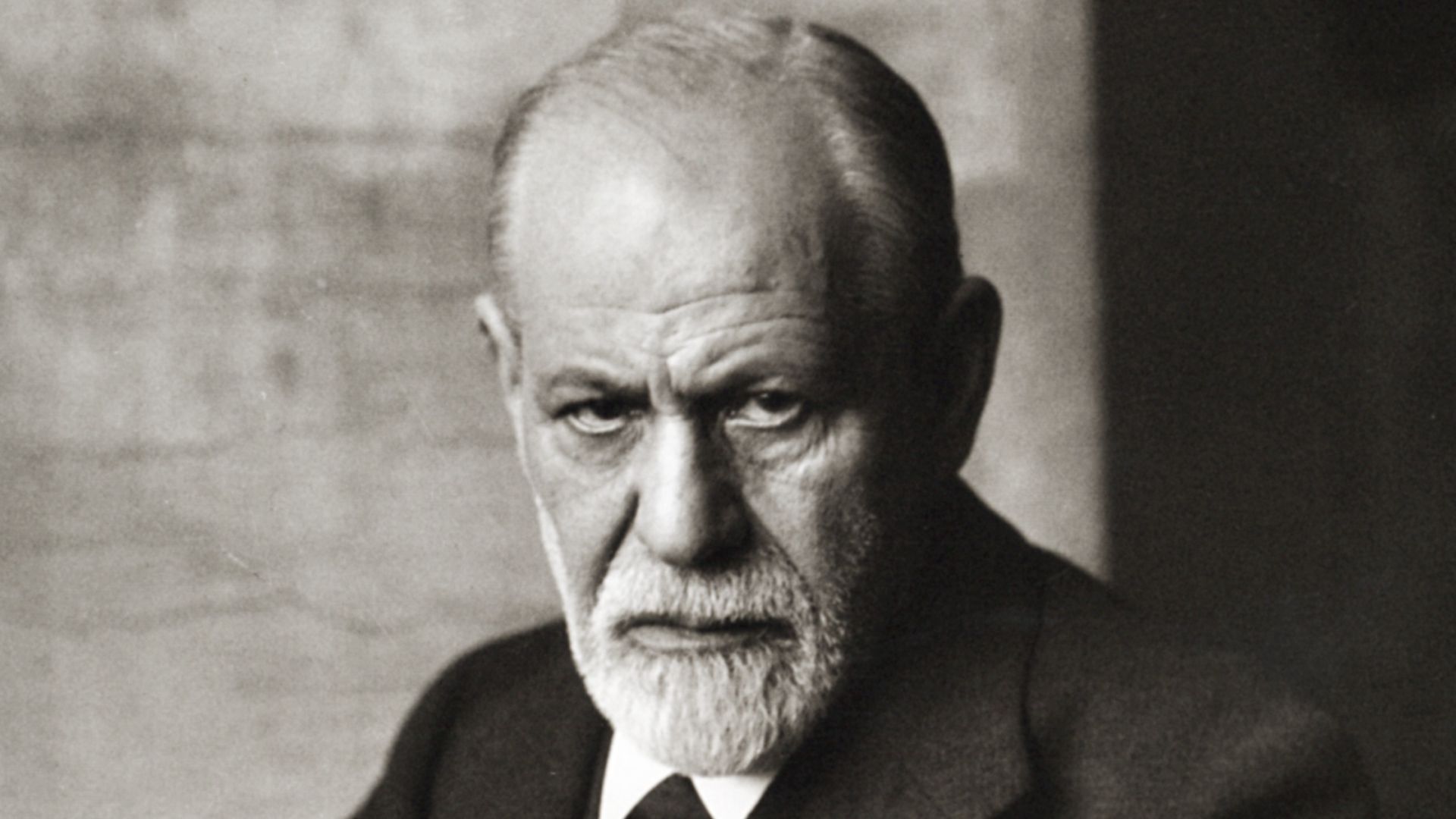
17. Sigmund Freud
Sigmund Freud’s beard had a tidy, deliberate quality that made him look as if he had very strong opinions about human behavior and probably your childhood,d too. It wasn’t wild or oversized, but it was distinctive enough to anchor the whole look. The beard gave him an air of controlled seriousness without draining away all personality.
 Ferdinand Schmutzer on Wikimedia
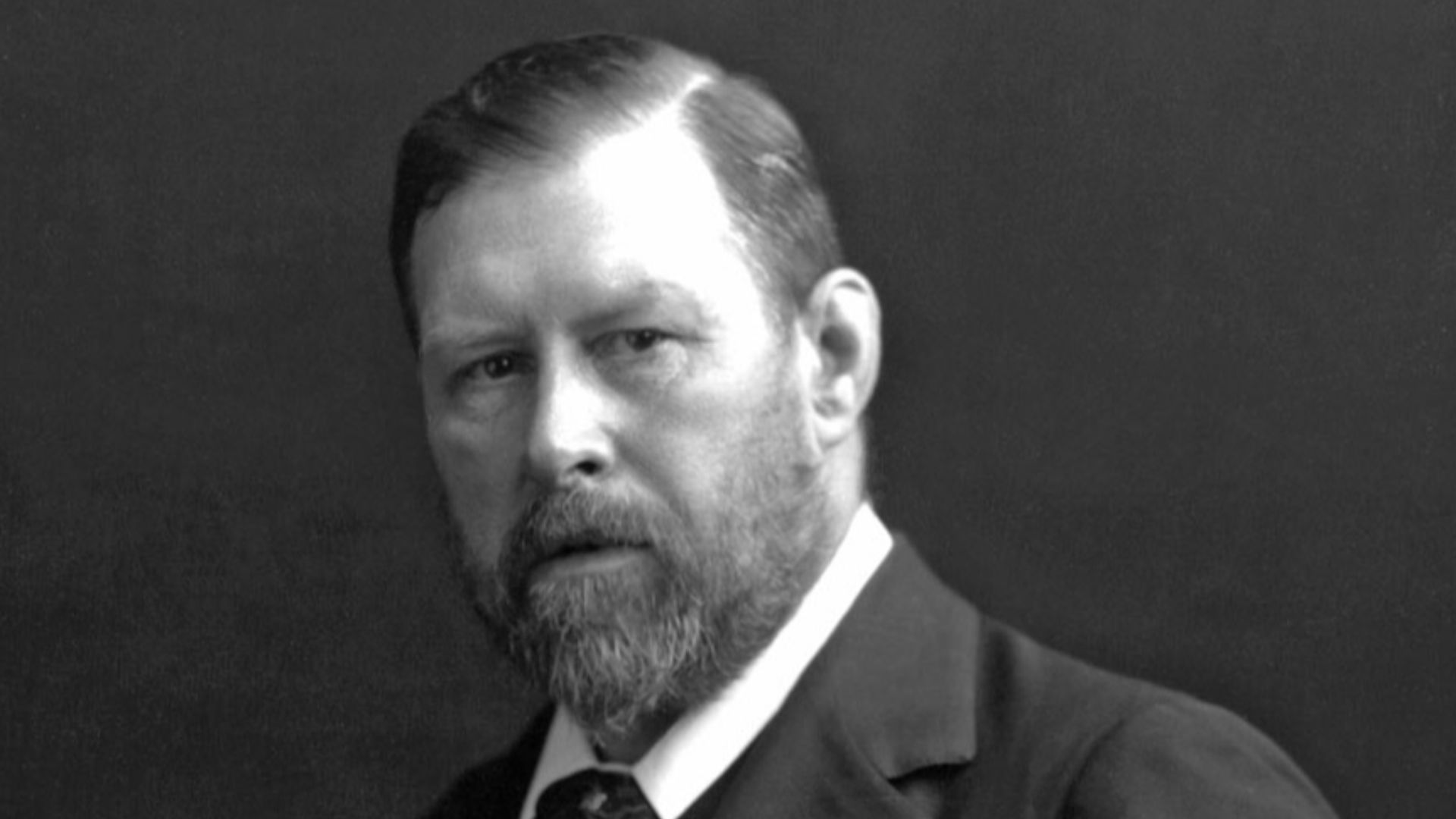
18. Bram Stoker
Bram Stoker had a rich Victorian beard that fit his era so perfectly that you almost expect candlelight and heavy curtains to appear around him. It was full, respectable, and just dramatic enough to make sense for the author of Dracula. There’s a pleasing neatness to it, but it still has real presence. It looked like a beard belonged to a man with a taste for the gothic.
 unknown / неизвестно on Wikimedia
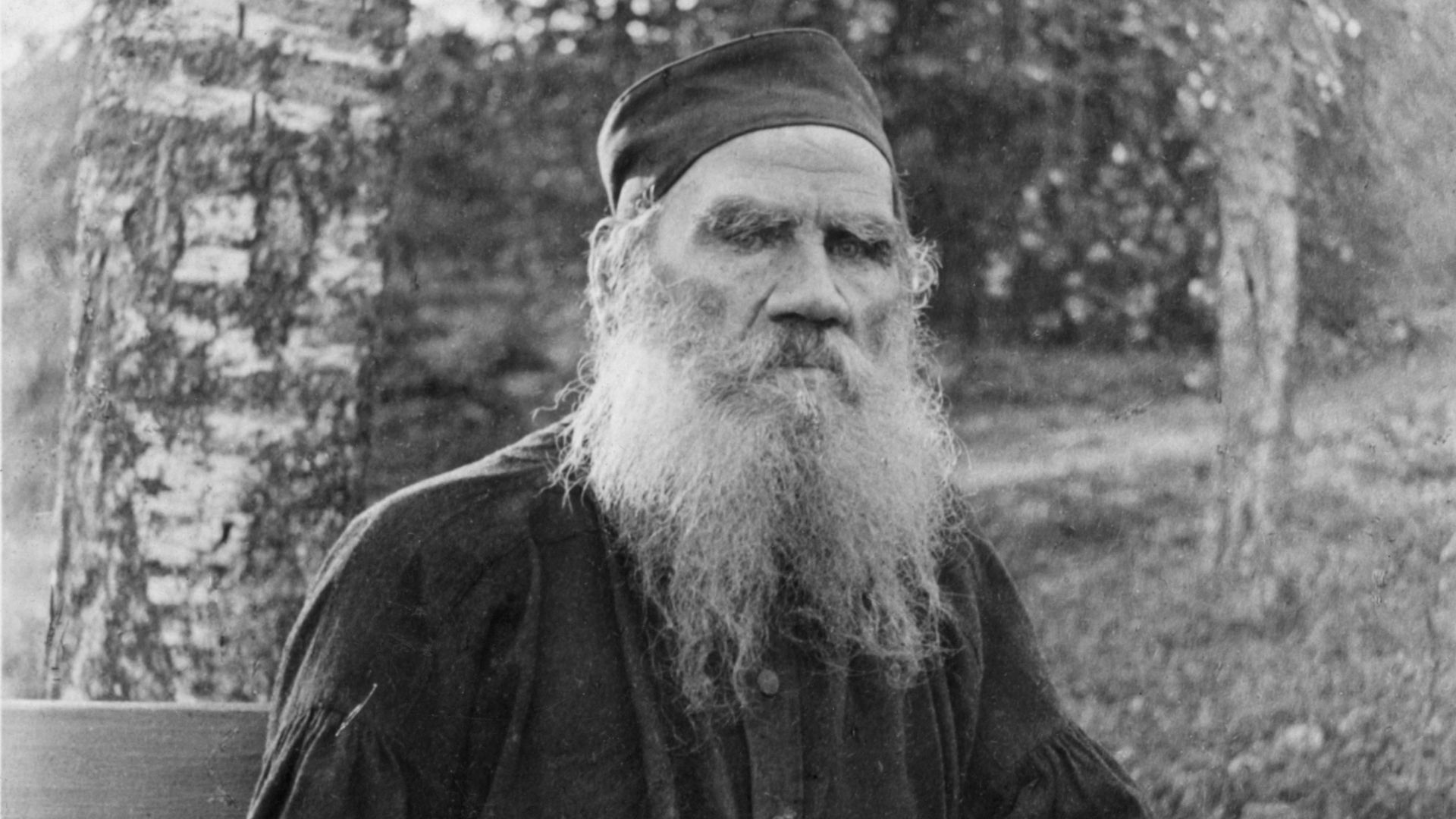
19. Leo Tolstoy
Leo Tolstoy’s beard is what happens when facial hair stops being an accessory and becomes a full personal philosophy. Huge, flowing, and impossible to mistake for moderation, it gave him the look of someone who had left ordinary vanity far behind. The beard doesn’t just frame the face; it takes over the entire visual experience.
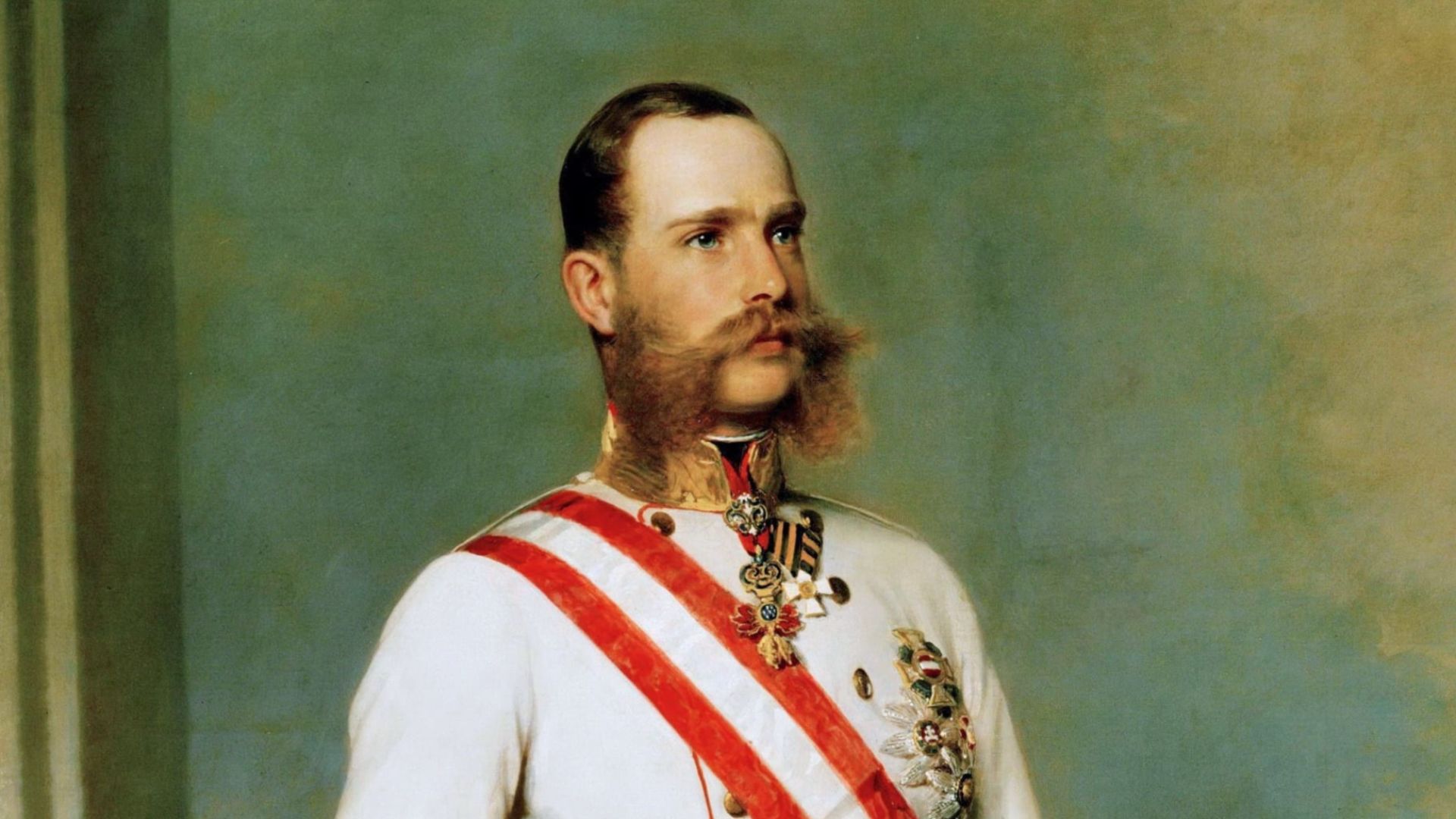
20. Emperor Franz Joseph I
Franz Joseph I closes this list with one of the great mustaches of imperial history. His lavish mutton chops and carefully groomed mustache had the exact level of ceremony you’d want from an emperor trying to look every bit the part.
KEEP ON READING
The 10 Youngest Monarchs In History & The 10 Oldest
Age Is Just A Number. Imagine being crowned king or…
By Chase Wexler Mar 11, 2025
You Think You Have Problems? These Royal Families Were Cursed
Boasson and Eggler St. Petersburg Nevsky 24. on WikimediaHeavy is…
By Ashley Bast Dec 5, 2025
You Can Thank This Greek-Canadian For Creating Pineapple On Pizza…
Love it or hate it, pineapple on pizza sparks debate…
By David Davidovic Dec 1, 2025
Yes, Female Gladiators Existed, And Here's Everything You Need To…
History of Women in Combat. Most people picture gladiators as…
By David Davidovic Jan 17, 2026
Yes, Australians Once Lost A Battle Against Flightless Birds
David Clode on UnsplashIn 1932, the Australian military went to…
By David Davidovic Nov 24, 2025
The Y2K Bug: Why Did Everyone Think Year 2000 Was…
Alan W on UnsplashOn December 31, 1999, people all over…
By Christy Chan Dec 22, 2025