When Incompetence Meets Absolute Power
History is full of leaders who rose to the highest offices their societies had to offer, only to make a mess of everything once they got there. Whether driven by arrogance, instability, willful ignorance, or sheer bad judgment, these rulers and heads of state managed to cause tremendous damage to the nations and empires they were supposed to protect. From ancient Rome to modern-day Africa, you'll find no shortage of cautionary tales about what happens when the wrong person ends up in charge.
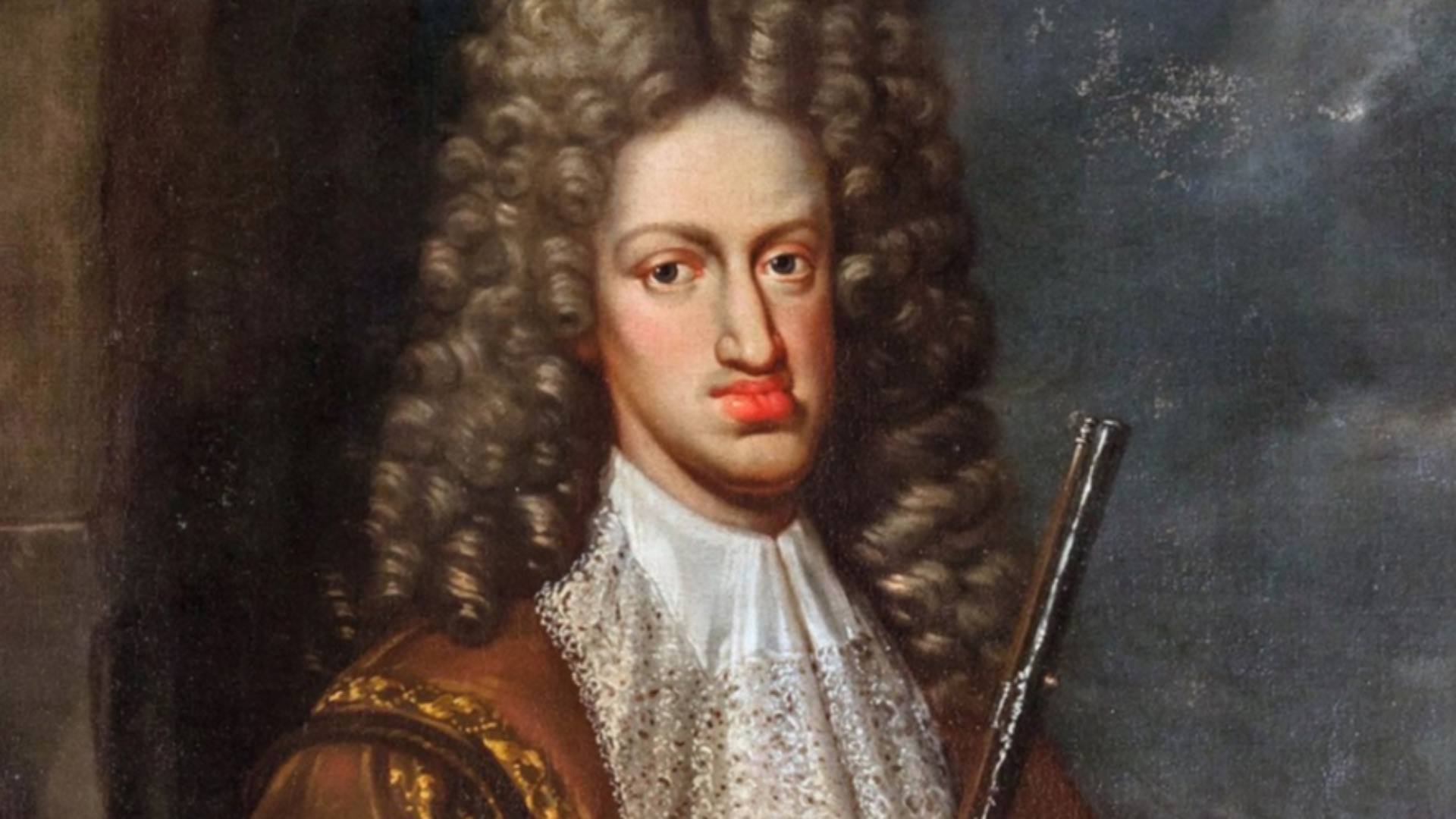
1. Emperor Caligula (37–41 AD)
Rome's third emperor started his reign with enough goodwill to last a lifetime, but he burned through it at a truly alarming pace. Within a few years of taking power, he was reportedly executing people on a whim, draining the imperial treasury on lavish personal projects, and humiliating members of the Senate for sport. His reign lasted just four years before his own Praetorian Guard decided they'd had enough and assassinated him in 41 AD.
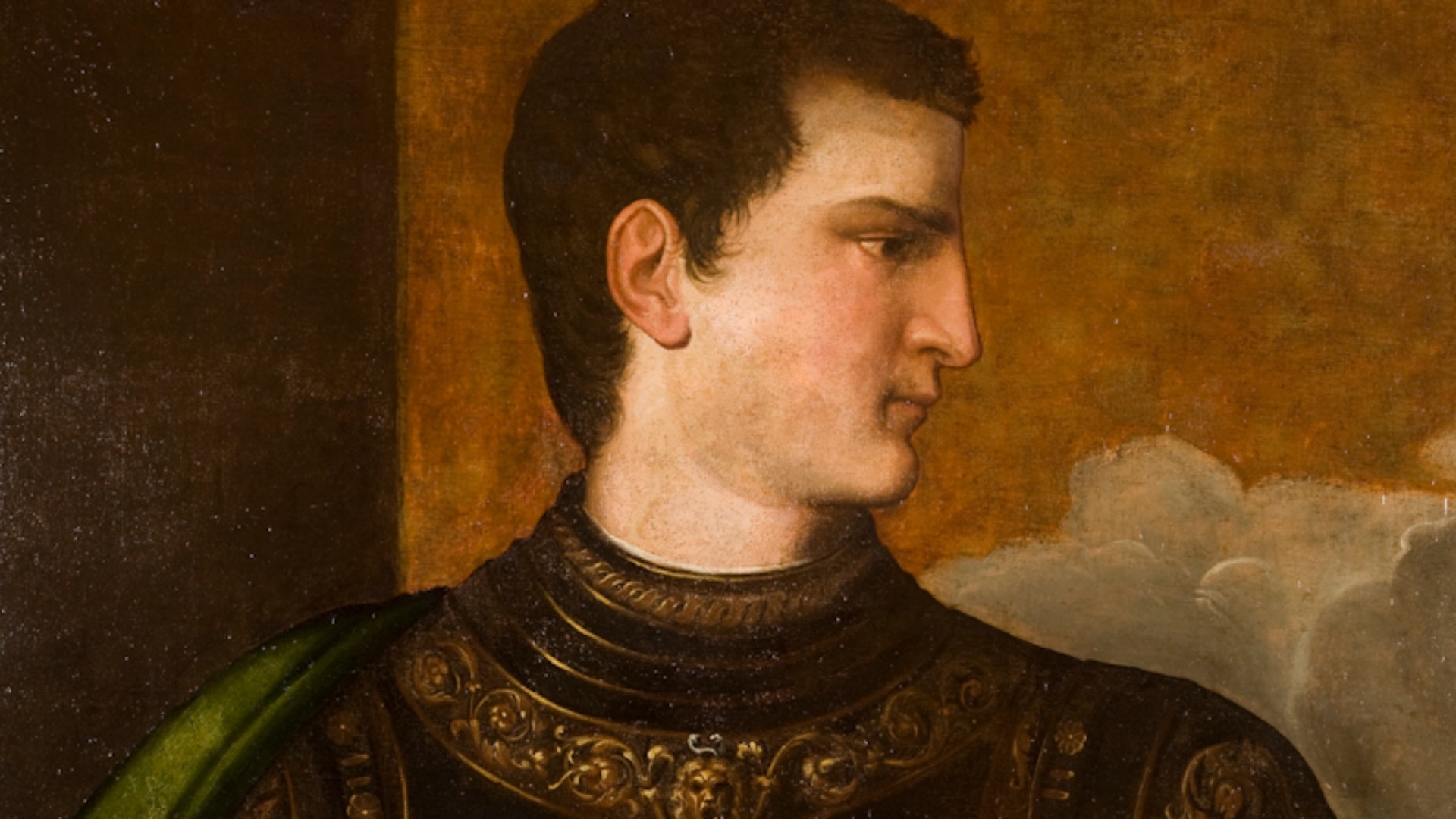
2. Emperor Nero (54–68 AD)
Nero inherited one of the most powerful empires in the ancient world and proceeded to manage it with breathtaking self-indulgence. He had his own mother killed, executed his first wife, and showed far more interest in his artistic pursuits than in the daily responsibilities of running an empire. By the time a rebellion finally forced him to flee Rome in 68 AD, even his closest allies had abandoned him, and he died by suicide at the age of 30.
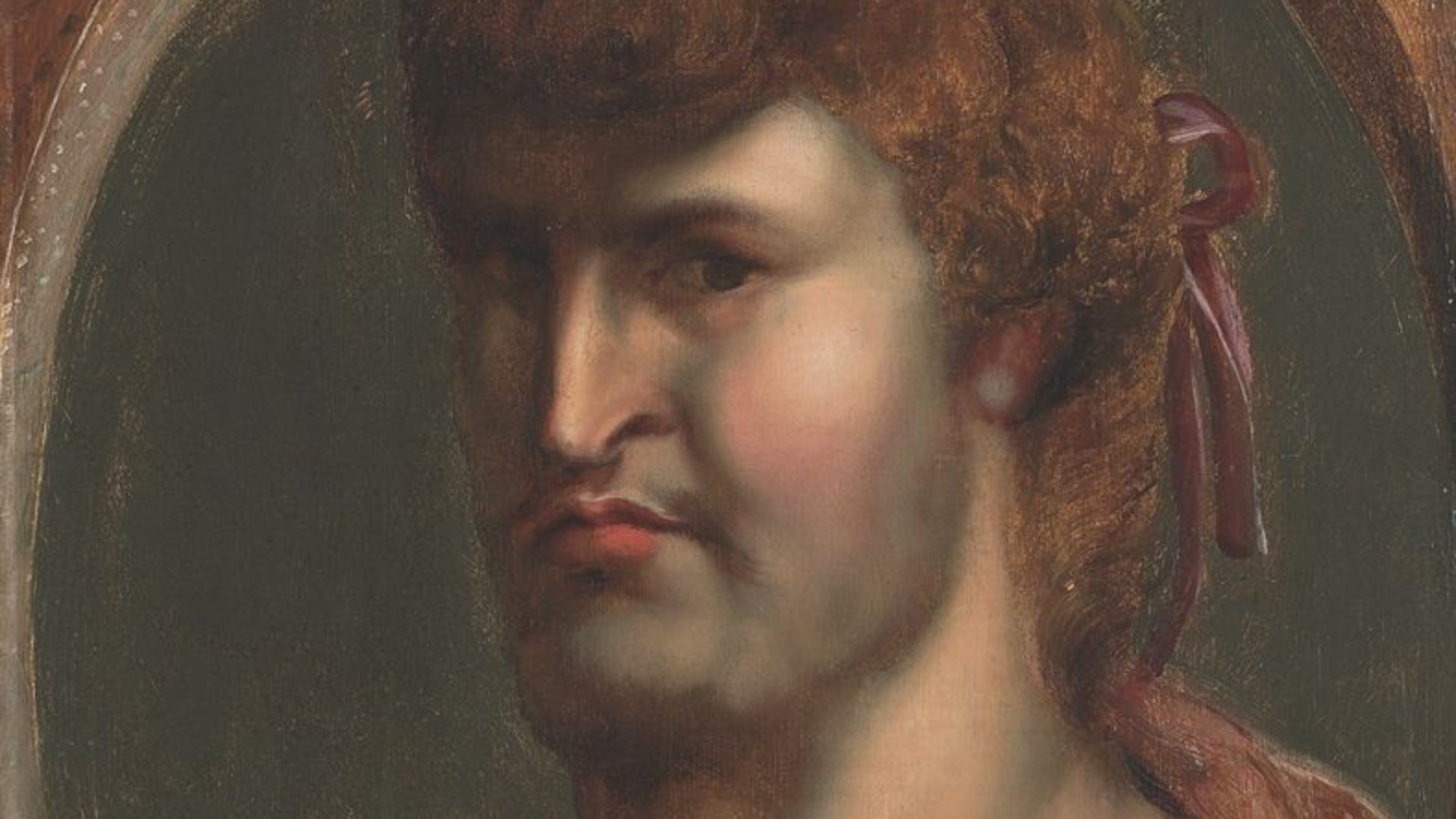 Peter Paul Rubens on Wikimedia
3. Emperor Commodus (177–192 AD)
Commodus took the reins from his father, Marcus Aurelius, one of Rome's most respected philosopher-emperors, and promptly steered the empire in the opposite direction. He developed an obsessive fixation on gladiatorial combat, frequently entering the arena himself and forcing senators to watch him fight while dressed as Hercules. His erratic behavior and neglect of actual governance eventually led to a conspiracy among members of his own household, who had him strangled in his bath in 192 AD.
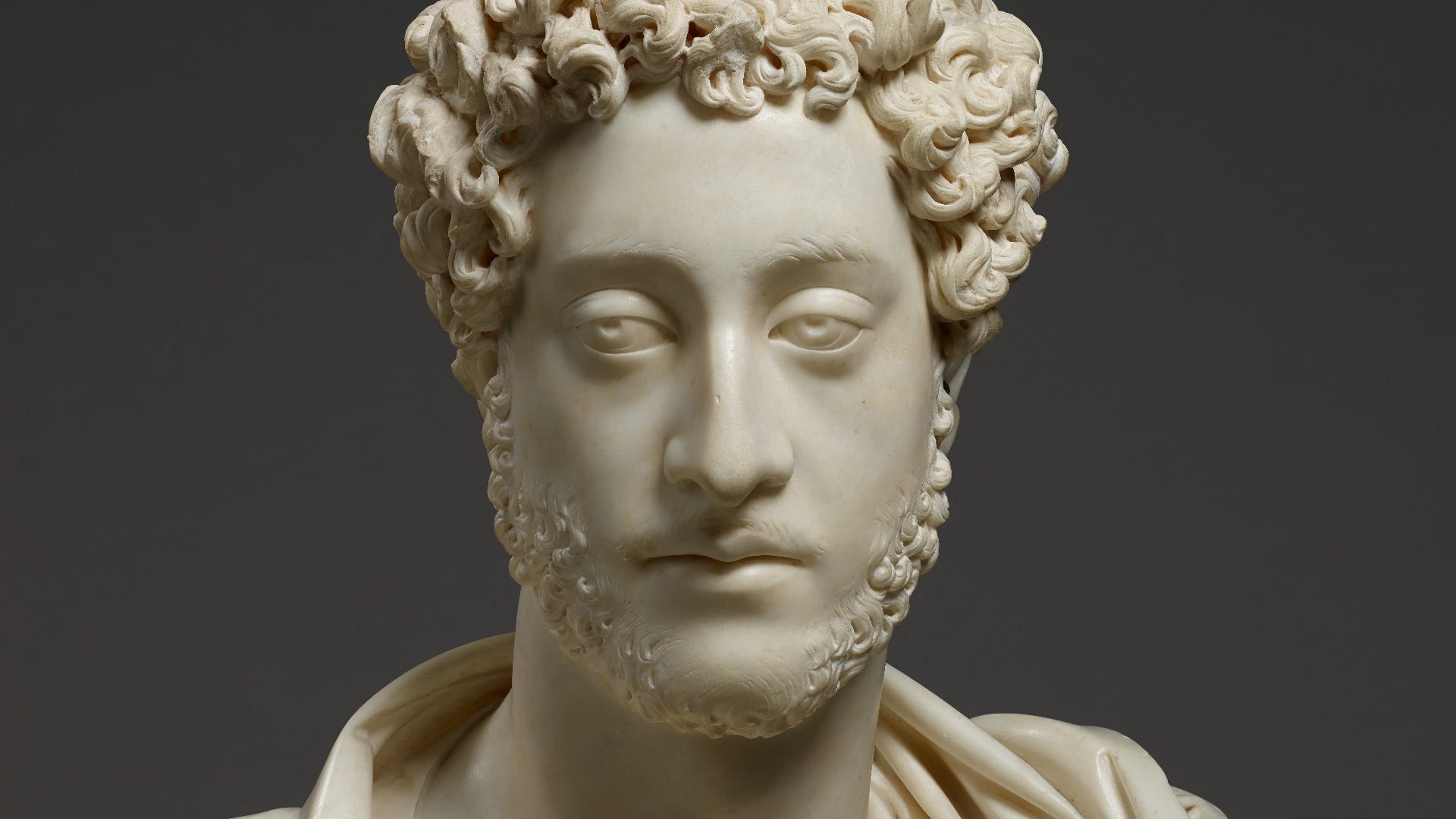 J. Paul Getty Museum on Wikimedia
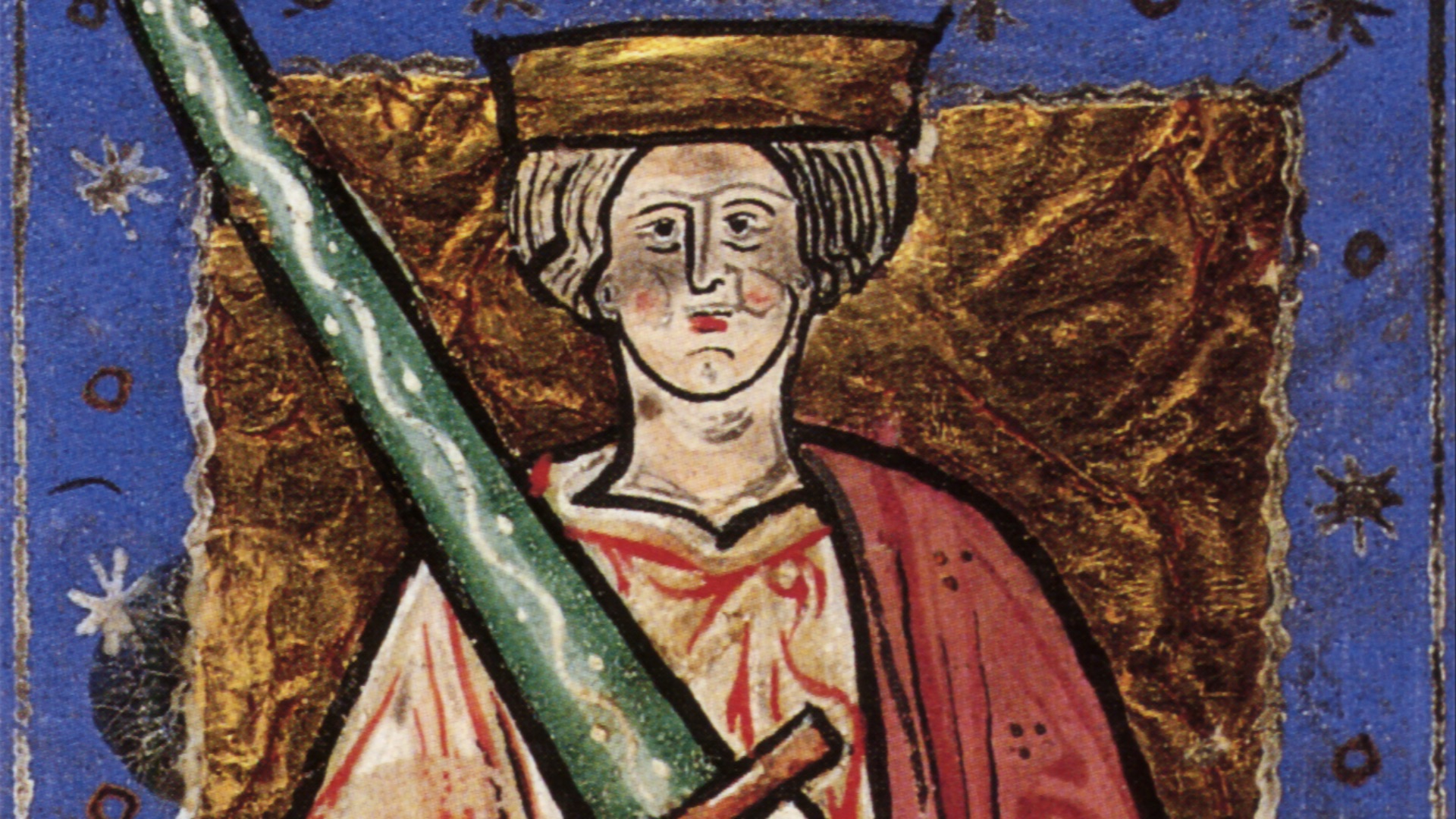
4. Ethelred the Unready (978–1013, 1014–1016)
The nickname "Unready" is actually a mistranslation of the Old English "unræd," which means "poorly counseled" or "ill-advised," but either way, it's a description that fits King Ethelred of England rather well. He spent much of his reign paying enormous sums of silver, known as Danegeld, to Viking invaders in exchange for temporary peace rather than mounting any effective military defense. He was eventually driven off his throne by the Danish king Sweyn Forkbeard, fled to Normandy in exile, and was only restored to power after Sweyn's sudden death in 1014.
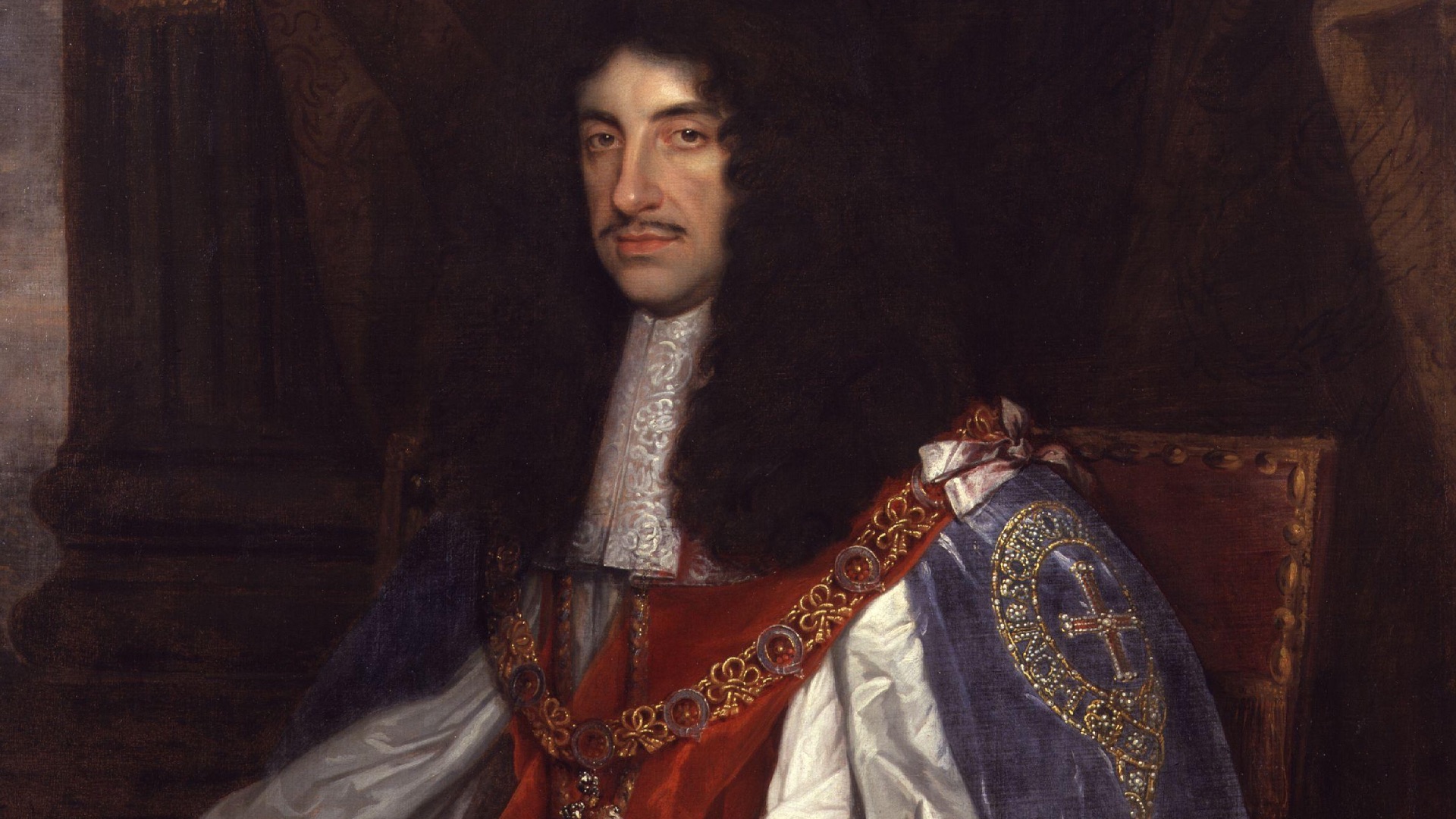
5. King John of England (1199–1216)
King John inherited a vast Angevin Empire from his brother Richard I and managed to lose most of it to France within a few years, earning him the unflattering nickname "Softsword." His heavy-handed taxation and disregard for feudal rights pushed his own barons to rebel, forcing him to sign Magna Carta in 1215; a document that significantly curtailed royal power and became one of the cornerstones of constitutional government. He died in 1216 during a renewed baronial uprising, having never quite managed to regain the trust or loyalty of the nobility he'd spent years alienating.
 John Michael Wright on Wikimedia
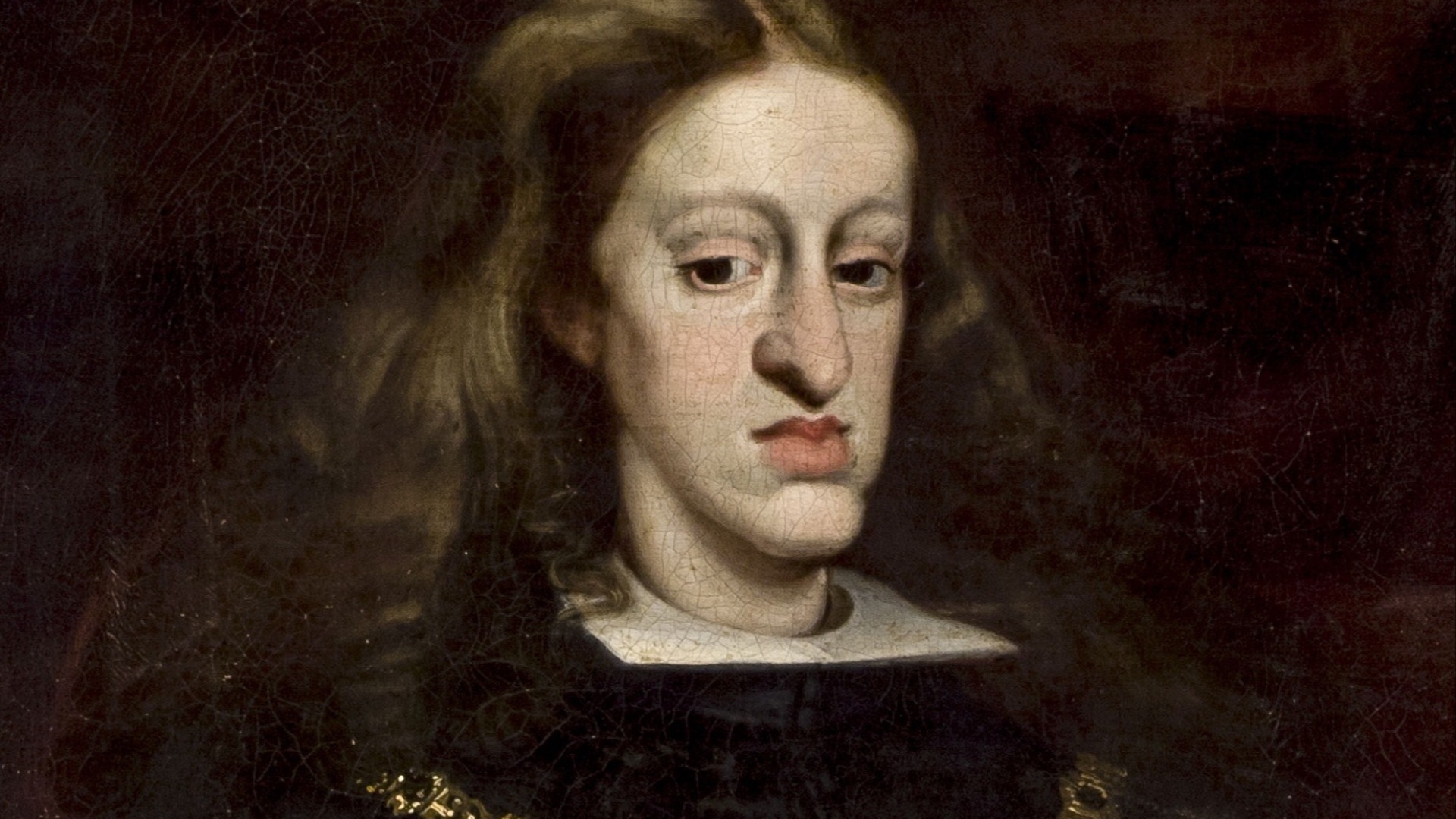
6. Charles II of Spain (1665–1700)
Known as "El Hechizado," or "The Bewitched," Charles II was the product of generations of Habsburg inbreeding and suffered severe physical and mental disabilities as a result. He couldn't walk until he was around four to eight years old, struggled to chew his food due to a severely protruding jaw, and was described by contemporaries as barely capable of governing himself, let alone an empire. When he died without an heir in 1700, the resulting dispute over succession triggered the War of the Spanish Succession, a conflict that reshaped the map of Europe entirely.
 Juan Carreño de Miranda on Wikimedia
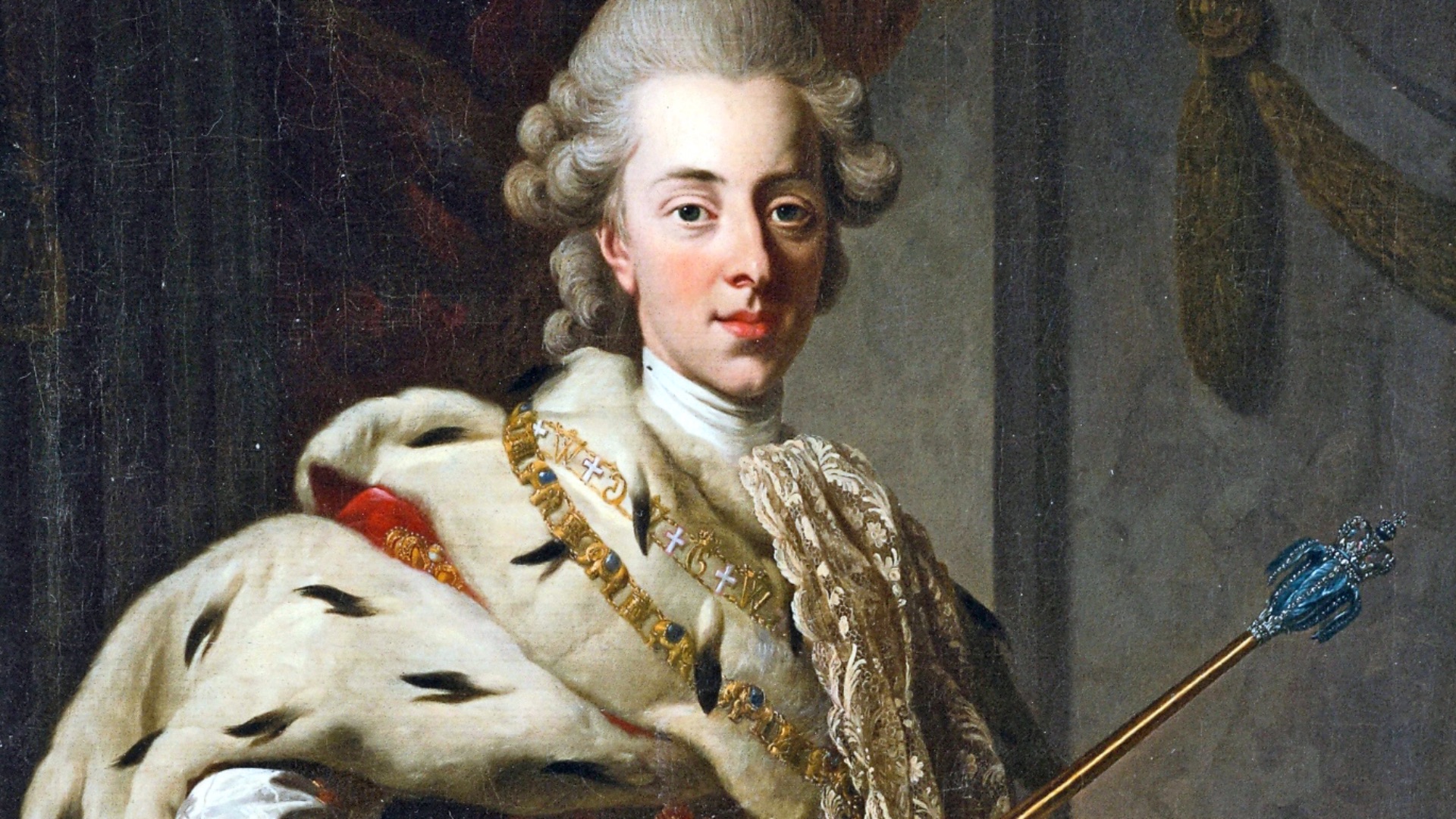
7. Christian VII of Denmark (1766–1808)
Christian VII ascended to the Danish throne as a teenager and showed signs of serious mental illness almost immediately after taking power. He was given to unpredictable outbursts, apparent hallucinations, and erratic public behavior that scandalized the European courts and raised widespread concerns about his fitness to rule. Real authority eventually passed to his court physician, Johann Friedrich Struensee, who introduced sweeping reforms before being arrested and executed in 1772, leaving Denmark's government in a state of ongoing instability.
8. Louis XVI of France (1774–1792)
Louis XVI was a decent enough man by personal standards, but personal decency doesn't automatically translate into political competence, and his reign made that abundantly clear. He was famously indecisive, often reversing course at critical moments, and his handling of France's severe financial crisis was disastrously inadequate; his attempts at reform were repeatedly blocked by a privileged nobility he wasn't willing to confront directly. When the French Revolution broke out in 1789, his continued vacillation between conciliation and resistance made a bad situation worse, and he was ultimately executed by guillotine in January 1793.
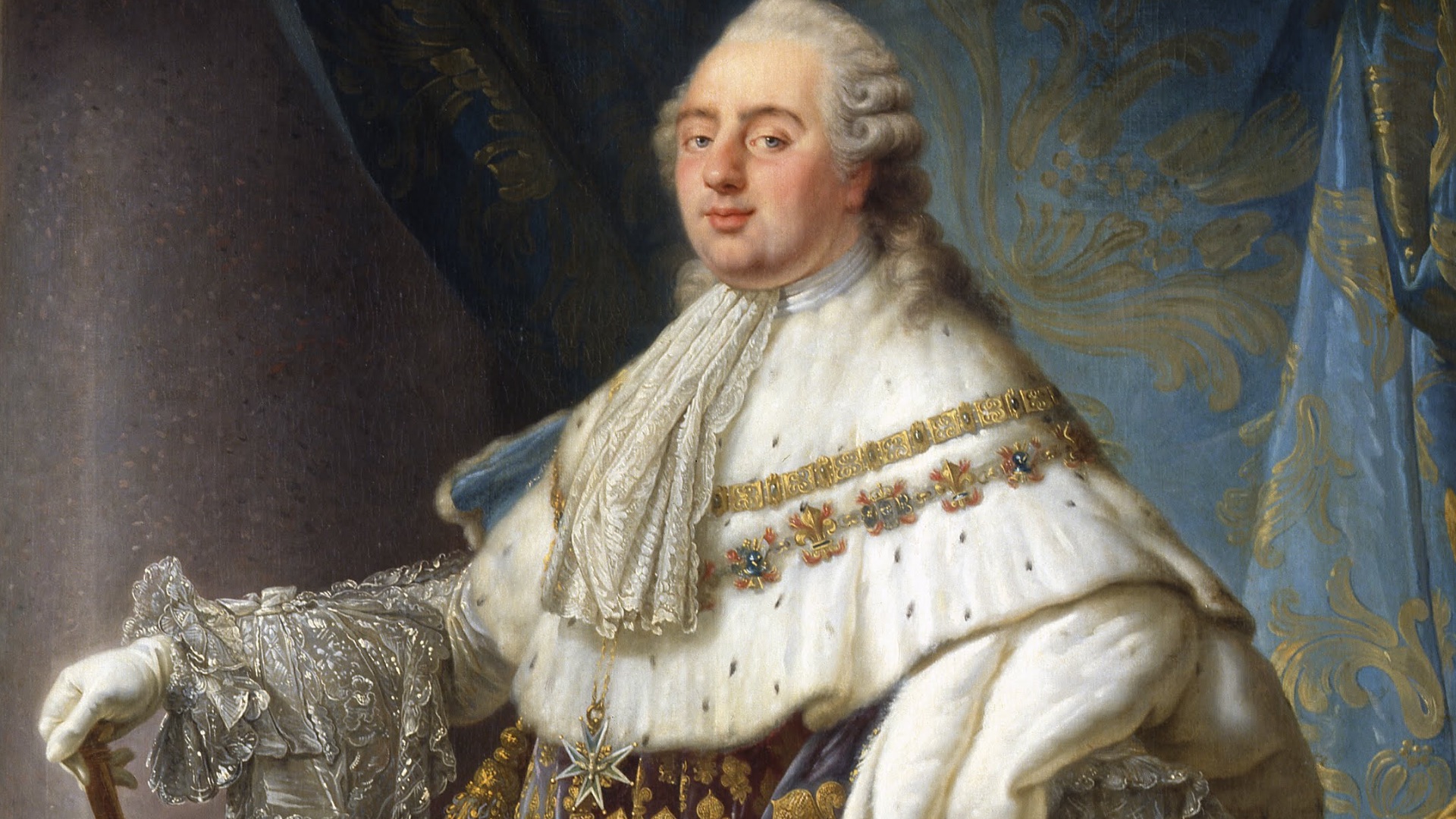 Antoine-François Callet on Wikimedia
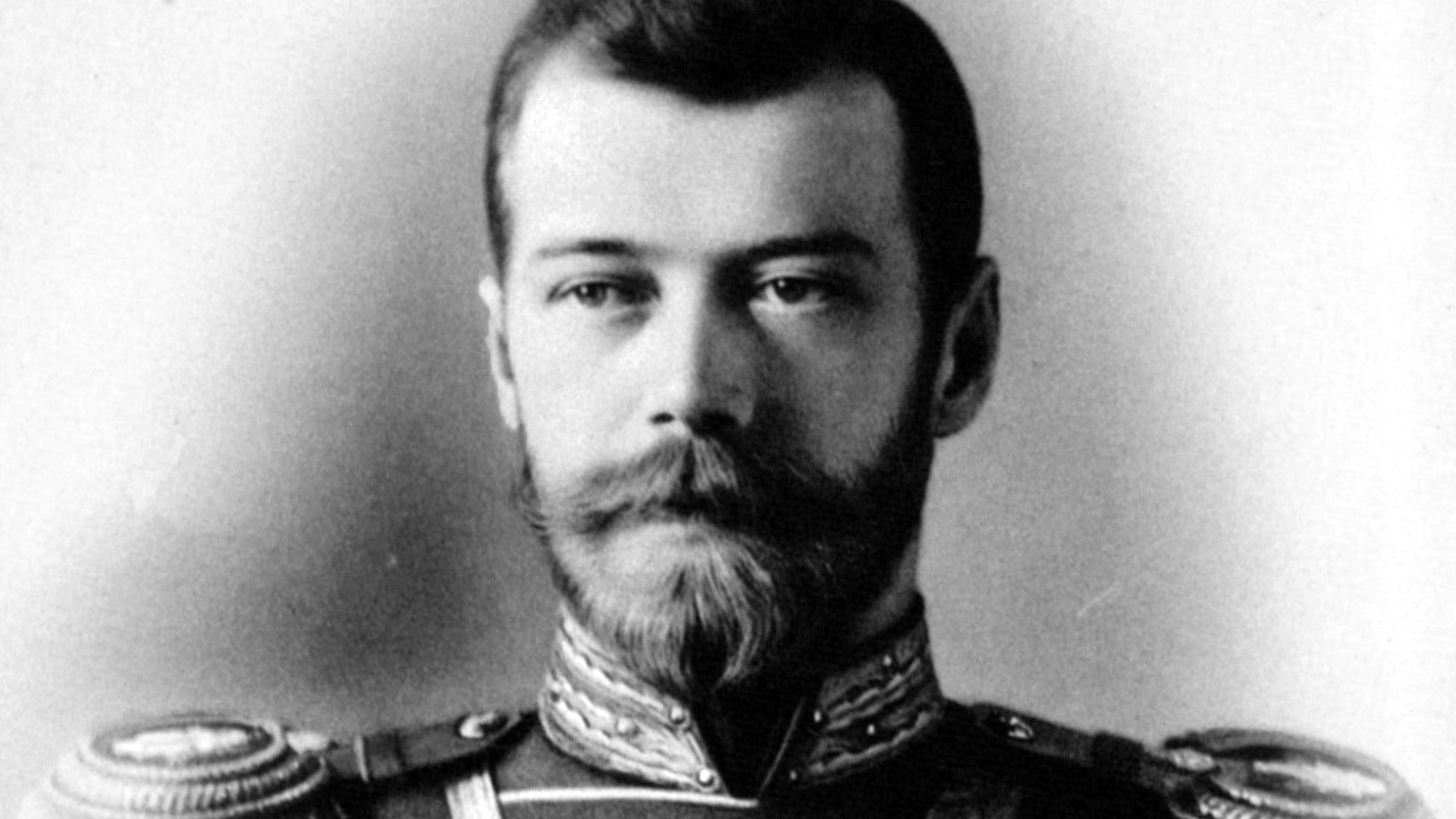
9. Tsar Nicholas II (1894–1917)
Nicholas II was the last tsar of Russia, and his reign demonstrated in vivid detail what happens when an autocratic ruler refuses to adapt to the political realities closing in around him. He dismissed early opportunities for constitutional reform, allowed the disastrous Rasputin to gain influence over his court through his wife Alexandra, and led Russia into a catastrophic involvement in World War I that the country's infrastructure simply couldn't sustain. The February Revolution of 1917 forced his abdication, and he was executed along with his entire family by the Bolsheviks in July 1918.
10. Kaiser Wilhelm II (1888–1918)
Wilhelm II of Germany had a gift for making inflammatory statements at exactly the wrong moment, and his impulsive foreign policy decisions helped drag Europe into World War I. His decision to dismiss Chancellor Otto von Bismarck in 1890, one of the most skilled diplomatic minds in European history, left Germany's foreign policy significantly less steady and more prone to the kind of provocations that alarmed neighboring nations. By the war's end in 1918, Germany was defeated and humiliated, and Wilhelm was forced to abdicate and flee to the Netherlands, where he'd spend the rest of his days in comfortable exile.
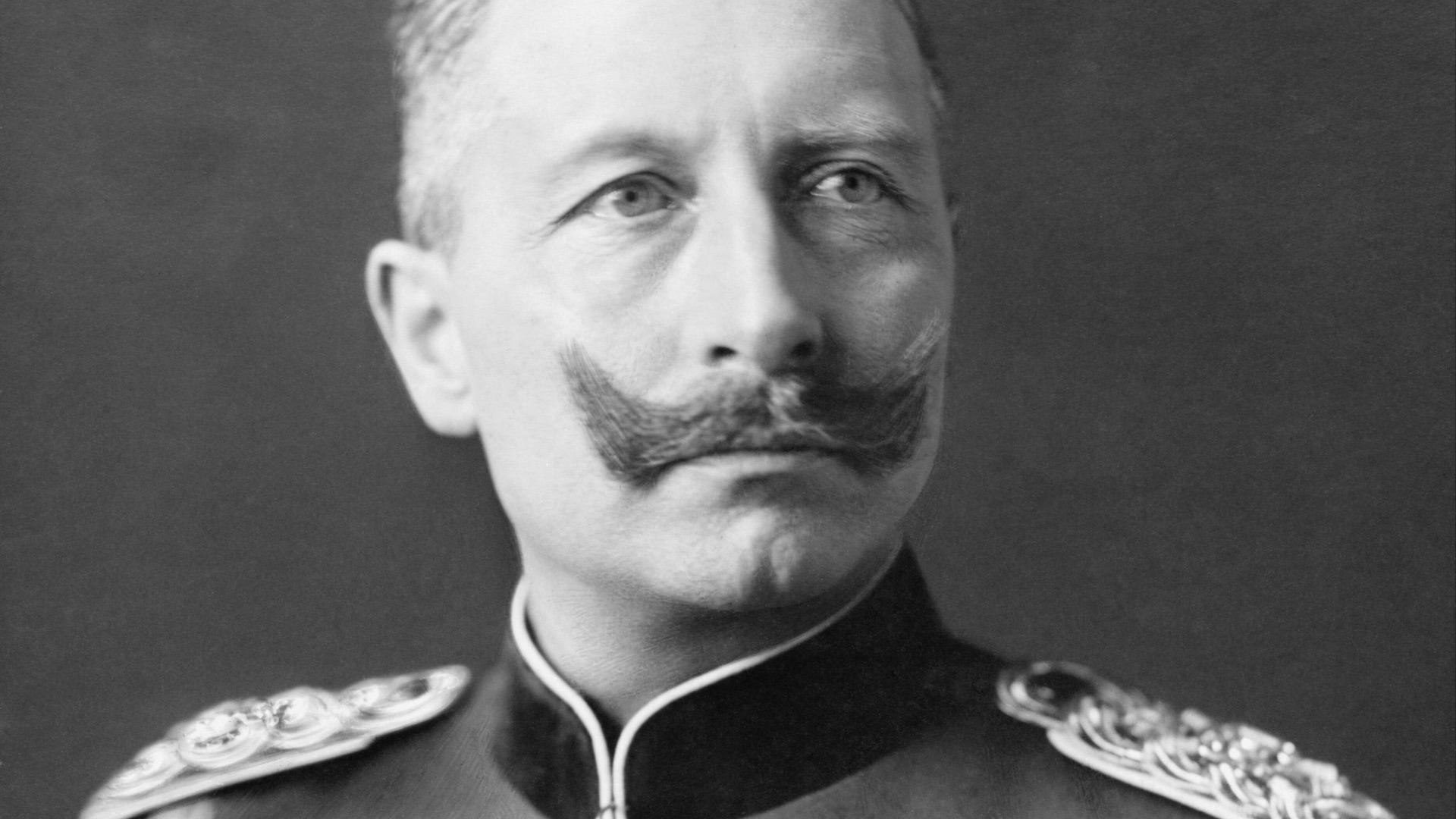 Studio of Thomas Heinrich Voigt on Wikimedia
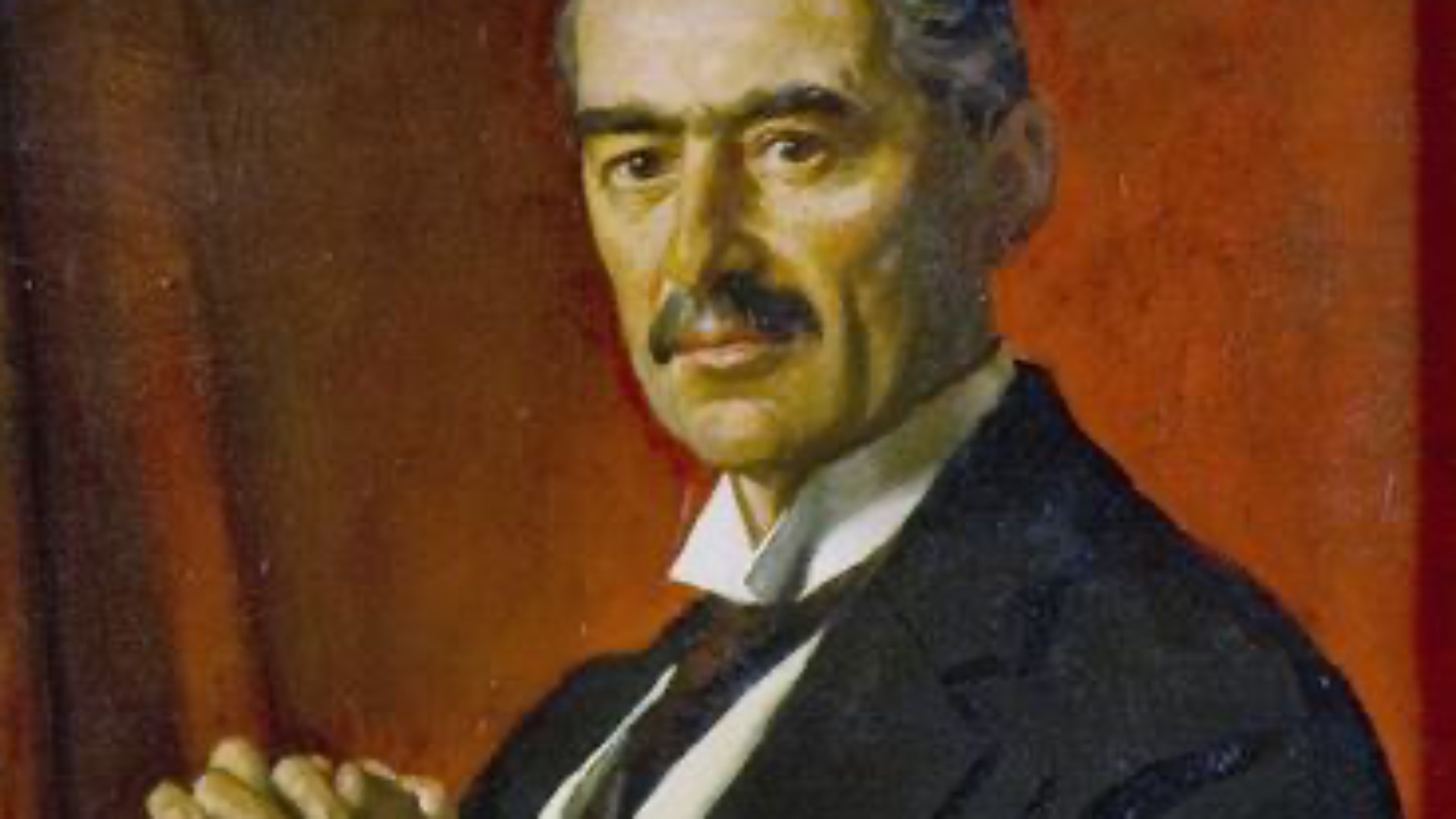
11. Neville Chamberlain (1937–1940)
Neville Chamberlain is remembered today primarily for one catastrophic miscalculation: his policy of appeasement toward Adolf Hitler in the late 1930s. After signing the Munich Agreement in 1938, which handed the Sudetenland region of Czechoslovakia over to Nazi Germany, he returned to Britain and declared that the deal had secured "peace for our time." Within a year, Hitler had invaded Poland, World War II had begun, and Chamberlain's policy stood exposed as a profound failure of both judgment and foresight.
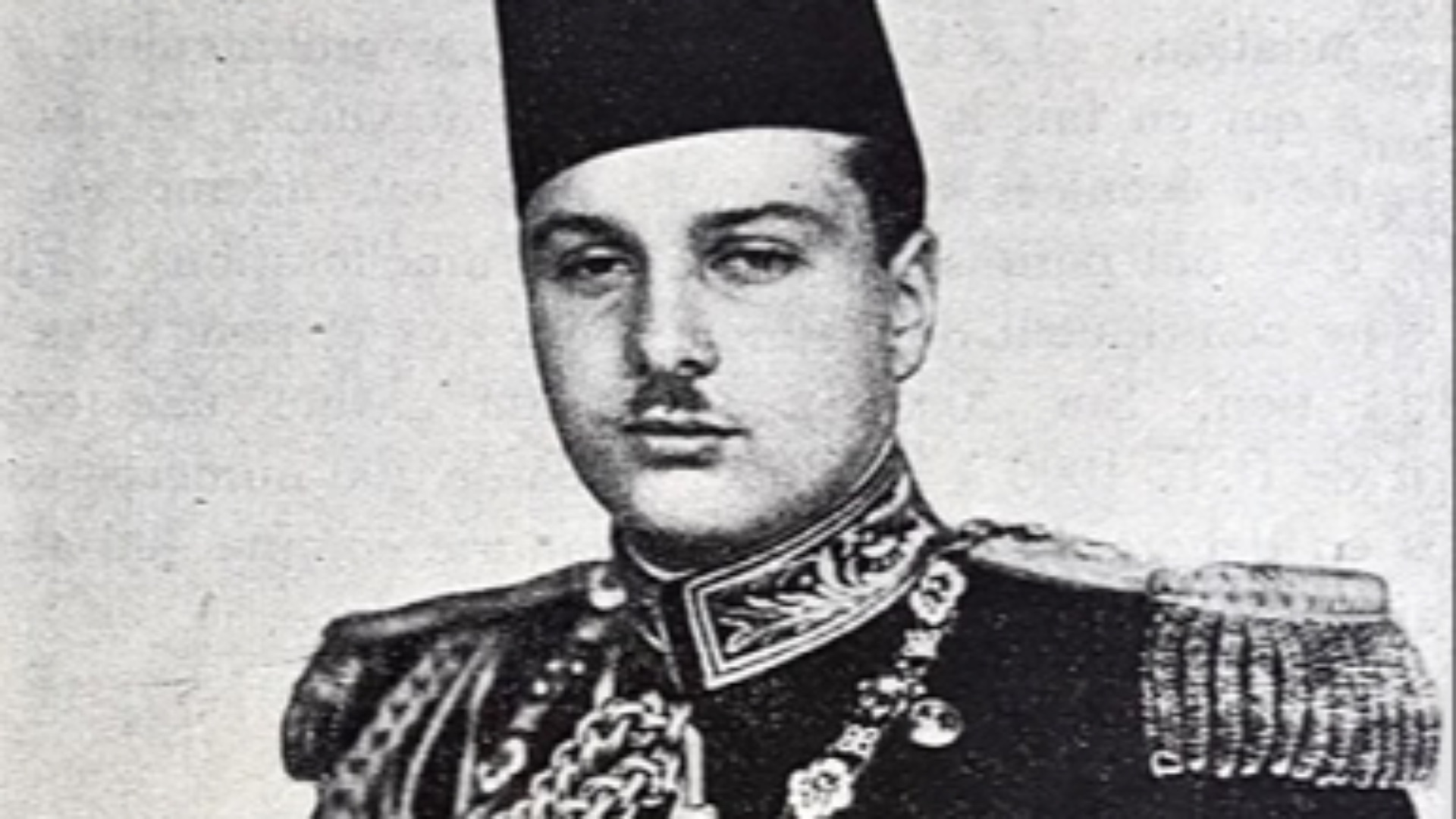
12. King Farouk of Egypt (1936–1952)
King Farouk came to the Egyptian throne with real promise and considerable initial popularity, but his reign steadily collapsed under the weight of his own excess and political incompetence. He developed a reputation for extravagant personal spending while his country faced deep poverty; his palace collections reportedly included everything from rare stamps to stolen valuables, and his personal weight ballooned notably over the years. Egypt's humiliating defeat in the 1948 Arab-Israeli War, widely blamed in part on poor military planning under his government, finally led to a military coup in 1952 that sent him into permanent exile.
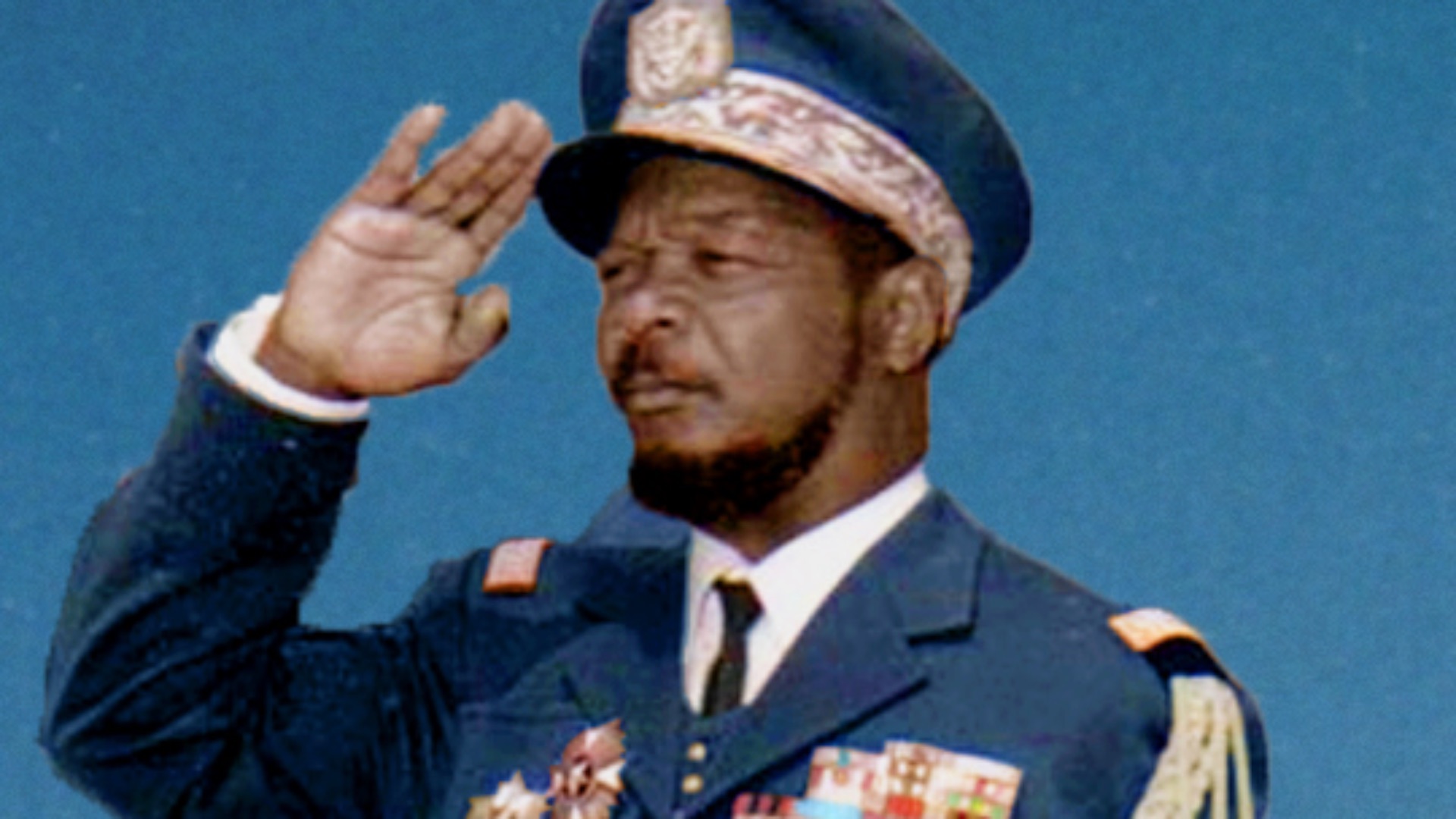
13. Jean-Bédel Bokassa (1966–1979)
Bokassa seized control of the Central African Republic in a military coup in 1966 and proceeded to lead the country with escalating brutality and delusion. In 1977, he spent a reported one-third of the country's entire annual budget on a lavish self-coronation ceremony that declared him Emperor Bokassa I, an event the French government partially funded before later expressing considerable regret about their involvement. His regime ended after the 1979 massacre of schoolchildren, in which he personally participated; an atrocity that finally prompted France to intervene and remove him from power.
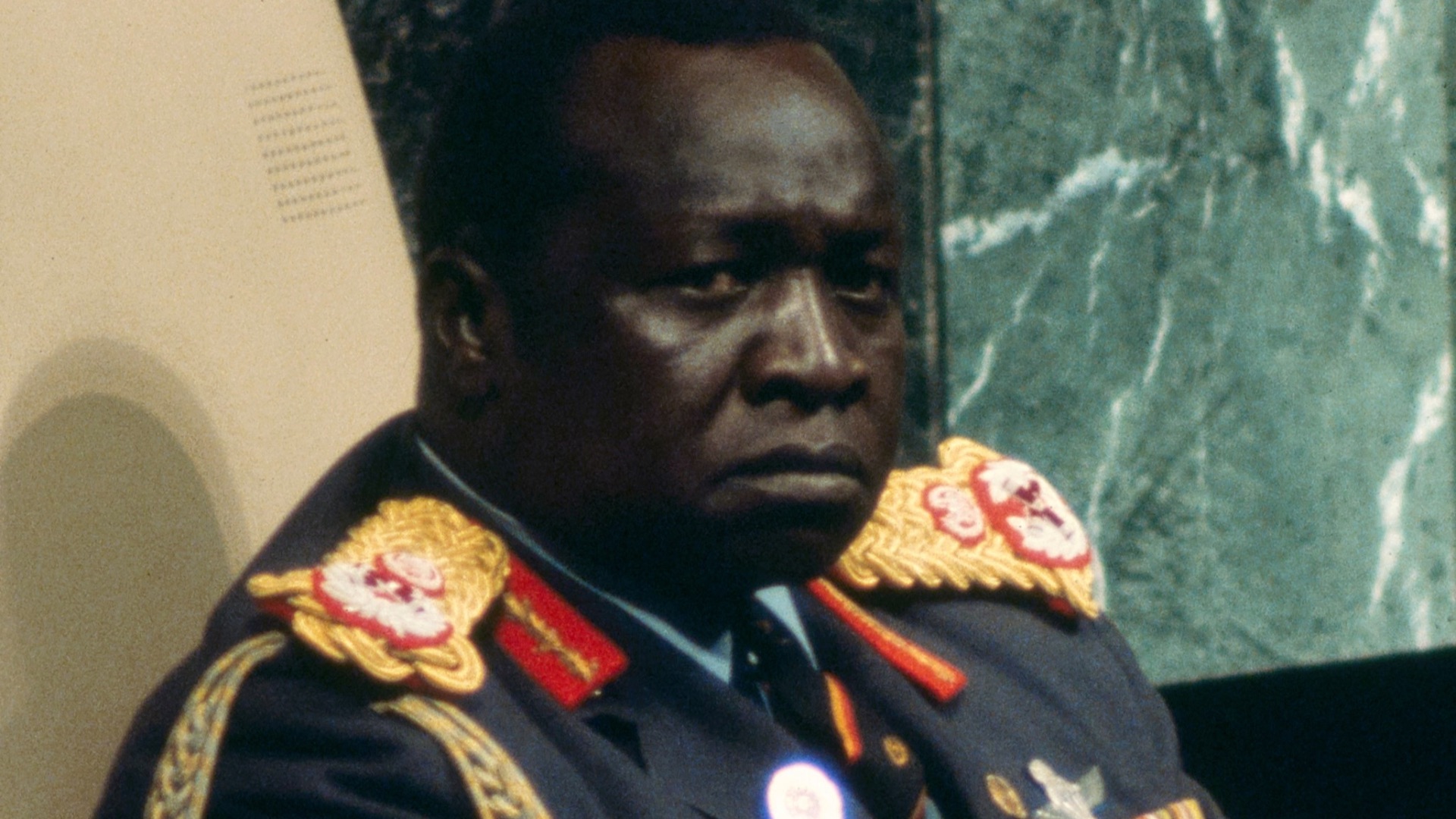
14. Idi Amin (1971–1979)
Idi Amin took power in Uganda through a military coup in 1971 and ruled the country with a combination of extreme violence and erratic decision-making that left the nation devastated. He expelled Uganda's entire Asian community in 1972, which destroyed much of the country's commercial and professional infrastructure overnight, and his regime killed scores of people during his eight years in power. His catastrophic decision to invade Tanzania in 1978 ultimately backfired when Tanzanian forces, backed by Ugandan exiles, swept into the country and drove him from power in 1979.
15. Lon Nol (1970–1975)
Lon Nol came to power in Cambodia after a U.S.-backed coup ousted Prince Norodom Sihanouk in 1970, and his tenure was defined by military incompetence and an administration riddled with corruption. His army was widely described as poorly trained, underfunded, and rife with "ghost soldiers," troops who existed only on paper so that their commanding officers could pocket their wages. The Khmer Rouge, exploiting the chaos and resentment his government generated, steadily gained ground and ultimately captured Phnom Penh in April 1975, ending his rule and ushering in one of the worst genocides of the 20th century.
16. Robert Mugabe (1980–2017)
Robert Mugabe led Zimbabwe to independence from white minority rule and was once celebrated internationally as a liberation hero, but the latter decades of his rule told an entirely different story. His government's Fast Track Land Reform Program in the early 2000s, which forcibly seized white-owned farms with little planning or compensation, caused Zimbabwe's agricultural sector to collapse and triggered a hyperinflation crisis that reached an estimated 89.7 sextillion percent at its peak in 2008. He clung to power through electoral manipulation and intimidation for years, and it ultimately took a military intervention in 2017 to finally remove him from office at the age of 93.
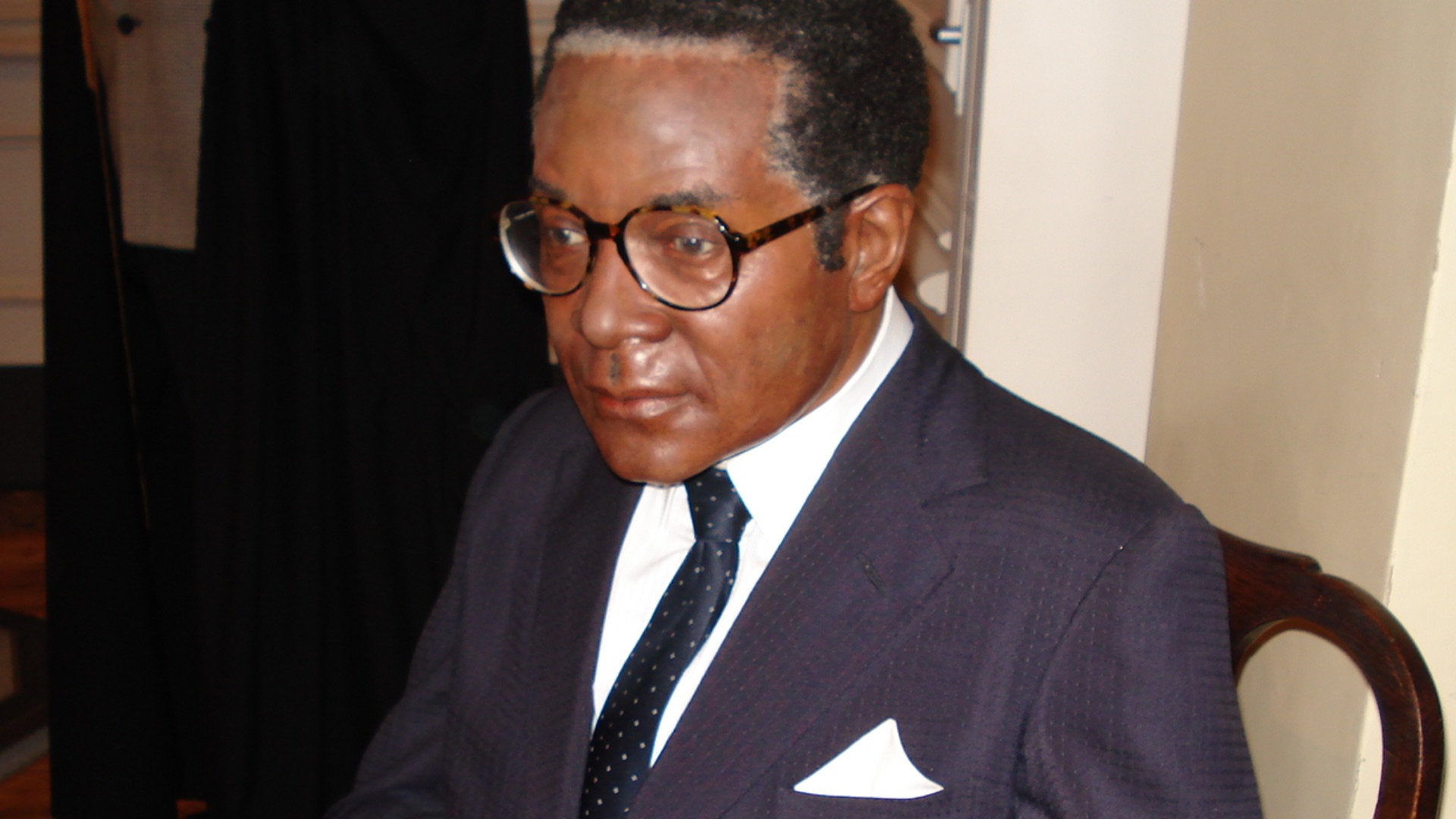 mwanasimba from La Réunion on Wikimedia
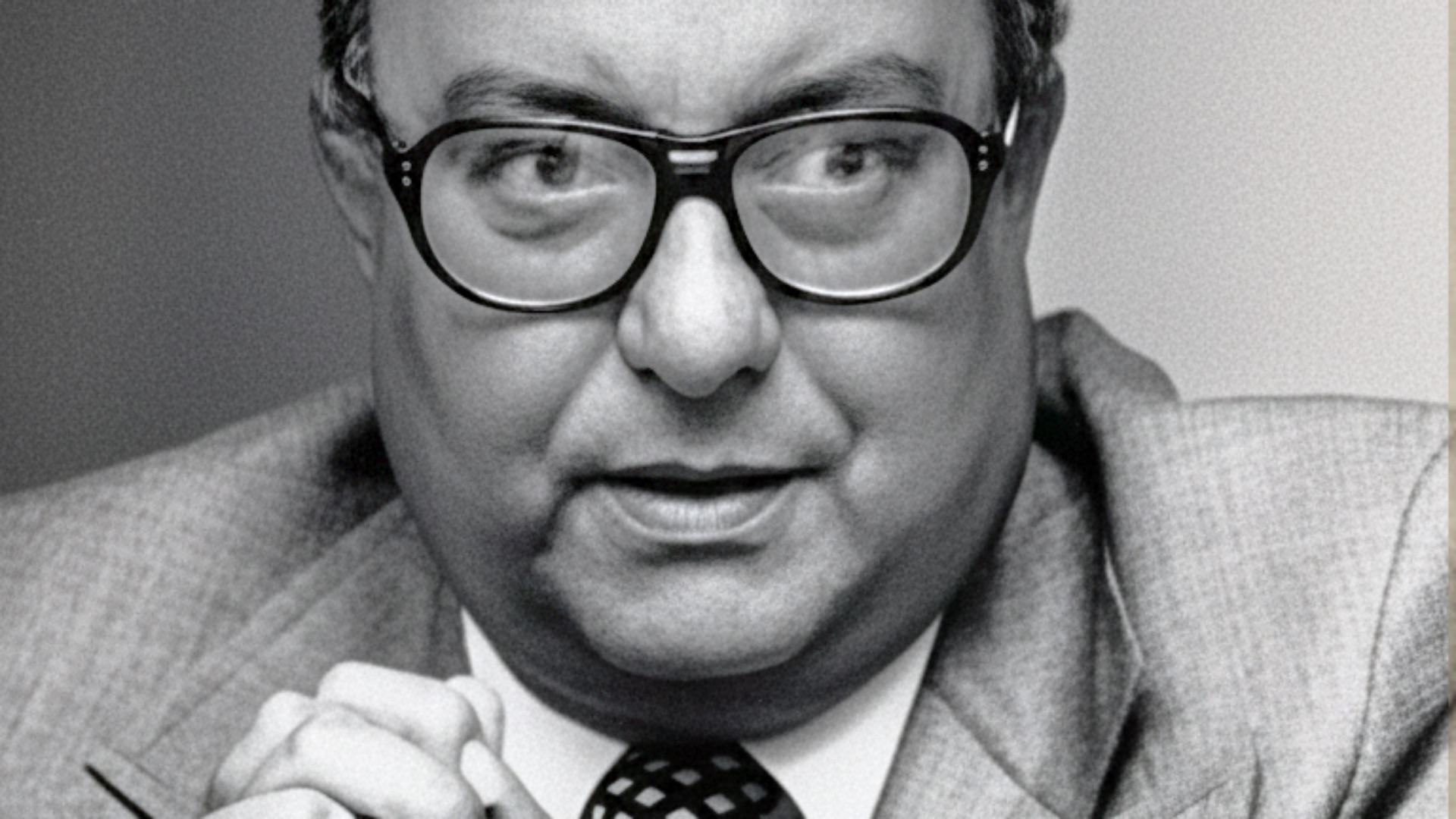
17. Anastasio Somoza Debayle (1967–1979)
Anastasio Somoza Debayle was the last of the Somoza dynasty to rule Nicaragua, and he managed to squander nearly all remaining goodwill toward his family's regime in a remarkably short period of time. After the devastating 1972 Managua earthquake, international aid poured into the country, and his government's decision to divert much of it for personal and political gain rather than relief efforts turned even longtime supporters against him. The Sandinista revolution that overthrew him in 1979 drew support from a broad coalition of Nicaraguans who'd had enough of his corruption, and he fled before being assassinated in Paraguay the following year.
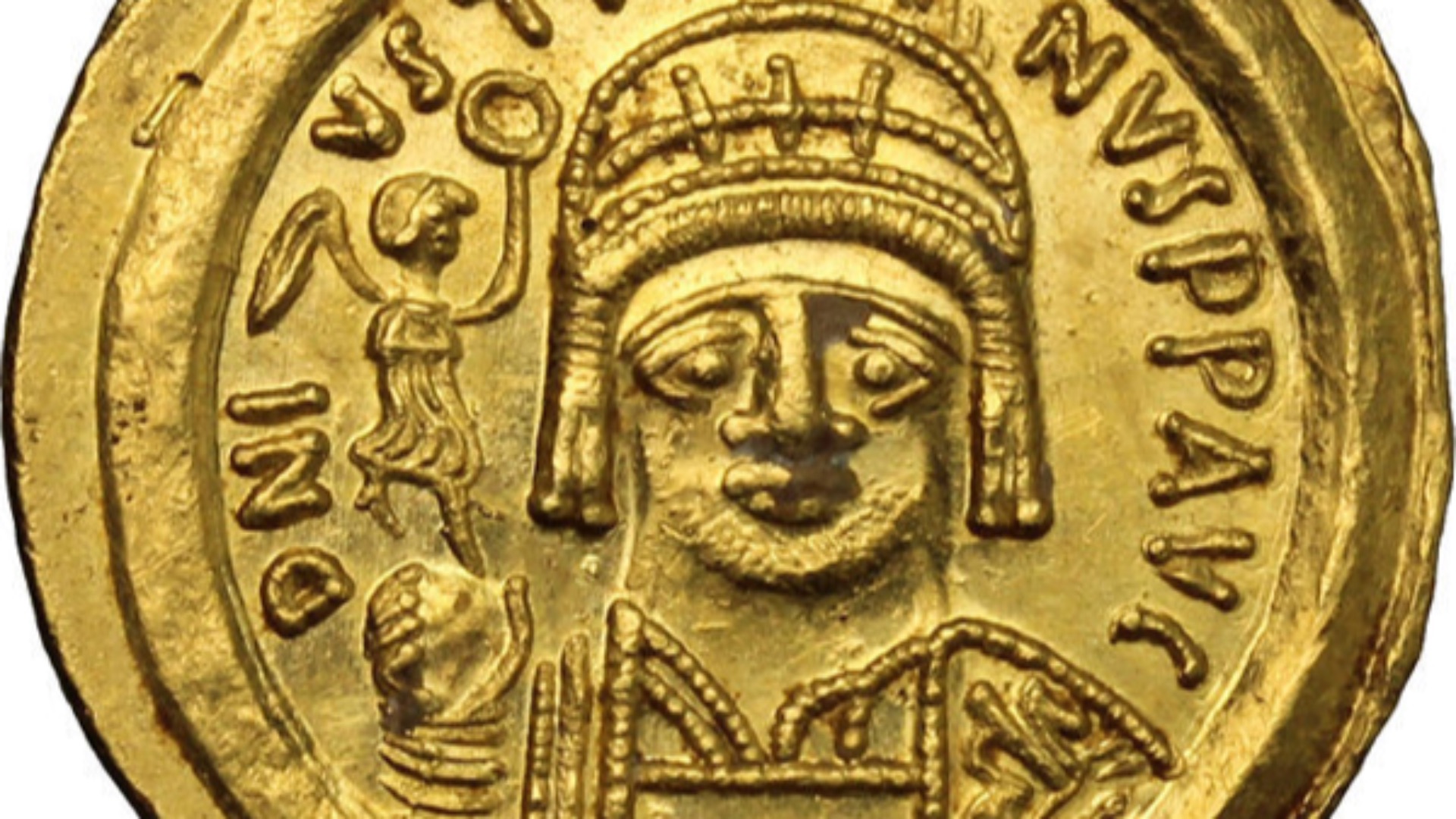
18. Justin II of Byzantium (565–578)
Justin II inherited the Byzantine Empire from his uncle Justinian I in seemingly solid condition and managed to destabilize it significantly within just a few years. His decision to stop paying tribute to the Avars and his disastrous handling of relations with Persia triggered wars on multiple fronts simultaneously, stretching the empire's military resources to their limits. By 574, the stress of his failures had apparently driven him to a complete breakdown; he reportedly had to be wheeled around the palace in a cart, biting attendants and making animal noises, which led to his co-regent Tiberius effectively taking over governance.
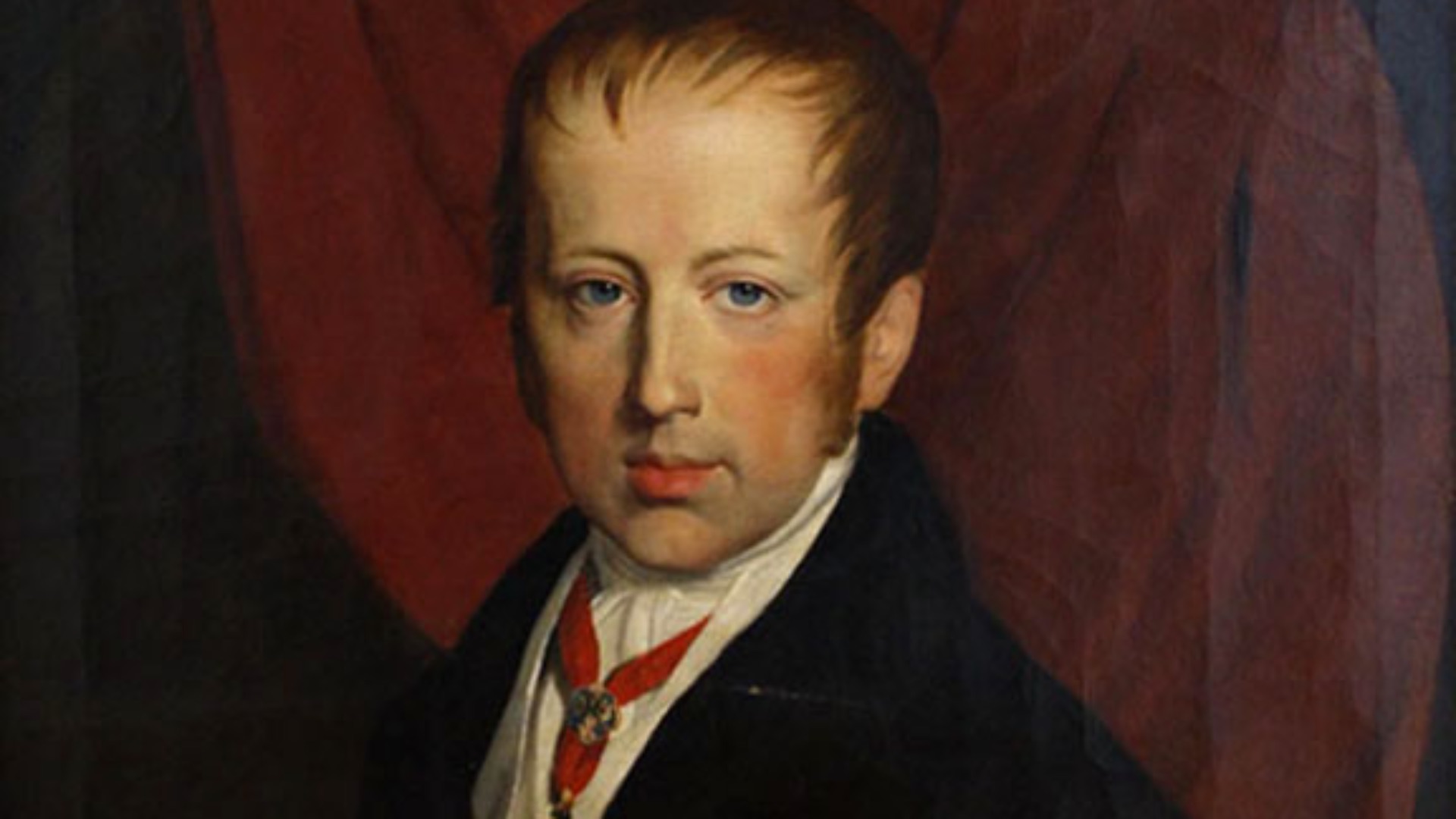
19. Ferdinand I of Austria (1835–1848)
Ferdinand I of Austria was so thoroughly unfit for power that even his own advisors described him as incapable of governing, yet he remained on the throne for over a decade thanks largely to the efforts of the skilled statesmen working around him. He was prone to epileptic fits and significant cognitive difficulties, and one of the most famous quotes attributed to him is "I am the Emperor, and I want dumplings," which captures the rather limited scope of his imperial ambitions. The Revolutions of 1848 ultimately overwhelmed whatever remained of his government's ability to manage the empire, and he abdicated in December of that year in favor of his nephew, Franz Joseph I.
20. Francisco Solano López (1862–1870)
Francisco Solano López led Paraguay into the War of the Triple Alliance against Brazil, Argentina, and Uruguay, a conflict so catastrophically mismanaged that it stands as one of history's most devastating national self-destructions. He refused to accept any negotiated peace even as his country's situation became increasingly hopeless, executing thousands of his own officers, family members, and even foreign diplomats on suspicion of treason as the war turned against him. By the time he was killed in battle in 1870, Paraguay's population had been reduced by an estimated 60-90%, with men of fighting age nearly wiped out entirely.
KEEP ON READING