20 Historical Figures Who Had To Try Hundreds Of Times Before Succeeding
Try, Try, and Then Try Again
History books often celebrate the moment someone finally achieves greatness, but they don't always give enough attention to the failures, rejections, and frustrating setbacks that came first. Plenty of famous inventors, writers, scientists, and entrepreneurs spent years trying to make their ideas work before anyone took them seriously. Some faced thousands of experiments, while others endured repeated professional disappointments before getting their big break.
 Boy Scouts of America on Wikimedia
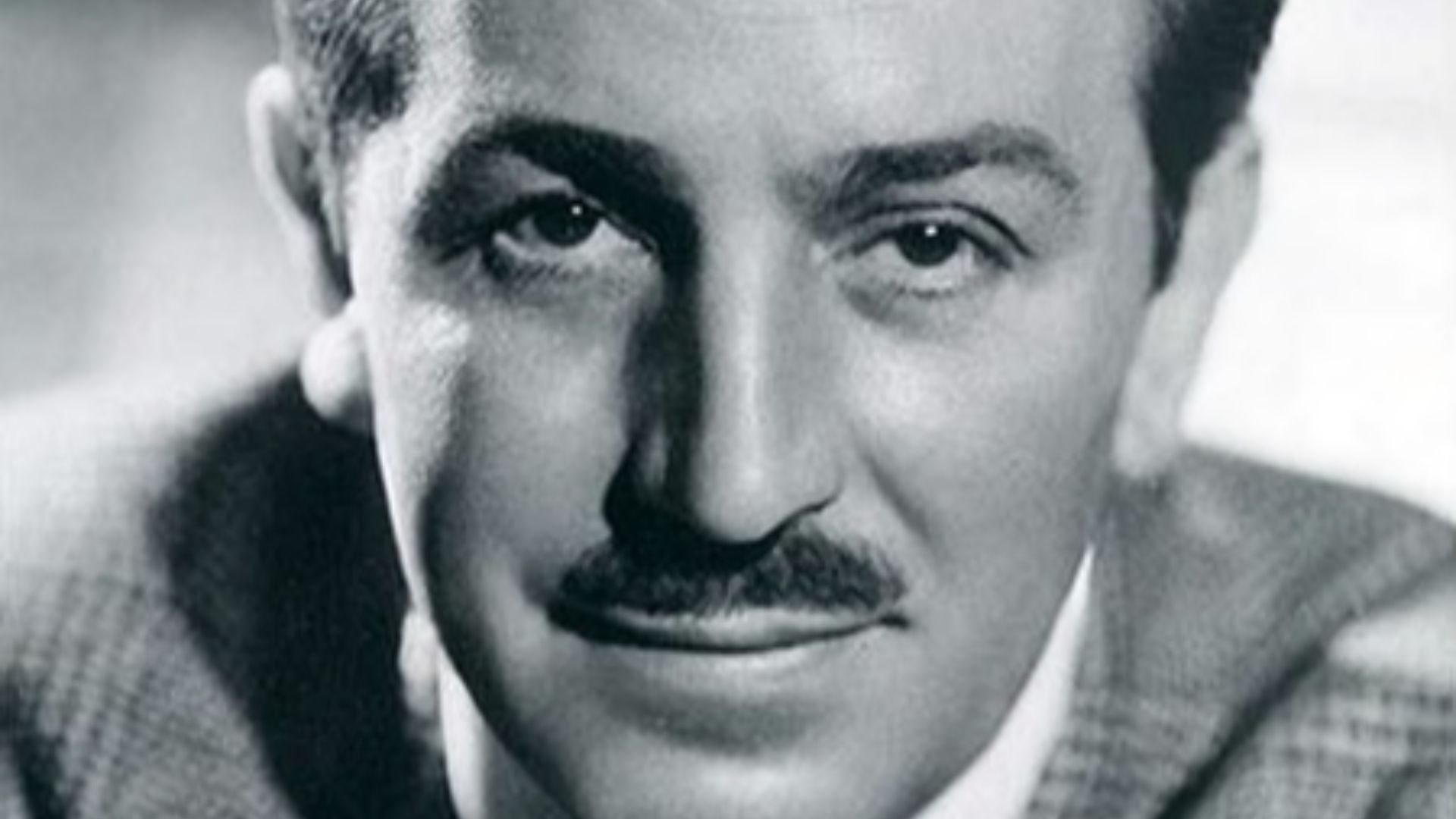
1. Thomas Edison
Everyone knows that Thomas Edison helped develop a practical incandescent light bulb. What many don't know is that he experimented with various types of filaments and electrical systems. He supposedly failed 1,000 times, but nobody really knows how many attempts he made. Edison didn't get every experiment right, but he understood that finding a workable solution required learning from the ones that didn't work.
 Louis Bachrach, Bachrach Studios, restored by Michel Vuijlsteke on Wikimedia
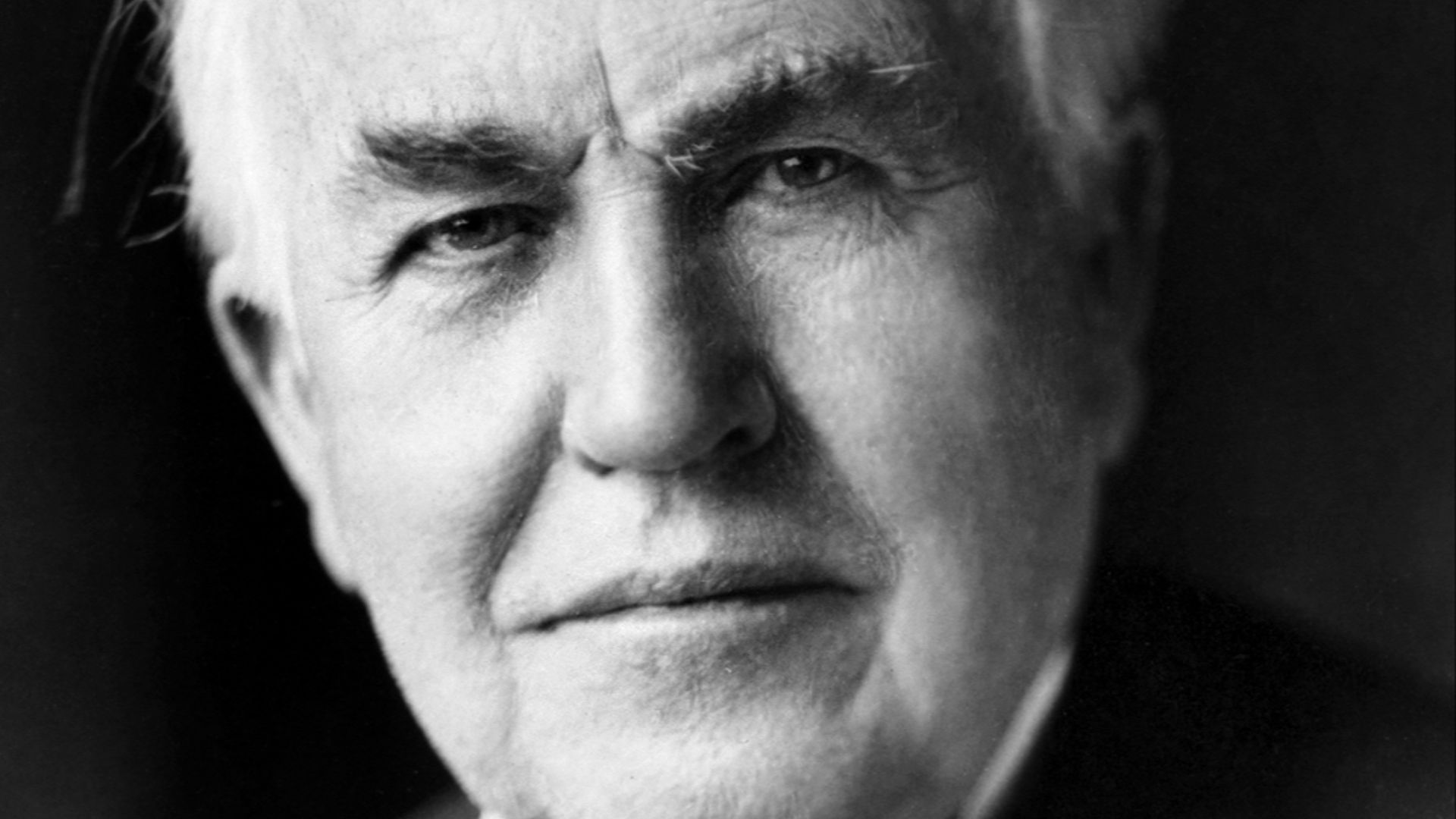
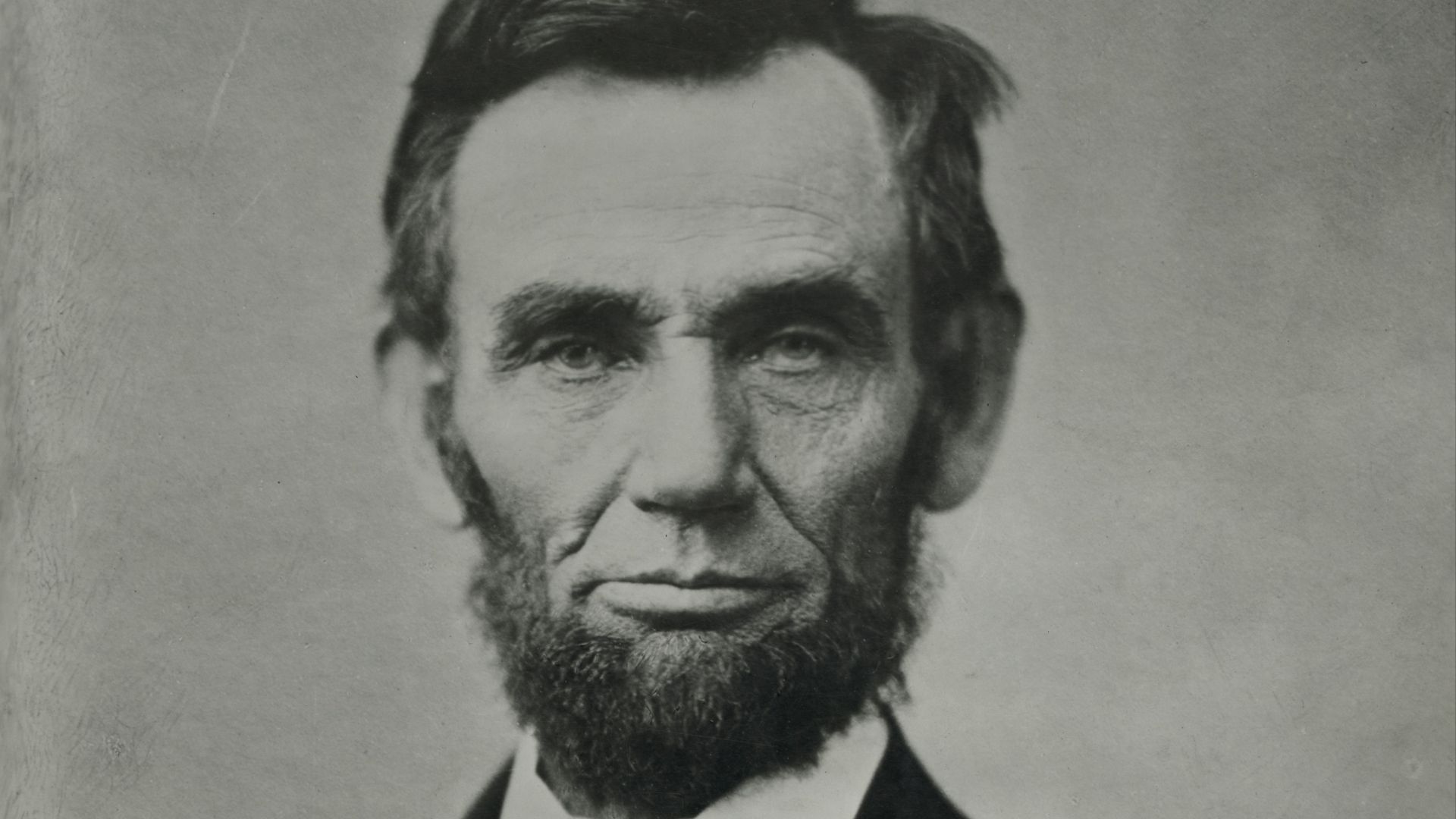
2. Abraham Lincoln
When Abraham Lincoln became president of the United States, he was elected as the 16th president in 1860 and took office in 1861. Lincoln ran for the Illinois state legislature in 1832 and lost. In 1843, he tried to secure the Whig Party's nomination to represent Illinois in Congress but failed to do so. Lincoln's path wasn't a story of endless identical attempts, but it certainly involved years of disappointment before his most consequential victory.
 Library of Congress on Unsplash
3. Walt Disney
Walt Disney didn't achieve his dreams of wealth immediately. He experienced business setbacks before moving to California in 1923 to pursue his animation career. After creating Mickey Mouse and releasing Snow White and the Seven Dwarfs in 1937, he helped build a successful entertainment company. His success came after years of hard work and learning from earlier disappointments.
 Unknown authorUnknown author on Wikimedia
4. J.K. Rowling
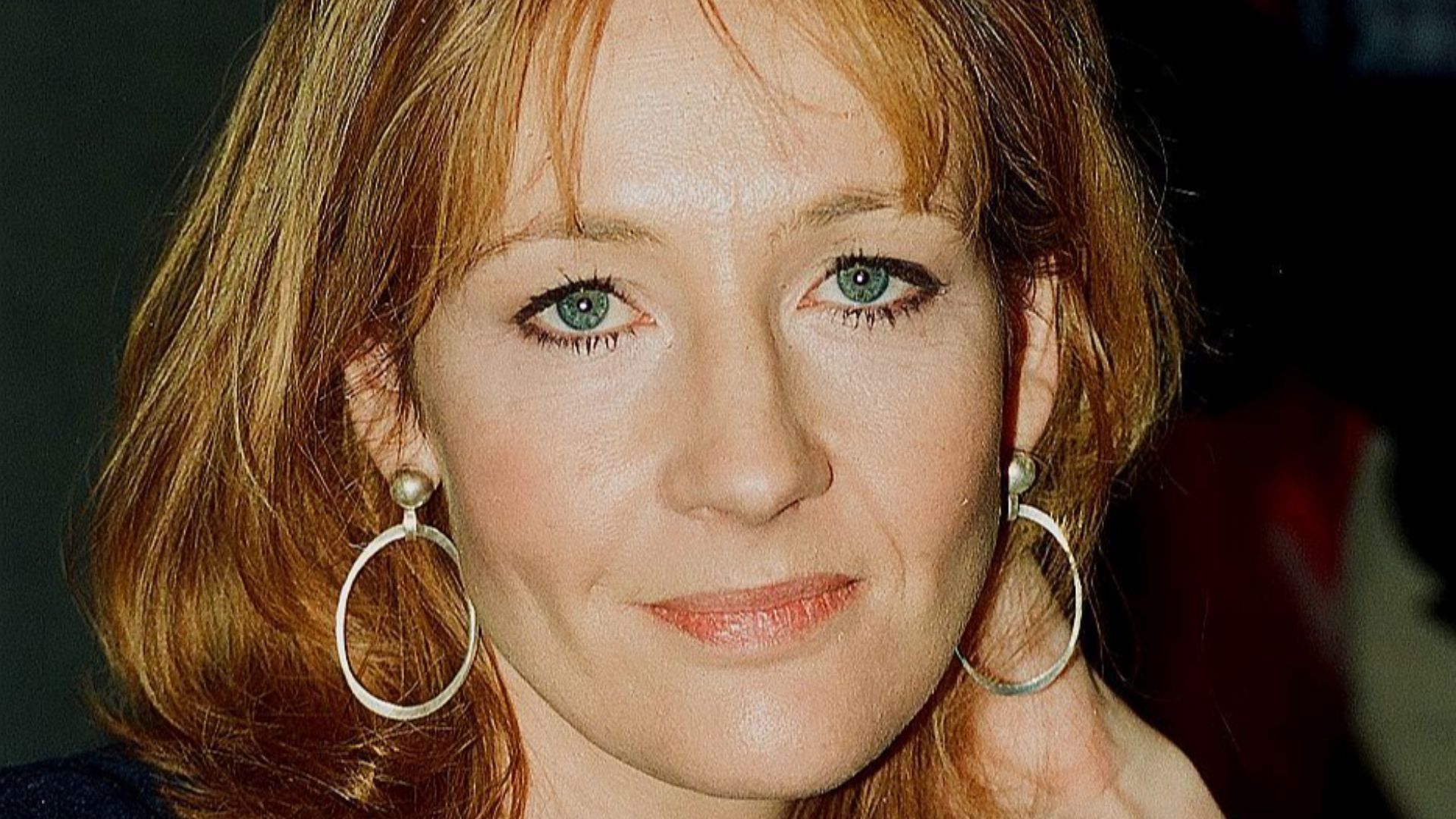
Before the Harry Potter series became a global publishing phenomenon, J.K. Rowling struggled financially while writing the first book. She faced rejections from several publishers before finally getting her manuscript accepted. When Harry Potter and the Philosopher's Stone was published in 1997, she didn't stop at one book. She went on to write six more books about Harry Potter.
 John Mathew Smith & www.celebrity-photos.com from Laurel Maryland, USA on Wikimedia
5. James Dyson
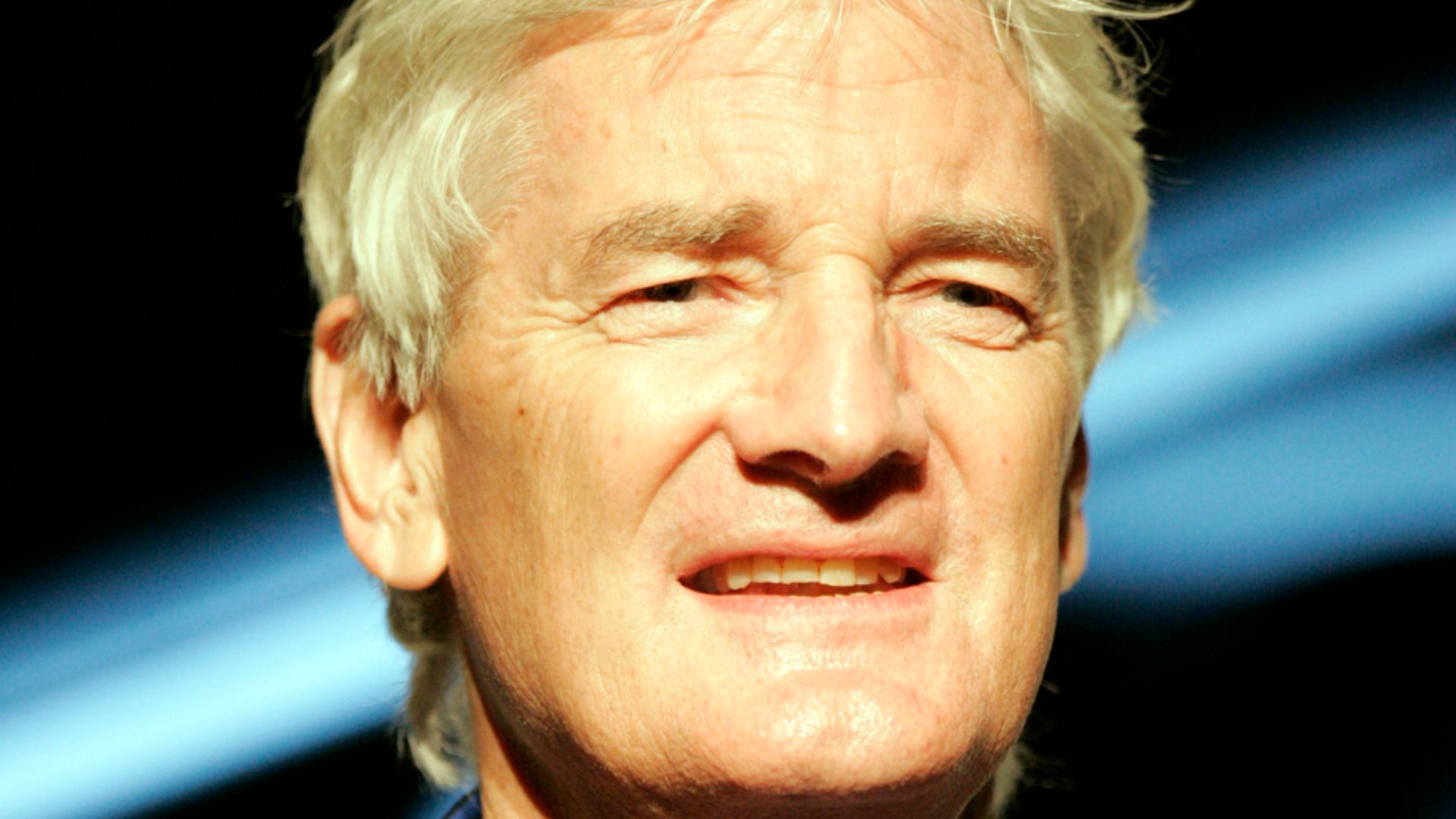
James Dyson spent years developing a vacuum cleaner that wouldn't lose suction as its dust collection system filled up. According to widely reported accounts, he created 5,127 prototypes before finally making one that met his expectations. Once he successfully created his vacuum cleaner, established manufacturers refused to license his design, so he eventually launched his own company.
6. Vincent van Gogh
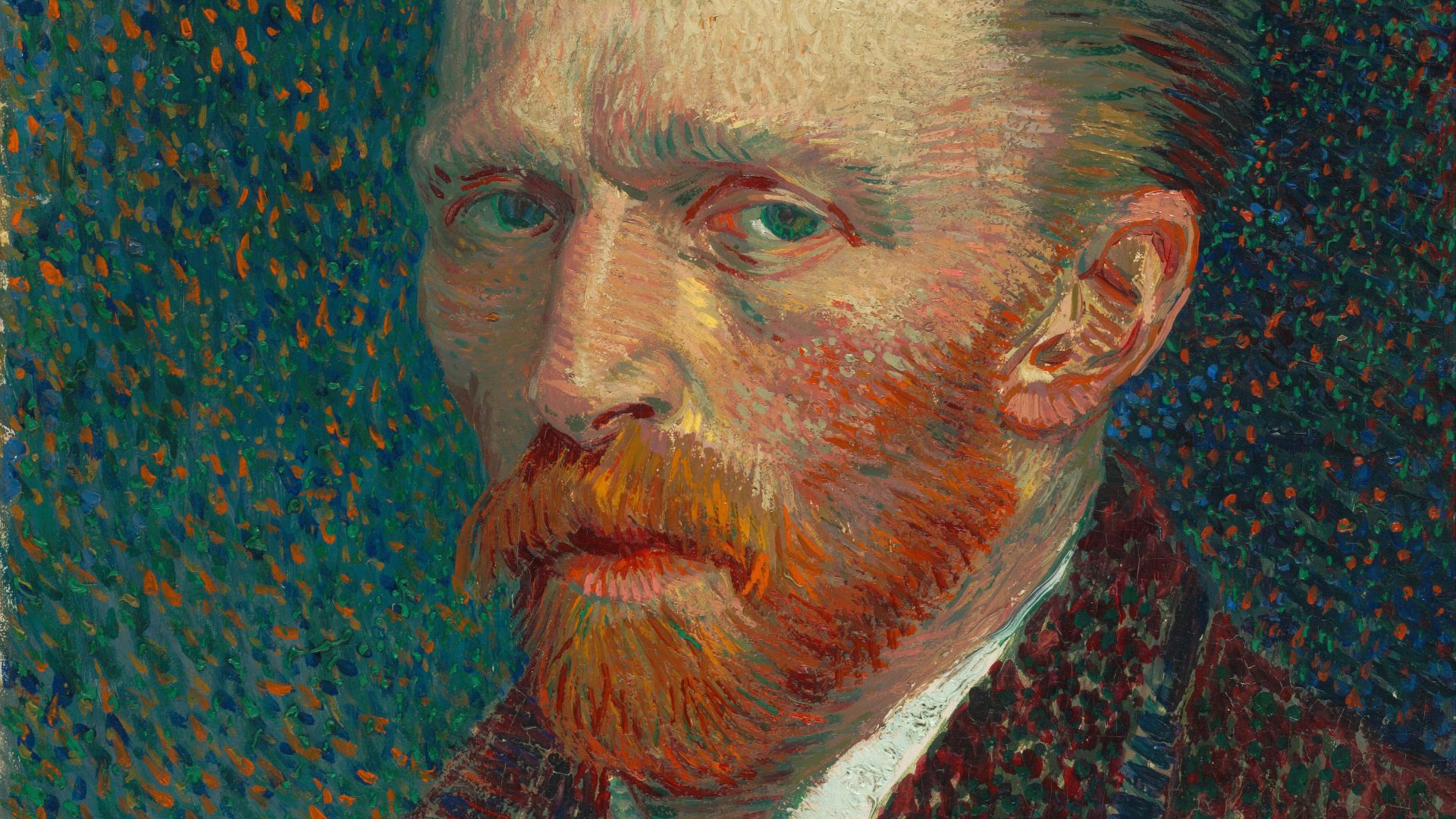
Vincent van Gogh is said to have created around 900 paintings during his lifetime. Not only did he struggle with poverty and mental health challenges, but he also received little recognition for his artwork while he was alive. It was after his death in 1890 that he became widely celebrated for his paintings. Van Gogh didn't get to enjoy the fame he eventually achieved, but his story shows that an artist's work can outlast the recognition they receive in their own lifetime.
7. Ludwig van Beethoven
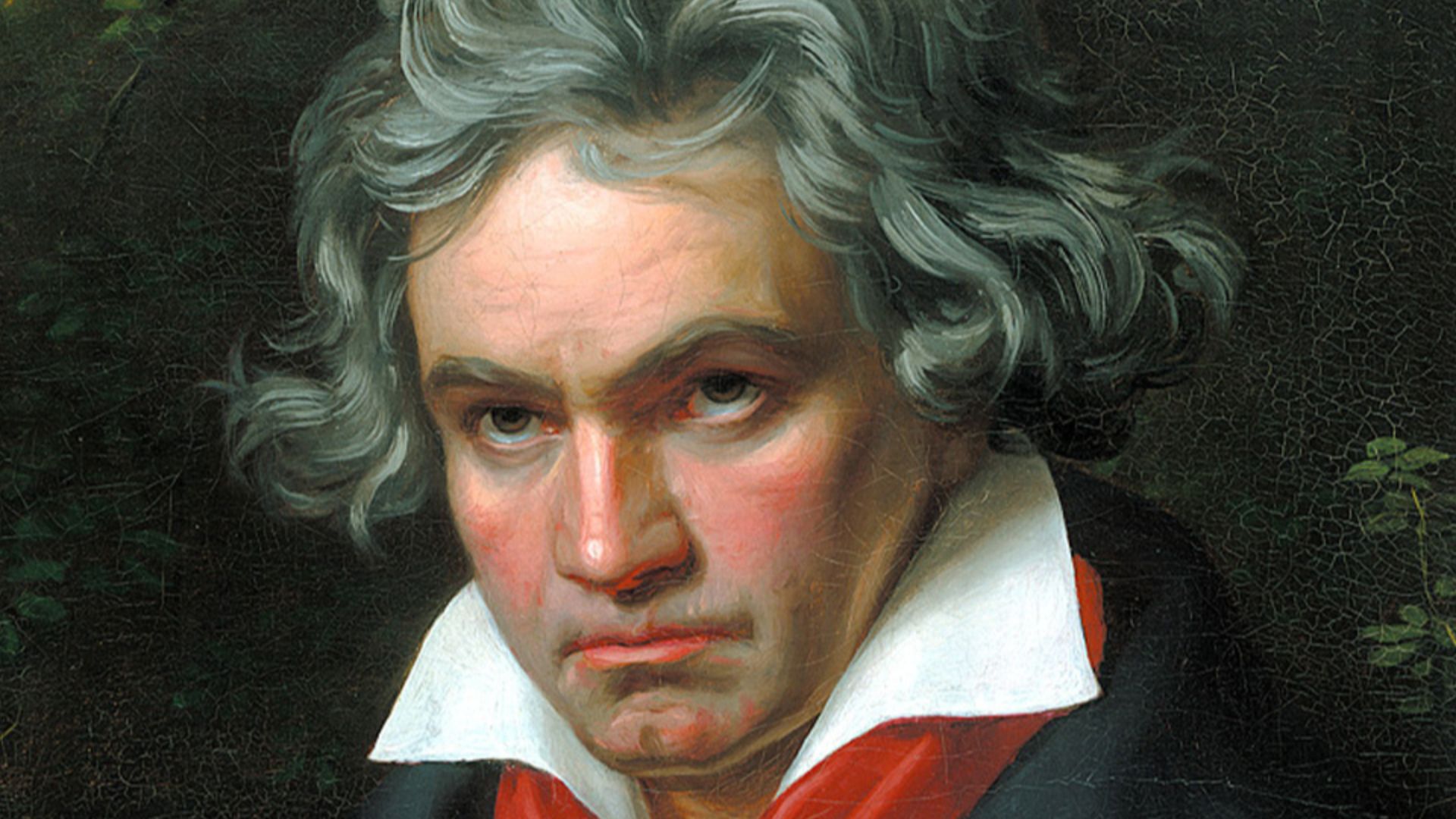
Beethoven began experiencing hearing loss in his late twenties, and his condition gradually worsened. Even as he lost his hearing, he didn't let that stop him from composing music. Beethoven created great pieces of music, including his Ninth Symphony, which premiered in 1824. His determination helped him produce extraordinary work even as performing and communicating became increasingly difficult.
 Joseph Karl Stieler on Wikimedia
8. Colonel Harland Sanders
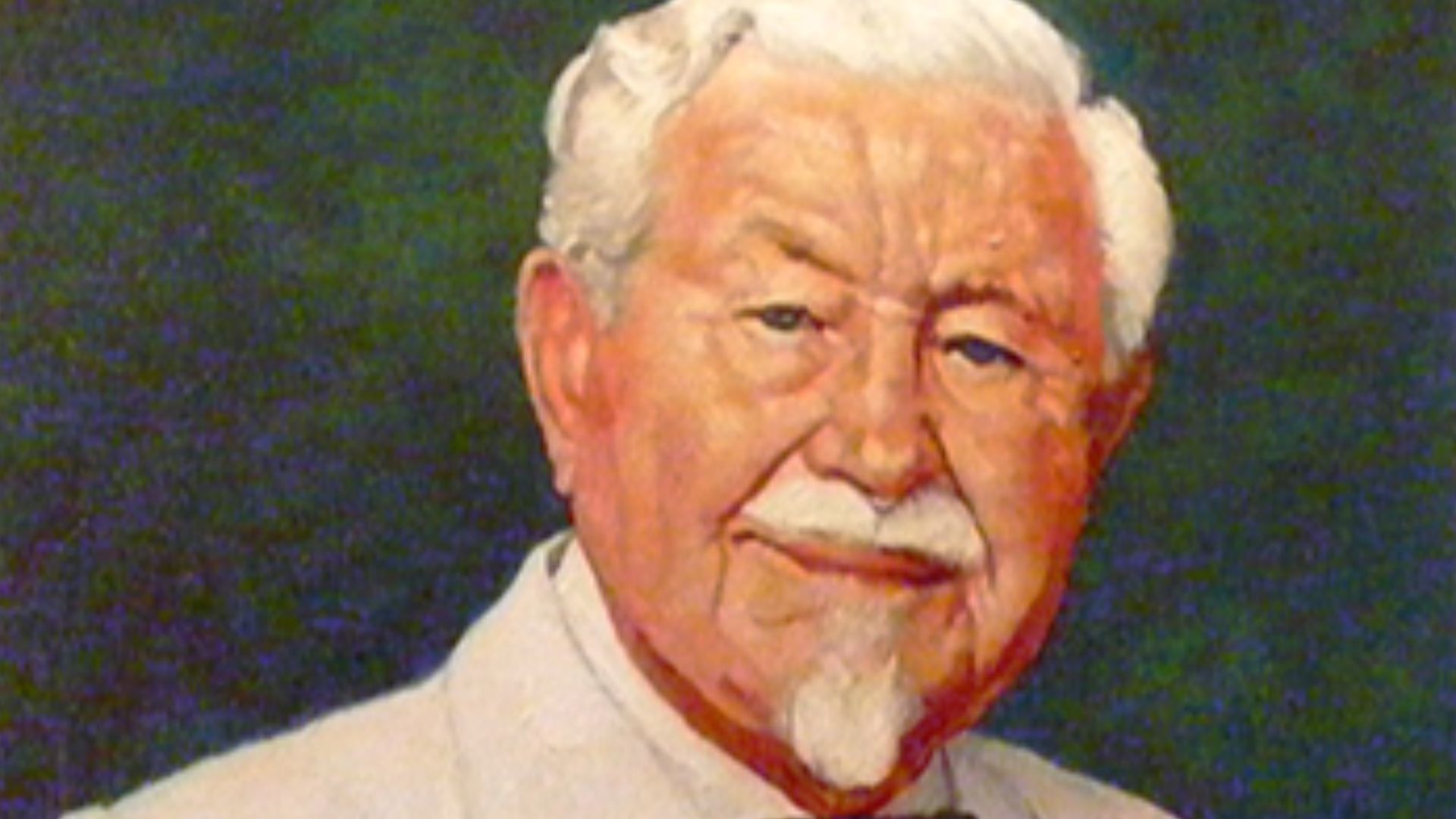
Harland Sanders didn't achieve his biggest business success as a young entrepreneur, and his career included numerous jobs and business setbacks before fried chicken became his signature product. He worked many jobs throughout his life before developing the restaurant business that would eventually become Kentucky Fried Chicken (KFC). He wasn't widely successful with his fried chicken business until later in life, after years of work and trying to persuade restaurant owners to use his recipe. Although stories claim that he faced more than a thousand rejections, the exact number of refusals isn't well established.
9. Soichiro Honda
Soichiro Honda's journey into the automotive industry included setbacks long before his company became an international name. When he first tried to sell piston rings to Toyota, his products failed to meet the company's quality standards. He continued working to improve his designs until he developed products that met the required standards. In 1948, he founded Honda Motor Co., which eventually grew into an international company selling motorcycles, cars, and other products.
10. Charles Darwin
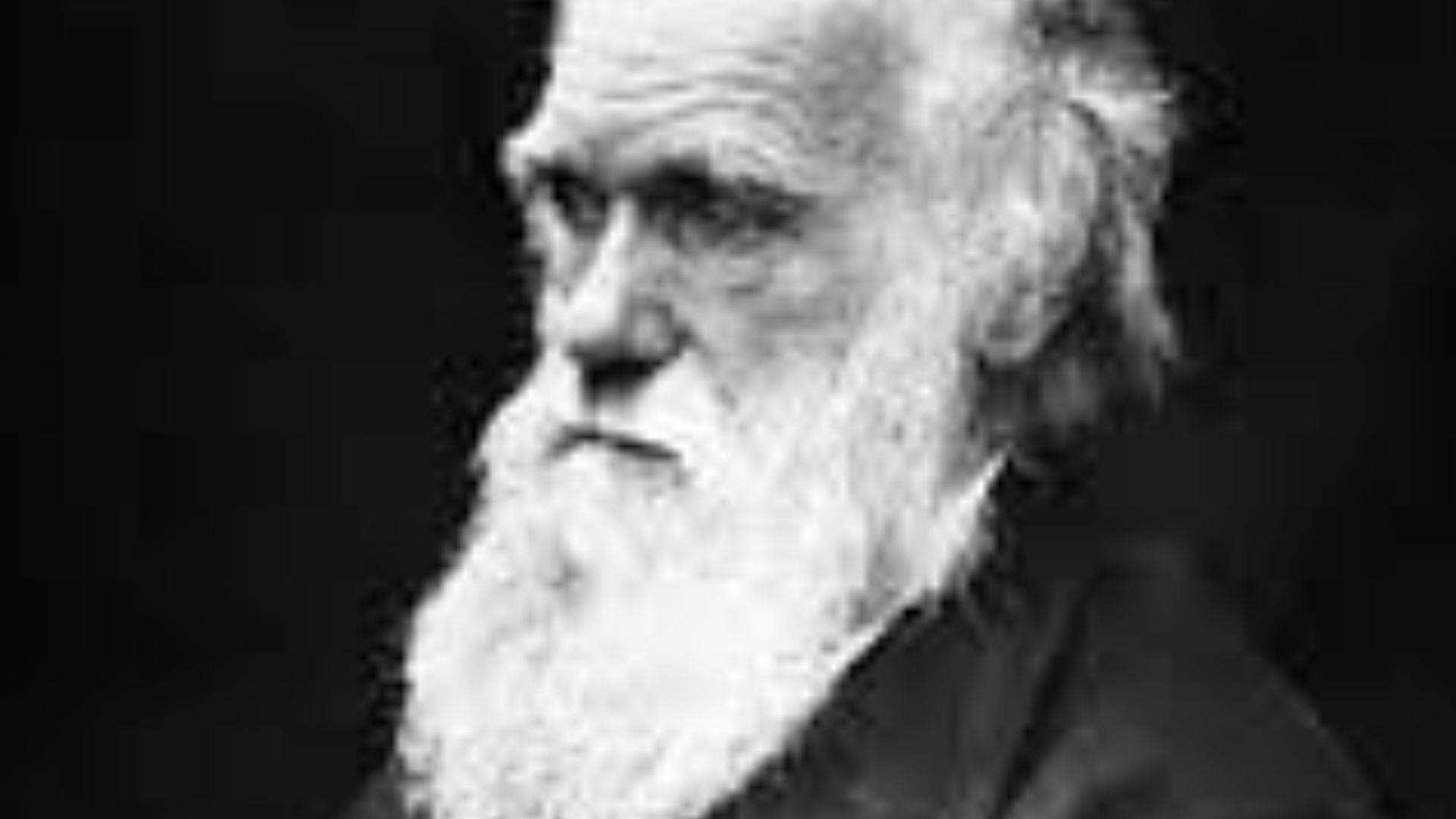
Evolution didn't come to Darwin's mind after a quick trip on the HMS Beagle. Charles Darwin spent years studying animals, fossils, and variations among species before developing his theory of evolution by natural selection. After publishing his theory in On the Origin of Species in 1859, he continued researching and publishing work that expanded his understanding of evolution.
11. Marie Curie
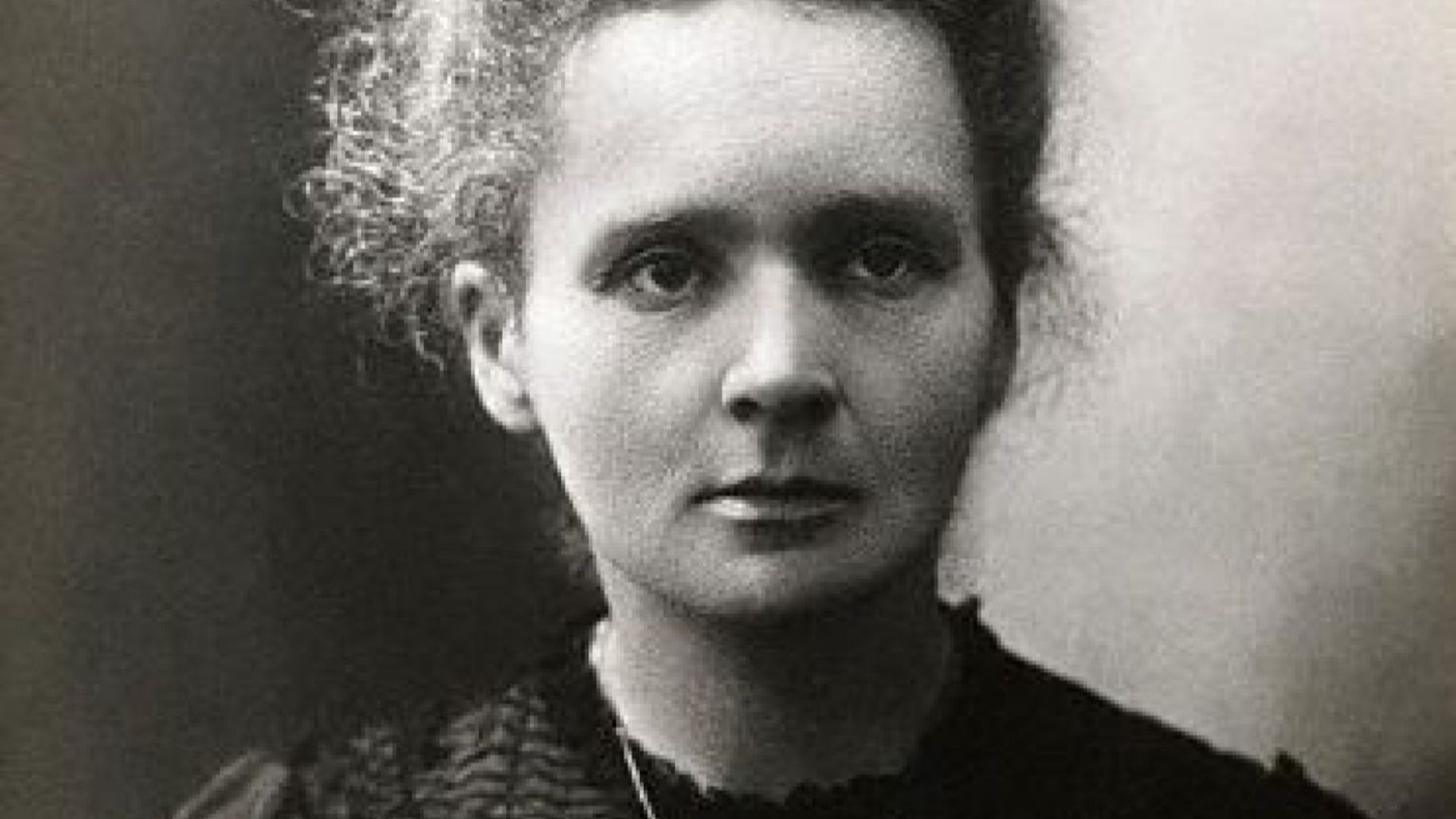
Marie Curie's research into radioactivity required painstaking experiments under physically demanding laboratory conditions. While investigating pitchblende, a uranium-rich mineral, she and Pierre Curie processed large quantities of material to isolate substances associated with previously unknown radioactive elements. Their work led to the discovery of polonium and radium in 1898, although the process involved extensive chemical separation and analysis rather than a simple sequence of failed attempts.
 Unknown authorUnknown author on Wikimedia
12. The Wright Brothers
Orville and Wilbur Wright spent years studying aerodynamics and testing glider designs before achieving powered, controlled flight. Their experiments included repeated glider trials, wind tunnel investigations, and adjustments to their wing shapes and control systems after earlier designs failed to perform as expected. On December 17, 1903, they achieved four powered flights near Kitty Hawk, North Carolina, with the longest lasting 59 seconds.
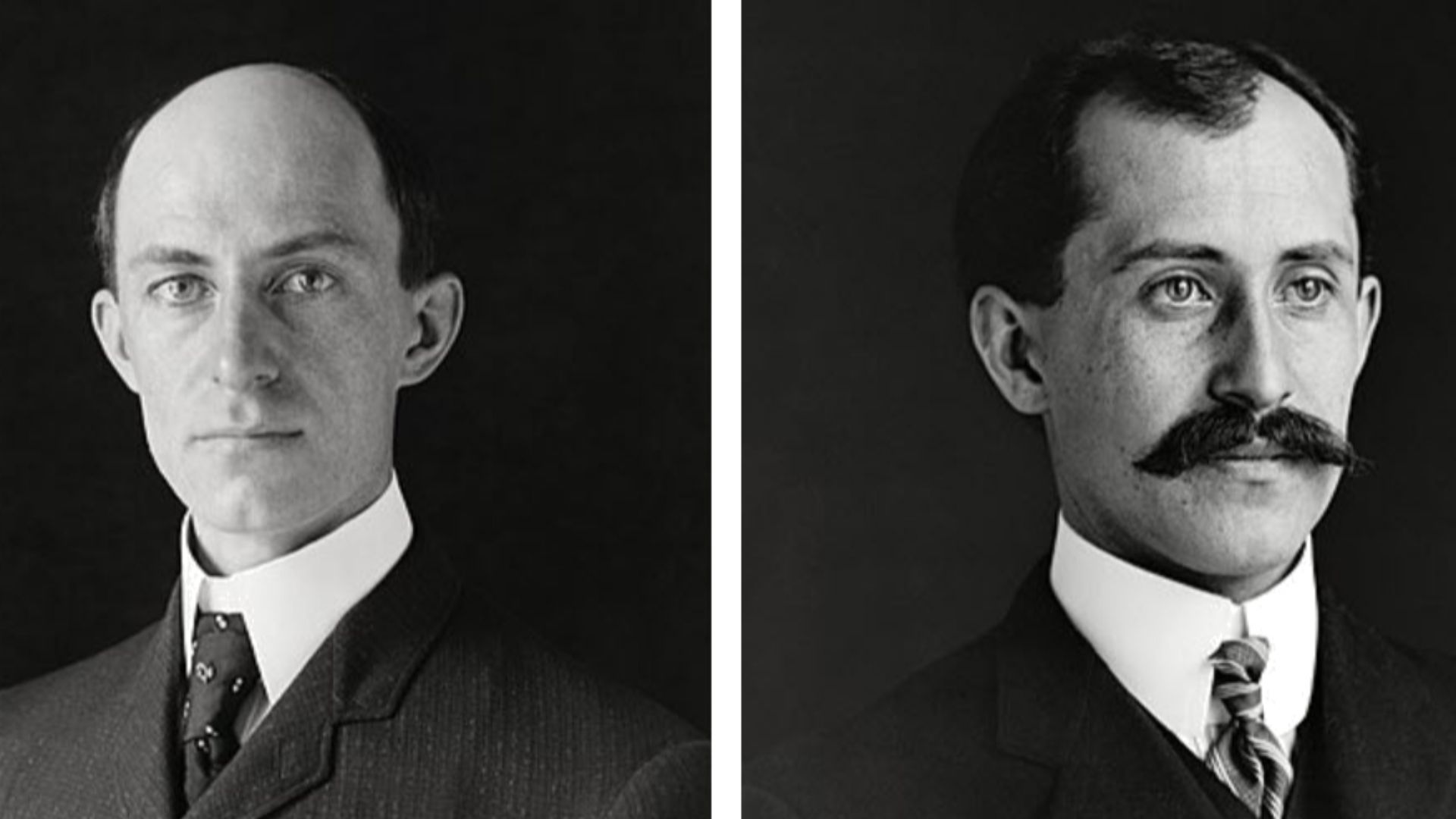 Orville Wright and Wilbur Wright (credited as photographers) [1], [2], [3] on Wikimedia
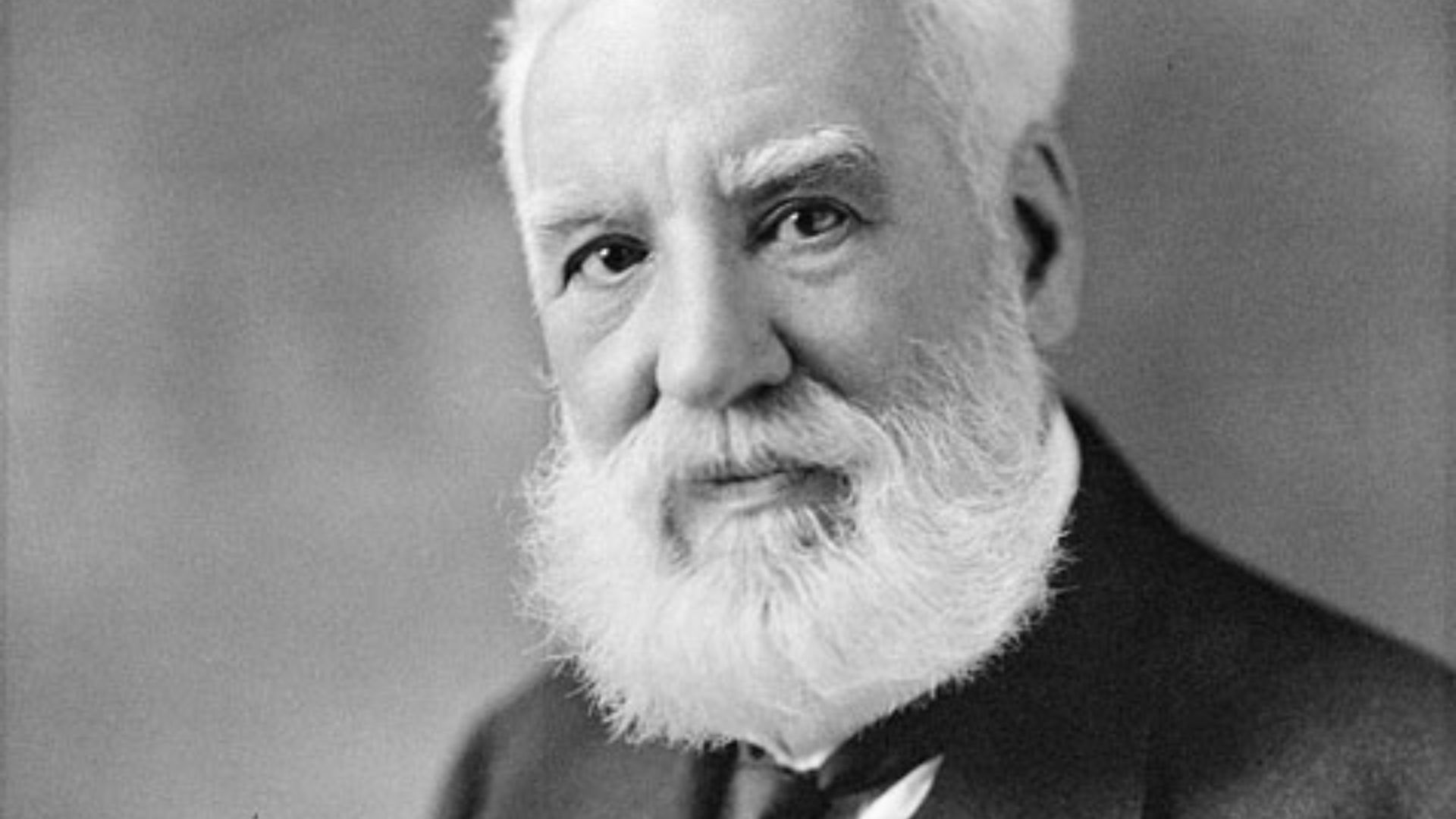
13. Alexander Graham Bell
After studying sound and vibrations, Alexander Graham Bell developed a telephone that could transmit speech electrically. There were many technical challenges to overcome before he figured out how to make the telephone work reliably. It took time to develop a system that would allow people to speak to someone else over a distance. Bell's work illustrates how an invention that seems revolutionary in hindsight can demand years of technical development before people can use it reliably.
14. Thomas Hardy
Many authors struggle to get their first book published, and Thomas Hardy was no different when he tried to get his early work out into the world. His first novel, The Poor Man and the Lady, was never published, but he continued writing and eventually published Desperate Remedies in 1871. His early disappointments didn't prevent him from becoming a major literary figure, even though the road to publication wasn't straightforward.
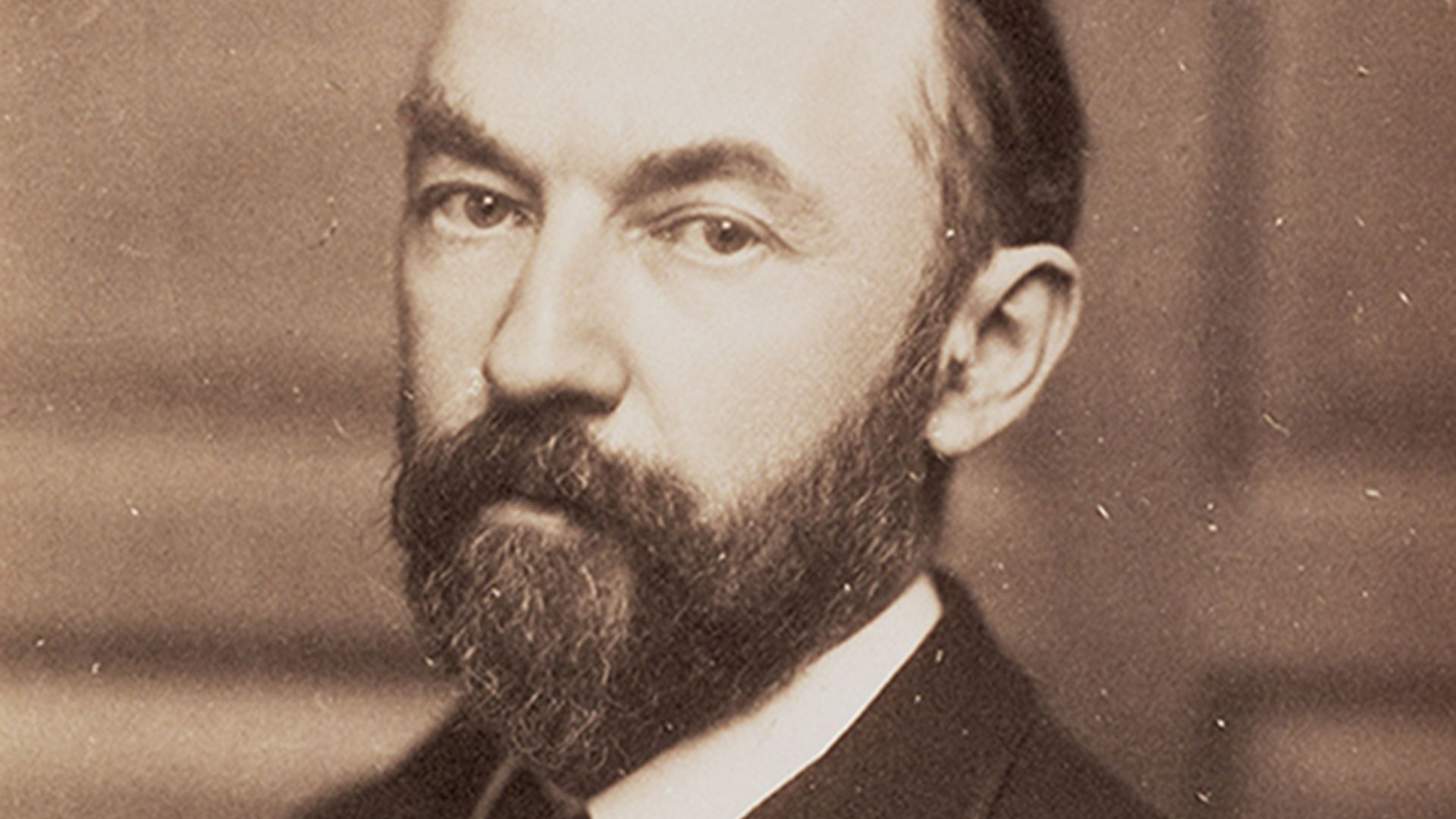 Frederick Hollyer on Wikimedia
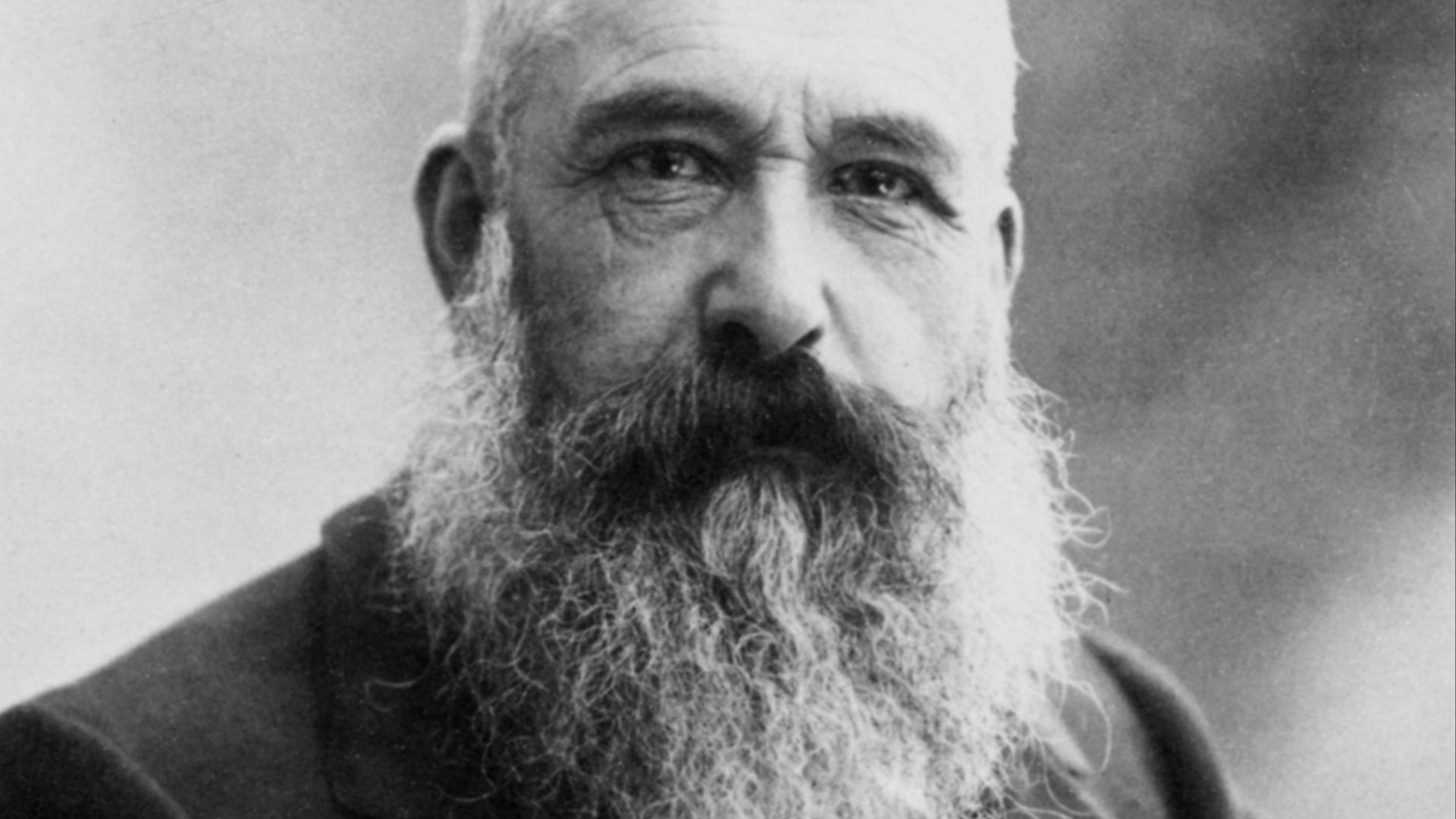
15. Claude Monet
Claude Monet's early career unfolded during a period when the French art establishment often favored traditional styles over the emerging Impressionist movement. His painting Impression, Sunrise helped inspire the name of the movement after critics used the term "Impressionist" to describe artists whose work departed from traditional conventions. Monet continued painting and developing his distinctive style, eventually becoming one of the most influential artists of the movement.
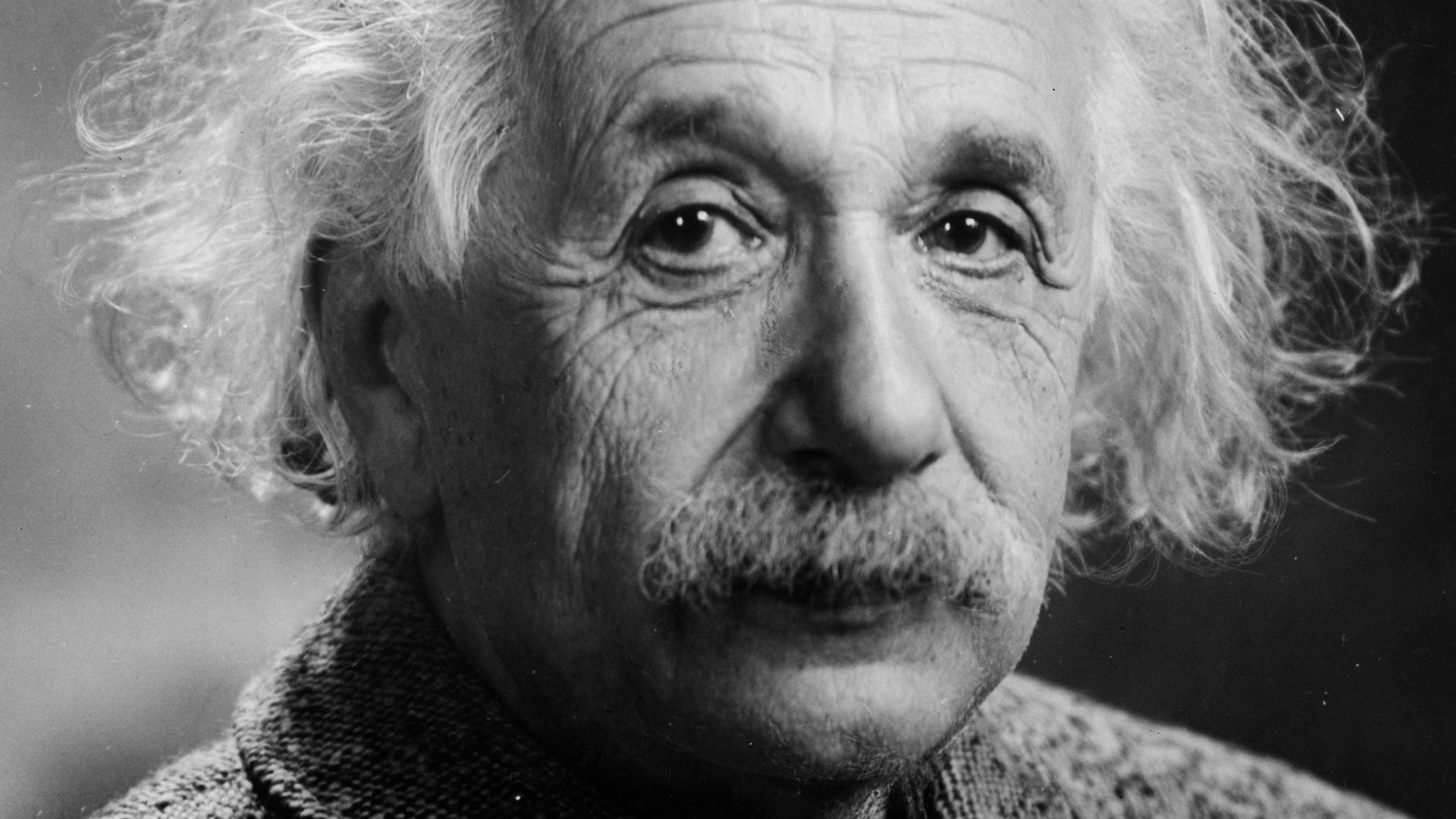
16. Albert Einstein
Albert Einstein's career wasn't a straightforward march from one discovery to the next, despite the popular image of him as a naturally gifted genius. After graduating from university, he struggled to find an academic position and eventually worked at a patent office in Switzerland. In 1905, he published his special theory of relativity, one of several groundbreaking contributions he made that year. His career shows that major scientific achievements don't always require someone to follow a conventional academic path.
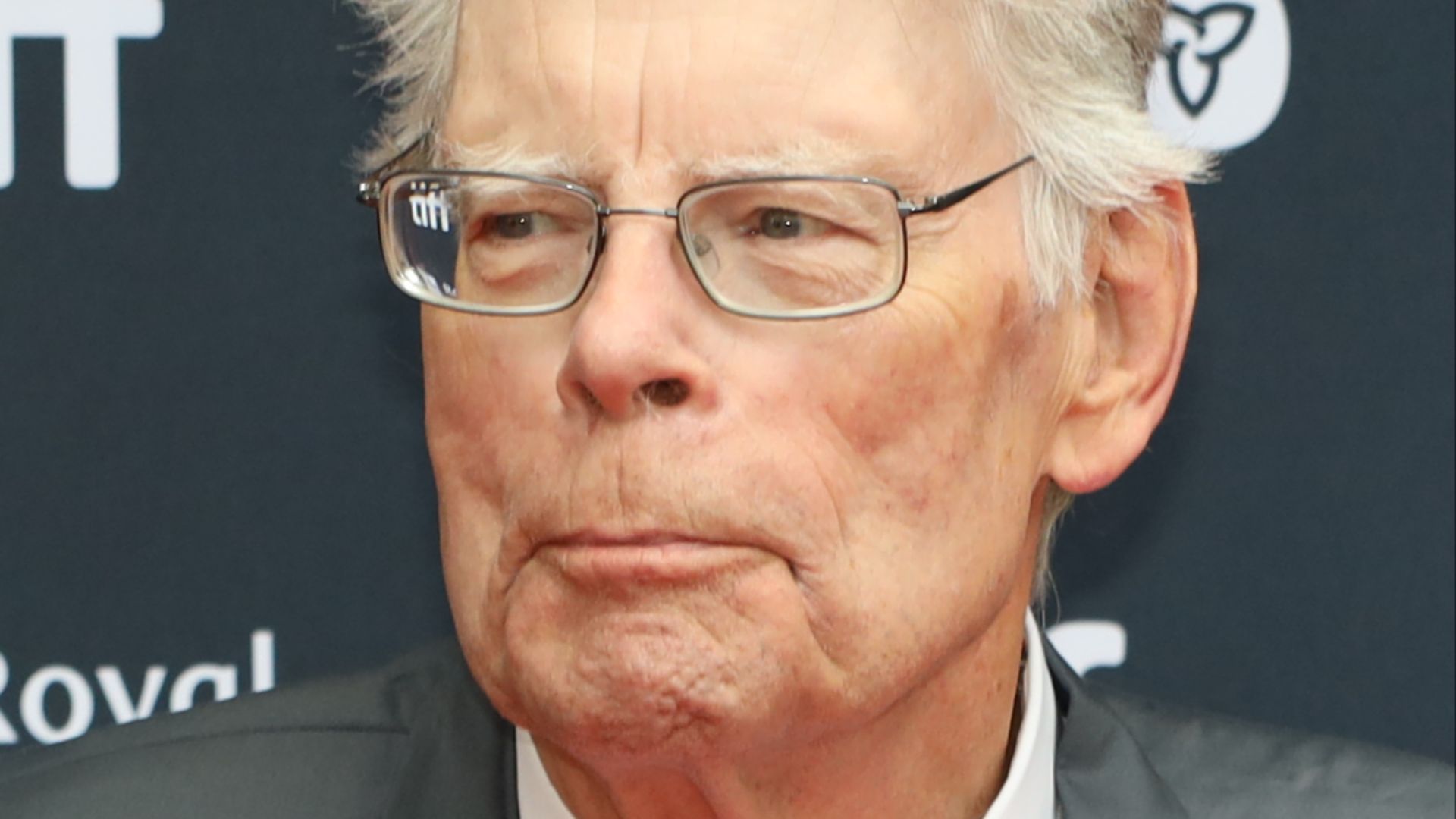
17. Stephen King
Stephen King didn't become a famous writer overnight. After struggling with the manuscript for his first published novel, Carrie, he threw it in the trash. He thought his writing wasn't good enough, but his wife encouraged him to retrieve the manuscript and finish it. Carrie was published in 1974, and his experience is a reminder that a difficult first draft doesn't have to be the final version of a story.
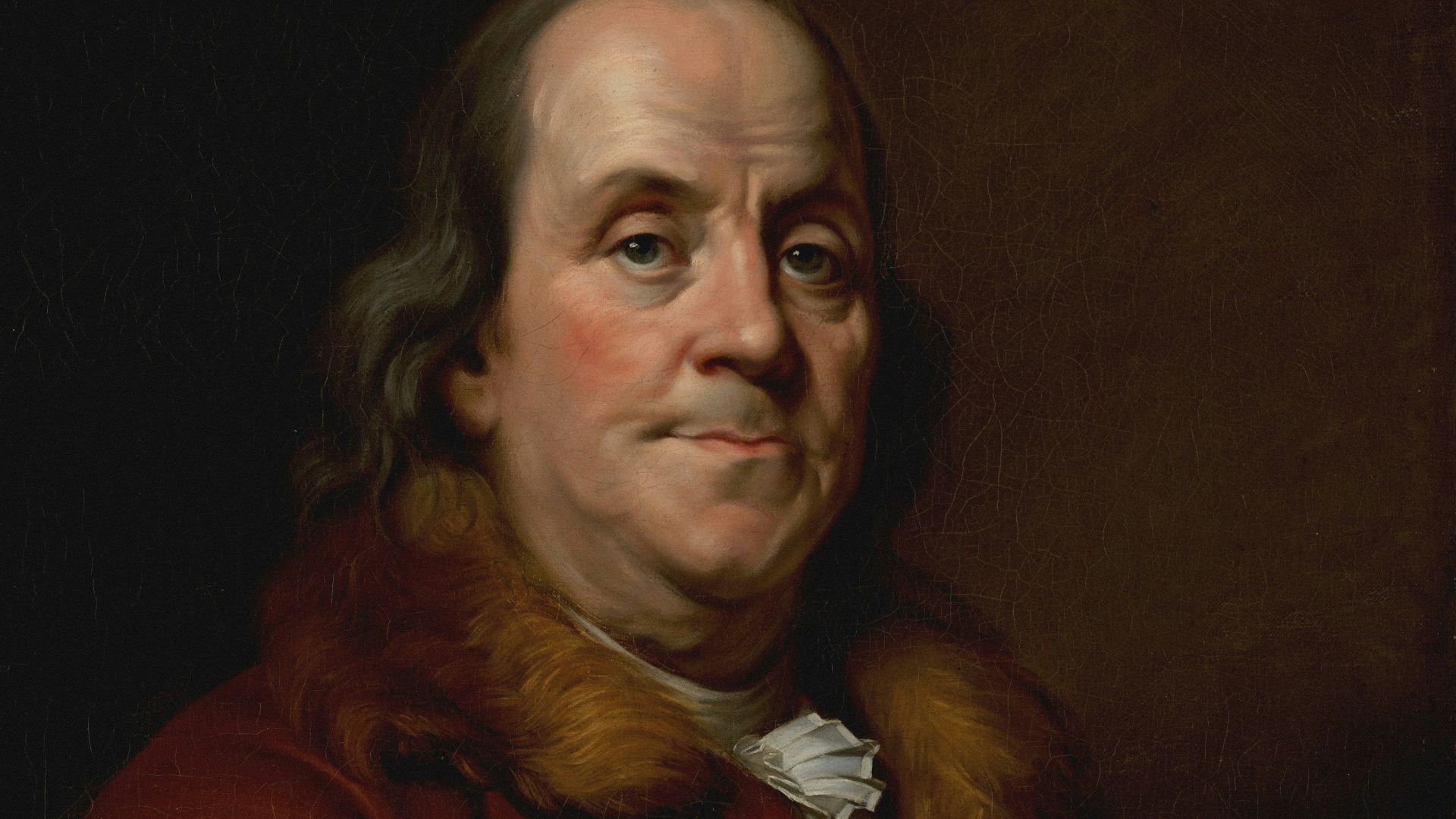
18. Benjamin Franklin
Although many people know that Benjamin Franklin investigated electricity, his achievements extended far beyond that field. Throughout his life, he pursued various interests and developed inventions that helped solve practical problems. His investigations into electricity involved numerous observations and demonstrations, eventually contributing to the understanding of electrical phenomena and earning him international recognition. Franklin's career shows how persistence across many different pursuits can lead to accomplishments that wouldn't have been possible through one skill alone.
 Boston Public Library on Unsplash
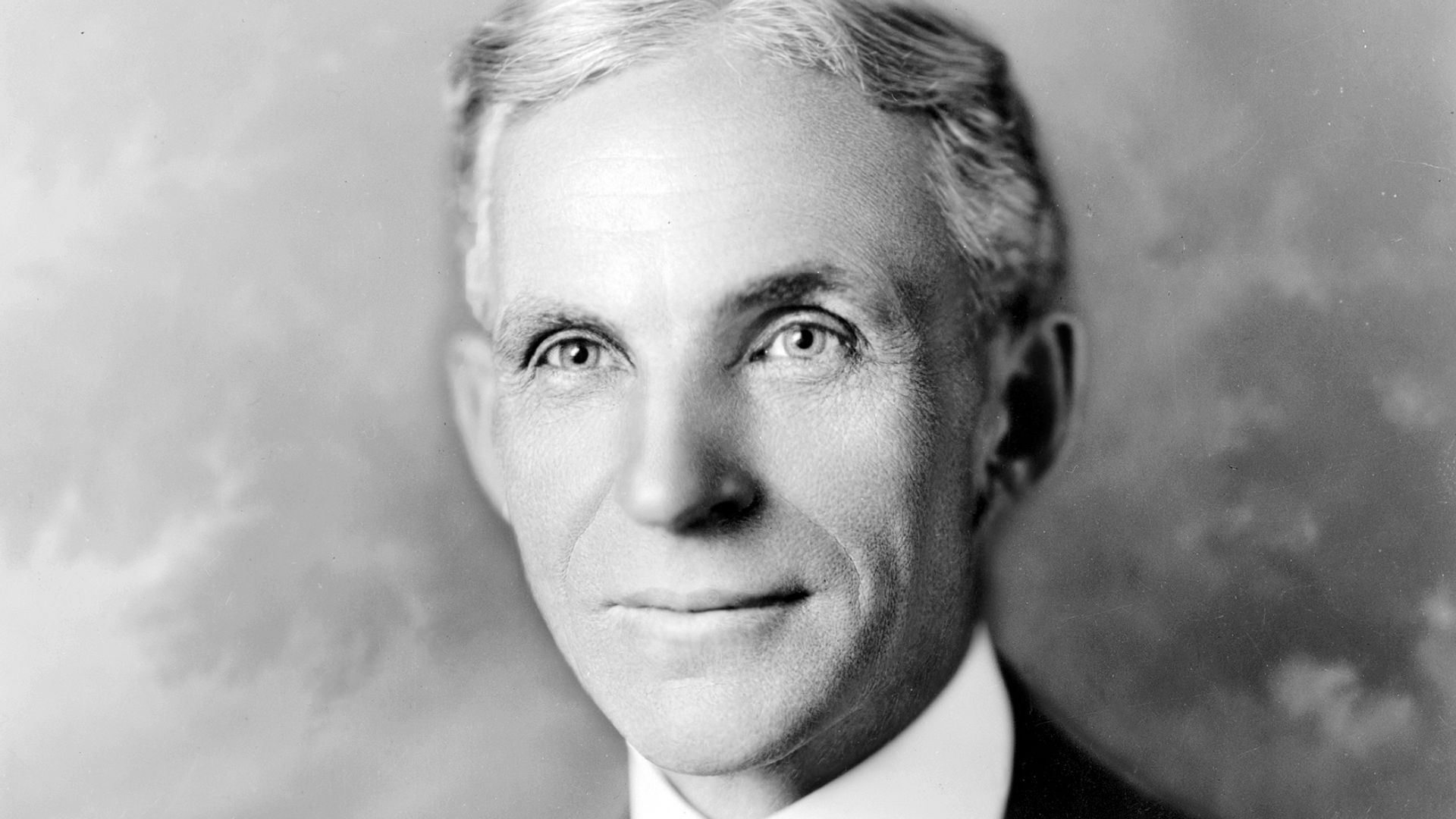
19. Henry Ford
Henry Ford's first automobile business, the Detroit Automobile Company, failed in 1901 after struggling to produce vehicles that met expectations. He later established the Henry Ford Company, but he left that venture in 1902 following disagreements with investors; it eventually became Cadillac under new management. Ford founded the Ford Motor Company in 1903, and the Model T, introduced in 1908, helped make automobiles accessible to a much wider market.
20. Michael Jordan
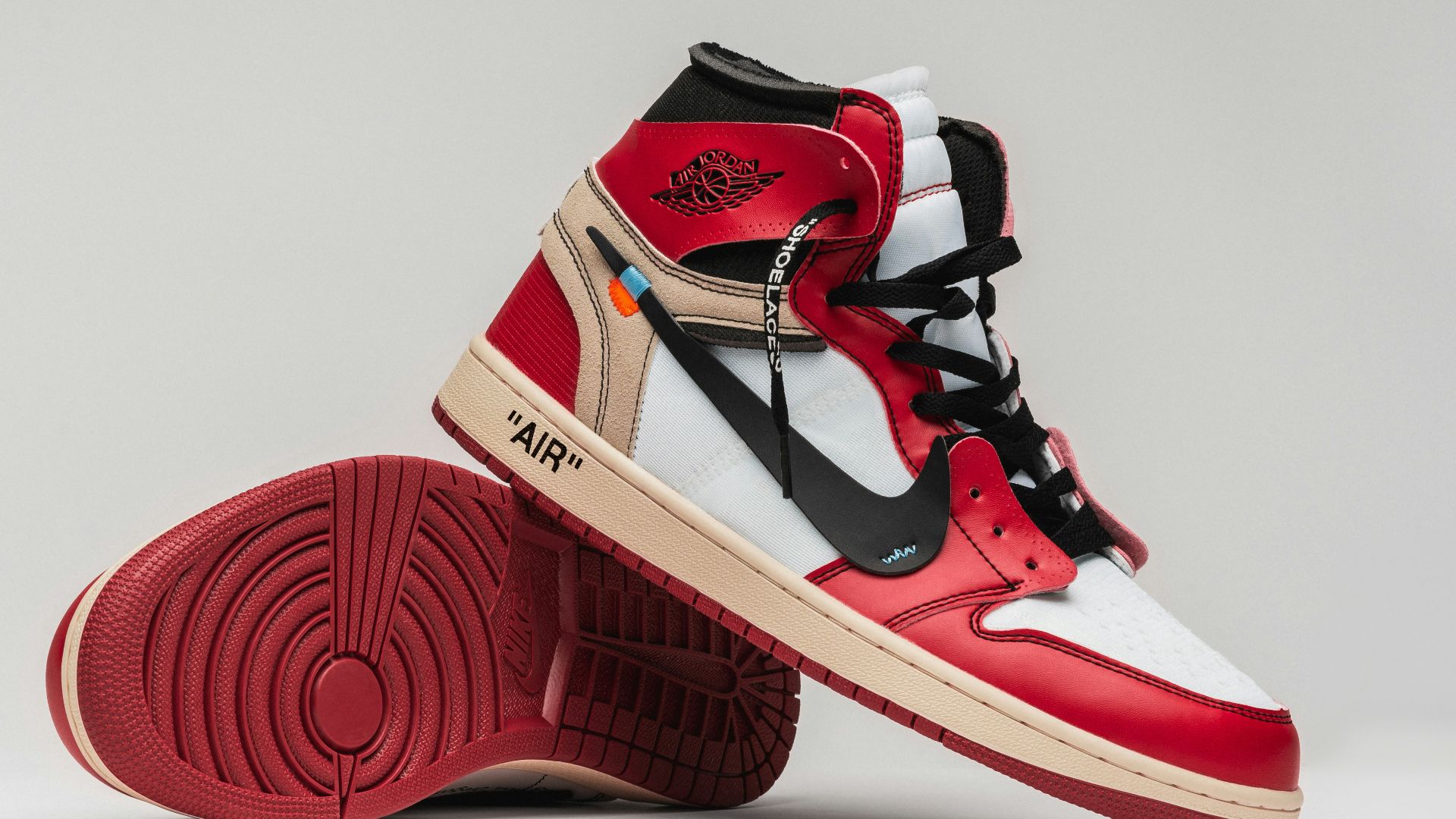
Michael Jordan is widely remembered for his championships and extraordinary scoring ability, but his basketball career also included disappointing losses and difficult stretches. A frequently repeated story claims that he was cut from his high school varsity team, although accounts indicate that he was instead left off the varsity roster as a sophomore and played on the junior varsity team. His experience shows that early setbacks don't necessarily determine how far someone can go, especially when they keep practicing and working to improve.
KEEP ON READING