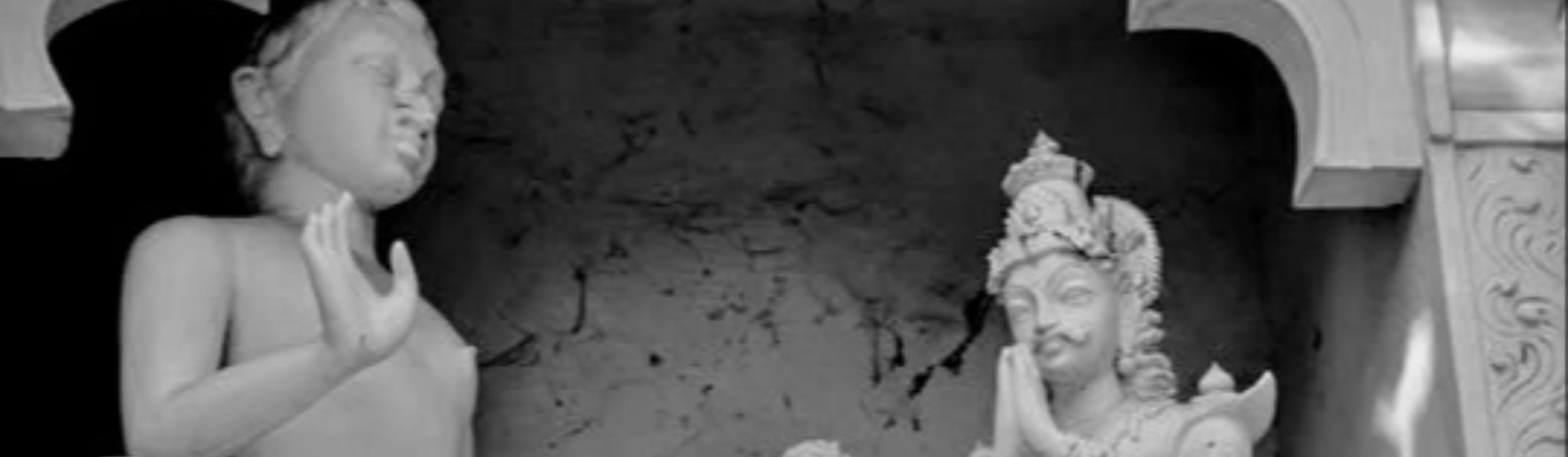
The King Who Was So Afraid of Assassination He Slept in a Different Room Every Night
The King Who Was So Afraid of Assassination He Slept in a Different Room Every Night

Being a king might sound like the ultimate luxury: they live in magnificent palaces, with enormous wealth and countless servants. However, royal life wasn't always as comfortable as it seemed, particularly when political enemies were constantly plotting against the throne. For one ancient Indian ruler, even getting a good night's sleep became a serious concern.
Chandragupta Maurya, the founder of India's Maurya Empire, reportedly feared assassination so much that he refused to sleep in the same room two nights in a row. Despite ruling an enormous kingdom and commanding a powerful army, he couldn't completely escape the threat of betrayal. His unusual sleeping habits offer a fascinating look at the dangers that came with ruling one of the ancient world's greatest empires.
The Rise of a Powerful but Cautious King
Chandragupta Maurya rose to power around 321 BCE, establishing a dynasty that would eventually control much of the Indian subcontinent. With the help traditionally attributed to his adviser Chanakya, also known as Kautilya, he overthrew the Nanda dynasty and became the ruler of Magadha. His accomplishments were particularly impressive given the political instability that plagued the region during this period.
Building his kingdom required considerable military strength, political intelligence, and the courage to challenge powerful opponents. Chandragupta eventually confronted Seleucus I Nicator, one of Alexander the Great's successors, and reached a favorable agreement following their conflict. These victories significantly strengthened his position, although gaining an empire didn't necessarily mean he could sit back and enjoy it.
One of the greatest challenges ancient rulers faced was maintaining control over territories filled with competing political interests. Influential nobles, ambitious military commanders, and displaced royal families could all pose serious threats to an established monarch. Having seized power himself, Chandragupta would've known just how quickly a seemingly secure dynasty could fall apart.
His concerns weren't entirely unfounded, especially since assassination attempts and political conspiracies were familiar dangers in ancient royal courts. Greek accounts describe a ruler who took extraordinary measures to protect himself from potential enemies. According to accounts preserved by the Greek historian Strabo, Chandragupta's fears even influenced where he chose to sleep each night.
Why He Refused to Sleep in the Same Room Twice
Perhaps the strangest part of Chandragupta's security arrangements was his apparent determination to avoid a predictable sleeping routine. Historical accounts suggest that he frequently changed bedrooms to prevent potential assassins from knowing where to find him. As a result, anyone planning an attack would've had a difficult time figuring out his location once he retired for the night.
Switching bedrooms was just one part of the king's elaborate approach to personal security. Ancient Greek descriptions suggest that female guards were responsible for protecting him, while male soldiers remained stationed farther away from his immediate surroundings.
Keeping the king safe also meant carefully managing his public appearances and daily activities. Greek accounts describe Chandragupta leaving his palace mainly for official duties, military campaigns, religious ceremonies, and hunting expeditions. Even these outings required extensive security precautions, as stepping outside the palace created opportunities for enemies to strike.
Interestingly, much of what historians know about these arrangements comes from Megasthenes, a Greek ambassador who visited the Mauryan court. Although his original writings haven't survived in their entirety, later authors preserved valuable details about Chandragupta's lifestyle. This gives the bedroom-changing story some historical credibility, even if there's no way to confirm that he actually followed the practice every single night.
The Price of Living in Constant Fear
For a man who controlled such an enormous empire, Chandragupta's personal circumstances reveal a surprising contradiction about political power. He enjoyed privileges and authority that ordinary citizens could hardly imagine, yet he apparently lacked the sense of security most people take for granted in their own homes. His position demanded constant vigilance, turning even the simplest daily routines into potentially complicated affairs.
Of course, these precautions would've also affected the people responsible for protecting and serving him. Preparing multiple sleeping quarters, restricting access to royal apartments, and coordinating trusted guards would've involved a considerable amount of planning. Although the exact details of his nightly arrangements remain unclear, surviving accounts suggest that personal security played a major role in everyday palace life.
Despite these worries, Chandragupta managed to establish a dynasty that survived long after his reign came to an end. His son Bindusara inherited the empire, while his grandson Ashoka eventually became one of India's most famous rulers. According to later Jain traditions, Chandragupta eventually gave up his royal position and traveled south, where he adopted a life of religious austerity and ultimately died after fasting.
What makes Chandragupta's story so memorable isn't just the extraordinary security measures surrounding his daily life. It's the fact that someone powerful enough to establish an empire reportedly couldn't feel completely safe within the walls of his own palace. His habit of changing bedrooms is a reminder that enormous wealth and authority don't always bring peace of mind, especially when there's always the possibility that someone is plotting against you.
KEEP ON READING