

The Icons Who Refused to Stay in One Lane
History is full of people who became famous for one major achievement, but some of the most fascinating figures were never limited to a single field. Instead, they were multifaceted, excelling in writing, acting, painting, composing, and many more, and built careers that stretched far beyond one neat label. From Leonardo da Vinci to Ada Lovelace and more, these 20 historical figures remind you that excellence doesn't always come from choosing one path.
 Employee(s) of MGM on Wikimedia
1. Leonardo da Vinci: Artist, Scientist, and Inventor
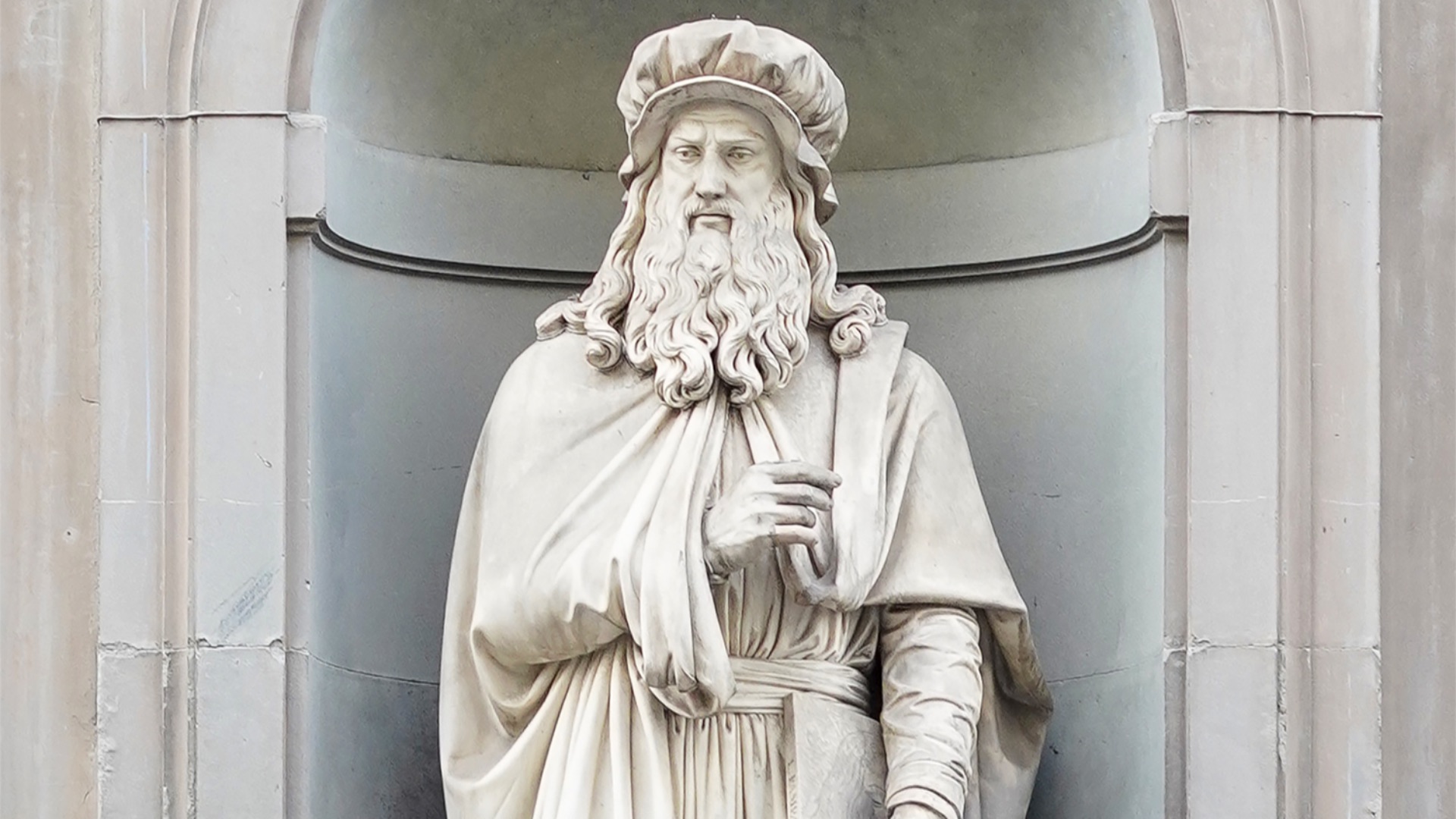
Leonardo da Vinci is remembered first as the painter of the Mona Lisa and The Last Supper, but his notebooks show a mind just as invested in anatomy, engineering, optics, and mechanics. He studied the human body through dissection, sketched flying machines, designed military devices, and explored how water, light, and movement worked. His artistic skill and scientific curiosity fed into each other, which is part of why his work still feels so unusually alive. Leonardo didn’t treat art and science as separate worlds; he moved between them with remarkable ease.
2. Benjamin Franklin: Printer, Scientist, Diplomat, and Statesman
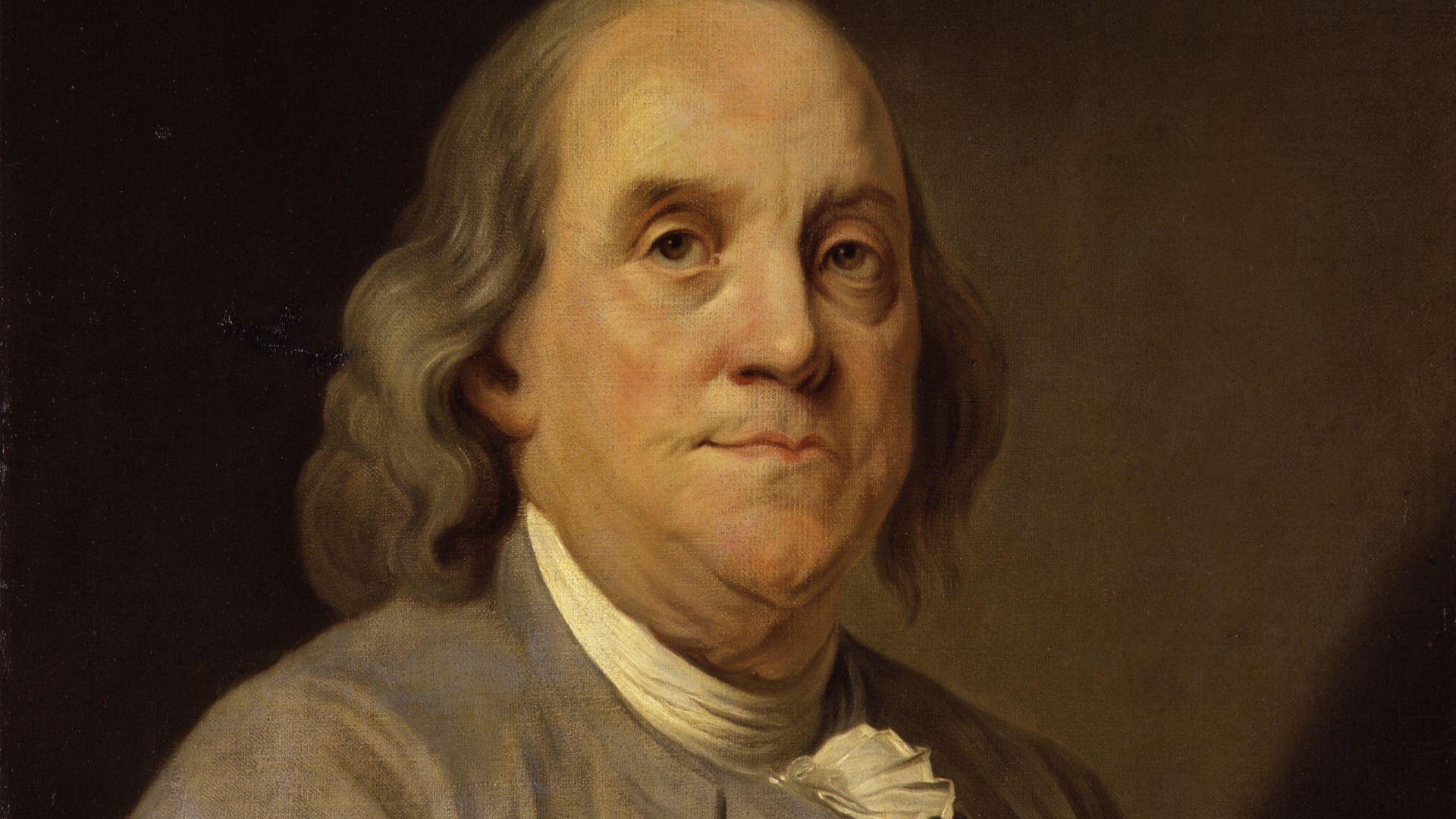
Benjamin Franklin built his early success as a printer and writer, but he became far more than a clever publisher. He conducted experiments with electricity, helped establish civic institutions, served as a diplomat in France, and played a major role in the founding of the United States.
His inventions included bifocals, the Franklin stove, and the lightning rod, showing that his practical mind was always looking for useful solutions. Franklin’s range made him one of the most versatile public figures of the eighteenth century.
 After Joseph-Siffred Duplessis on Wikimedia
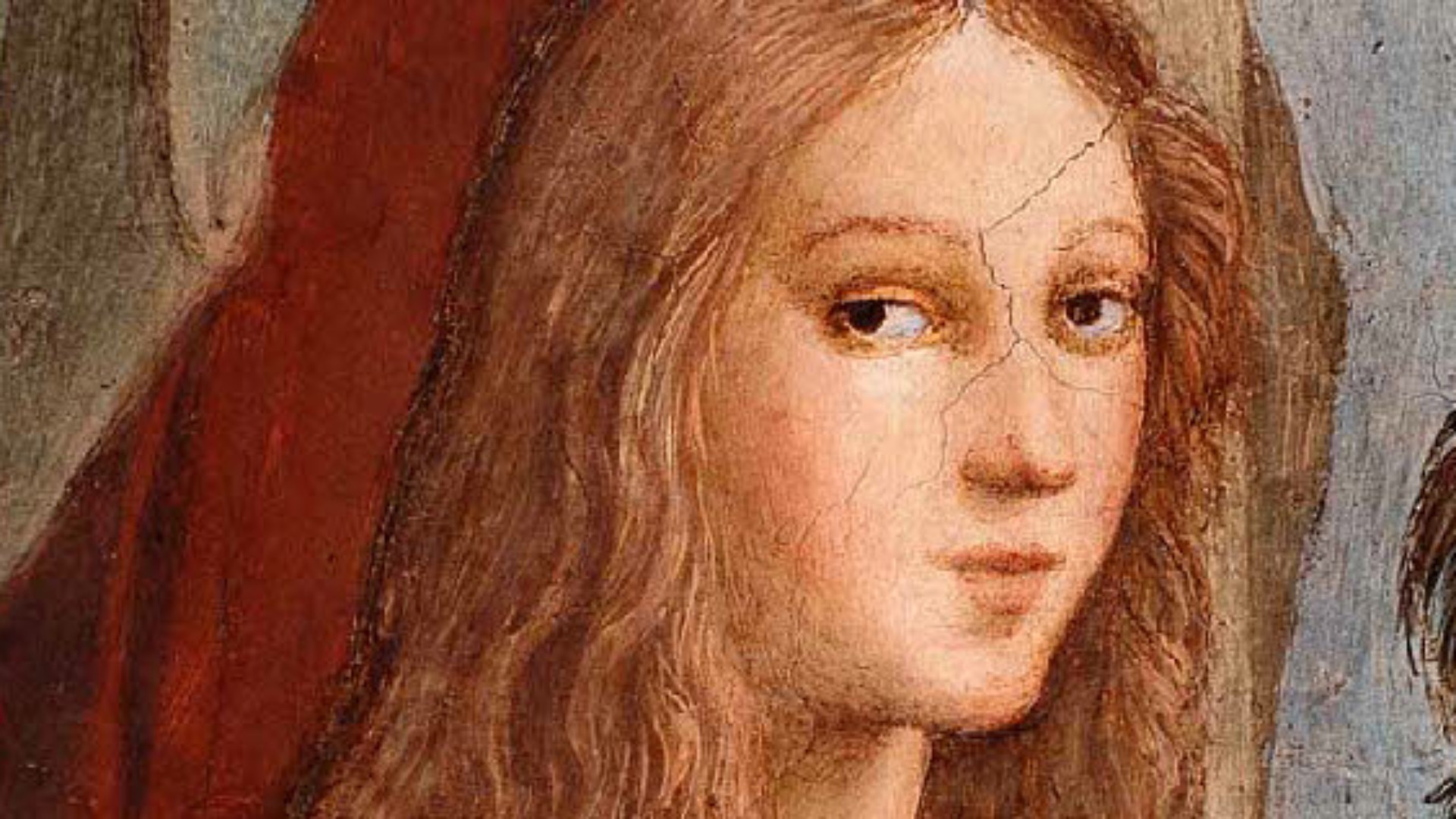
3. Hypatia of Alexandria: Mathematician, Philosopher, and Teacher
Hypatia of Alexandria stood out in late antiquity as a respected teacher of mathematics, astronomy, and philosophy. She led a school in Alexandria, where students came to study subjects that demanded both technical precision and philosophical depth. Though much of her own writing has been lost, ancient sources describe her as an influential thinker who explained complex ideas to students and scholars. Her life shows how intellectual authority could cross several disciplines long before modern academic categories existed.
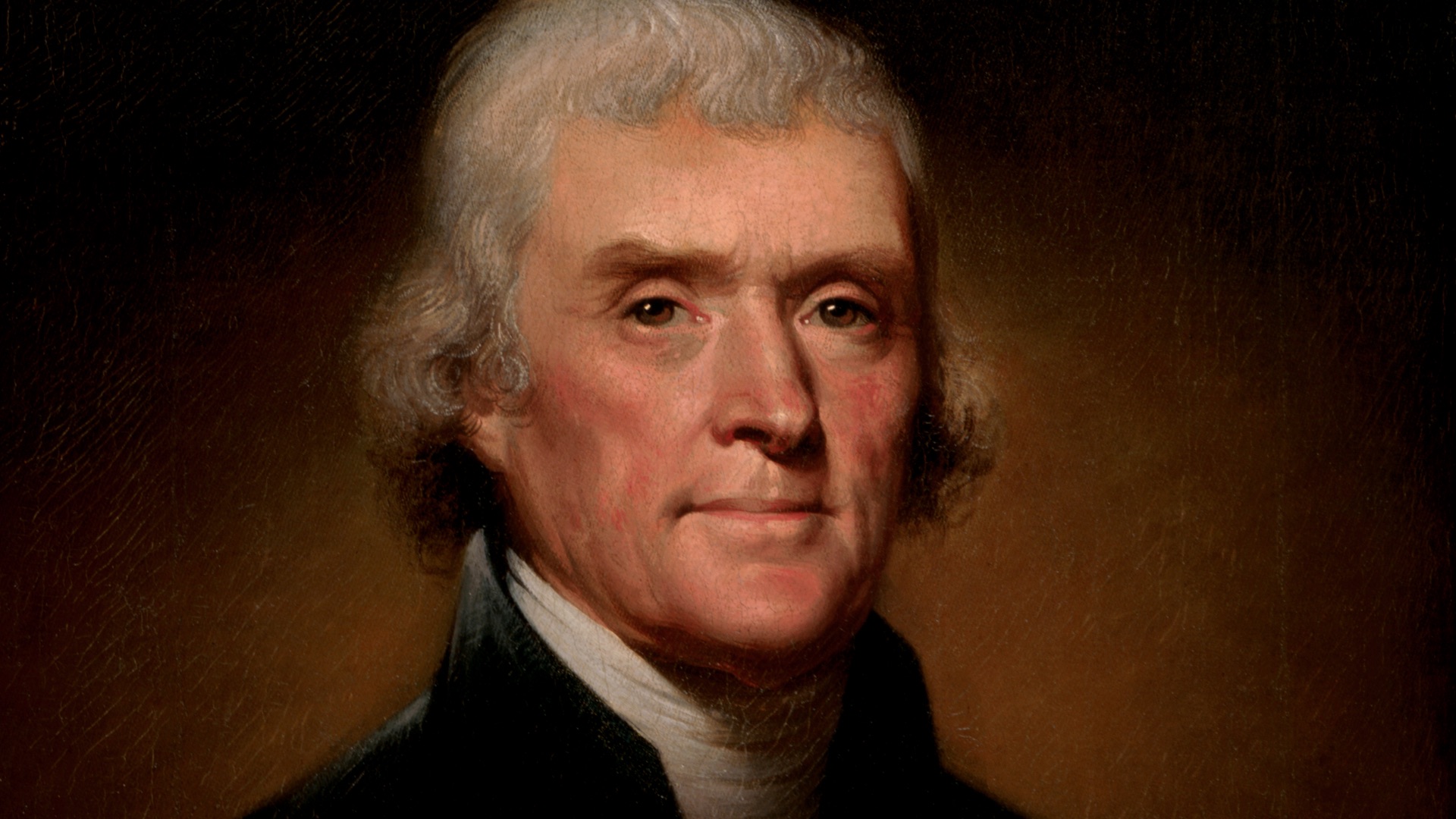
4. Thomas Jefferson: Statesman, Architect, Writer, and Scholar
Thomas Jefferson is best known as the principal author of the Declaration of Independence and the third president of the United States, but his interests reached far beyond politics. He designed Monticello, studied agriculture and natural history, collected books, supported scientific exploration, and founded the University of Virginia. His architectural work reflected his admiration for classical design, while his political writings shaped the language of American republican ideals. Jefferson’s legacy is complex, but his breadth of activity is impossible to ignore.
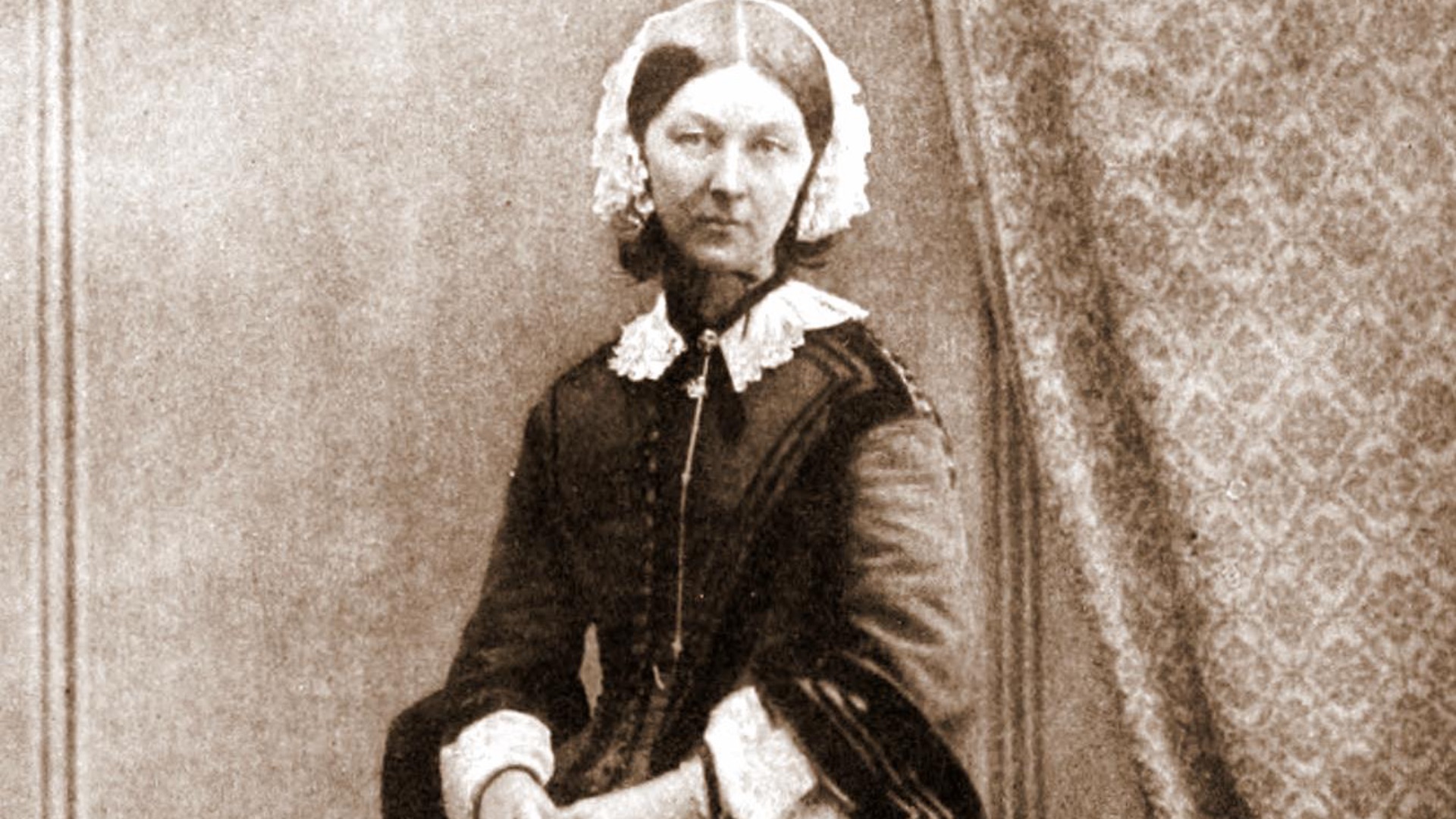
5. Florence Nightingale: Nurse, Statistician, and Social Reformer
Florence Nightingale transformed nursing, but her work also depended heavily on data, organization, and public policy.
During and after the Crimean War, she used statistics to expose the deadly effects of poor sanitation in military hospitals. Her visual presentations of data helped persuade officials that reform was urgently needed. Nightingale excelled not only because she cared for patients, but because she understood how evidence could change institutions.
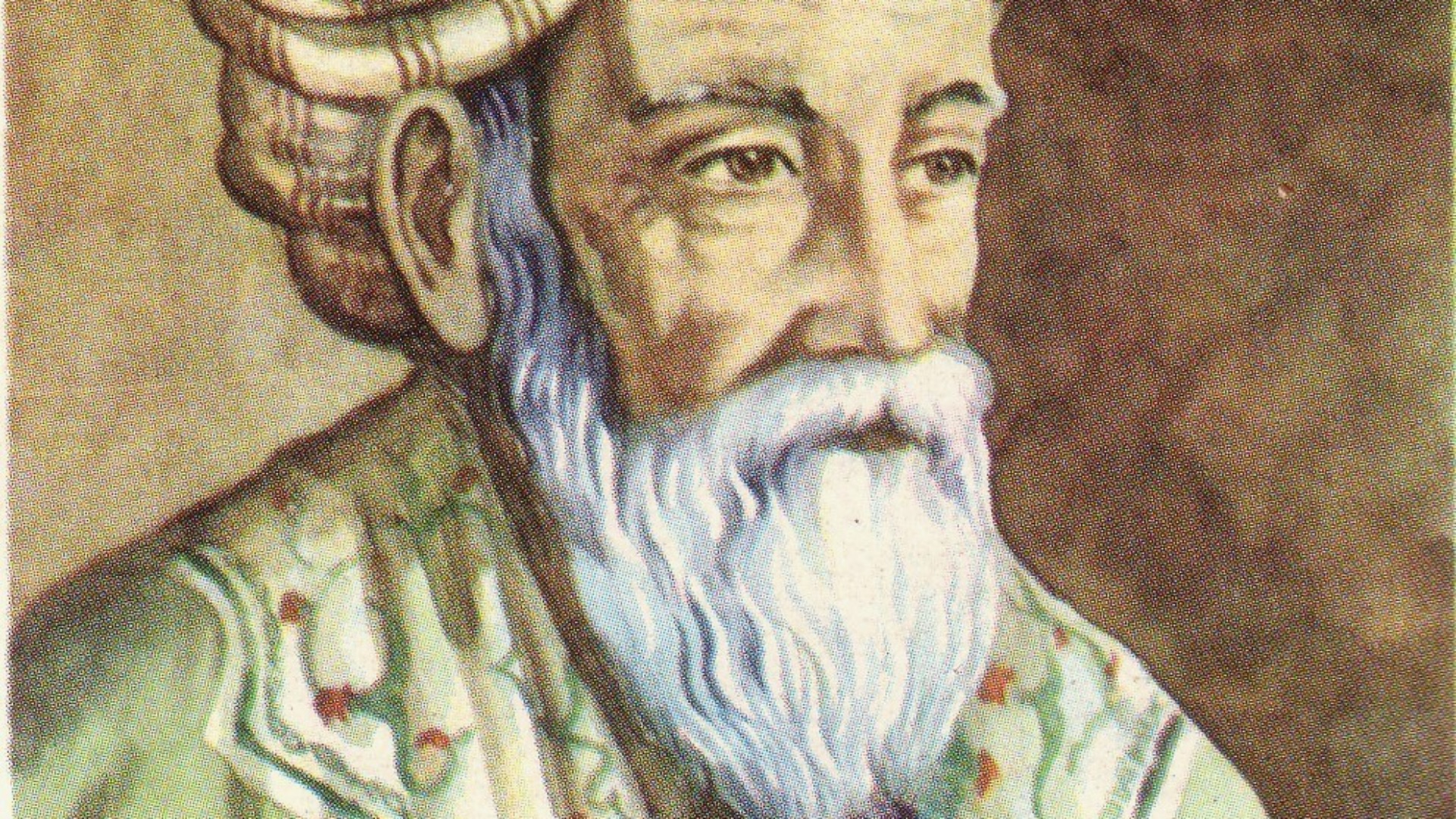
6. Omar Khayyam: Poet, Mathematician, and Astronomer
Omar Khayyam is widely known in the English-speaking world for the poetry associated with the Rubaiyat, yet he was also a serious mathematician and astronomer. He contributed to the study of algebra and worked on a calendar reform that was impressively accurate for its time. His mathematical writings examined difficult problems involving cubic equations, while his poetry explored time, uncertainty, pleasure, and mortality. Khayyam’s reputation survives because both his scientific and literary achievements left a lasting mark.
 The original uploader was Atilin at French Wikipedia. on Wikimedia
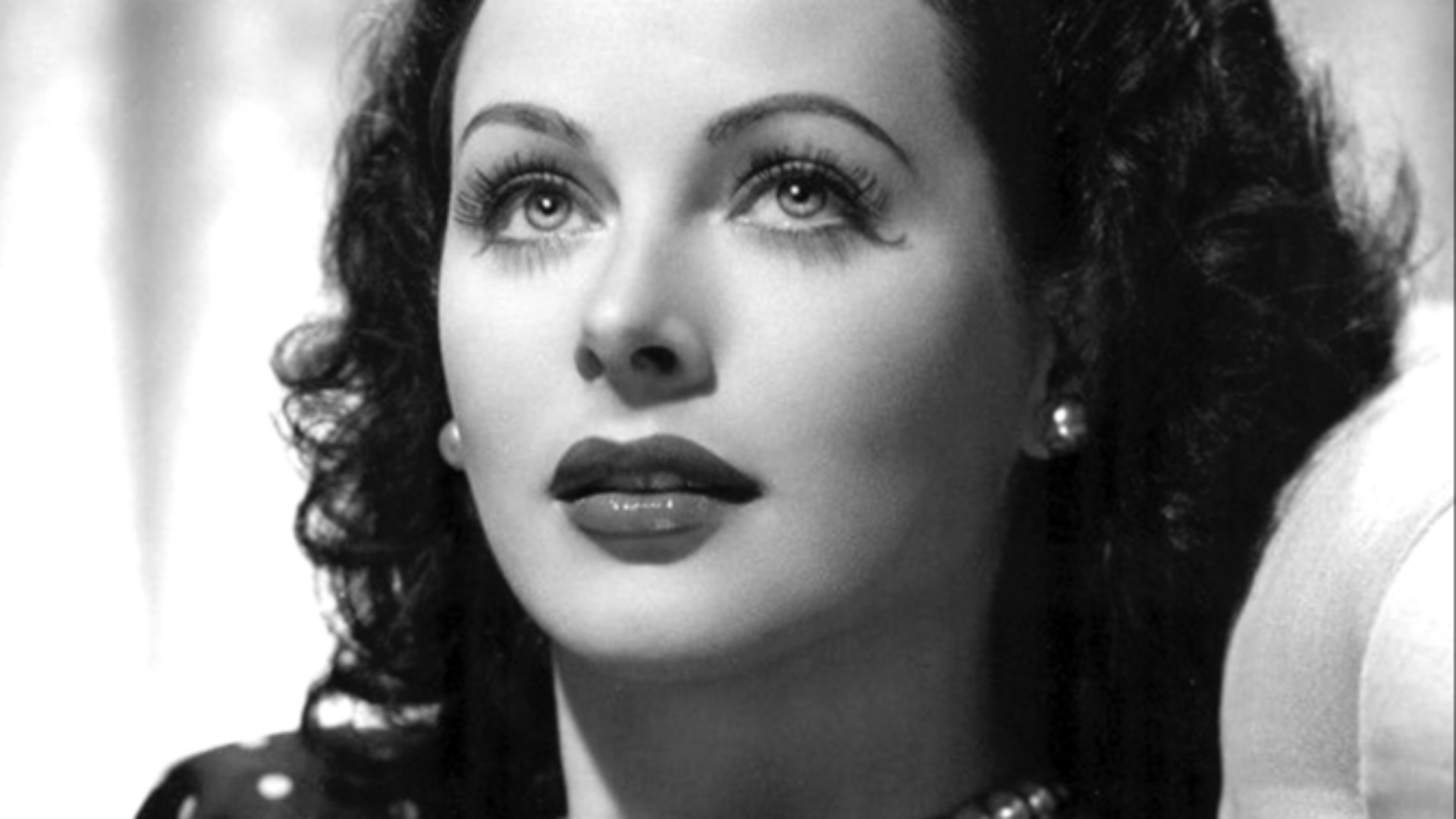
7. Hedy Lamarr: Actress and Inventor
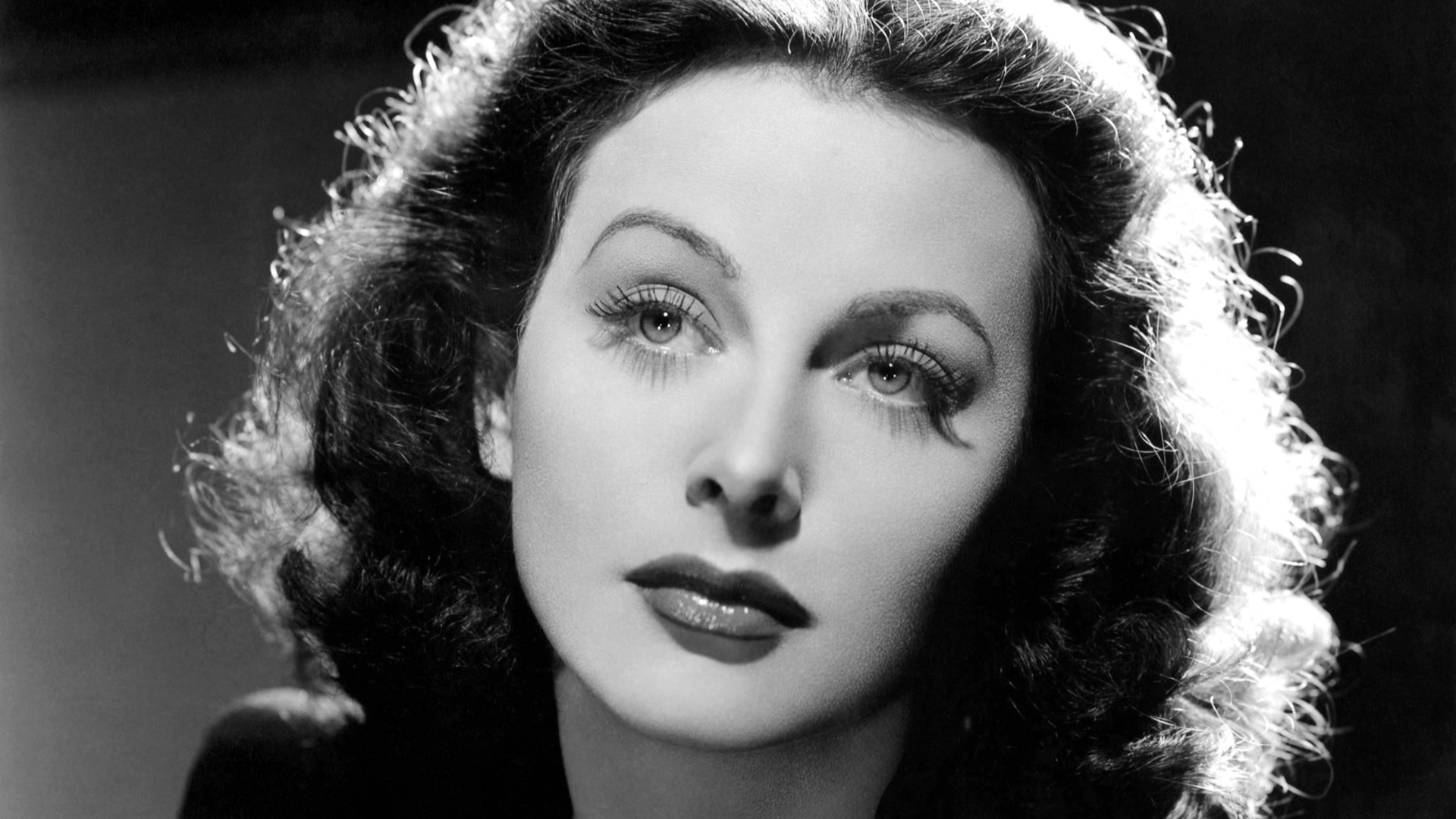
Hedy Lamarr became famous as a Hollywood actress, but her technical imagination deserves just as much attention. During World War II, she co-developed a frequency-hopping communication system with composer George Antheil, intended to make radio-guided torpedoes harder to jam. Although the idea was not fully used by the military at the time, it later became associated with technologies that influenced modern wireless communication. Lamarr’s story is a useful reminder that public image can hide a powerful inventive mind.
 Unknown authorUnknown author on Wikimedia
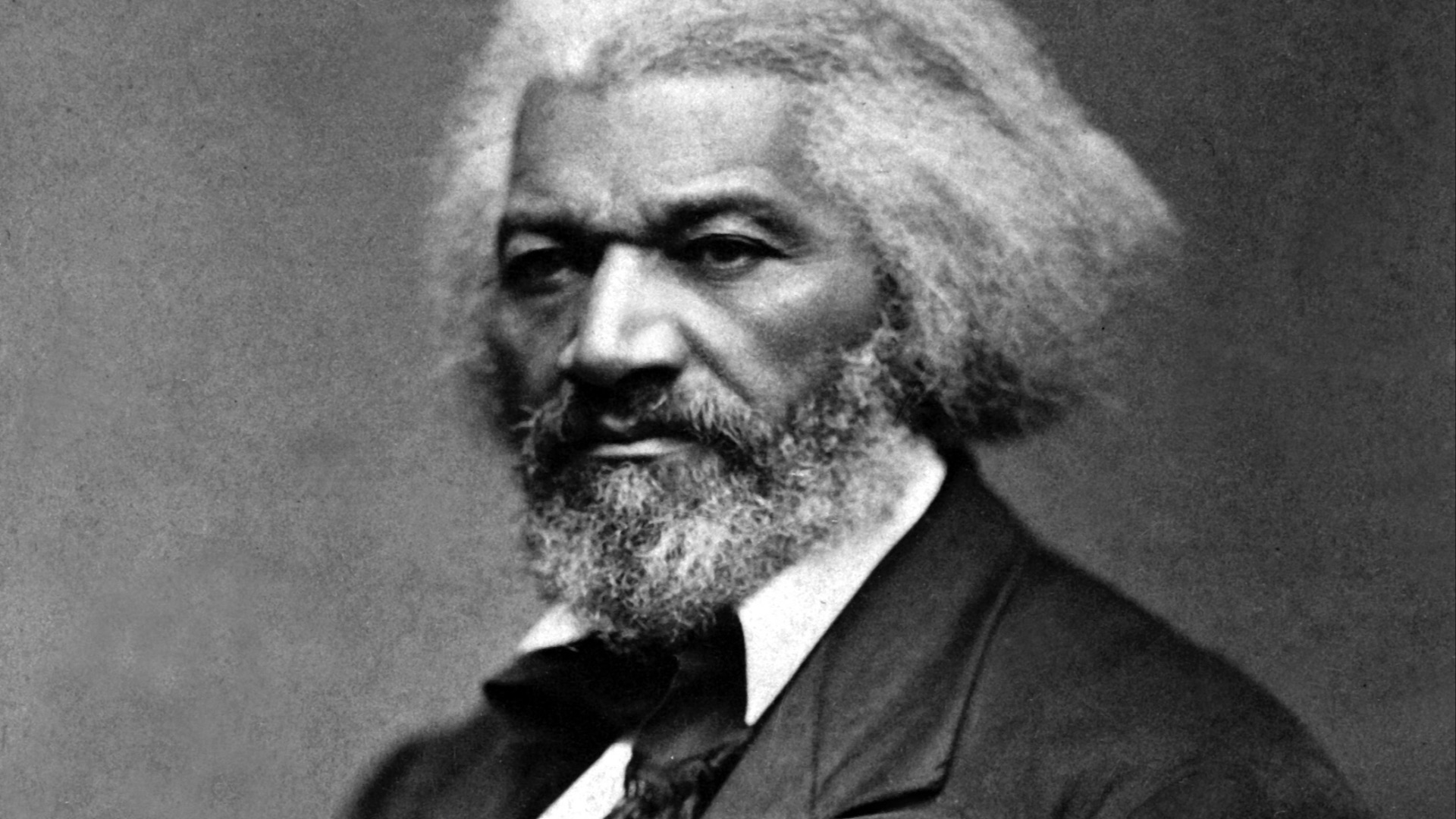
8. Frederick Douglass: Abolitionist, Writer, Orator, and Diplomat
Frederick Douglass escaped slavery and became one of the most important abolitionist voices of the nineteenth century.
His autobiographies combined literary skill with political force, while his speeches challenged audiences to confront the brutality and hypocrisy of slavery. Later in life, he also held public offices and served as a diplomat, including as U.S. minister to Haiti. Douglass excelled because he could turn personal experience, moral argument, and public leadership into a lifelong campaign for justice.
 George Kendall Warren on Wikimedia
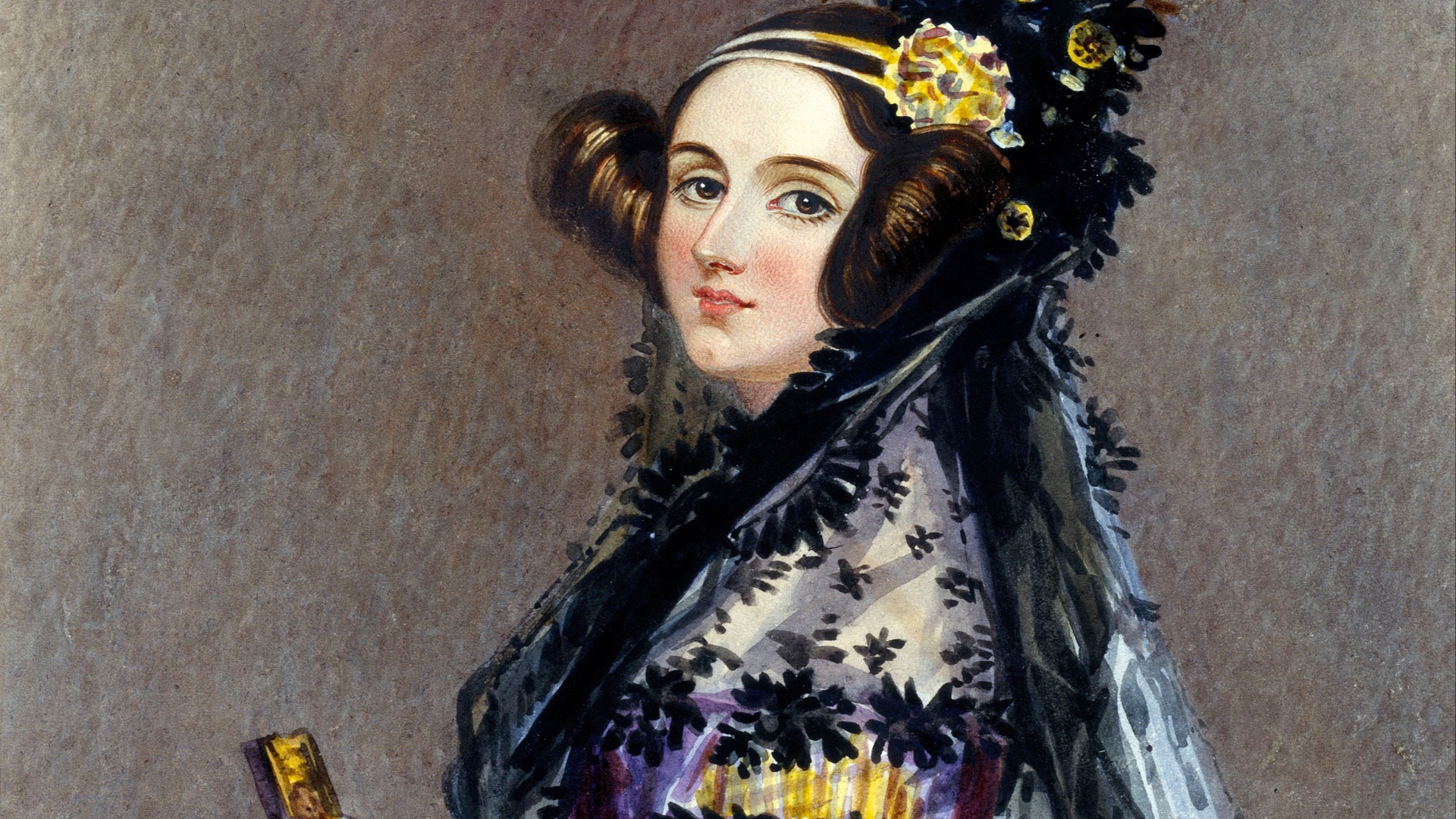
9. Ada Lovelace: Mathematician and Early Computing Visionary
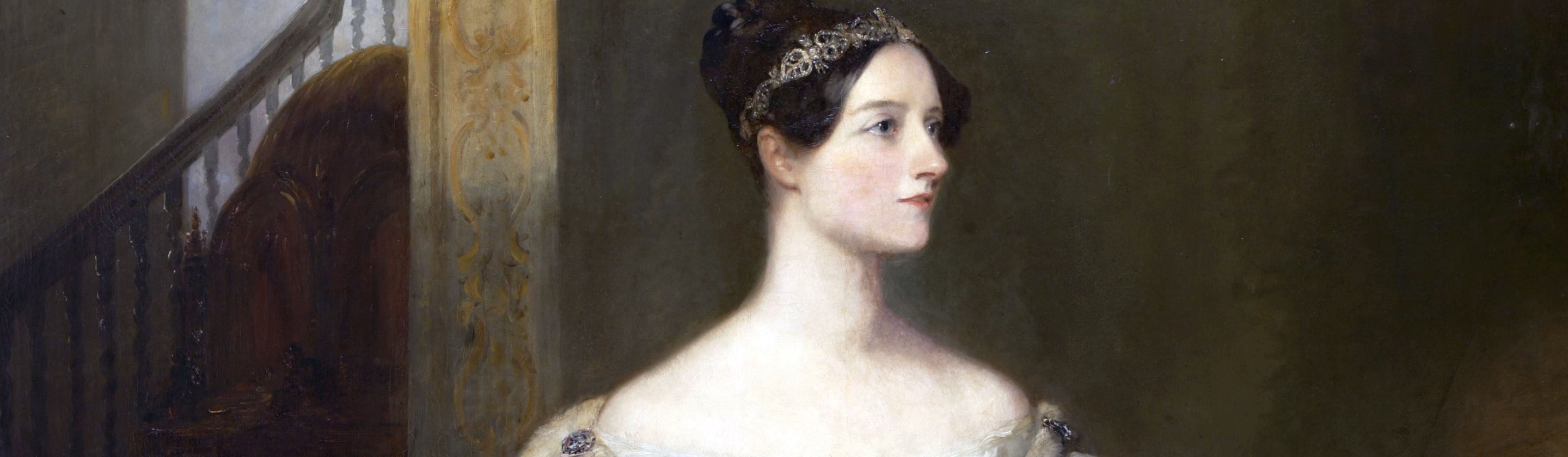
Ada Lovelace is often remembered for her work on Charles Babbage’s proposed Analytical Engine, but what made her remarkable was the way she imagined its possibilities. She translated and expanded an article about the machine, adding notes that included what is now often described as an early computer algorithm. Lovelace also recognized that such a machine might manipulate symbols, not just numbers, which gave her ideas a surprisingly modern quality. Her blend of mathematical training and imaginative thinking helped her see farther than many of her contemporaries.
 Alfred Edward Chalon on Wikimedia
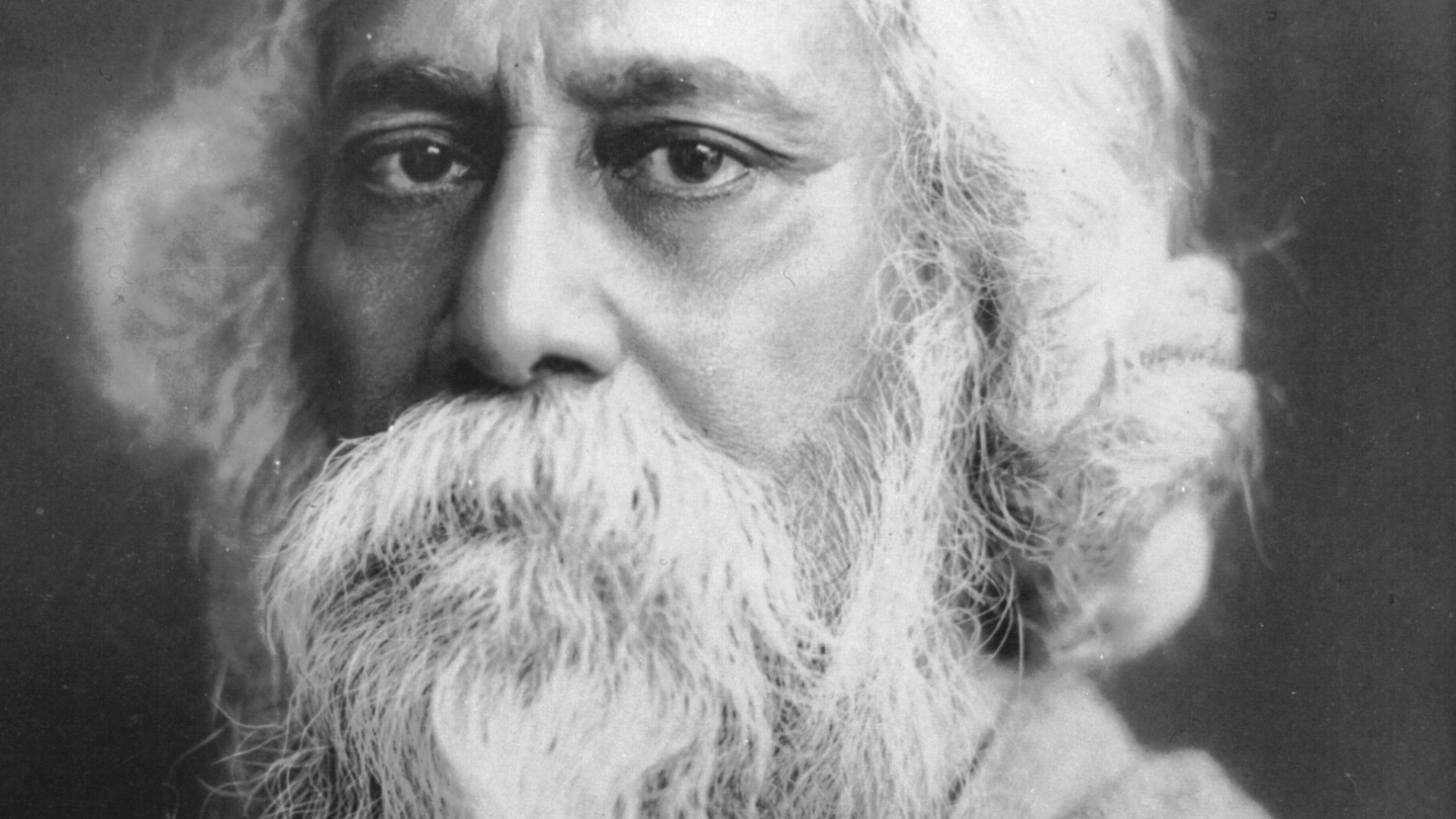
10. Rabindranath Tagore: Poet, Composer, Educator, and Painter
Rabindranath Tagore became the first non-European Nobel laureate in literature, but his creativity was not confined to poetry. He wrote songs, plays, essays, short stories, and novels, and he composed music that remains culturally important in South Asia. He also founded Visva-Bharati, an educational institution shaped by his ideas about learning, culture, and international exchange.
Later in life, Tagore took up painting, adding yet another field to an already extraordinary body of work.
 Unknown authorUnknown author on Wikimedia
11. Ibn Sina: Physician, Philosopher, and Scholar
Ibn Sina, also known in the West as Avicenna, was one of the most influential thinkers of the medieval Islamic world. His Canon of Medicine became a major medical text in both the Islamic world and Europe for centuries. At the same time, he wrote extensively on philosophy, logic, metaphysics, astronomy, and other subjects. His career shows how medicine and philosophy were often deeply connected in earlier intellectual traditions.
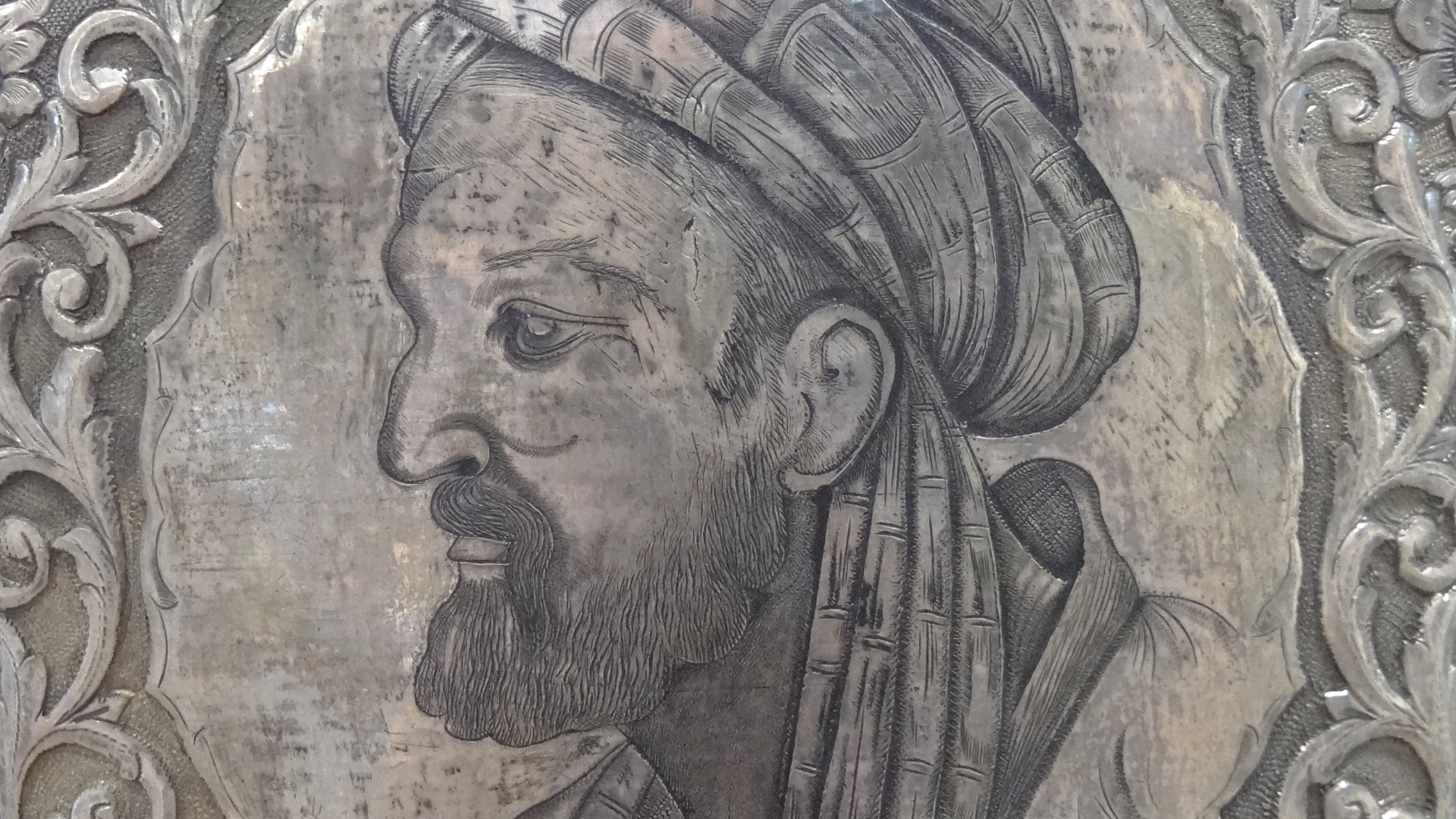 Adam Jones from Kelowna, BC, Canada on Wikimedia
12. Eleanor Roosevelt: First Lady, Diplomat, Writer, and Activist
Eleanor Roosevelt redefined the role of First Lady by turning it into a platform for public service and political advocacy. She wrote newspaper columns, gave speeches, traveled widely, and spoke out on civil rights, labor issues, and women’s rights. After leaving the White House, she served as a U.S. delegate to the United Nations and helped shape the Universal Declaration of Human Rights. Her influence came from combining communication, diplomacy, and activism with unusual persistence.
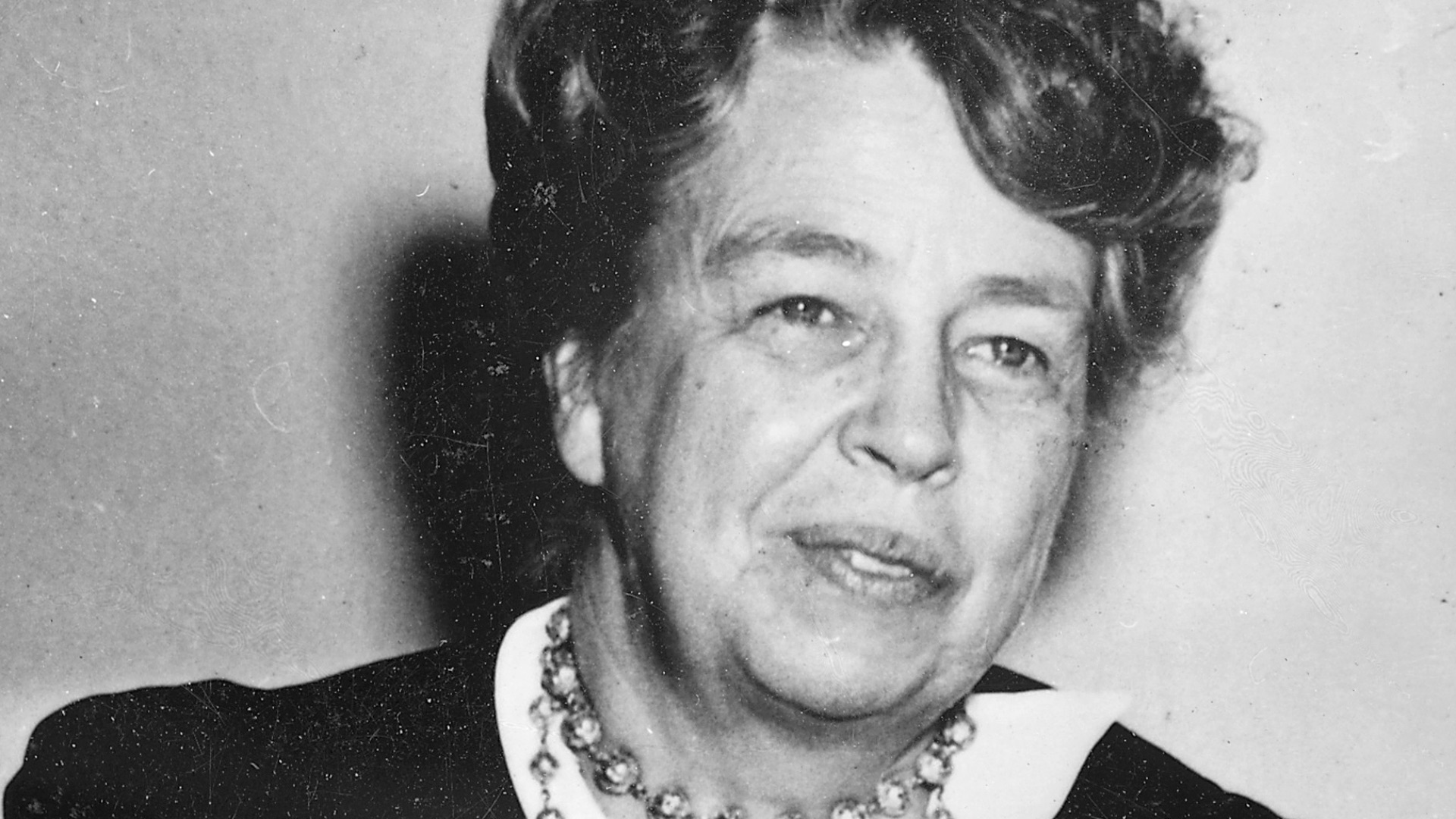 Unknown authorUnknown author or not provided on Wikimedia
13. Galileo Galilei: Astronomer, Physicist, Engineer, and Writer
Galileo Galilei made famous astronomical observations with the telescope, including studies of Jupiter’s moons and the phases of Venus. He also contributed to physics through his work on motion, falling bodies, and experimental reasoning. Beyond the science itself, Galileo was a gifted writer who explained controversial ideas in a way that reached educated readers outside narrow scholarly circles.
His achievements mattered not only because he observed carefully, but because he knew how to argue for a new way of understanding nature.
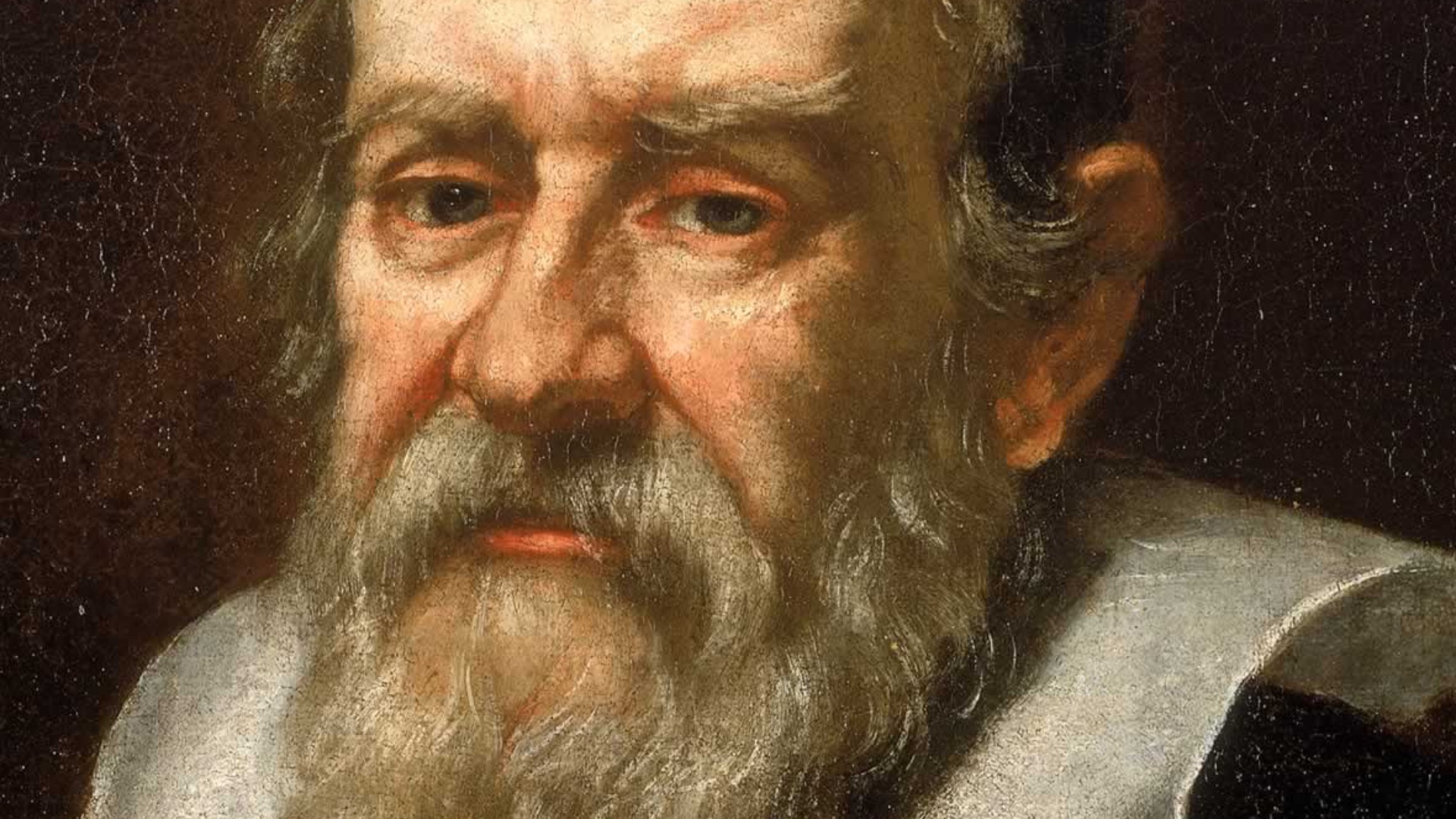 Justus Sustermans on Wikimedia
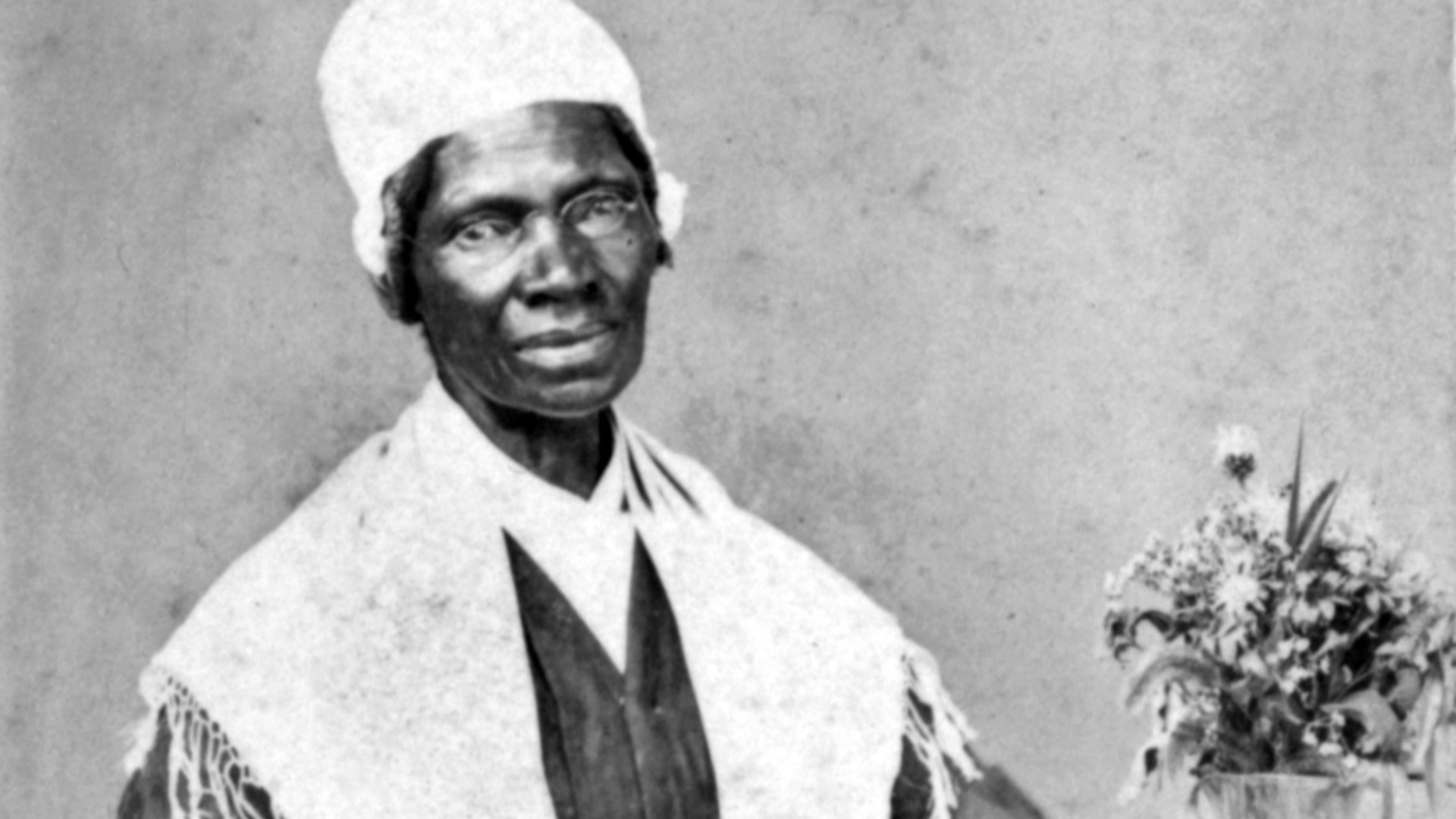
14. Sojourner Truth: Abolitionist, Women’s Rights Advocate, and Speaker
Sojourner Truth was born into slavery, gained her freedom, and became a powerful public speaker for abolition and women’s rights. She did not have formal schooling, but her speeches carried moral clarity and political strength that moved audiences across the United States. Her activism connected the struggles against slavery with the fight for women’s dignity and legal rights. Truth’s influence came from the force of her voice, her lived experience, and her willingness to confront injustice directly.
15. Murasaki Shikibu: Novelist, Poet, and Court Observer
Murasaki Shikibu is best known as the author of The Tale of Genji, often described as one of the world’s earliest great novels. She was also a poet and a sharp observer of Heian court life, capturing emotional nuance, political maneuvering, and social expectations with unusual sophistication. Her diary and literary work reveal a writer deeply aware of status, gender, education, and personal feeling. Murasaki’s achievement stands out because she shaped fiction while also preserving a vivid record of elite Japanese culture.
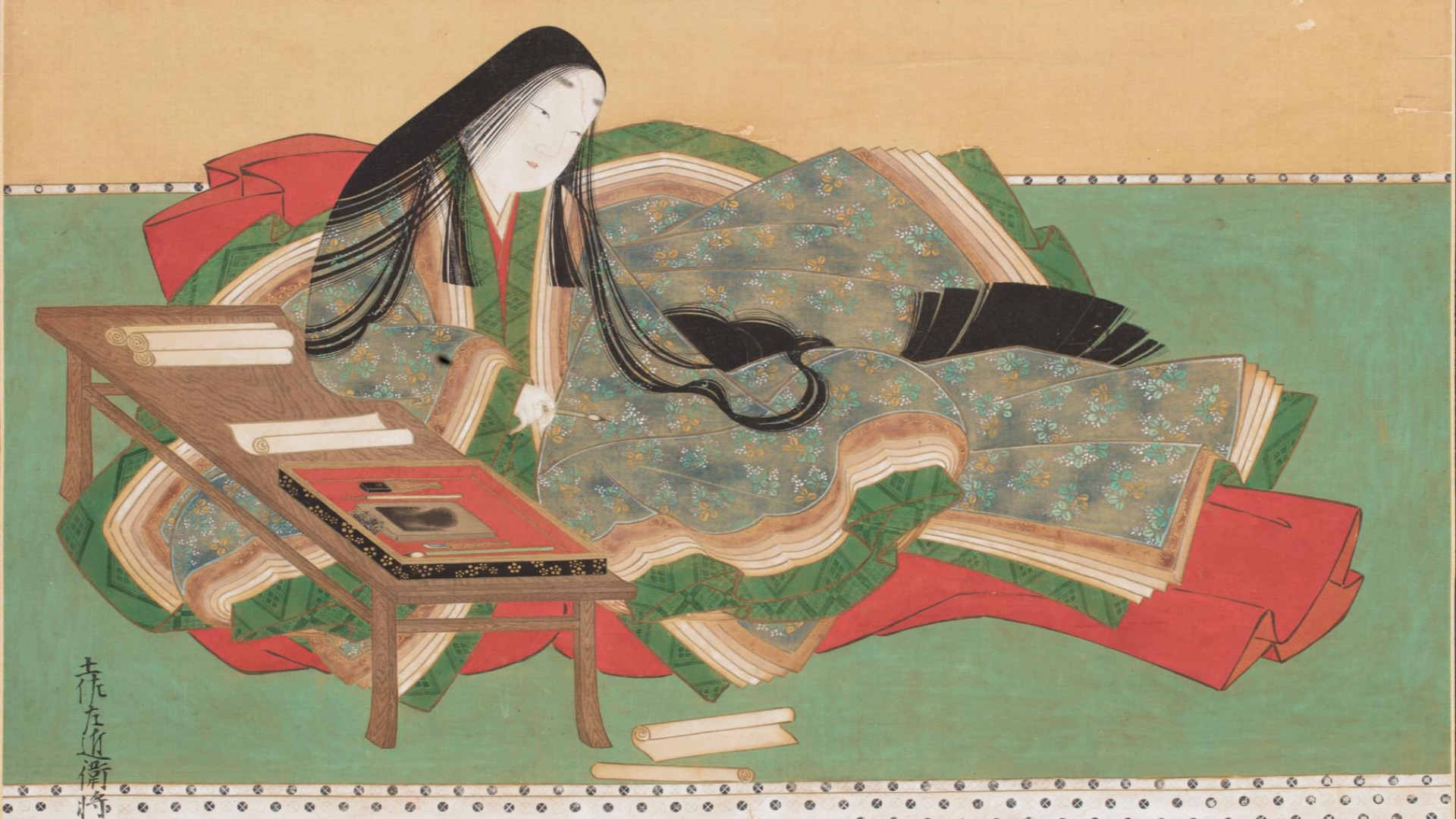 Tosa Mitsuoki (1617 - 1691) on Wikimedia
16. George Washington Carver: Scientist, Educator, and Agricultural Innovator
George Washington Carver became famous for his work with peanuts, but his larger mission was to improve Southern agriculture and support poor farmers.
He promoted crop rotation, soil restoration, and alternative crops such as peanuts and sweet potatoes to reduce dependence on cotton. As a teacher at Tuskegee Institute, he turned scientific knowledge into practical advice that farmers could actually use. Carver’s strength was his ability to connect laboratory research, education, and everyday agricultural needs.
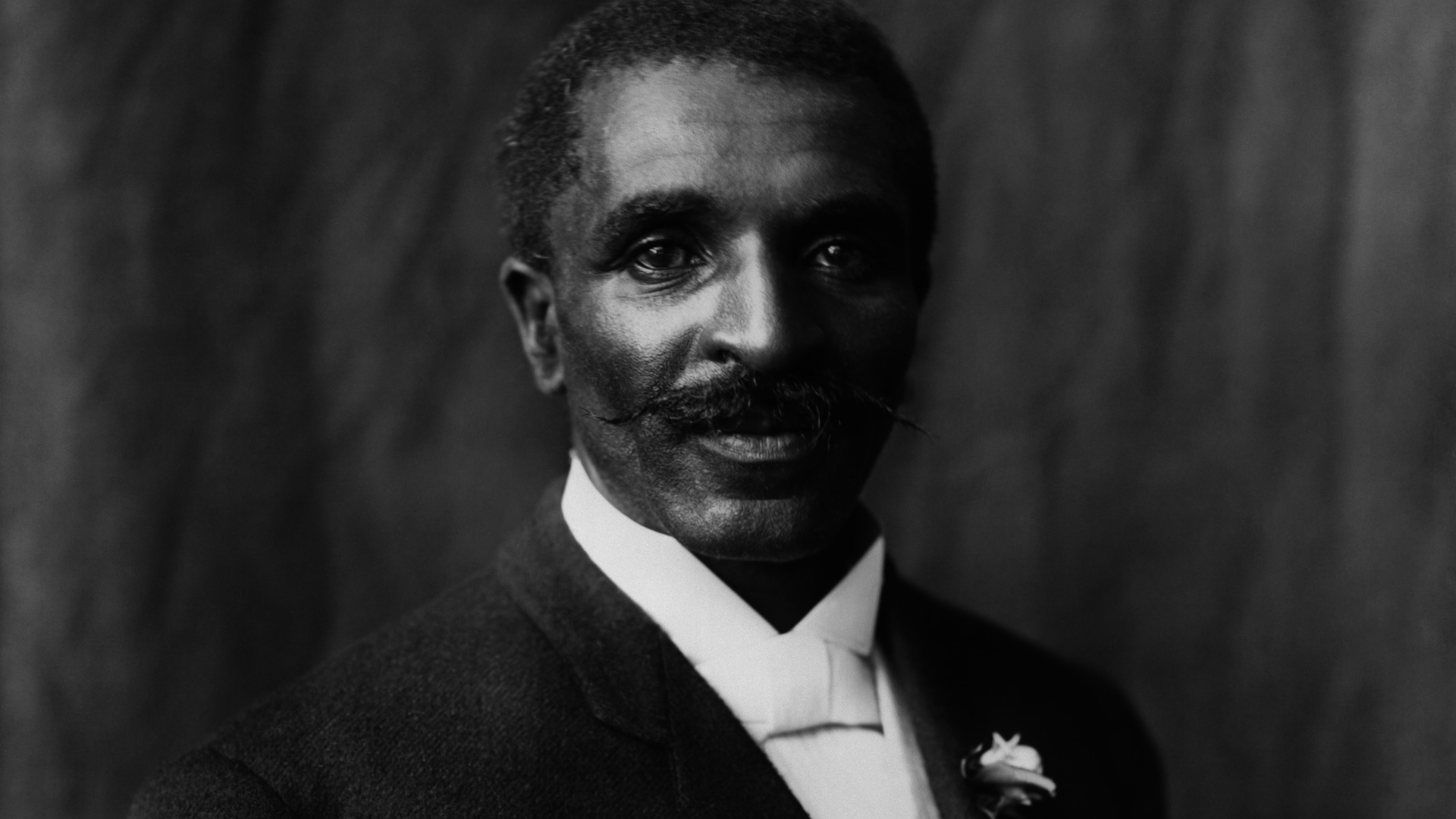 Frances Benjamin Johnston / Adam Cuerden on Wikimedia
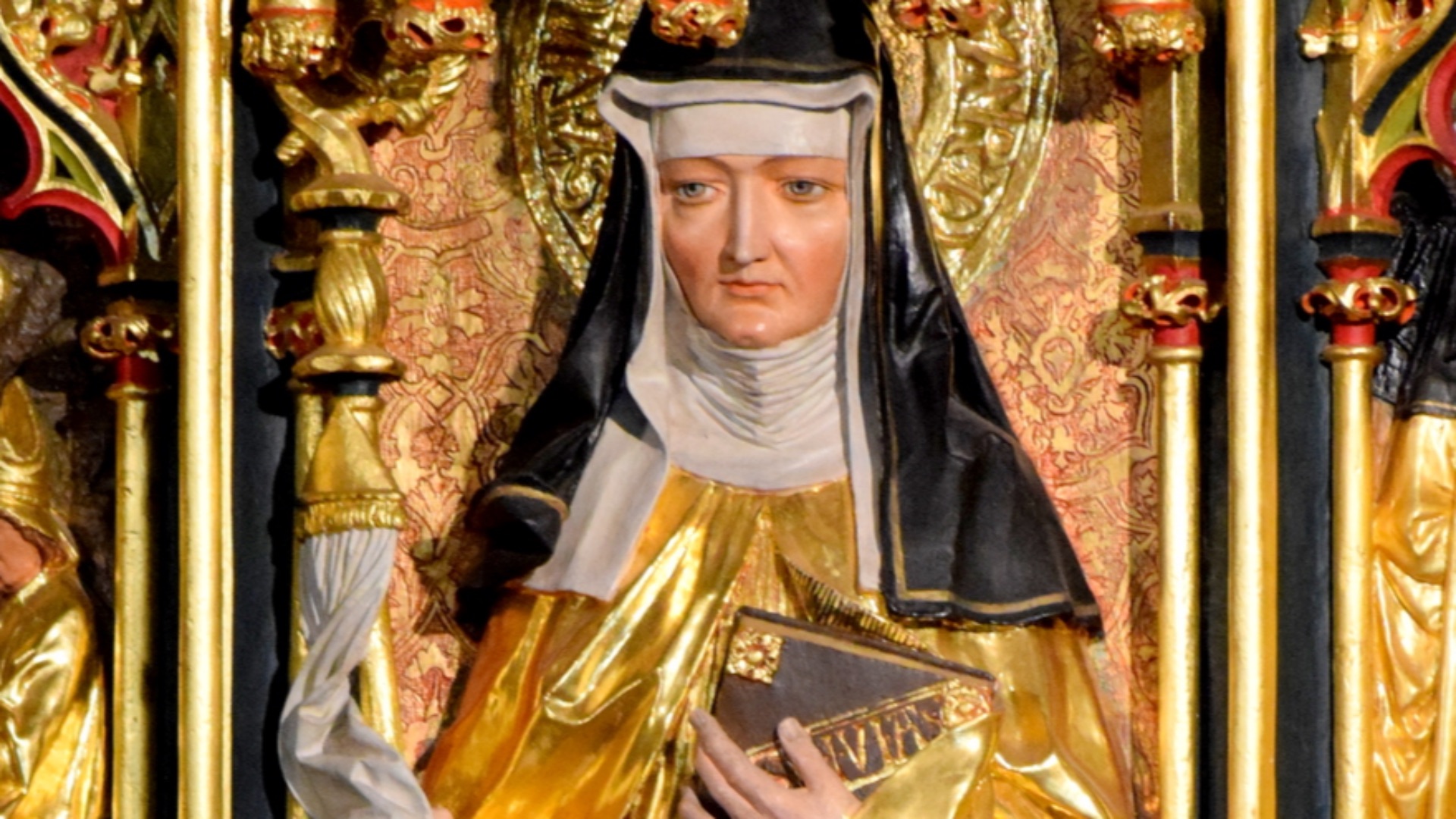
17. Hildegard of Bingen: Composer, Writer, Mystic, and Naturalist
Hildegard of Bingen was a medieval abbess whose accomplishments reached across religion, music, medicine, and natural history. She composed liturgical music, wrote theological works, described visionary experiences, and produced texts on plants, healing, and the natural world. Her authority was unusual for a woman of her time, especially because she corresponded with powerful religious and political figures. Hildegard’s work remains striking because it combines intellectual ambition with artistic and spiritual expression.
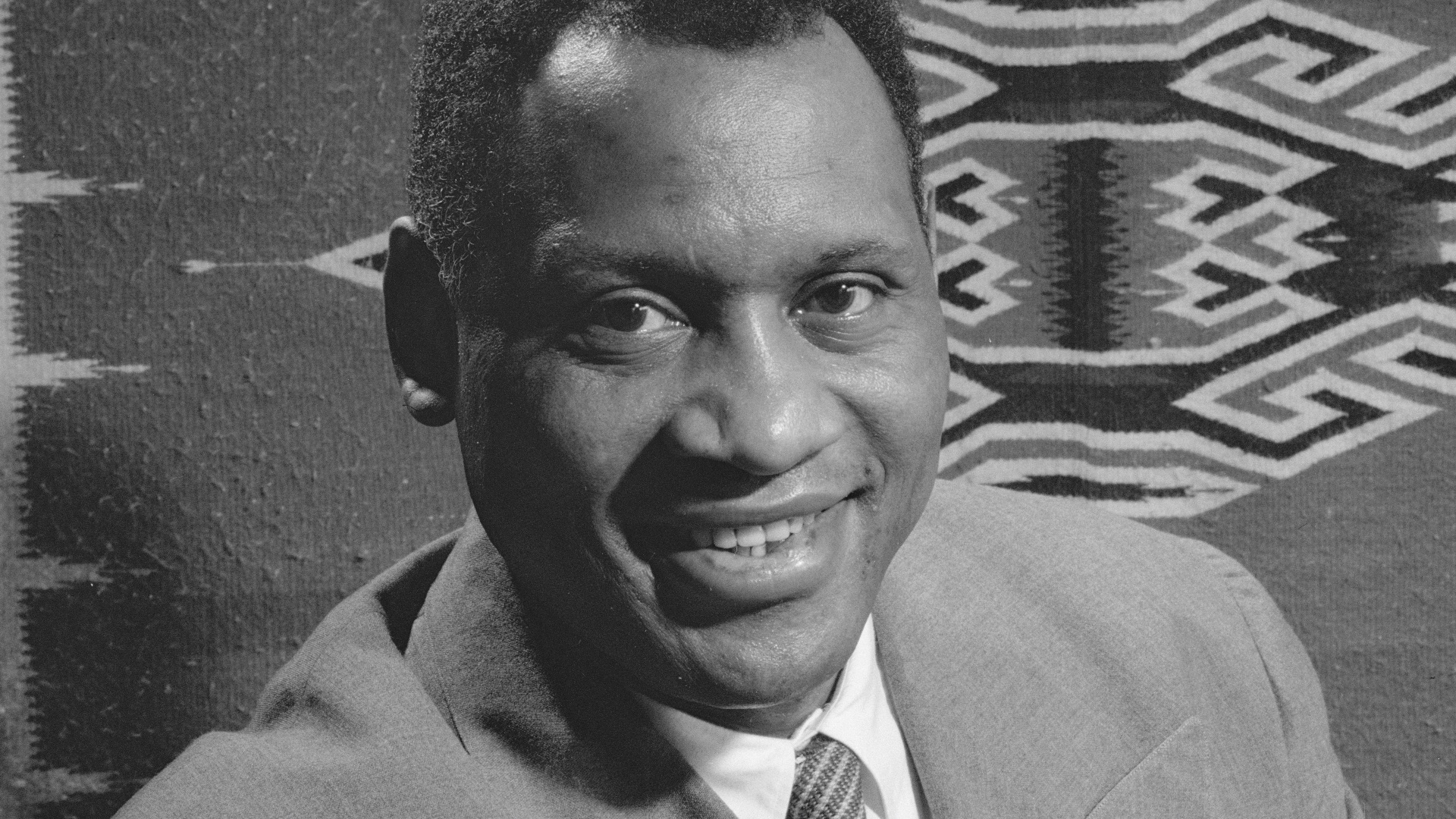
18. Paul Robeson: Singer, Actor, Athlete, Lawyer, and Activist
Paul Robeson had one of the most wide-ranging careers of the twentieth century. He was an accomplished athlete, trained as a lawyer, achieved international fame as a singer and actor, and became a prominent advocate for civil rights and anti-colonial causes. His deep bass voice made him a major concert performer, while his political commitments made him both admired and targeted. Robeson’s life shows how artistic excellence and political conviction can exist within the same public career.
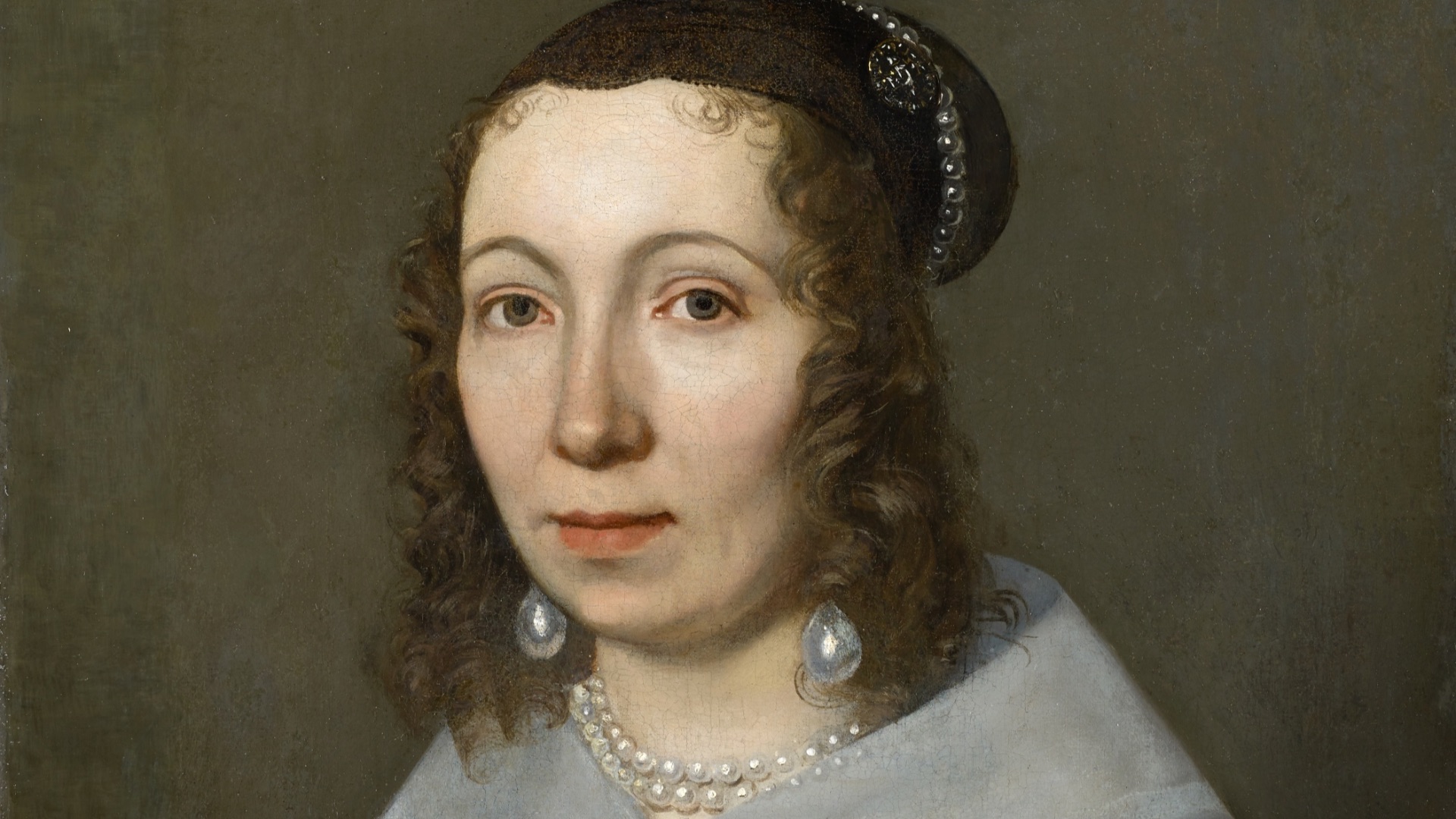
19. Maria Sibylla Merian: Artist, Naturalist, and Scientific Observer
Maria Sibylla Merian combined artistic skill with close scientific observation at a time when insect life cycles were still poorly understood.
She studied caterpillars, butterflies, plants, and their environments, producing detailed illustrations that helped document metamorphosis. Her journey to Suriname in the late seventeenth century was especially notable, since few European women of her era undertook such scientific travel. Merian’s work mattered because her images were beautiful, but also because they recorded natural processes with care and accuracy.
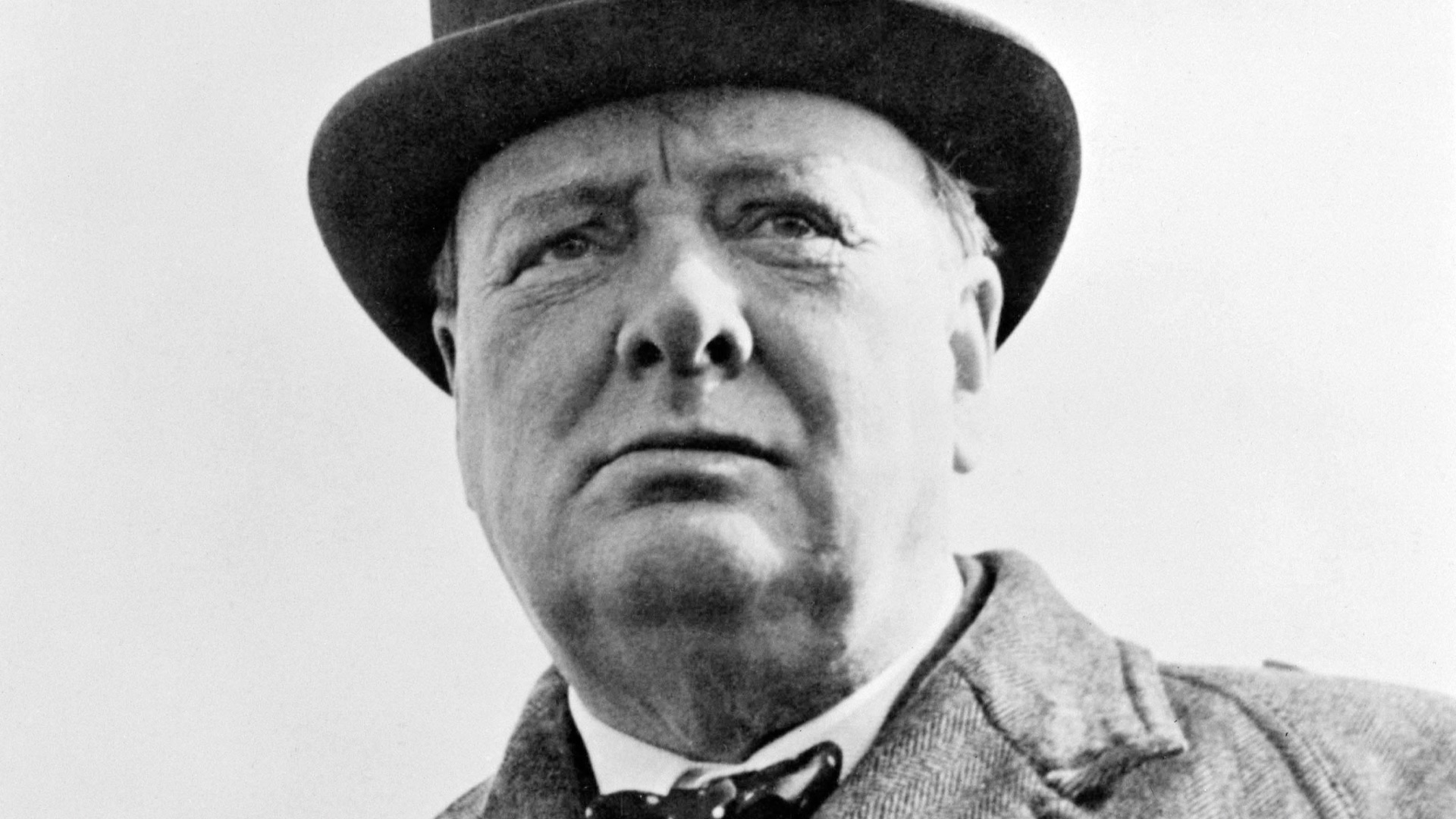
20. Winston Churchill: Politician, Writer, Painter, and Historian
Winston Churchill is most remembered for his leadership as Britain’s prime minister during World War II, but he also had a long career as a writer and historian. He produced speeches, journalism, memoirs, and multi-volume historical works, eventually receiving the Nobel Prize in Literature. Outside public life, he painted landscapes and found in painting a serious personal pursuit rather than a casual pastime. Churchill’s career was not limited to politics; he built a public identity through words, leadership, and art.
KEEP ON READING
10 Greatest Quarterbacks Of All Time & 10 That Are…
Do You Disagree?. Few topics in sports generate as much…
By Farva Ivkovic Dec 2, 2025
The story of Ching Shih, the Woman Who Became the…
Unknown author on WikimediaFew figures in history are as feared…
By Emilie Richardson-Dupuis Dec 29, 2025
20 Shakespearean Words, Translated For A Modern Audience
What’s In A Word?. Shakespeare was a wordsmith of the…
By Breanna Schnurr Dec 17, 2025
20 Inspiring Stories From Native American History
Incredible Stories Of Resilience And Endurance. Many of us didn't…
By Ashley Bast Dec 17, 2025
You Think You Have Problems? These Royal Families Were Cursed
Boasson and Eggler St. Petersburg Nevsky 24. on WikimediaHeavy is…
By Ashley Bast Dec 5, 2025
MH370: The Plane That Can't Be Found
Anna Zvereva from Tallinn, Estonia on WikimediaEleven years after Malaysia…
By Christy Chan Dec 10, 2025