

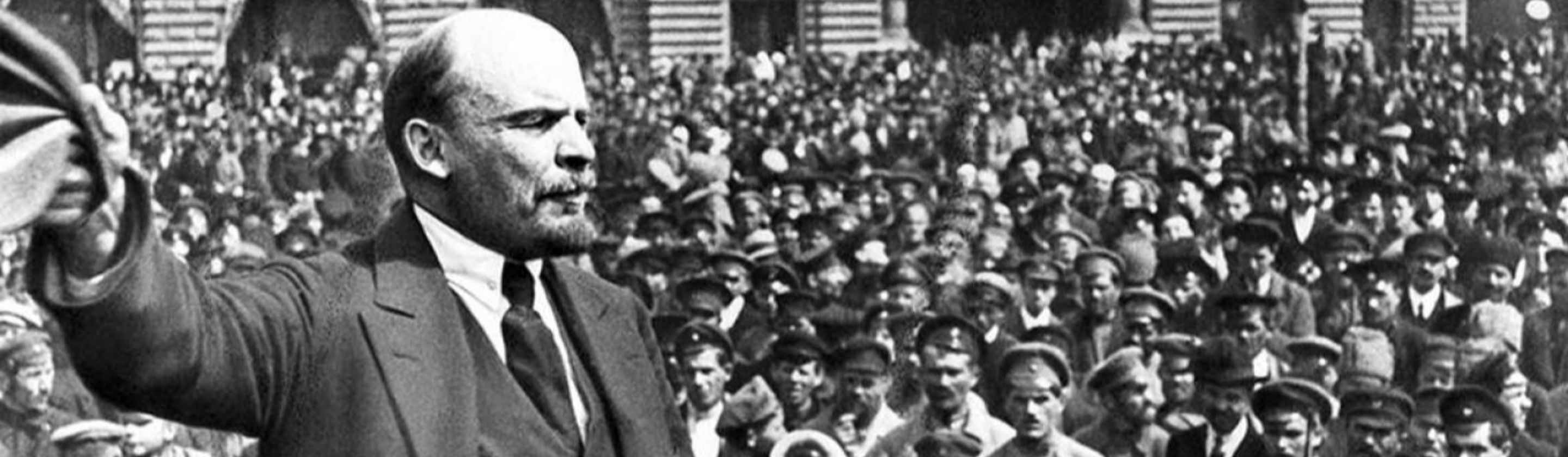
20 Historical Figures Who Died Right Before Everything Changed
Those Who Left Just Before the Final Act
Some people leave the world just before the plot takes a dramatic turn. They spend their lives building movements, defending ideas, fighting wars, writing theories, or holding fragile governments together, only to miss the moment when everything shifts. Sometimes they die before a revolution succeeds, a war ends, a discovery takes off, or a country changes direction. Here are 20 people who passed away right before the big reveal.
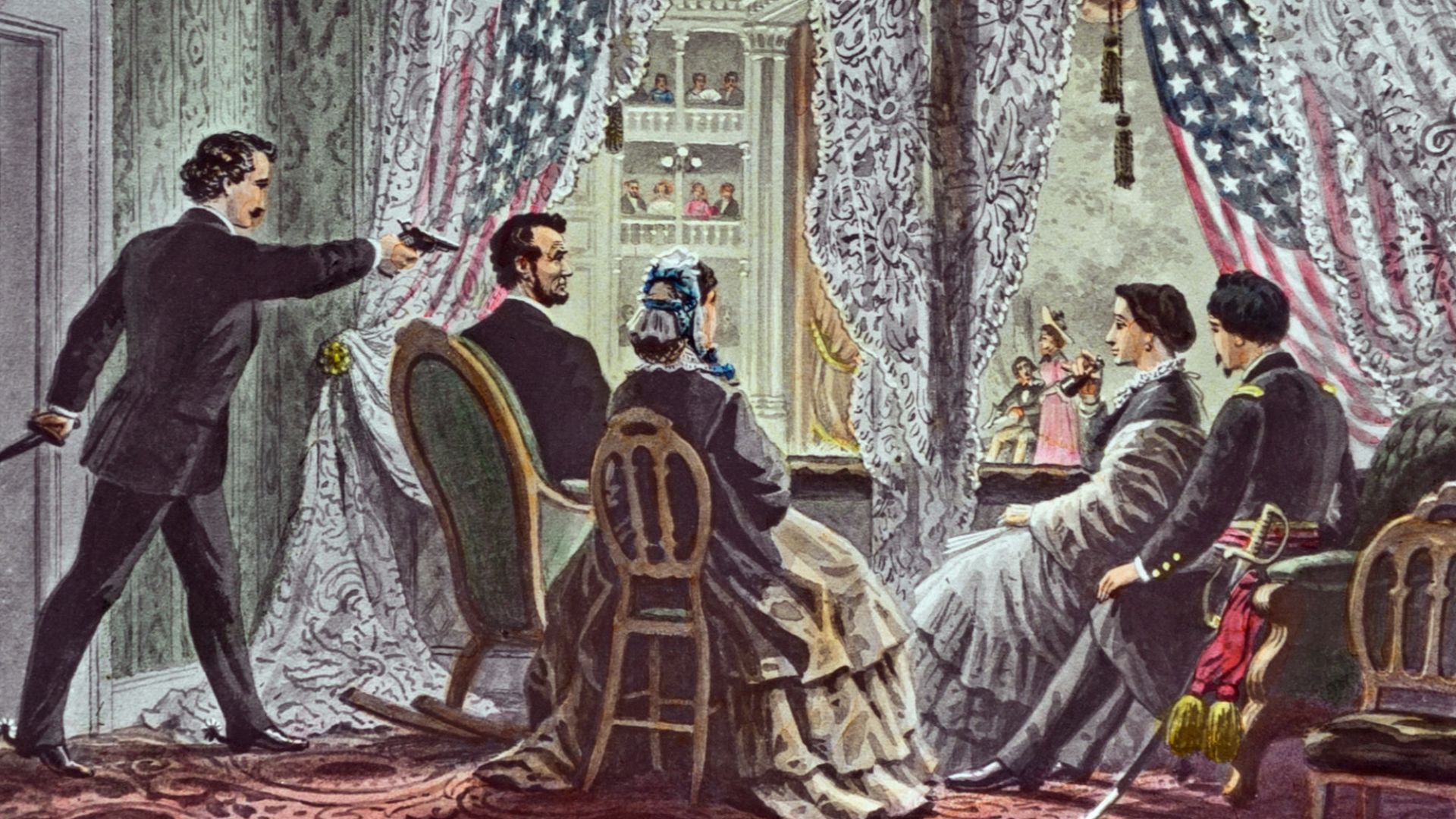
1. Abraham Lincoln
Abraham Lincoln died in April 1865, just days after Robert E. Lee surrendered at Appomattox. He lived to see the Union preserved, but he didn’t live to guide Reconstruction, which became one of the most difficult and contested periods in American history. Lincoln’s death came just as the question changed from “Can the Union survive”? to “What kind of country will it become”?
 Library of Congress on Unsplash
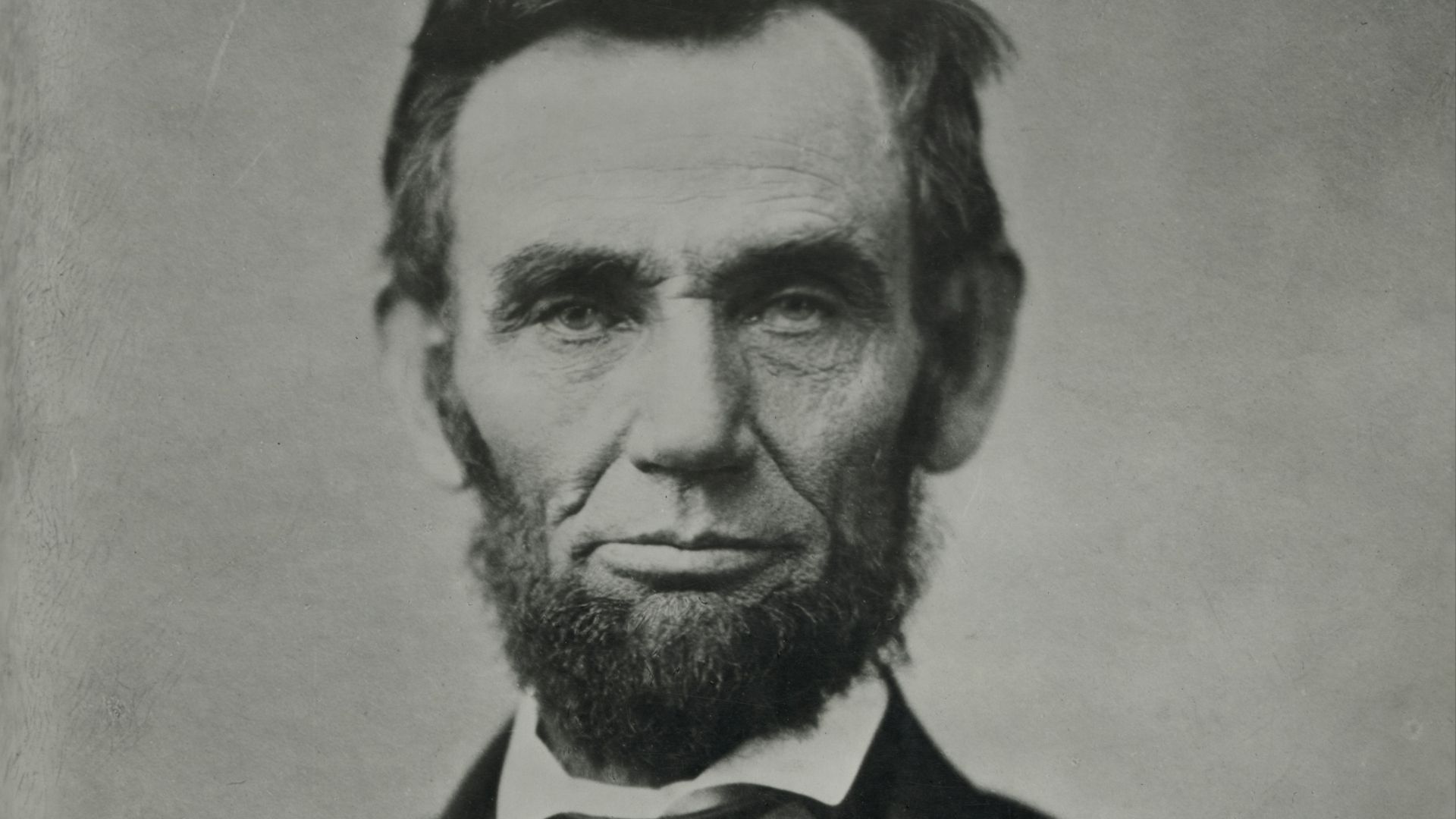
2. Franklin D. Roosevelt
Franklin D. Roosevelt died in April 1945, only weeks before Germany surrendered in World War II. He had led the United States through the Great Depression and nearly the entire war, but he didn’t live to see the final Allied victory. He also missed the beginning of the nuclear age, the United Nations, and the full shape of the Cold War.
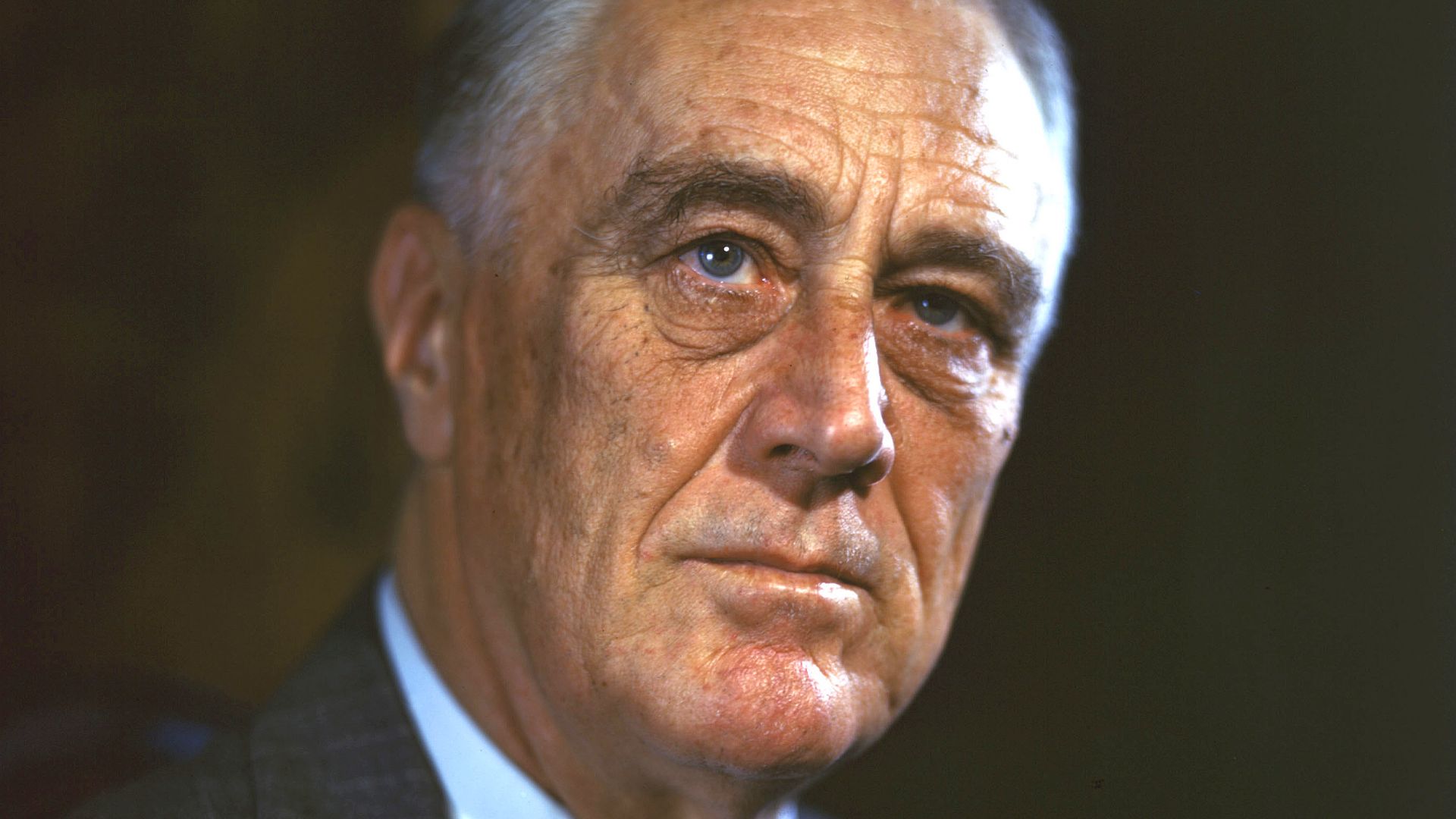
3. W. E. B. Du Bois
W. E. B. Du Bois died on August 27, 1963, just one day before the March on Washington.
He had spent decades writing, organizing, and challenging racism in the United States and abroad. The next day, Martin Luther King Jr. delivered his “I Have a Dream” speech to a massive crowd in Washington, D.C. Du Bois didn’t live to see that landmark moment, but his long fight for civil rights helped build the world that made it possible.
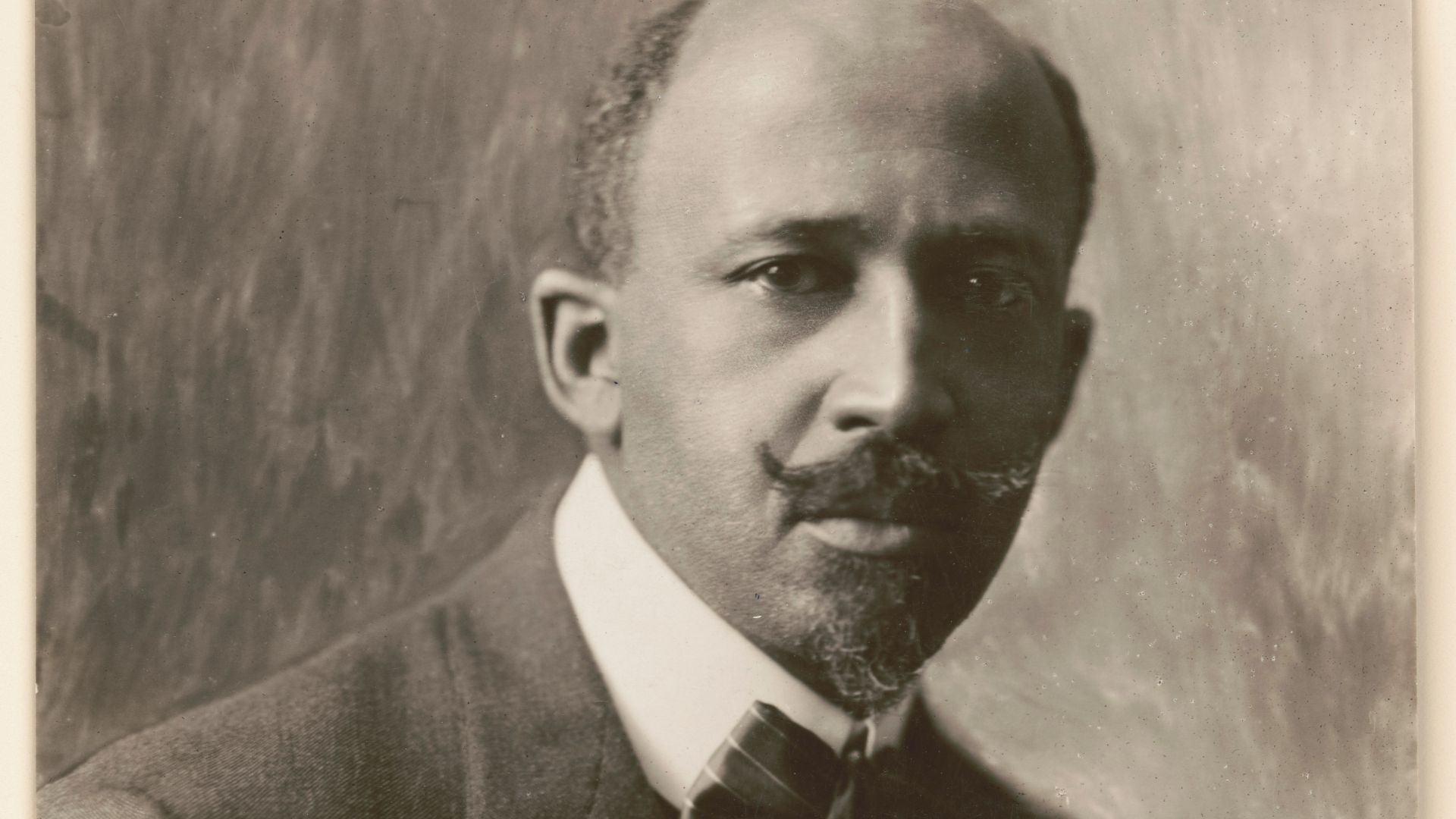
4. Vladimir Lenin
Vladimir Lenin died in 1924 before the Soviet Union became the full Stalinist state that would define much of the 20th century. He helped create the revolutionary government, but illness kept him from controlling what came next. Lenin left just before the revolution he helped lead transformed into something much darker and more rigid than he probably imagined.
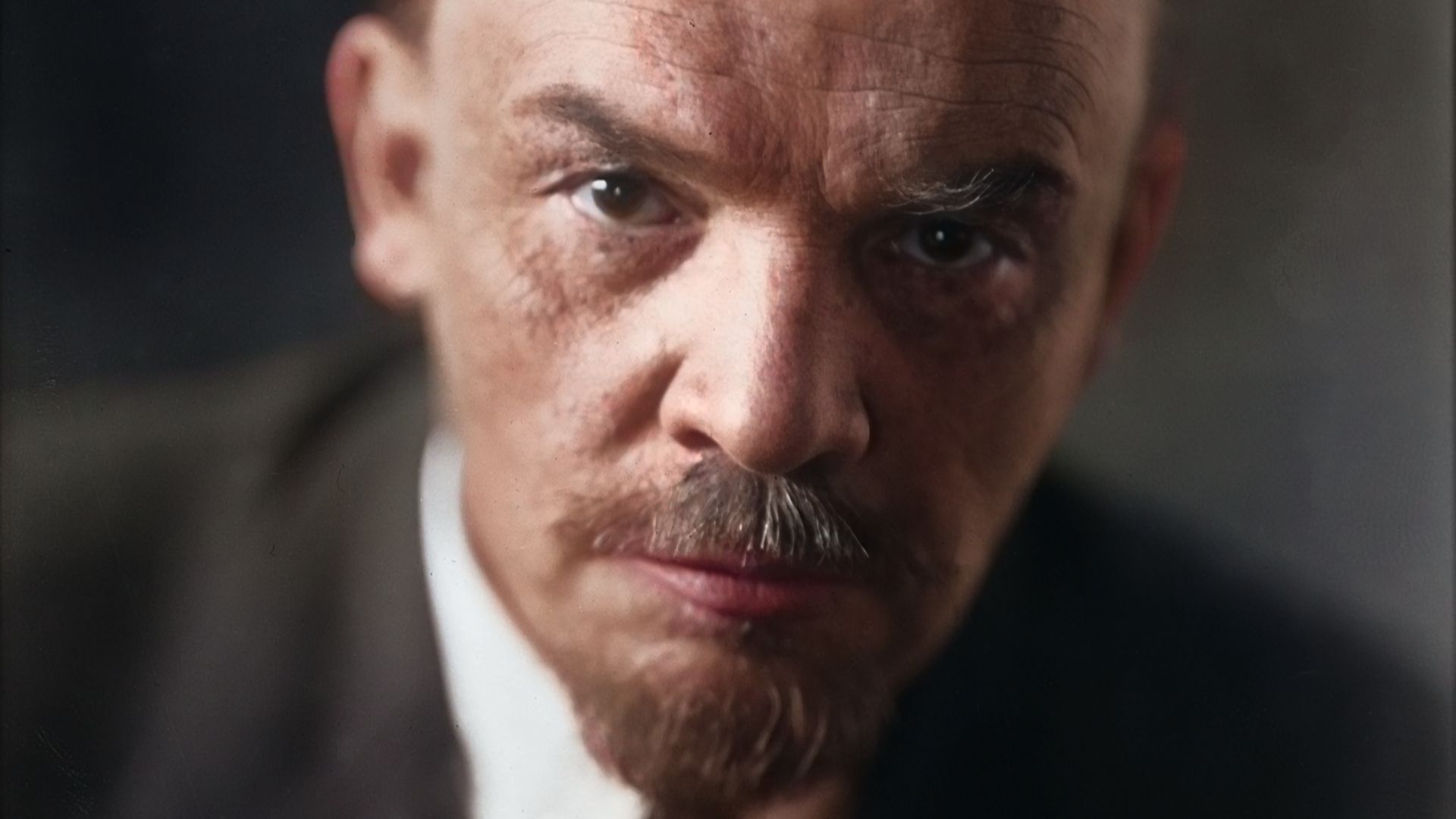
5. Martin Luther King Jr.
Martin Luther King Jr. was assassinated in 1968, a year already packed with protest, grief, and political upheaval. He had helped reshape the civil rights movement, but he died while expanding his focus toward poverty, labor rights, and opposition to the Vietnam War. Soon after, the Poor People’s Campaign continued without him, and the country moved into a harsher political era.
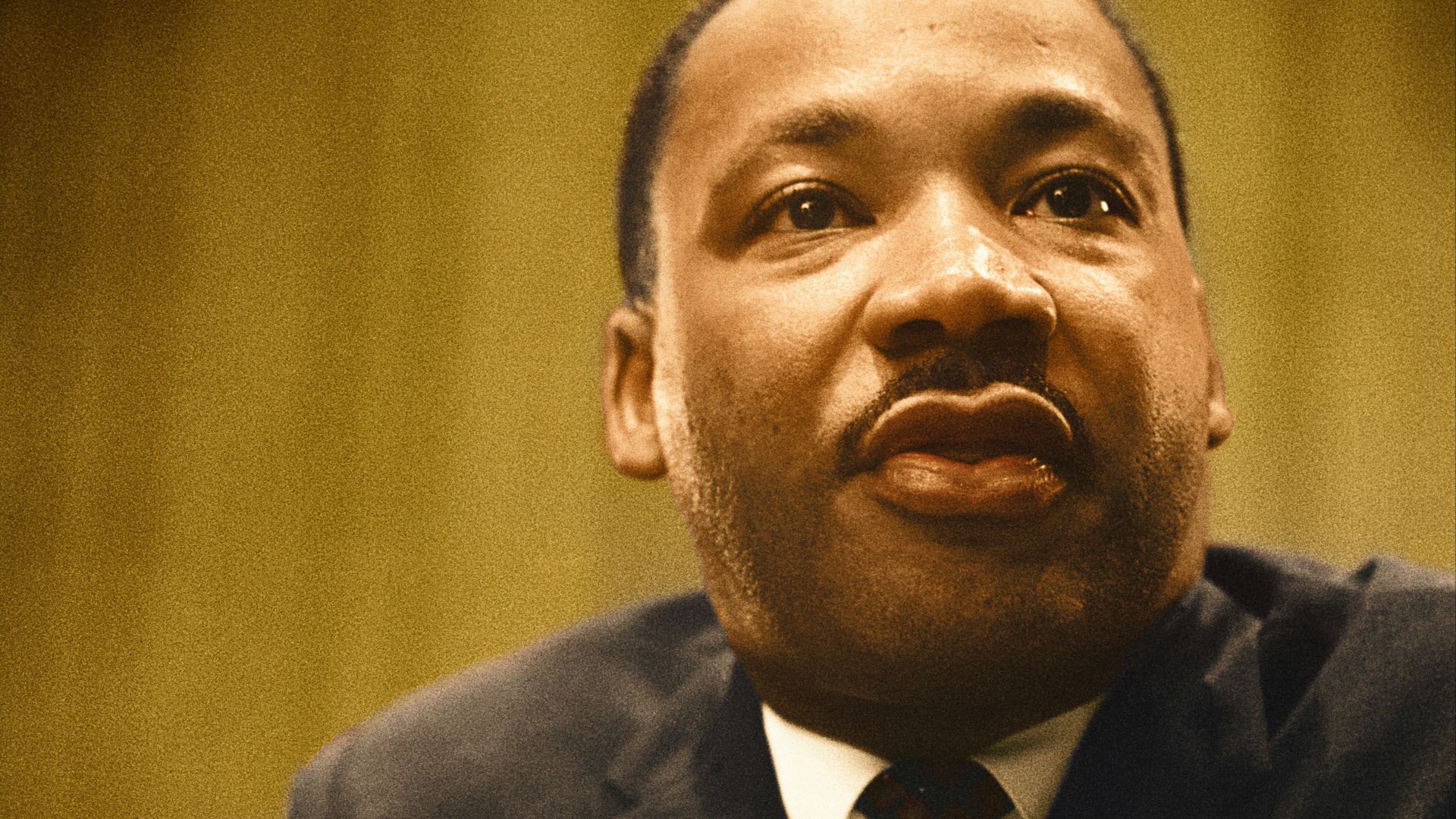
6. John F. Kennedy
John F. Kennedy died in 1963, just before major civil rights legislation and deeper American involvement in Vietnam reshaped the decade. His presidency had been marked by Cold War tension, youthful image-making, and unfinished domestic ambitions.
Lyndon B. Johnson, who succeeded him, pushed through the Civil Rights Act and Voting Rights Act, while also escalating the war in Vietnam, making the 60s much more turbulent.
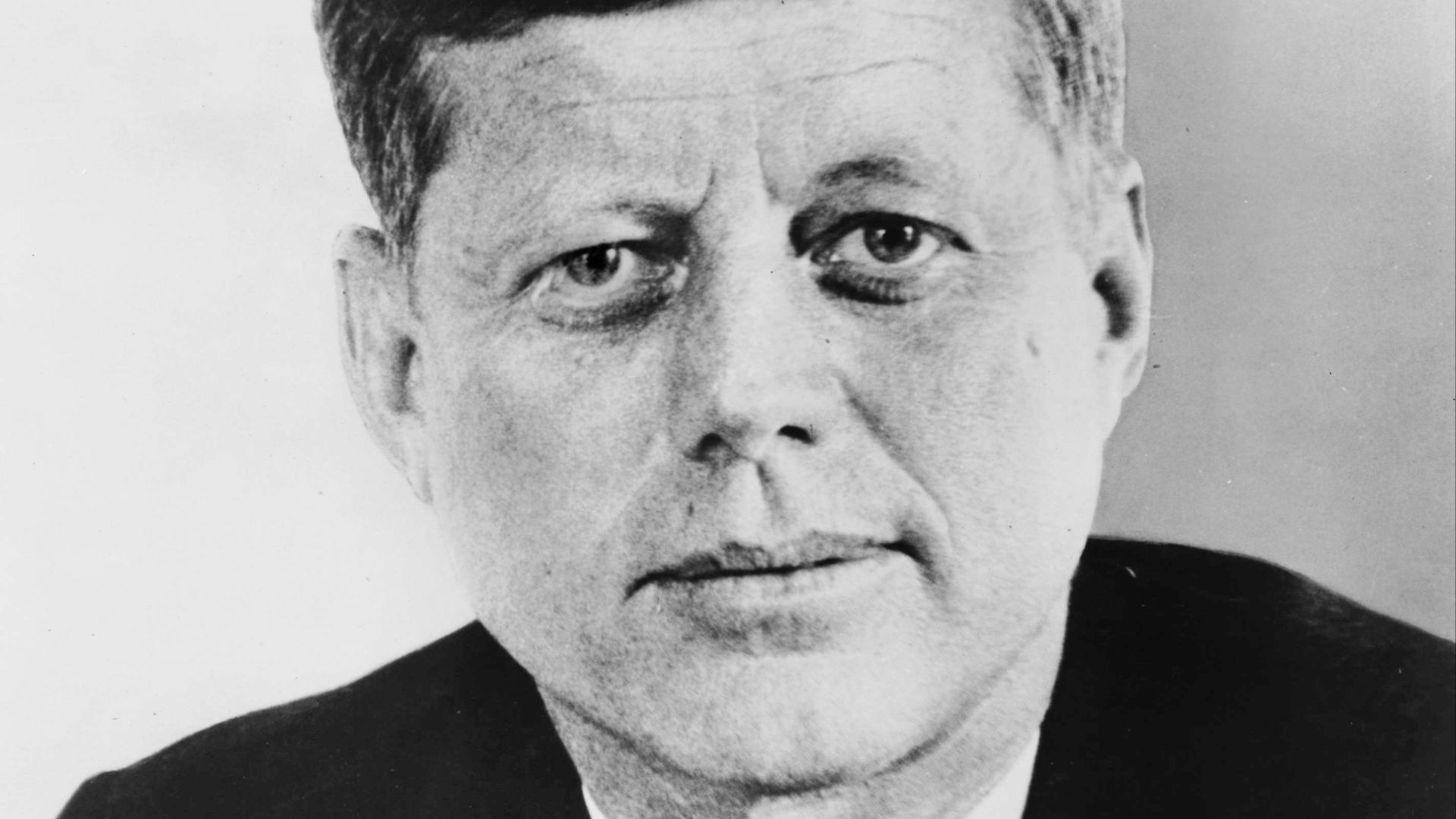
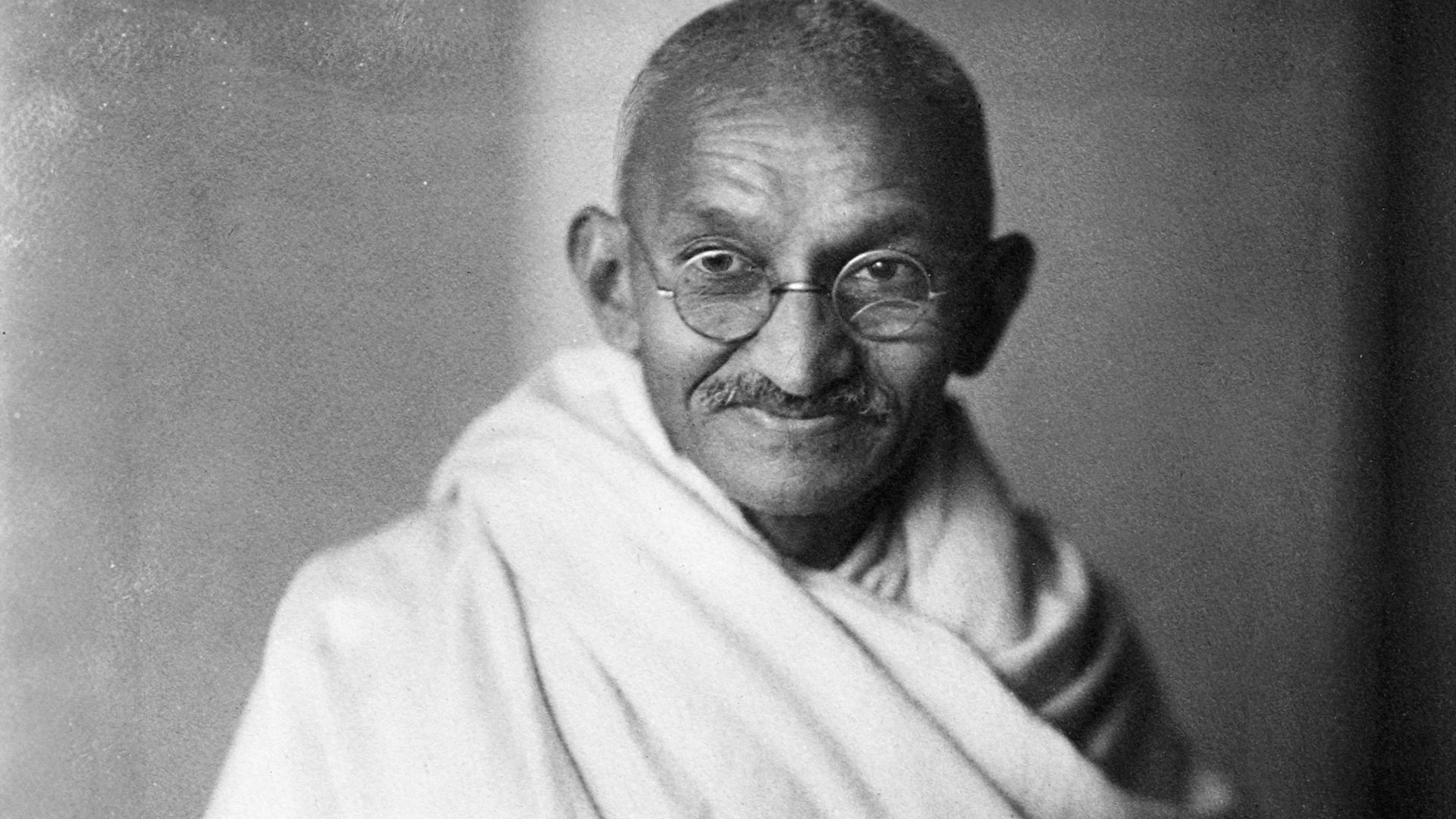
7. Mahatma Gandhi
Mahatma Gandhi was assassinated in January 1948, only months after India gained independence from British rule. He lived to see the end of the empire, but he also witnessed the trauma of Partition and the violence between Hindus, Muslims, and Sikhs. His death came before India and Pakistan fully settled into their new and difficult relationship as separate nations.
8. Malcolm X
Malcolm X was assassinated in 1965, shortly after breaking with the Nation of Islam and reshaping his views on race, religion, and global politics. He had begun reaching toward a broader human rights framework, connecting Black freedom in America to anti-colonial struggles abroad. His death came before the Black Power movement gained wider visibility later in the decade.
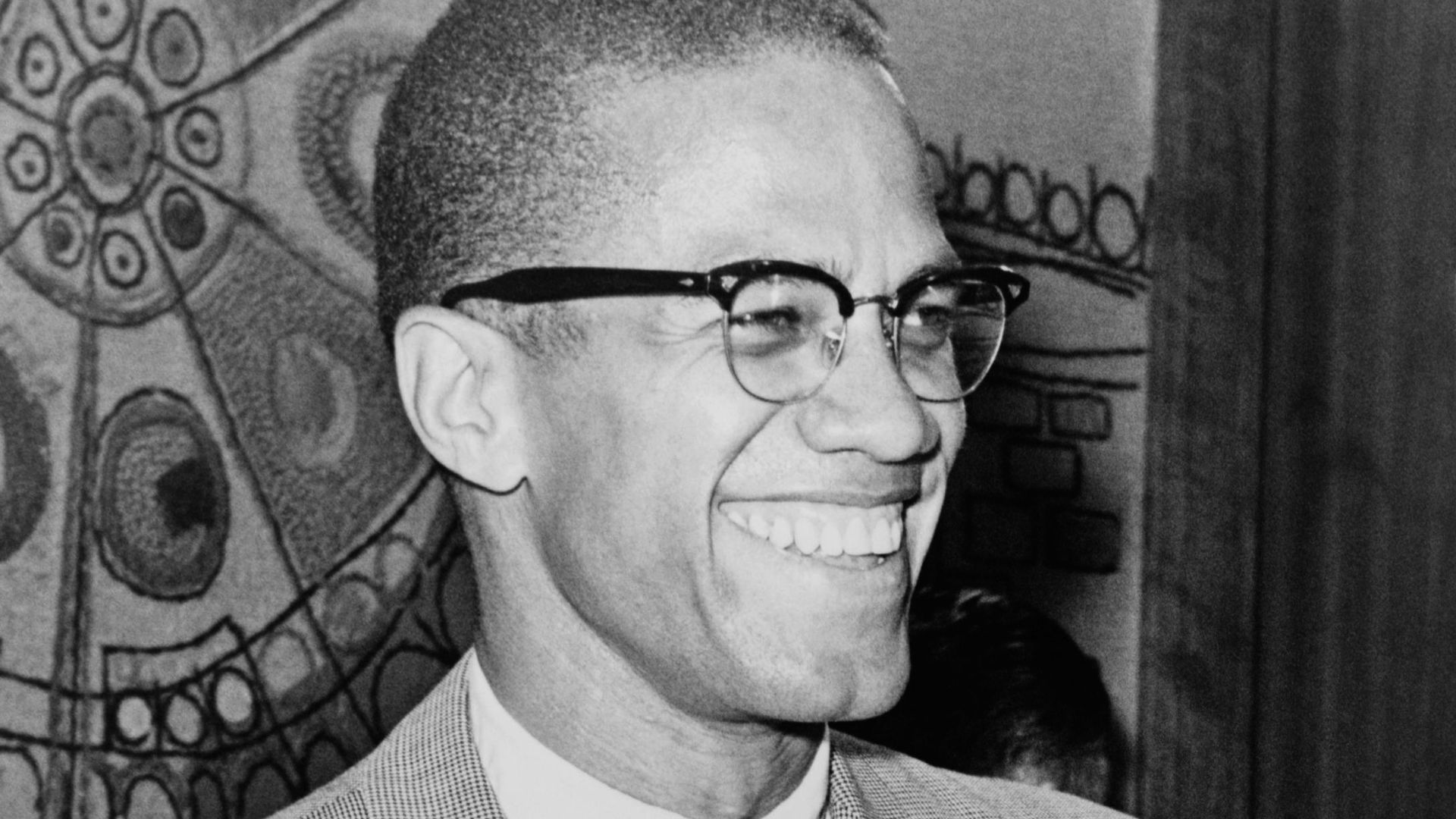 Ed Ford, World Telegram staff photographer on Wikimedia
9. Alexander Hamilton
Alexander Hamilton died in 1804 after his duel with Aaron Burr, just as the young United States was still deciding what kind of republic it would become. He had already helped shape the financial system, federal power, and early political conflict, but he didn’t live to see the War of 1812, the rise of mass party politics, or the long-term power of the institutions he championed.
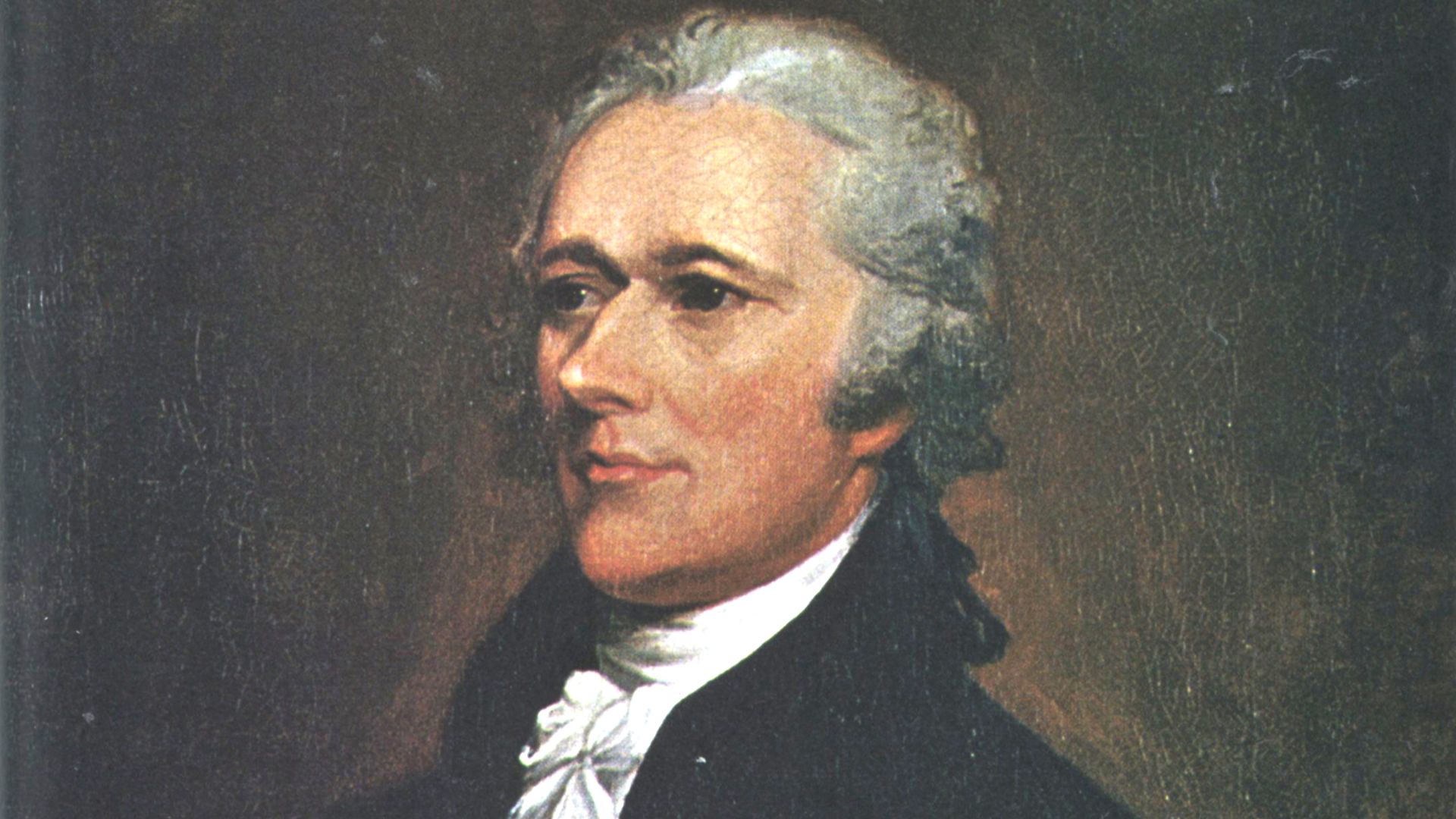 Vitold Muratov- скан и дигитализация. on Wikimedia
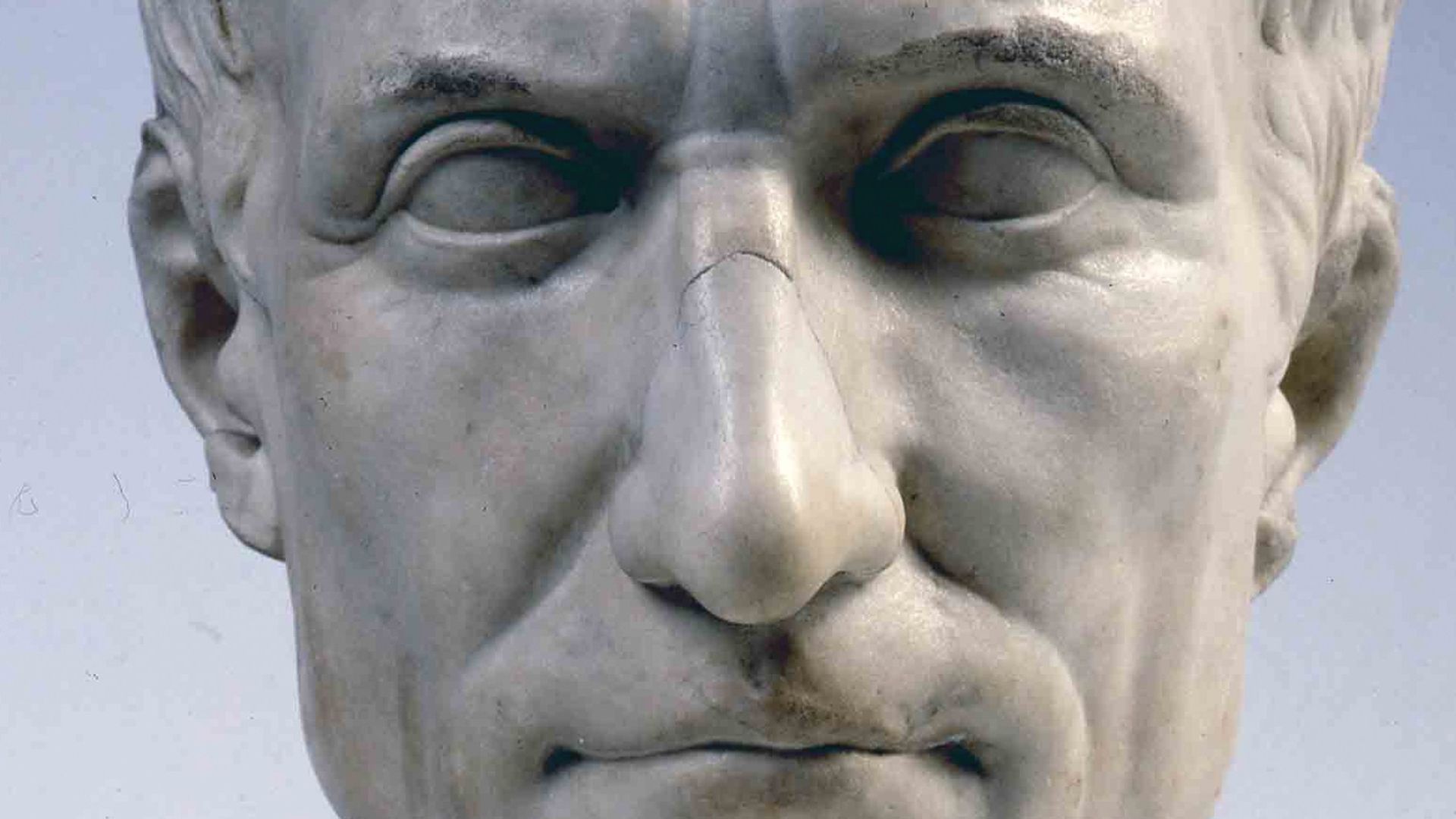
10. Julius Caesar
Julius Caesar was assassinated in 44 BCE, right before the Roman Republic slid into its final round of civil wars.
His killers hoped they were saving the republic, but the result was more chaos, not restoration. Within a few years, Octavian rose to power and eventually became Augustus, Rome’s first emperor. Caesar died before seeing that his name would become less a person than a political template.
11. Alexander the Great
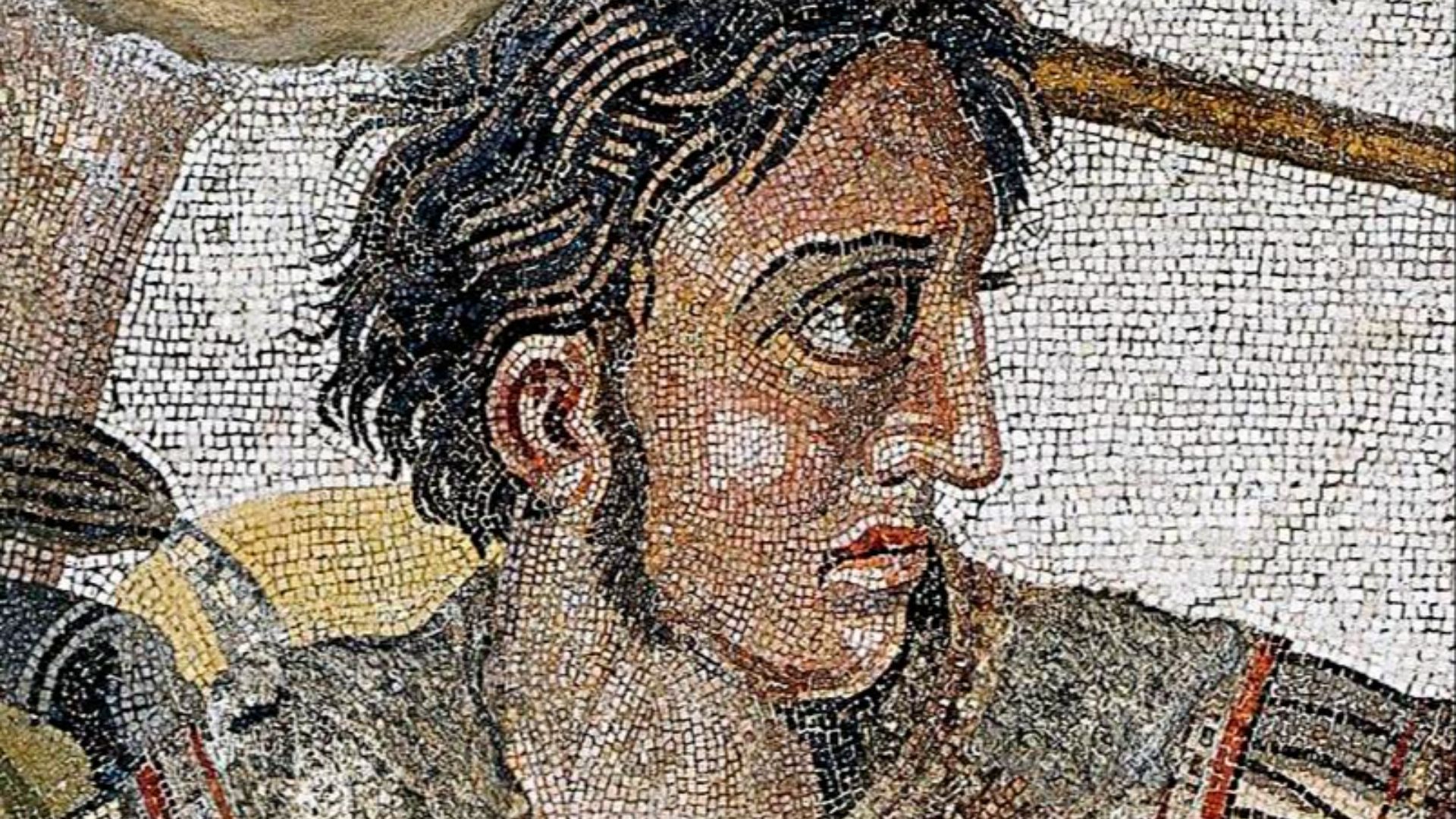
Alexander the Great died in 323 BCE at only 32, right after building one of the largest empires the ancient world had ever seen. His sudden death left no clear adult successor, which was a fairly large management problem. His generals divided and fought over the empire, creating the Hellenistic kingdoms that spread Greek culture across a wide region.
12. Joan of Arc
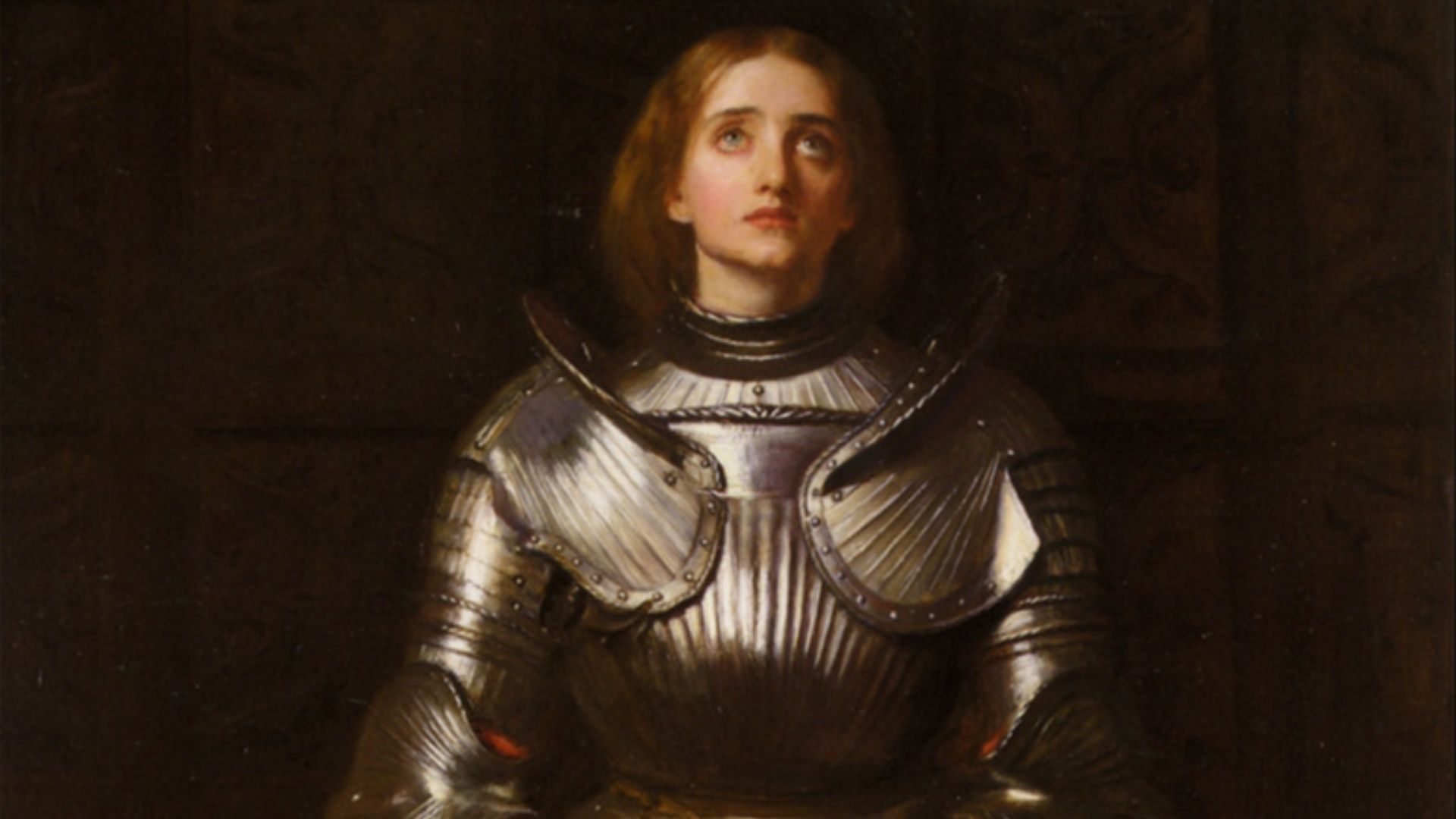
Joan of Arc was executed in 1431, before the Hundred Years’ War finally turned decisively in France’s favor. She had helped inspire French forces and played a key role in the coronation of Charles VII, but she didn’t live to see the English pushed out of most of France. She also died as a condemned prisoner, not knowing that years later, her conviction would be overturned and she’d be remembered as a saintly heroine.
 John Everett Millais on Wikimedia
13. Czar Nicholas II
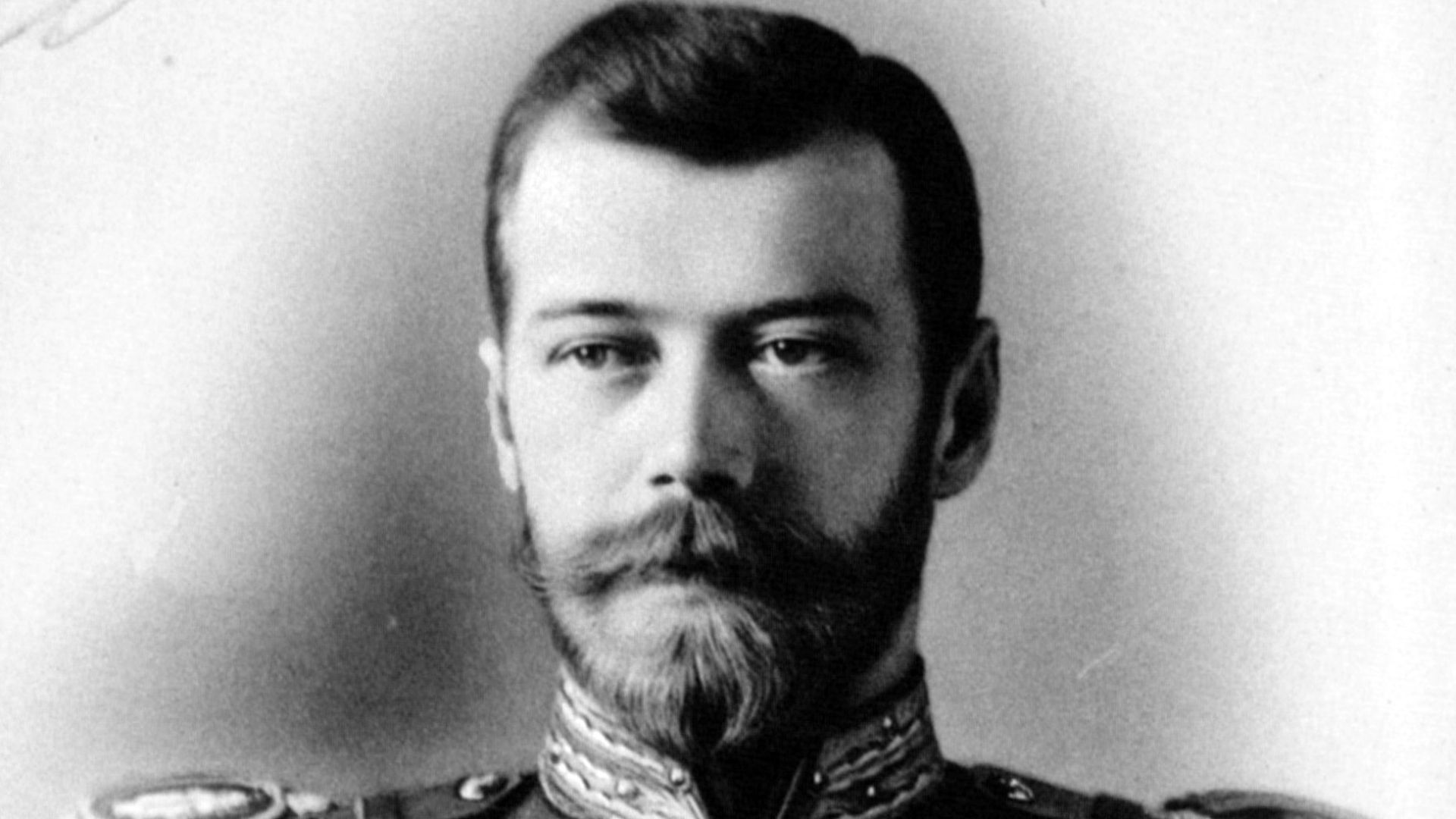
Czar Nicholas II was executed in 1918, only a few years before the Soviet Union was officially formed in 1922. He had already lost the throne during the Russian Revolution, but he didn’t live to see the full consolidation of Bolshevik power. The empire he once ruled was about to become the world’s first major communist state, reshaping global politics for the rest of the century.
14. John Maynard Keynes
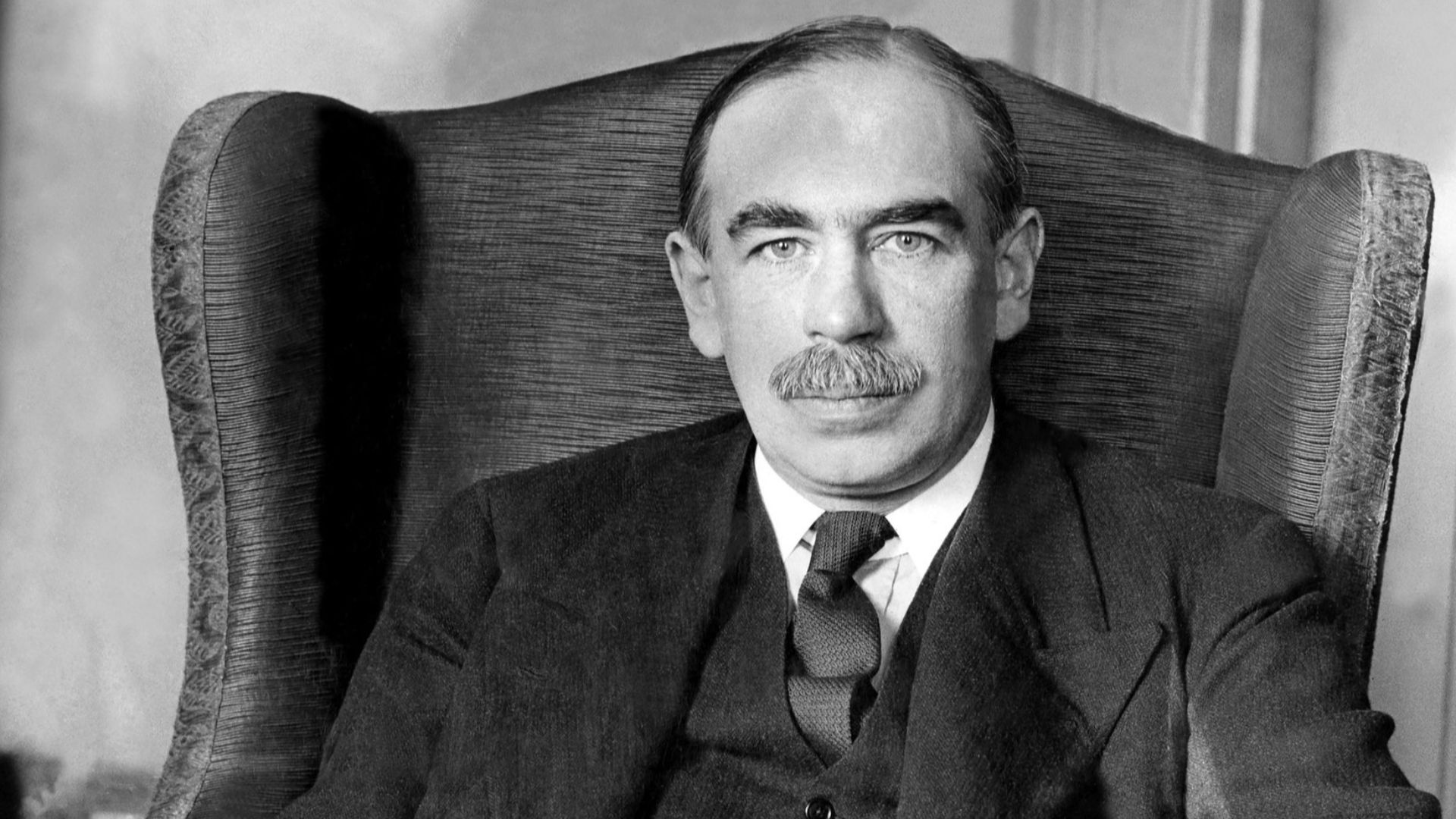
John Maynard Keynes died in 1946, just as the postwar economic order he helped shape was beginning to take effect.
His ideas influenced the Bretton Woods system, government spending policy, and the way many countries approached economic management after World War II. He lived to see parts of that framework being built, but not the decades when Keynesian economics became dominant in much of the Western world.
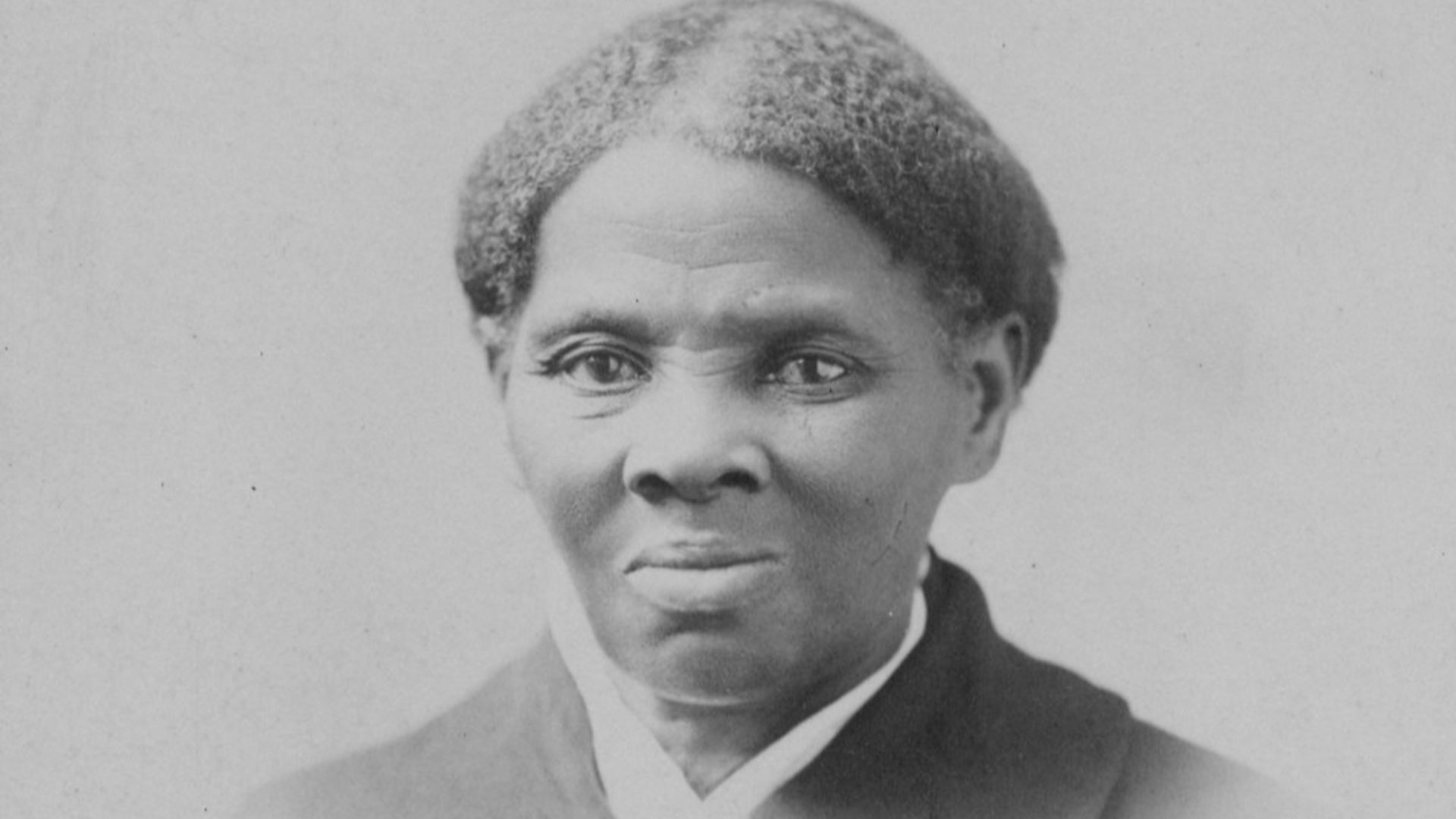
15. Harriet Tubman
Harriet Tubman died in 1913, just seven years before the 19th Amendment gave many American women the right to vote. She had spent her life fighting slavery, leading people to freedom, supporting the Union during the Civil War, and advocating for women’s suffrage, but she didn’t live to see that major constitutional victory.
 Unknown photographer on Wikimedia
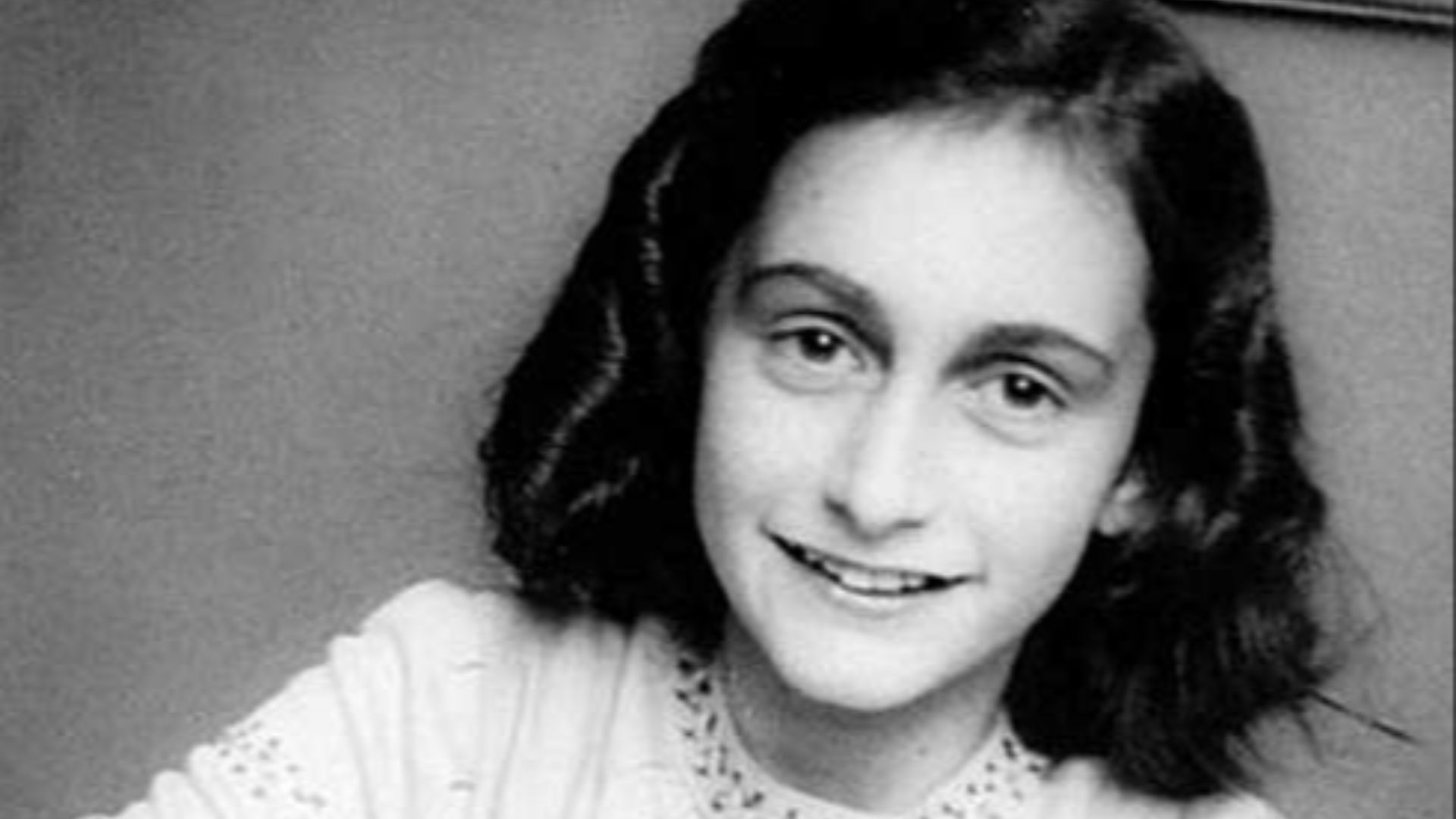
16. Anne Frank
Anne Frank died in 1945 in Bergen-Belsen, shortly before the camp was liberated and the war in Europe ended. Her diary survived when she did not, becoming one of the most widely read personal accounts of the Holocaust. She never knew that her private writing would help millions of people understand the human reality behind unimaginable numbers.
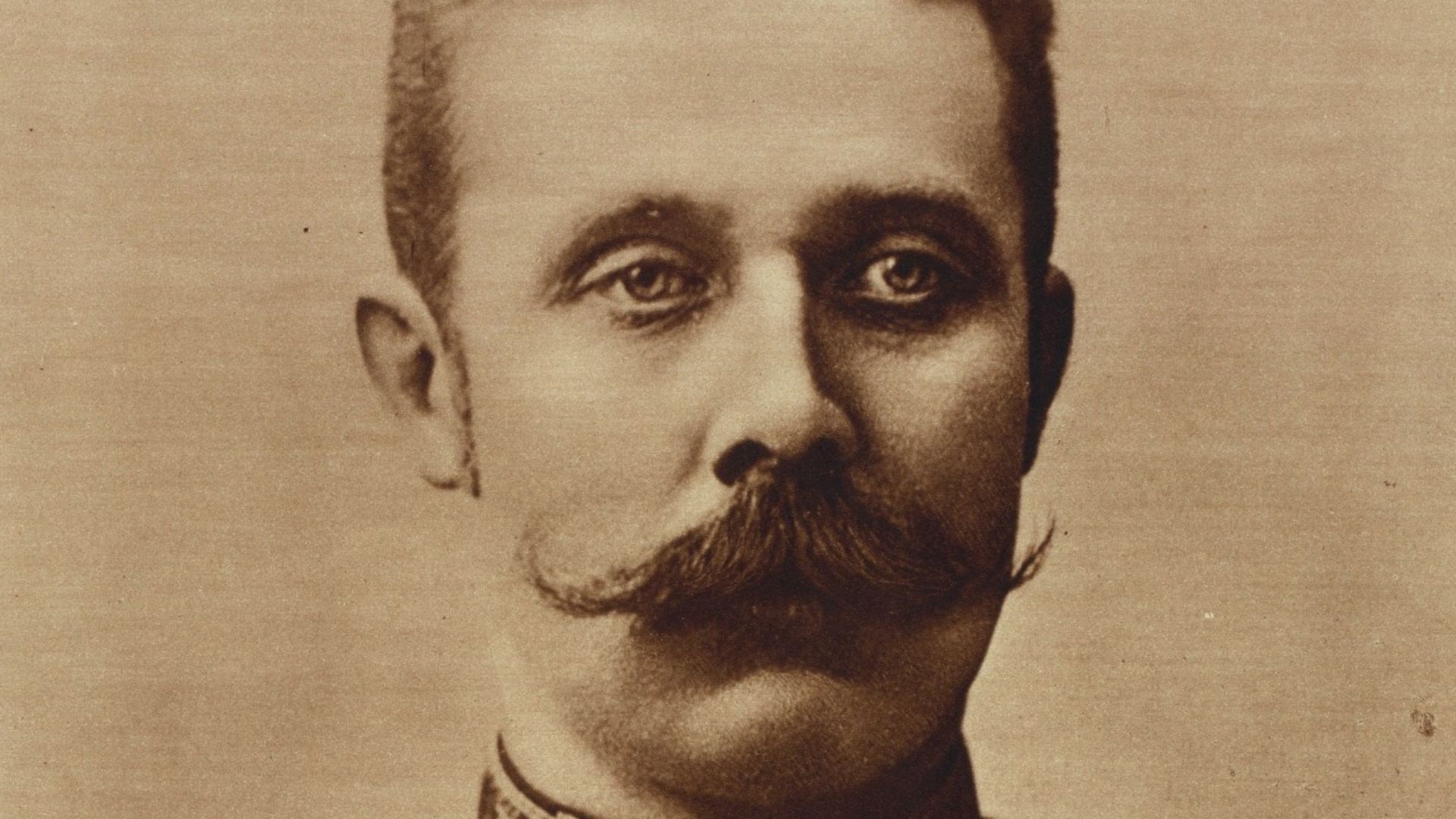
17. Franz Ferdinand
Archduke Franz Ferdinand was assassinated in June 1914, and his death triggered the crisis that became World War I. He didn’t live to see the collapse of empires, the redrawing of Europe, or the century of consequences that followed. Few people have exited right before such a catastrophic chain reaction.
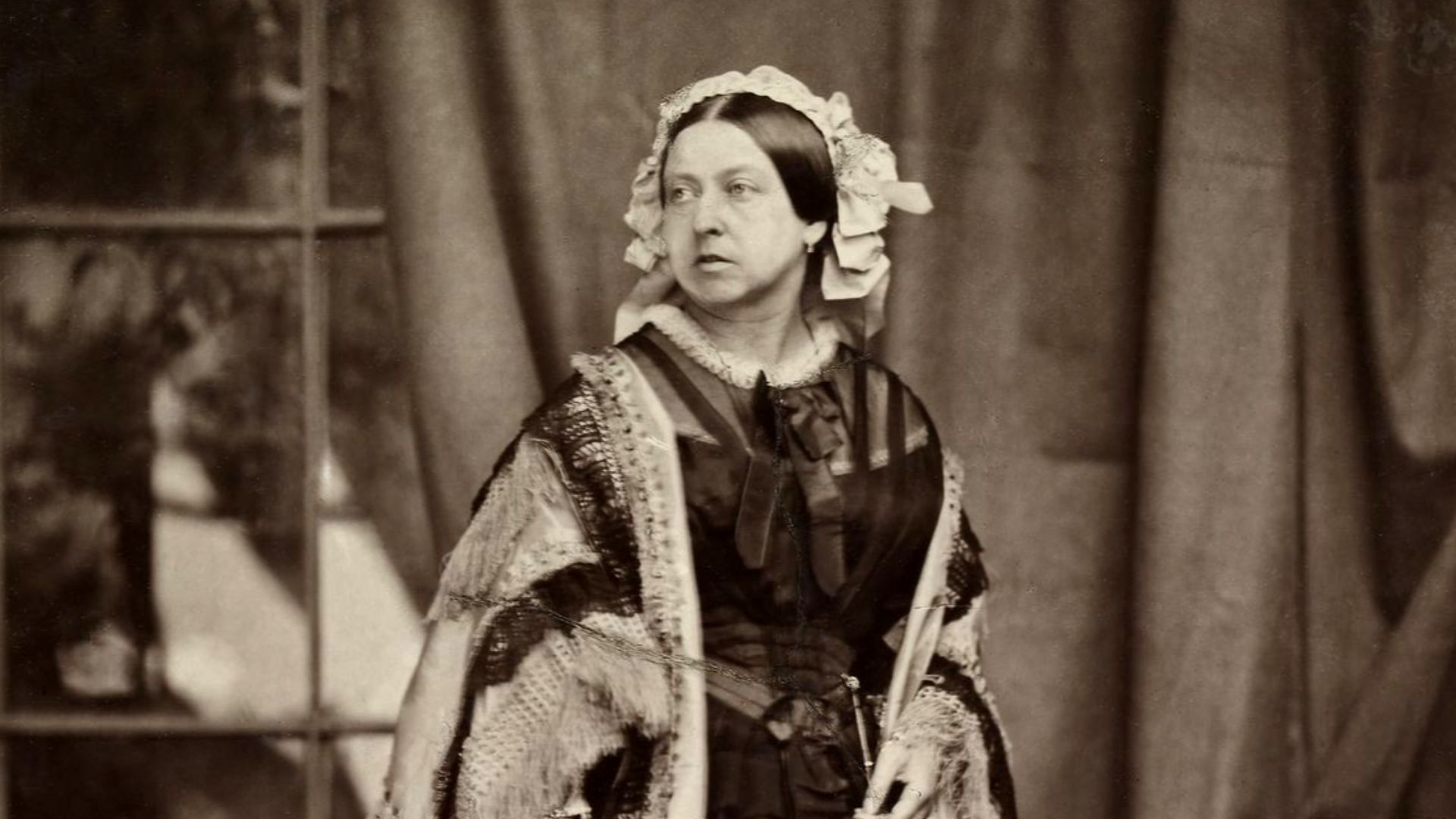
18. Queen Victoria
Queen Victoria died in 1901, just before the 20th century began, showing how fragile the old European order really was. Her long reign had symbolized empire, monarchy, industrial change, and a certain kind of British confidence. Within a generation, World War I would shatter much of the aristocratic world connected to her family tree.
 John Jabez Edwin Mayall on Wikimedia
19. Woodrow Wilson
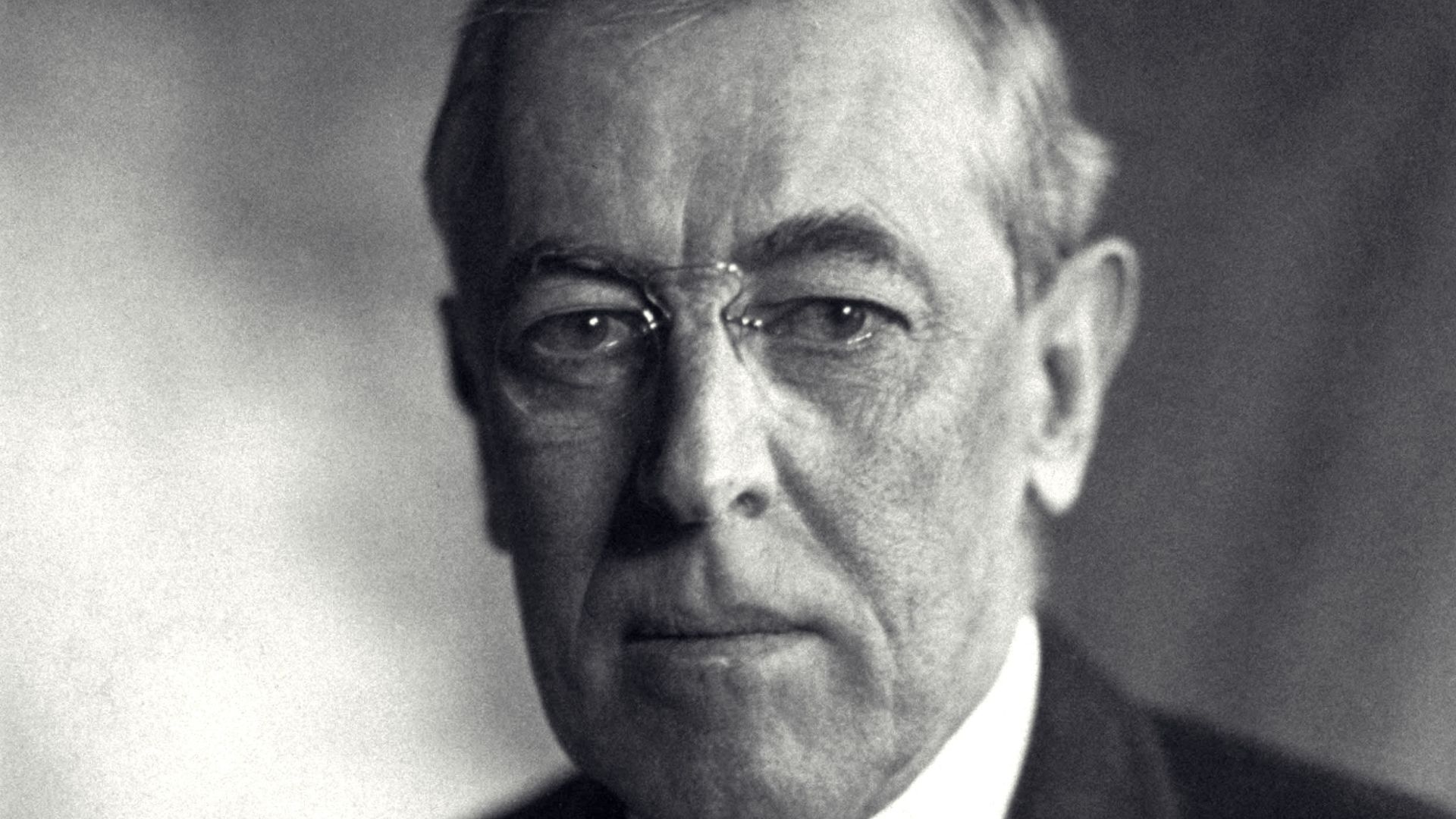
Woodrow Wilson died in 1924, only a few years before the Great Depression and the global instability that led to World War II. He had championed the League of Nations, but the United States refused to join it, leaving his international vision weakened. He didn’t live to see how badly the post-World War I settlement would strain under economic crisis and rising dictatorships.
20. Steve Jobs
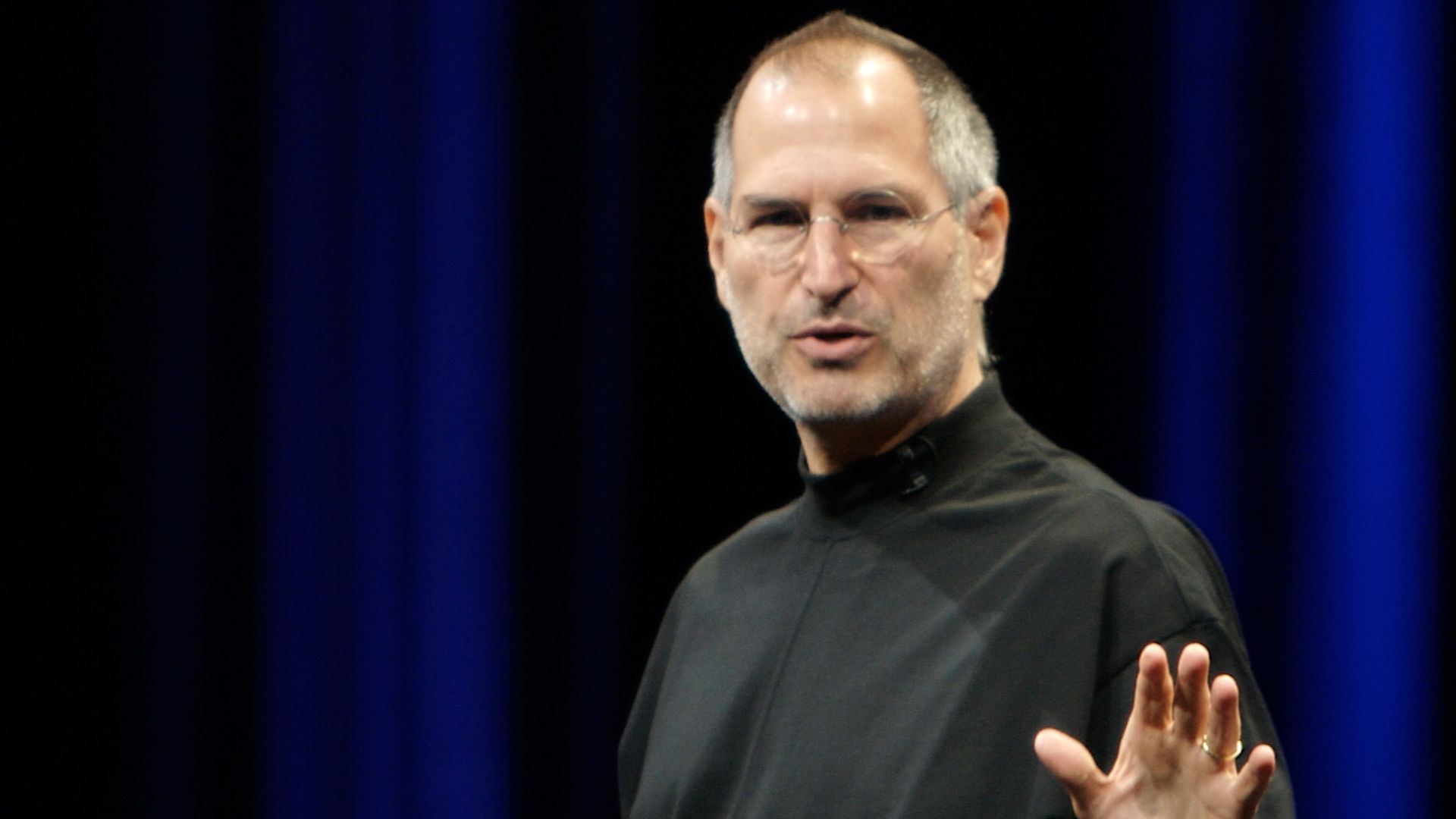
Steve Jobs died in 2011, just as smartphones, tablets, apps, streaming, and mobile-first culture were becoming even more dominant. He lived to see the iPhone and iPad reshape technology, but not the full social world they helped create. The 2010s turned mobile devices into tools for work, entertainment, politics, shopping, dating, and constant distraction.
KEEP ON READING

The 10 Youngest Monarchs In History & The 10 Oldest
Age Is Just A Number. Imagine being crowned king or…
By Chase Wexler Mar 11, 2025
You Think You Have Problems? These Royal Families Were Cursed
Boasson and Eggler St. Petersburg Nevsky 24. on WikimediaHeavy is…
By Ashley Bast Dec 5, 2025
You Can Thank This Greek-Canadian For Creating Pineapple On Pizza…
Love it or hate it, pineapple on pizza sparks debate…
By David Davidovic Dec 1, 2025
Yes, Female Gladiators Existed, And Here's Everything You Need To…
History of Women in Combat. Most people picture gladiators as…
By David Davidovic Jan 17, 2026
Yes, Australians Once Lost A Battle Against Flightless Birds
David Clode on UnsplashIn 1932, the Australian military went to…
By David Davidovic Nov 24, 2025
The Y2K Bug: Why Did Everyone Think Year 2000 Was…
Alan W on UnsplashOn December 31, 1999, people all over…
By Christy Chan Dec 22, 2025