

Voices That Changed What “Singing” Could Mean
Picking the “greatest” vocalists is basically inviting friendly arguments, because greatness can mean technique, emotion, influence, range, or that one live performance you’ll never forget. Rather than pretending there’s one perfect order, think of this as a hall of fame of singers whose voices genuinely moved culture forward. Here are 20 of history's greatest vocalists.
 Distributed by ABC on Wikimedia
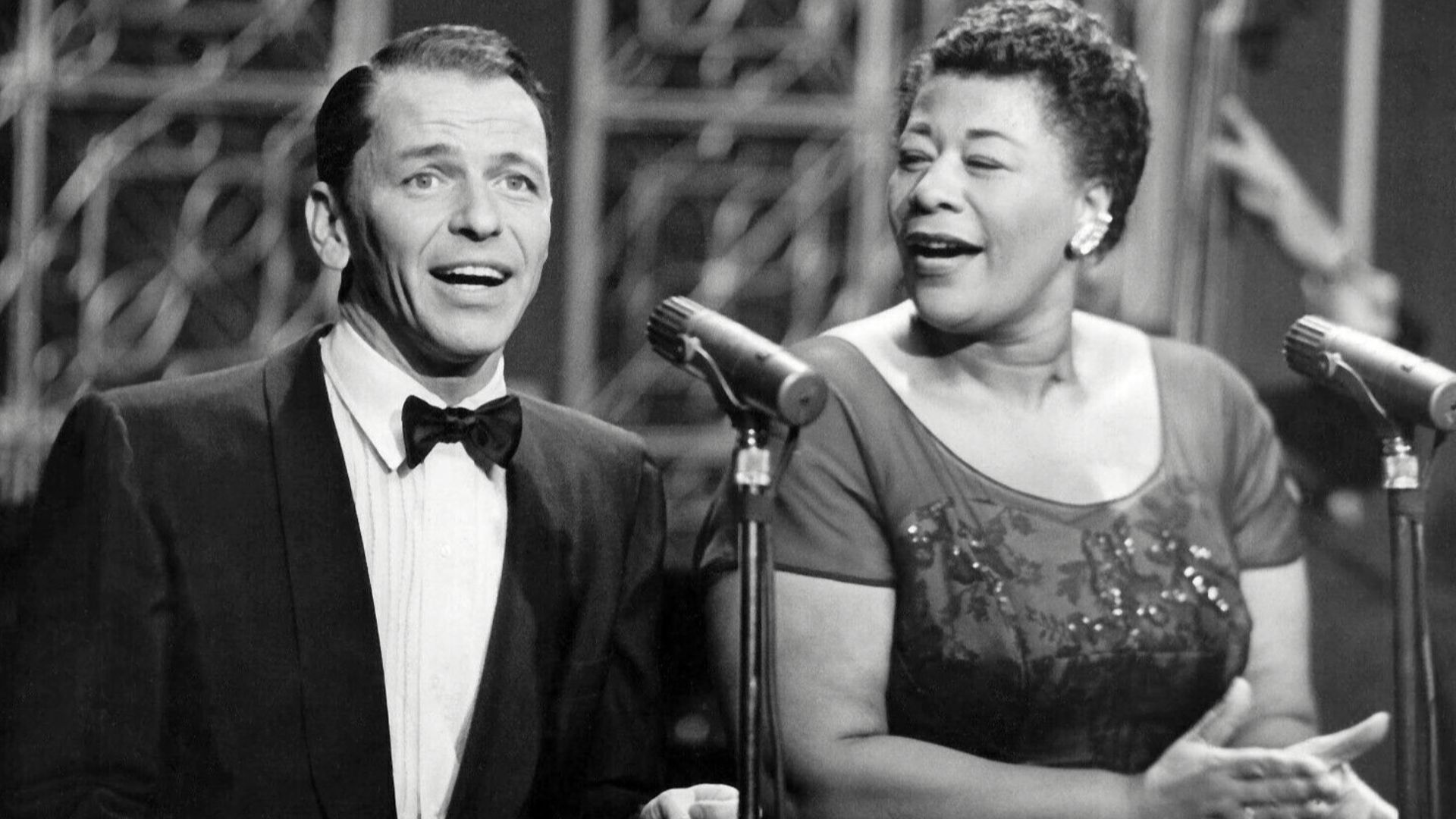
1. Aretha Franklin
Aretha had the kind of authority that made a song feel like it belonged to her the moment she opened her mouth. She could sing softly and still sound commanding, which is a rare power. Her phrasing was so intentional that even covers felt like originals. If you’re trying to understand what “soul” means in music, she’s a masterclass.
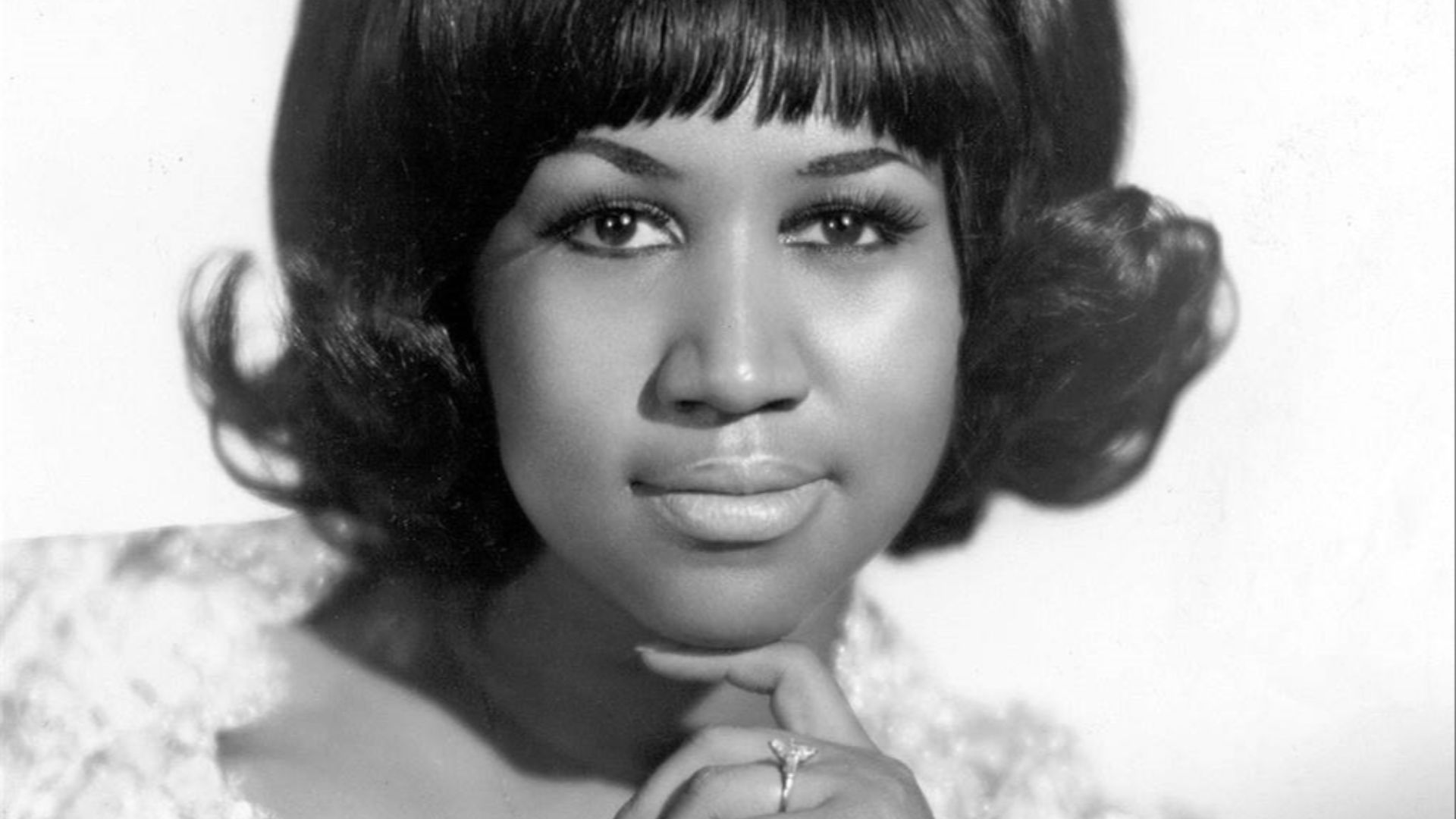
2. Whitney Houston
Whitney’s voice combined clarity and strength in a way that still amazes new listeners. She could make huge notes sound effortless while keeping the emotion front and center. Even her runs felt controlled rather than messy, which is harder than it looks. You don’t need to be a vocal nerd to hear how special it was.
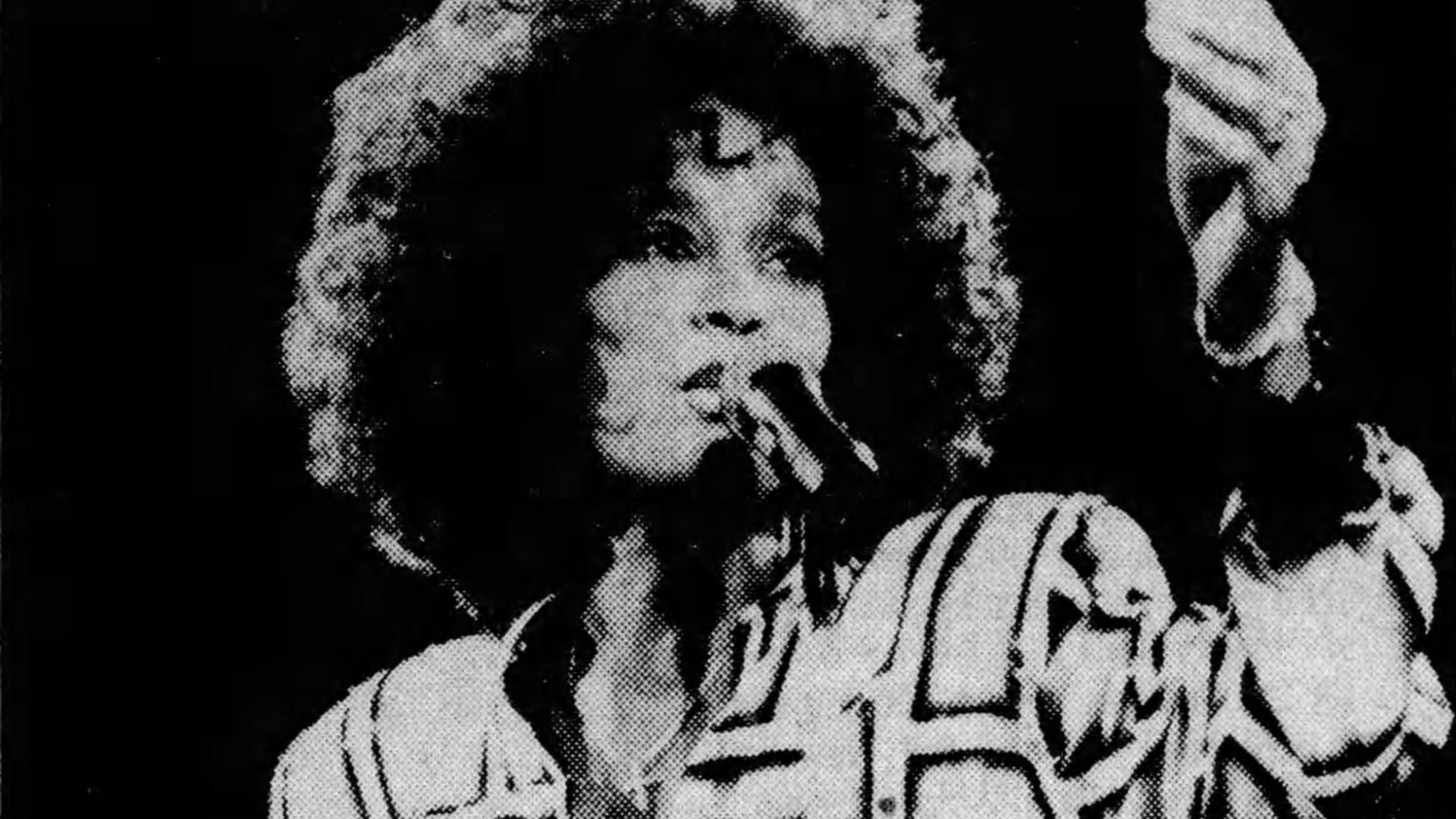
3. Ella Fitzgerald
Ella made singing feel joyful, precise, and impossibly smooth all at once. Her scat singing wasn’t just a party trick; it was musical intelligence you could dance to. She could swing, she could soar, and she could make a melody feel freshly invented.
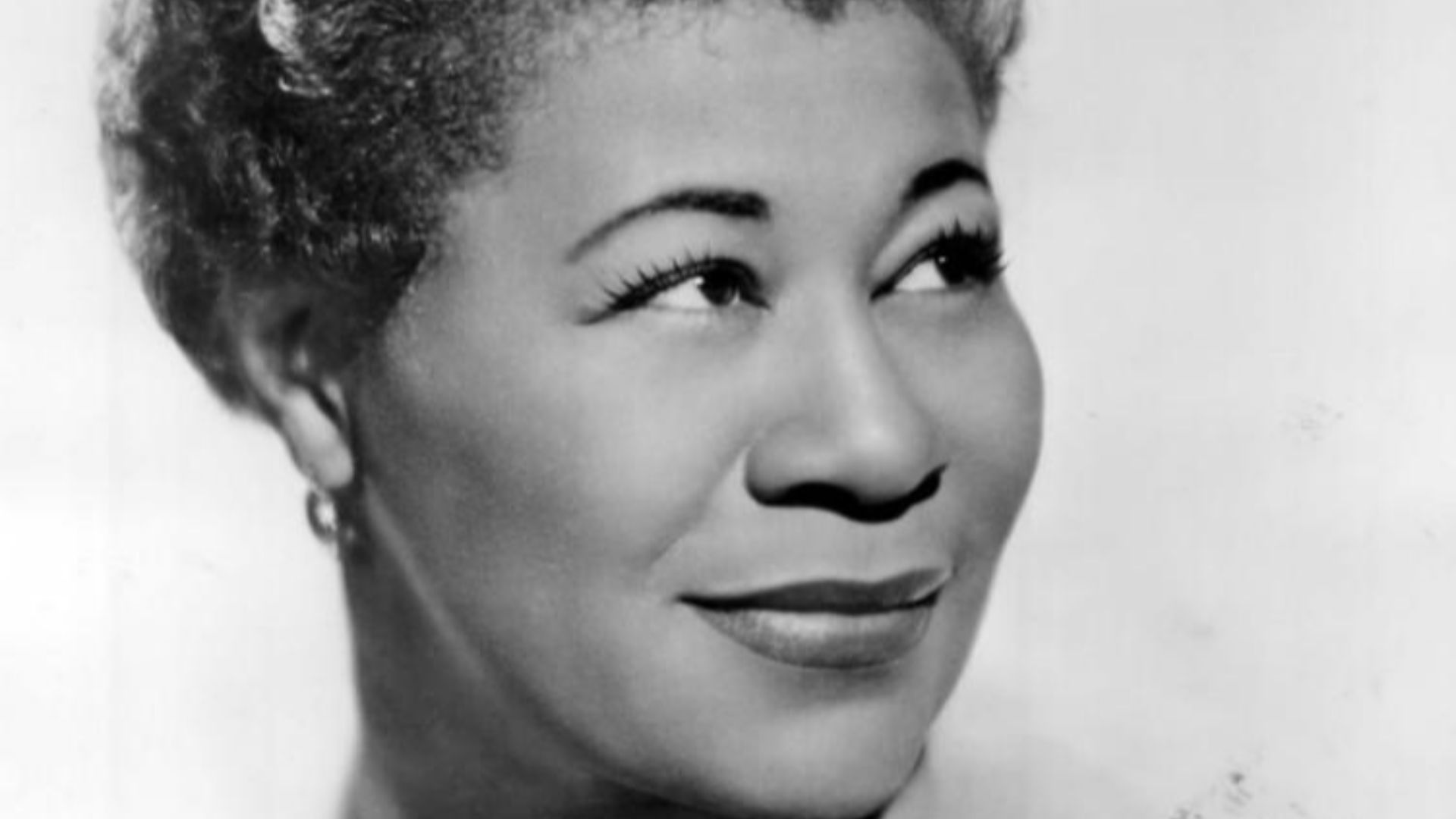 Lewin/Kaufman/Schwartz on Wikimedia
4. Billie Holiday
Billie didn’t rely on big volume or flashy technique, and that’s exactly what made her devastating. She could bend time with phrasing and make a lyric feel painfully personal. Her voice carried a lived-in quality that turned simple lines into emotional punches. She sang in a way that makes you believe her.
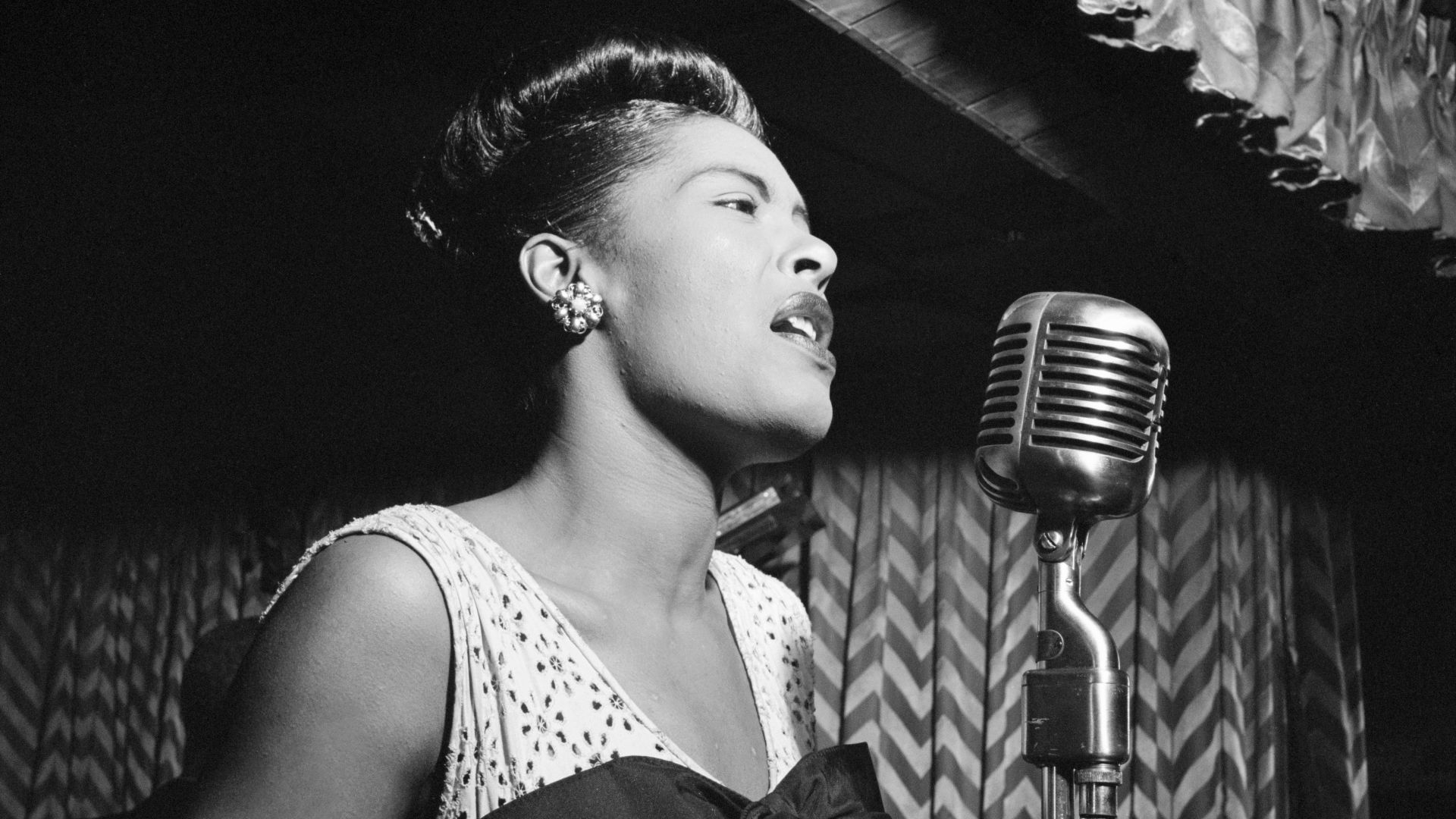 William P. Gottlieb on Wikimedia
5. Nina Simone
Nina was a concert pianist first and a singer second, which means her voice is kind of imperfect, but that's what makes it so distinct and interesting. It could sound tender, furious, playful, and exhausted, sometimes in the same song. She didn’t just sing lyrics, she delivered them like arguments you couldn’t ignore. The way she used tone and emphasis made every performance feel purposeful.
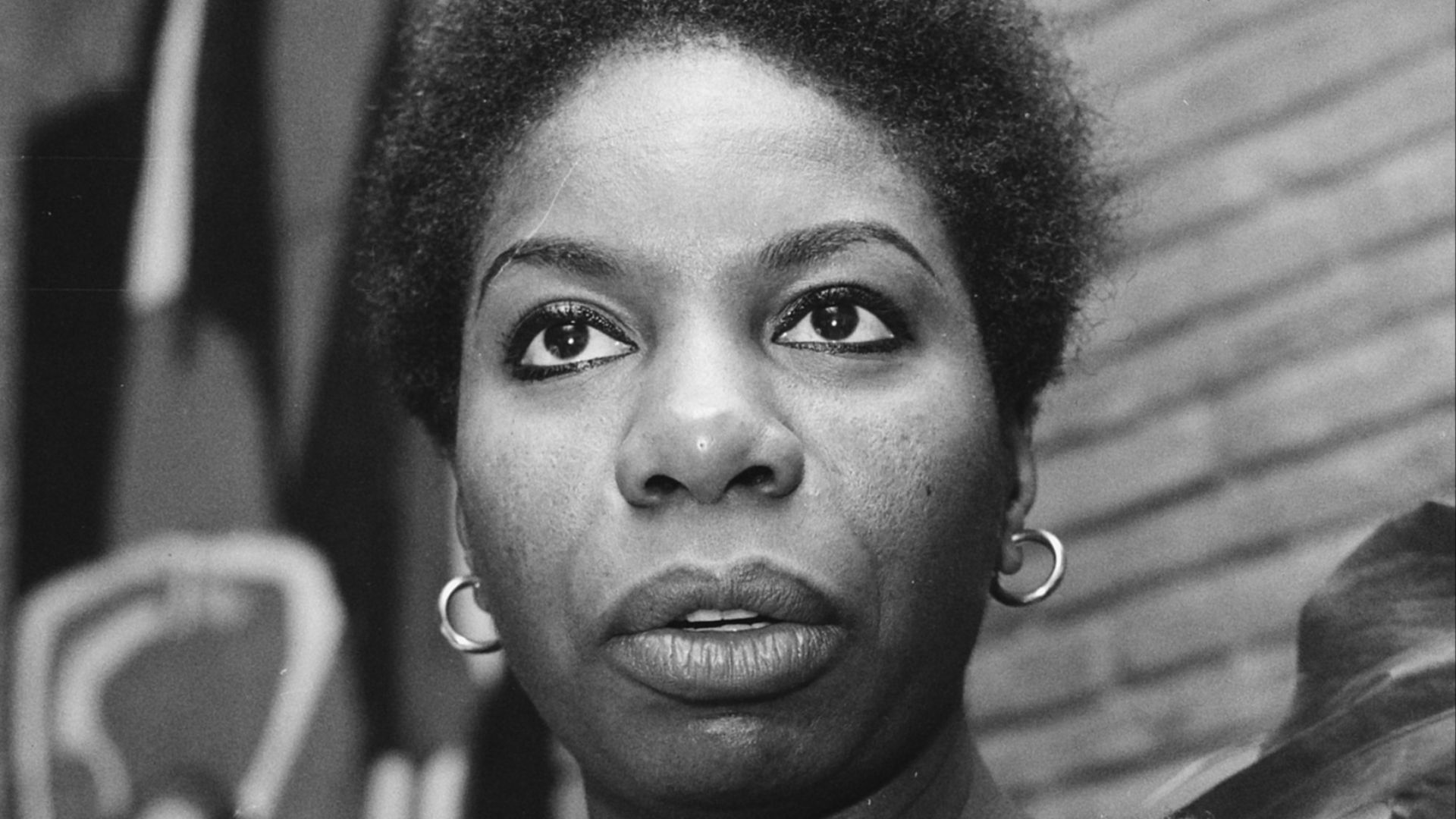 Kroon, Ron for Anefo on Wikimedia
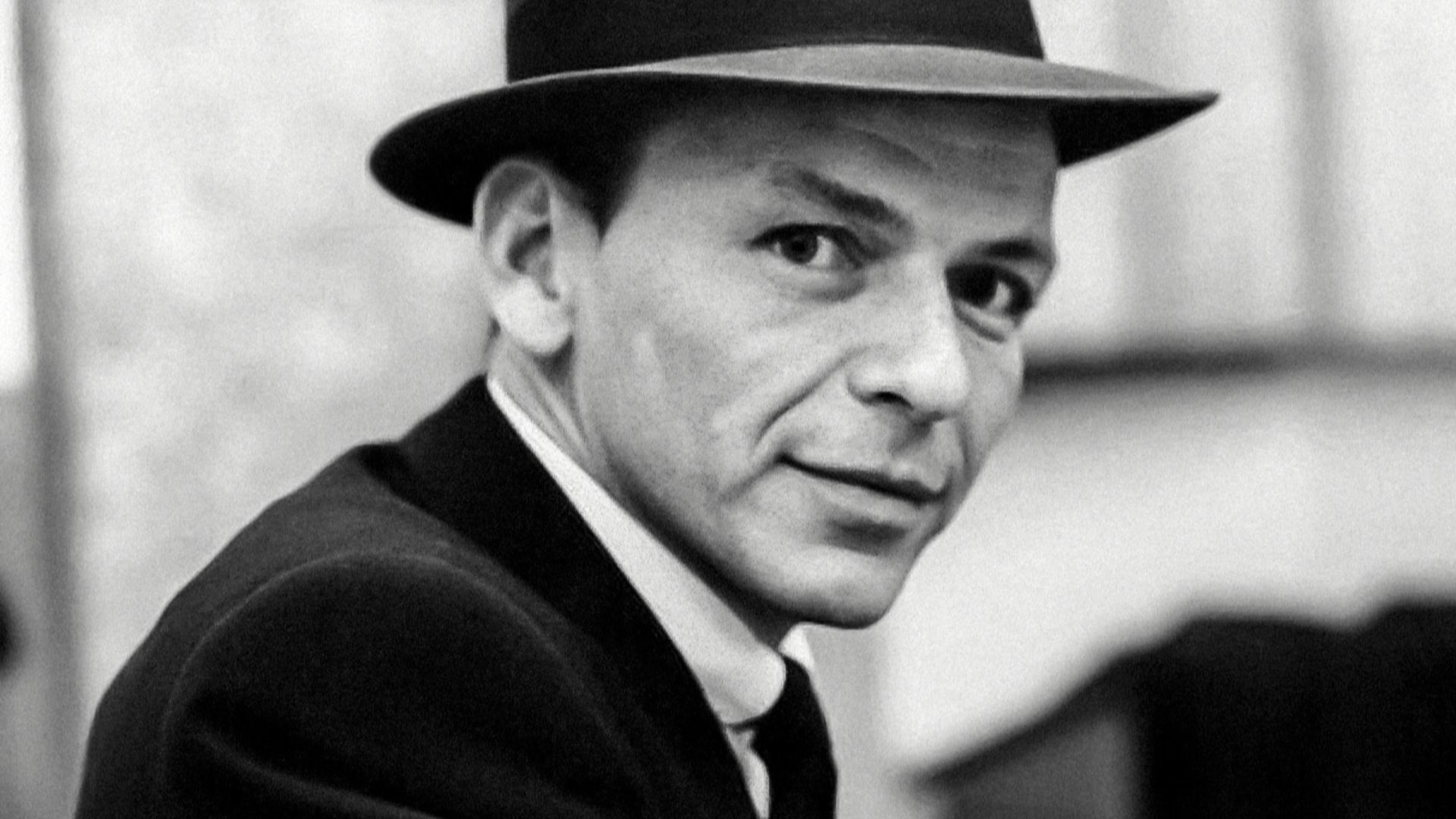
6. Frank Sinatra
Sinatra turned phrasing into an art form, and he made it look casual even when it wasn’t. He knew how to sit behind the beat, lean into a word, and make a song feel conversational. That control is why so many singers still study him.
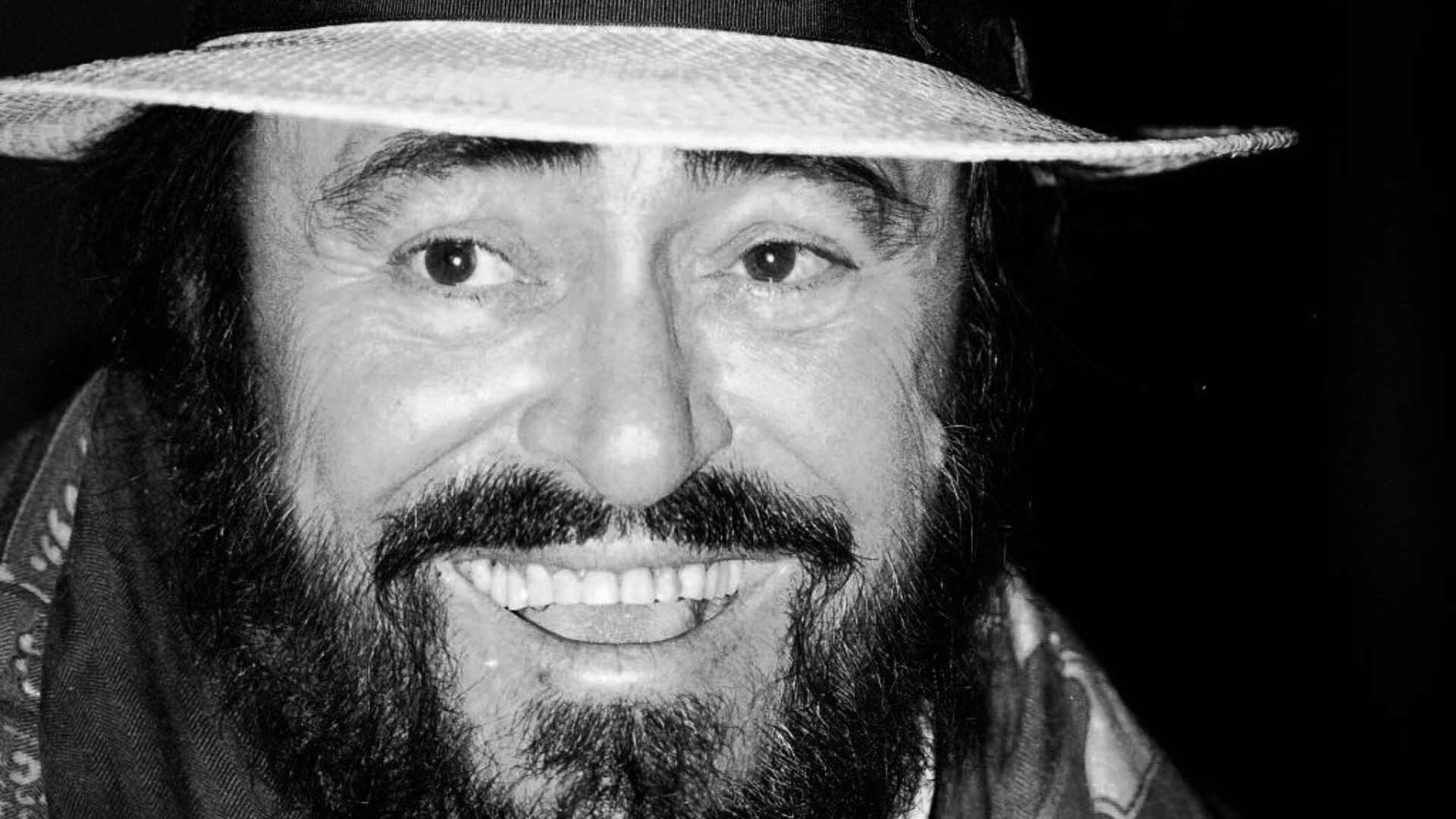
7. Luciano Pavarotti
Pavarotti was one of the most acclaimed operatic tenors of all time. He had a voice that felt both powerful and strangely friendly, which helped opera reach people who didn’t grow up with it. His high notes were famous, but his warmth mattered just as much. He could fill a hall without sounding harsh or forced.
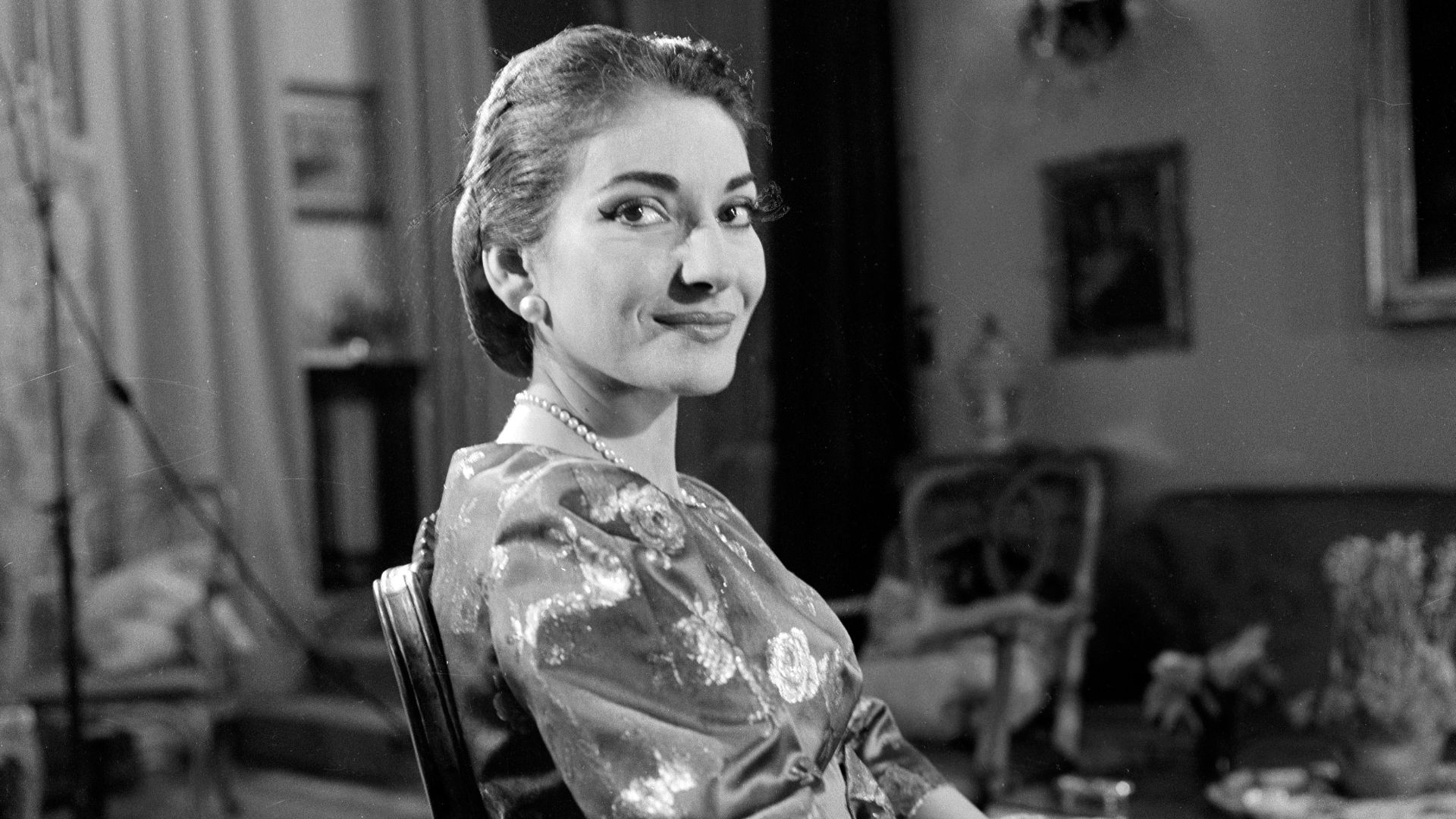
8. Maria Callas
Callas didn’t sing opera like a vocalist showing off; she sang like an actor who happened to have a world-class instrument. Her intensity made performances feel dramatic in a way that went beyond technique. She’s often celebrated for how she fused character, emotion, and vocal color.
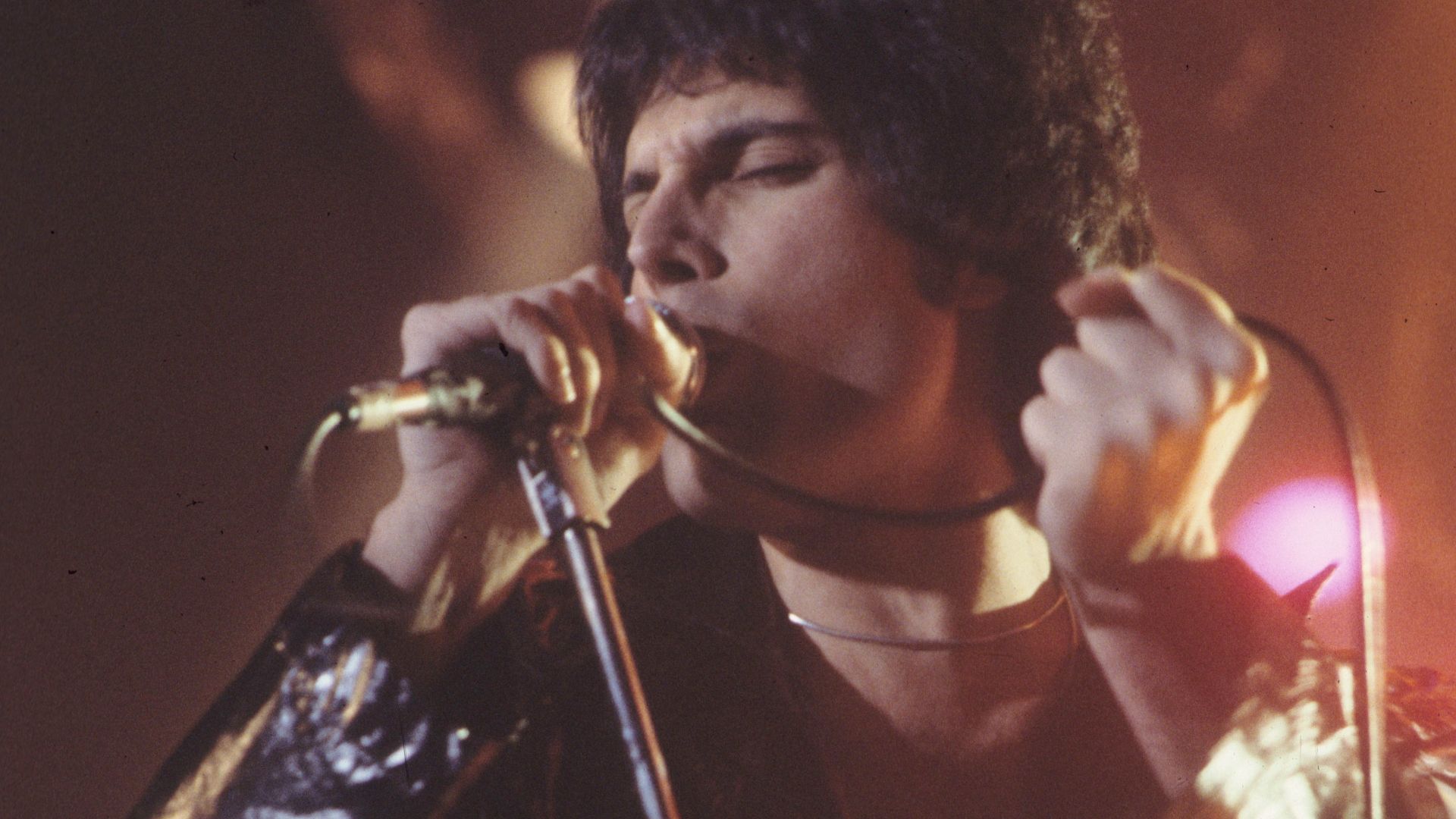
9. Freddie Mercury
Freddie took opera styling to rock music in a way that had never been seen before. His voice had swagger, flexibility, and a theatrical bite that made rock feel larger than life. He could move from soft vulnerability to full power without losing control. Live, he had that rare ability to command a crowd with pure presence.
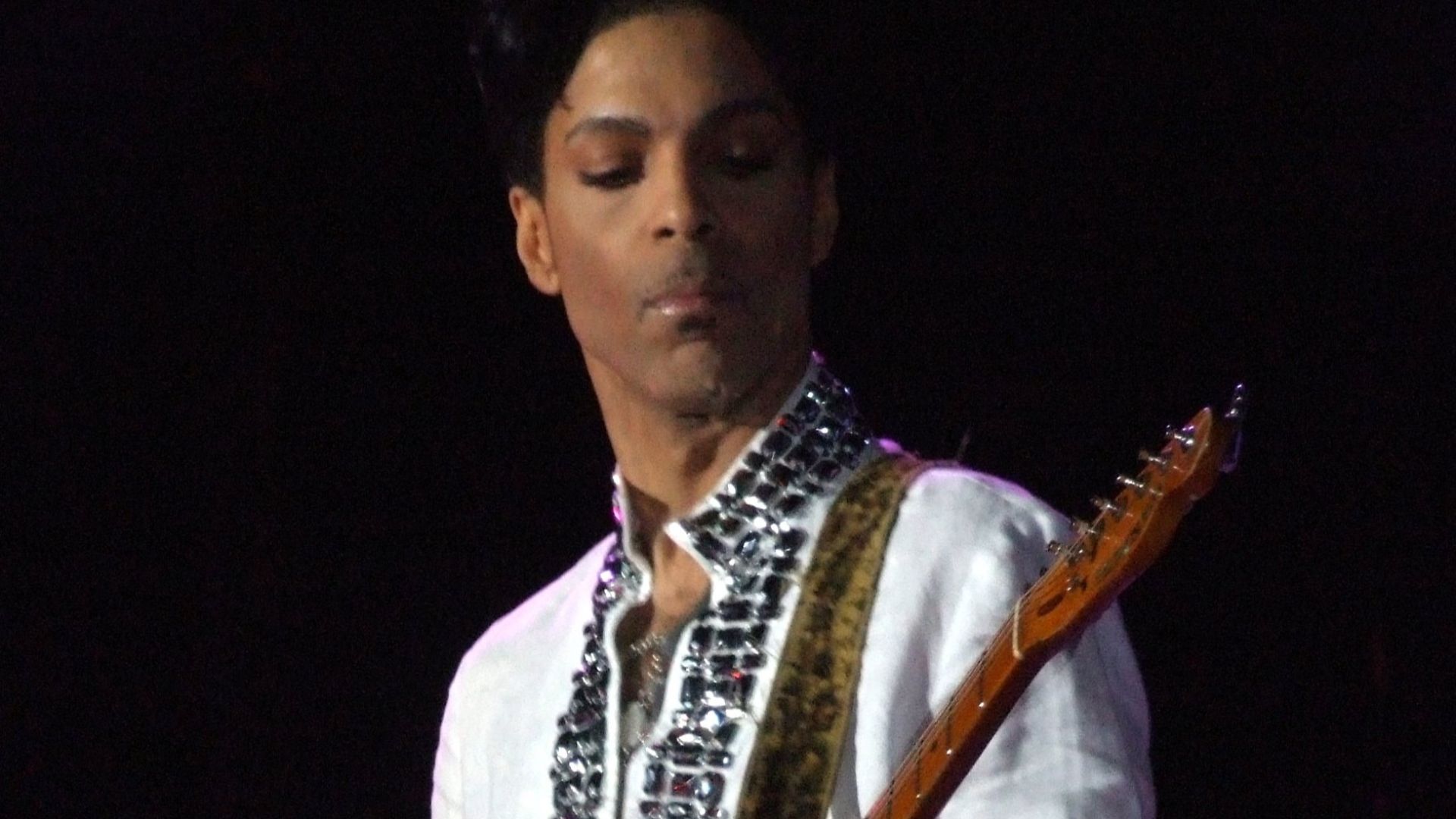
10. Prince
Prince could sing sweetly, scream convincingly, and slide into falsetto like it was a casual choice. His voice was expressive in a way that made every genre he touched feel like it had new possibilities. He also used restraint when he wanted, which made the big moments land harder.
11. Sinéad O’Connor
Sinéad could sound sweet and fragile one second and then let out a mighty roar the next, always keeping your ear intrigued and surprised. She had a directness that made even simple melodies feel urgent and personal. When she leaned into quiet intensity, it didn’t feel small; it felt focused. If you’ve ever been stopped cold by a vocal that sounds like pure truth, you’ve felt what she did.
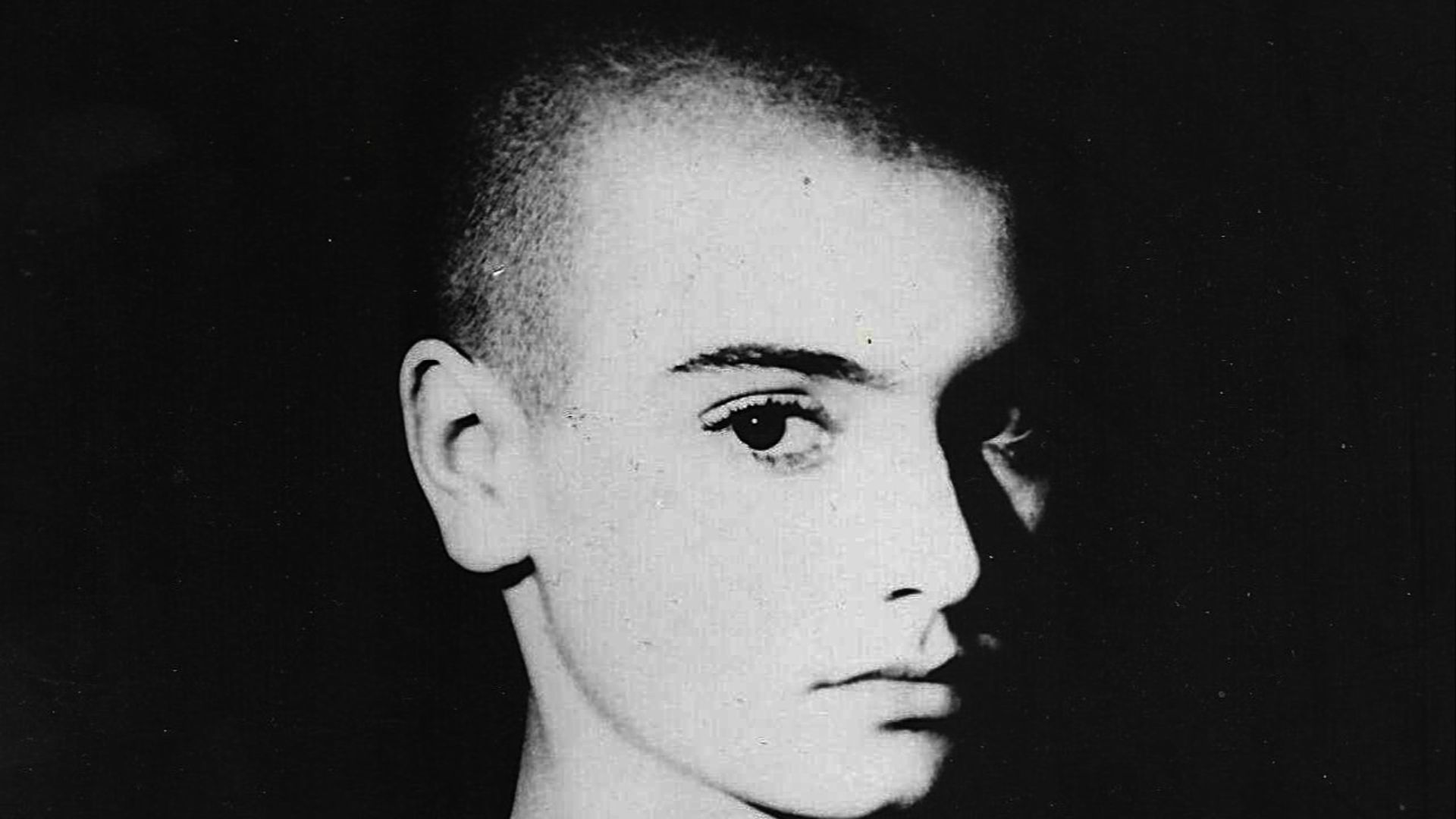 Photographer unknown on Wikimedia
12. Al Green
Al Green made softness sound powerful, especially in the way he could float a phrase and still land it with authority. His tone is smooth, but there’s always tension underneath it, like the emotion is right at the surface. He could turn a love song into something almost conversational while still sounding unmistakably iconic.
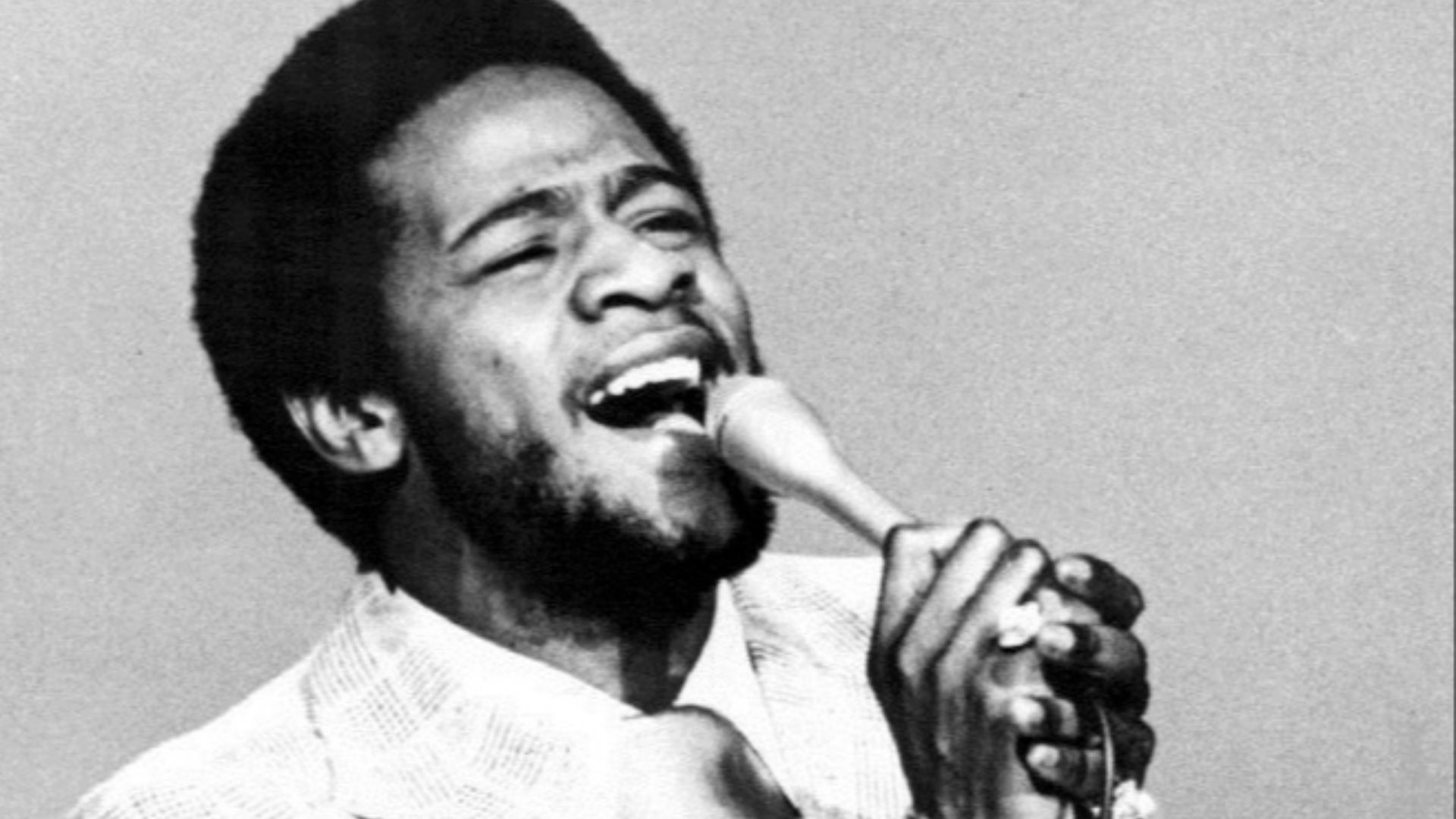 Mike Douglas Show on Wikimedia
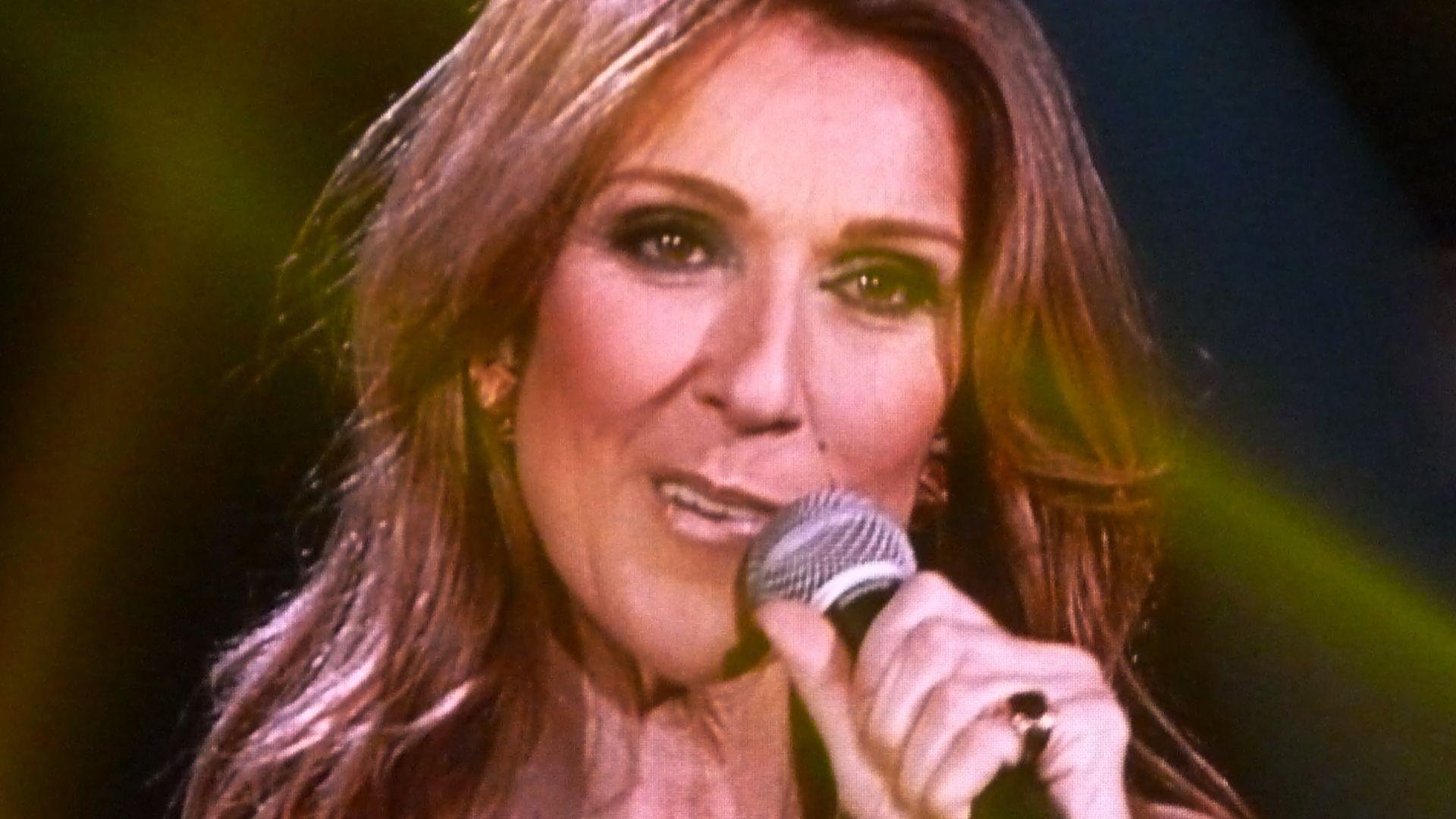
13. Céline Dion
Céline’s voice is famous for control, power, and a dramatic sense of lift that makes big ballads feel earned. She can sustain long phrases cleanly and still keep the sound bright and focused. Her precision is a big reason her biggest songs became global staples.
14. Sam Cooke
Sam’s voice had a smoothness that felt effortless, but the emotional detail is what keeps him timeless. He could sound romantic, hopeful, or heartbroken without turning it into theater. His influence runs through soul and pop in a way people sometimes don’t realize until they trace it back.
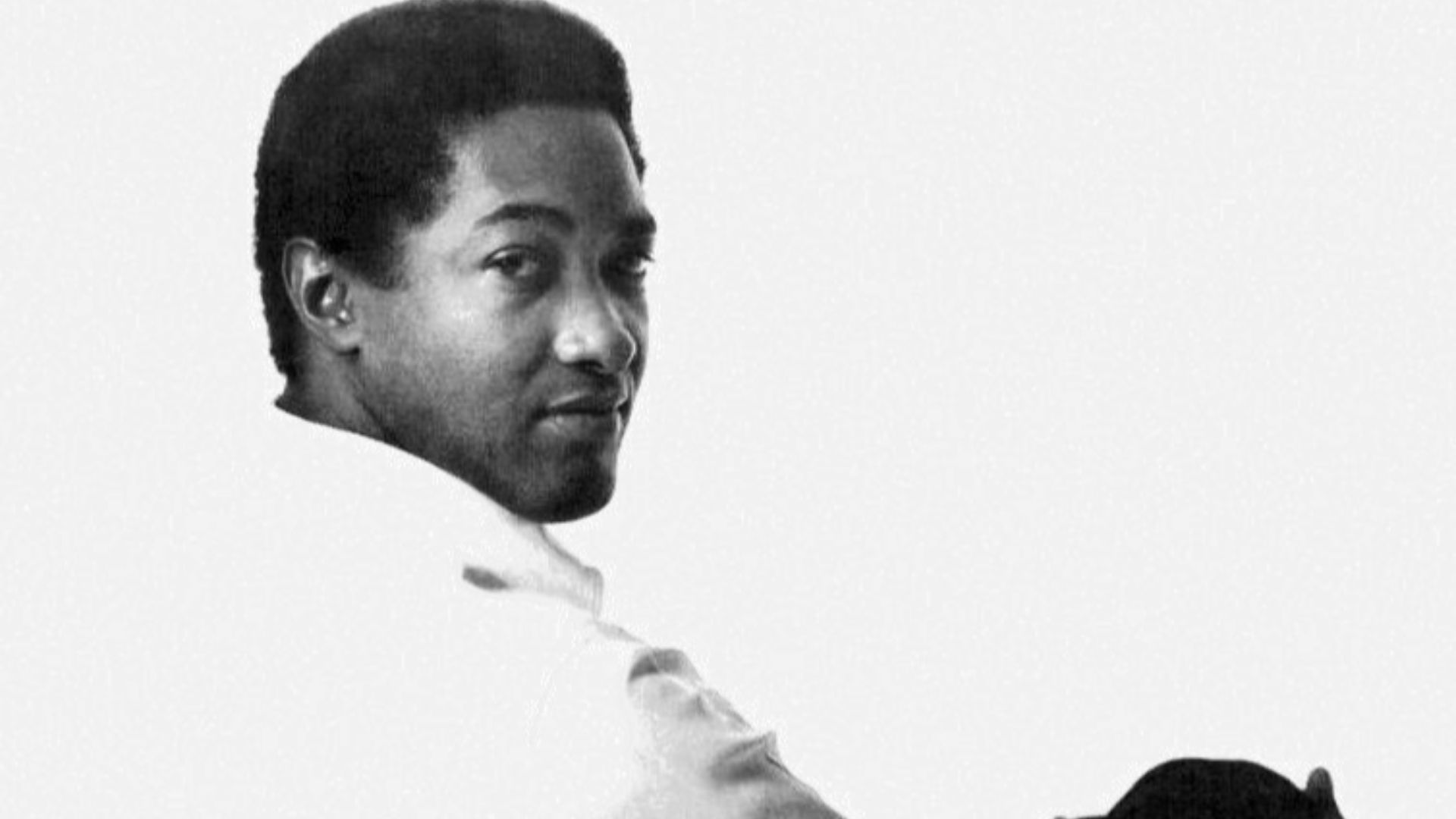 RCA Victor Records on Wikimedia
15. Marvin Gaye
Marvin could deliver tenderness and intensity with a voice that felt intimate even when the music was big. He used breath, falsetto, and phrasing like tools, not tricks. That flexibility let him sound sensual, spiritual, and political across different eras.
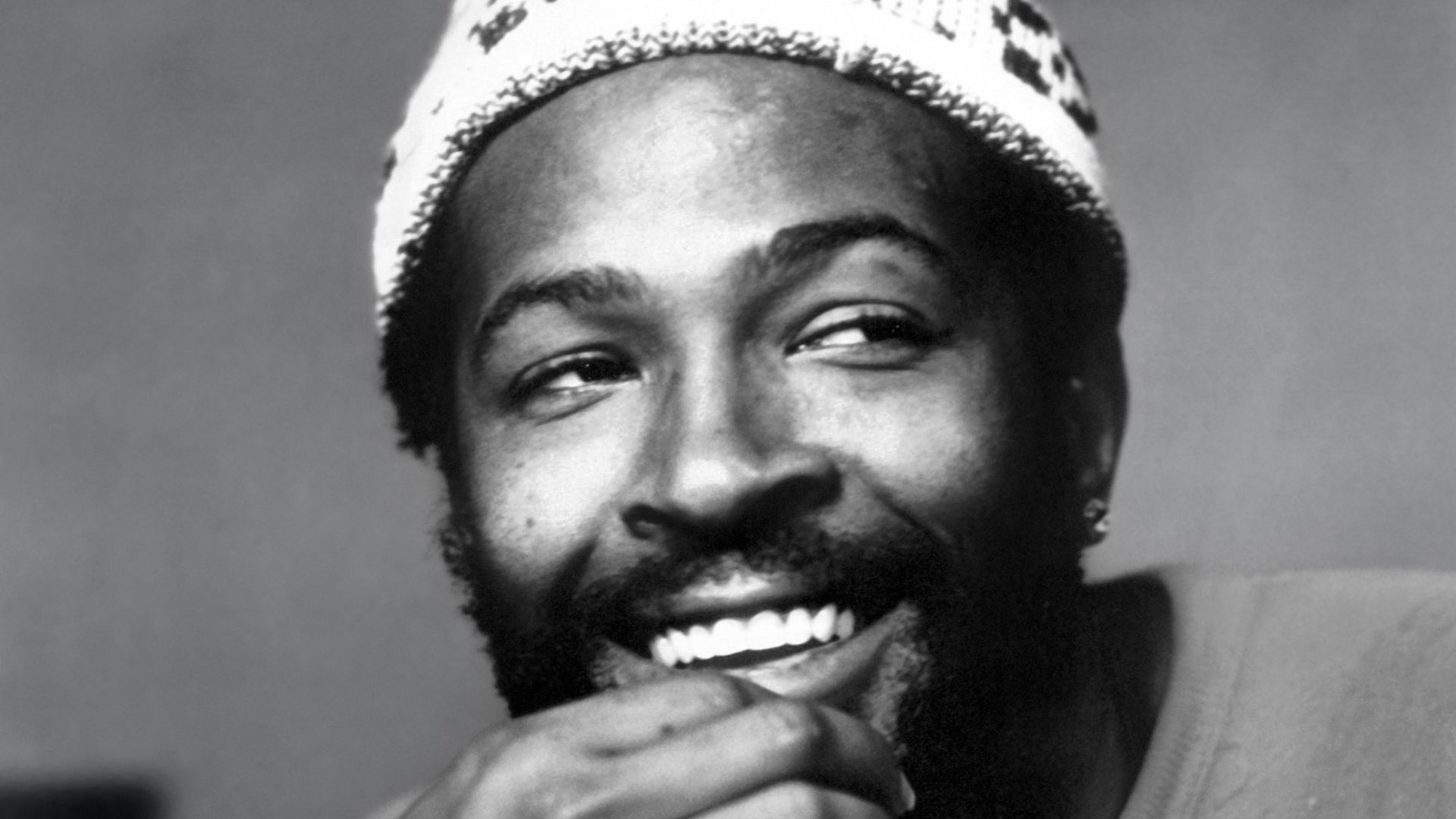
16. Otis Redding
Otis sang like he was trying to get the truth out before the song ended. His voice had grit, urgency, and that pleading edge that makes soul feel immediate. He didn’t need perfect polish to be unforgettable, because the emotion did the work. If you want to understand raw vocal impact, put him on.
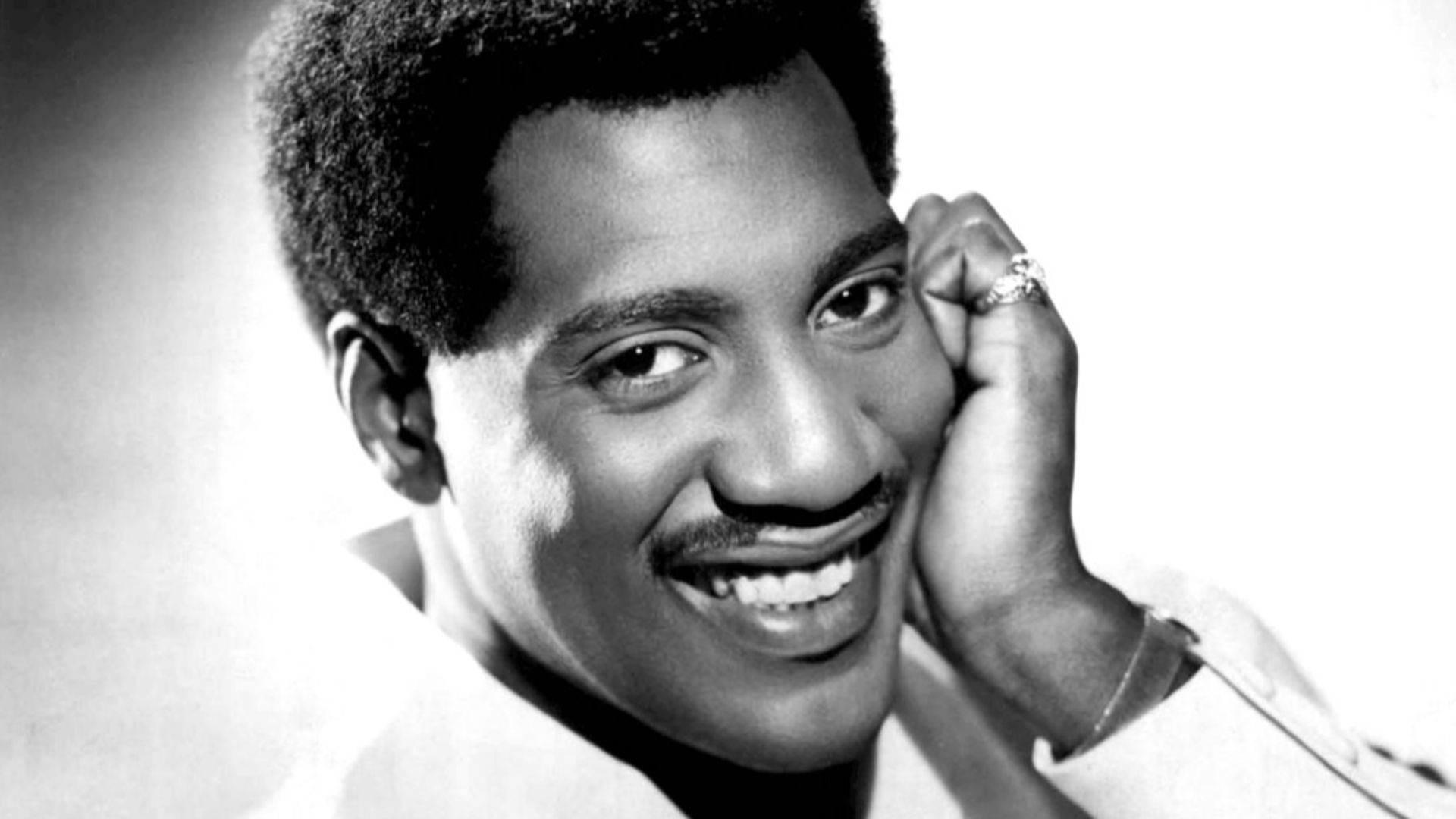
17. Stevie Wonder
Stevie’s voice has a bright, elastic quality that helped define the funk genre. He can float through melodies, then dig in with a soulful punch without losing clarity. His phrasing feels musical in a way that matches his genius as a songwriter and producer. It’s hard to separate his voice from his overall artistry, and that’s part of the magic.
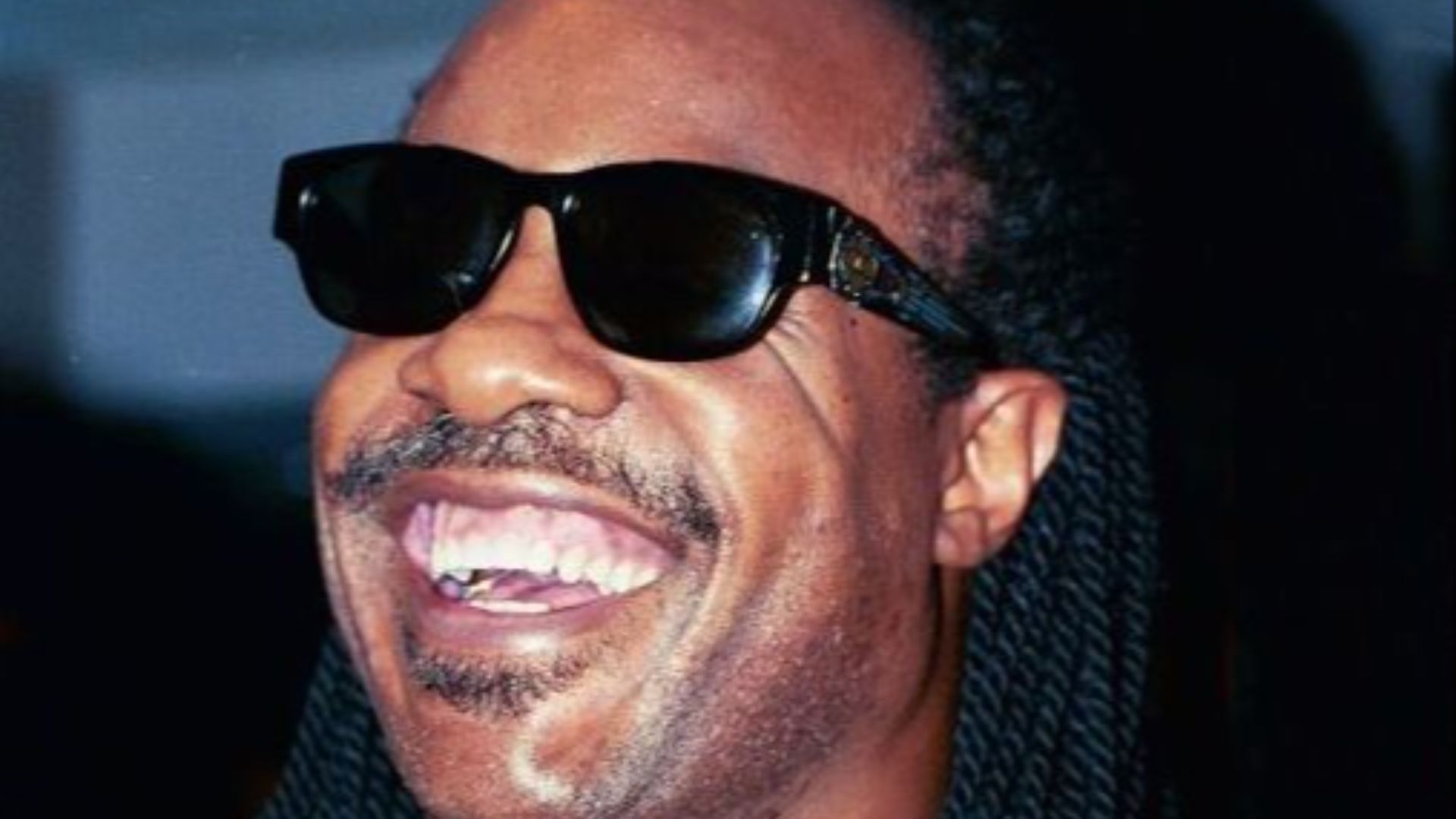
18. James Brown
James didn’t sing in the traditional “pretty” way, and he didn’t need to. His voice was rhythm, attitude, and command, and it basically became its own instrument in the band. He could turn a shout into a hook and make a groove feel like a living thing.
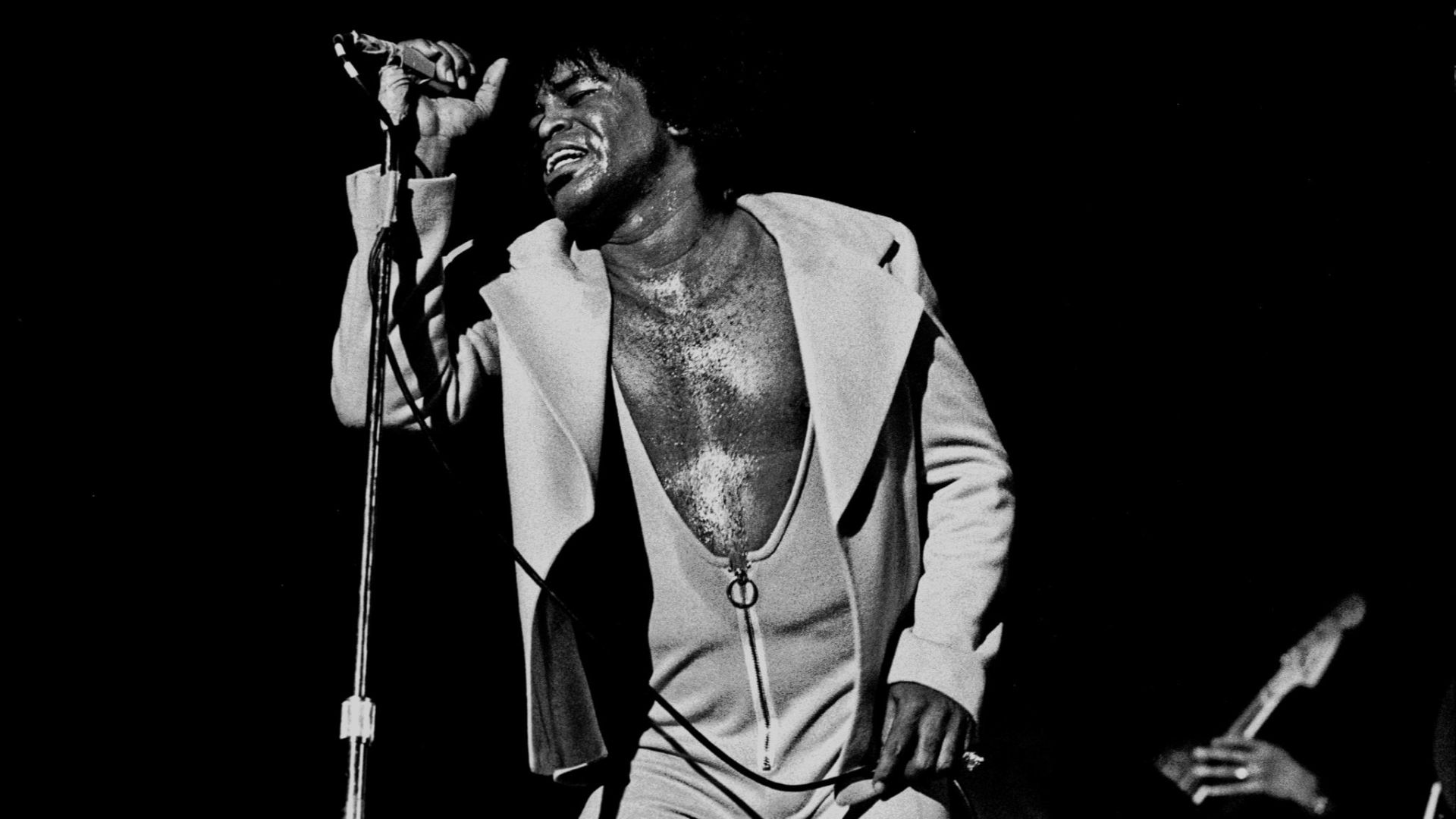
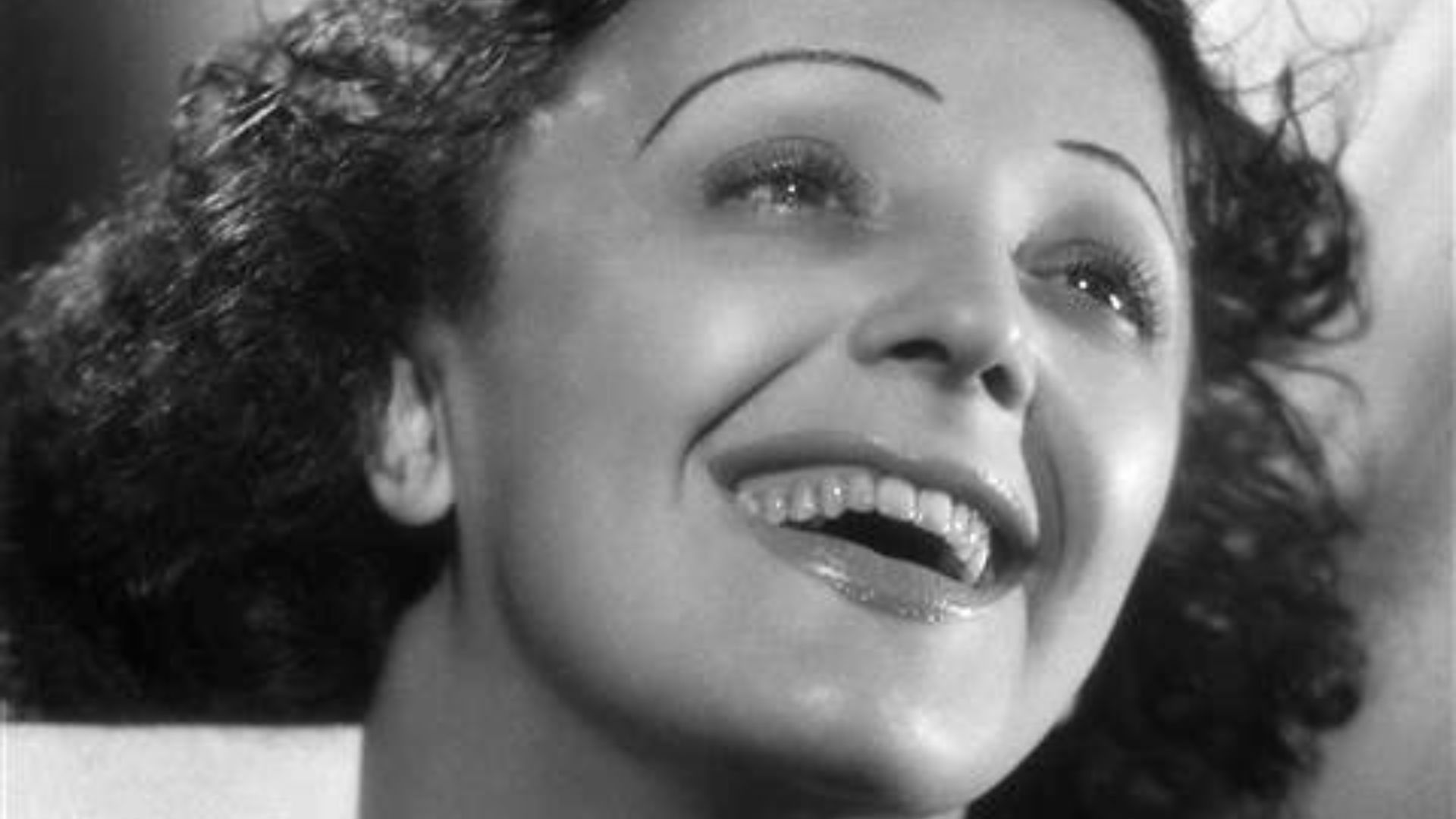
19. Édith Piaf
Piaf’s voice carried intensity that made love, loss, and longing feel immediate, even if you don’t speak French. She sang with a dramatic honesty that turned small songs into big moments. She somehow struck a balance between power and fragility. If you like singers who make you feel something fast, she belongs on the list.
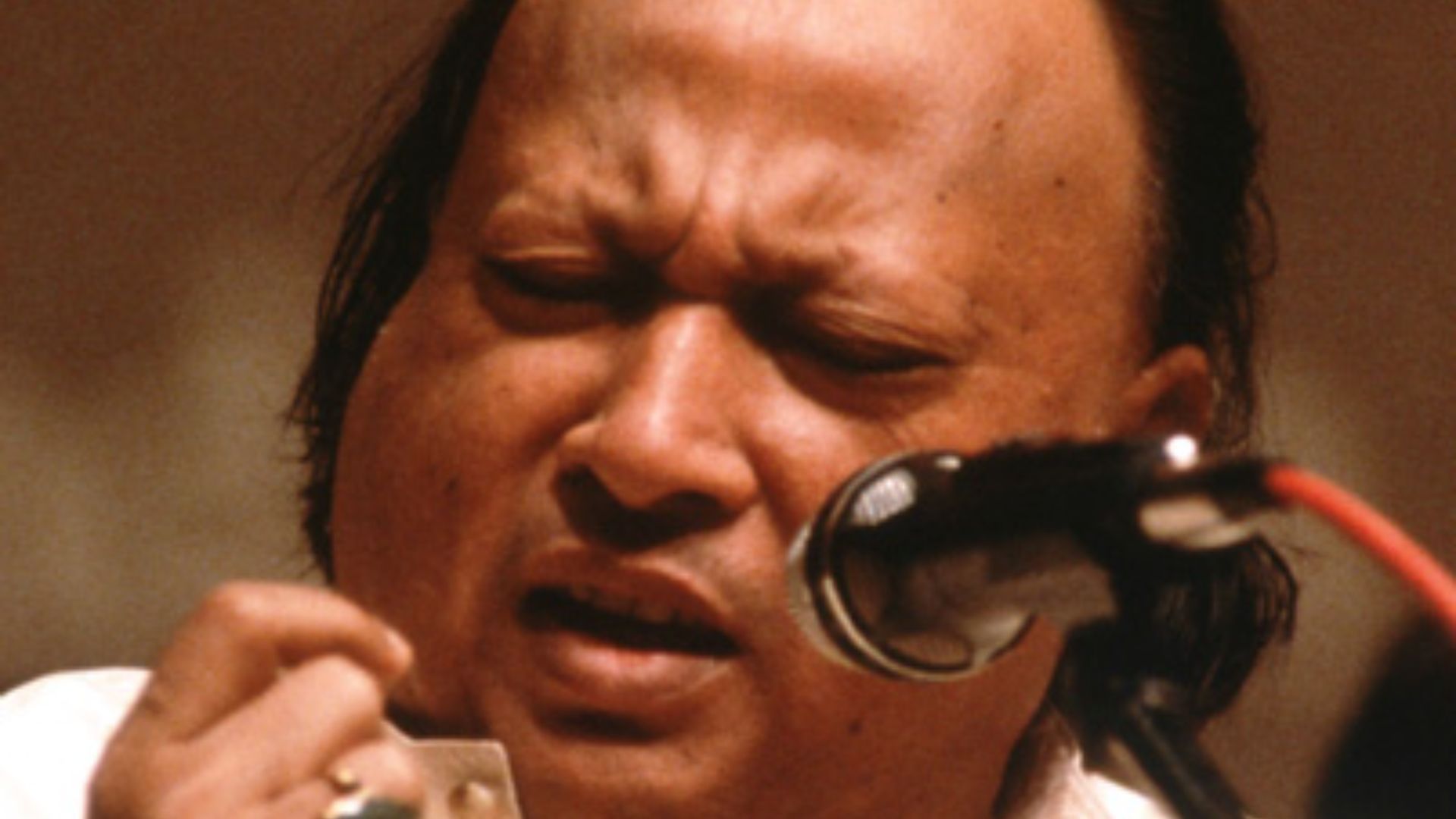
20. Nusrat Fateh Ali Khan
Nusrat’s vocals were expansive, powerful, and spiritually charged, with improvisation that could feel hypnotic. He brought enormous emotional range and technical mastery to every performance, often building intensity over time in a way that held listeners completely. His influence spread far beyond his home tradition, touching musicians across genres worldwide.
KEEP ON READING
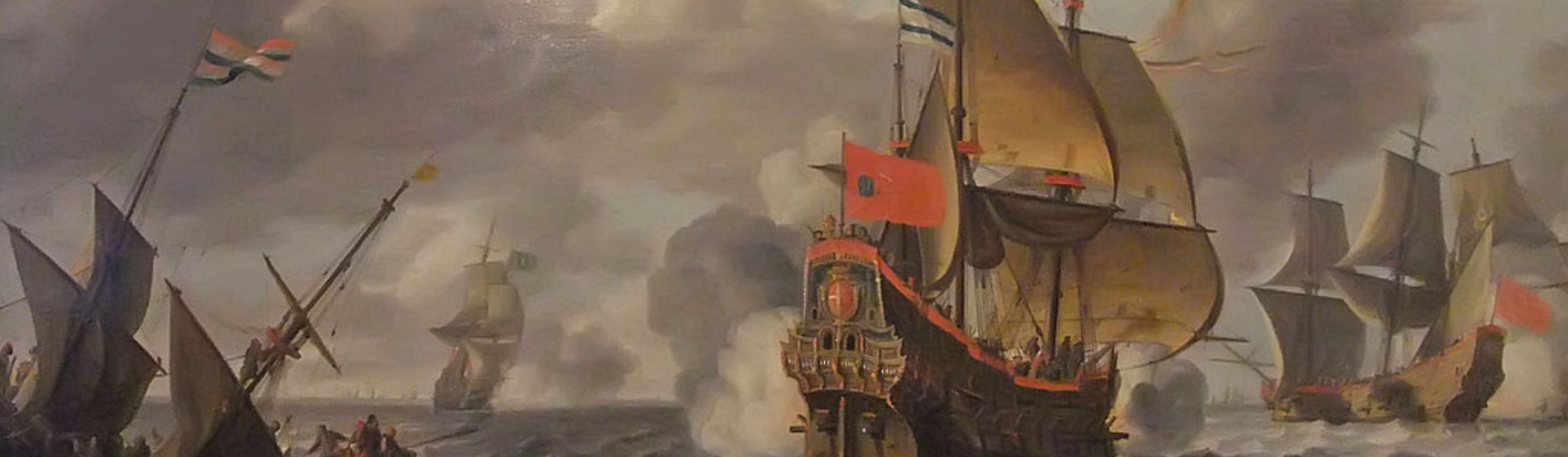
The story of Ching Shih, the Woman Who Became the…
Unknown author on WikimediaFew figures in history are as feared…
By Emilie Richardson-Dupuis Dec 29, 2025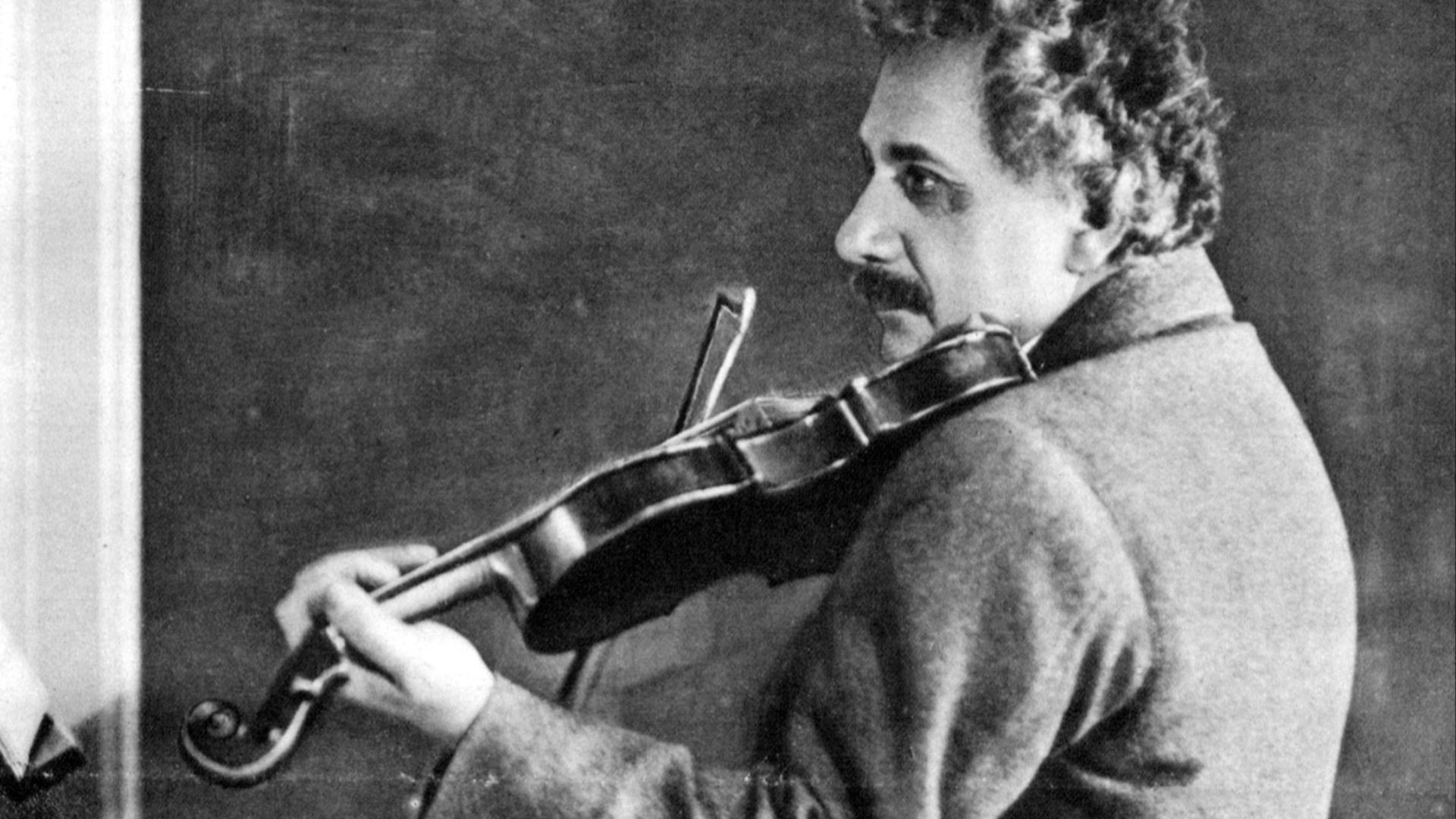
Einstein's Violin Just Sold At An Auction—And It Earned More…
A Visionary's Violin. Wanda von Debschitz-Kunowski on WikimediaWhen you hear…
By Ashley Bast Nov 3, 2025
This Infamous Ancient Greek Burned Down An Ancient Wonder Just…
History remembers kings and conquerors, but sometimes, it also remembers…
By David Davidovic Nov 12, 2025
The Mysterious "Sea People" Who Collapsed Civilization
3,200 years ago, Bronze Age civilization in the Mediterranean suddenly…
By Robbie Woods Mar 18, 2025
The Last Samurai: The True Story Of Saigō Takamori And…
Susann Schuster on UnsplashYou probably imagine a samurai as a…
By Sara Springsteen Mar 3, 2026
20 Soldiers Who Defied Expectations
Changing the Rules of the Battlefield. You’ve probably heard plenty…
By Annie Byrd Feb 10, 2026