

The Queen Who Became King
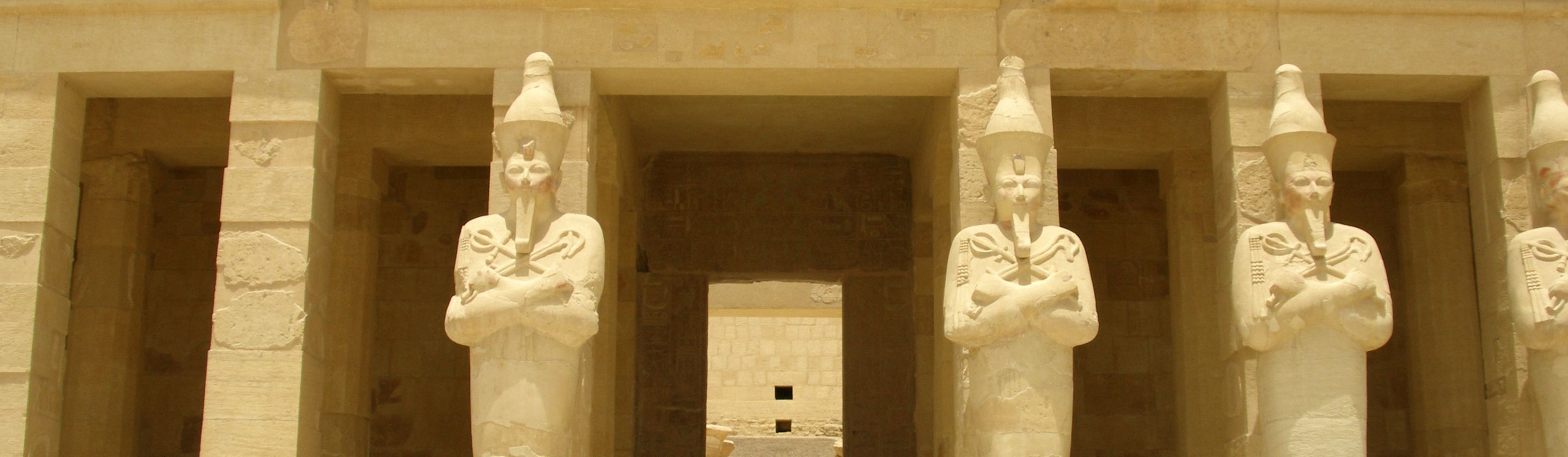
In ancient Egypt, power belonged to kings—until Hatshepsut changed the rules. As a woman who rose to Egypt’s highest throne, her reign stirred loyalty, controversy, and awe. Centuries later, her story still challenges assumptions about leadership and gender. Historians continue to uncover details that defy expectations. Curious what made her so unforgettable? Here are 20 facts about Hatshepsut, Egypt's female Pharaoh.
1. Egypt’s Second Female Pharaoh
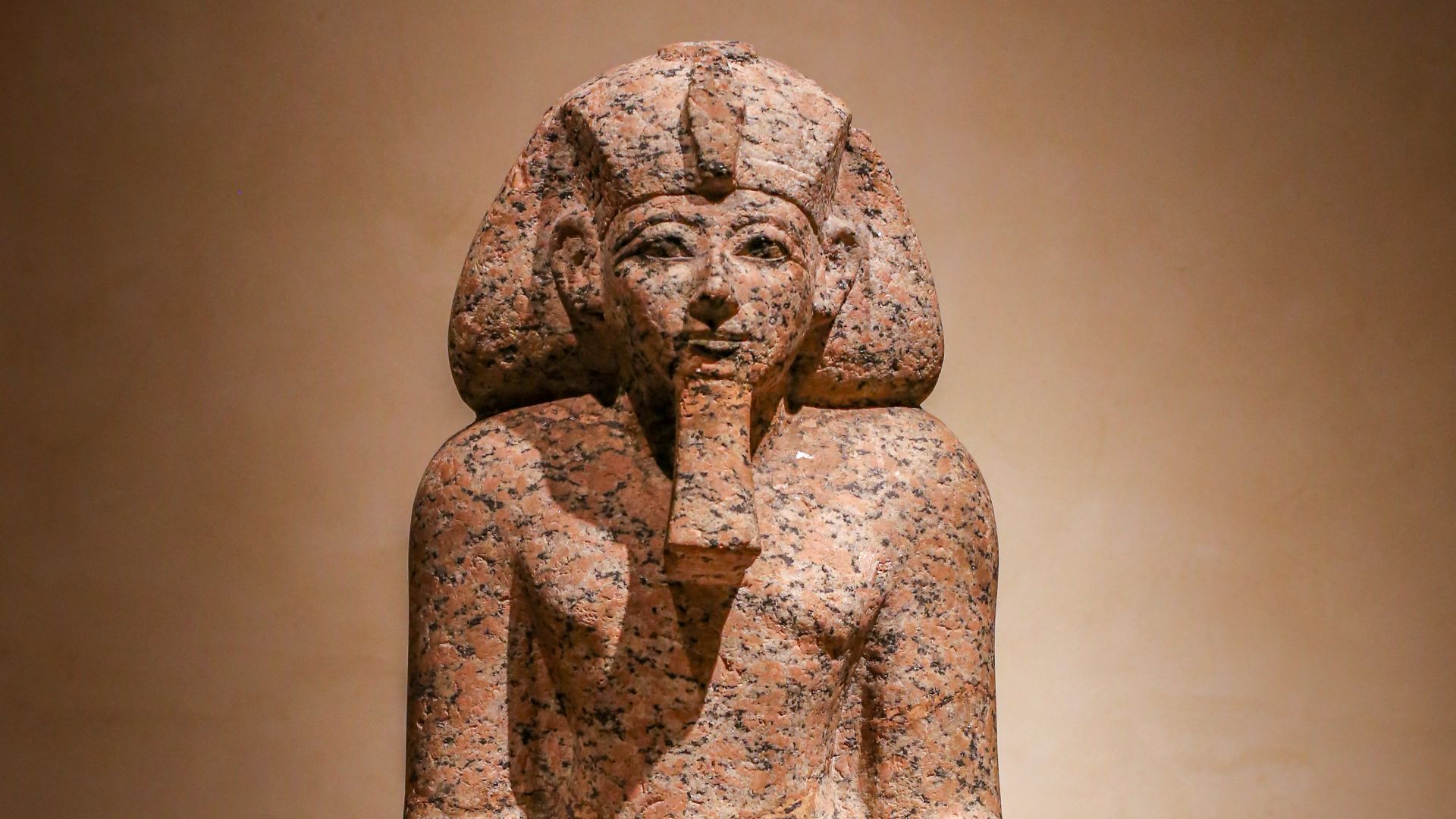
Hatshepsut was born around 1507 BCE to Pharaoh Thutmose I and Queen Ahmose during Egypt’s 18th Dynasty. After marrying her half-brother Thutmose II, she eventually claimed the throne. Rather than rule as queen, she declared herself Pharaoh and adopted traditional male royal designations. However, Sobekneferu hold the title of Egypt's first female Pharoah.
2. Named Foremost Of Noble Ladies
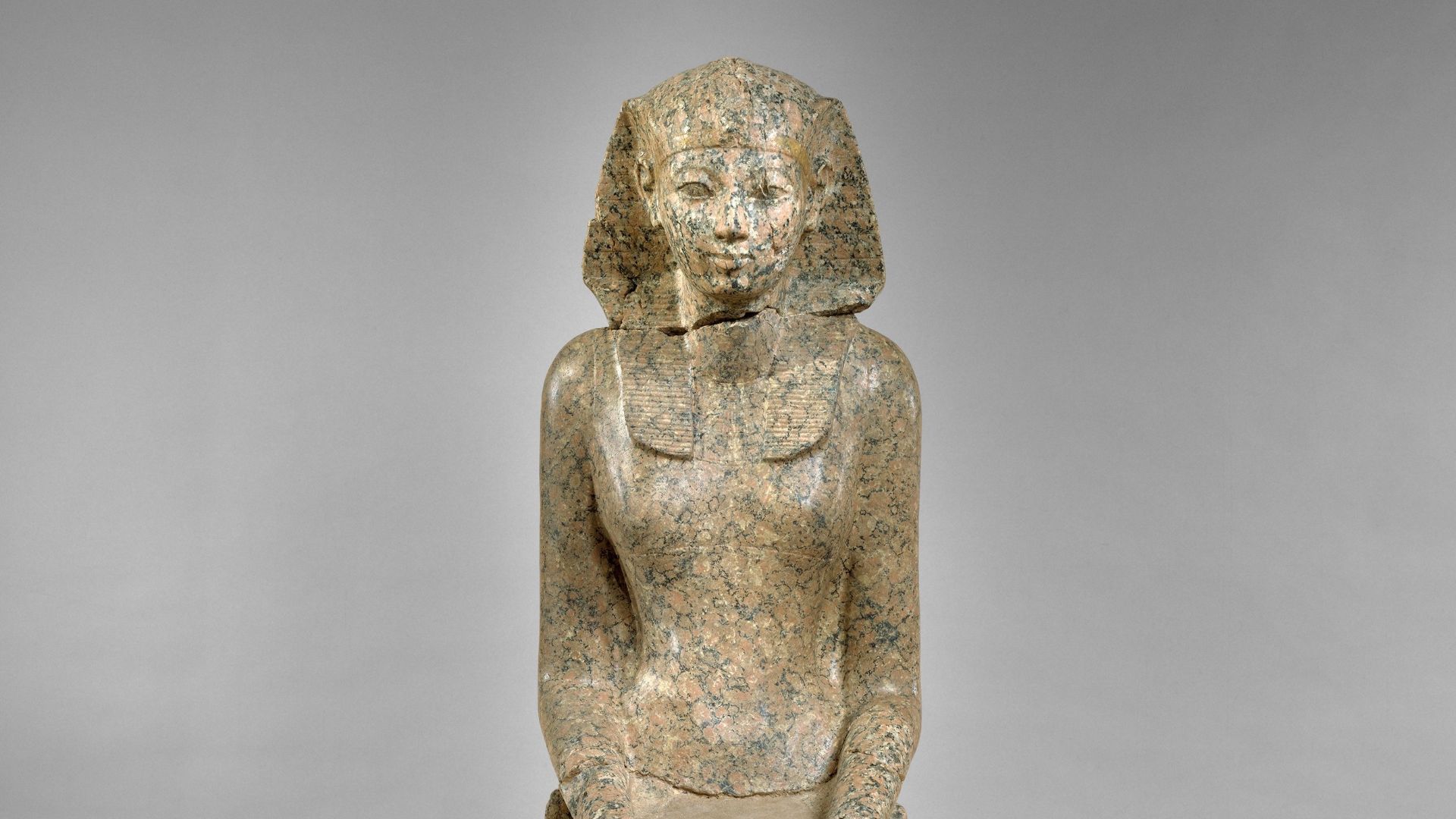
The name Hatshepsut, meaning “Foremost of Noble Ladies,” appeared in formal inscriptions across temples. It highlighted her position as the royal daughter of Thutmose I. While she assumed kingly titles later, this name helped distinguish her lineage from her husband’s family line.
3. Ruled For Nearly 22 Years
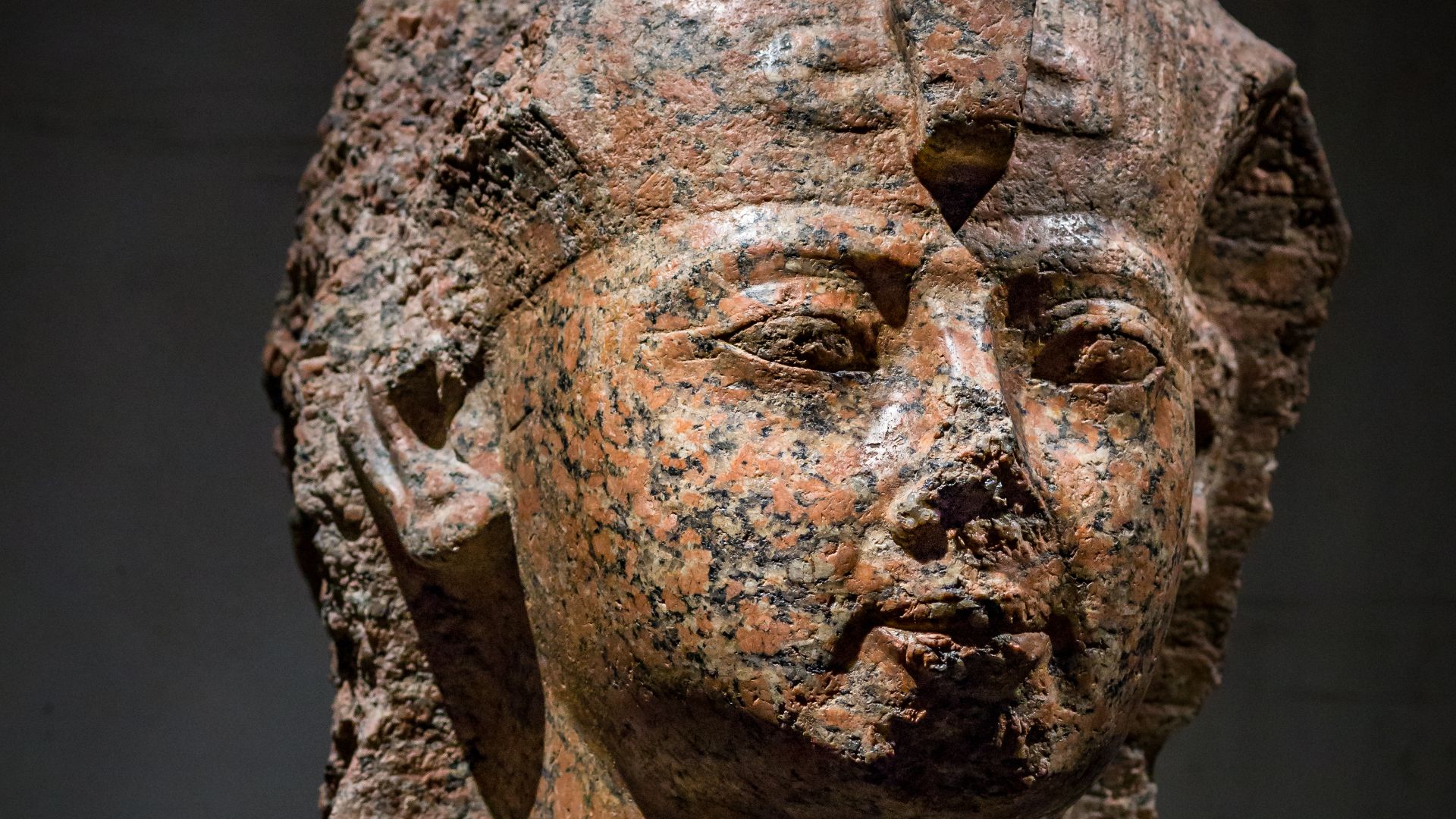
Hatshepsut ruled Egypt for about 22 years, from 1479 to 1458 BCE, making her one of the longest-reigning female monarchs in Egypt’s history. To strengthen her authority, she staged a Heb Sed festival in Year 15, a ritual traditionally celebrated only after 30 years.
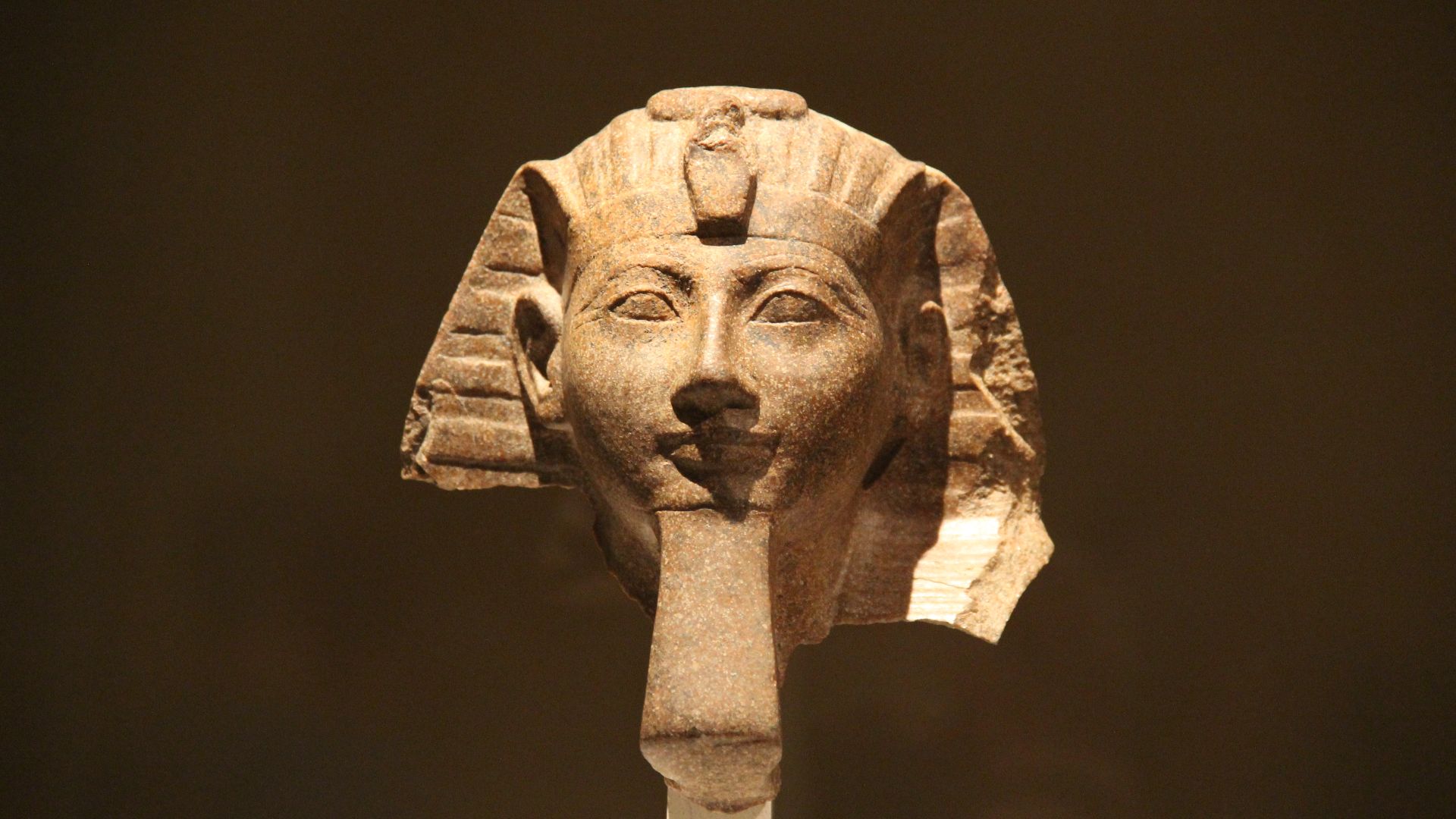 Gary Todd from Xinzheng, China on Wikimedia
4. Co-Ruled With Thutmose III
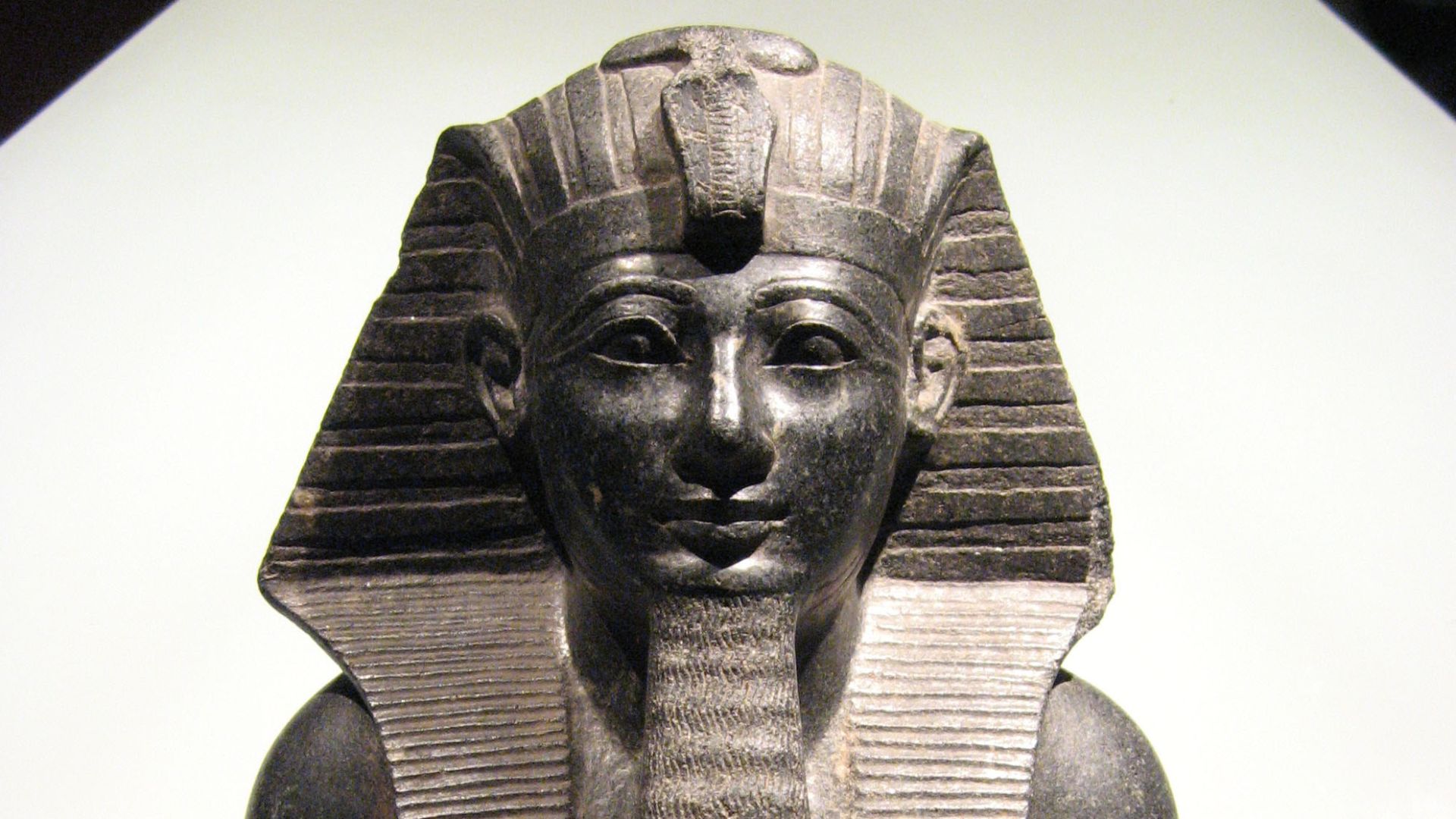
Beginning in 1479 BCE, Hatshepsut served as regent for her young stepson, Thutmose III. By Year 7, she ruled as senior Pharaoh. Though he appeared in temple scenes during her reign, no records show direct mentorship. Her long rule ended up delaying his full control for 2 decades.
5. Claimed Divine Birth From Amun
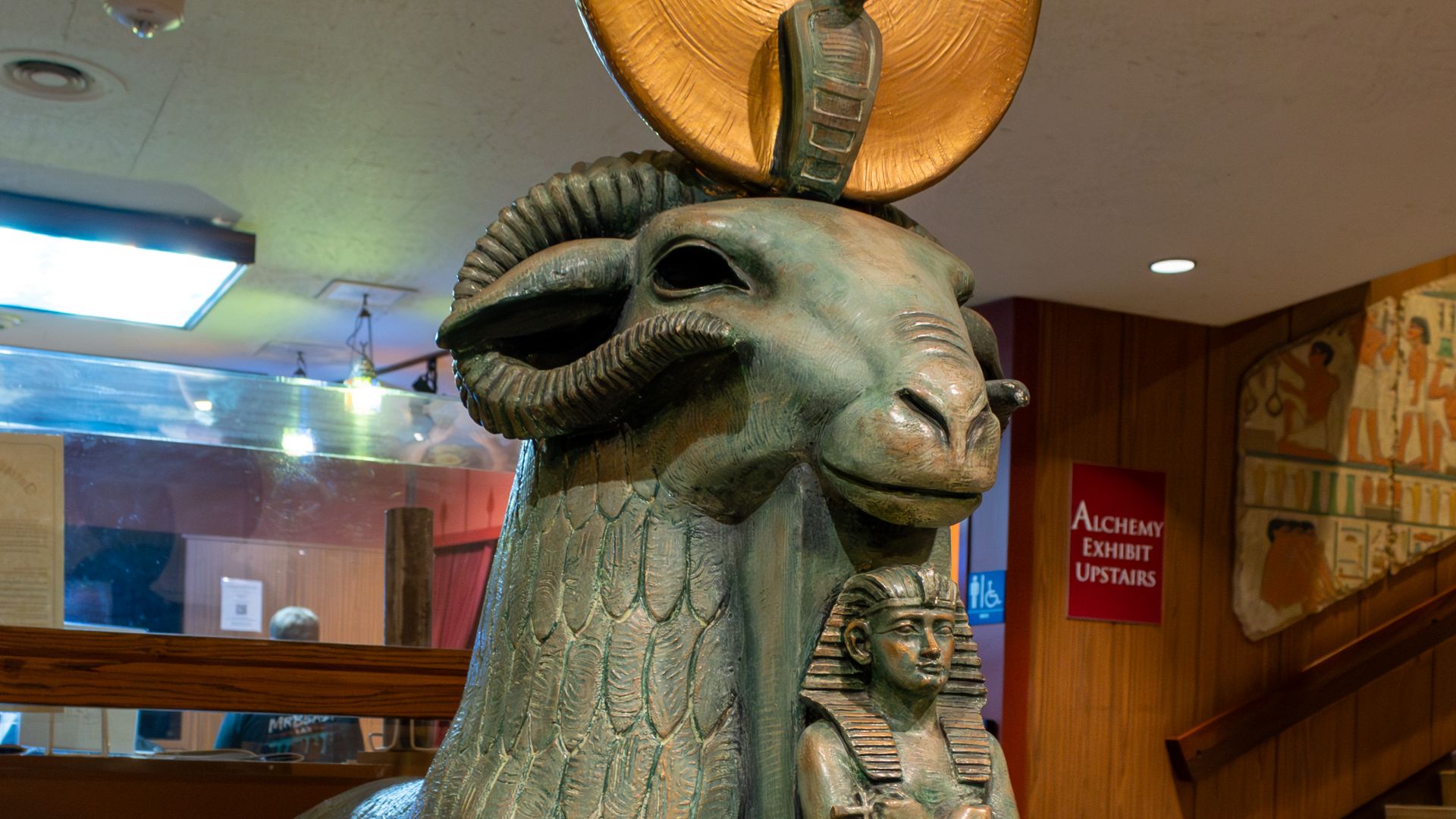
She declared that the god Amun had taken her father’s form to conceive her with Queen Ahmose. This story, carved across her temple walls, framed her rule as divinely chosen. The myth was used to help her secure religious backing in a time of male succession.
6. Honored Father Thutmose I
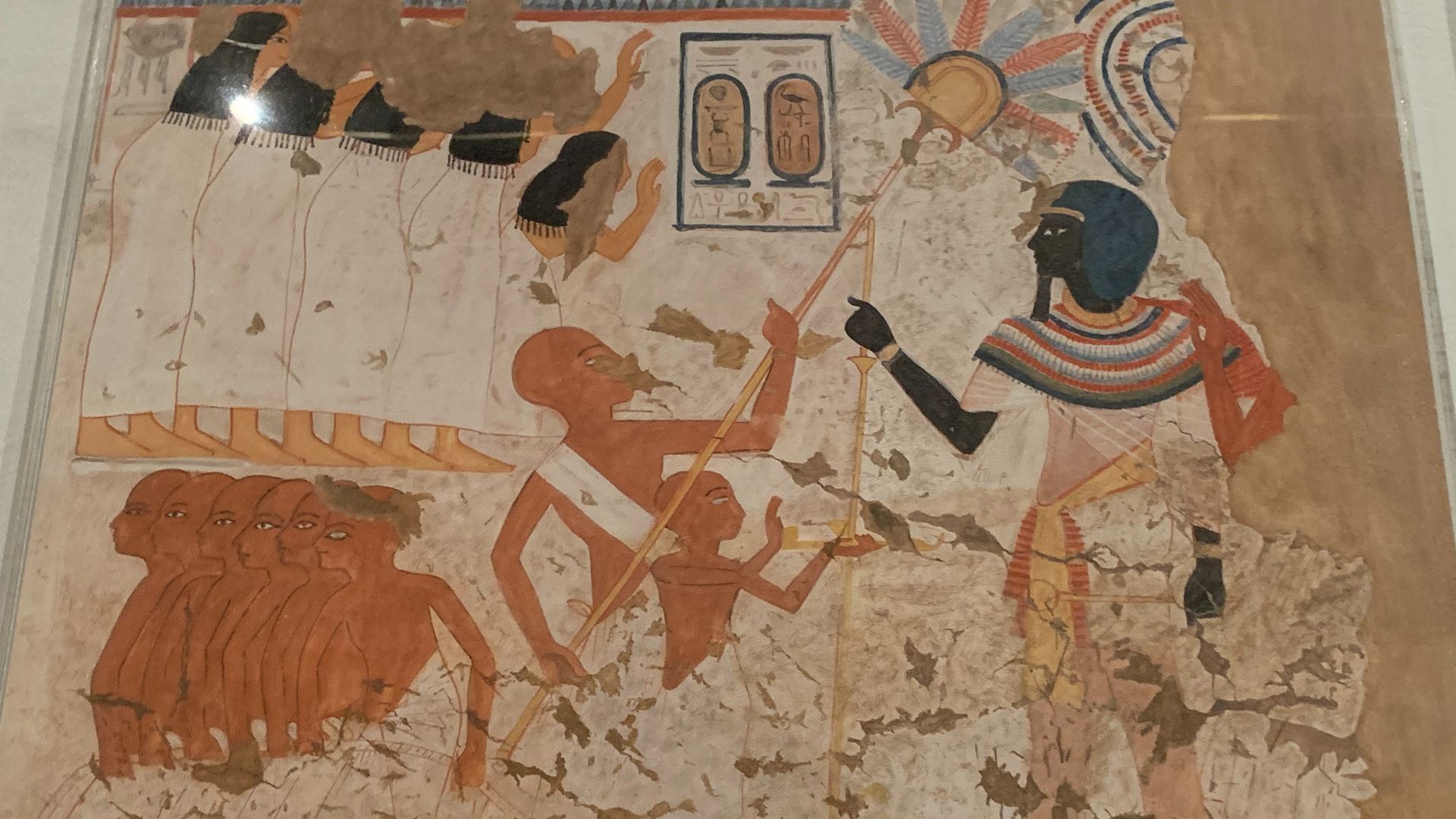
Hatshepsut didn’t anchor her reign in marriage or motherhood—she anchored it in bloodline. By honoring Thutmose I with new chapels at Karnak and reburying him in her own tomb, she bypassed her husband’s legacy and made her father the foundation of her kingship.
7. Used Unique Royal Titles
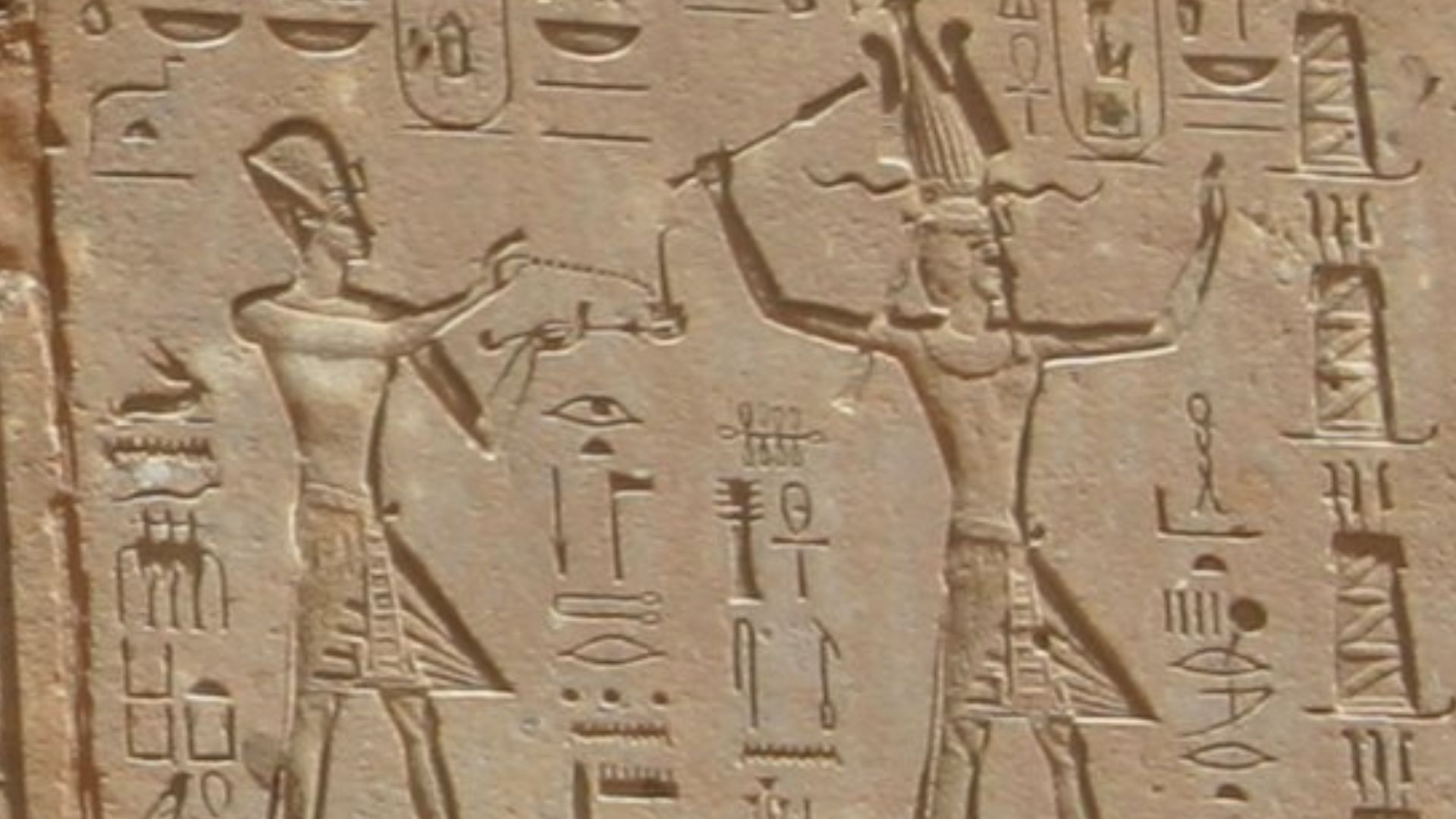
Instead of ruling with only female titles, she adopted five male pharaonic names, including “Horus” and “Two Ladies.” She also retained titles like “King’s Daughter” and “God’s Wife of Amun.” This mix of divine and royal identity set her apart from any ruler before her.
8. Depicted With A False Beard In Art
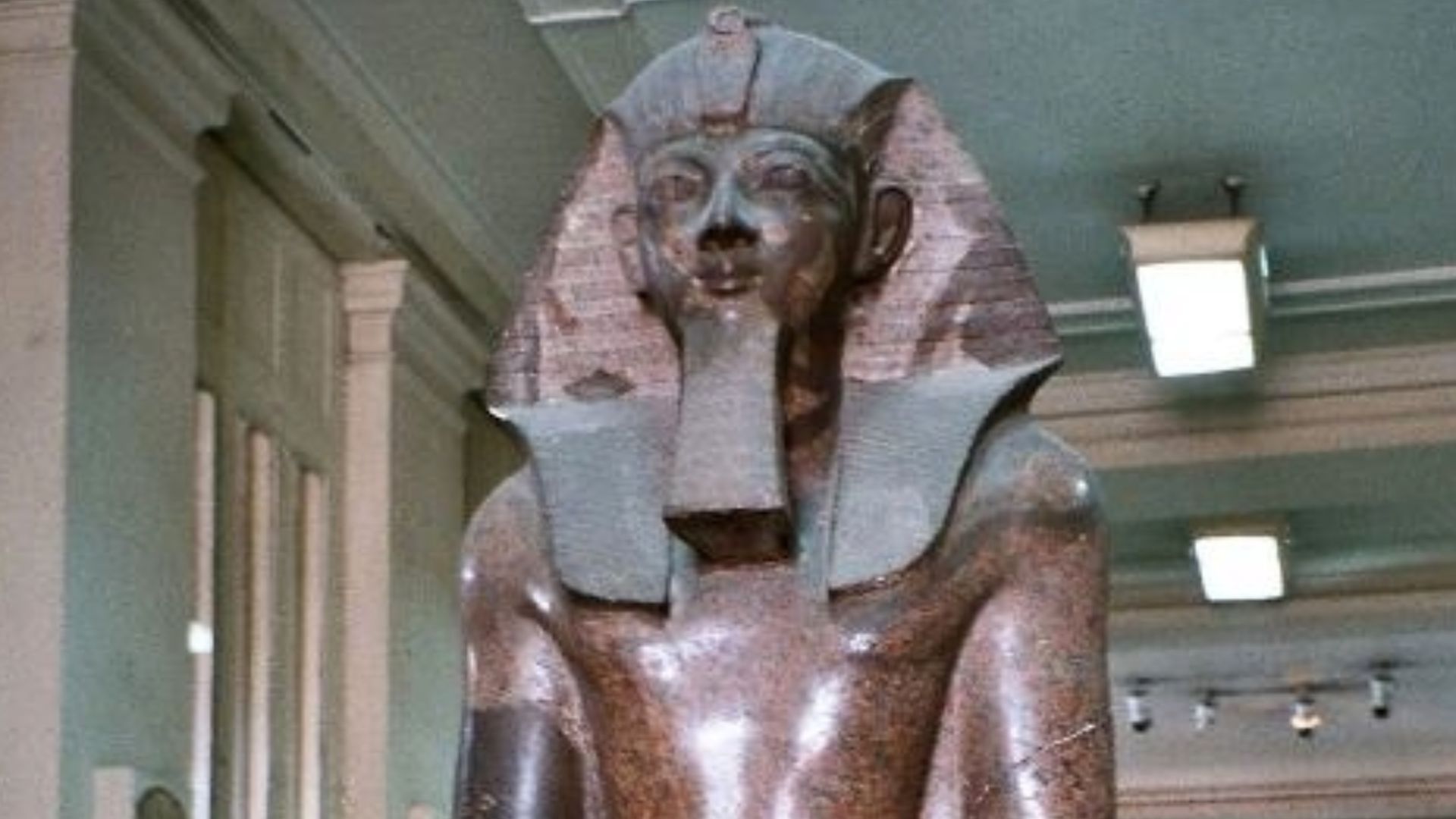
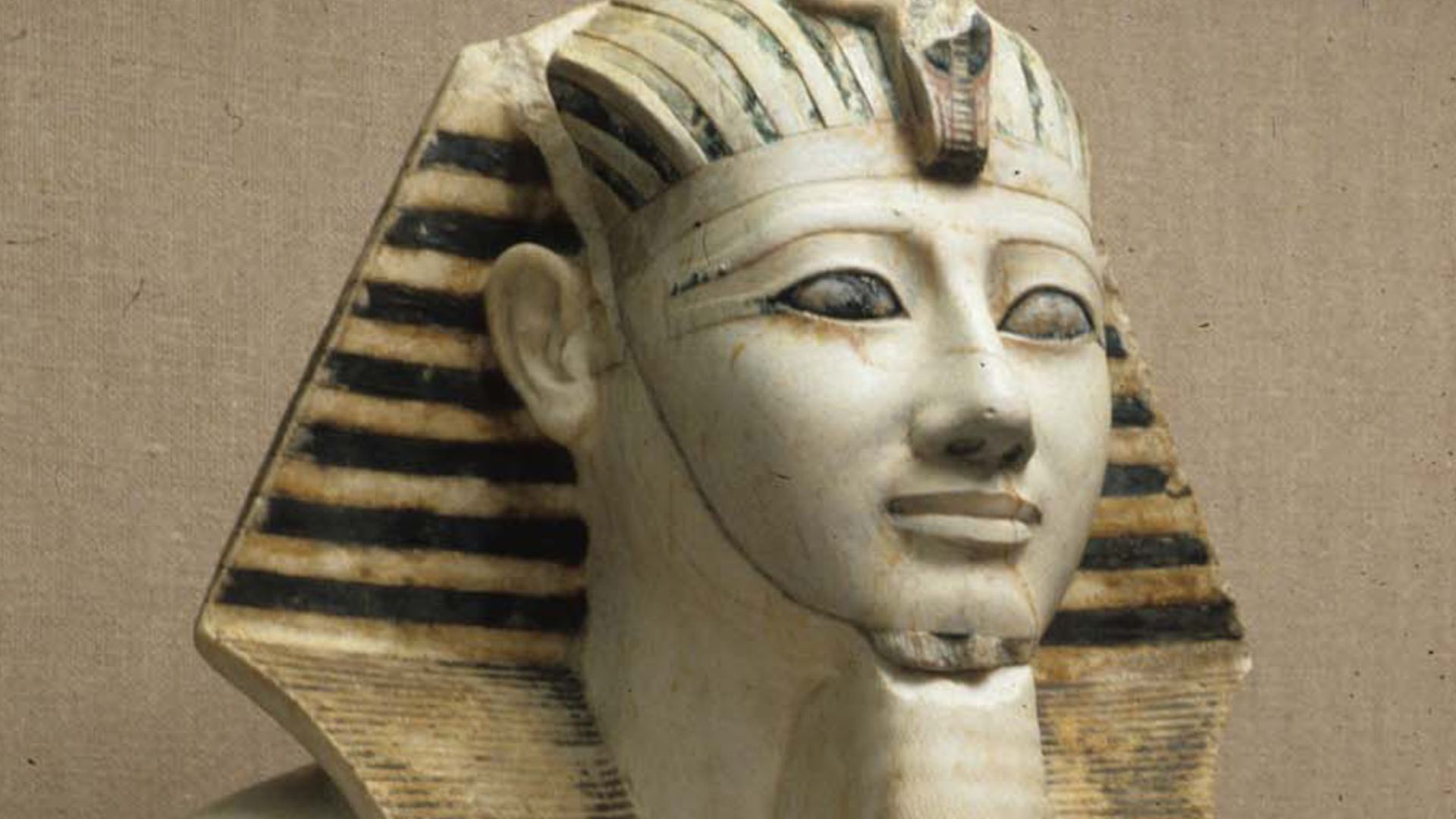
To match the image of a traditional king, Hatshepsut appeared in statues wearing a royal kilt, Pharaoh’s crown, and a false beard. While early depictions kept her feminine features, later images didn’t—leading some scholars to mistake her for a man.
9. Kept A Balance Between Her Identities
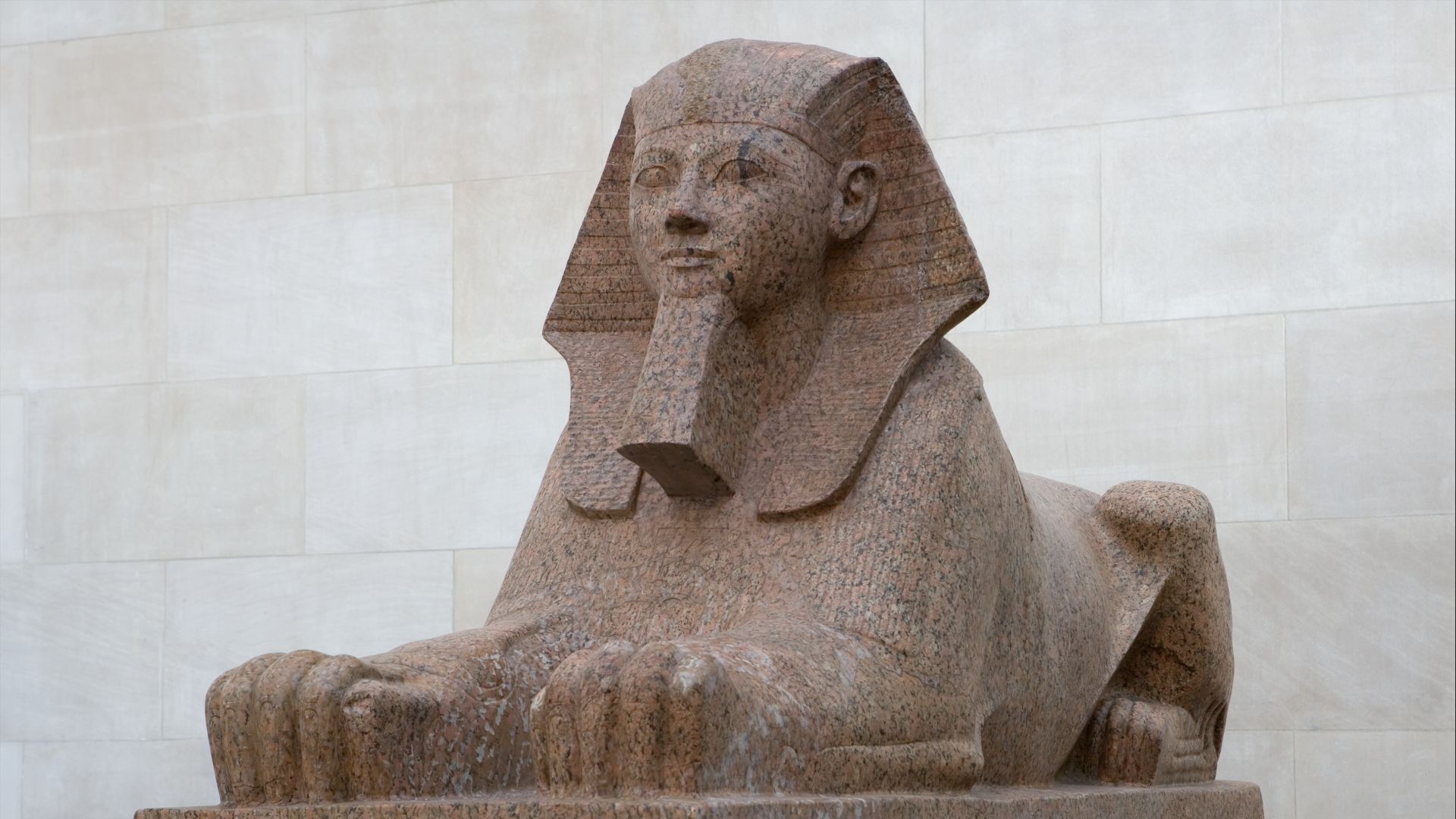
As Pharaoh, she transformed the image of Egyptian kingship. She was called “His Majesty,” yet inscriptions described her as a woman. This careful balance of male authority and female identity unsettled tradition and later led scholars to study her reign more deeply.
10. Led Trade Expedition To Punt
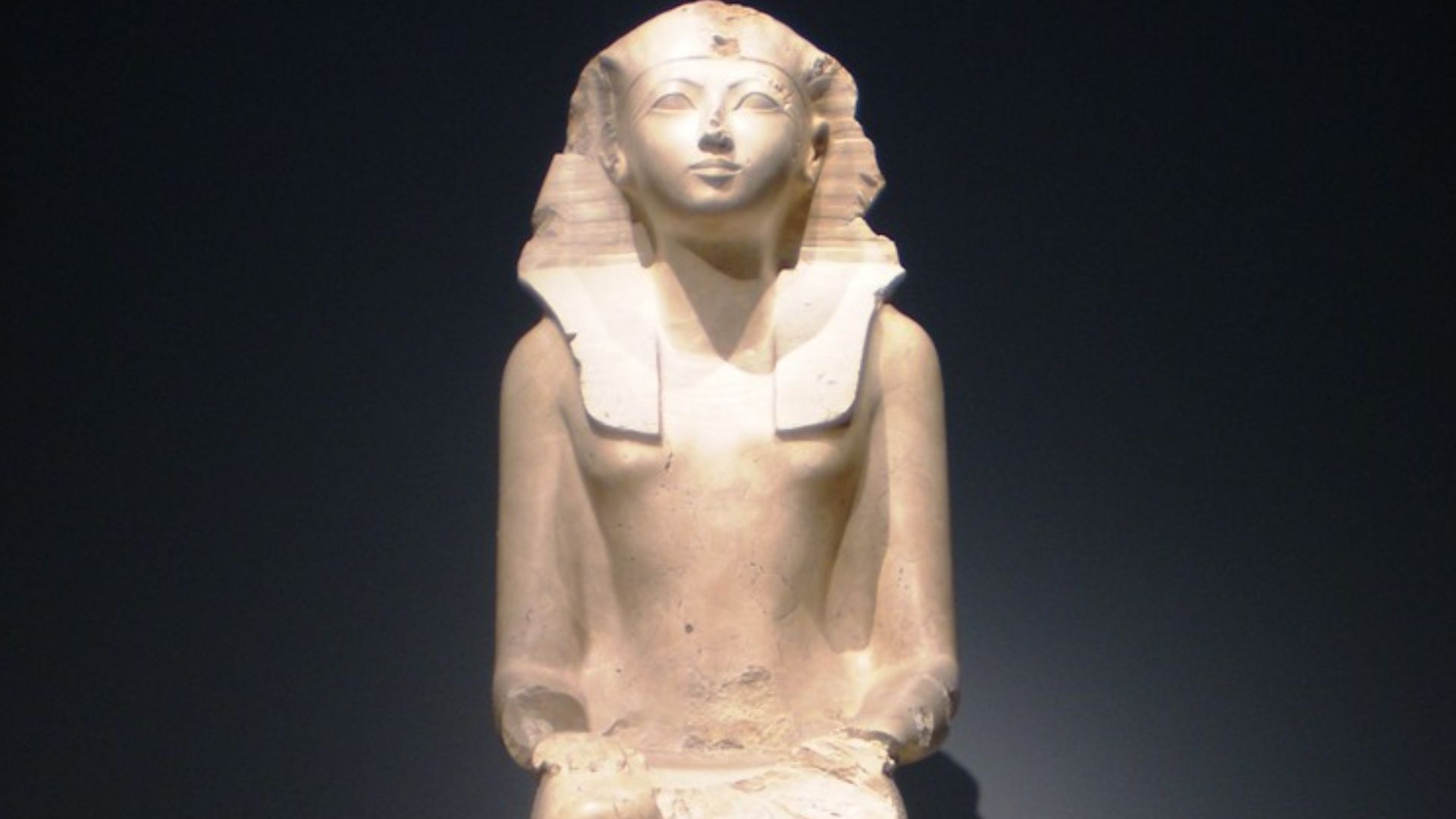
In the ninth year of her reign, she set out an ambitious trading fleet to Punt, a rich land likely in East Africa. Though she was not the first to start trade with them, her rule was when it was most successful. The mission brought back treasures, including baboons that were kept as pets.
11. Restored Egypt’s Economy
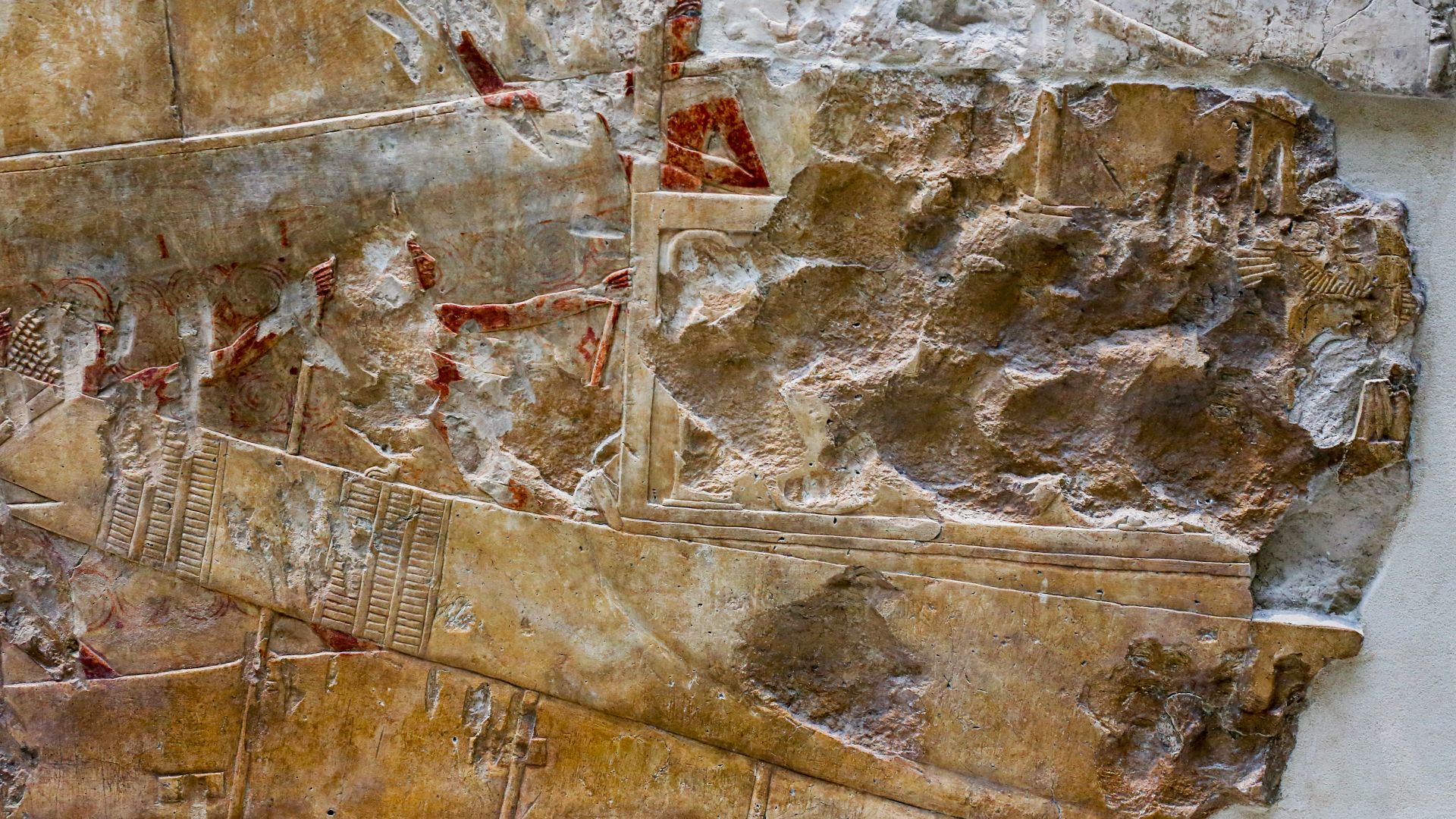
Hatshepsut revived Egypt’s economy by reconnecting vital market routes. From Byblos came cedar for temples and ships, while Sinai supplied copper and turquoise. She even planted exotic myrrh trees from Punt in her temple gardens, displaying all that wealth.
12. Built Mortuary Temple At Deir El-Bahri
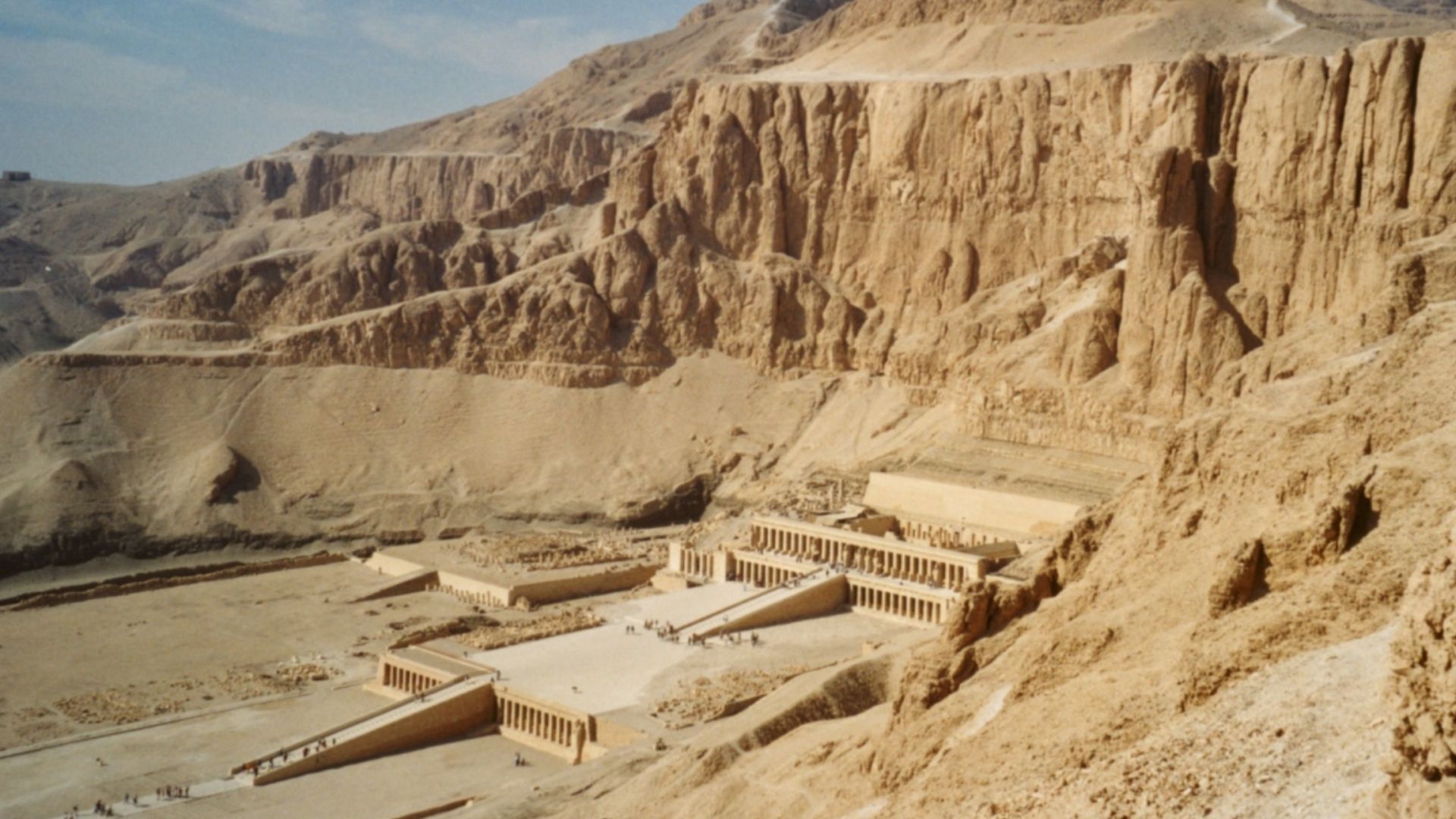
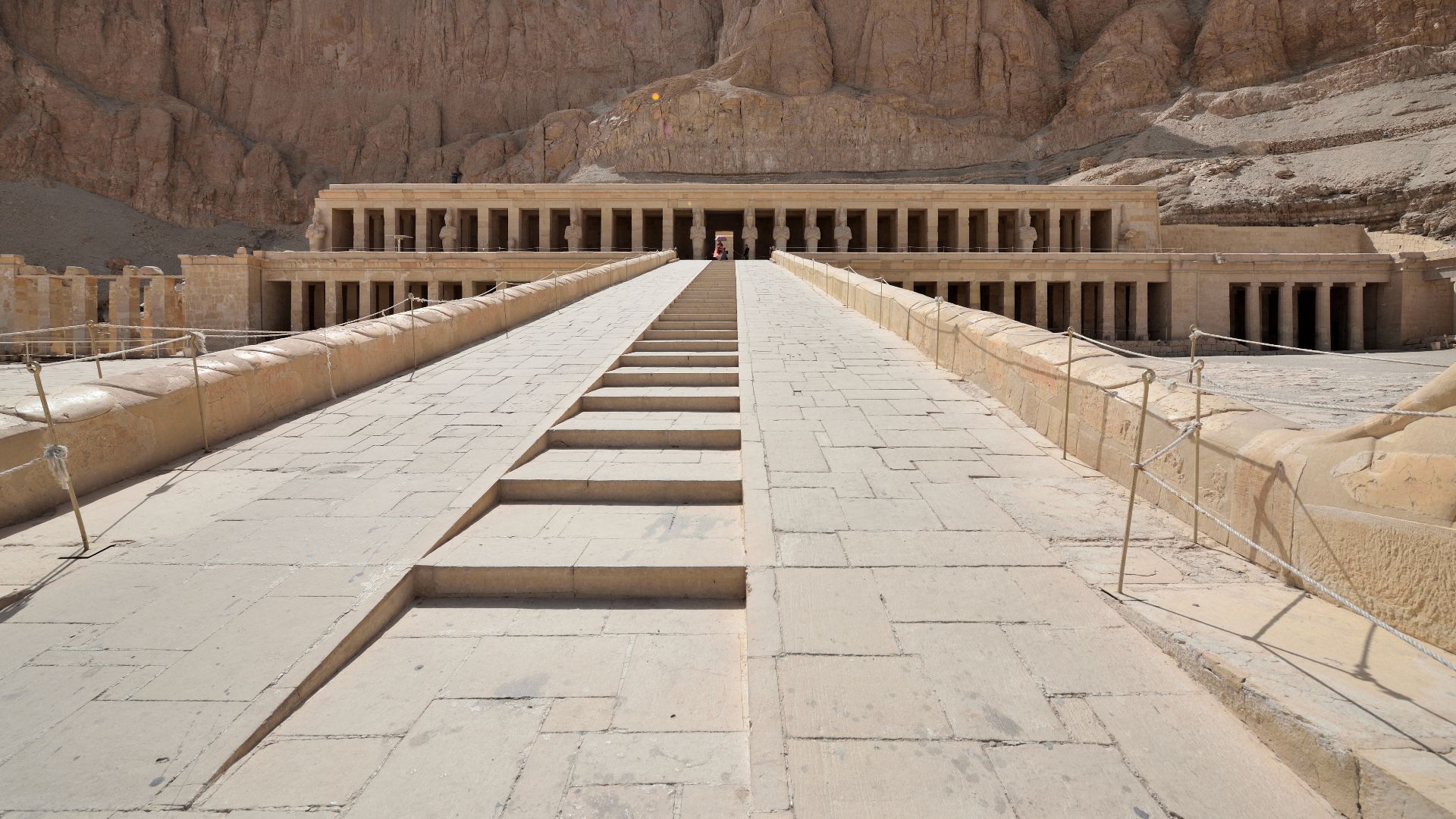
Hatshepsut’s mortuary temple at Deir el-Bahri, finished around 1465 BCE, features three wide terraces with elegant columns and a processional path lined with sphinxes. Modern architects and Egyptologists still study its form, as the direct influence still remains a mystery.
13. Elevated Commoners To Powerful Roles
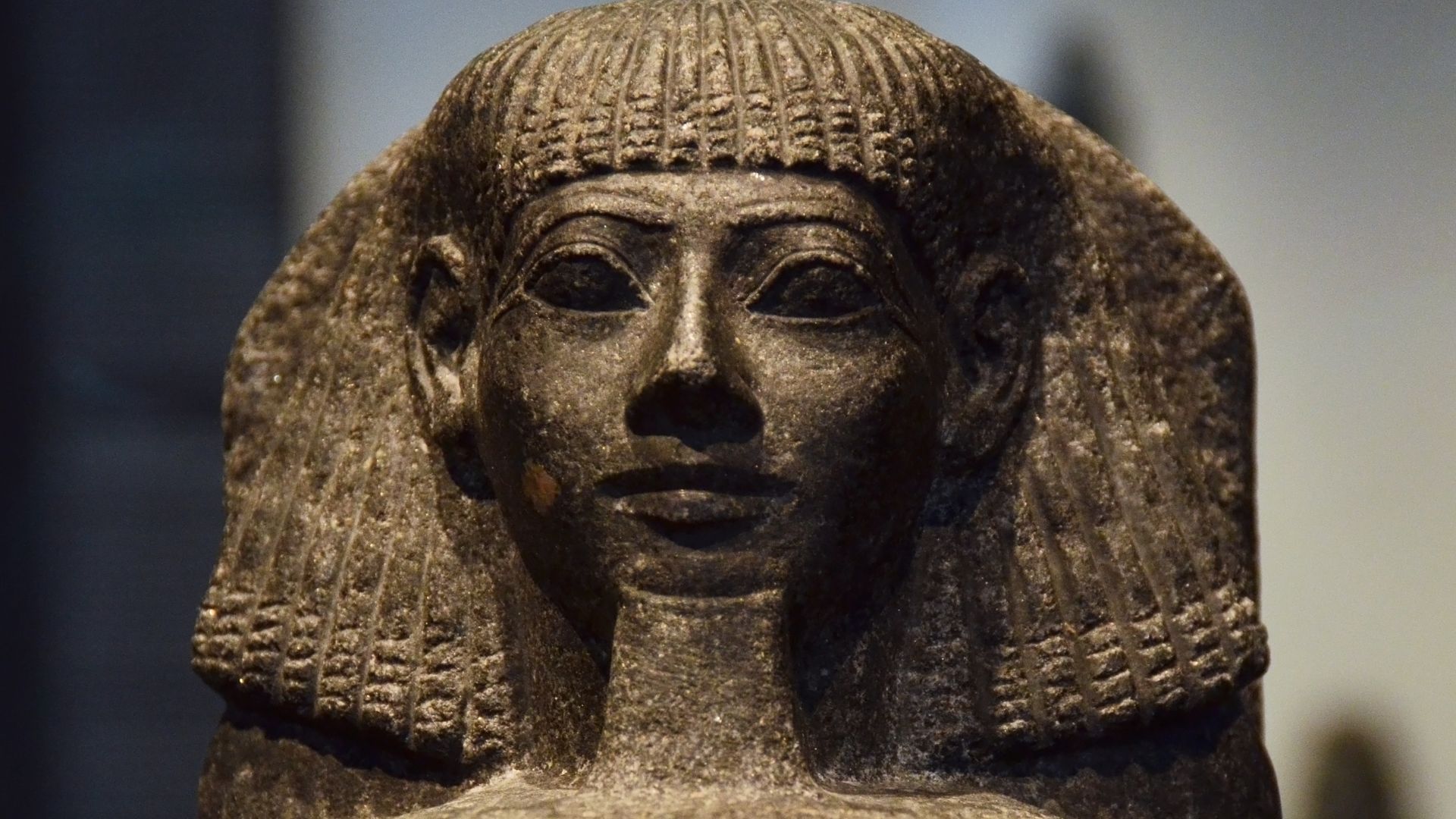
Hatshepsut broke with elite tradition by promoting talented commoners to top positions. Senenmut, likely of non-noble birth, became her chief architect and royal tutor. While his rise reflected merit, many in the priesthood and aristocracy viewed these appointments as political favoritism and resented her choices.
14. Navigated Court Politics
Hatshepsut appointed Hapuseneb as High Priest of Amun early in her reign, which placed the state’s most powerful religious role in loyal hands. His support helped legitimize her kingship. Their alliance remained strong until her natural death, which passed without signs of rebellion.
15. She May Have Led Military Campaigns Herself
While her reign is often described as peaceful, some inscriptions suggest she may have personally led campaigns in Nubia and the Levant. These records were later obscured, possibly to reinforce the idea of her as a “builder queen” rather than a warrior.
16. Buried In the Valley Of The Kings
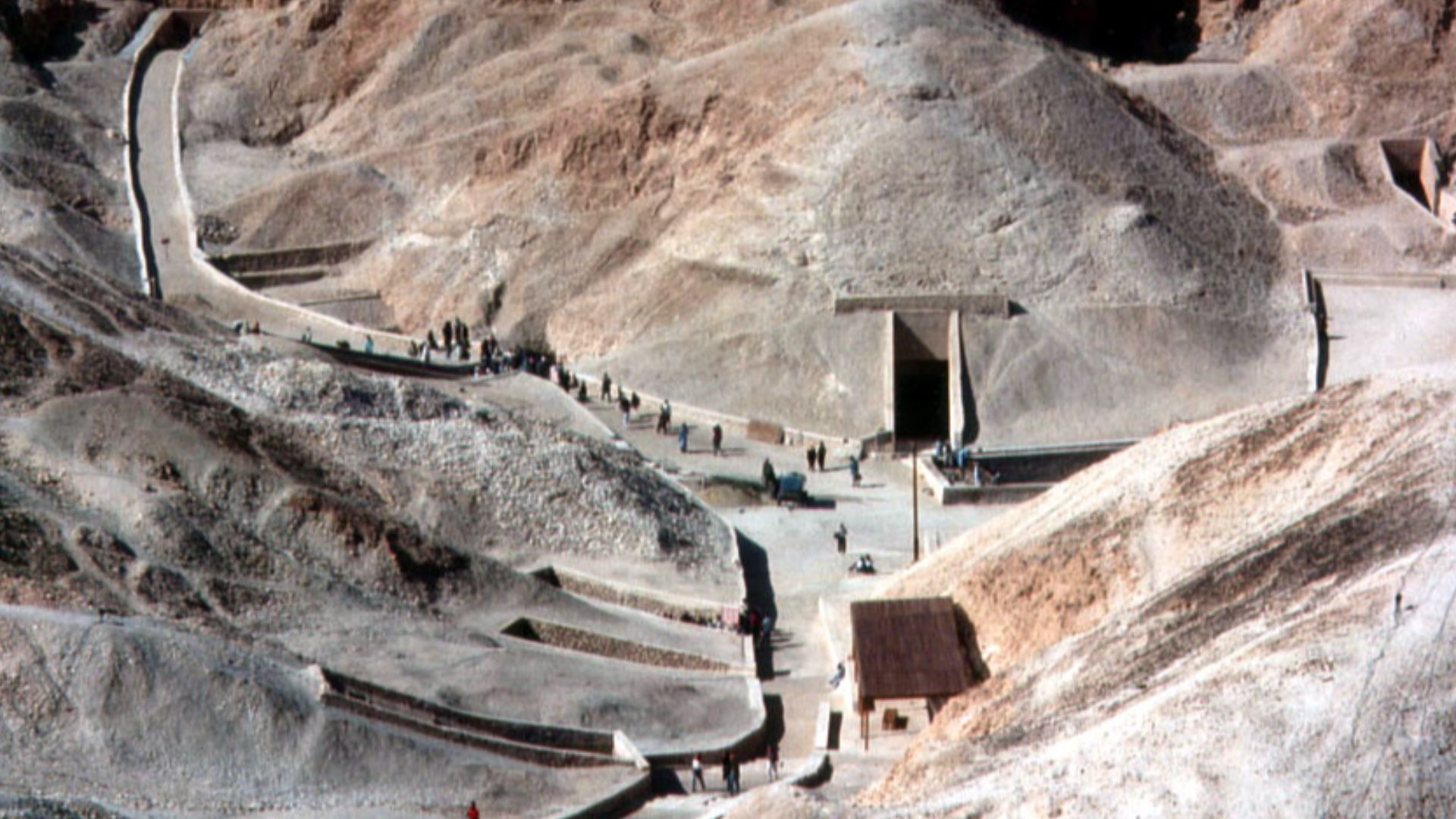
Hatshepsut’s burial in KV20 placed her deep inside royal territory once exclusive to male rulers. The tomb’s layout accommodated two sarcophagi—hers and her father’s. Later findings suggest her body was removed and hidden in KV60, likely to protect it from defacement.
 Fotograf/Photographer: Peter J. Bubenik (1995) on Wikimedia
17. The Cause And Time Of Her Death
Forensic analysis of Hatshepsut’s mummy suggests she died around age 50 from a combination of bone cancer and complications related to diabetes. CT scans revealed dental infections and a skin condition. These health issues likely caused a slow decline rather than sudden death.
18. Erased From Historical Records
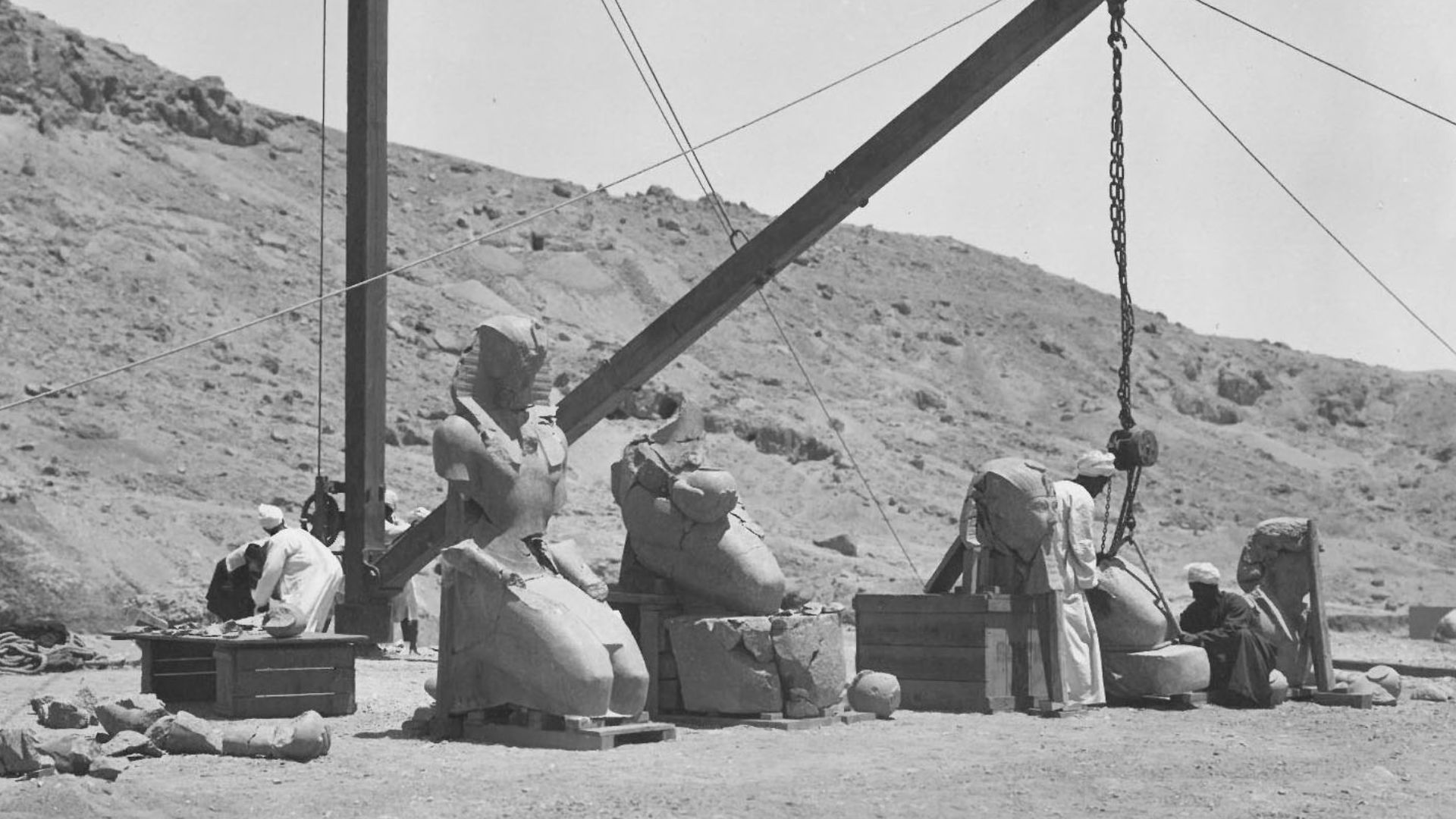
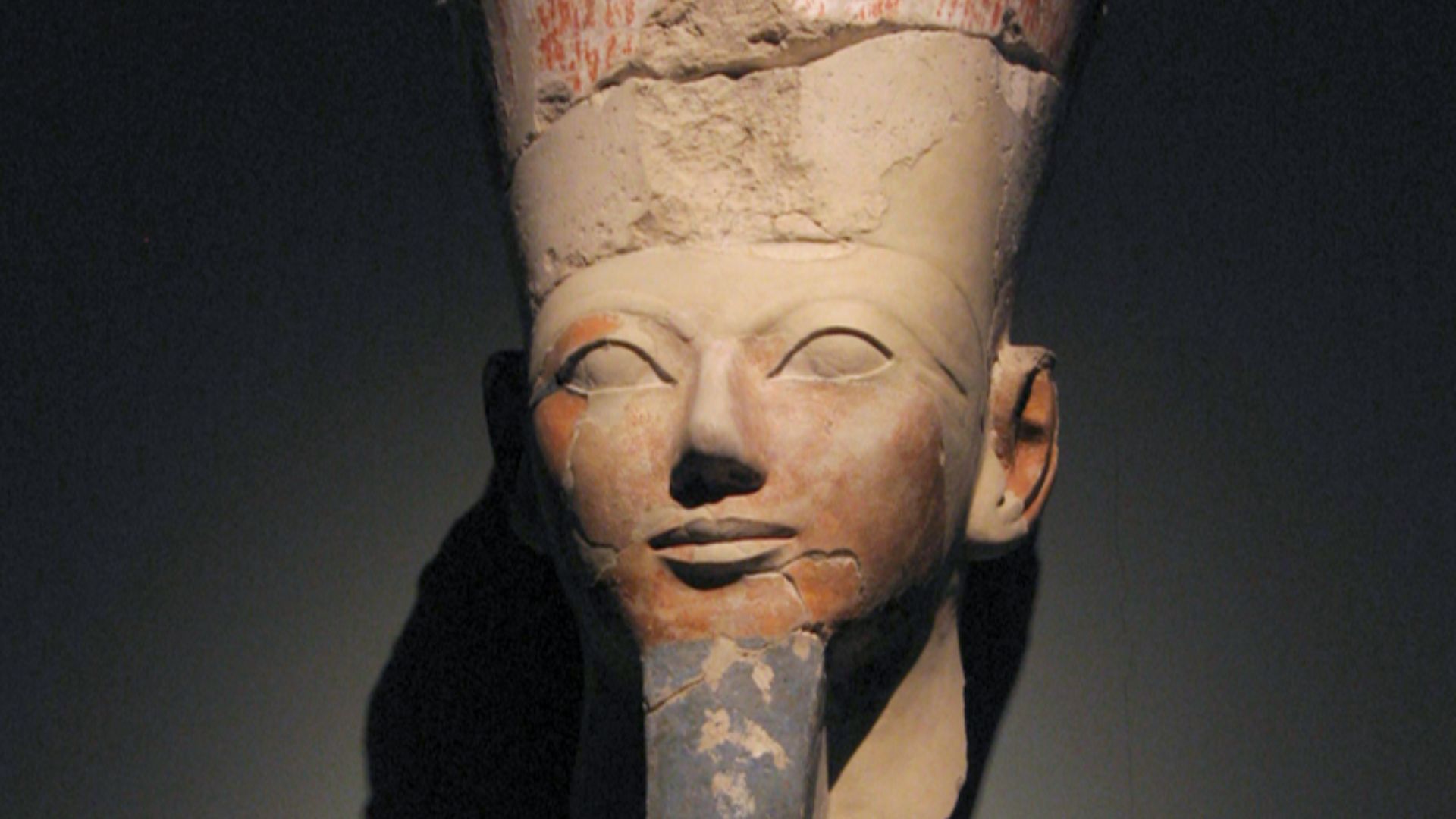
Late in his reign, around 1425 BCE, Thutmose III ordered Hatshepsut’s name and images chiseled from monuments to erase her and keep the male-only succession narrative. But the work was left incomplete, with half-erased names and a mysterious life story.
19. Rediscovered By Archaeologists
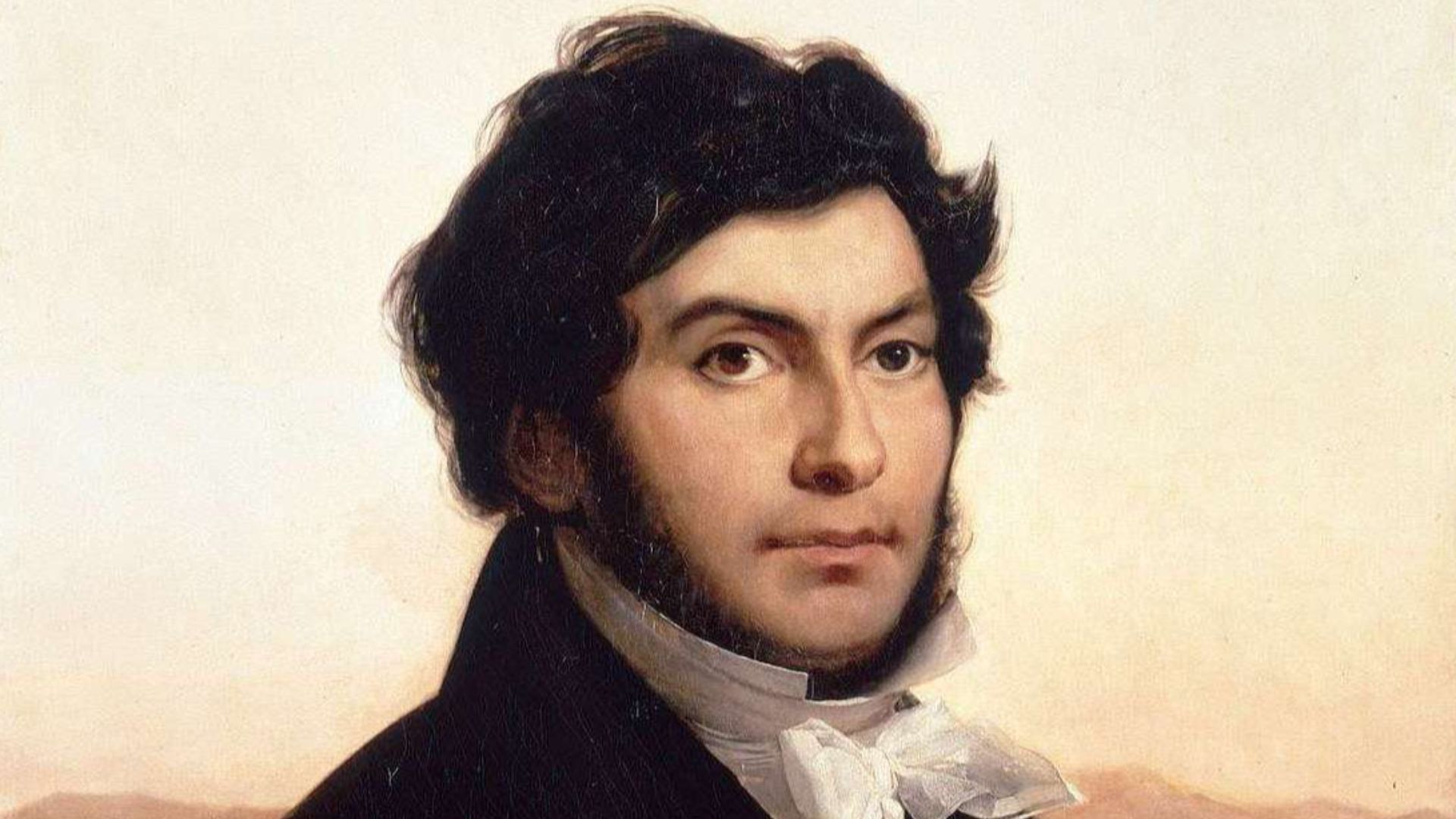
Hatshepsut’s identity remained hidden for centuries until 19th-century excavations began revealing clues. Champollion restored her name through hieroglyphs, while Naville and Carter exposed her temple ruins. In 2007, Zahi Hawass confirmed her mummy, finally reuniting Egypt’s lost female Pharaoh with her history.
20. The Tallest Obelisks In Egypt
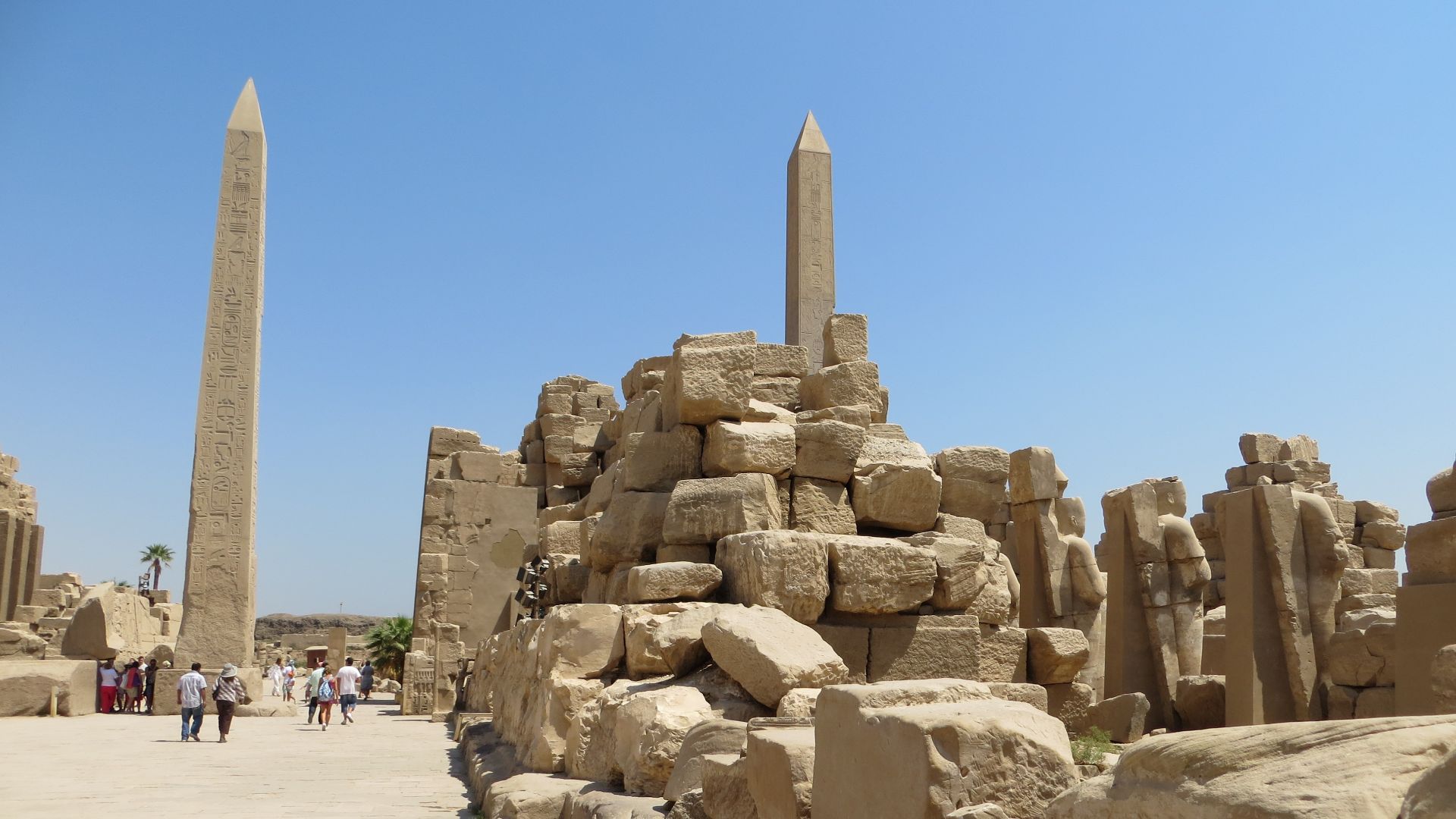
At Karnak, Hatshepsut erected two massive obelisks—one of which still stands as the tallest surviving ancient Egyptian obelisk. These were carved from a single piece of granite and symbolized her divine connection to Amun.
KEEP ON READING
20 Powerful Ancient Egyptian Gods That Were Worshipped
Unique Religious Figures in Ancient Egypt. While most people are…
By Cathy Liu Nov 27, 2024
The 10 Scariest Dinosaurs From The Mesozoic Era & The…
The Largest Creatures To Roam The Earth. It can be…
By Cathy Liu Nov 28, 2024
The 20 Most Stunning Ancient Greek Landmarks
Ancient Greek Sites To Witness With Your Own Eyes. For…
By Cathy Liu Dec 2, 2024
10 Historical Villains Who Weren't THAT Bad
Sometimes people end up getting a worse reputation than they…
By Robbie Woods Dec 3, 2024
One Tiny Mistake Exposed A $3 Billion Heist
While still in college, Jimmy Zhong discovered a loophole that…
By Robbie Woods Dec 3, 2024
30 Lost Treasures That Vanished From History
Buried treasure, missing artefacts, legends of ancient gold in them…
By Robbie Woods Dec 3, 2024