

How Fresh Finds Keep Rewriting the Textbooks
We like to think of our history books as definitive accounts of the past, but the reality is that our understanding of ancient times is constantly shifting. Every so pool of knowledge can be completely upended by a single archaeologist stumbling upon something unexpected in the dirt. These moments prove that what we learned in school was often just a best guess based on incomplete information available at the time.

1. The Secrets of Göbekli Tepe
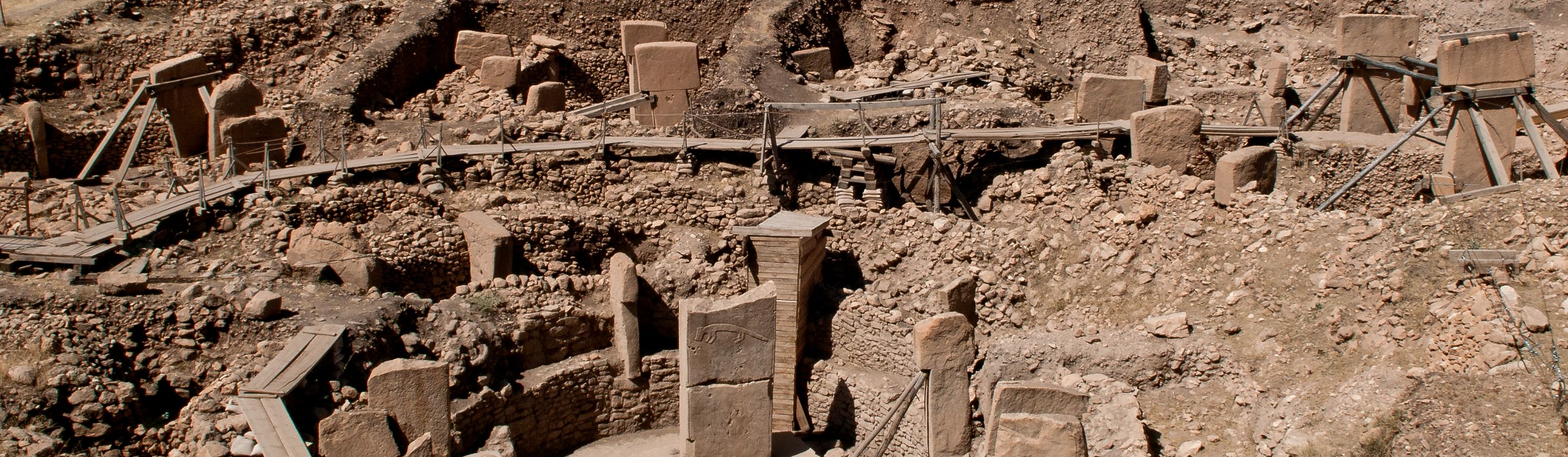
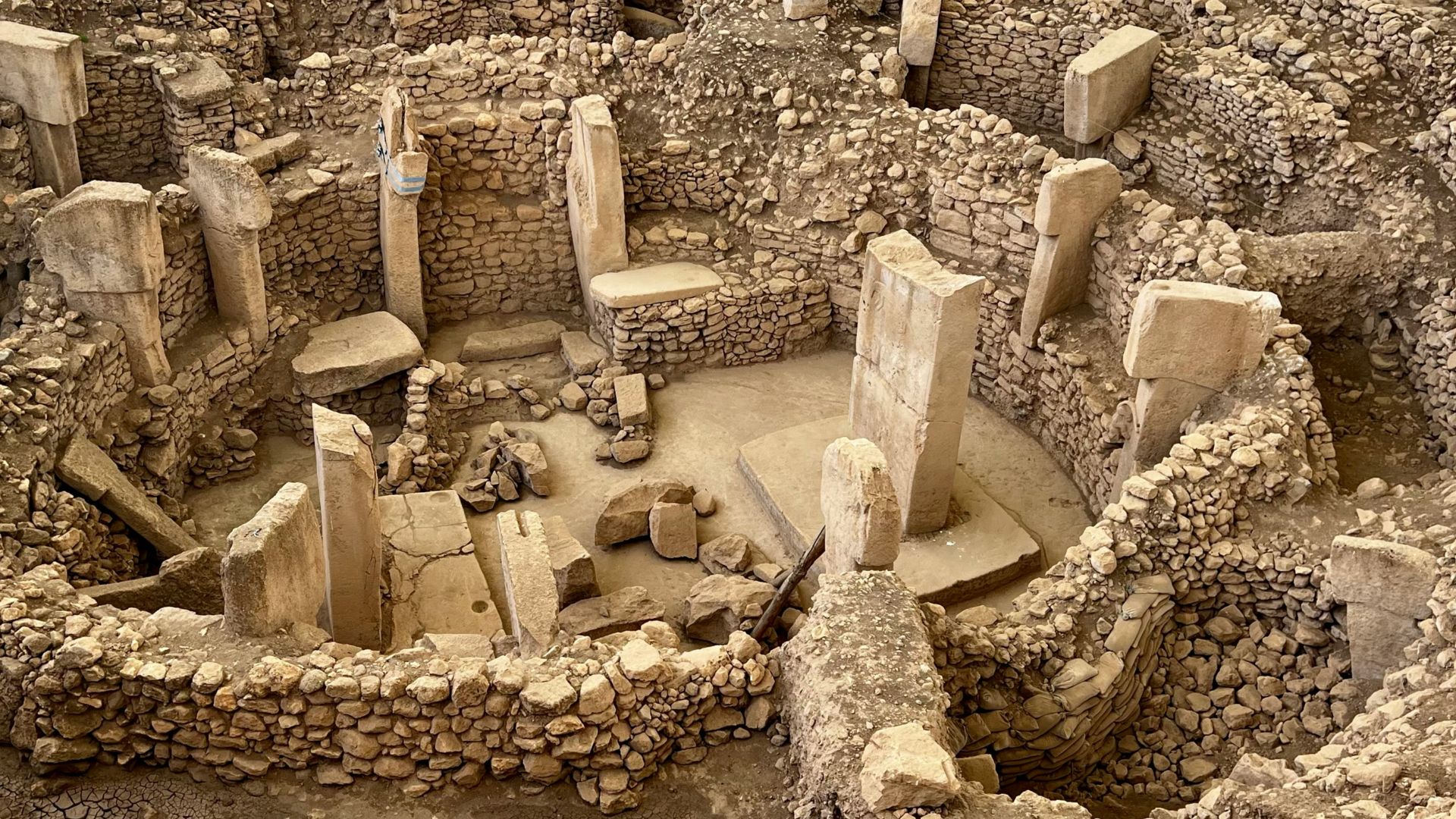
For generations, historians assumed that humans didn't start building massive stone temples until after they invented agriculture and settled into permanent villages. This massive complex in Turkey turned that entire timeline upside down because it dates back over eleven thousand years, long before farming ever took root.
2. Charting with the Antikythera Mechanism
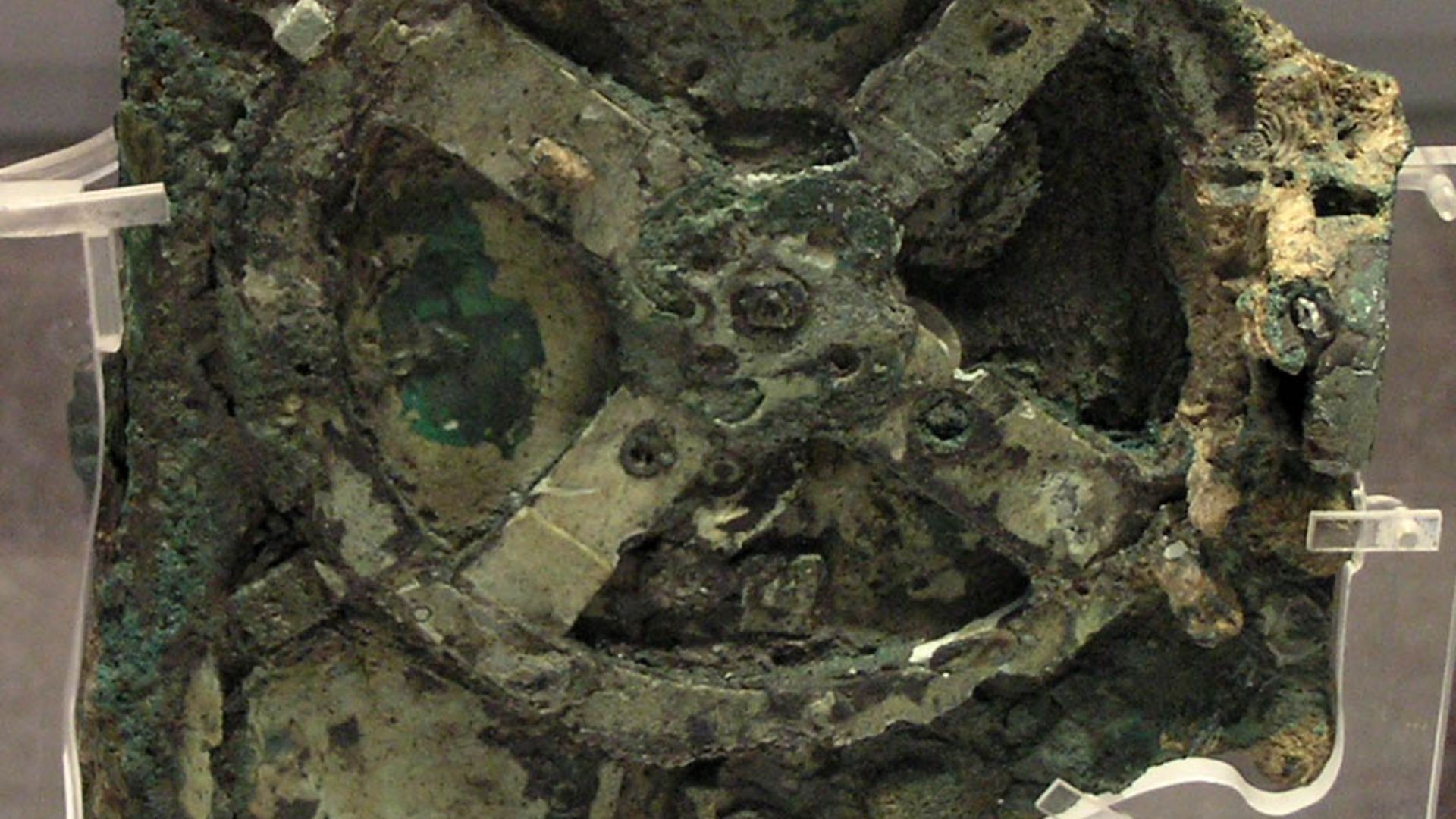
If you believe that complex gear systems and mechanical calculations are strictly modern inventions, this ancient shipwreck salvage will change your mind. Discovered off a Greek island, this battered bronze device functioned as an astronomical calculator. Historians were stunned to realize that such advanced engineering existed.
 No machine-readable author provided. Marsyas assumed (based on copyright claims). on Wikimedia
3. Viking Footprints at L'Anse aux Meadows
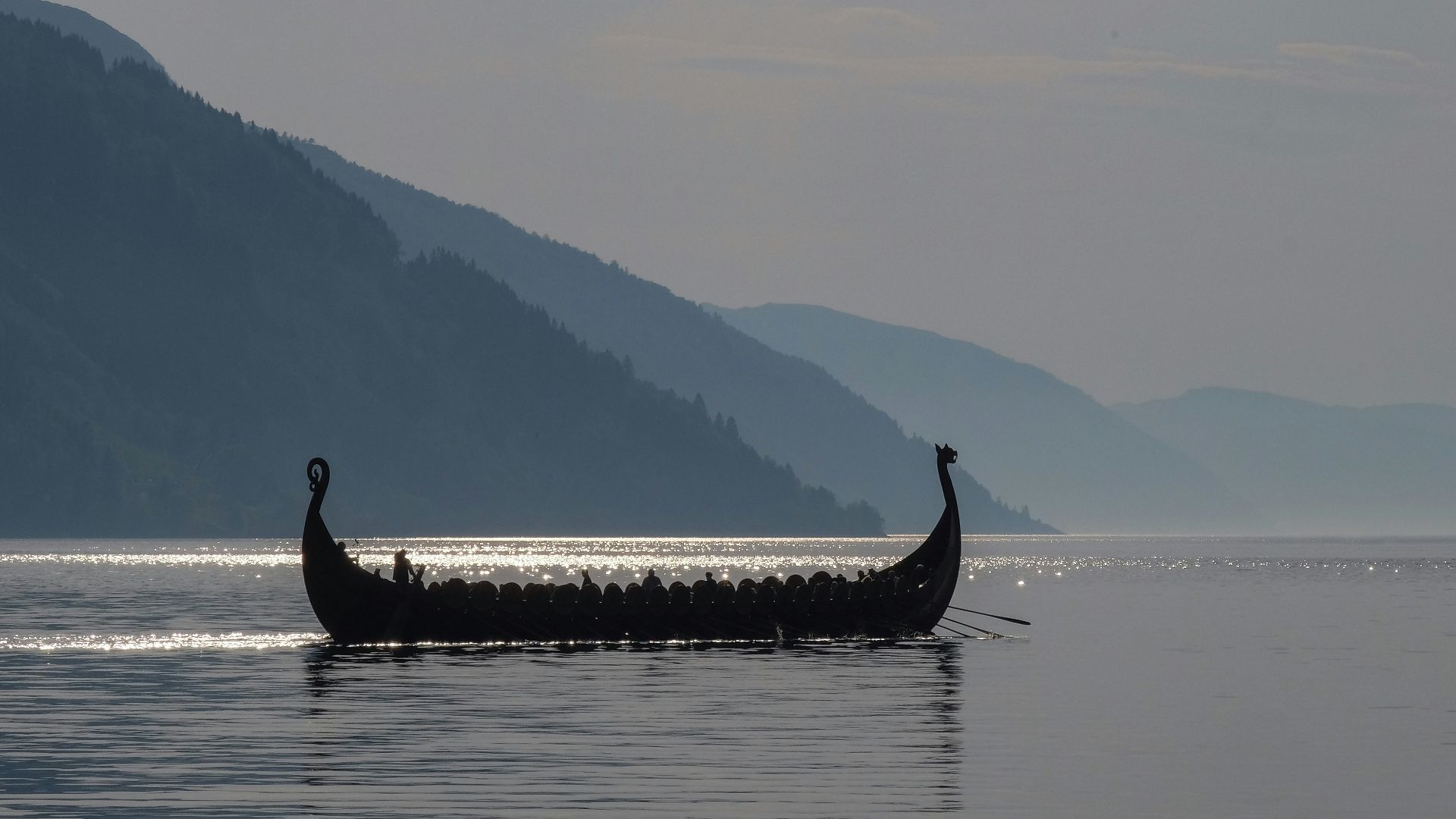
Long before Christopher Columbus set sail in 1492, European travelers had already made their home on the shores of the American continent. Archaeologists digging in Newfoundland discovered the unmistakable remains of an eleventh-century Norse settlement. Complete with wood-framed buildings and iron smithing tools.
4. Rebuilding the Amazonian Wilderness
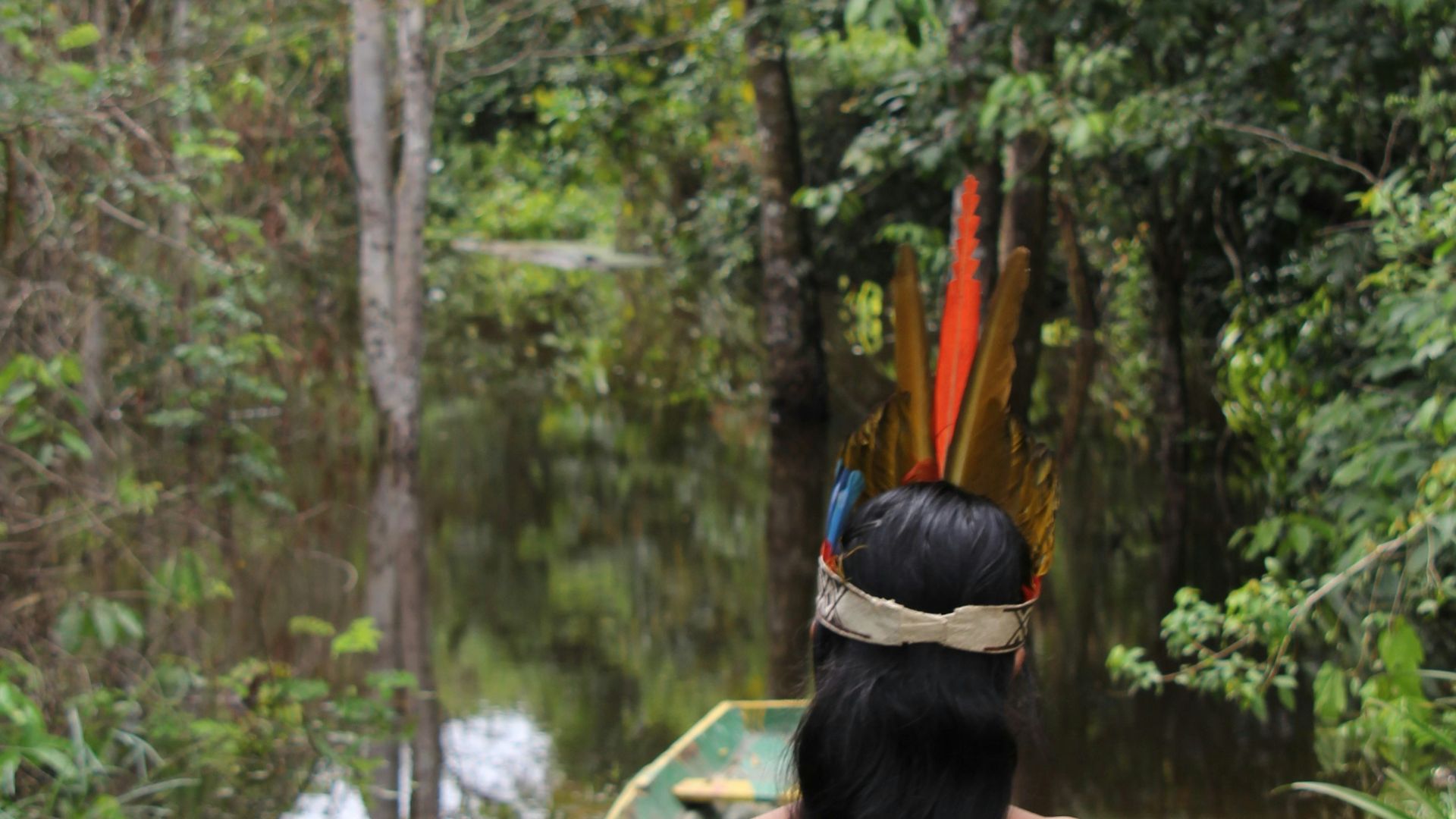
We used to view the pristine rainforests of South America as a wild, untamed jungle that was only ever sparsely populated by small nomadic tribes. Modern satellite imagery and ground laser scanning have recently exposed vast networks of ancient urban centers hidden beneath the thick canopy. These pre-Columbian societies engineered massive causeways, complex canals, and engineered soils.
5. Walking With the Flores Hobbit
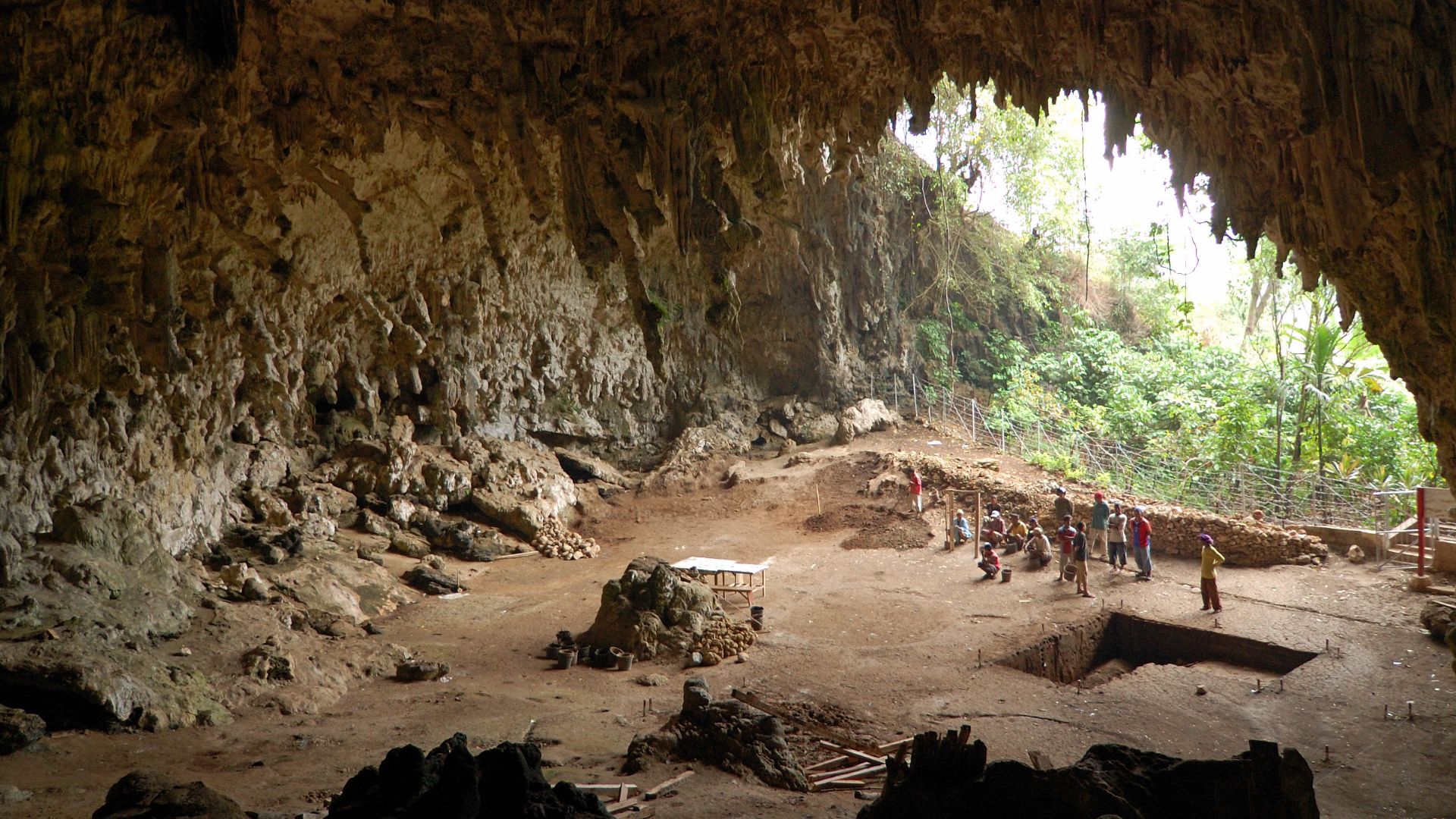
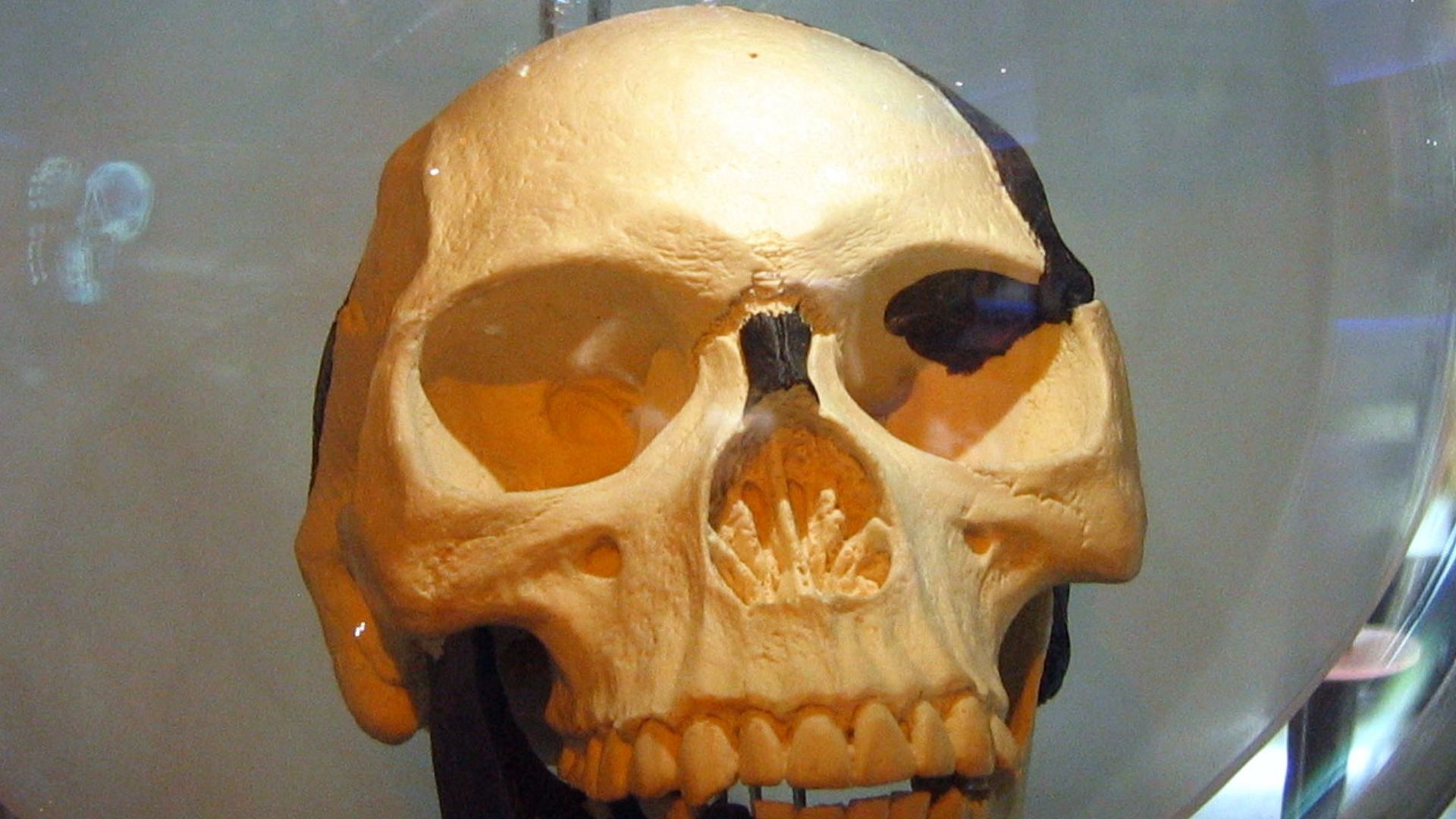
The discovery of a completely unknown, diminutive human species on an Indonesian island drastically altered our view of human evolution. Formally named Homo floresiensis, these individuals stood only about three feet tall and lived surprisingly recently alongside modern humans. Scientists used to think our own evolutionary path was a straightforward, linear progression.
6. Decoding the Terracotta Army
Ancient records frequently mentioned the legendary grandeur of China's first emperor, but many modern historians shrugged those stories off. Everything changed in 1974 when farmers digging a well chanced upon thousands of life-sized clay soldiers buried beneath the earth. Each figure possessed entirely unique facial features, hairstyles, and detailed weaponry, showcasing an unprecedented scale of imperial organization.
7. Tracking the Piltdown Man Hoax
For decades, scientists eagerly accepted a collection of skull fragments found in an English gravel pit as the missing link between apes and humans. It wasn't until 1953 that rigorous chemical testing exposed the remains as a total fraud consisting of an orangutan jaw stained to match a human cranium.
This embarrassing revelation forced the scientific community to re-examine their own biases.
8. Lifting the Veil at Pompeii
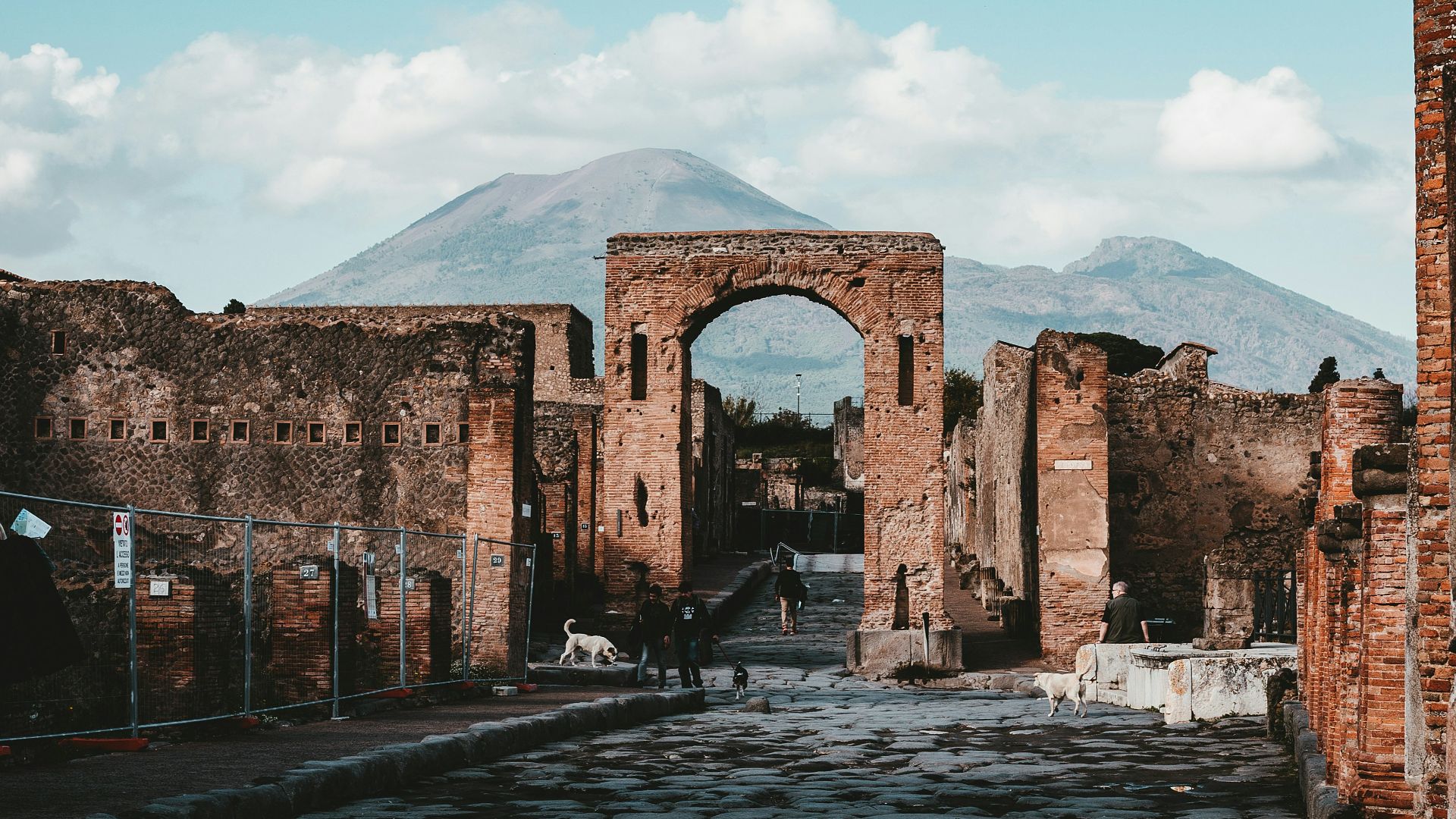
You might think we always had a clear picture of Roman daily life. But the sudden volcanic destruction of this city preserved details that historians never properly documented. The ash captured everything from ordinary political graffiti to regular shopping lists scrawled directly onto tavern walls. These mundane findings proved that Roman society was far more diverse.
9. Finding Value in Dead Sea Scrolls
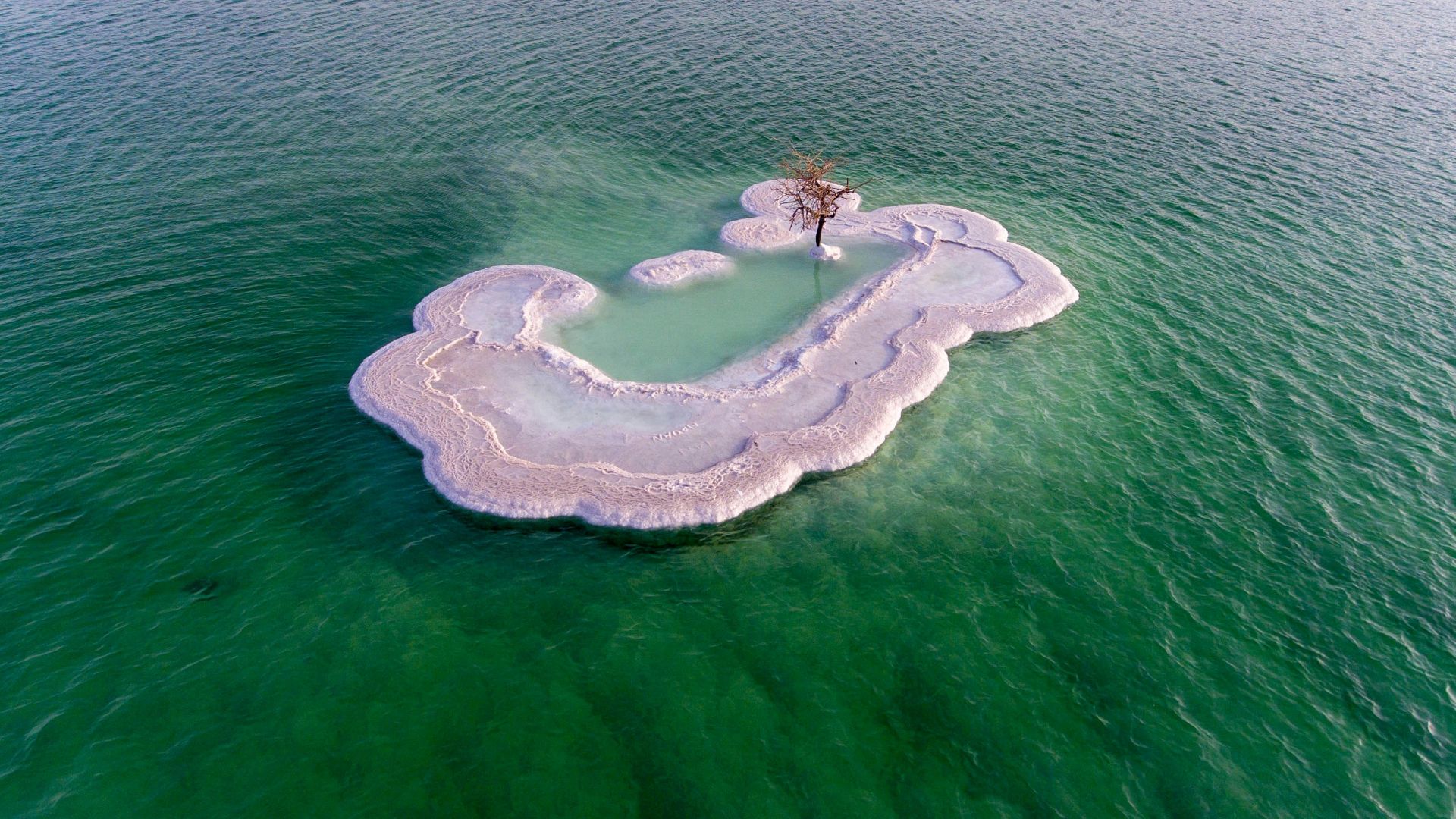
Before a shepherd boy wandered into a desert cave in 1947, our oldest surviving copies of biblical texts were relatively modern translations. Finding these ancient jars packed with leather and papyrus scrolls pushed our textual record back by more than a thousand years. Scholars discovered that these fragile documents matched later versions with incredible precision.
10. Expanding the Cahokia Metropolis
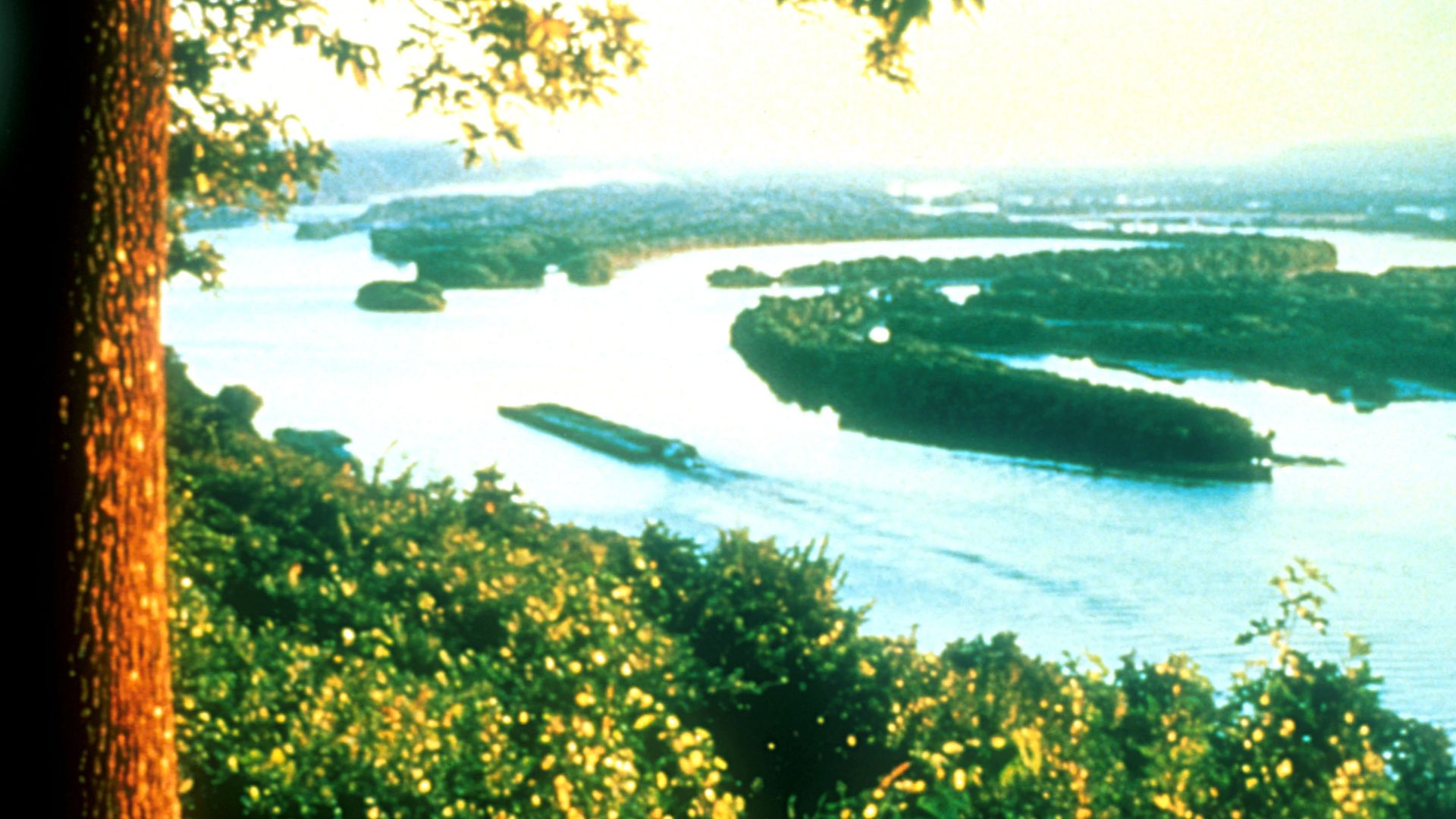
Many people still grow up believing that pre-contact North America lacked large, permanent cities with complex urban architecture. Cahokia, located right near modern-day St. Louis, utterly demolishes that misconception with its massive earthen mounds and sophisticated city planning. At its peak around the eleventh century, this indigenous hub boasted a population larger than contemporary London.
 Unknown authorUnknown author or not provided on Wikimedia
11. Reading the Maya Code
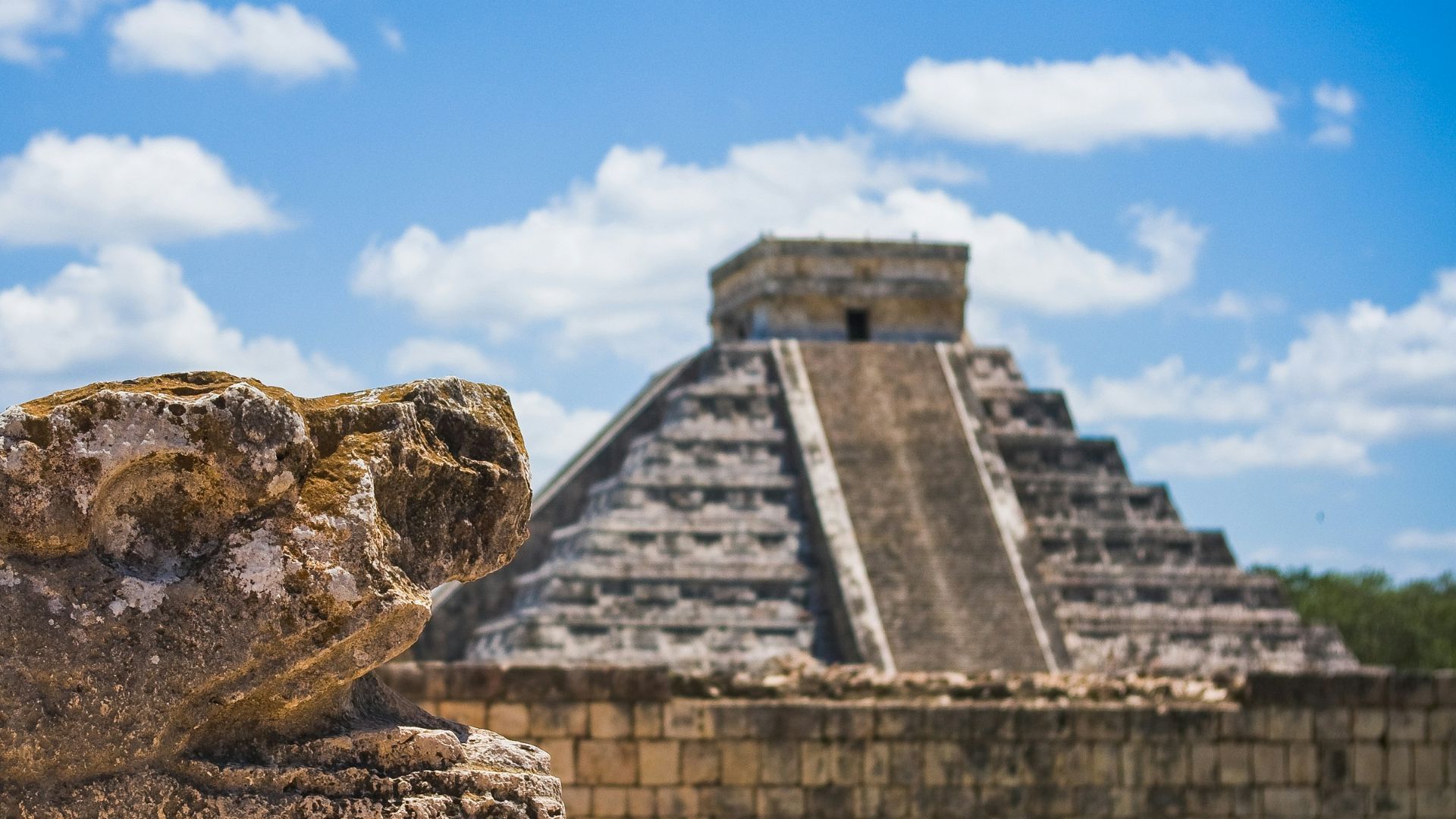
For a very long time, scholars stubbornly insisted that Mayan hieroglyphs were merely mystical symbols representing calendar dates and religious concepts rather than a true written language.
When linguists finally cracked the phonetic code in the twentieth century, they unlocked a rich history detailing real political alliances, dynastic wars, and individual rulers.
12. Unearthing Denisovan DNA
We used to trace our ancestral interactions exclusively to Neanderthals, assuming they were our only close relatives roaming Eurasia during the last ice age. The extraction of genetic material from a tiny finger bone found in a Siberian cave completely upended that simple narrative. This analysis identified a distinct hominin group called the Denisovans who contributed significant DNA to modern human populations.
 Sangharsh Lohakare on Unsplash
13. Rethinking Neanderthal Culture
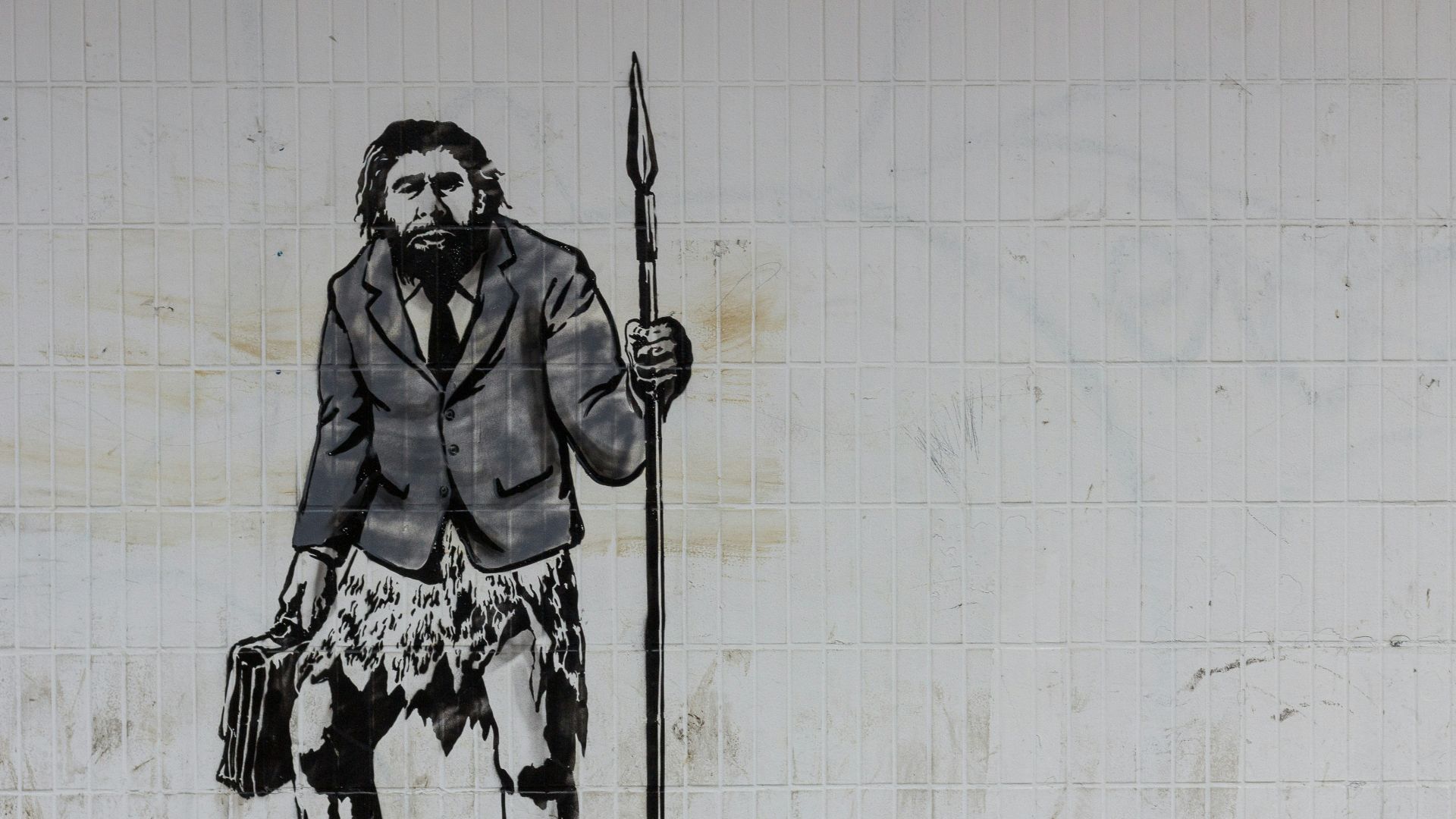
Popular culture has spent more than a century depicting Neanderthals as clumsy, unintelligent brutes who lacked any capacity for complex thought. Recent cave discoveries have turned up beautiful jewelry made from raptor talons, sophisticated cave paintings, and evidence that they buried their fallen with flowers. These cultural artifacts imply that their cognitive and emotional lives were remarkably similar to our own.
14. Realizing Bronze Age Globalism
The discovery of the Uluburun shipwreck off the coast of Turkey offered a stunning glimpse into a surprisingly interconnected ancient economy. The vessel carried commodities from at least seven different cultures, including African ebony, Baltic amber, Cypriot copper, and glass ingots from Canaan. Historians previously assumed that ancient civilizations operated in relative isolation.

15. Dating the First Americans
The established "Clovis First" theory long insisted that the earliest human inhabitants arrived in the Americas roughly thirteen thousand years ago via a land bridge. That tidy timeline collapsed when researchers found fossilized human footprints in New Mexico that date back over twenty thousand years.
This staggering discovery means humans were thriving in North America.
16. Measuring the Great Zimbabwe
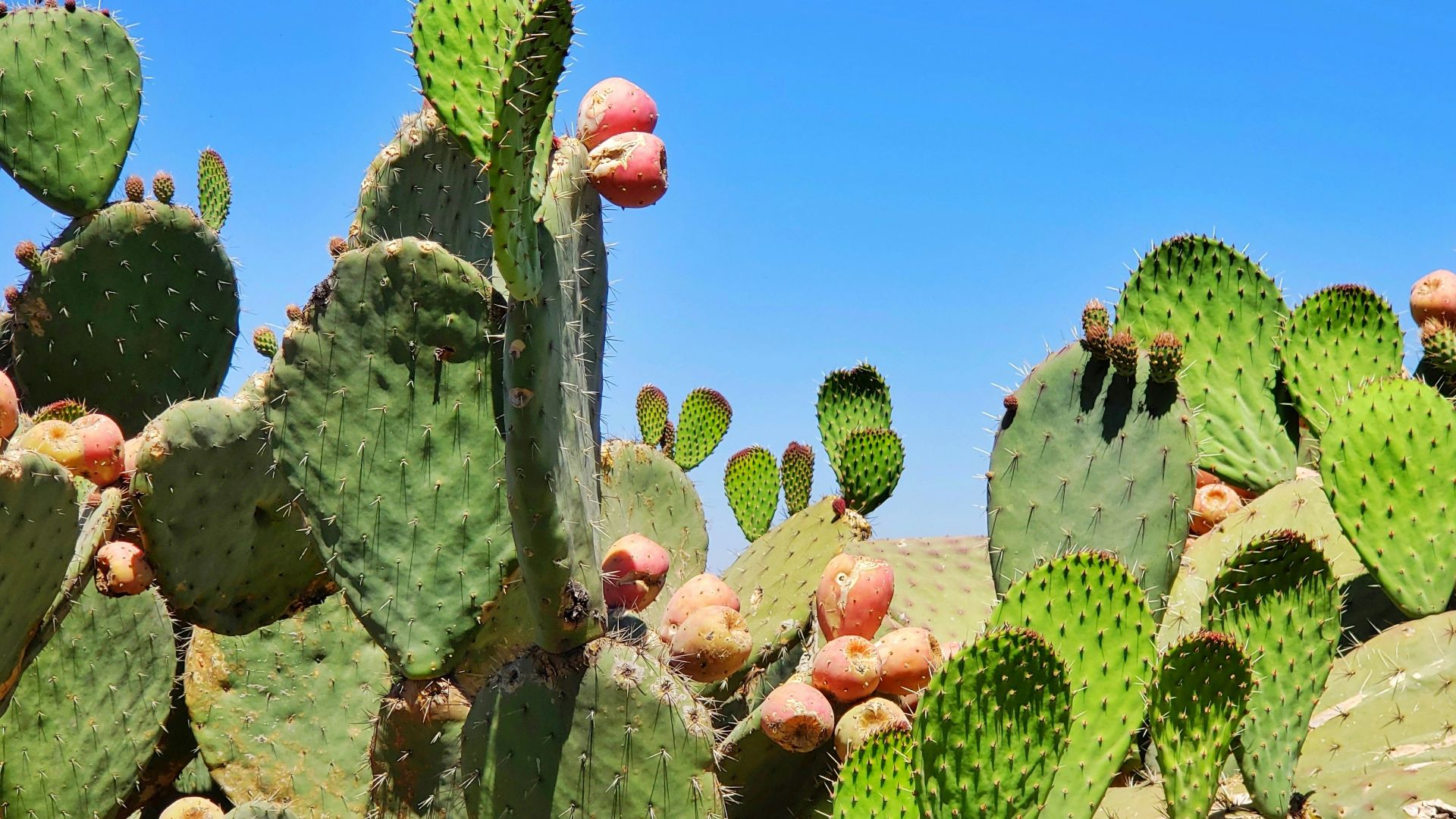
When European explorers first encountered the massive stone towers and complex walled enclosures of this African city, they refused to believe indigenous people built it. They fabricated elaborate myths attributing the architecture to ancient Phoenicians or the biblical King Solomon to justify their colonial biases. Subsequent archaeological excavations thoroughly debunked these theories.
17. The Neanderthal Medical Cabinet
Finding evidence of prehistoric healthcare proved that ancient medical knowledge didn't start with the Greeks or Egyptians. Dental plaque analysis on ancient skulls revealed that individuals were consuming poplar bark, a natural source of salicylic acid which is the active ingredient in modern aspirin. Some remains even showed traces of antibiotic molds used to treat painful dental abscesses.

18. Redefining Ancient Metallurgy
The traditional historical narrative states that advanced iron smelting techniques were completely unknown to early sub-Saharan African societies until Europeans introduced them. Excavations in places like Termit, Niger, uncovered iron smelting furnaces that predate European contact by hundreds of years, shattering that Eurocentric view. It turns out that African smiths independently developed highly innovative methods to forge iron.
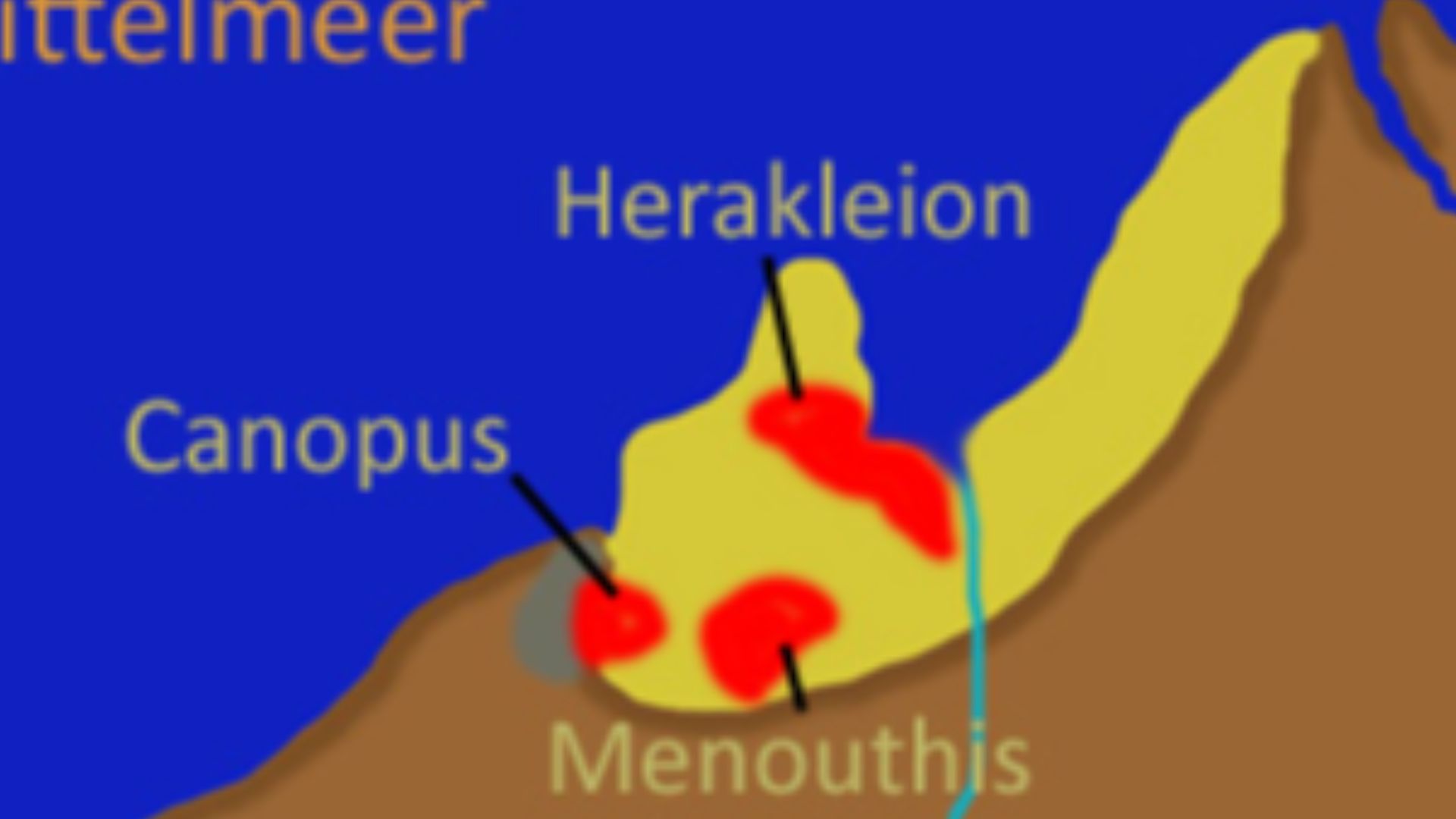
19. Revealing Heracleion beneath the Sea
For centuries, the grand Egyptian port of Heracleion existed only in the pages of classical Greek literature, leading many modern scholars to doubt its actual existence.
In 2000, marine archaeologists located the entire city submerged miles off the coast, preserved perfectly underwater by tectonic shifts and earthquakes. Giant statues, temple ruins, and dozens of ancient shipwrecks emerged from the silt.
20. Charting with Prehistoric Star Maps
We often assume that our ice age ancestors spent all their time focused purely on survival, lacking the mental bandwidth for abstract scientific observation. The intricate paintings inside Lascaux Cave in France challenge that assumption, as researchers noticed specific dot patterns that mirror prominent star clusters like the Pleiades. These striking visuals suggest that early humans were actively tracking constellations.

KEEP ON READING
10 Greatest Quarterbacks Of All Time & 10 That Are…
Do You Disagree?. Few topics in sports generate as much…
By Farva Ivkovic Dec 2, 2025
The story of Ching Shih, the Woman Who Became the…
Unknown author on WikimediaFew figures in history are as feared…
By Emilie Richardson-Dupuis Dec 29, 2025
20 Shakespearean Words, Translated For A Modern Audience
What’s In A Word?. Shakespeare was a wordsmith of the…
By Breanna Schnurr Dec 17, 2025
20 Inspiring Stories From Native American History
Incredible Stories Of Resilience And Endurance. Many of us didn't…
By Ashley Bast Dec 17, 2025
You Think You Have Problems? These Royal Families Were Cursed
Boasson and Eggler St. Petersburg Nevsky 24. on WikimediaHeavy is…
By Ashley Bast Dec 5, 2025
MH370: The Plane That Can't Be Found
Anna Zvereva from Tallinn, Estonia on WikimediaEleven years after Malaysia…
By Christy Chan Dec 10, 2025