


10 Roman Military Punishments That Kept Soldiers in Line & 10 Rewards That Kept Them Loyal
10 Roman Military Punishments That Kept Soldiers in Line & 10 Rewards That Kept Them Loyal
How Rome Managed Its Soldiers
Roman soldiers swore an oath that let their commanders punish them up to the point of death. The army also paid them regular wages and promised a payout at discharge. Some of the best-known punishments were rarer in practice than their reputation suggests. Even so, the threat of them shaped how legions behaved on guard duty and in battle. Here are 10 punishments that kept Roman soldiers in line, followed by 10 rewards that kept them loyal.
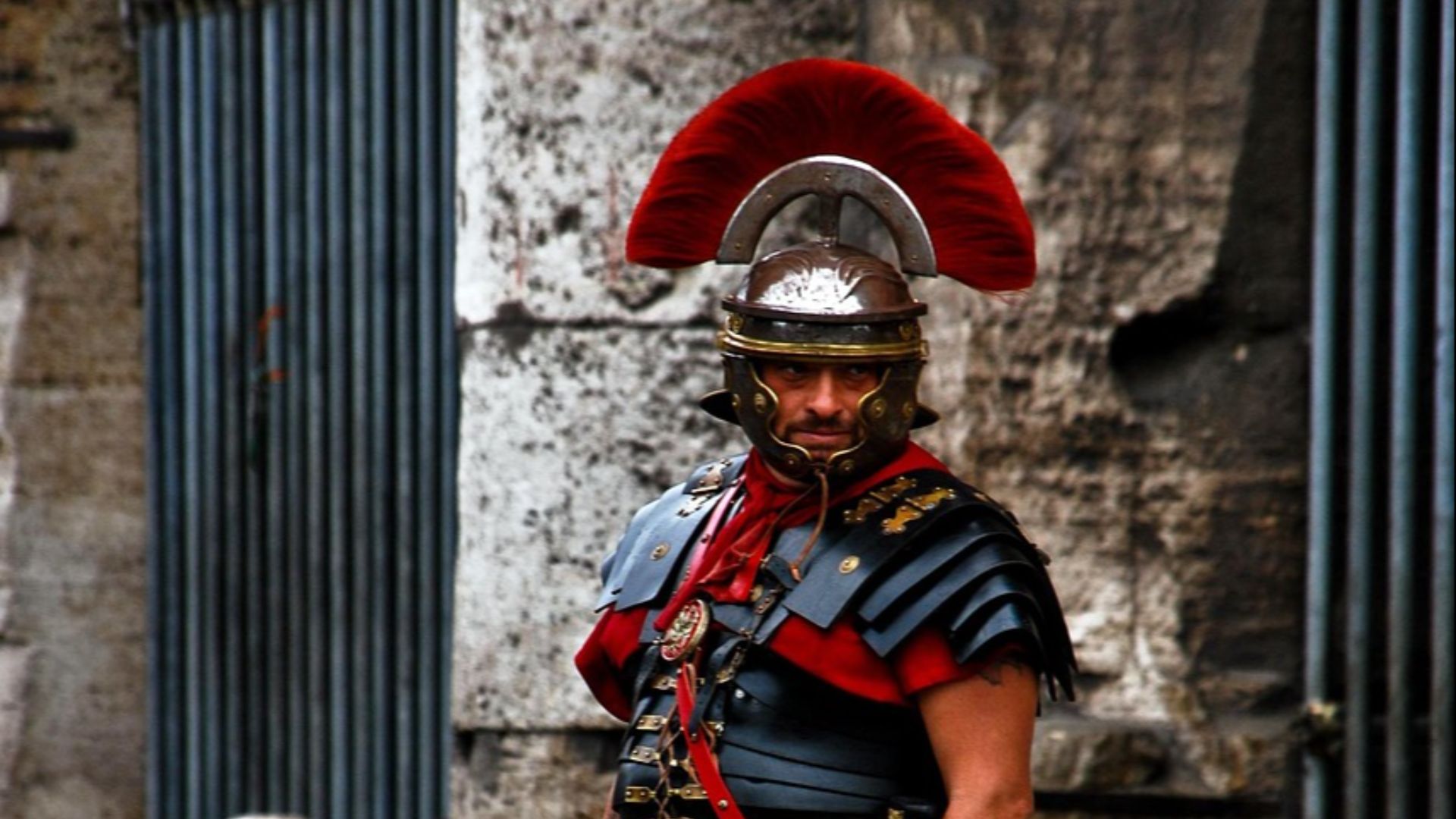
1. Decimation Killed One Soldier in Ten
A unit that had shown cowardice was divided into groups of ten, and each group drew lots to pick one man for execution. The other nine then beat him to death with clubs. Historians describe it as rare, though Crassus is said to have revived it against Spartacus in 71 BC.
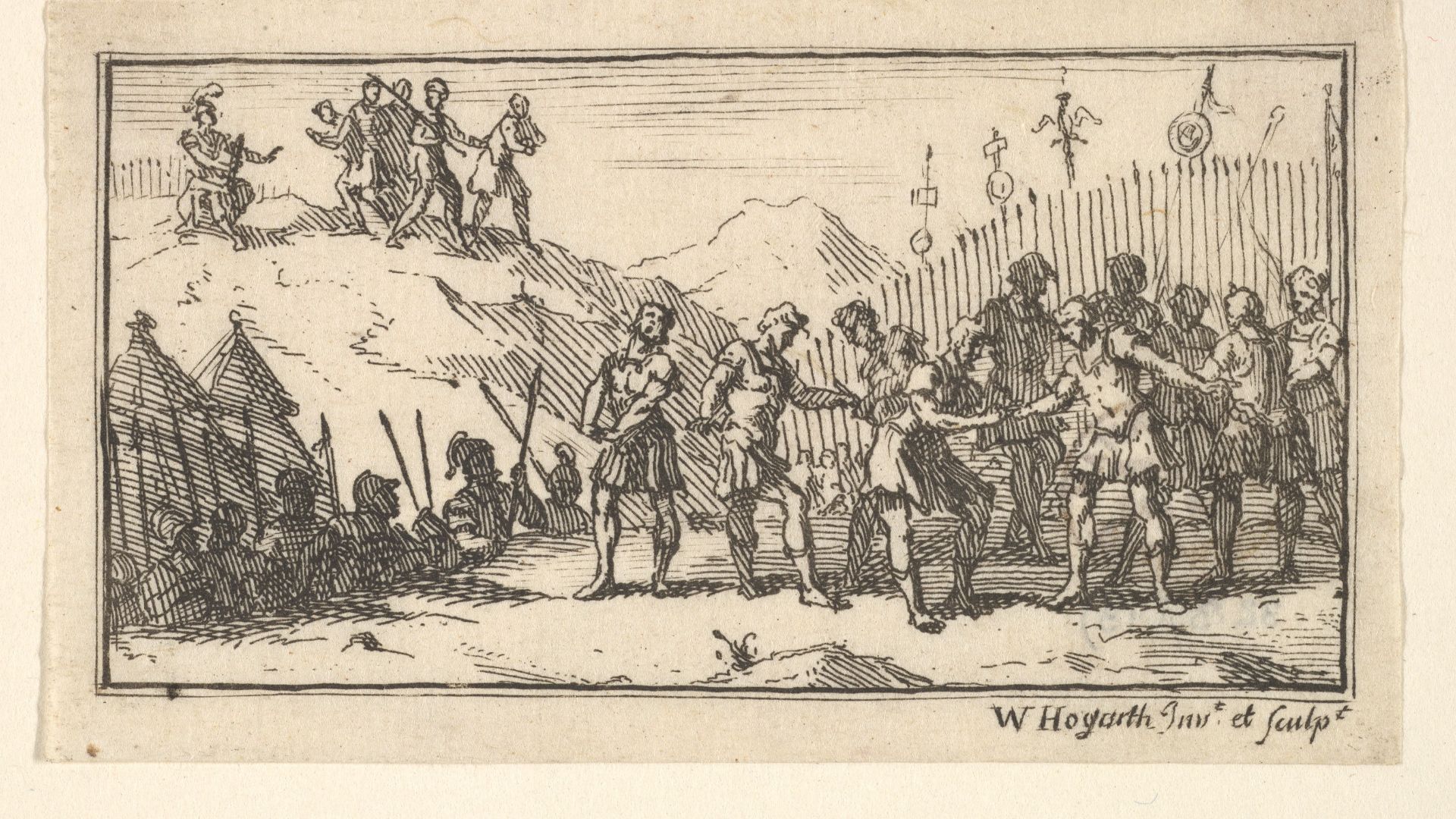
2. Sentries Who Slept Were Cudgeled to Death
Any sentry found asleep at night faced a death sentence by cudgeling. The officer making rounds brought witnesses along, so the charge was hard to dispute, and the sentence was carried out by the sentry's own comrades. The same penalty covered theft from the camp and lying under oath.

3. Barley Replaced Wheat in the Ration
Wheat was the standard grain ration, so being switched to barley marked a soldier as disgraced in front of his peers. Survivors of a decimation received barley, and Augustus is reported to have fed cohorts barley when they gave ground in battle.
Reduced rations were also a routine penalty for minor offenses.

4. Failed Units Camped Outside the Walls
Marching camps were ringed with ditches and ramparts, so sleeping outside them left soldiers exposed. After a decimation, the survivors were ordered to pitch their tents on an unprotected spot until they had redeemed themselves in battle. Everyone else in the army could see where the punished men slept.

5. Augustus Made Officers Stand in Public
Augustus punished lesser lapses by making officers stand all day in front of headquarters. Some wore tunics without their sword belts, and others held ten-foot poles or a clod of turf. Centurions who abandoned their posts were put to death, just as ordinary soldiers were.

6. Fines Came Out of Pay
Commanders docked a soldier's pay as a fine, and his wages were already reduced by charges for food and clothing. Fines like this sat on the milder end of the scale, used for smaller offenses. Because wages arrived in three installments a year, a fine could leave a soldier short for months.
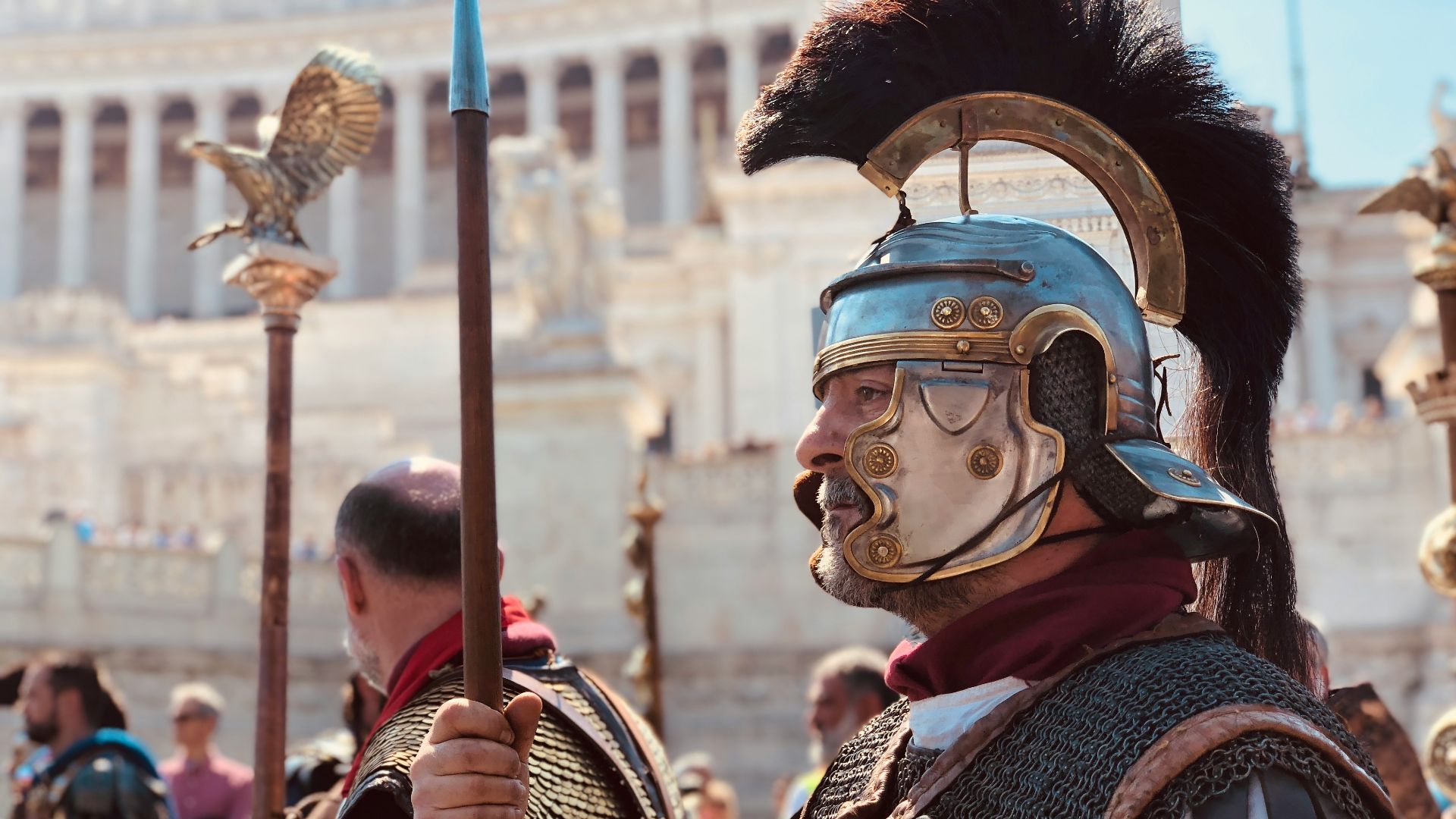 Maria Dolores Vazquez on Unsplash
7. Demotion Cut Rank and Pay Grade
Reduction in rank, known as gradus deiectio, sent a soldier back to a lower post. Higher grades usually paid more, so a demotion also meant a smaller income. A 2022 review of the evidence found far more cases of lesser penalties, such as demotion, than of mass executions.
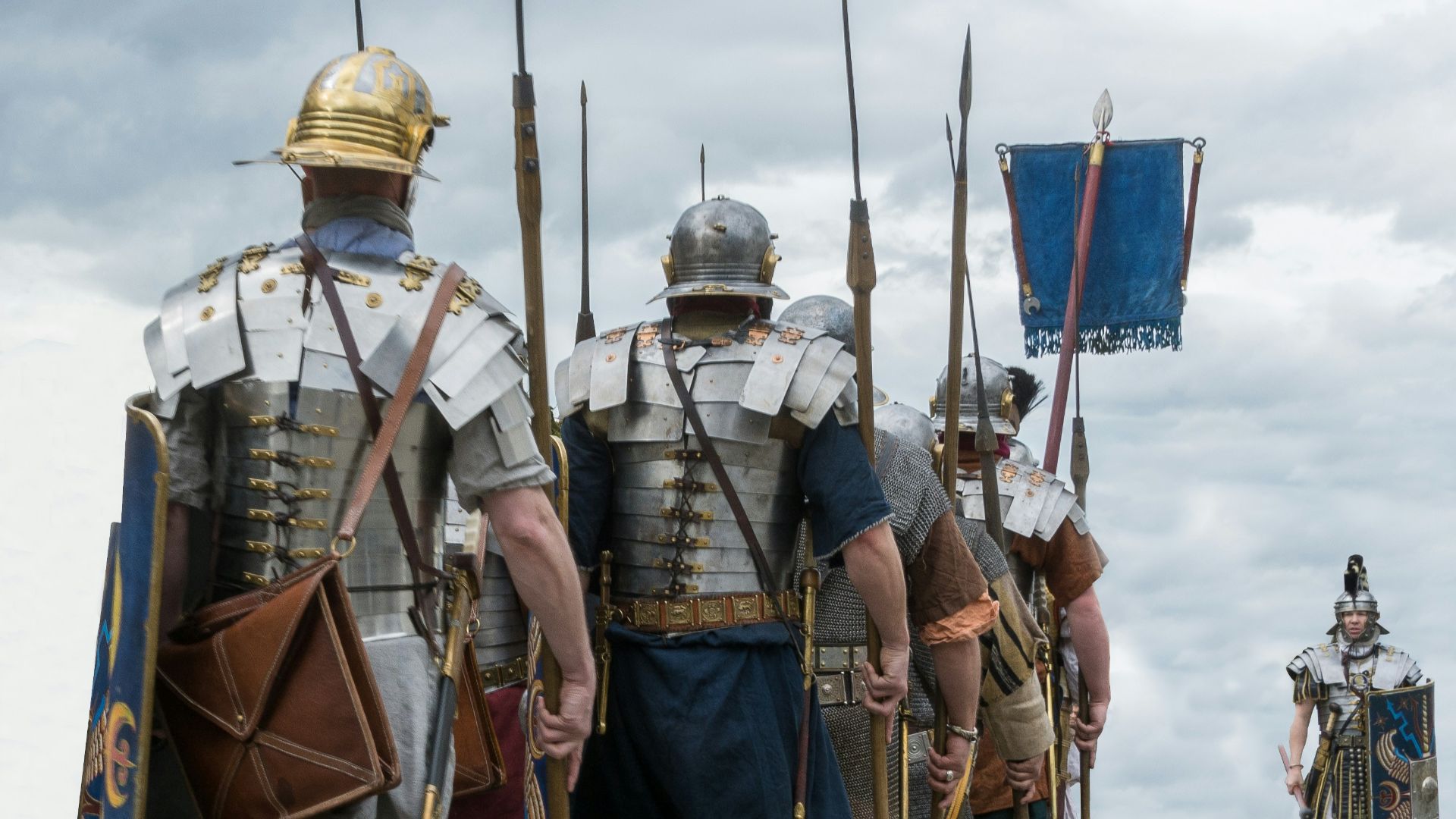
8. Centurions Beat Soldiers With a Vine Staff
Centurions carried a vine staff and used it on soldiers who stepped out of line. Serious offenders were flogged in front of the assembled unit instead. Doing it in public meant every beating also served as a warning to the rest.
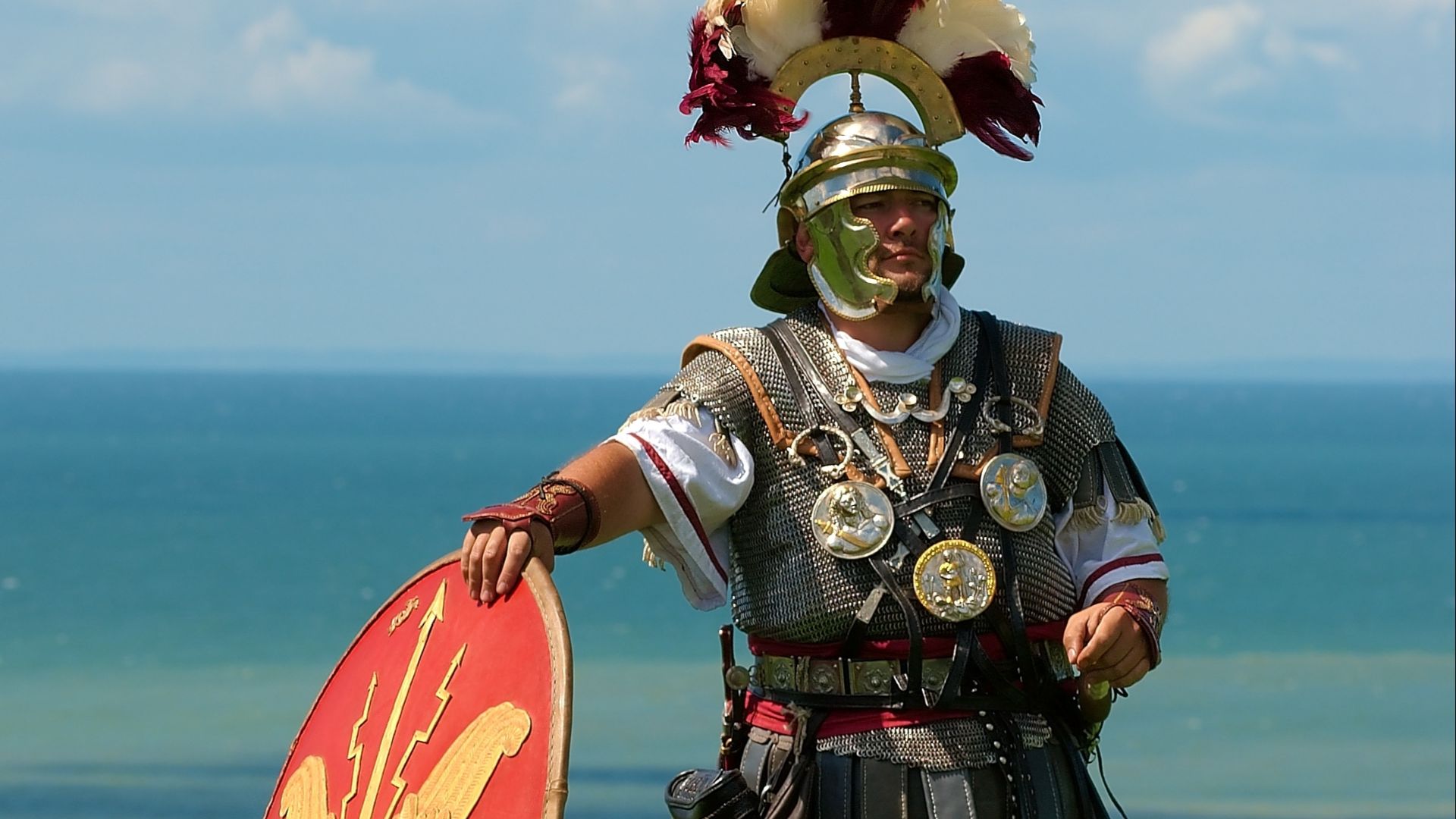
9. Dishonorable Discharge Cost a Soldier His Payout
Dishonorable discharge, called missio ignominiosa, put a soldier out of the army in disgrace. Veterans received their land or cash bonus at an honorable discharge, so a man who left in disgrace missed out on both. Under Augustan rules legionaries served at least twenty years, so a dismissal late in a career cost a man the payout he had waited for.

10. Whole Legions Lost Their Names and Pensions
The army sometimes punished mutinous or cowardly legions as a body. The 16th legion lost its old title in AD 69 for poor performance and suspected disloyalty to Vespasian. The heaviest penalty was disbanding a legion without the usual land and pension payments.
Now, here's 10 rewards that gave soldiers a reason to stay loyal.
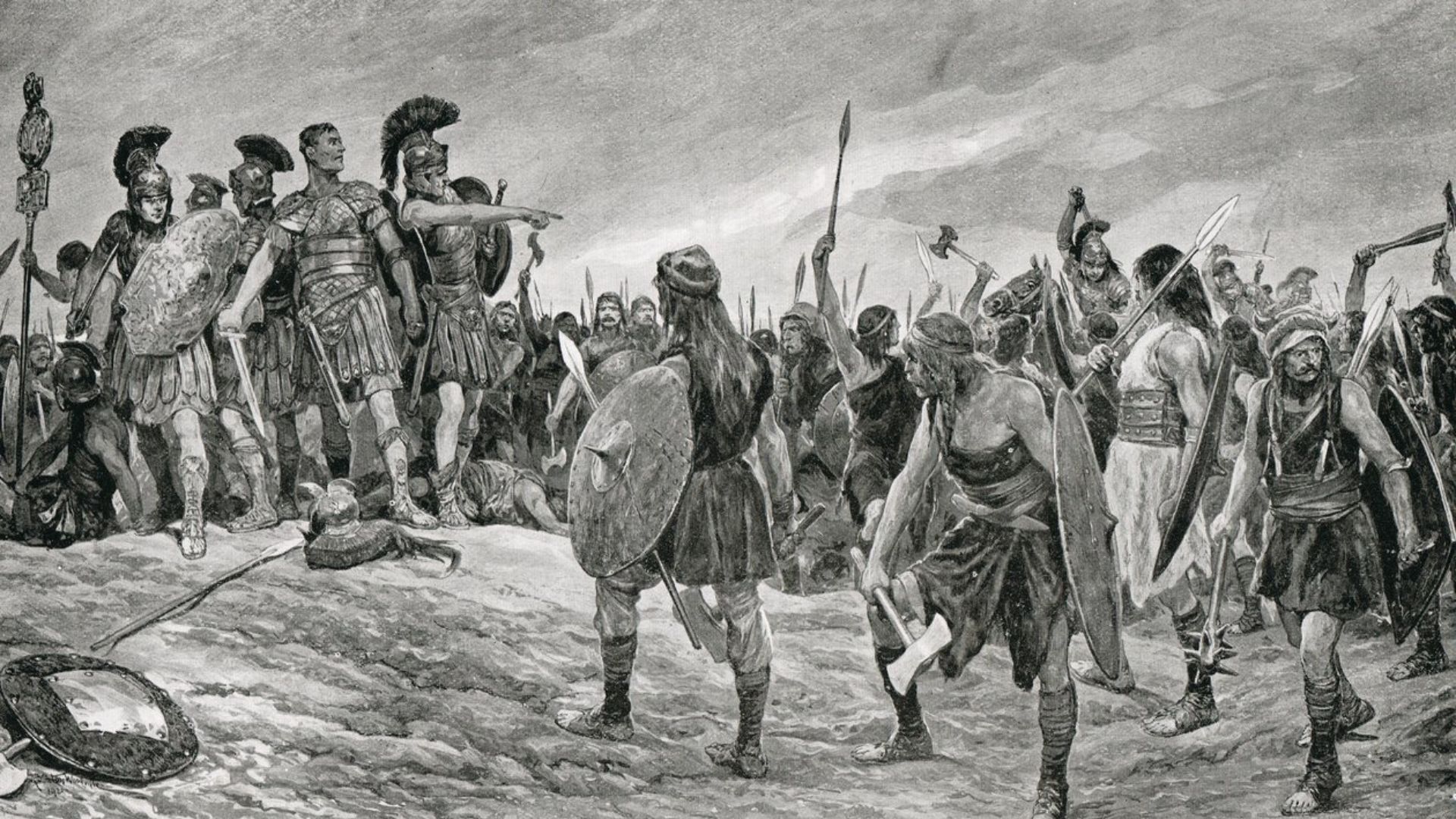 Richard Caton Woodville Jr. on Wikimedia
1. Saving a Fellow Citizen Earned an Oak Crown
The corona civica, a wreath of oak leaves, went to a soldier who saved another citizen's life in battle. After Sulla's reforms, a recipient could also enter the Roman Senate. Julius Caesar won one at the siege of Mytilene in 81 BC while still in his late teens.
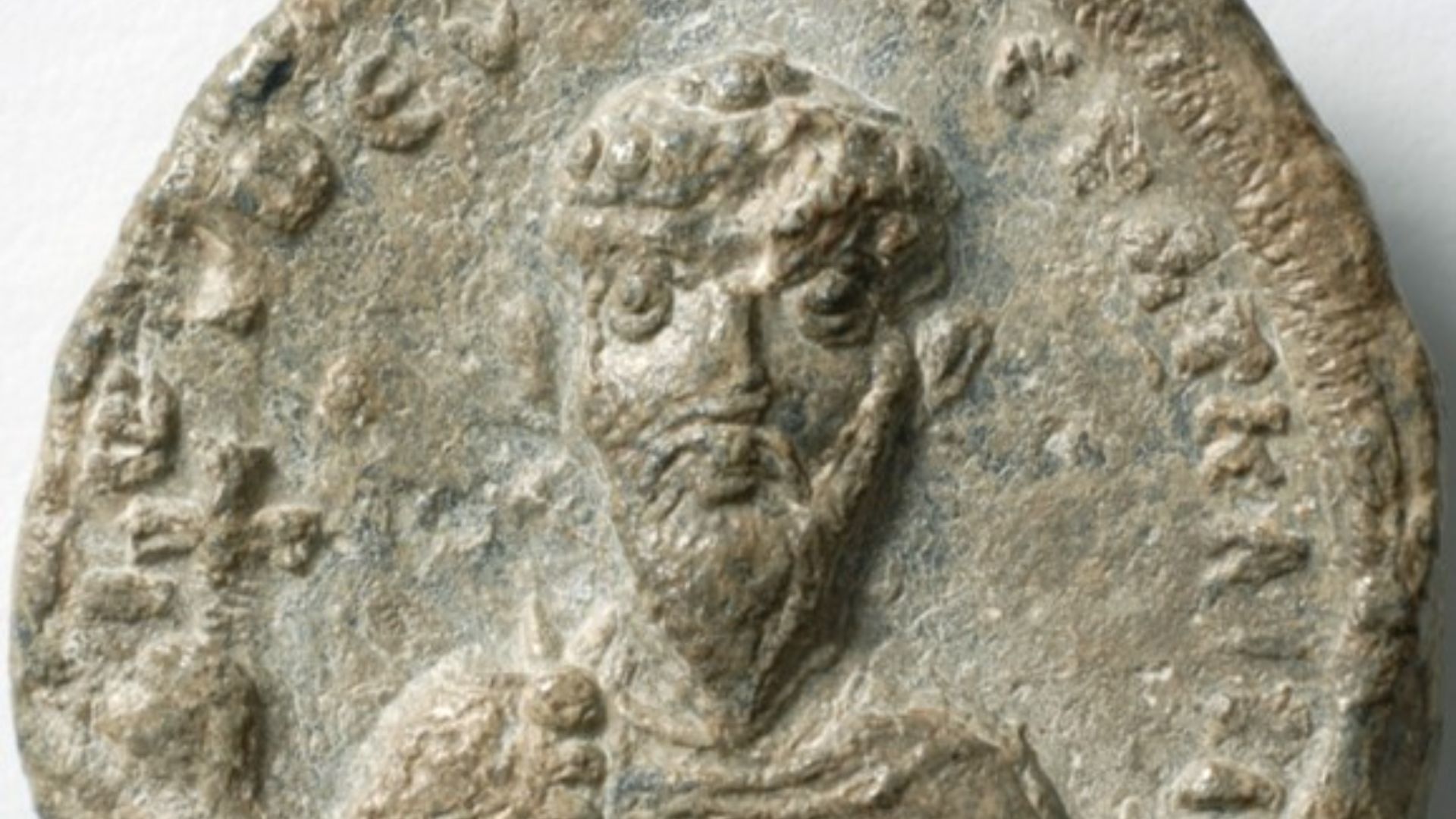 Unknown authorUnknown author on Wikimedia
2. Armbands and Discs Marked Brave Soldiers
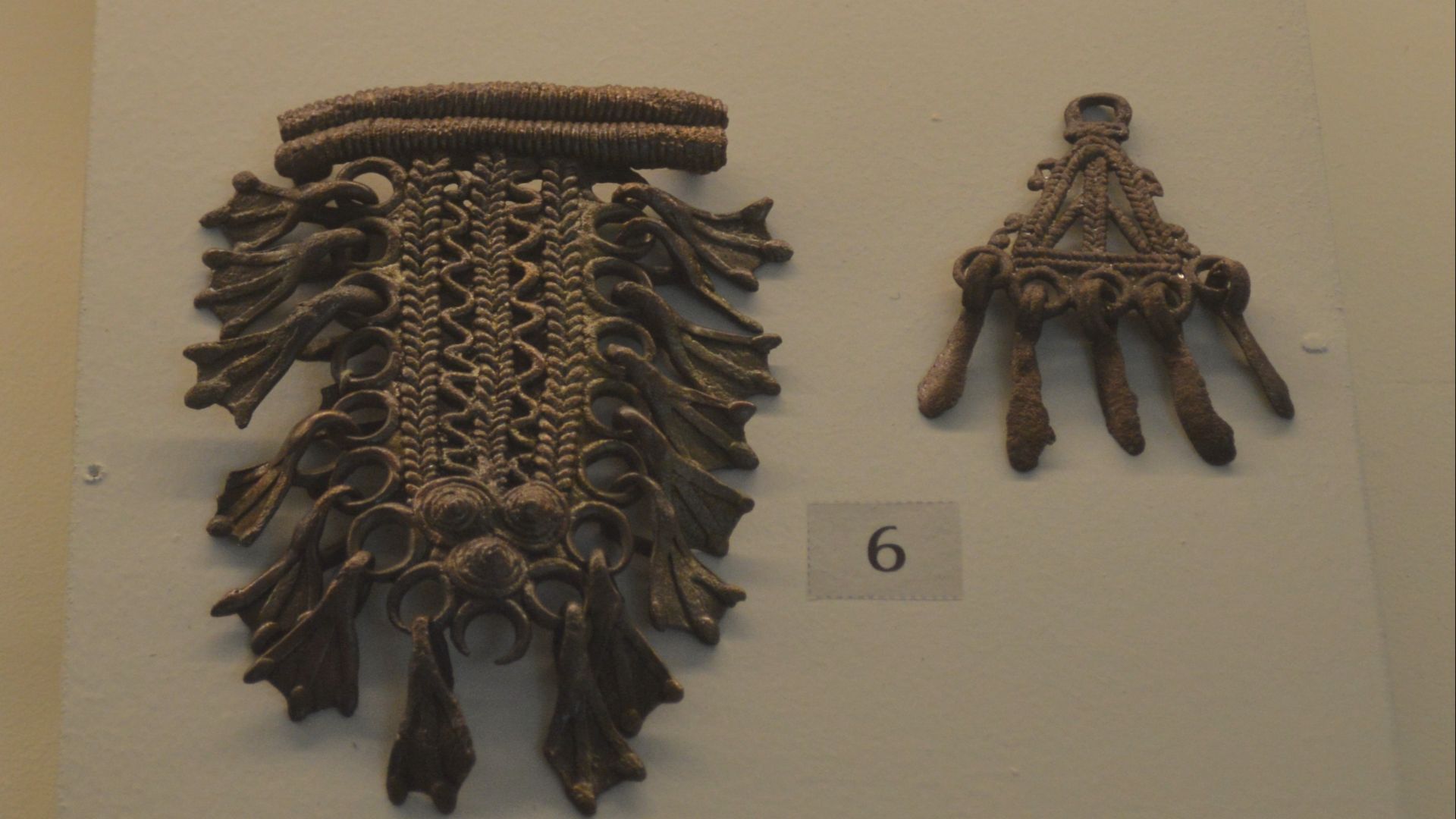
Courageous soldiers were awarded neck rings called torques and armbands called armillae. Phalerae were disc-shaped medals worn on a leather harness over the armor, and awards like these were displayed at parades. The tombstone of the centurion Marcus Caelius, who died in AD 9, still shows him wearing his decorations.
3. Bravery Could Earn Double Pay
Two Roman pay grades, sesquiplicarius and duplicarius, are generally taken to mean pay and a half and double pay. The higher grade sometimes went to an ordinary legionary as a reward for outstanding bravery or service. On the base rate of 225 denarii a year, double pay would have added the same amount again.
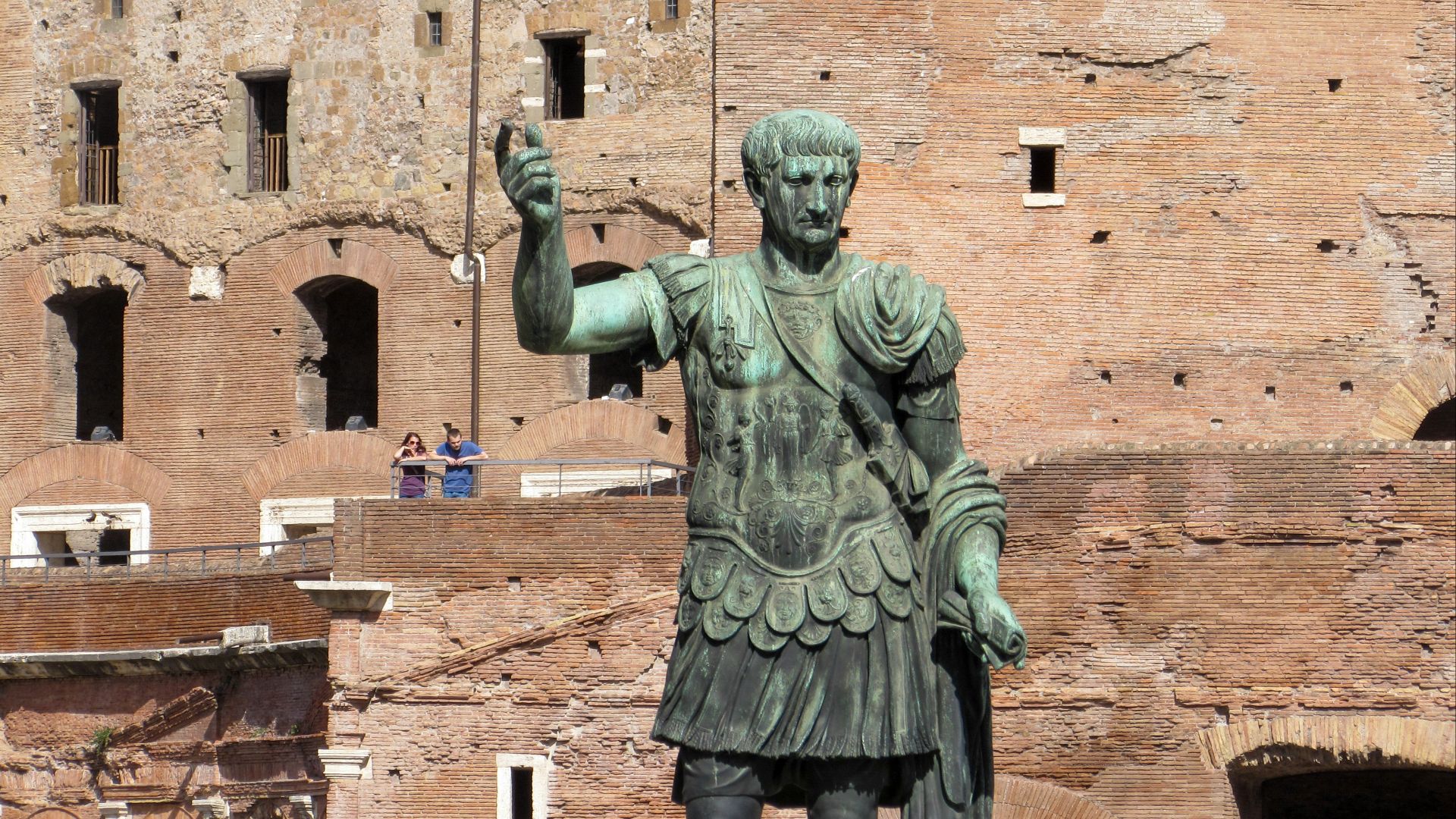
4. Base Pay Held at 225 Denarii for Generations
A legionary's wage under Augustus was 225 denarii a year, paid in three installments. Julius Caesar had doubled the rate earlier, and it stayed there until Domitian raised it by a third, to 300 denarii. Soldiers also mutinied in AD 14 partly over pay and conditions after Augustus died.
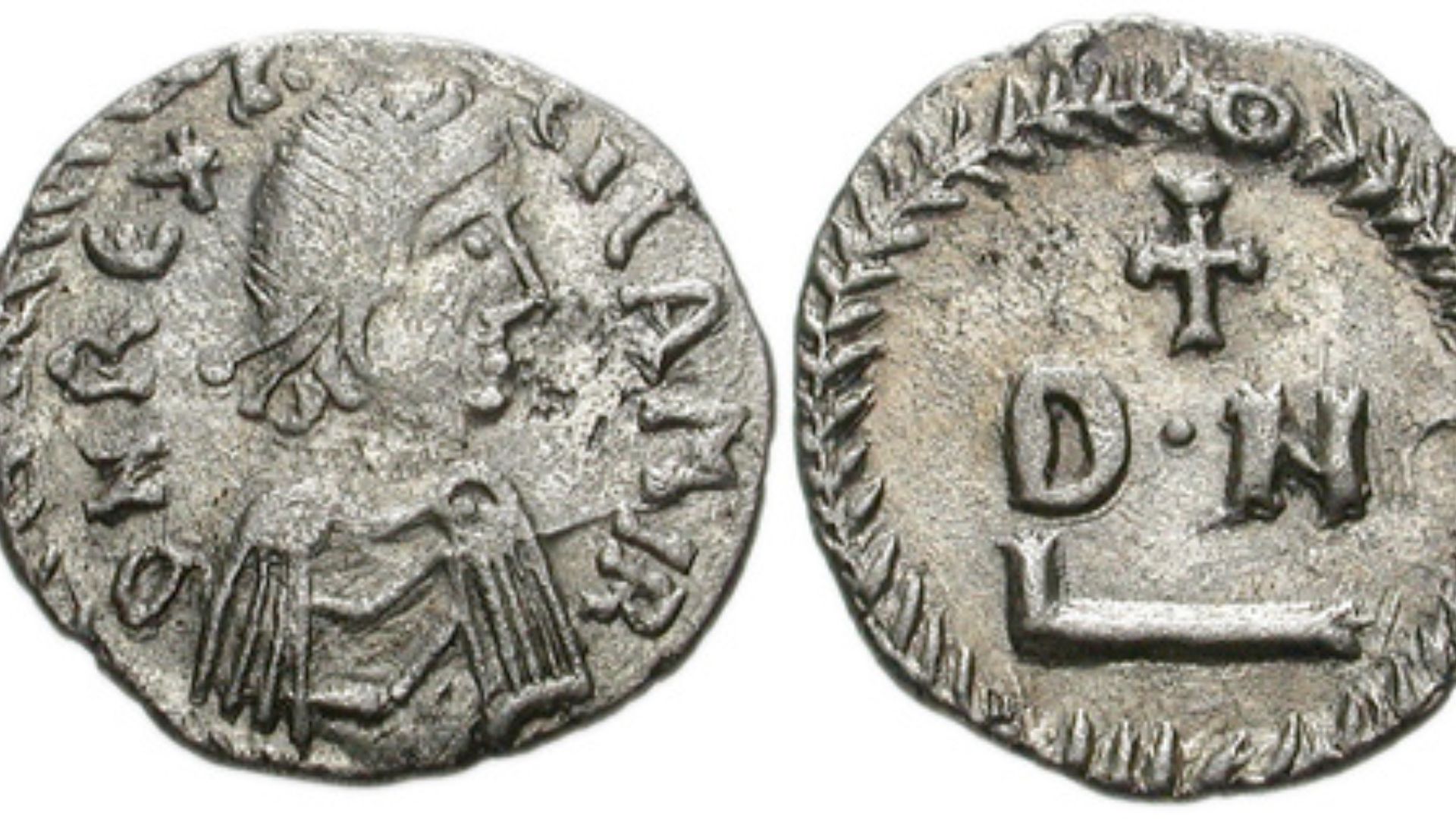
5. A Discharge Bonus Waited at the End
A discharged legionary received 3,000 denarii, worth more than thirteen years of base pay. Praetorians received 5,000 denarii, and the money came from a military treasury Augustus created in AD 6. He seeded it with about 170 million sesterces of his own, and new taxes on inheritances and auction sales kept it funded.
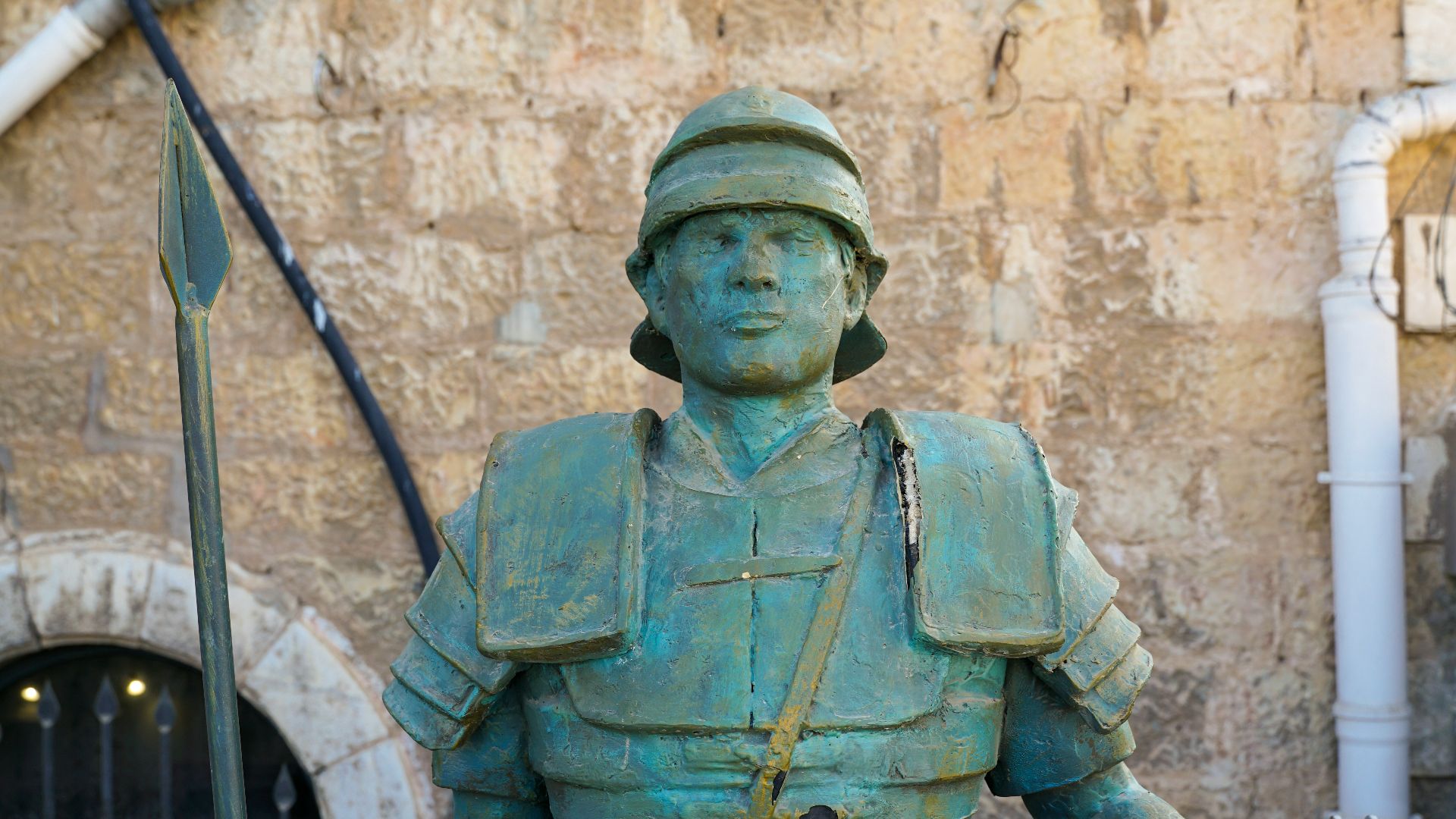
6. Veterans Received Land to Farm
Discharged soldiers began demanding land from the time of Marius, and Caesar made it a standard reward.
Augustus wrote that he sent more than 300,000 veterans to colonies or back to their hometowns, with land or money for them all. New veteran colonies stopped being founded by the reign of Hadrian.
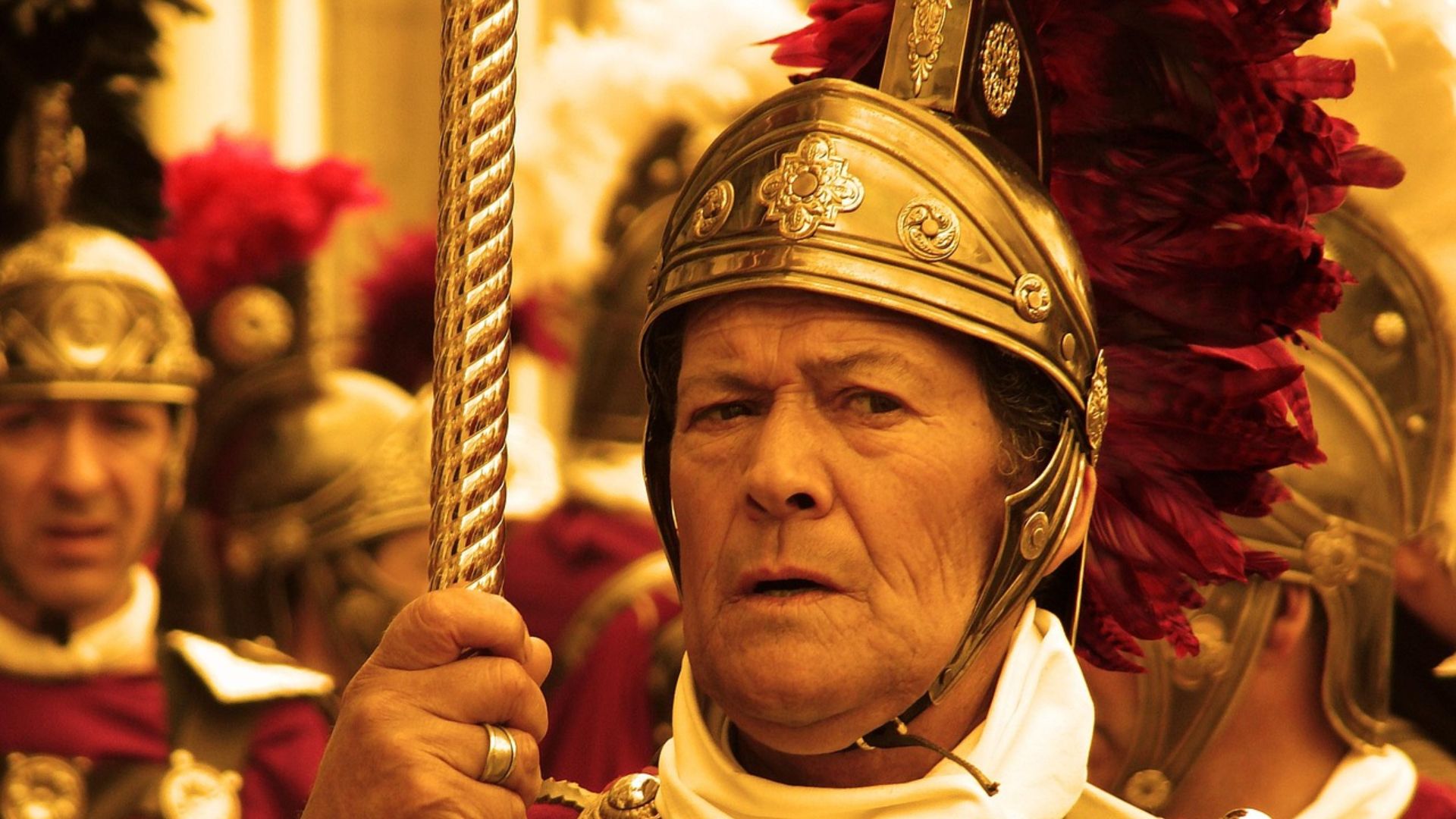
7. Auxiliaries Earned Citizenship After 25 Years
Non-citizen auxiliaries who served about 25 years received Roman citizenship at discharge. The grant was recorded on a bronze diploma made of two hinged tablets, and it also gave them the right to legal marriage and made their children citizens. Claudius appears to have regularized the practice, and the first known diploma dates from AD 52.
8. Emperors Paid Cash Gifts for Loyalty
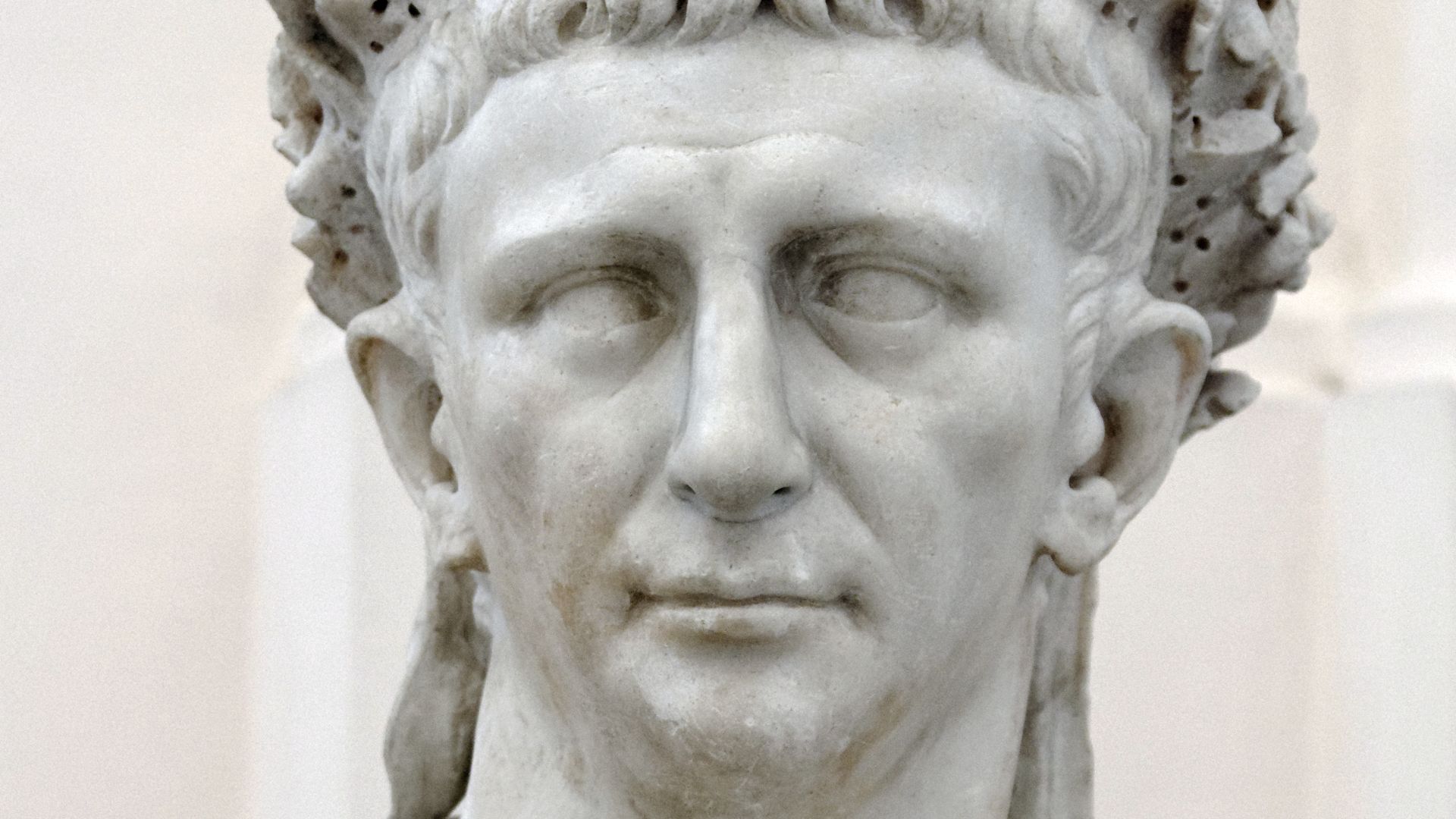
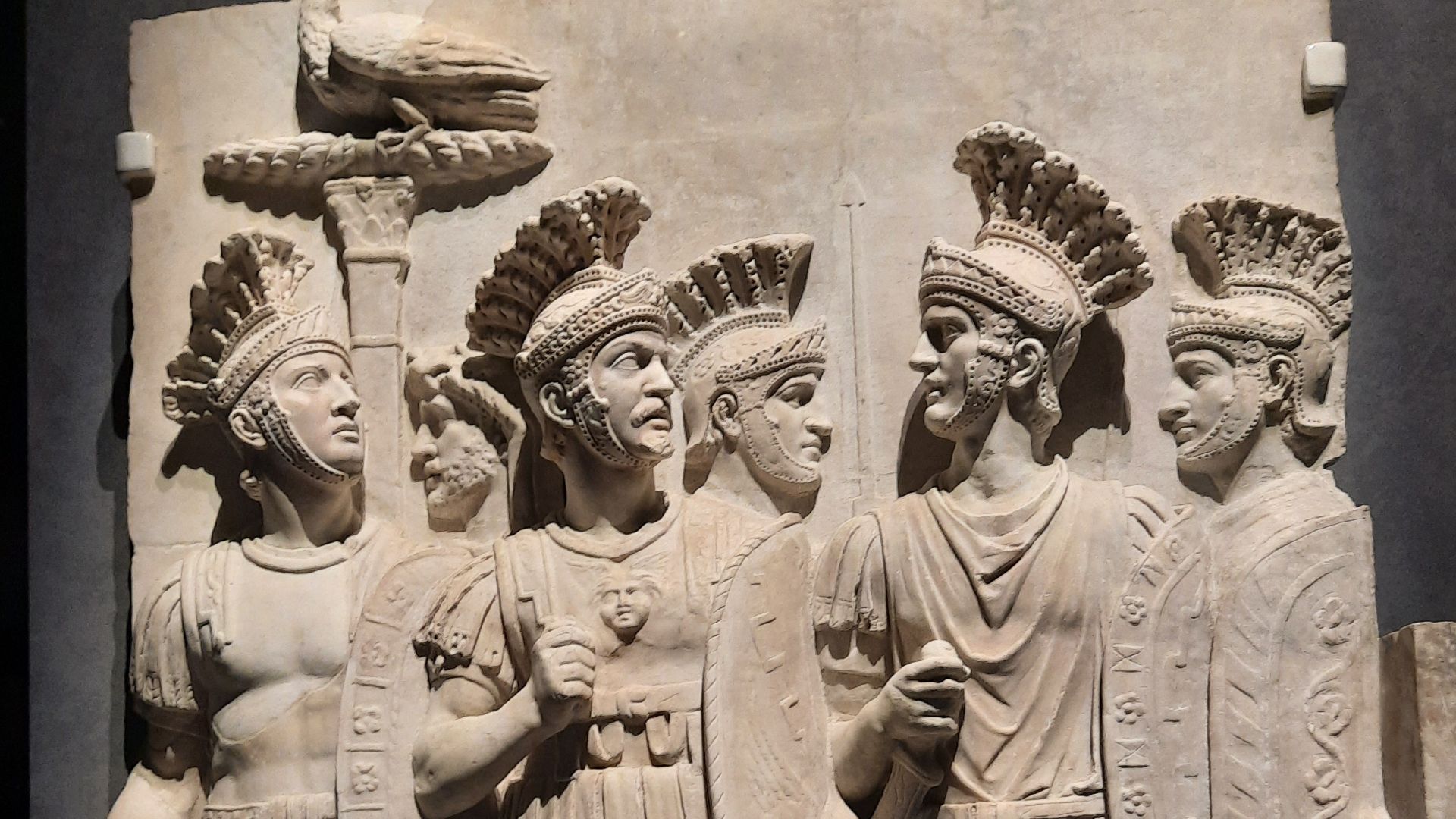
New emperors paid soldiers a cash gift called a donativum, and the Praetorian Guard received the most. Claudius gave each guardsman 3,750 denarii in AD 41, more than sixteen times a legionary's annual pay. The payments became expected, and in AD 193 the Guard auctioned the throne to the highest bidder.
9. Plunder From Captured Cities Went to the Troops
Roman troops expected a share of the plunder when an enemy city fell, and captives sold as slaves counted as part of it. A Roman historian records one campaign where the soldiers kept all the plunder from Samnite cities, though silver and bronze went to the treasury. A commander's generosity with the haul tended to shape how much his troops liked him.

10. Triumphs Let Soldiers Mock Their General
A triumph was a victory parade through Rome, and the soldiers who marched behind their general shared in the public honor.
The Senate granted one only if the victory met set conditions. Tradition let the soldiers sing songs poking fun at their commander, which was believed to ward off the evil eye.
KEEP ON READING