

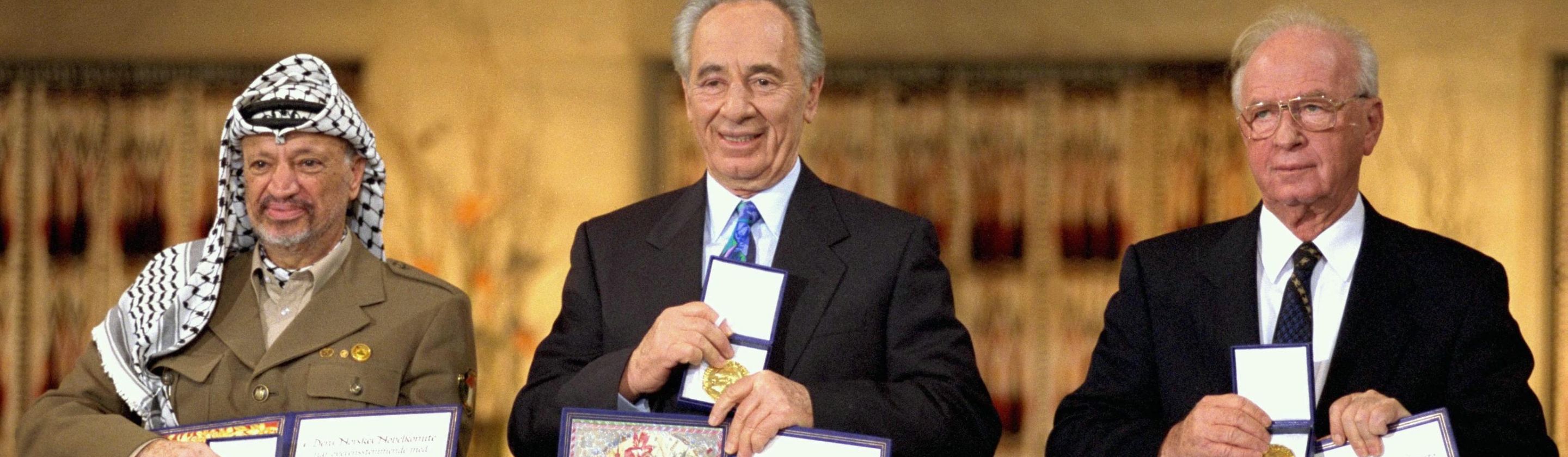
10 Controversial Nobel Peace Prize Winners & 10 Who Deserved It
Prestige or a Scam?
The Nobel Peace Prize can be thought of as the highest award that you can receive. However, some individuals seem far less deserving of this pious reward. From head-scratching picks to world-changing heroes that will go down in history, take a look at these 20 winners of the prestigious award.
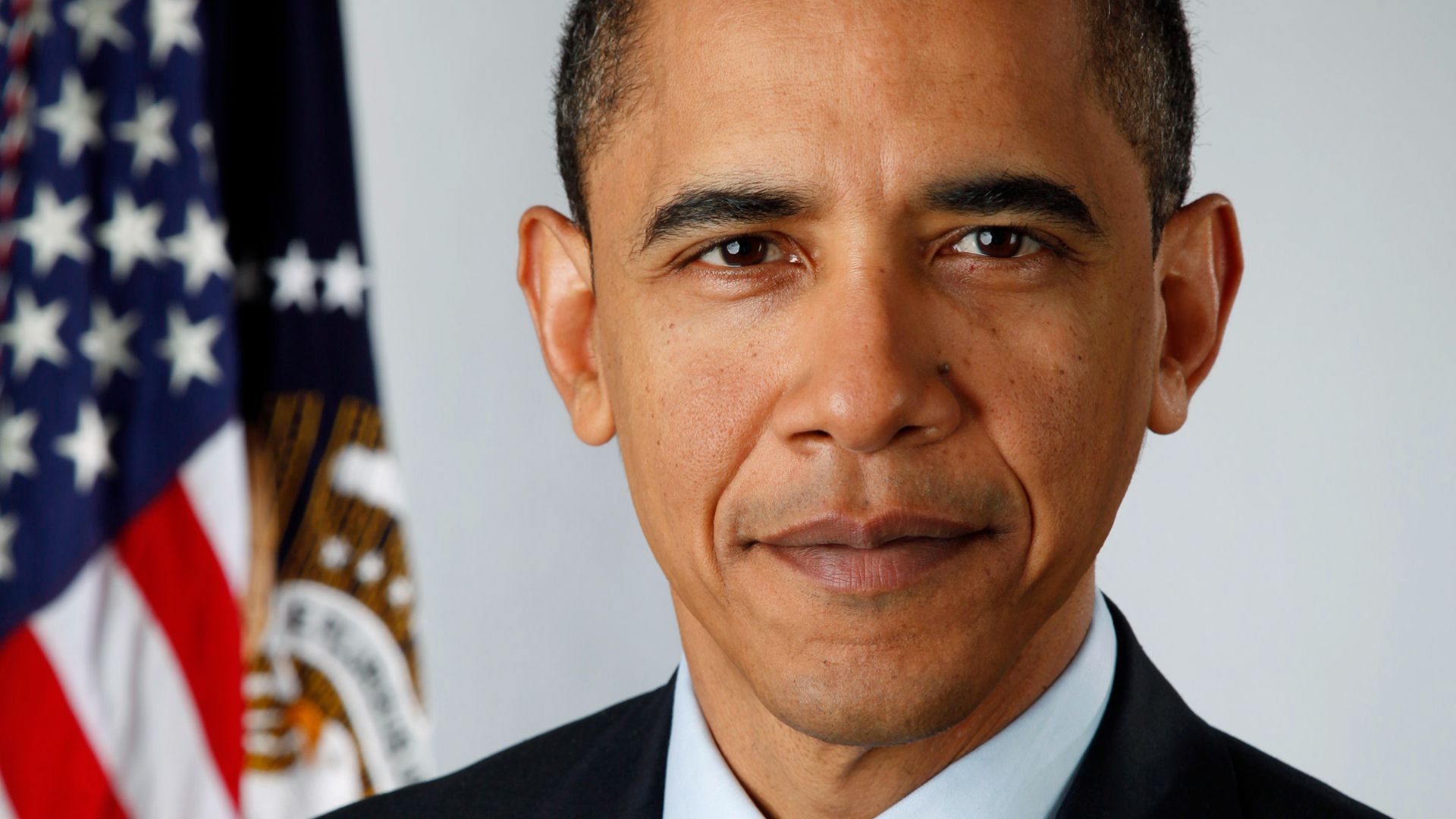
1. Henry Kissinger’s Confusing Ceasefire
Negotiating a ceasefire was impressive for the Secretary of State in 1973, but the Vietnam War hadn’t actually ended when he won. Not only that, but Kissinger was secretly attacking Cambodia as part of his duties. Nowadays, he’s a widely controversial and disliked figure.
 United States Department of State on Wikimedia
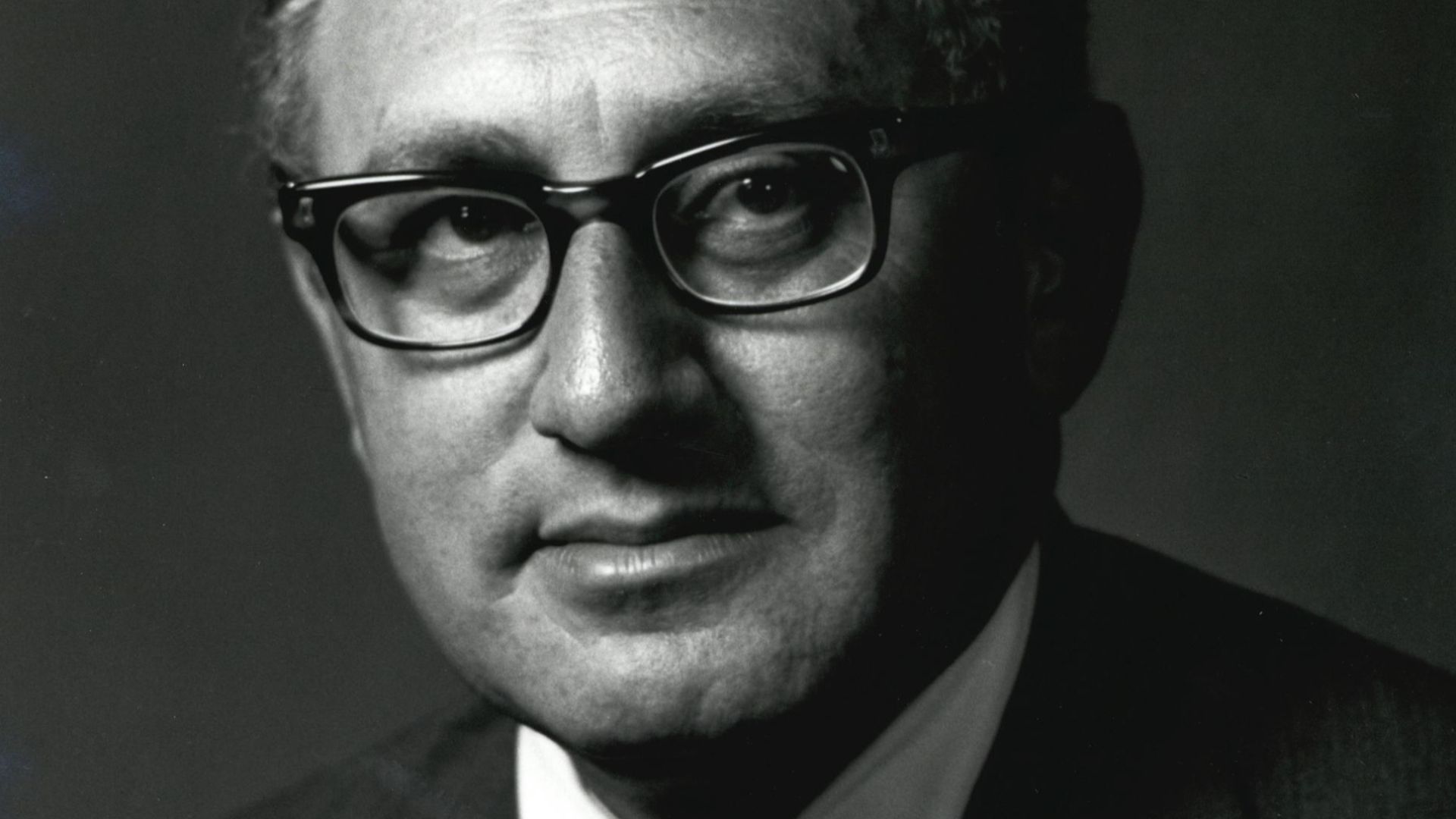
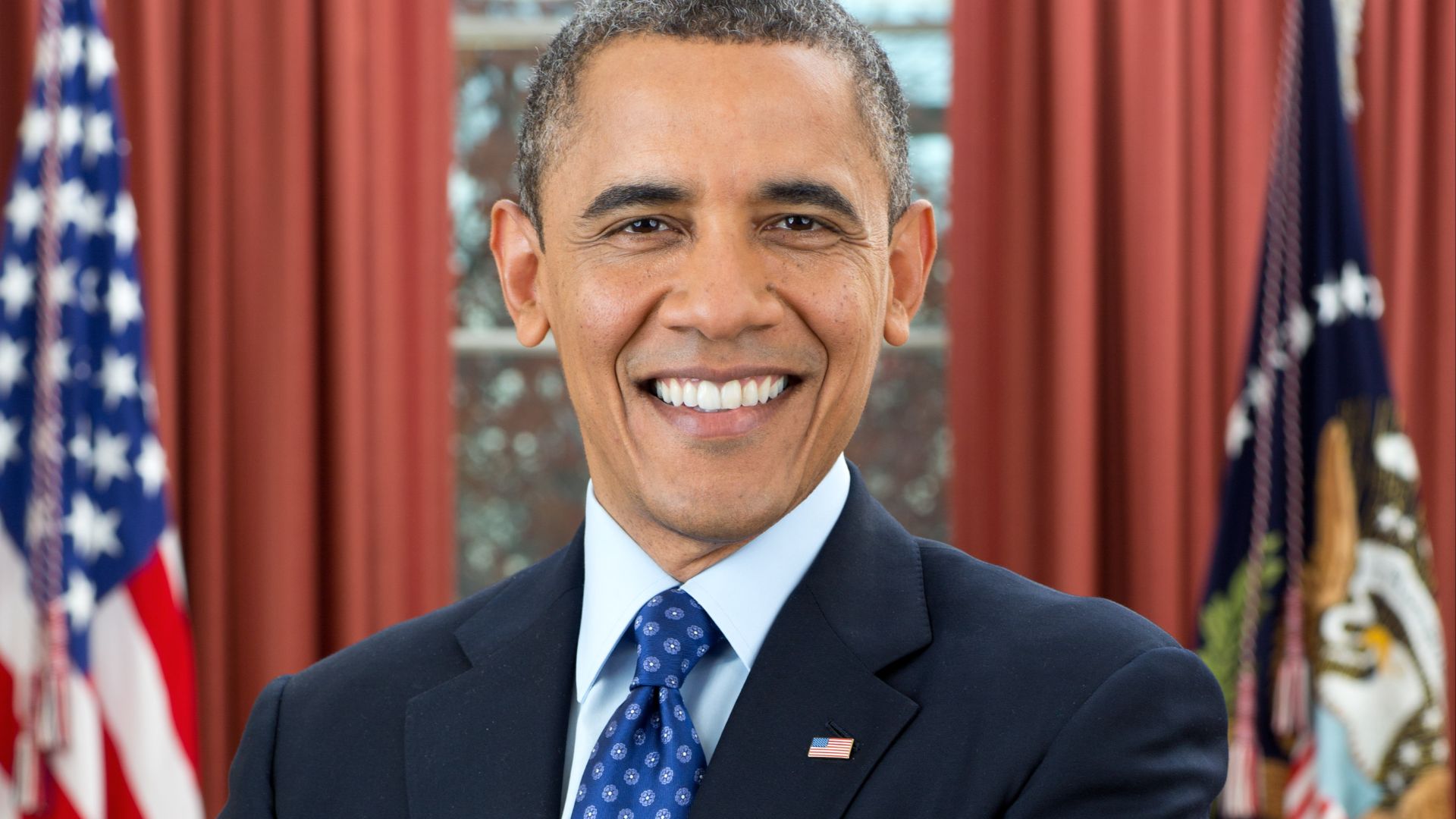
2. Barack Obama’s Premature Praise
You might remember the collective gasp when the 44th President won the prize just nine months after taking office, long before most of his policies were even implemented. The committee claimed they wanted to encourage his future efforts, but critics argued that giving a trophy for "potential" felt a little like getting a gold medal before the race even started.
 Official White House Photo by Pete Souza on Wikimedia
3. Yasser Arafat’s Radical Resume
Honoring the head of Palestine’s PLO might have made sense in 1994 as part of the peace process, but Arafat wasn’t exactly a pacifist before then. To many, awarding him the prize felt unnecessary when he had a long history of encouraging violence rather than defusing it.
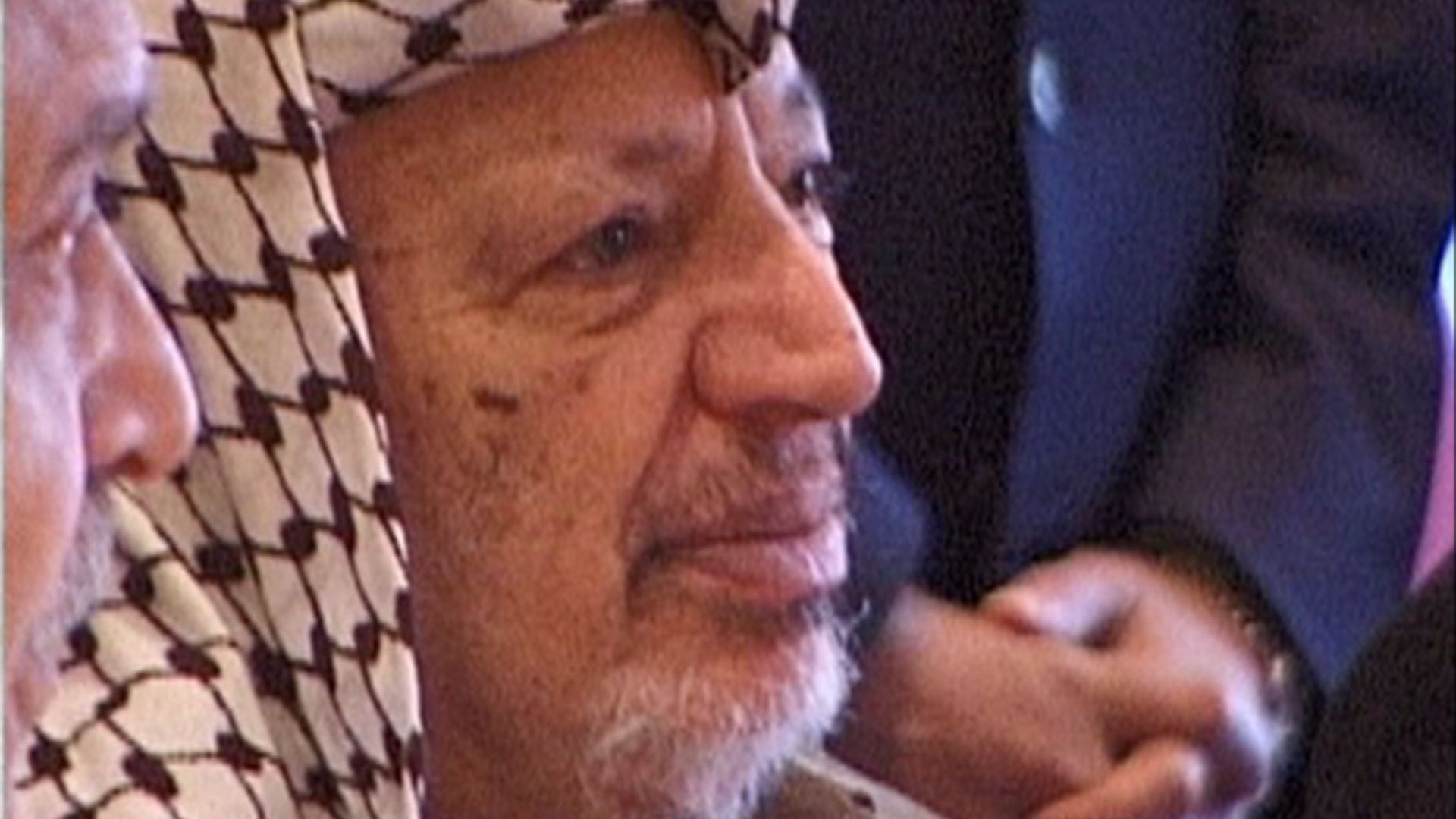 Hans Jørn Storgaard Andersen on Wikimedia
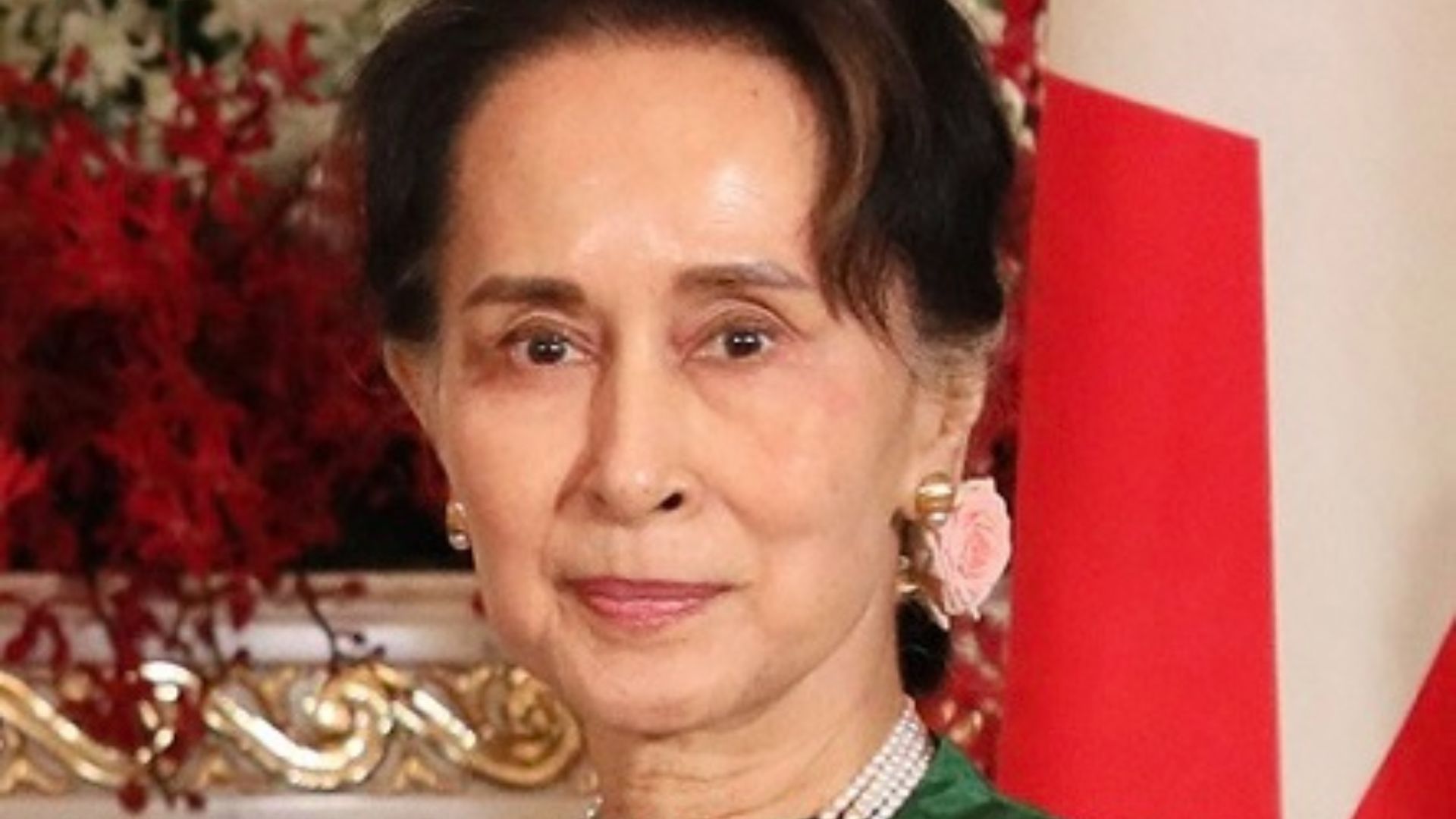
4. Aung San Suu Kyi’s Quiet Fall
Suu Kyi’s decades of peaceful protesting won her the hearts of the world while she was under house arrest by Myanmar’s government. Fast-forward through her time as the nation’s leader, and things didn’t turn out so great. Because she remained silent when violence started against the Rohingya people, her award will forever be remembered for reasons she certainly never intended.
5. Abiy Ahmed’s Rapid Turnaround
Ethiopia’s Prime Minister seemed like a slam-dunk choice for 2019: he literally ended a 20-year war with his neighbor Eritrea. Then he decided to launch a new conflict in Tigray, a northern Ethiopian state. What started as a civil war turned into a major international crisis thanks to him.
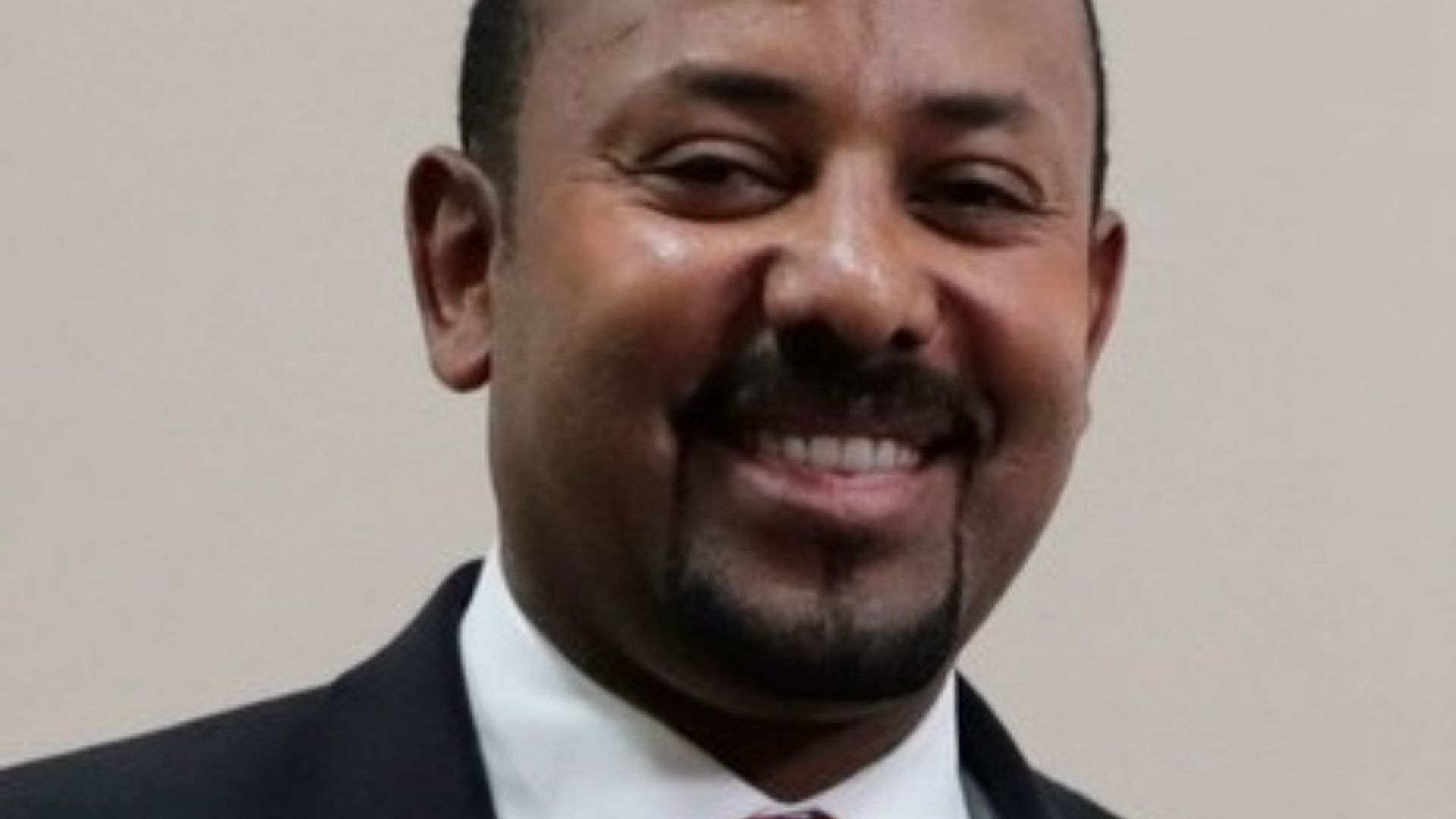 The Kremlin, Moscow on Wikimedia,
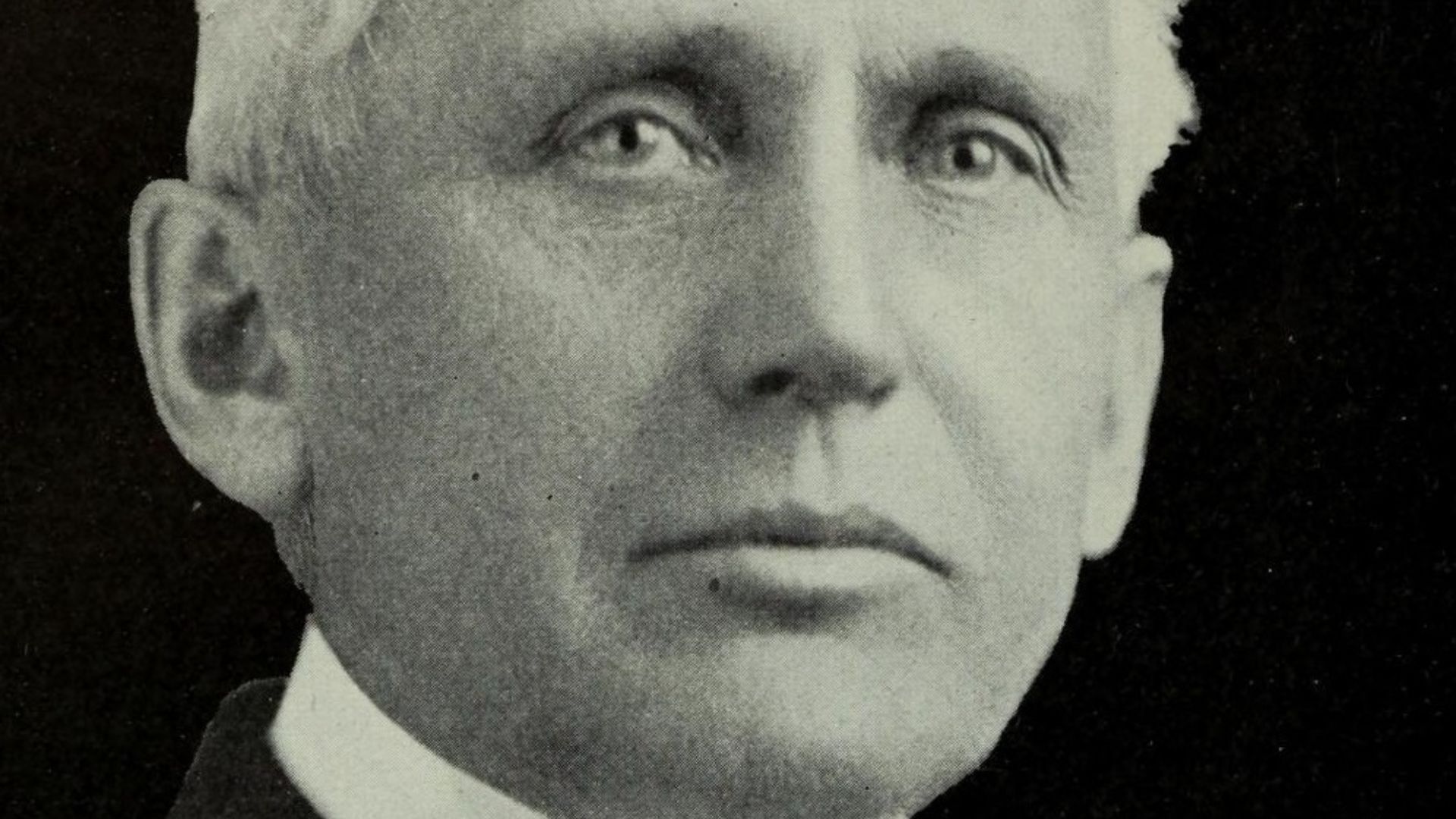
6. Frank B. Kellogg’s Paper Promise
It sounded like a wonderful idea in 1928: what if countries could sign a treaty that outlawed war? The Kellogg-Briand Pact was awarded because no one wanted World War III, but it had no method of enforcement. Looking back, it’s almost ironic that the Nobel committee honored an agreement that had no teeth to it whatsoever.
7. Cordell Hull’s Tragic Denial
“Father of the United Nations,” Hull helped establish the international body we know today, but his win isn’t looked upon very fondly. As Secretary of State, Hull helped deny asylum for a ship of refugees fleeing Germany, turning them back into the sea. Many of those passengers eventually passed away due to his decision.
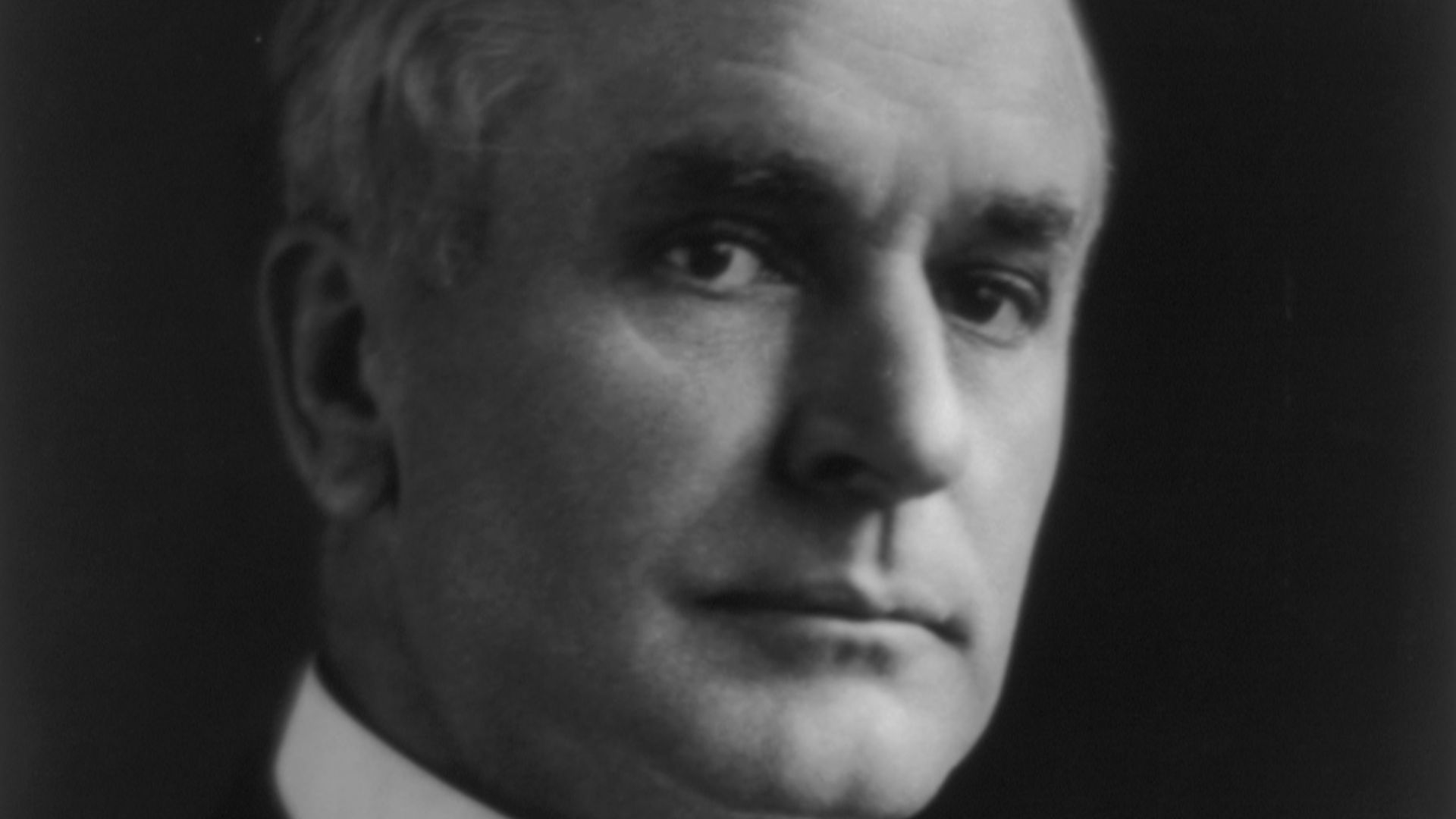 Underwood & Underwood on Wikimedia
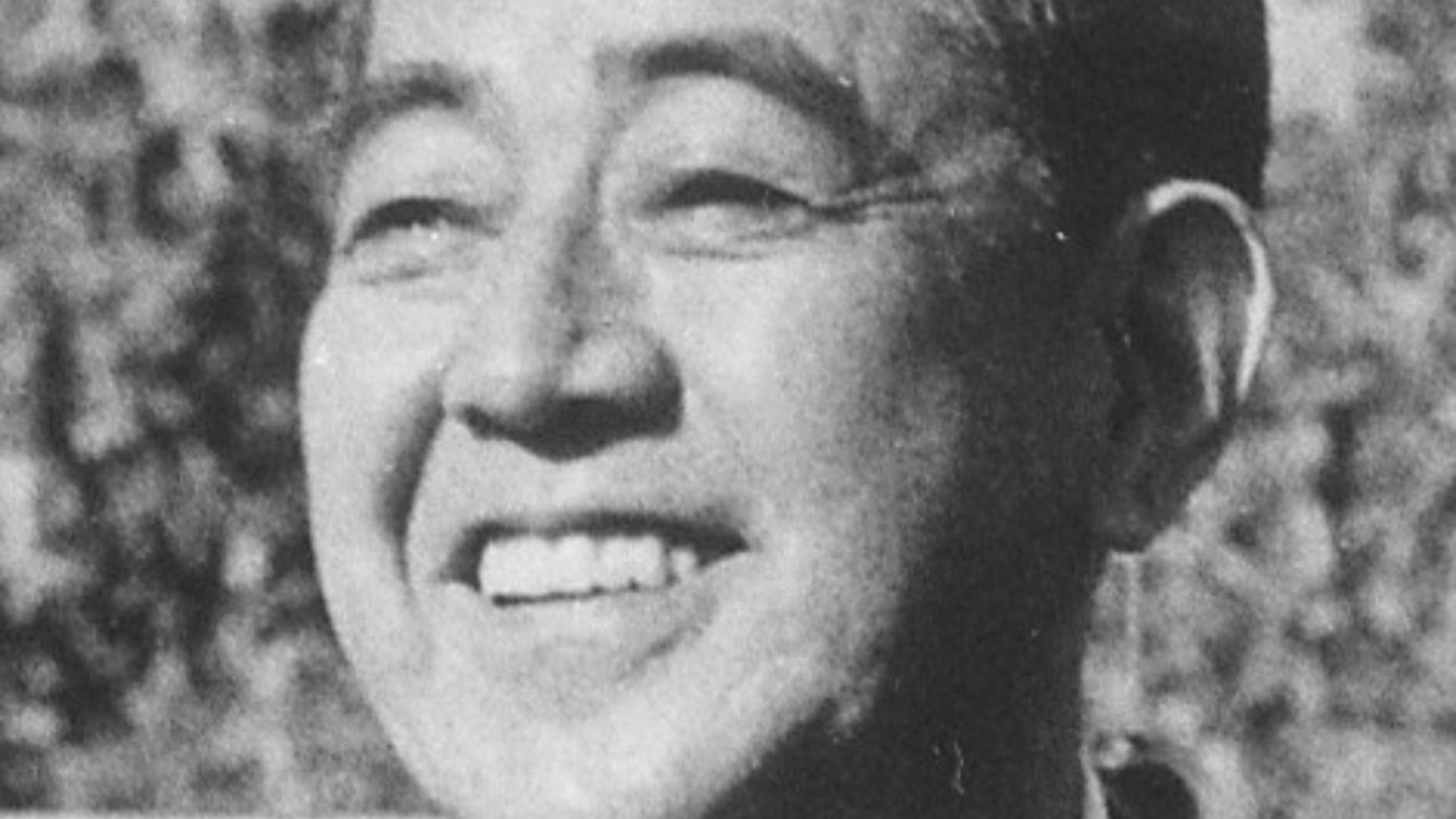
8. Eisaku Satō’s Secret Nuclear Talk
Satō’s reason for winning makes perfect sense: he vowed Japan would not build nuclear weapons on their soil. The problem? He asked the U.S. to provide a nuclear umbrella over Japan if war erupted with Russia. While everyone loved Satō’s public-facing peace efforts, few knew about his secret negotiations with the U.S.
9. Rigoberta Menchú’s Fiction Trouble
Menchú won the prize in 1992 after her autobiography detailed the struggles of indigenous people in Guatemala, turning her into a global symbol for social justice. Years later, an anthropologist discovered that several of the most dramatic stories in her book were either exaggerated or totally made up. While her cause was definitely valid, the fact that her award was based on a partially fabricated story still leaves a sour taste.
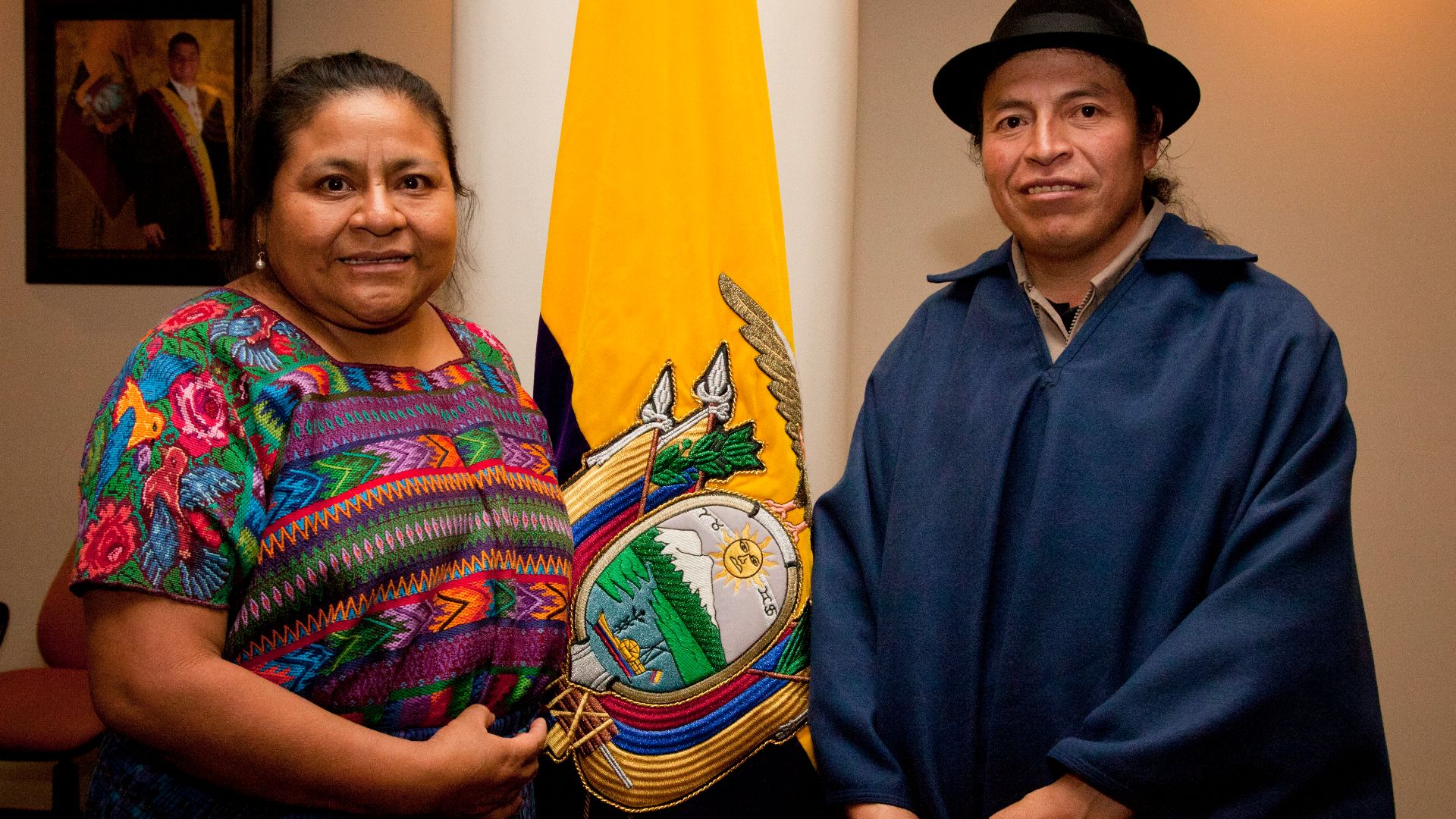 Cancillería Ecuador on Wikimedia
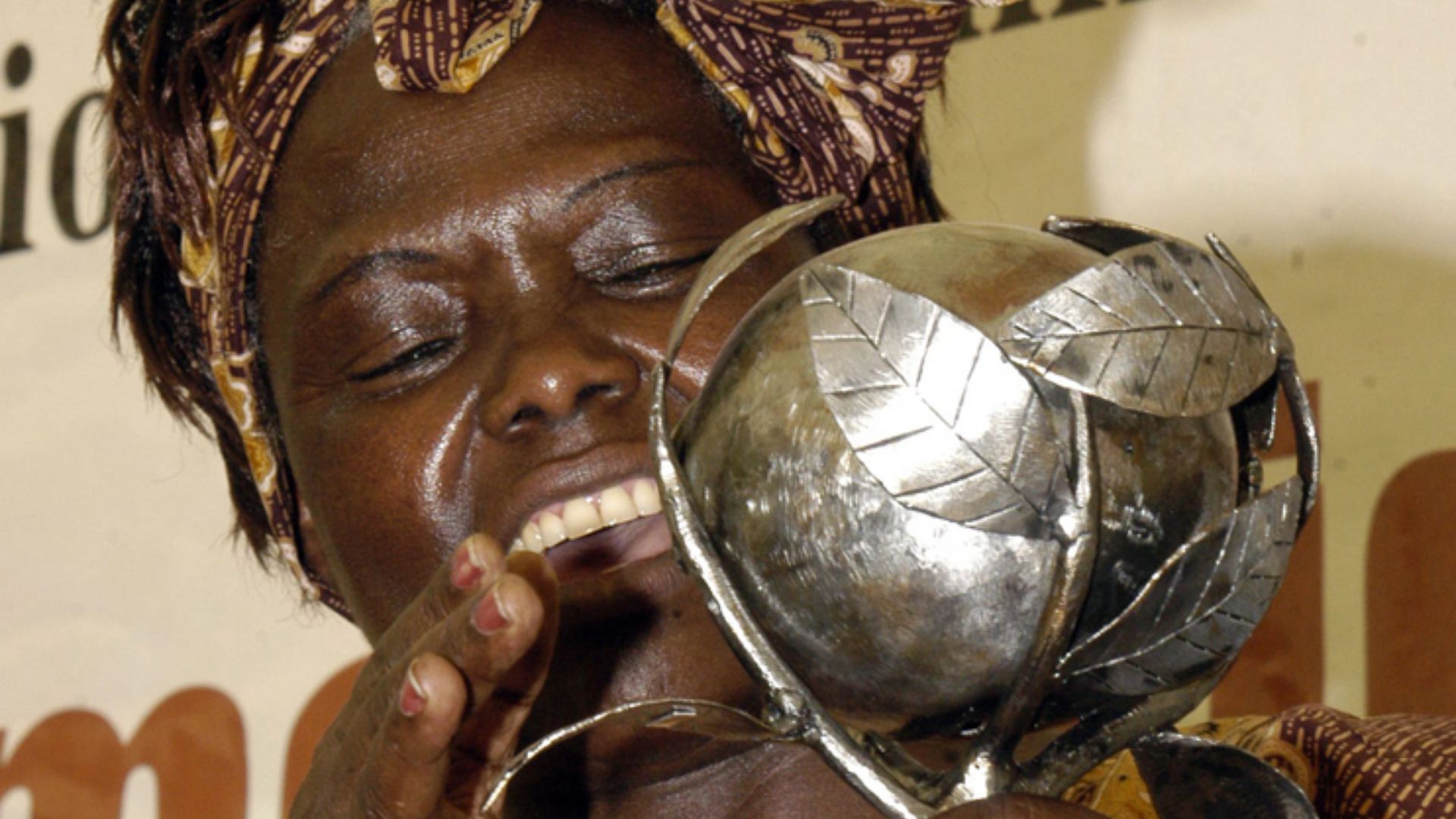
10. Wangari Maathai’s Wild Theories
While her environmental work in Kenya was truly groundbreaking and worthy of respect, she made some very controversial public comments that left the Nobel committee scrambling. She once suggested that HIV was a biological weapon created by scientists to wipe out certain populations. Her win showed that being a great activist doesn't always mean you’re a great spokesperson for scientific truth.
Now that we talked about 10 people who didn’t deserve it, here are 10 who did.
1. Martin Luther King Jr. (1964)
Dr. King was chosen for the award while actively spearheading a non-violent civil rights movement in America. He championed equality, marched in protest, and was often jailed or physically attacked by opponents while never once using aggression in return. The award committee wanted the world to know that King’s peaceful fight was noticed and appreciated by people outside of the United States.
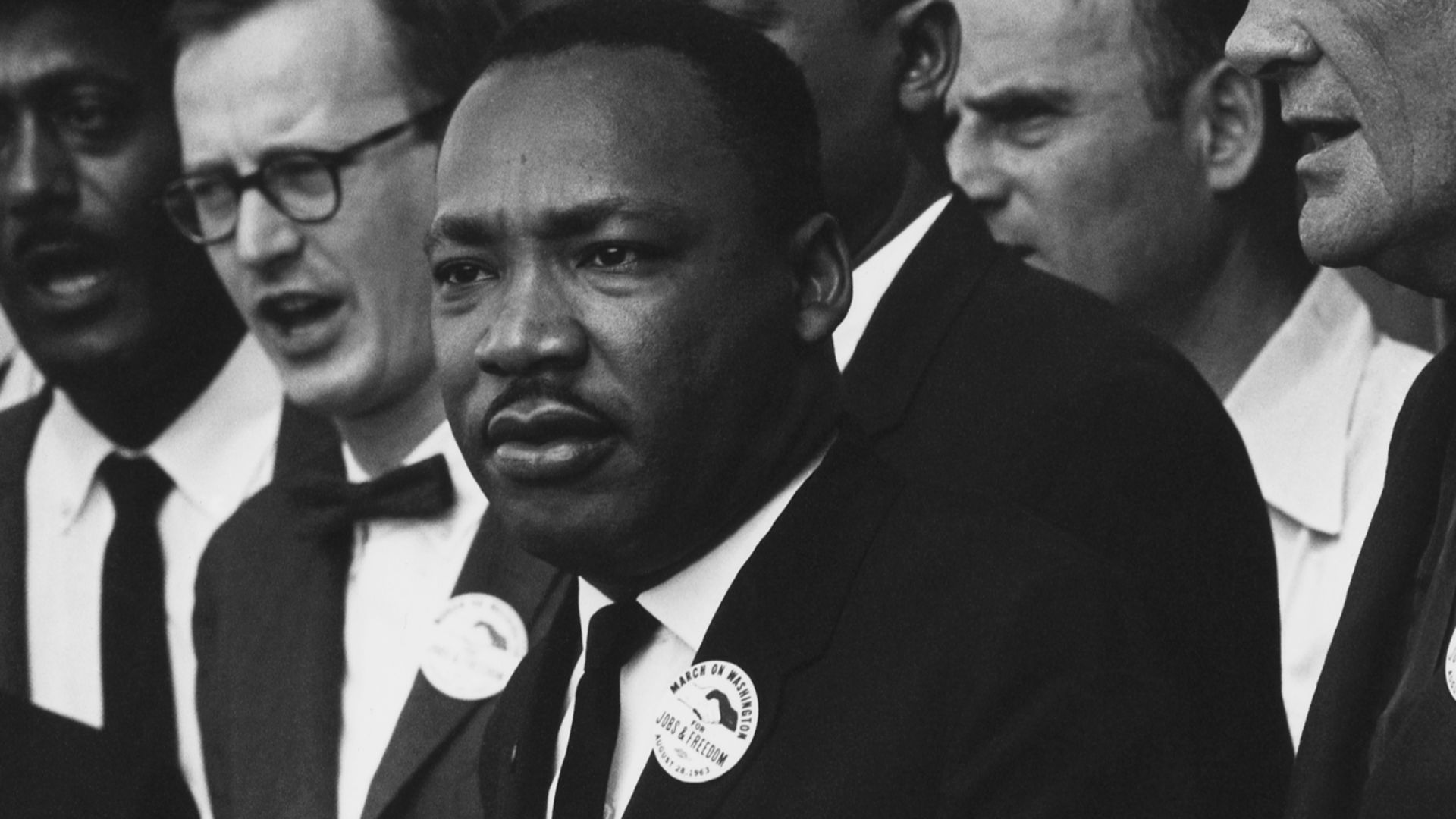 Rowland Scherman / Adam Cuerden on Wikimedia
2. Nelson Mandela (1993)
One of the longest-serving prisoners on Earth could have understandably returned to society bent on revenge towards the system that imprisoned him. Mandela chose to advocate for the abolishment of apartheid while promoting peace and forgiveness in South Africa instead of violence and retaliation. He shook hands with the person who imprisoned him and championed peace-making across the world.
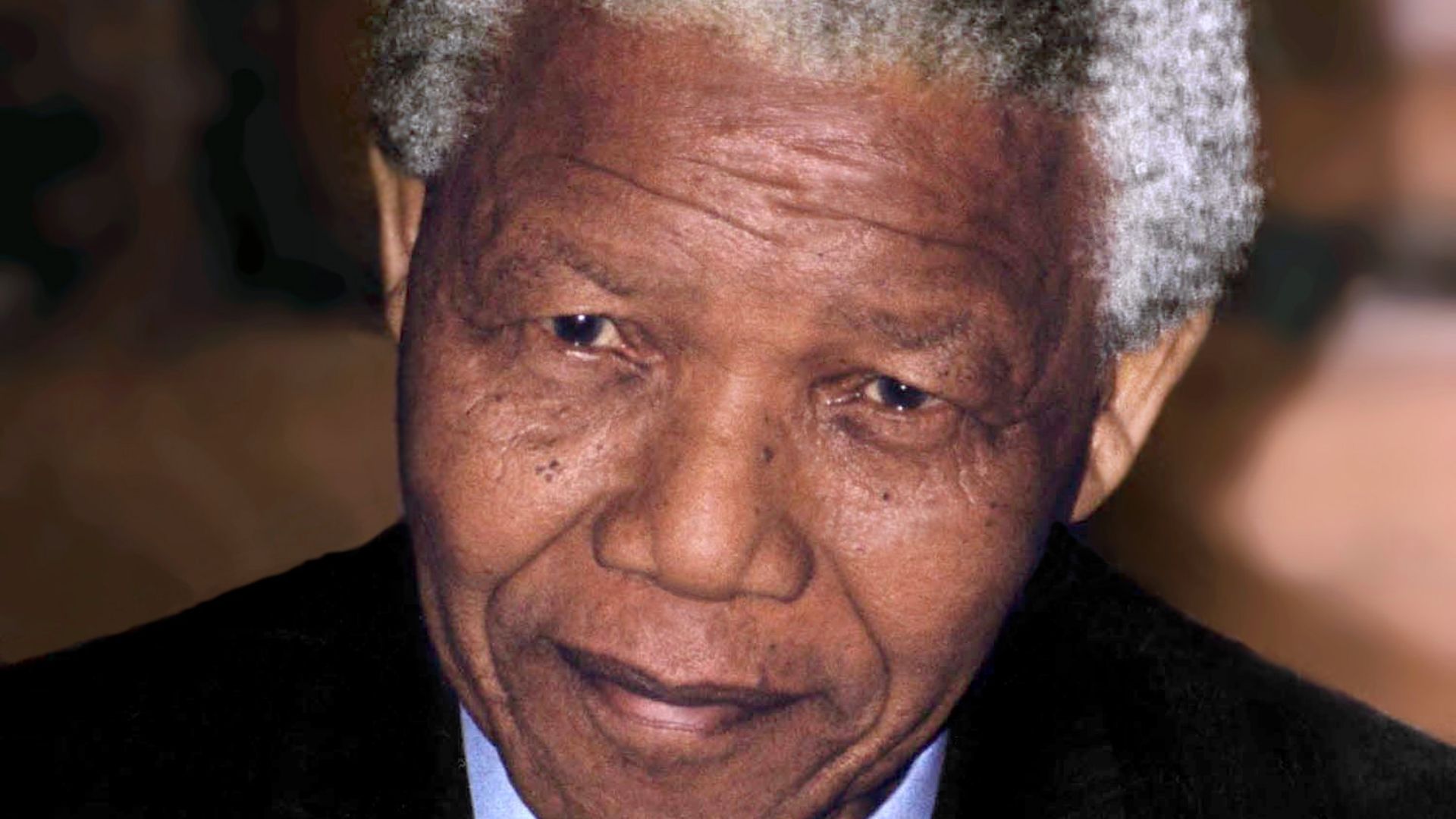 Kingkongphoto & www.celebrity-photos.com from Laurel on Wikimedia
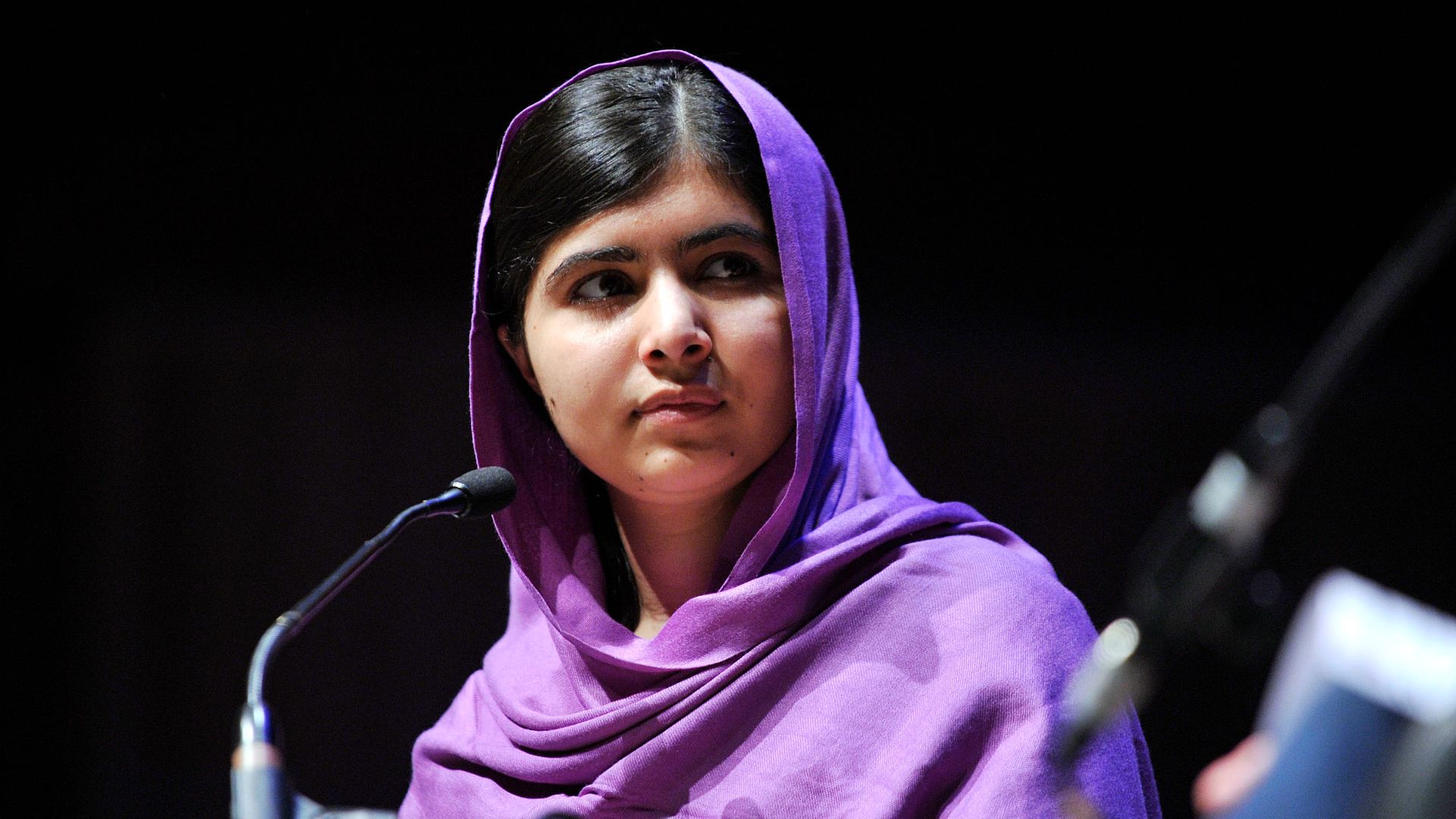
3. Malala Yousafzai (2014)
Becoming the youngest-ever winner of the award is no small feat. Even after being targeted and put in the hospital for simply wanting to go to school, she refused to be silenced and became a global voice for girls' education. Her bravery reminds us that you don't need a political title or decades of experience to make a massive impact on the world.
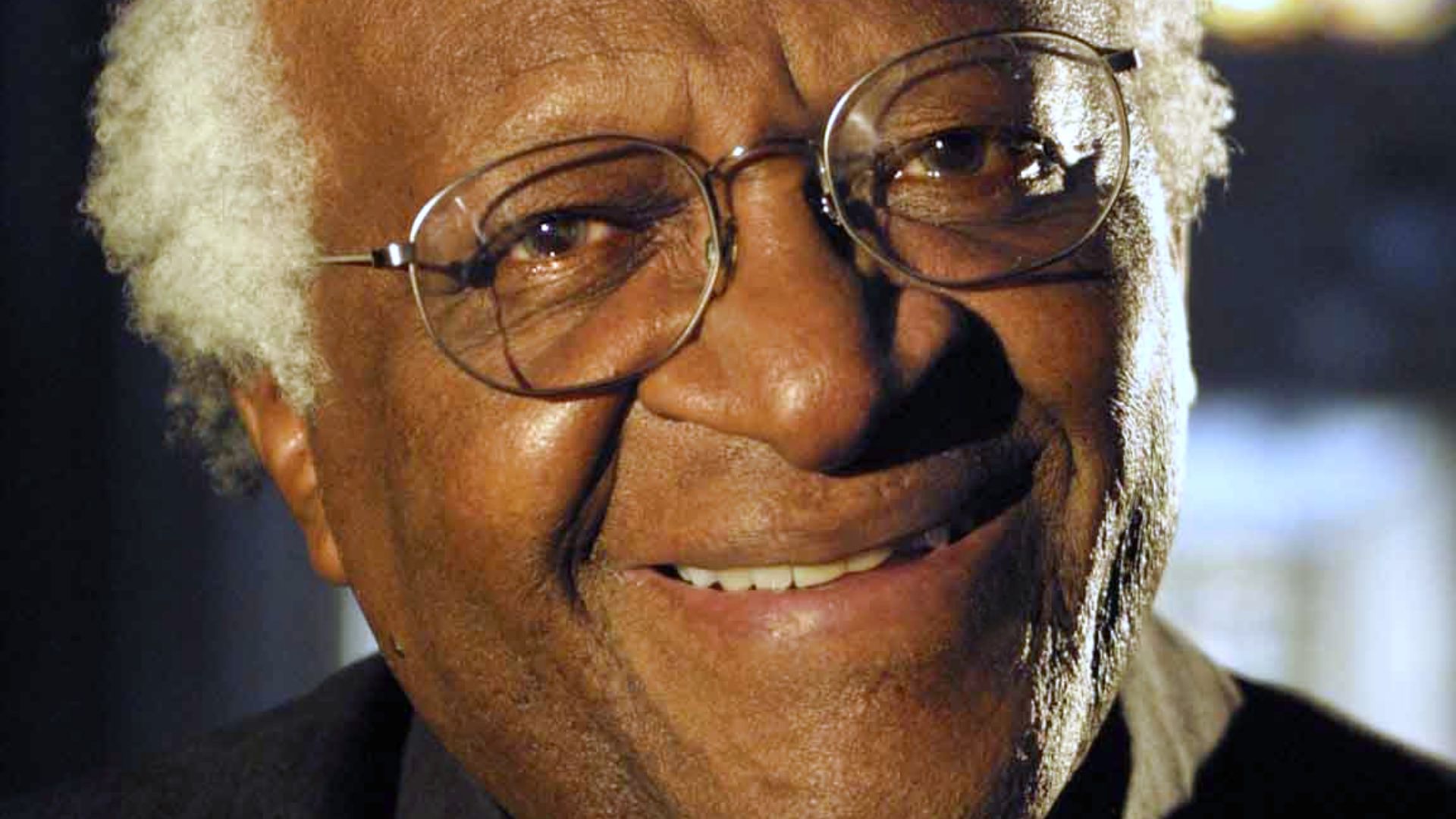
4. Desmond Tutu (1984)
Desmond Tutu was regarded as the conscience of South Africa by many. He advocated for non-violence and racial integration with an optimistic and religious approach. Archbishop Tutu was known for having the ability to unite people and encourage racial change in South Africa during apartheid.
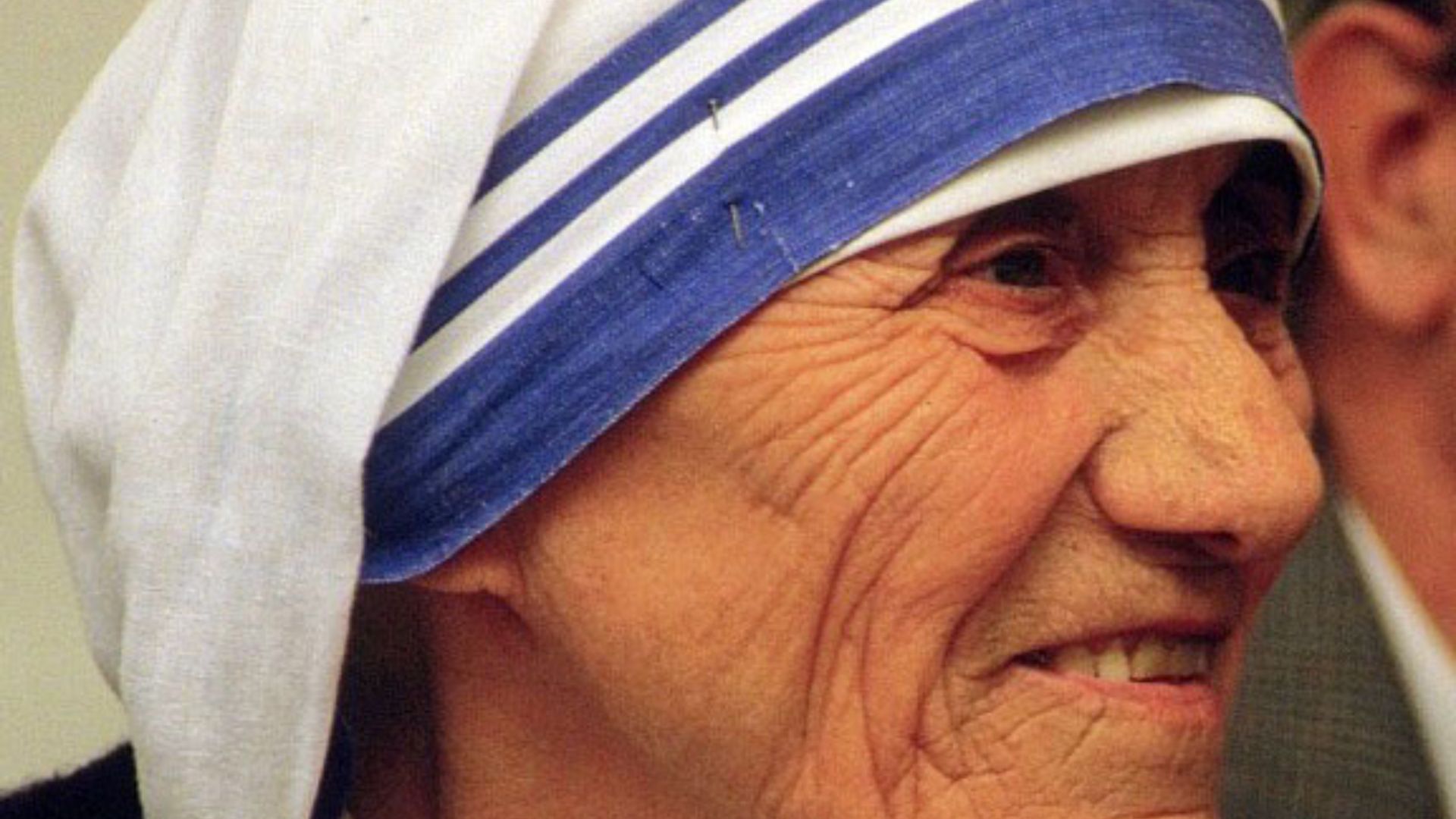
5. Mother Teresa (1979)
While she had a few modern critics, there’s no denying that she spent her entire life working with people that the rest of the world had completely given up on. From the slums of Calcutta to hospitals around the globe, she provided comfort and care to the "poorest of the poor" without asking for anything in return. She even asked the committee to cancel her expensive celebration dinner so the money could go toward feeding the hungry instead.
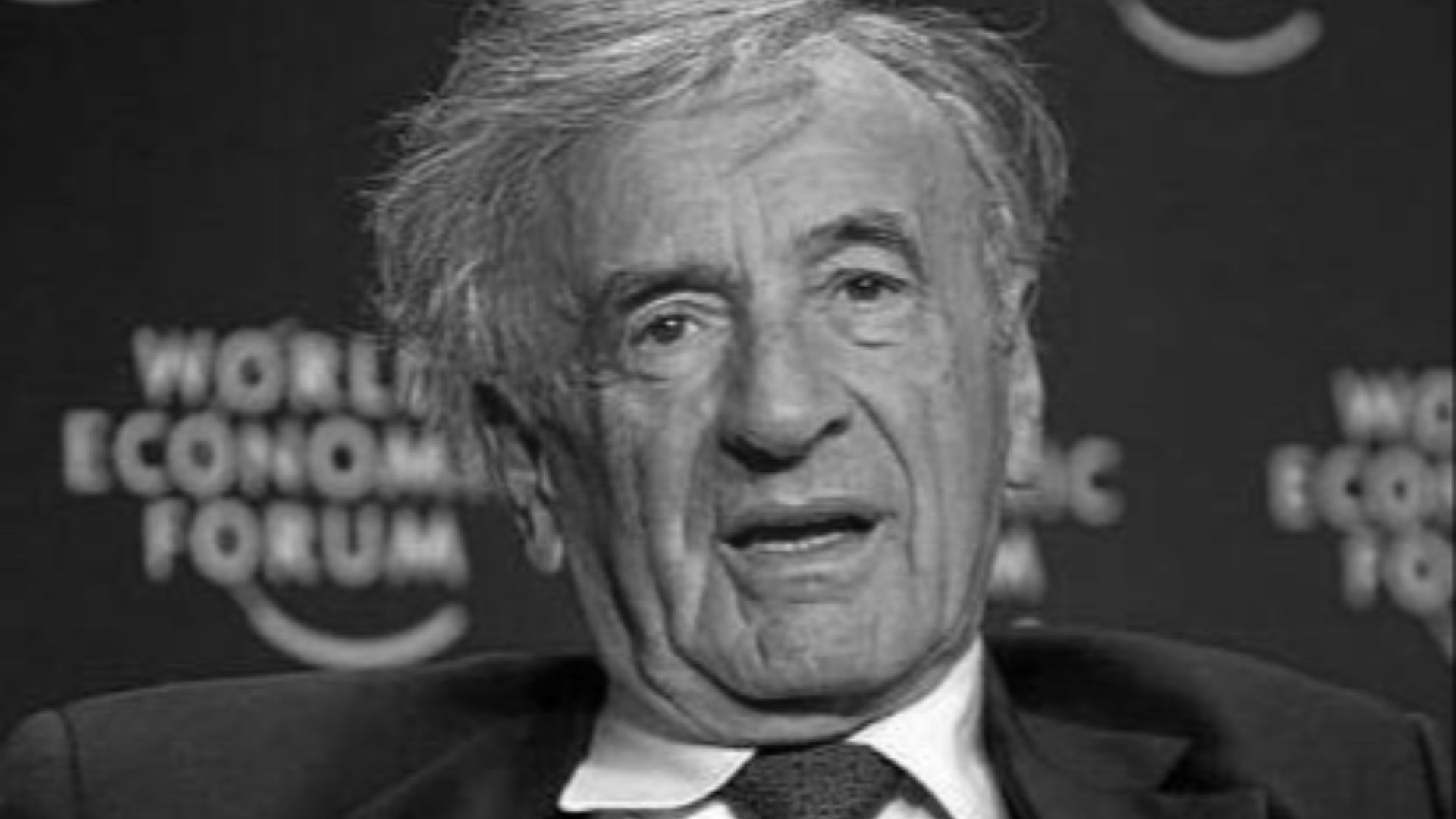
6. Elie Wiesel (1986)
Elie Wiesel was a survivor of the Holocaust who made it his life’s work to prevent situations like that from ever happening again. As a Holocaust survivor and historian, Wiesel used his platform to teach generations after him that turning a blind eye to human suffering is no different than the people causing it.
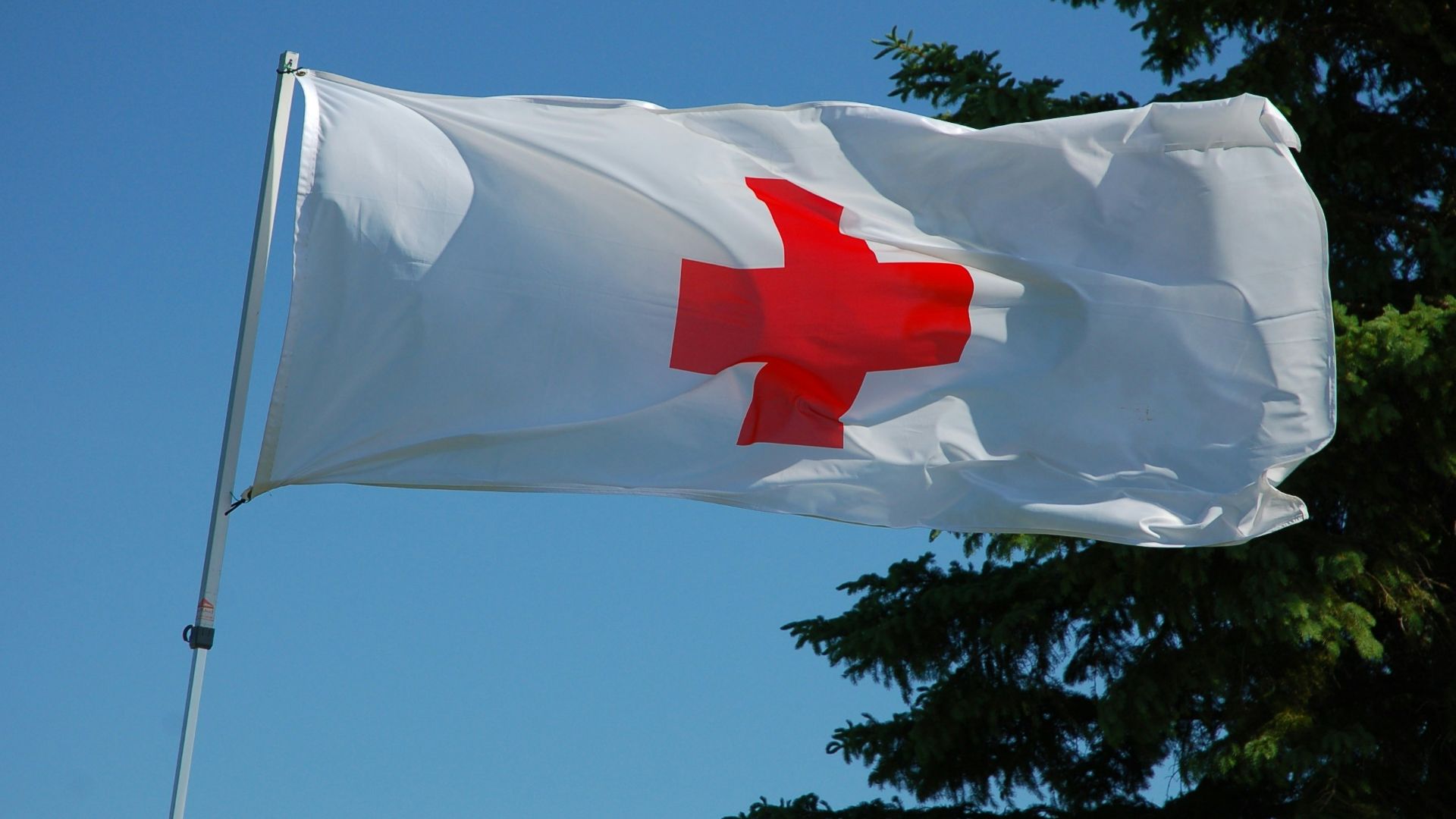
7. The International Committee of the Red Cross (Multiple Years)
This committee has won three Nobel Peace prizes. If that isn’t prestigious enough, the committee continues to work around the world, visiting political prisoners and providing aid in the most dangerous of situations. The Red Cross has answered the call when there was absolutely nowhere else to turn.
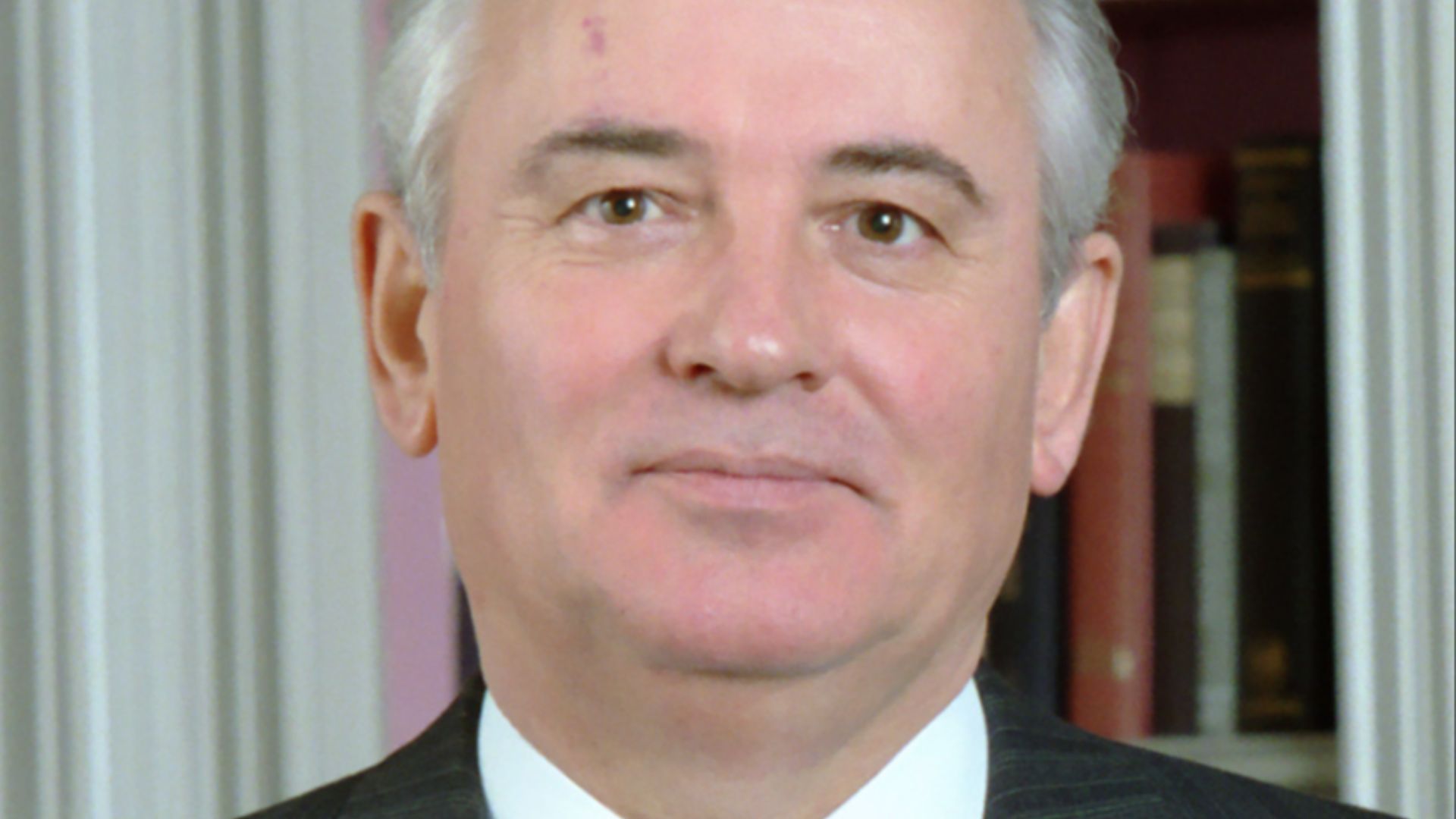
8. Mikhail Gorbachev (1990)
Who else but Gorbachev could have ended the Cold War? By opening up the Soviet system and allowing more freedom amongst its people, he would reunify Europe and tear down the Berlin Wall. Many of his efforts inside the Soviet Union would eventually lead to democracy.
 Unknown photographer on Wikimedia
9. Nadia Murad (2018)
Turning a horrific personal experience into a global movement for justice is one of the most courageous things a person can do. After escaping captivity, she became a voice for the Yazidi people. Her award was a vital recognition of her bravery and a reminder that survivors deserve to be heard at the highest levels of government.
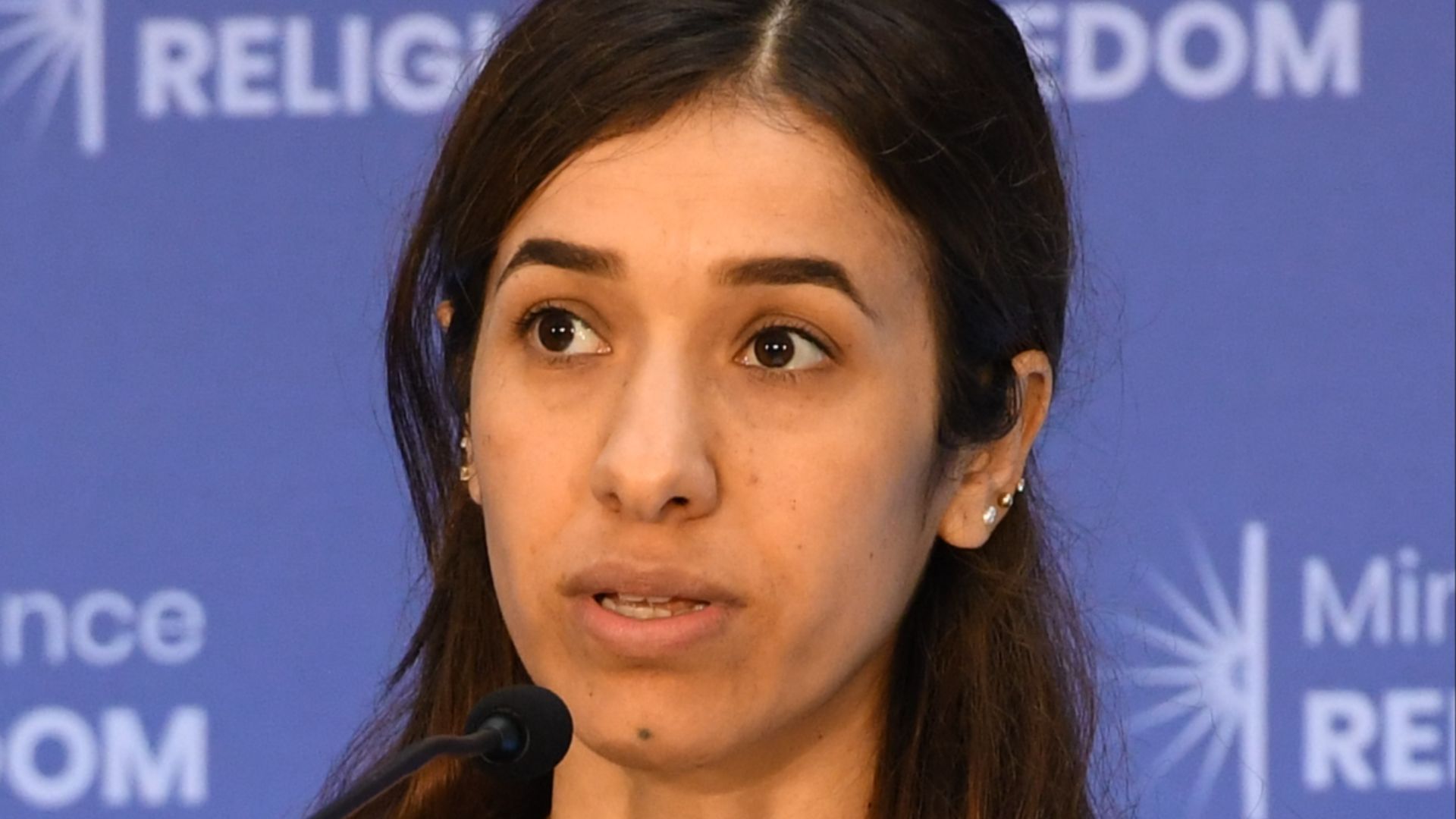 U.S. Department of State from United States on Wikimedia
10. Jimmy Carter (2002)
Long after his presidency, Carter has been able to impact the world for the better through The Carter Center. The organization monitors elections and works to rid third-world countries of rare diseases. Carter didn’t let his presidential term define his ability to be a leader and made change long after his career in the spotlight had finished.
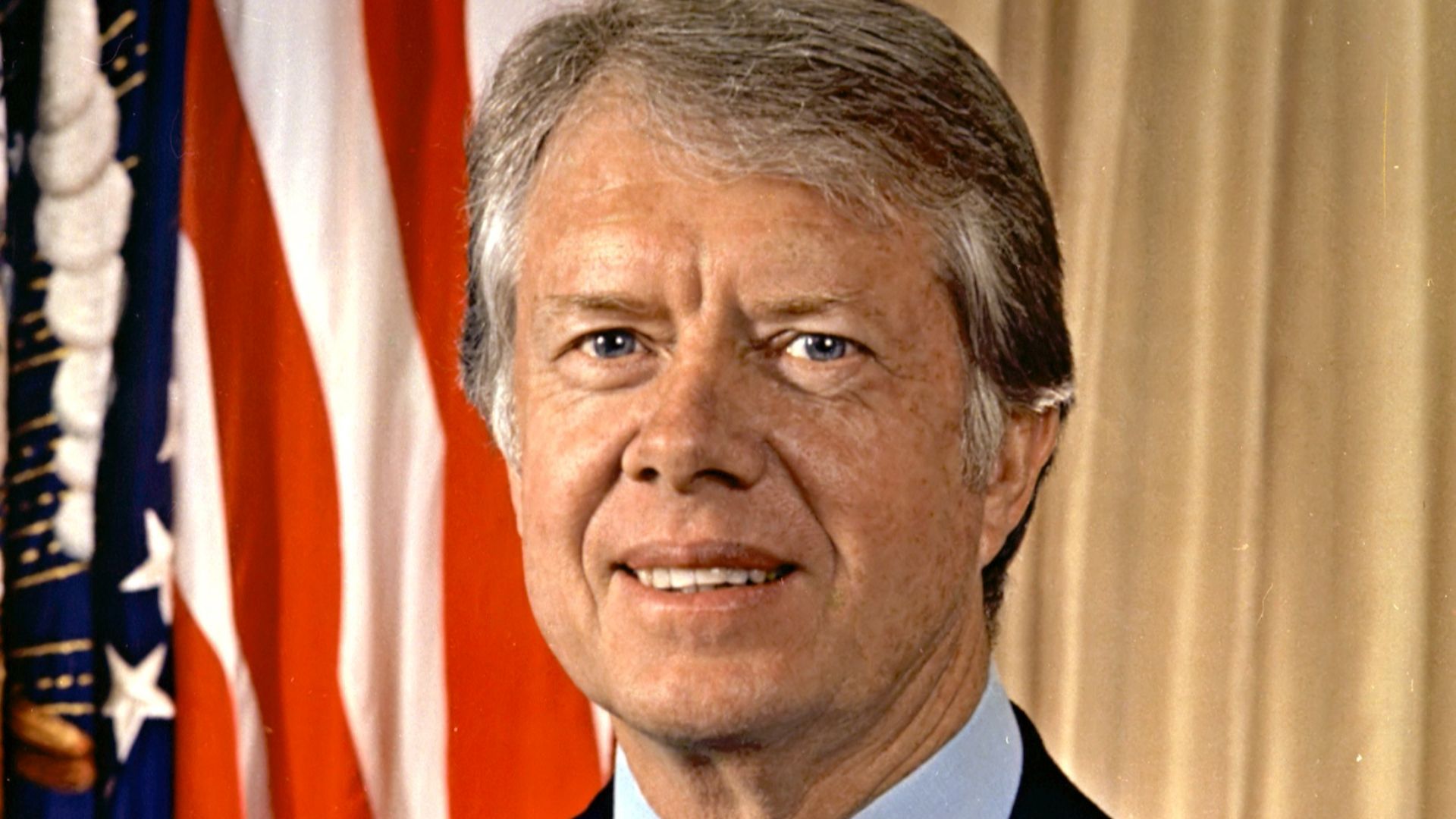 Department of Defense. Department of the Navy. Naval Photographic Center on Wikimedia
KEEP ON READING

20 Strangest Beauty Trends Throughout History
Beauty Has Always Had Strange Rules. History is full of…
By Christy Chan Jun 12, 2026
20 First Class Meals Served On The Titanic's Final Night
The Ultimate Final Feast. When the wealthiest passengers gathered in…
By Sara Springsteen Jun 12, 2026
20 Facts About The Library of Alexandria
More Than Just A Room. The Library of Alexandria has…
By Elizabeth Graham Jun 12, 2026
20 Baby Names That Became Unusable After One Historical Figure
Some Names Never Fully Escape Their Reputation. Most baby names…
By Emilie Richardson-Dupuis Jun 12, 2026
The 20 Creepiest People In History
Truly Uncomfortable. History isn’t only made by kings, reformers, and…
By Annie Byrd Jun 12, 2026
10 Historical Figures Flattered By Portraits & 10 Who Got…
History's Paintbrush Wasn't Always Honest. Before cameras, the only record…
By Cameron Dick Jun 12, 2026