

Vision Beyond Sight
History has a bad habit of treating blindness like a side note, as if it sits off to the edge of the real story instead of running through it. That misses what actually happened. Across literature, music, religion, education, and public life, blind figures have changed how people read, listen, worship, learn, and imagine what a human life can be. Some created brand-new systems, some pushed old forms into new territory, and some shattered expectations just by refusing the tiny roles the world had prepared for them. Here are 20 blind historical figures who reshaped culture.
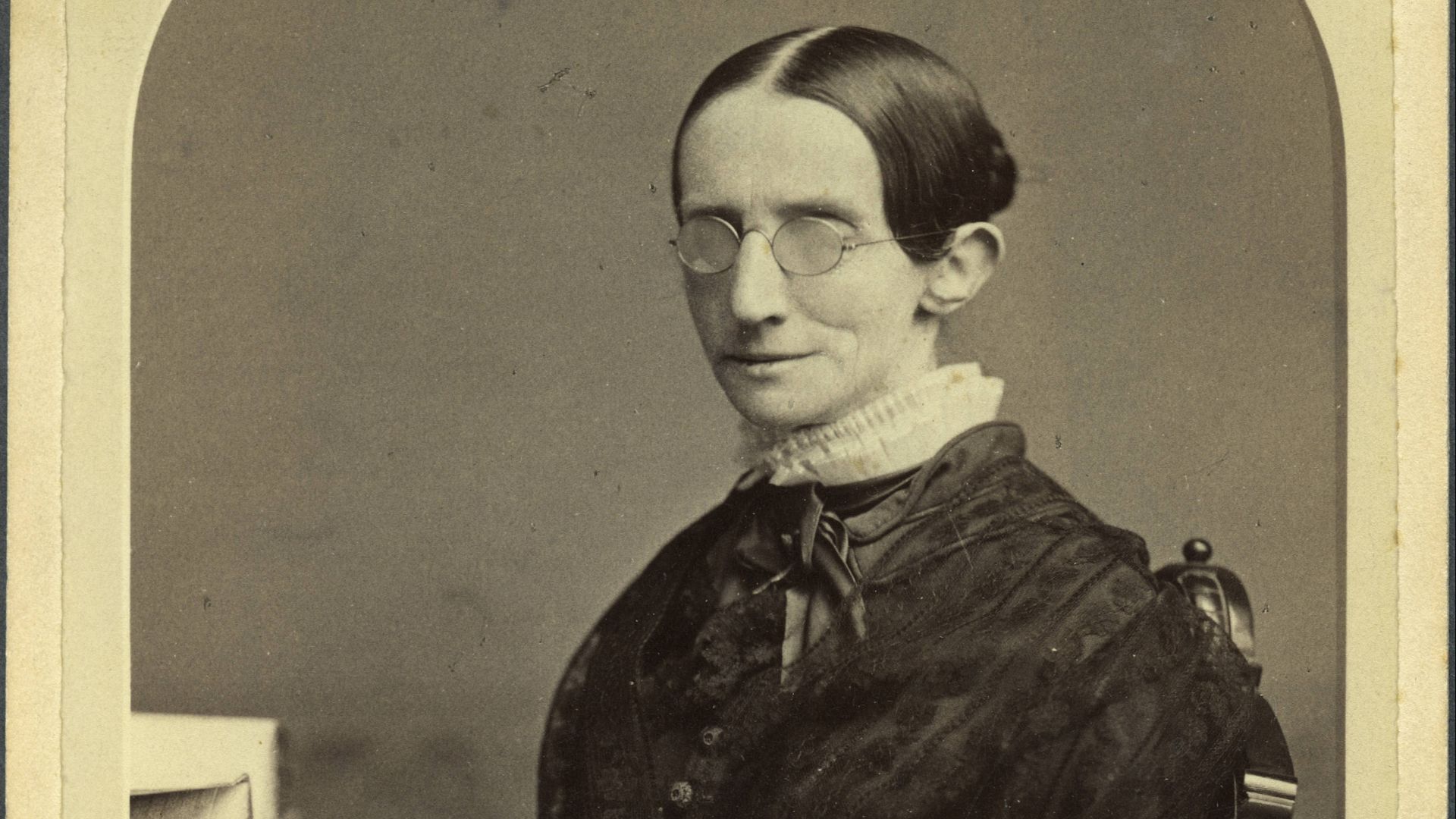 Warren's Portraits, Boston, Massachusetts; on Wikimedia
1. Homer
Even now, Homer sits in that rare category of cultural figure who feels half real and half myth, which somehow makes him even bigger. Tradition holds that he was blind, and the poems tied to his name did not just endure; they helped shape Greek education, literary culture, and the very idea of epic storytelling for centuries.
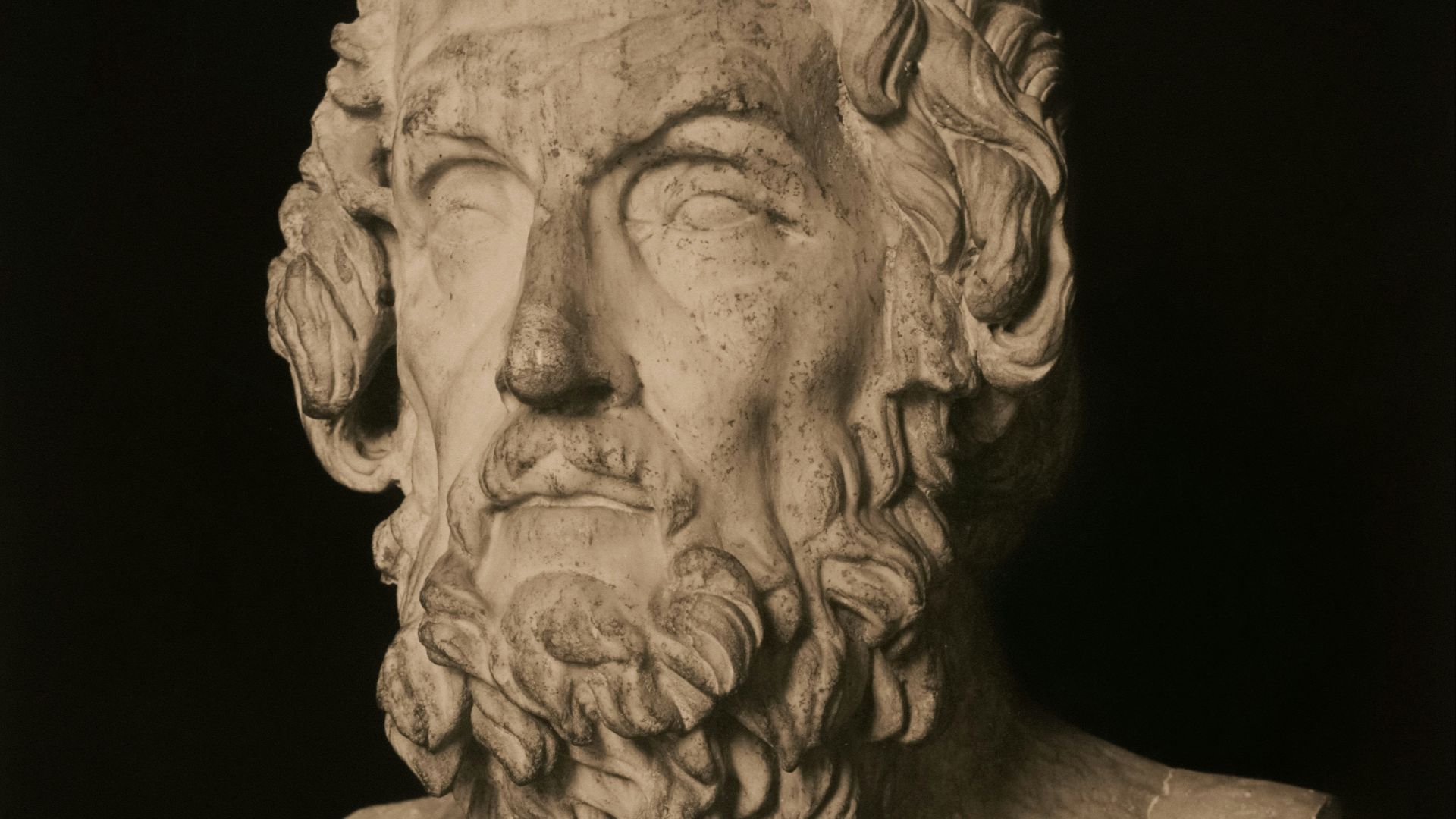 Boston Public Library on Unsplash
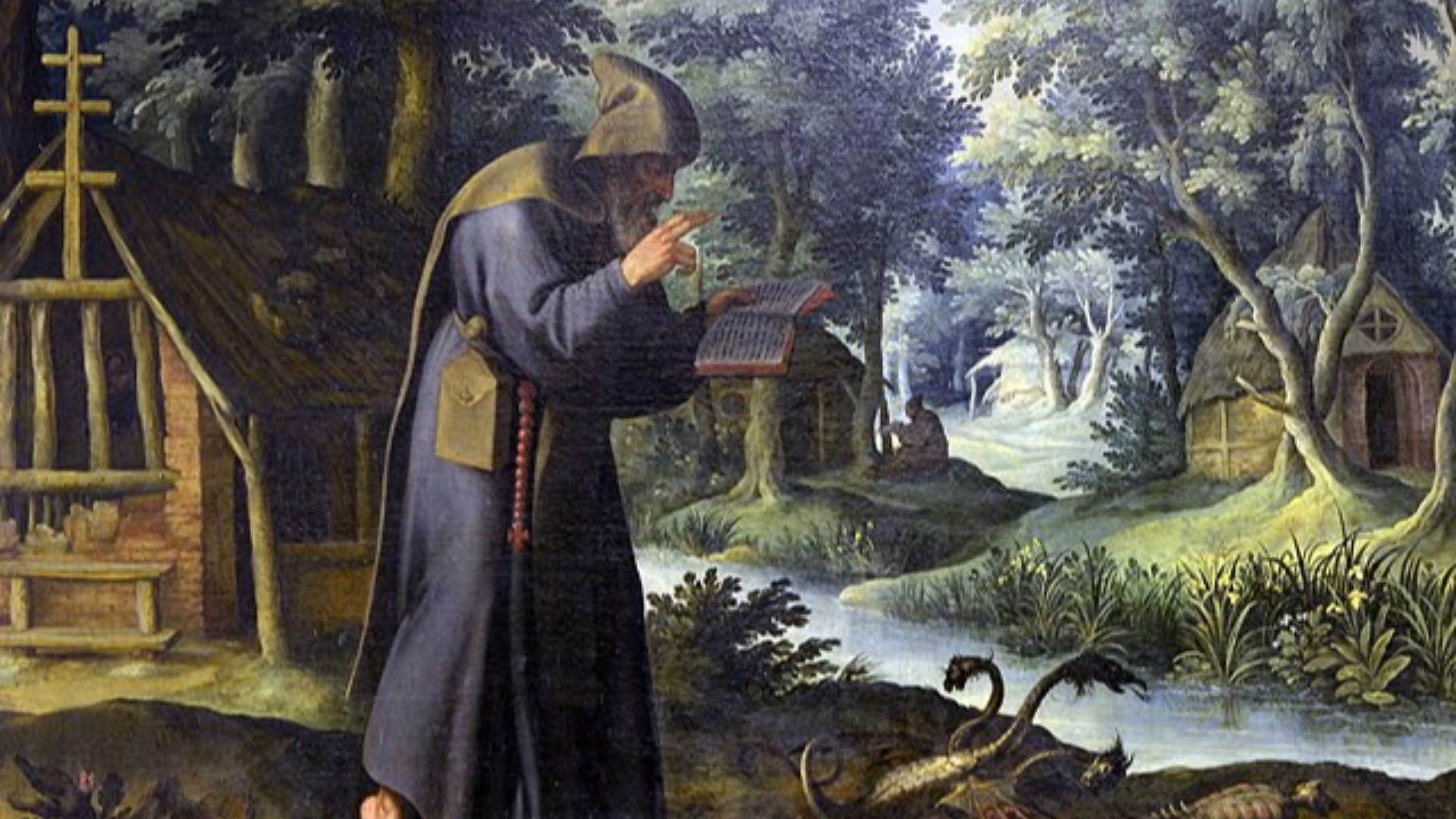
2. Didymus the Blind
Didymus the Blind makes it clear that blindness has always been part of intellectual history, not outside it. Blind since childhood, he became one of the most learned theologians of his age and helped define Christian thought from Alexandria, one of the ancient world’s great centers of scholarship.
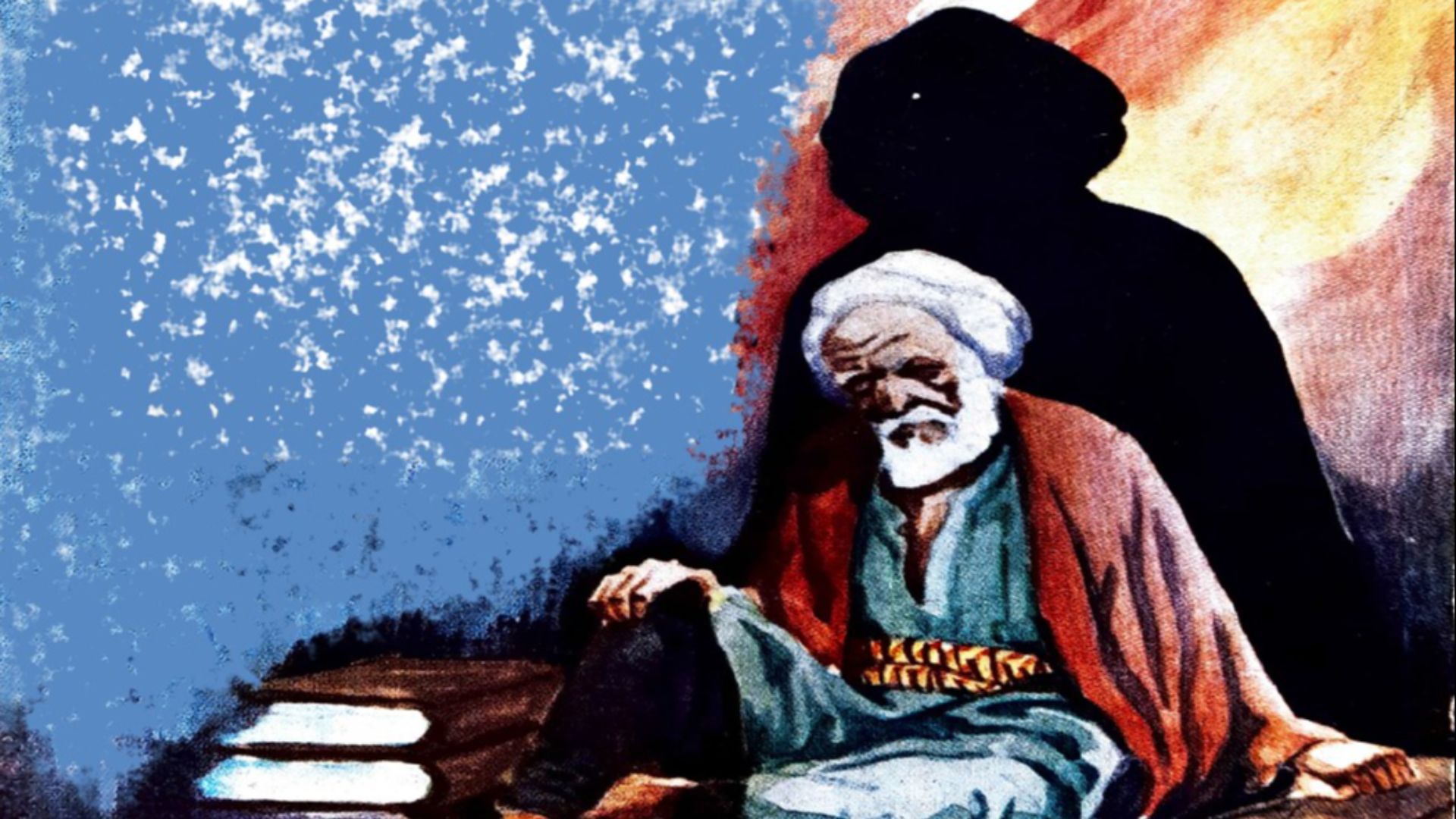
3. Al-Maʿarri
Al-Maʿarri brought a sharp, skeptical, unforgettable voice to Arabic poetry. A childhood illness left him virtually blind, but his writing cut so deeply into religion, society, and human vanity that it still feels startlingly modern a thousand years later.
 Unknown authorUnknown author on Wikimedia
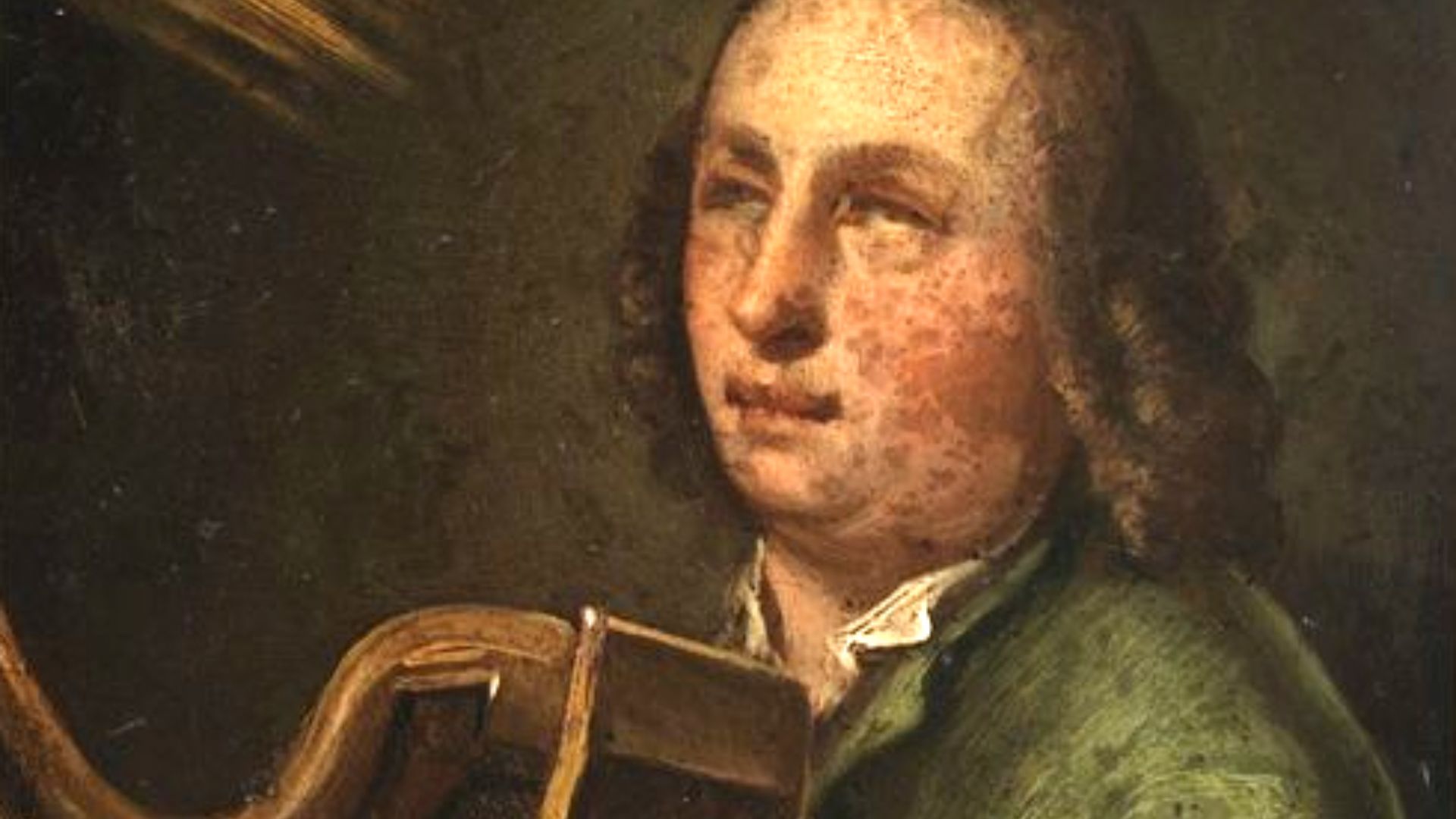
4. Turlough O’Carolan
Turlough O’Carolan became blind after smallpox, and then went on to become one of the last great Irish harpist-composers. That matters because his music helped carry an older Irish tradition forward in a form that survived, traveled, and kept breathing long after the world around it changed.
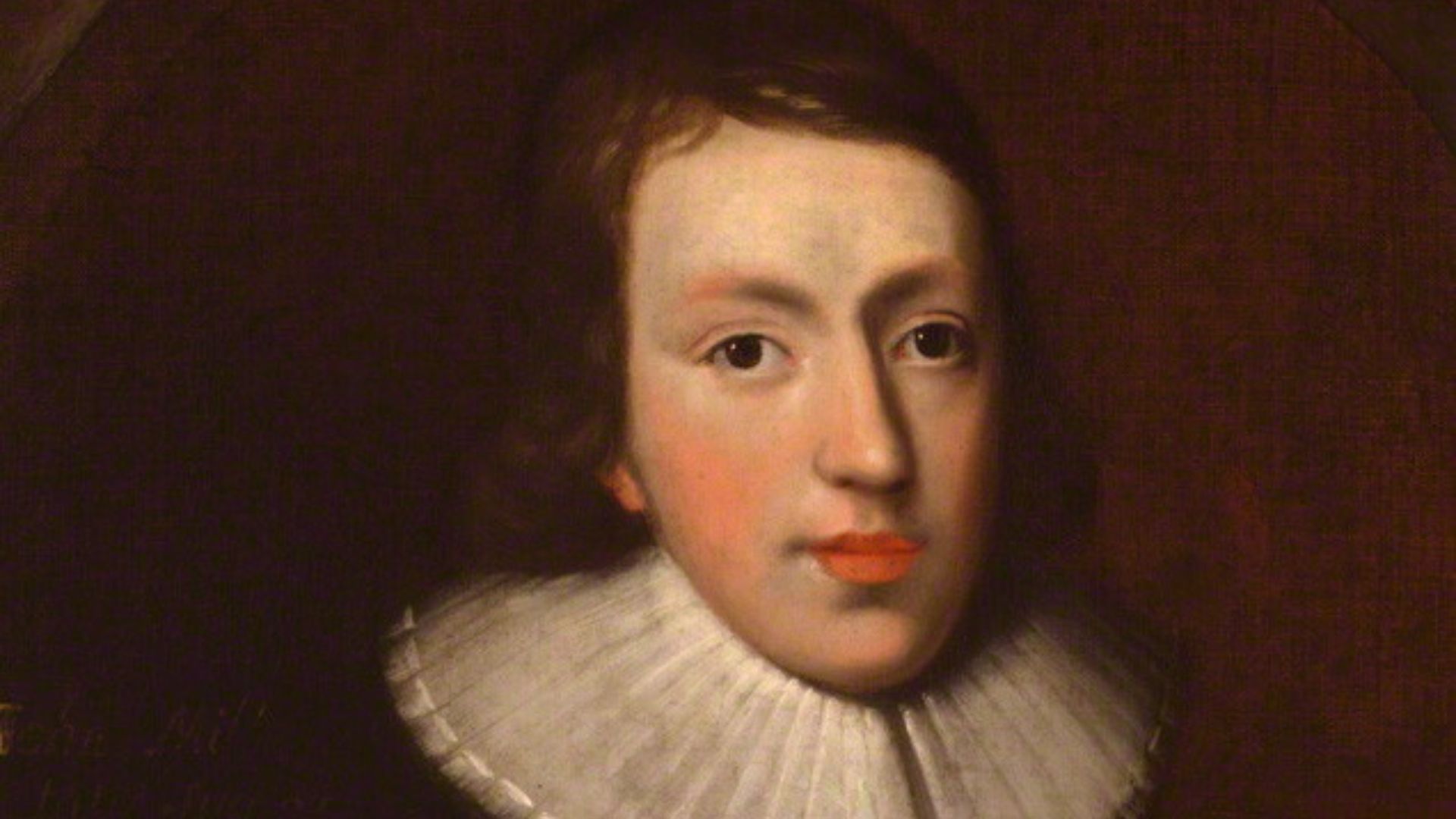
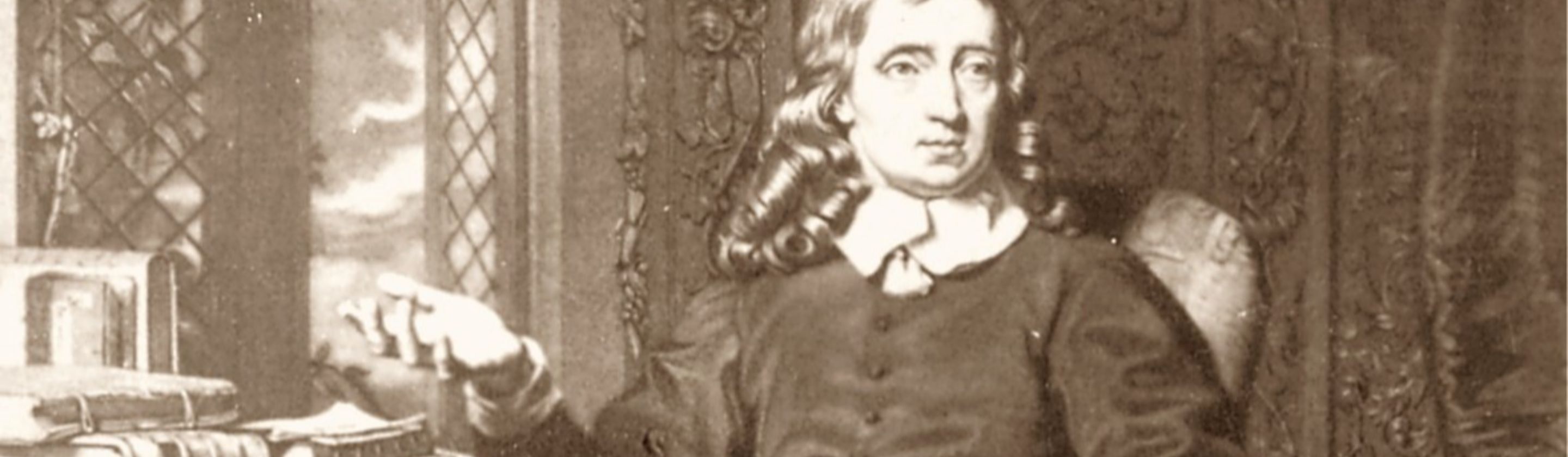
5. John Milton
Milton lost his sight before writing Paradise Lost, which is still one of the wildest feats in English literature. He turned blindness into part of the pressure and grandeur of his work, and in doing so helped define what ambition, authority, and spiritual intensity could sound like on the page.
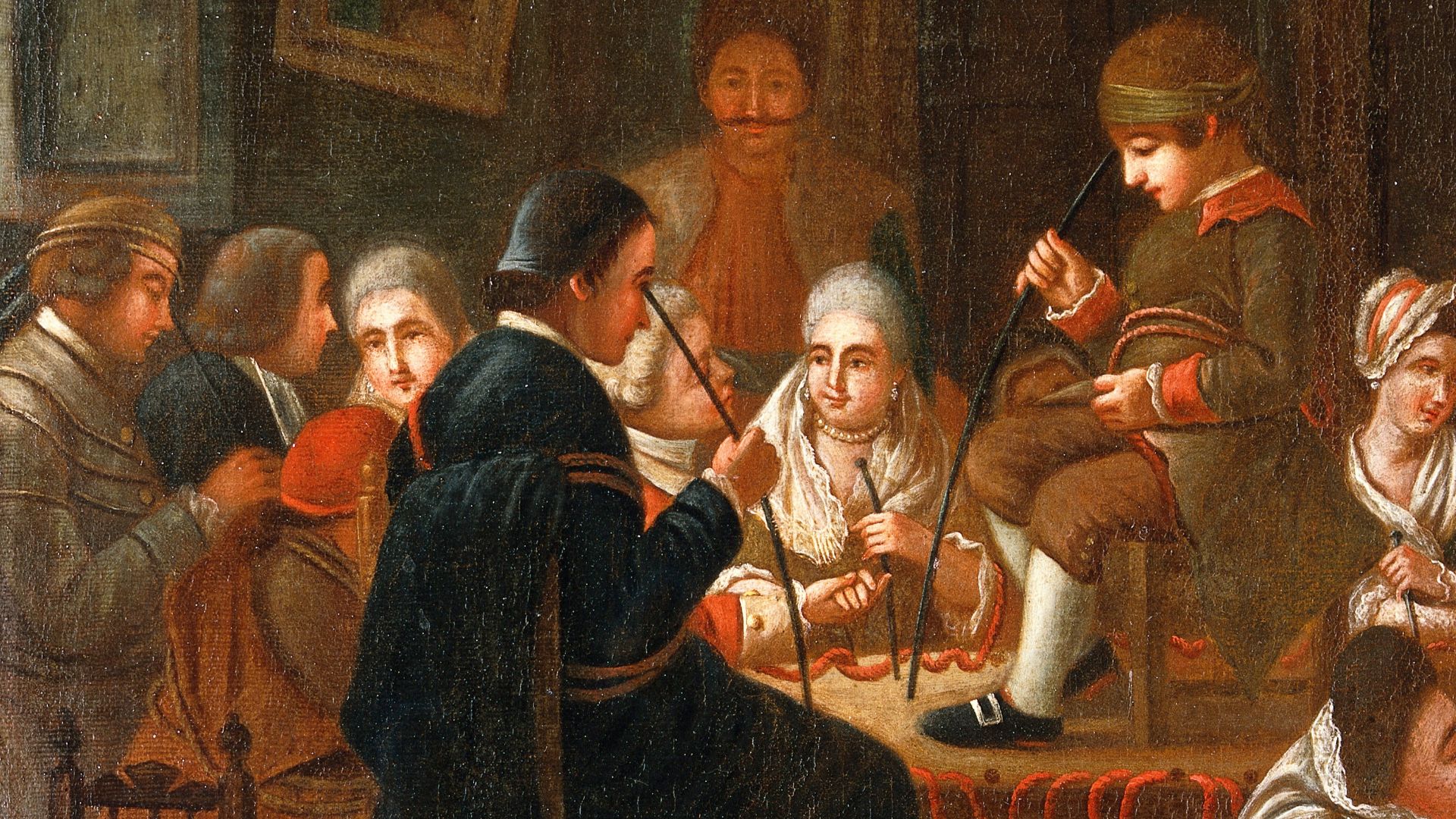
6. Maria Theresia von Paradis
Maria Theresia von Paradis could have been remembered as a novelty act from an old European court, but that would sell her short by miles. She was a serious blind pianist and composer who performed across Europe, and her work with tactile reading and writing methods also helped influence the education of blind students beyond the concert hall.
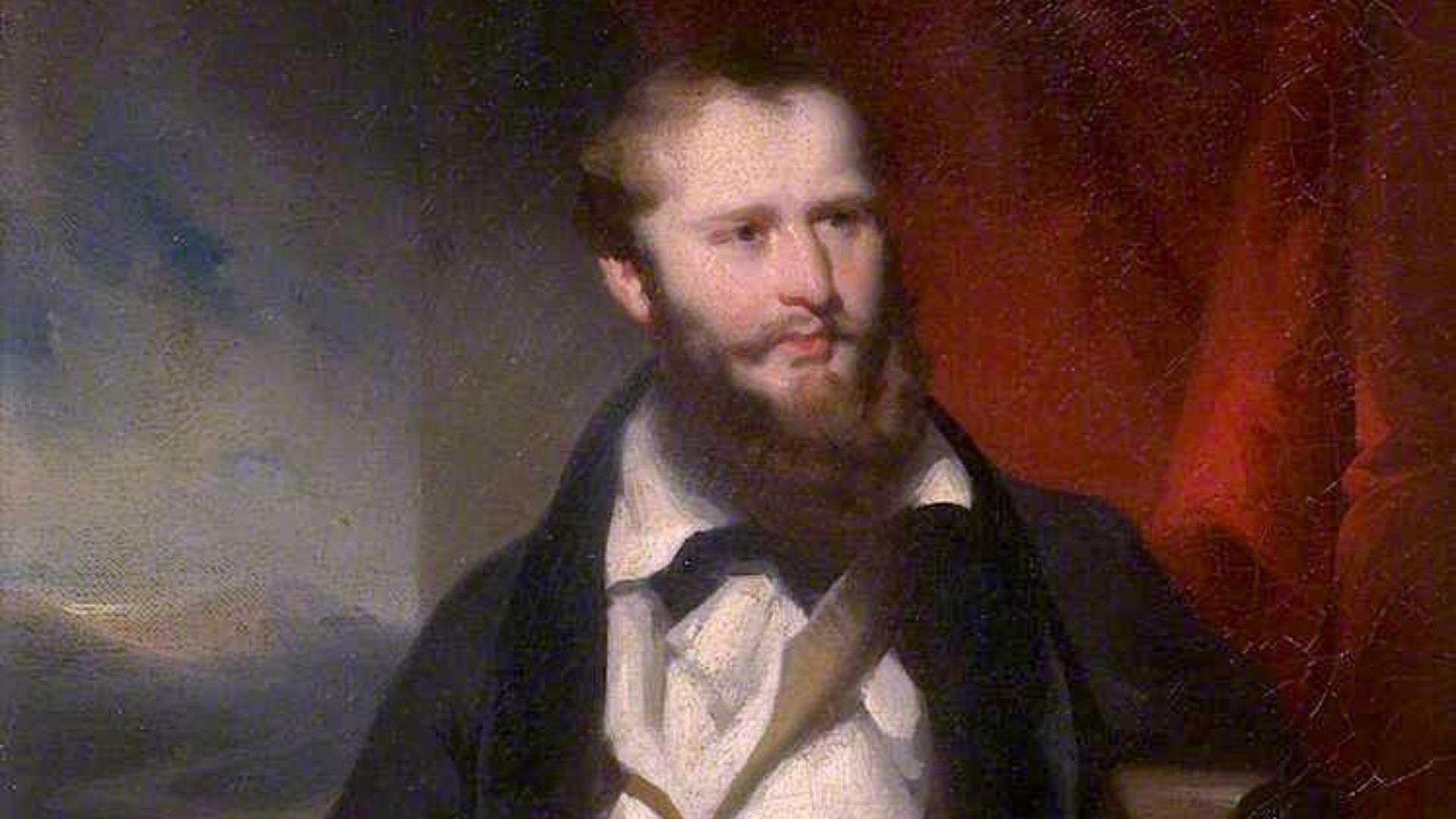
7. James Holman
James Holman blew up the old idea that blindness meant staying put and accepting a smaller life. Known as the “Blind Traveller,” he journeyed widely, published books about what he encountered and understood, and forced people to reconsider who got to move through the world as an observer rather than an object of pity.
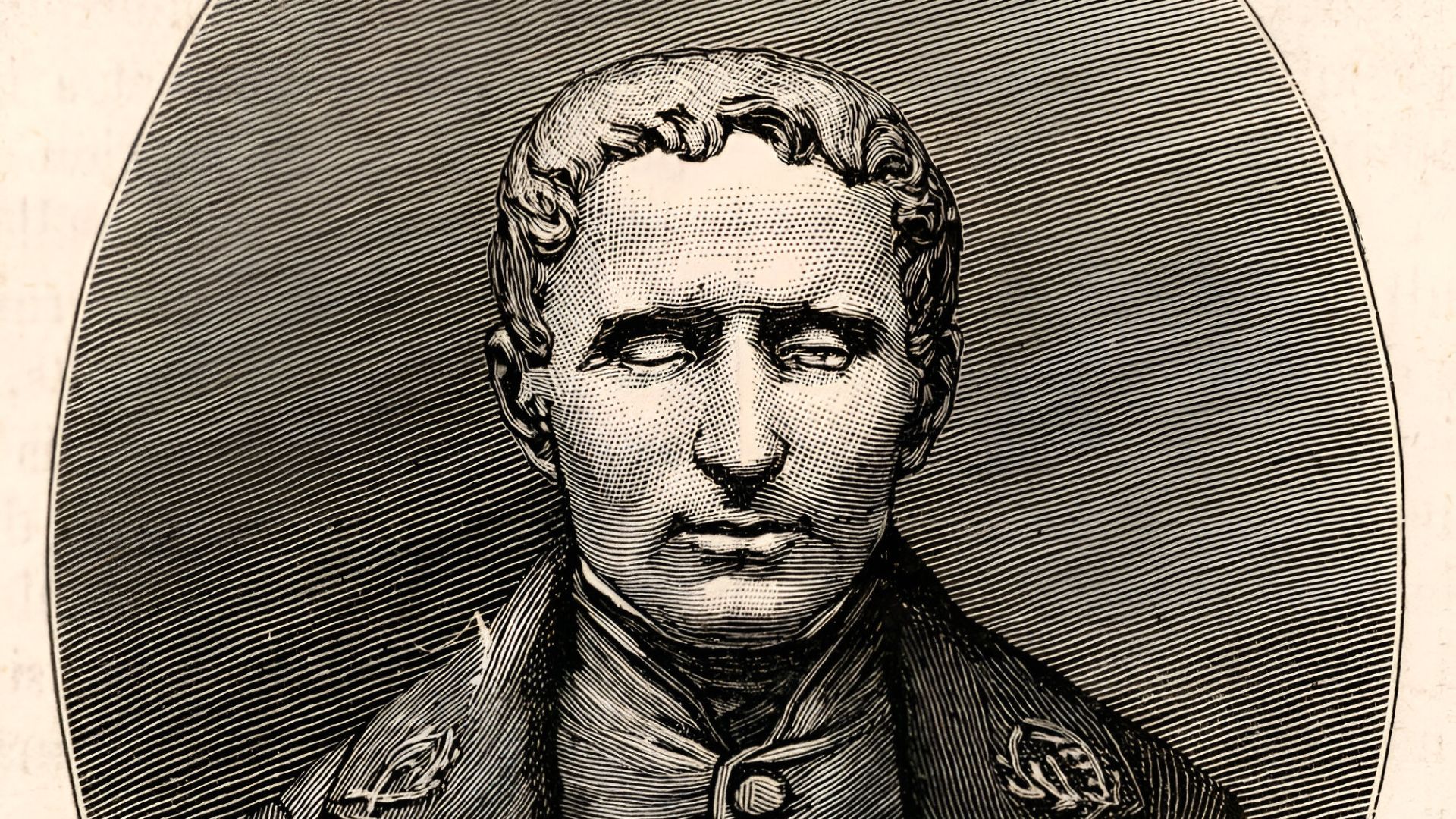
8. Louis Braille
Some people reshape culture by writing masterpieces, and some reshape it by changing the medium itself. Louis Braille created a system of reading and writing that gave blind people practical, personal access to literacy, which is the kind of cultural change that quietly alters everything after it arrives.
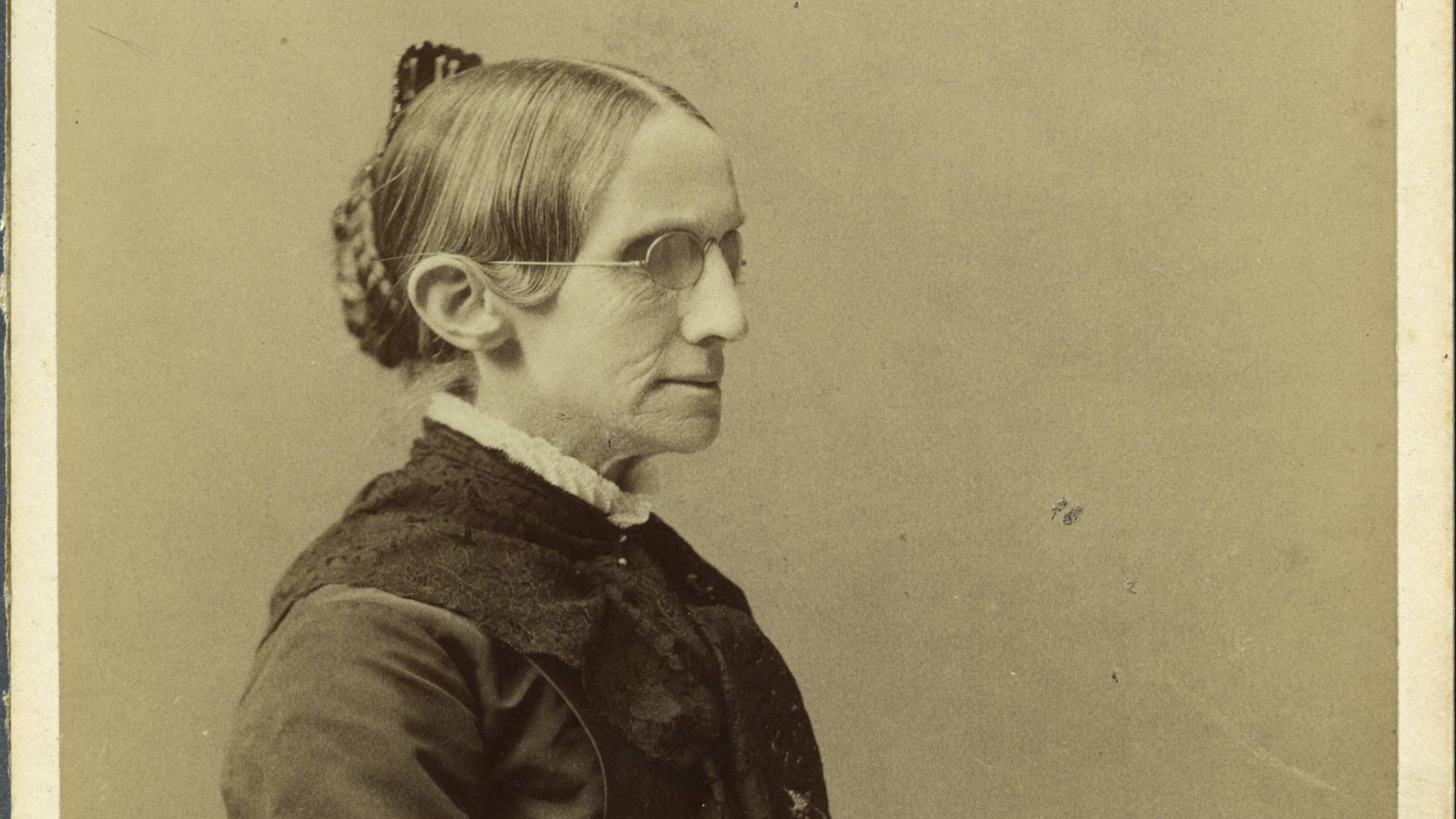
9. Laura Bridgman
Laura Bridgman rarely gets the attention she deserves, but her place in cultural history is enormous. Long before Helen Keller became internationally famous, Bridgman showed that a deafblind person could learn language through finger spelling and the written word, which forced educators to rethink what they believed was possible.
 H. F. Holland, Boston on Wikimedia
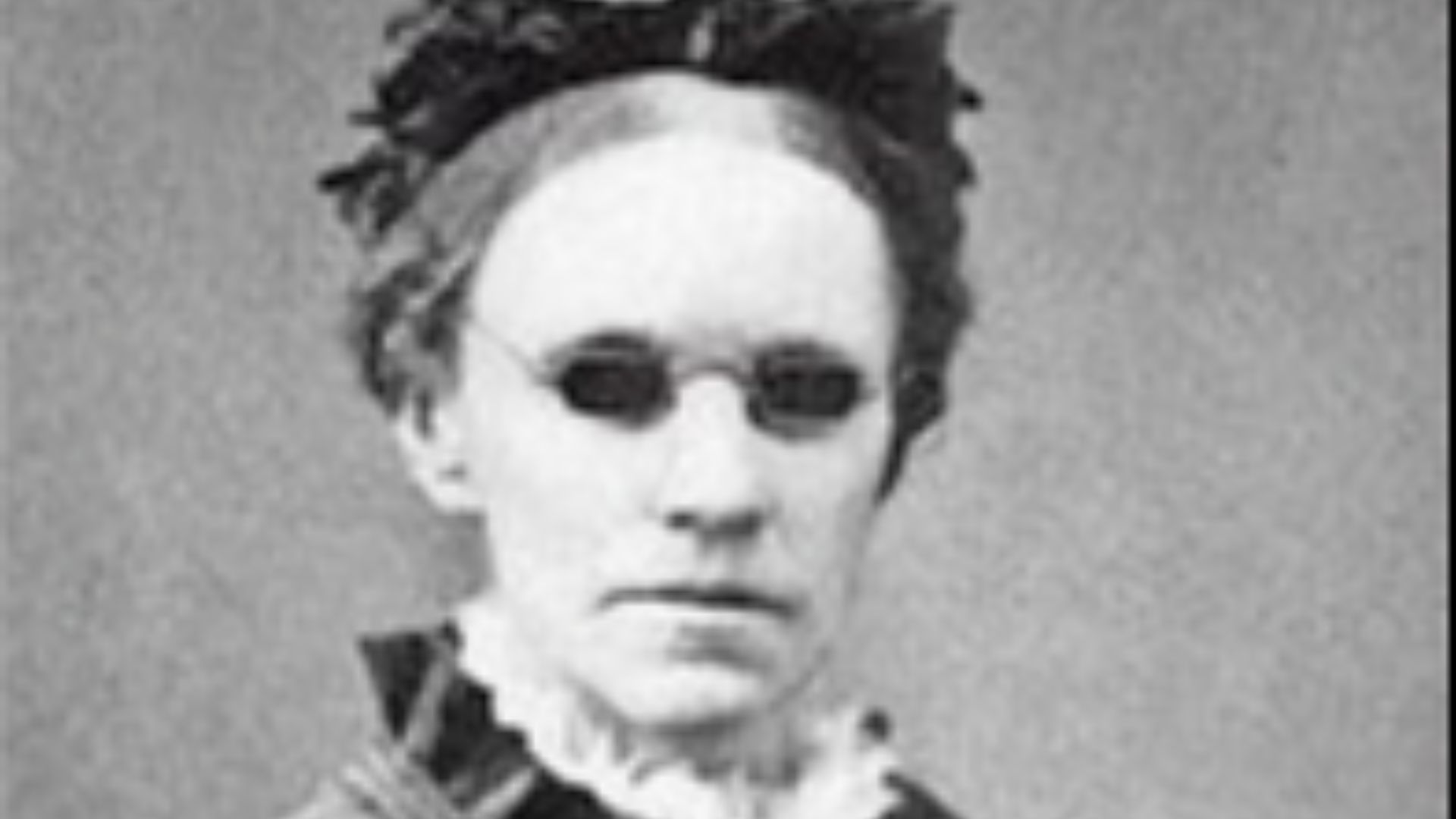
10. Fanny Crosby
Fanny Crosby wrote hymns at a scale that still sounds almost unreal. Her songs moved through American Protestant worship so widely that she helped shape not just church music, but the emotional vocabulary of faith for generations of ordinary people.
 Unknown authorUnknown author on Wikimedia
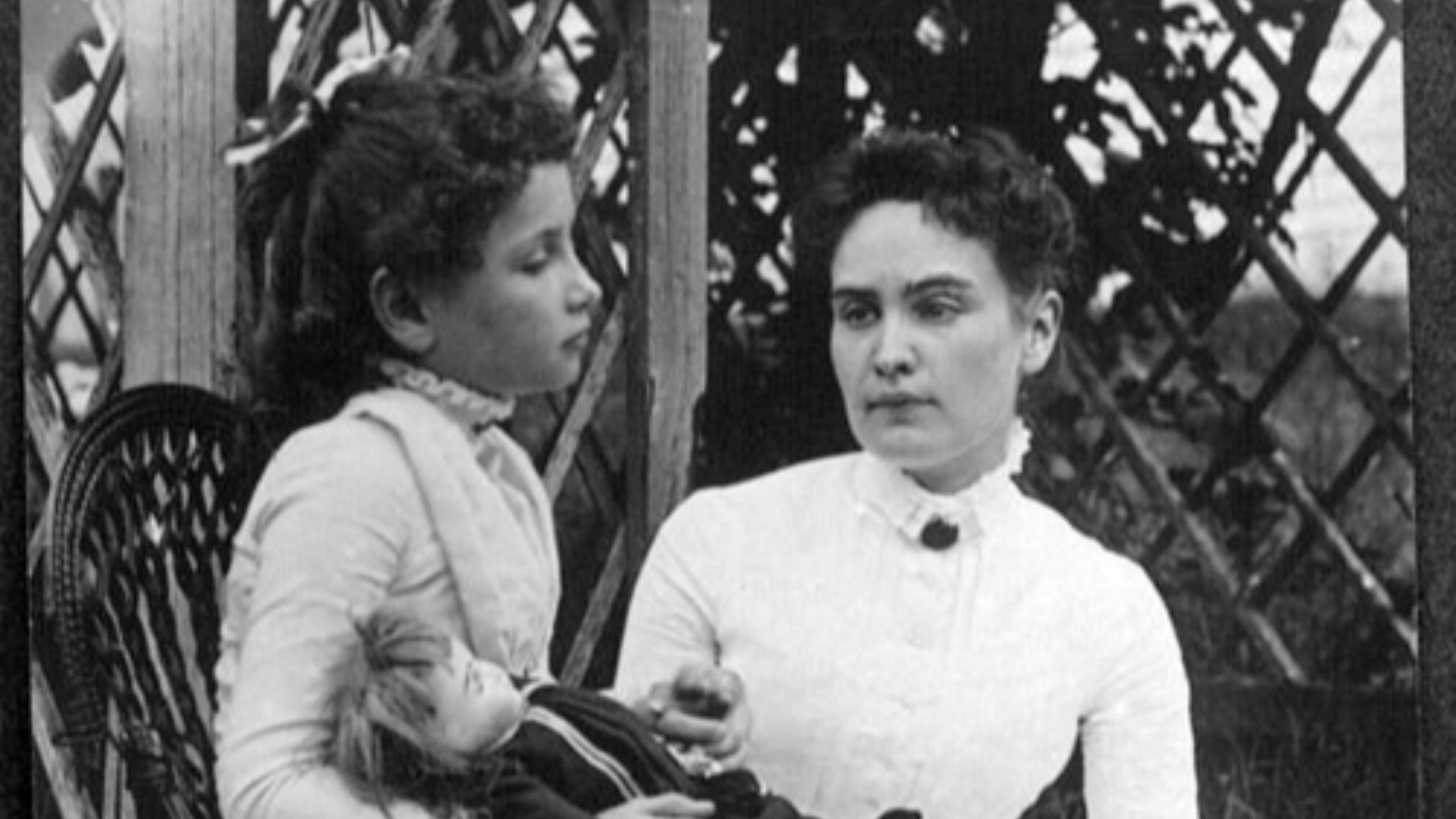
11. Helen Keller
Helen Keller changed public perception so dramatically that her name still works as cultural shorthand more than a century later. She was not simply an inspirational symbol; she was an author, lecturer, and advocate whose public life changed how people thought about blindness, deafblindness, education, and civic participation.
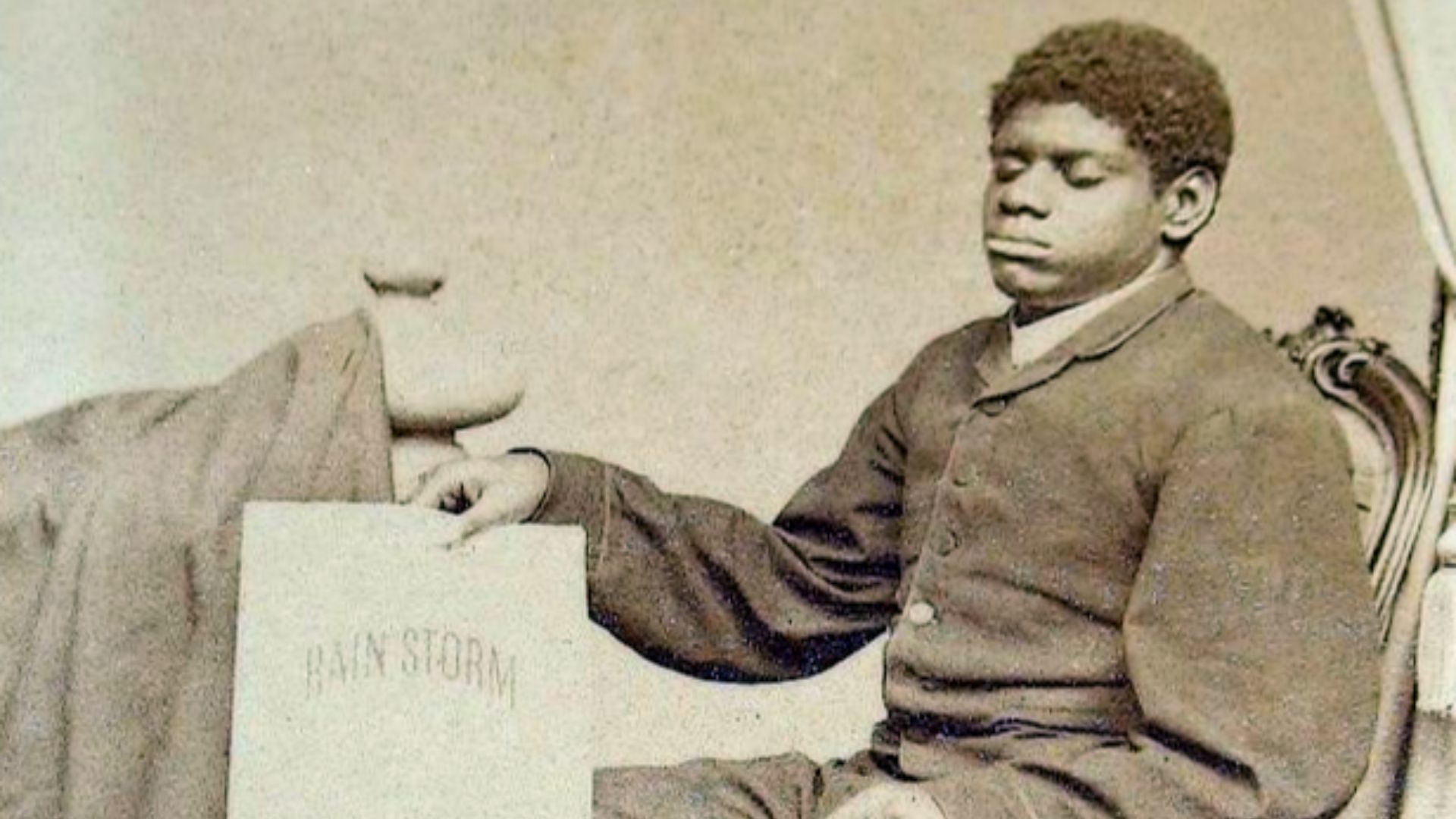
12. Thomas “Blind Tom” Wiggins
Thomas “Blind Tom” Wiggins was one of the most astonishing musicians of the nineteenth century, and one of its most exploited. Born blind and enslaved, he became a famous pianist and composer whose talent forced audiences to confront ideas about race, genius, and disability, even as the world around him failed him in every possible way.
 W. L. Germon of Philadelphia on Wikimedia
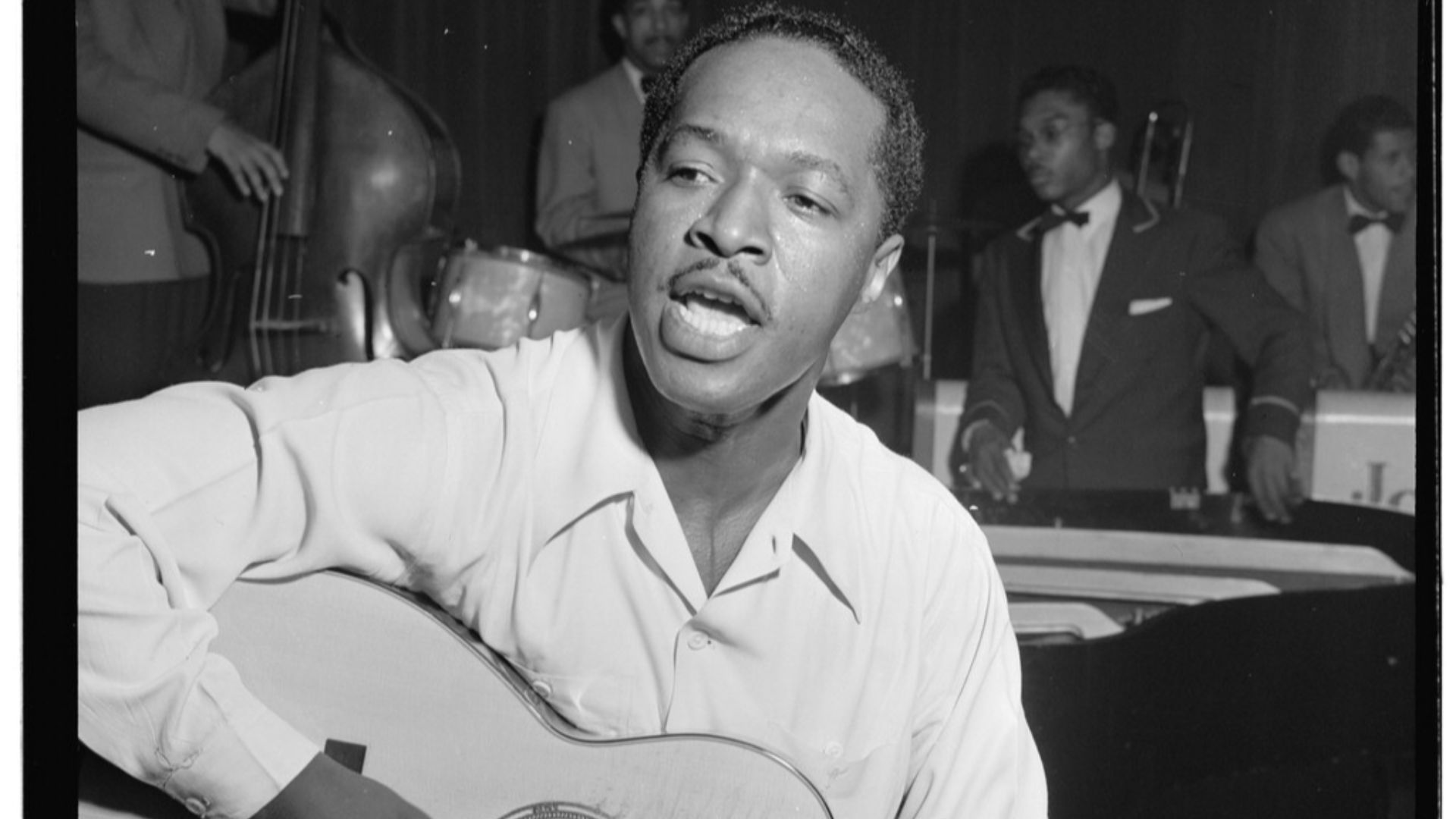
13. Blind Lemon Jefferson
Blind Lemon Jefferson helped set the terms for recorded country blues before the genre had fully settled into its own legend. His voice, his guitar playing, and his commercial success gave later musicians a template, which is another way of saying he helped teach American music how to sound more like itself.
 The Library of Congress on Wikimedia
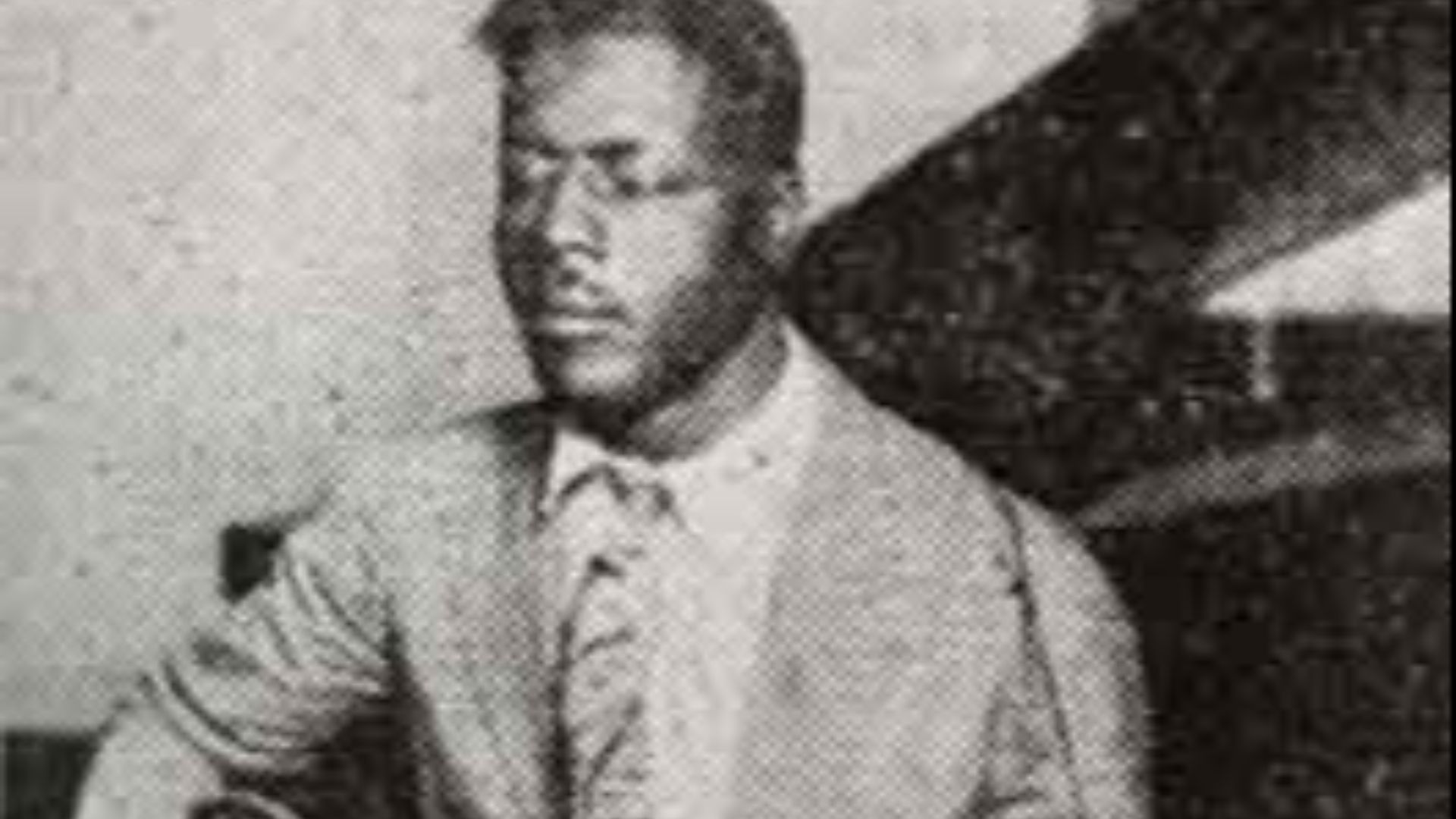
14. Blind Willie Johnson
Blind Willie Johnson sounded like he was dragging holiness and grief through the same narrow doorway. His slide guitar, his gospel blues, and the sheer force of his recordings left marks all over American music, and those recordings still feel too powerful to belong neatly to the past.
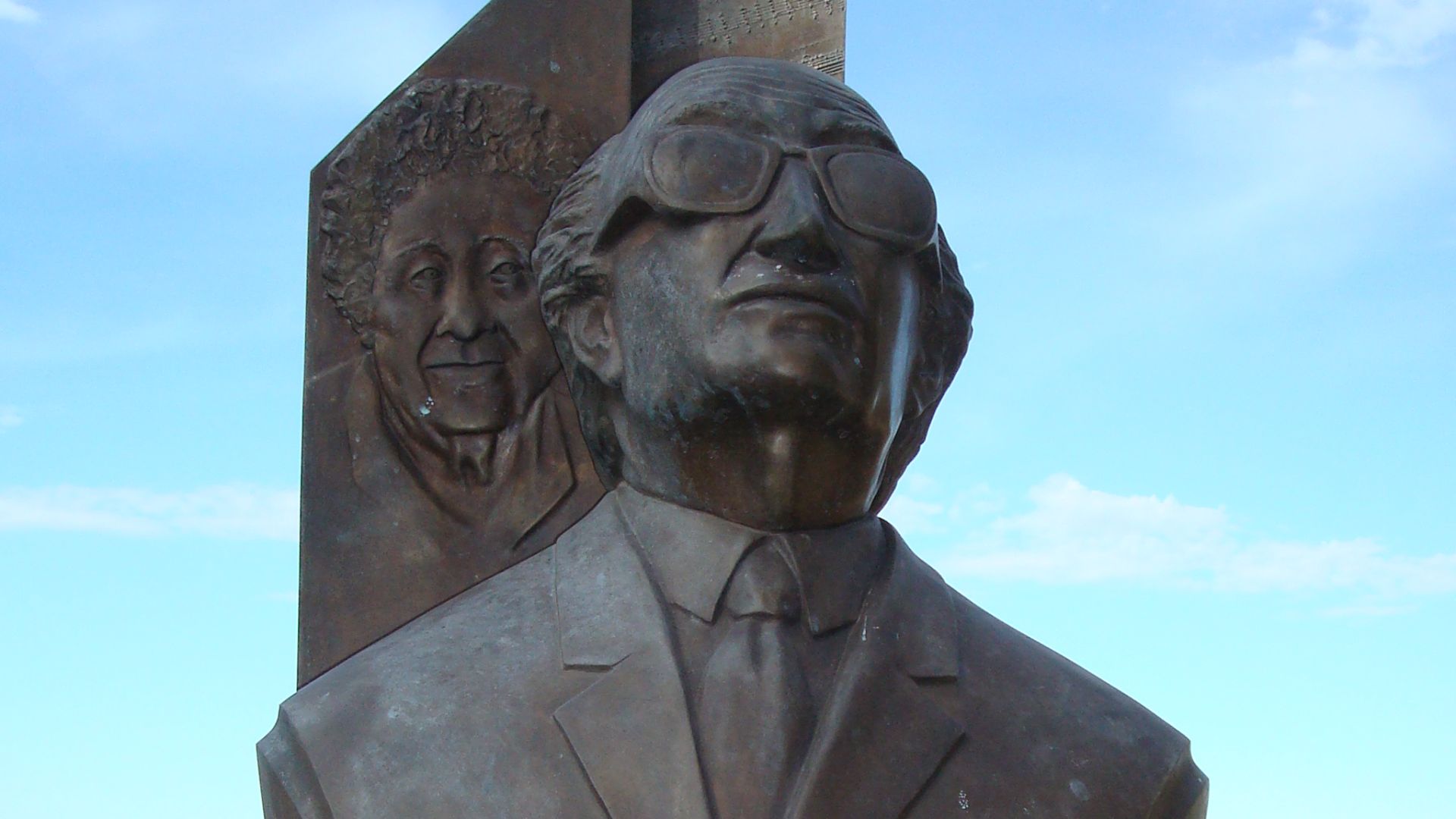
15. Joaquín Rodrigo
Joaquín Rodrigo gave the twentieth century one of its most recognizable classical voices. Blind from early childhood, he went on to write music that carried Spanish identity into concert halls around the world, especially through Concierto de Aranjuez, which remains one of the most beloved orchestral works of the modern era.
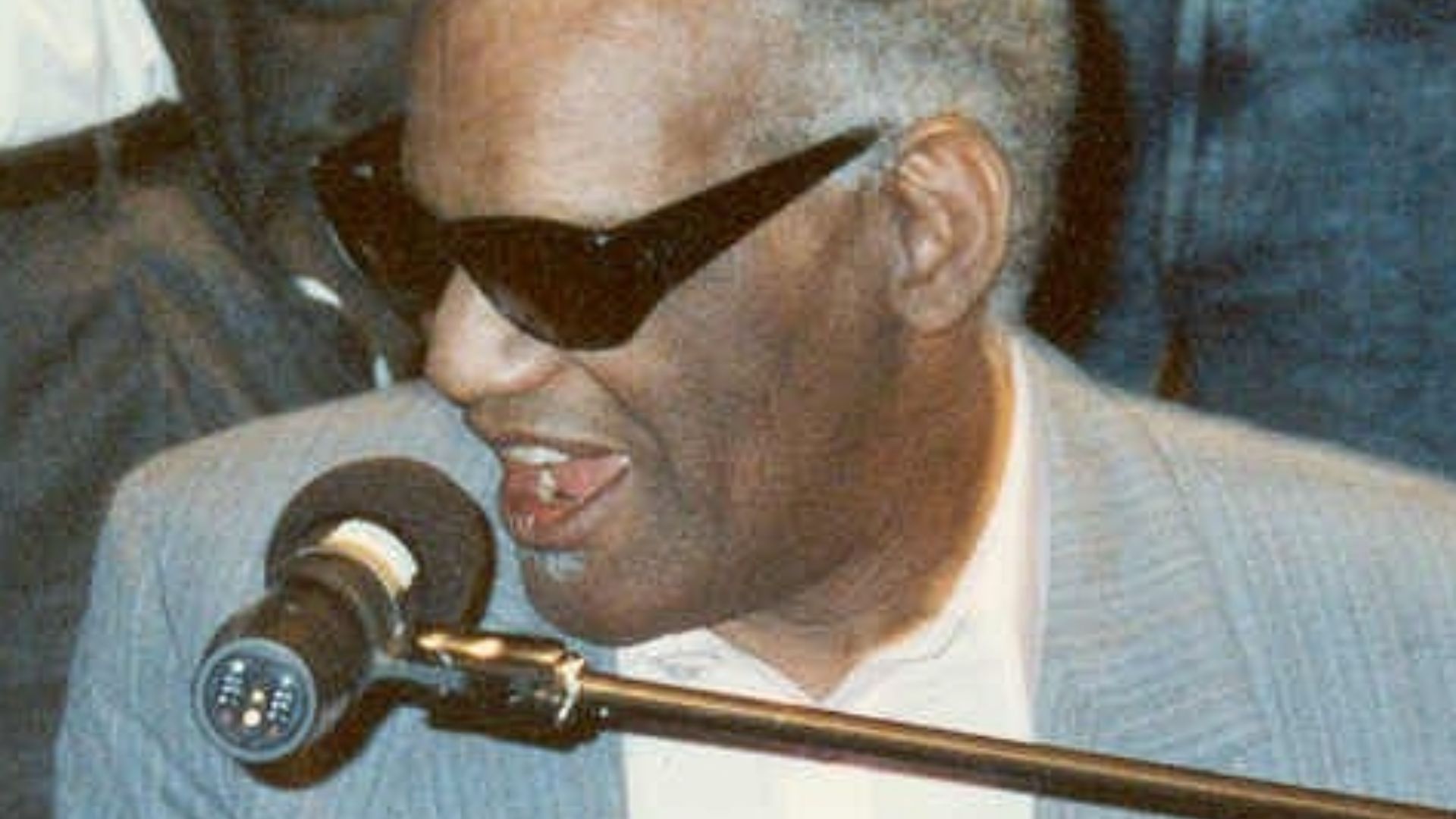
16. Ray Charles
Ray Charles did not just sing brilliantly or play brilliantly, though he certainly did both. He helped invent the emotional grammar of soul by blending gospel, rhythm and blues, and jazz into something so potent that popular music has been living with the consequences ever since.
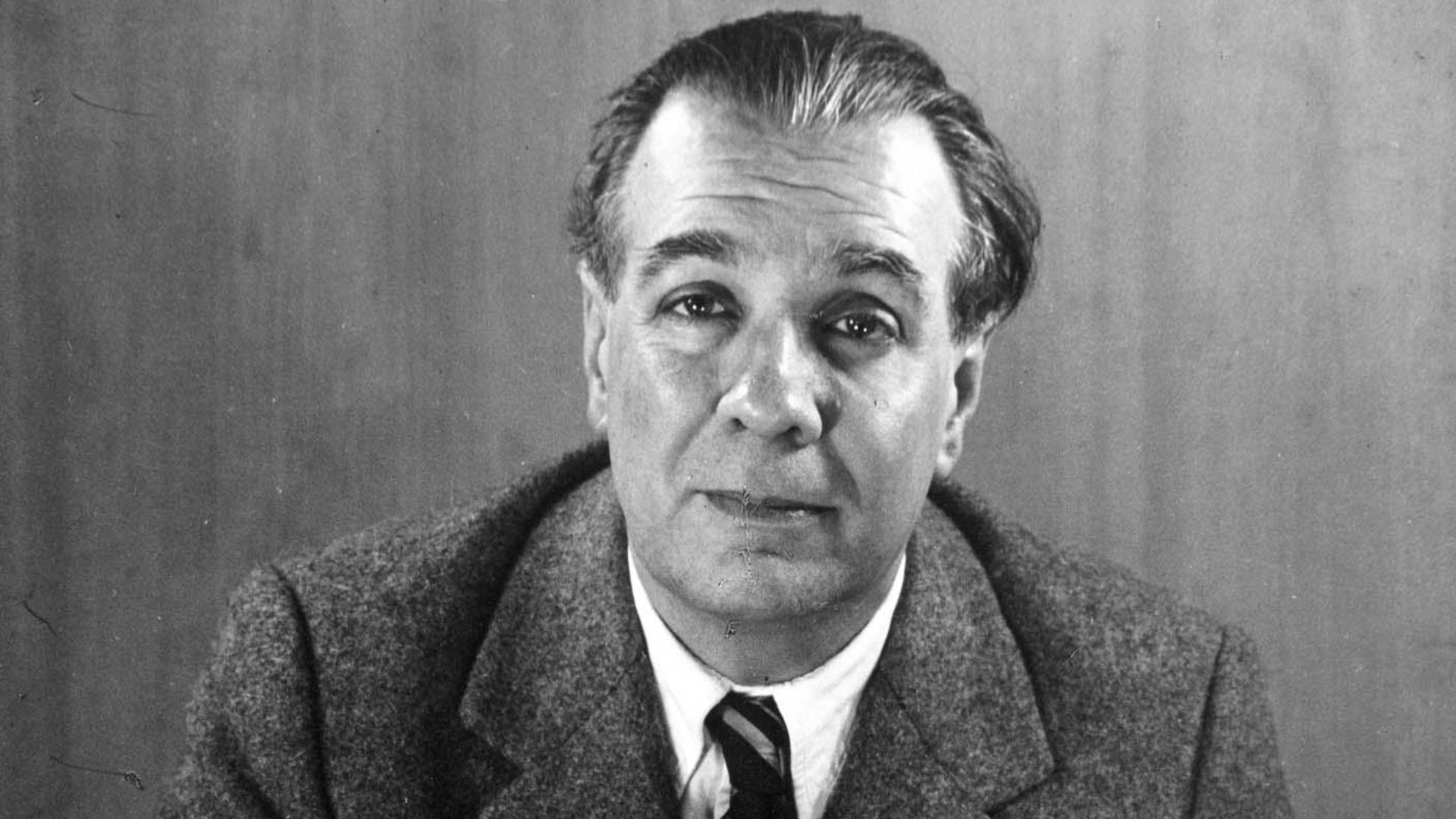
17. Jorge Luis Borges
Borges turned blindness into neither melodrama nor branding, which is part of what makes him feel so timeless. As his hereditary blindness progressed, he kept producing fiction and essays that changed how readers think about memory, infinity, mirrors, libraries, and the strange architecture of the mind.
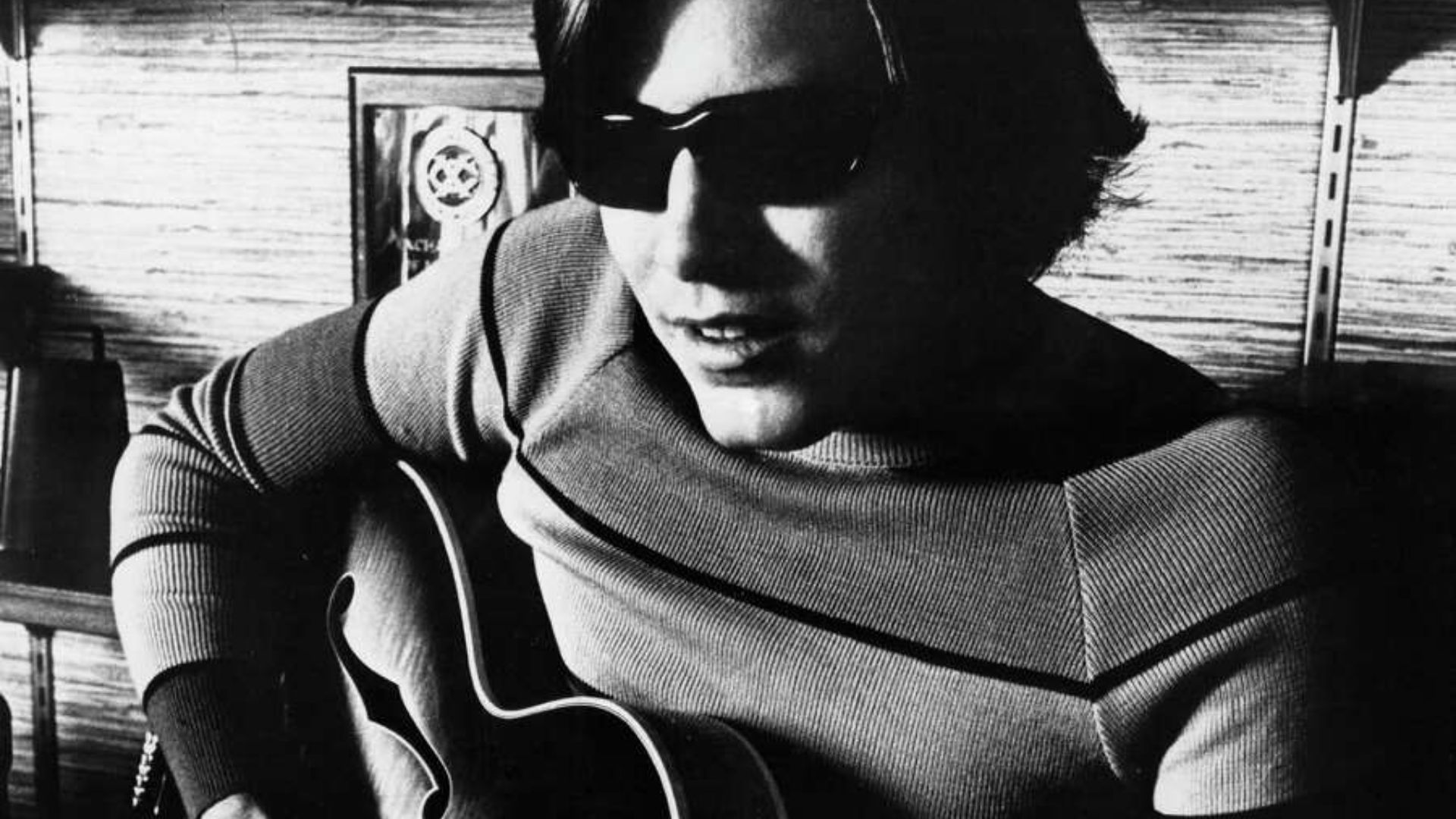
18. José Feliciano
José Feliciano made virtuoso guitar playing feel intimate instead of distant, which is harder than it sounds. Recording in both English and Spanish, he widened the sound of pop and Latin music at the same time, and then casually wrote one of the most durable holiday songs on earth.
 Distributed by RCA Records on Wikimedia
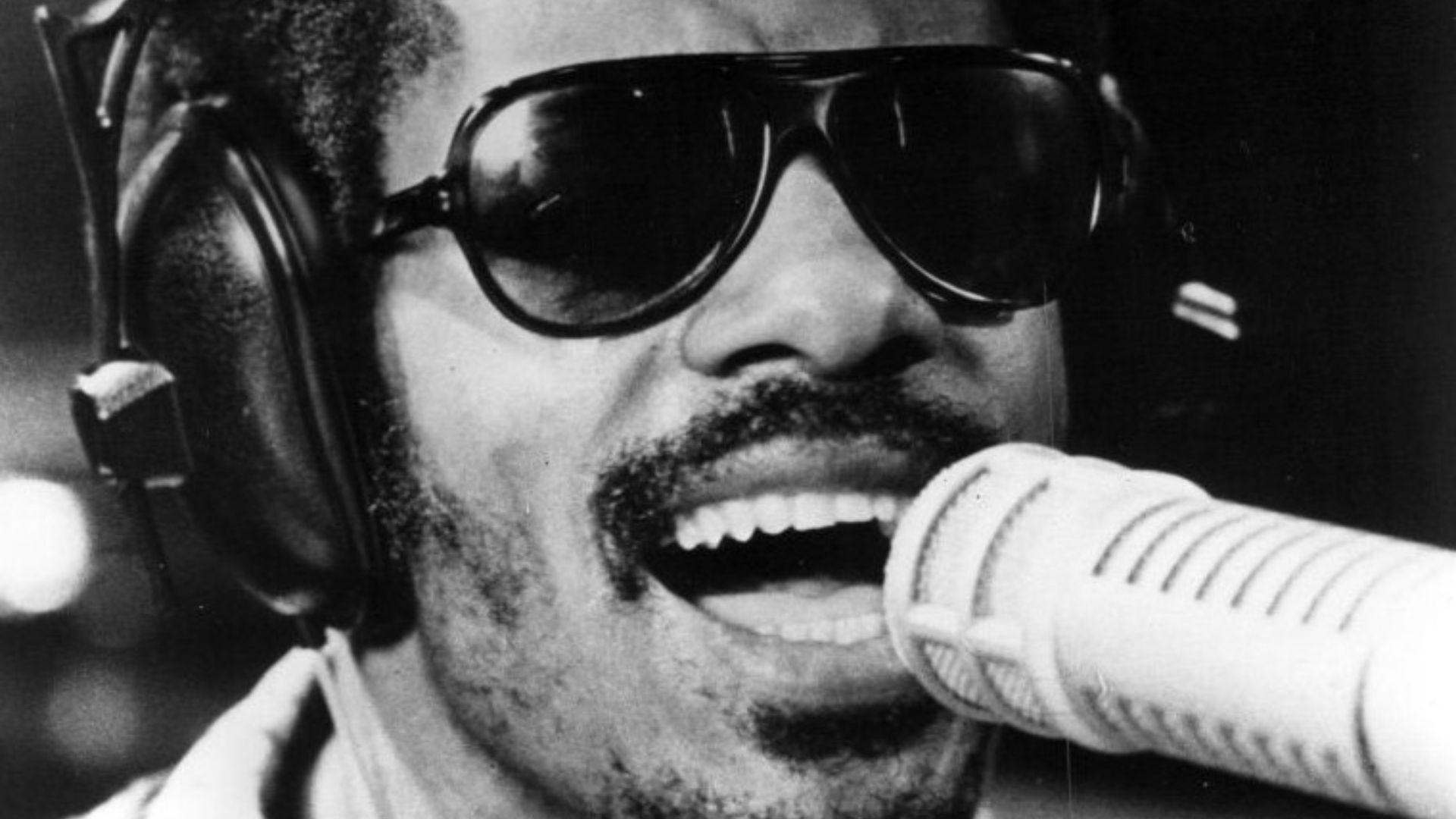
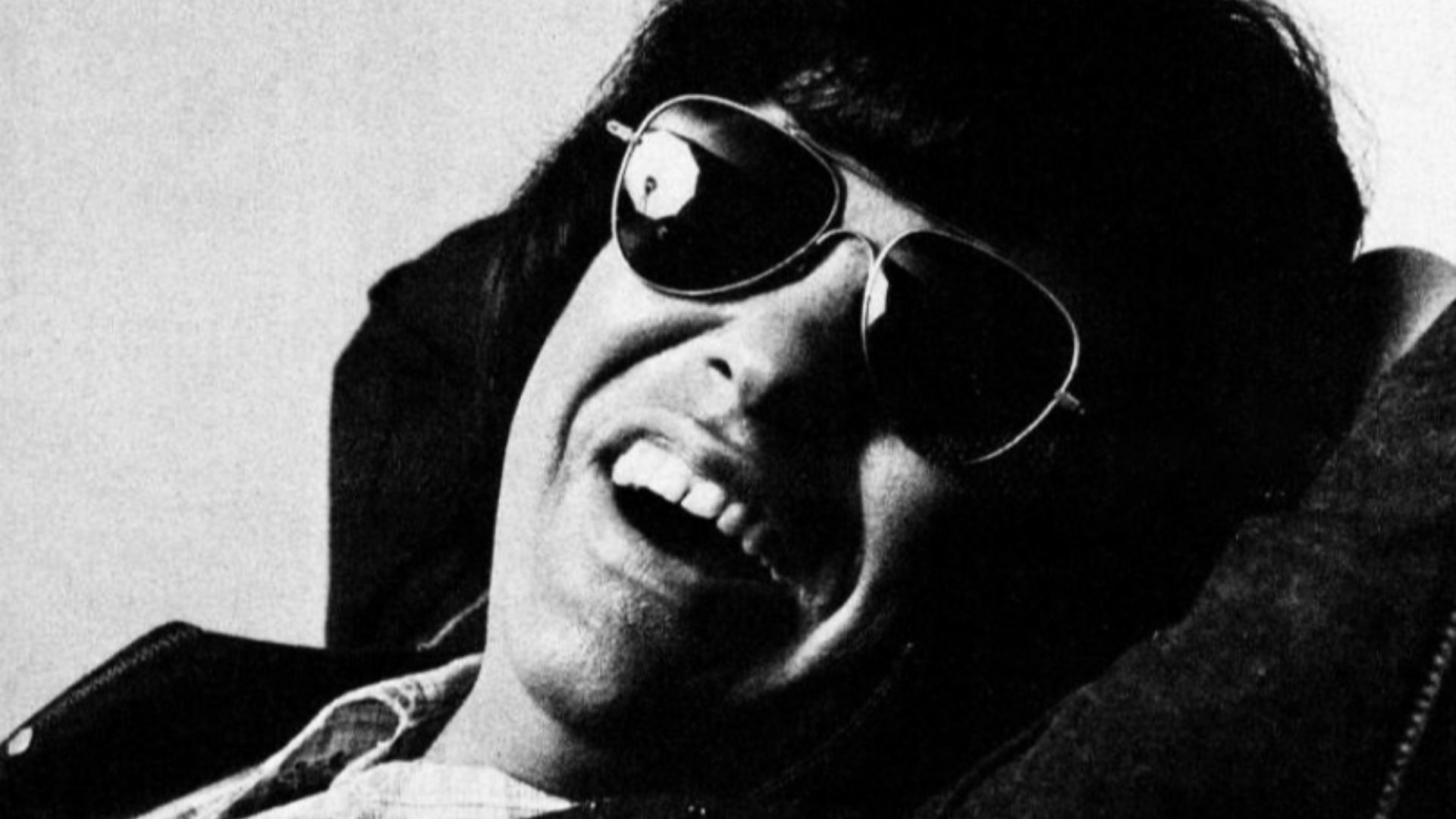
19. Stevie Wonder
Stevie Wonder arrived as a prodigy and stayed long enough to become part of the weather of modern music. Blind virtually from birth, he helped redefine pop, soul, R&B, and studio experimentation with a run of records so rich and inventive that they still sound like the future catching up to him.
20. Ronnie Milsap
Ronnie Milsap proved that country music had more room in it than its gatekeepers often admitted. Nearly blind from birth, he brought piano, pop instinct, R&B feeling, and crossover ambition into mainstream country in a way that changed the sound of radio and made later boundary-blurring artists easier to imagine.
KEEP ON READING
20 Blind Historical Figures Who Reshaped Culture
Vision Beyond Sight. History has a bad habit of treating…
By Cameron Dick Apr 22, 2026
10 Princesses Who Broke The Rules & 10 Who Played…
Not every princess lived a fairytale life. While some followed…
By Noone Apr 22, 2026
20 Cross‑Cultural Encounters That Changed Both Sides Forever
When Cultures Meet: Moments That Left a Lasting Impact. Throughout…
By Rob Shapiro Apr 22, 2026
A Common Historical Myth Most People Still Believe
Trnava University on UnsplashHistory is often described as a collection…
By Sara Springsteen Apr 21, 2026
Are You Sure This Is Your Son? The Disappearance of…
Ehimetalor Akhere Unuabona on UnsplashIn June 1994, 13-year-old Nicholas Barclay…
By Christy Chan Apr 21, 2026
Tomb Robbers Went In Looking for Gold, And Accidentally Preserved…
Dmitrii Zhodzishskii on UnsplashWhen we think about tomb robbers, we’re…
By Breanna Schnurr Apr 21, 2026