Darkness today can generally be overcome with the flick of a switch, a flashlight, or even the screen of your cell phone. For most of human history, however, night has been very difficult to brighten. Candles and oil lamps provided limited light, while cloudy or moonless nights could leave homes, roads, and fields remarkably dark.
To be clear, people in the past weren’t freaked out every night by darkness. But nighttime did breed real anxieties we are mostly freed from today. It was more difficult to travel or recognize unfamiliar noises, and whole towns had fewer opportunities to observe what was going on outside. As artificial lighting improved, people gradually gained the ability to work, travel, shop, and socialize after sunset with considerably less dependence on natural light.
One of the biggest differences between modern nighttime and historical nighttime was simply how little people could see. Before widespread artificial lighting, households depended on candles, oil lamps, fireplaces, moonlight, and other relatively weak sources of illumination. These lights could brighten a particular area without turning an entire room or street into a clearly visible space.
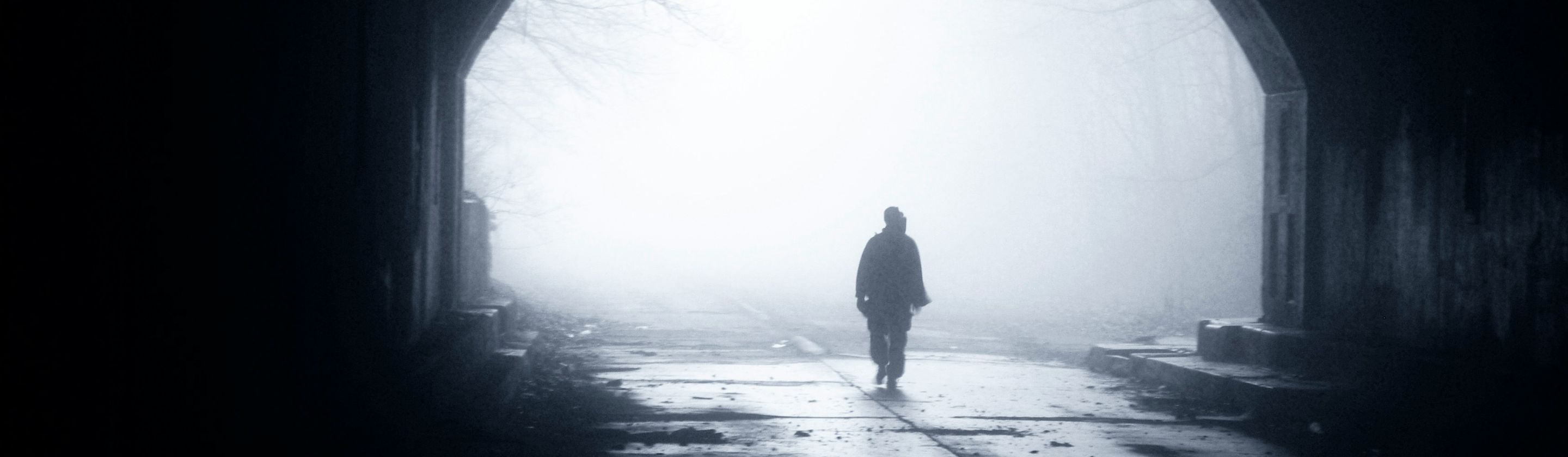
That restriction made familiar places feel unfamiliar at night. Roads that were easy to navigate during the day could be hard to traverse at night if there was little moonlight. Indoors, people commonly used memory, touch, and hearing to navigate when their candles or oil lamps ran out.
Sound also became distorted by darkness. If something unexpected were to make a noise, you couldn't see it. You would have to use your other senses to try and determine what was occurring. Perhaps that rustling in the bushes outside was completely harmless, but with lighting harder to come by and clear views of your surroundings less common, there was less to know.
This uncertainty didn't automatically mean people assumed the worst. Humans have always developed practical ways to deal with nighttime, and many people were perfectly accustomed to moving around after dark. Still, limited visibility gave unfamiliar noises more room to create concern, particularly when someone was alone or far from other people.
Roads Were A Different Experience
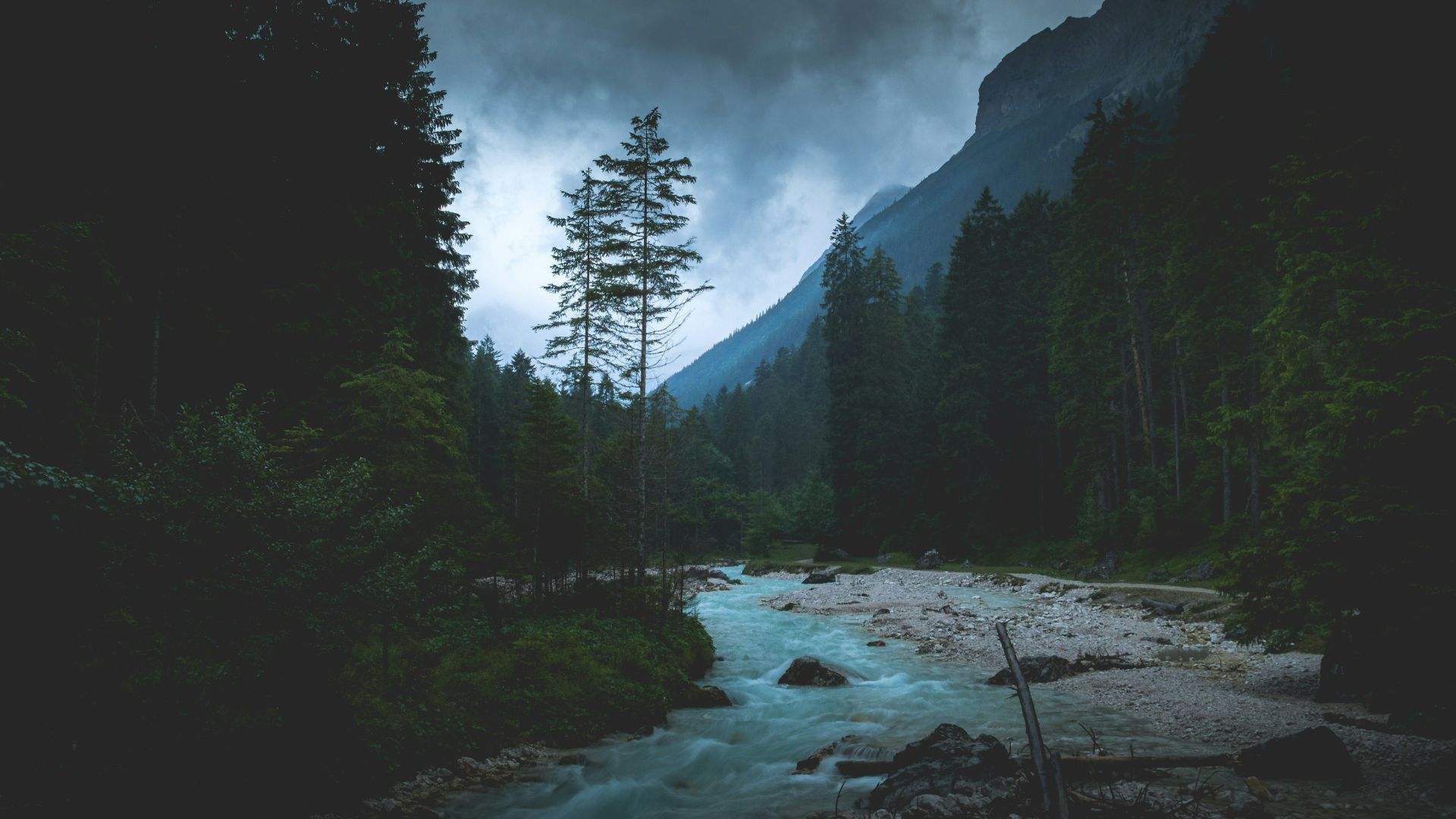
Walking after dark could require considerably more preparation than it does today. In cities, some streets had lamps, but coverage was limited and the quality of illumination varied. In rural areas, there might be no artificial lighting at all, leaving travelers dependent on moonlight, lanterns, torches, or their familiarity with the landscape.
Improved urban lighting was also no overnight development. Early street lights needed tending and regular maintenance. Gas lighting was similarly patchy at first, as installing and running the pipes and compressors required money. In American cities during the 19th century, gas networks often concentrated on commercial areas and wealthier neighborhoods before spreading more broadly.
Some fear of the night had a practical basis because darkness could make certain forms of crime easier. People couldn't see strangers approaching from a distance as easily, and poorly lit streets gave criminals opportunities to avoid detection. Historical accounts describe concerns about robbery and the limited effectiveness of early nighttime watchmen.
That isn’t to say nighttime was universally considered perilous, or that everyone stayed home at sunset. People still worked and traveled and visited and did whatever needed doing once it got dark outside. But without sturdy lighting, caution at night was often far more important than it is for most modern folks.
The lights people depended upon weren't exactly risk-free. Candles, oil lamps, torches, and fireplaces all involved flames, and historical lighting could be smoky, inconvenient, or hazardous. Somebody in a household may need to use artificial lighting after dark, but in order to produce that lighting, they needed to be working with an open flame indoors.
It led to a sort of catch-22 where folks needed fire to make life at night tolerable, but the solution was something that still required caution. Improving lighting wasn’t just about making rooms well lit. It was also about finding ways to provide dependable illumination without introducing unnecessary risks.
The Night Could Interrupt Normal Routines
For many preindustrial communities, daily life was strongly influenced by natural light. That didn't mean everyone went to bed immediately after sunset, but darkness affected when people worked, traveled, and performed various activities. Researchers have also found evidence that segmented sleep, including a first and second period of sleep separated by nighttime waking, occurred in many preindustrial societies.
Nighttime waking therefore wasn't necessarily considered a problem in the way it might be today. People could spend part of the night awake before returning to sleep, sometimes using the period for quiet activities. The idea of everyone following today's relatively standardized nighttime routine is much more recent than it might seem.
Slowly, city life began to change with improved street lighting. Starting in 1807, London streets were lit with gas lighting. American cities started using gas lighting in the early 1800s as well. Baltimore put the first U.S. gas streetlights on its streets in 1817. Other cities soon followed with their own gas-lighting systems.
Improvement in lighting did not just mean the city looked different at night. It became easier to walk around cities after dark and enjoy businesses that stayed open late. London's gas lamps, for example, helped make nighttime shopping and other activities more practical.
Artificial lighting technology continued to advance as well, with gas being replaced by electric lighting. The electrical grid was extended throughout American cities over the 19th century and into the early 20th century, but for a long time, many people didn’t have access to electric lighting due to the associated expense and technology required. Eventually, electricity made bright and dependable illumination increasingly available in homes, businesses, streets, and public spaces.
Of course, as technology changes, it also impacts our expectations. Nighttime isn’t riskier for most people today than it was centuries ago, but it is different. Darkness didn't disappear, but it became easier to control, particularly in populated areas. Instead of accepting sunset as a major limit on visibility, people increasingly expected to be able to turn on a light and continue whatever they were doing.
KEEP ON READING