The Origins of Human Ornamentation
Humans have been decorating themselves for far longer than anyone imagined possible. Ancient people created beauty, stringing shells into necklaces and carving ivory into pendants tens of thousands of years before cities existed. These weren't practical items for hunting or shelter—they were pure ornamentation, proof that our ancestors cared about looking good and expressing themselves through personal adornment. Here are the most ancient pieces of jewelry archaeologists have unearthed across the world.
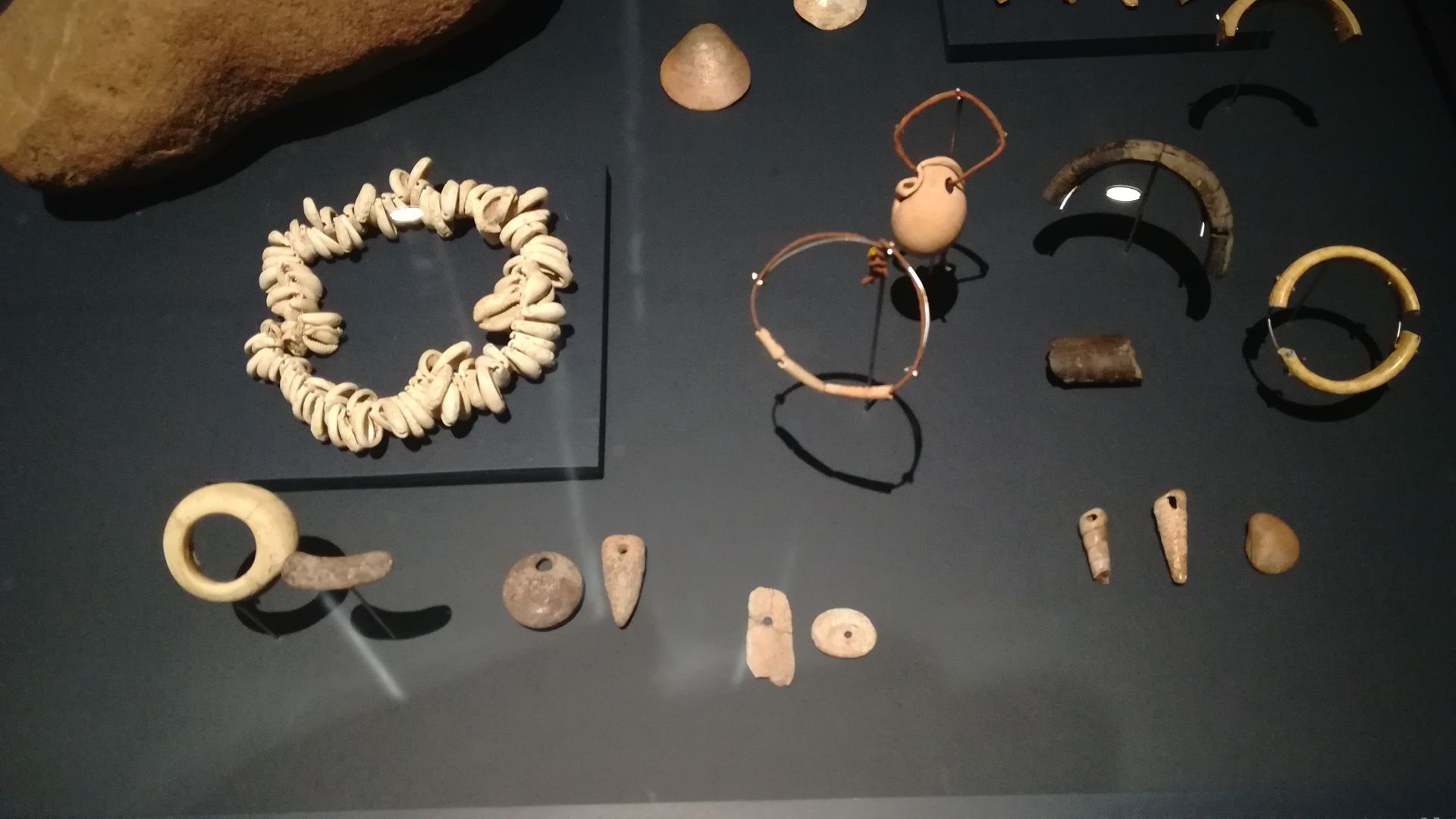
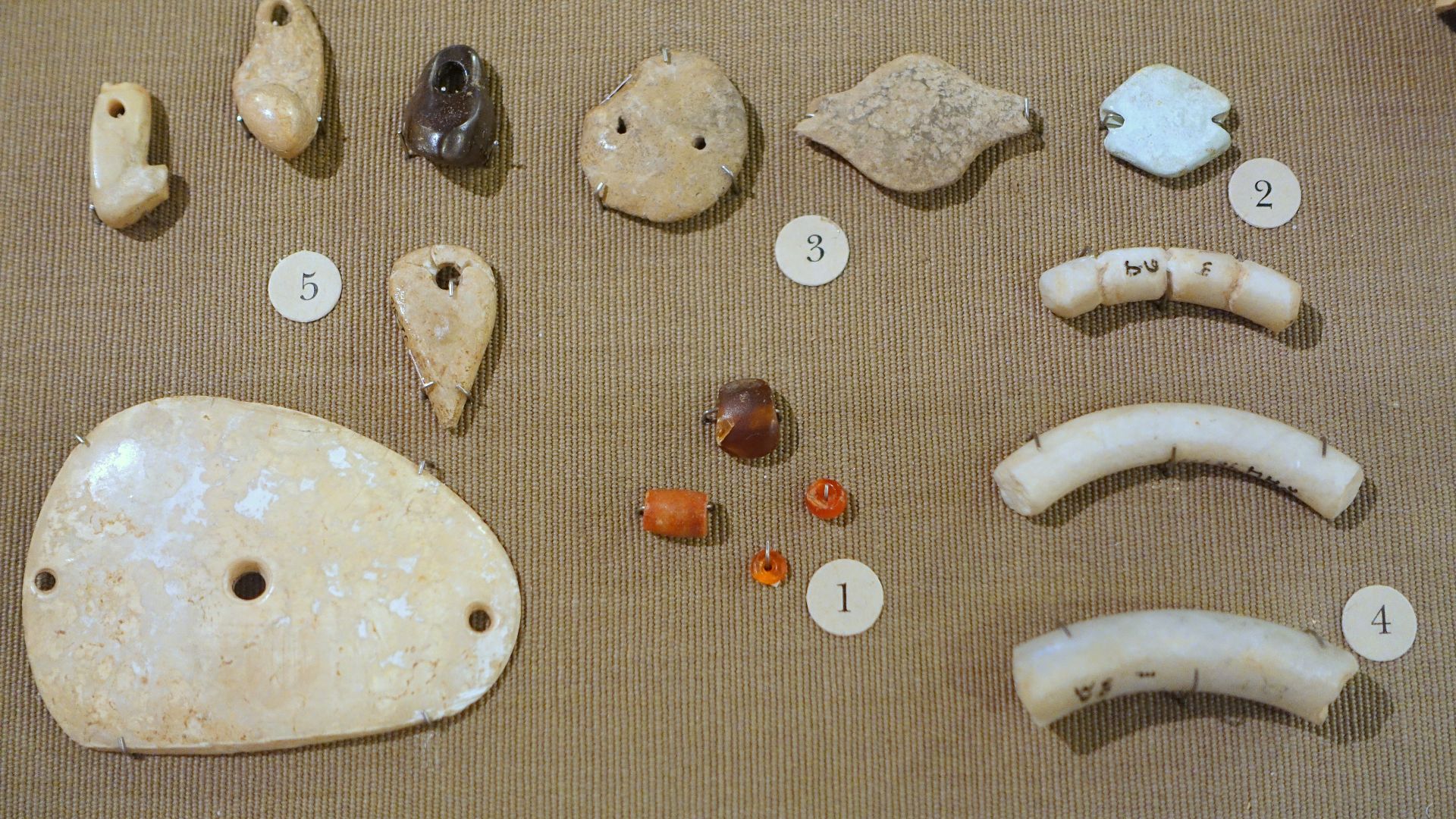
1. Bizmoune Cave Shell Beads
Perforated marine snail shells from Bizmoune Cave date to at least 142,000 years ago, making them the oldest known beads in the world. Thirty-three beads were recovered from layers containing stone tools and animal bones.
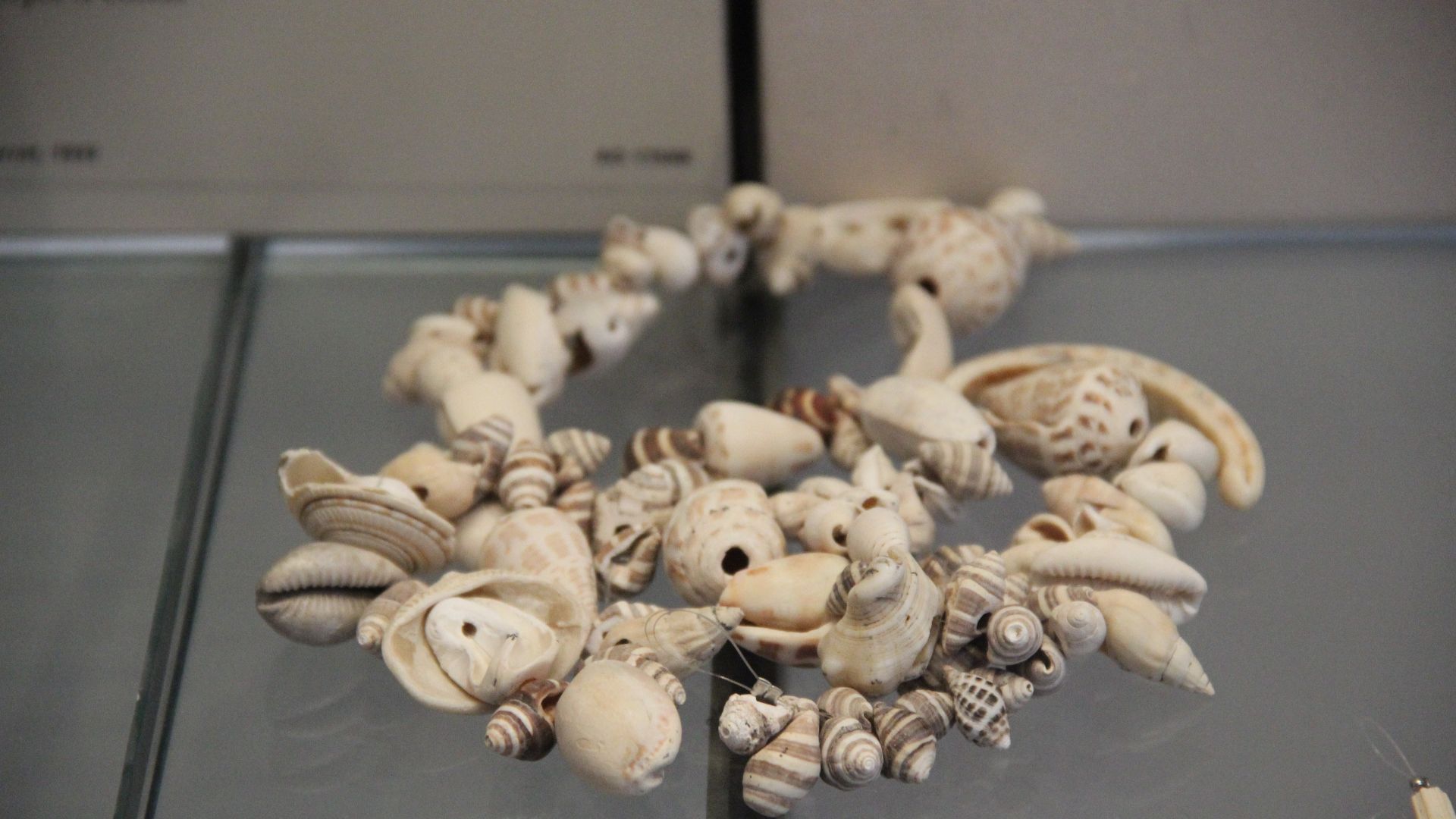
2. Cave Shell Beads Smugglers
Excavations recovered 151 shell beads from layers dated between 115,000 and 122,000 years ago at Contrebandiers Cave. The beads exhibit perforation and wear patterns indicating they were strung and worn as personal ornaments.
 Gary Todd from Xinzheng, China on Wikimedia
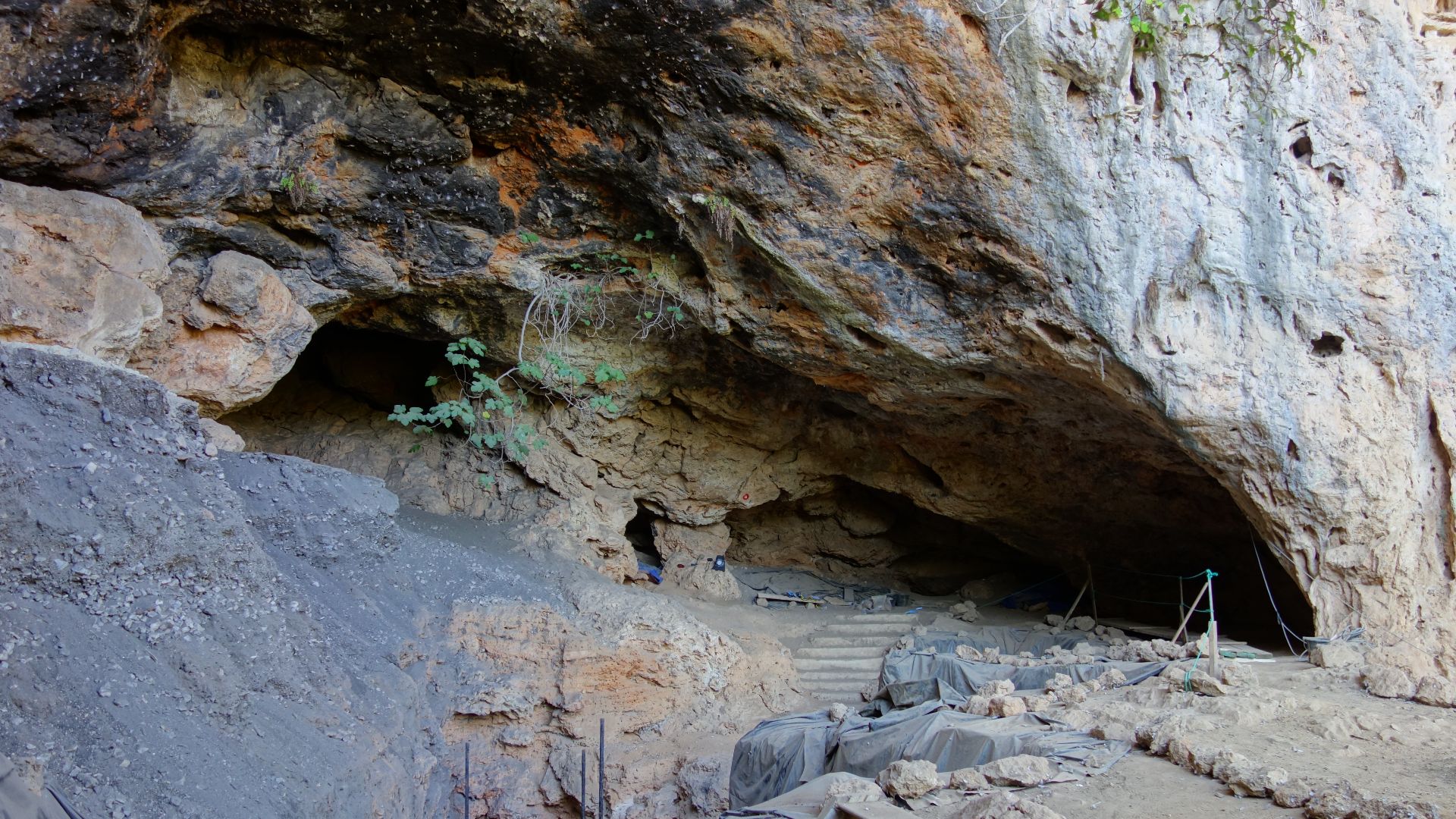
3. Taforalt Cave Perforated Shell Beads
Forty-seven perforated marine shells were found in layers dated to approximately 82,000 years ago at Taforalt Cave. Some shells still bear red ochre, and wear patterns suggest they were strung as necklaces or bracelets, then transported far inland from the coast.
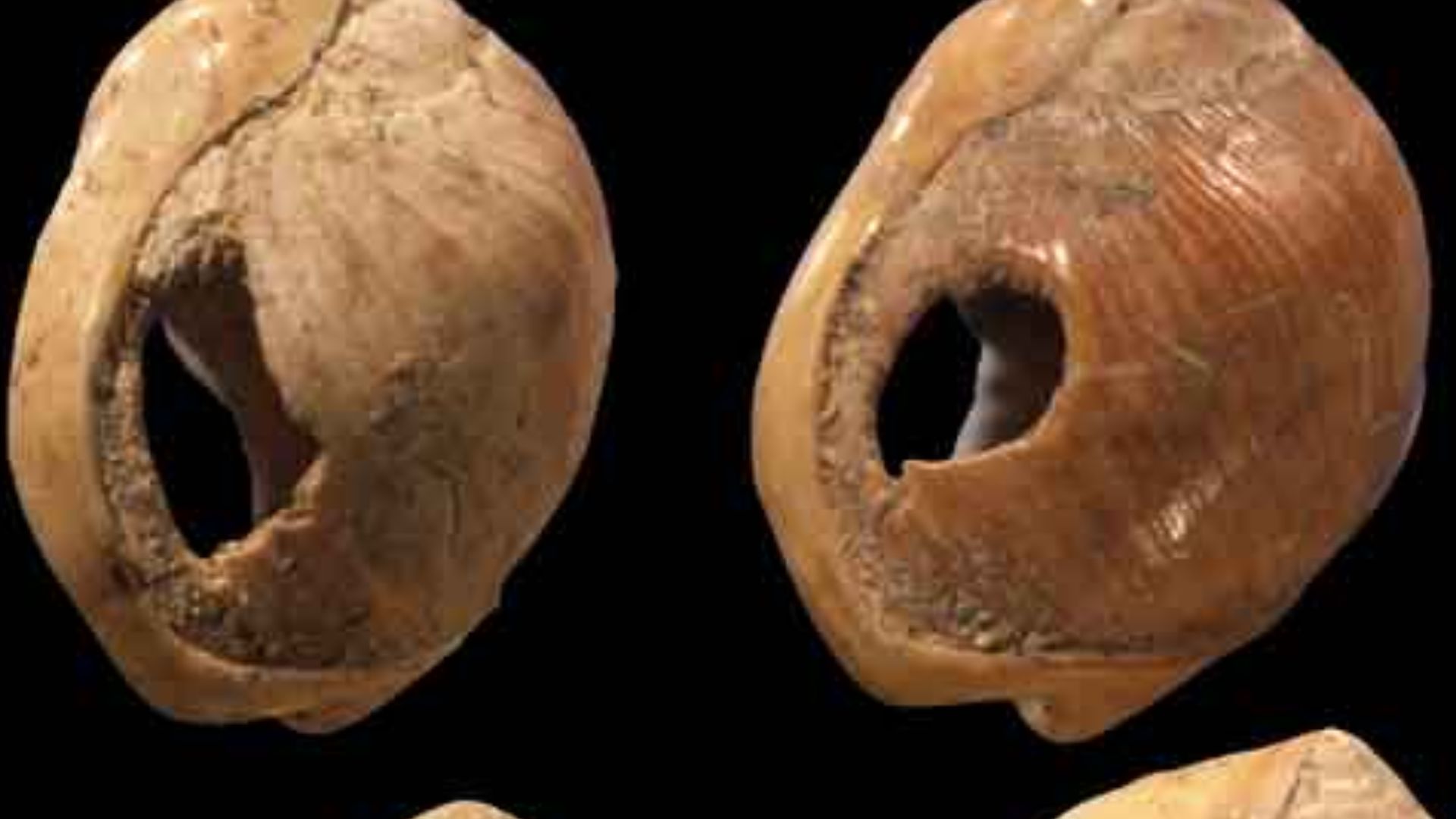
4. Nassarius Shell Beads From Blombos Cave
Forty-one deliberately perforated shells were found in layers dated between 72,000 and 76,000 years ago at Blombos Cave. The beads show consistent size selection, ochre traces inside, and wear from stringing that indicate personal ornament use.
 Chenshilwood at English Wikipedia on Wikimedia
5. Diepkloof Rock Shelter Engraved Ostrich Eggshell Containers
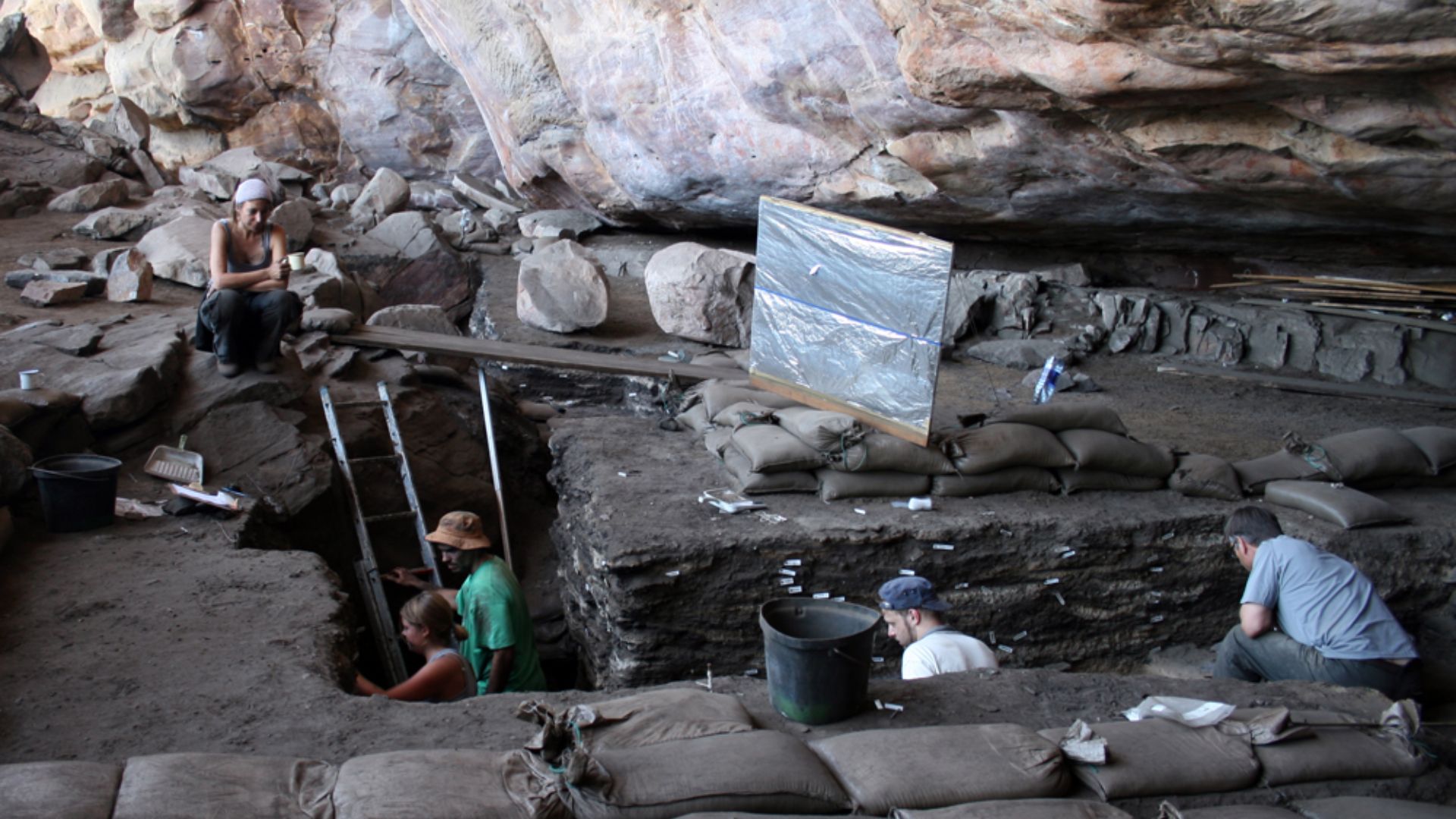
Imagine carrying a stylish engraved water bottle—that's what people did with ostrich eggshells. Over 270 fragments display standardized geometric patterns like hatched bands maintained across generations. These represent humanity's earliest abstract designs on functional objects, dating to the Howiesons Poort period around 60,000 years ago in southern Africa.
 Vincent Mourre / Inrap on Wikimedia
6. Kebara Cave Marine Shell Ornaments
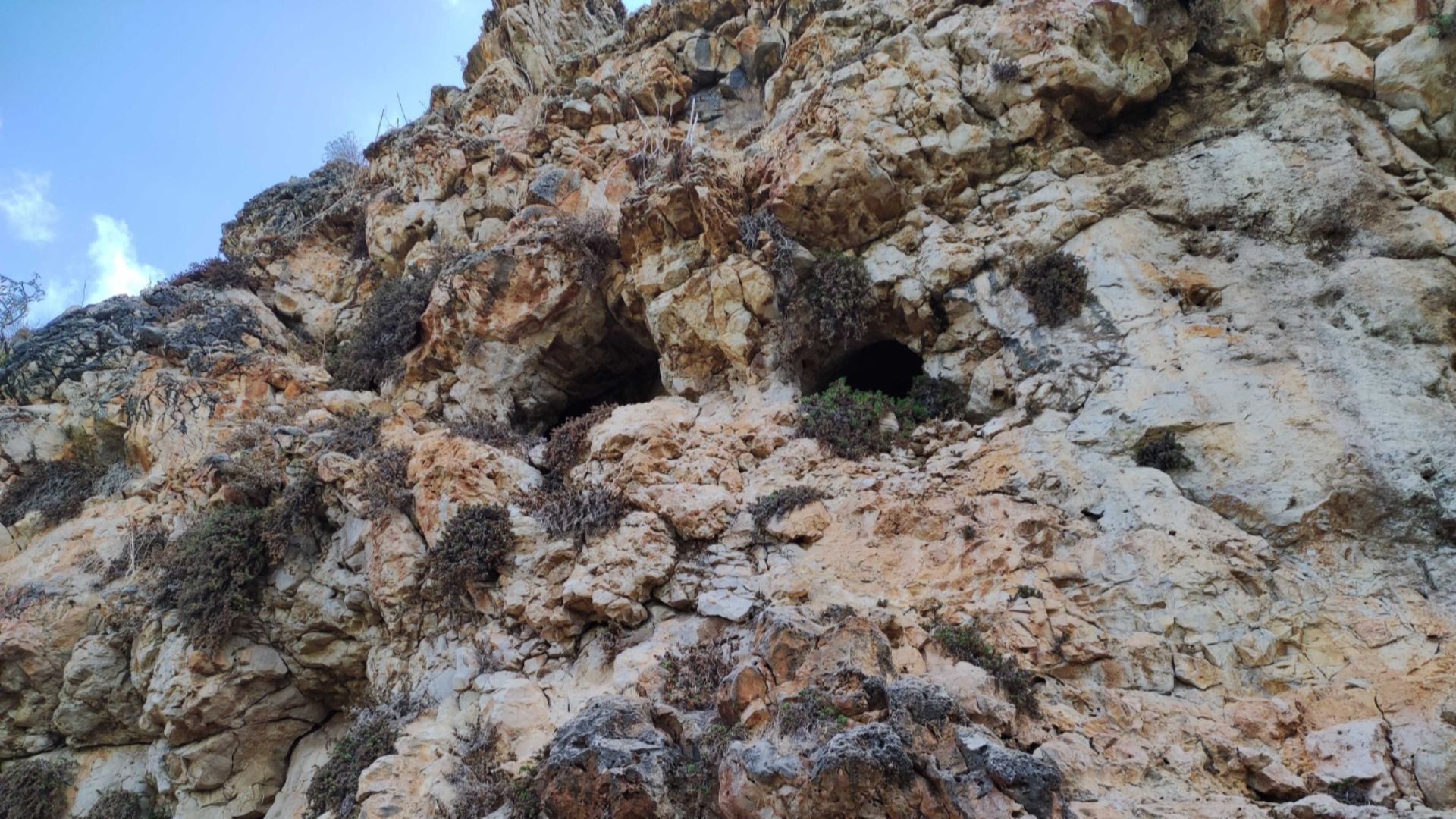
Neanderthals wore jewelry too, based on perforated shells found alongside well-preserved burials in this Levantine site. Associated with layers from 60,000 to 90,000 years ago, these ornaments fuel debates about whether symbolic behavior belonged exclusively to modern humans or emerged across multiple human species.
7. Oued Djebbana Ostrich Shell Beads
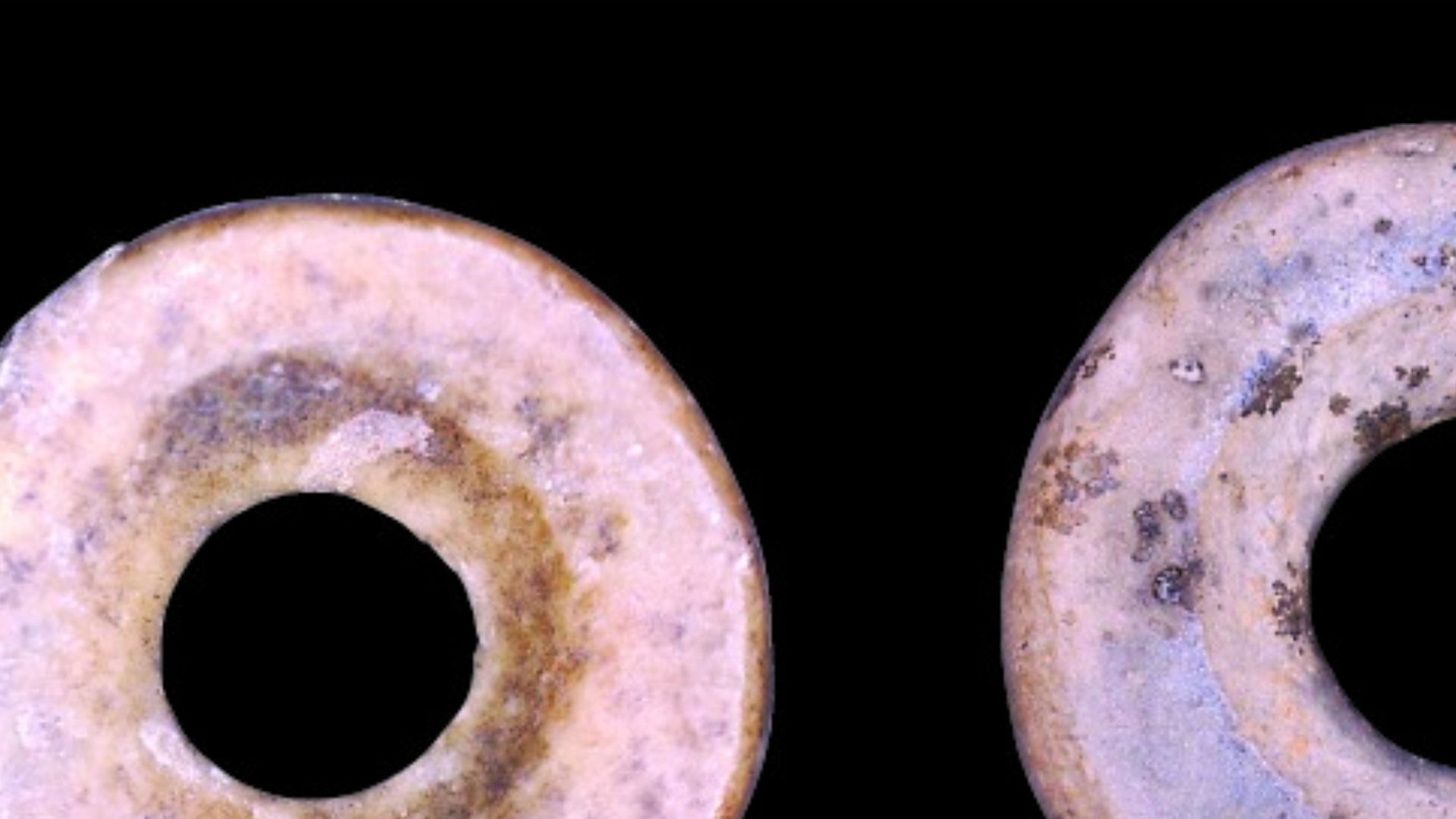
Perforated shells dating between 35,000 and 90,000 years ago indicate early use of marine shells for adornment in Algeria. The finds link to broader North African symbolic traditions similar to other sites in the region.
8. Border Cave Conus Shell Beads
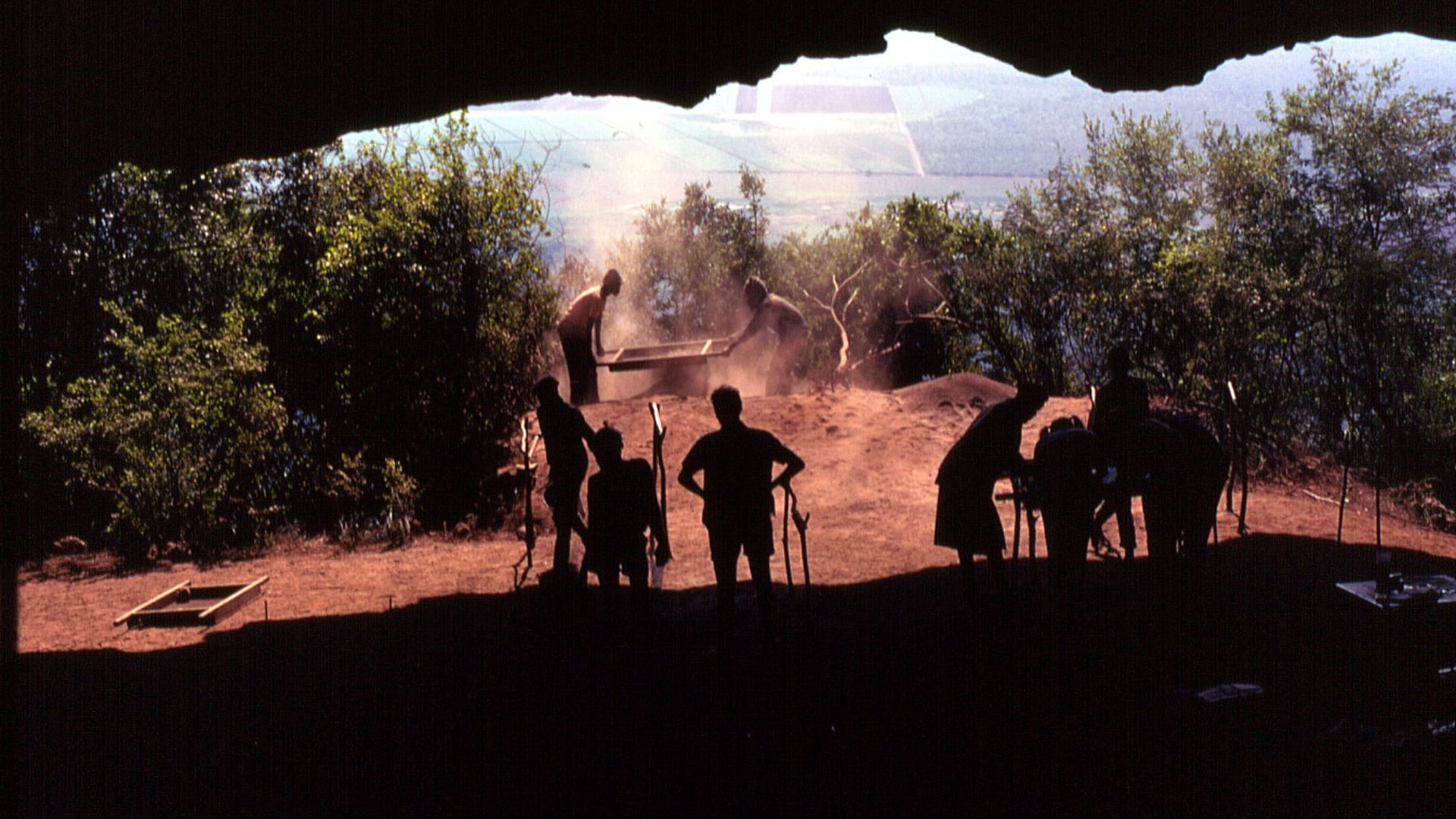
Marine shell beads appear in Middle Stone Age layers at Border Cave, dated between 70,000 and 80,000 years ago or later. They show perforation and wear from use as ornaments, part of diverse shell bead assemblages in southern Africa.
9. Porc-Epic Cave Ostrich Shell Beads
Ostrich eggshell fragments indicate a regional shift toward ostrich eggshell as the preferred material for ornaments in East Africa. Around 44,000 to 50,000 years ago, beads reflected symbolic practices that marked evolving traditions.
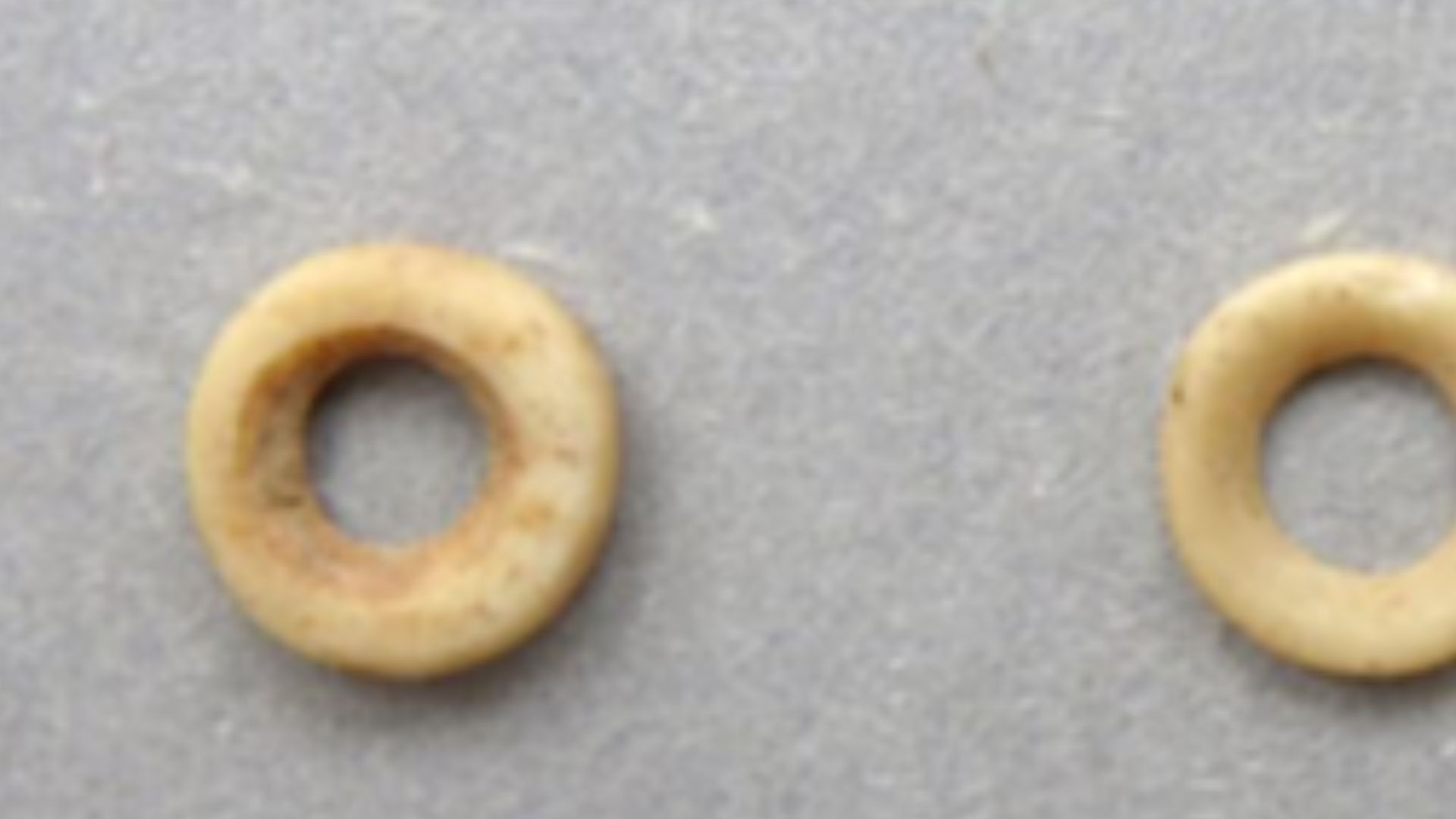
10. Enkapune Ya Muto Ostrich Shell Beads
Early ostrich eggshell beads mark transitions in East African ornament types with Middle Stone Age influences. The site provides continuity evidence in bead-making traditions from 40,000 to 50,000 years ago. Kenya developed its own distinctive local style, reflecting regional variation in how people chose personal decoration.
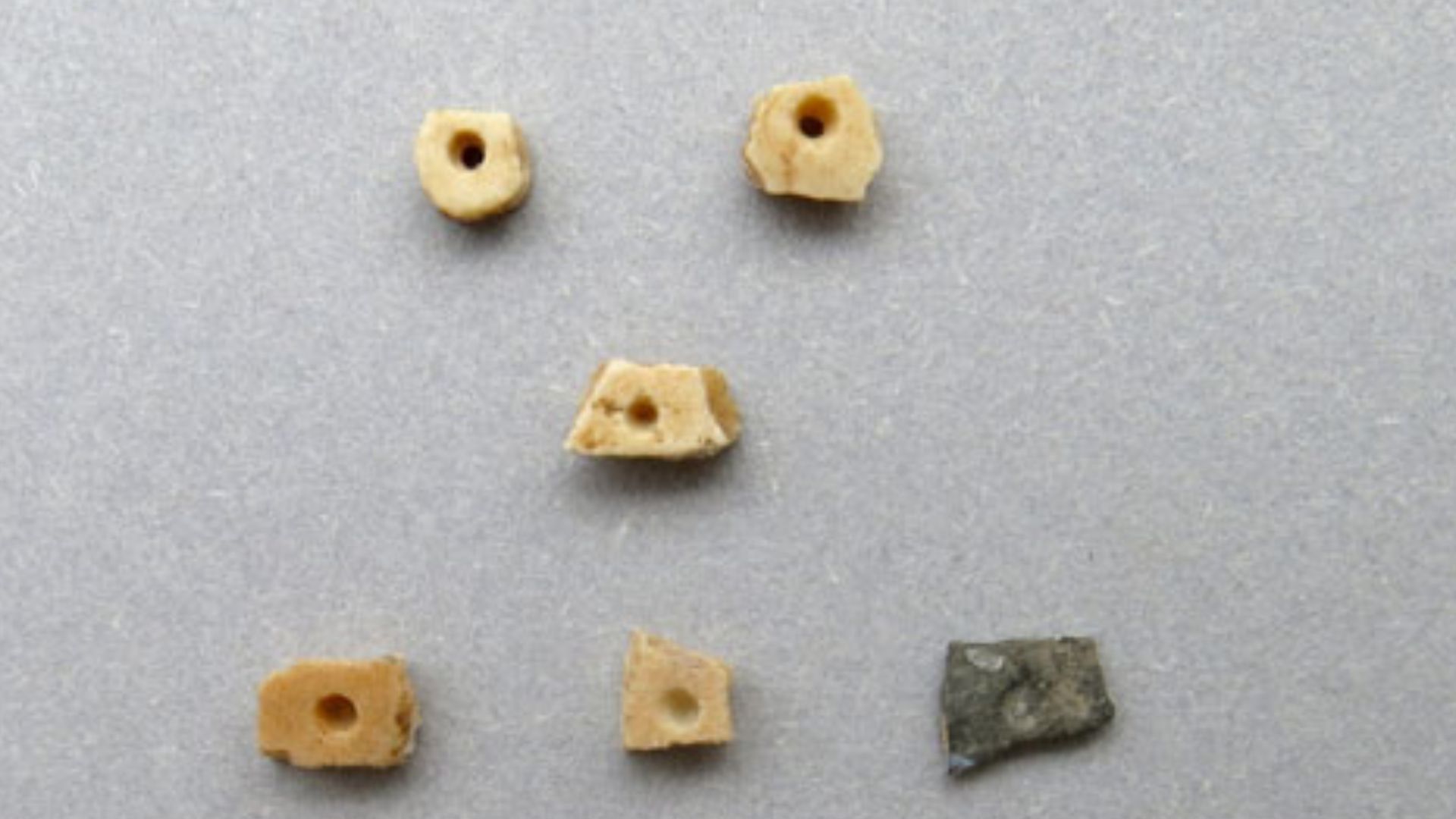
11. Three-Mouth Cave Shell Beads
Perforated marine shells date to early Upper Paleolithic layers around 40,000 to 45,000 years ago at Üçağızlı Cave. They show use by early modern humans in the Levant as part of diverse ornament assemblages, and multiple shell types were used at this site.
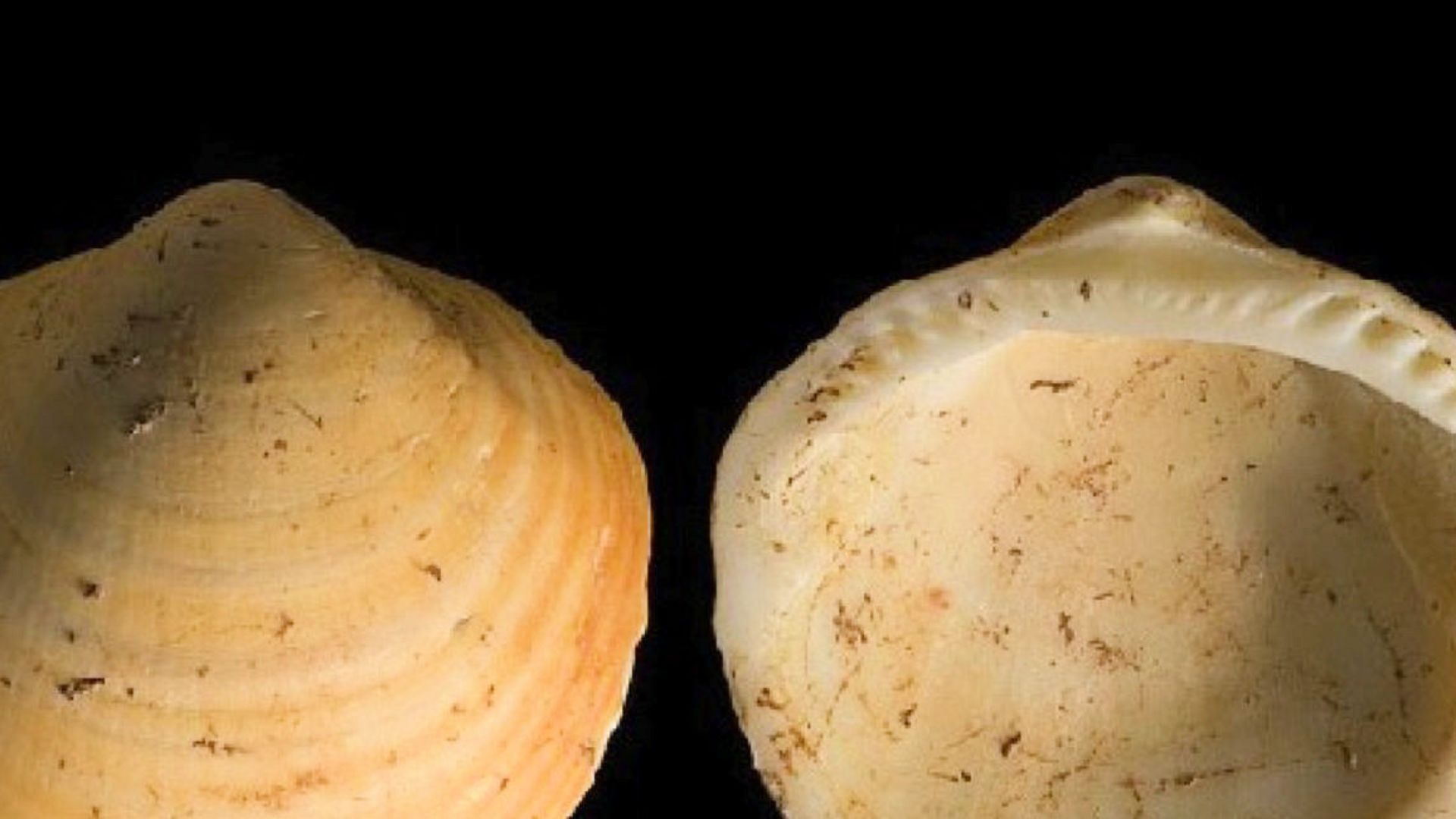
12. Ksar Akil Shell Beads
Shell beads indicate symbolic continuity across thousands of years in Lebanon's early modern human occupations. The deep sequences from around 40,000 years ago reveal ornament practices passing down through generations despite changing times and populations replacing each other.
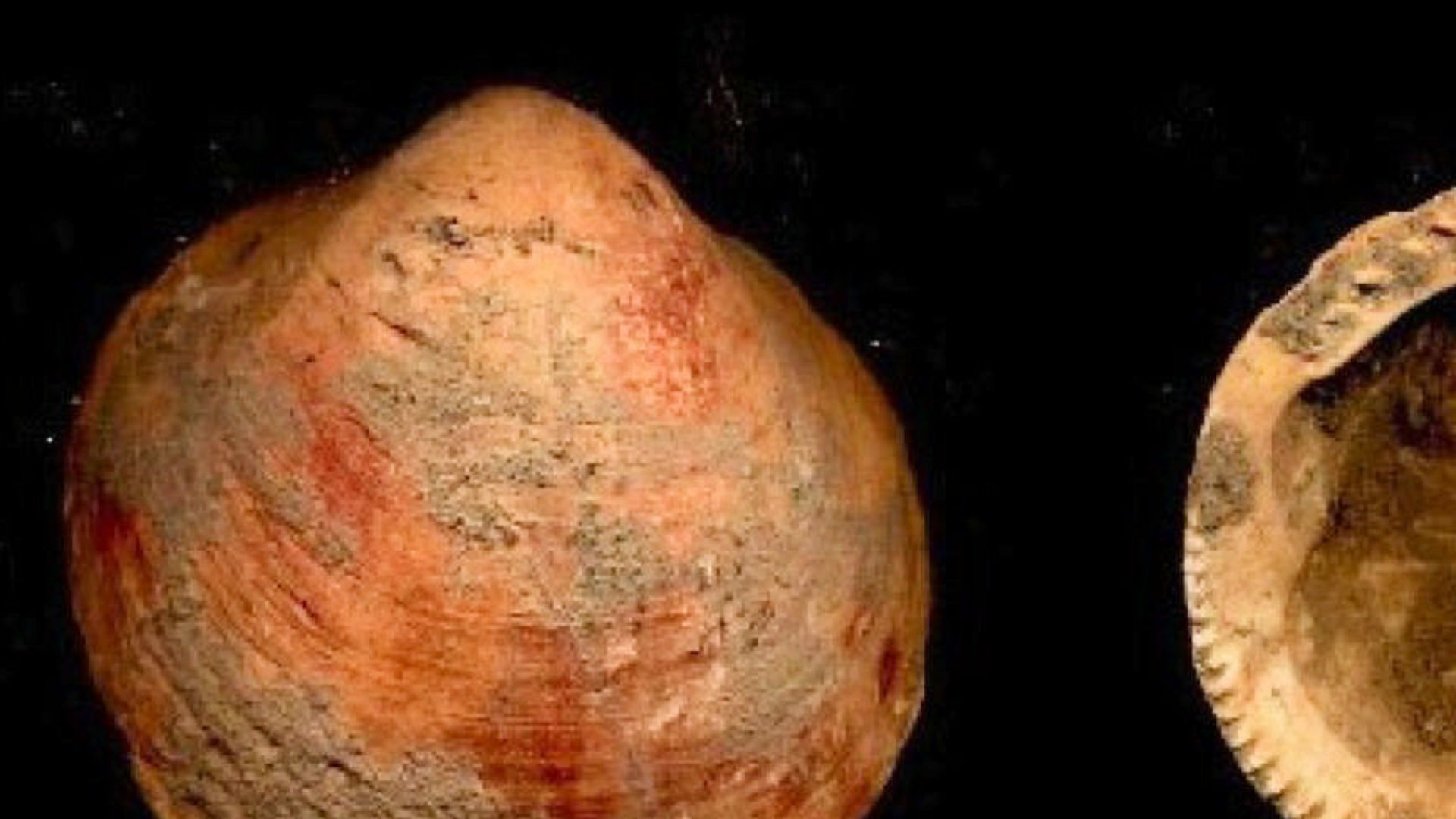
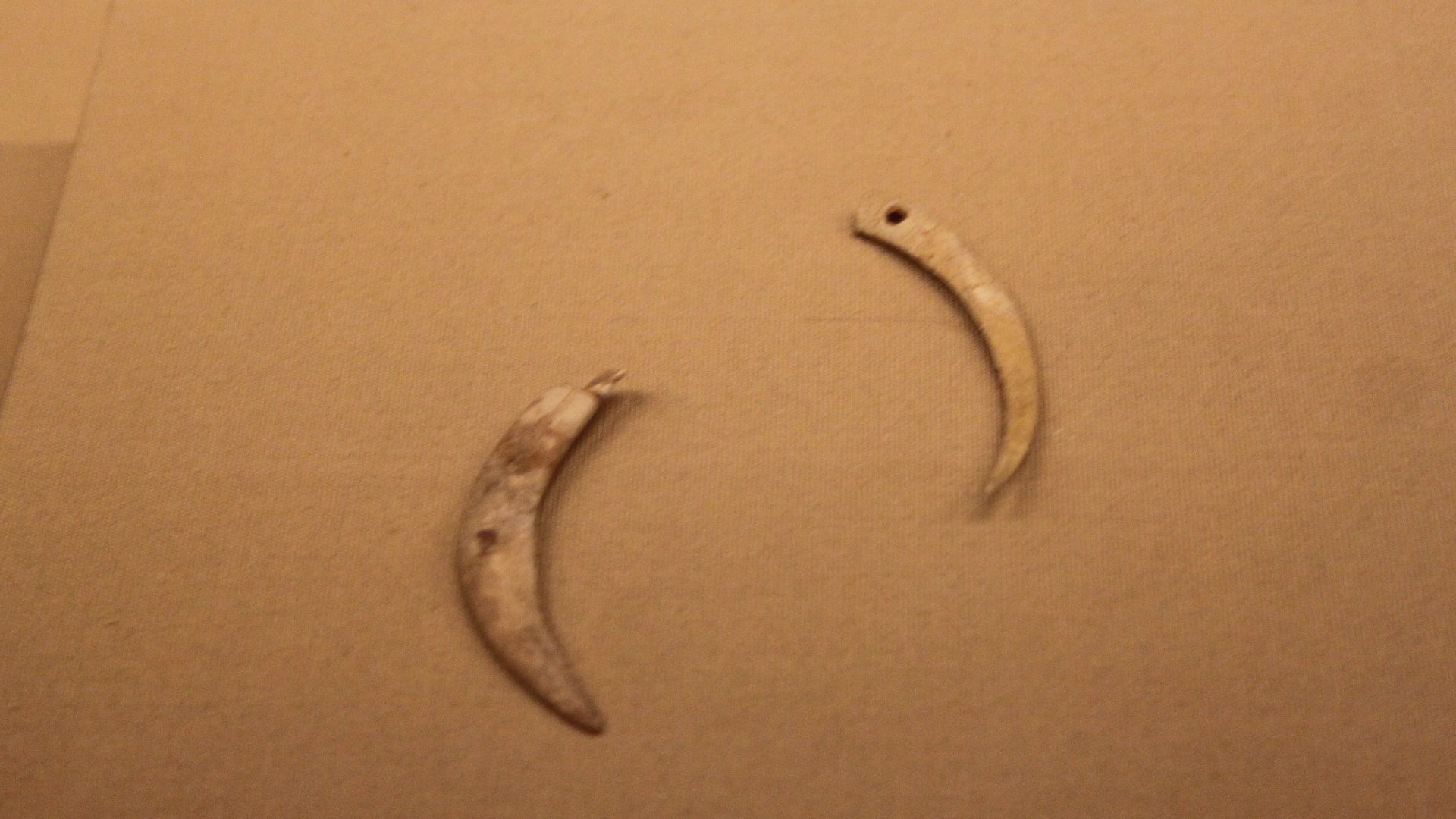
13. Reindeer Cave Fox Tooth Pendants
Fox teeth were apparently the trendy accessory in Ice Age France. Late Neanderthals or early modern humans selected these specific teeth for pendants. The tooth jewelry wasn't random scavenging but reflected preferences about what looked good and possibly carried meaning within Châtelperronian communities around 40,000 to 45,000 years ago.
 Gary Todd from Xinzheng, China on Wikimedia
14. Riparo Mochi Shell Ornaments
Beachcombing was already a thing—people walked Italian coasts looking for beautiful shells to transform into jewelry. Part of the Aurignacian symbolic culture spreading across Europe around 40,000 years ago, the marine ornaments show shared traditions among early modern human populations in different regions.
15. Denisova Cave Chlorite Bracelet
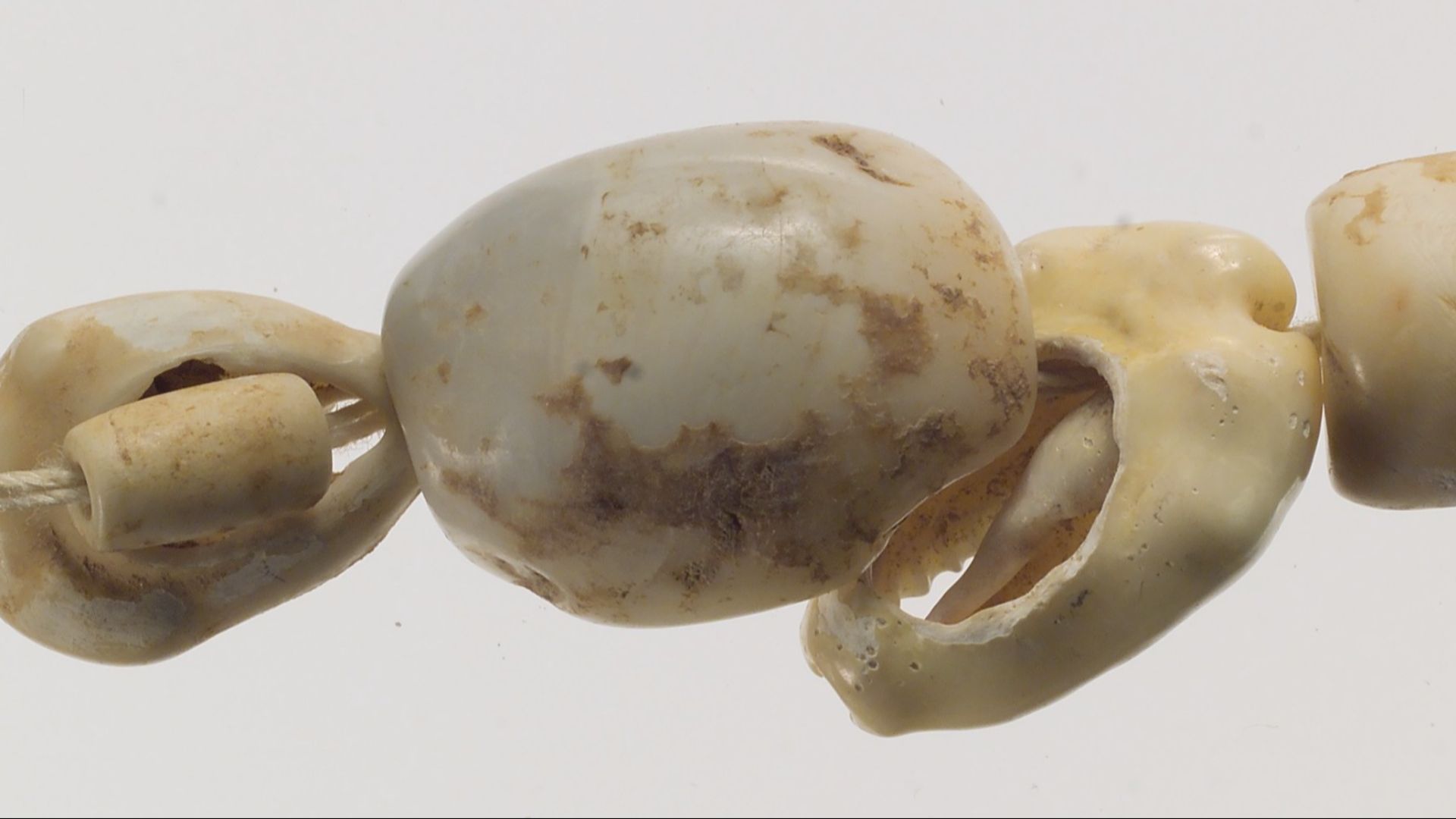
A polished chlorite bracelet fragment dates between 40,000 and 50,000 years ago from Upper Paleolithic layers at Denisova Cave. Made with advanced techniques like drilling and polishing using imported material from far away, it was found in layers with Denisovan remains.
16. Kostenki Mammoth Ivory Beads
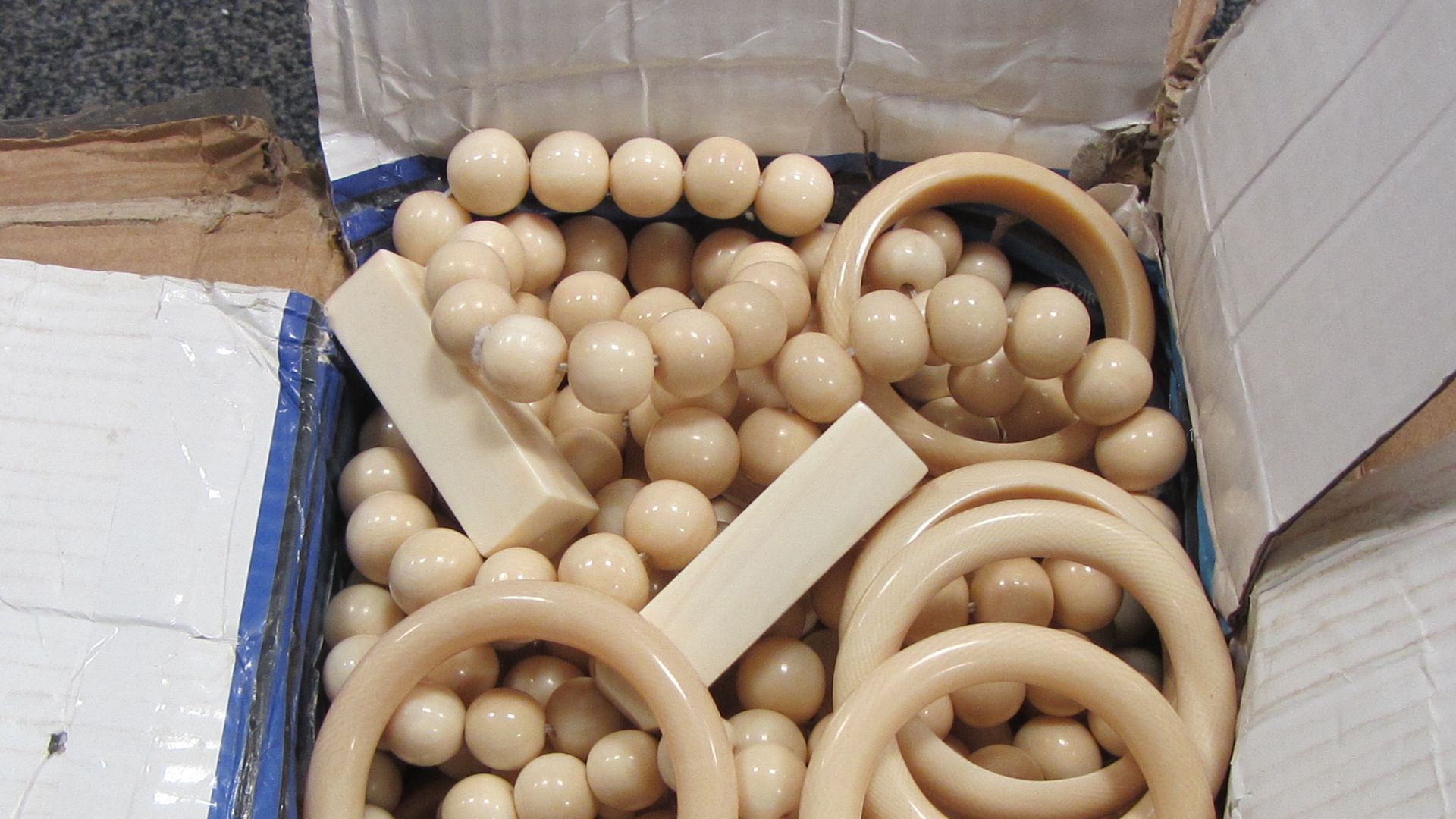
Mammoth ivory was ancient eco-luxury; people hunted massive animals, then carefully carved tusks into tiny decorative pieces. The material choice reveals a willingness to work extremely hard substances into small jewelry worn proudly around 35,000 to 40,000 years ago.
17. Sungir Burial Ivory Beads & Fox Teeth Pendants
Thousands of mammoth ivory beads and fox teeth pendants appear in burials dated between 30,000 and 34,000 years ago at the iconic Gravettian site in Russia. These elaborate grave goods show social status and care for the deceased.
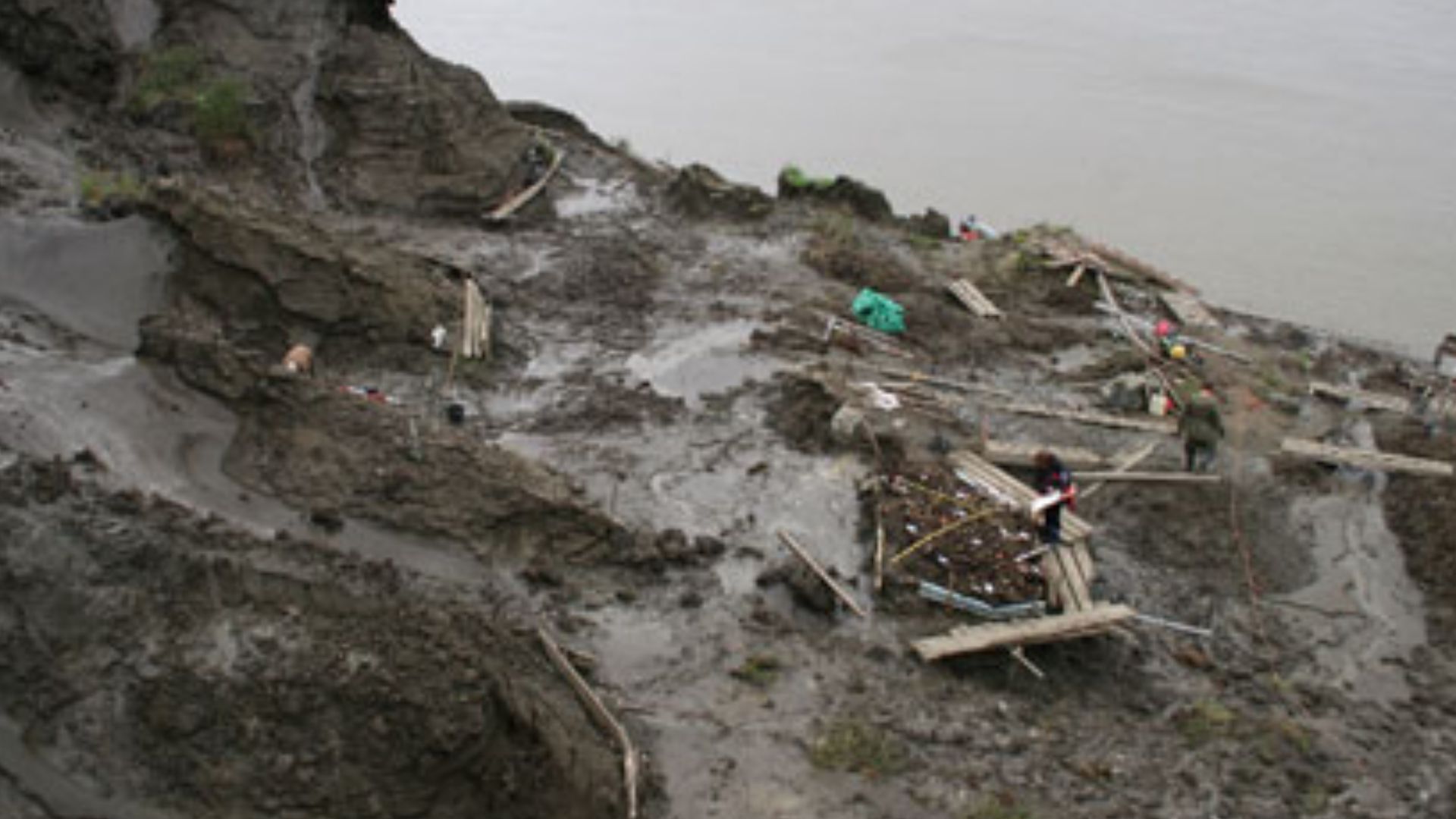
18. Yana Rhinoceros Horn Site Ivory Beads
Humans loved bling even in the freezing Arctic. Ivory beads provide evidence of symbolism in harsh Siberian environments linked to northern human expansion. Made in extreme cold around 30,000 to 32,000 years ago, these ornaments prove decoration wasn't a luxury reserved for comfortable living but a universal human drive.
19. Arcy-Sur-Cure Bone Pendants
Bone pendants date to the Middle Paleolithic/Châtelperronian. Associated with Neanderthals in France around 40,000 years ago, the ornaments suggest symbolic thinking evolved earlier than previously believed and across multiple human species living in Europe.
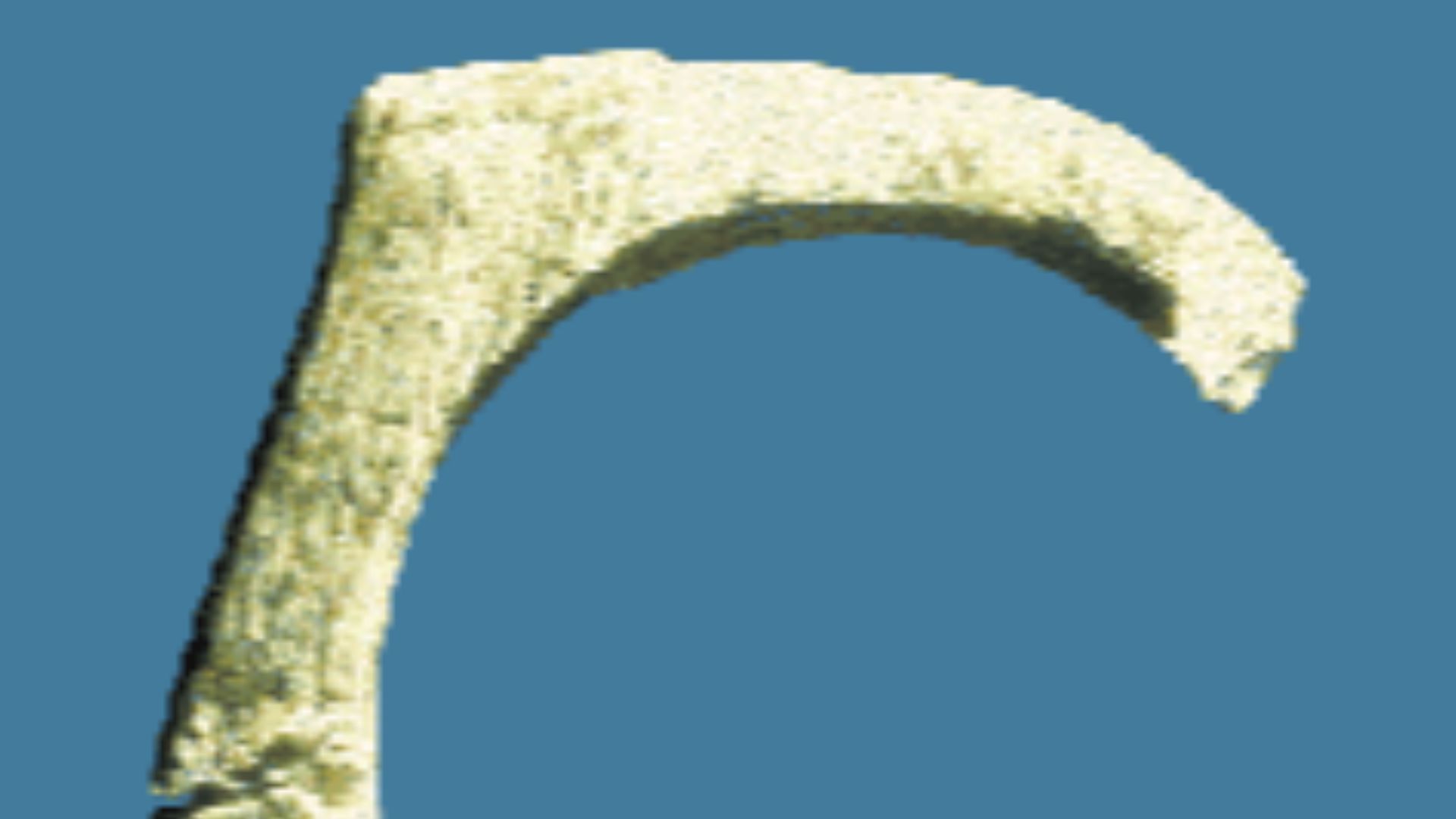 The original uploader was Elapied at French Wikipedia. on Wikimedia
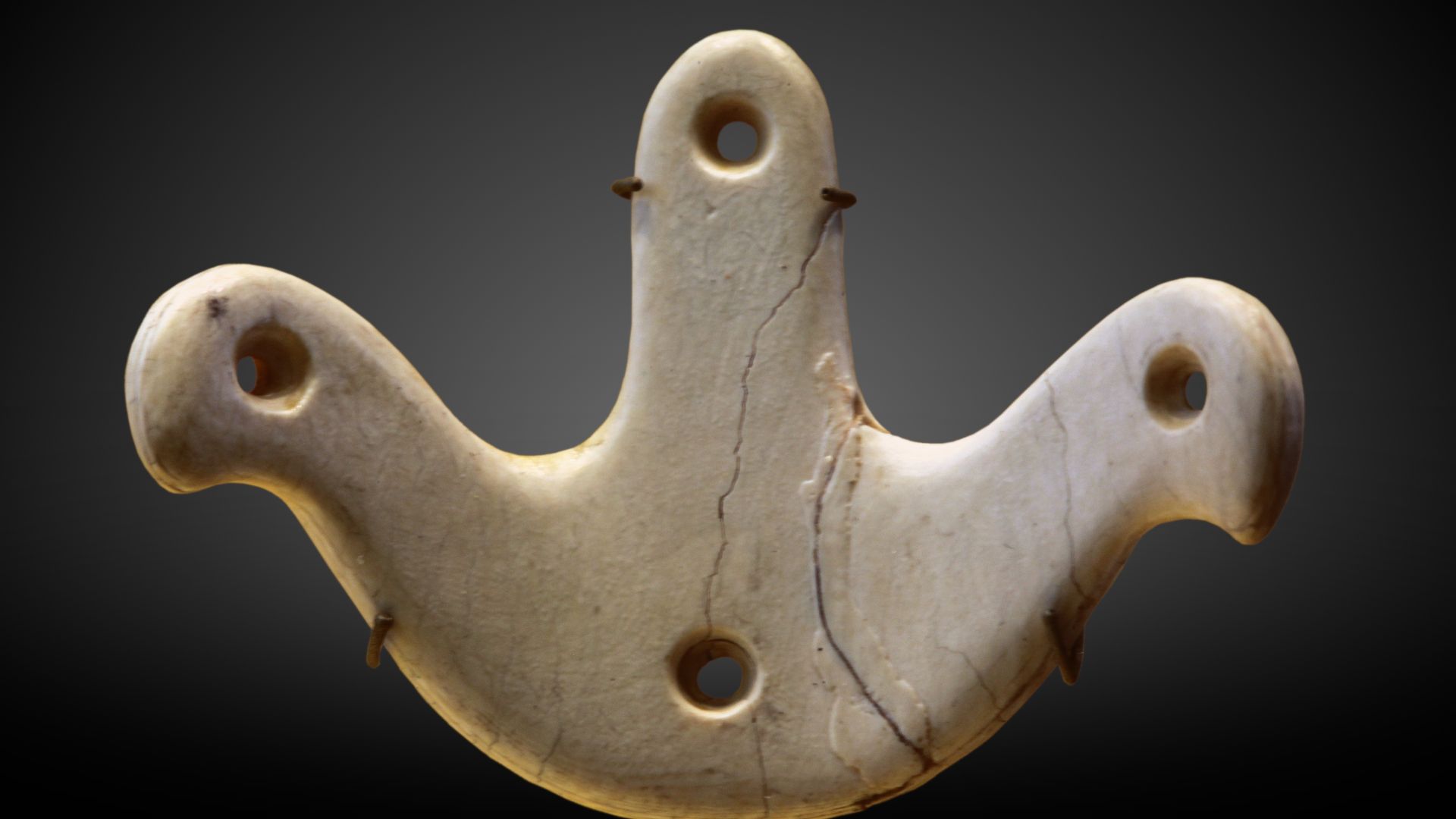
20. Mal'ta Siberian Ivory Bird Pendant
Tiny prehistoric art required patience and precision to shape hard mammoth ivory into something fragile and detailed. It was created purely for aesthetic or symbolic purposes around 24,000 to 25,000 years ago in Upper Paleolithic Siberia.
KEEP ON READING