When the Real Fighting Happens Off the Grass
Nobody expects a football match to end in aerial bombardment, but that's exactly what happened between two Central American neighbors back in the late '60s. The tension had been building for decades, sure, but three qualifying games turned simmering resentment into outright warfare. Fans rioted, flags burned, and politicians seized the moment. What started on the pitch finished on the battlefield, and for those unfamiliar, we're here to break down everything that happened.

1. Overpopulation in El Salvador
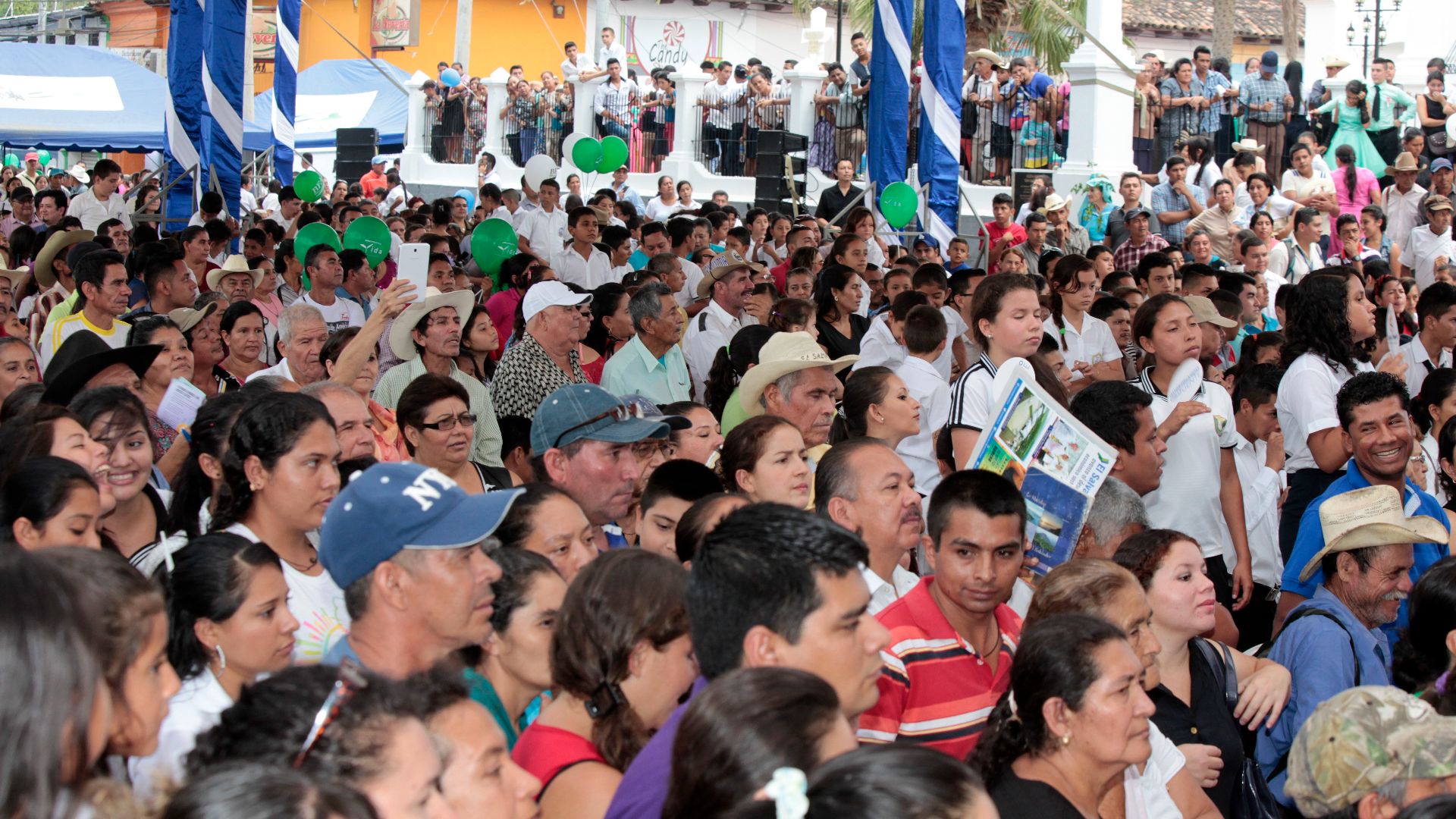
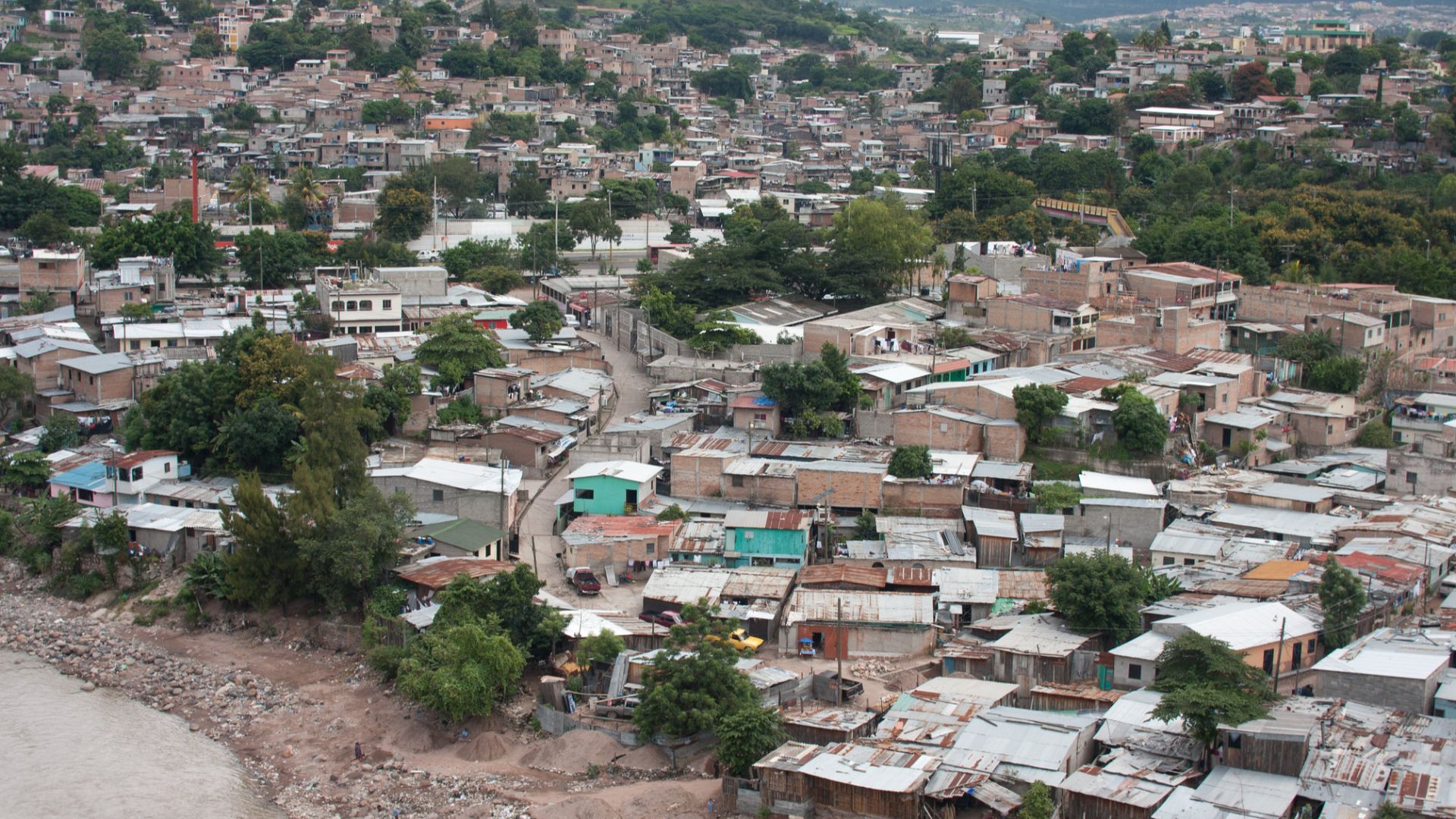
El Salvador's crowded conditions were likened to a packed stadium, explaining how "overcrowded stands" in society led to a soccer game sparking real explosions. The nation's 1969 population density exceeded 200 people per square kilometer, five times that of neighboring Honduras.
 Presidencia El Salvador from San Salvador, El Salvador, América Central on Wikimedia
2. Honduran Land Reforms
The 1962 Honduran land reforms displaced Salvadoran farmers systematically. They heightened expulsions that eventually culminated in 1969 when soccer qualifier riots provided the perfect pretext for El Salvador's military invasion over what became known as soccer-started grievances.
 Oregon State University on Wikimedia
3. Century-Old Border Disputes
Pre-qualifier skirmishes in 1969 were tied directly to soccer riots, demonstrating how games ignited longstanding territorial feuds into full-scale conflict between the two Central American neighbors. Unresolved 19th-century borders had simmered without resolution for generations, creating a powder keg waiting for the right spark.
4. U.S. Influence on Military Dictatorships
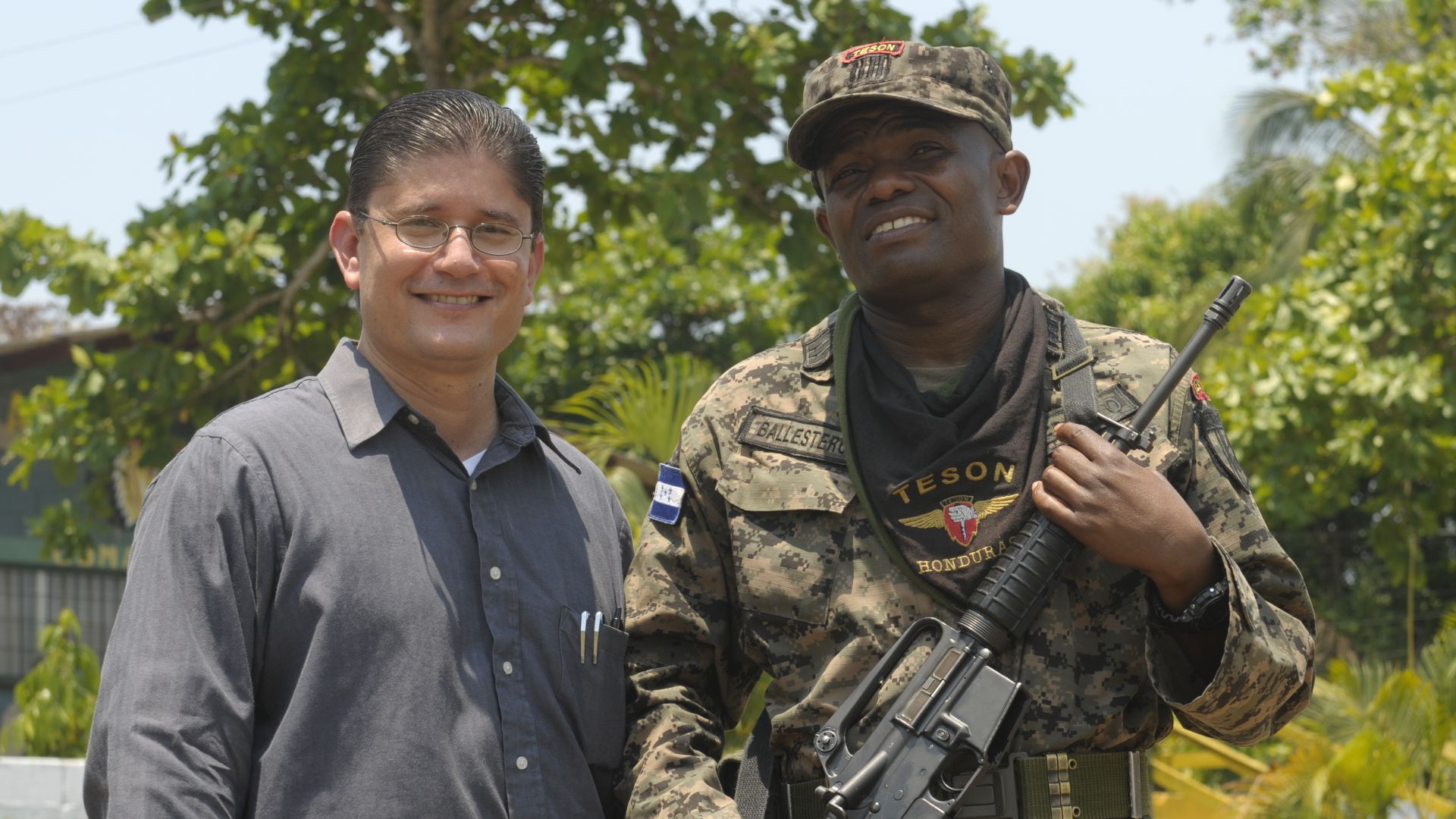
The "School of Dictators" taught military tactics that would later turn soccer fouls into actual battlefield strategies, adding an ironic "training ground" twist to Central American politics. U.S.-trained leaders in both El Salvador and Honduras eventually used anti-communist rhetoric.
 Sgt. 1st Class Walter Van Ochten on Wikimedia
5. Pre-Match Psychological Tactics in Tegucigalpa
Before the critical June 8, 1969, qualifier, Honduran fans subjected the visiting Salvadoran team to relentless all-night harassment, deliberately weakening them through sleep deprivation that directly contributed to their loss. And these aggressive tactics intensified the post-game violence.
6. Last-Minute Goal
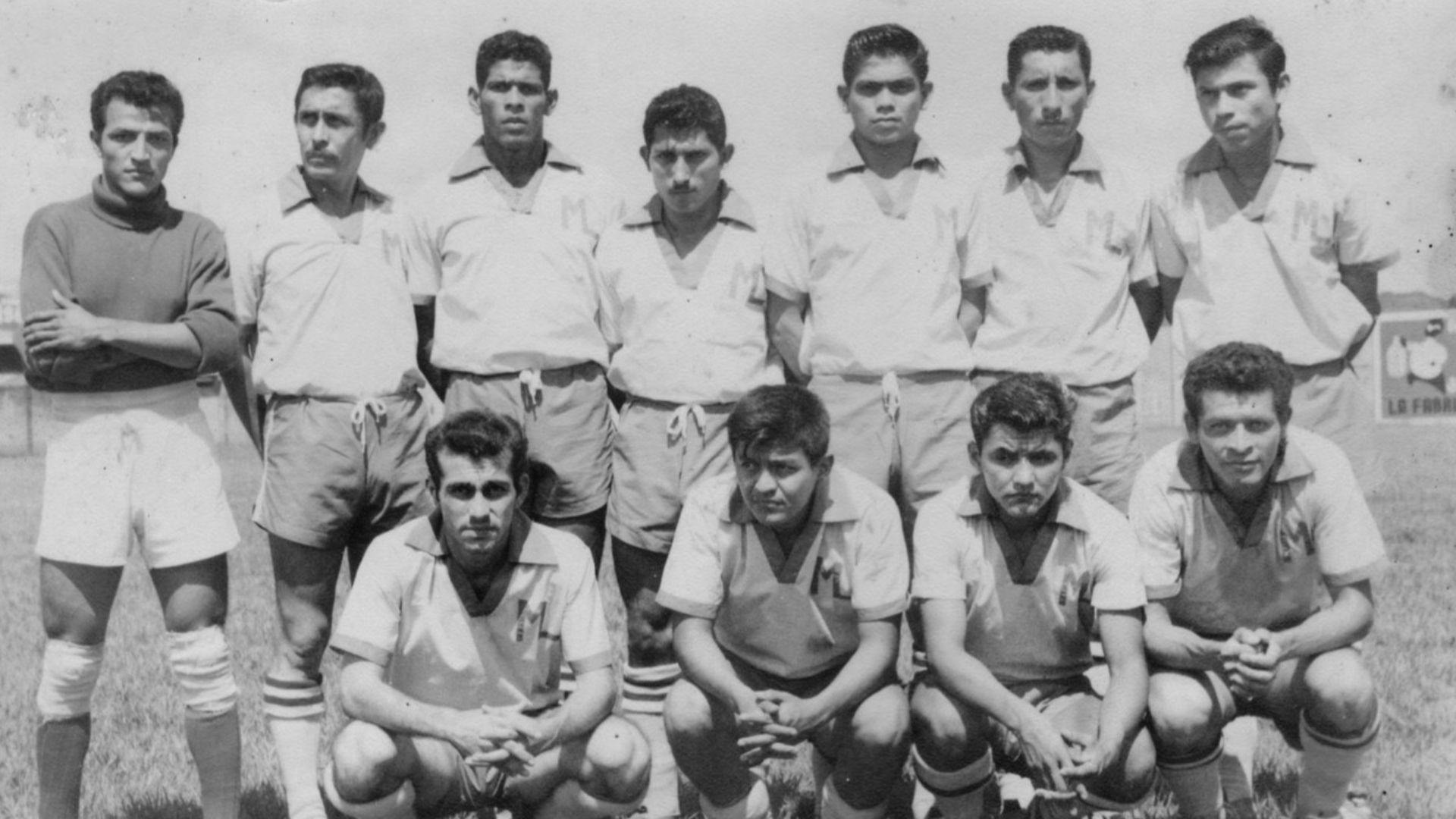
Roberto Cardona's strike in the 89th minute became the goal heard 'round the world, turning a late winner into an unexpected historical whistle-blower that would echo across Central America. His amazing goal gave Honduras a 1–0 victory on June 8, 1969.

7. Attacks on Salvadoran Fans Post-First Game
Fans fleeing with ripped jerseys spun tales of "soccer survival," lightly highlighting how an ordinary game day turned into a terrifying war prelude nobody expected. Following Honduras's victory, Salvadoran fans endured brutal beatings in Tegucigalpa.
 Luisi Doré Padilla on Wikimedia
8. Retaliatory Violence in San Salvador
During El Salvador's commanding June 15, 1969, victory, it was now Honduran fans who faced brutal attacks and riots, mirroring prior violence. Desecration of the Honduran flag during the match carried powerful symbolic weight, fueling revenge and post-game unrest.
9. Extra-Time Decider in Mexico City
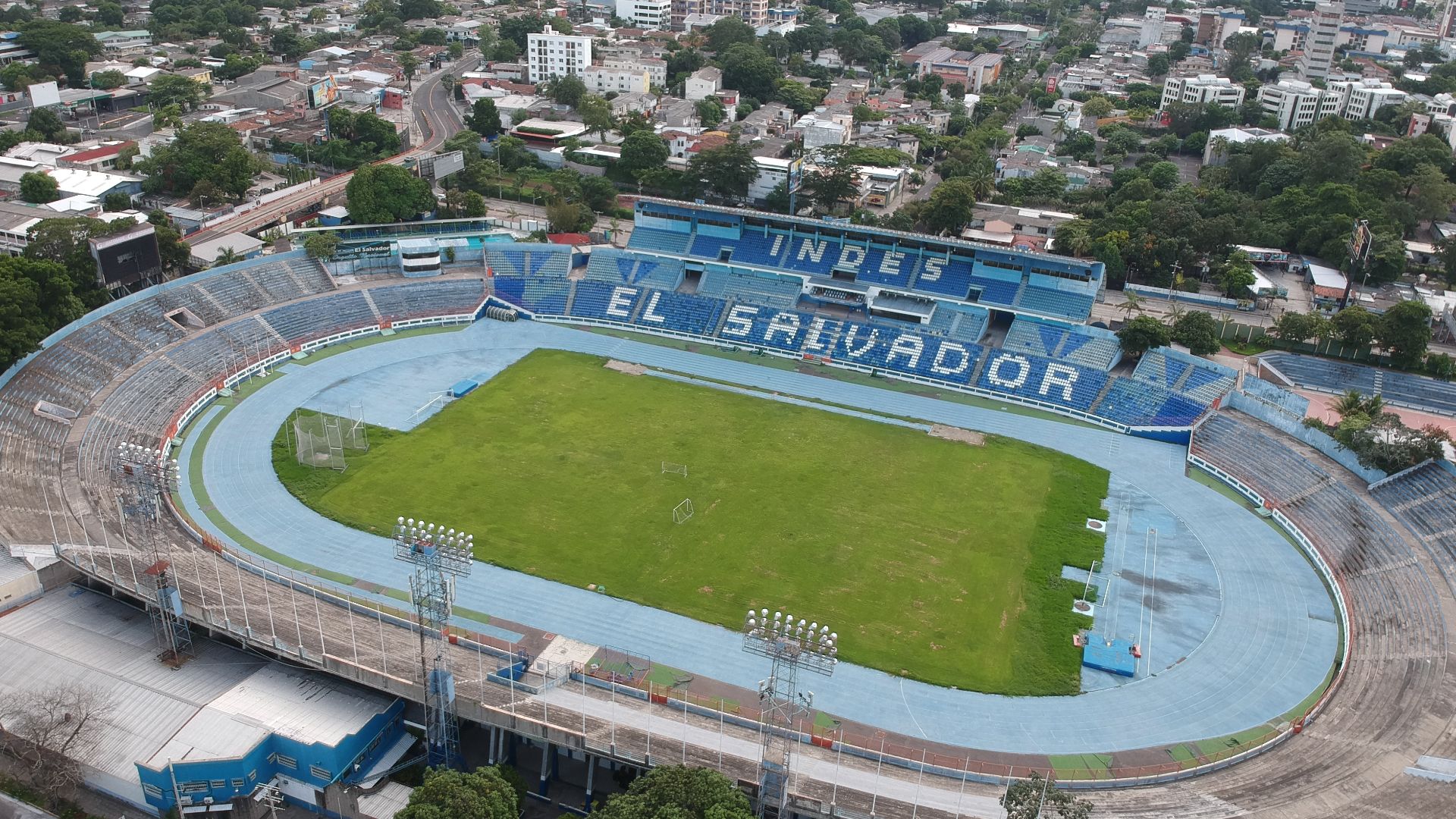
Interestingly, Mauricio Rodríguez's goal in the 101st minute secured El Salvador's dramatic 3–2 victory on June 26, 1969, but it immediately sparked a diplomatic severance that marked the war's soccer-triggered onset. The rainy extra-time winner was described as a “soggy spark.”
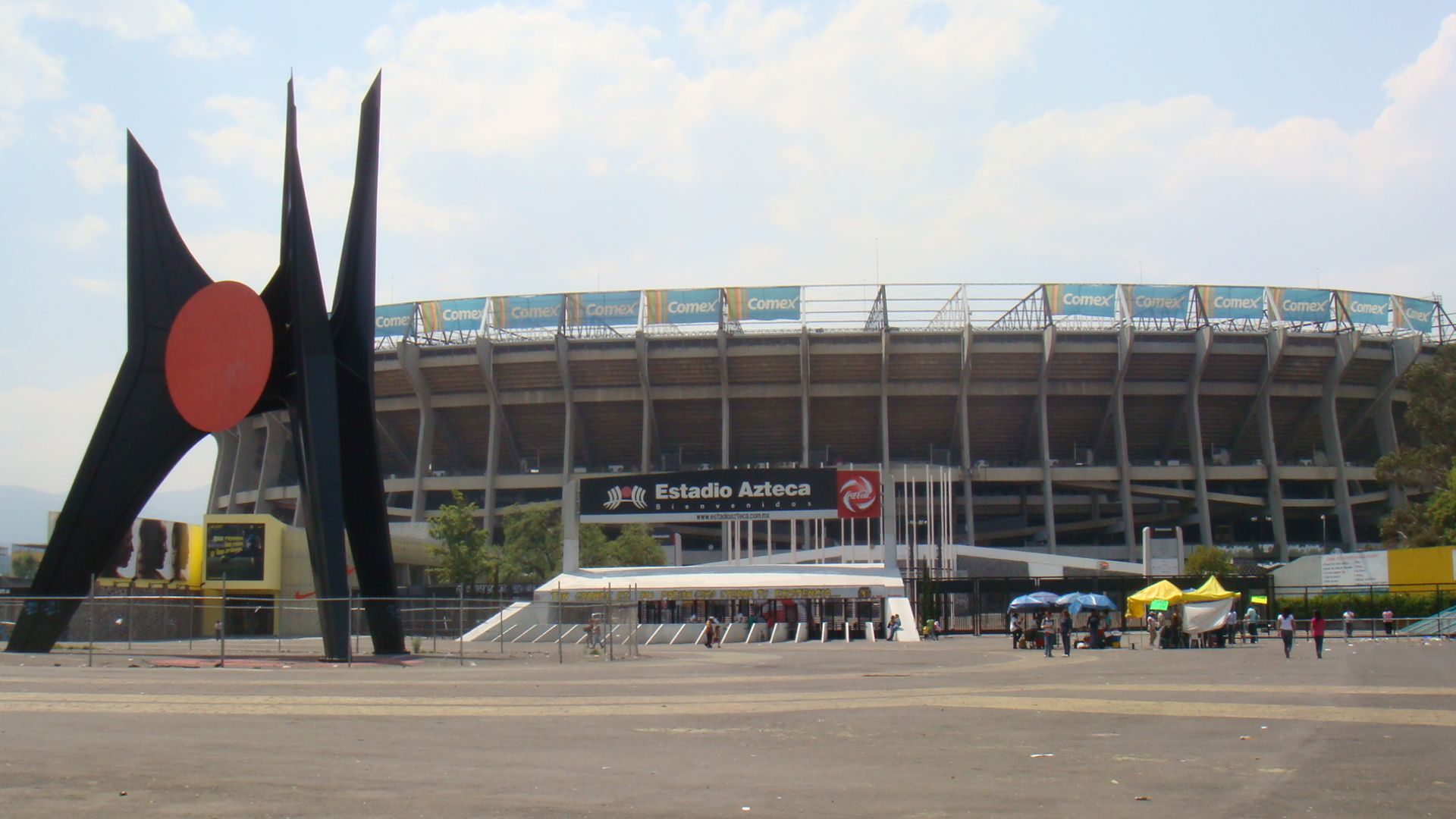
10. Immediate Diplomatic Break After Playoff
Victory celebrations turned into something else entirely, demonstrating soccer's unprecedented power to end international relations faster than a referee's red card. El Salvador officially severed diplomatic ties with Honduras on June 26, 1969, immediately following their playoff victory.
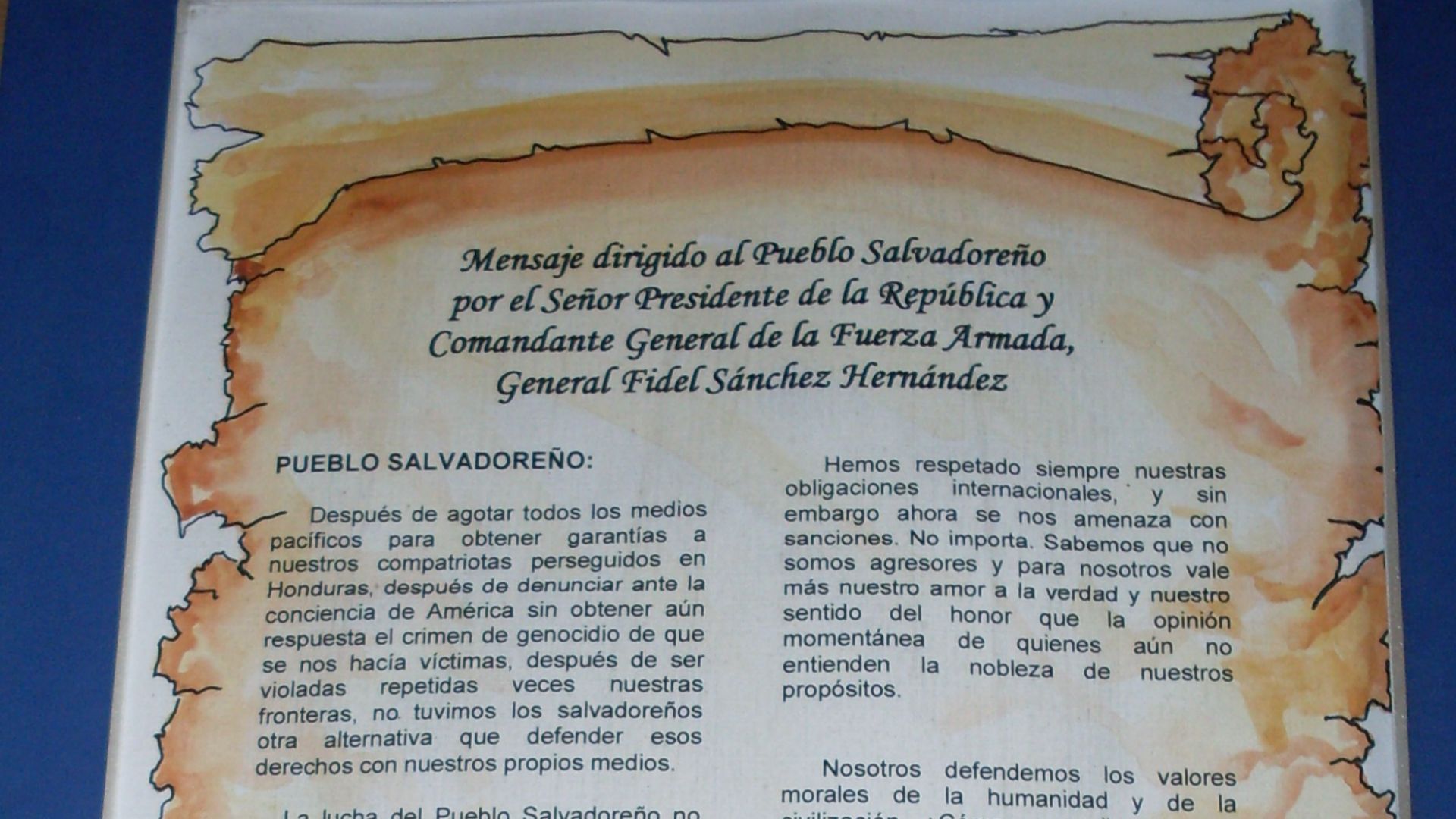
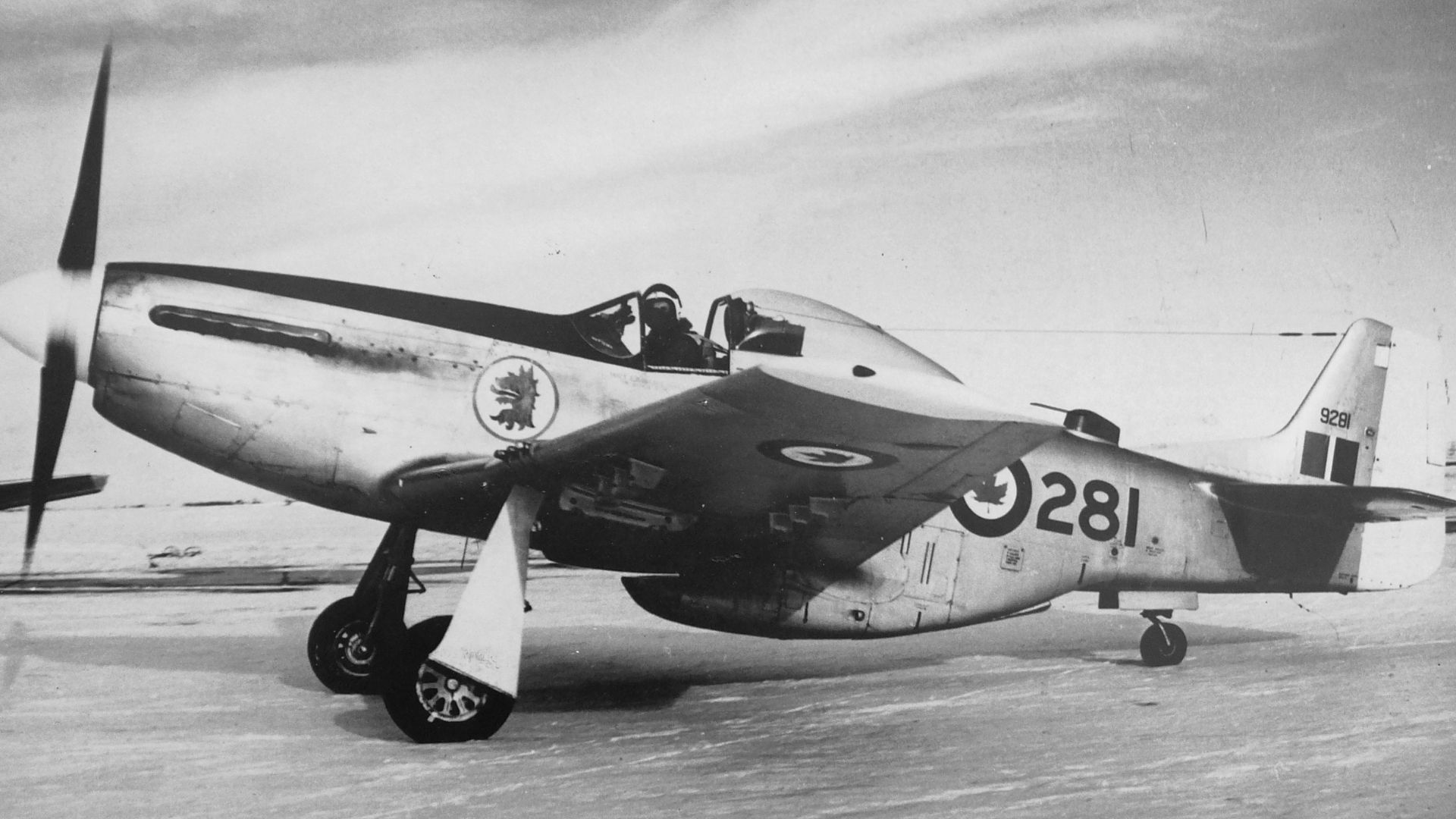
11. Salvadoran Air Strikes
On July 14, 1969, El Salvador launched coordinated raids against Honduran military targets, dramatically escalating soccer qualifier disputes into actual aerial warfare that marked the conflict's official violent start. Using vintage WWII planes, the strikes served as fodder for soccer's modern war kickoff.
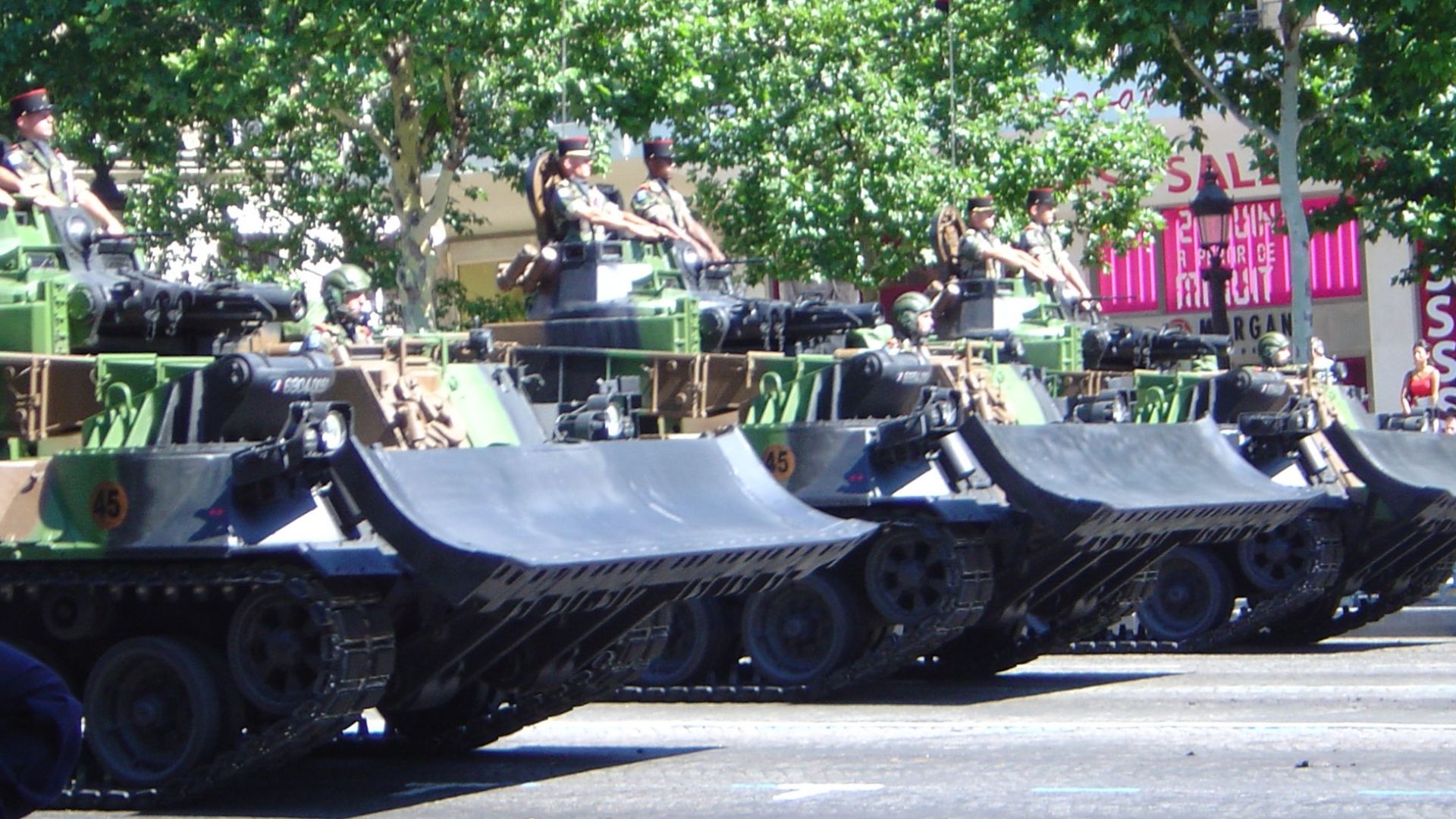
12. Ground Invasion
Armored bulldozers unexpectedly led the charge, bulldozing a path from soccer fields to actual battlefields in what became a surreal military operation. Salvadoran ground troops crossed into Honduras on July 14, 1969, advancing rapidly amid relentless soccer-fueled propaganda.
13. Honduran Air Force Counteroffensive
The last piston-engined dogfight in military history occurred above Central America, evolving directly from soccer violence into dramatic aerial combat that military historians still study today. Honduras struck back with raids targeting Salvadoran supply lines in direct retaliation.
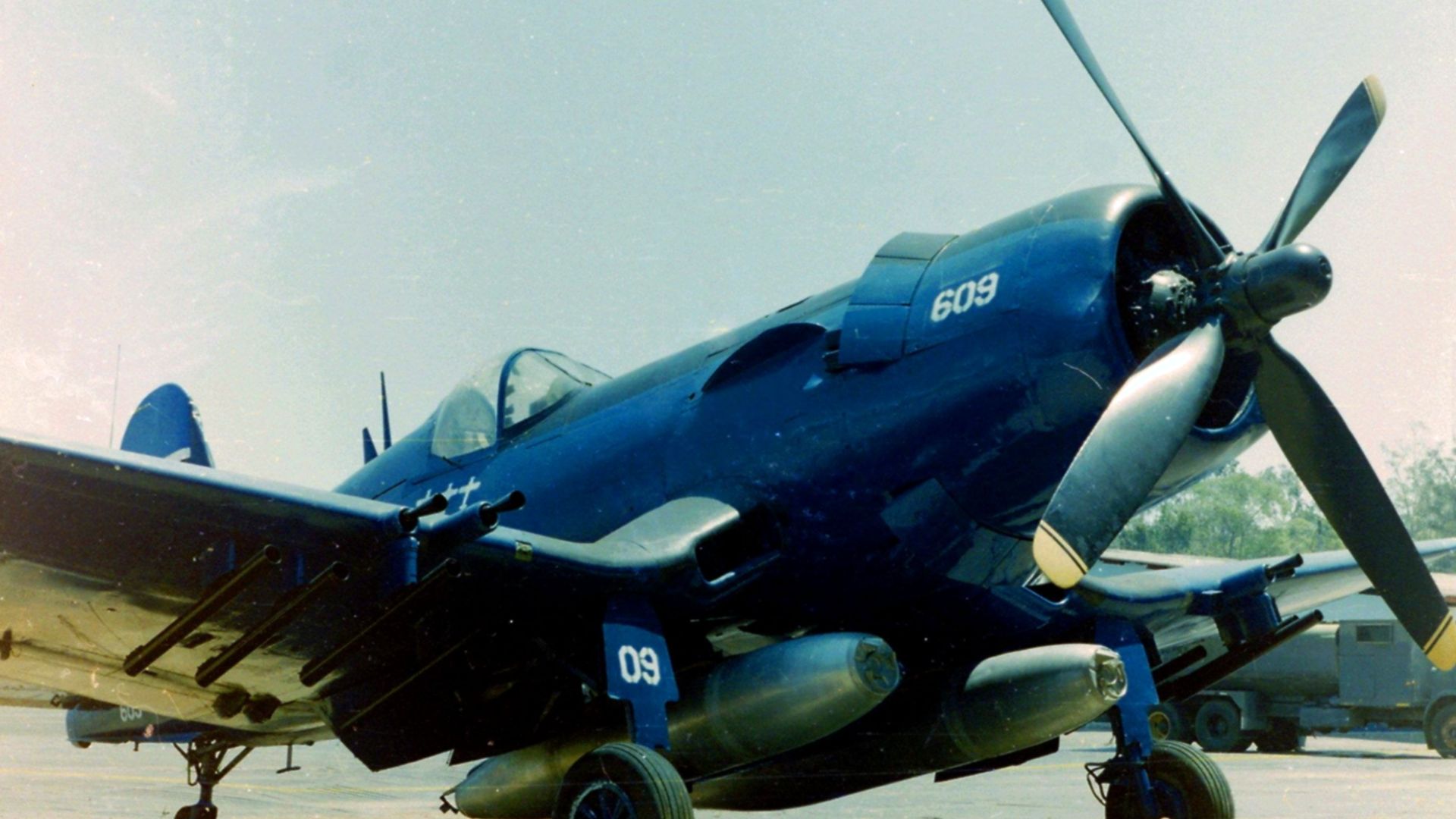 User:Bernardo Moncada on Wikimedia
14. Ceasefire Mediated By the OAS
Lasting barely longer than a few soccer matches combined, the conflict earned its "quick war" status from what began as nothing more than a sports spat between neighbors. The Organization of American States brokered a ceasefire on July 18, 1969, after exactly 100 hours of fighting.
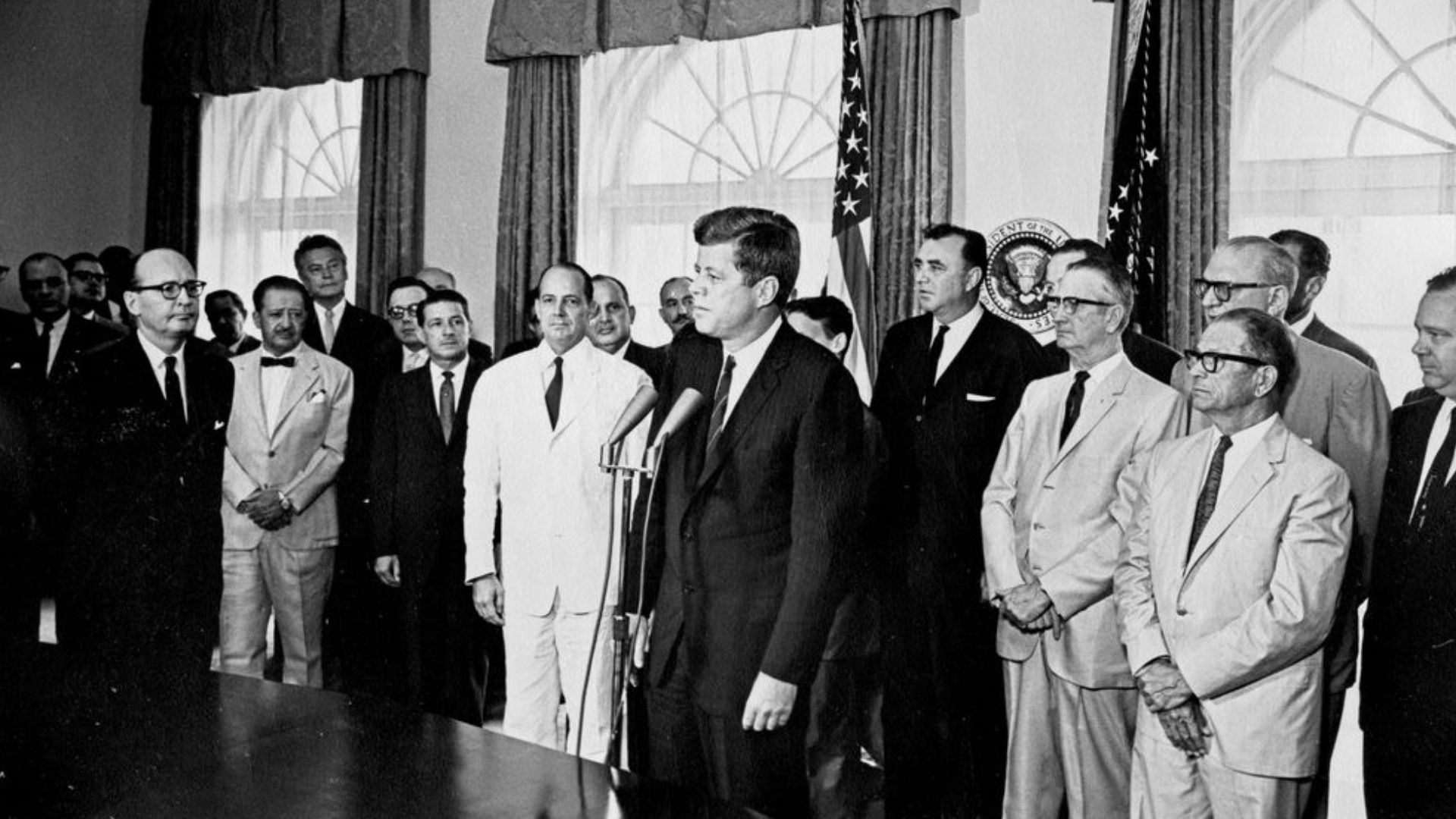
15. Propaganda Slogans Inciting Hatred
Devastating slogans amplified soccer riots with terrifying efficiency, framing the games explicitly as the war's starting point in public consciousness. To make matters worse, rhyming incitements added a disturbing chant-like fervor to the violence.
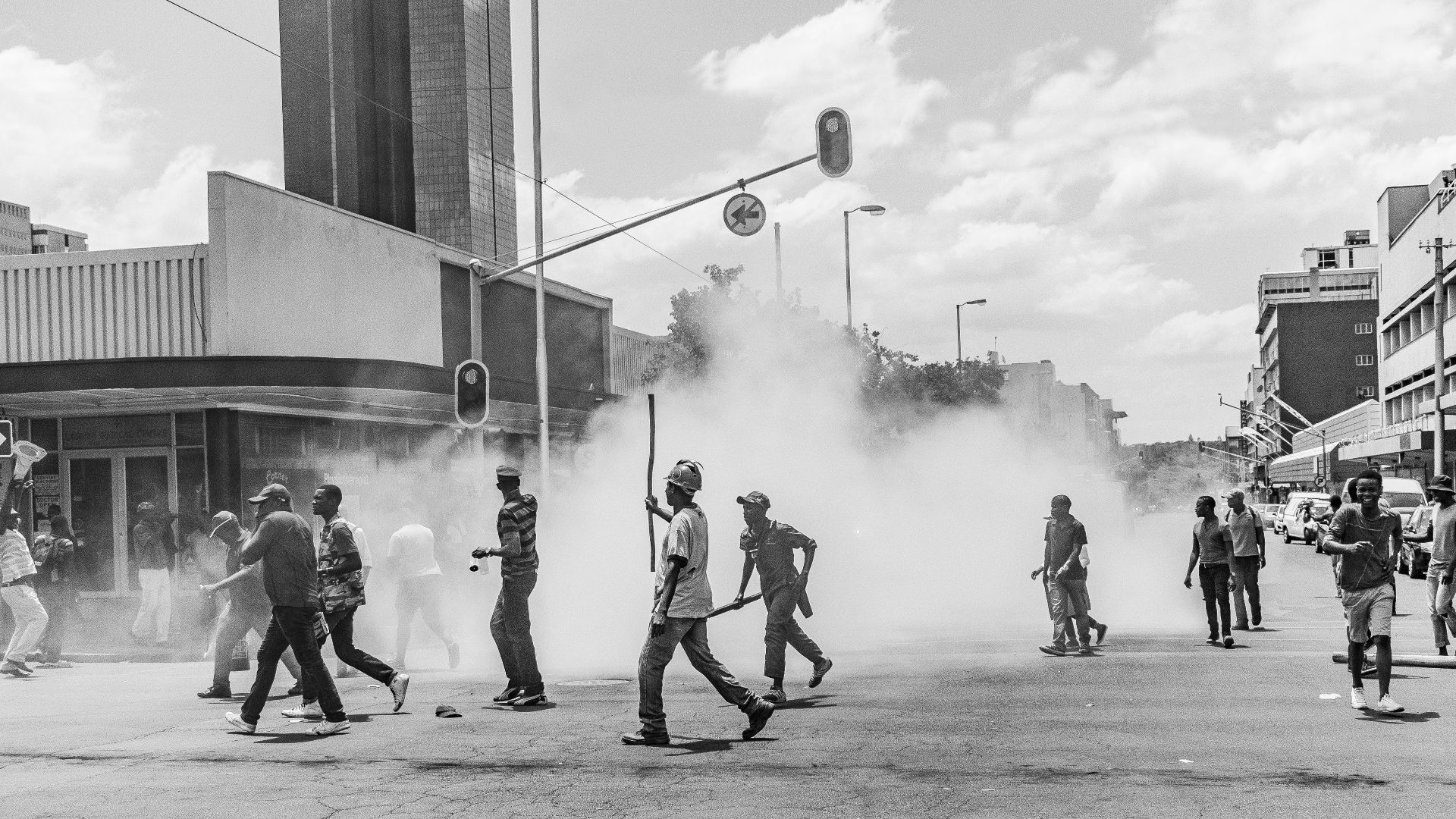
16. Civilian Casualties Dominating Losses
Over 2,000 civilians passed away in the brief conflict, with estimates varying between 1,500 and 4,000 total deaths, making non-combatants the primary victims of soccer-sparked riots.
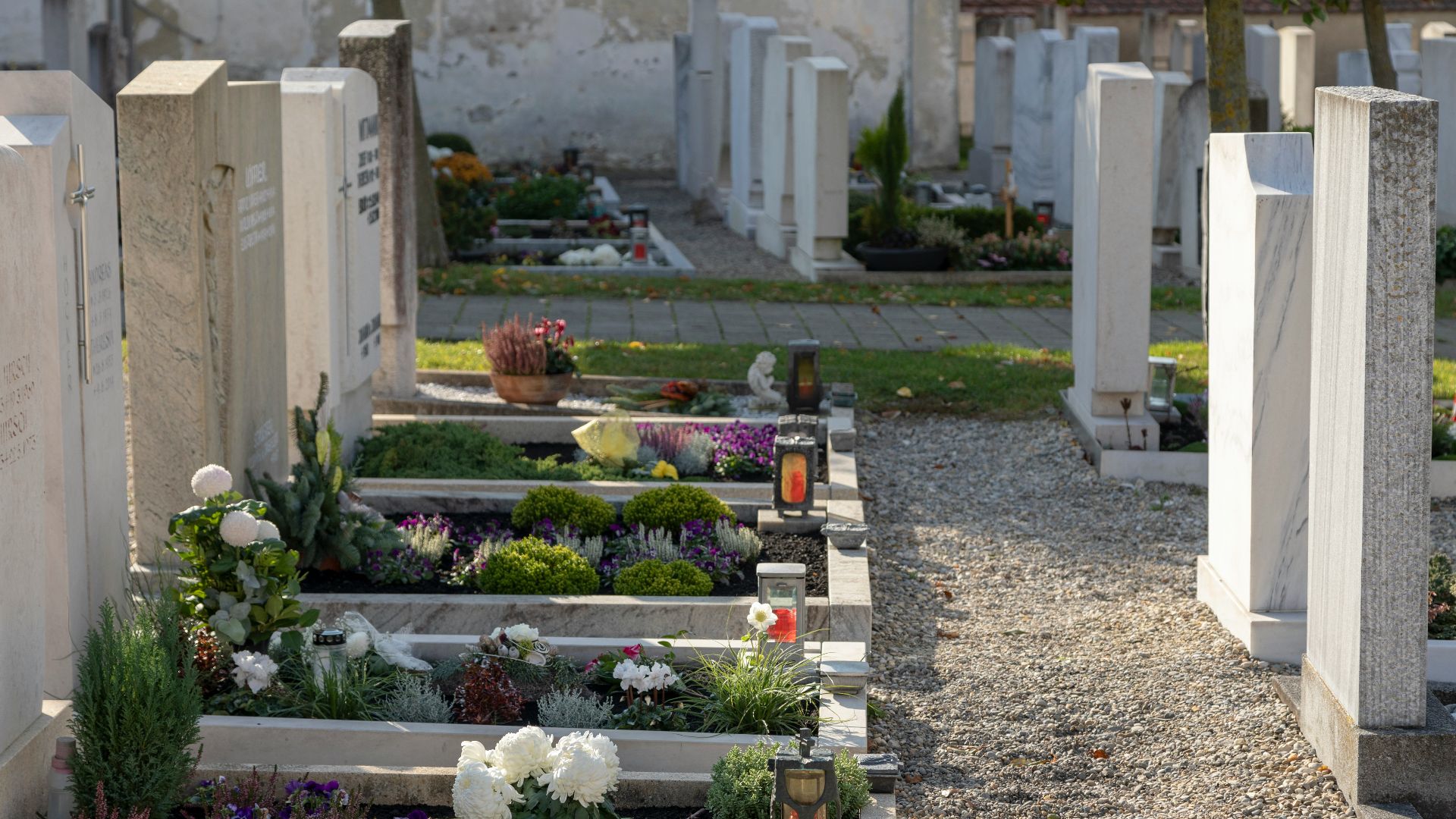
17. Mass Displacement of Salvadorans
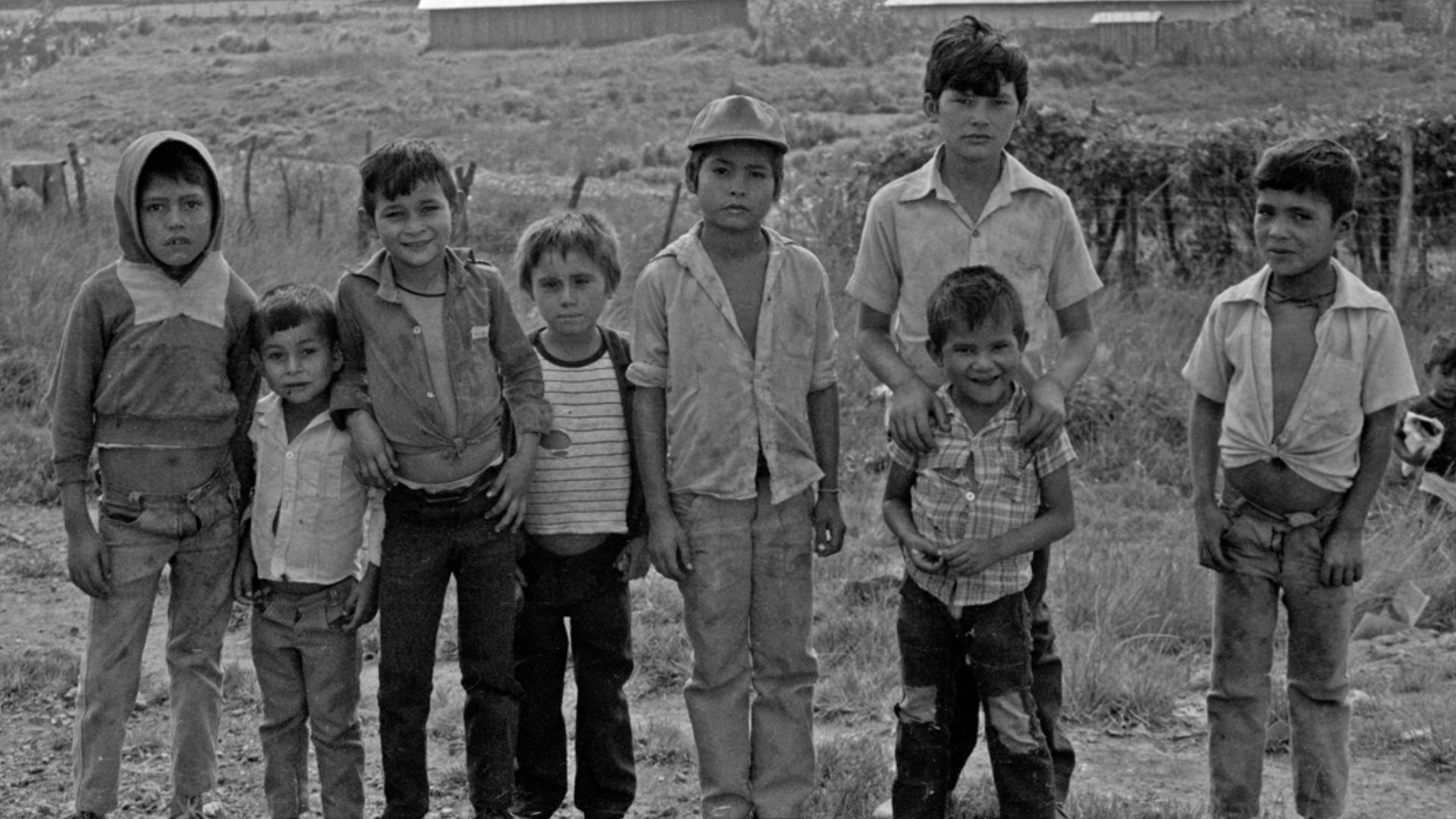
Refugees clutched match tickets as mementos while fleeing. More than 100,000 Salvadorans fled Honduras following the qualifiers, with estimates ranging from 60,000 to 130,000 people forced from their homes due to soccer-triggered expulsions.
 Linda Hess Miller on Wikimedia
18. Economic Devastation in Border Regions
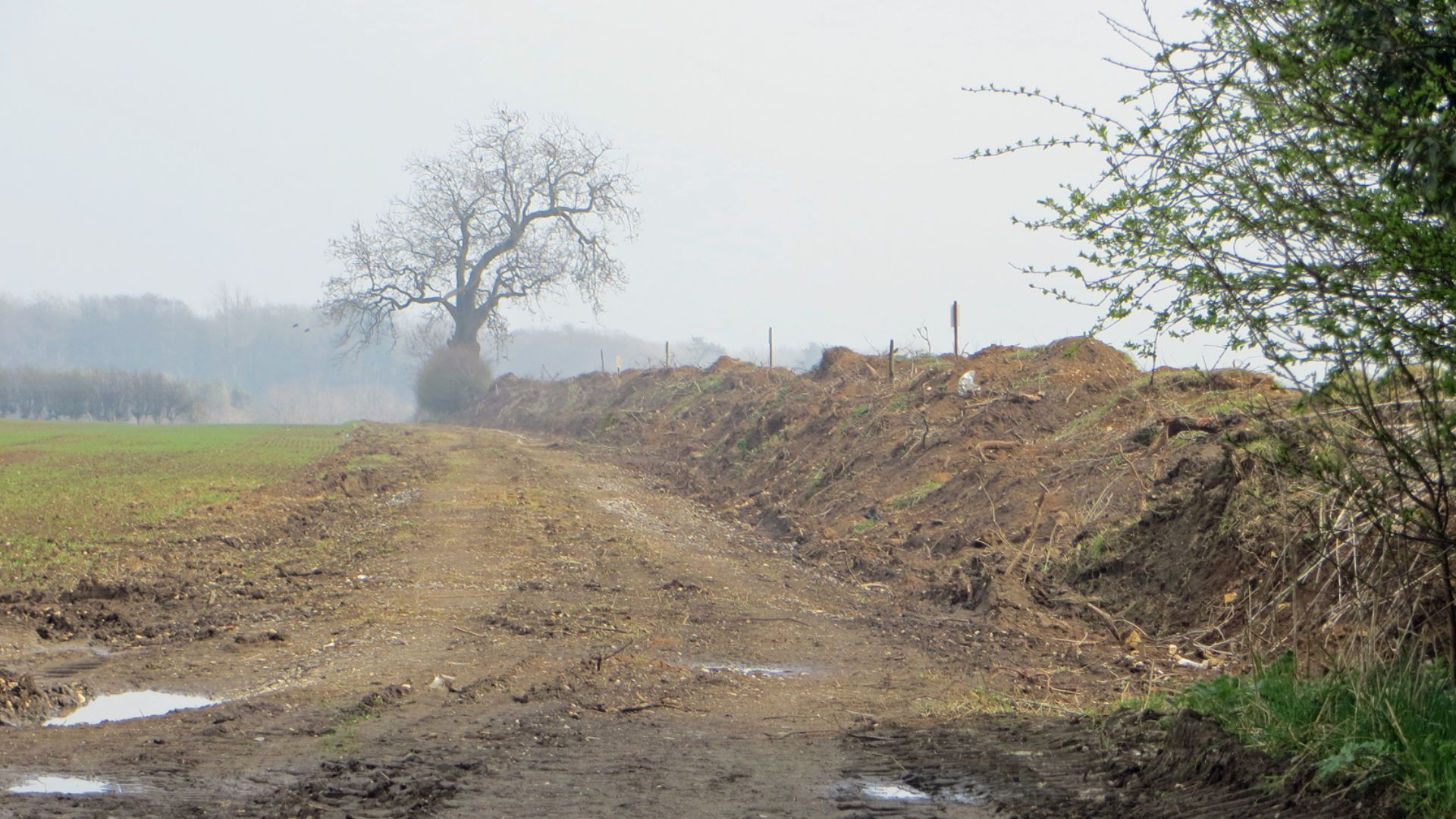
The battle completely wrecked farms and disrupted trade networks, costing both nations millions of dollars in damages stemming from soccer-escalated invasions that achieved nothing. Border economic stagnation persisted for decades afterward, framing the games as economic war starters with long-term consequences.
19. No Territorial Changes Post-War
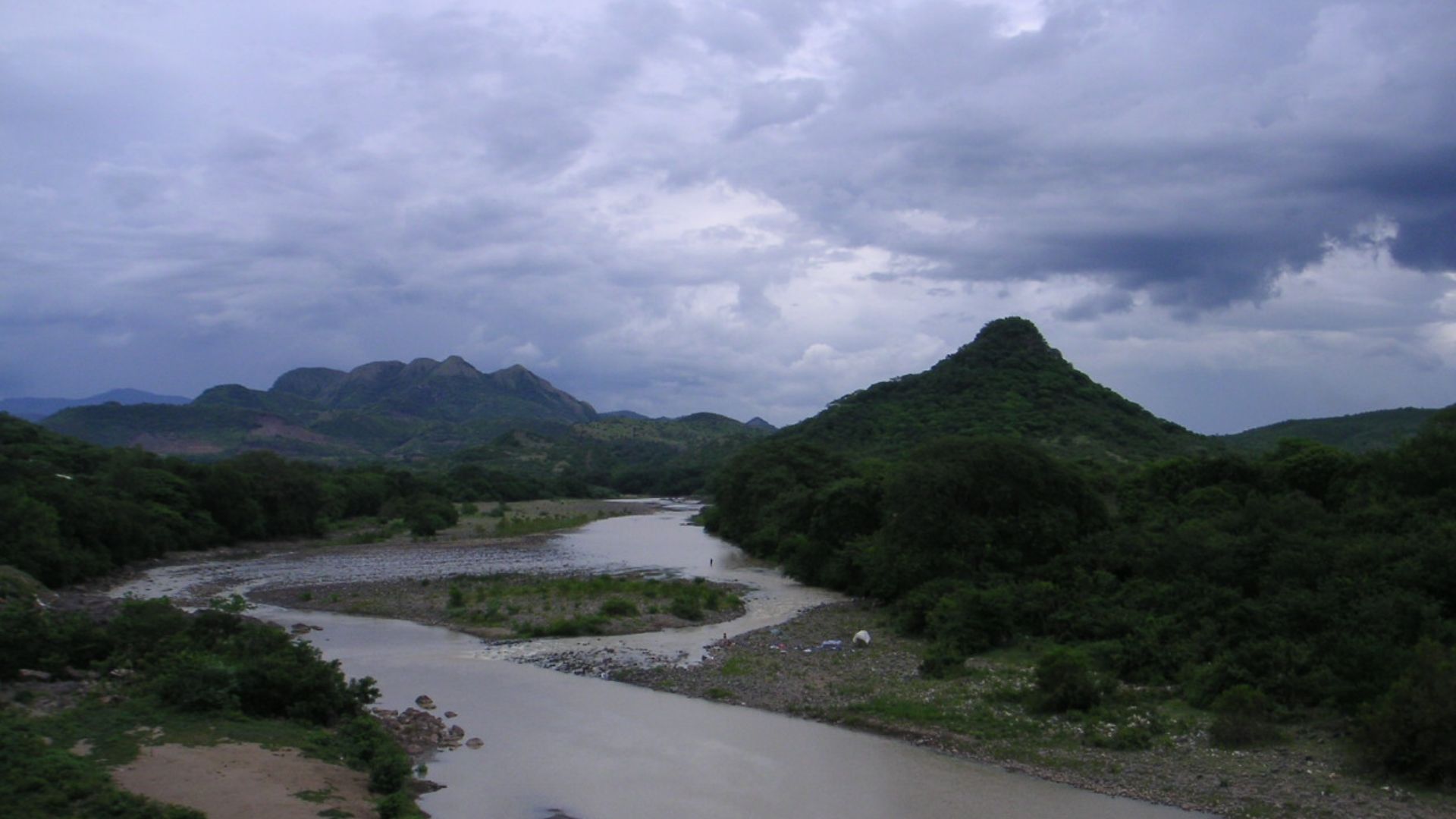
Zero territorial gains mirrored the tied qualifying series perfectly, creating an ironic draw in warfare that stemmed from the matches. Despite the soccer-triggered invasions' stated aims of seizing disputed land, borders remained completely unchanged following the ceasefire agreement.
 No machine-readable author provided. Soman assumed (based on copyright claims). on Wikimedia
20. 1980 Peace Treaty Resolution
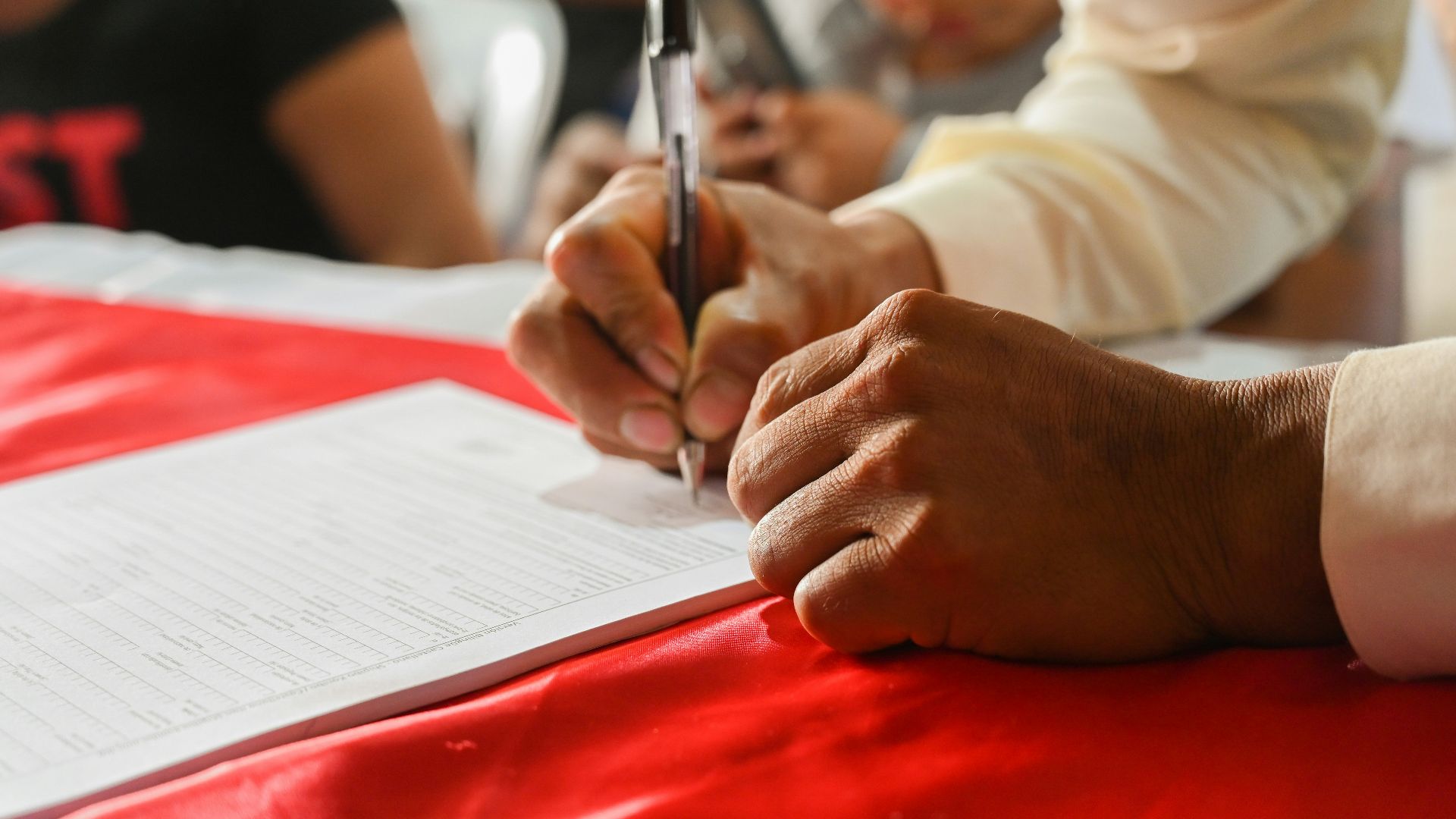
The eleven-year delay between ceasefire and formal treaty outlasted the original soccer matches by a small margin, putting both nations in "diplomatic extra time" for over a decade. However, a formal peace treaty finally ended hostilities in 1980.
KEEP ON READING