

 Leonardo da Vinci on Wikimedia
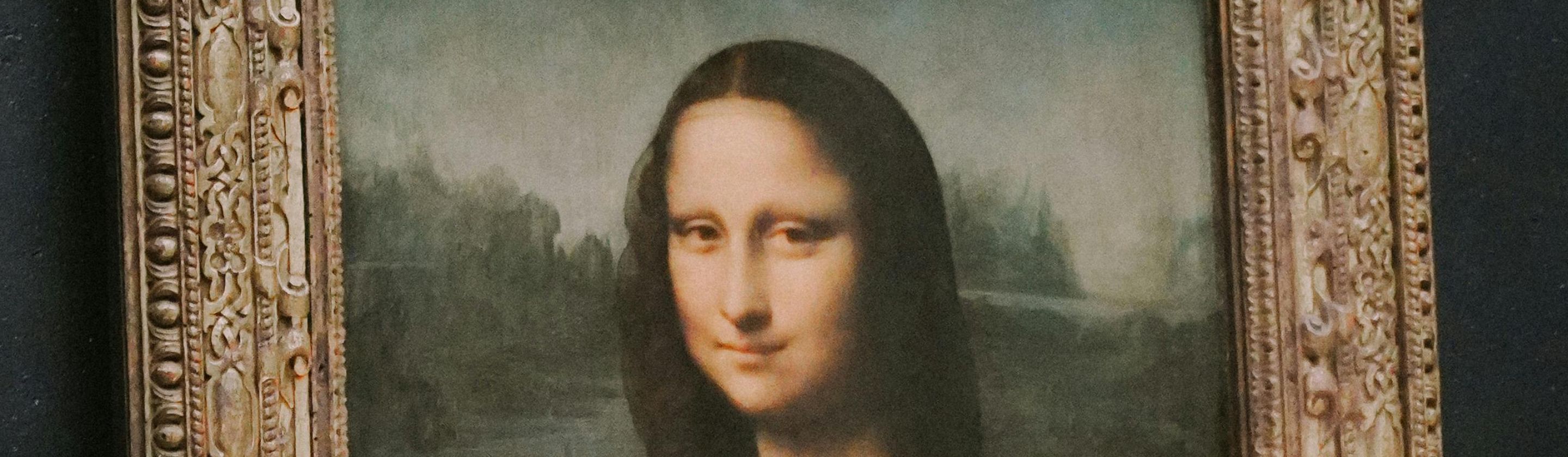
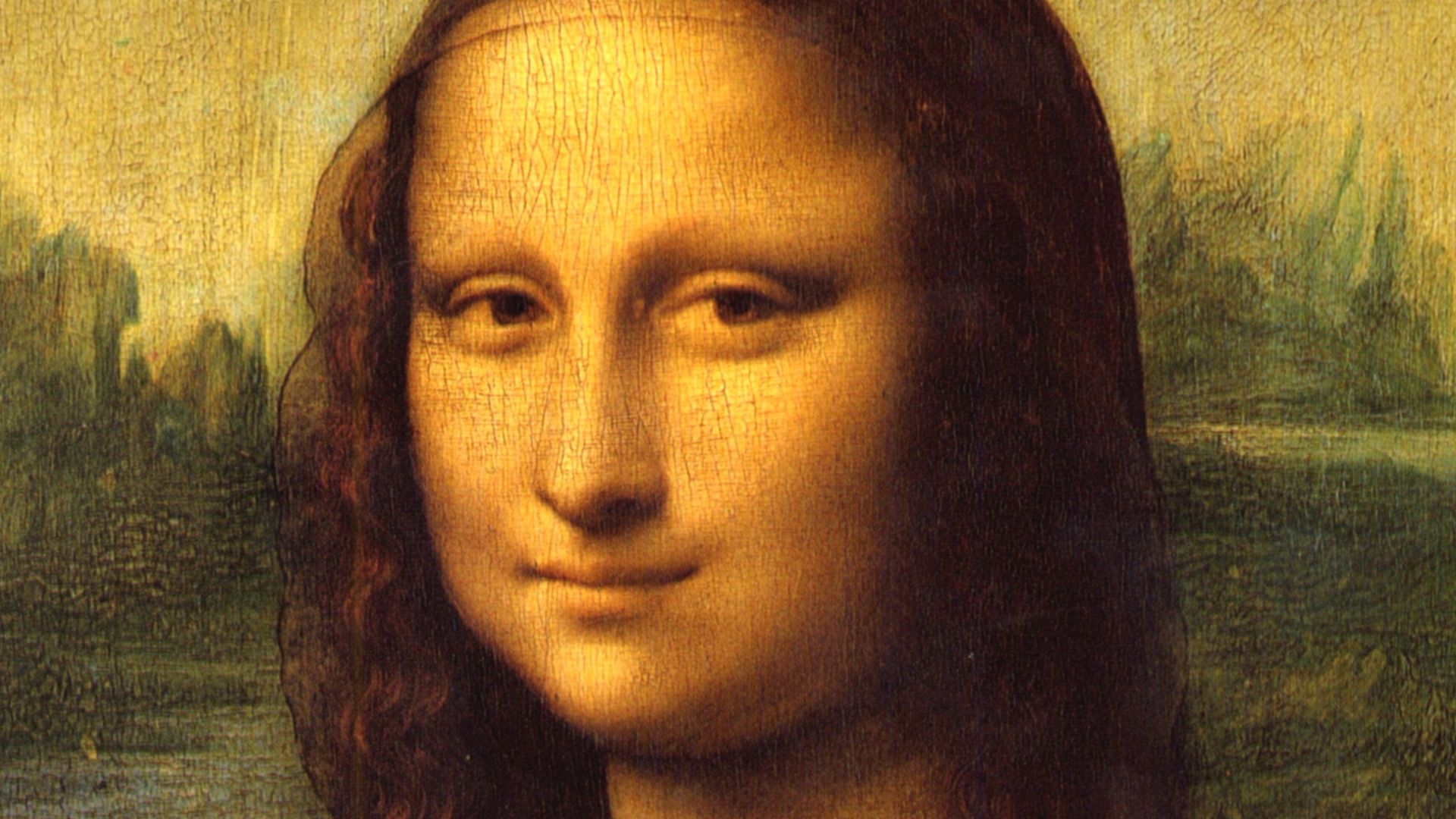
When visitors step into the Louvre, most make a beeline for one small painting. It isn’t the largest, most colorful, or even the most technically complex artwork there. Yet, the Mona Lisa commands more attention than entire museum wings combined. What turned a simple portrait into the world’s most recognized painting?
Let’s find out how history, theft, and pop culture made the Mona Lisa legendary.
A Portrait Born From Obsession
 Lattanzio Querena on Wikimedia
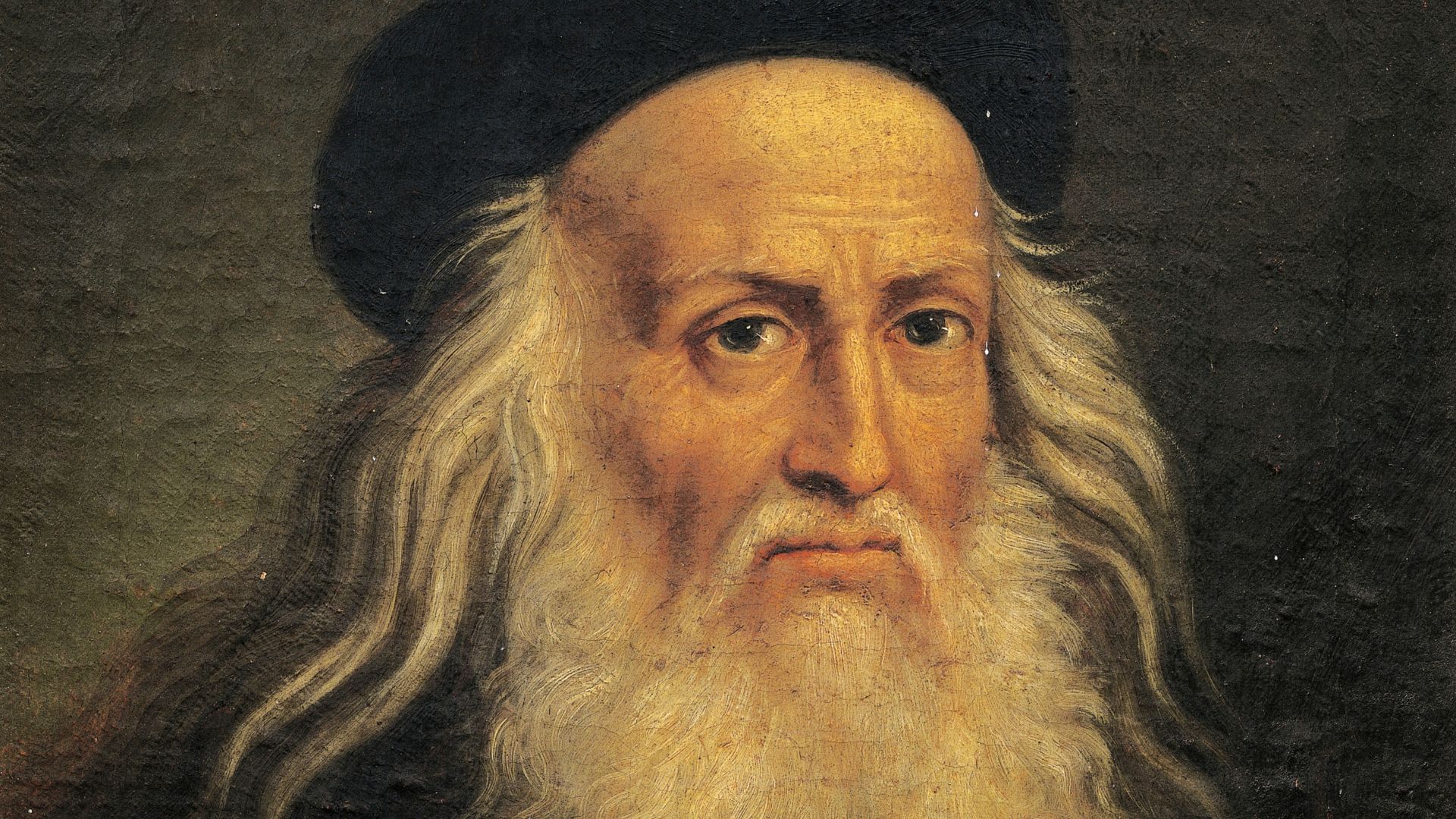
Leonardo da Vinci started painting the Mona Lisa in the early 1500s, likely commissioned by Florentine merchant Francesco del Giocondo as a portrait of his wife, Lisa Gherardini. True to form, Leonardo couldn’t stop perfecting it. He carried the painting for years, layering transparent glazes to achieve the soft transitions that make her skin glow. That delicate “sfumato” technique (blurring lines instead of defining them), which Leonardo perfected, set a new artistic standard.
During Leonardo’s lifetime, the painting wasn’t famous. It wasn’t even finished in time to be delivered. When he died in France in 1519, the artwork remained there, quietly passing into the French royal collection. For centuries, it remained admired by artists but largely unknown to the general public.
The Theft That Changed Everything
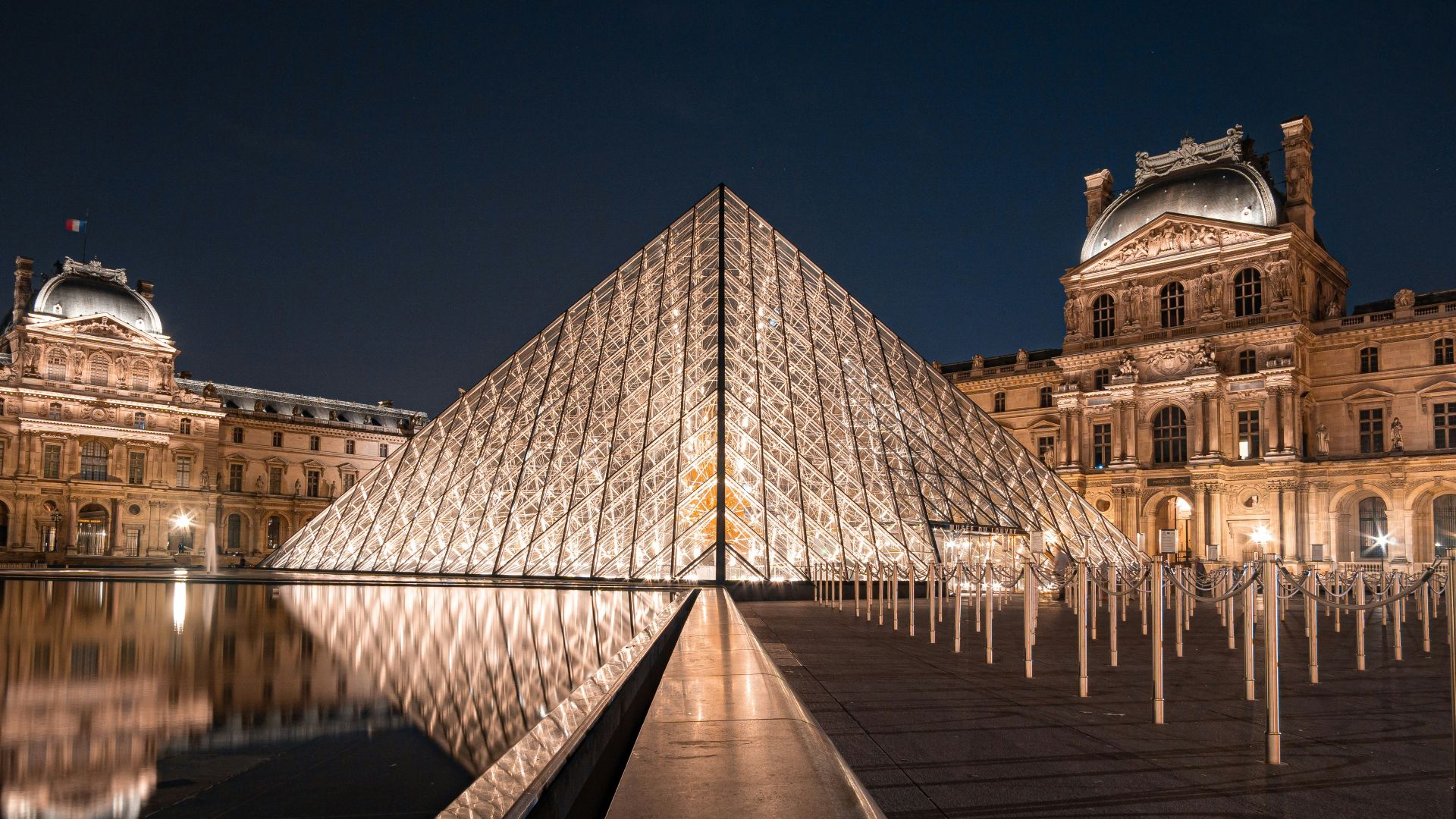
The Mona Lisa’s real rise to stardom began with a crime. On a summer morning in 1911, the painting vanished from the Louvre. For over 24 hours, no one noticed. When they finally did, chaos erupted. Newspapers around the world splashed her image across their front pages.
Detectives chased false leads, and even Pablo Picasso was briefly questioned. For two years, the Mona Lisa was missing, until an Italian handyman named Vincenzo Peruggia tried to sell it in Florence, claiming he wanted to return it to Italy. When the news broke, her recovery became an international sensation.
A Smile That The World Couldn’t Stop Talking About
After the theft, something remarkable happened: people didn’t stop caring. The Mona Lisa toured Italy before returning to France. Her mysterious smile became the focus of endless debate. Was she happy, amused, or sad? The more people speculated, the more her attraction grew.
Writers and psychologists tried to explain her expression. Artists mimicked it, and advertisers used it. Marcel Duchamp famously drew a mustache on her image in 1919. Later, Andy Warhol and countless pop culture references cemented her face in modern imagination.
By the mid-20th century, mass media turned the Mona Lisa from a revered painting into a pop symbol. When the painting toured the United States in 1963, over a million Americans lined up to see it.
So why the Mona Lisa, and not another Renaissance portrait? It’s a mix of timing, mystery, and myth. Leonardo’s mastery gave her unmatched subtlety. The theft gave her a thrilling backstory. The media gave her a reach. And modern culture gave her immortality. Together, they built a legend around a single face that never seems to age.
KEEP ON READING
20 Powerful Ancient Egyptian Gods That Were Worshipped
Unique Religious Figures in Ancient Egypt. While most people are…
By Cathy Liu Nov 27, 2024
The 10 Scariest Dinosaurs From The Mesozoic Era & The…
The Largest Creatures To Roam The Earth. It can be…
By Cathy Liu Nov 28, 2024
The 20 Most Stunning Ancient Greek Landmarks
Ancient Greek Sites To Witness With Your Own Eyes. For…
By Cathy Liu Dec 2, 2024
10 Historical Villains Who Weren't THAT Bad
Sometimes people end up getting a worse reputation than they…
By Robbie Woods Dec 3, 2024
One Tiny Mistake Exposed A $3 Billion Heist
While still in college, Jimmy Zhong discovered a loophole that…
By Robbie Woods Dec 3, 2024
30 Lost Treasures That Vanished From History
Buried treasure, missing artefacts, legends of ancient gold in them…
By Robbie Woods Dec 3, 2024