

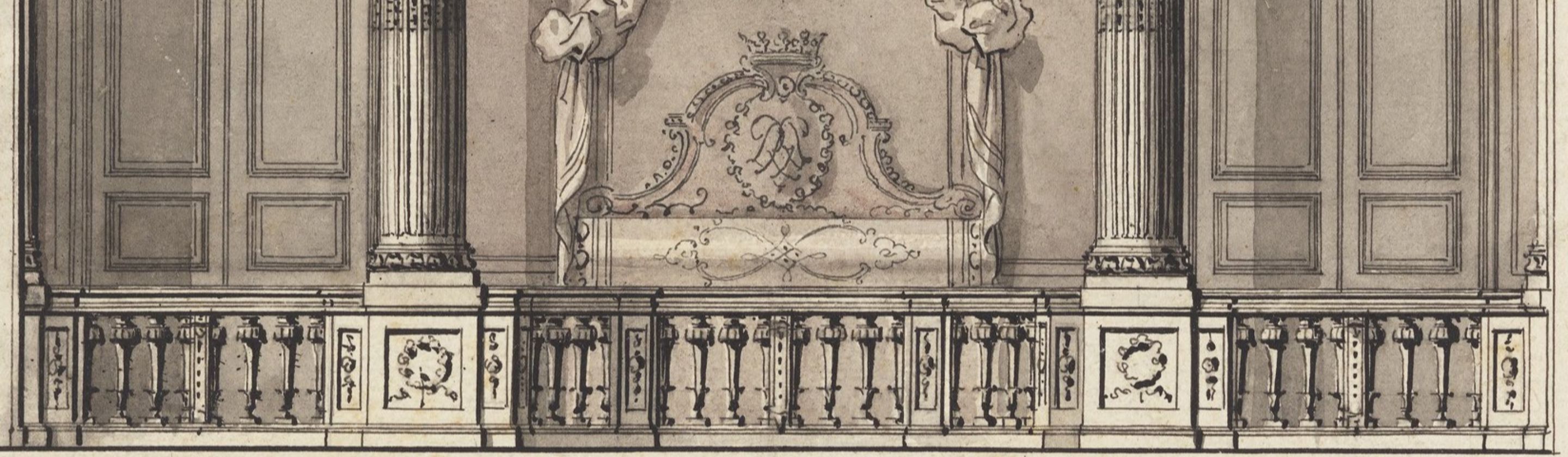
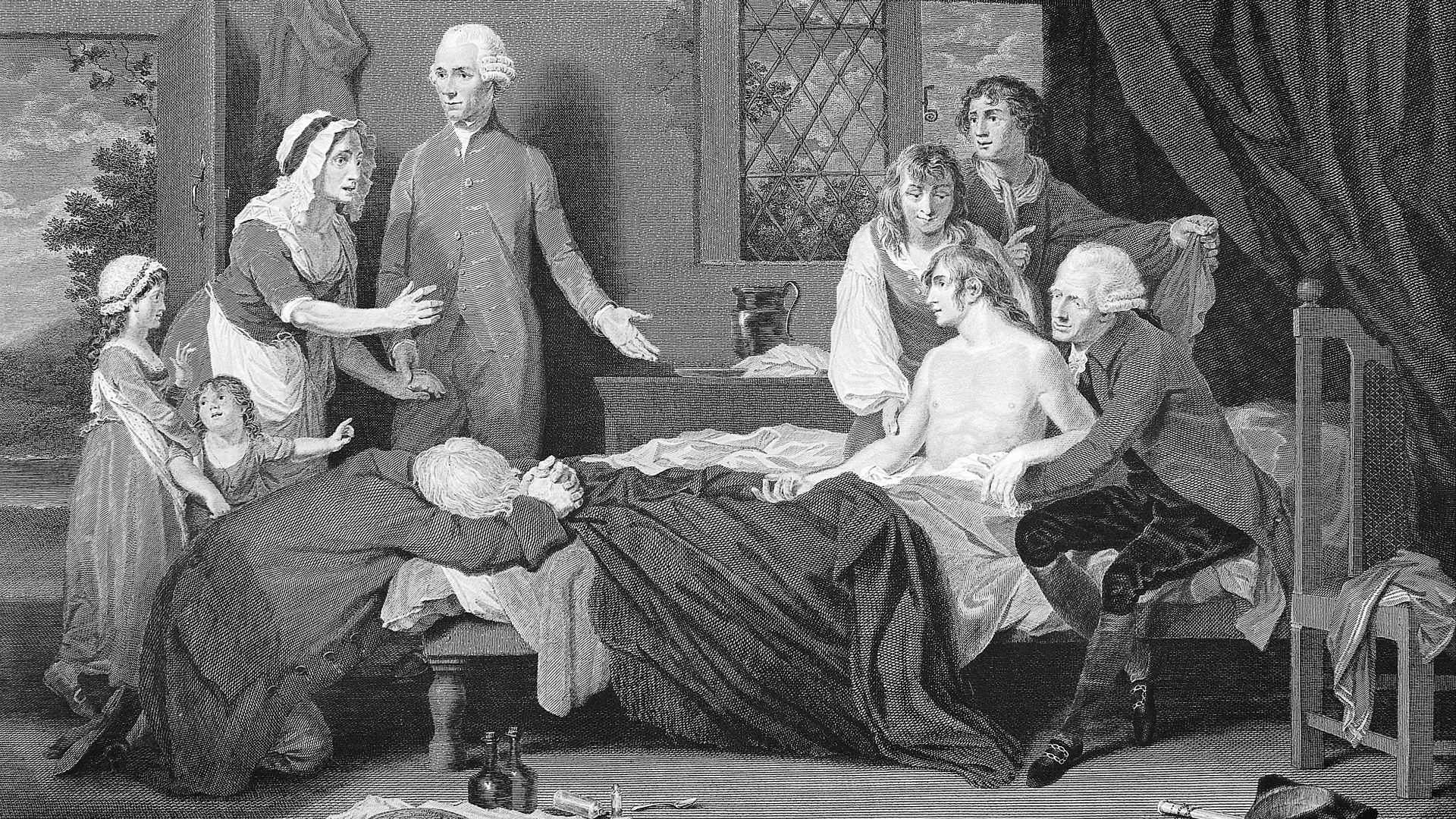
A bed is naturally a private space—it's where we sleep, heal, grieve, argue, and navigate the intimate moments of our lives that aren't meant for public viewing. However, throughout royal and aristocratic history, the marriage bed often took on a strikingly public significance. It wasn't just a place for the couple; it was a symbol that could validate a union, uphold a dynasty, and transform family life into a spectacle the court was expected to grasp.
The weight of this public perception arose from a clear and pressing issue: powerful marriages needed legitimate heirs. A royal wedding could solidify a claim to the throne, reinforce a dynasty, or soothe a jittery court. But the political implications didn't stop once the vows were exchanged. The marriage had to be recognized as lawful and capable of producing heirs whose legitimacy would be unquestioned. With this goal in mind, the bed transformed from mere domestic furniture into a pivotal stage for affirming power and lineage.
The Bed As Dynastic Proof
 Internet Archive Book Images on Wikimedia
The Tudor story illustrates the significant meaning that can be attached to a marriage. Historic Royal Palaces notes that the marriage of Elizabeth of York to the Lancastrian Henry VII united the houses of York and Lancaster, marking the end of one of the monarchy's most troubled periods. Their wedding was celebrated on January 18, 1486, and Elizabeth's Yorkist lineage provided Henry's new dynasty with much-needed legitimacy. In this context, a royal bed could never simply serve as a place to sleep.
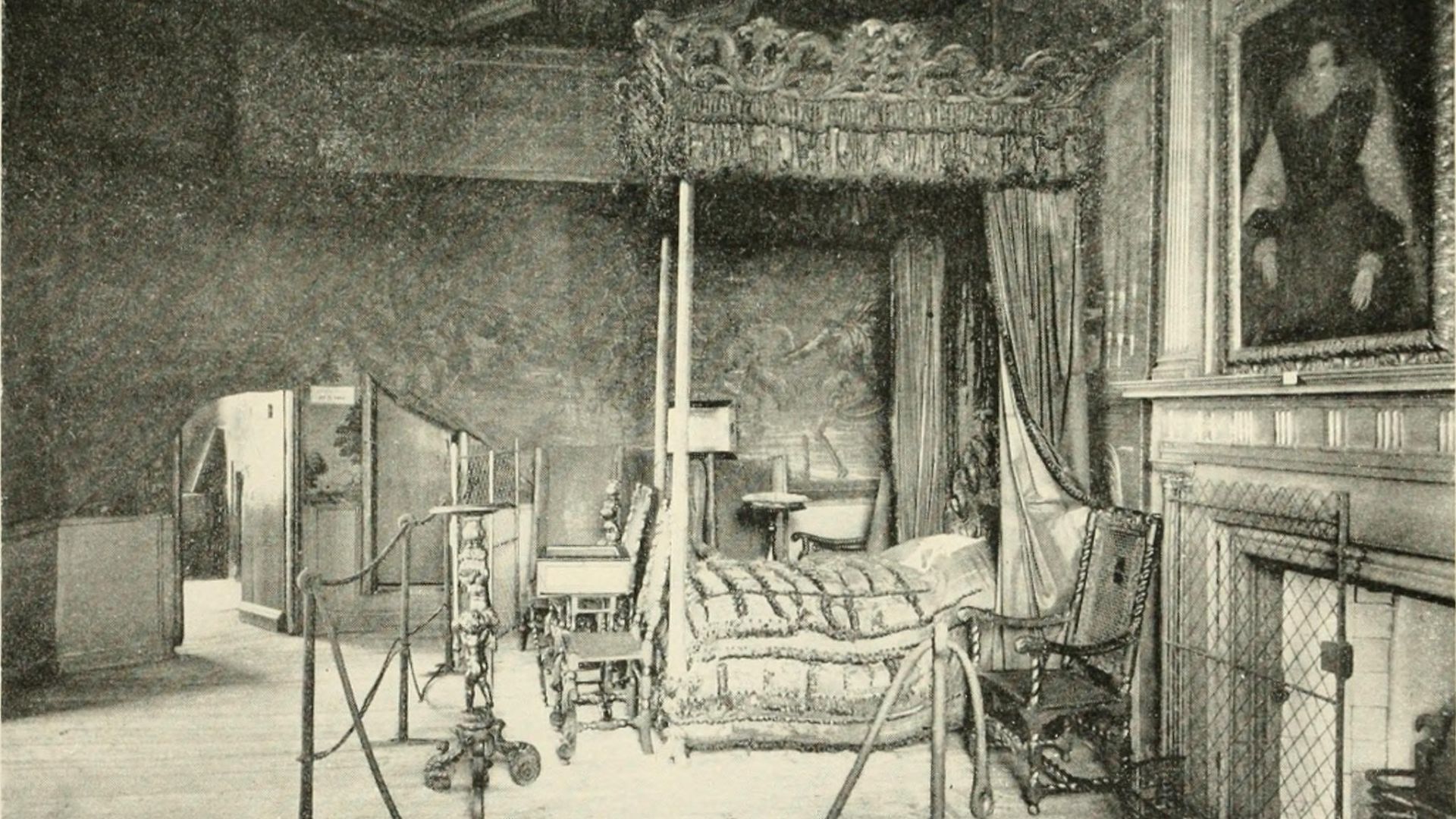
The bed associated with Henry VII and Elizabeth of York has been recognized as a rare example of late medieval English royal furniture. Oxbow Books describes it as an exceptional object and notes that no other comparable secular domestic furniture from that period has survived. This claim grants the bed unusual historical significance, highlighting why elite beds merit closer examination, even if they may initially appear to be ordinary household items.
A royal bed could embody meaning through its carvings, materials, ceremonial use, and placement. In the case of Henry and Elizabeth's marriage, the bed was part of a larger public narrative about lineage and continuity. Their union helped position the Tudors as a new solution to an age-old conflict, linking the political narrative to the private space where the dynasty's future was expected to unfold.
The wedding night itself could also have a public aspect. Historic Royal Palaces describes Tudor royal bedding customs in which courtiers would escort a groom to the royal bedchamber, the bed would be blessed, and courtiers would listen in to confirm consummation. This detail may seem awkward today; however, in the 16th century, consummation was essential in proving that a royal marriage could not be easily annulled.
Births, Witnesses, and Dangerous Rumors
If a wedding bed helped secure a royal marriage politically, the birthing bed was crucial for ensuring the visibility of succession. At Versailles, the queen's bedchamber was the most important room in her apartments. This is where the queen slept, received guests during and after her toilette, and gave birth to royal children. The room accommodated both daily life and court ceremony.
The term "public birth" may evoke images that are more dramatic than the reality of the practice. According to Versailles, only a small group was allowed in the room during childbirth, including doctors, ladies-in-waiting, the governess of the royal children, princesses of the royal family, and certain church figures. The wider court waited in nearby rooms, with doors symbolically left open. After the birth, courtiers would file in to offer their congratulations, making the child's arrival a significant event for the court as well as the family.
This careful witnessing was important because an heir's legitimacy had to be recognized by others. The queen's body was perceived as the source of a political future, subjecting her most private physical experience to intense scrutiny. This process, although it did not make childbirth any safer or easier for her, aimed to ensure that the results were credible to those observing the succession.
When trust began to erode, the repercussions extended far beyond the bedchamber. In 1688, Mary of Modena, the wife of James II, gave birth to James Francis Edward Stuart, a Catholic heir who altered expectations of succession. According to The History of Parliament, James's enemies spread the warming-pan rumor, claiming that a baby had been secretly slipped into Mary's bed and presented as the royal child. This story transformed a royal birth into a political crisis, and William of Orange used the doubts surrounding it as justification for his invasion.
Status, Access, and the Law of Marriage
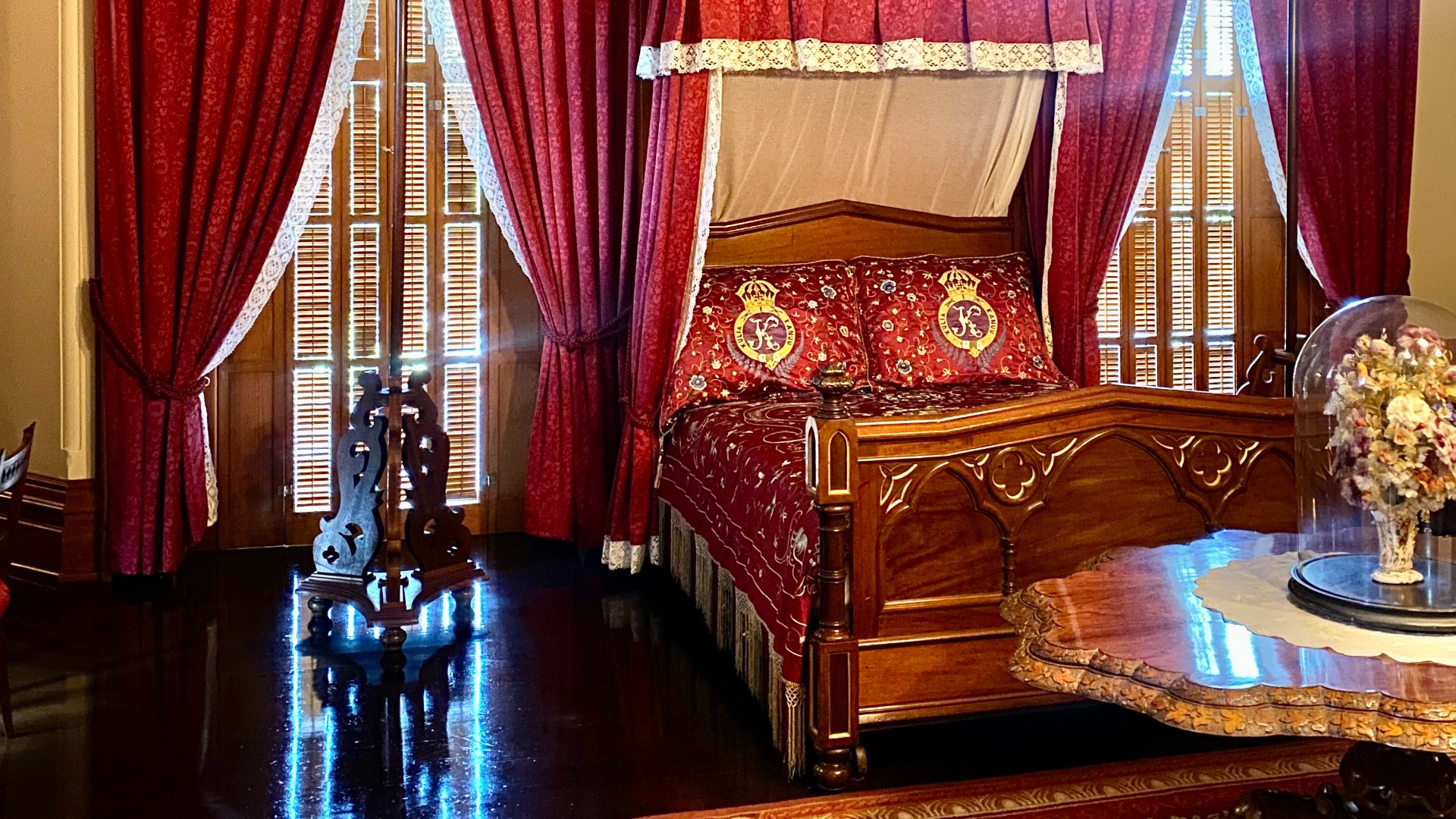
Royal beds held significance even when they were not used for marriages or childbirth. State beds and bedchambers served as ceremonial spaces in which access to the royal body signified rank. Historic Royal Palaces highlights Queen Caroline's State Bed at Hampton Court as an important object, preserved on behalf of the Royal Collection Trust, and returns it to its original location in the Queen's Bed Chamber. In that context, the bed's meaning derived as much from ceremony as from its actual use.
A surviving 17th-century royal bed rail from Hampton Court illustrates this point even more clearly. In Situ describes the rail as an object that helps explain the ceremonies of royal bedchambers in 17th-century England and traces its use through significant political changes. While a bed rail may appear to be a minor detail, at court, distance was crucial. The rail helped define who could approach closely and who had to remain farther away.
Beds also conveyed public significance beyond royal households. The V&A explains that the Great Bed of Ware, made around 1590, was over three meters wide and was likely created as a tourist attraction for an inn in Ware, Hertfordshire. The museum notes that both Shakespeare and Ben Jonson referred to it, and its carvings featured lions and satyrs, symbols associated with virility and fertility. Even outside of the palace, a bed could draw attention because people already understood its connections to sex, status, and reputation.
The law added another layer of meaning to the marriage bed. In his 18th-century Commentaries, Blackstone described a husband and wife as "one person in law," meaning that a wife's legal status was either suspended or merged with her husband's during marriage, as noted in the Yale Law School Avalon Project. The New-York Historical Society's Women & the American Story project explains how coverture impacted married women's property rights, wages, contracts, and legal identity. Marriage influenced household dynamics both on paper and in daily life.
This is why the marriage bed cannot be seen merely as a romantic symbol. In royal and elite contexts, it could help confirm a marriage, ensure a succession, demonstrate rank, and reveal concerns about legitimacy. It also existed within legal systems that determined property ownership, authority, and whose identity was recognized in marriage. For an object designed for private life, the marriage bed carried significant public power.
KEEP ON READING
The 20 Most Recognized Historical Figures Of All Time
The Biggest Names In History. Although the Earth has been…
By Cathy Liu Oct 4, 2024
10 of the Shortest Wars in History & 10 of…
Wars: Longest and Shortest. Throughout history, wars have varied dramatically…
By Emilie Richardson-Dupuis Oct 7, 2024
10 Fascinating Facts About Ancient Greece You Can Appreciate &…
Once Upon A Time Lived Some Ancient Weirdos.... Greece is…
By Megan Wickens Oct 7, 2024
20 Lesser-Known Facts About Christopher Columbus You Don't Learn In…
In 1492, He Sailed The Ocean Blue. Christopher Columbus is…
By Emilie Richardson-Dupuis Oct 9, 2024
20 Historical Landmarks That Have The Craziest Conspiracy Theories
Unsolved Mysteries Of Ancient Places . When there's not enough evidence…
By Megan Wickens Oct 9, 2024
The 20 Craziest Inventions & Discoveries Made During Ancient Times
Crazy Ancient Inventions . While we're busy making big advancements in…
By Cathy Liu Oct 9, 2024