


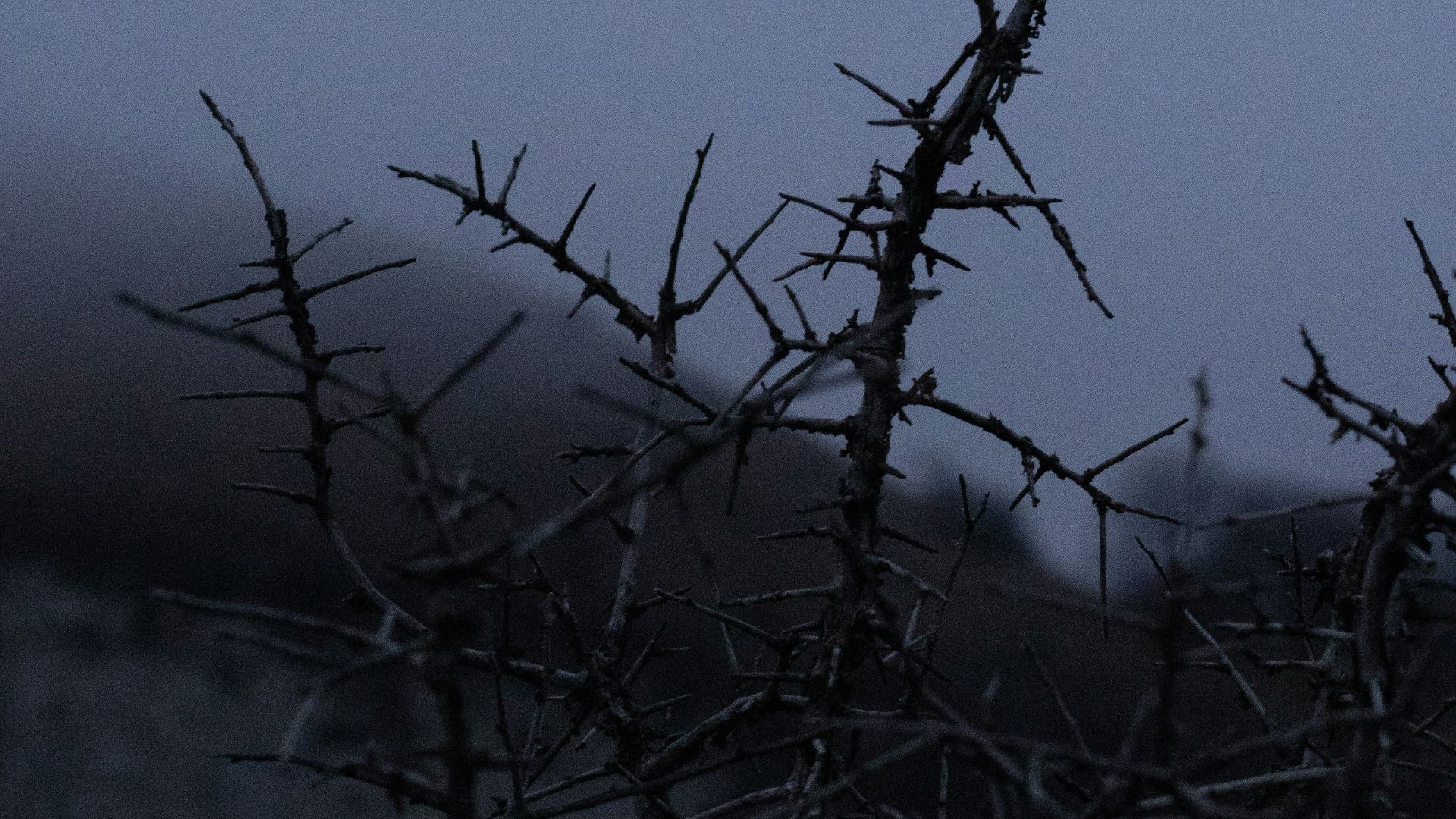
 Alina Nichepurenko on Unsplash
Imagine waking up on a spring morning, expecting the usual birdsong and bright sunshine, only to find the entire sky draped in an eerie, pitch-black blanket by noon. On May 19, 1780, residents across New England experienced exactly this surreal phenomenon as an inexplicable darkness swept across the region. You would have seen chickens heading back to their roosts, cows wandering confusedly to their barns, and families lighting candles just to see their own dinner tables. It was an astonishing meteorological event that completely disrupted daily life and left an indelible mark on early American history.
At the time, the young nation was still deeply embroiled in the Revolutionary War, making the sudden atmospheric shift feel incredibly ominous to the terrified public. Without modern weather forecasting or satellite data to explain the gloom, many citizens naturally assumed the apocalypse had finally arrived on their doorsteps. People gathered in churches to pray for answers, while legislative bodies debated whether they should adjourn out of pure panic. Fortunately, the sun did eventually return the next day, transforming a moment of absolute terror into one of history's most fascinating scientific mysteries.
Confusion in the Midday Gloom
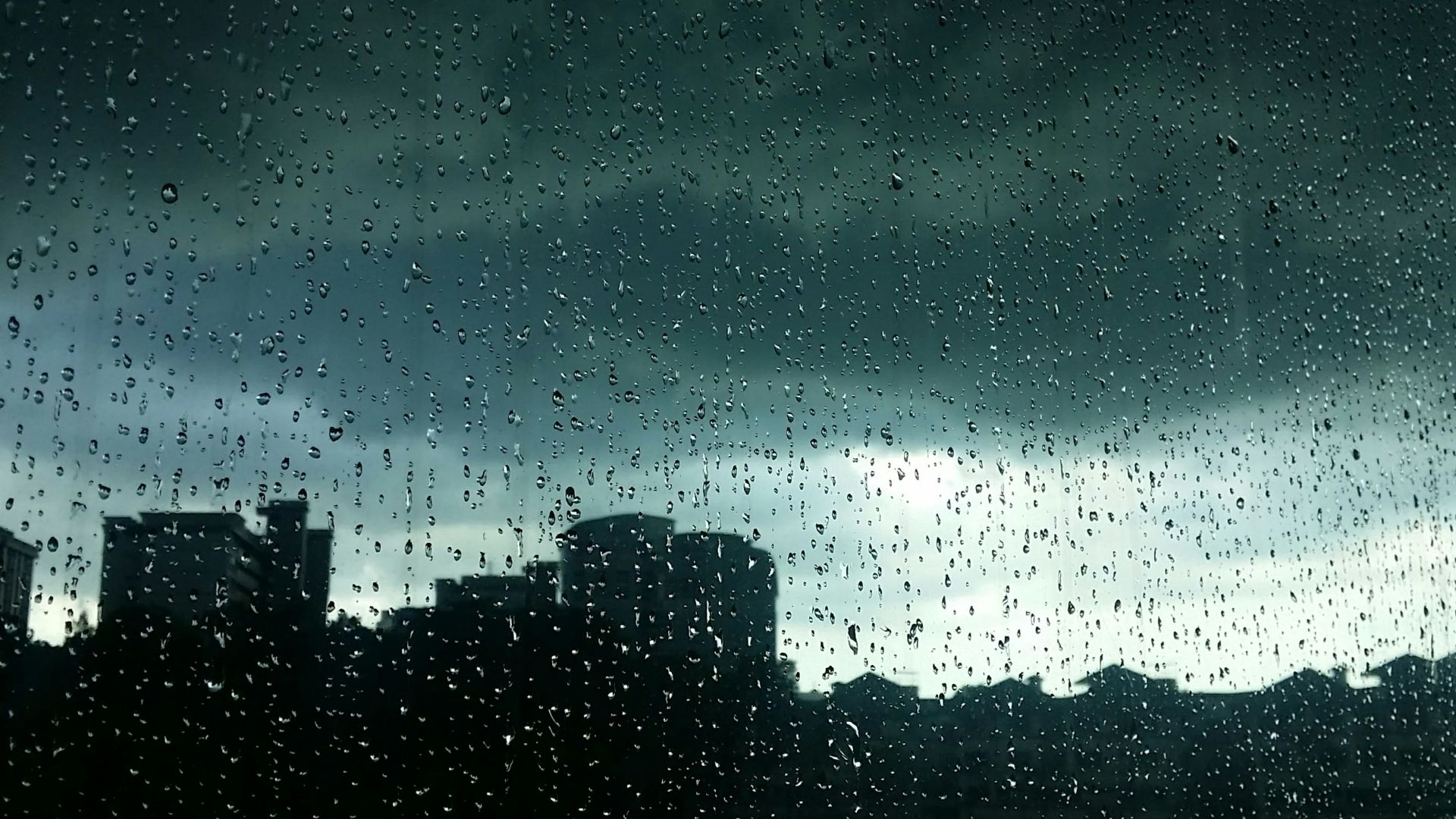
The strange event began during the early morning hours, featuring a bizarre, copper-colored sky that gradually deepened into an oppressive midnight darkness by noon. You could not read a newspaper outside, and travelers were forced to abandon their horses because the roads had completely vanished from sight. Observers noted that the air smelled distinctly of soot and sulfur, adding a deeply unsettling sensory layer to the visual isolation. It felt as though a giant, invisible hand had simply snuffed out the sun, leaving the entire northeastern coast trapped in an artificial night.
As the hours dragged on, the psychological weight of the darkness began to take a serious toll on communities from Maine to New Jersey. Schoolteachers dismissed their classes early, factories ground to a complete halt, and taverns quickly filled with anxious patrons seeking comfort in numbers. Since communication traveled only as fast as a galloping horse, nobody knew if the entire world was experiencing the same shadow or if it was strictly local. This profound isolation fueled a massive wave of rumors that spread like wildfire through the dim streets.
Among the most famous stories from that day occurred in Connecticut, where the state legislature was actively in session during the peak of the blackout. Many representatives panicked, clamoring for an immediate adjournment because they genuinely believed the Day of Judgment was at hand. However, a steadfast legislator named Abraham Davenport famously objected, stating that if the end of the world was coming, he preferred to be found doing his duty. He ordered candles to be brought into the chamber, successfully steering his colleagues back to work through sheer, unwavering resolve.
Modern Science Solves the Mystery
For centuries, casual historians chalked the Dark Day up to a divine anomaly or an unexplained solar eclipse, but modern science eventually uncovered the real culprit. Researchers studying old-growth trees in Canada discovered distinct fire scars embedded within the growth rings dating precisely to the spring of 1780. It turns out that a truly massive forest fire had broken out in the remote wilderness of Ontario, fueled by dry winter conditions and strong winds. The sheer volume of smoke generated by this inferno was unprecedented, creating an incredibly dense, high-altitude cloud that drifted southeast.
This colossal plume of ash and soot eventually collided with a unique combination of heavy fog and specific low-pressure weather systems hovering over New England. The thick moisture from the coast acted like a giant sponge, trapping the massive smoke particles high up in the atmosphere rather than letting them disperse safely. This specific alignment of natural elements created a literal ceiling that was entirely impervious to daylight, effectively blocking out ninety-nine percent of the sun's rays. It was a perfect storm of environmental factors that required centuries of ecological detective work to fully comprehend.
Understanding the physics behind the event allows us to appreciate just how interconnected our planet's ecosystems really are, even across massive geographical distances. The early Americans had absolutely no way of knowing that a wildfire hundreds of miles away in the Canadian wilderness could dictate the literal brightness of their afternoon. Today, meteorologists look back at the incident as a classic, albeit extreme, example of how atmospheric currents can transport particulate matter across the globe. It serves as a light-hearted reminder that nature always possesses the ultimate power to surprise us when we least expect it.
When the oppressive shadow finally lifted on the morning of May 20, a collective wave of relief washed over the exhausted towns of New England. Neighbors greeted each other with renewed enthusiasm, businesses threw open their shutters, and life quickly returned to its normal, rhythmic pace. The shared experience created a profound bond among the generation that lived through it, providing a legendary story that would be passed down through families for centuries. It became a cultural touchstone, proving that even the most terrifying natural mysteries eventually give way to the comforting clarity of a new dawn.
KEEP ON READING
20 Greek Gods We Don't Often Talk About
Step Aside, Zeus. Greek mythology isn’t only about Zeus and…
By Elizabeth Graham Jan 16, 2026
10 Historic Courtship Practices That Should Be Brought Back &…
Old-School Dating Was a Mix of Charming & Unhinged. Historic…
By Emilie Richardson-Dupuis Jan 20, 2026
Pooches Of The Past: Extinct Dog Breeds
Unknown authorUnknown author on WikimediaDogs have been showing up in…
By Elizabeth Graham Jan 27, 2026
The 20 Craziest Silent Films Ever Made
When Silence Let the Madness Speak. Silent cinema didn’t just…
By Chase Wexler Jan 5, 2026
Legendary Tales: 20 Most Fascinating Mythical Creatures from Folklore
Mythological Beasts. Stories about mythical creatures endure for a simple…
By Christy Chan Jan 16, 2026
The three most expensive historical artifacts ever sold at auction
Attributed to Leonardo da Vinci on WikimediaAuctions are where history…
By Emilie Richardson-Dupuis Jan 9, 2026