Unearthing the Continent's Hidden Past
Archaeological discoveries across the hemisphere have repeatedly rewritten human history, pushing back settlement dates and revealing unexpected complexity in pre-Columbian societies. These findings challenge assumptions about early Americans while connecting modern indigenous peoples to ancestors who thrived here long before European contact.
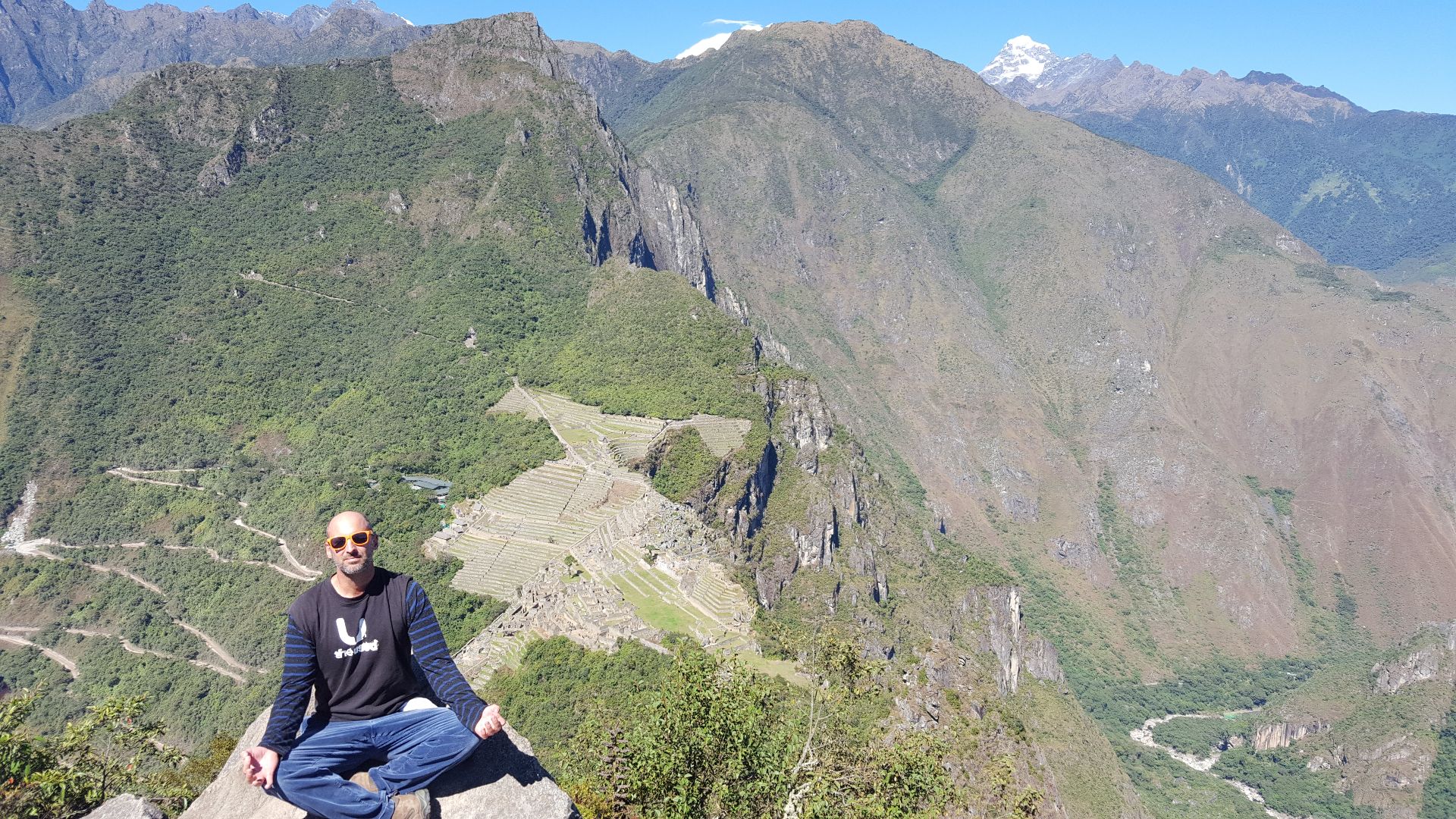
1. Clovis Points and Paleo-Indian Evidence
Distinctive fluted projectile points from the Paleoindian period date to approximately 13,050–12,750 years ago. Named after the type site near Clovis, New Mexico, these stone tools were found with Columbian mammoth remains in 1929.
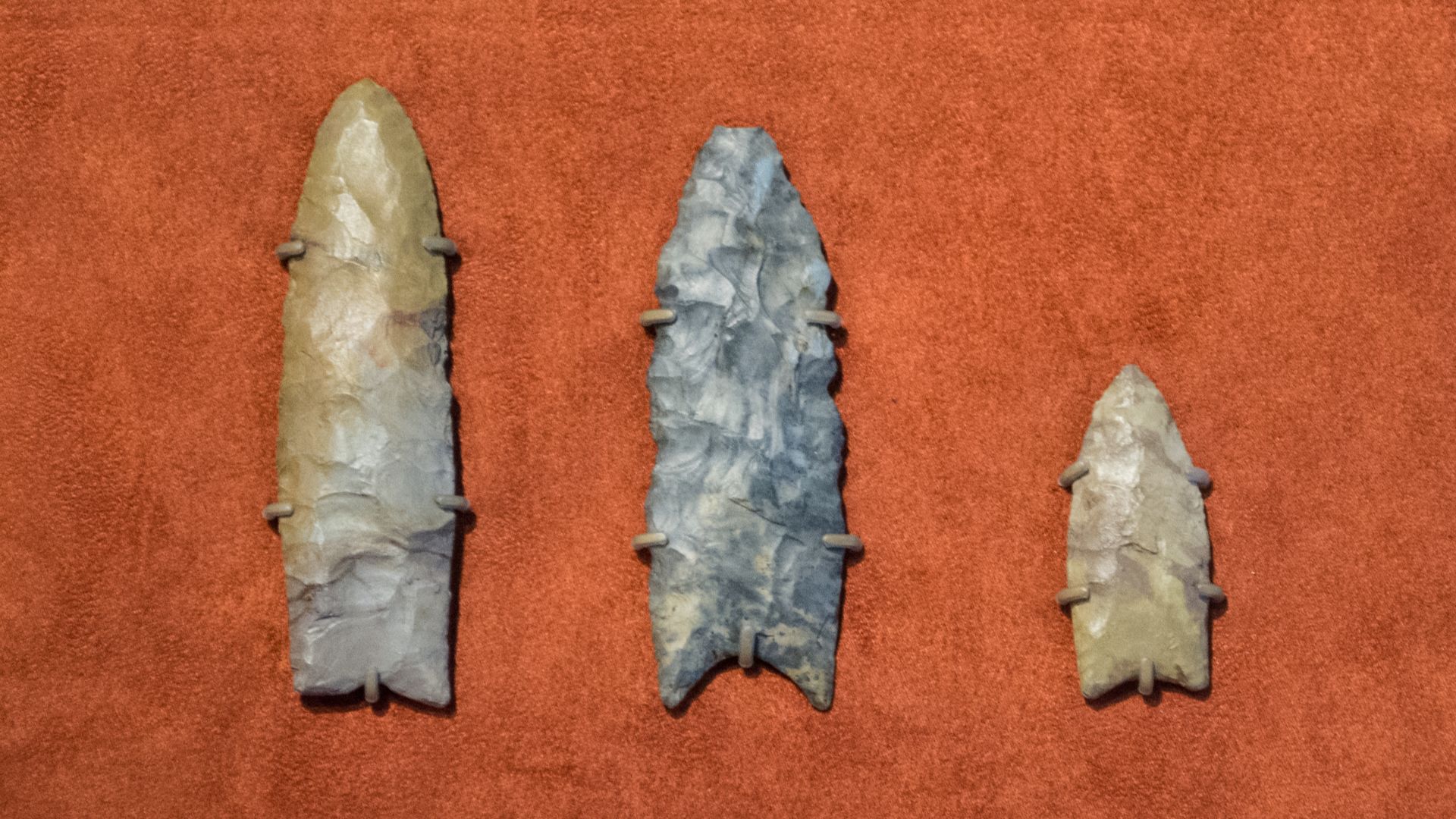
2. Machu Picchu
This 15th-century Inca citadel, built around 1450, likely served as a royal residence for Emperor Pachacuti in the Andes. Hiram Bingham rediscovered it in 1911, and precisely cut dry-stone walls fit so tightly that knife blades cannot slip between stones, despite the absence of mortar.
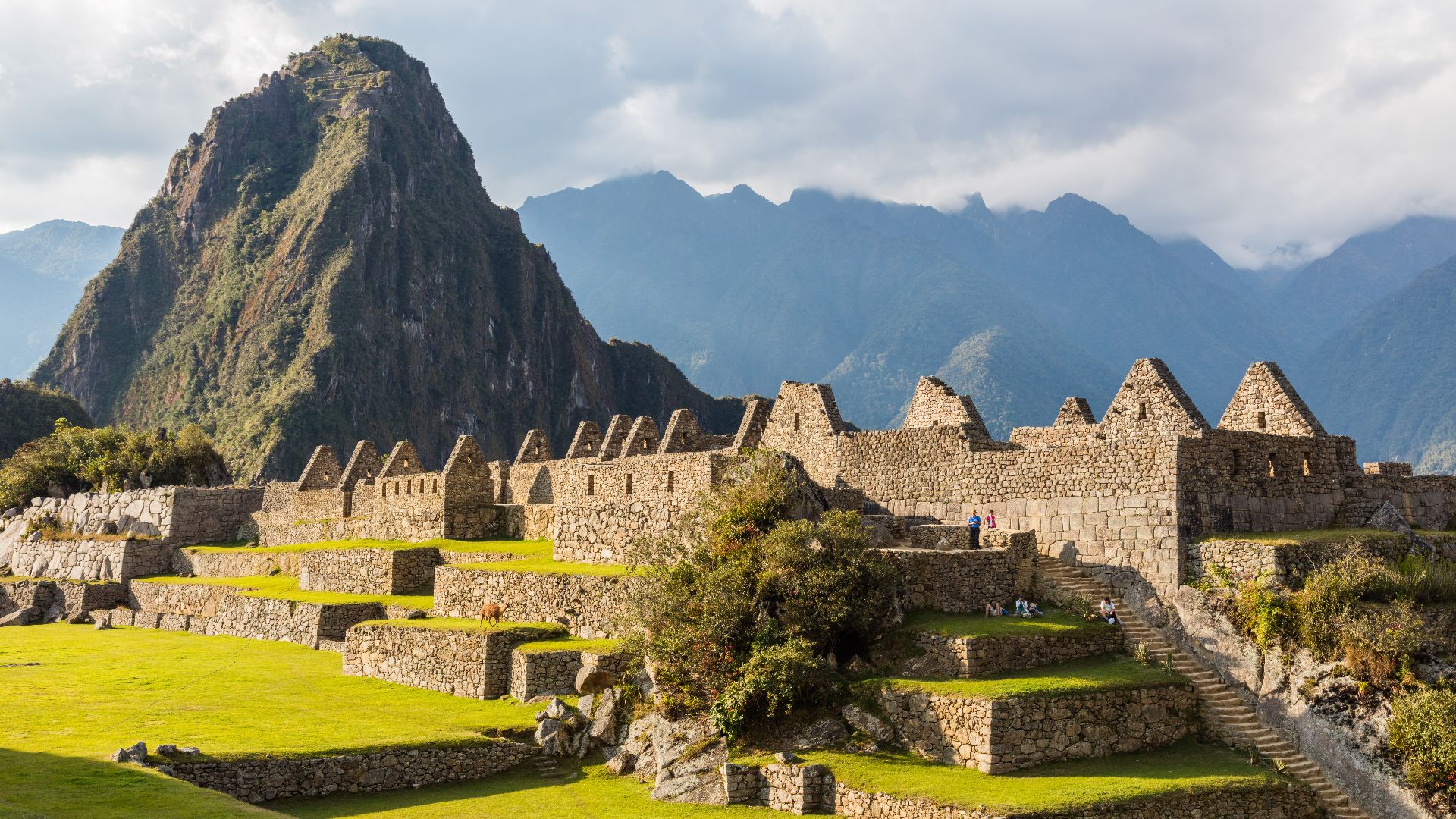
3. Kennewick Man
A nearly complete male skeleton discovered in 1996 near the Columbia River in Washington state dates to approximately 8,400–8,690 years Before Present. Genetic studies show he is most closely related to modern Native Americans, indicating continuity with indigenous populations over millennia despite initial controversial trait analyses.
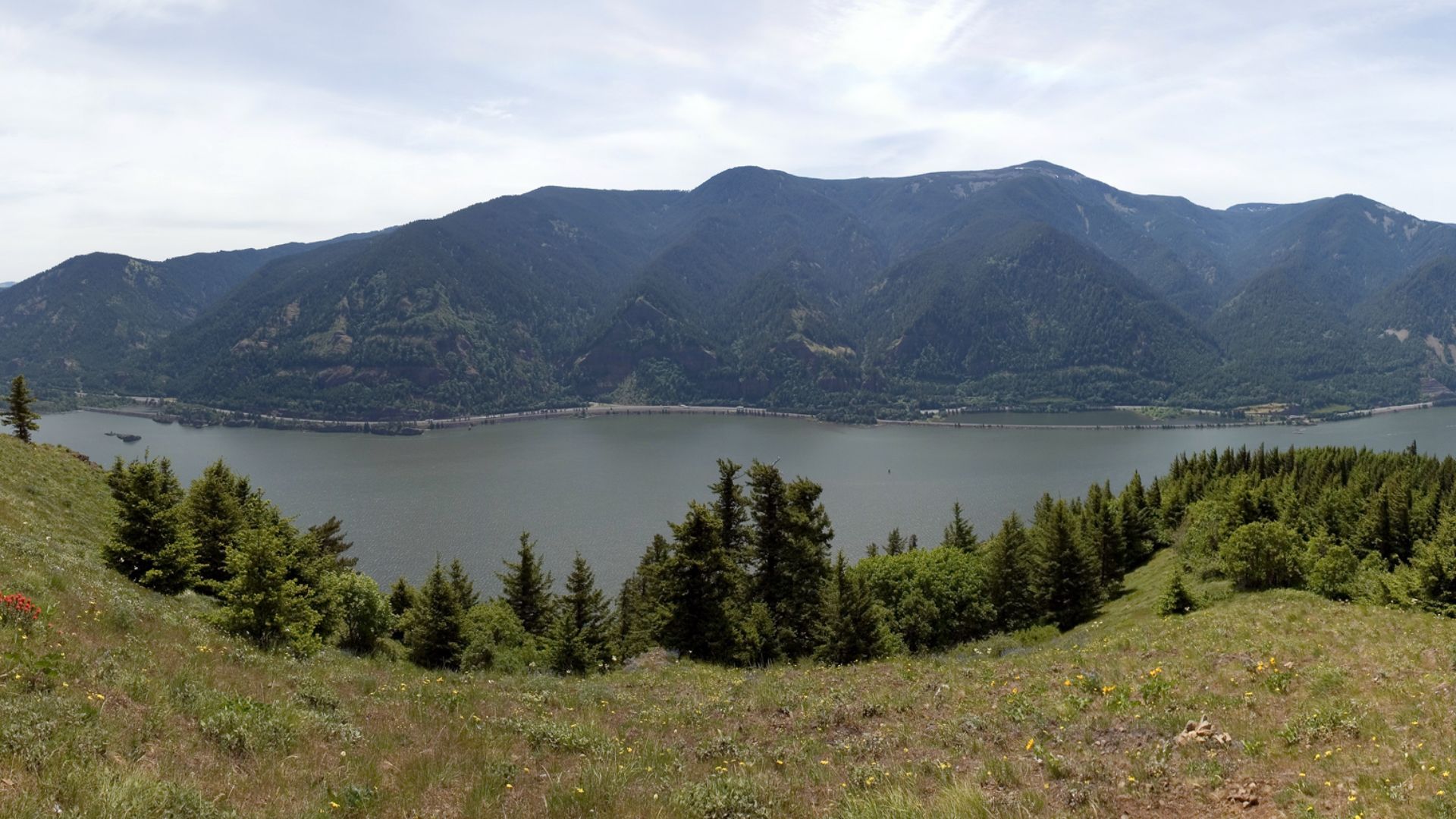
4. Cahokia Mounds
The largest pre-Columbian city north of Mexico peaked around 1050–1150 CE, with populations reaching 10,000–20,000 residents in its prime. Monks Mound rises about 100 feet and covers over 14 acres, and this makes it the largest prehistoric earthen structure in the Americas at its height.
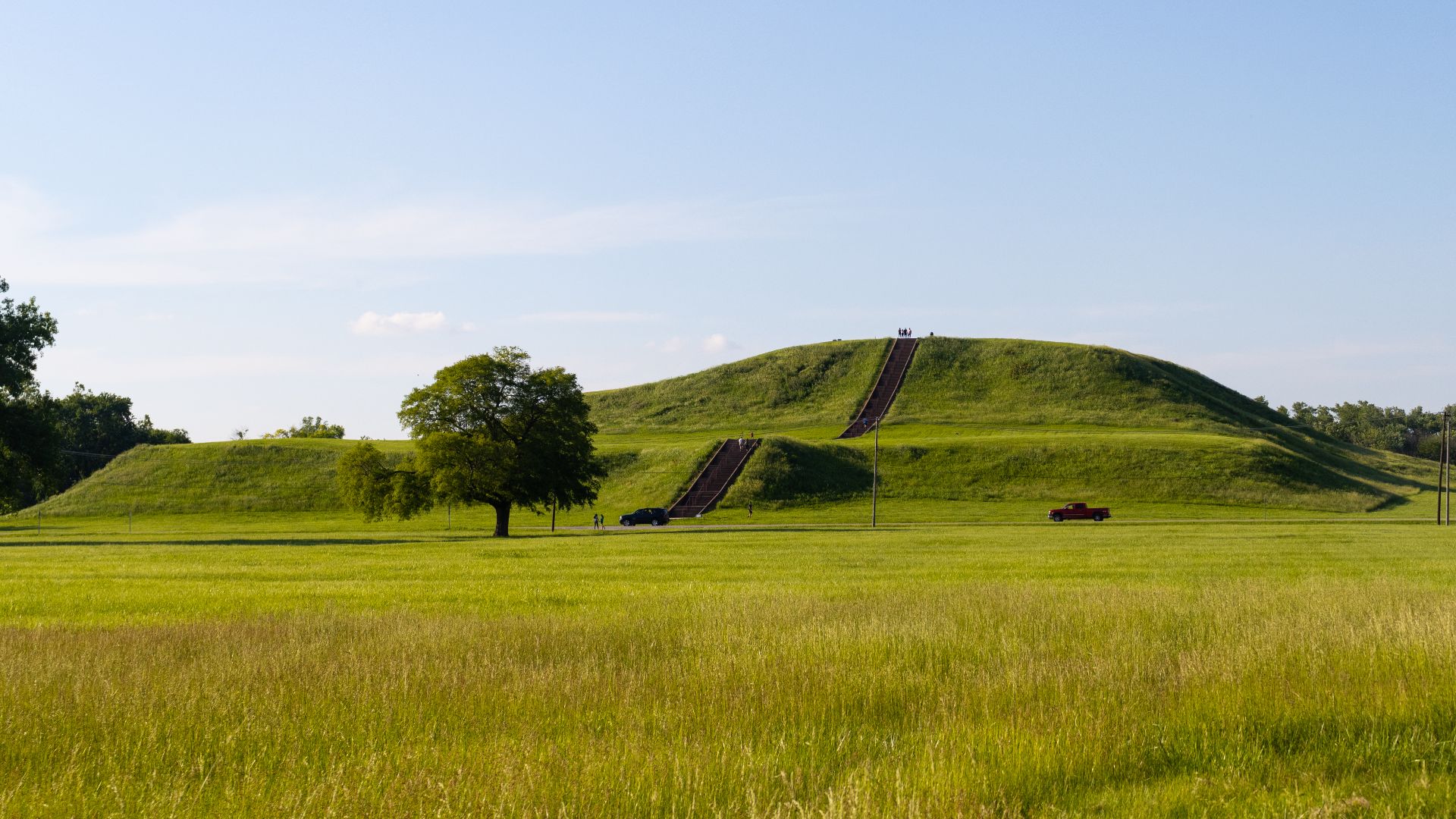
5. Bering Land Bridge Archaeological Evidence
The Bering Land Bridge connected Siberia and Alaska during the last Ice Age due to lower sea levels, and it allowed human migration to the Americas. Genetic and environmental evidence suggests ancestors of Native Americans spent up to 10,000 years on Beringia before moving south around 15,000 years ago.
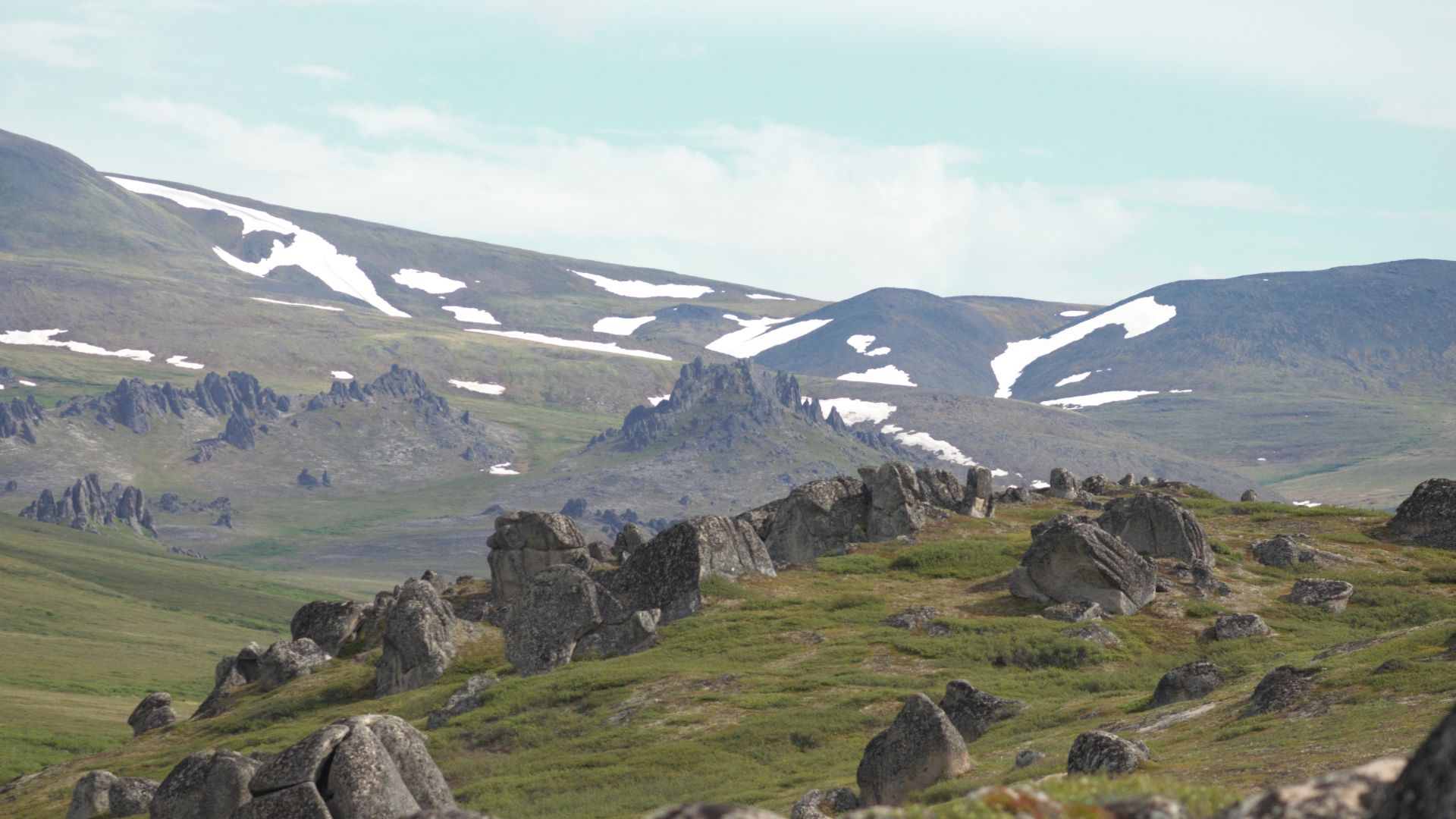
6. Anzick Clovis Burial Site
Montana's Anzick site is the only known Clovis burial, discovered in 1968 and dated to around 12,600–13,000 years ago with remarkable preservation. It contained remains of a young child buried with over 100 Clovis stone and antler tools coated in red ocher ceremonially.
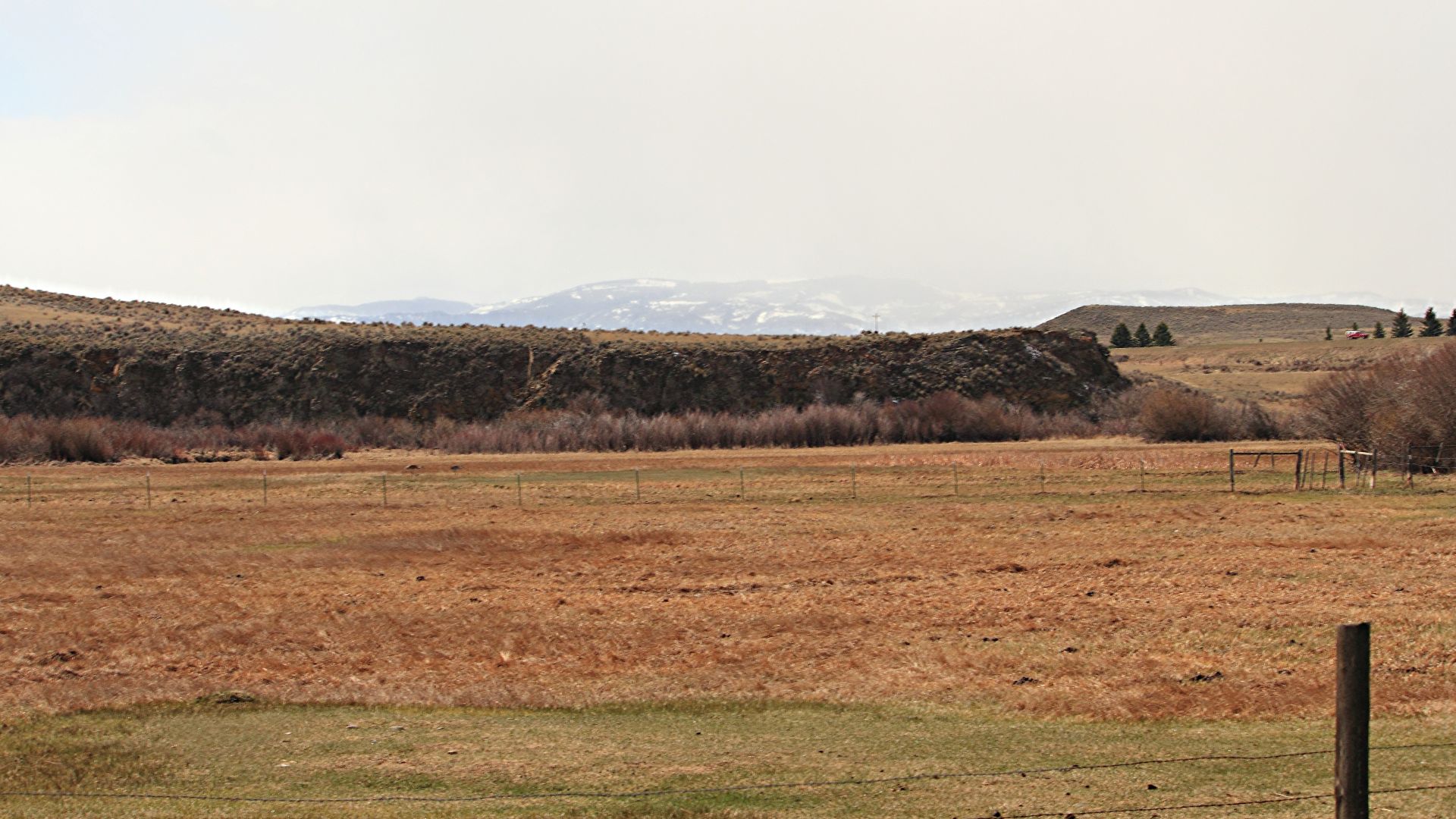 Ronald L. Shimek, Ph. D. on Wikimedia
7. Olmec Colossal Heads
Massive basalt sculptures from ancient Mesoamerica’s Olmec civilization date to at least 900 BCE and represent powerful rulers, transported more than 90 miles from quarries. 17 heads have been discovered, all standing approximately 5 to 11 feet tall and weighing roughly 13,000 to 110,000 pounds, at sites such as San Lorenzo.
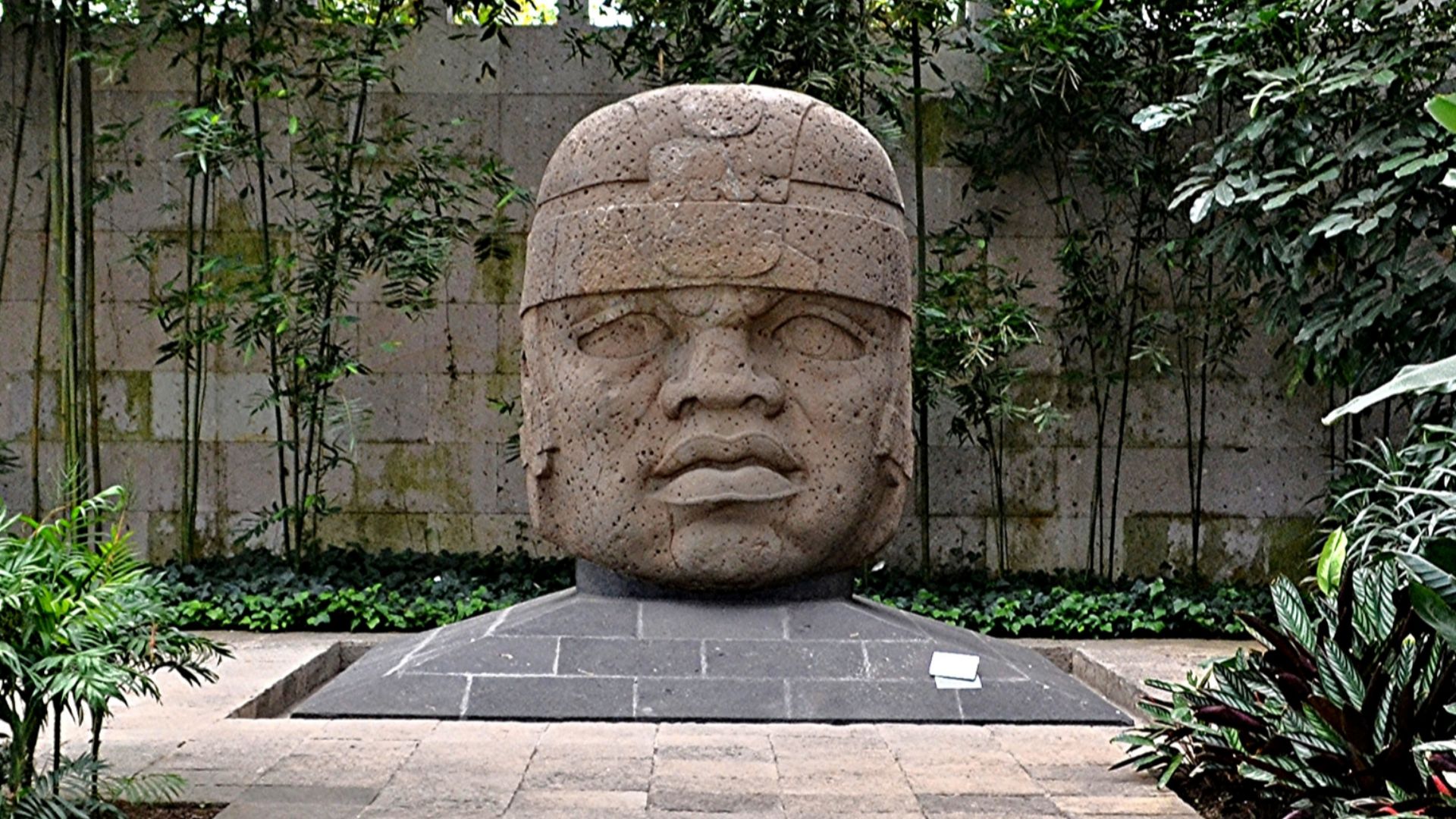
8. Nazca Lines
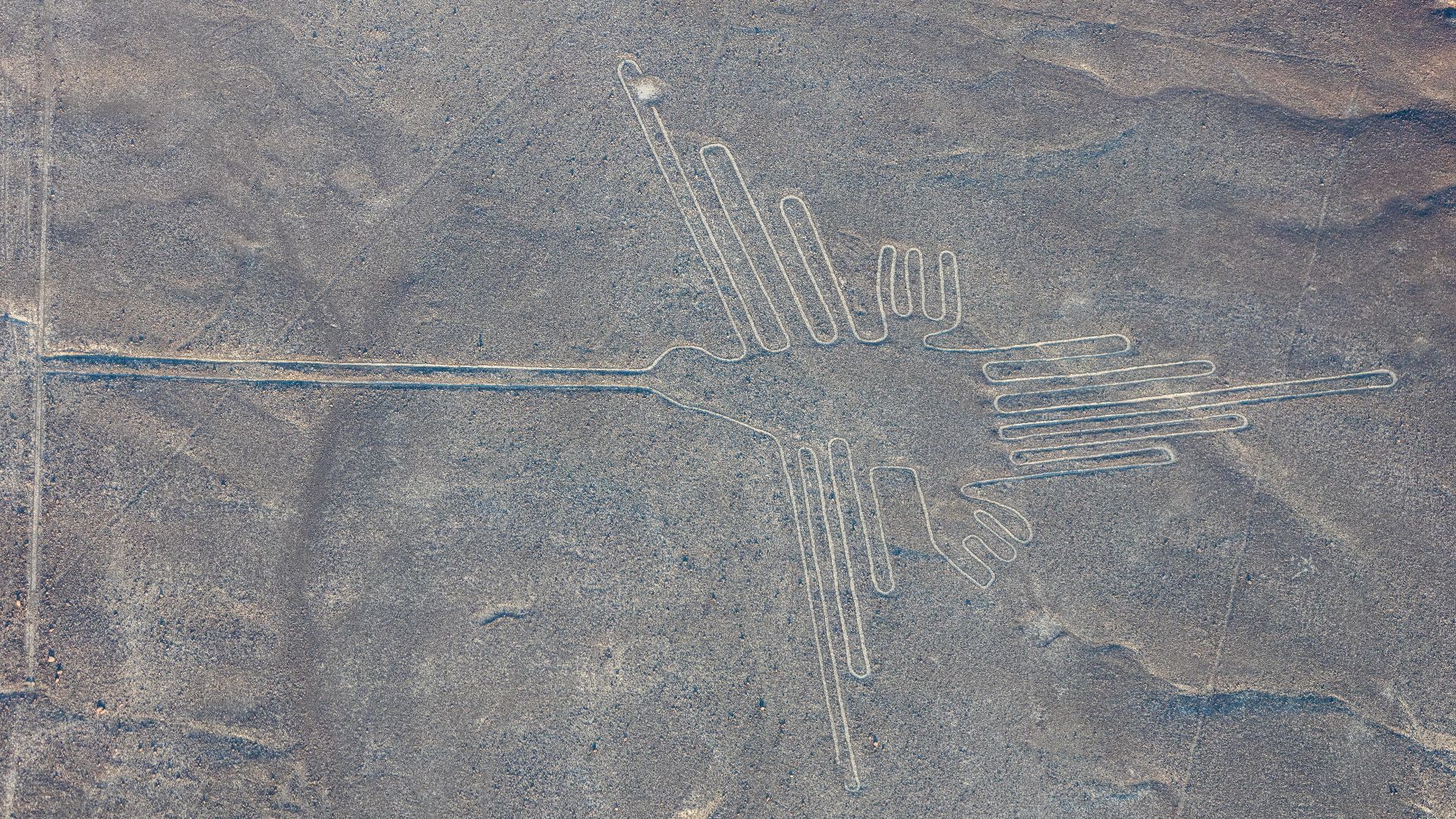
Massive geoglyphs in Peru's Nazca Desert were created by the Nazca culture between 500 BCE and 500 CE, featuring incredible artistry visible from the air. They include over 800 straight lines, 300 geometric shapes, and 70 biomorphic figures, with the largest figures stretching over 656 feet across the desert.
9. Luzia Woman
An approximately 11,500-year-old Paleo-Indian skeleton discovered in 1974 in a cave near Belo Horizonte, Brazil, represents early American settlement remarkably. Dated to around 11,243–11,710 years old, she passed on in her early 20s with skull traits once linked to diverse migration patterns debated scientifically.
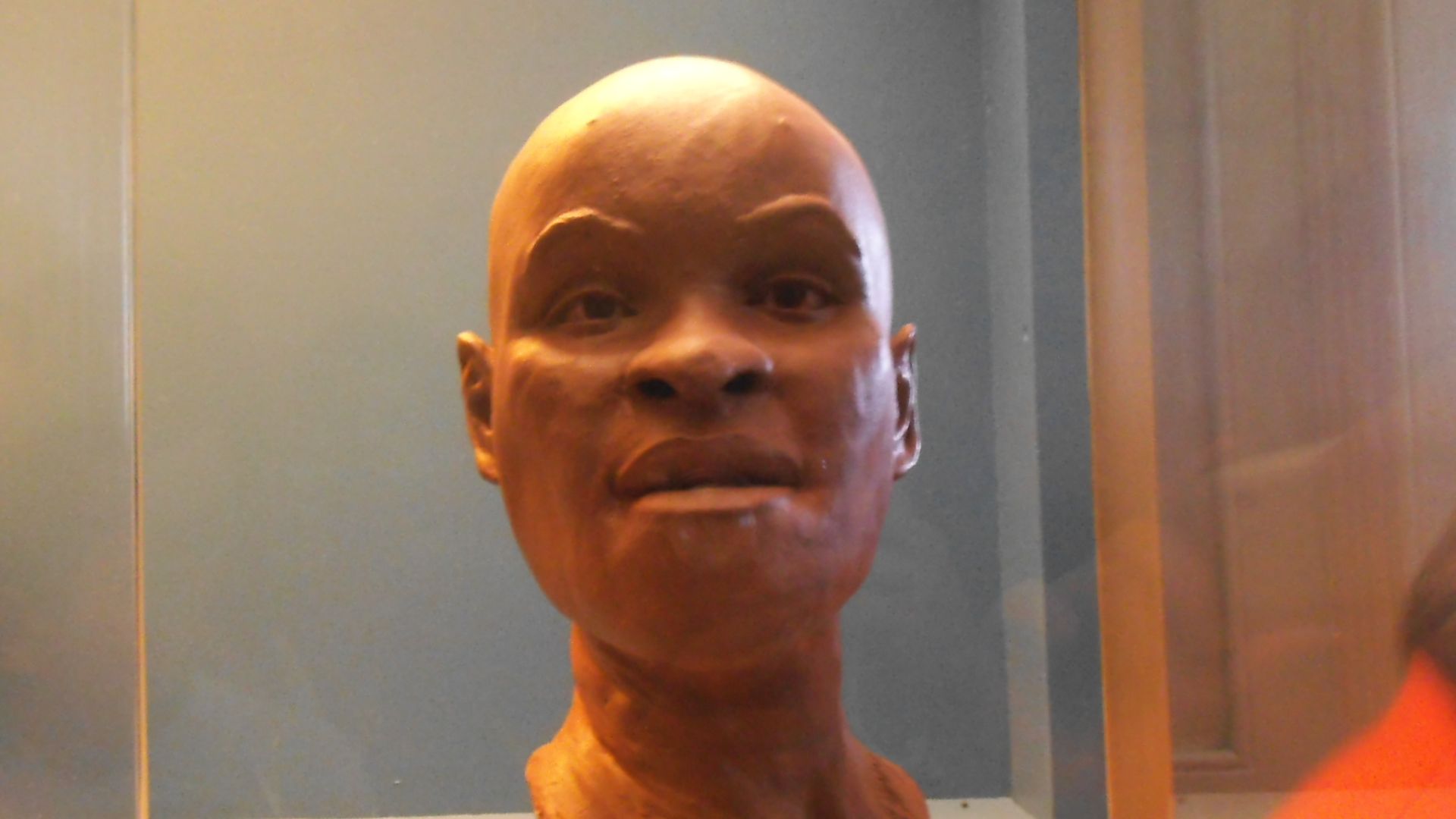 Gabriel Ribeiro de Melo on Wikimedia
10. Chaco Canyon
This major center of Ancestral Puebloan culture, located in New Mexico and dating to about 850–1250 CE, features impressive great houses and sophisticated road systems. Pueblo Bonito contains hundreds of rooms and kivas built using advanced masonry techniques, and great houses align with solar and lunar cycles astronomically.
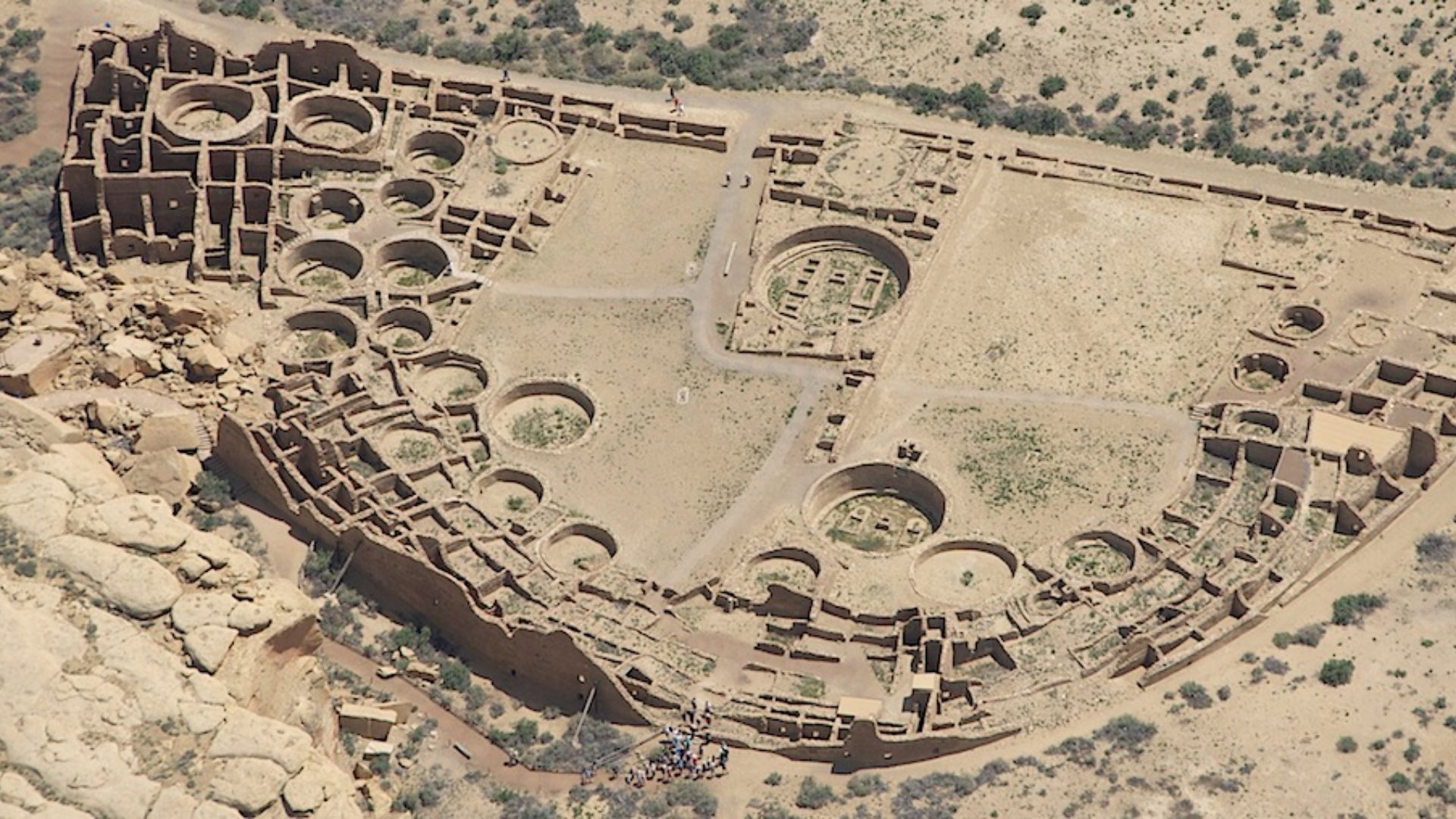 John Wiley User:Jw4nvc - Santa Barbara, California on Wikimedia
11. Hopewell Ceremonial Earthworks
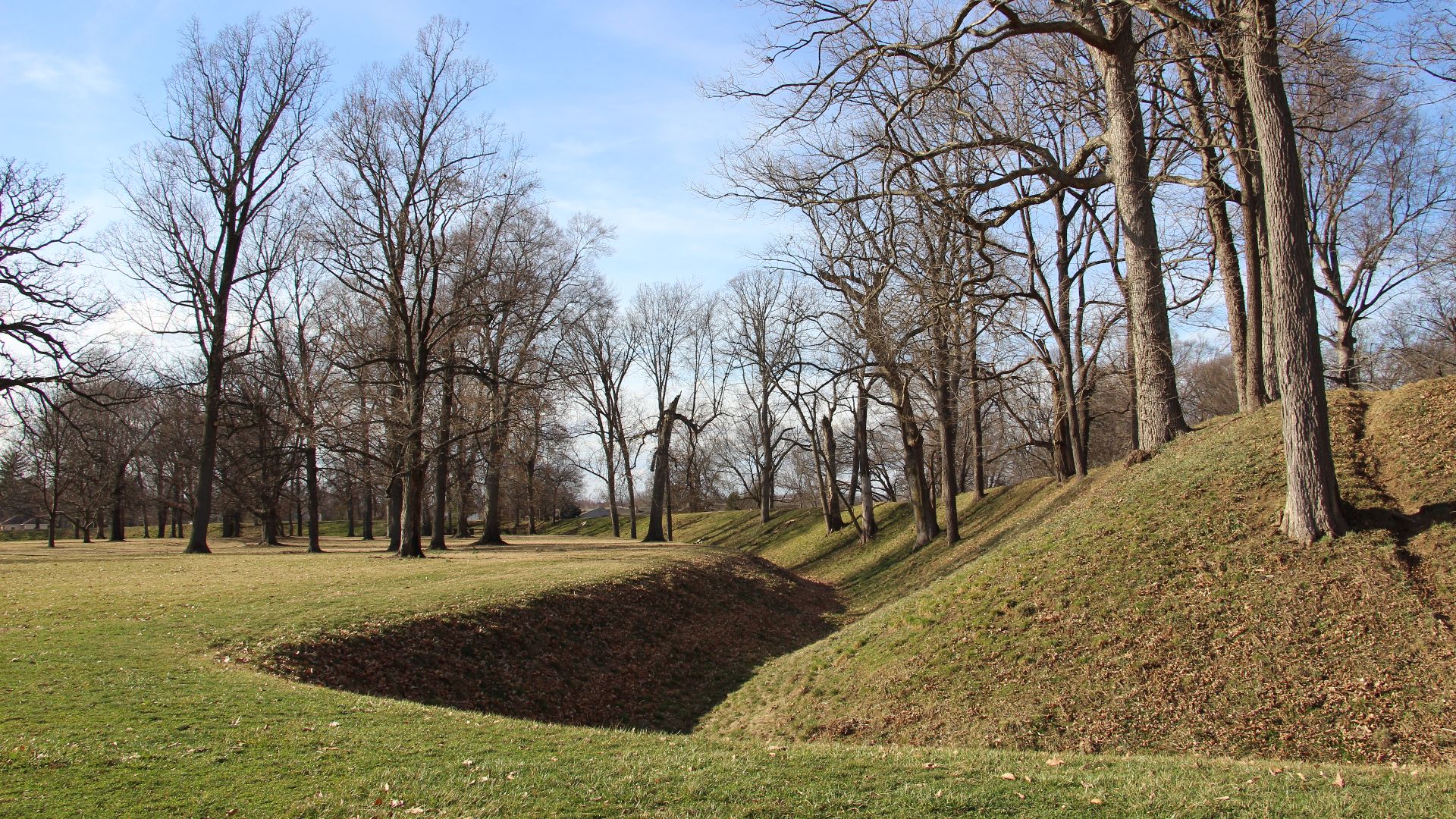
The Hopewell culture built extensive earthen enclosures and mounds across the Ohio Valley for ceremonial purposes from approximately 200 BCE to 500 CE. Newark Earthworks include massive geometric shapes like circles and octagons aligned to lunar cycles, and some enclosures align with the 18.6-year lunar standstill cycle.
12. Coso Petroglyphs
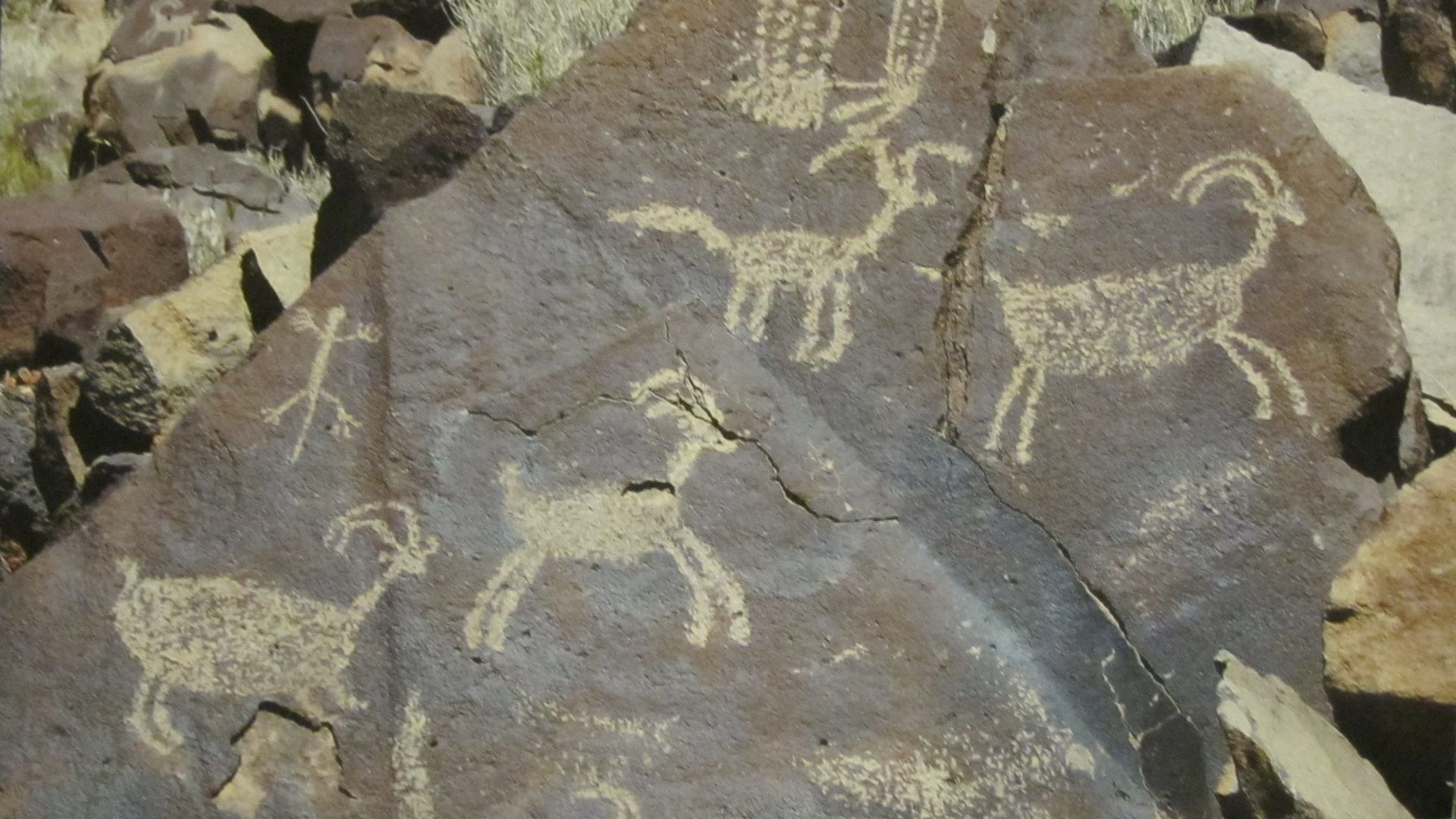
California's Coso Rock Art District features thousands of ancient rock carvings from Native American groups over millennia of continuous occupation throughout the region. Bighorn sheep and anthropomorphic figures date to 10,000–19,000 years ago, and some petroglyphs depict hunting scenes.
13. Monte Verde Settlement
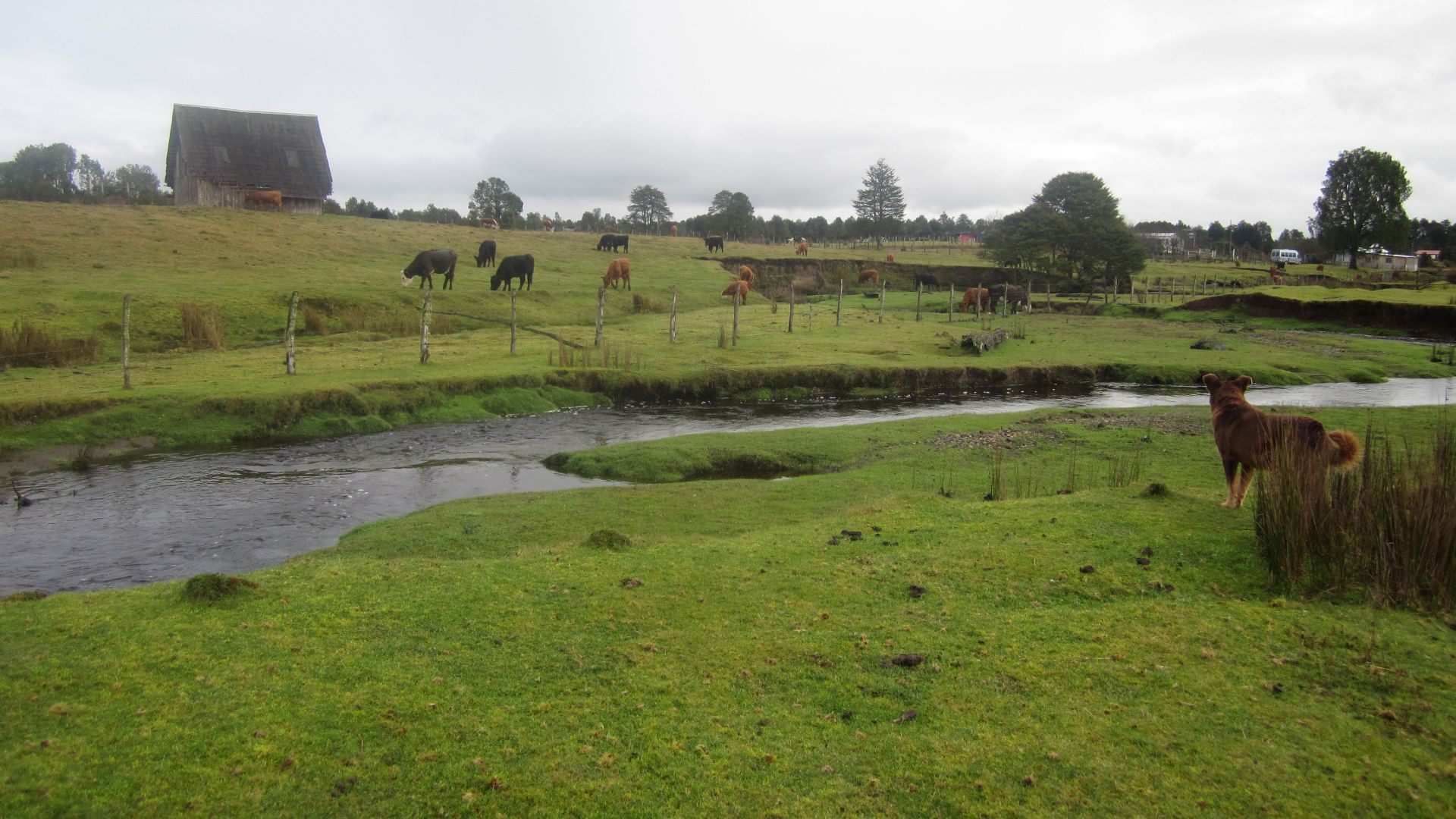
This Pre-Clovis site in Chile dates to around 14,500 years ago to provide evidence of early human presence in South America. Excavations revealed wooden structures, plant remains, and tools, and waterlogged conditions preserved perishable items like seaweed and potatoes rarely seen in ancient settlements.
 Geología Valdivia on Wikimedia
14. Tikal
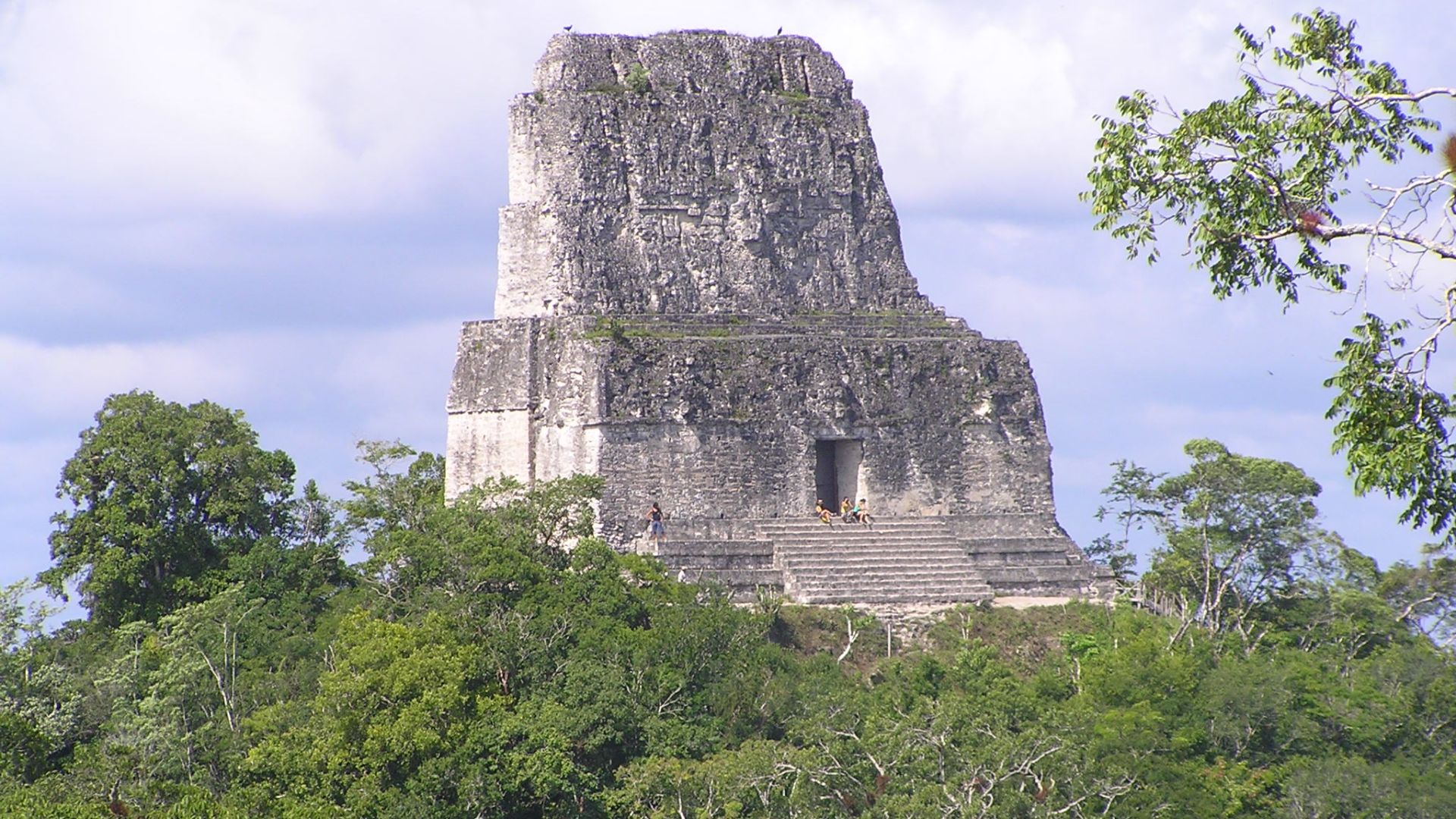
One of the extensive ancient Maya cities in Guatemala flourished from about 200 to 900 CE, characterized by towering pyramids and sophisticated urban planning. Temple IV rises over 230 feet, and excavations show peak populations of 60,000–90,000 with advanced engineering like reservoirs and causeways connecting the massive city.
15. Folsom Points
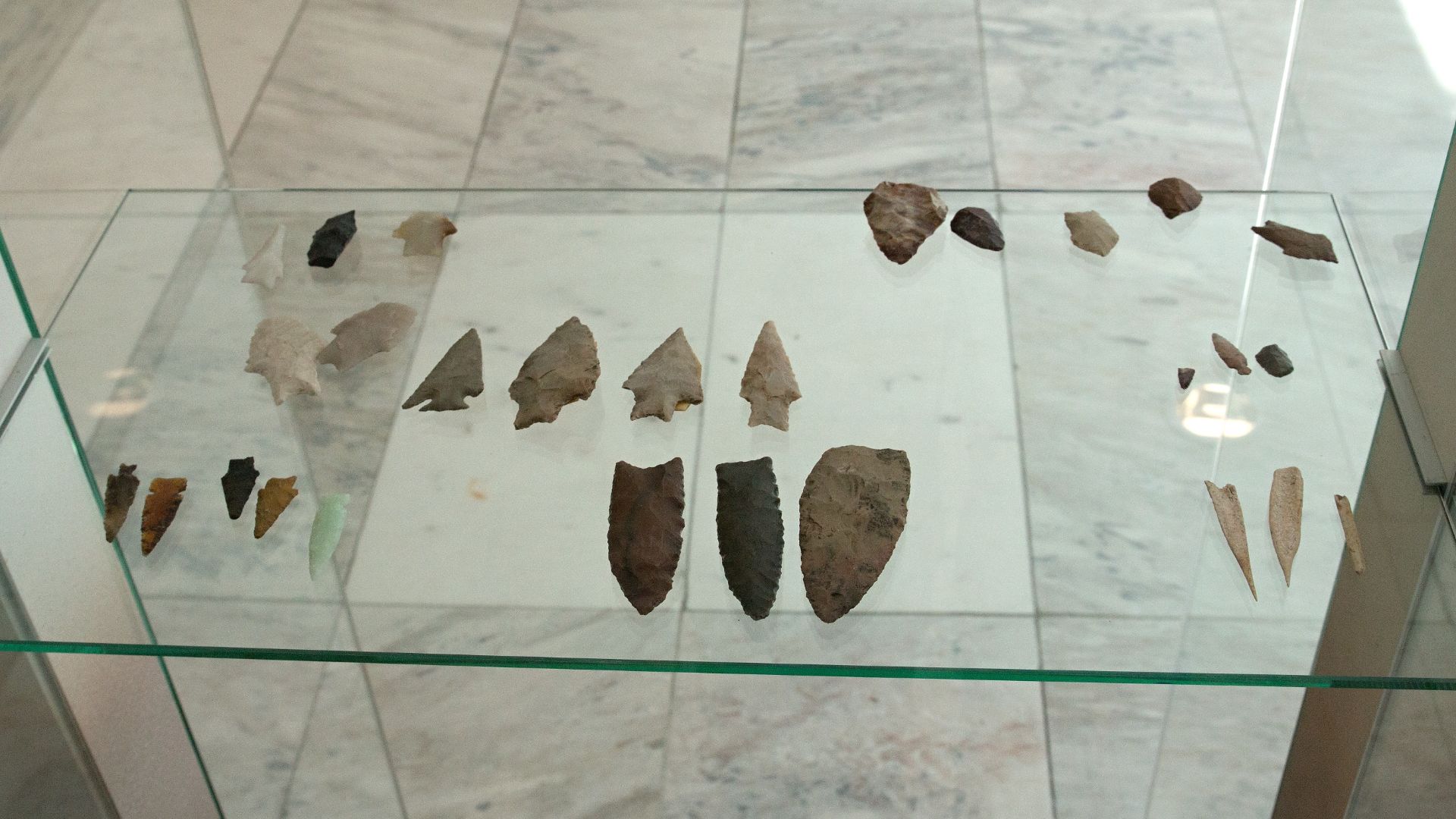
Fluted projectile points associated with the Folsom tradition date to approximately 12,800–10,200 years ago in the central and western United States. First identified in 1927–1928 at the Folsom site in New Mexico, a point was conclusively found embedded between the ribs of the extinct Bison antiquus.
16. Teotihuacan
A major pre-Columbian city in central Mexico flourished from about 100 BCE to 650 CE, reaching peak populations of roughly 80,000 to 100,000 residents. The Pyramid of the Sun rises more than 200 feet, and the Avenue of the Dead stretches over 1.5 miles, aligned with celestial events.
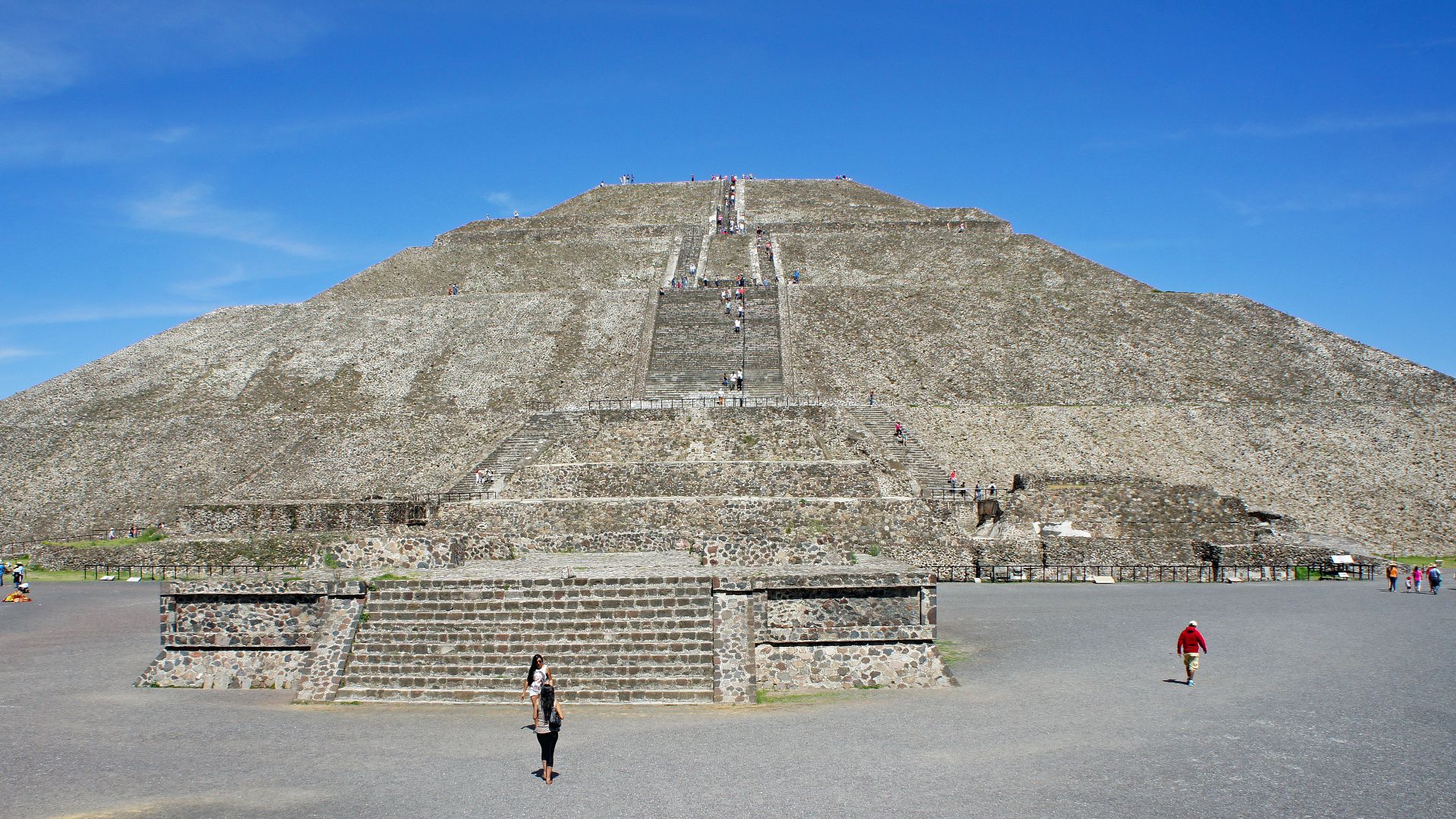 Mariordo (Mario Roberto Durán Ortiz) on Wikimedia
17. Chan Chan Adobe City
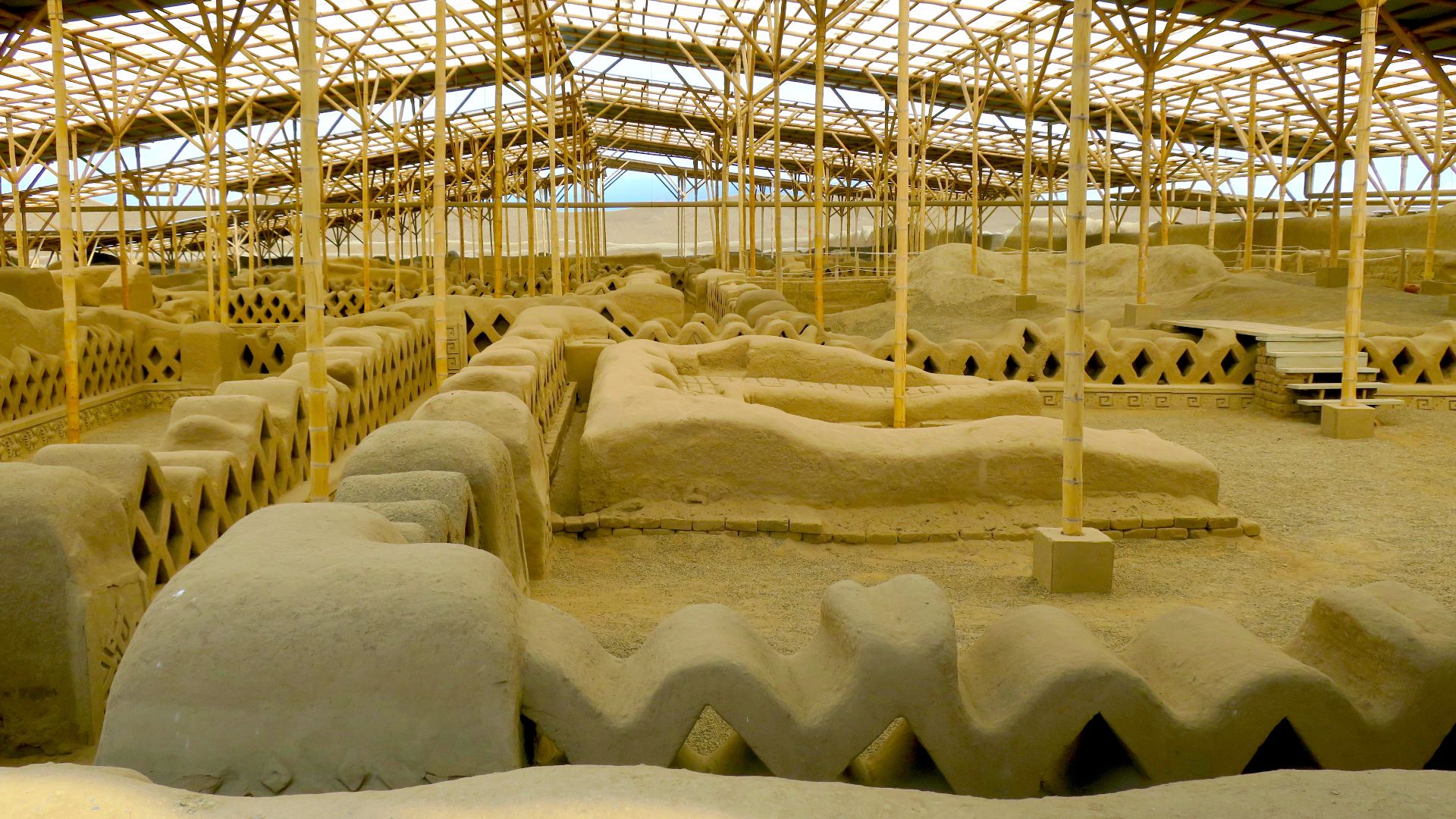
The capital of the Chimú kingdom in northern Peru flourished from around 850–1470 CE as the largest adobe city in pre-Columbian America. Nine large walled citadels housed elite classes, and the city once housed up to 60,000–100,000 people without using fired bricks or stone construction.
18. The Ice Maiden of Ampato
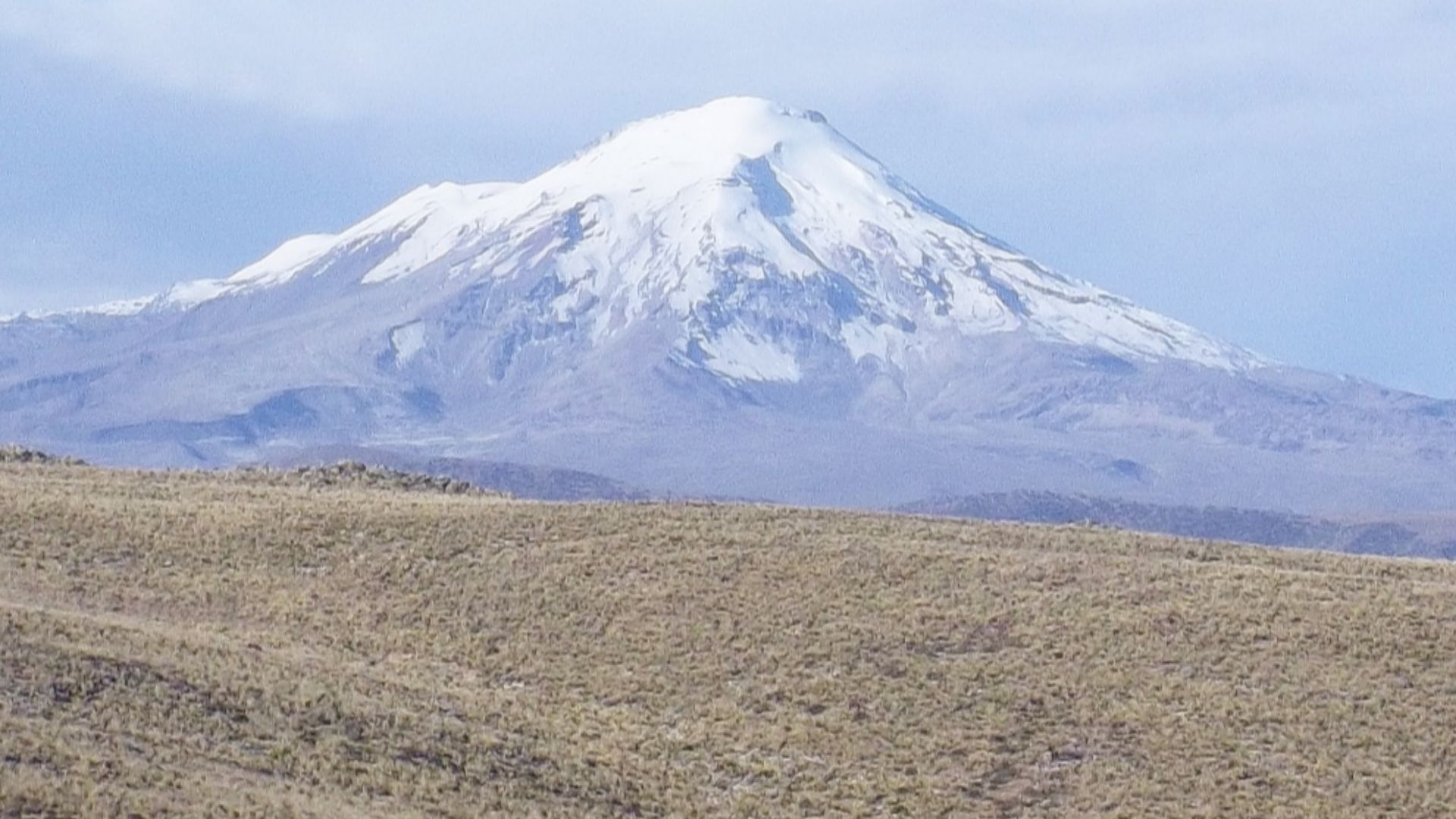
Juanita, a 12–15-year-old Inca girl sacrificed around 1440–1480 CE, was discovered in 1995 on Mount Ampato, preserved by freezing conditions. She was found with intact internal organs, clothing, and offerings, killed by a blow to the head as part of a capacocha ritual sacrifice.
19. Serpent Mound
Ohio's Serpent Mound is the largest known prehistoric effigy mound in the world, a 1,348-foot-long earthen serpent with a coiled tail. Radiocarbon dating places construction around 300 BCE by the Adena culture, and the serpent appears to be swallowing an egg-shaped mound at its head.
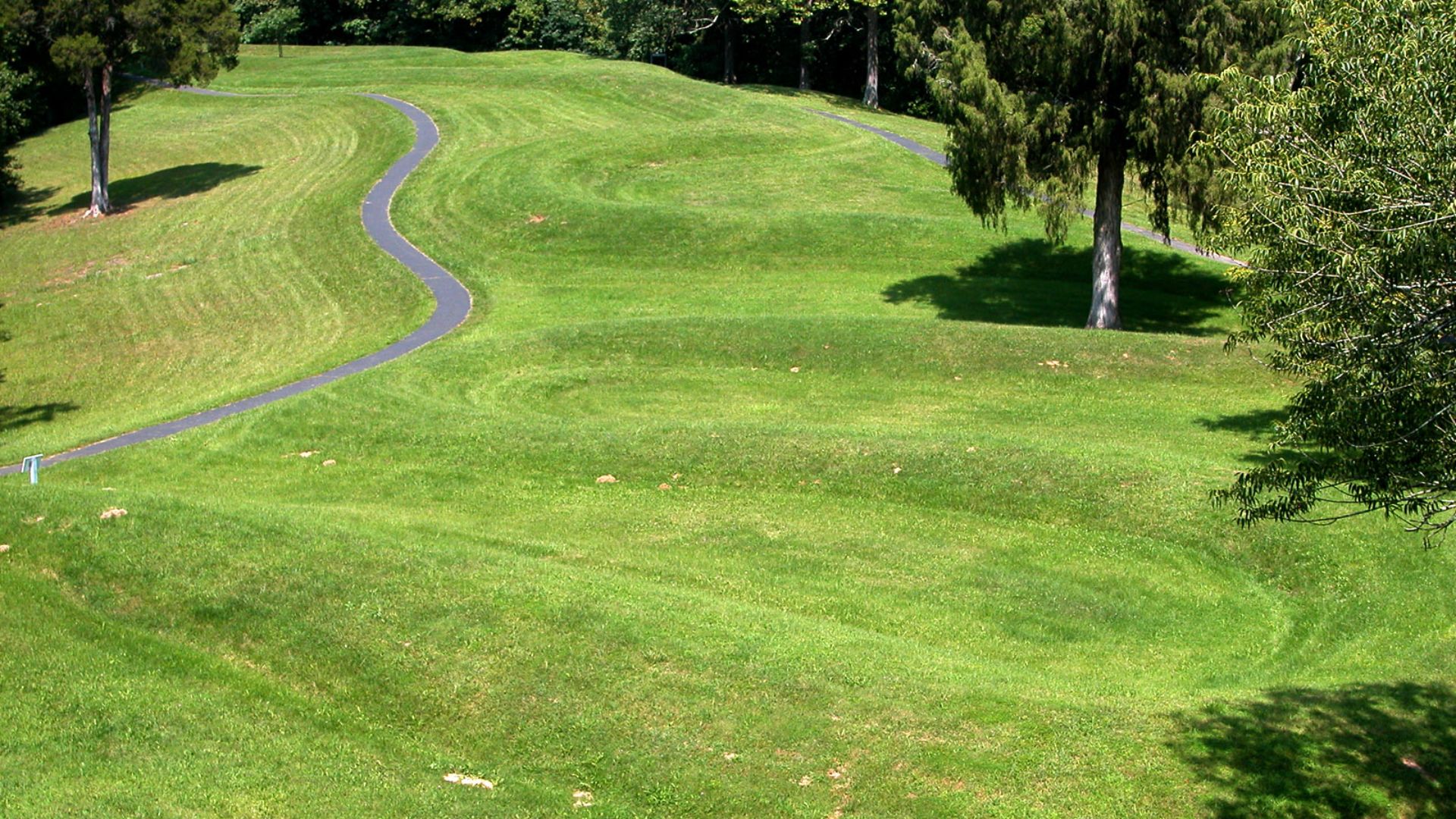 Pollinator at English Wikipedia on Wikimedia
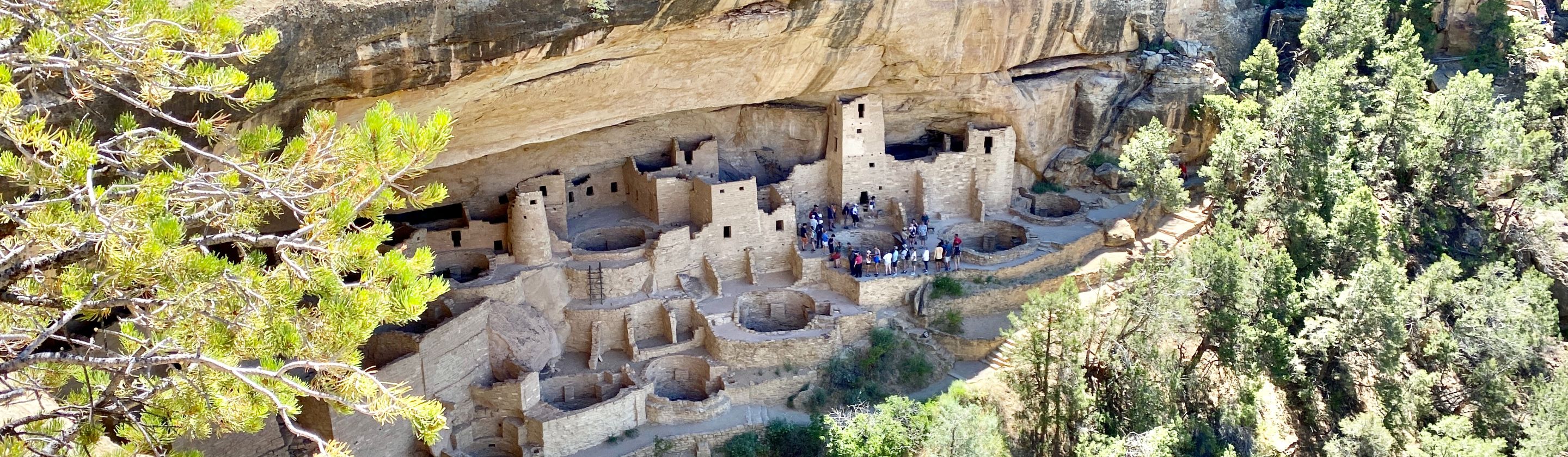
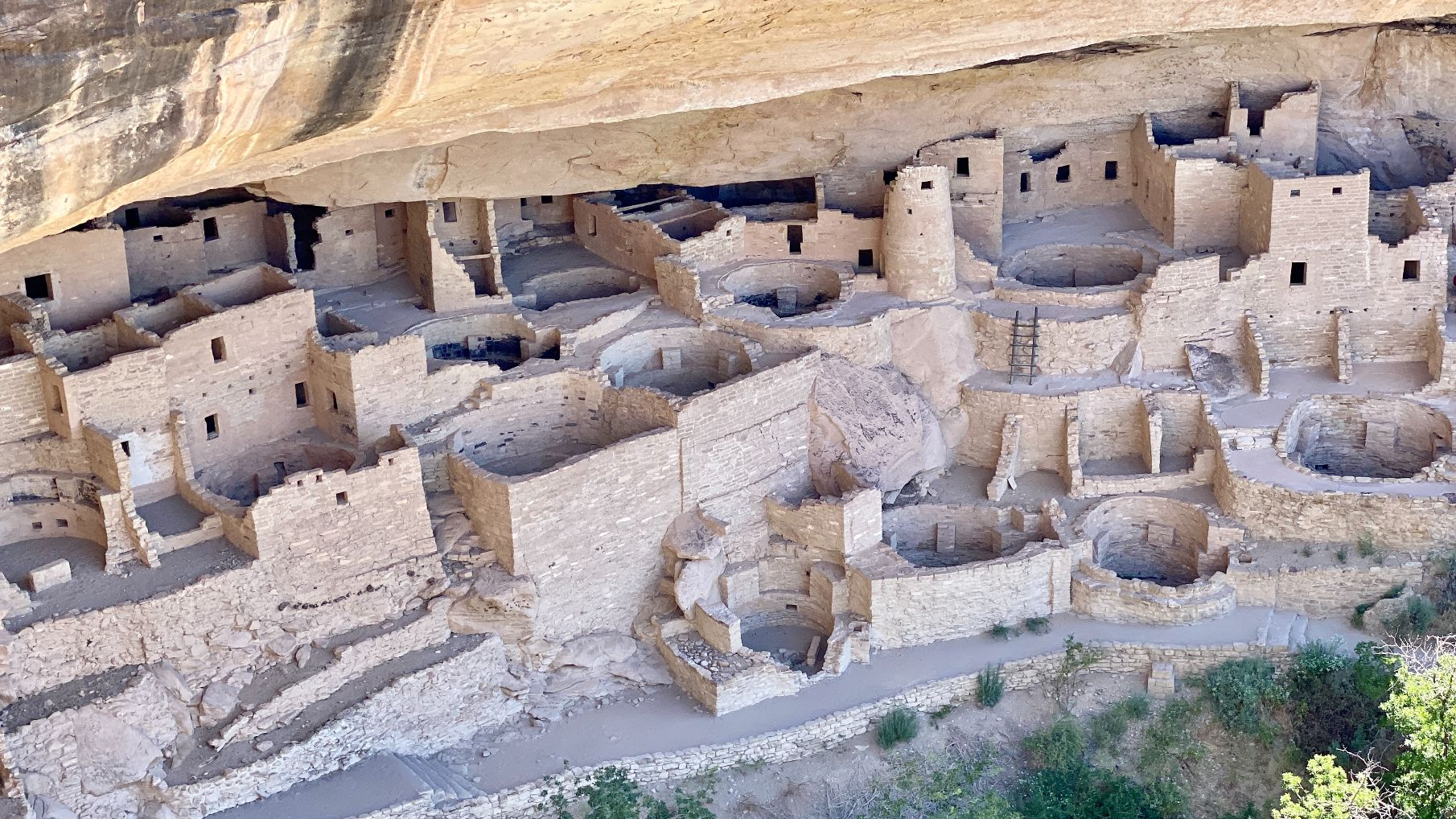
20. Cliff Palace at Mesa Verde
The largest cliff residence in North America was built by Ancestral Puebloans around 1190–1300 CE, with about 150 rooms and 23 kivas. It housed approximately 100 people in a massive natural alcove, and two kivas are connected by an underground tunnel, possibly used for dramatic rituals.
KEEP ON READING