
Witchcraft Was a Serious Fear
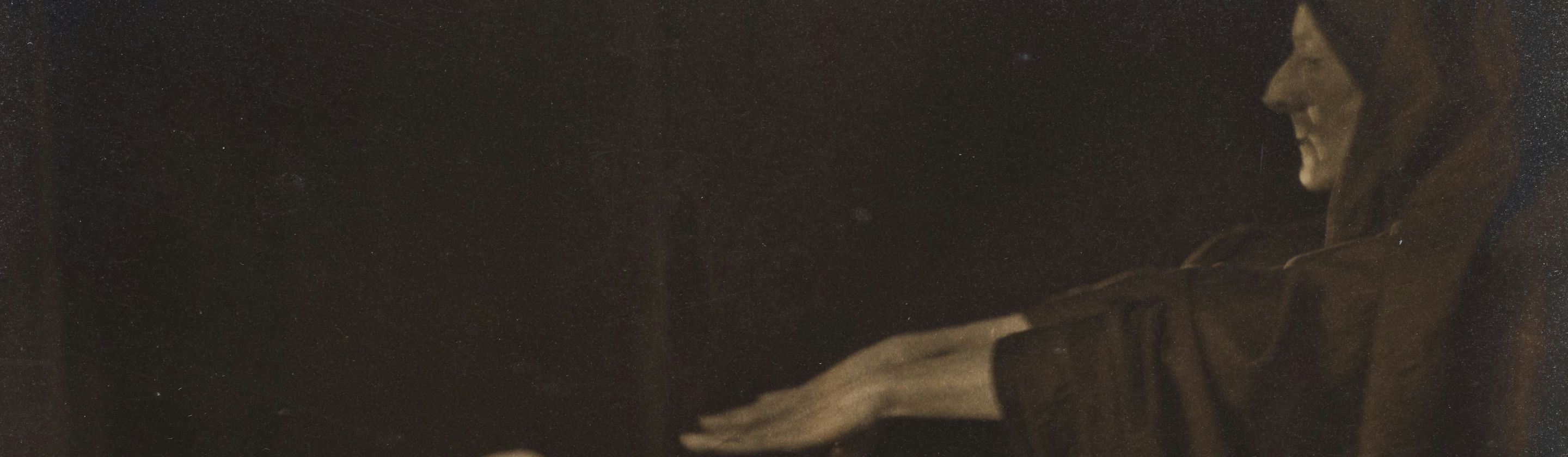
For centuries, people across Europe and colonial America worried that witches could curse their neighbors, ruin their harvests, make livestock sick, or bring illness into their homes. Before modern medicine and scientific explanations became widely available, ordinary misfortunes could be blamed on supernatural forces, and people developed some unusual ways to protect themselves. From hiding objects in walls to carrying supposedly magical charms, these historical practices reveal just how far people were willing to go to keep witchcraft at bay.
1. Hiding Bottles Filled With Nails
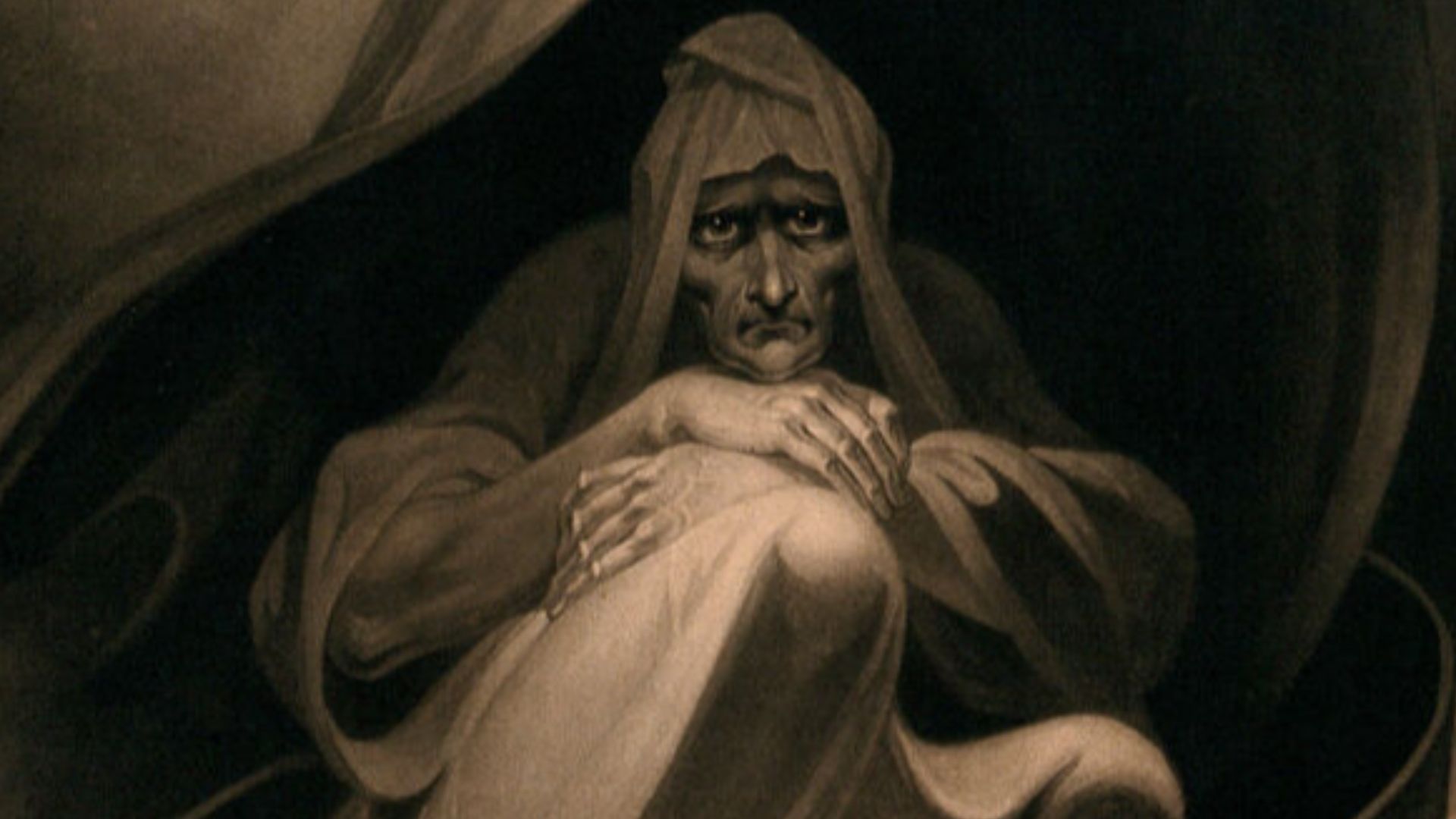
One common folk remedy believed to help protect someone from witchcraft was to create a witch bottle. People would stuff these bottles with hair, nail clippings, pins, and iron nails. It was thought that keeping these witch bottles under your home could prevent witches from hexing you or even cause them harm.
 The Metropolitan Museum of Art on Unsplash
2. Stuffing Old Shoes Inside Walls
Sometimes, when people had old shoes, they didn't throw them away; they hid them within their homes. They did this because they believed that shoes could protect them from witches or supernatural forces. Old shoes have been found throughout historic homes, hidden in places ranging from walls and floorboards to spaces around chimneys.

3. Hanging Horseshoes Above Doorways
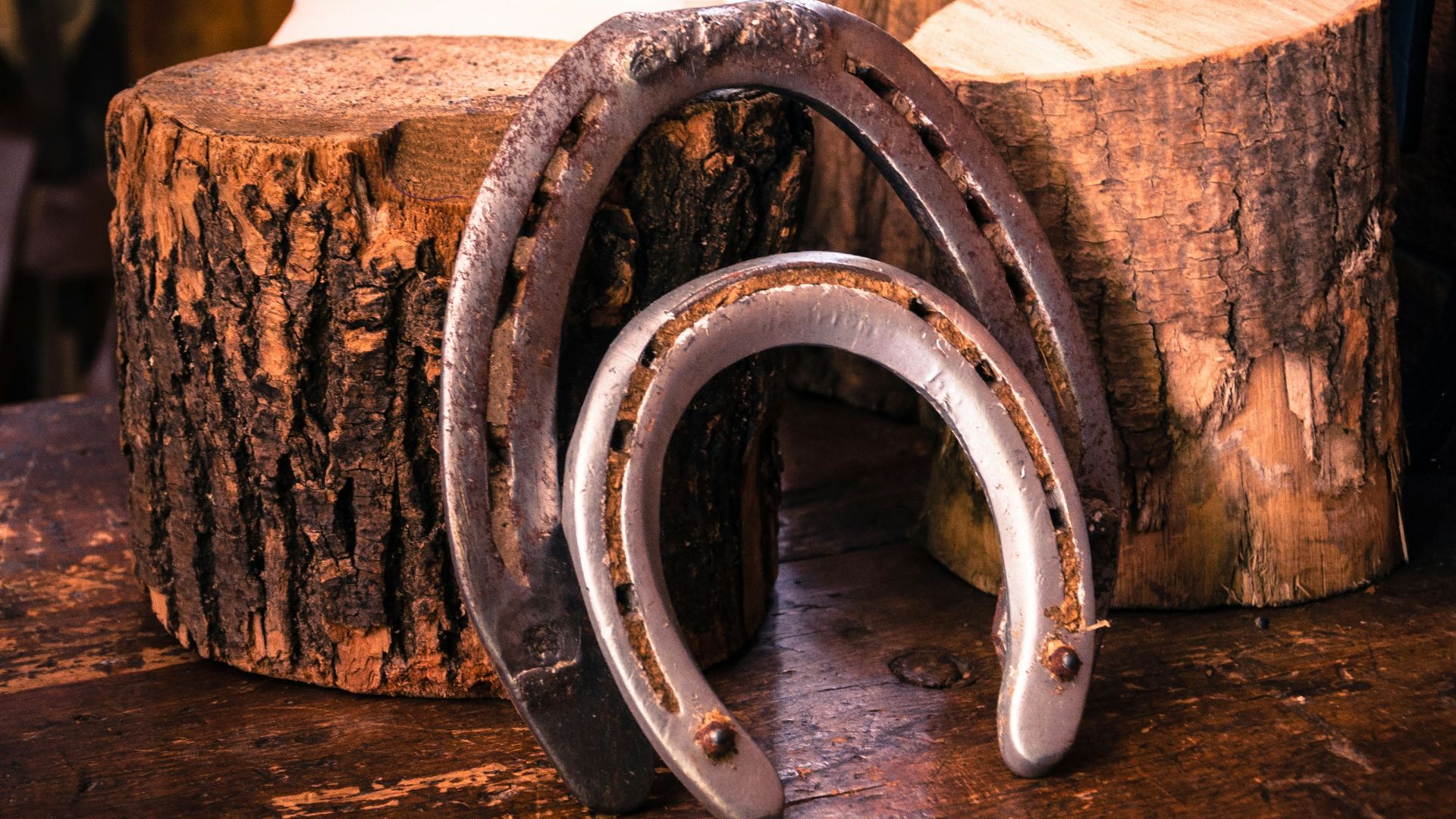
Another way people kept witches away from their houses was by hanging a horseshoe over their doorway. There is even a legend about a man who nailed a horseshoe onto the devil's foot and told him not to return. People subsequently placed horseshoes above doors and other entrances to keep evil away, although whether someone hung the shoe with its ends pointing upward or downward could depend on local traditions and personal beliefs.
4. Searching for Stones With Natural Holes
A stone with a hole through it has also been believed to help ward off witchcraft. Hagstones, also called witchstones, could be hung by a door or above your bed to help defend your house against evil forces. These stones were ordinary geological objects, but their unusual appearance made them attractive candidates for protective folklore.

5. Carving Mysterious Symbols Into Wooden Beams
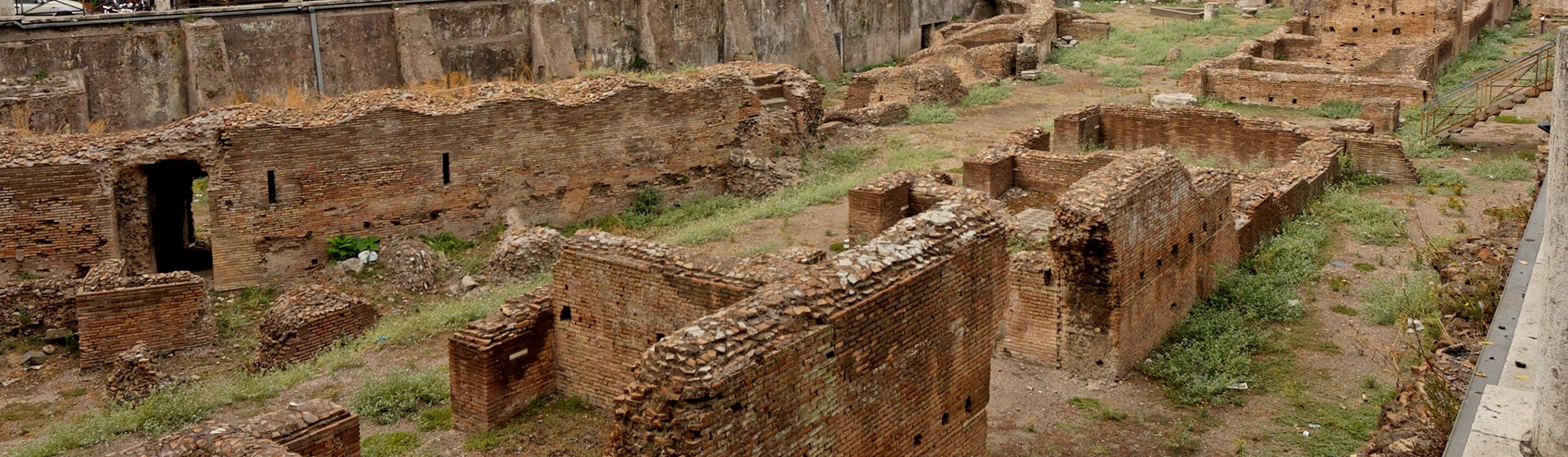
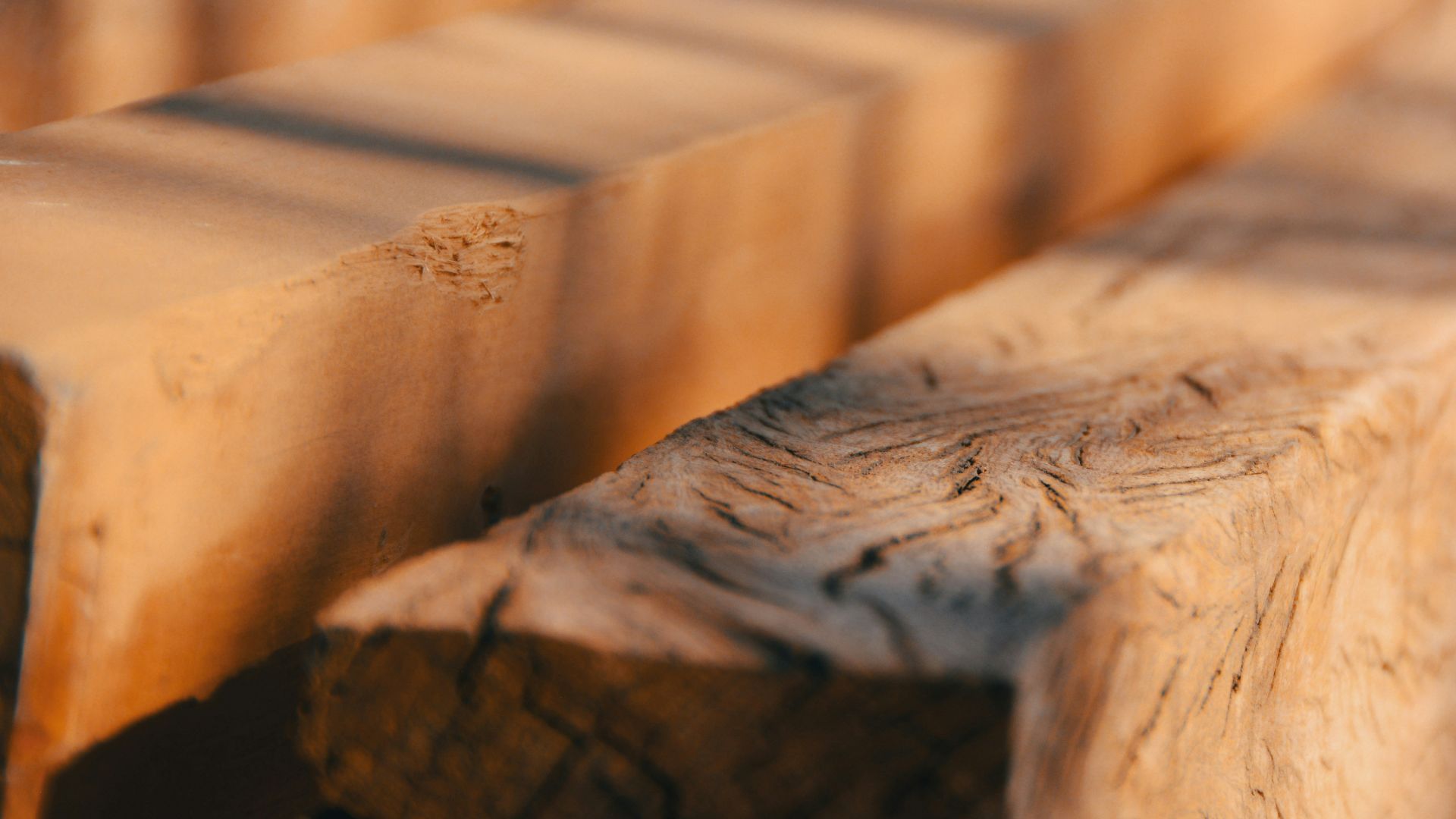
Many old houses have been found with symbols etched into their wooden structures. These markings have been discovered throughout houses, whether on beams, door frames, or other parts of the home. Many of these markings are known as witch marks, and their placement suggests that some people considered them an important part of protecting their homes.
6. Hiding Cats Inside Buildings
Many dead or mummified cats have been found in old homes. Some researchers believe that cats may have been concealed as charms to help drive witches away or protect buildings from evil forces. Not every discovery has a clear explanation, but the repeated appearance of concealed animal remains has attracted considerable interest from historians and archaeologists.

7. Concealing Horse Skulls Beneath Floors
Horse skulls have also been discovered concealed in historic buildings, particularly in parts of Britain. Researchers have considered whether some of these remains were placed there as protective objects, perhaps to discourage harmful spirits or bring good fortune to the property. Their placement beneath floors or within building structures suggests that at least some were intentionally hidden rather than discarded as ordinary rubbish.

8. Hiding Written Charms Around the House
Not all witch bottles were made with needles and pins. Some people wrote charms that they believed would help protect them from witches. Folk traditions also included writing or speaking these charms as ways to guard against suspected witchcraft and other supernatural threats.

9. Placing Rowan Branches Above Doors
Rowan trees feature in folklore that has been passed down through generations. People could use rowan branches to make a cross that they believed would help defend them against evil forces. These branches were sometimes hung above doors to help protect homes, as rowan trees were associated with magic and protection, not just valued for their wood or berries.

10. Hanging St. John's Wort Near Windows
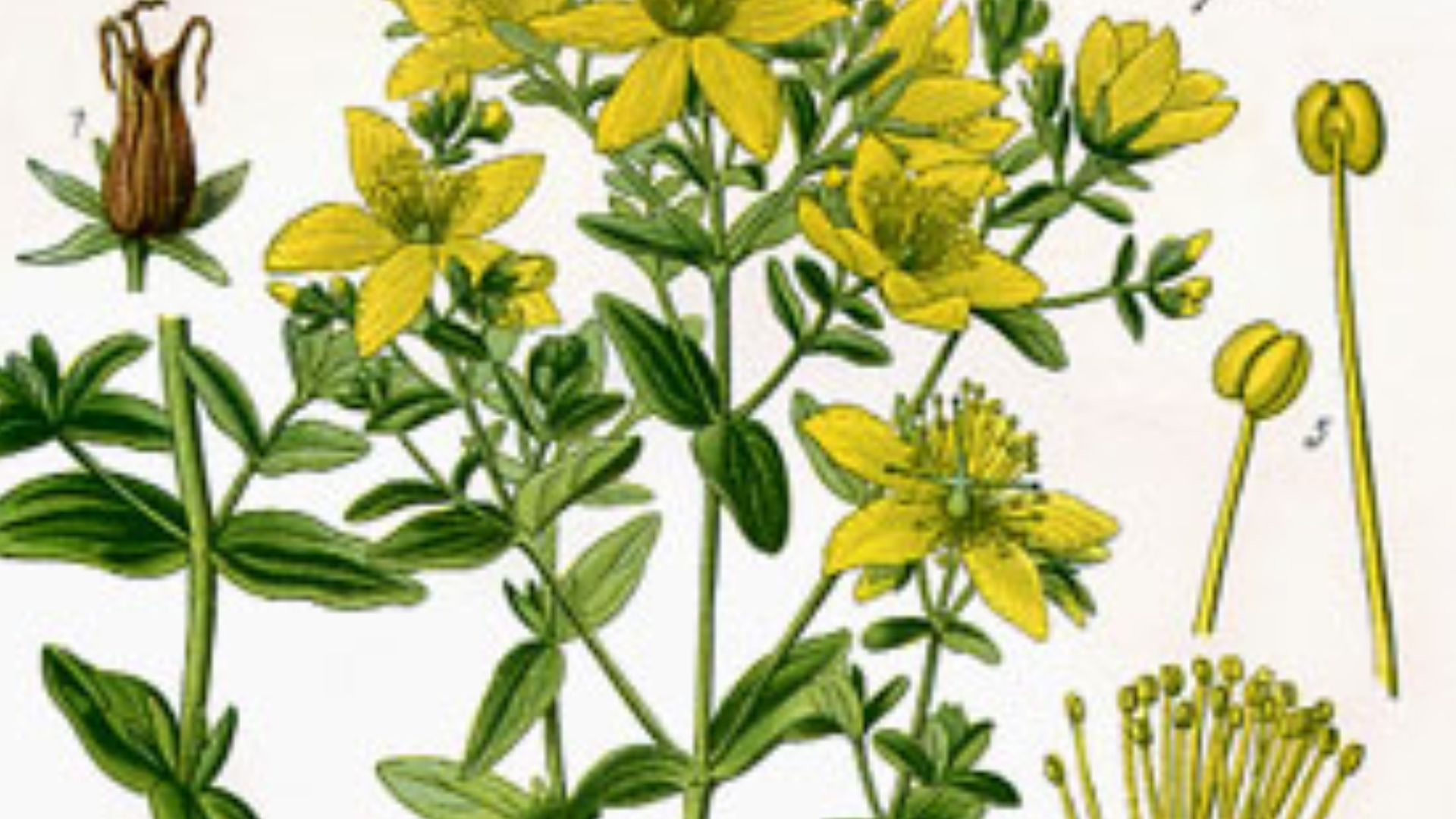
St. John's wort was an herb that people sometimes hung above doors and windows to keep witches away from their homes. Stories dating back centuries describe beliefs that St. John's wort could stop evil spirits from entering a home. Many herbs and trees were used in folk practices intended to keep evil forces away.
 Prof. Dr. Thomé, Otto Wilhelm on Wikimedia
11. Keeping Iron Objects Close at Hand
Iron was widely associated with protection against supernatural beings in various European folk traditions. Horseshoes were one familiar example, but iron objects more generally could be treated as safeguards against witches, fairies, and other potentially dangerous entities. The metal's durability and usefulness in everyday life may have contributed to its symbolic reputation, although specific beliefs varied between communities.
12. Using Salt to Counter Suspected Witchcraft
Salt was sometimes used in folk practices intended to ward off witchcraft. It was also included in some witch bottles, which people believed could prevent hexing. Although salt had many everyday uses, its protective role depended on local beliefs and traditions.

13. Placing Protective Objects Beneath the Hearth
People sometimes concealed objects believed to offer protection beneath hearths or near fireplaces. These hidden objects could include witch bottles or other items associated with warding off harmful forces. Their placement suggests that some people viewed the hearth as an important place to protect against supernatural threats.
14. Reciting Prayers Against Witchcraft
For many Christians, protection from suspected witchcraft involved turning to familiar religious practices. People might pray for safety, seek the assistance of a clergyman, or ask for blessings when illness or misfortune raised fears of supernatural interference. These responses could coexist with folk charms, demonstrating that religious devotion and traditional protective practices weren't always treated as separate approaches.

15. Keeping the Bible Close for Protection
Another way people sought protection from witchcraft was by keeping a Bible close at hand. There were many ways to use the Bible for protection, including writing out words from the Bible and hiding them in the home. Similar to written charms, these practices reflected beliefs that sacred words could help protect people from witchcraft.
 The New York Public Library on Unsplash
16. Hanging Glass Witch Balls in Windows
Glass witch balls are associated with protective folklore, particularly in traditions connected with Britain and later American household customs. These reflective or colorful glass spheres were sometimes hung in windows, where they were believed to repel or trap harmful influences. The details of their supposed powers varied, and the name doesn't mean that they were used by witches themselves.

17. Burying Witch Bottles Upside Down
If a person had a witch bottle, they might have buried it upside down. Witch bottles found underground have been discovered in many different positions, although their original placement doesn't always reveal the reason behind it. Some people may have positioned them upside down as part of a protective ritual intended to counter a curse.
18. Making Little Pincushion Hearts to Counter Curses
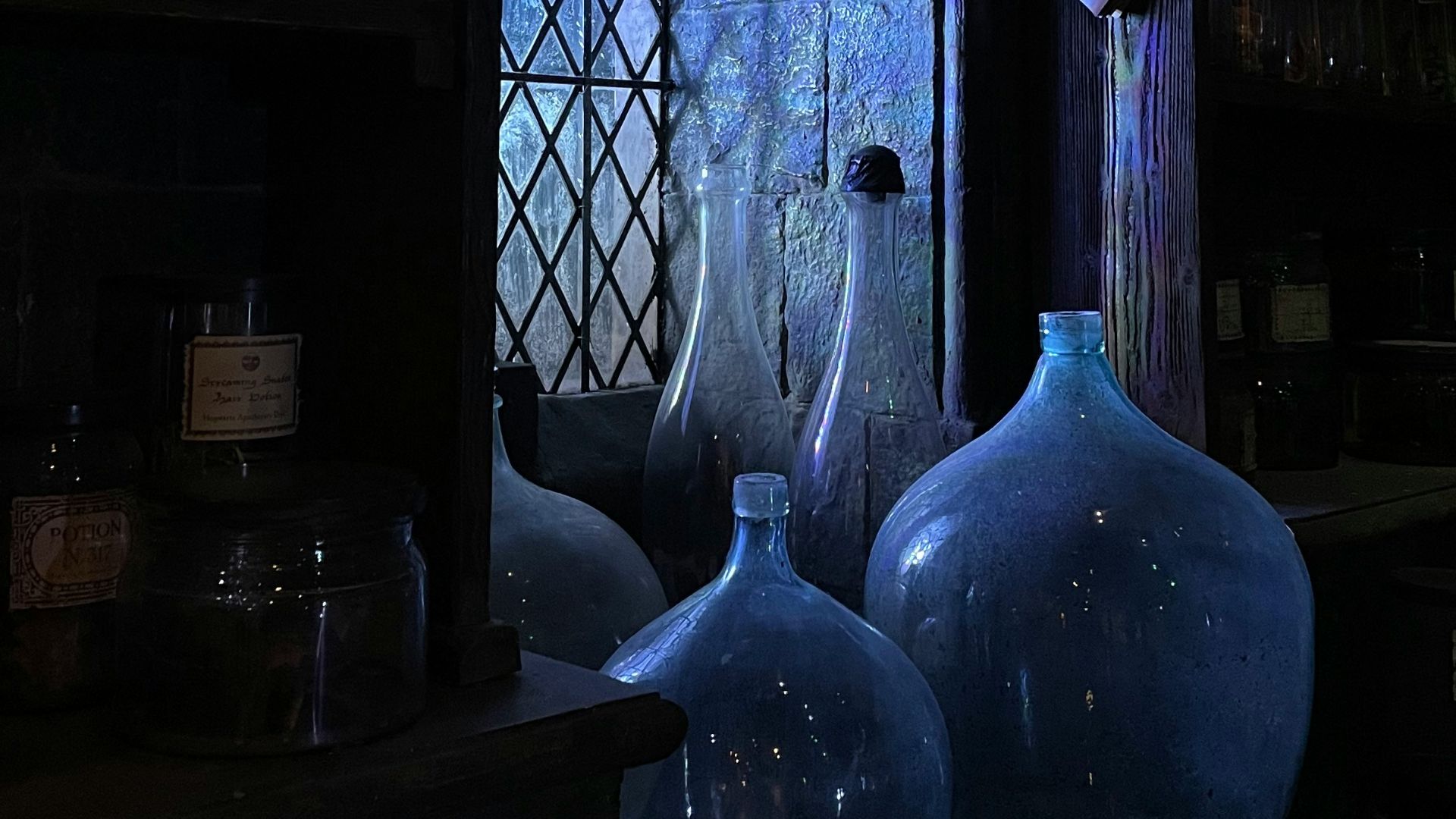
Some witch bottles have been found with small heart-shaped objects pierced with needles or pins. These pincushion hearts were thought to represent the human body, and some interpretations suggest that they were used to counter a curse cast on someone. It's pretty scary to think that someone could do this and genuinely believe it would protect them.

19. Concealing Protective Objects Inside Chimneys
Chimneys were another location where people deliberately hid items believed to provide supernatural protection. Old shoes, in particular, have been discovered in chimney spaces, while other protective objects were placed near hearths and within surrounding structures. One possible explanation is that people considered these areas vulnerable points through which harmful forces might enter a building.

20. Consulting a Wise Person for a Protective Charm
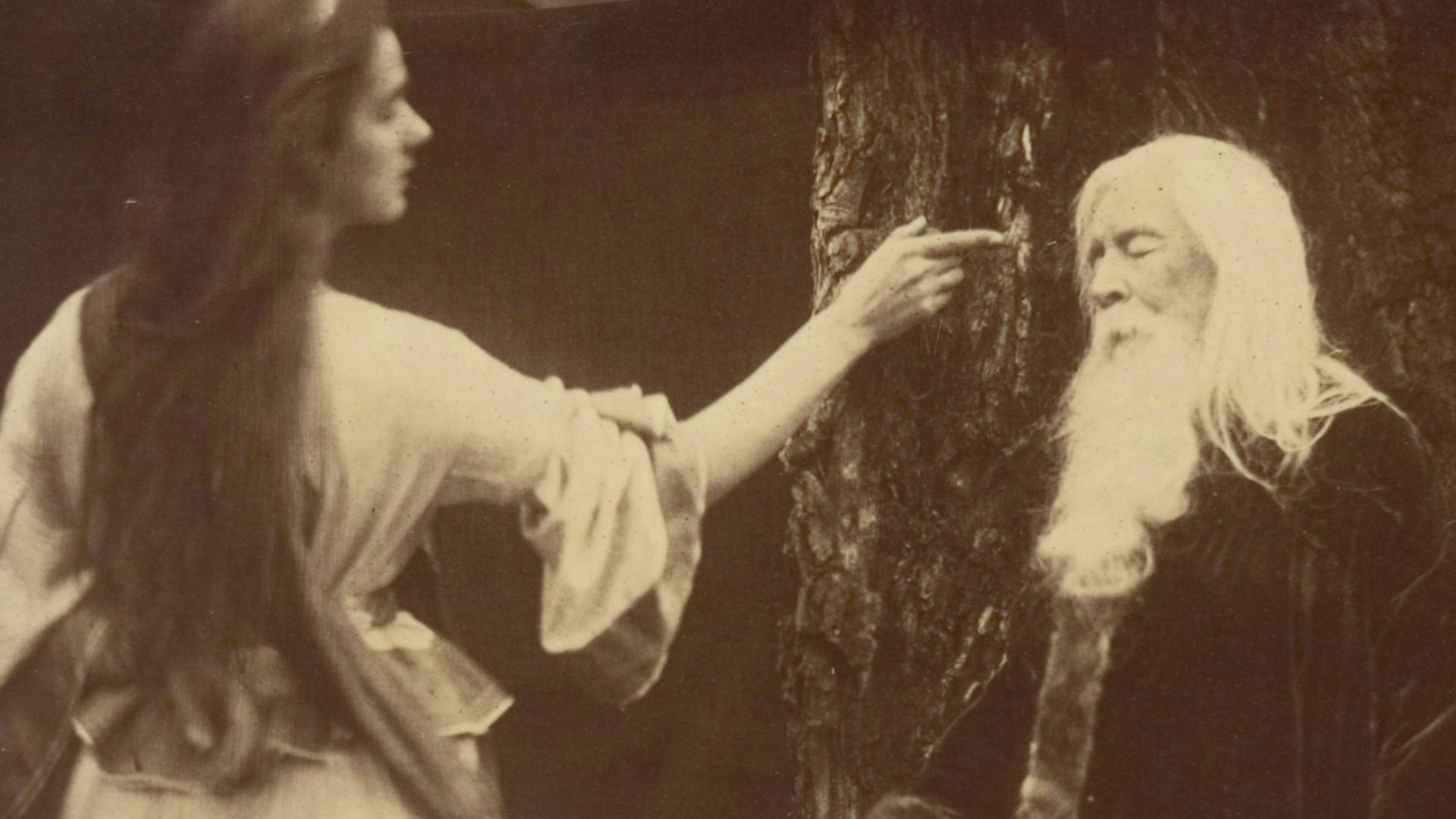
When someone suspected witchcraft, they might turn to a person known locally for healing, folk knowledge, or protective remedies. Depending on the community, such individuals could provide written charms, recommend particular objects, or offer instructions for dealing with suspected bewitchment. In Wales, historical traditions included people using charms for both healing and protection, showing that these practices could be woven into ordinary responses to illness and misfortune.

KEEP ON READING