

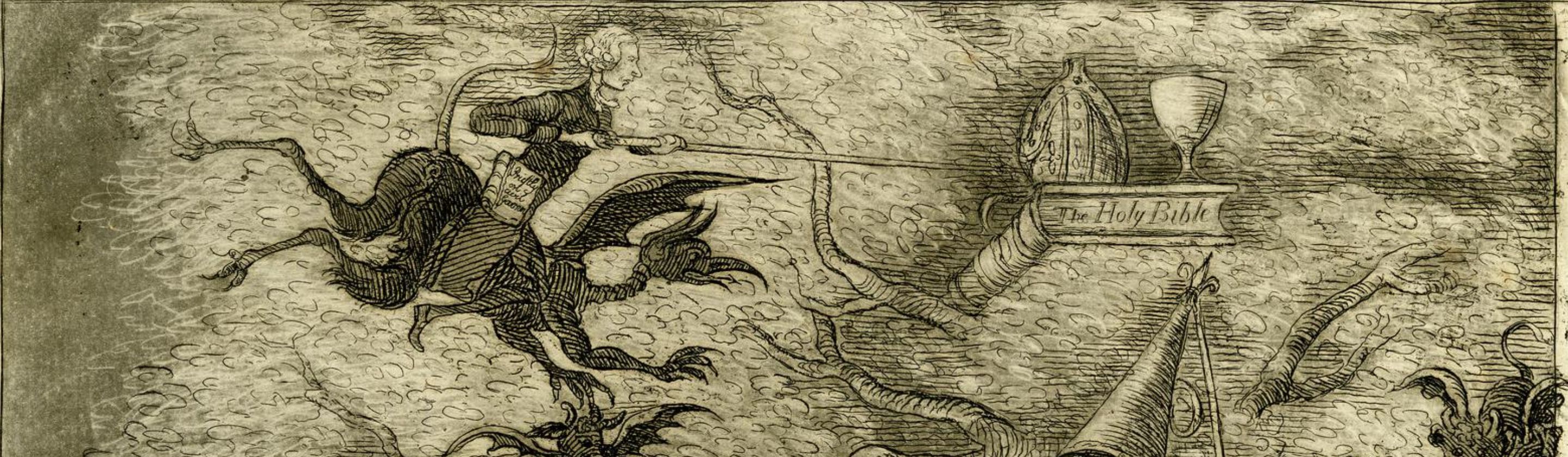
The Bible’s Most Memorable Beings
The Bible doesn’t limit itself to familiar animals and everyday imagery—you’ll sometimes run into creatures that feel surprisingly powerful or downright majestic. Some appear in visions that are meant to stretch your imagination, while others play a direct role in the story’s turning points. However, though the Bible can be wonderfully comforting, it can also get startlingly intense when it turns to visions, judgment, and the untamed edges of creation. Come with us as we explore both groups.
1. Cherubim
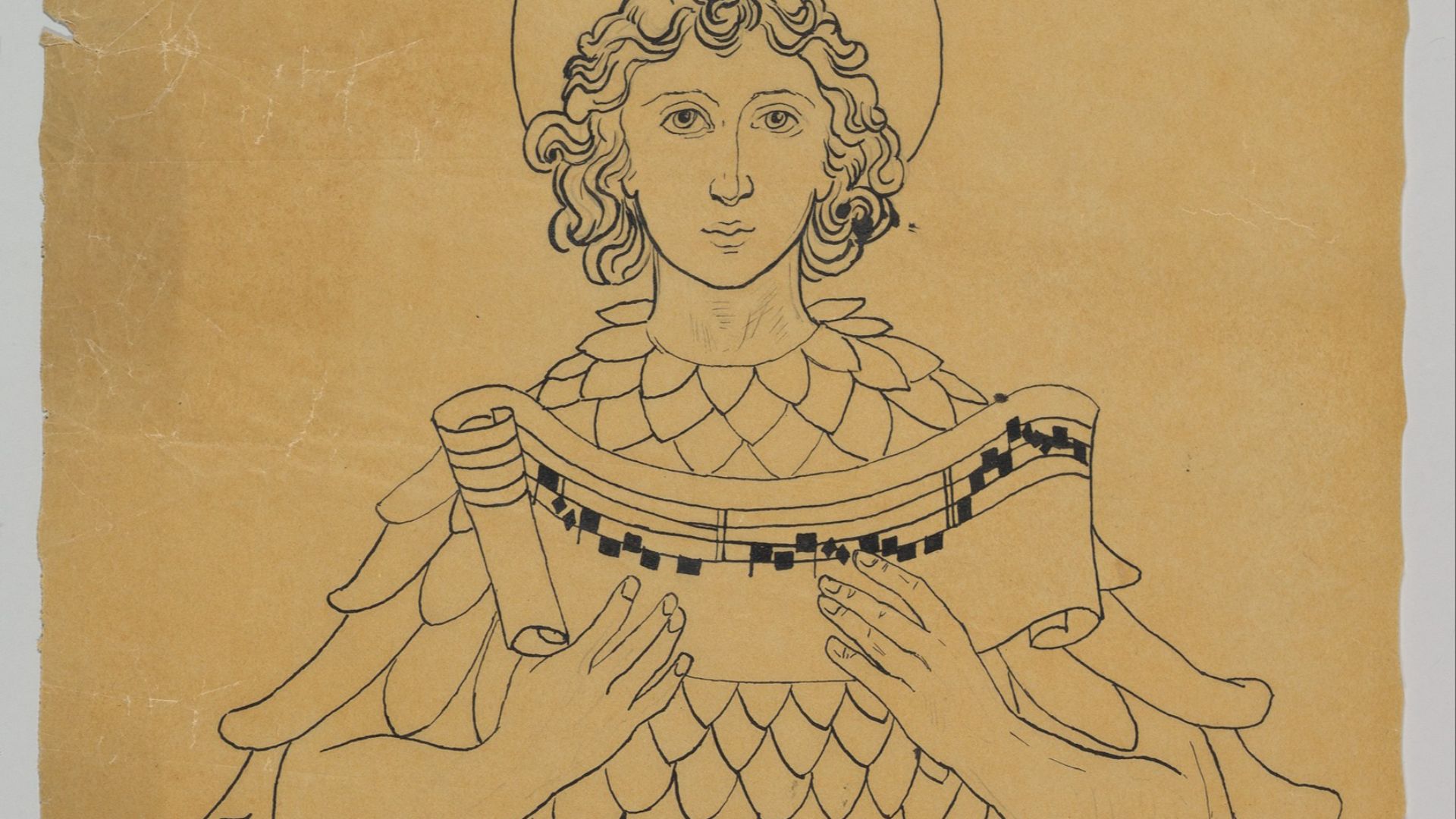
Cherubim are presented as serious protectors, stationed where holiness is treated with real weight. In Genesis, they guard the way back to Eden, and later they appear in descriptions tied to God’s presence. You’re meant to feel that approaching what they guard isn’t casual business.
2. Seraphim
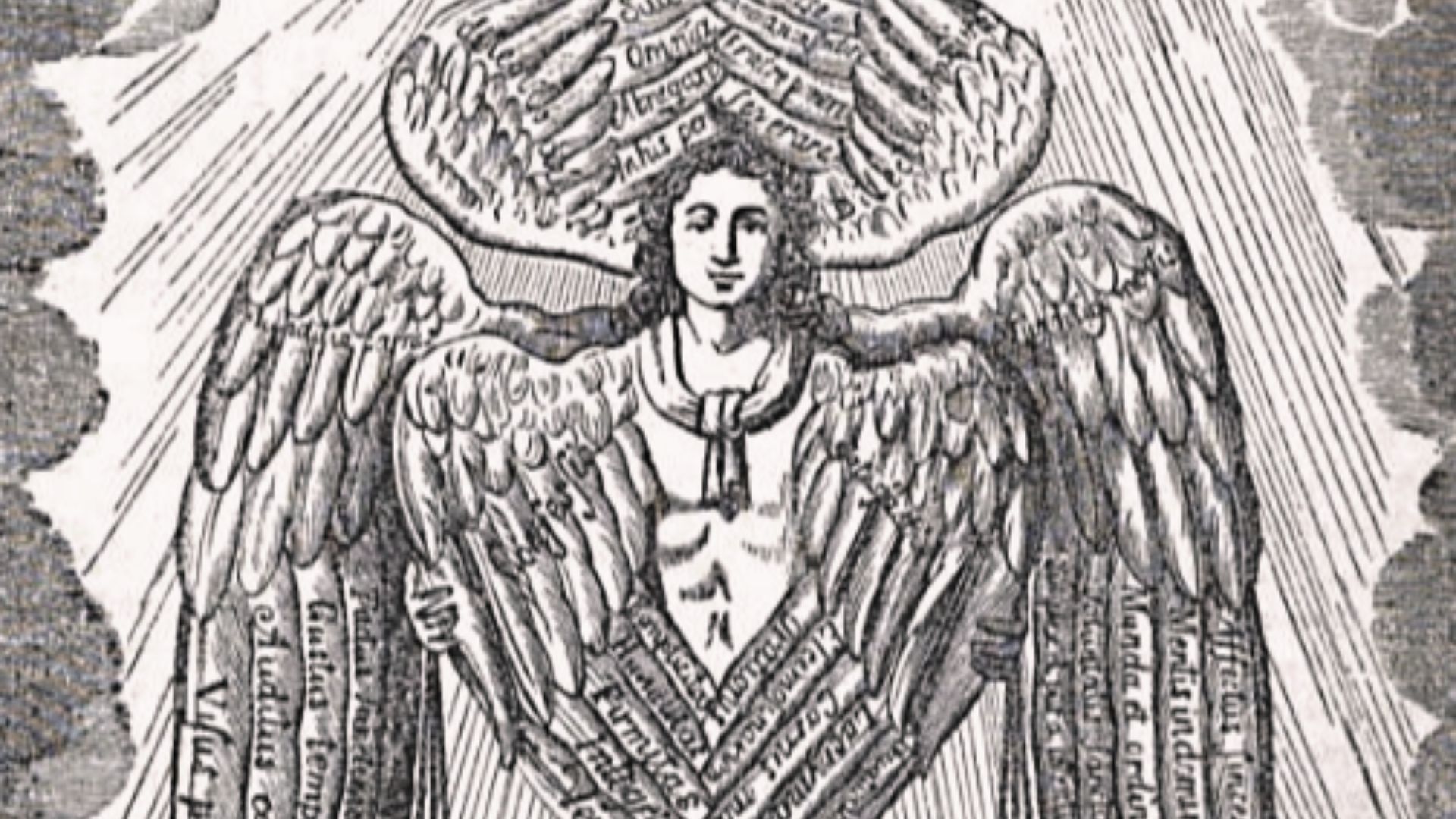
Seraphim show up in Isaiah’s vision with six wings and a role centered on proclaiming God’s holiness. Their actions are deliberate and reverent, which gives the scene a sense of order rather than chaos. When one handles a burning coal with ease, it’s clear that these beings operate in a league of their own.
3. The Four Living Creatures
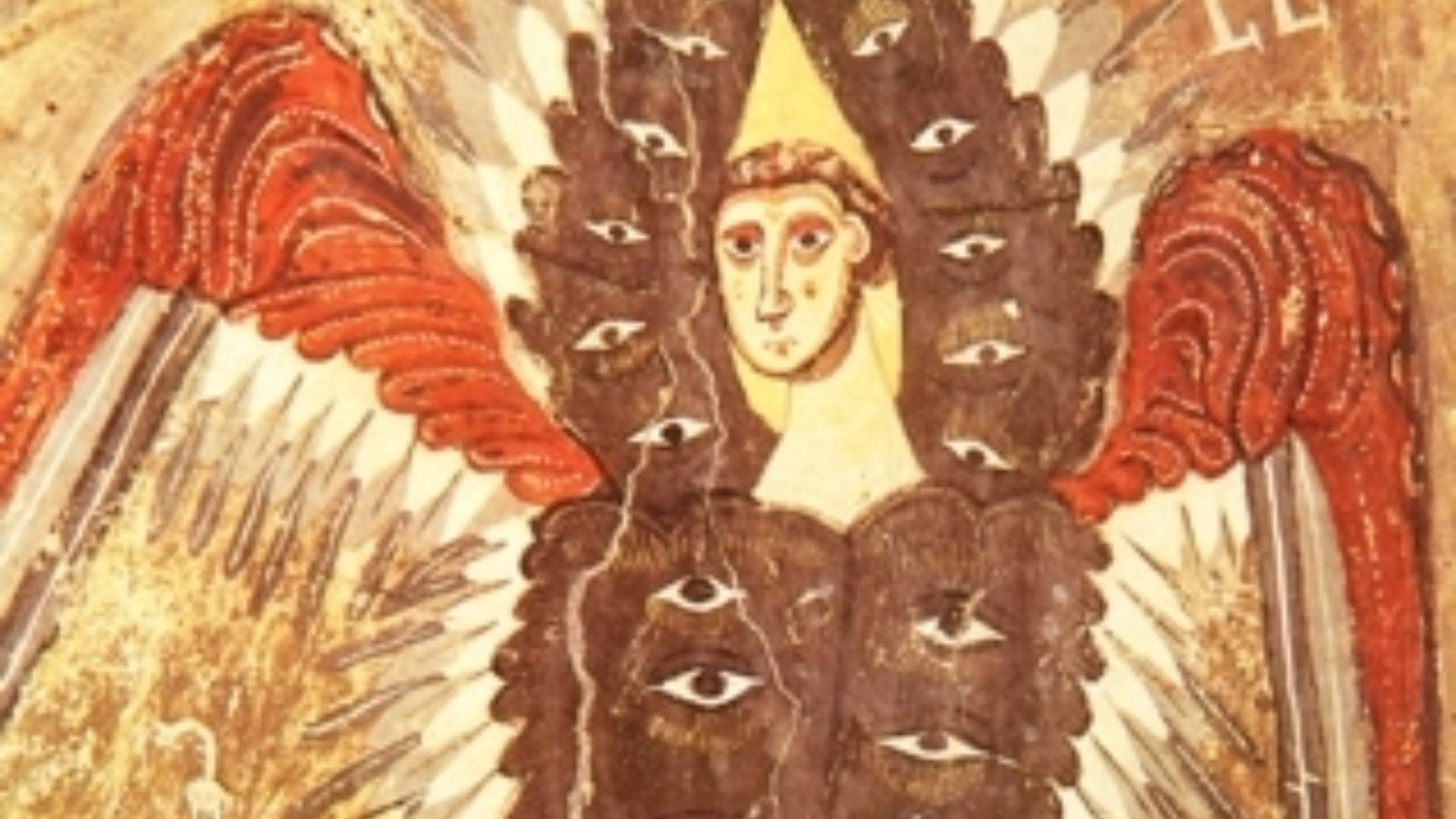
Revelation describes four living creatures around the throne, each distinct and covered with eyes. They continually offer worship and help frame the grandeur of the heavenly scene, and if you read closely, you’ll notice they bring energy and focus to everything happening around them.
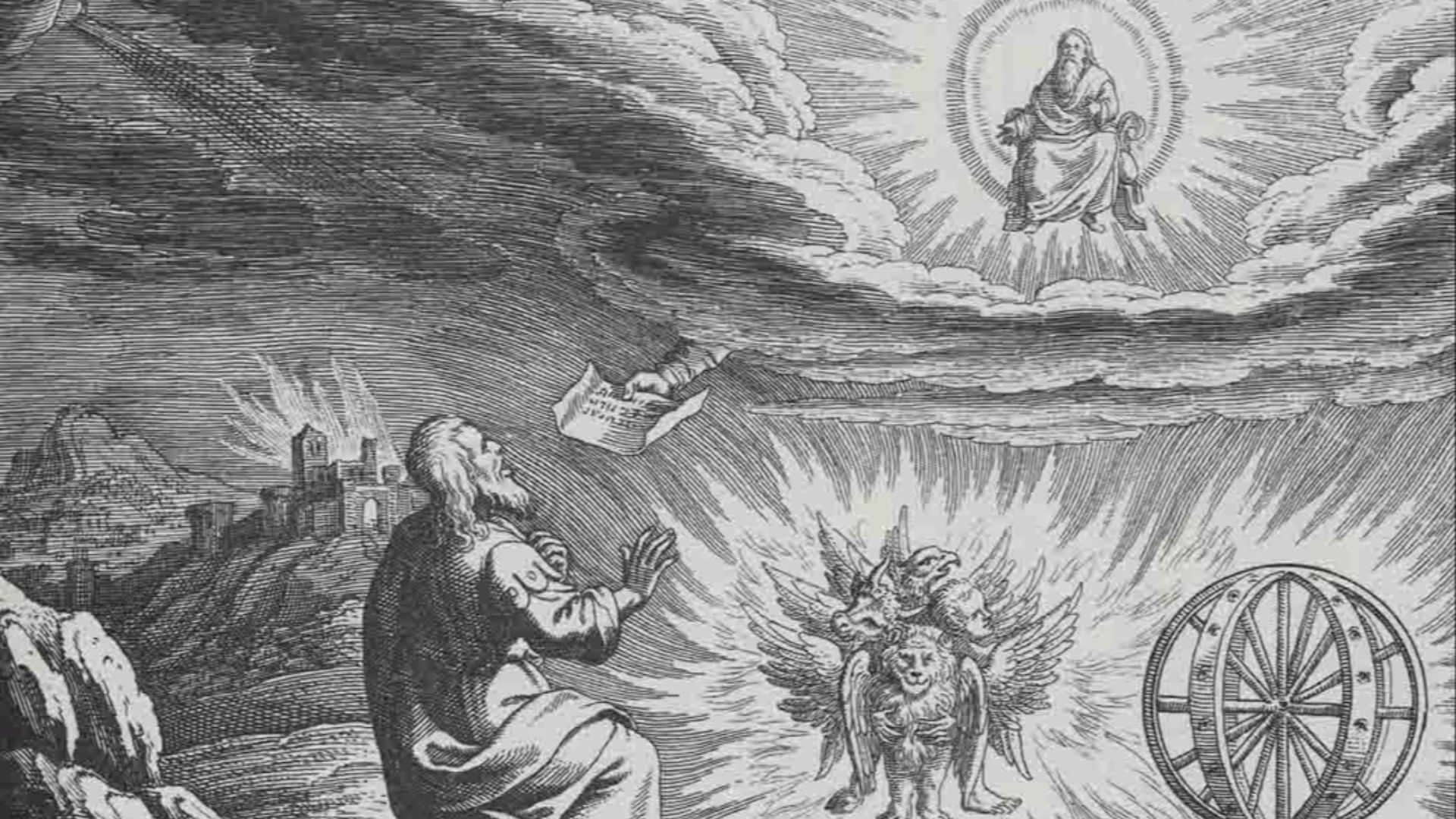 Matthaeus (Matthäus) Merian (1593-1650) on Wikimedia
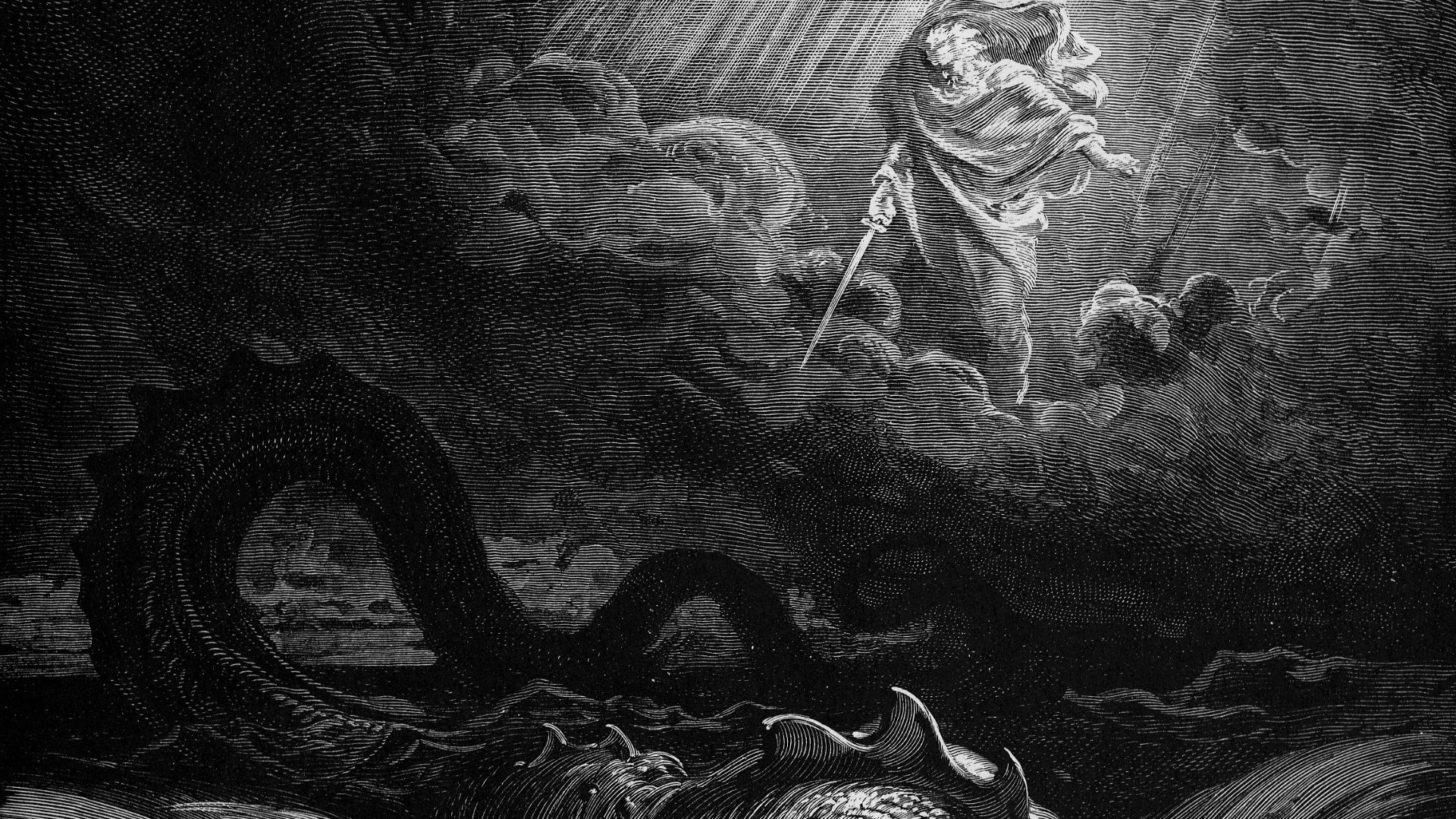
4. Leviathan
Leviathan is depicted as enormous and untamable, a creature that highlights the limits of human control. The descriptions in Job feel intentionally intimidating, which doesn’t sound great on the surface, but when you read between the lines, you realize the text emphasizes God’s authority. That said, you probably won’t want to swim nearby.
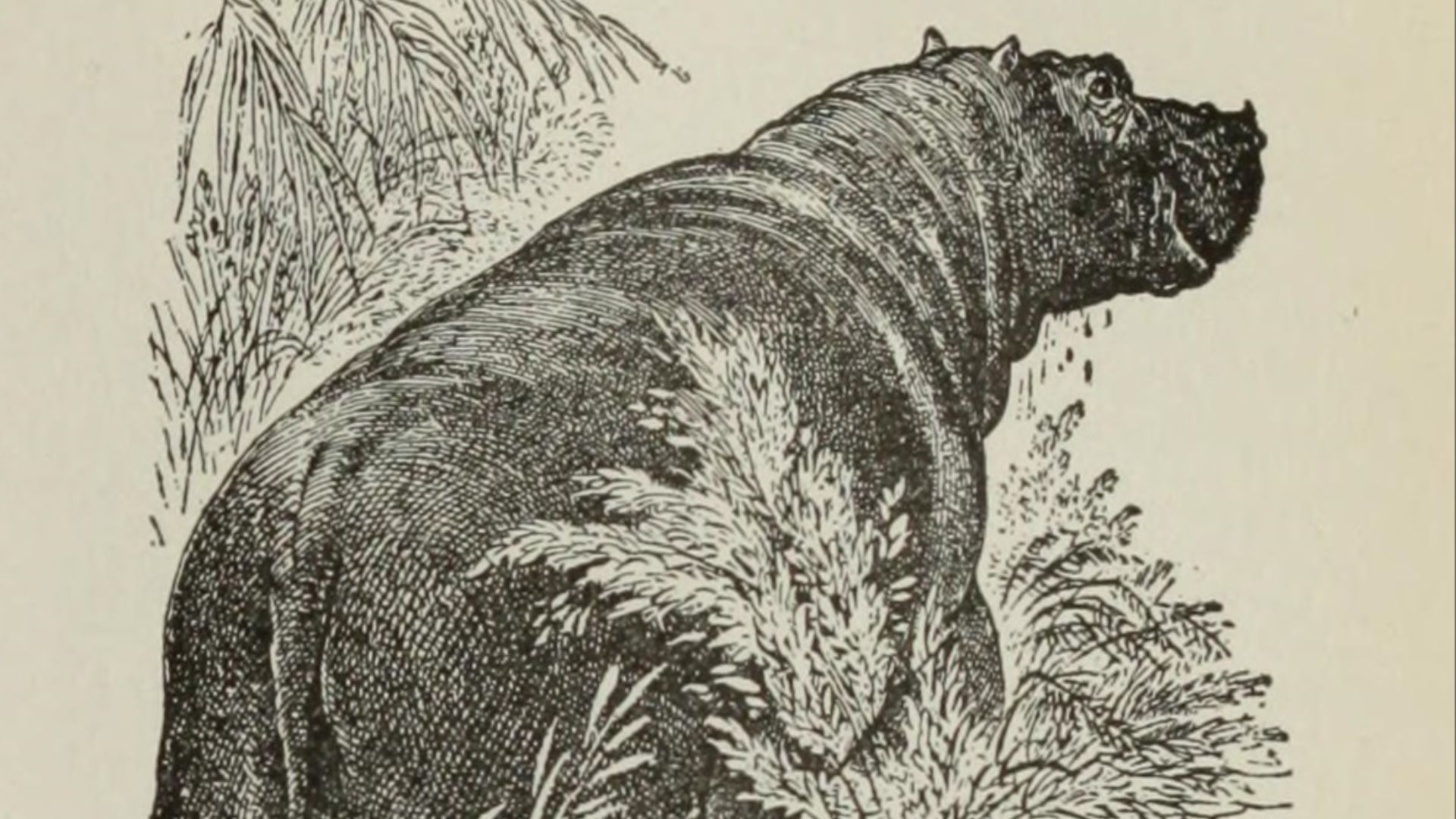
5. Behemoth
Behemoth is introduced in Job as a creature defined by stability, power, and sheer physical presence. The language lingers on its strength, and you get a clear message that not every part of creation is sized to human comfort.
 Internet Archive Book Images on Wikimedia
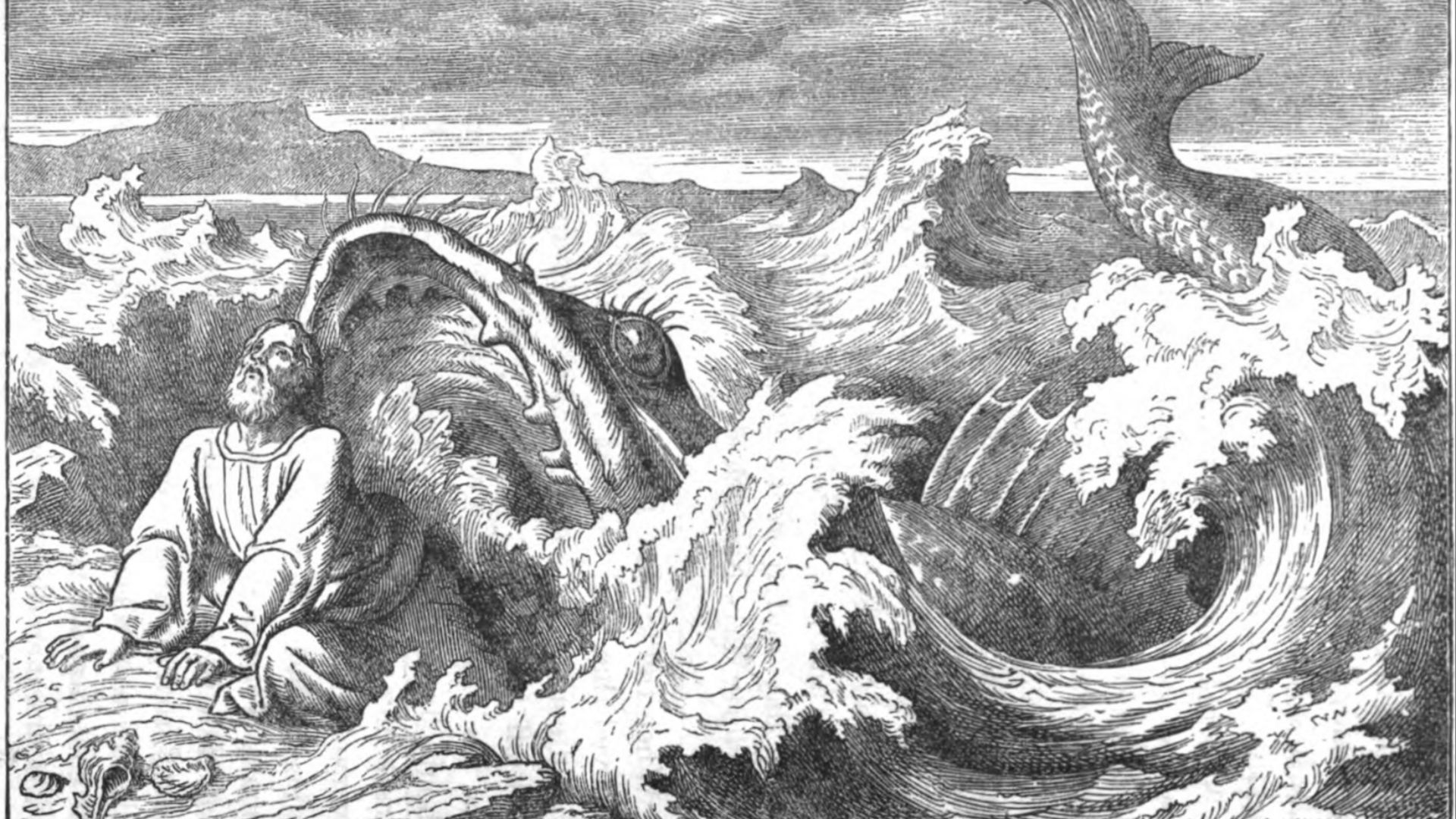
6. The Great Fish
Jonah’s great fish is memorable because it doesn’t just appear—it redirects an entire narrative. By swallowing Jonah, it forces a dramatic pause that turns into reflection and a hard reset of priorities. You might wince at the thought, but the creature’s role is undeniably effective.
 Unknown authorUnknown author on Wikimedia
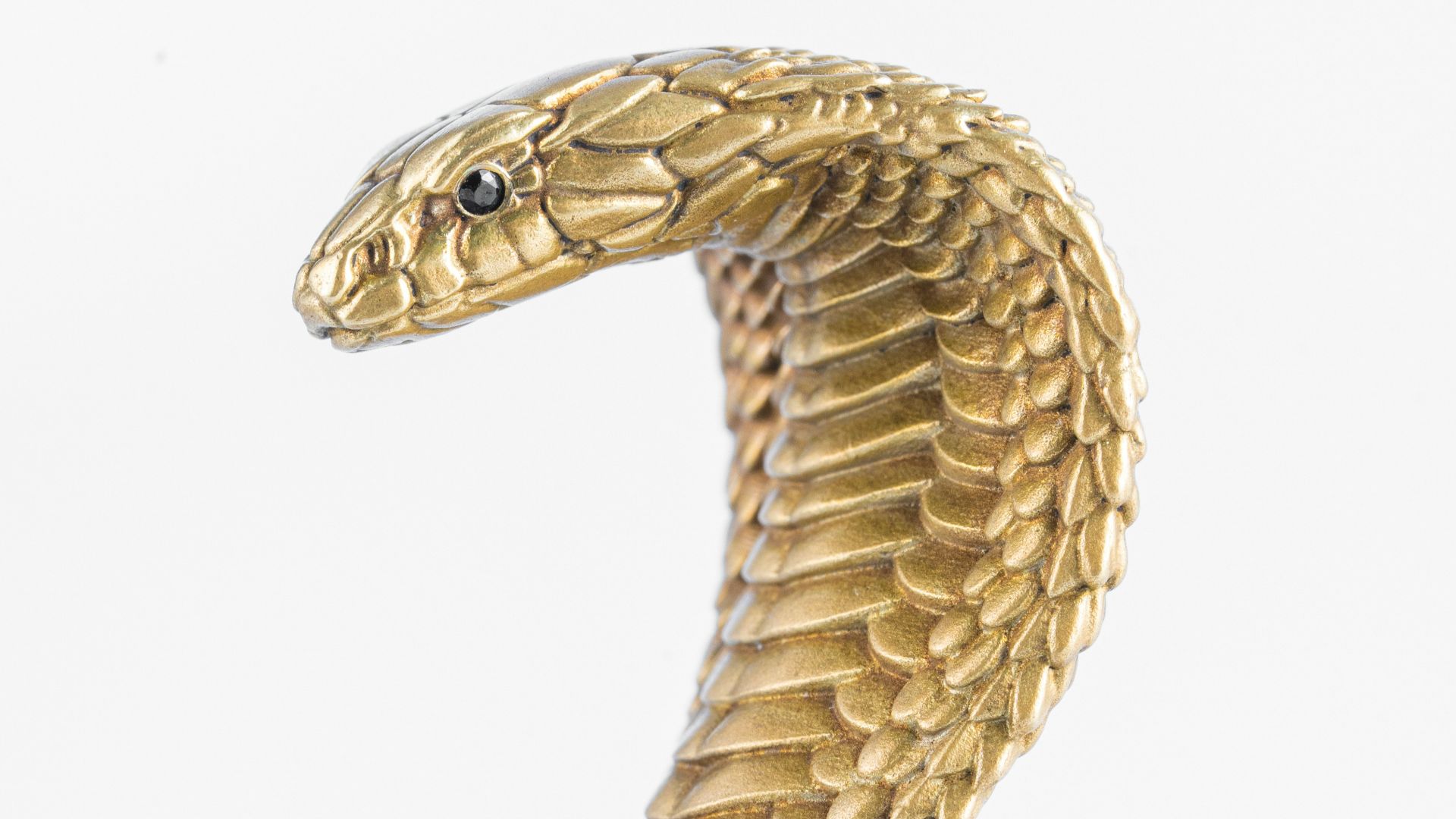
7. The Bronze Serpent
In Numbers, a bronze serpent becomes the focal point for healing when people look at it in trust. The choice of a serpent is striking, especially given how loaded that image can feel, but it also turns expectations on their head. After all, the Bible’s never been a tome to reject complicated symbols.
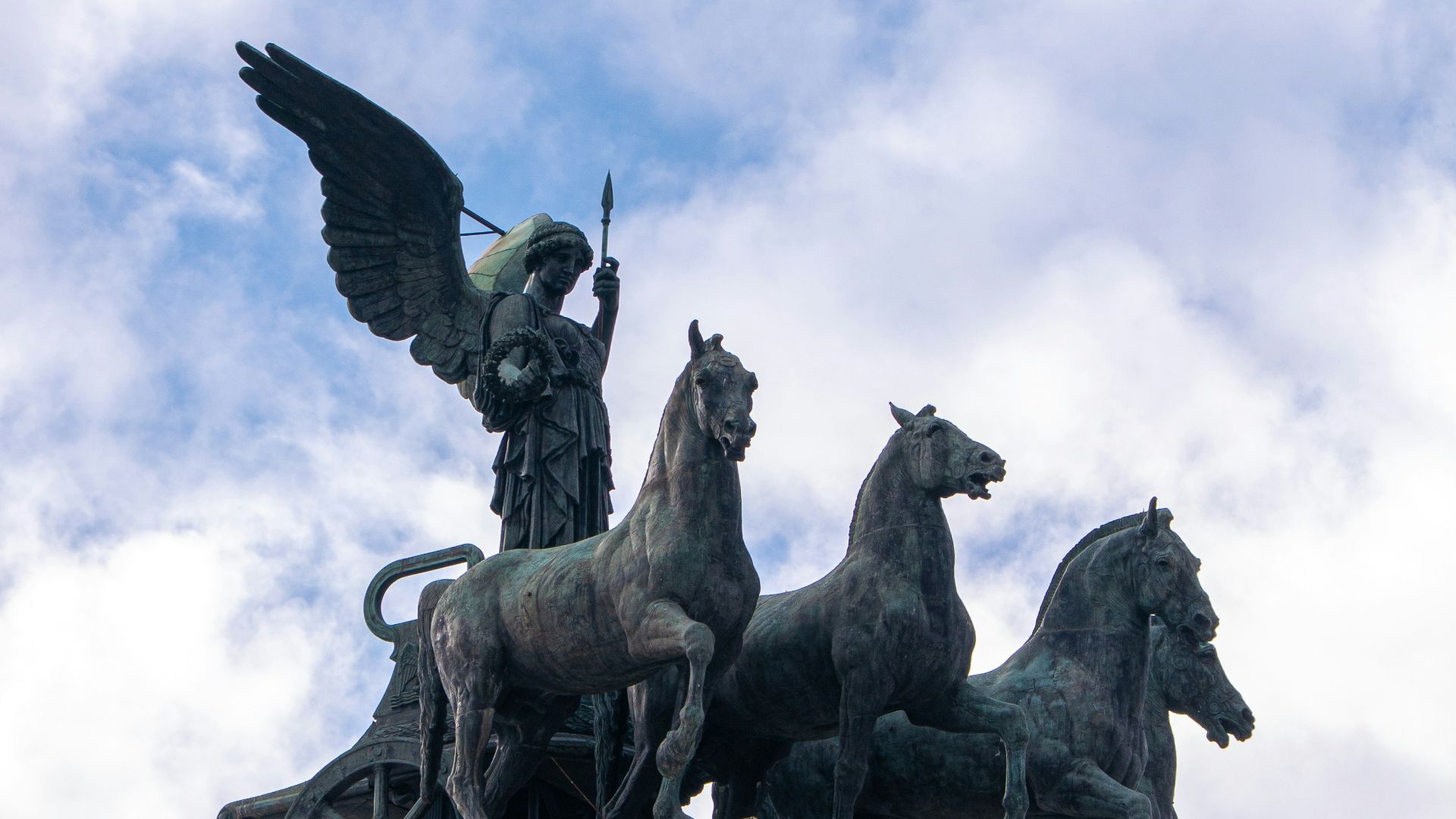
8. Angelic Horsemen
Zechariah includes visions of horses and riders, all suggesting purposeful movement and divine oversight. The horses aren’t just background detail either; they carry meaning tied to watchfulness and mission. You can sense something larger being coordinated beyond our everyday sight.
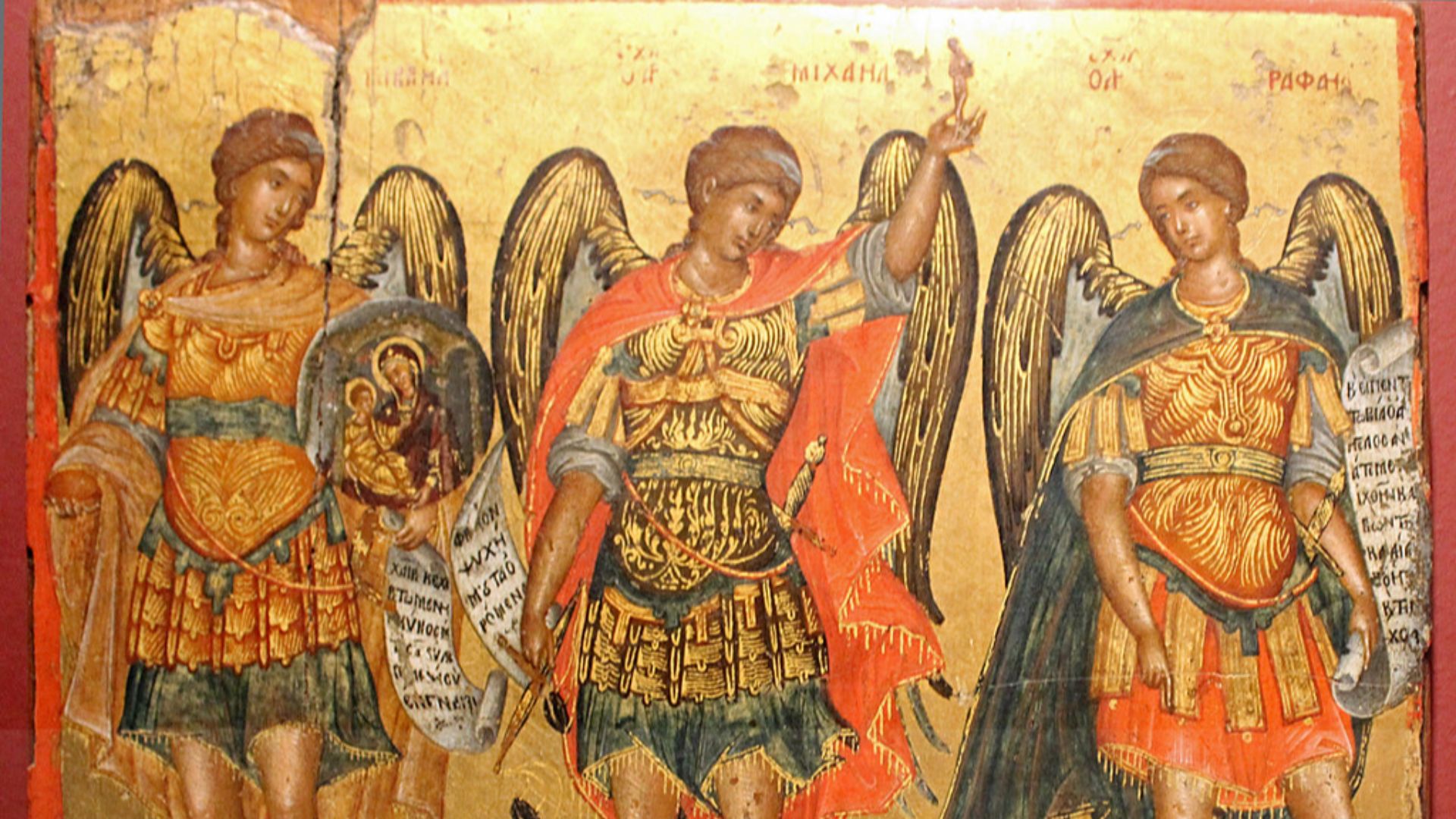
9. Archangels
Portrayed as high-ranking messengers, these guys step into critical moments with authority and calm competence. They don’t drift around offering vague inspiration—they deliver clear directives and carry out serious assignments. When you imagine a being that combines discipline, courage, and devotion, it’s hard not to respect them.
 Georgios Kortezas on Wikimedia
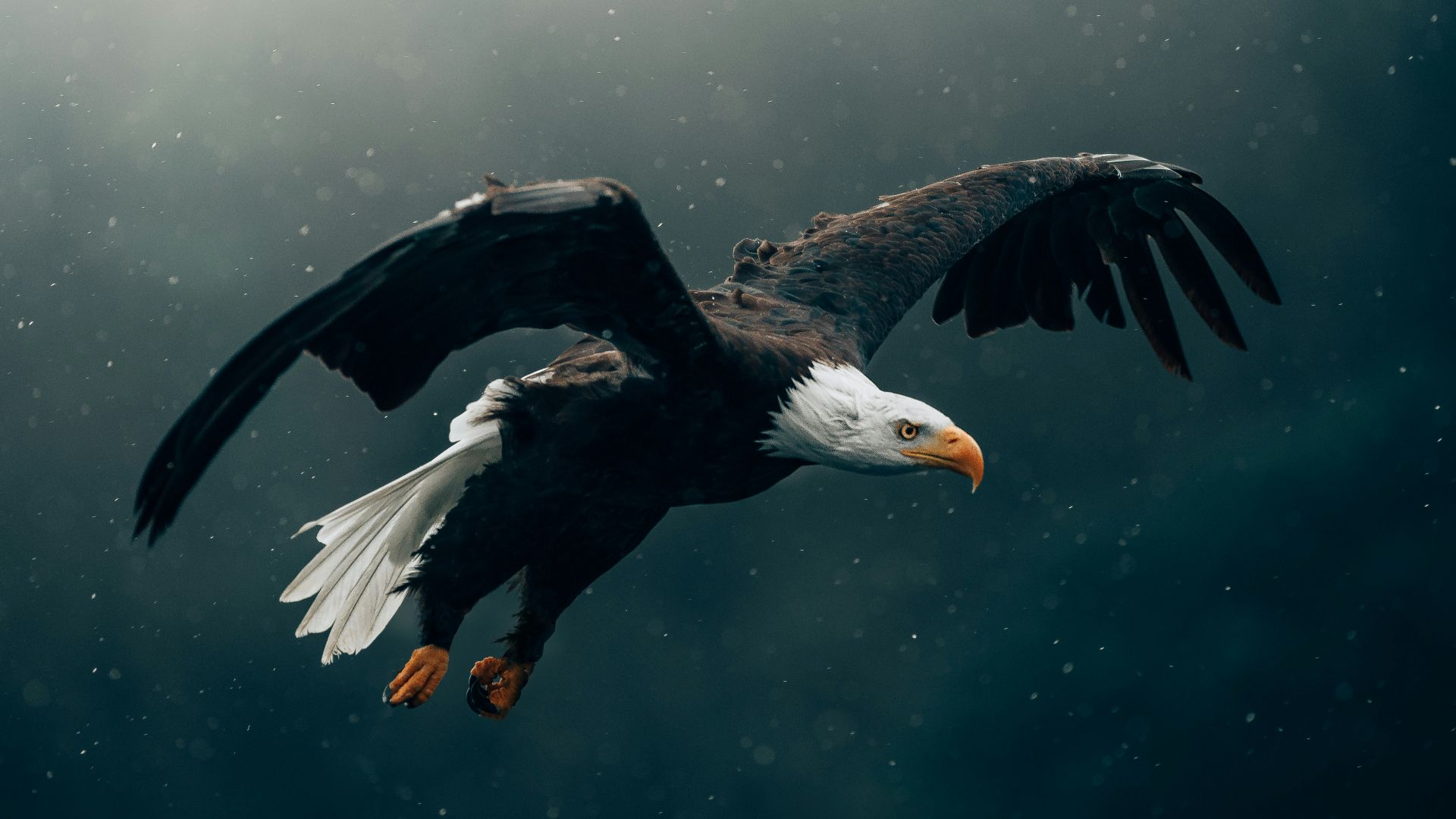
10. The Eagle of Renewal
Eagles appear in biblical imagery as symbols of strength and renewed capacity to endure. The language often highlights rising above weariness, which gives the creature a distinctly uplifting feel. If you’ve ever needed a reminder to keep going, it’s s one of the more encouraging creatures.
Remember what we said about imagery in the Bible? Some creatures aren’t for the faint of heart.
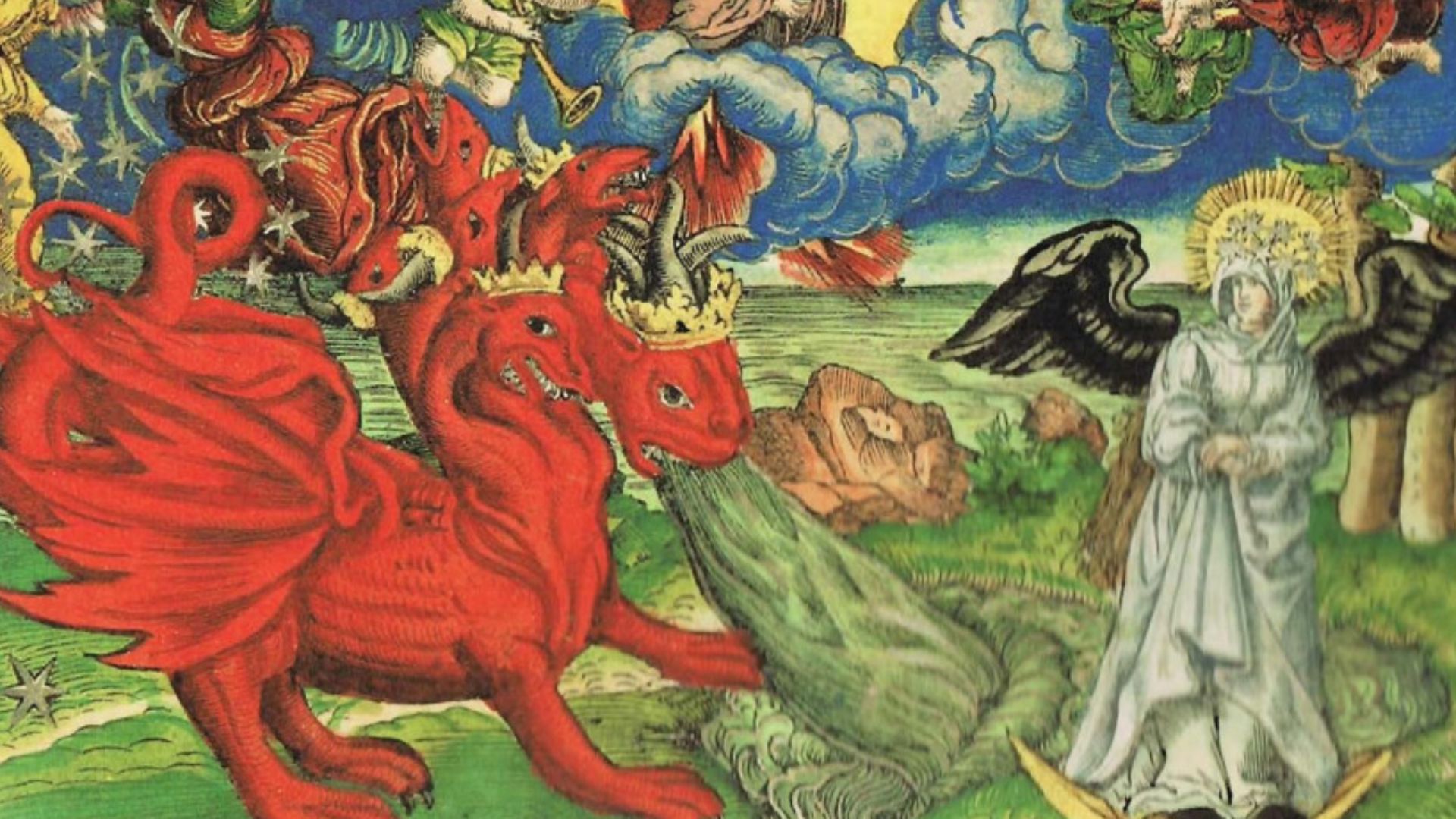
1. The Dragon of Revelation
Revelation presents a great dragon as a central figure of hostility and deception. Its presence is loud, relentless, and focused on destruction rather than negotiation. You don’t come away thinking it’s a creature you could outsmart, which is part of what makes it so terrifying.
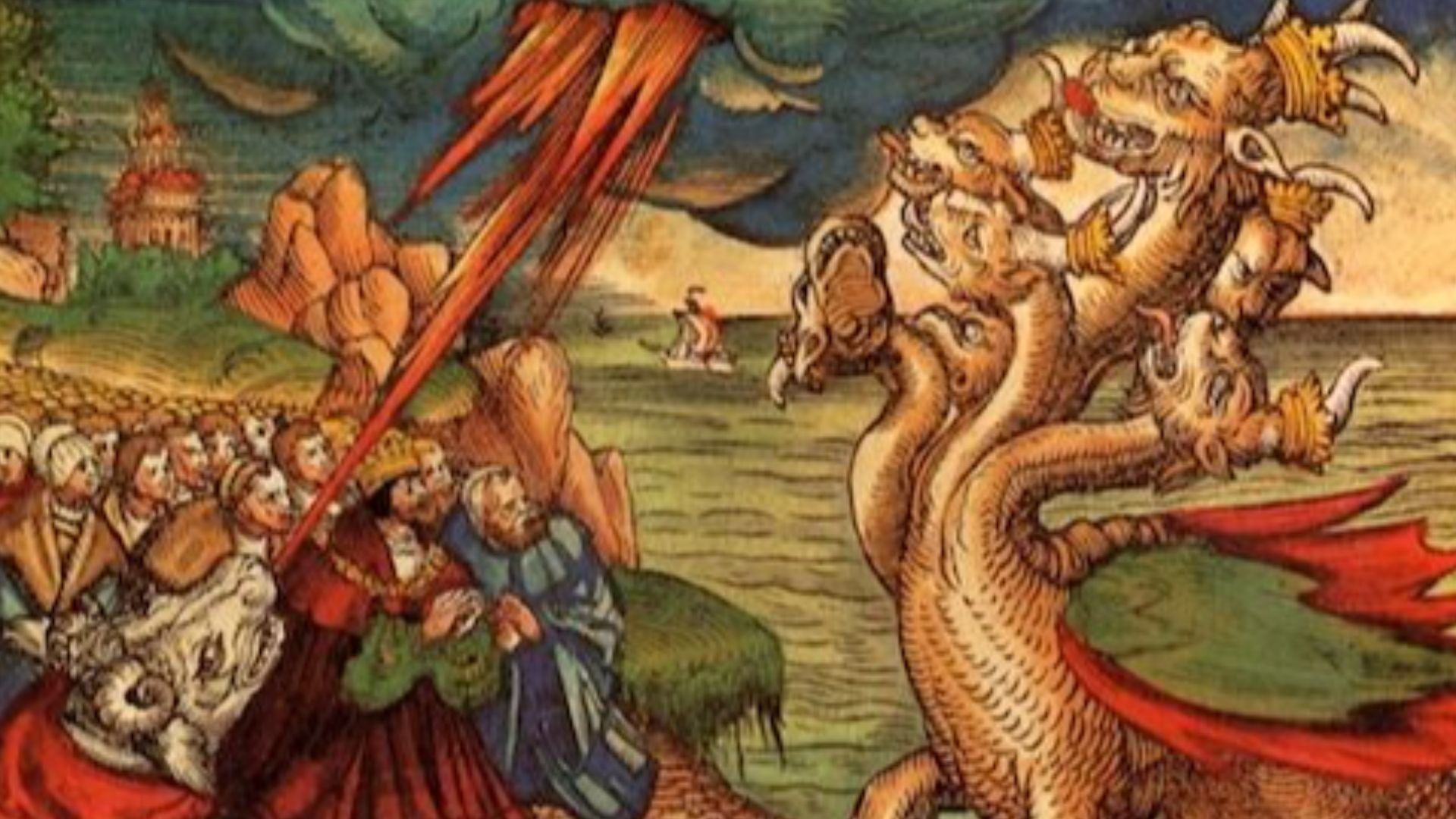
2. The Beast From the Sea
The beast from the sea pressures people into allegiance. The text frames it as more of a spiritual threat, not just a strange animal, and if you’re paying attention, the frightening part is how easily it turns influence into control.
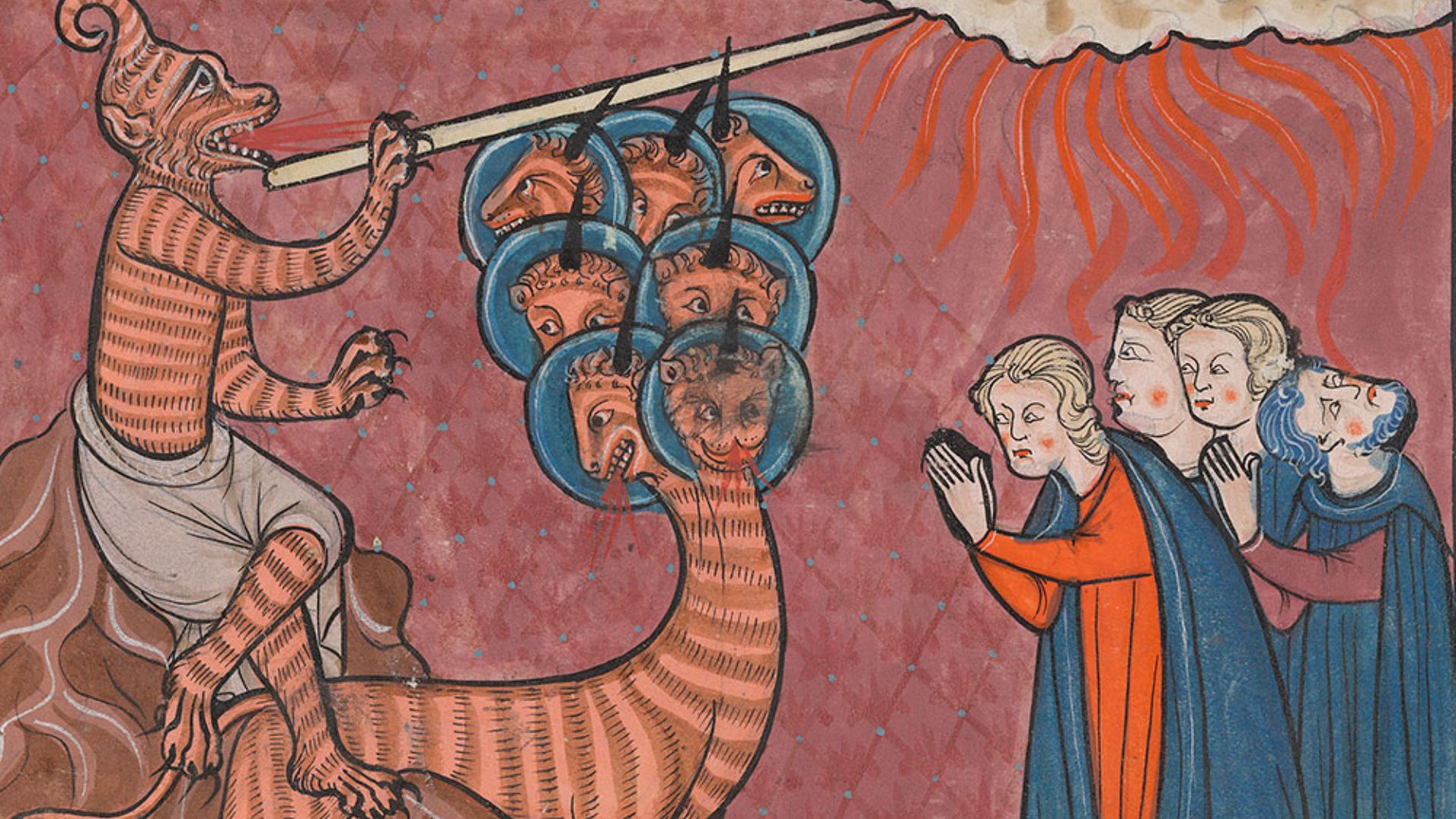
3. The Beast From the Earth
This second beast shows up as a persuasive partner of sorts, working through signs and messaging. It doesn’t rely on brute force alone, and it knows how to shape what people believe. You can almost feel the warning to stay alert when something looks impressive but pulls you the wrong way.
 AnonymousUnknown author on Wikimedia
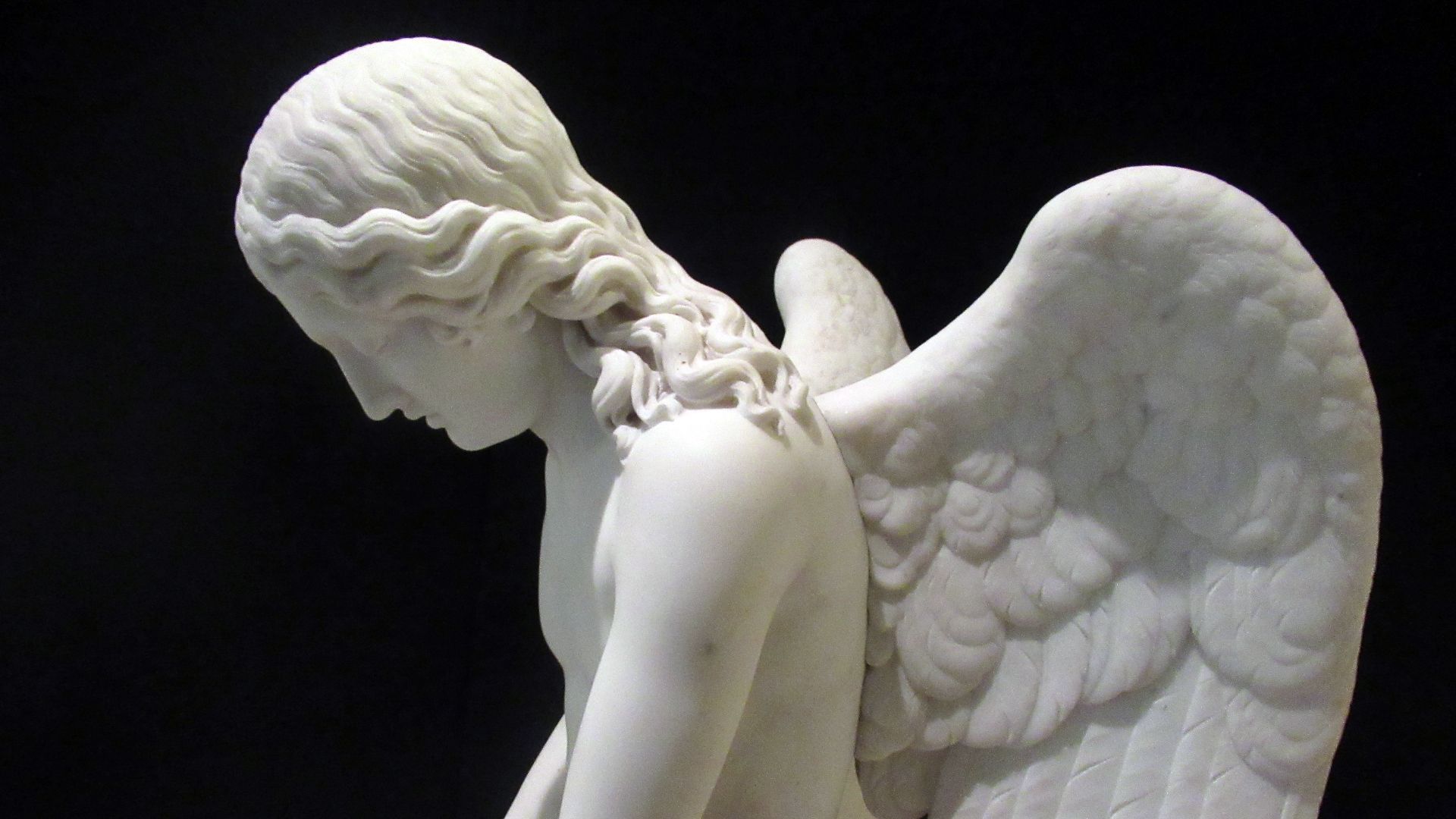
4. Abaddon and Apollyon
Revelation introduces a figure linked with the abyss and identified as a destroyer. Even the naming is meant to land heavily; it signals purpose, not chaos. When a passage assigns a title like that, you can’t just shrug it off.
5. The Locust Horde
These locust-like beings aren’t described as ordinary insects in Revelation, and the details push them into nightmare territory. The text emphasizes their assignment and their effect, which makes the threat feel organized rather than random.

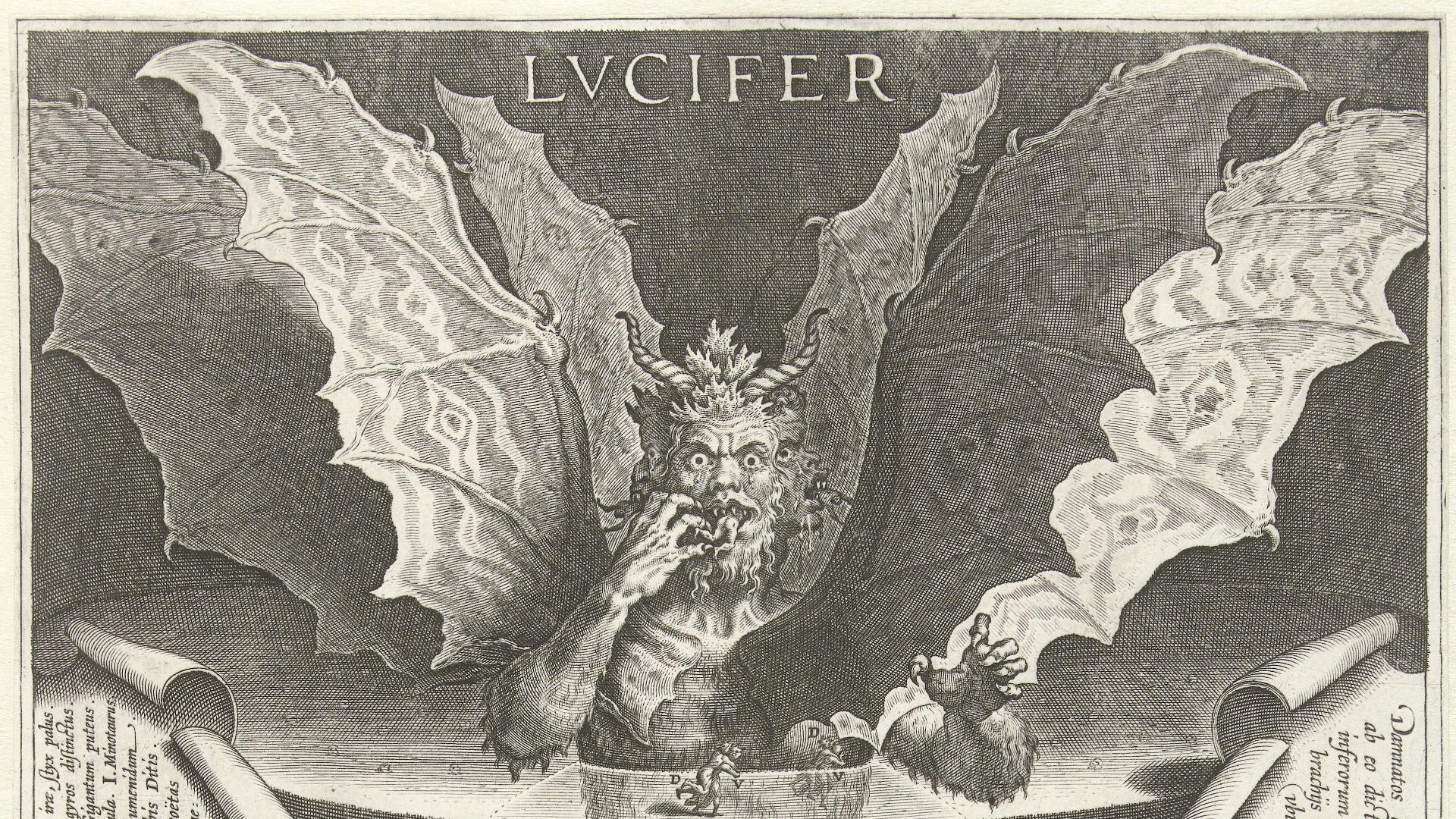
6. Lucifer
Lucifer’s danger isn’t only power, it’s persuasion that can make rebellion seem reasonable. If you take the warnings seriously, the unsettling part is realizing you could be nudged off course through small compromises that don’t look dramatic until you’re already committed.
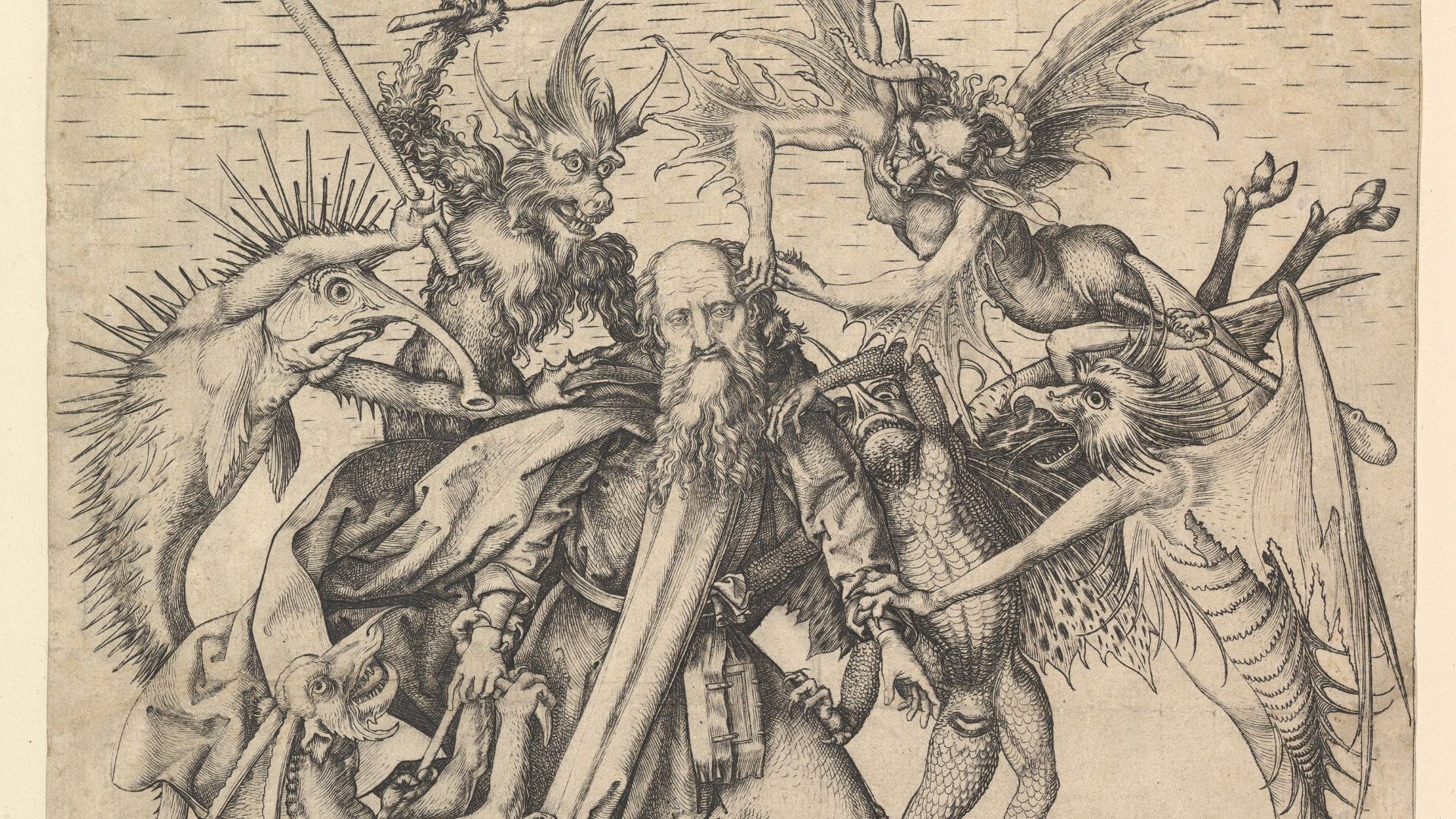
7. Demons
Framed as hostile spiritual forces, they aim to distort worship, damage lives, and pull people toward ruin. Their major horror is often described as working through temptation, confusion, or false authority instead of open confrontation. It doesn’t take long to notice the repeated warning that staying grounded matters.
 Martin Schongauer on Wikimedia
8. The Nephilim
The Nephilim are introduced with minimal explanation, which leaves you with questions that don’t settle easily. Their association with reputation and abnormality gives the passage a shadowed tone, and it’s not a feeling that leaves easily.
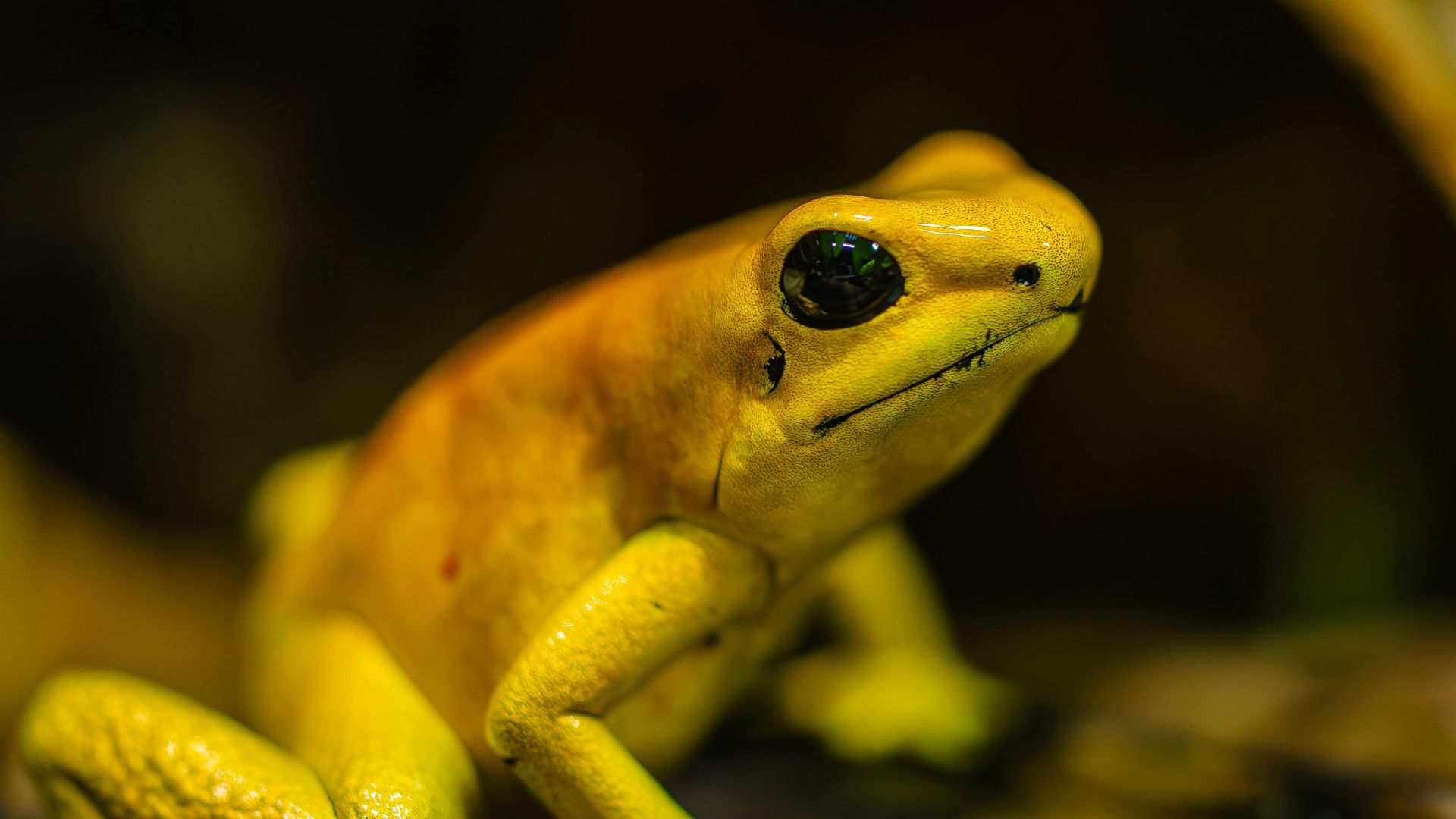
9. Unclean Spirits Like Frogs
Revelation describes unclean spirits in frog-like form, and the point is to evoke disgust over curiosity. The imagery suggests spiritual corruption that spreads and persuades—you’re meant to feel that something is wrong at a gut level before you even realize it.
10. The “Flying Serpent”
It’s never good when you encounter a “flying serpent.” The combination of speed and venom is enough to make the image stick. If you’re the kind of reader who pictures scenes vividly, this one can linger longer than you’d like.
KEEP ON READING

The Origins Of 3 Common Sayings You Still Use Today
Etienne Boulanger on UnsplashMany of the phrases you use every…
By Rob Shapiro Apr 28, 2026
Was Caligula The Most Ruthless Roman Emperor?
Artur Matosyan on UnsplashRoman Emperor Caligula is one of ancient…
By Rob Shapiro Dec 18, 2025
1 Weird Fact About Every President
Washington, Lincoln, FDR. Most people know something about the lives…
By Robbie Woods Dec 3, 2024
10 Accidental Discoveries That Changed Maps & 10 That Changed…
Mistakes That Mattered. A lot of major discoveries did not…
By Cameron Dick Apr 15, 2026
10 Actors Who Perfectly Played a Historical Figure & 10…
Which Performance is Your Favorite?. Playing the role of a…
By Rob Shapiro Sep 15, 2025
10 Actors Who Perfectly Played a Historical Figure & 10…
Portraying a real person from history is one of the…
By Noone Dec 17, 2025