10 Historic Courtship Practices That Should Be Brought Back & 10 That Never Should
Old-School Dating Was a Mix of Charming & Unhinged
Historic courtship had some genuinely sweet ideas, plus a handful of traditions that feel like they were invented by someone who’d never met a woman with opinions. A lot of it was shaped by social rules, safety concerns, and the simple fact that you couldn’t just text “u up?” Here are 10 old practices that still have some sparkle and 10 that can stay in the history books forever.
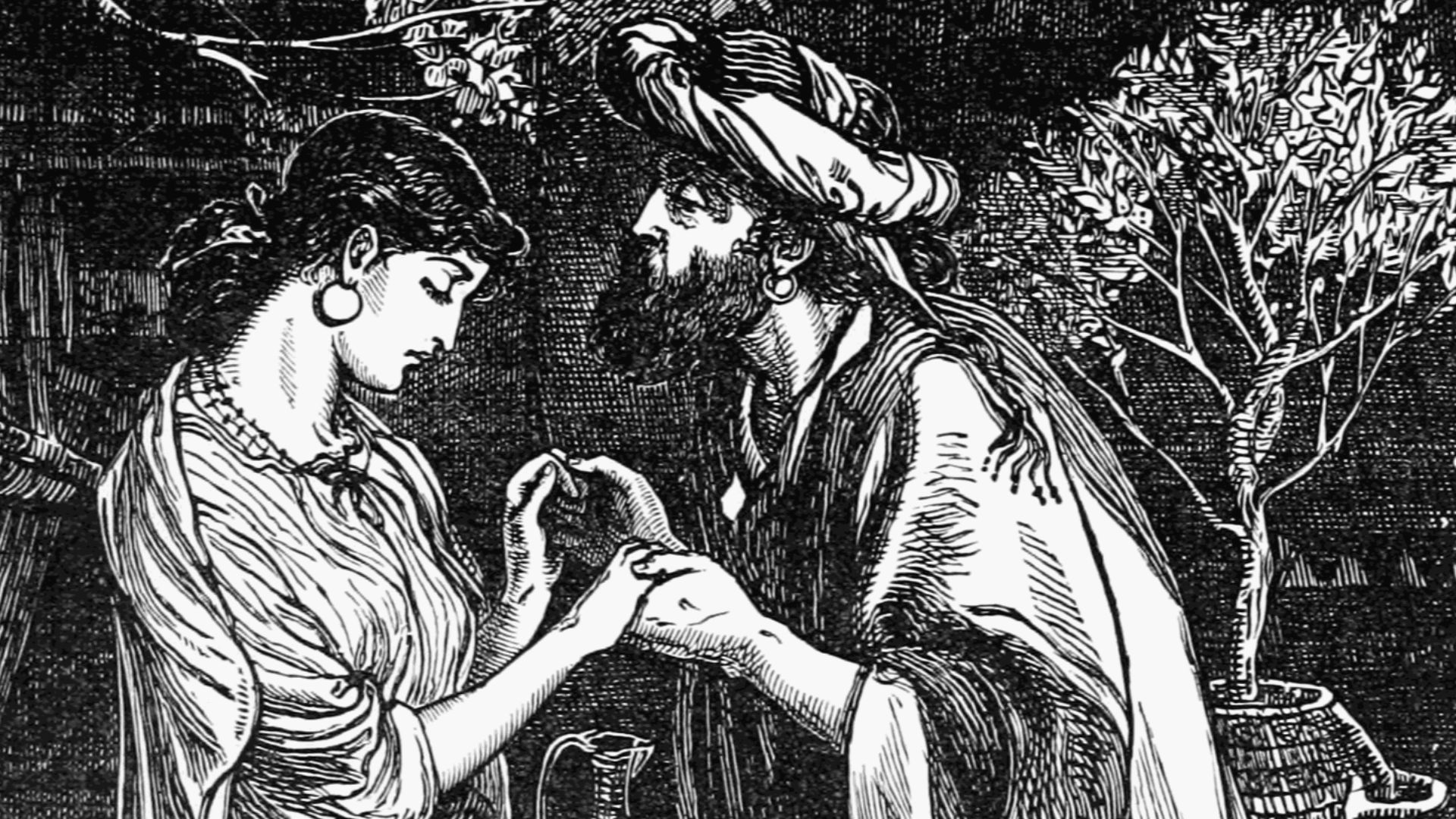
1. Handwritten Love Letters
Writing a real letter forces you to choose your words instead of firing off emojis. You get a keepsake that can be reread when you need a little reassurance. Even if you’re not a poet, there's something beautiful about trying to capture your big feelings on a piece of parchment.

2. Calling Cards
Leaving a calling card was a simple, low-pressure way to say “I’d like to see you again” without cornering anyone. It also created a small pause for the other person to decide if they wanted more contact. It was surprisingly respectful of the lady's boundaries.

3. Chaperoned Group Outings
Group settings took some pressure off and made first interactions less intense. You could actually observe how someone behaves with friends instead of being stuck in a one-on-one performance. It’s a helpful reminder that dates don’t always need to be intimate right away.
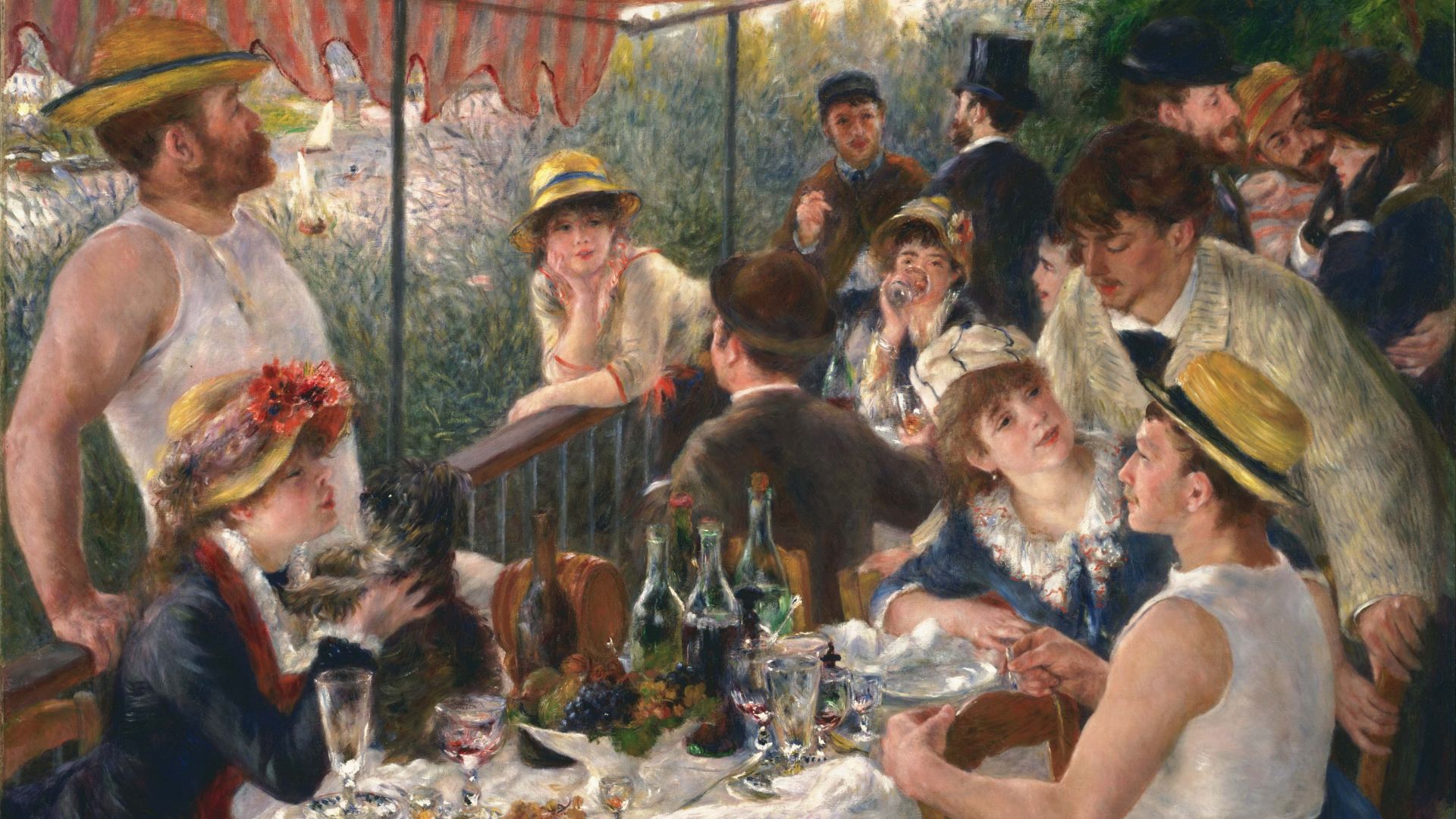 Pierre-Auguste Renoir on Wikimedia
4. Courting Through Shared Hobbies
Historically, people often got to know each other through community events, dances, or mutual activities. That makes a lot more sense than, say, meeting online because you learn more about each other and your compatibility by doing something together. If you want a modern version, try a class or club and let chemistry show up naturally.

5. Dressing Up for Dates
Putting in effort signaled that you respected the moment and the person. It didn’t have to be formal, but it showed you weren’t treating the date like an errand. A small upgrade in effort can still make dating feel more intentional.

6. Formal Introductions
Being introduced by friends or family gave courtship a clearer frame and reduced the weird guesswork. You knew why you were meeting, and the other person did too. What's more, you already knew your friends or family vouch for this person.

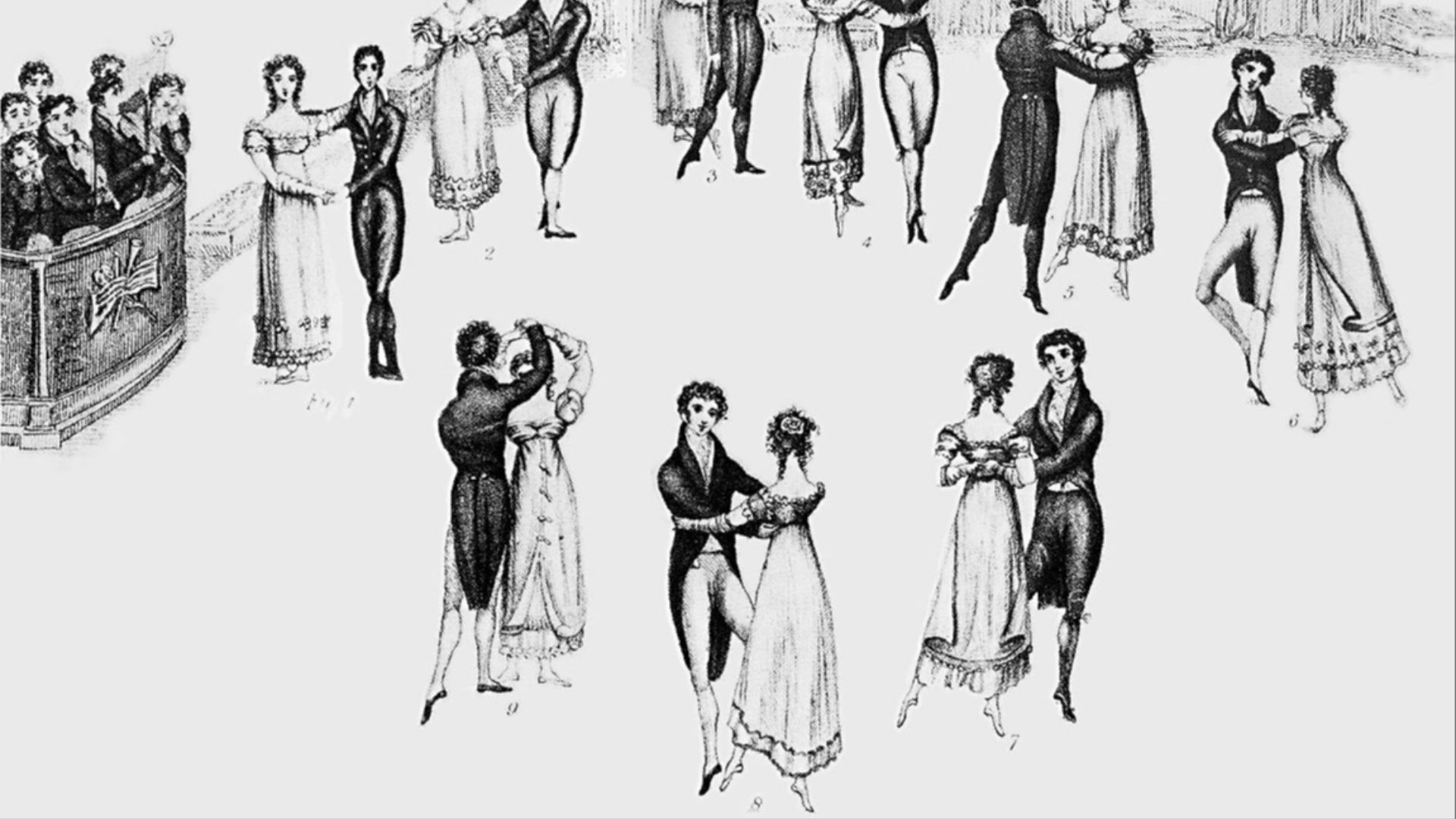
7. Social Dancing
Whether waltzing at a ball or two-stepping, social dancing has long been a breeding ground for romance. Dances created a structured, playful way to connect without forcing heavy conversation. You could learn someone’s confidence level, sense of humor, and ability to take cues in real time.
8. Thoughtful Small Gifts
A simple token like flowers, sweets, or a book showed attentiveness rather than buying power. The best gifts were personal, not flashy. After all, how hard is it to pick up a bouquet on your way to meet your date?

9. Clearly Planned Dates
In many eras, courtship involved making concrete plans and showing up on time because the stakes were social and visible. That structure can feel comforting now, especially when modern dating can be vague to the point of absurdity. You don’t need a strict script, but a little clarity is nice.

10. Publicly Respectful Behavior
A lot of historic etiquette emphasized not embarrassing someone in public. The standard wasn’t perfect, but the intent to protect dignity was valuable. Dating could use more of that “be kind even if it’s not a match” energy.
Now that we've talked about those old-fashioned courtship behaviors we wouldn't mind seeing a little more of, let's talk about the ones we would have to see make a comeback.
1. Parents Negotiating Matches
In many places and periods, families arranged courtship with heavy control over who you could marry. Even when it worked out, it often reduced personal choice to a transaction. In any case, it didn't work out, and then you'd be stuck in a loveless or abusive marriage.
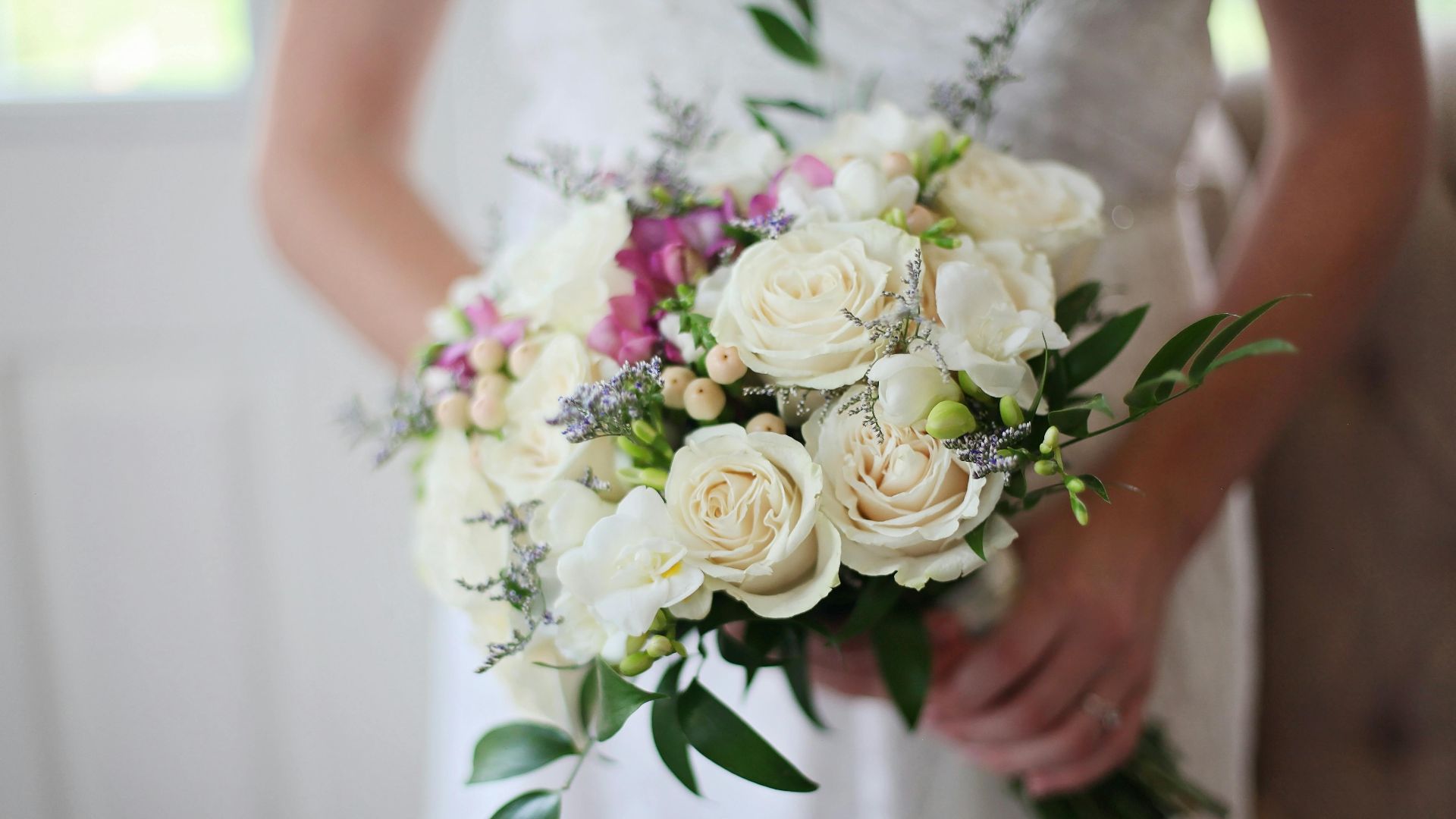
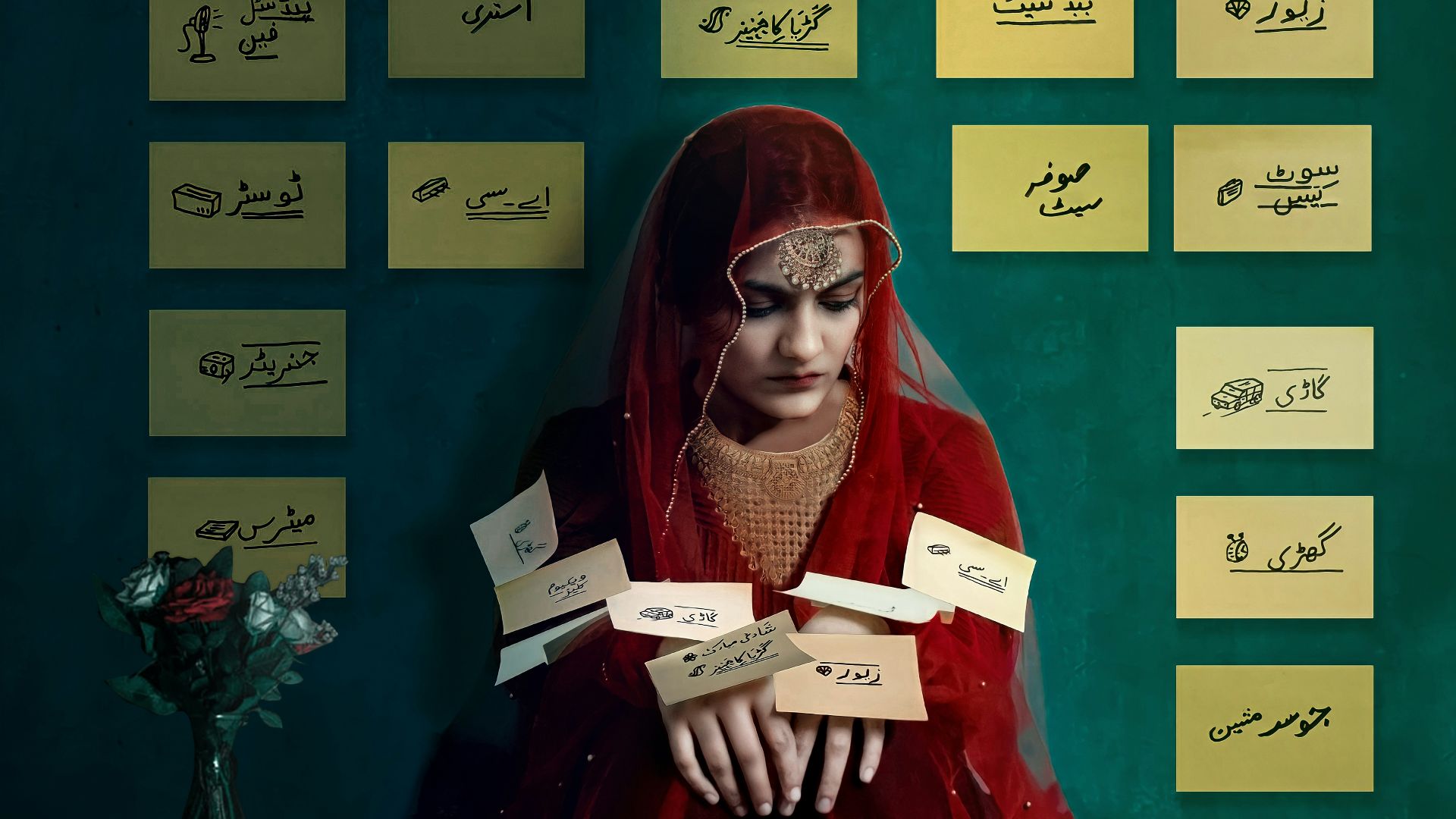
2. Dowries & Bride Prices
Dowries initially existed to provide the bride with some financial security, but they quickly became exploitative in a lot of cases. These systems treated marriage as an exchange of wealth rather than a partnership. They reinforced the idea that someone’s value could be measured in goods, land, or cash.
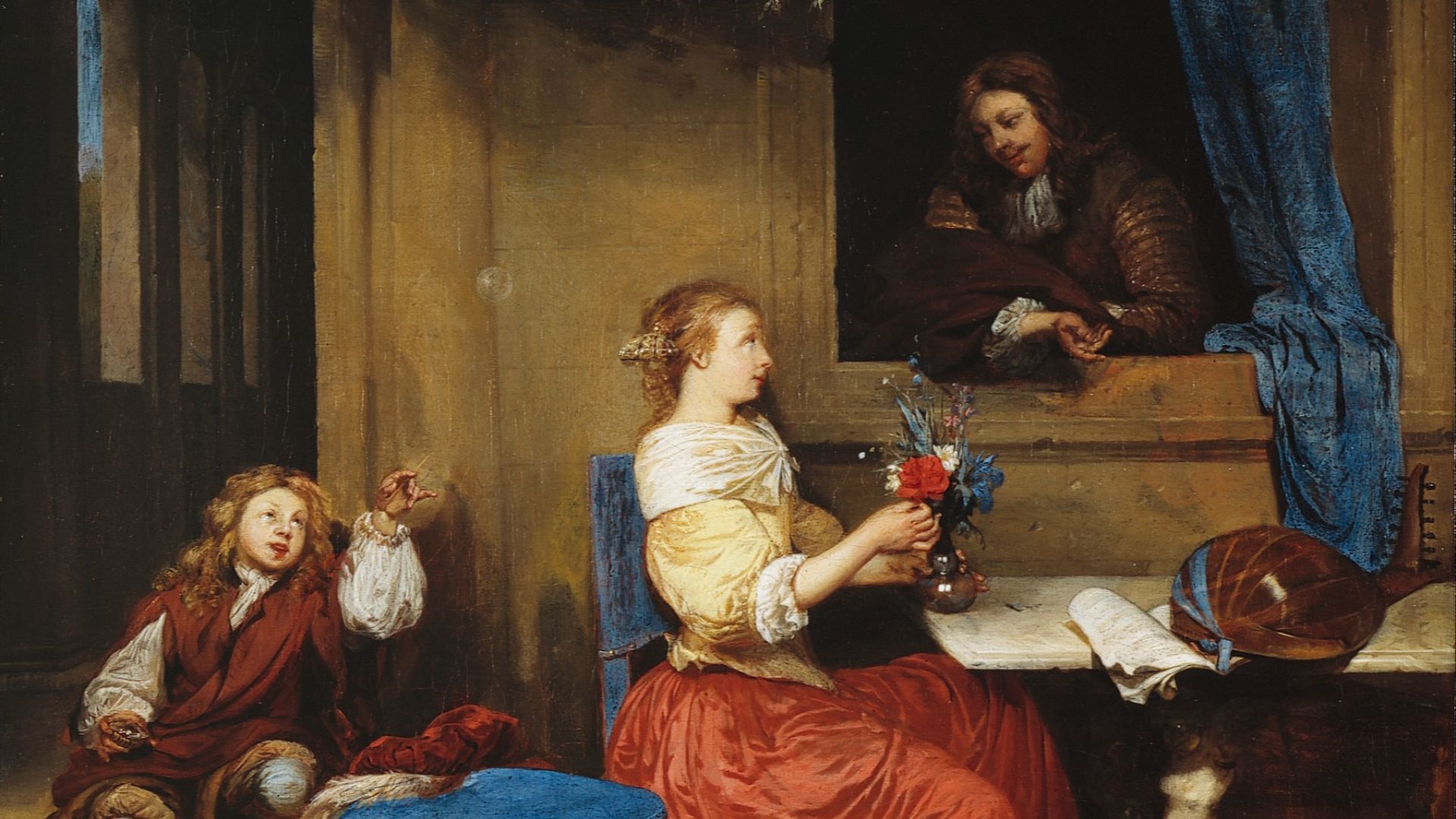
3. “No Means Keep Trying”
For many generations, not taking no for an answer was somehow seen as romantic. That mindset can turn courtship into toxic pressure and make rejection unsafe. Sometimes it takes time for feelings to develop, and while persistence in love isn't always a bad thing, there's a limit, and it's not sexy to ignore boundaries.

4. Strict Chaperoning That Eliminated Privacy Completely
Safety is one thing, but constant surveillance is another. Some courtship systems gave couples almost no space to talk honestly or build a genuine connection before they were married, which is absurd.
5. Reputation Punishments Aimed Mostly at Women
Historic courtship often came with harsh double standards that labeled women for behavior men got away with. The social consequences could be lifelong and deeply unfair.
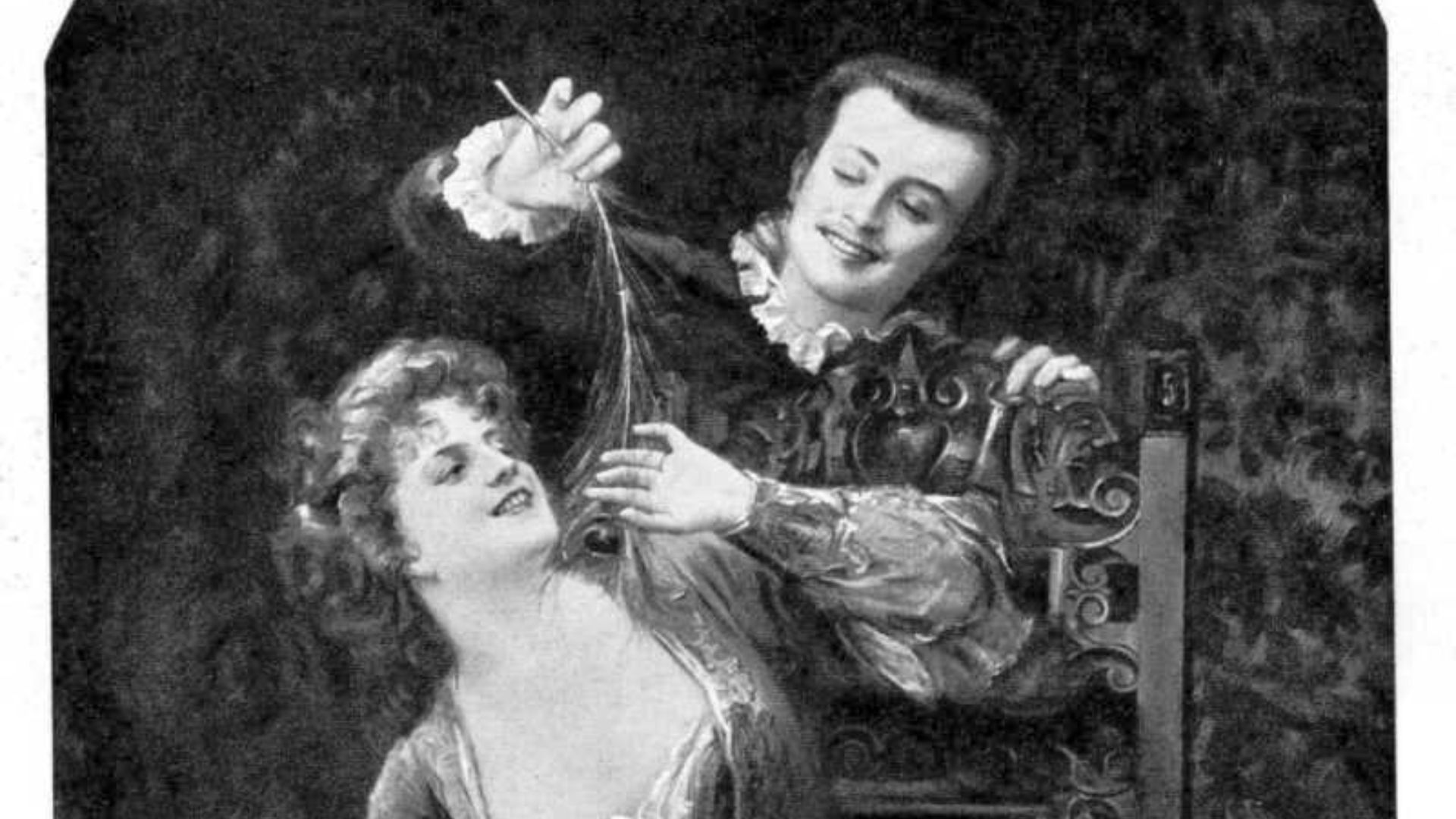 Georges Achille-Fould on Wikimedia
6. Marriage as a Required Outcome
In the old days, there was no casual dating. Courtship served a purpose, and that purpose was marriage. That pressure could trap people in bad matches simply to avoid scandal.
7. Elopement as the Only Escape From Control
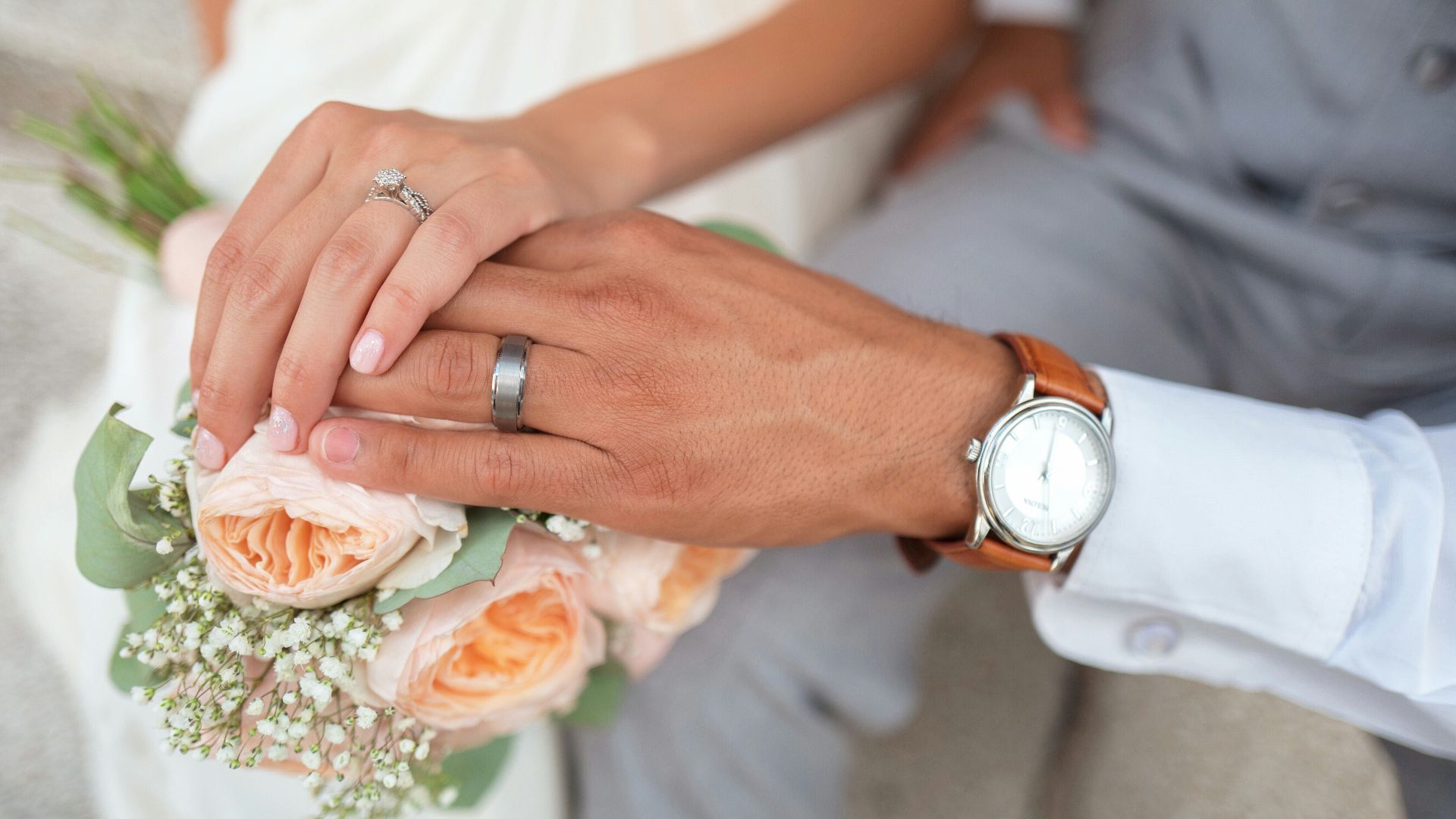
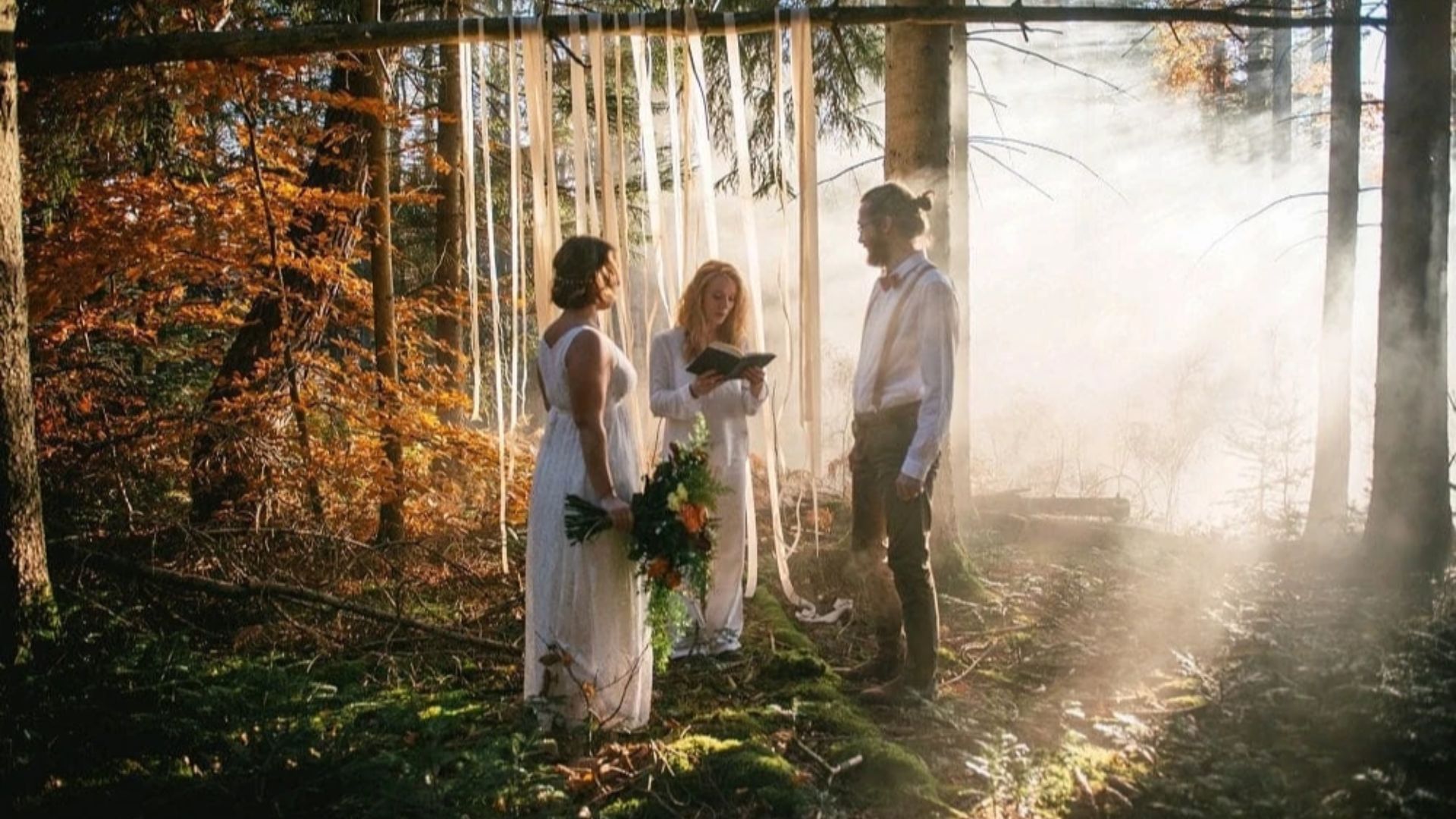
Some couples had to run away because families and communities left them no reasonable choice. They got married and eloped simply as a way out of their rigid society, often leading to bad matches that didn't stand the test of time.
8. Purity Tests
Some historic courtship cultures used purity tests to ensure that people stayed abstinent. They were often invasive, unreliable, and aimed far more at women than men. Even when framed as protecting honor, these practices primarily enforced control and shame.

9. Public Courtship Gossip as Social Policing
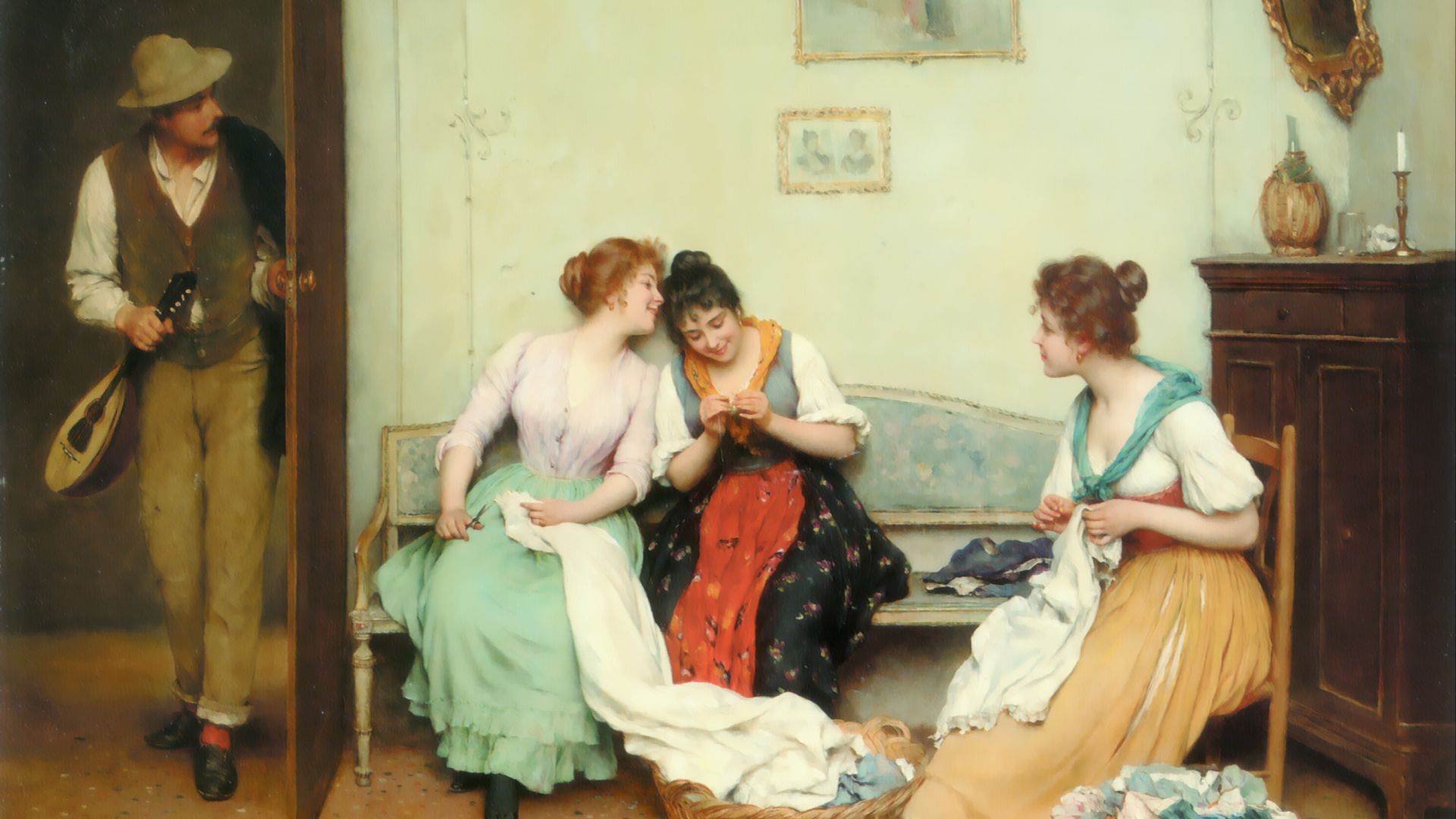
Communities sometimes treated couples like entertainment, with constant commentary and judgment. That kind of surveillance made small mistakes feel huge and private moments feel exposed. Dating goes better when your relationship isn’t a group project.
10. Rules That Kept Women Financially Dependent
Courtship traditions often assumed women would rely on a husband for stability, which limited their freedom and safety. When someone needs marriage to survive, “choice” gets complicated fast. A modern romance should be about partnership, not a rescue plan.

KEEP ON READING