


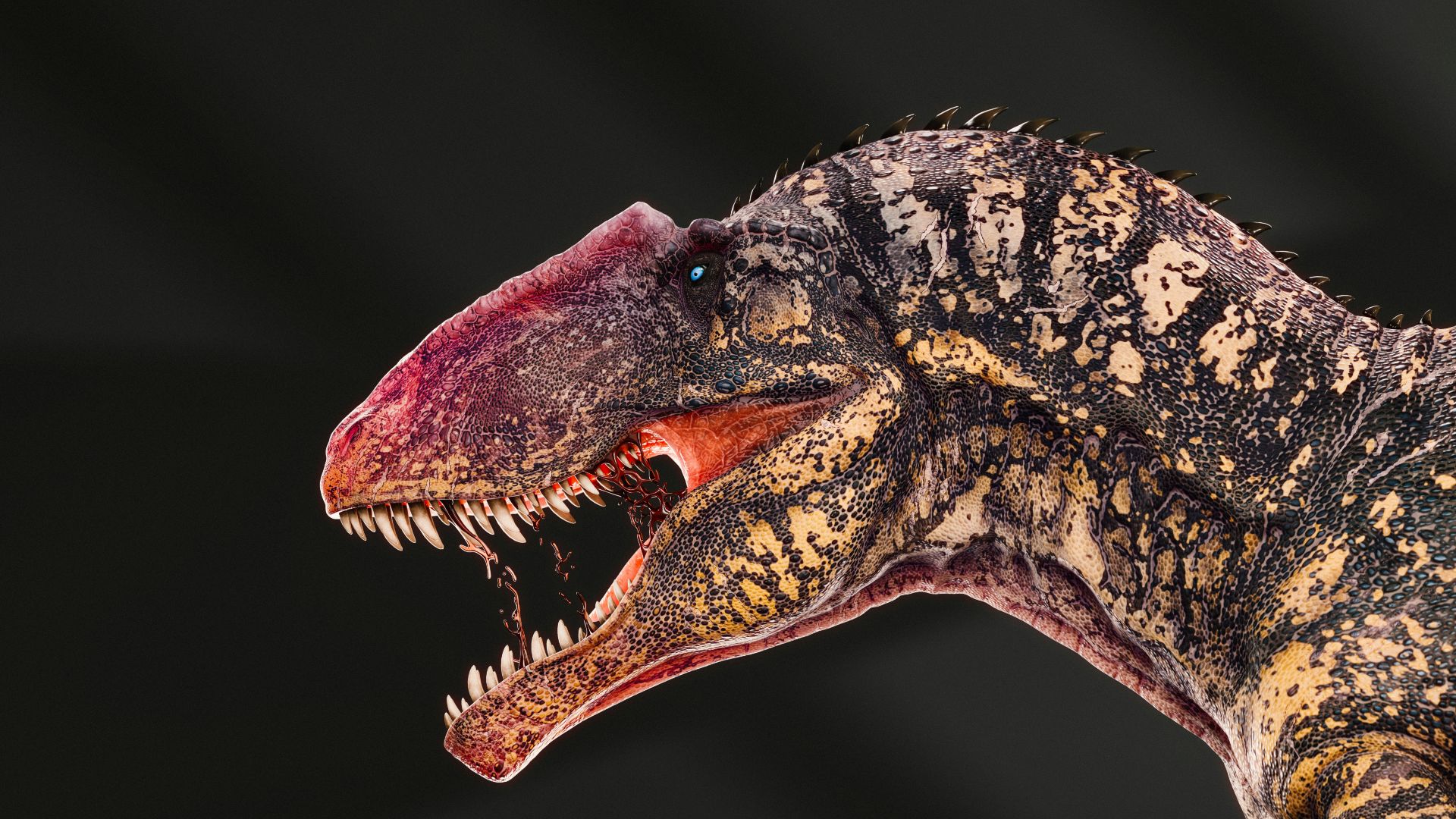
Sixty-six million years ago, a single asteroid hit Earth in the Yucatán Peninsula and killed off the dinosaurs. The disaster was local, but its effects were planetary. How can a regional calamity have global consequences? To answer that question, we have to examine the chain reaction set in motion by the asteroid, the climate changes already afoot, and the fragile web of interdependence on which ancient ecosystems depended.
A Single Impact
The asteroid was about the size of a small mountain, with a diameter between ten and fifteen kilometers. But its velocity would make a crater about 150 kilometers wide, one of the largest on Earth. Vaporizing rock on impact released energy equal to billions of nuclear explosions.
Locally, all life was incinerated or destroyed by shockwaves and earthquakes. But the primary global effects were from debris hurled into the atmosphere. Smoke, dust, sulfur, and very fine airborne particles went up and spread around the planet. These in the air reflected sunlight and blocked heating of the surface, while drastically affecting global weather patterns. Ecosystems, even thousands of kilometers away, were soon stressed by diminished light and falling temperatures.
A Domino Effect
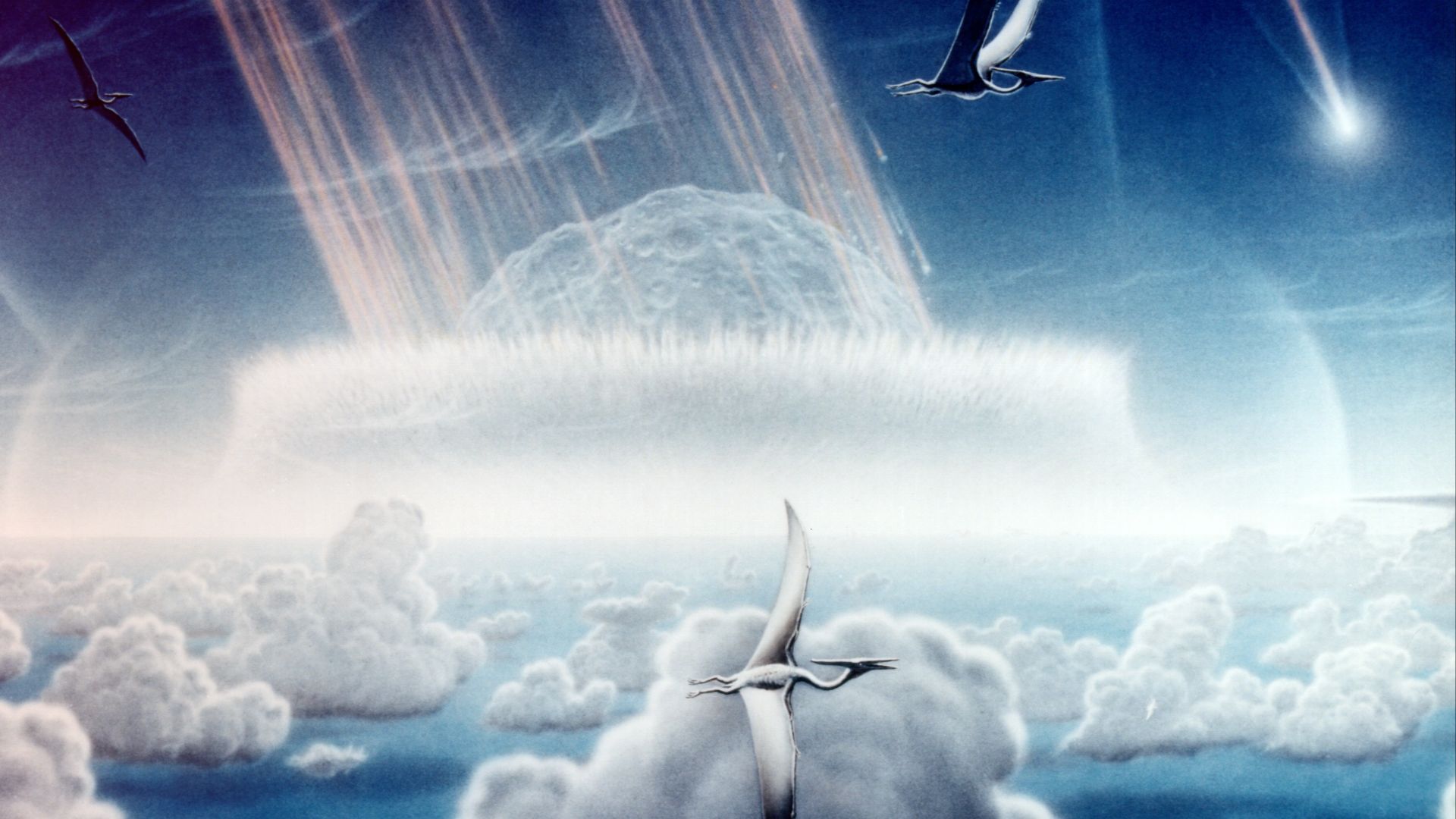
Environmental changes would have come quickly after the impact. Atmospheric dust would have reduced sunlight to less than 10% of normal for at least a year, disrupting photosynthesis. Climate models show that the dust would likely have persisted for over a decade, leading to a drastically changed environment. With less light available, plants began to die. With fewer plants, many species in the food chain would have also begun to perish.
Herbivorous dinosaurs would have been the first to feel the food shortage. Carnivorous dinosaurs would have quickly followed due to lack of prey. Shorter breeding seasons and cooler temperatures created more difficult living conditions for already starving and malnourished animals. Marine life was also disrupted, as plankton populations began to fail, with consequences moving up the food chain.
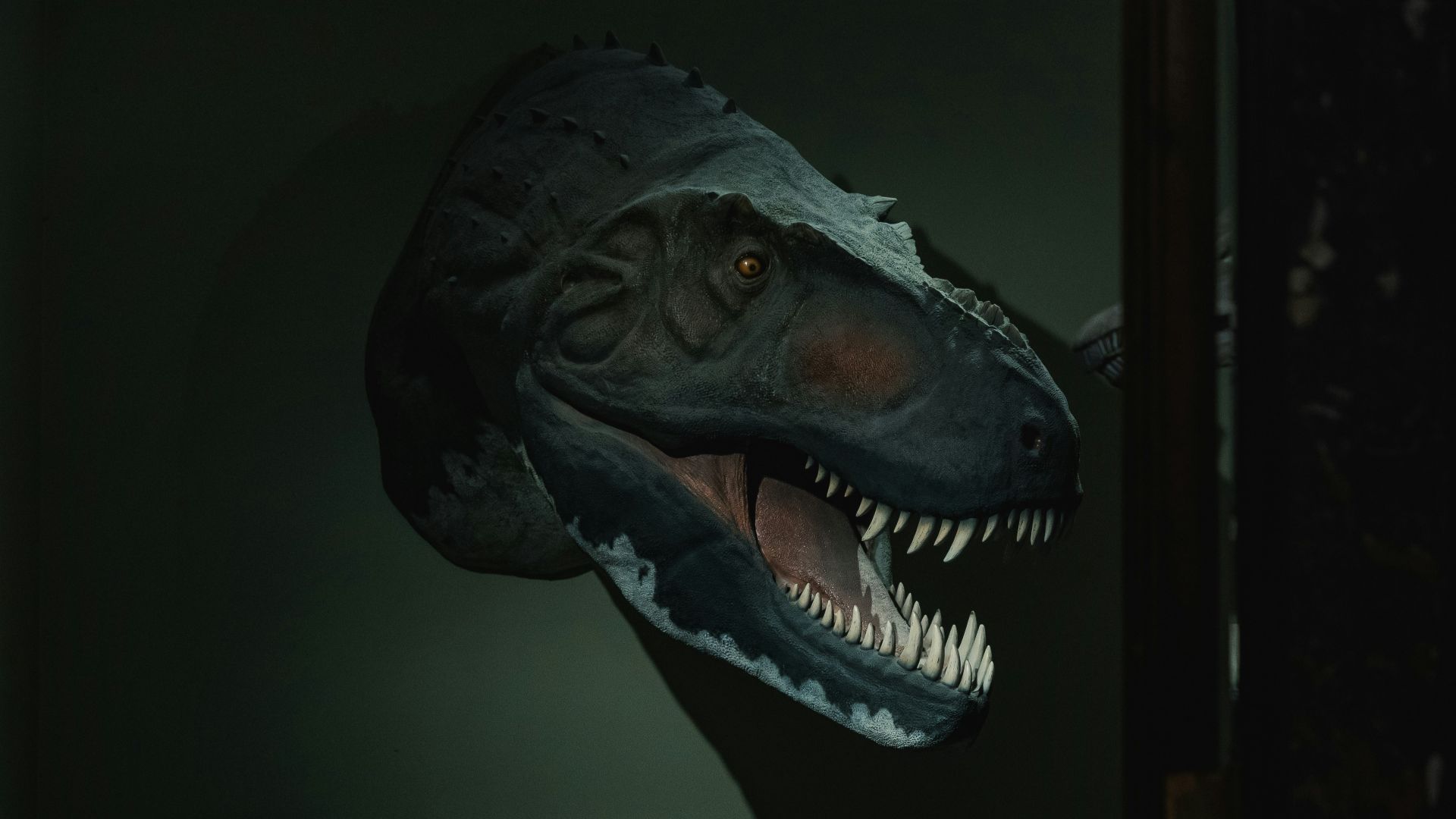
Surviving animals were predominantly small, generalist species that could get by on a minimum of food. The dinosaurs that survived were the ancestors of the modern birds, and their survival may have been assisted by their ability to fly, diverse diets, and/or ability to take advantage of ecological niches freed by the extinction of larger species. Frogs and other amphibians, salamanders, lizards, snakes, and early mammals also survived, likely because of their small size, diverse diets, burrowing behaviour, or aquatic lifestyles. Ammonites, pterosaurs, large marine reptiles, and non-avian dinosaurs went extinct.
Utter Extinction
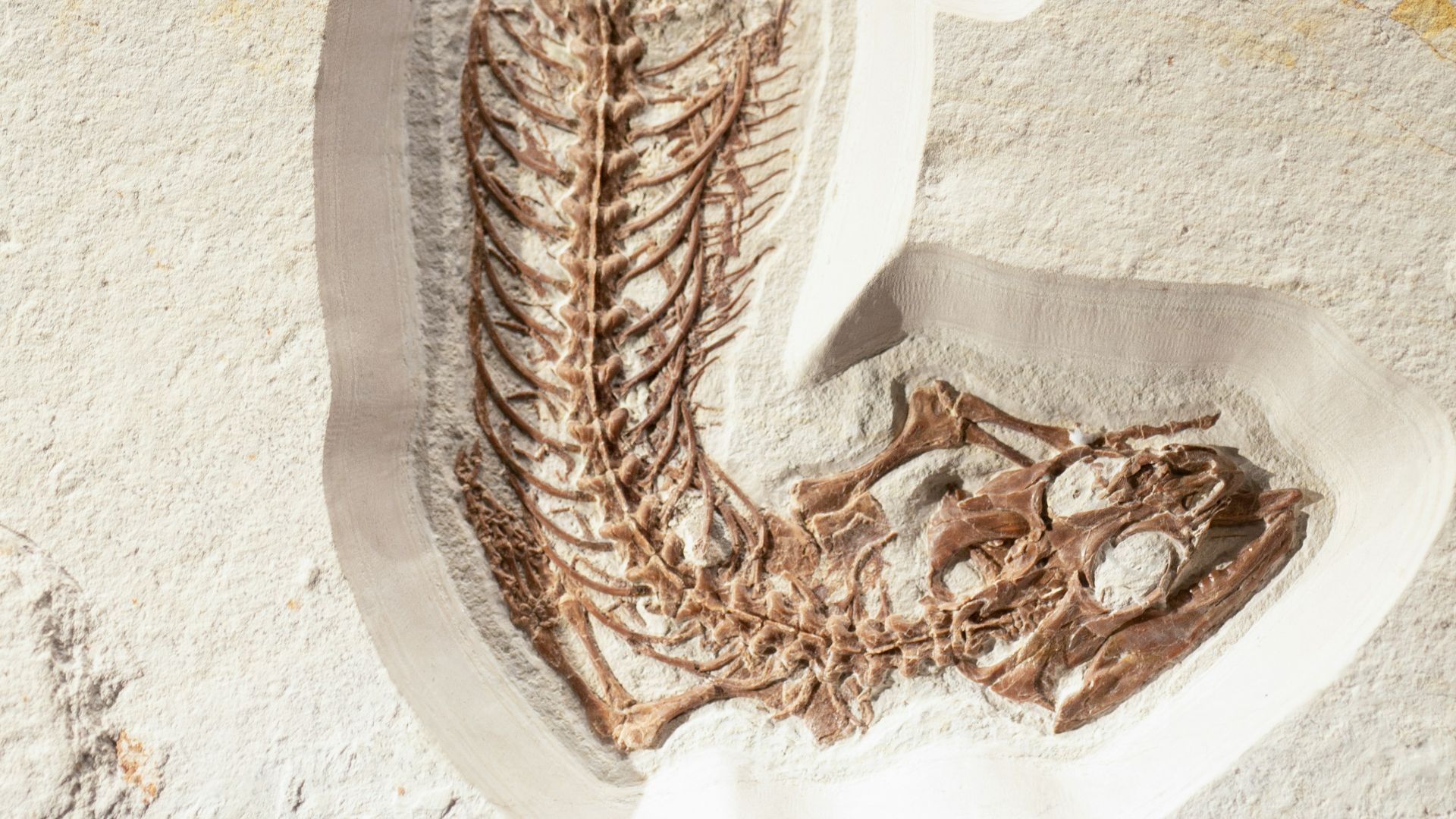
With the rise of mammals, ecological space was opened up for the ancestors of the primates, and eventually our own species, but not for millions of years. The legacy of dinosaurs is carried forward today by the more than eighteen thousand species of birds, avian dinosaurs, as well as by turtles and crocodilians, and many others.
One impact, but effects felt globally in air, land, and sea. The end-Cretaceous mass extinction is not the result of the Chicxulub crater per se, but rather of a cascade of impacts in the atmosphere, on climate, and in food webs. To understand how a single impact event could have had such planet-wide effects will not only help in interpreting past mass extinctions but perhaps also to foresee the future of life on Earth.
KEEP ON READING
Was Caligula The Most Ruthless Roman Emperor?
Artur Matosyan on UnsplashRoman Emperor Caligula is one of ancient…
By Rob Shapiro Dec 18, 2025
1 Weird Fact About Every President
Washington, Lincoln, FDR. Most people know something about the lives…
By Robbie Woods Dec 3, 2024
10 Actors Who Perfectly Played a Historical Figure & 10…
Which Performance is Your Favorite?. Playing the role of a…
By Rob Shapiro Sep 15, 2025
10 Actors Who Perfectly Played a Historical Figure & 10…
Portraying a real person from history is one of the…
By Noone Dec 17, 2025
10 Actors Who Weren't Up To Playing A U.S. President…
Who Wouldn't Vote Woody Harrelson for President?. Actors who sign…
By Rob Shapiro Oct 22, 2025
10 Amazing Facts About Claude Monet & 10 Of His…
The Man Behind The Masterpieces. Claude Monet's name sits comfortably…
By David Davidovic Jan 30, 2026