

What Made The ’50s Unforgettable
The 1950s marked a decade of transformation where daily life carried both comfort and tension. Families settled into new routines, cultural shifts began to take shape, symbols of optimism stood beside reminders of global uncertainty, and the period left a lasting mark on generations that followed. Looking back reveals the values, struggles, and simple joys that defined that era. So let's explore 20 snapshots of the ’50s and how they came to define the define.
1. Suburban Boom
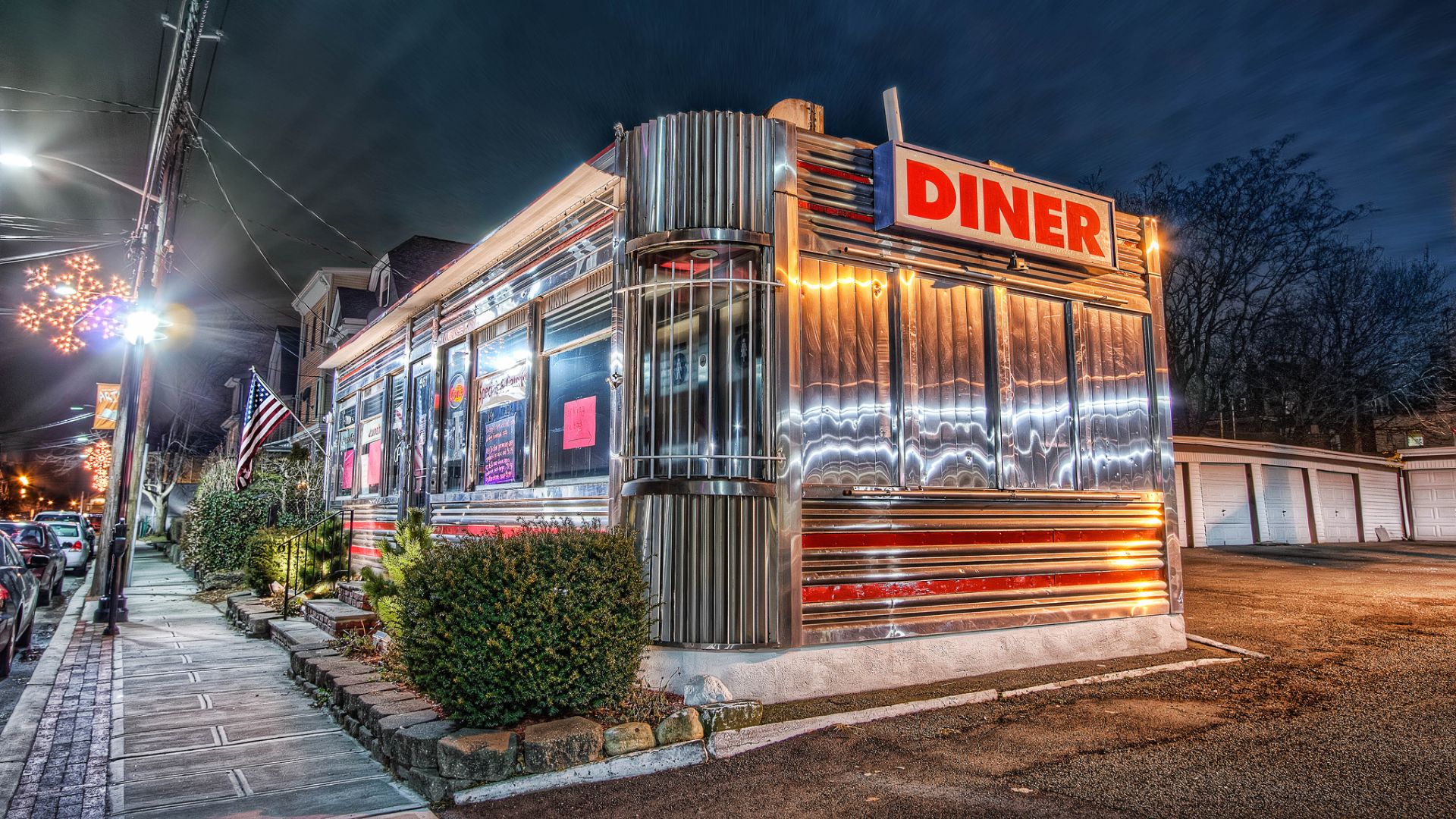
Suburban neighborhoods transformed American life in the 1950s, thanks to government-backed home ownership programs. Families embraced the extra space unavailable in cities, and these communities boosted social connections with regular backyard barbecues and neighborhood block parties.

2. Baby Boom
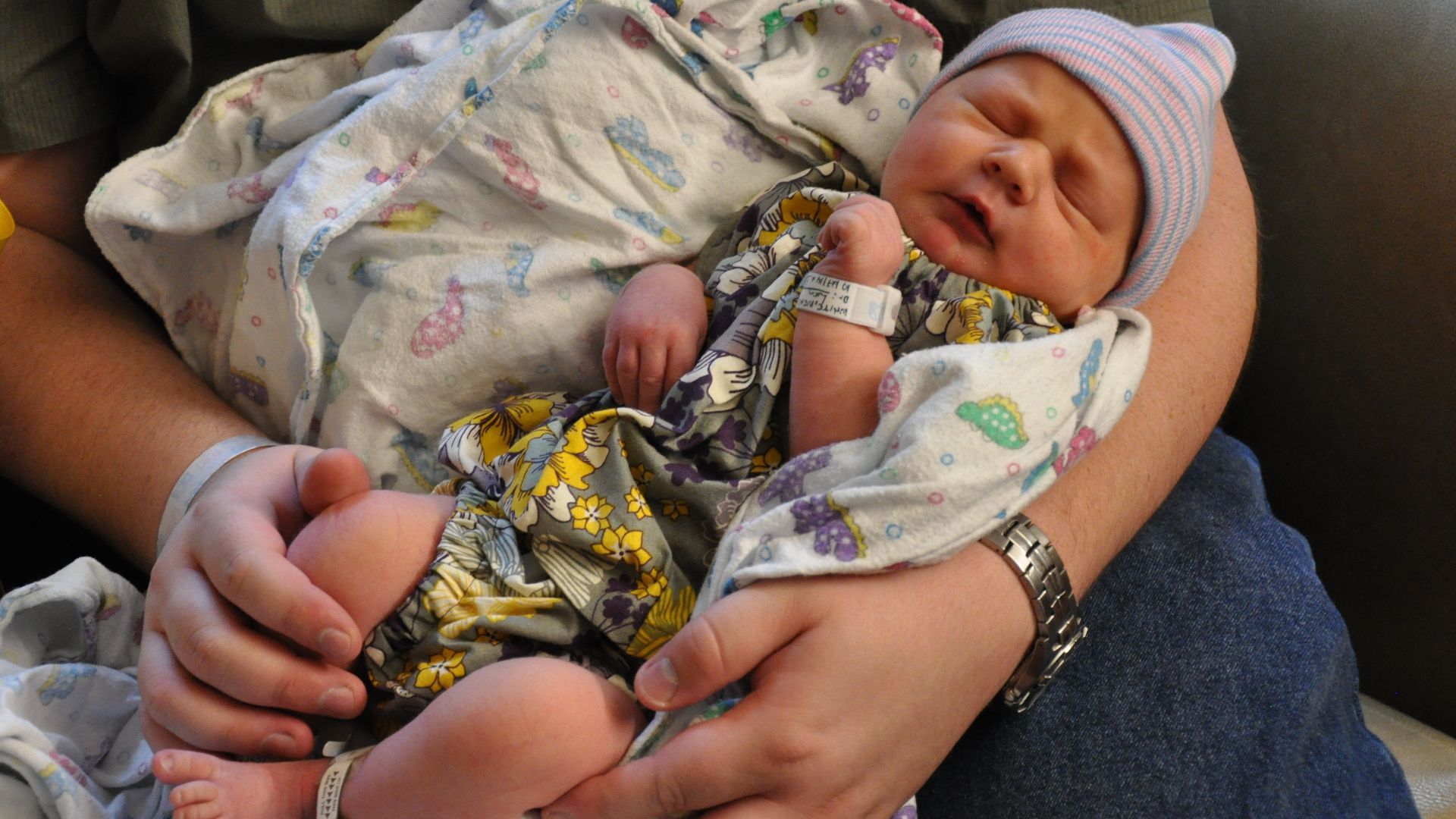
During this decade, a remarkable 4 million babies were born yearly in America. The baby boom, beginning in the late 1940s and peaking in the 1950s, transformed family life. This surge also created the largest generation in U.S. history, sparking growth in schools and industries.
 Kimberly Vardeman on Wikimedia
3. Drive-In Theaters
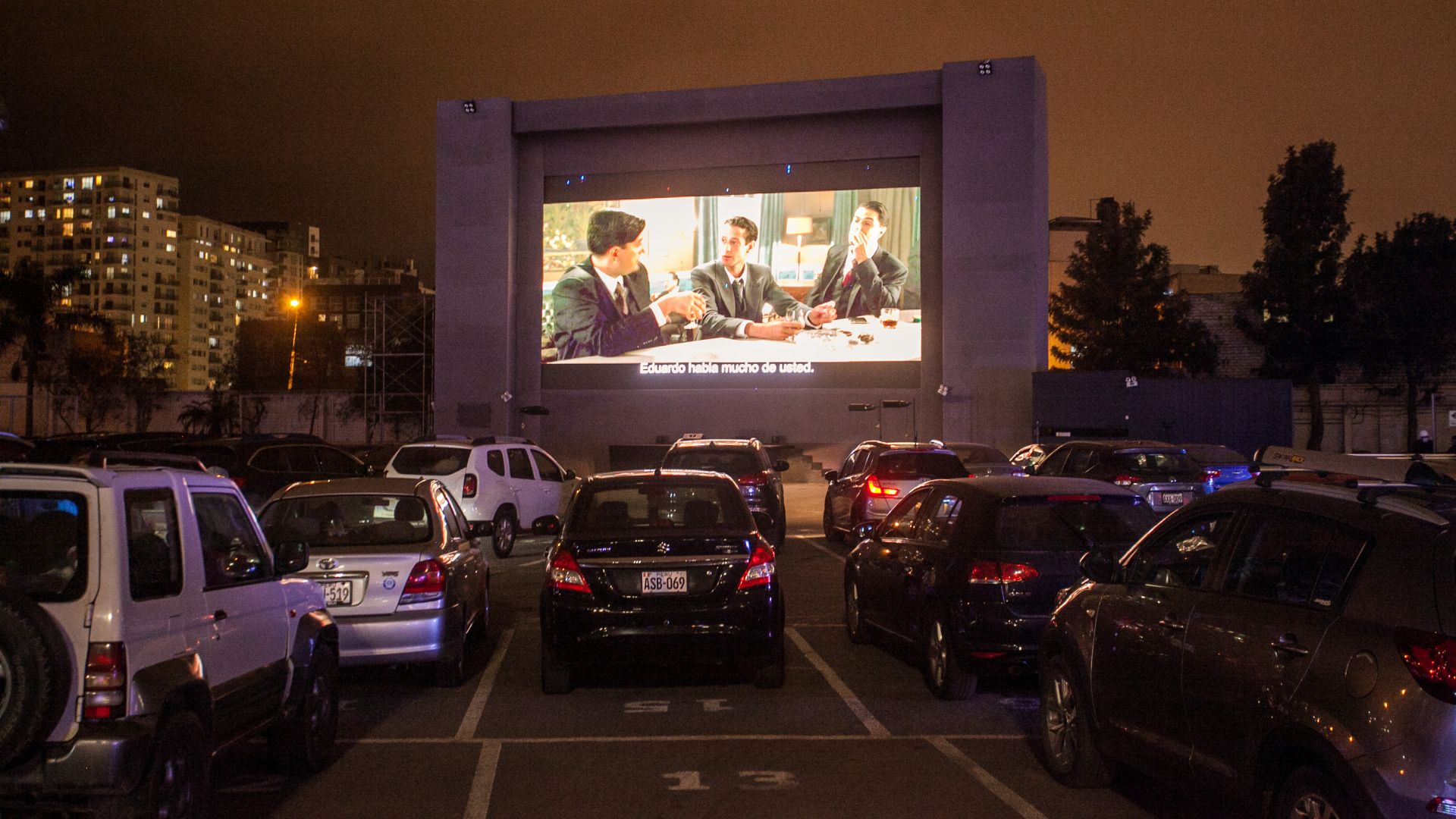
Cars lined up nightly at America's drive-in theaters, where families enjoyed movies under the stars. Double features and busy snack bars created an authentic entertainment experience, and children made new friends at the playground. In winter months, in-car heaters kept movie-goers cozy and comfortable.
4. Rock ’N’ Roll
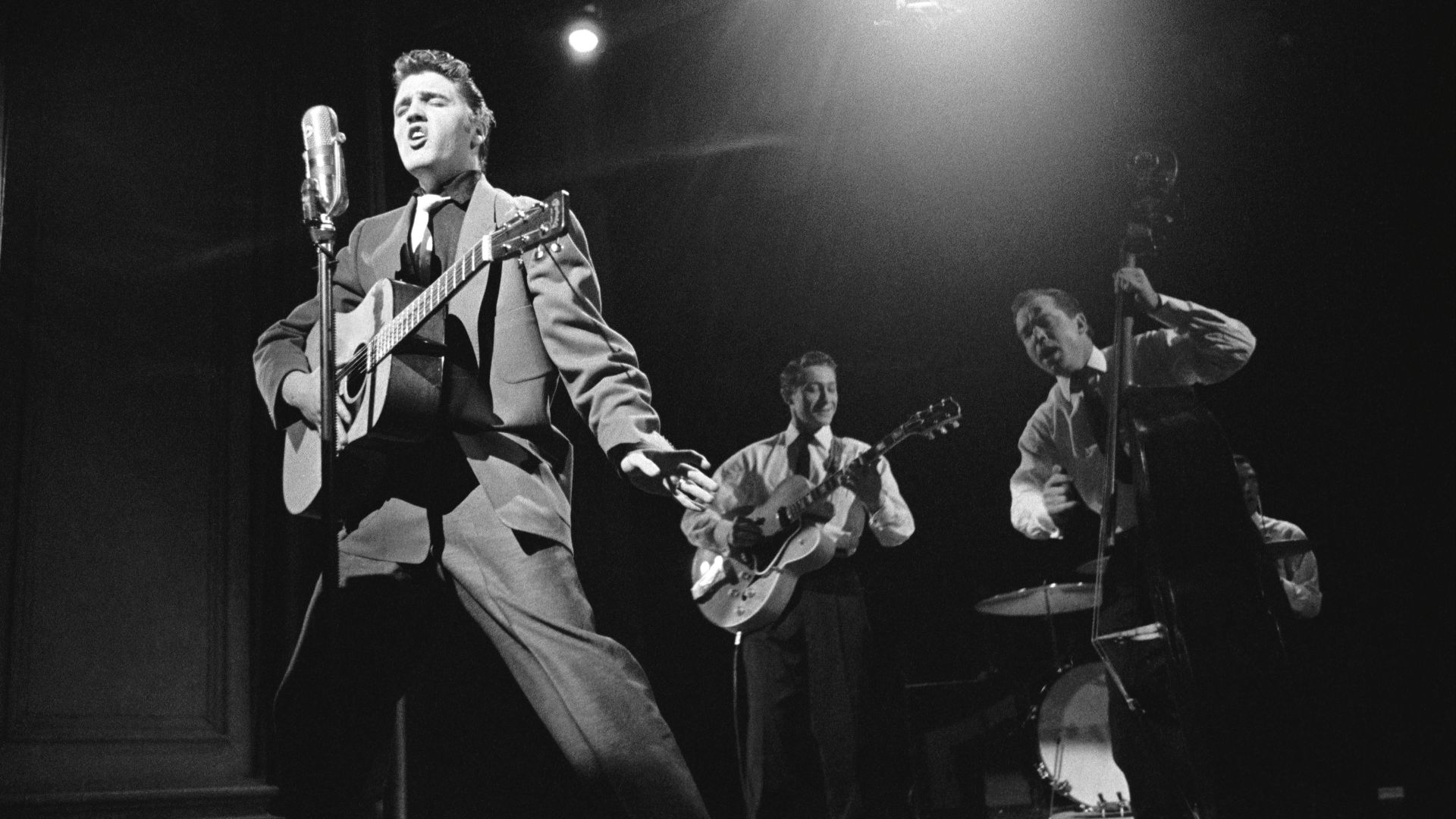
Musical history changed when Rock Around the Clock by Bill Haley topped the charts. The genre's rebellious spirit and energetic rhythms soon sparked a cultural revolution, with Elvis Presley becoming its face. However, many parents remained deeply suspicious of rock 'n' roll's influence on youth.
5. Black-And-White Television
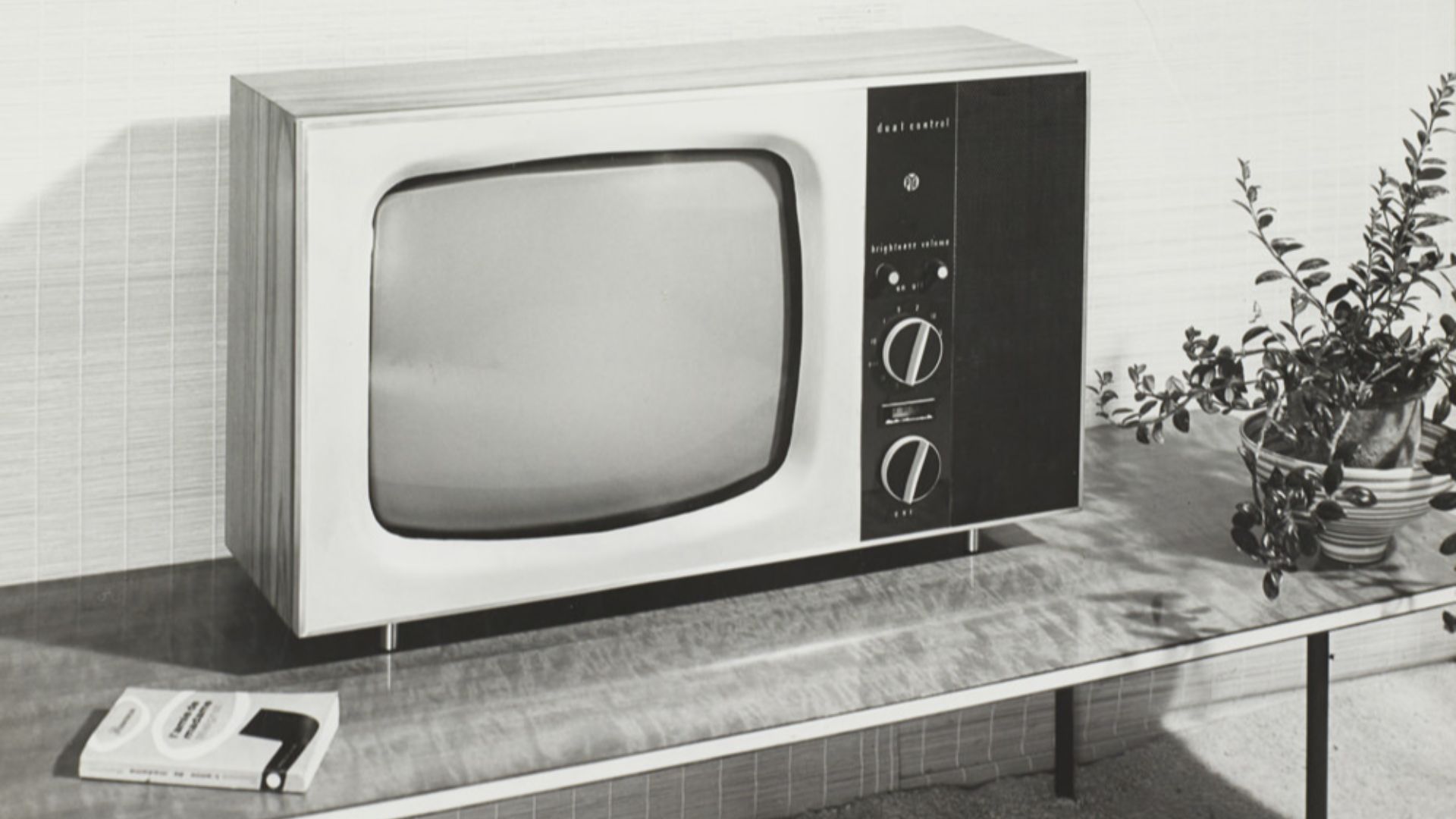
Across America, families adjusted their antennas nightly, eager to catch their favorite shows on black-and-white TV sets. Programs like The Ed Sullivan Show and I Love Lucy united millions of viewers, and television steadily became the cornerstone of household entertainment.
 Robin & Lucienne Day Foundation on Wikimedia
6. Nuclear Family Ideal
The nuclear family—father, mother, and children—was widely promoted as the ideal during this era. Men typically married at 23, women at 20. This family structure dominated households, with media and social norms encouraging stable family arrangements.
 The original uploader was Miserlou at English Wikipedia. on Wikimedia
7. Polio
Polio ravaged the nation and people demanded a response. Public health officials organized mass campaigns at schools and community centers around the country. Children received their dose in ceremonial settings to promote participation and transformed American medicine. Subsequently, Jonas Salk emerged as a national hero and a prominent figure in the medical community.
 Centers for Disease Control and Prevention on Wikimedia
8. Cold War Anxiety
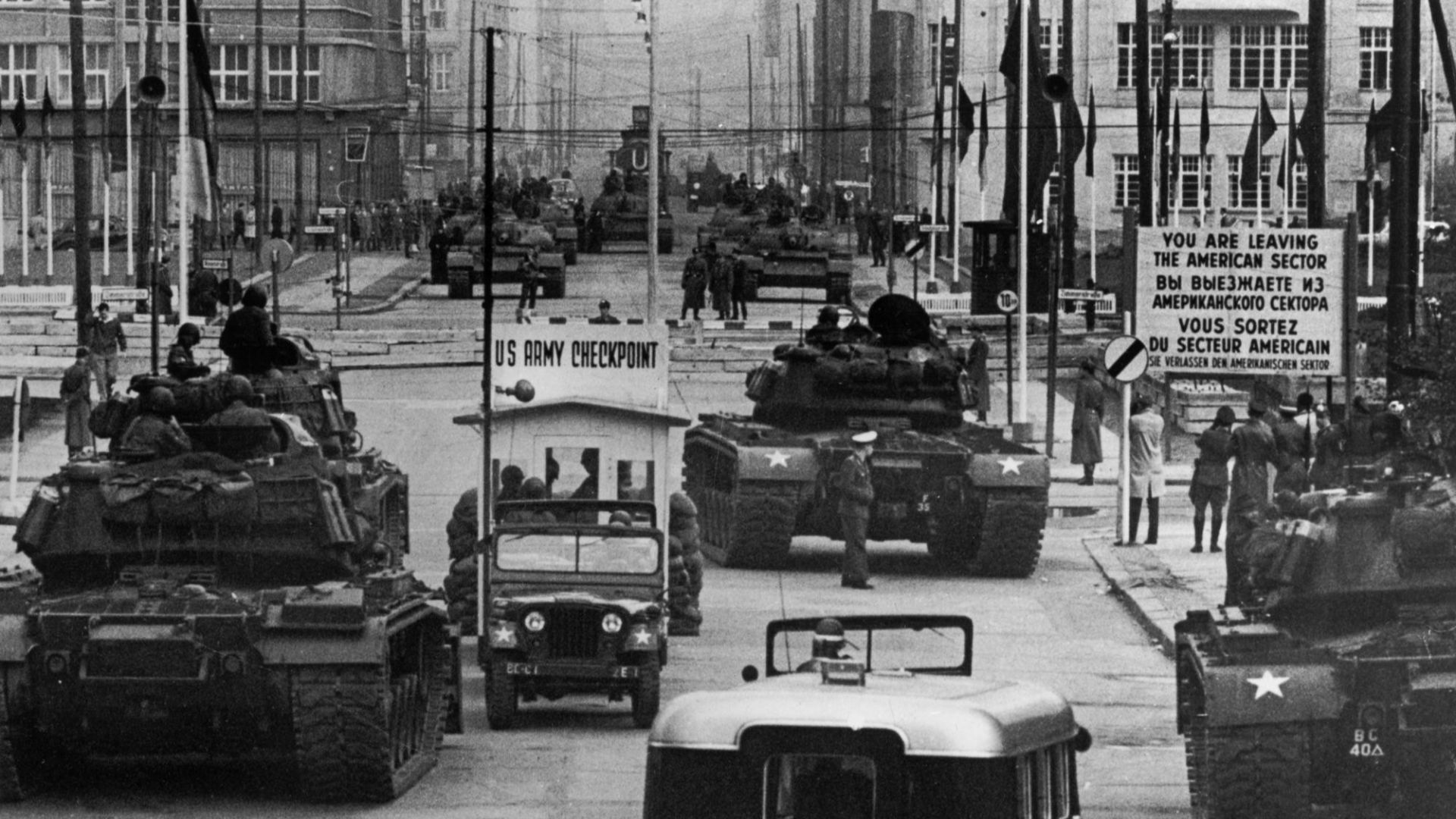
Nuclear war and communist infiltration threats dominated 1950s America and altered daily life and culture. The Cold War between superpowers sparked widespread fear and prompted government vigilance campaigns. Concerned families responded by constructing backyard bomb shelters for protection.
 U.S. Army photo Photo Credit: USAMHI on Wikimedia
9. Poodle Skirts & Saddle Shoes
Saddle shoes with bobby socks crossed gender lines in 1950s teen fashion. These popular shoes complemented the era's signature poodle skirts that showcased felt appliqués. Resourceful parents commonly created these twirling skirts at home for school dances.
 Tom Roy Hobbs from Field Of Dreams, USA on Wikimedia
10. Diner Culture
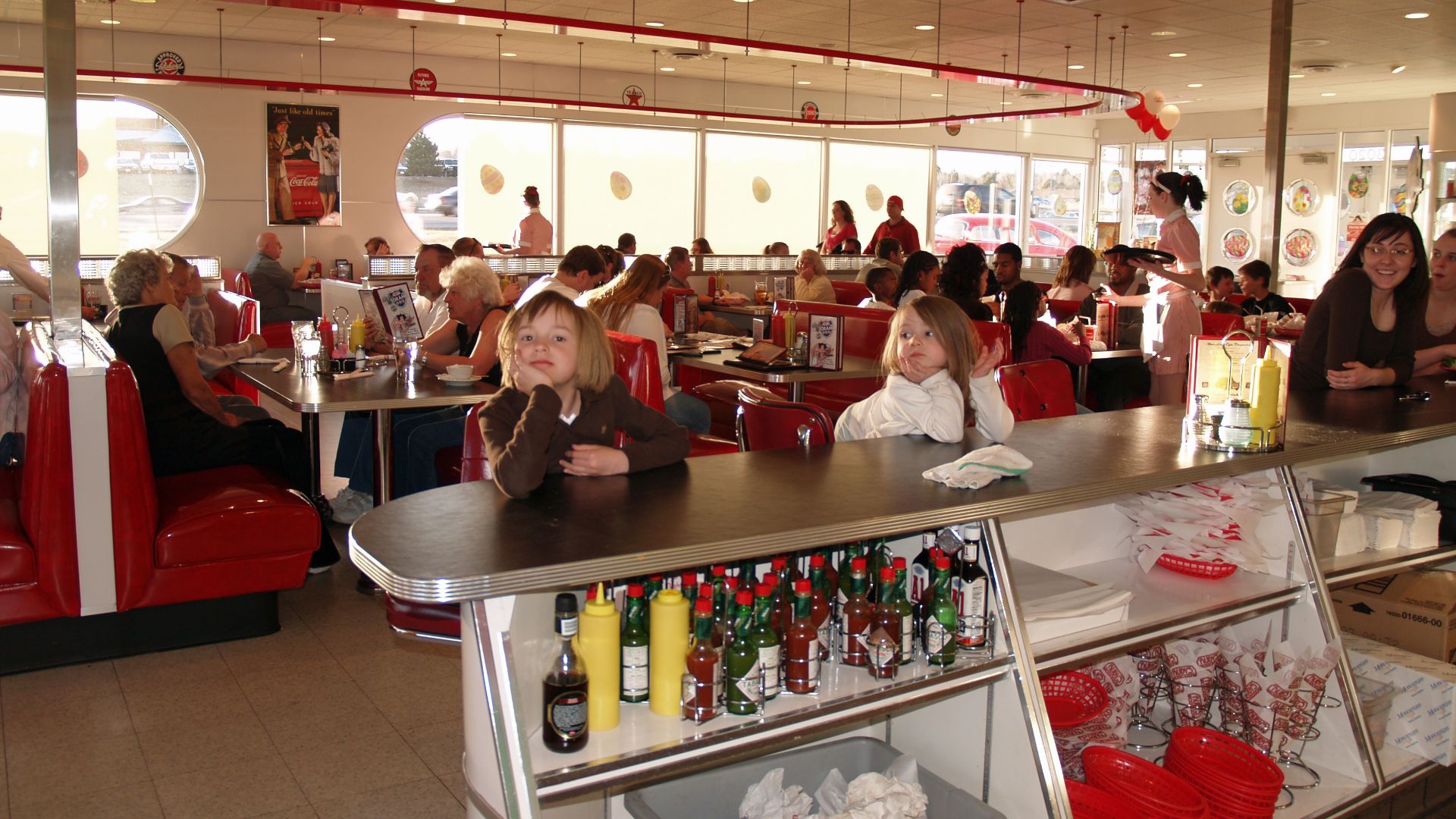
Chrome-clad diners dotting America served as social hubs where conversations flowed freely and jukeboxes played. On the menu were timeless favorites like burgers and milkshakes, and teenagers claimed these spots as their own. Crowds came for both the casual setting and affordable prices.
11. Television Westerns
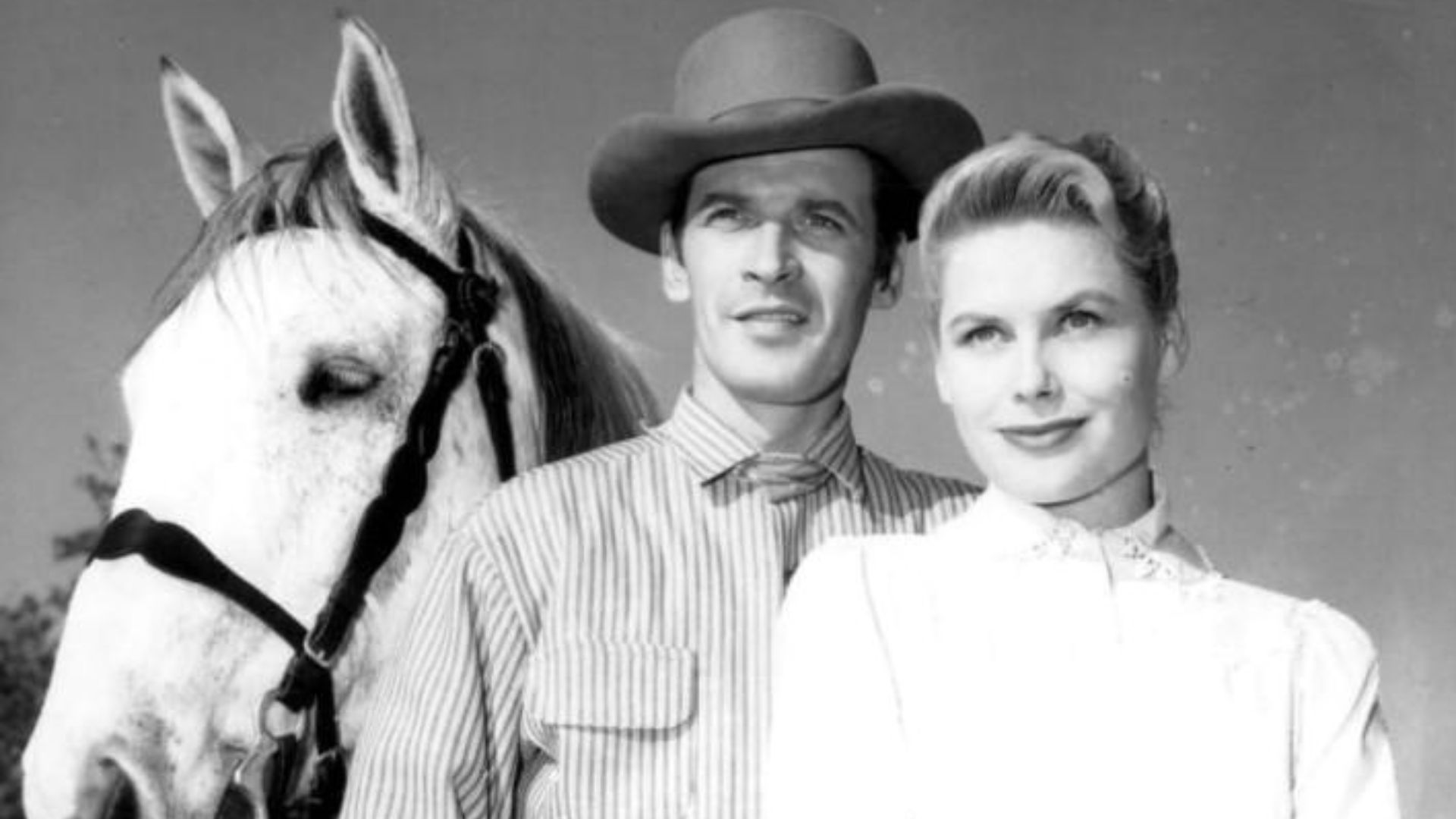
As children mimicked their television heroes, toy cowboy hats and cap guns flew off store shelves. Prime time television featured shows like Gunsmoke and The Lone Ranger, and many Westerns aired completely live. With tales of rugged heroes and frontier life, the programs kept audiences glued.
12. Route 66 Road Trips
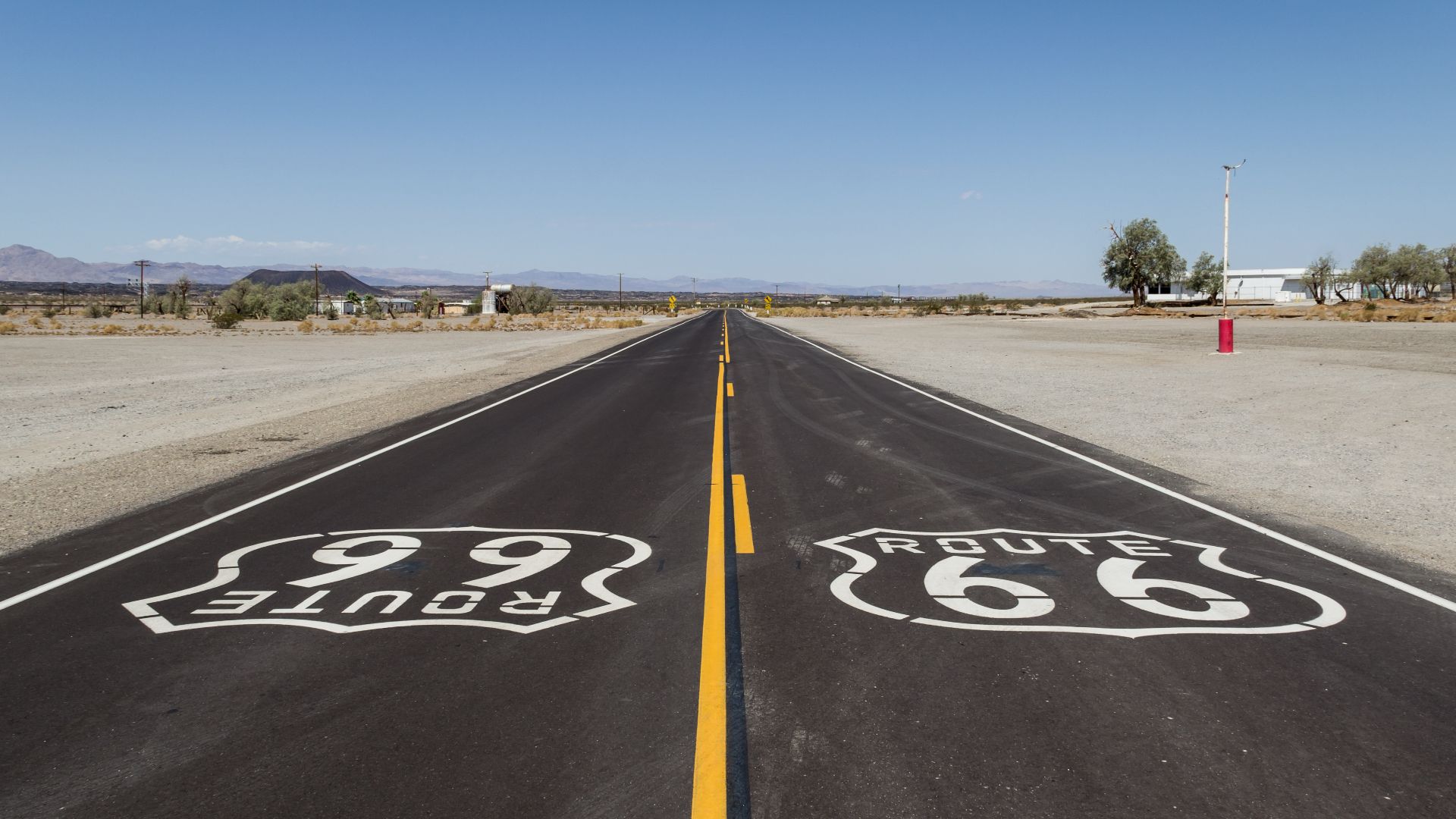
The Mother Road beckoned countless families during summer vacations, with Route 66 becoming America's most famous highway for cross-country travel in the 1950s. Diners and neon signs dotted the scenery. Families also stopped at motels and roadside attractions along their journeys.
13. Space Race Beginnings
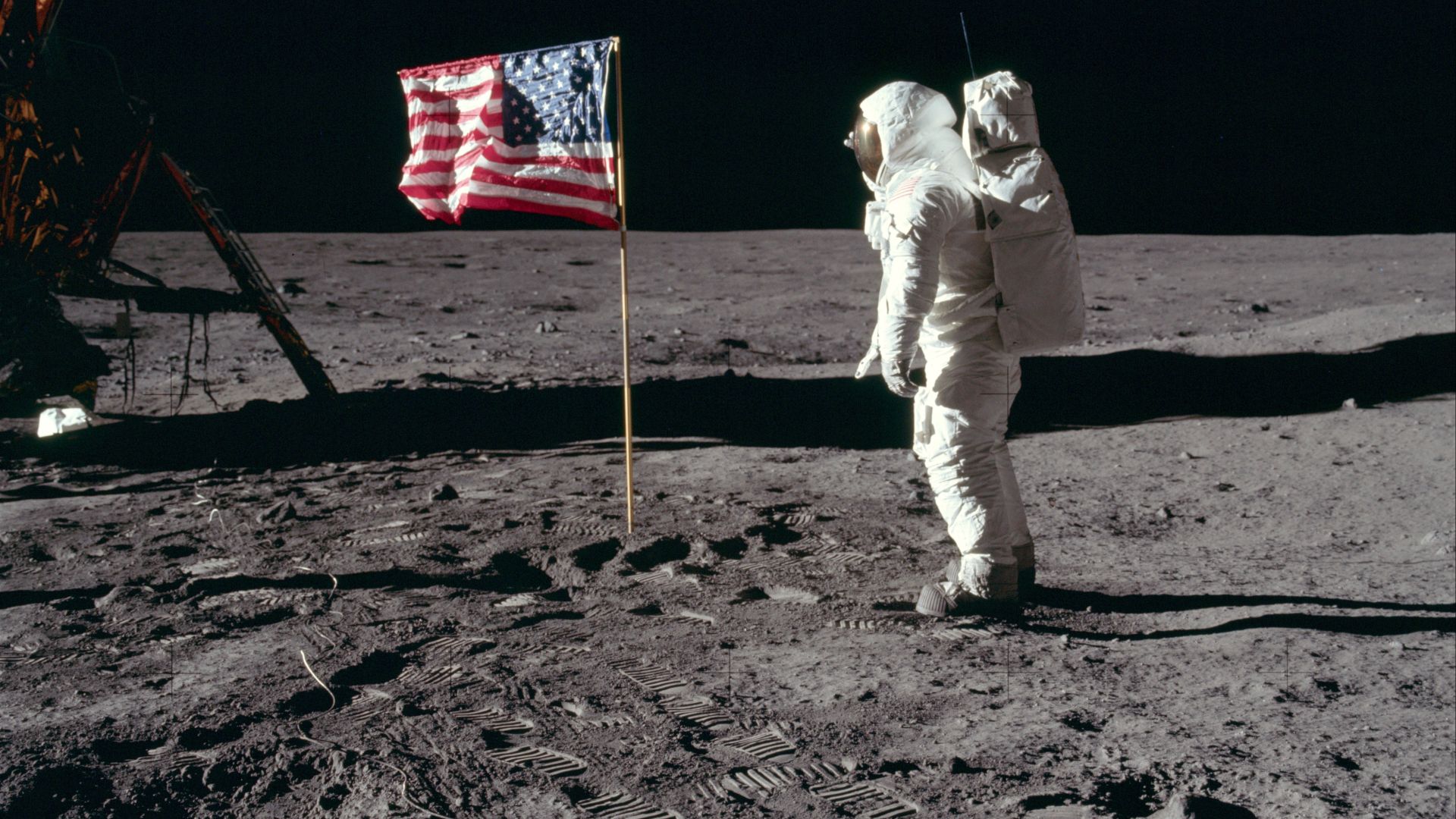
After the Soviet Union’s 1957 launch of Sputnik, American households buzzed with excitement about space exploration. Children begged for space-themed toys and comics, while adults followed news of U.S. rocket tests. This scientific competition transformed popular culture.
 NASA / Neil A. Armstrong on Wikimedia
14. Gender Roles
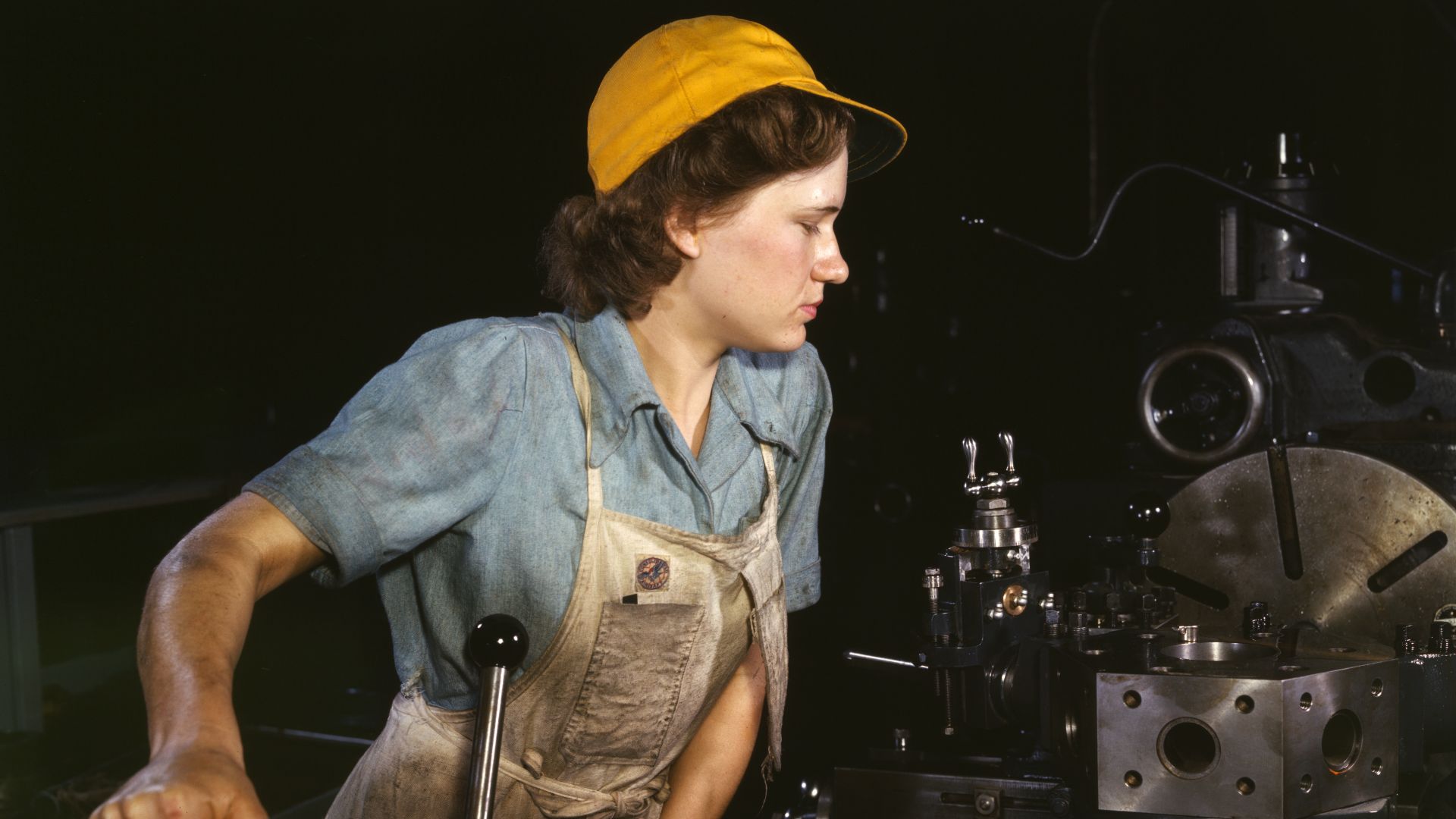
The 1950s household centered on strict gender expectations, with men earning wages and women managing homes. Many women donned aprons as visible symbols of domestic duties, and magazines consistently promoted these traditional roles. Young women typically pursued homemaking rather than careers, with limited job options after school.
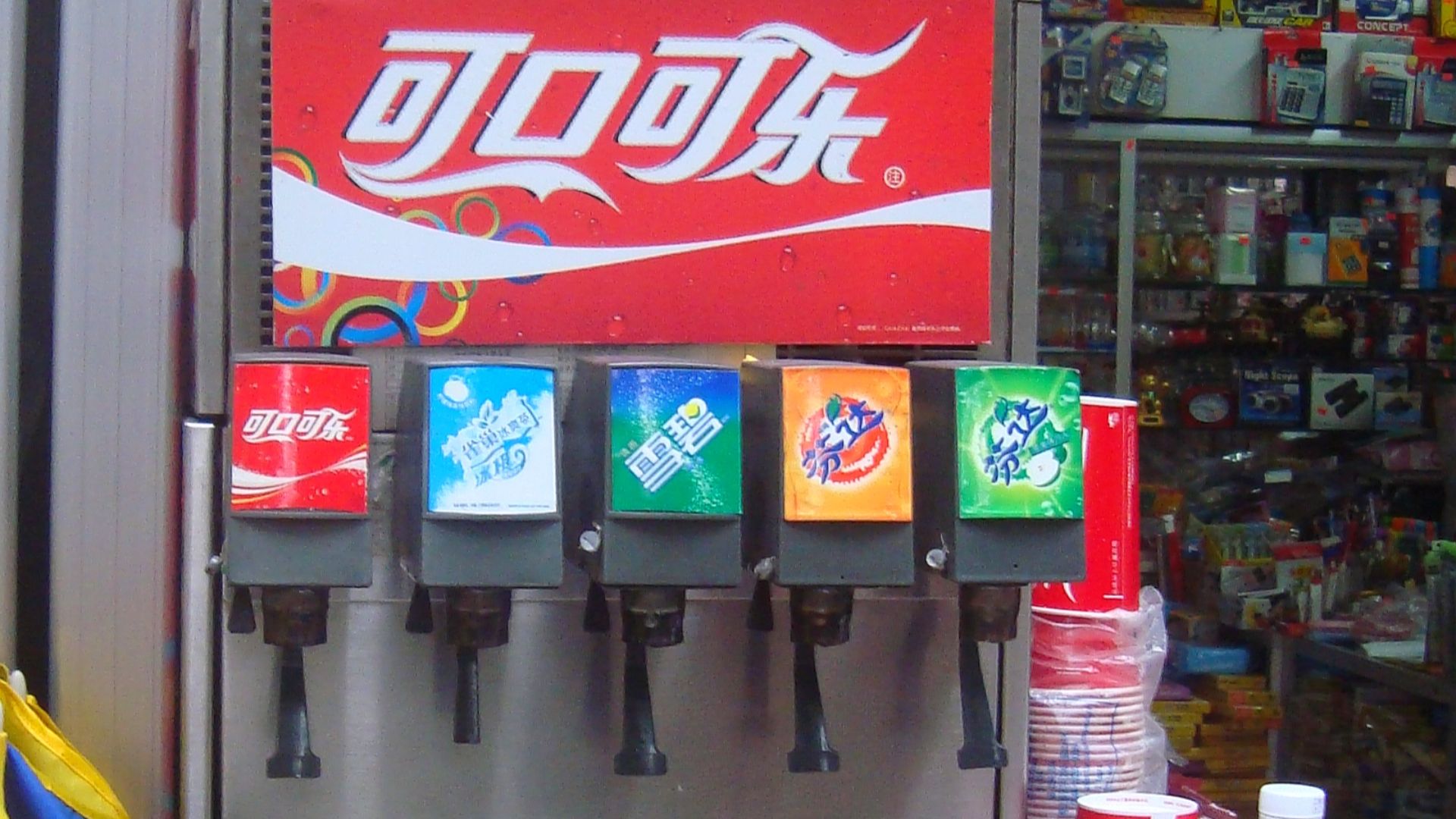
15. Soda Fountains
Teenagers flocked to drugstore and diner soda fountains, prime spots for first dates and social gatherings. Soda staff in crisp uniforms dazzled customers with their drink-making tricks, while classic treats like ice cream sodas and sundaes created lasting memories of 1950s Americana.
 User:Anna Frodesiak on Wikimedia
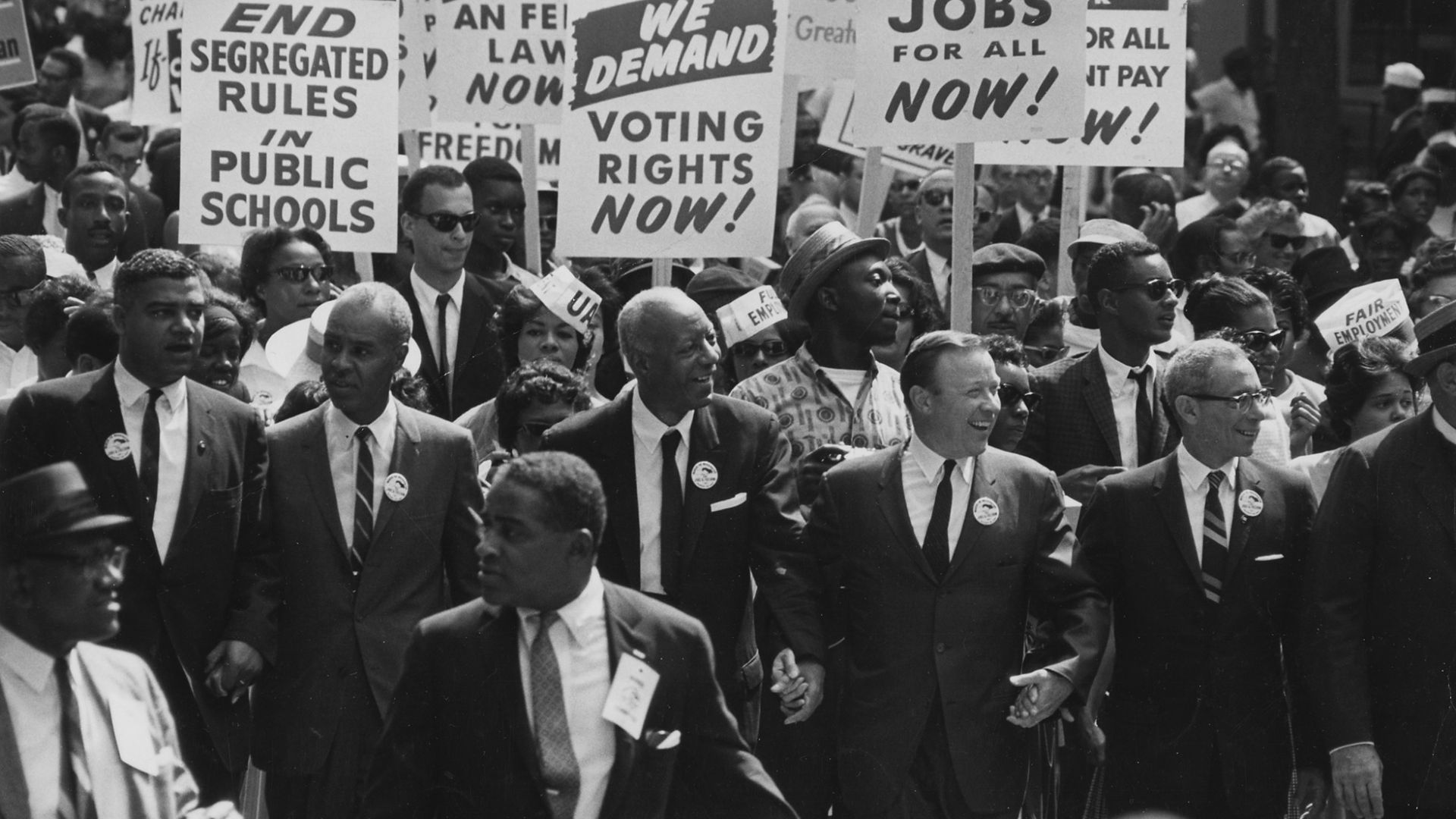
16. Civil Rights Movement Origins
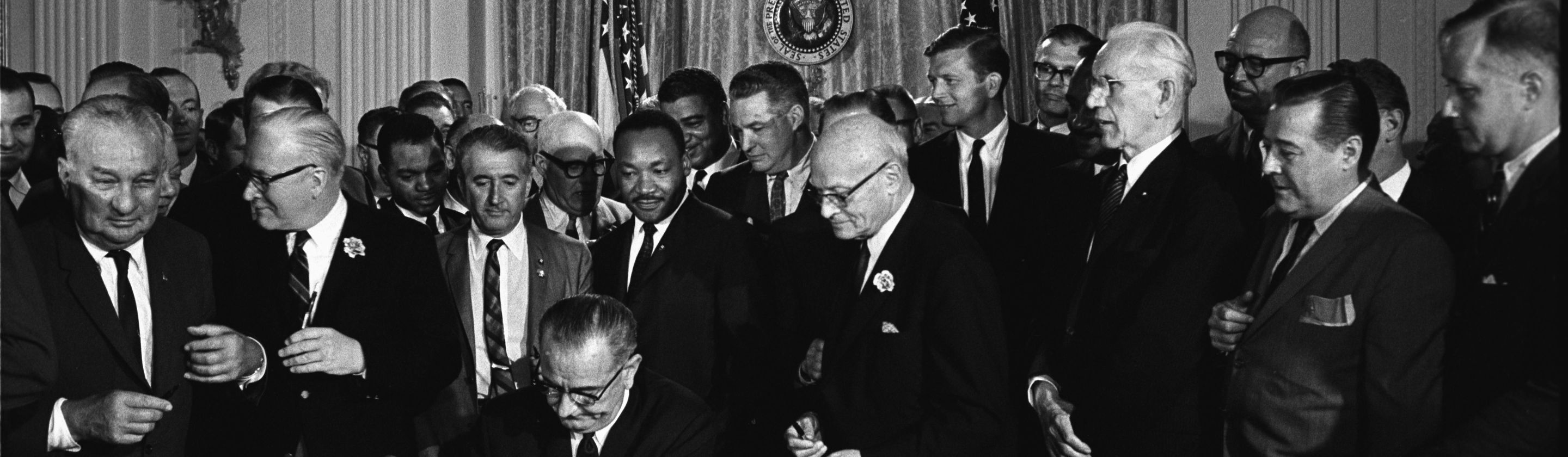
The modern Civil Rights Movement took root as Americans challenged racial injustice. Brown v. Board of Education struck at segregation's core, and the Montgomery Bus Boycott showed collective action's strength. Beyond that, grassroots activism and legal challenges created momentum for substantial social change.
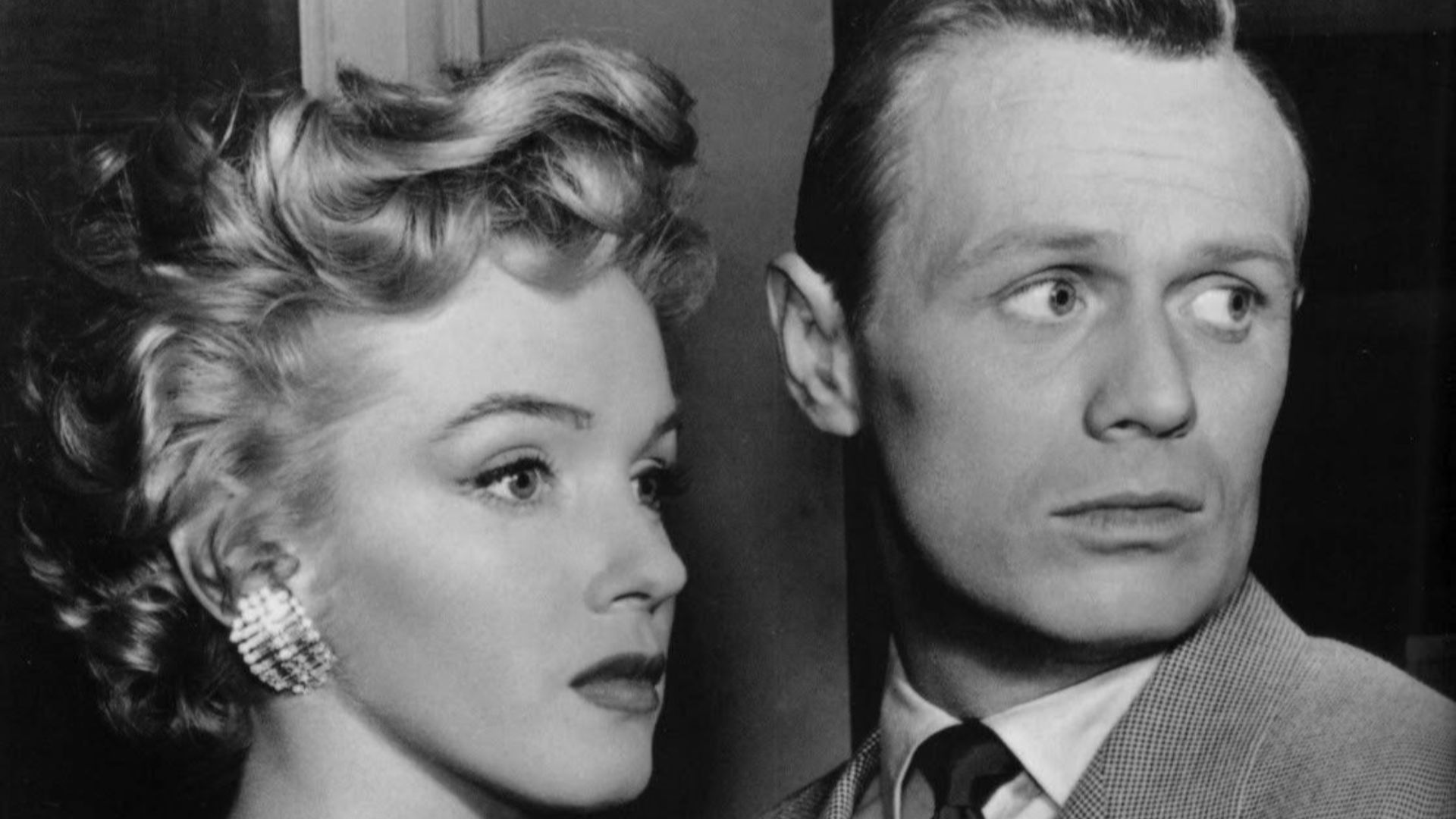
17. Marilyn Monroe Stardom
Monroe's signature platinum blonde hair became the most imitated style of the 1950s. She ascended to international stardom through memorable performances in films like Gentlemen Prefer Blondes, and her glamorous image redefined beauty standards across America.
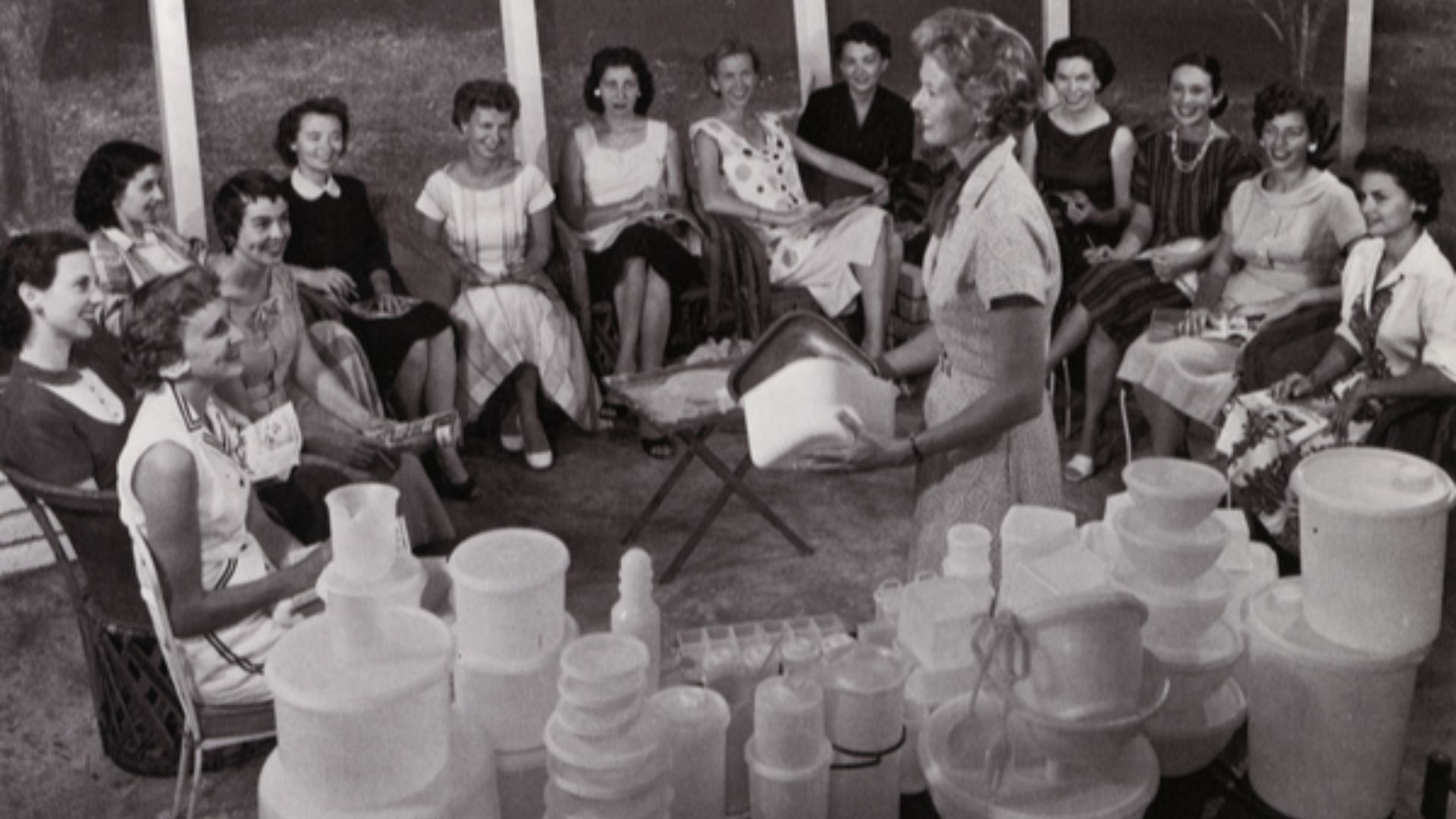
18. Tupperware Parties
The direct-sales model created entrepreneurial opportunities for women through Tupperware parties, which quickly became neighborhood social events. These gatherings introduced innovative plastic food storage to American homes. Games and prizes made selling both fun and effective, and many women found financial independence through hosting.
 State Library and Archives of Florida on Wikimedia
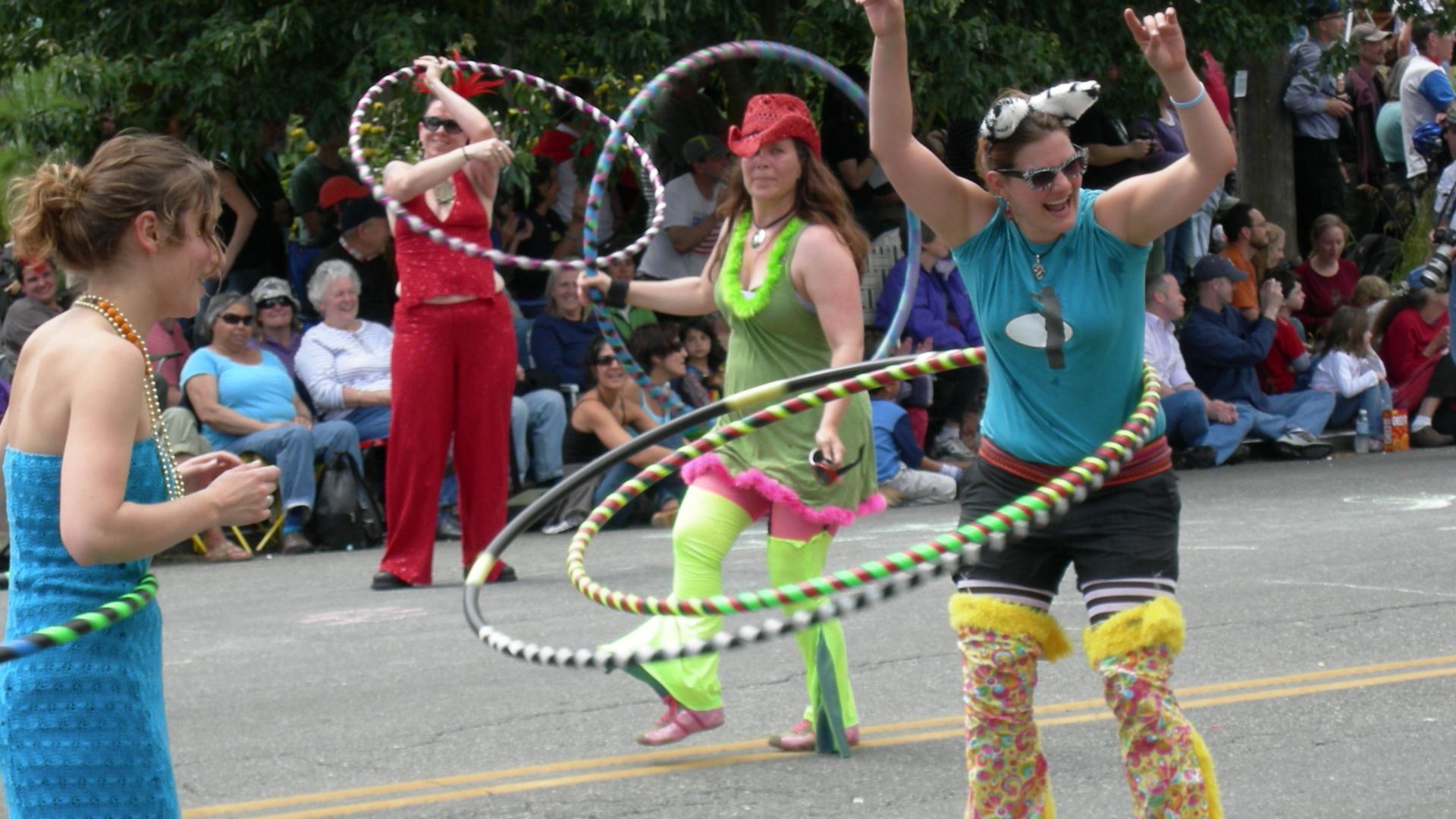
19. Hula Hoop Craze
Community events sparked friendly rivalries as contestants showed off their hoop skills. The simple toy sold millions of units within months, and its appeal crossed age barriers completely. Schools organized special contests, and both adults and children practiced their techniques at home.
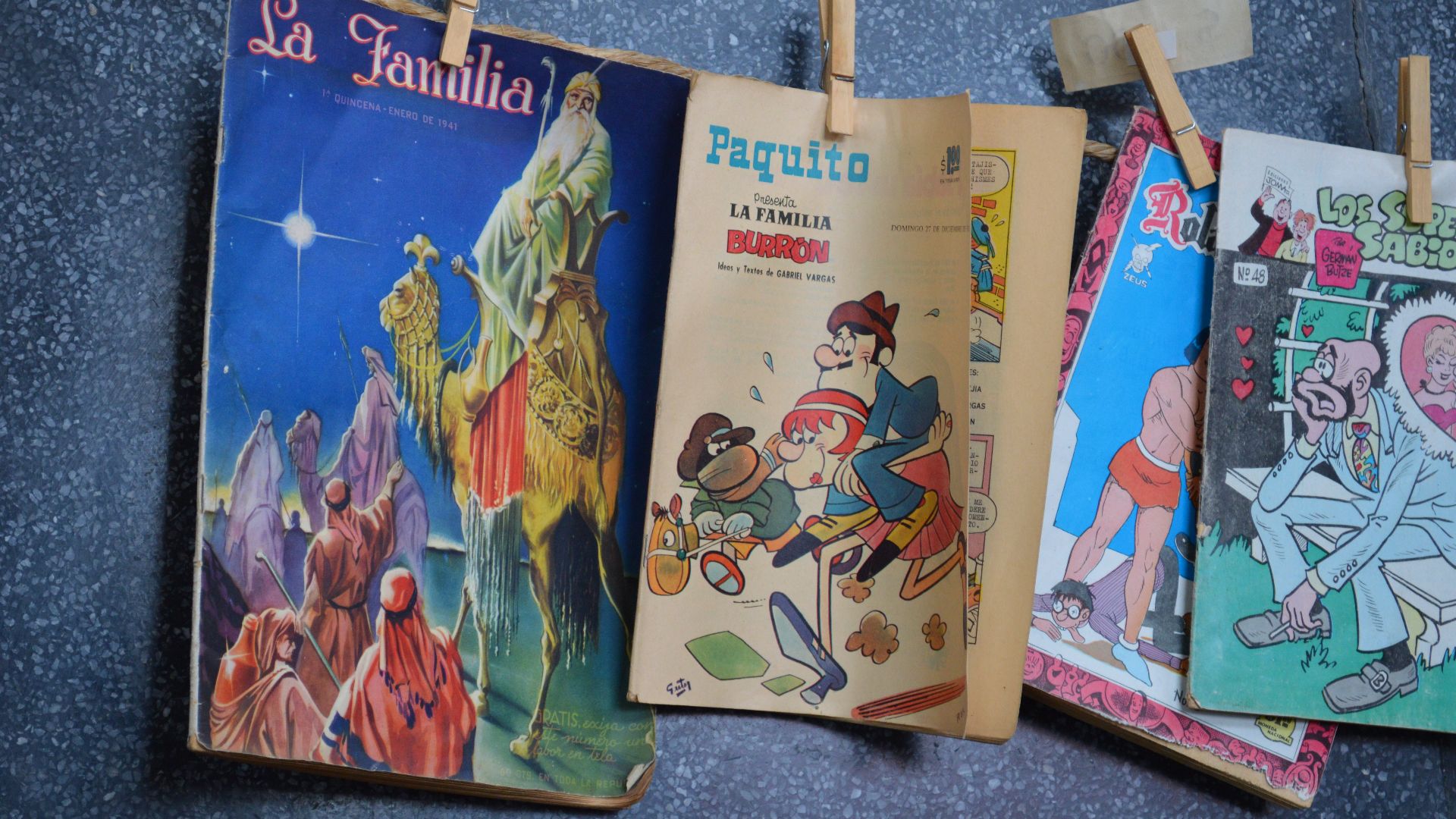
20. Comic Books Popularity
Superheroes, horror, and romance comics dominated youth entertainment during the 1950s. Despite parental concerns about their influence on children's behavior, comic books flourished as a favorite pastime. These vibrant stories became deeply woven into American youth culture.
KEEP ON READING

20 Greek Gods We Don't Often Talk About
Step Aside, Zeus. Greek mythology isn’t only about Zeus and…
By Elizabeth Graham Jan 16, 2026
10 Historic Courtship Practices That Should Be Brought Back &…
Old-School Dating Was a Mix of Charming & Unhinged. Historic…
By Emilie Richardson-Dupuis Jan 20, 2026
Pooches Of The Past: Extinct Dog Breeds
Unknown authorUnknown author on WikimediaDogs have been showing up in…
By Elizabeth Graham Jan 27, 2026
The 20 Craziest Silent Films Ever Made
When Silence Let the Madness Speak. Silent cinema didn’t just…
By Chase Wexler Jan 5, 2026
Legendary Tales: 20 Most Fascinating Mythical Creatures from Folklore
Mythological Beasts. Stories about mythical creatures endure for a simple…
By Christy Chan Jan 16, 2026
The three most expensive historical artifacts ever sold at auction
Attributed to Leonardo da Vinci on WikimediaAuctions are where history…
By Emilie Richardson-Dupuis Jan 9, 2026