King Of The Dinosaurs: 20 Incredible Facts About The T-Rex, One Of History's Most Vicious Predators
King Of The Dinosaurs: 20 Incredible Facts About The T-Rex, One Of History's Most Vicious Predators
Anatomy of a Super Predator
Tyrannosaurus rex remains one of the most extensively studied predators in Earth’s history. New fossil discoveries and biomechanical research continue to reshape how scientists understand its strength, behavior, and ecological dominance. Far from a simple brute, this animal was highly specialized for survival at the top of the food chain, which means it's time we explored these 20 evidence-backed facts that reveal how the T. Rex truly lived.
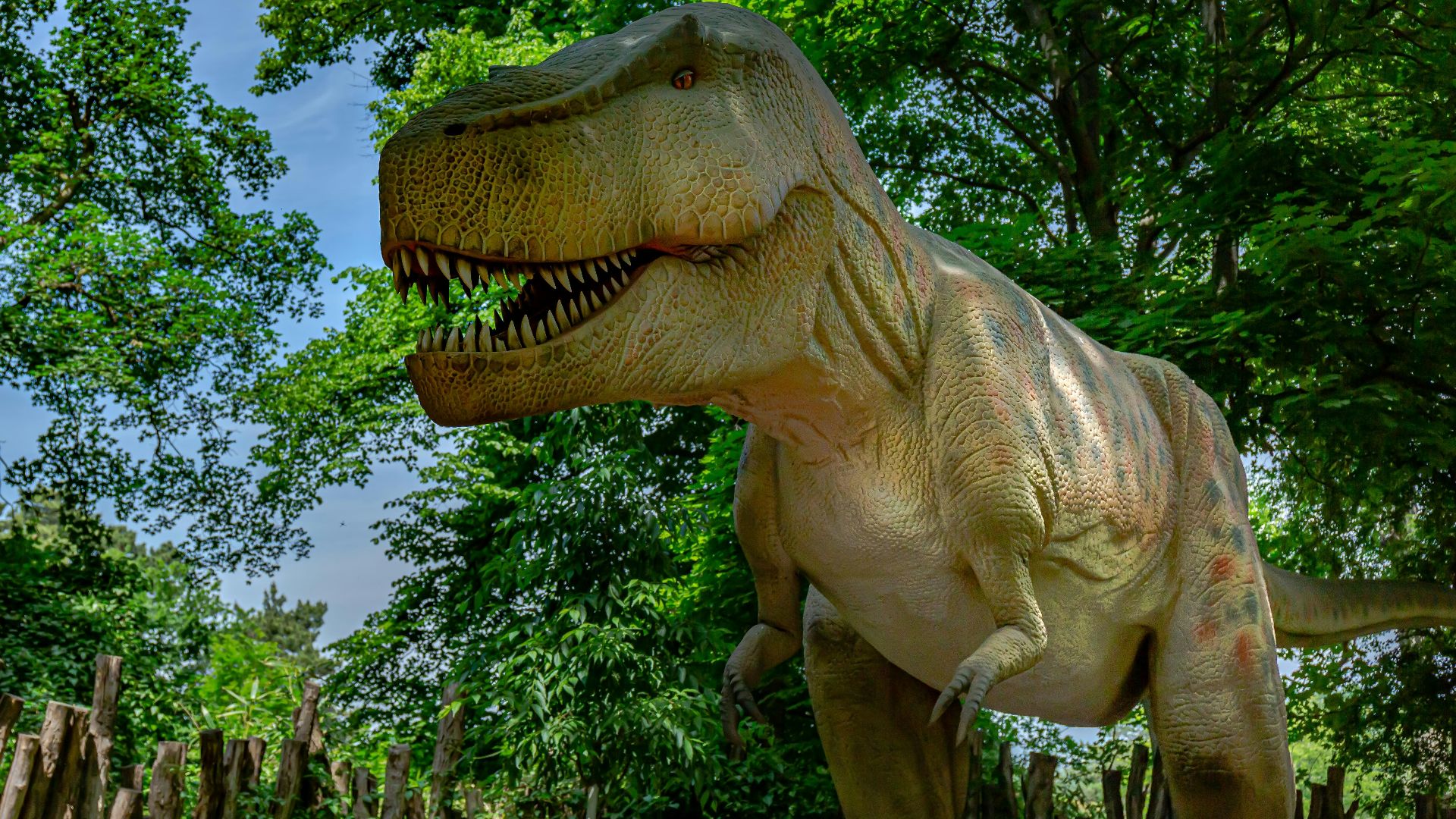
1. Most Powerful Bite Force
There's no denying the serious biting power behind these guys. Adult T. rex generated sustained bite forces estimated at 35,000–57,000 Newtons at posterior teeth, which is far beyond any other terrestrial animal ever recorded.
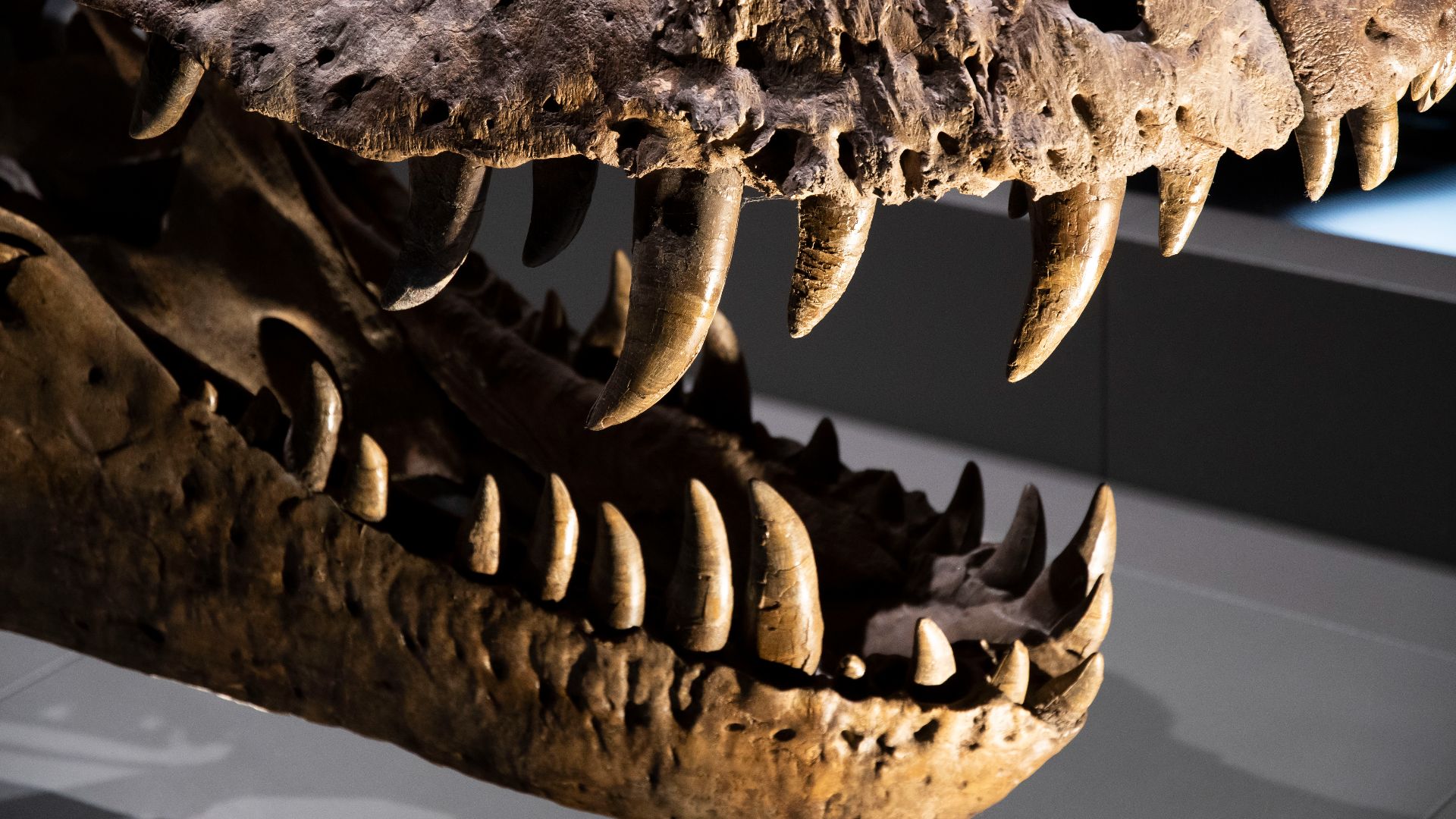
2. Bone-Crushing Teeth Structure
The largest T. rex teeth reached up to 12 inches in length when you include the root buried deep in the jaw. These serrated, banana-shaped weapons were thick and strong for penetrating and crushing bone rather than just slicing flesh.
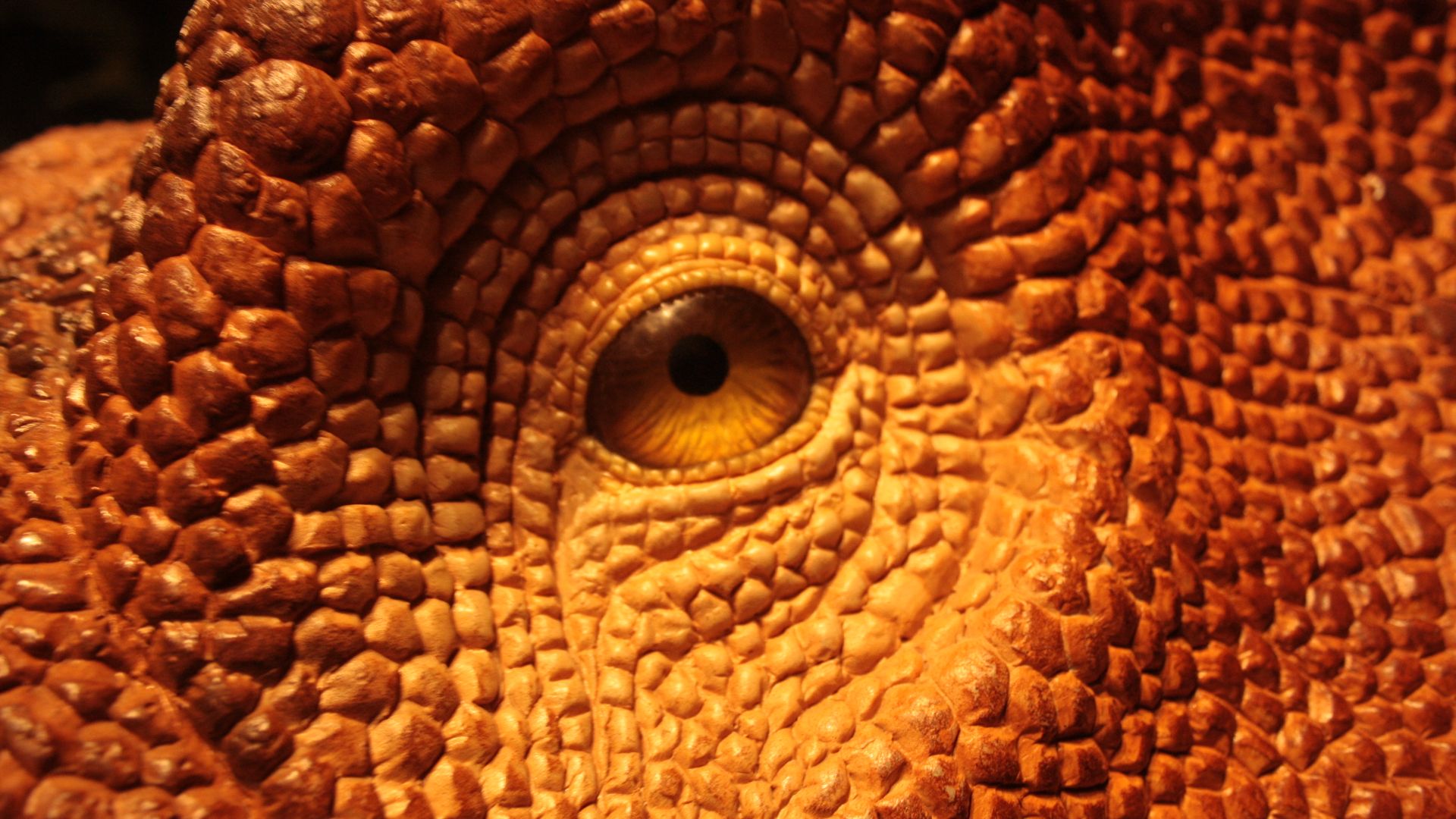
3. Advanced Binocular Vision
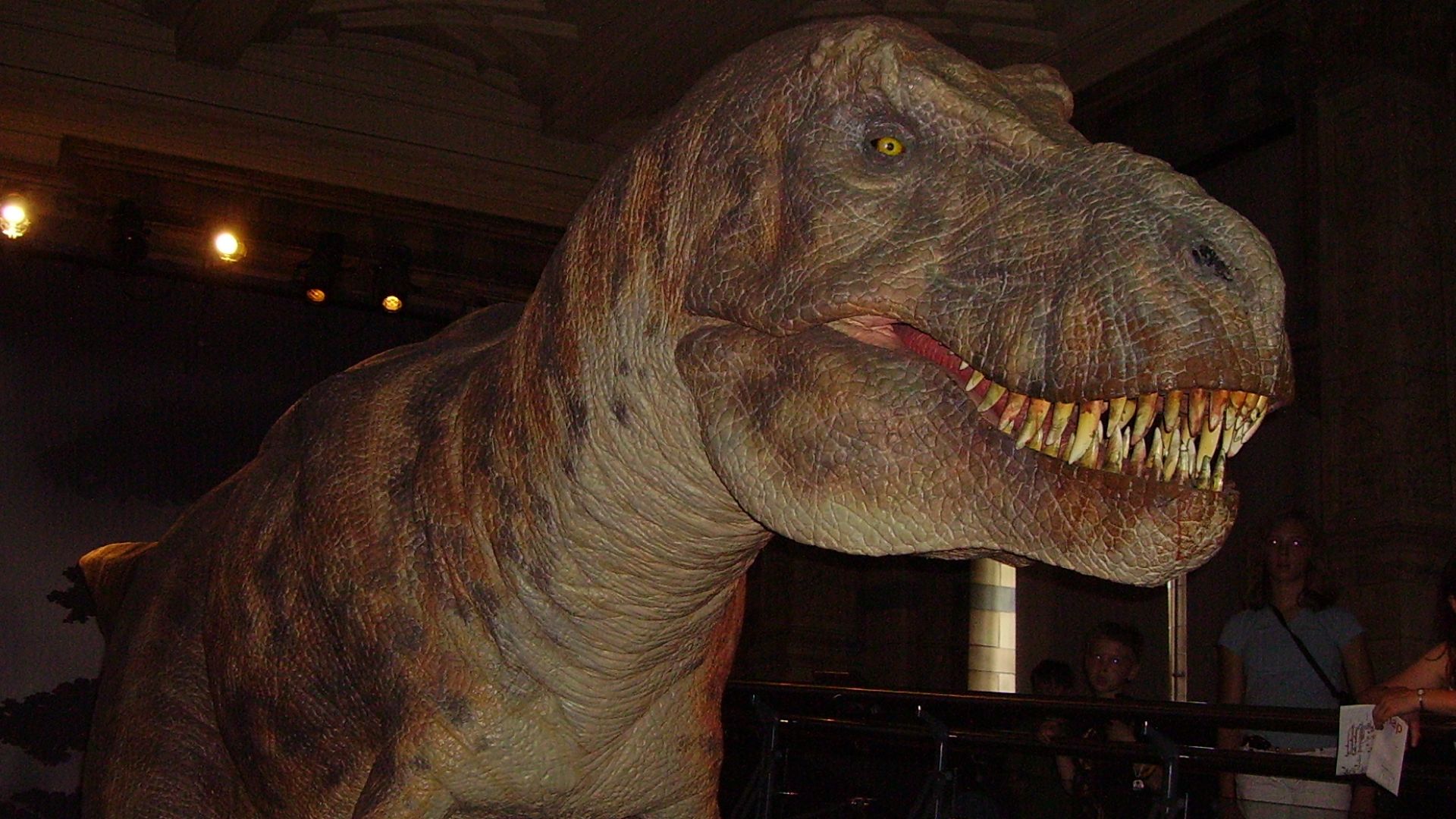
Forward-facing eyes gave T. rex a binocular overlap of about 55 degrees—wider than modern hawks for excellent depth perception. A narrow snout and enlarged eye sockets with cheek grooves cleared sight lines to enhance visual acuity. This vision evolved over time in tyrannosaurids to aid precise predatory strikes on dangerous prey.
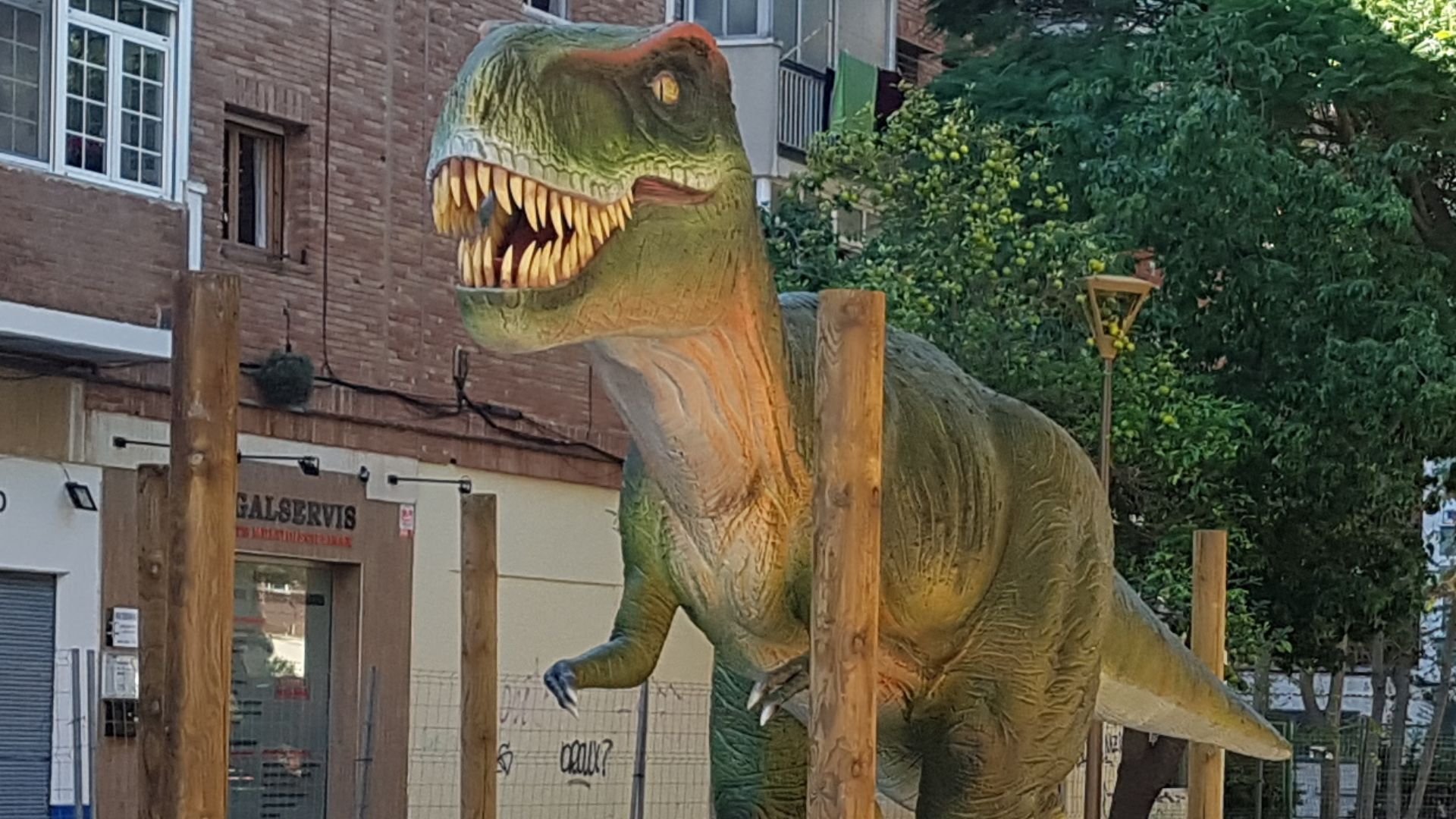
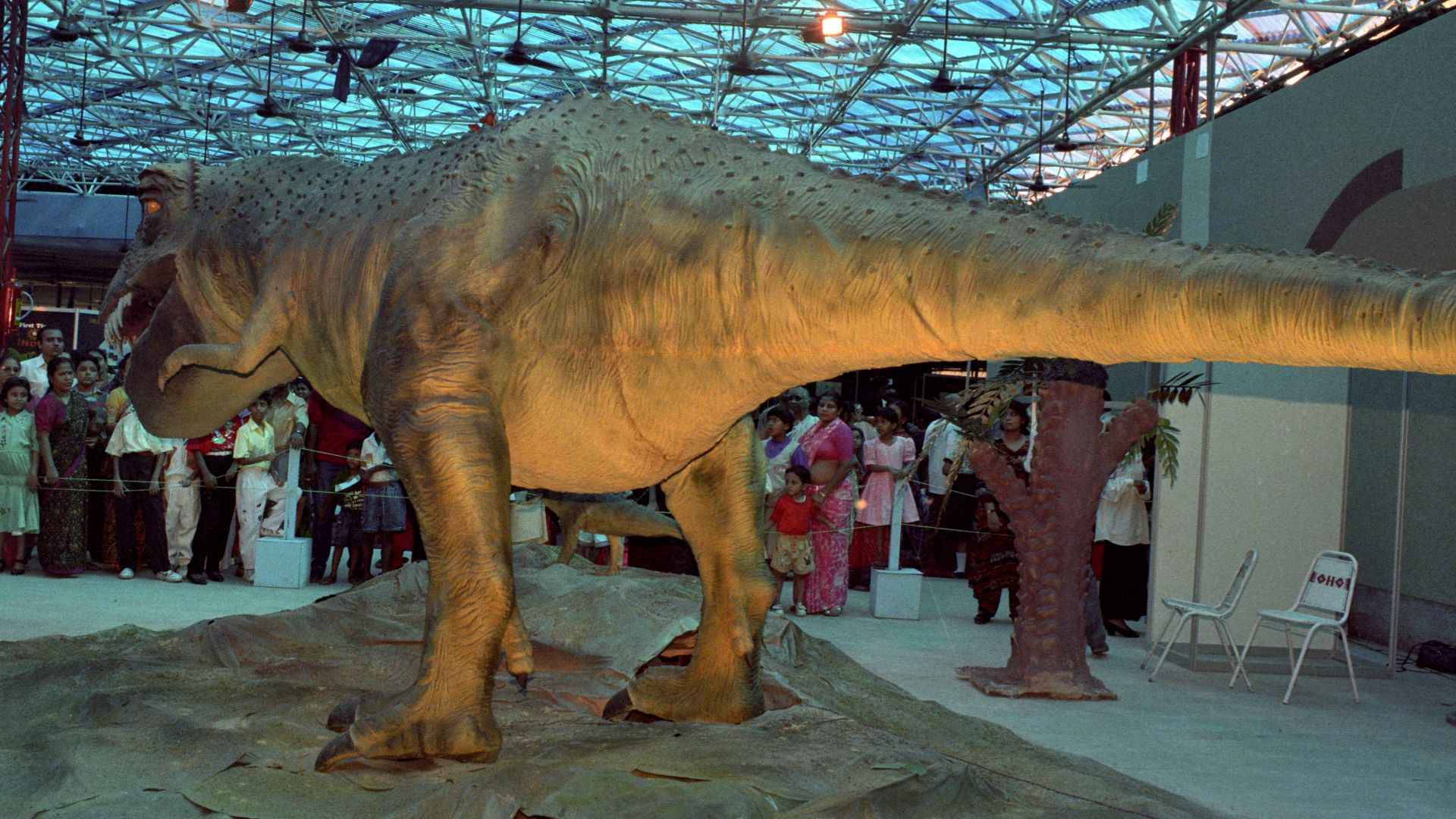
 shankar s. from Dubai, united arab emirates on Wikimedia
4. Apex Predator Dominance
As the largest carnivore in its Late Cretaceous ecosystem, the T. rex dominated the food chain in western North America with no species preying on healthy adults. It hunted hadrosaurs, ceratopsians, ankylosaurs, and possibly juvenile sauropods without fear.
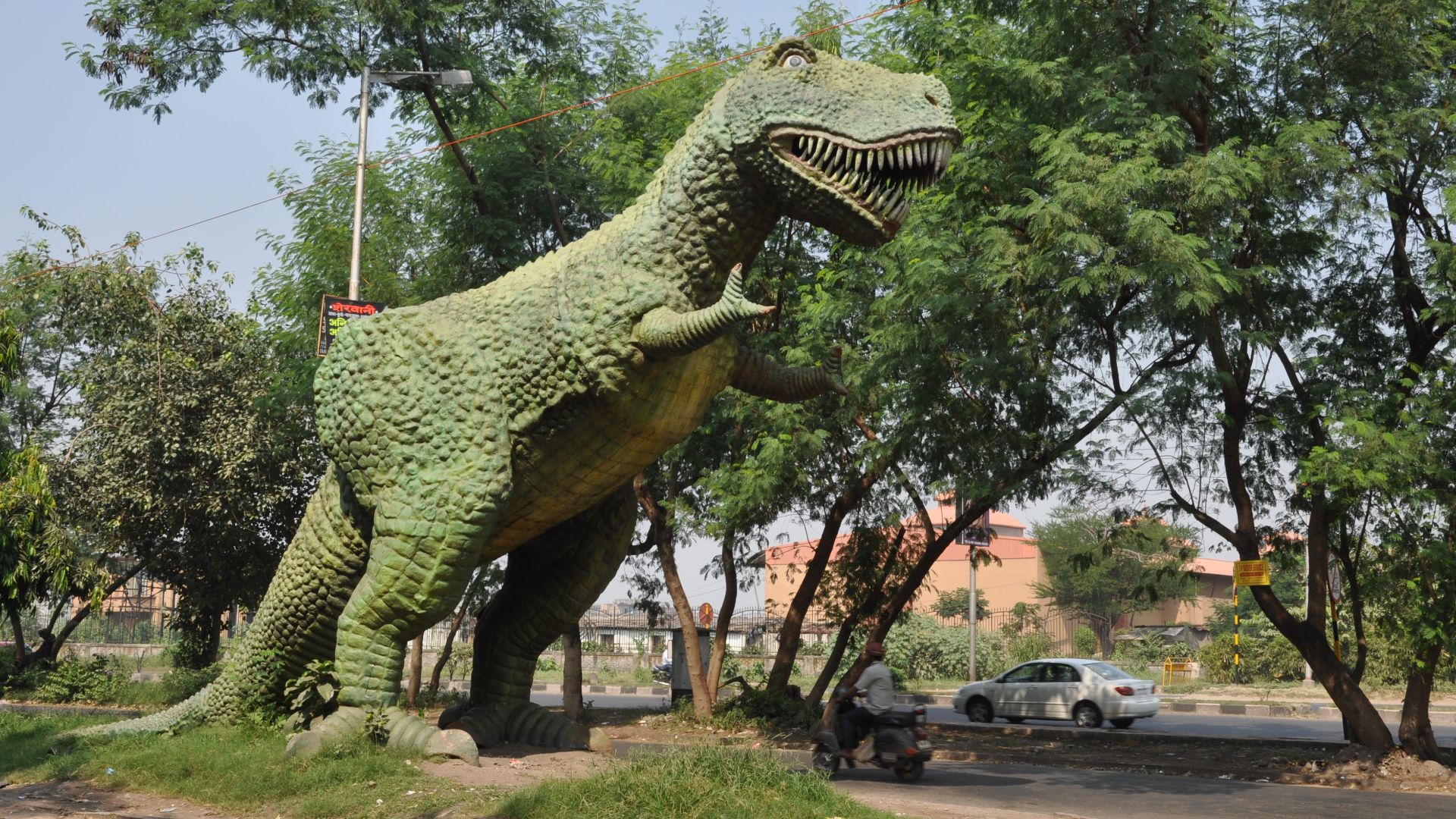
5. Skull Built For Stress
The skull measured up to 1.5 meters long and featured fused nasals with pneumatized air-filled structures that reduced weight while maintaining incredible strength. Biomechanical models show low-to-moderate cranial stresses during high-force biting thanks to reinforced architecture that distributes loads efficiently.
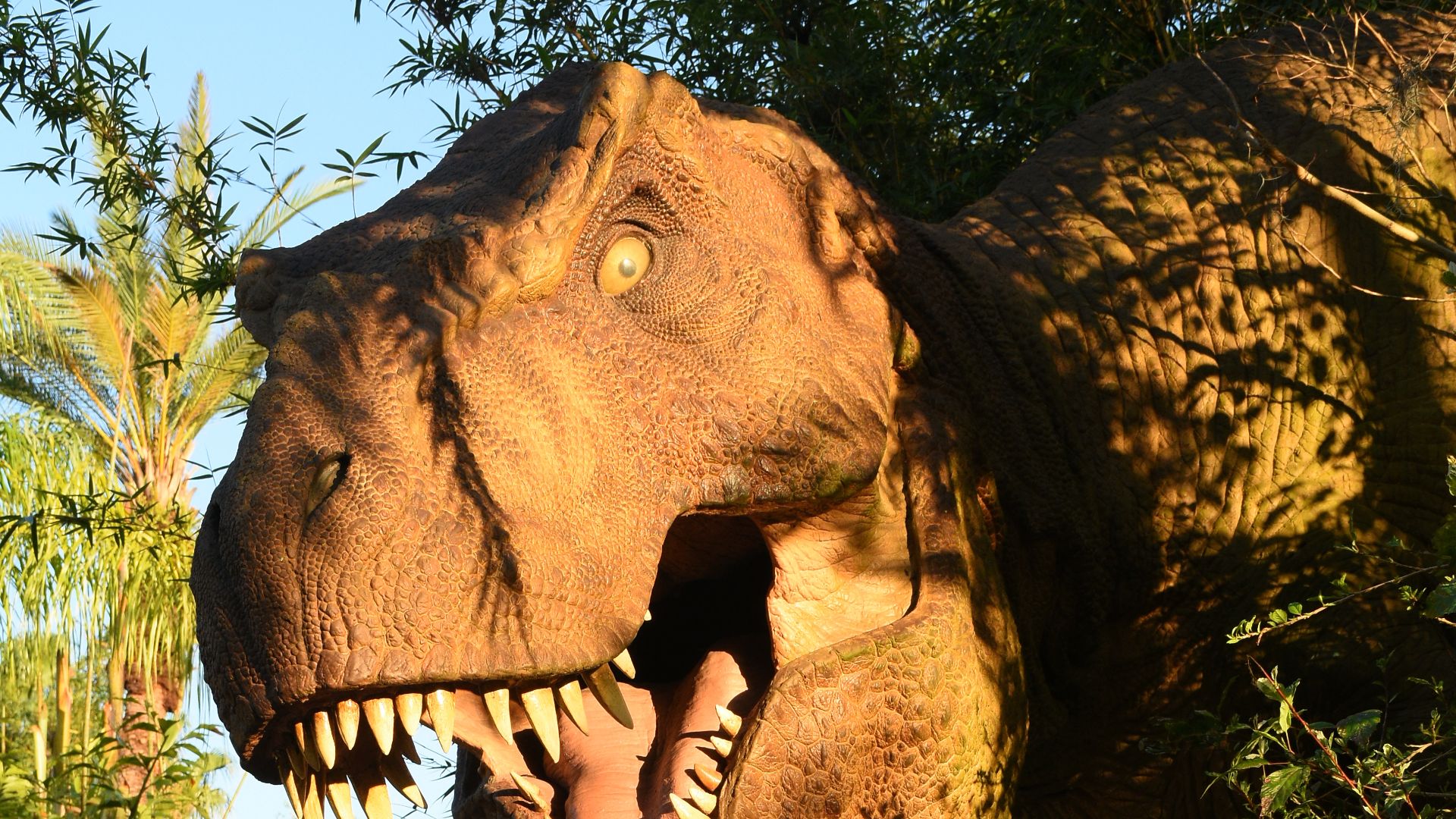
6. Bite-and-Hold Strategy
Fossil evidence includes T. rex tooth crowns embedded in prey bones, such as hadrosaur vertebrae with healed growth around them, indicating prolonged bite‑and‑hold tactics. This “puncture‑and‑pull” method involved deep penetration followed by pulling and tearing, rather than the slashing, quick strikes seen in other theropods.
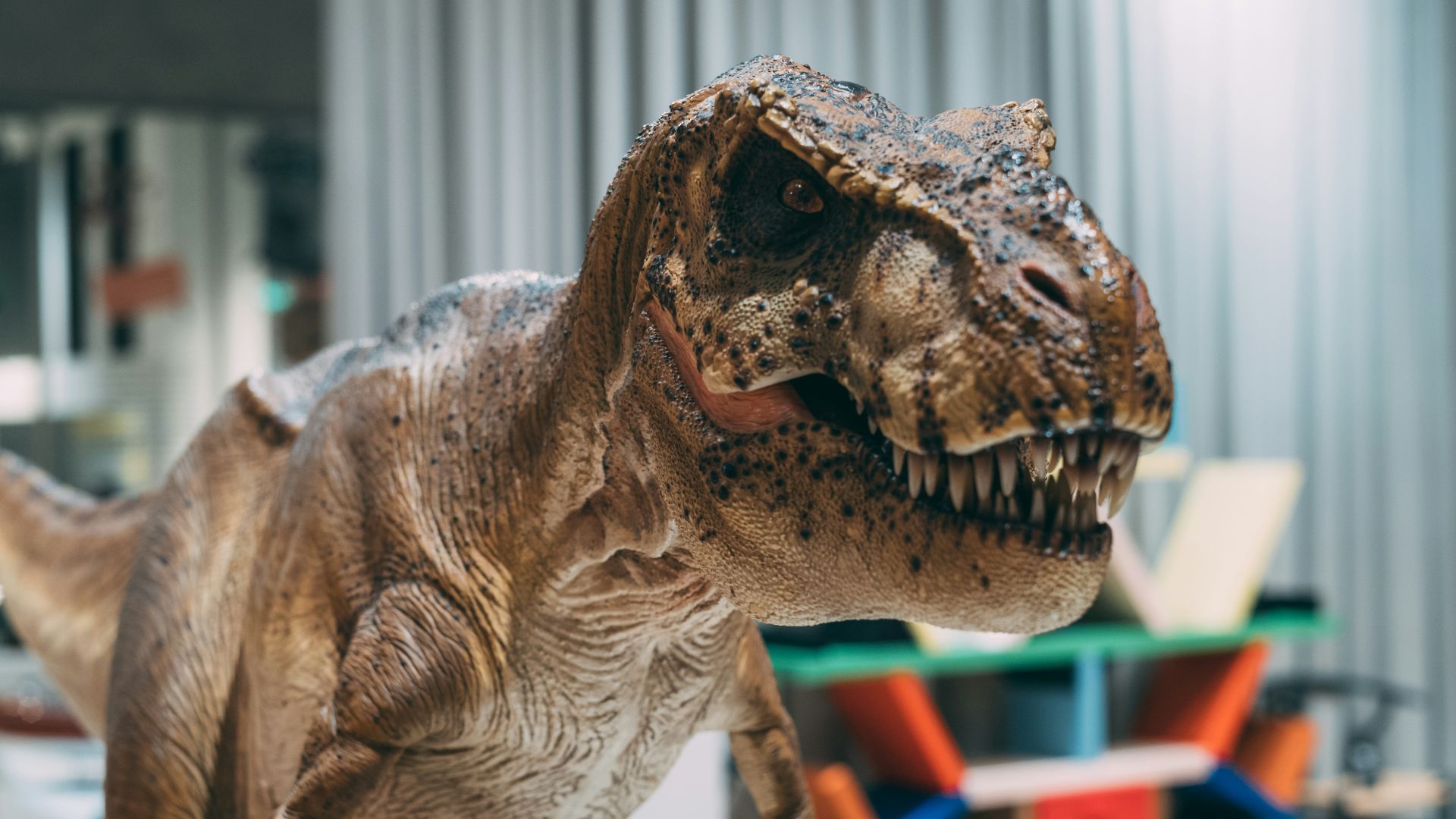
7. Powerful Neck Musculature
Reconstructions show that powerful craniocervical muscles, similar to those in birds and crocodiles, enabled strong head movements for effectively tearing flesh. These muscles supported "shake-feeding," where T. rex violently shook its head to dislodge meat from carcasses, much like a dog does.
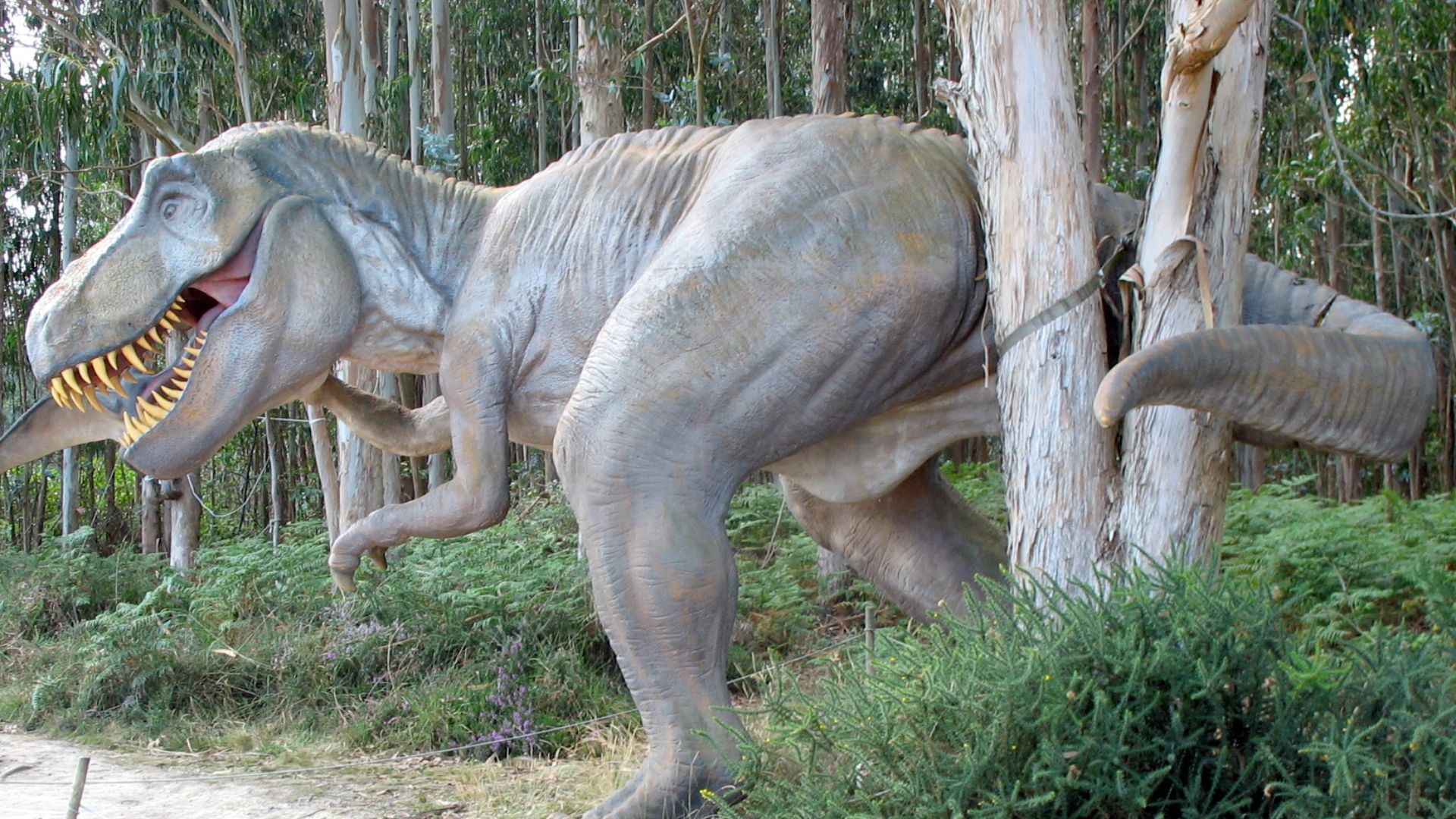
8. Extreme Feeding Capacity
Biomechanical estimates suggest T. rex could tear off and swallow around 500 pounds of meat in a single powerful bite or short session. Feeding traces show it targeted high-meat areas like limbs and torso on large prey for massive intake during each feeding.
9. Rapid Growth Rate
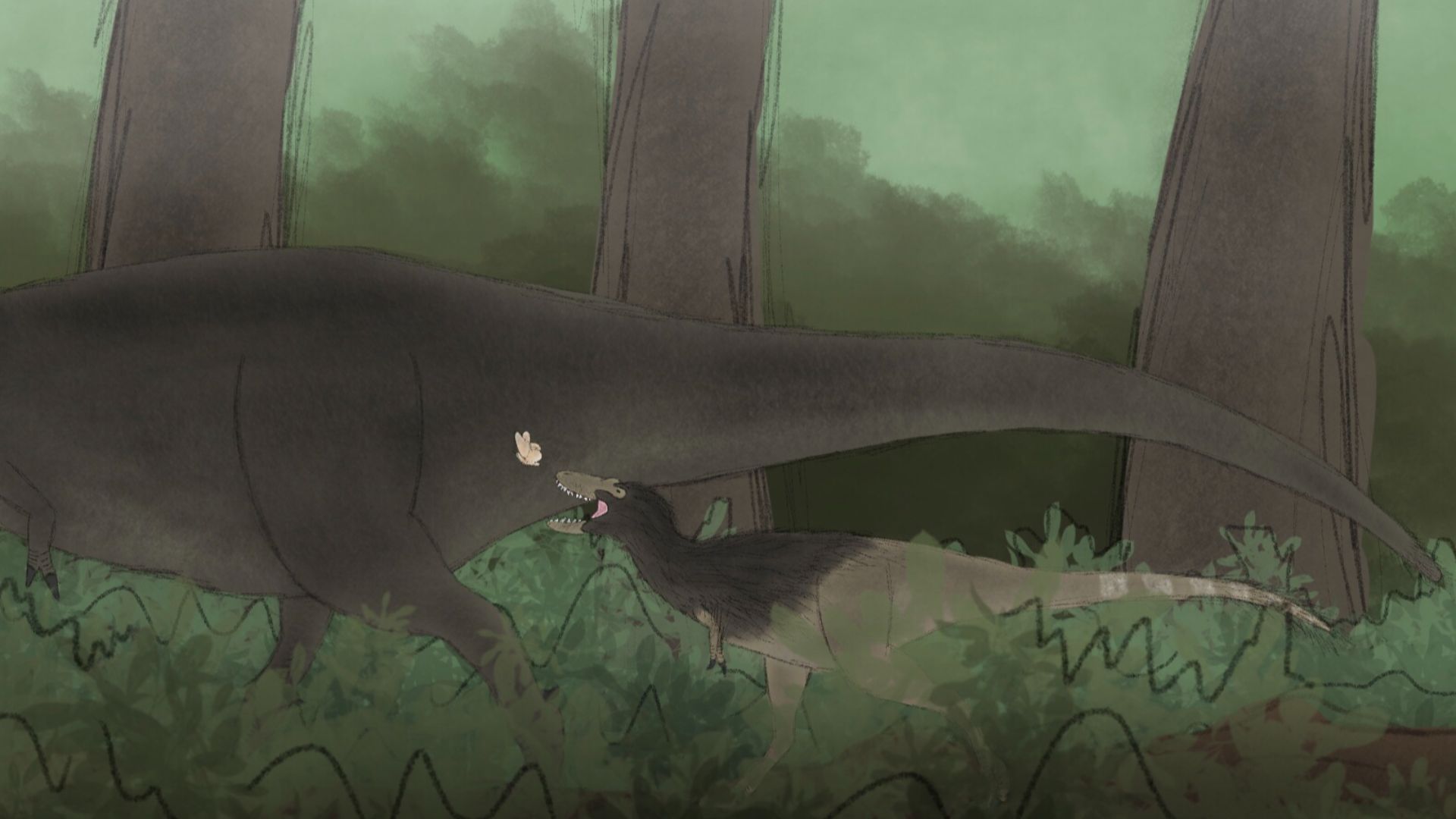
Growth rings in bones show T. rex grew extremely fast and reached near-adult size by around 15–20 years old, according to paleontological studies. Juveniles grew at rates up to 4 pounds per day during peak phases similar to modern birds or large mammals.
10. Powerful Hind Limb Design
Massive thigh bones and muscle attachments indicate powerful hind limbs for propulsion and stability during movement. Trackways and biomechanics suggest speeds of 12–18 miles per hour, sufficient for short bursts or pursuit of slower prey across open terrain.
11. Relatively Large Brain
T. rex had one of the largest encephalization quotients among non-avian dinosaurs, especially in olfactory and visual regions for advanced processing. CT scans show expanded cerebrum areas linked to coordination, senses, and possibly problem-solving abilities beyond those of typical dinosaurs.
12. Highly Developed Sense of Smell
Enlarged olfactory bulbs from brain casts indicate a highly developed sense of smell comparable to vultures for detecting carrion from afar. This aided scavenging over long distances and locating hidden or injured prey that couldn't be seen.
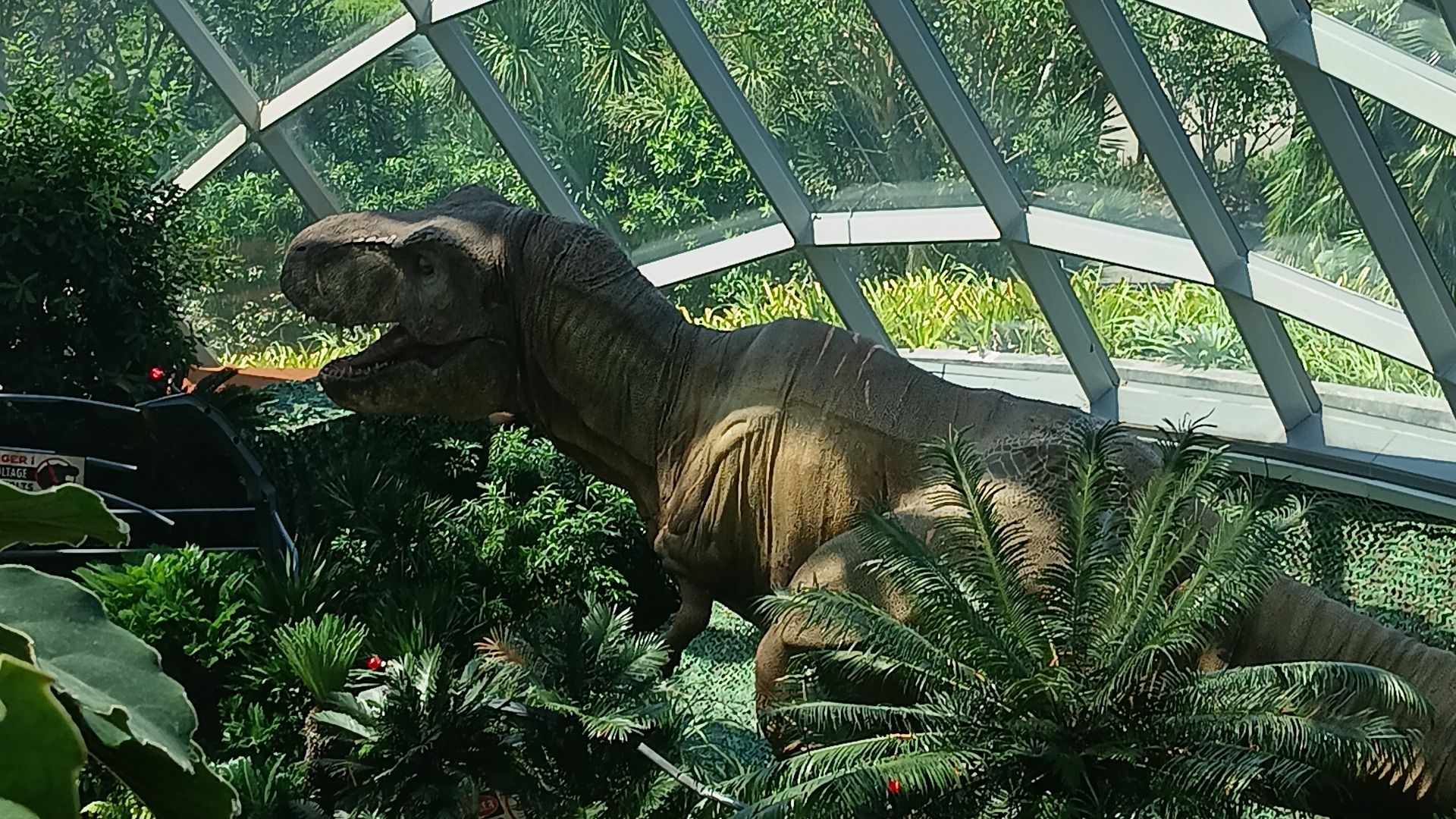
 User Ballista on en.wikipedia on Wikimedia
13. Last Non-Avian Apex Predator
T. rex was the last major non-avian dinosaur apex predator dominating western North American ecosystems until the Chicxulub asteroid struck Earth roughly 66 million years ago. As the largest carnivore in its Late Maastrichtian environment, it filled the apex predator niche exclusively with no other large theropods as competitors.
14. Evidence of Cannibalism
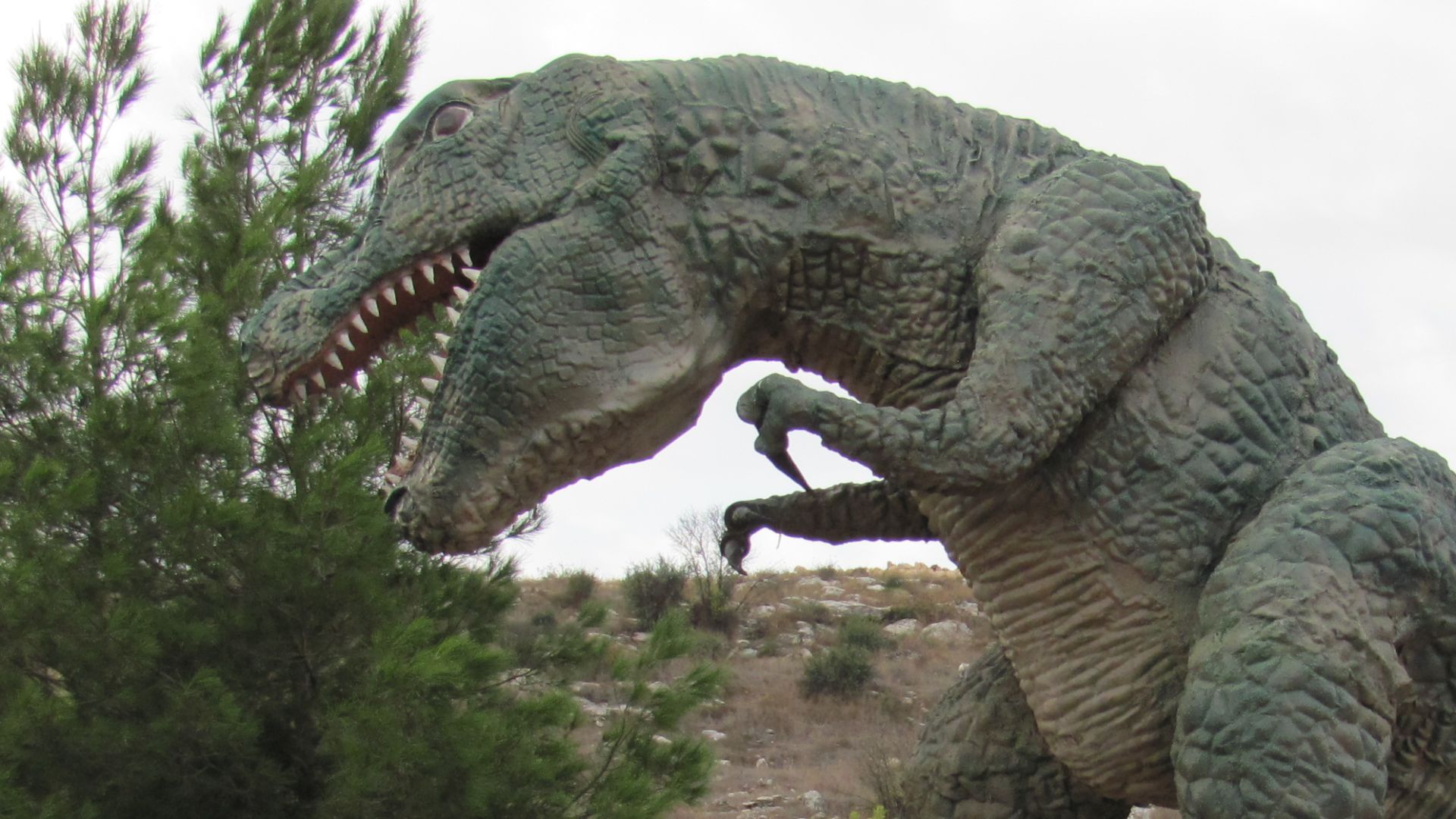
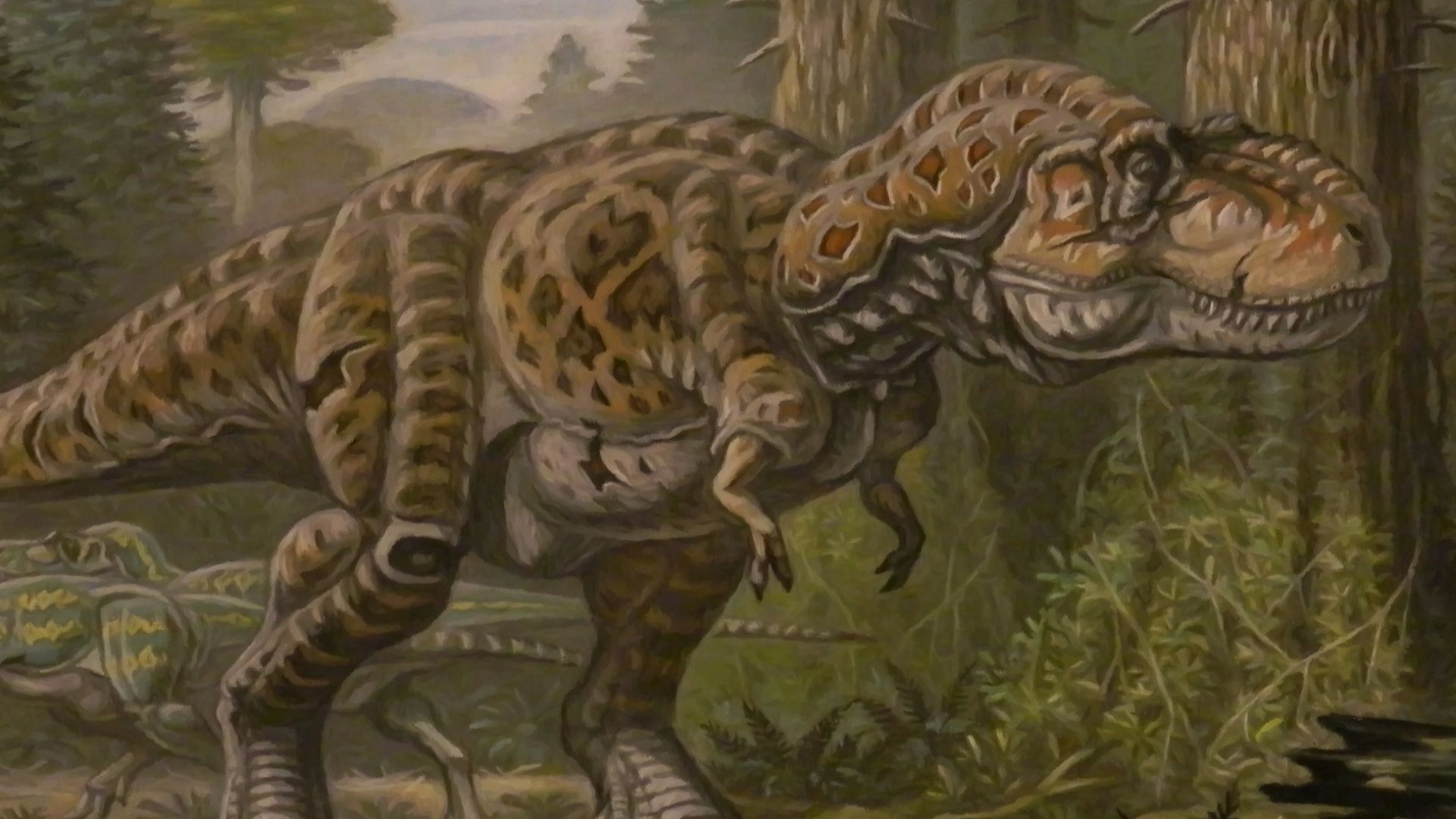
Multiple T. rex fossils show bite marks and gouges on bones matching T. rex tooth morphology, with some showing healed injuries indicating survival after combat. Studies of bite-marked bones from the Lance Formation provide direct evidence of cannibalism.
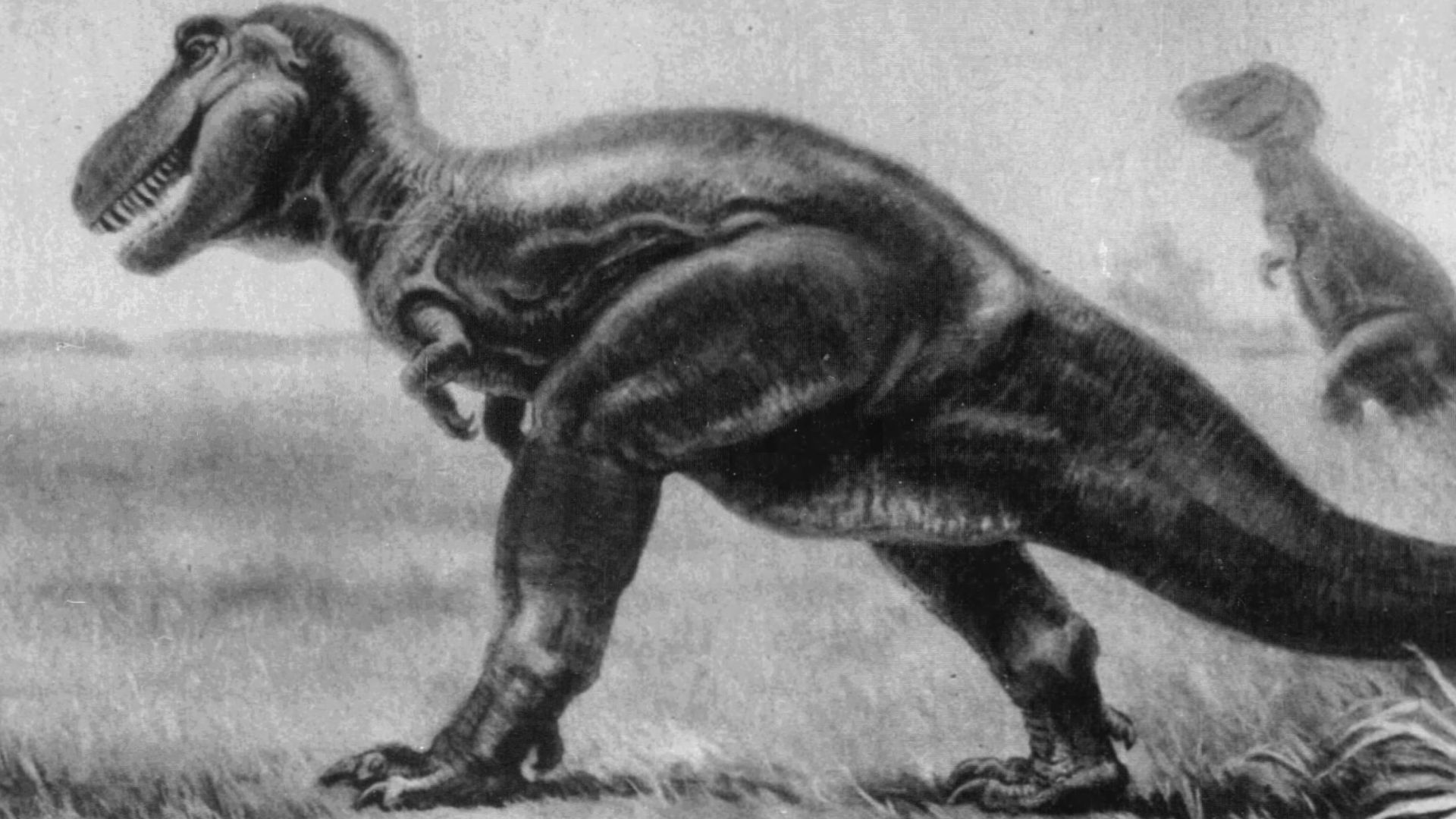 Charles Robert Knight on Wikimedia
15. Habitual Bone Consumption
Unique among most theropods, T. rex exhibited an extreme osteophagy habitually pulverizing and ingesting bone through exceptional bite forces up to ~34,000 Newtons. This bone-crushing capability is supported by heavily worn teeth and tyrannosaurid coprolites containing up to 30–50% finely comminuted bone fragments from prey.
16. Attacks on Armored Prey
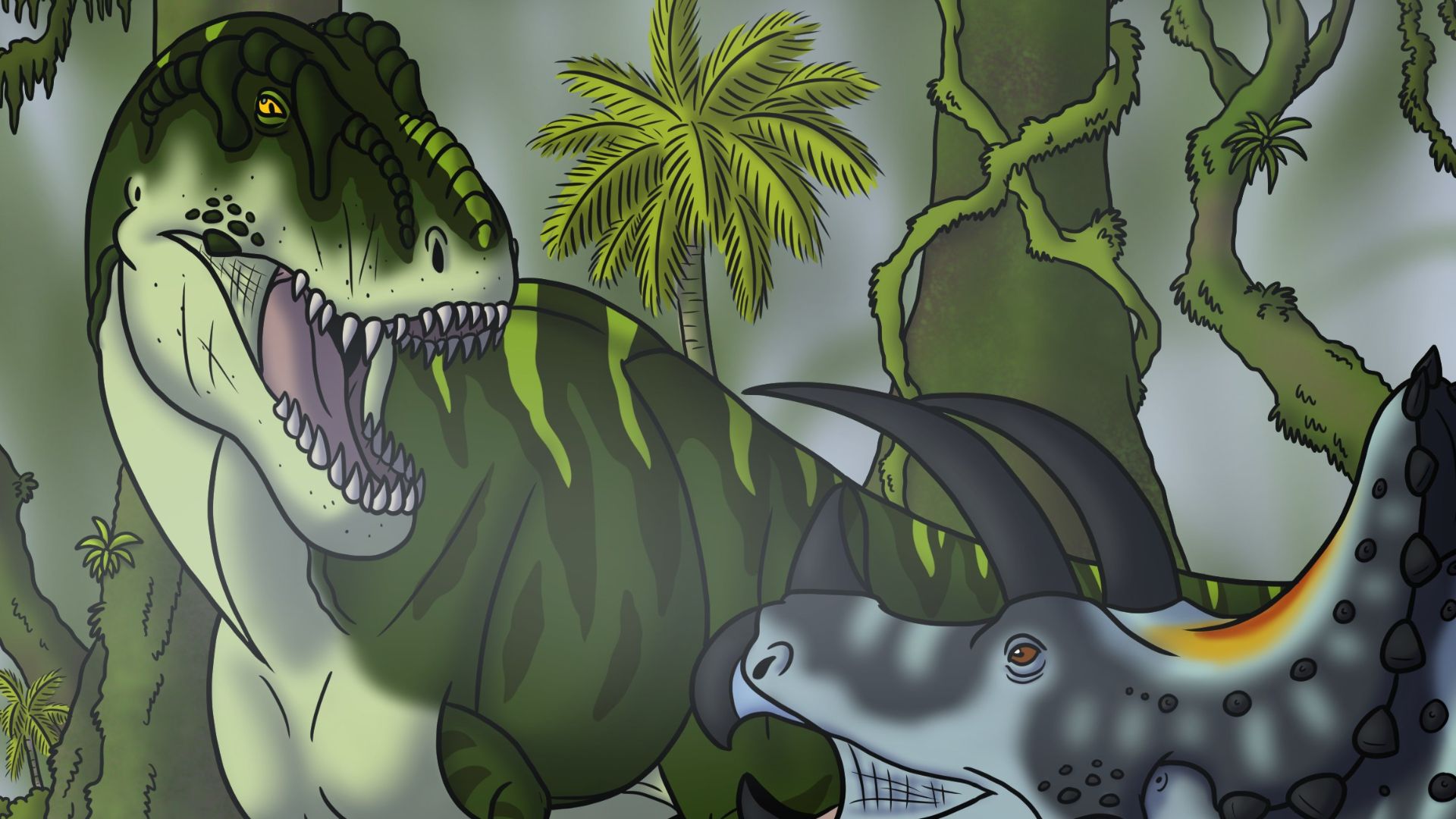
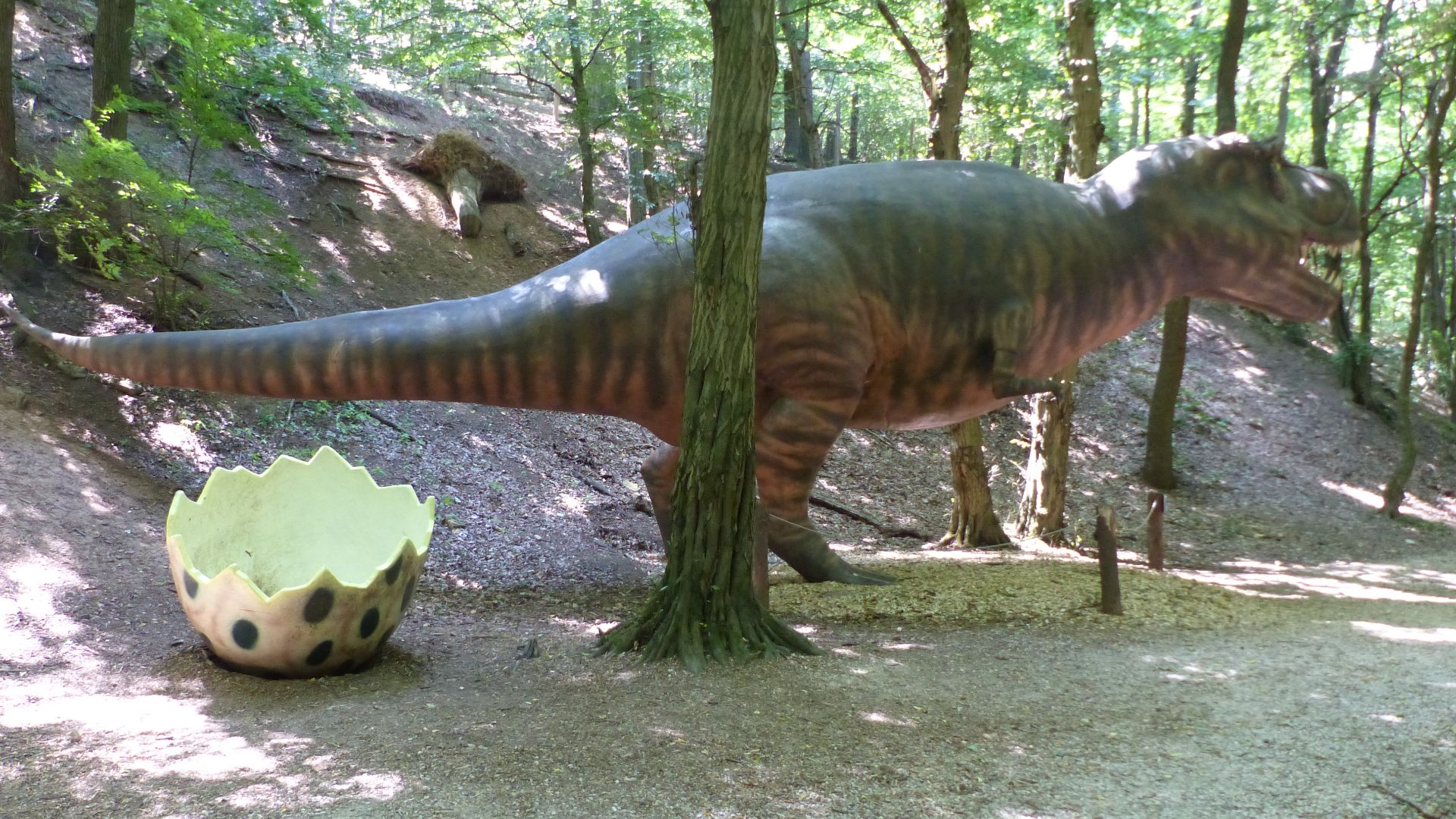
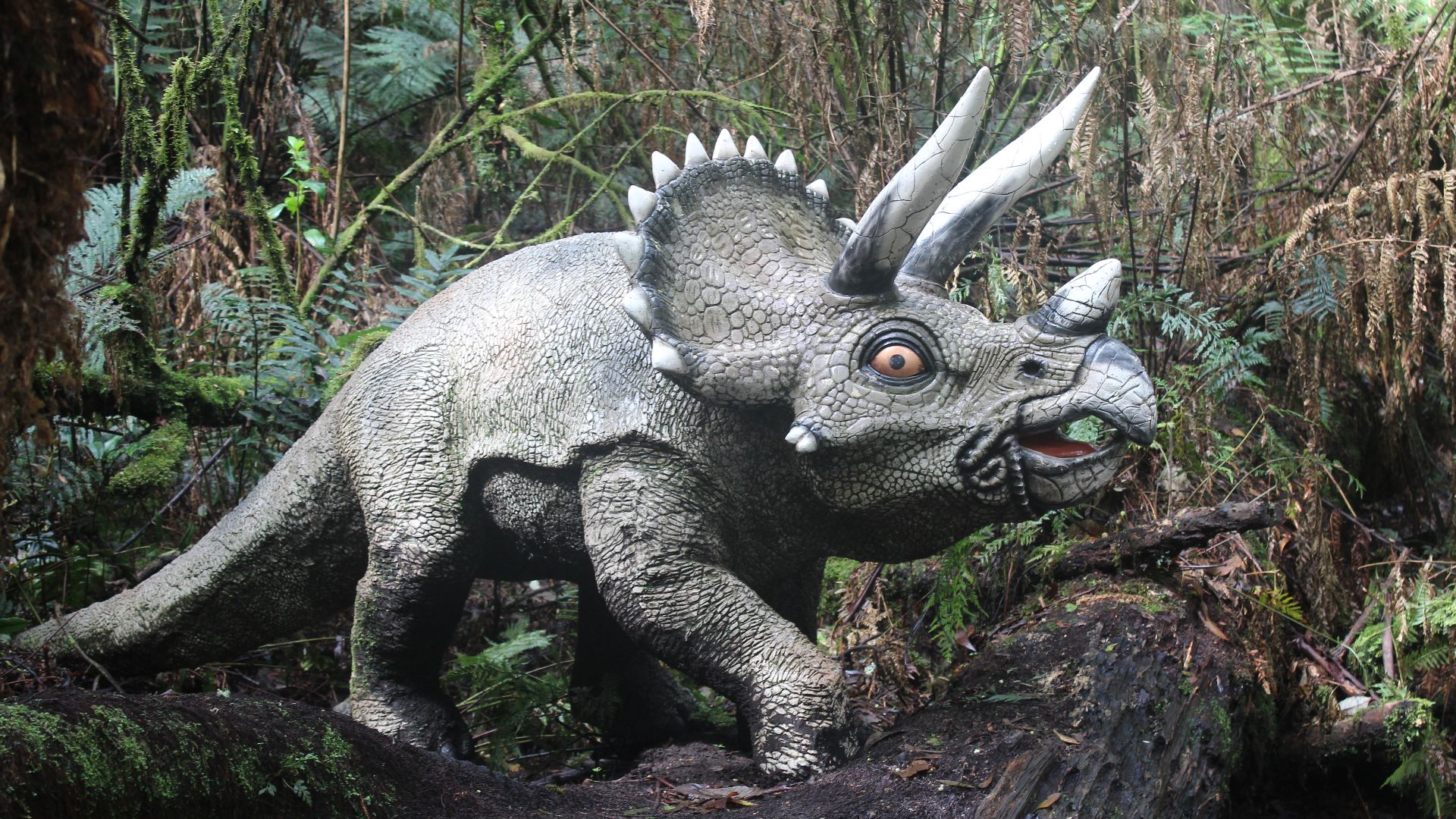
Numerous Triceratops fossils bear deep puncture, score, and pull marks matching T. rex teeth, with some showing healed regrowth, indicating non-fatal attacks. Bite marks on ceratopsian and ankylosaur bones confirm T. rex targeted armored herbivores, often focusing on vulnerable areas like limbs or undersides.
17. Long-Term Ecosystem Dominance
T. rex dominated western North American ecosystems for roughly 2–3 million years in the Late Cretaceous period until extinction. Population estimates suggest ~20,000 adult T. rex lived at any one time across their range. As the apex predator in Laramidia, it filled the large-carnivore niche exclusively until the end-Cretaceous extinction event ended its reign.
18. Surprisingly Strong Forelimbs
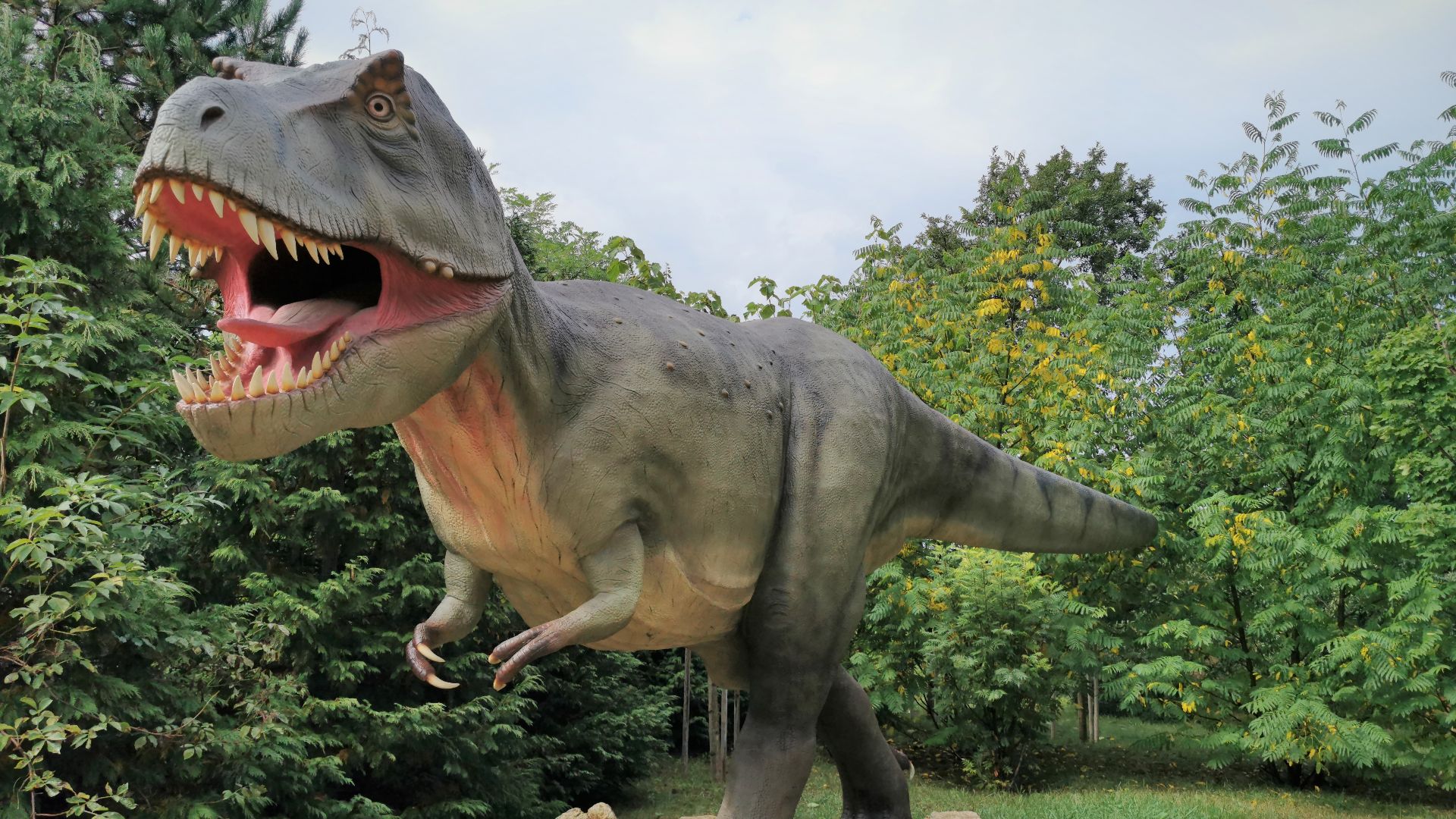
Despite their short length, T. rex forelimbs had strong bones and strong muscle attachments, indicating significant power relative to size. Biomechanical reconstructions estimate that each arm could generate forces sufficient to lift or curl hundreds of pounds for close-quarters gripping. Reduced finger count concentrated force on large sickle-shaped claws for potential prey restraint or carcass manipulation.
19. Massive Jaw Muscle Anchors
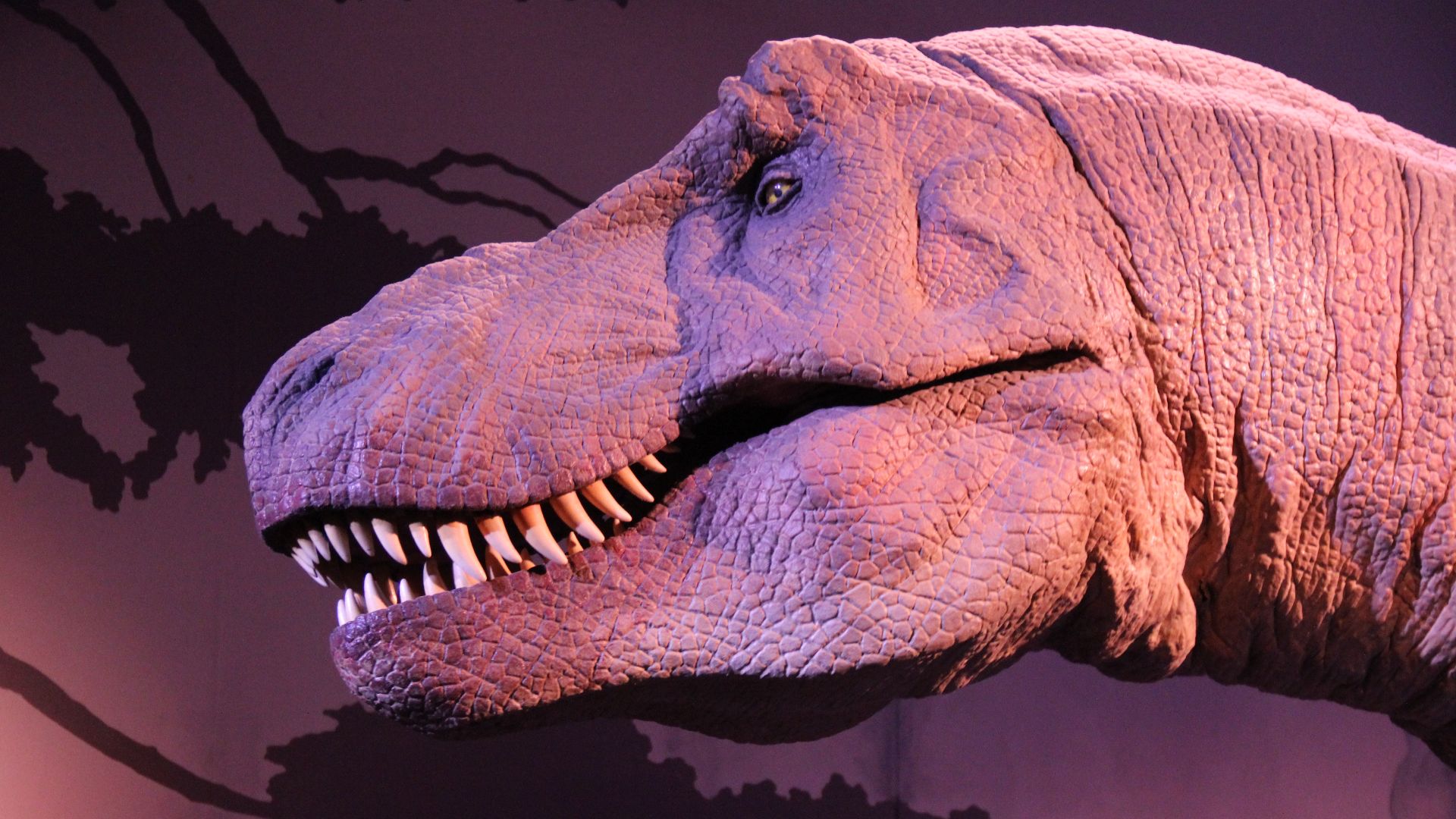
Massive sagittal and nuchal crests on the skull provided extensive attachment sites for powerful jaw-closing muscles, enabling extreme bite forces. These crests, combined with a deep mandible, maximized leverage and muscle volume for generating sustained forces up to 35,000+ Newtons.
 Gary Todd from Xinzheng, China on Wikimedia
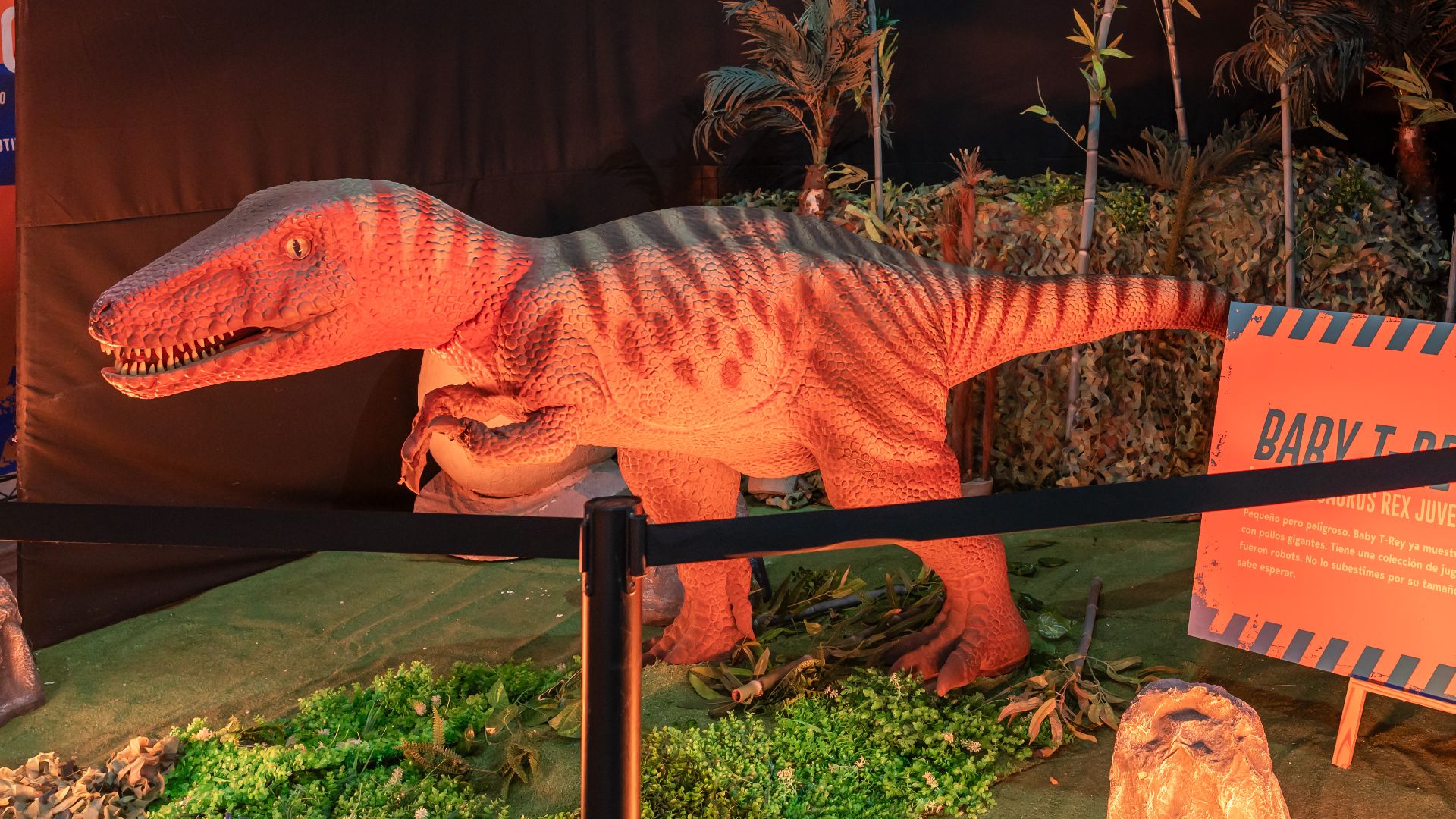
20. Juvenile and Adult Niche Separation
Osteohistology shows juveniles occupied mid-sized predator roles preying on smaller or different prey until late development when they shifted to large-prey hunting. This ontogenetic niche partitioning meant juveniles hunted agile medium-sized prey while adults targeted massive herbivores like Triceratops for food.
KEEP ON READING