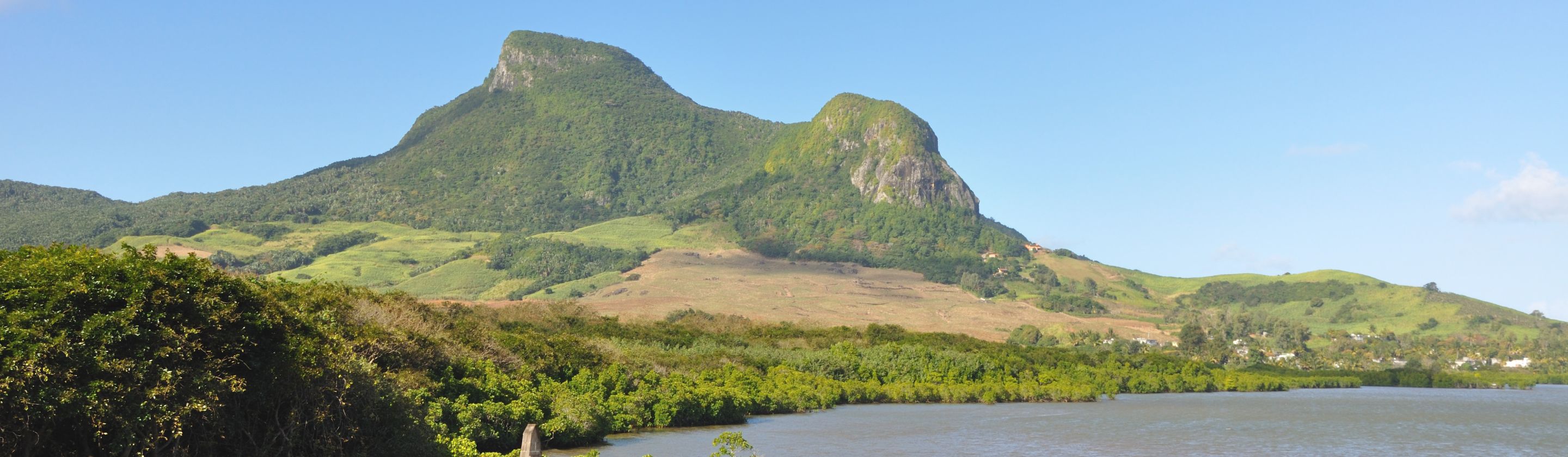
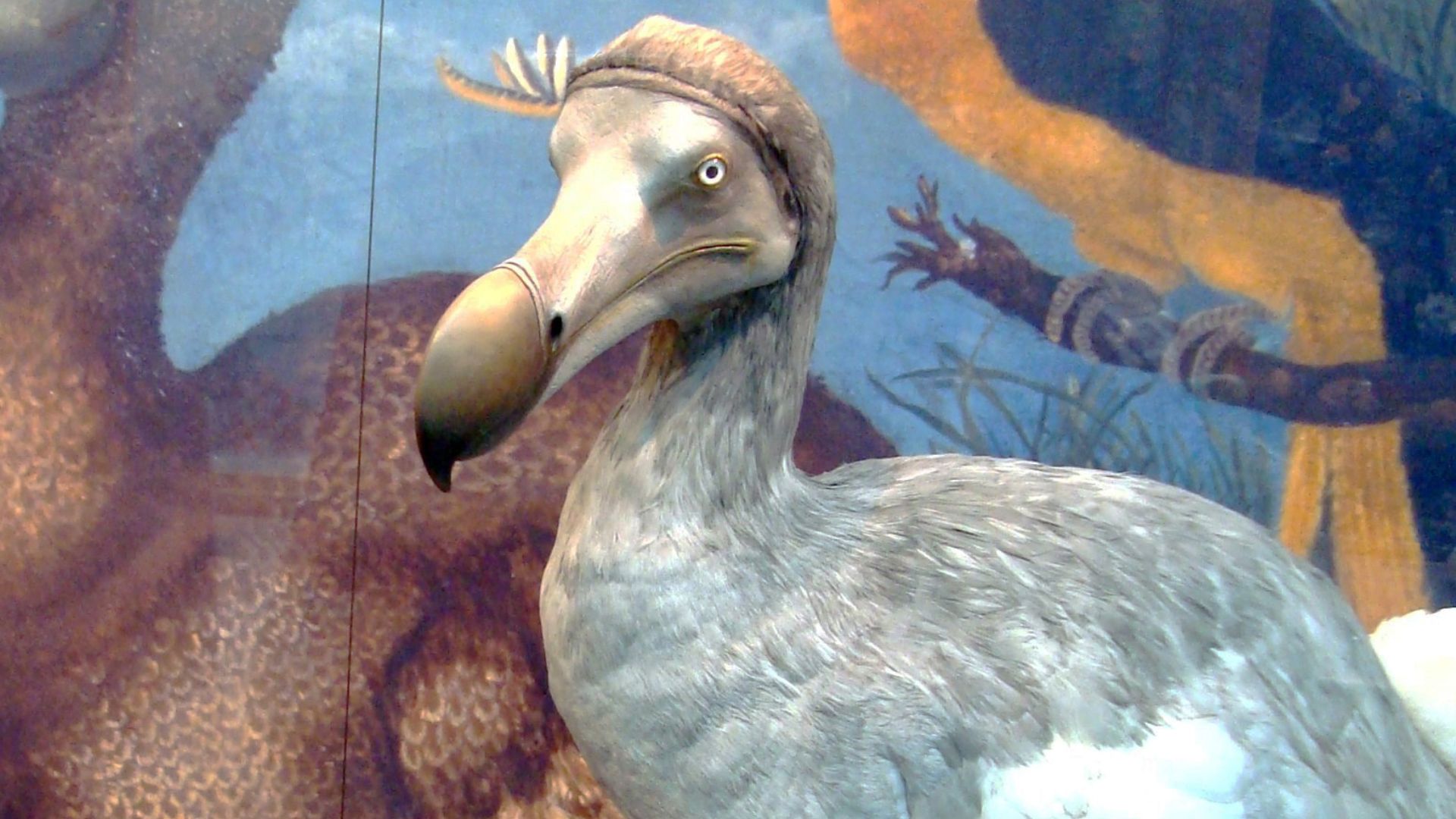
Centuries ago, Mauritius held a world unlike anything sailors expected to find. The island sat far from major travel routes, and its wildlife evolved without outside pressure. The dodo lived at the center of this calm environment. It fed on fruit, nested on the ground, and moved through the forest with no sense of danger because nothing hunted it.
Human arrival in the late 1500s disrupted this balance almost immediately. New animals and rapid changes spread across the island, leaving the dodo unable to adjust. The bird disappeared in less than a century, yet its story remains one of the clearest examples of how quickly an isolated species can collapse once the world around it shifts.
A Bird Built For A Safe Island
Mauritius shaped the dodo into a bird suited to slow, steady living. With no predators present, the species lost the ability to fly and relied on strong legs to move through the forest floor. Its size increased over generations because speed and escape were unnecessary, and the island’s calm environment reinforced traits that favored energy conservation over alertness.
Ground nesting became another key trait. Eggs sat unprotected on open soil, but this caused no harm in a place where nothing sought them. These features allowed the dodo to thrive for thousands of years, yet they also left it completely exposed when unfamiliar animals and people appeared for the first time, turning harmless habits into serious risks the bird had no way to overcome.
Human Arrival Transformed Mauritius Quickly
Sailors began hunting the dodo soon after stepping onto the island. The bird’s calm behavior made it easy to catch, and its lack of fear removed any chance of escape. Hunting alone weakened the population, but the island faced deeper problems than human meals. As visits increased, human activity spread inland, disturbing areas the dodo once used freely and adding pressure the species had never experienced.
New species introduced by ships caused the greatest damage. Rats, pigs, and monkeys spread across Mauritius and reached dodo nesting sites with ease. Eggs that once survived untouched were eaten in large numbers. Forest clearing then reduced the areas the dodo relied on for feeding and shelter. Environmental change moved faster than the bird could adapt, and each new pressure added to its decline.
A Rapid Extinction With A Long Shadow
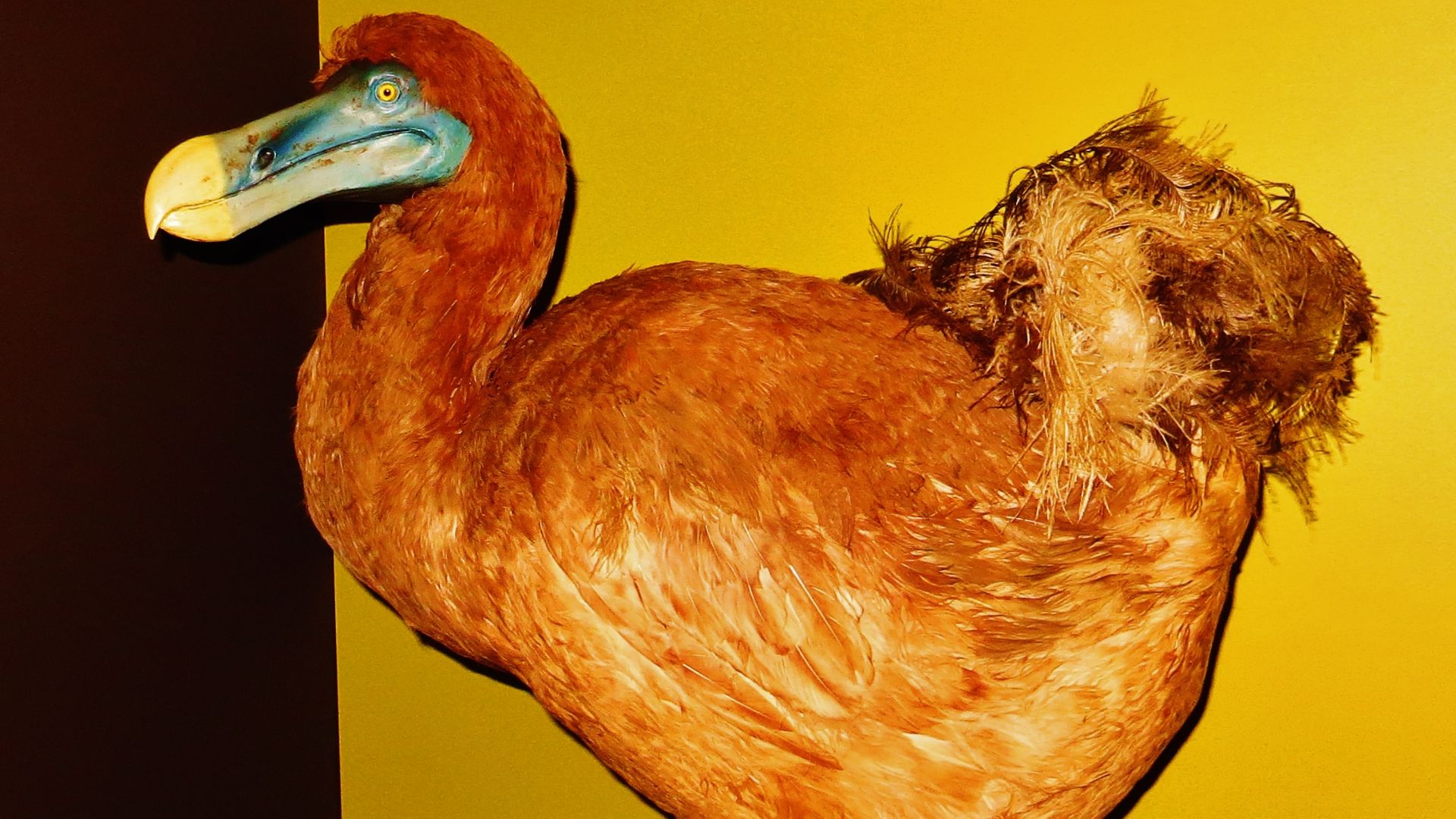
By the late 1600s, the dodo’s numbers had fallen beyond recovery. Hunting, loss of eggs, and shrinking habitat left only scattered birds on an island that no longer supported their way of life. The extinction unfolded within a single lifetime, which made the event stand out even in early written records and revealed how quickly irreversible loss can occur.
Only the remains and descriptions preserved the memory of a bird that most people never saw. The dodo became a lasting example of how easily an isolated species can vanish once its protected world breaks open. Its story continues to underline a simple truth: a species adapted to safety cannot survive when sudden change reaches an island that once offered complete protection
KEEP ON READING