You've probably heard it before: ancient Romans used urine to clean their teeth. It's one of those historical "facts" that gets repeated at dinner parties, mentioned in trivia games, and spread across the internet. The story goes that Romans collected urine, swished it around their mouths, and even mixed it with pumice to create toothpaste, all in pursuit of pearly whites.
The tale persists because it's shocking and disgusting to modern sensibilities, precisely the kind of historical tidbit people love to share.
Persistent Myth Of Roman Urine Dentistry
But here's where history gets interesting: this widely repeated claim is largely a misconception. In reality, the practice wasn't a common Roman habit at all. The Roman poet Catullus actually mocked someone for using urine as a dental cleanser in his Poem 39, clearly implying it was considered a Celtiberian (ancient Spanish) trait, not a Roman one.
Catullus suggested that any Roman engaging in such behavior deserved public ridicule. Simply put, the average Roman citizen would have found the idea just as repulsive as we do today.
Imperial Economics And "Urine Tax"
Nontheless, the economic value of urine was so significant that Emperor Nero introduced a vectigal urinae or "urine tax" on buyers of collected urine. Later, Emperor Vespasian reintroduced the tax around 70 CE as part of efforts to restore the imperial treasury.
When his son Titus complained about the disgusting nature of taxing urine, Vespasian famously replied, "Pecunia non olet" ("Money does not stink"), meaning that money is not tainted regardless of its source. This phrase remains a common expression in several European languages today.
Beyond laundry, urine's ammonia content made it valuable in the textile industry for fixing dyes (as a mordant), bleaching wool and linen, and in the leather tanning process. The high pH of diluted ammonia breaks down organic material, making it perfect for softening animal hides and removing unwanted hair during the leather-making process.
So while Romans may not have used urine for oral hygiene, they were remarkably innovative in finding practical applications for what we consider waste.
Actual Value Of Urine In Roman Society
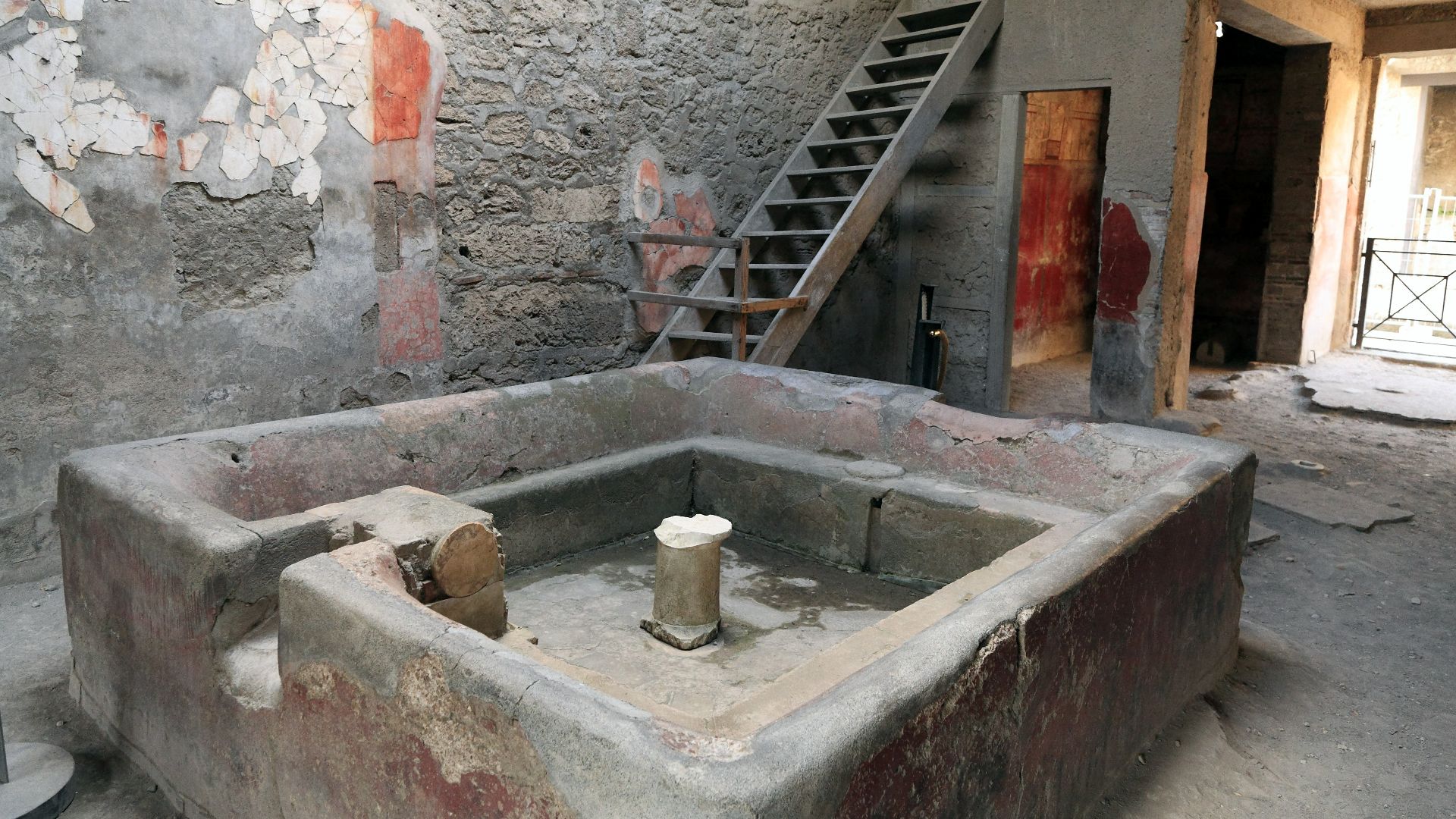
Well, the Romans recognized its practical value for other purposes. Urine was indeed a valuable commodity in ancient Rome, rich in minerals and chemicals, particularly nitrogen-based urea. When stored for long periods, this urea breaks down into ammonia, a powerful cleaning agent still found in many household cleaners today.
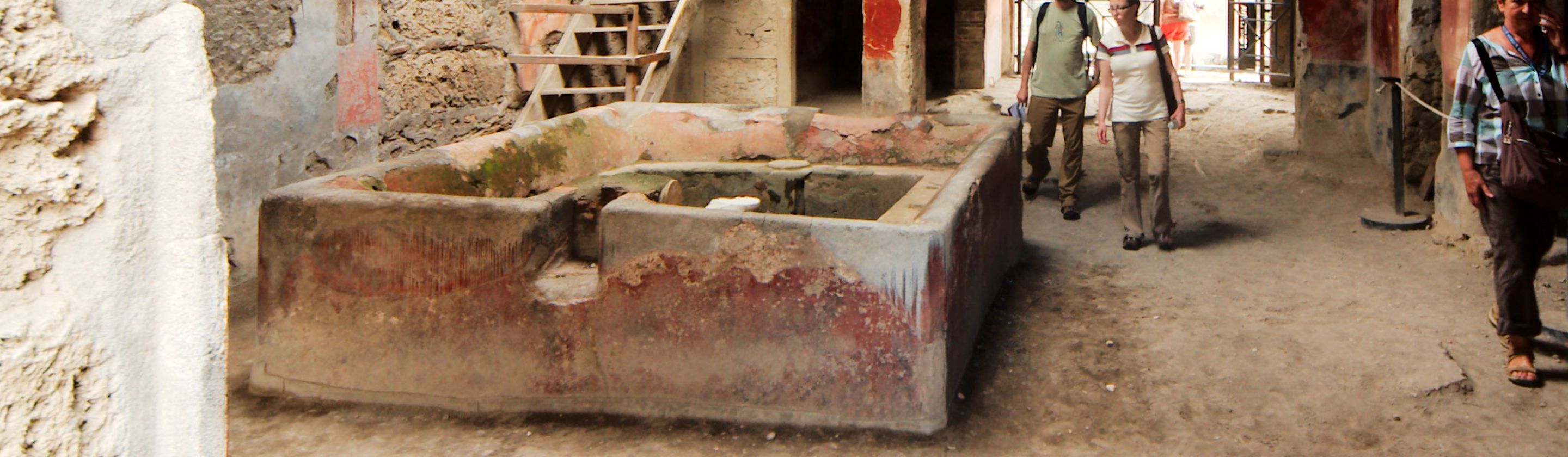
Large collection vessels for urine were commonplace on Roman streets, and the contents were taken to fullonica (laundries), where the ammonia's ability to break down fats and remove stains made it perfect for cleaning clothes. Workers would dilute the stale urine with water in a large vat and then agitate the clothes with their feet, similar to how modern washing machines function.
The Romans were essentially recycling a waste product into an effective industrial cleaner—a surprisingly sustainable practice from an ancient civilization.
KEEP ON READING