

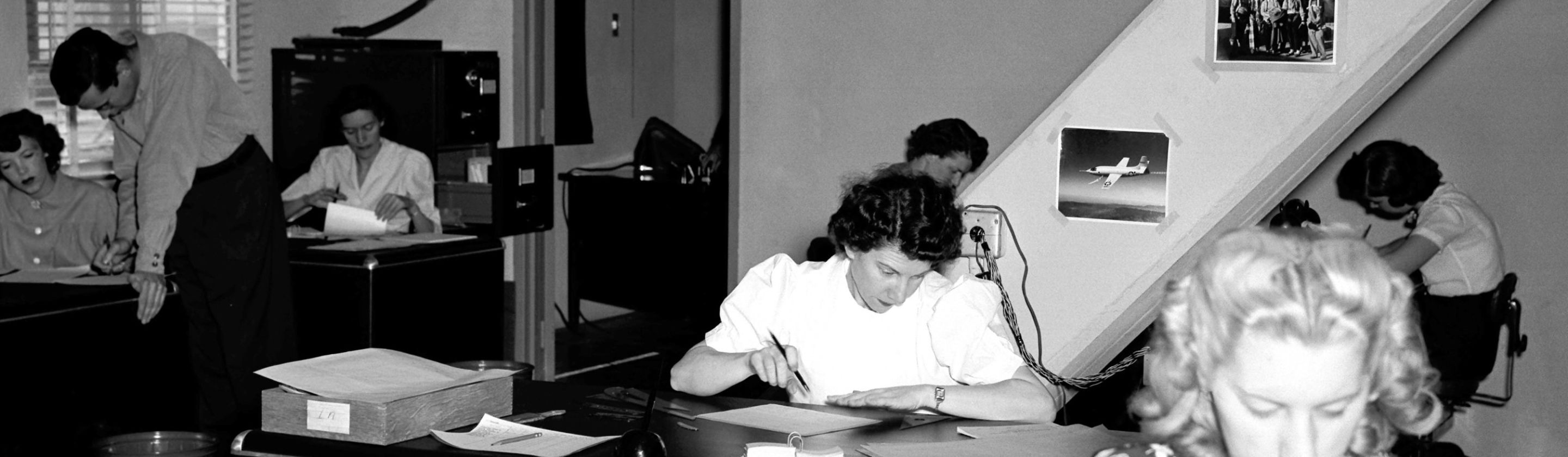
All in a (Strange) Day’s Work
We know a 9-to-5 seems boring, but yesterday’s careers were a little stranger than your cubicle. Okay, we’ve come a long way from door-to-door milk deliveries, but the odd jobs don’t stop at your friendly neighborhood milkman. From collecting leeches to working out complex calculations by hand, here are just a few careers we’re lucky don’t exist today.
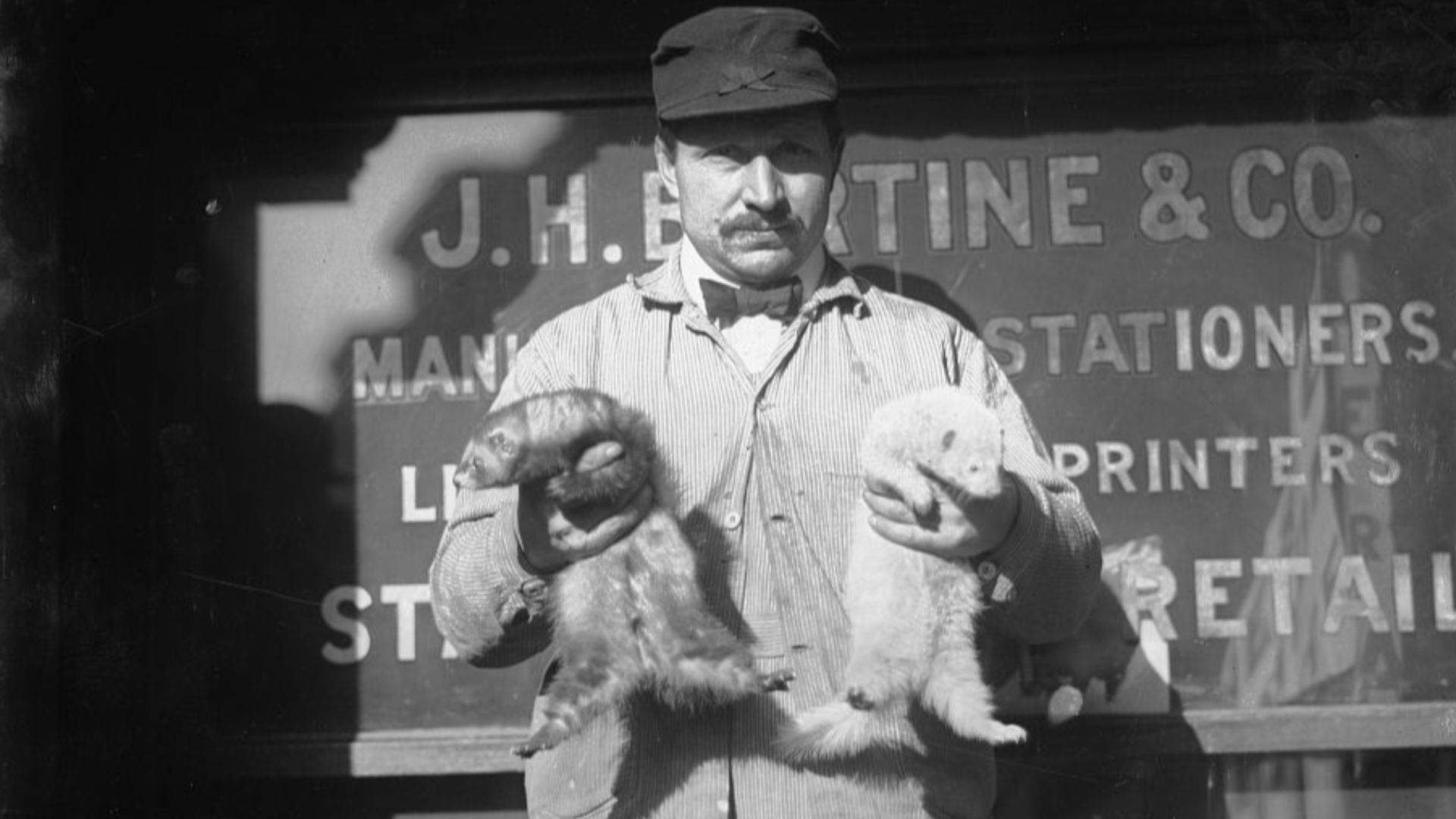 Bain News Service, publisher on Wikimedia
1. Knocker-Uppers
Don’t worry, it’s not what it sounds like—it’s way less fun and kind of annoying. Knocker-uppers were basically human alarm clocks who tapped on people’s windows to wake them up. They were popular in Ireland and Britain until the 1950s, after which they slowly faded into history.
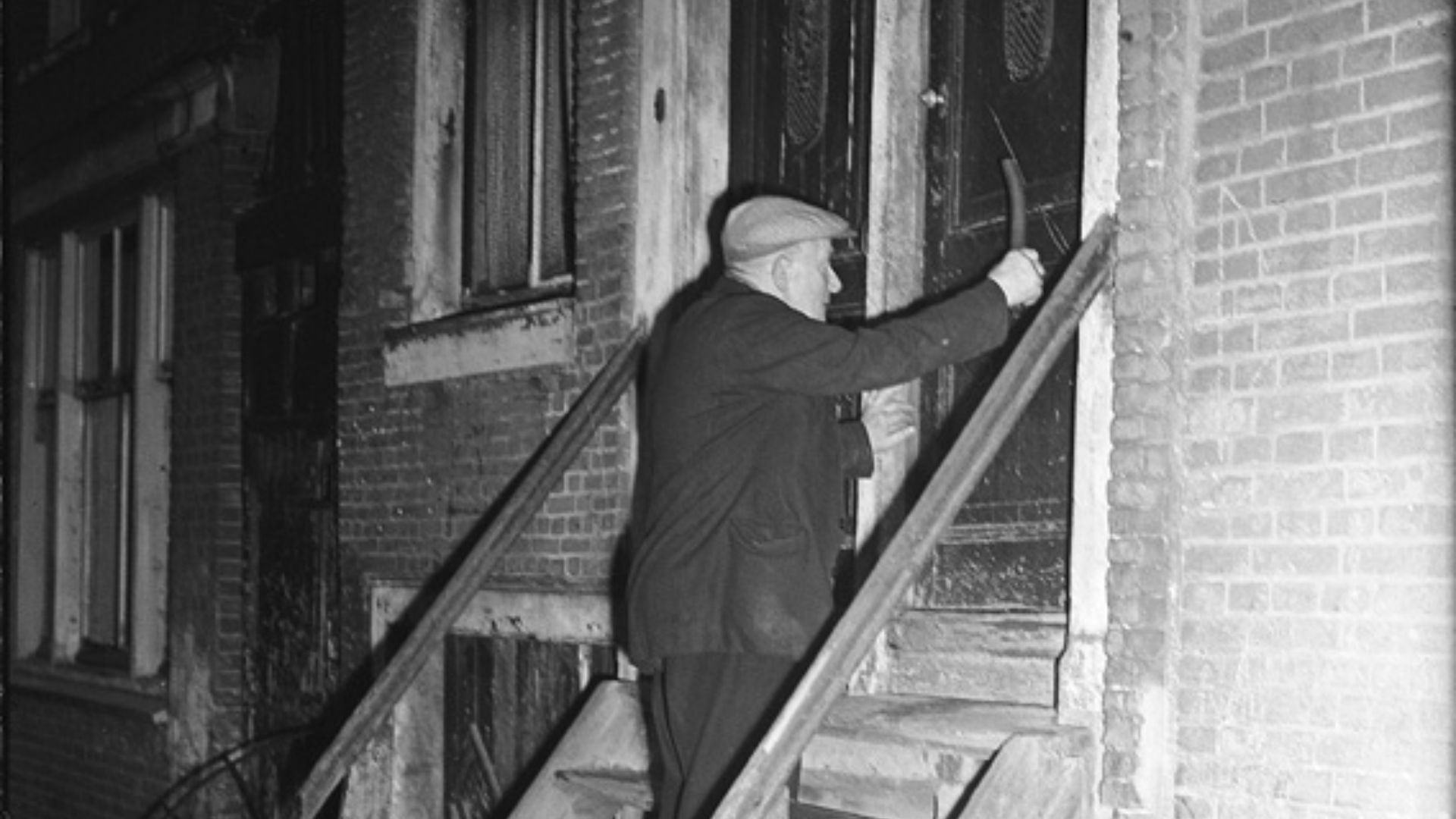
2. Town Criers
Hear ye, hear ye! Literacy wasn’t exactly common in the 18th century, and with an inability to read or write, people had no way of collecting the news. Enter town criers. Men in long coats and big black boots would ring their bell and walk through town with announcements, all to keep the people informed. Though mostly obsolete, they still announce royal births today.
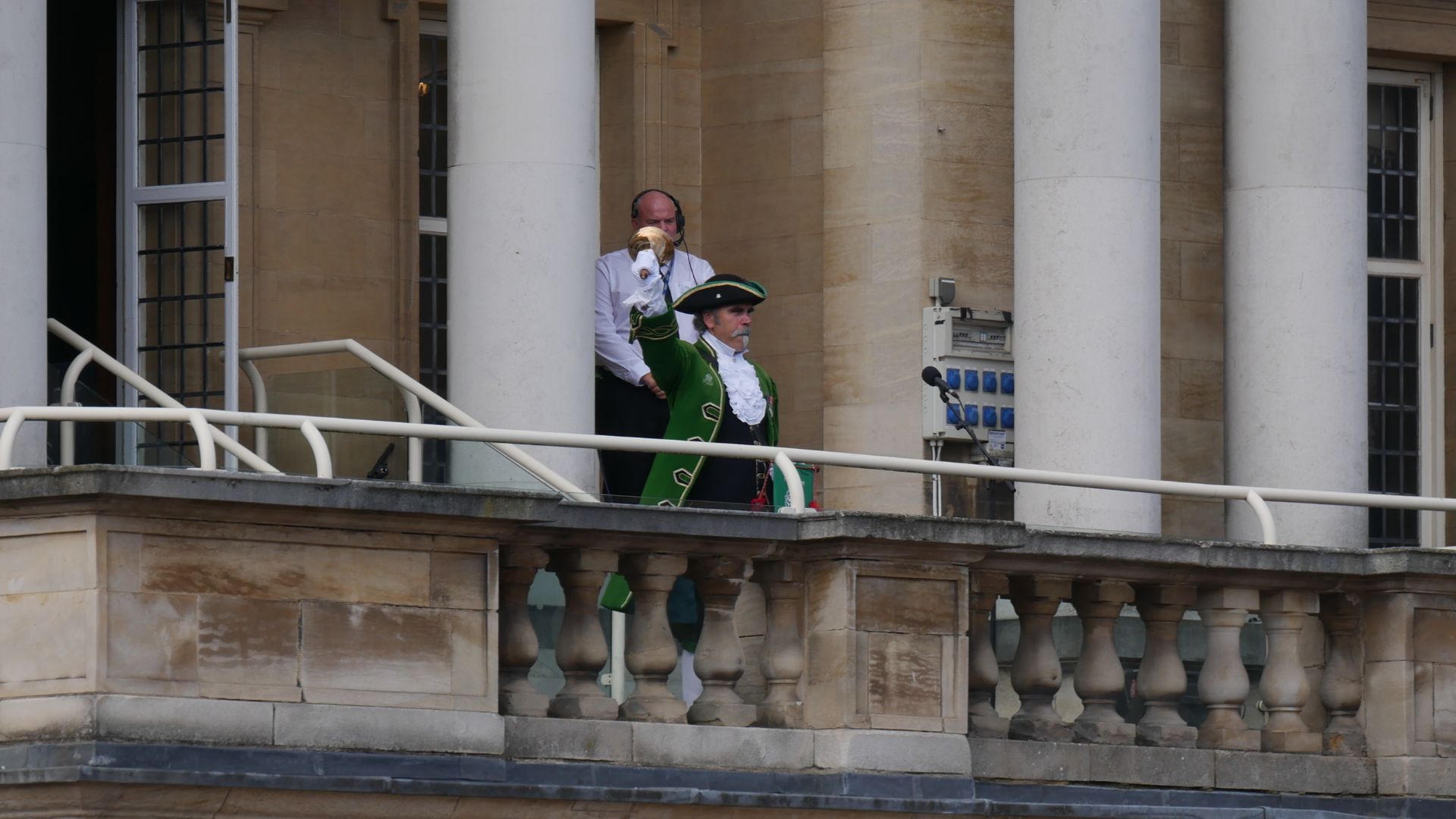
3. Plague Doctor
Here’s a profession that is thankfully outdated. With so many cases of bubonic plague in the 17th century, special physicians known as plague doctors were sent to treat cases. It may sound noble on the surface, but these men were hardly doctors. They were commonly young physicians looking to jump-start their careers or inexperienced volunteers who did more harm than good.
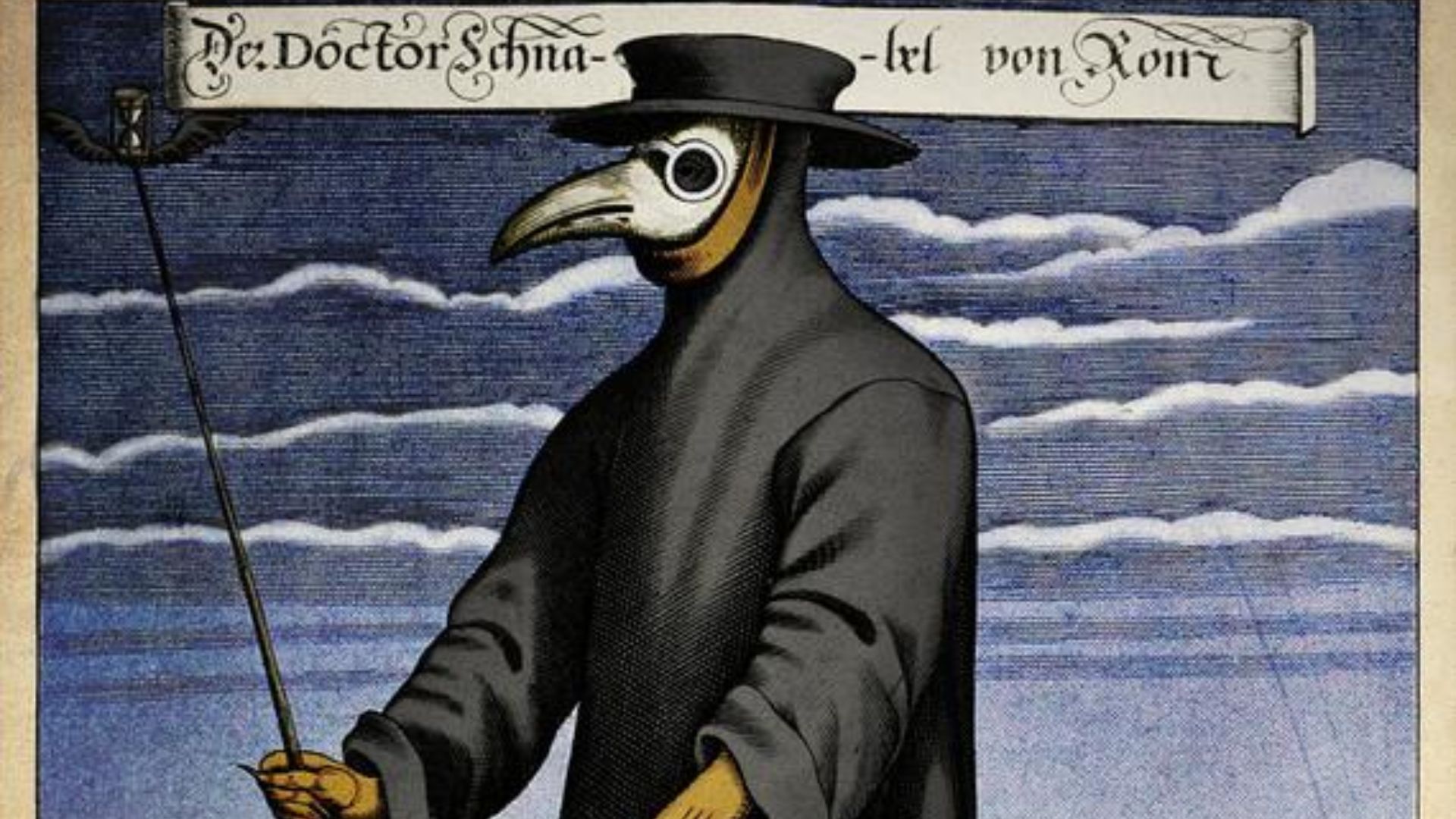 I. Columbina, ad vivum delineavit. Paulus Fürst Excud〈i〉t. on Wikimedia
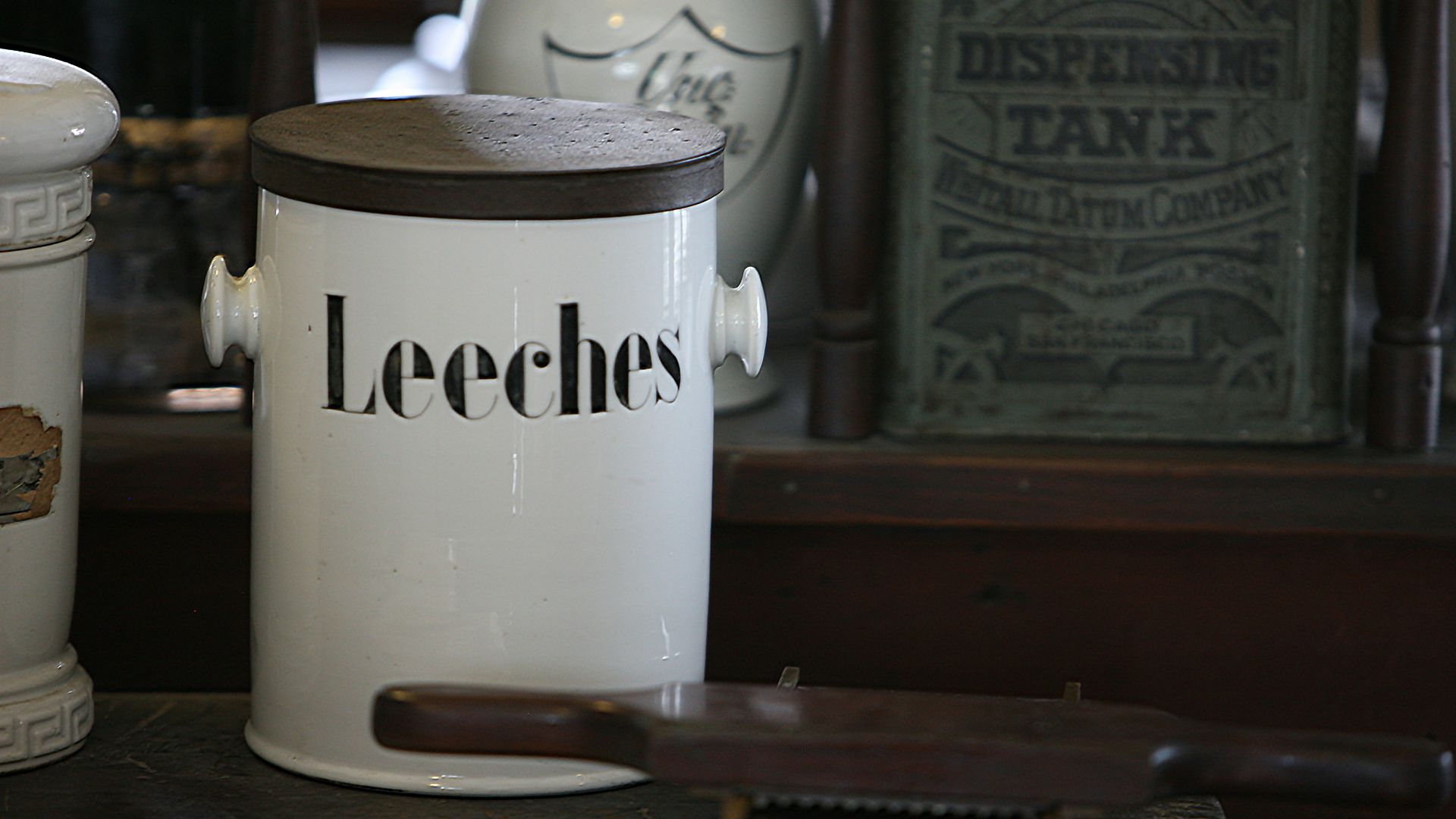
4. Leech Collector
Oh, you thought your seasonal job was bad? Leeches were regularly used for medicinal purposes in the 19th century; their procurement was highly sought after, and leech collection was actually an in-demand career. During peak seasons, gatherers would wade through marshes to grab them for physicians before the career dwindled in the 20th century. (Thank you, modern medicine.)
5. Herb Strewer
The 17th century wasn’t known for its hygiene—a sentiment that bothered royal families at the time. Amid inadequate plumbing and a lack of general cleanliness, poor herb strewers were sent to collect herbs like basil and lavender. They’d then sprinkle them around royal residences to mask any odors.

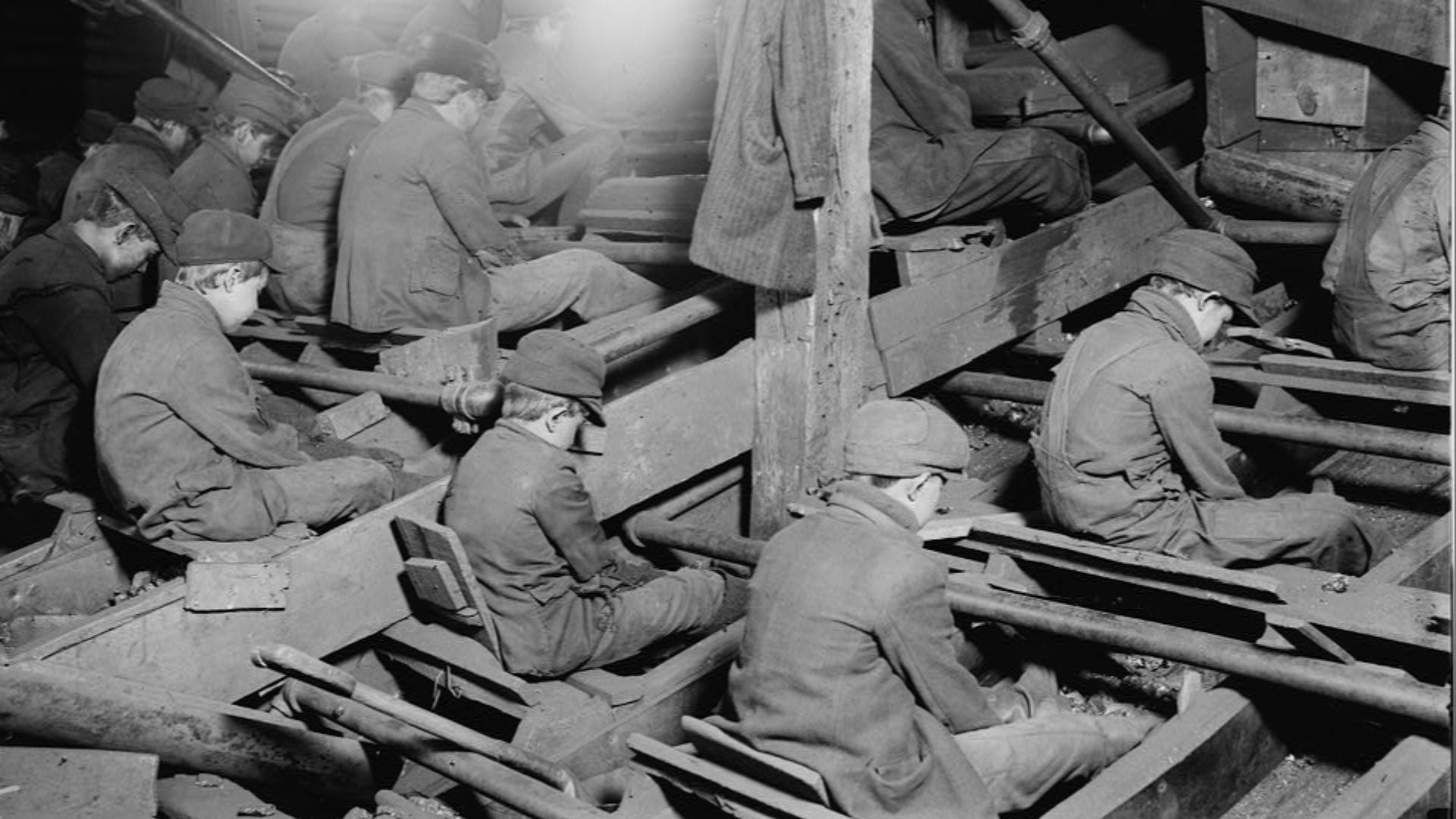
6. Breaker Boys
Breaker boys were young children, often aged between eight and twelve, who would break apart coal to find impurities. Despite public outcry about the long hours and dangerous working conditions, child labor laws in the 1800s weren’t what they are today, and the practice didn’t end until the 1920s.
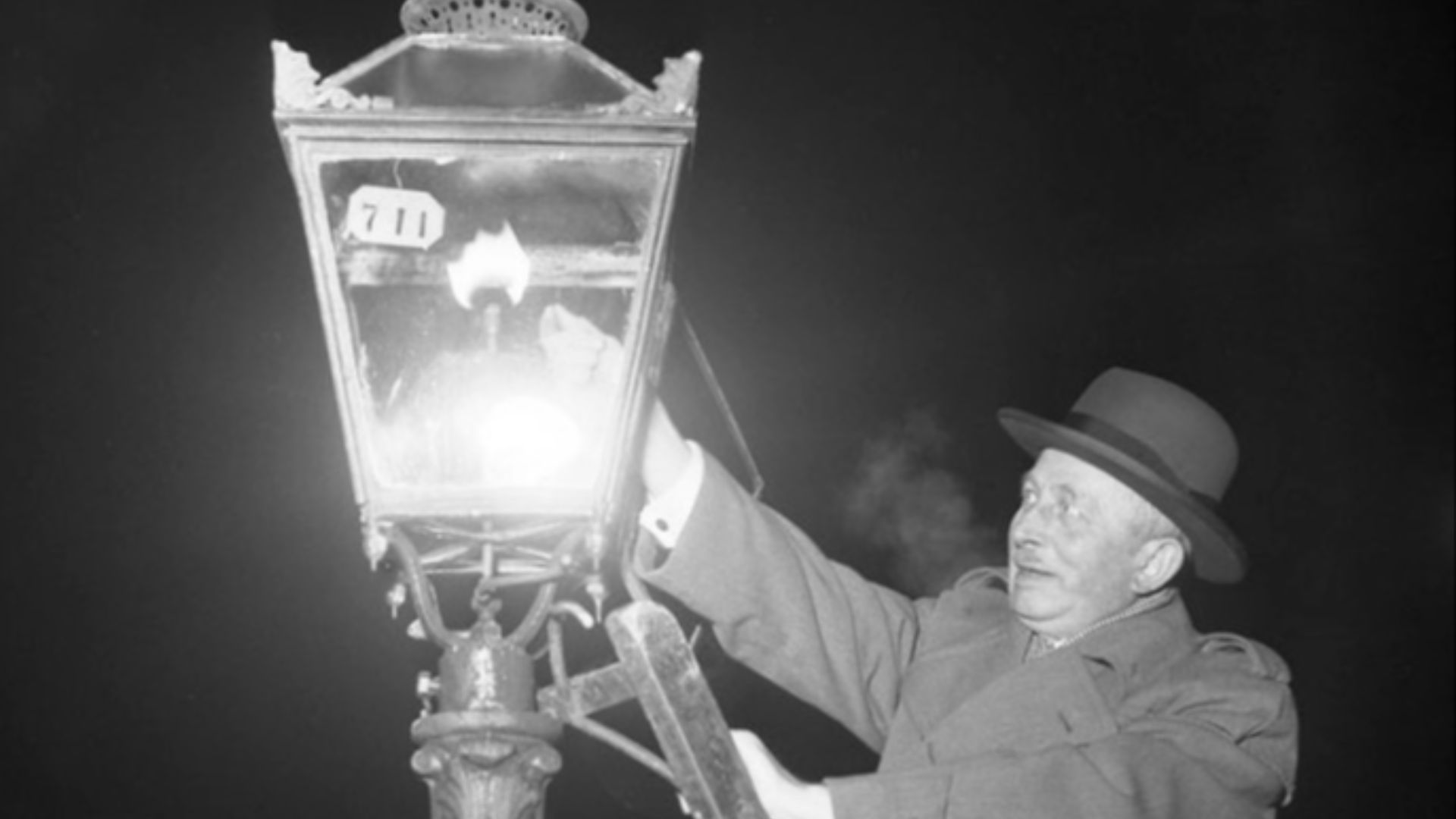
7. Lamplighter
Before electricity came on the scene, lamplighters were responsible for manually igniting and extinguishing street lights throughout town. It’s obviously not common practice today, though some cities still use them to attract tourism.
8. Rat Catcher
Rats ran the streets in the Victorian era—until catchers came along. To help eradicate rodent infestations, rat catchers scoured the streets for vermin, caught them, and ended their lives with poison. They were often at great risk of being bitten, which made it a pretty dangerous gig.

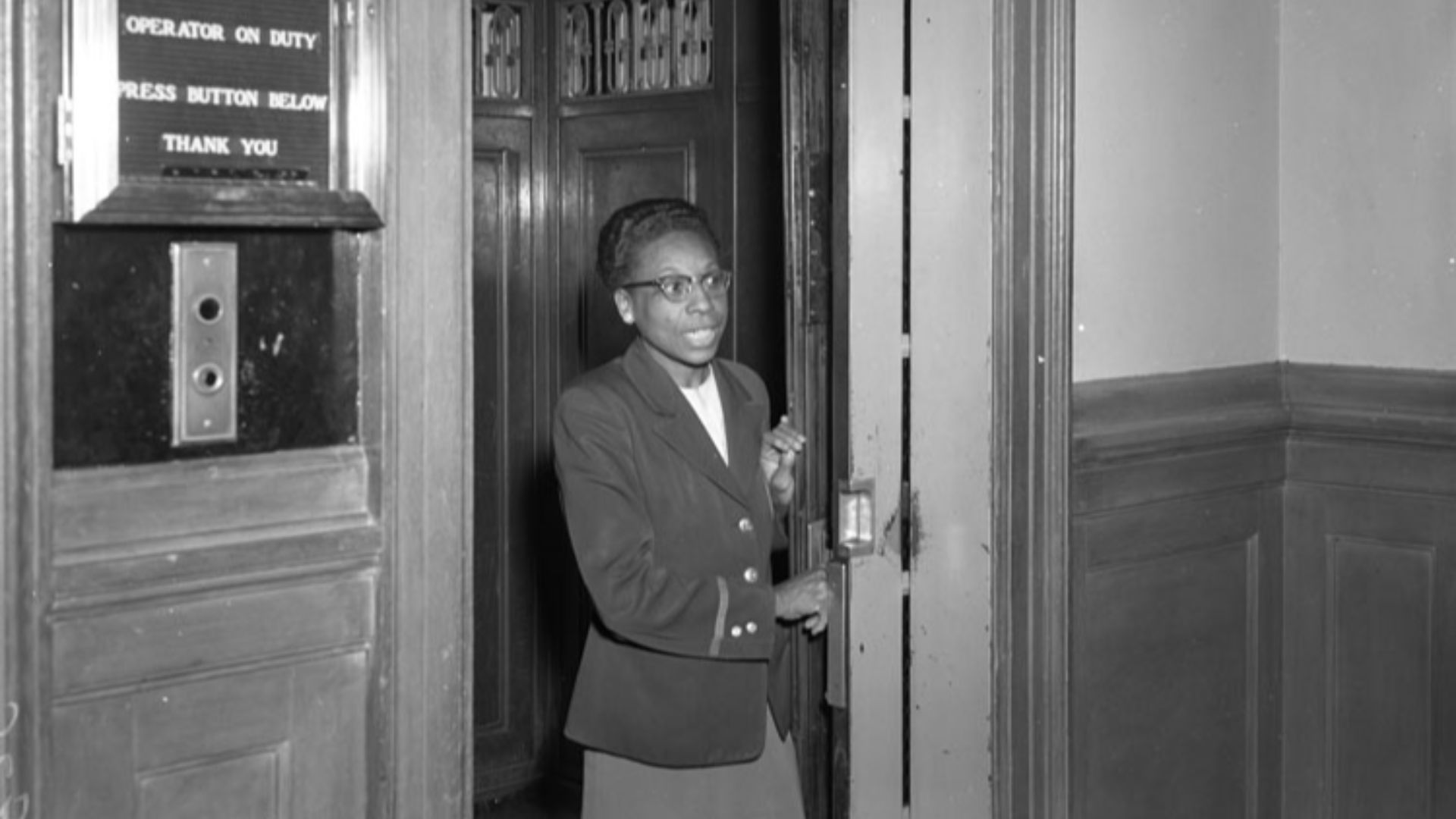
9. Elevator Operators
Nowadays, we press our own buttons (and try to close the doors before anyone else sneaks in). Back in the day, however, operators handled manual elevators. It wasn’t as easy as it sounds; operators handled levers, needed impeccable timing to reach each floor, and in some cases, even became tour guides. They’re widely obsolete today, but you might still catch them in historic buildings.
 The Library of Virginia from USA on Wikimedia
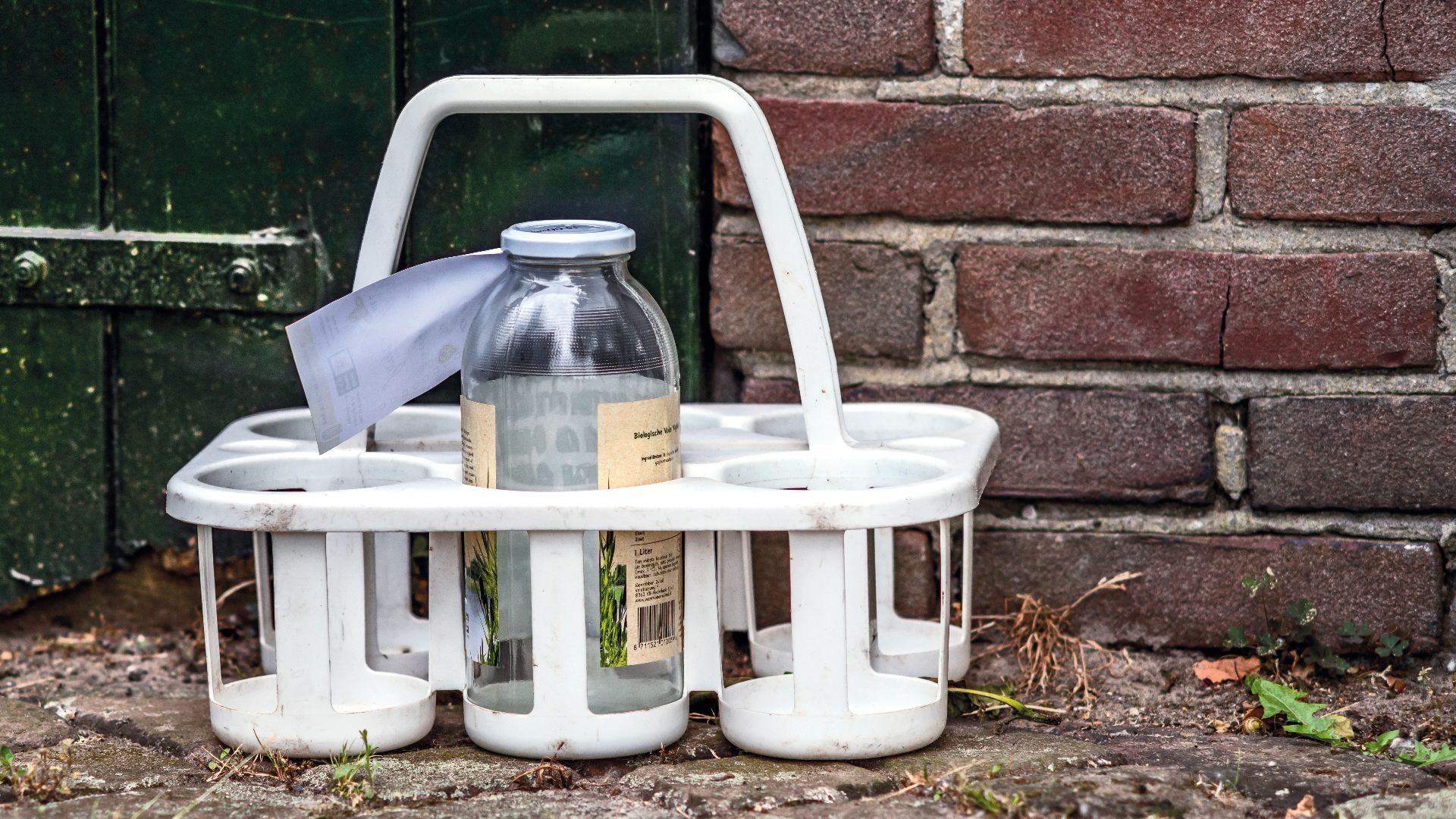
10. Milkman
We didn’t always have pasteurized milk or fridges at home, so deliverymen were a must. To prevent it from spoiling, milkmen in the 20th century would go door-to-door and leave bottles on doorsteps. This profession was all but gone with modern refrigeration.
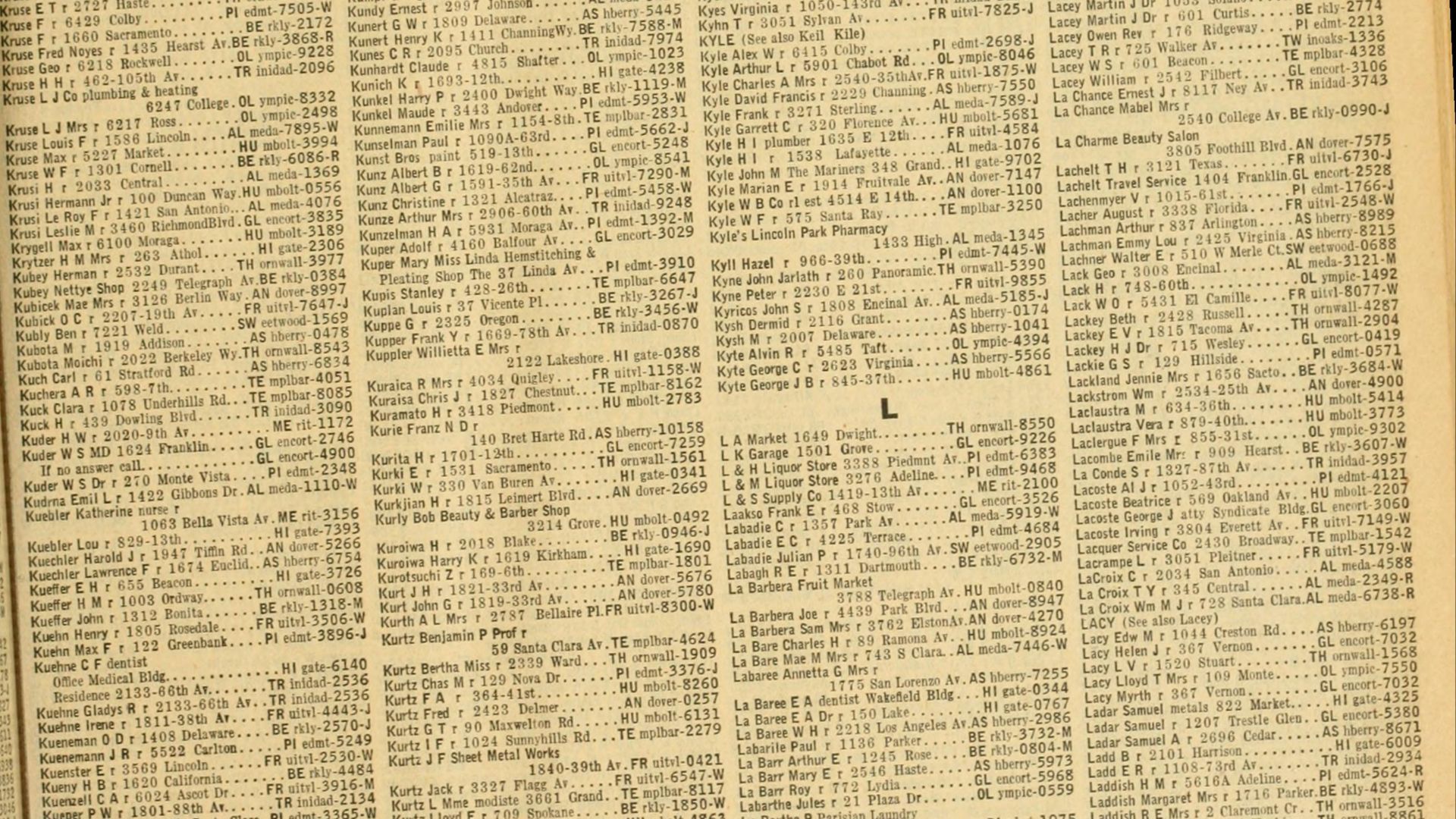
11. Phone Book Delivery
Ah, the phone book. For you kids out there, it was a massive directory that listed every telephone subscriber in a particular area—in other words, a huge tome with everyone’s phone numbers in it. The concept itself might seem odd, but it was incredibly popular from the 18th century up until the ‘90s, and it was delivered right to your door.
 Internet Archive Book Images on Wikimedia
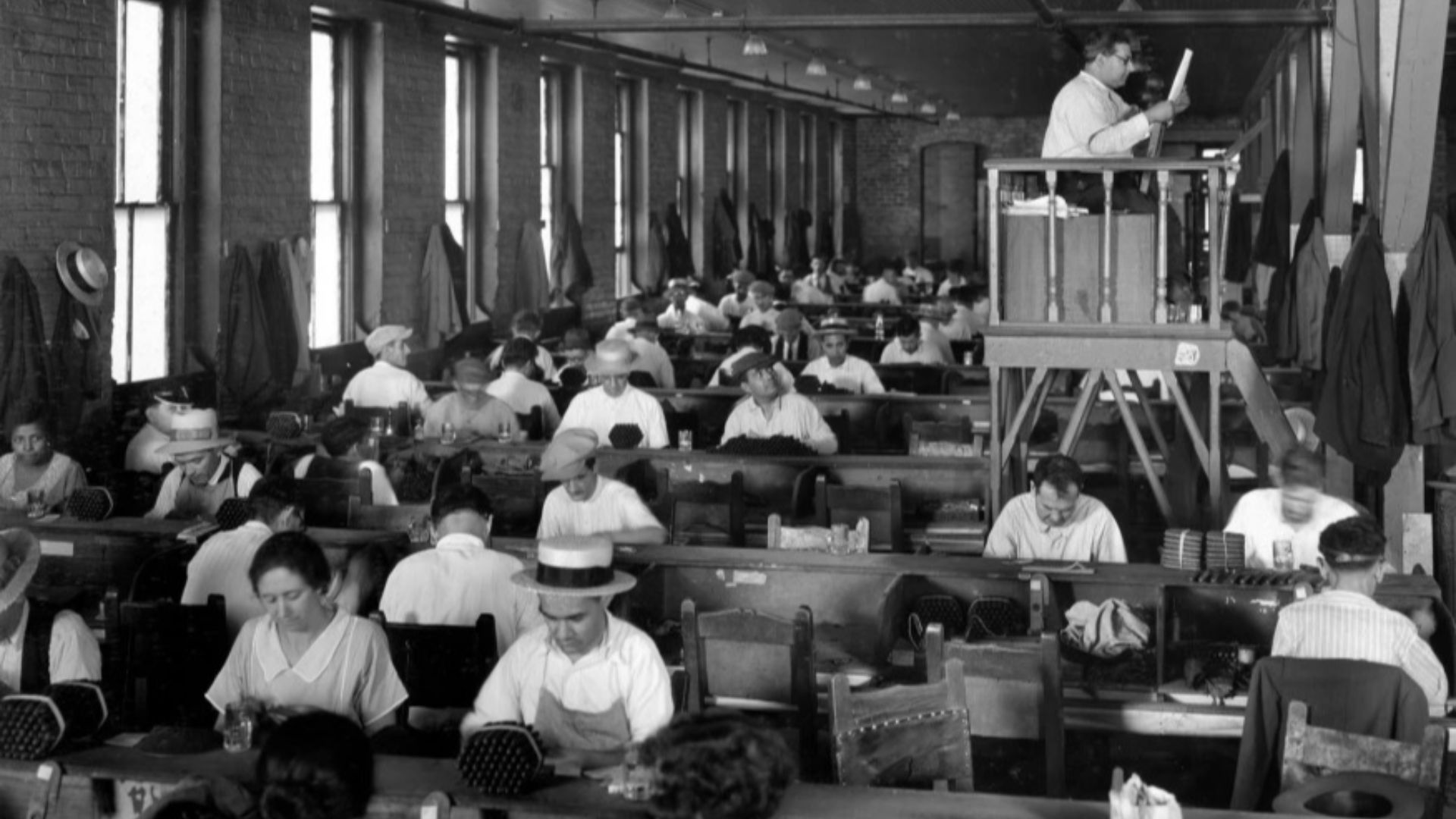
12. Lector
1900s factory workers deserve a little downtime, and they got it with lectors. To keep them entertained, these morale-boosting employees would read newspapers or books aloud to factory workers during their day. Though fun for a while, they were rendered obsolete after the radio.
 Burgert Brothers. Burgert's Studio - Tampa, Florida on Wikimedia
13. Human Computers
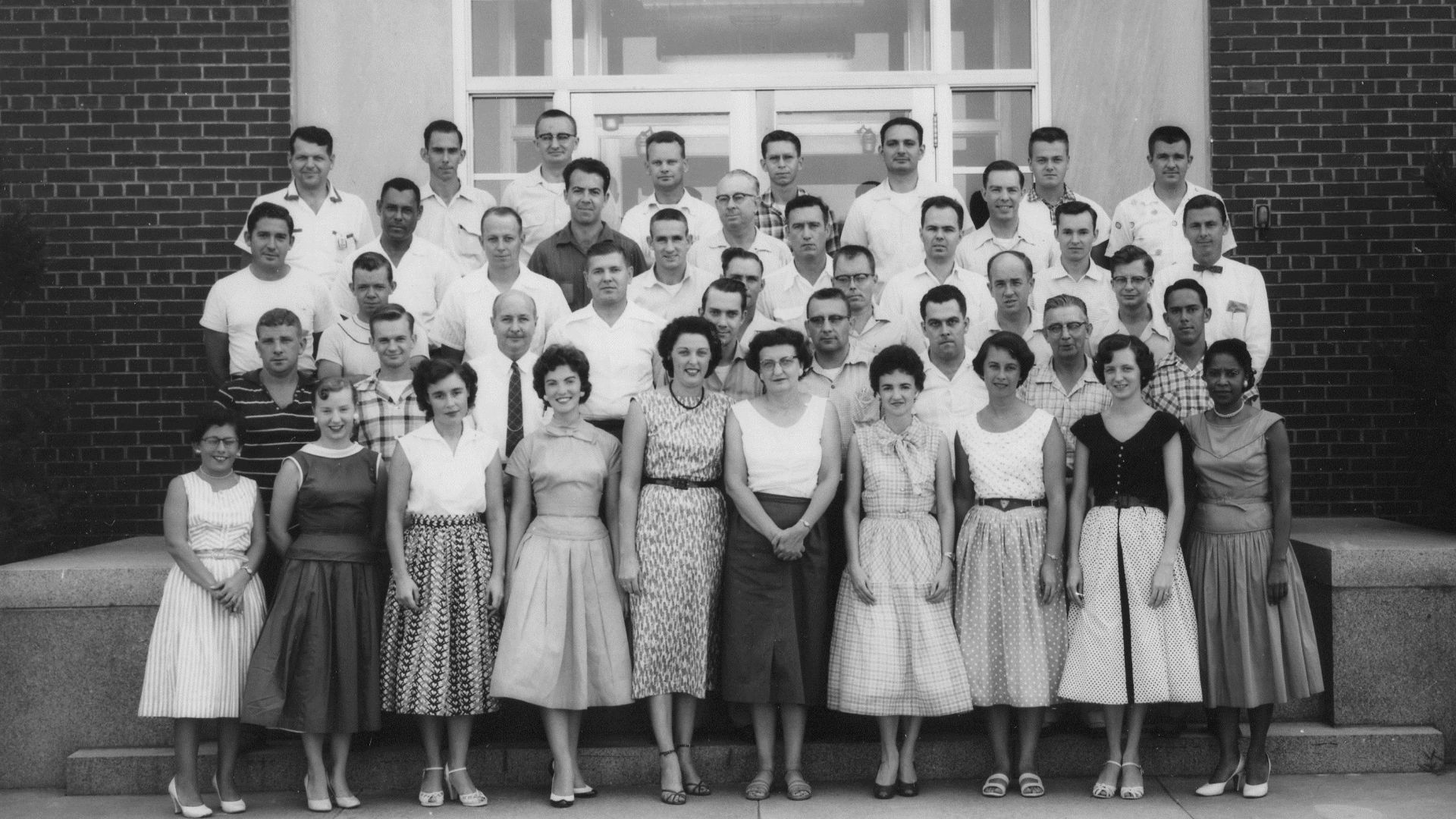
Human computers were computers before we had computers (just stay with us). These brainiacs, mostly women, were responsible for figuring out complex calculations before we had calculators. They were first used in the 1700s and eventually worked in prestigious roles, such as engineering at NASA in the 1970s. They'd sometimes need weeks to work out those calculations on graph paper.
14. Crossing Sweeper
Make way, royalty coming through! Okay, not really, but crossing sweepers sure treated you like it in the 19th century. For a mere pittance of coin, you could have the street swept of debris, often by impoverished children, to protect your clothes from any muck. At the time, some people saw it as an honest day’s work while others considered it a mere step above begging, especially since wages were heavily reliant on tips.
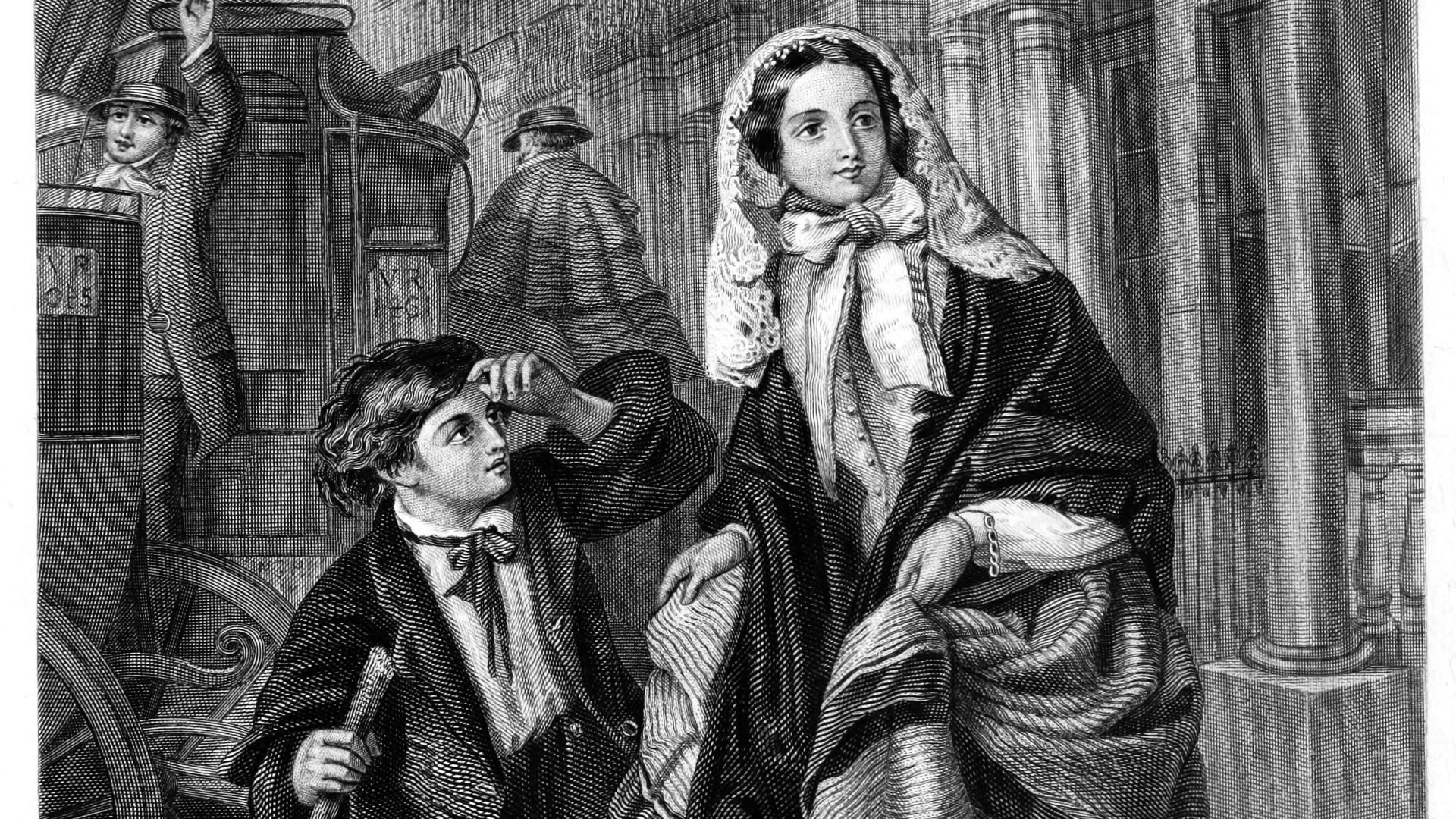 William Powell Frith (original painting); unknown engraver on Wikimedia
15. Groom of the Stool
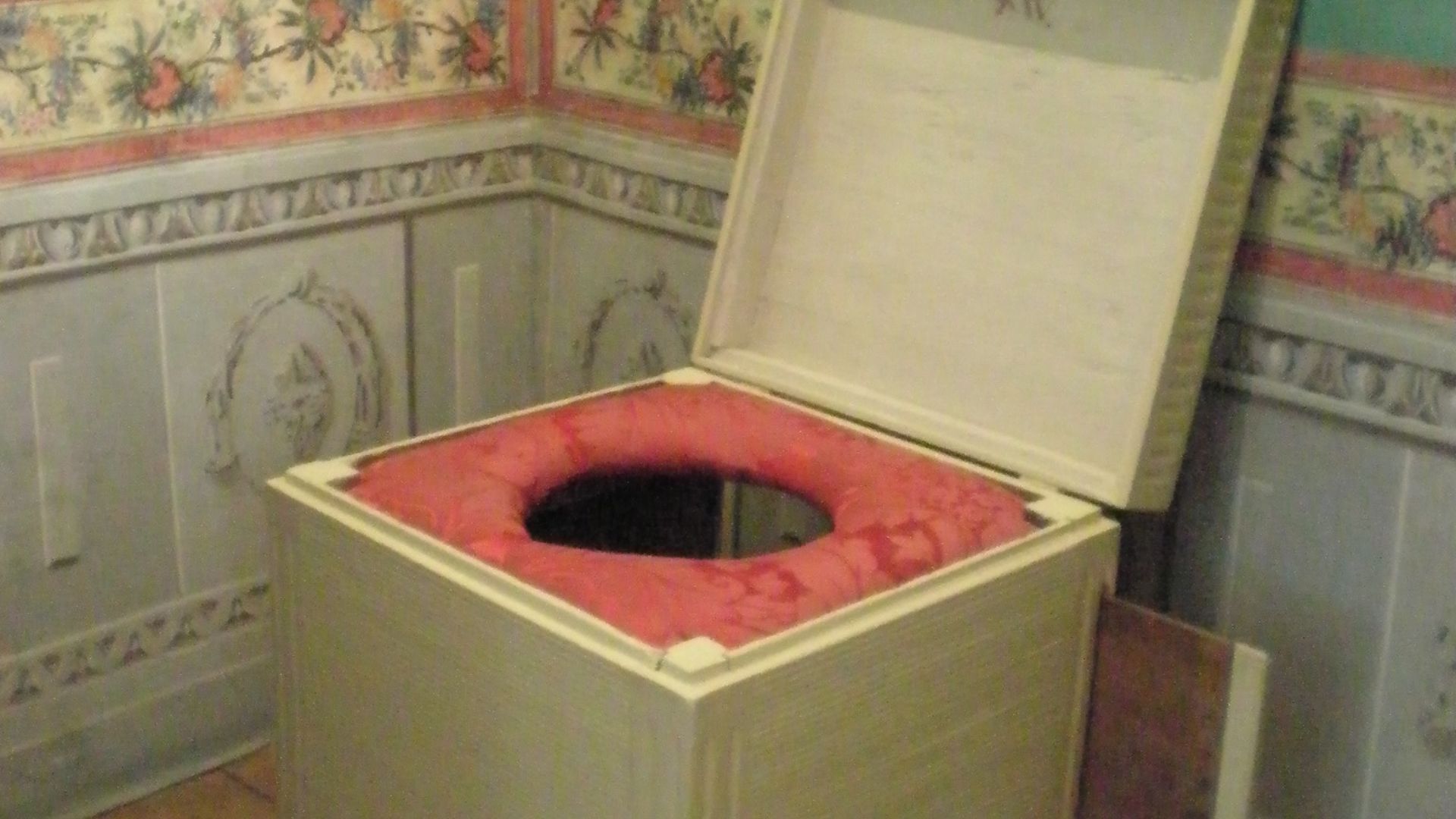
Grooms had the worst job on earth, but only on (toilet) paper. Their main duties were presenting the King with his velvet-wrapped chamber pot, removing cumbersome layers of clothing, and then emptying said pot. It doesn’t sound great until you realize the gig came with significant salaries and close contact with royals in the Tudor era. These guys were essentially confidantes; they knew royals on a personal level, and their role was highly respected.
16. Toad Doctor
The toad will see you now. Believe it or not, toad doctors weren’t physicians for amphibians—they were medical practitioners who used toads for treatment, and were quite popular in the 17th and 19th centuries. People believed that toads would cure them of skin conditions, which often resulted in toads tied around their necks or using dried, powdered toads on afflicted areas.

17. Pinsetter
We take bowling for granted nowadays, with its automatic pin setting and ball retrieval. However, alleys didn’t always have that technology, meaning manual labor to reset pins and bring balls back to the players. The career wasn’t really a thing after the 1970s.
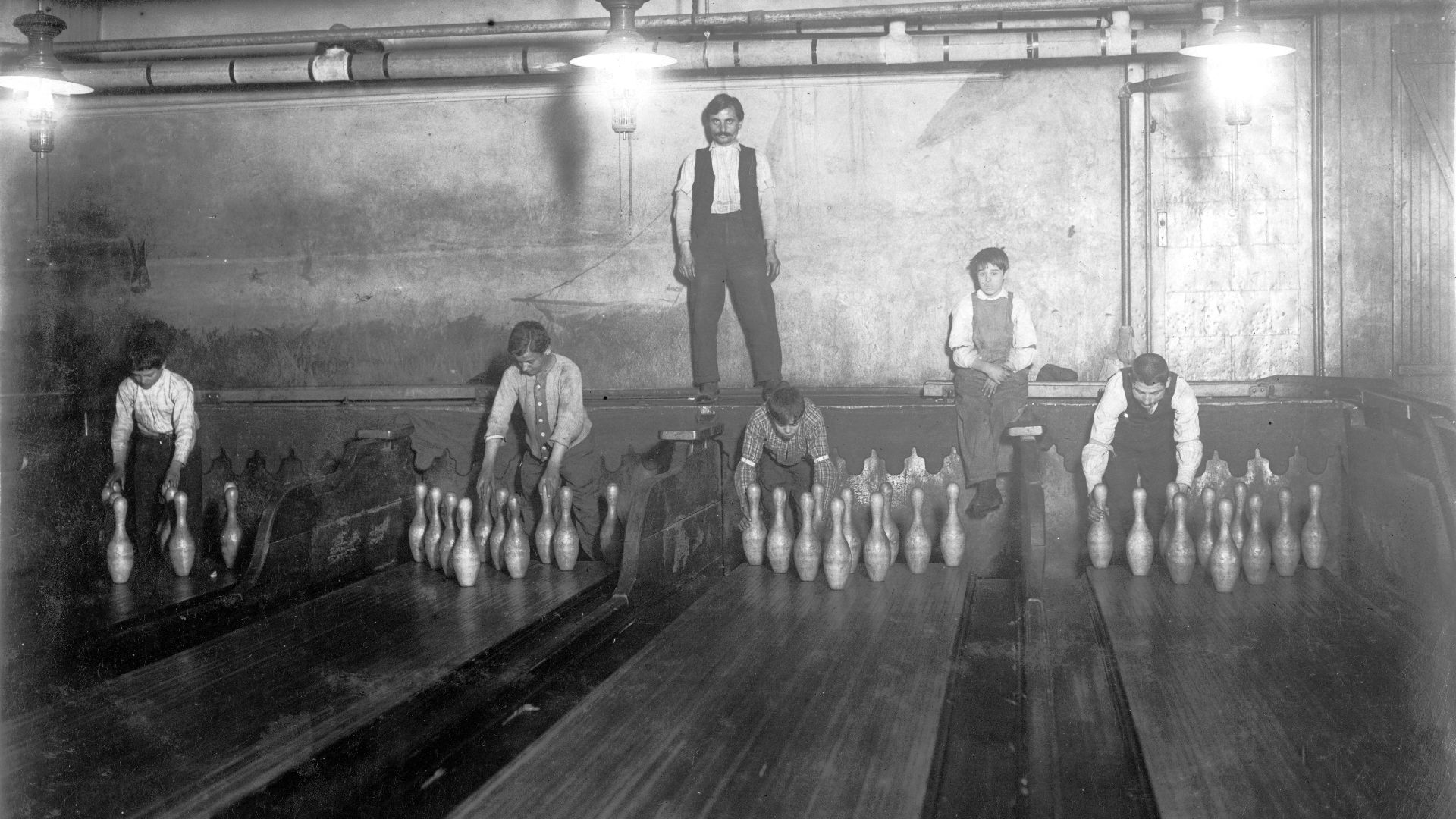 Lewis Wickes Hine, 1874-1940, photographer. on Wikimedia
18. Mudlarks
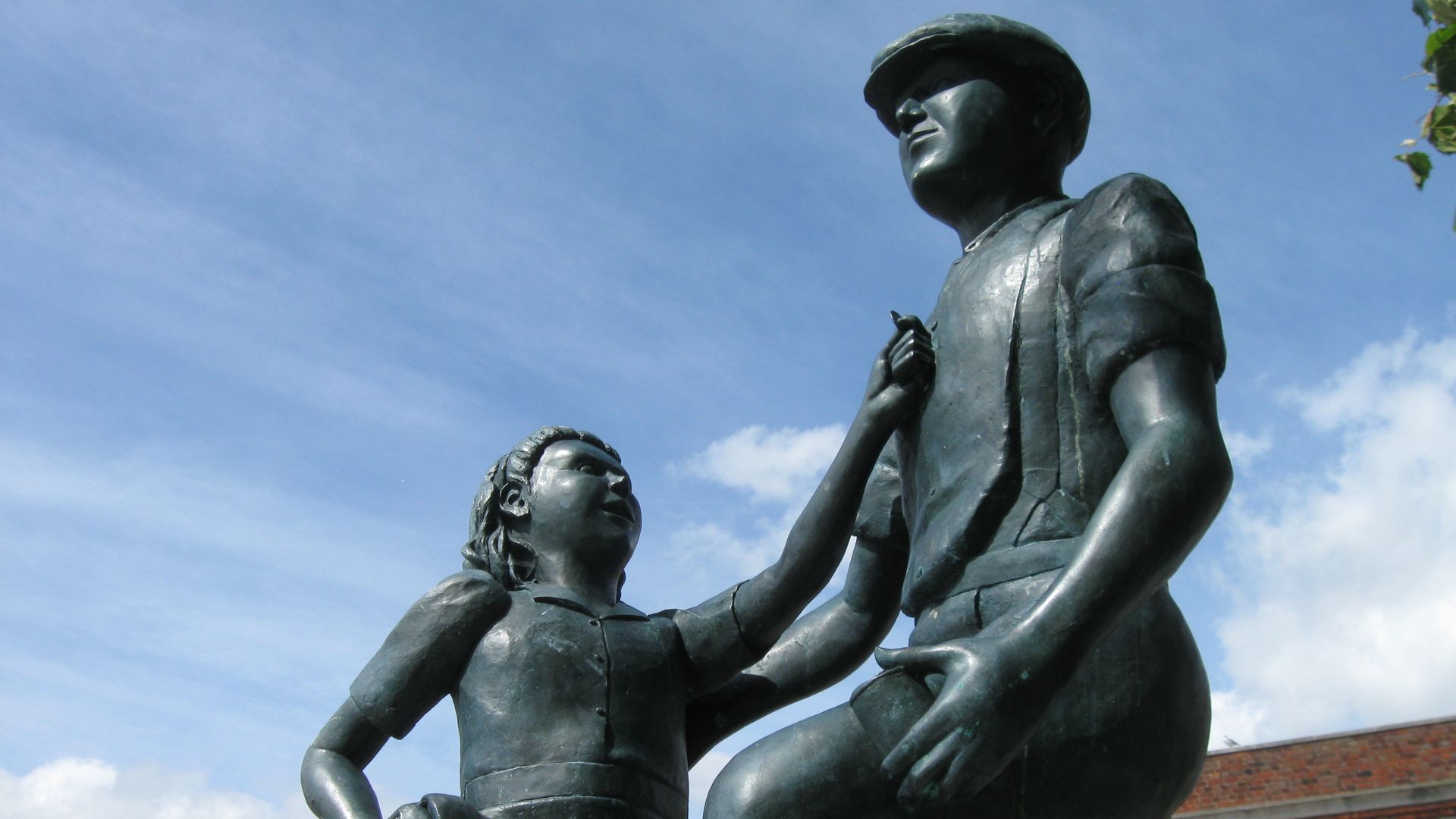
Mudlarks weren’t so much a career as a necessity; impoverished people in the 18th and 19th centuries would comb river banks for anything valuable to sell. It was unpleasant, to say the least, with these scavengers often covered in waste or cuts by day’s end.
 Katherine Weikert on Wikimedia
19. Daguerreotypists
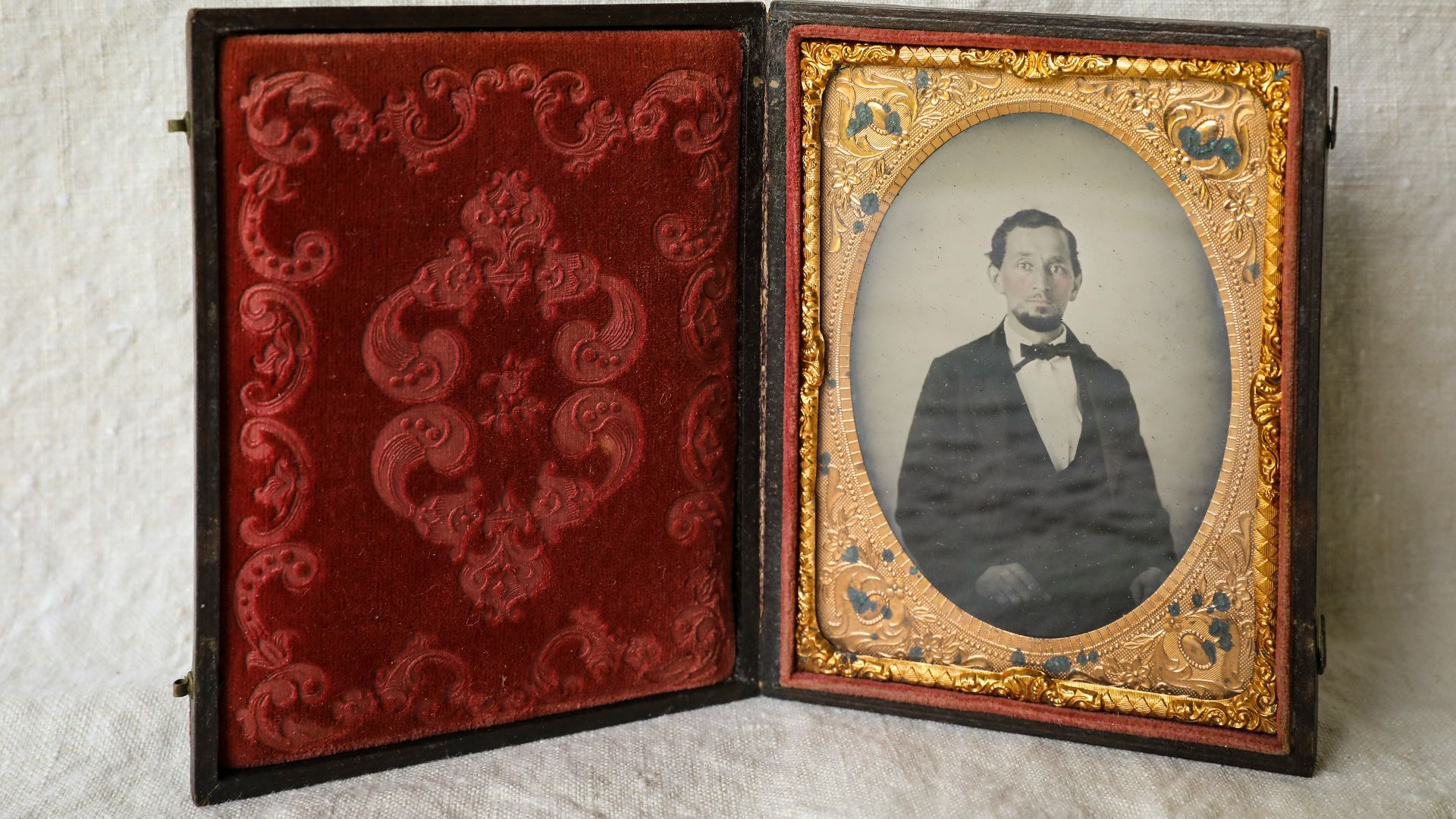
In the mid-19th century, the first-ever publicly available cameras were called daguerreotypes. They needed someone called a daguerreotypist to work it and process the film, and the entire process took way longer than anything we recognize today.
20. Ice Cutters
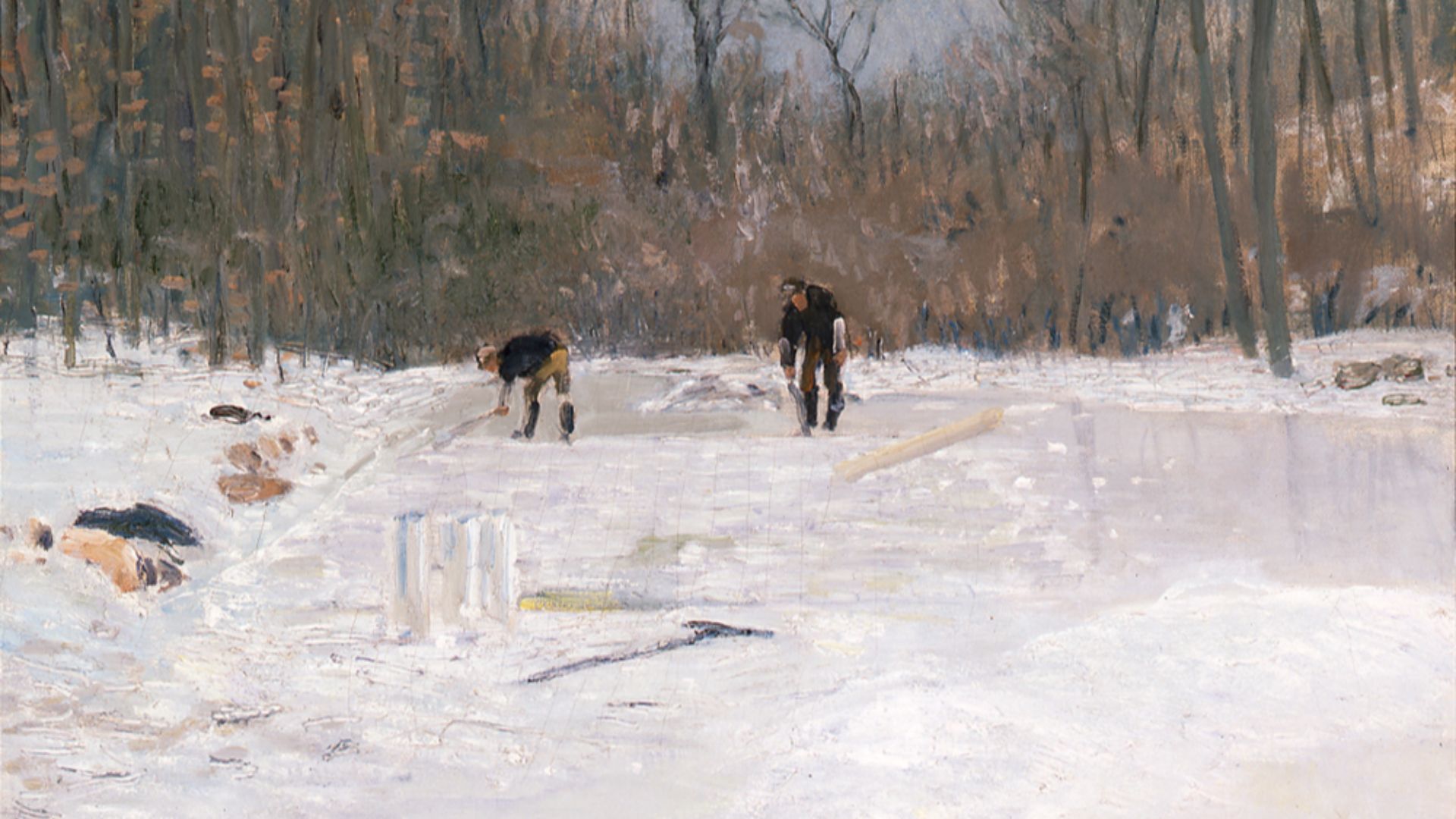
Before modern refrigeration, we entrusted teams of ice cutters to bring the cold to us. Crews of at least 75 men would cut 1500 tons of ice daily, which was then transported via train to the public. The job was incredibly popular during the 19th and 20th centuries, but became obsolete after modern technology.
KEEP ON READING

The Origins Of 3 Common Sayings You Still Use Today
Etienne Boulanger on UnsplashMany of the phrases you use every…
By Rob Shapiro Apr 28, 2026
Was Caligula The Most Ruthless Roman Emperor?
Artur Matosyan on UnsplashRoman Emperor Caligula is one of ancient…
By Rob Shapiro Dec 18, 2025
1 Weird Fact About Every President
Washington, Lincoln, FDR. Most people know something about the lives…
By Robbie Woods Dec 3, 2024
10 Accidental Discoveries That Changed Maps & 10 That Changed…
Mistakes That Mattered. A lot of major discoveries did not…
By Cameron Dick Apr 15, 2026
10 Actors Who Perfectly Played a Historical Figure & 10…
Which Performance is Your Favorite?. Playing the role of a…
By Rob Shapiro Sep 15, 2025
10 Actors Who Perfectly Played a Historical Figure & 10…
Portraying a real person from history is one of the…
By Noone Dec 17, 2025