
20 Ways People Tried to Protect Themselves From Evil Spirits in the Past
When Supernatural Protection Was Part of Everyday Life
Long before security cameras and modern medicine, people had some rather unusual ways of keeping themselves safe from supernatural threats. Across different civilizations, evil spirits were blamed for everything from mysterious illnesses and bad luck to unexpected deaths and household disasters. Naturally, people came up with countless rituals, charms, and protective measures to keep these unwanted visitors away, some of which were surprisingly elaborate. From hiding strange objects inside walls to throwing beans at imaginary demons, here are 20 fascinating ways people once tried to protect themselves from evil spirits.
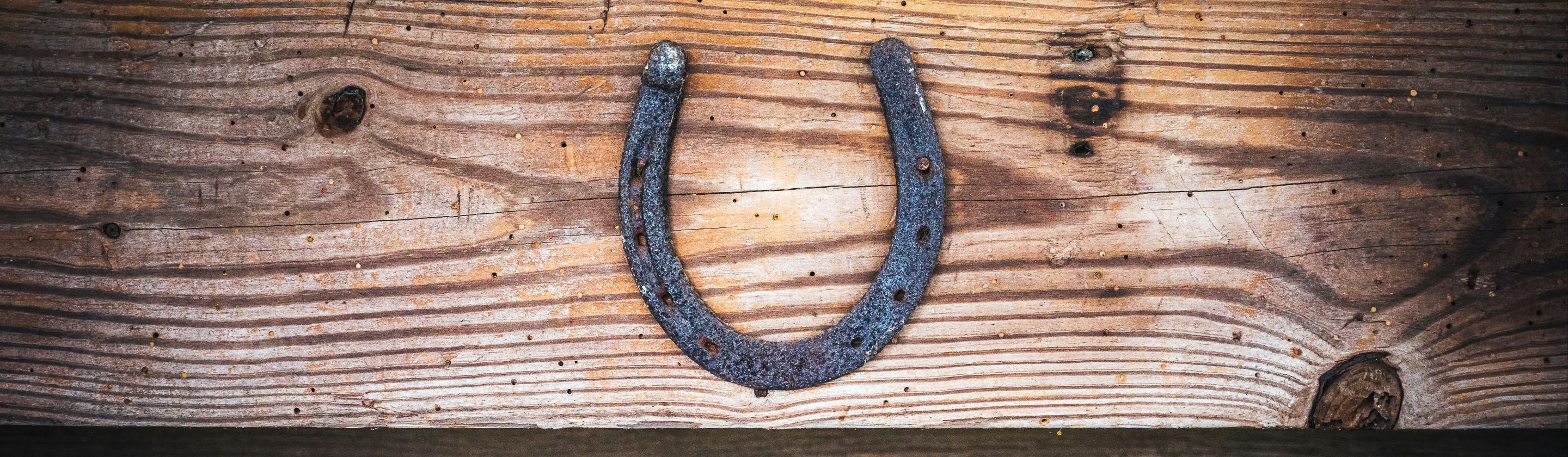
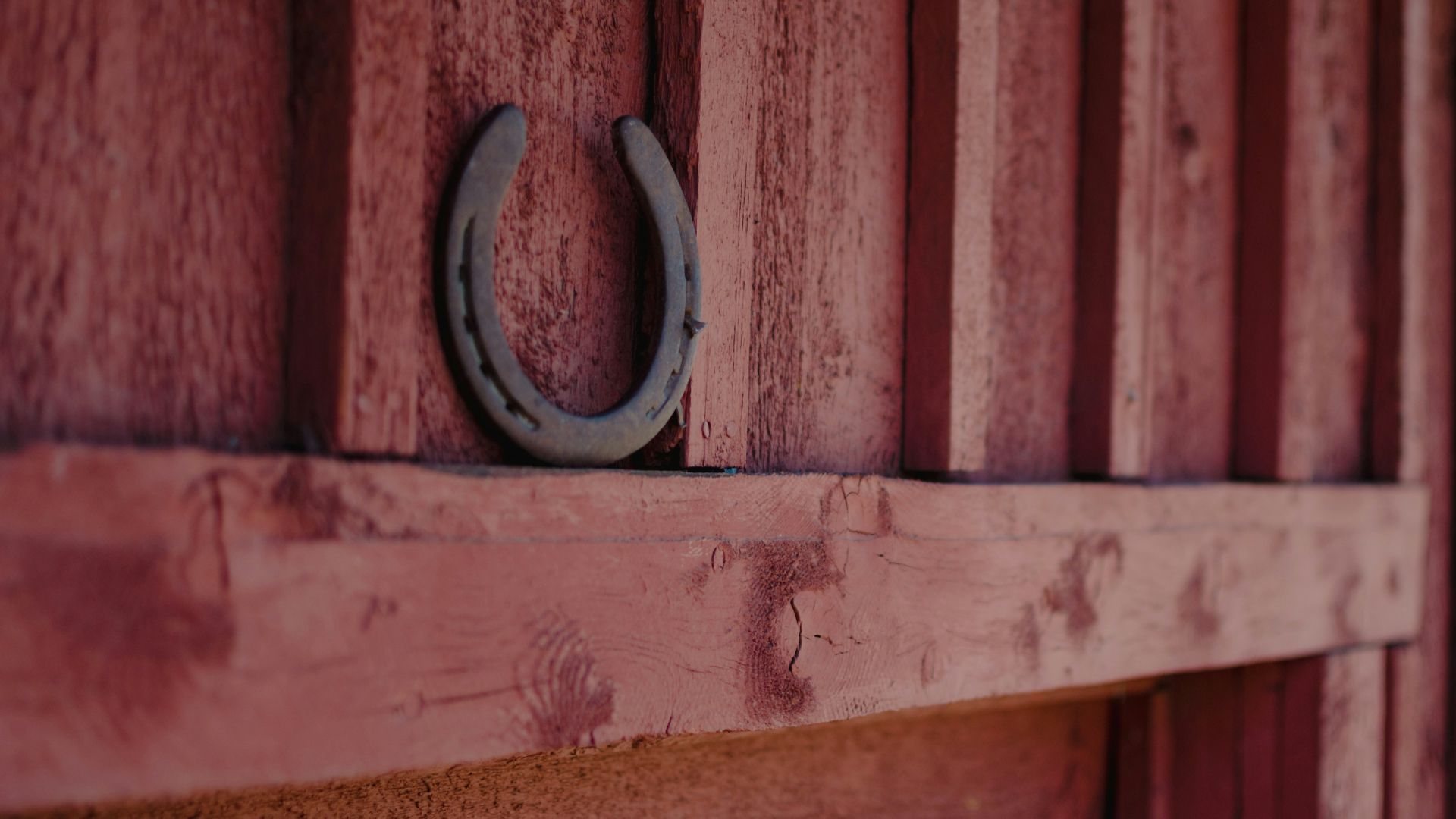
1. Hanging Horseshoes Above Doorways
In parts of Europe, particularly Britain, horseshoes were believed to stop witches and evil spirits from entering homes. Iron had long been associated with supernatural protection, making an ordinary horseshoe a useful household charm. Some people hung them with the open ends facing upward to catch good fortune, although opinions about the correct position varied.
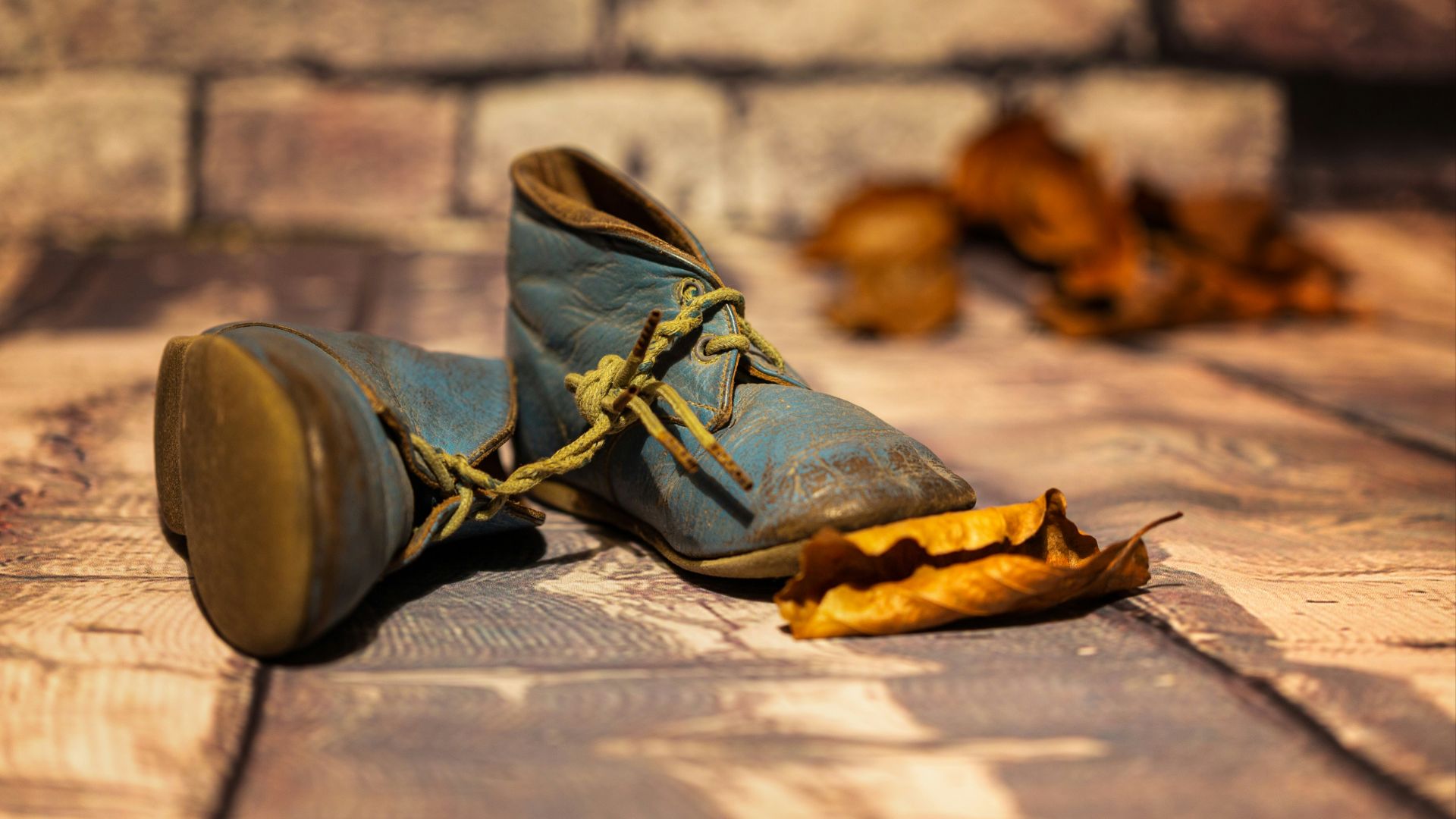
2. Hiding Shoes Inside Walls
In medieval and early modern Europe, people occasionally hid worn footwear beneath floors, inside walls, or near fireplaces. One theory suggests that the shoes were meant to confuse or trap malicious supernatural beings, although historians still aren't entirely sure why the practice became popular.
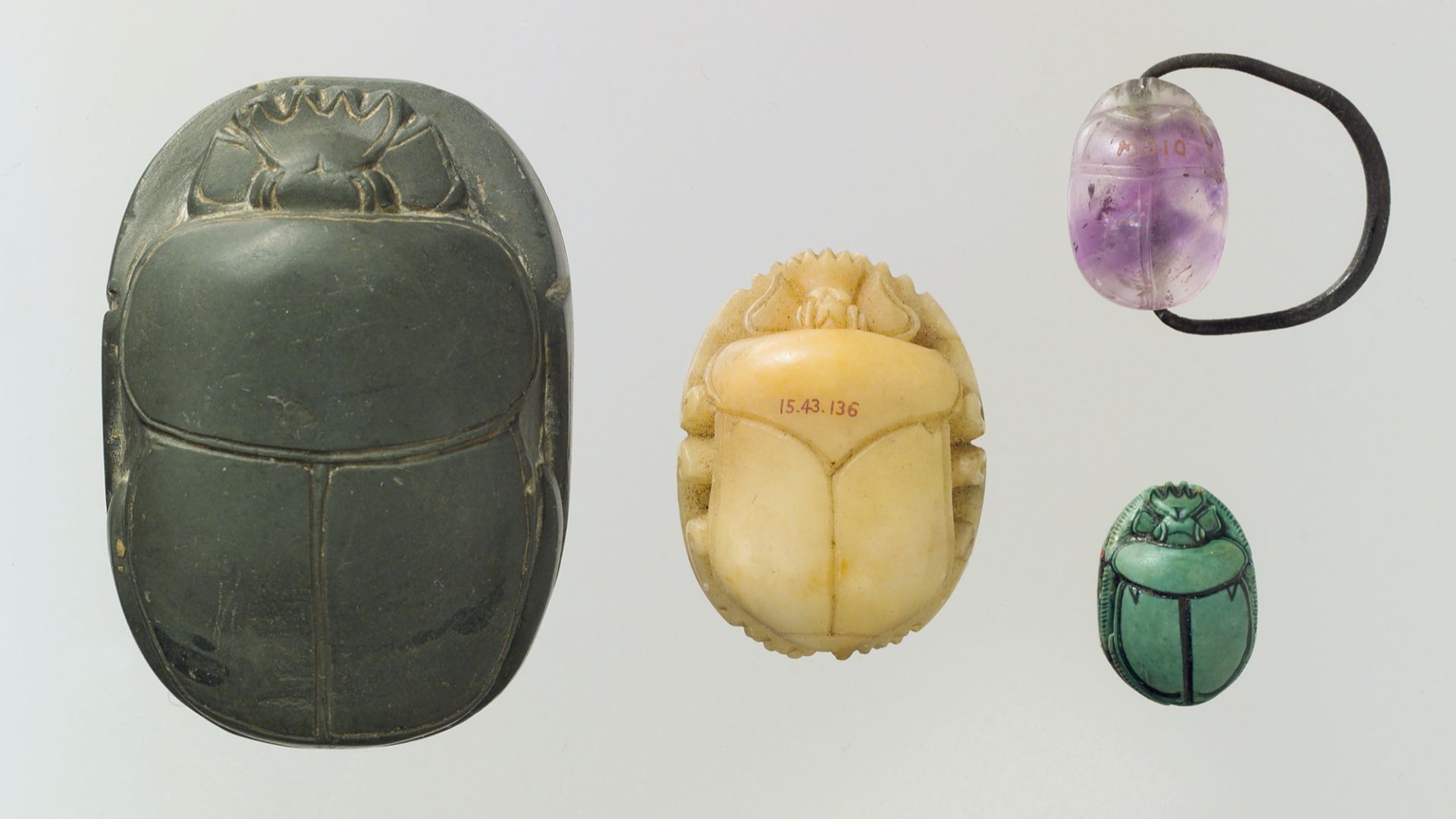
3. Carrying Protective Amulets
Ancient Egyptians regularly wore small amulets believed to protect them from supernatural dangers, illnesses, and other misfortunes. These charms featured sacred animals, protective symbols, or images of deities, with different designs intended to serve different purposes. Some were even tucked into mummy wrappings to help keep the deceased safe during their journey through the afterlife.
4. Burying Witch Bottles
During the 17th century, some English households turned to witch bottles when they suspected someone had cast a harmful spell. These containers were filled with urine, bent pins, nails, and other unpleasant ingredients before being buried or heated during a ritual. People believed the contents would cause discomfort to the person responsible for the supposed curse, hopefully convincing them to remove it.
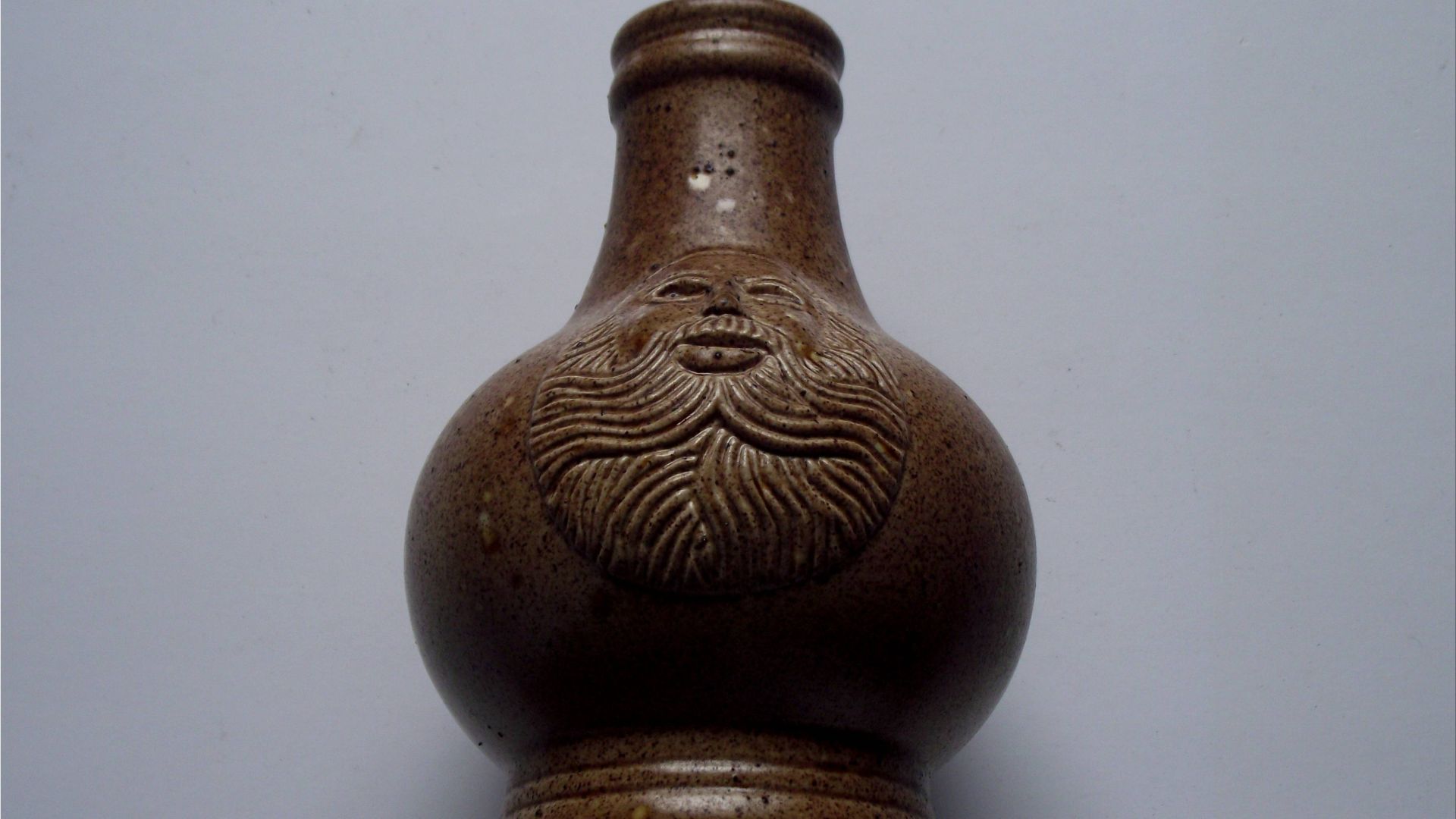 Malcolm Lidbury (aka Pinkpasty) on Wikimedia
5. Carving Protective Symbols Into Buildings
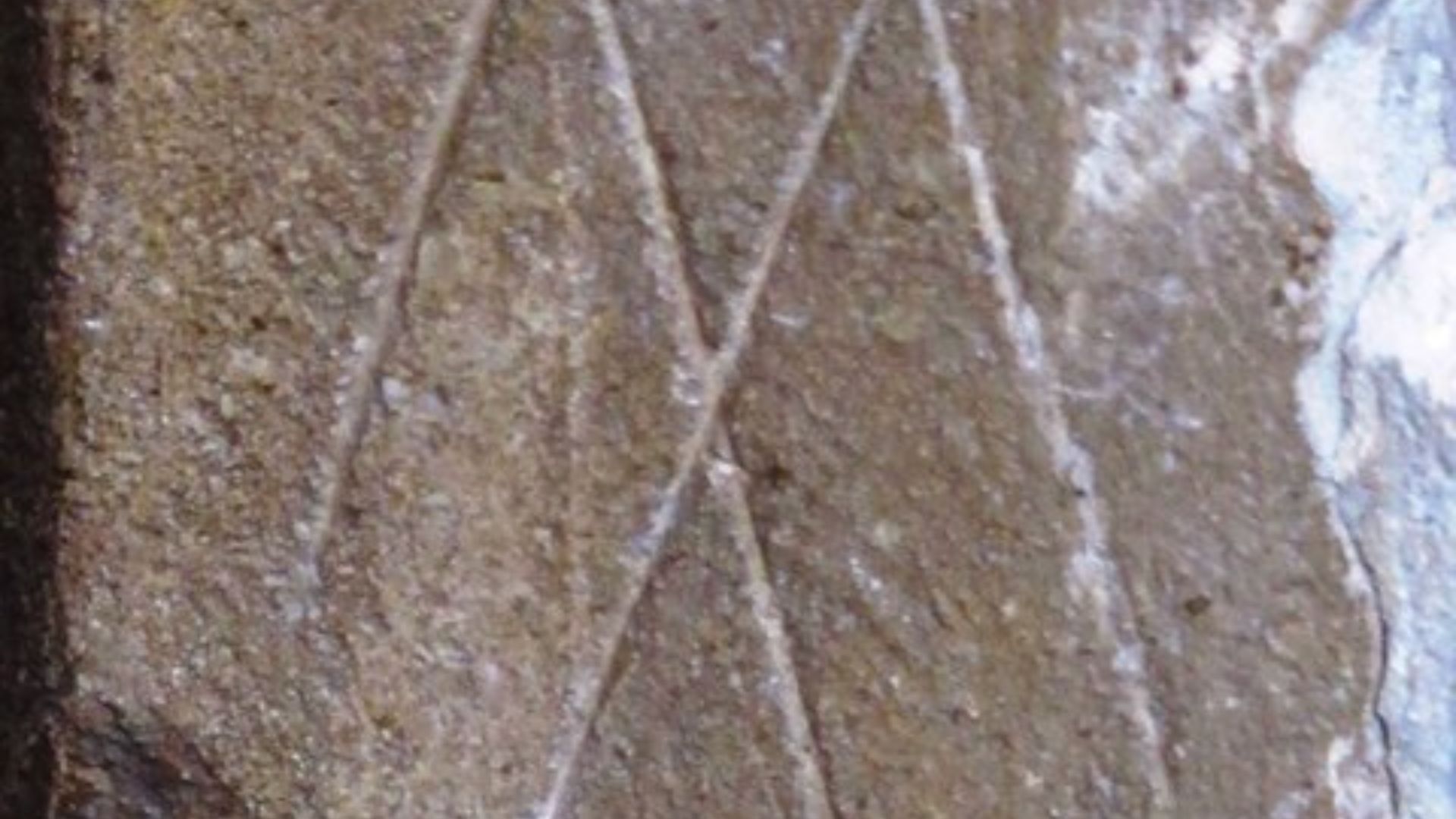
Throughout medieval and early modern Britain, people scratched strange geometric designs into walls, doorframes, and wooden beams. These markings, sometimes called witch marks, included overlapping circles, pentangles, and flower-shaped patterns known as daisy wheels. They were believed to trap or discourage evil forces, especially around vulnerable entrances such as windows and fireplaces.
6. Hanging Rowan Branches Near Entrances
In British folklore, the rowan tree earned a reputation for protecting people against witches and malevolent spirits. Some households hung its branches above doorways, while others fashioned small protective crosses from its wood. The tree became so closely associated with supernatural protection that its reputation survived long after witchcraft accusations became less common.

7. Throwing Beans at Demons
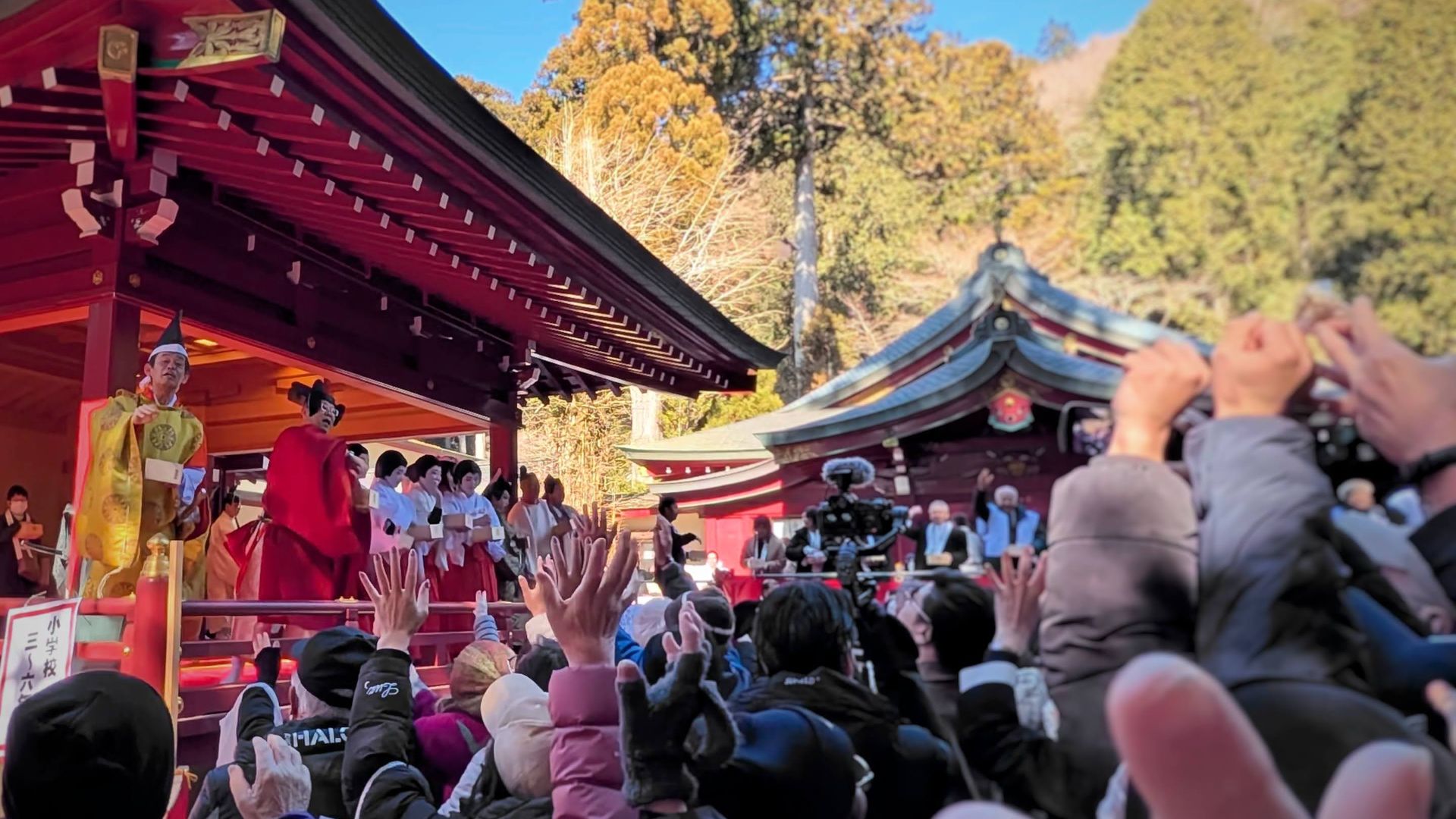
Japan's Setsubun festival includes a rather unusual tradition involving handfuls of roasted soybeans. Participants throw the beans while calling for demons to leave and good fortune to enter, symbolically chasing harmful supernatural influences away. The custom has been practiced for centuries and continues today, although many people now enjoy it primarily as a seasonal celebration.
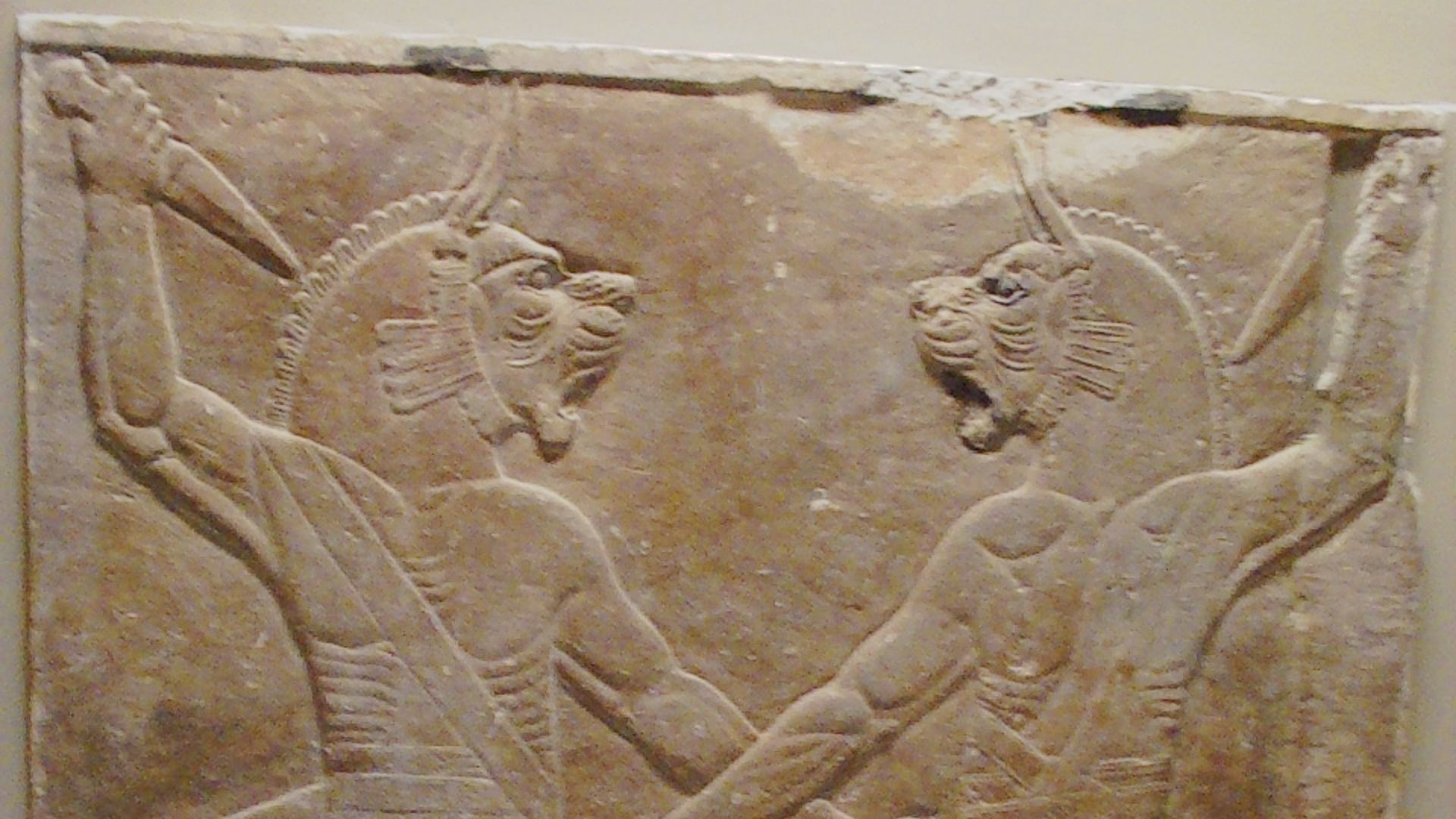
8. Wearing Images of Pazuzu
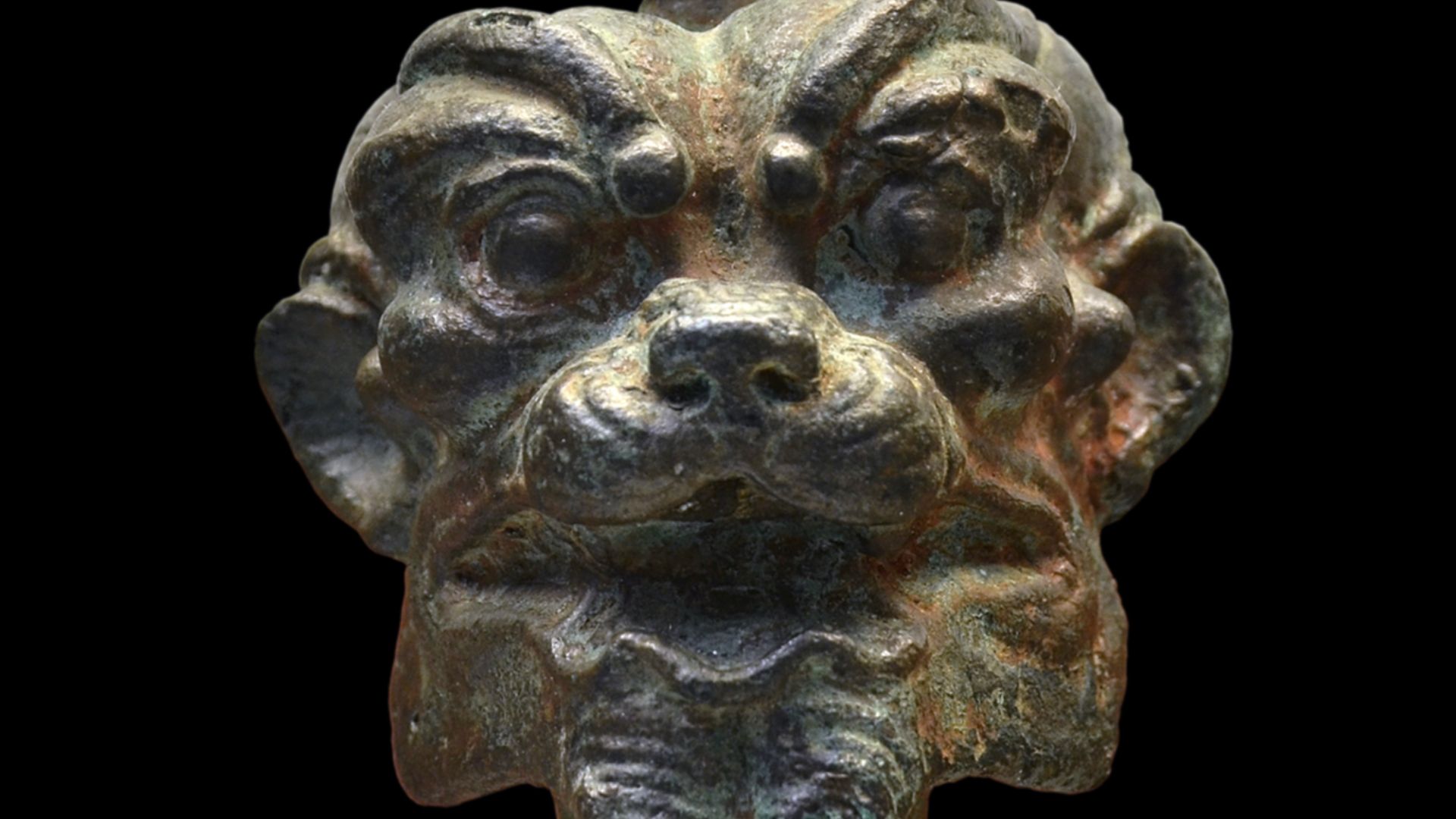
Ancient Mesopotamians sometimes tried to protect themselves from terrifying supernatural beings by wearing images of another equally frightening figure. Pazuzu, a wind demon, appeared on protective amulets intended to ward off dangerous forces, including the demoness Lamashtu, who was associated with threats to mothers and infants. Apparently, his intimidating appearance was considered an advantage when dealing with supernatural enemies.
9. Placing Garlic Around the Home
Garlic was believed to offer supernatural protection in several European folk traditions, particularly those involving vampires and other dangerous creatures. People sometimes hung garlic near entrances or kept it close to their beds, believing its strong smell could discourage unwanted visitors. While most people now associate this practice with vampire stories, garlic's reputation as a protective charm extended well beyond those familiar legends.

10. Sprinkling Holy Water
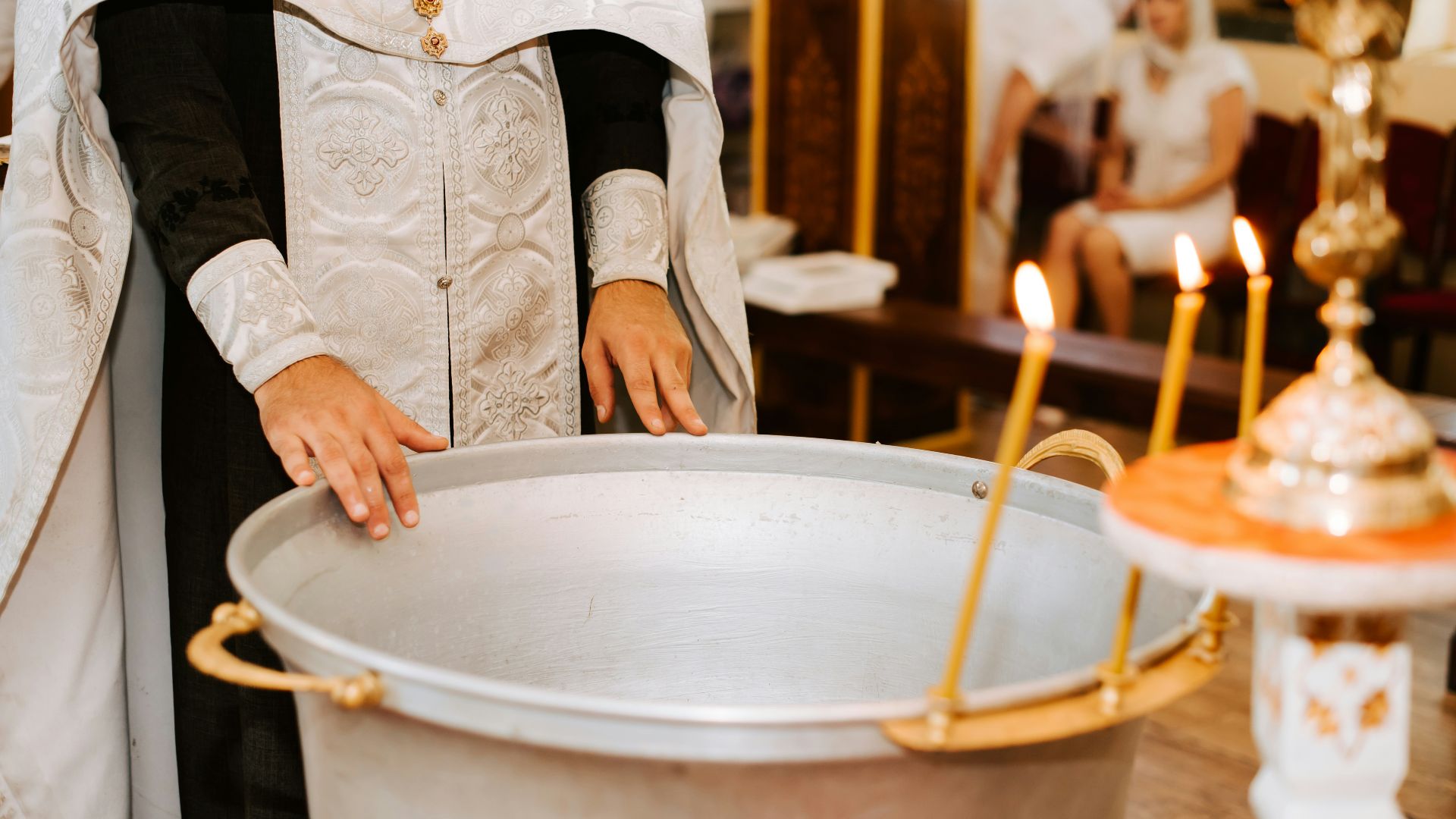
In Christian traditions, holy water has long been used to bless homes, individuals, and objects while seeking divine protection against evil. Priests might sprinkle it during religious ceremonies, while some believers kept blessed water at home for personal devotional use. These practices reflected the belief that sacred blessings could offer protection against demonic influences, although holy water served many religious purposes beyond keeping spirits away.
 Kateryna Hliznitsova on Unsplash
11. Keeping Images of Bes Nearby
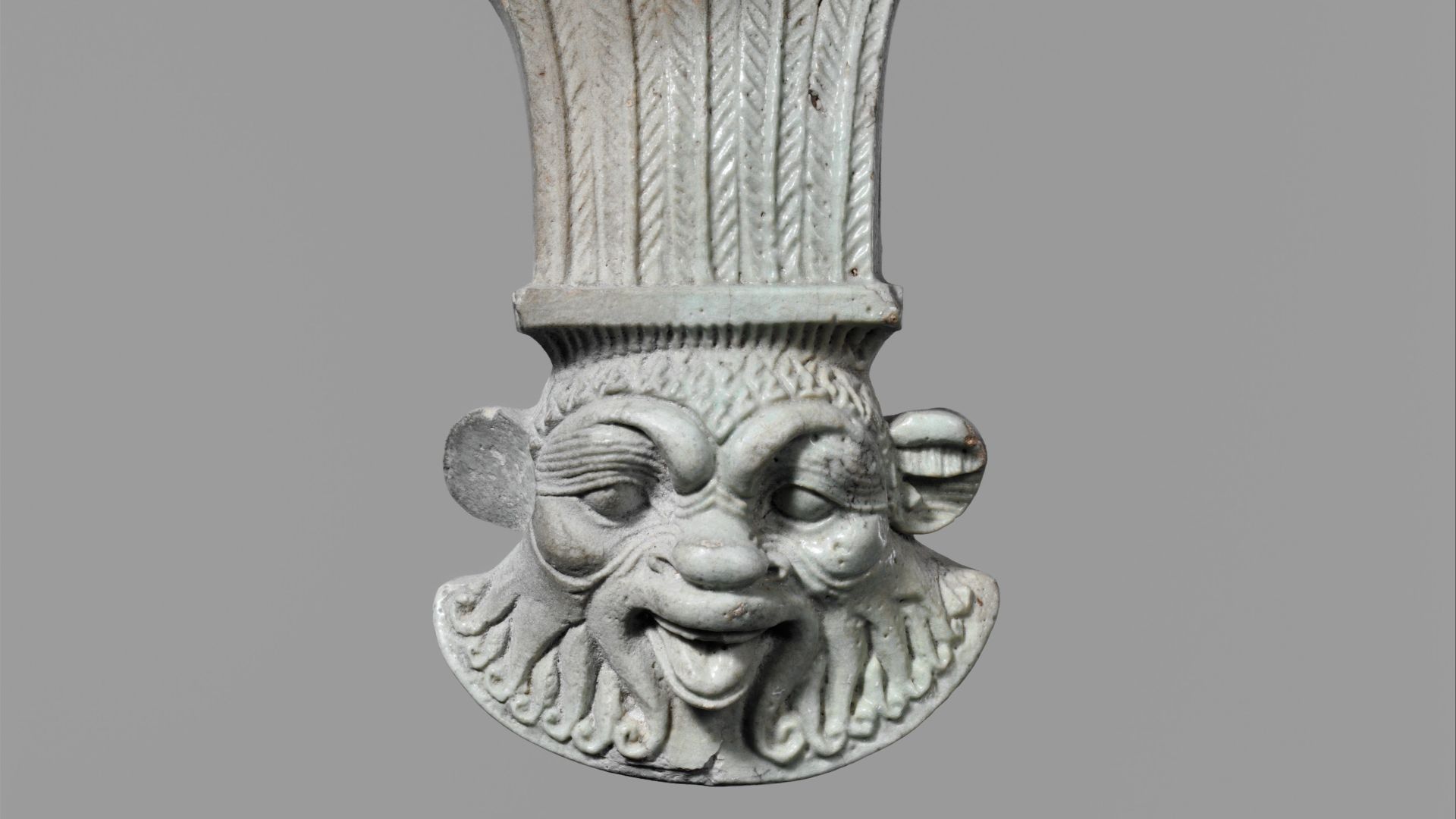
Ancient Egyptians believed the protective deity Bes could keep households safe from harmful supernatural forces. Recognizable by his distinctive lion-like features and intimidating expression, Bes frequently appeared on amulets, furniture, and everyday household objects. He was especially associated with protecting women during childbirth and keeping young children out of danger.
12. Burning Protective Herbs
Certain plants were thought to have supernatural properties, which led people to burn them during purification ceremonies and protective rituals. In parts of Europe, juniper smoke was traditionally used to cleanse spaces and drive away harmful influences, while other cultures developed similar practices involving different plants. The exact customs depended on local beliefs, but the intention was often to make a particular space spiritually safe.

13. Wearing Charms Against the Evil Eye
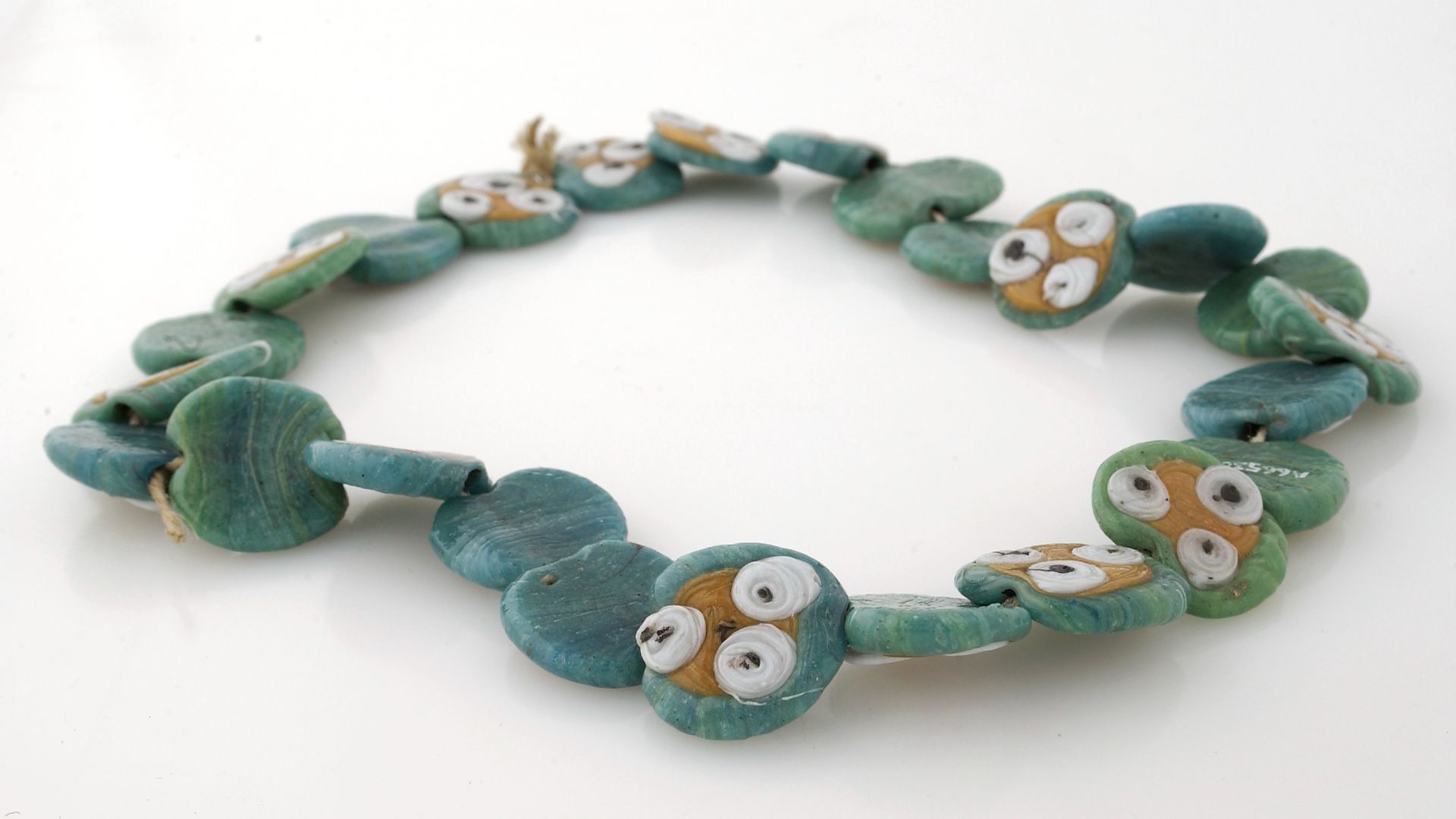
Across the ancient Mediterranean and parts of the Middle East, people worried that an envious or malicious glance could bring illness, bad luck, or other misfortunes. To protect themselves, they wore charms decorated with eyes, hands, and other symbols believed to counteract this harmful influence. Although the evil eye wasn't necessarily considered a literal spirit, the fear surrounding it was closely tied to broader beliefs about supernatural dangers.
14. Carrying Written Protective Spells
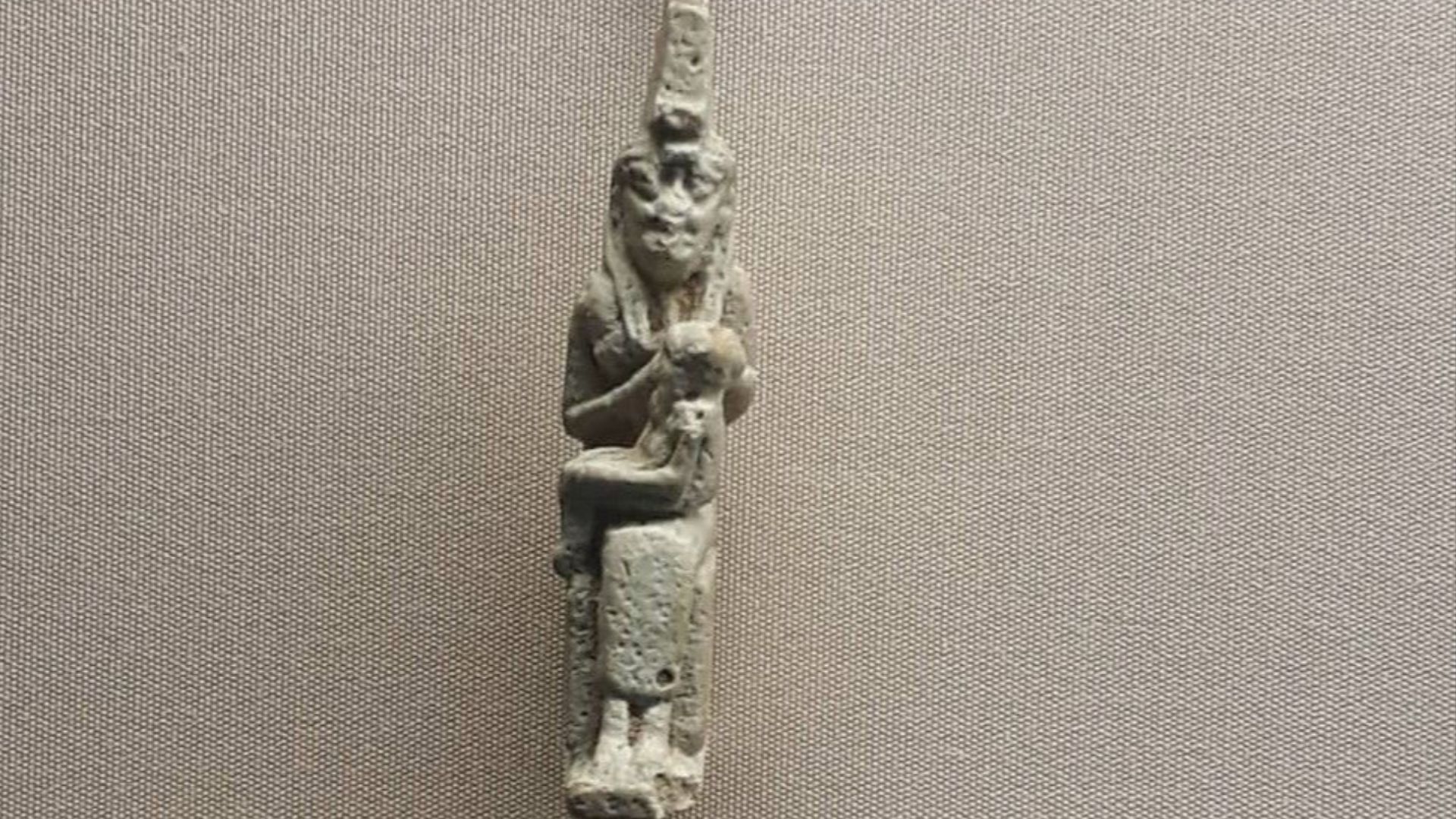
In ancient Egypt, protective spells weren't always restricted to temple walls or elaborate religious ceremonies. Some people carried written texts containing appeals for divine protection against illnesses, misfortune, and dangerous supernatural beings. One surviving example, dating to approximately 1080–721 BCE, contains a lengthy appeal involving Isis and Horus and was probably rolled up and worn around its owner's neck.
15. Hiding Iron Objects Around the House
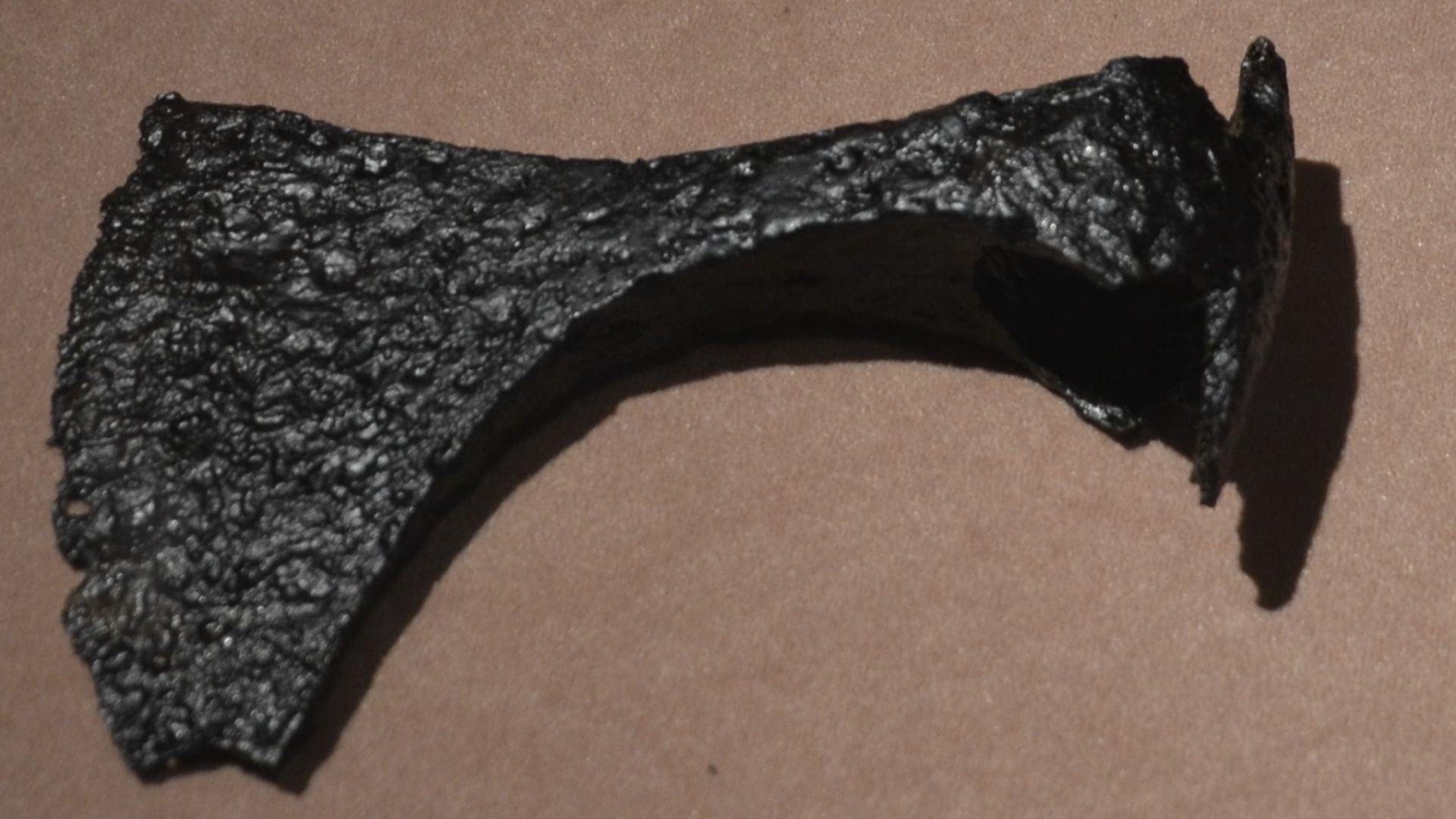
Horseshoes weren't the only iron objects people believed could keep supernatural threats at a distance. In parts of Britain and colonial New England, knives, axe heads, and other metal items were sometimes concealed inside buildings for protection. Because iron was thought to repel witches and evil spirits, even ordinary household tools could serve a second purpose that had nothing to do with their everyday use.
16. Displaying Fierce Guardian Figures
Some ancient cultures believed that intimidating supernatural figures could help protect people from equally frightening enemies. In Mesopotamia, protective beings appeared in religious artwork, on amulets, and around important buildings, where they were believed to guard against dangerous forces. Instead of avoiding frightening imagery, people deliberately used it to make their surroundings feel safer from supernatural threats.
17. Placing Crosses Above Entrances
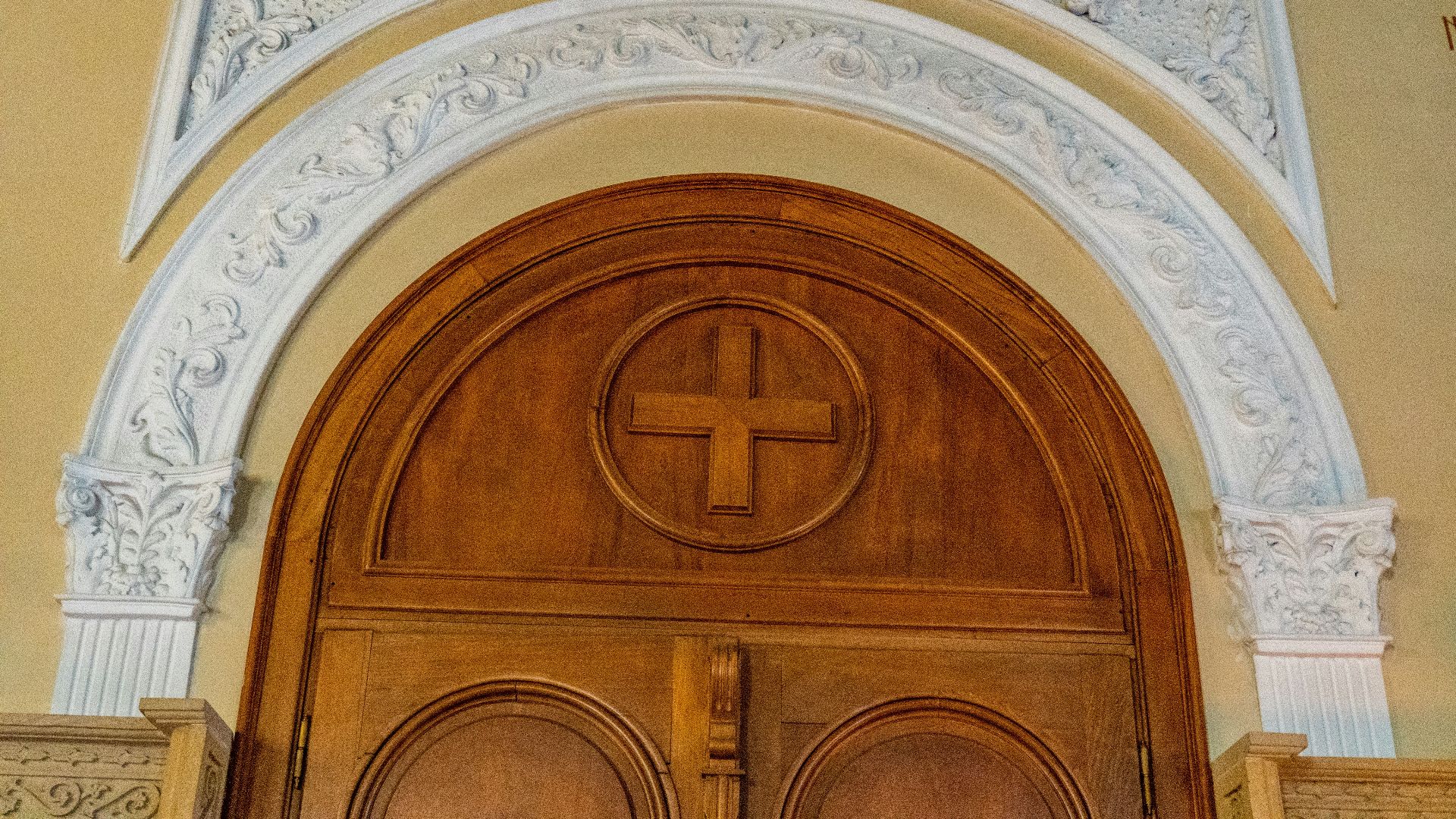
In medieval and early modern Christian communities, crosses and crucifixes were often displayed as expressions of faith and requests for divine protection. Some people placed them near doorways, windows, or sleeping areas where they feared supernatural dangers might appear. Since sacred symbols were believed to discourage demonic activity, religious imagery became an important feature of many households.
18. Concealing Dried Cats Inside Buildings
One of the stranger discoveries made during renovations of historic British buildings involves dried cat remains hidden inside walls and chimneys. Some researchers believe certain examples were deliberately placed there as protective objects intended to keep evil influences away. However, not every concealed cat was necessarily part of a supernatural ritual, as some animals may have simply wandered into these spaces and become trapped.
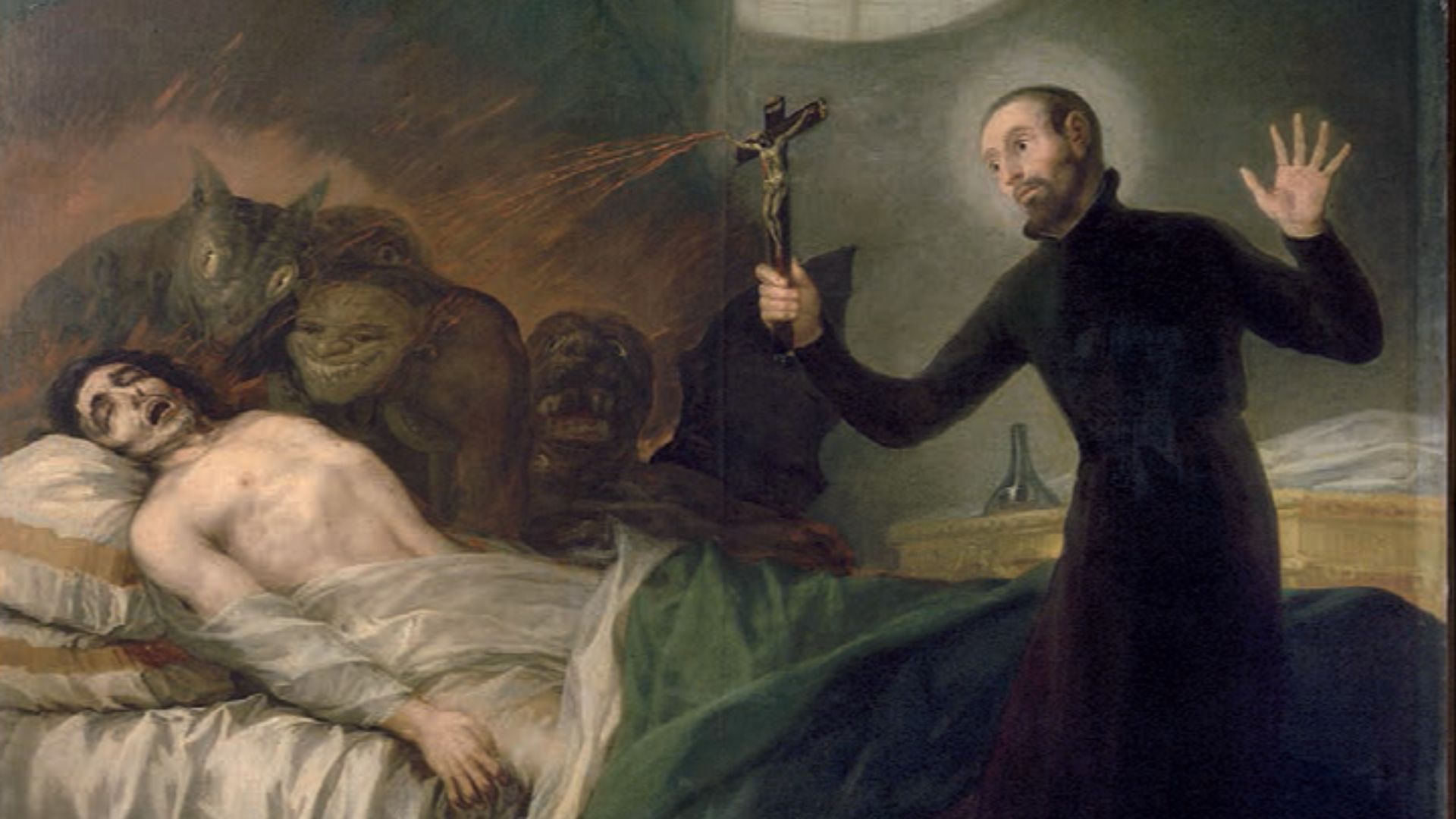
19. Performing Exorcism Rituals
In ancient Mesopotamia, unexplained illnesses and personal misfortunes were sometimes blamed on dangerous supernatural beings. Trained ritual specialists known as āšipu performed ceremonies involving incantations and other prescribed actions to confront these supposed threats. Such practices were an accepted part of Mesopotamian religious life, especially in a society where medicine, religion, and magic were closely connected.
20. Placing Protective Plants Above Windows
For centuries, Europeans believed certain plants could prevent supernatural visitors from entering their homes. St. John's wort was particularly popular in some British traditions, with people placing it near doors and windows to discourage evil spirits. Other herbs, including vervain and dill, were also associated with protection against witchcraft, showing just how much supernatural significance people attached to ordinary garden plants.