

The 1920s Home Was Practical, Busy, & Changing Fast
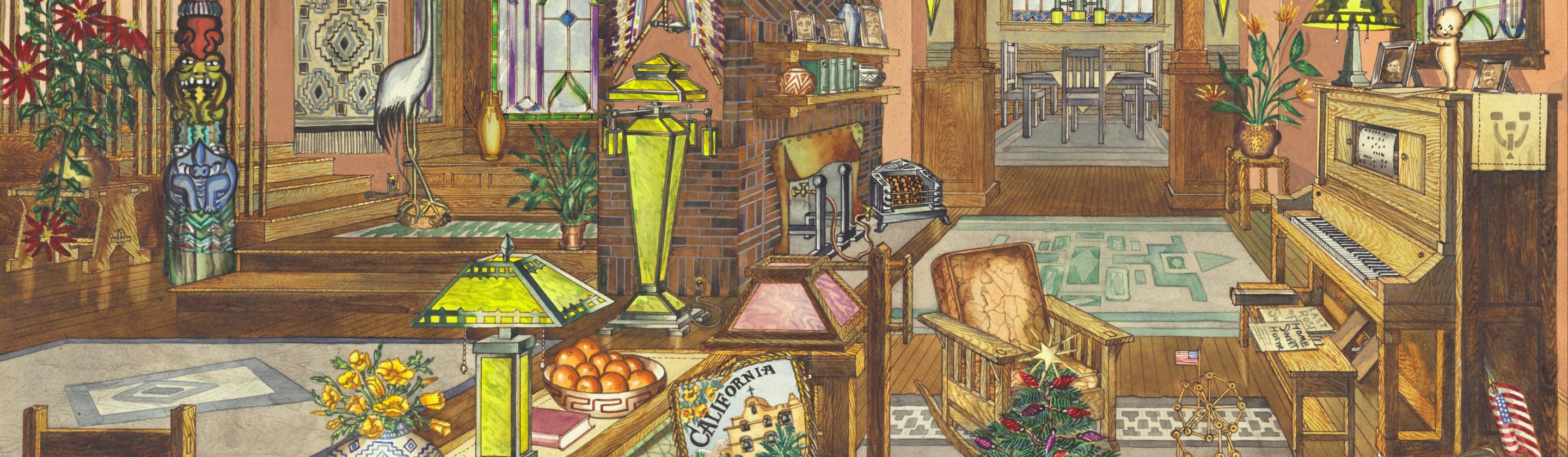
American homes in the 1920s sat between old-fashioned routines and modern convenience. Some families still relied on coal stoves, washboards, and iceboxes, while others were beginning to enjoy radios, electric lights, vacuum cleaners, and new kitchen gadgets. Still, if you stepped into many American homes during the decade, you’d find a mix of hardworking tools, cozy furniture, and early modern comforts that made daily life feel very 1920s. Here are 20 items that just about every American home in the 1920s had.
 Internet Archive Book Images on Wikimedia
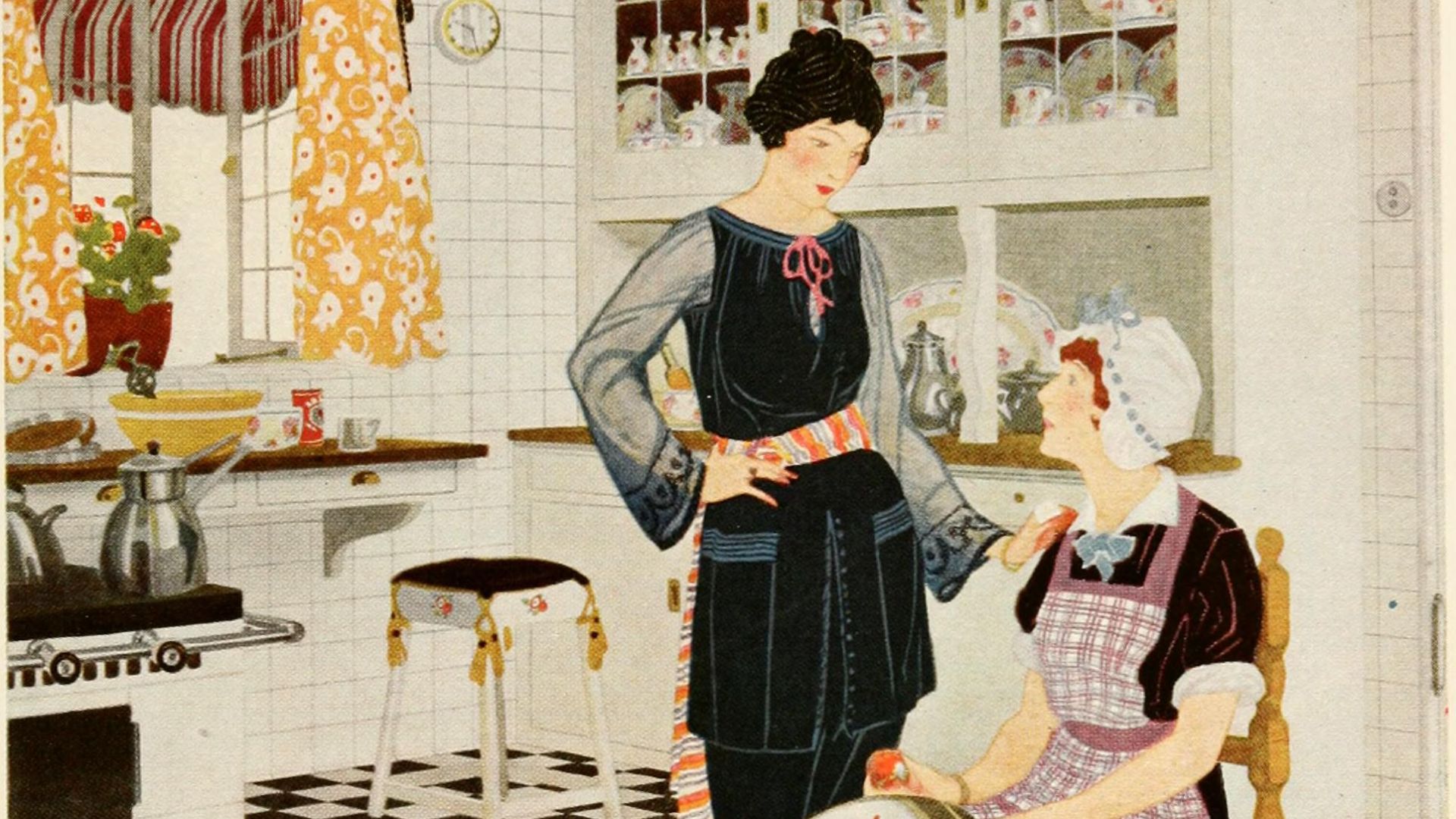
1. Icebox
Before electric refrigerators became common, many homes used an icebox to keep food cool. It worked with a block of ice delivered by an iceman. Families had to plan carefully because food spoiled faster than it does today.
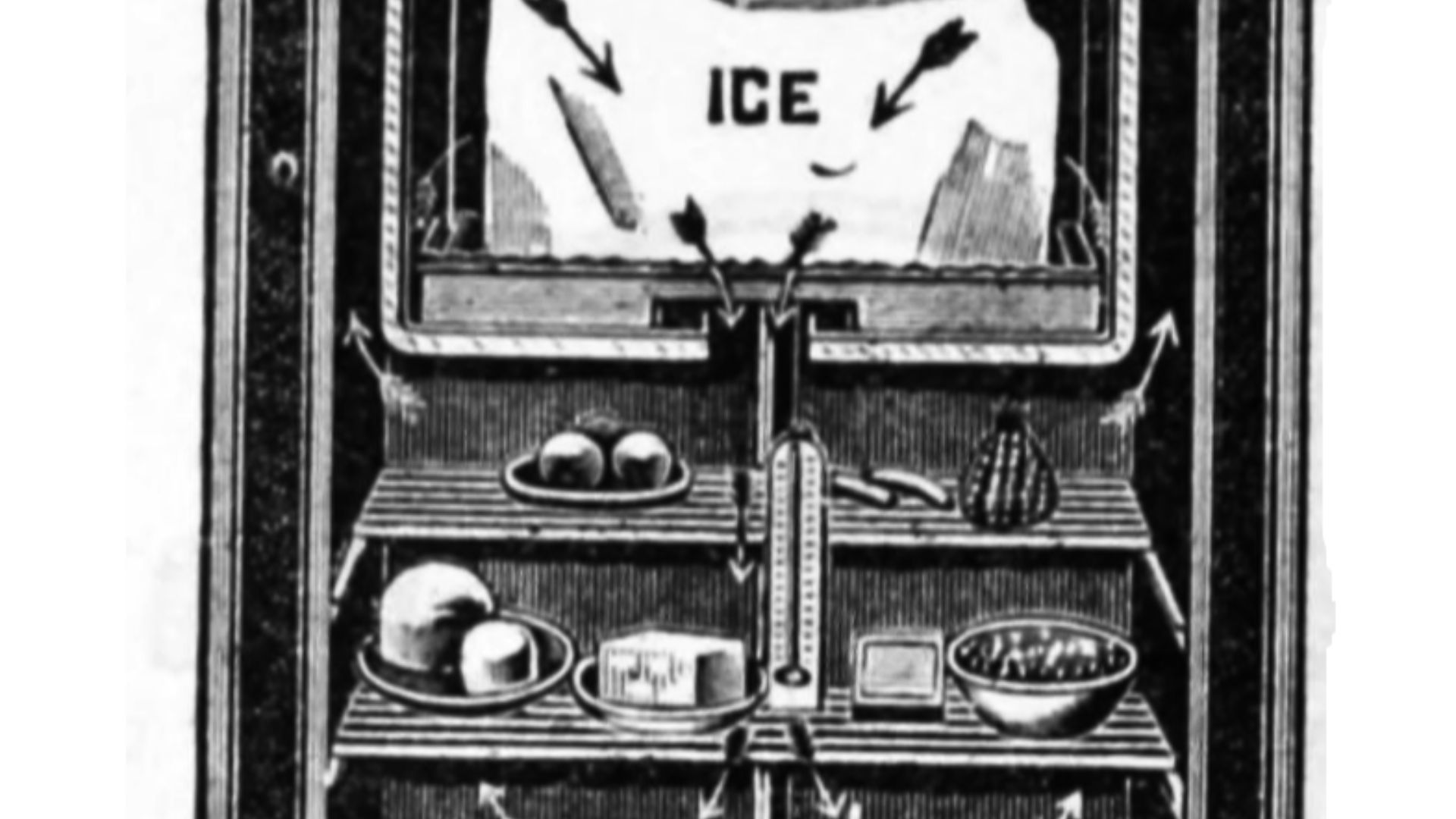
2. Wood or Coal Stove
In the 1920s, many households still cooked or heated with a wood or coal stove. These stoves required real effort, from hauling fuel to managing heat levels without the convenience of a dial. They made kitchens warm, busy, and sometimes smoky.
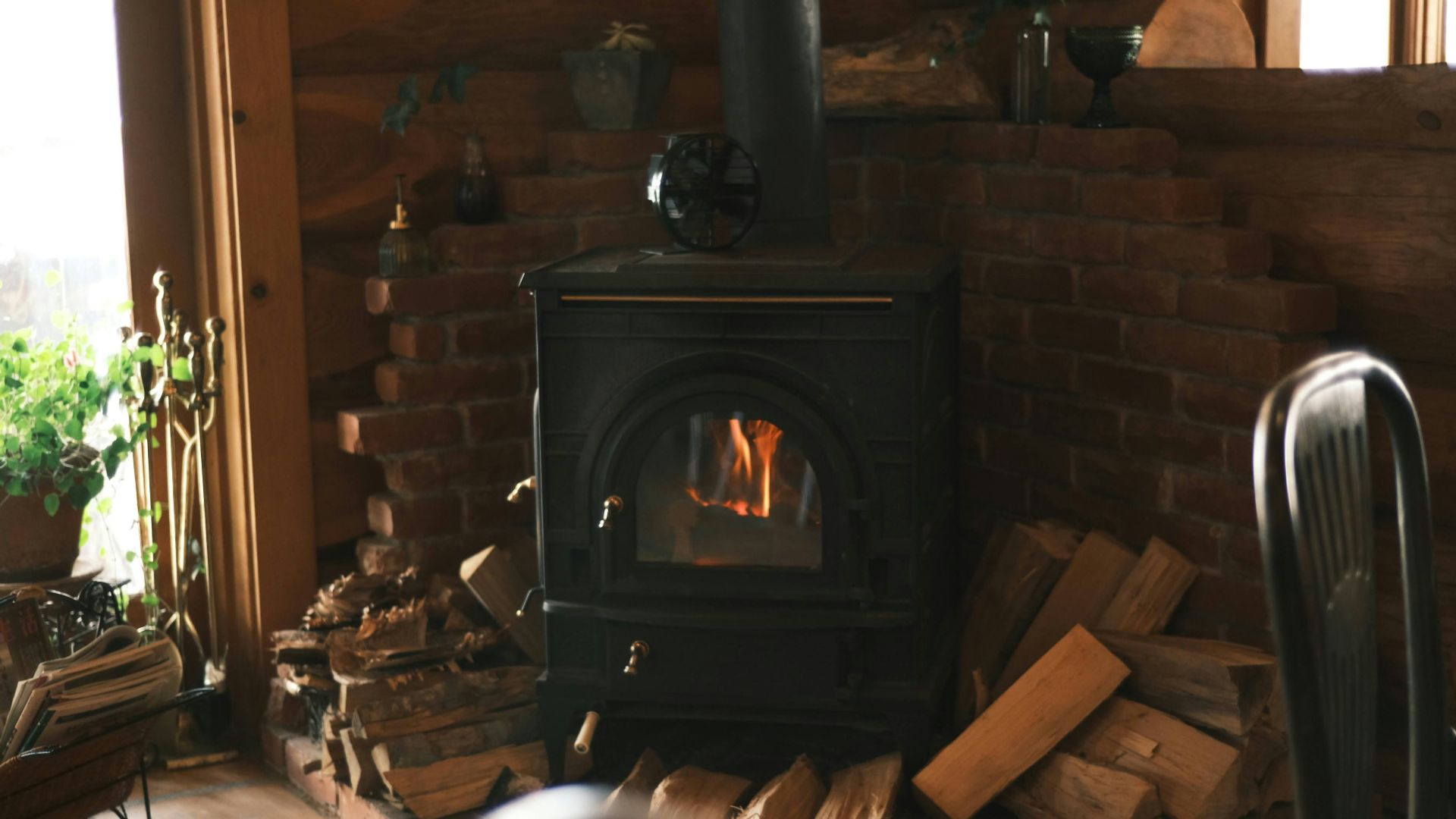
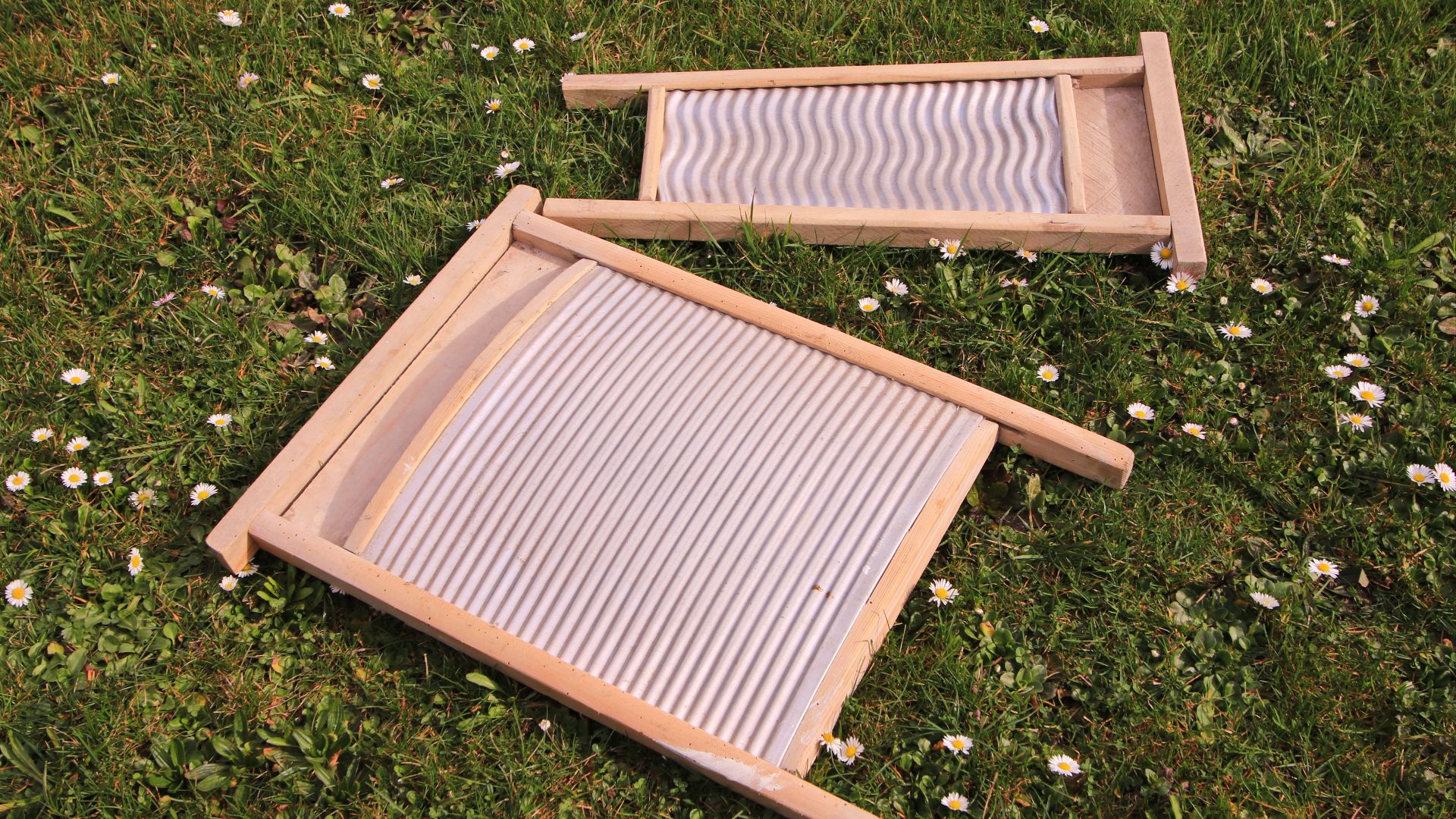
3. Washboard
Laundry in the 1920s wasn't a casual button-pressing activity. A washboard helped scrub dirt from clothing by hand, usually with soap, water, and plenty of muscle. Even homes with early washing machines often kept old laundry tools around.
4. Clothesline
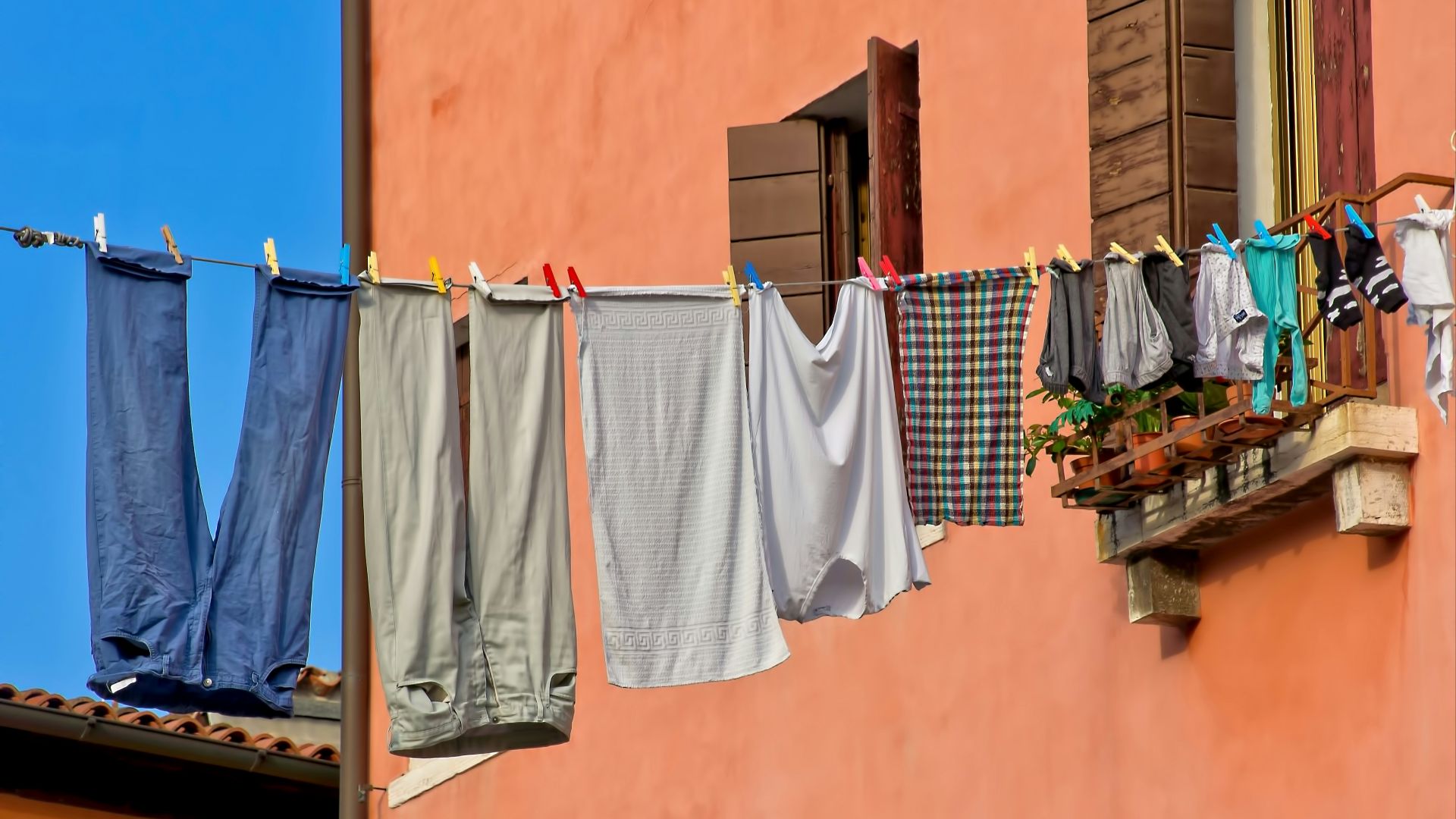
A clothesline was essential because dryers weren't standard household appliances. Freshly washed clothes, sheets, and towels were hung outside or inside to dry. Weather mattered a lot, which meant laundry plans could be ruined by rain, snow, or a poorly timed gust of wind.
 Ricardo Gomez Angel on Unsplash
5. Sewing Kit
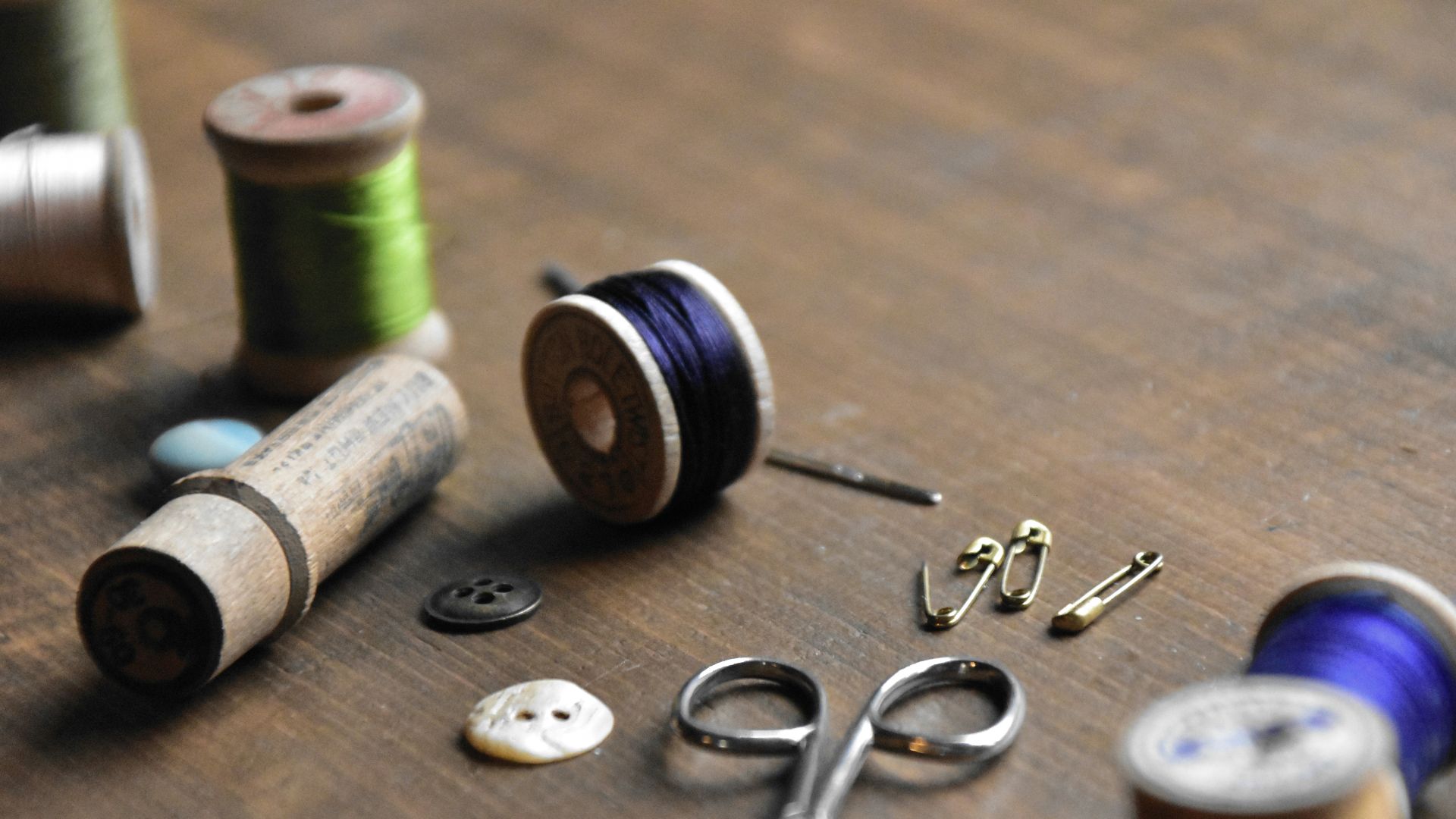
A sewing kit was a household necessity, not a cute hobby item. Clothes were repaired, altered, patched, and reused far more often than many people do today. Needles, thread, buttons, thimbles, and fabric scraps helped families stretch wardrobes and budgets.
6. Rug Beater
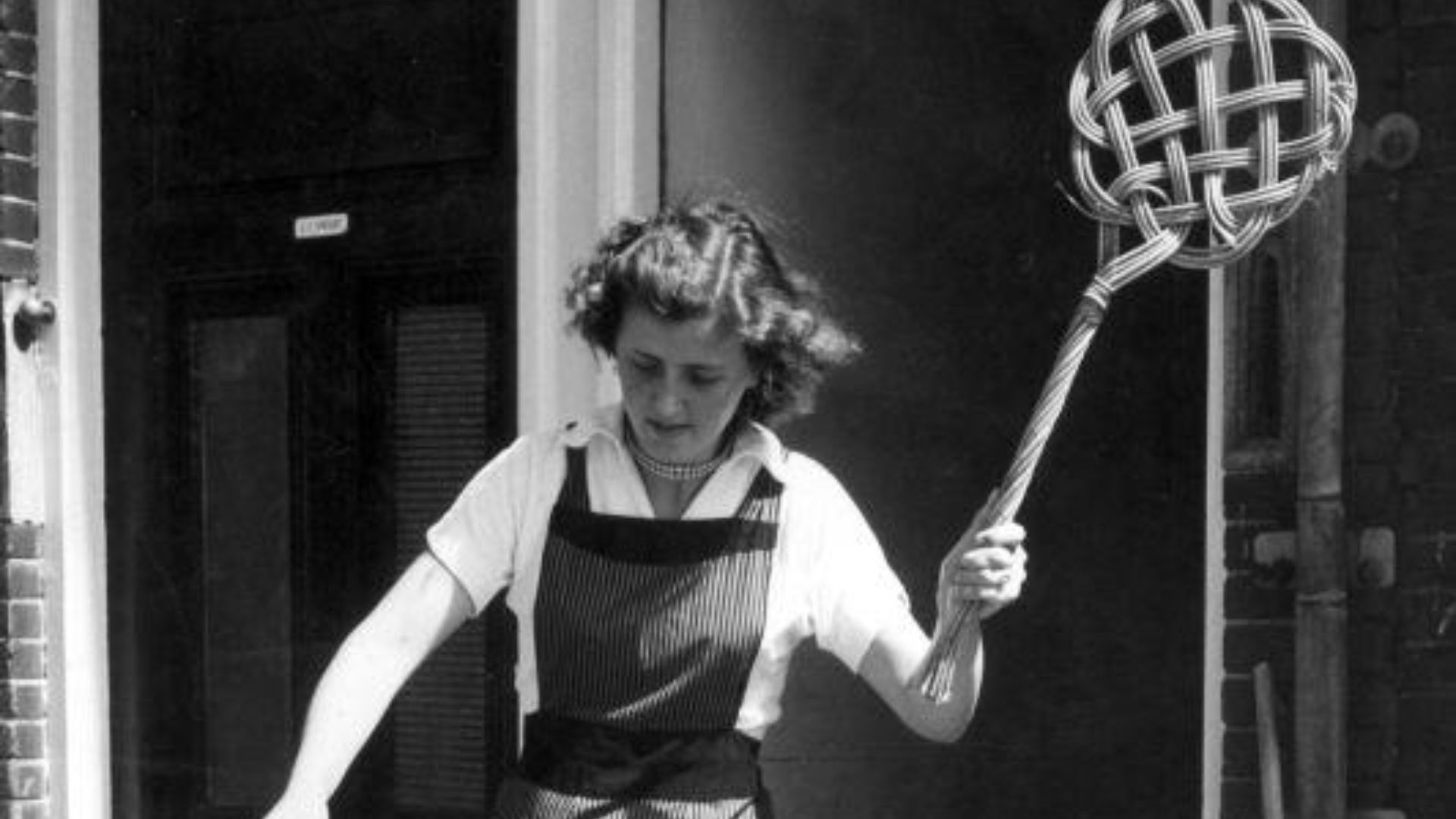
Before modern vacuum cleaners became widespread, rugs often got taken outside and beaten clean. A rug beater helped knock dust, crumbs, and dirt out of heavy carpets and floor coverings. It was loud, physical, and probably satisfying if you had some frustration to work out.
 Nationaal Archief on Wikimedia
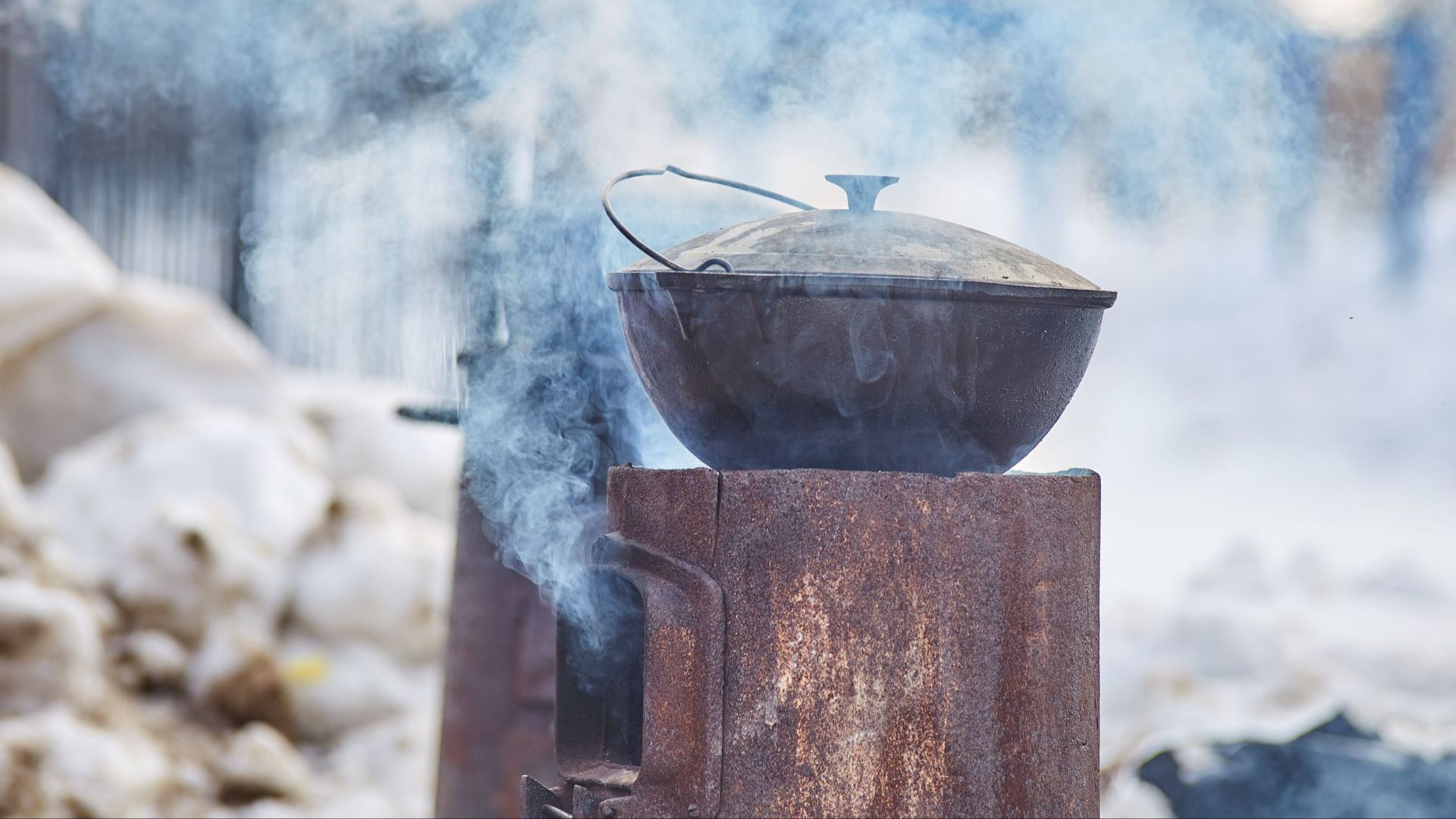
7. Cast-Iron Cookware
Cast-iron pans were common because they were durable, versatile, and built to last for generations. Families used them for frying, baking, searing, and almost anything else a kitchen demanded. They could handle high heat and rough treatment without much complaint.
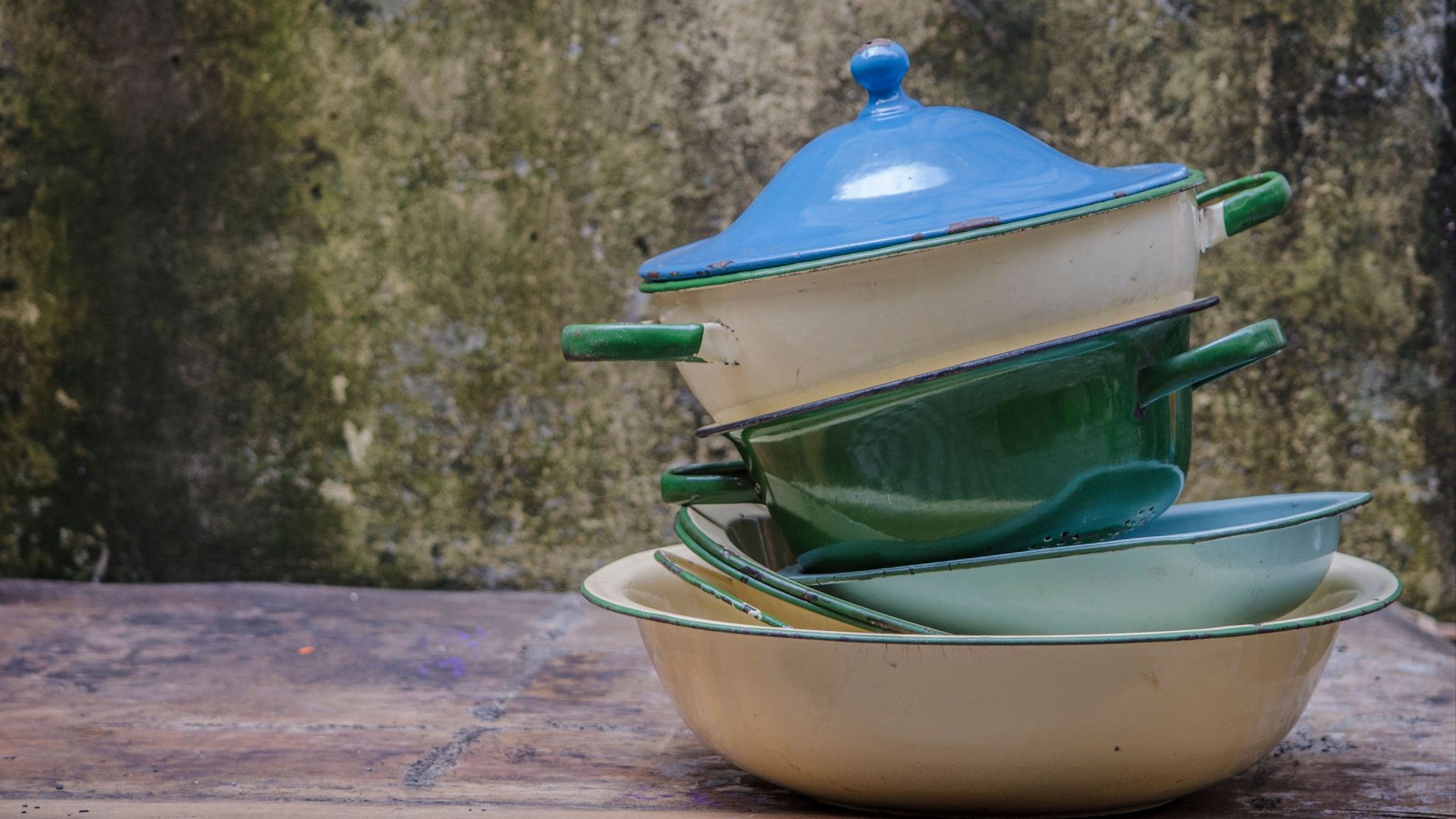
8. Enamelware
Enamelware dishes, pots, basins, and pitchers were popular in many homes. They were lightweight, affordable, and easier to clean than some older materials. The white surfaces with colored rims gave kitchens a practical but cheerful look.
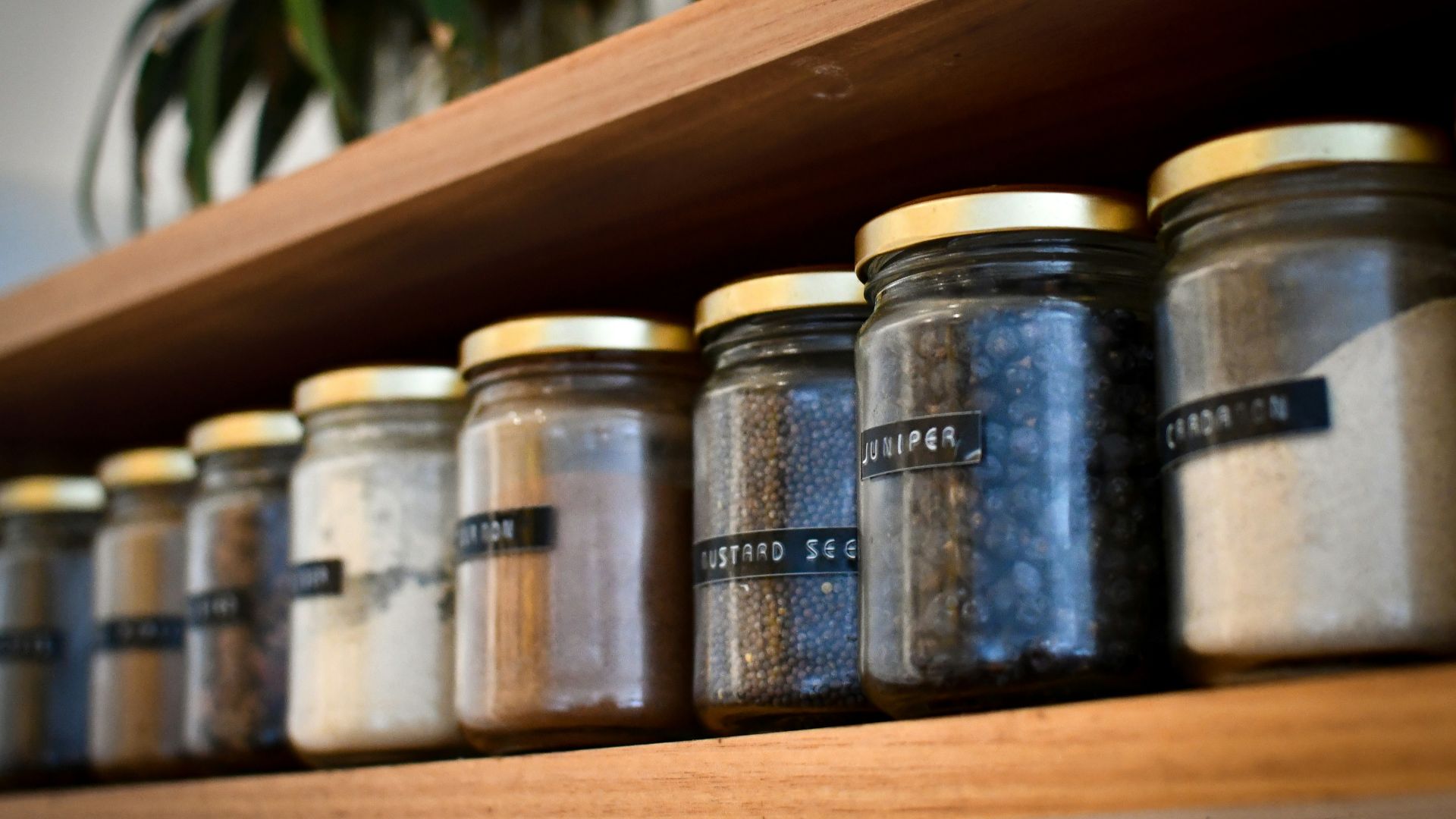
9. Pantry Staples in Glass Jars
Flour, sugar, rice, beans, coffee, tea, and spices were often stored in jars, tins, or canisters. Packaging wasn't as disposable or plentiful as it is now, so containers were reused constantly. If you wanted convenience, you mostly created it by being organized.
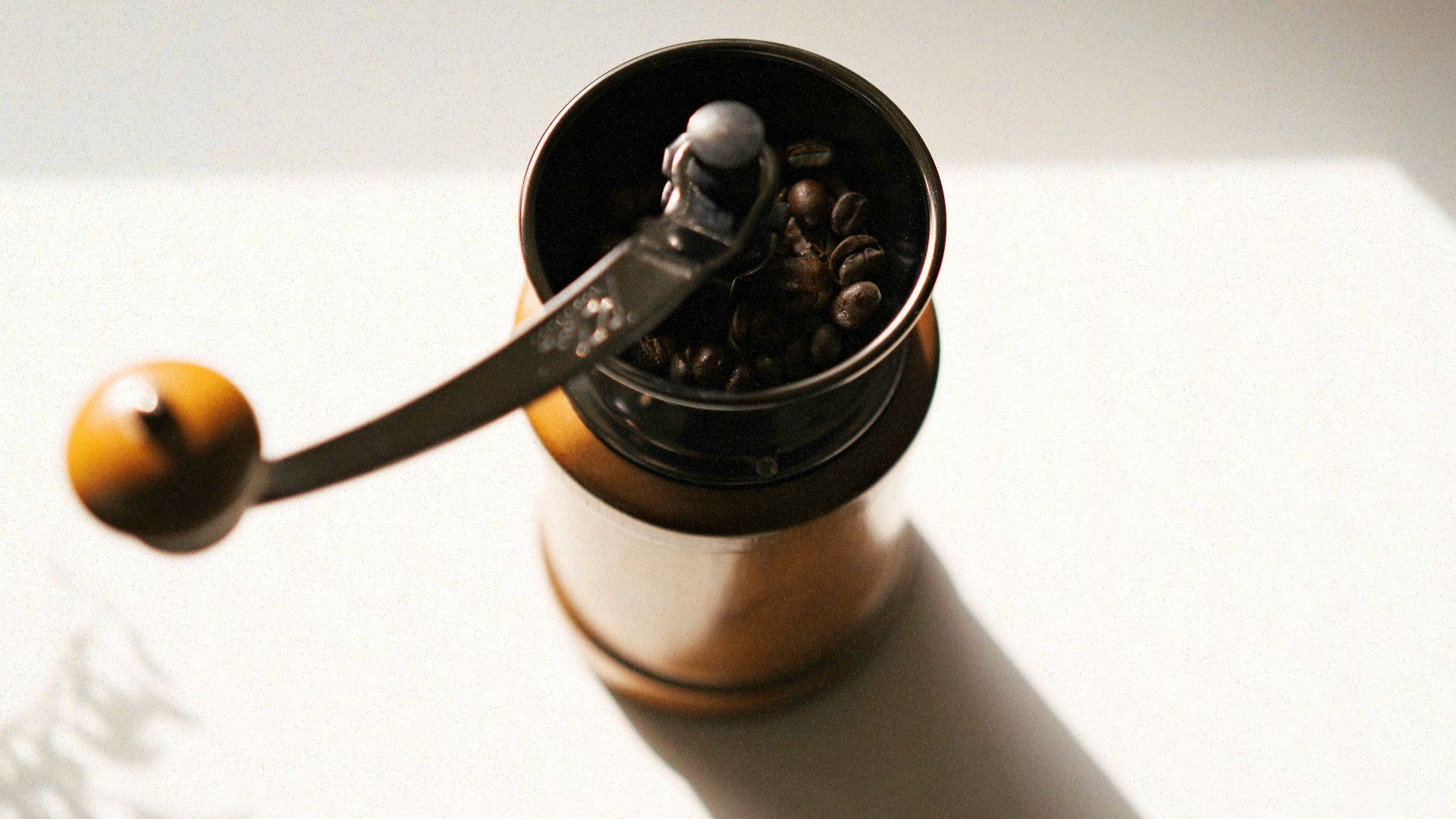
10. Hand-Crank Coffee Grinder
Many homes had a hand-crank grinder for coffee beans. Grinding coffee took a little time, but it gave people fresher flavor before electric grinders became ordinary kitchen gadgets. The smell alone probably made the extra effort feel worthwhile.
11. Radio
By the late 1920s, radios were becoming one of the most exciting additions to American homes. Families gathered around them to hear music, news, sports, comedy, and live broadcasts. A radio made the outside world feel closer in a way that still must have seemed magical.
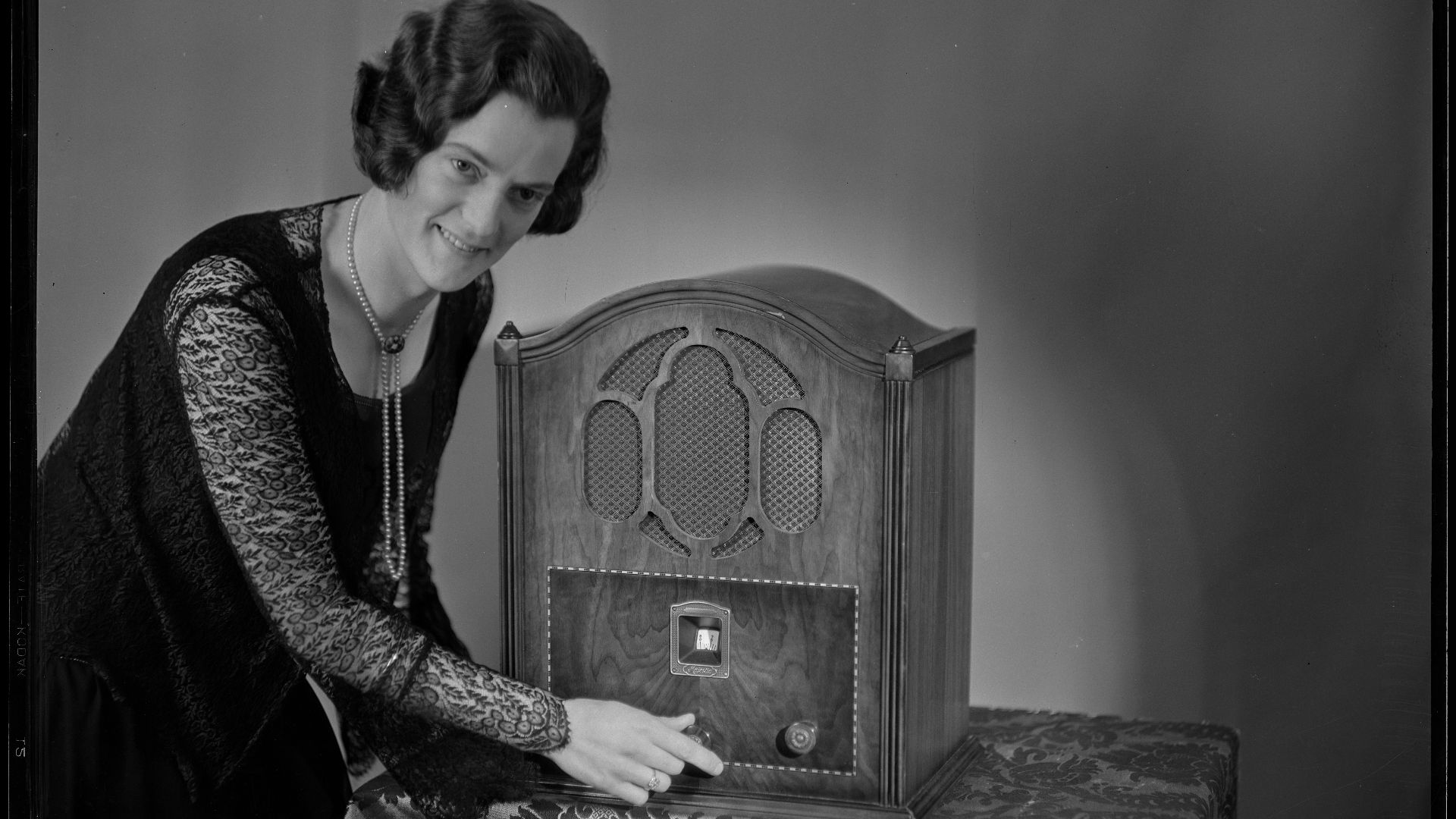 Gordon Burt (photographer) on Wikimedia
12. Phonograph
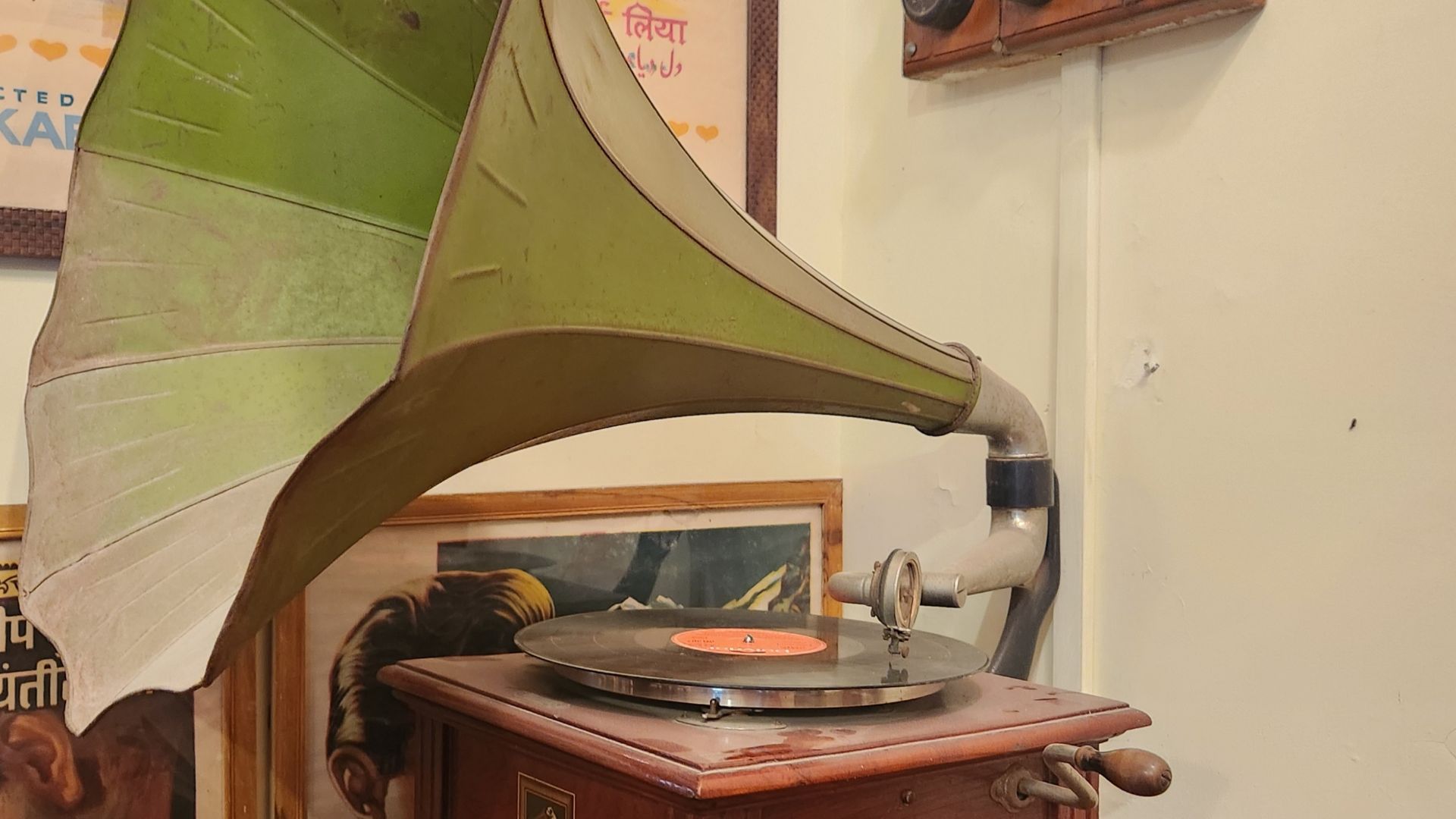
A phonograph allowed families to play records at home, which made music more personal and repeatable. People could listen to their favorite songs without waiting for a live performance. The machine itself often looked like a piece of furniture, not just a gadget.
13. Parlor Furniture
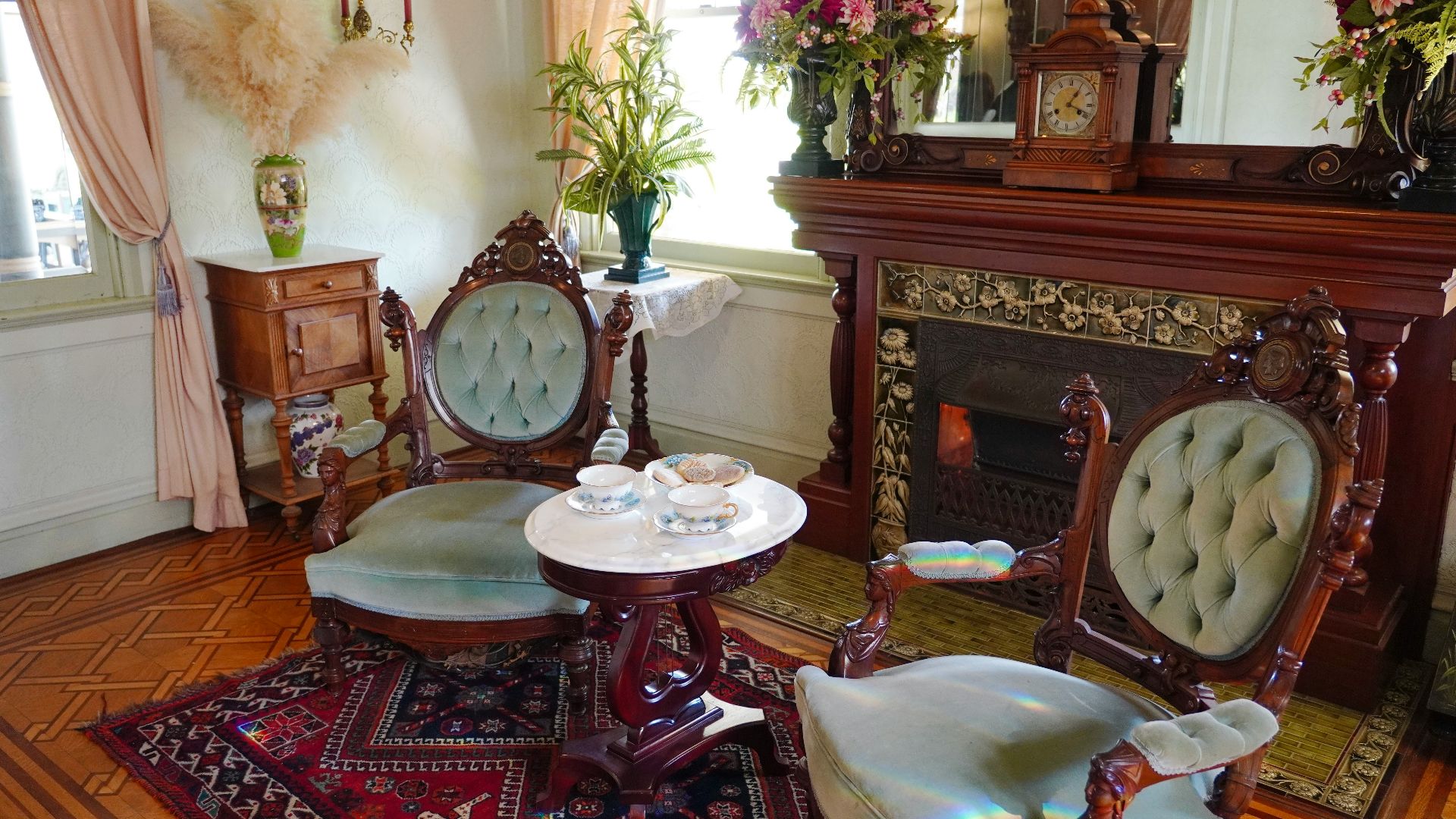
The parlor or front room was often arranged for guests, conversation, and family pride. Upholstered chairs, small tables, lamps, and framed photos helped create a respectable public space inside the home. This room was where visitors saw the family’s best effort.
14. China Cabinet
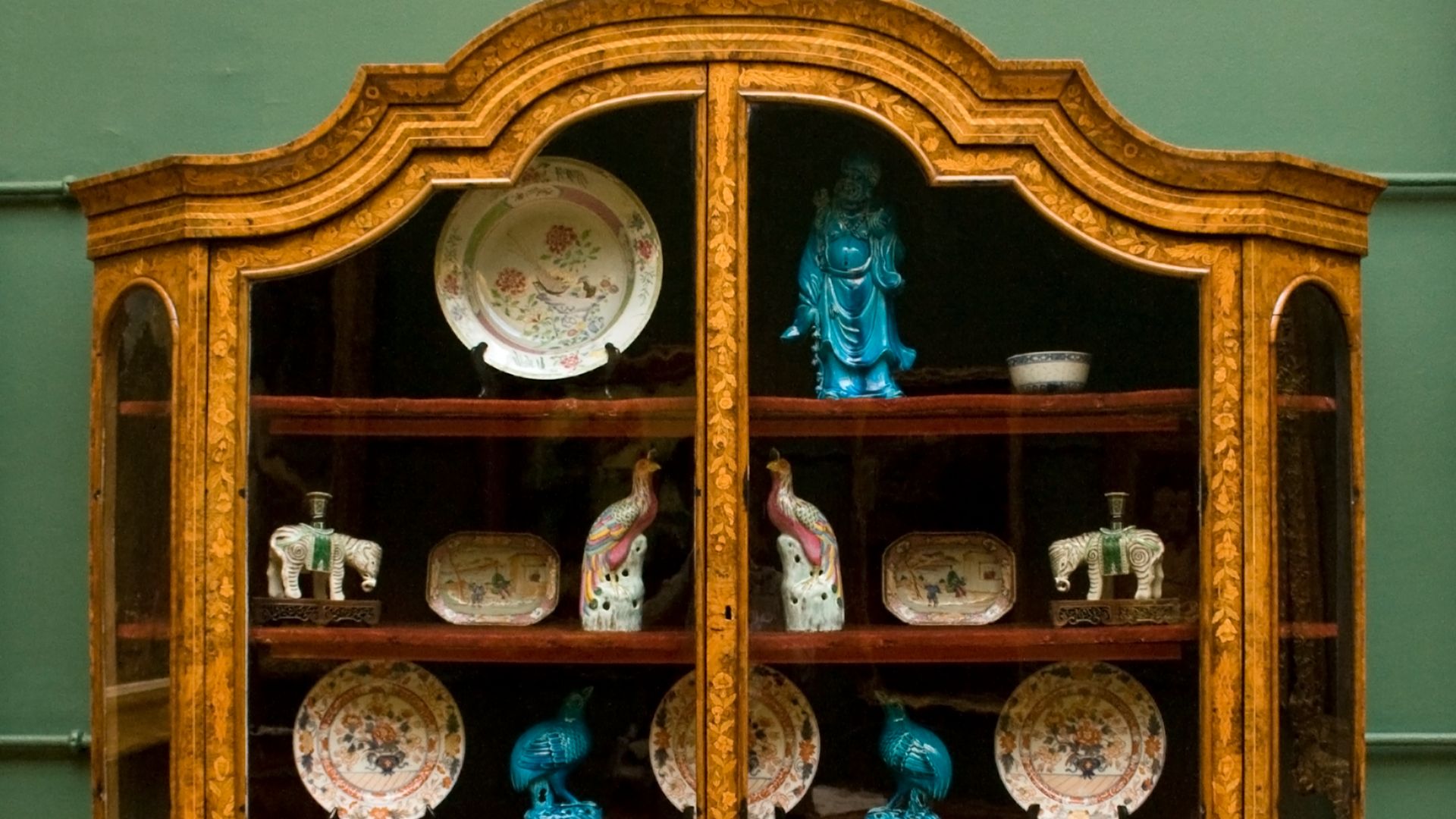
A china cabinet held special dishes, serving pieces, and glassware that weren't used every day. It showed off the family’s nicest things while keeping them safe from kitchen chaos. Even modest homes might have a cabinet or shelf reserved for “good” dishes.
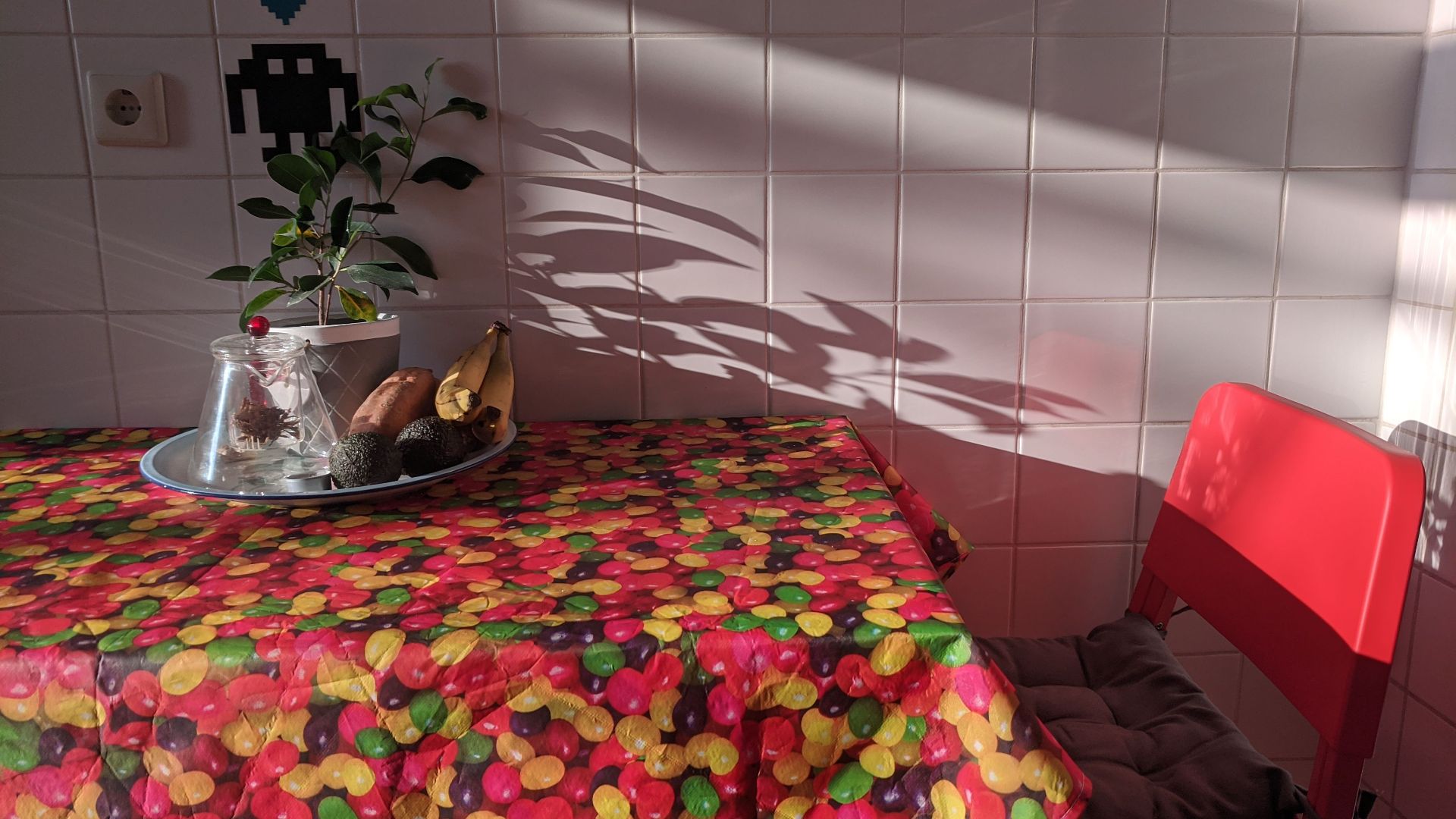
15. Oilcloth Table Cover
Oilcloth table covers were popular because they were practical and easy to wipe clean. Kitchen tables saw constant use, from meals to homework to food preparation. A washable cover protected the surface and added color or pattern to the room.
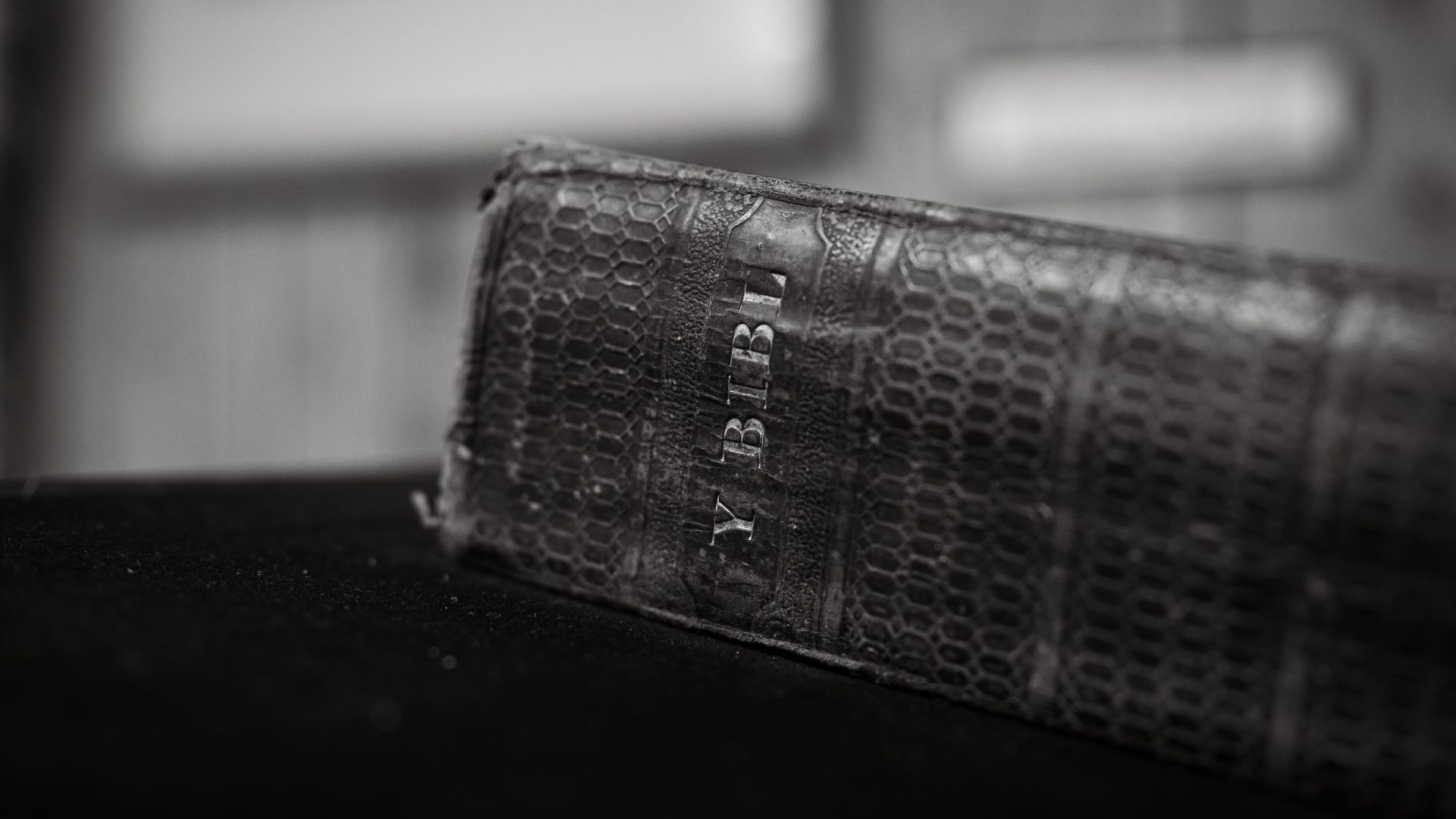
16. Family Bible
Many homes kept a family Bible, often used for religious reading and recording births, marriages, and deaths. It could function as both a spiritual object and a family record. In some households, it was displayed with care and treated as one of the home’s most important possessions.
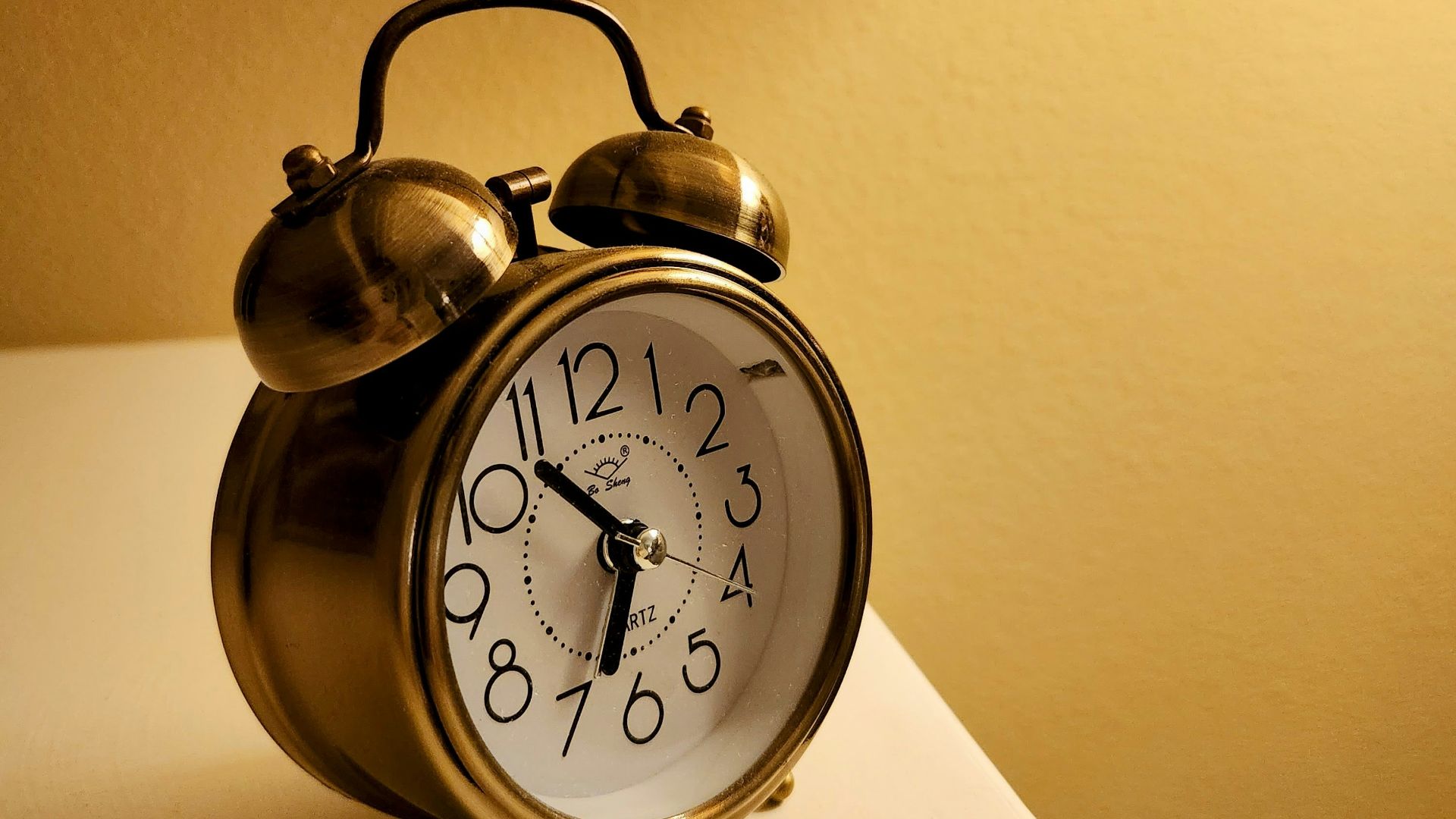
17. Alarm Clock
Mechanical alarm clocks helped people wake up for work, school, chores, and travel. Unlike a phone alarm, they did one job and did it with full commitment. Getting up on time was still annoying, but at least the clock looked serious about it.
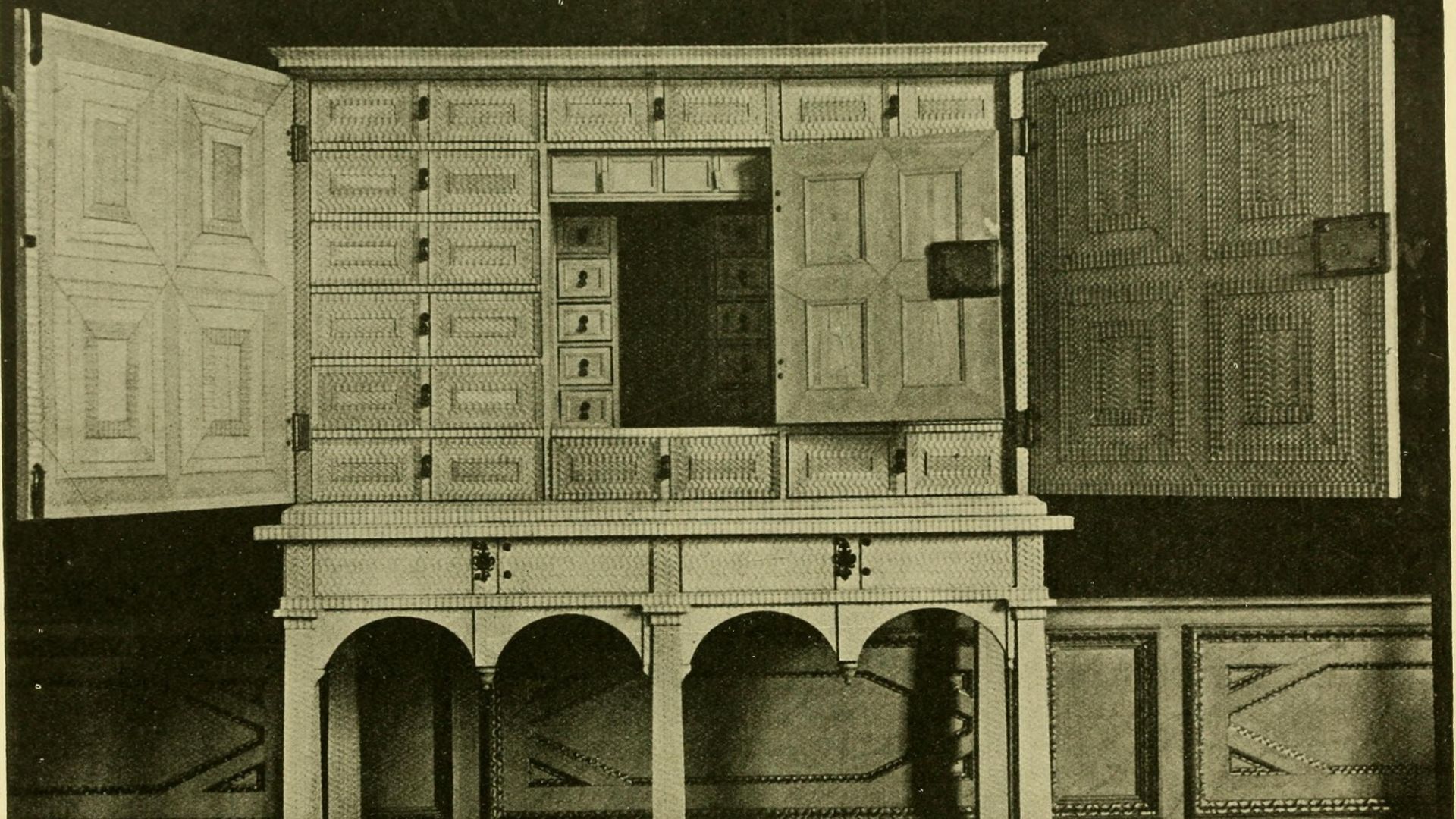
18. Wardrobe or Chifforobe
Built-in closets weren't always as large or common as they are in modern homes. Many families used wardrobes, chifforobes, or dressers to store clothing. These pieces were practical but also part of the room’s furniture style.
 Wells, Percy A; Hooper, John, b. 1882 on Wikimedia
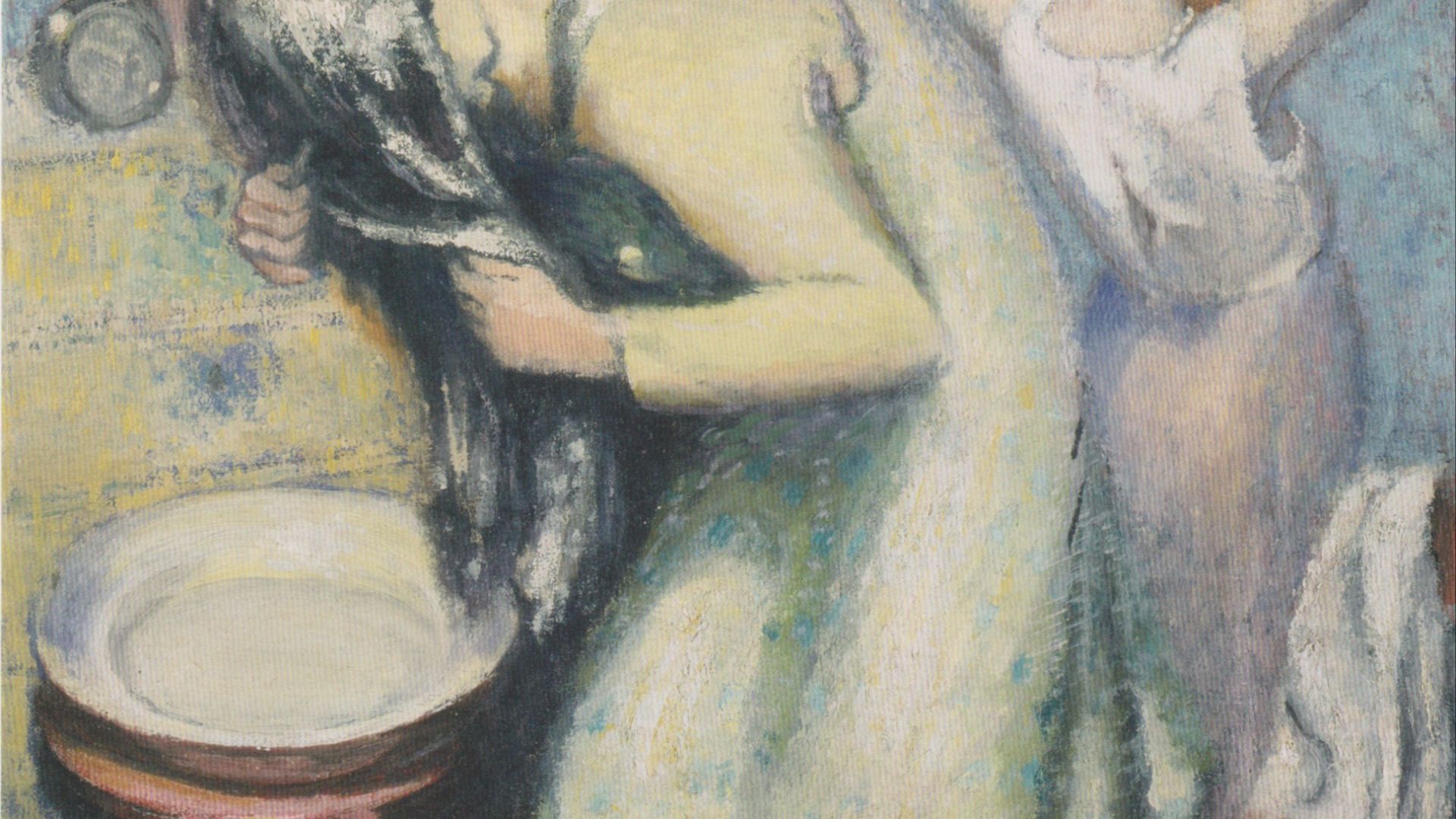
19. Wash Basin & Pitcher
Some homes, especially rural ones, still used a wash basin and pitcher for washing up. Indoor plumbing was spreading, but not every household had fully modern bathroom access. A pitcher of water and a basin could serve for face-washing, shaving, or quick cleaning.
 Aksel Waldemar Johannessen on Wikimedia
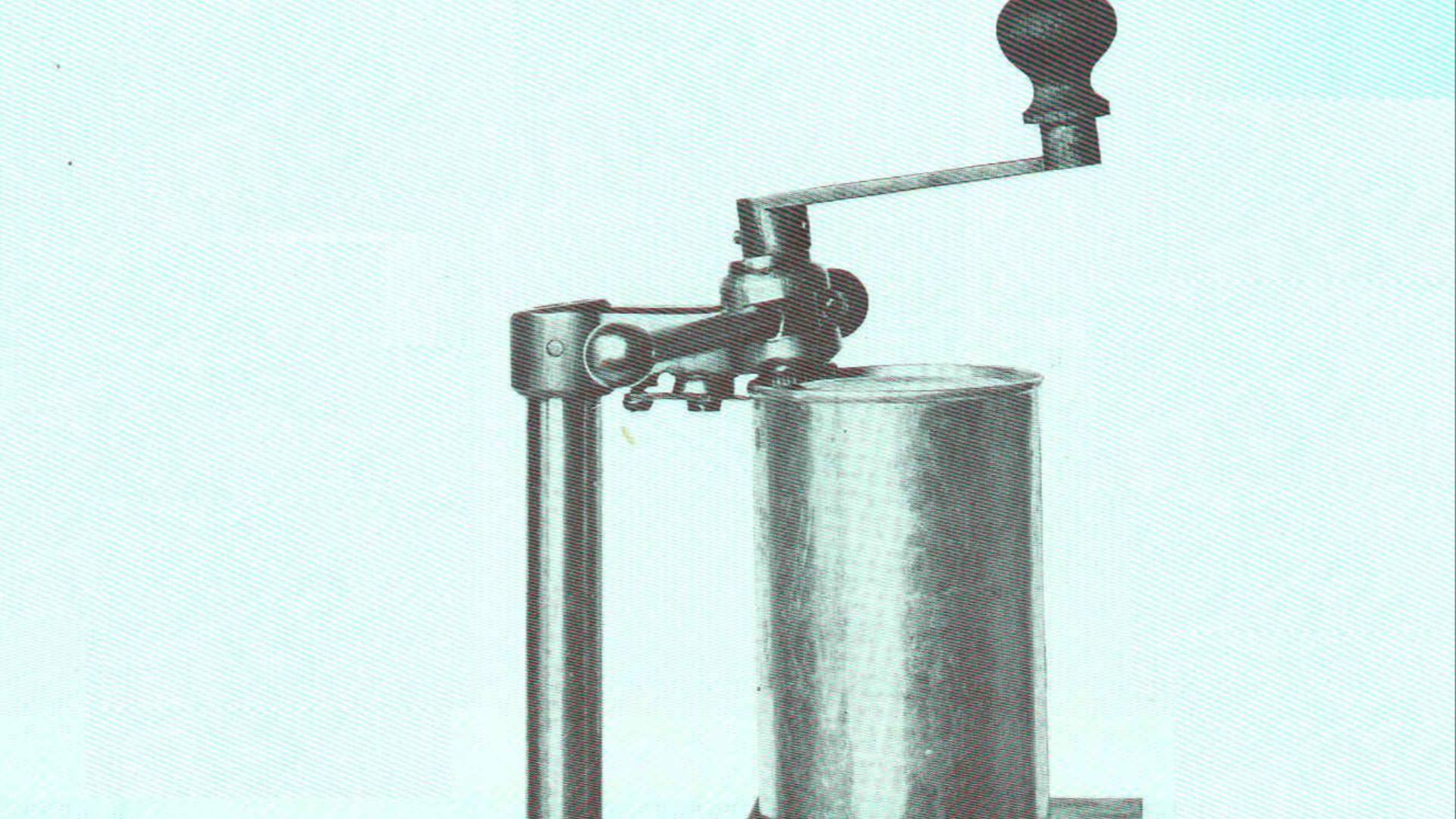
20. Manual Can Opener
It may seem basic today, but it wasn't until 1925 that a can opener that was basic enough for the home cook to use was invented. Before this, it was more common to use a hammer and chisel to open cans. The humble can opener helped the 1920s kitchen feel just a little more modern.
KEEP ON READING
The 20 Most Recognized Historical Figures Of All Time
The Biggest Names In History. Although the Earth has been…
By Cathy Liu Oct 4, 2024
10 of the Shortest Wars in History & 10 of…
Wars: Longest and Shortest. Throughout history, wars have varied dramatically…
By Emilie Richardson-Dupuis Oct 7, 2024
10 Fascinating Facts About Ancient Greece You Can Appreciate &…
Once Upon A Time Lived Some Ancient Weirdos.... Greece is…
By Megan Wickens Oct 7, 2024
20 Lesser-Known Facts About Christopher Columbus You Don't Learn In…
In 1492, He Sailed The Ocean Blue. Christopher Columbus is…
By Emilie Richardson-Dupuis Oct 9, 2024
20 Historical Landmarks That Have The Craziest Conspiracy Theories
Unsolved Mysteries Of Ancient Places . When there's not enough evidence…
By Megan Wickens Oct 9, 2024
The 20 Craziest Inventions & Discoveries Made During Ancient Times
Crazy Ancient Inventions . While we're busy making big advancements in…
By Cathy Liu Oct 9, 2024