20 Terrifying Things About Ancient Greece That Were Actually Real
The Darker Side of Ancient Greek Civilization
Ancient Greece is often remembered for its impressive temples, groundbreaking philosophy, and contributions to democracy, but everyday life wasn't always as wonderful as history books might suggest. Behind the beautiful architecture and fascinating mythology were some genuinely disturbing practices that would horrify most people today. From deadly punishments and brutal military traditions to questionable medical treatments, the ancient Greeks had plenty of customs that weren't exactly pleasant. Here are 20 terrifying things about ancient Greece that actually happened.
 Jacques-Louis David on Wikimedia
1. Unwanted Babies Could Be Abandoned Outdoors
In several ancient Greek communities, families sometimes abandoned newborn babies they couldn't or didn't want to raise. This practice, known as infant exposure, involved leaving infants outdoors, where they would likely die unless someone found and rescued them. Poverty, disability, and difficult family circumstances could all influence these decisions, although attitudes varied between communities. Unfortunately, being rescued didn't necessarily mean a better life, since some surviving children ended up being raised as slaves.

2. Sparta Had a Secretive System of Violence Against Enslaved People
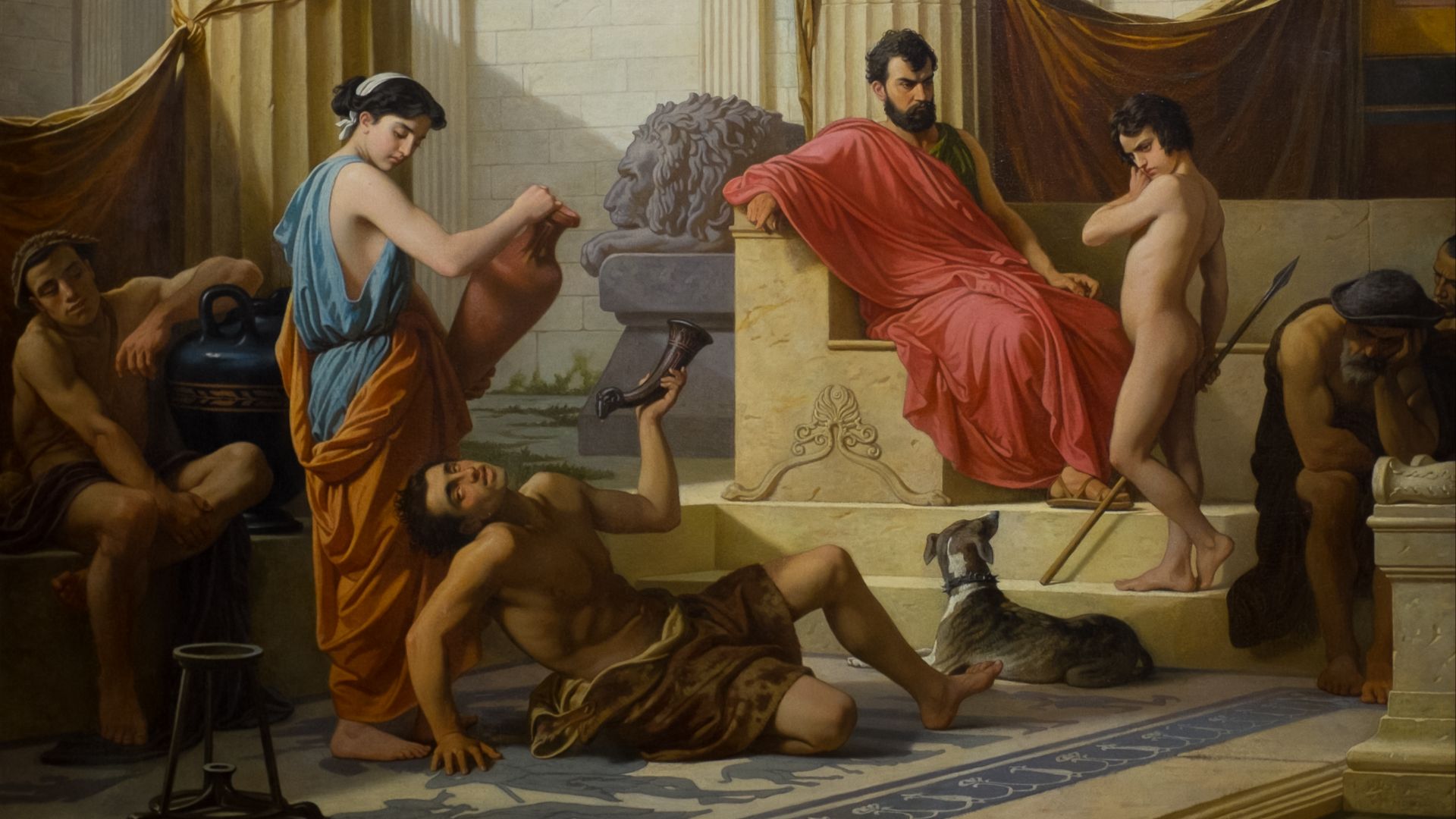
Sparta's famous military reputation becomes considerably darker when you learn about the krypteia, a secretive institution described by ancient writers. According to Plutarch, selected young Spartans were sent into the countryside, where they hunted and killed members of the enslaved helot population. Historians still debate exactly how this institution operated and whether its purpose was military training, intimidation, or a combination of both. Regardless, Sparta's dependence on forced labor created a society in which helots lived under the constant threat of organized violence.
 Pierre-Selim Huard on Wikimedia
3. Criminals Could Be Executed With Poison
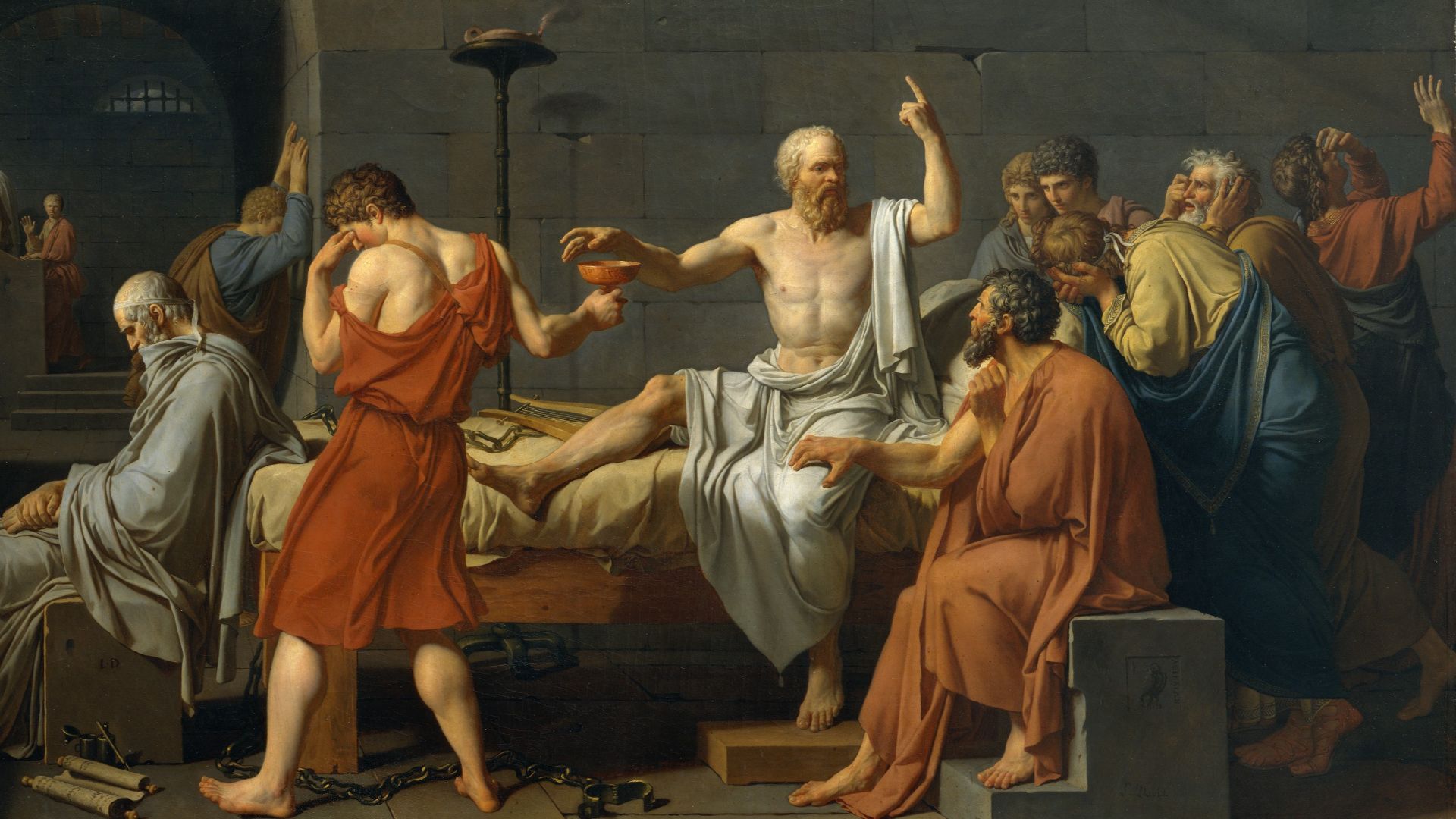
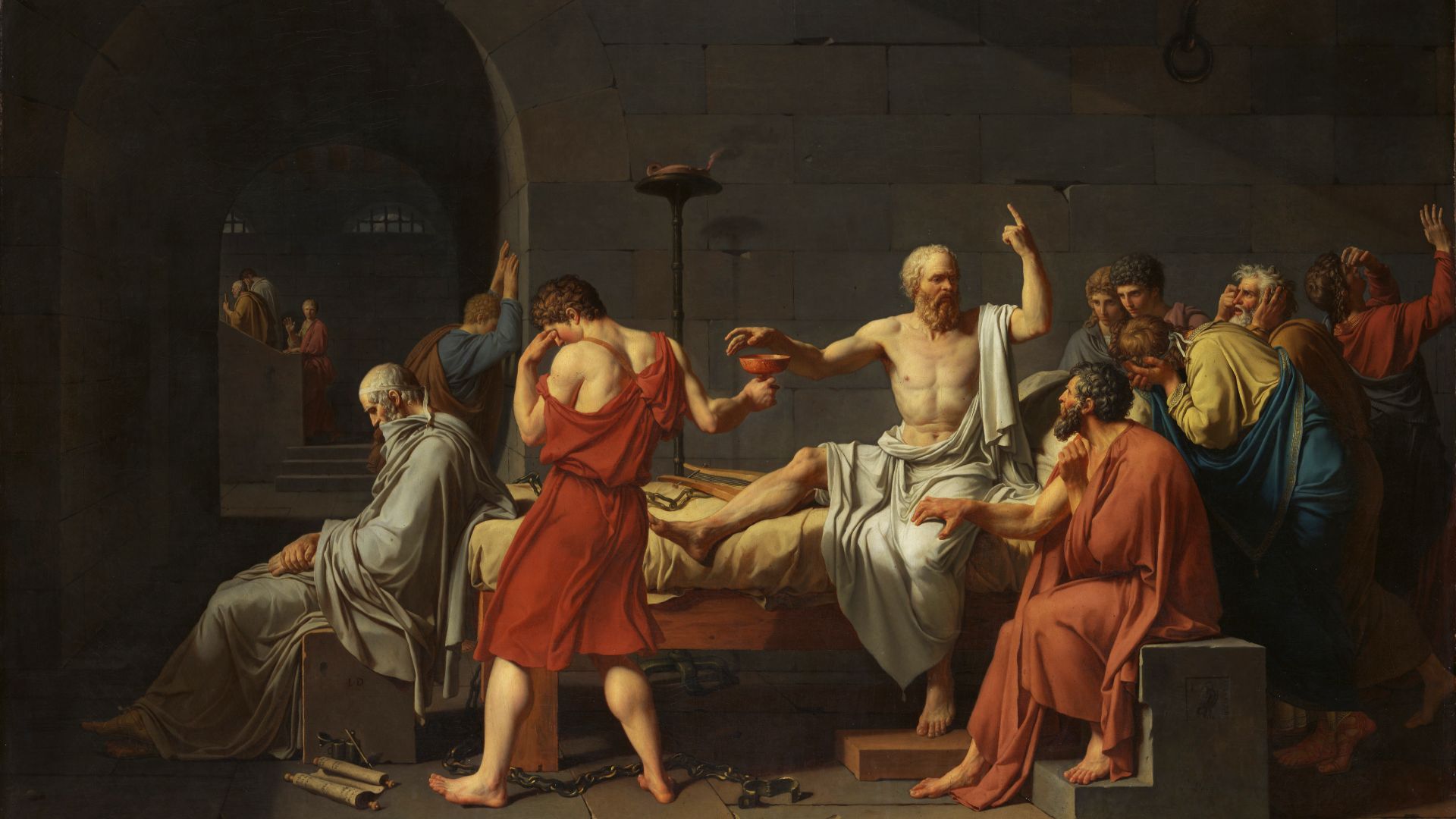
Ancient Athens sometimes carried out executions using a poisonous substance made from hemlock, a plant containing potentially deadly compounds. The philosopher Socrates famously died this way in 399 BCE after being convicted of impiety and corrupting the youth. Hemlock poisoning can cause progressive paralysis, eventually affecting the muscles responsible for breathing. While Socrates' death remains the most famous example, this method was also used as part of Athens' broader system of capital punishment.
 Jacques-Louis David on Wikimedia
4. Enslaved Mine Workers Faced Horrifying Conditions
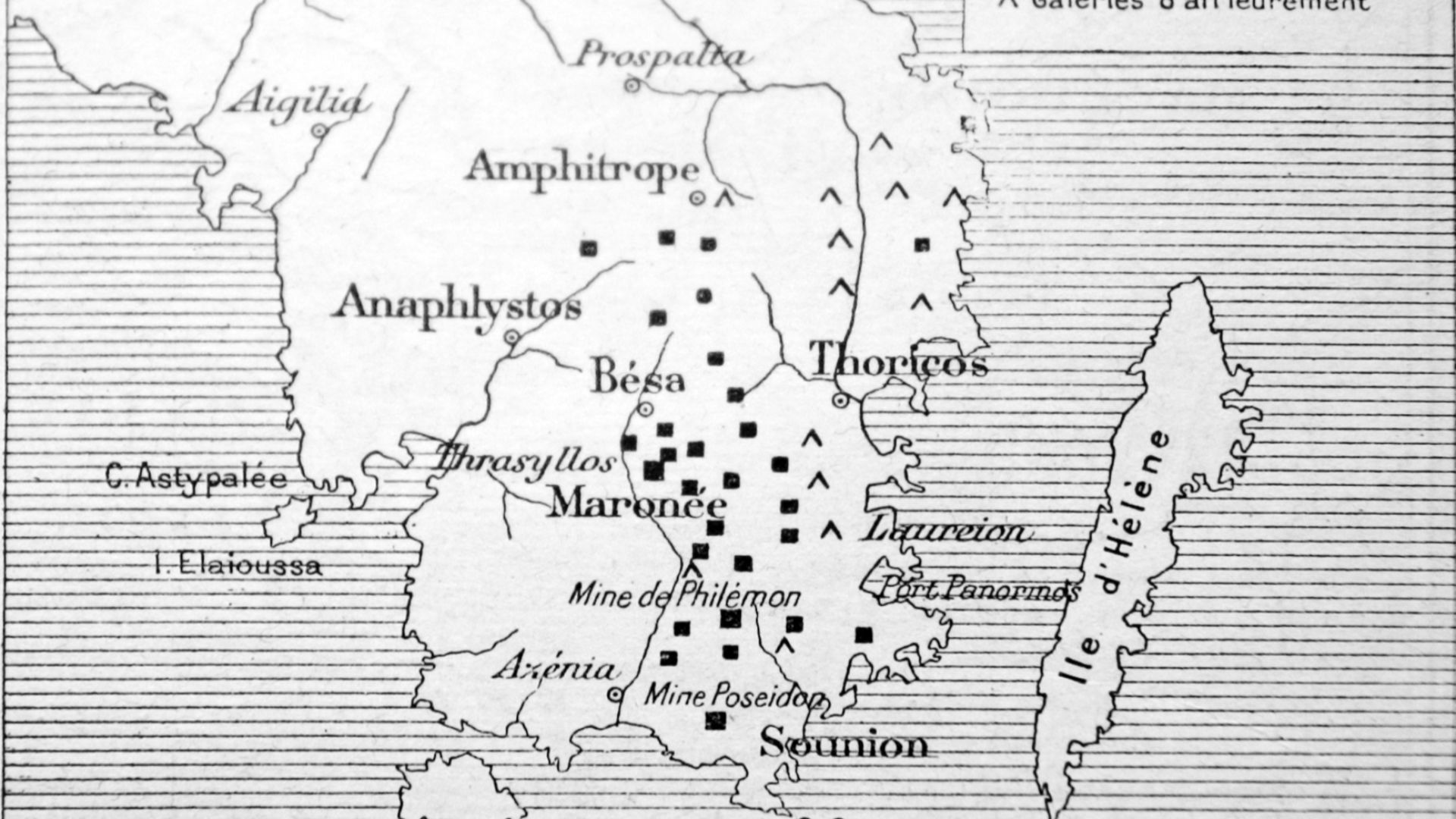
Working in ancient Greece's silver mines was incredibly dangerous, especially for the enslaved laborers responsible for much of the physically demanding work. The mines at Laurion, near Athens, contained narrow underground passages where workers endured cramped conditions, dust, and the ever-present risk of injury. Extracting and processing silver-bearing ore also exposed people to hazardous substances, including lead. Much of Athens' impressive wealth depended on workers who paid an enormous price for the city's prosperity.
5. People Could Place Curses on Their Enemies
If you upset the wrong person in ancient Greece, they might attempt to ruin your life through supernatural means. Archaeologists have discovered numerous curse tablets, usually made from lead, containing written requests for gods or supernatural forces to harm specific individuals. Some targeted romantic rivals, business competitors, or opponents in legal disputes, while certain tablets were folded, pierced, and buried. There's no evidence that the curses actually worked, of course, but the practice itself was surprisingly common.

6. Public Executions Could Involve Being Fastened to Wooden Boards
Not everyone sentenced to death in ancient Greece received a relatively controlled execution by poison. Athens also used a punishment called apotympanismos, which involved fastening prisoners to a wooden structure, possibly with iron restraints, and leaving them to die. Archaeologists have discovered skeletons with iron fastenings that may be connected to this particularly brutal form of execution. It's a disturbing reminder that ancient Greek justice could be considerably harsher than the philosophical discussions we usually associate with Athens.
 The New York Public Library on Unsplash
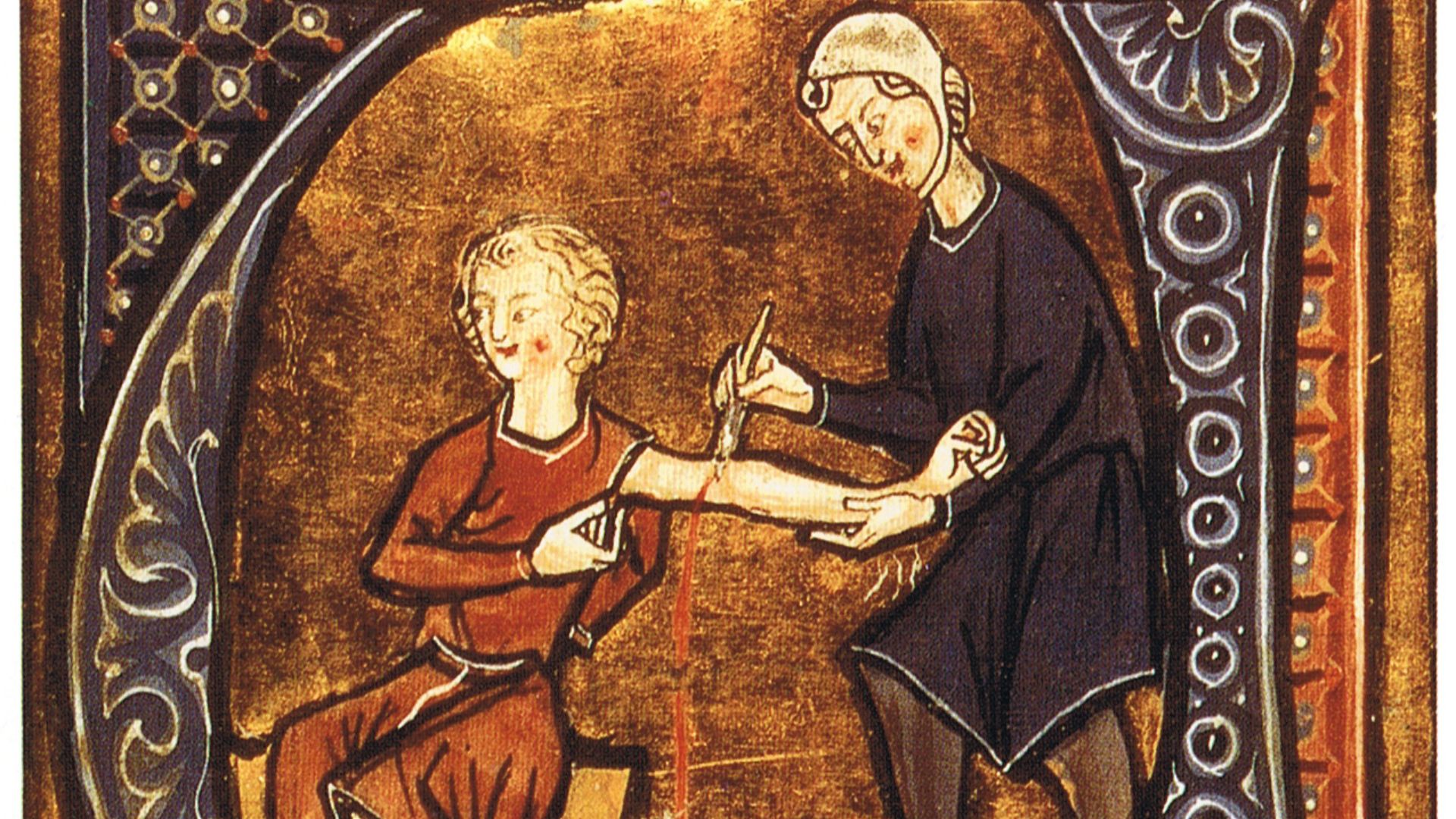
7. Some Medical Treatments Involved Deliberately Draining Blood
Ancient Greek physicians developed some important ideas about medicine, but certain treatments would make modern patients extremely uncomfortable. Bloodletting, which involved cutting veins or using other methods to remove blood, was practiced by some physicians to treat illnesses they believed were caused by imbalances in bodily fluids. Since doctors didn't understand infection and circulation the way we do today, these procedures sometimes created additional health problems. Imagine visiting a doctor because you're feeling weak, only to discover that their proposed solution involves removing some of your blood.
8. Warfare Could End With Entire Populations Being Enslaved
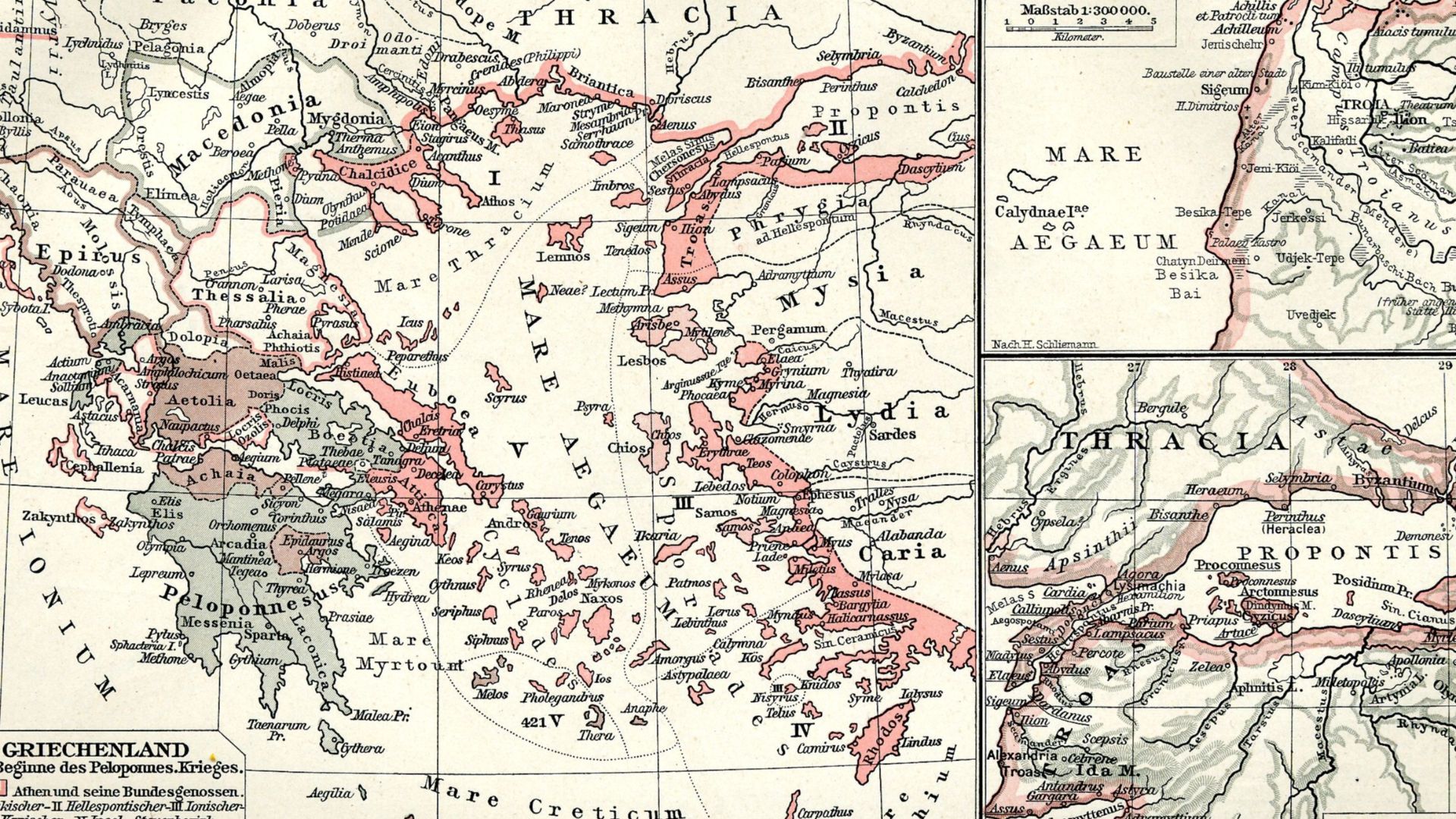
Losing a war in ancient Greece sometimes meant much more than surrendering territory or paying a financial penalty. Victorious armies could execute adult male prisoners and enslave surviving women and children, especially after capturing an enemy city. During the Peloponnesian War, Athens famously ordered the execution of adult men on Melos and enslaved many of the island's women and children in 416 BCE. Warfare could destroy entire communities, leaving survivors with virtually no control over their futures.
 Friedrich Wilhelm Putzger (1849-1913). on Wikimedia
9. Women Had Few Legal Rights in Athens
Despite Athens' reputation as the birthplace of democracy, women weren't allowed to participate in its political institutions. Athenian women couldn't vote or hold public office, and many lived under the legal authority of a male guardian known as a kyrios. Their ability to own or control property and make important financial decisions was also restricted, although specific rules and everyday experiences varied.
 Internet Archive Book Images on Wikimedia
10. Prisoners Could Be Tortured During Legal Proceedings
Ancient Athenian legal practices included a particularly disturbing distinction between free citizens and enslaved people. Under certain circumstances, testimony from enslaved individuals was expected to be obtained through torture, based on the belief that physical suffering would force them to tell the truth. Legal speeches frequently mention this procedure, although historians still debate how often it was actually carried out. Even so, the fact that torture was considered a potentially legitimate way of gathering evidence reveals a troubling side of Athenian justice.
 Internet Archive Book Images on Wikimedia
11. The Plague of Athens Killed Thousands
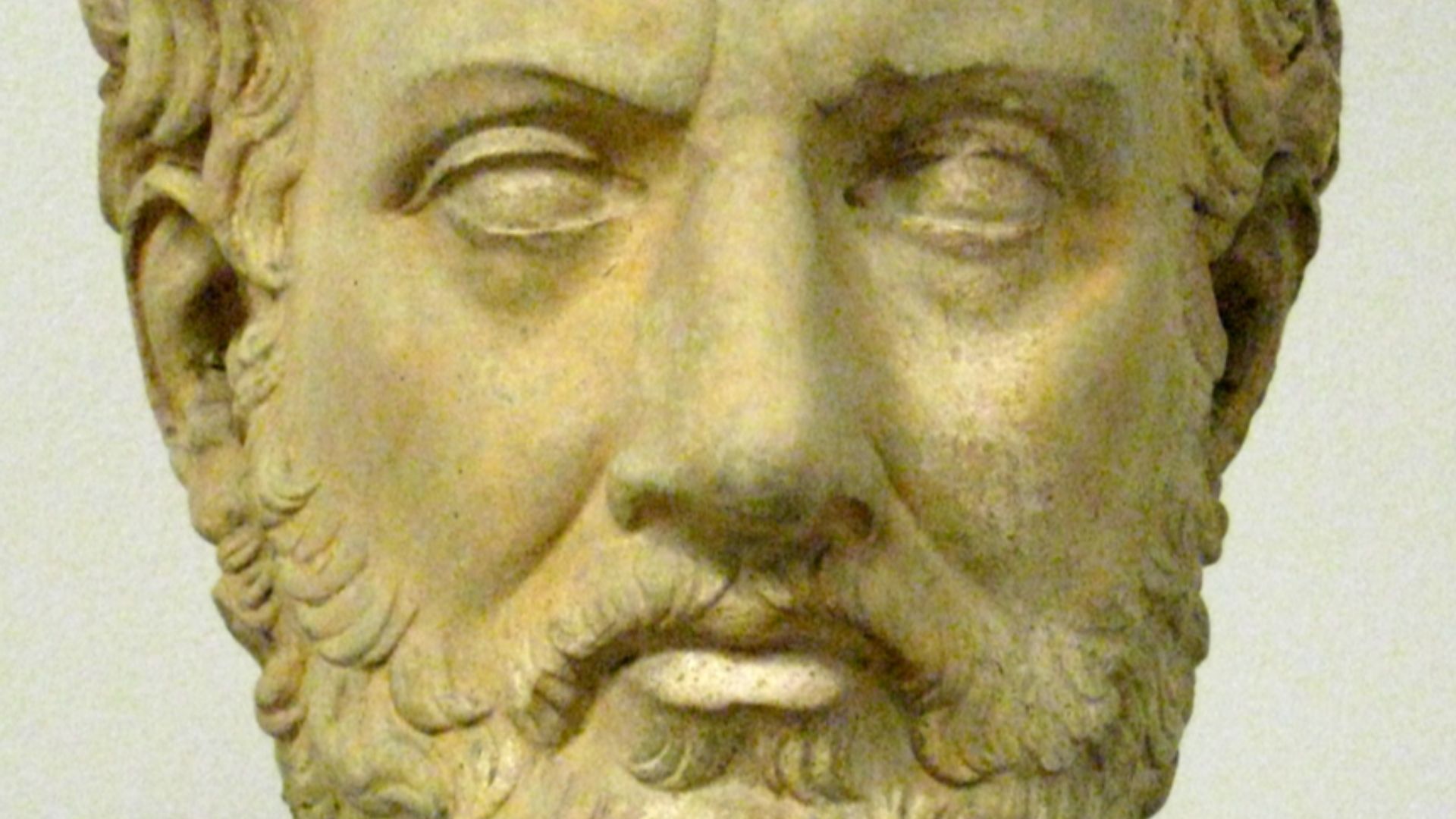
In 430 BCE, a devastating epidemic swept through Athens while the city was already struggling with the Peloponnesian War. The historian Thucydides described victims suffering from intense fever, severe thirst, and other frightening symptoms, while many survivors were left physically weakened. Thousands of people died, including the influential Athenian leader Pericles, and the sheer number of deaths overwhelmed traditional burial practices. Historians still aren't sure which disease caused the outbreak, adding another unsettling detail to this ancient disaster.
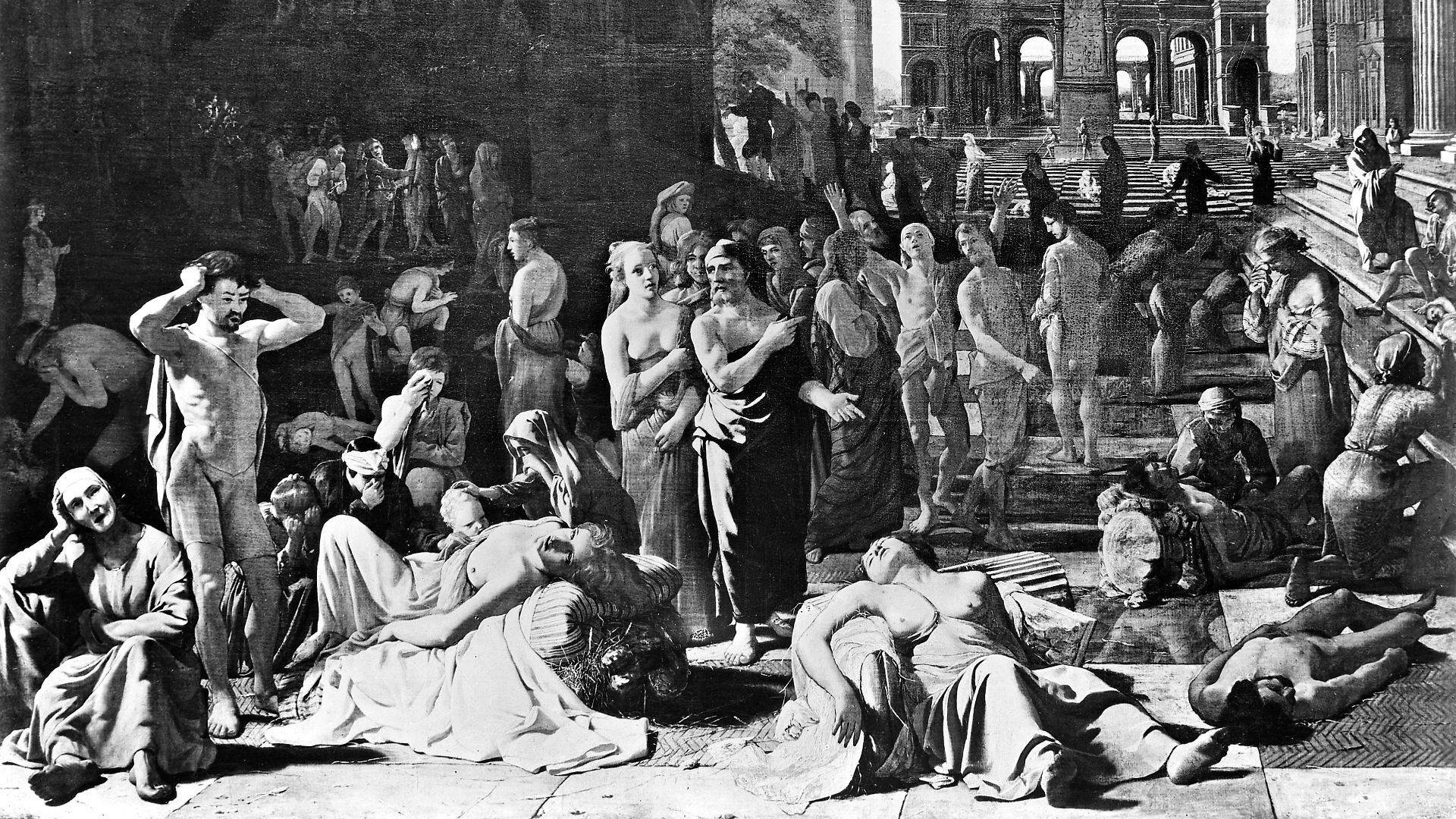 Michiel Sweerts / After Nicolas Poussin on Wikimedia
12. Some Religious Ceremonies Involved Human Sacrifice
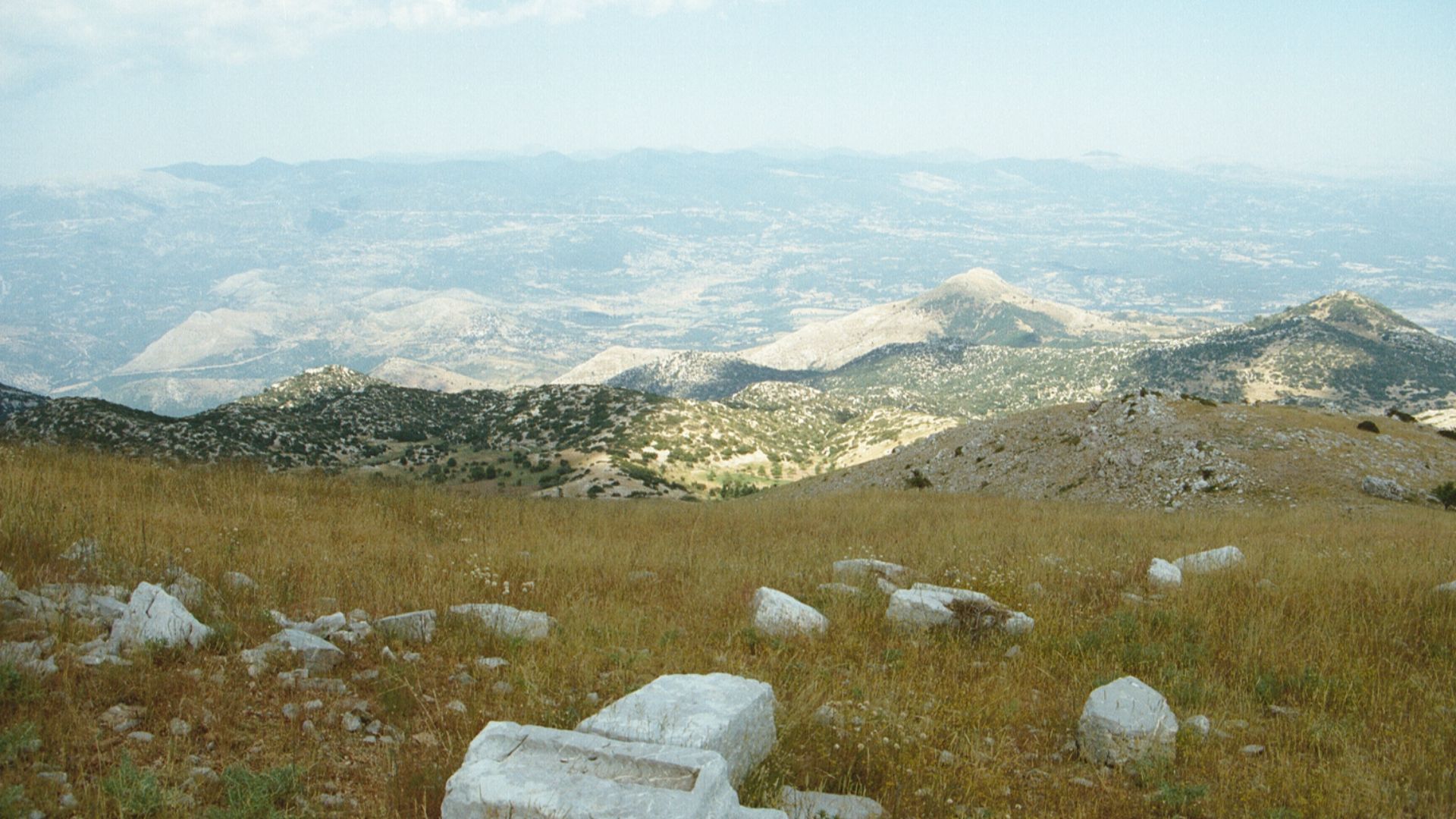
Although animal sacrifice was far more common, ancient Greek history also contains evidence and accounts suggesting that human sacrifice sometimes occurred. Archaeologists investigating Mount Lykaion in Arcadia have uncovered remains that raised questions about whether a young person was sacrificed at a sanctuary dedicated to Zeus. However, the interpretation remains disputed, and literary accounts of human sacrifice don't necessarily describe events that can be historically verified. Even with these uncertainties, the possibility that certain religious ceremonies involved killing people reveals a disturbing aspect of ancient worship.
13. Athletes Could Die During Competitions
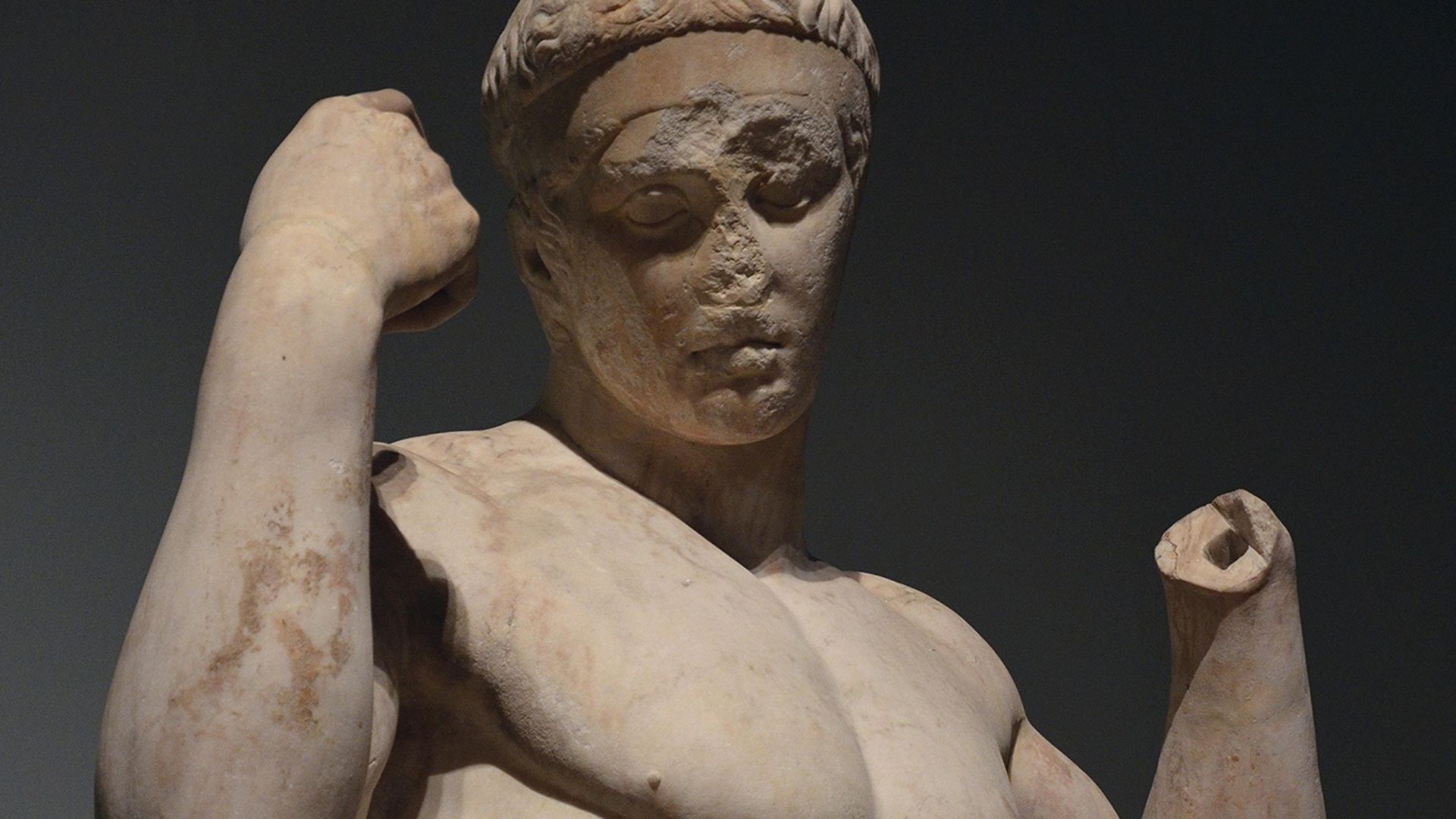
Ancient Greek athletic contests weren't always the carefully regulated sporting events we're familiar with today. Pankration, which combined wrestling and striking, allowed competitors to use extremely aggressive techniques, with biting and eye-gouging among the few prohibited moves. One famous account describes Arrhichion of Phigalia winning an Olympic competition despite dying during the struggle. Serious injuries were a genuine risk, especially in contests where fighting could continue until someone surrendered or was physically unable to compete.
14. Some Funeral Traditions Included Cutting the Hair of Mourners
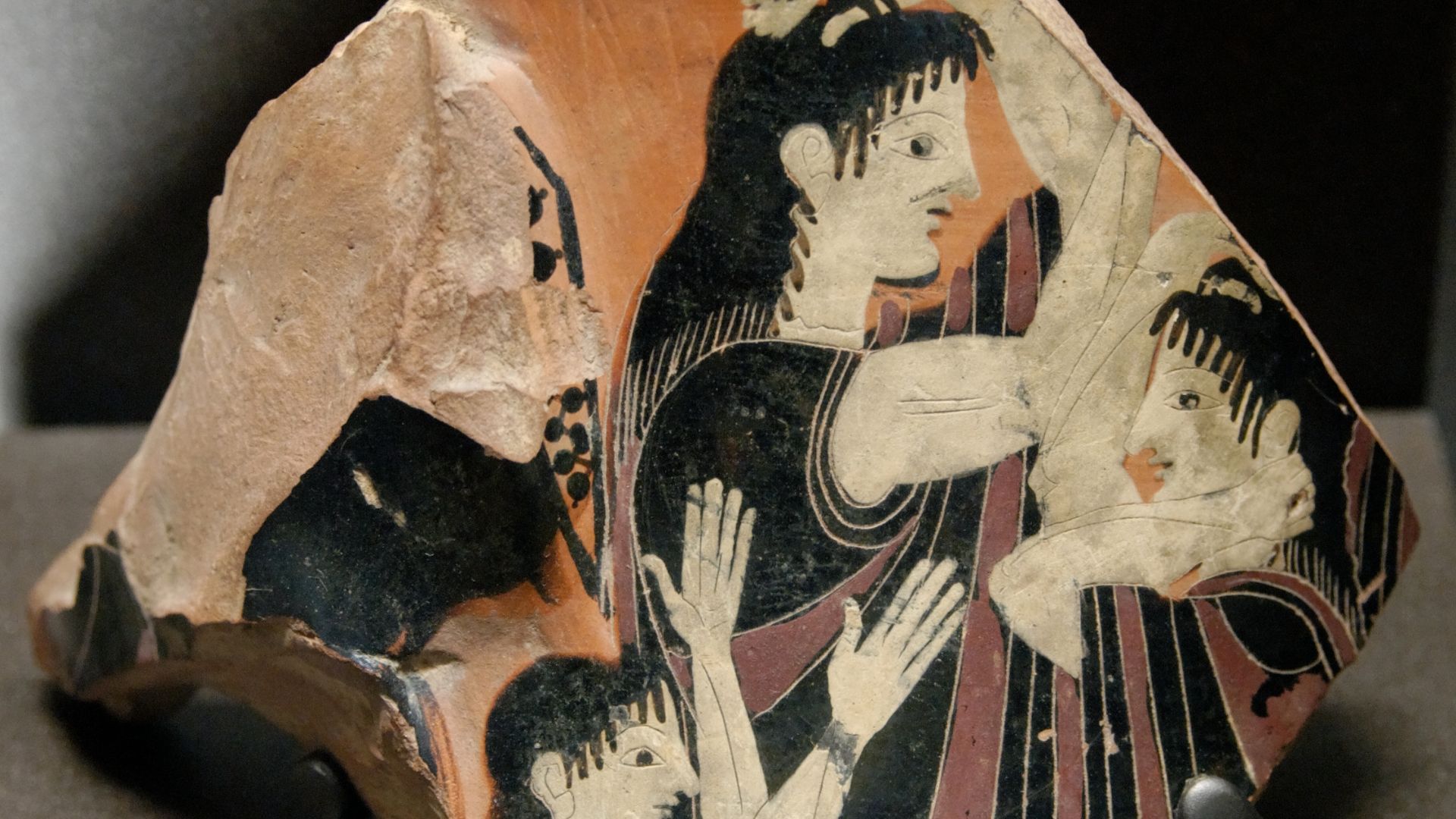
Death was accompanied by elaborate mourning customs that might seem unsettling to modern observers. In ancient Greek funerary traditions, mourners sometimes cut their hair to express grief, while women could participate in loud lamentations and other public displays of sorrow. Ancient descriptions also mention people striking themselves or tearing at their bodies during particularly intense periods of mourning. Although these practices weren't universal, they reveal just how physically and emotionally demanding ancient funeral traditions could be.
15. Spartan Boys Endured Harsh Military Training
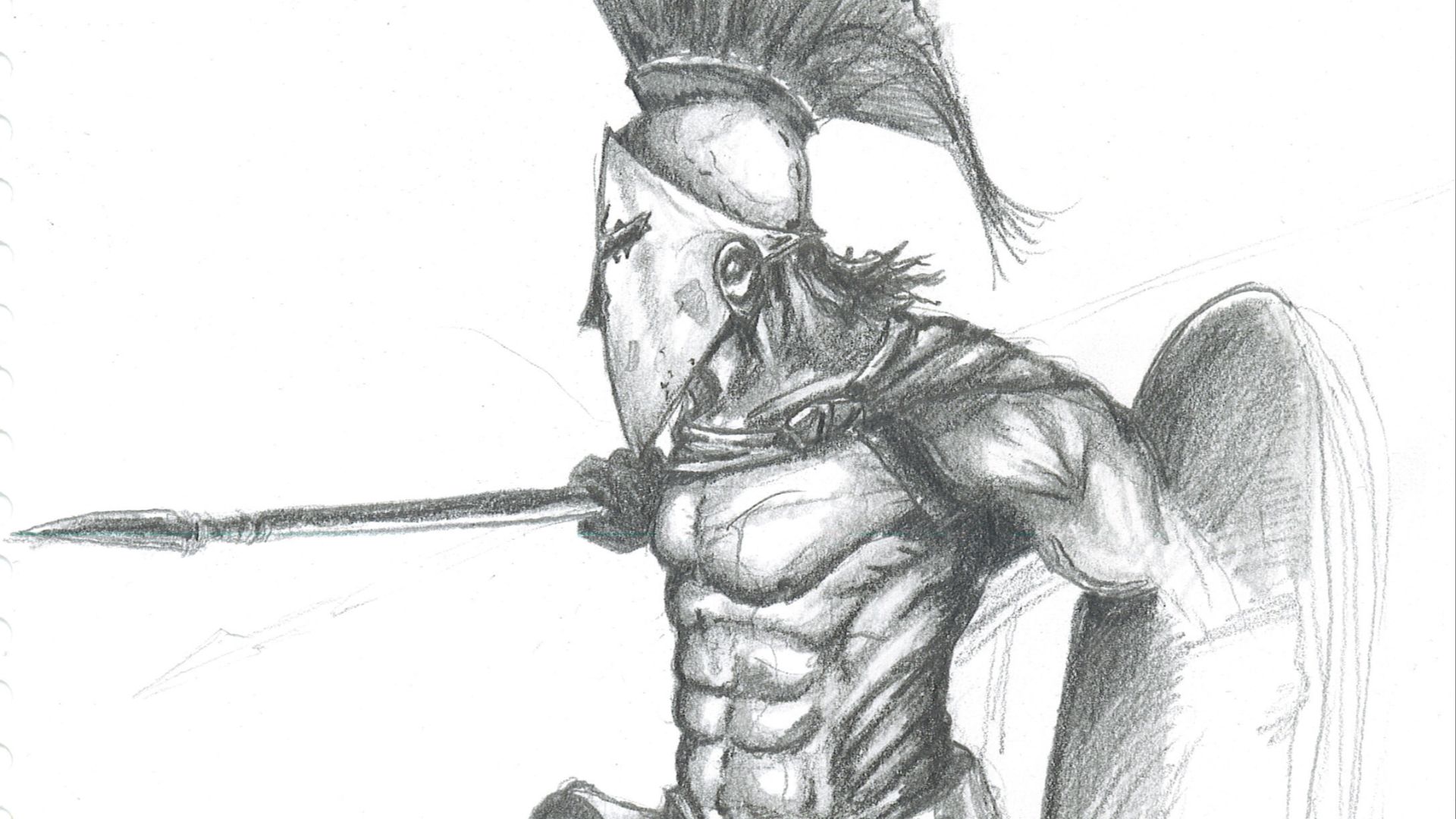
Growing up as a male Spartan citizen meant participating in an educational system called the agoge, which emphasized discipline, endurance, and military preparation. Boys entered communal training at a young age, where they faced physical challenges, strict supervision, and very few comforts. Ancient accounts describe deliberate food restrictions that encouraged boys to steal, although getting caught could result in punishment. While later writers may have exaggerated certain details, Spartan education was certainly more demanding than anything most children today would be expected to endure.
16. Dangerous Childbirth Was a Major Threat to Women
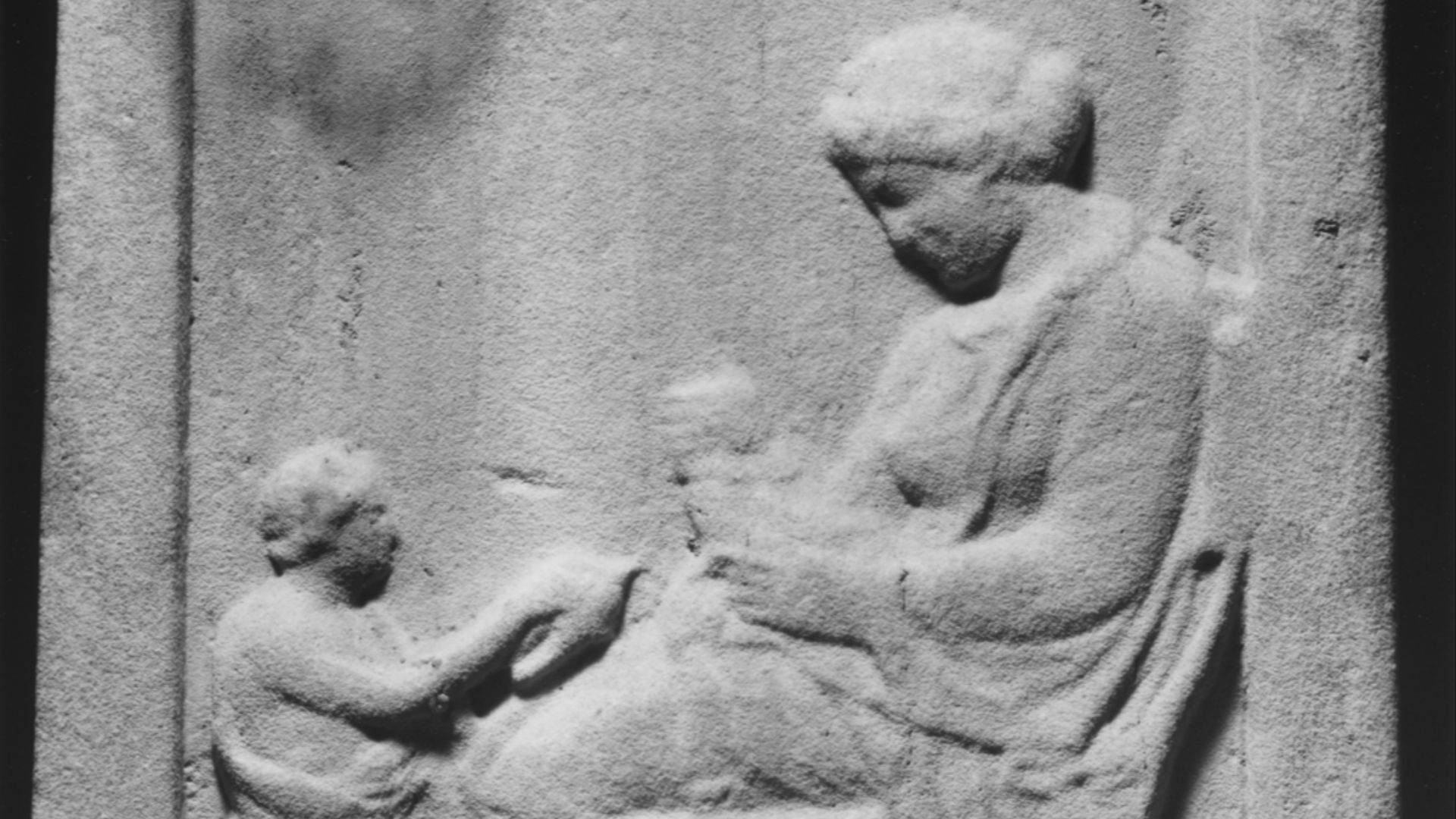
Giving birth in ancient Greece came with serious risks that modern medical care has substantially reduced. Women faced complications such as severe bleeding, infections, and obstructed labor without access to antibiotics, blood transfusions, or reliable emergency surgery. Midwives and physicians had some practical medical knowledge, but there was often little they could do when dangerous complications developed. With no guarantee that either mother or baby would survive, childbirth could be among the most frightening experiences in an ancient Greek woman's life.
 Anonymous (Greece)Unknown author on Wikimedia
17. Some Criminal Punishments Involved Exile for Life
Being forced to leave your city could be devastating in ancient Greece, where citizenship and community connections shaped nearly every aspect of daily life. Certain serious offenses, particularly homicide under specific circumstances, could result in exile instead of execution. Those banished from their communities might lose their homes, social standing, and access to the people they depended on. Returning without permission could lead to further punishment, meaning exile sometimes amounted to a lifelong sentence.
18. Ancient Greeks Feared Restless Spirits
Belief in the supernatural wasn't limited to the terrifying creatures described in Greek mythology. Many ancient Greeks believed that people who died violently, prematurely, or without receiving a proper burial could return as restless spirits. These fears influenced funeral customs, protective rituals, and even attempts to communicate with the dead. The belief was enough to create genuine anxiety among people who feared supernatural consequences.
 Tom Frances Palattao on Unsplash
19. Naval Battles Could Leave Sailors Trapped Underwater
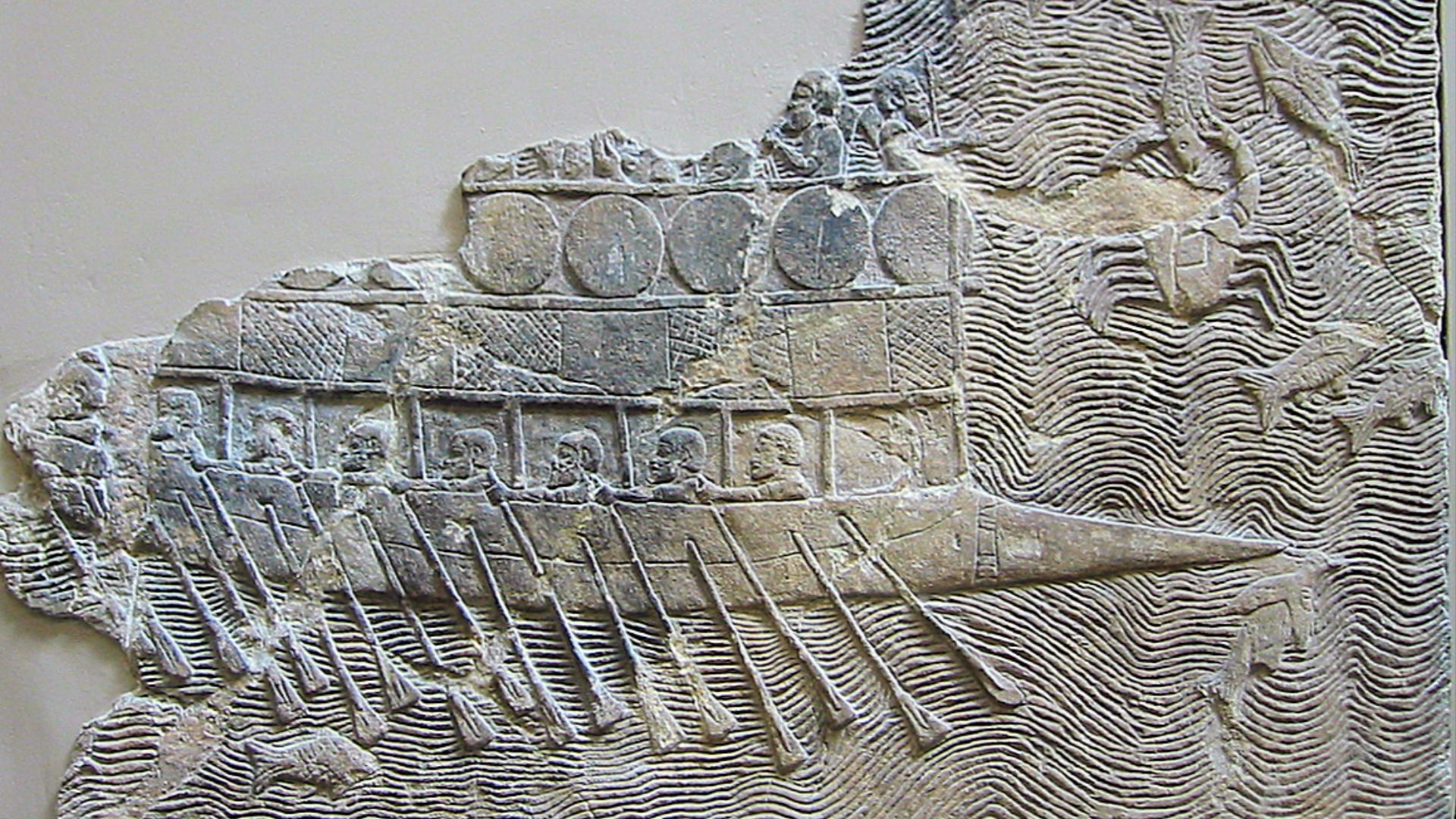
Ancient Greek warships, particularly triremes, were built for speed and maneuverability during naval combat. Their crews worked in tightly arranged rowing positions, while enemy vessels could attack by ramming their hulls or damaging their ability to move. If a ship sank or overturned, sailors risked drowning, suffering serious injuries, or becoming trapped among the vessel's equipment. With major naval battles sometimes involving hundreds of ships, the resulting loss of life could be devastating.
20. Human Remains Were Sometimes Used in Ritual Practices
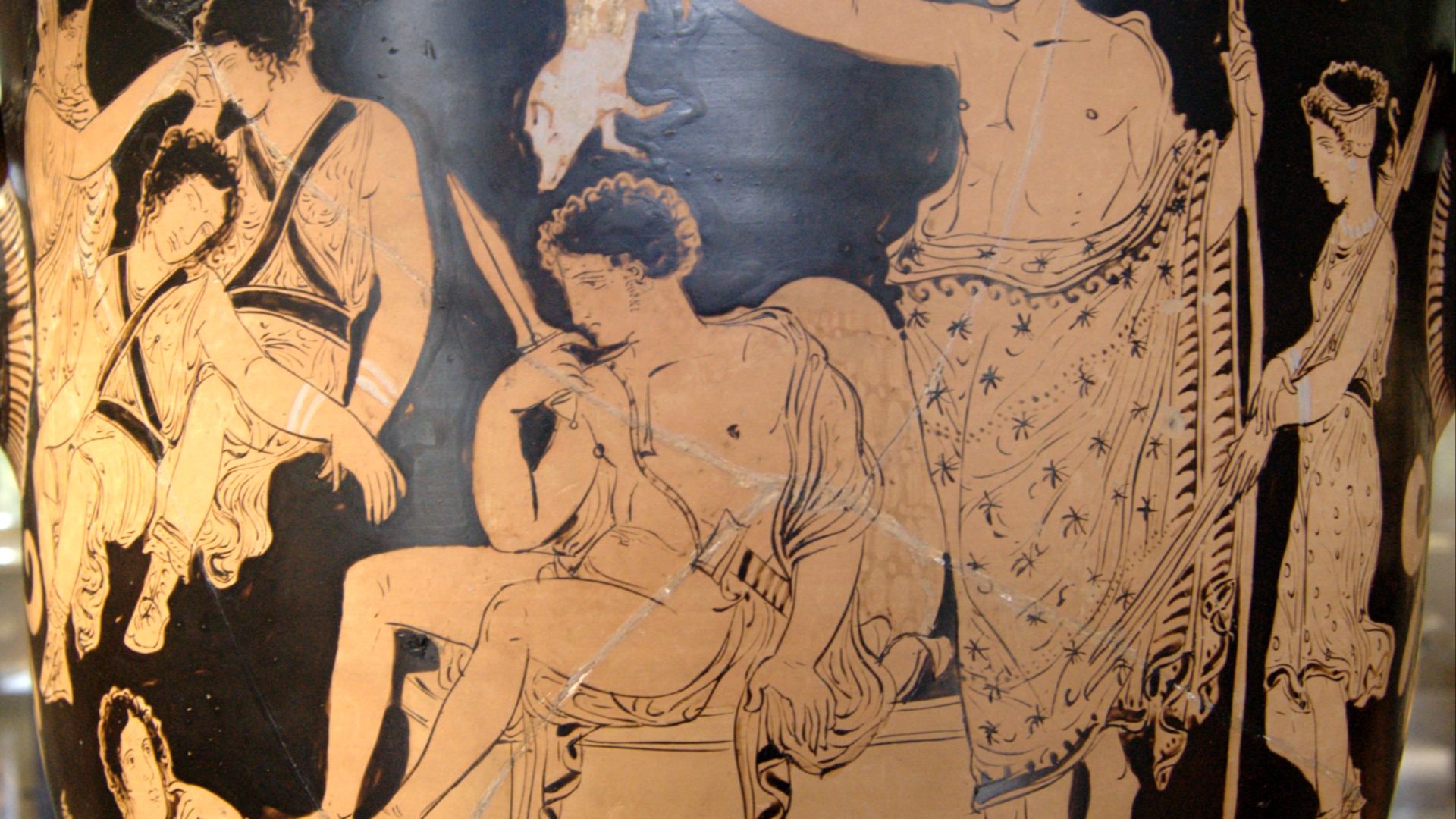
Ancient Greek religious traditions occasionally involved human bones and other remains, particularly those associated with legendary heroes and the dead. Communities sometimes relocated the supposed bones of important historical or mythological figures because they believed these remains offered protection or brought good fortune. According to ancient accounts, the Spartans recovered the bones of the hero Orestes and brought them home after receiving instructions from an oracle. Whether those bones actually belonged to the people identified was another question entirely, but the religious significance attached to human remains was very real.
 Eumenides Painter on Wikimedia
KEEP ON READING