

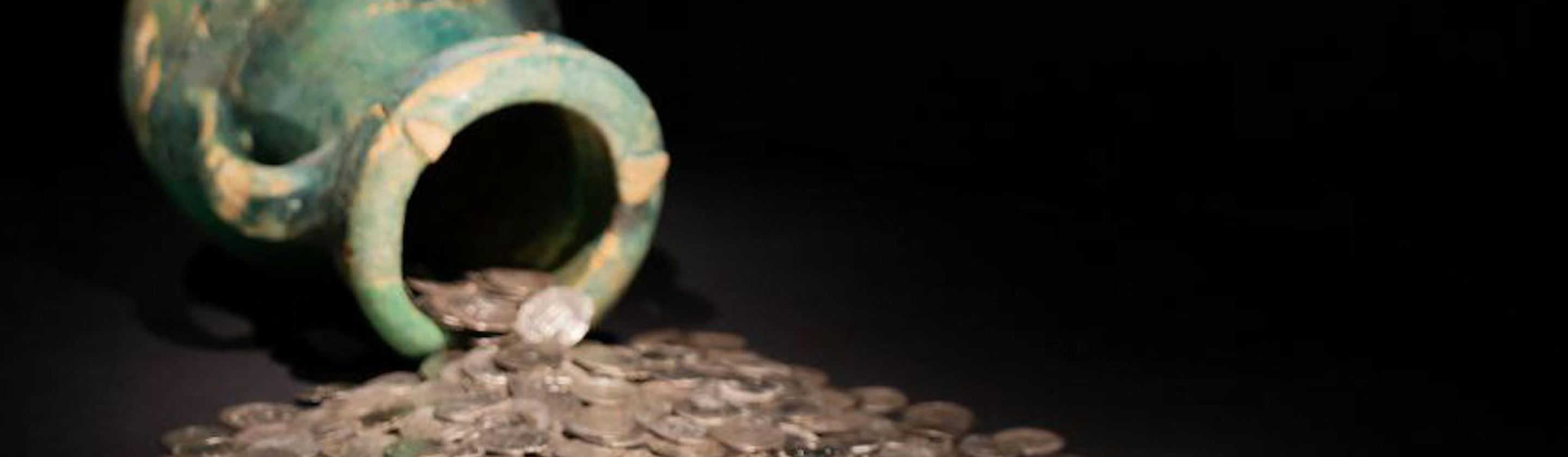
Objects That Disturbed The Timeline
History feels orderly when it is flattened into dates, borders, and labeled cases. The real record is less tidy. Objects turn up in shipwrecks, burial sites, quarries, and remote settlements that do not seem to match the story we thought we knew. Sometimes the explanation is eventually straightforward. Sometimes the artifact keeps its distance, leaving behind a serious question that does not go away. Here are 20 strange artifacts found where they should not have been.

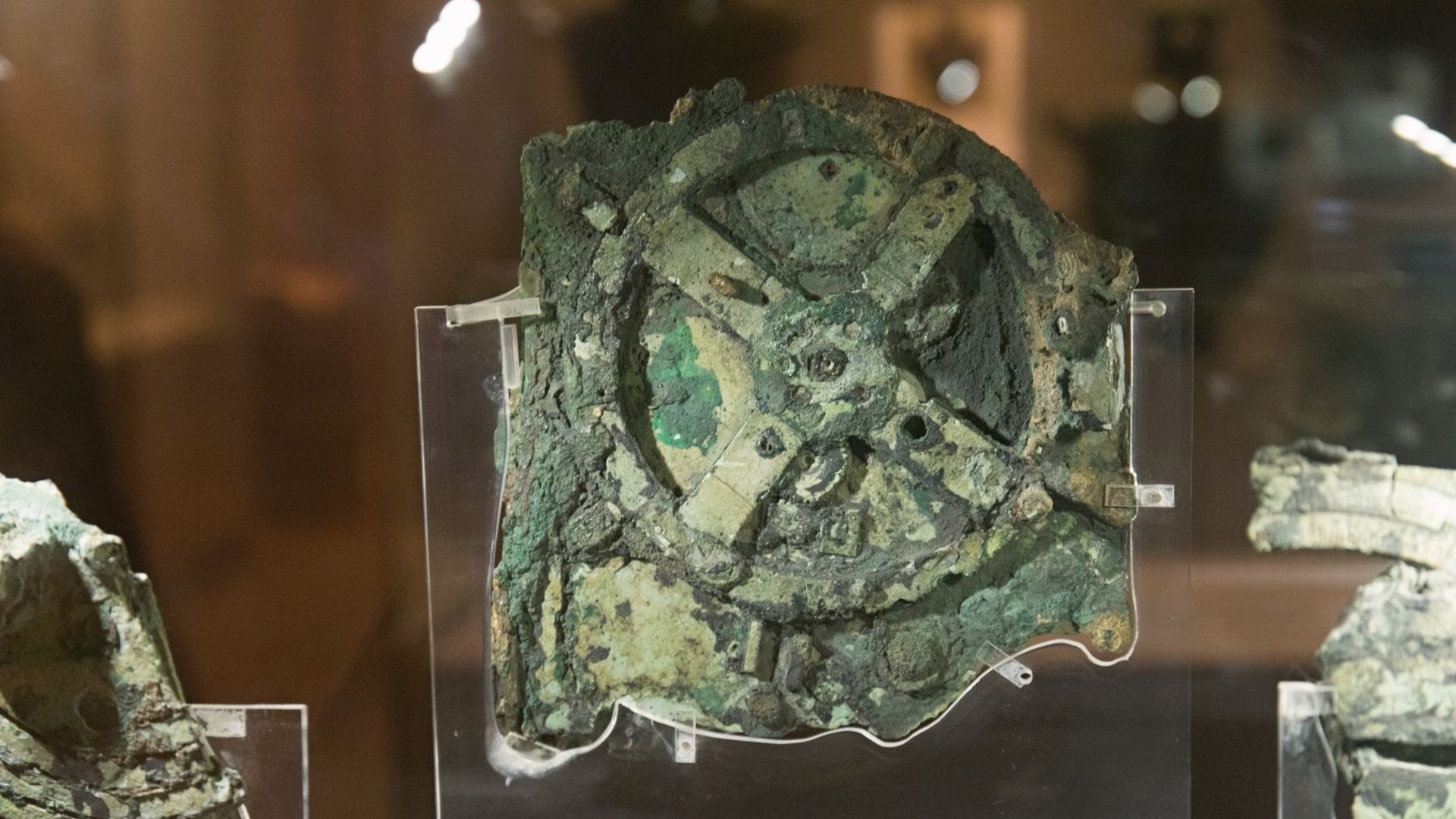
1. The Antikythera Mechanism
Recovered from a shipwreck off the Greek island of Antikythera, this corroded bronze device turned out to contain an astonishing system of gears. It appears to have been used to track astronomical cycles with a sophistication that few people expected from the ancient world. More than a curiosity, it forced historians to rethink what complex engineering looked like in antiquity.
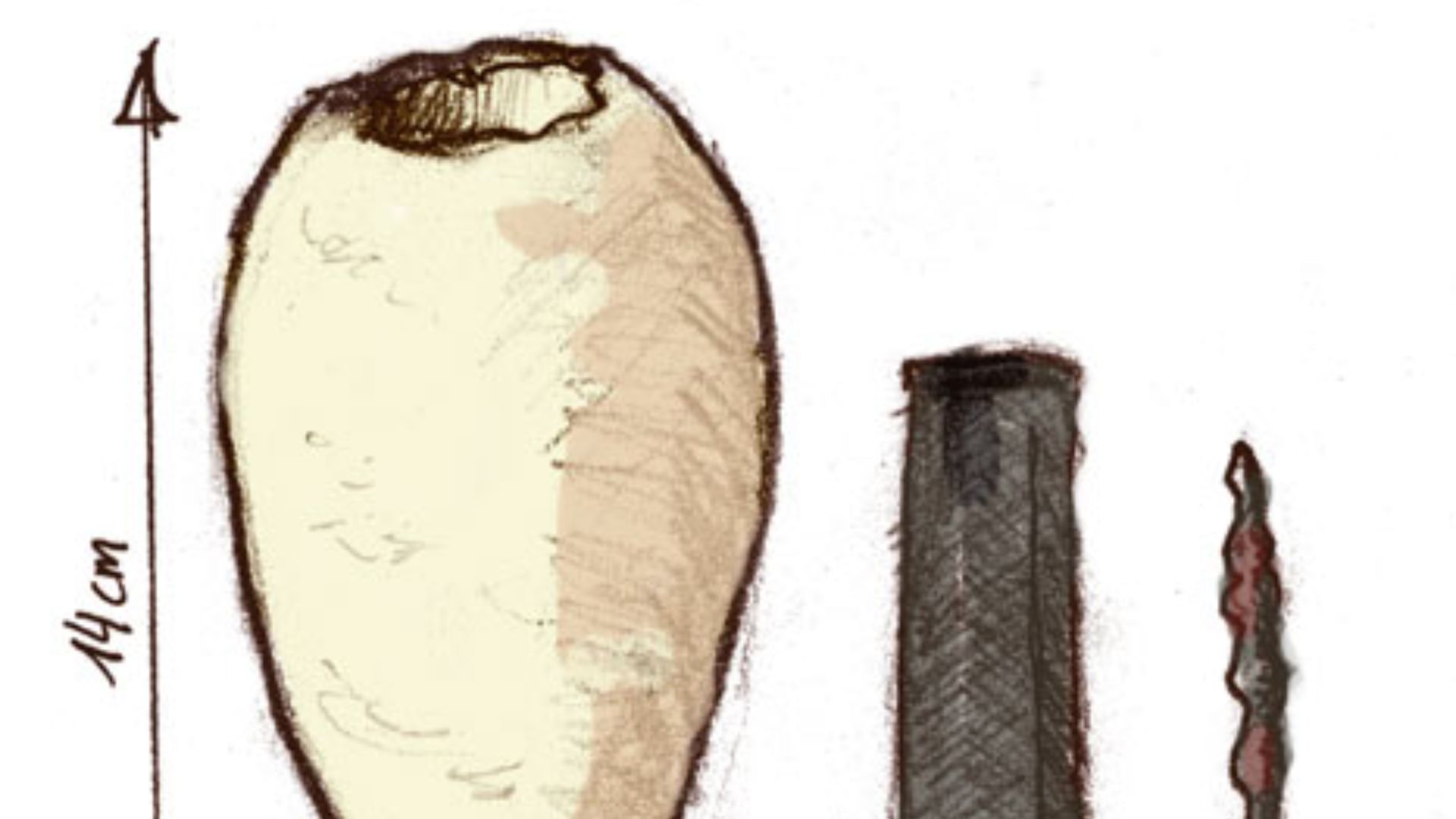
2. The Baghdad Battery
This small object, made from a clay jar, a copper cylinder, and an iron rod, has fueled debate for decades. Some researchers have suggested it may have functioned like a primitive battery, while others argue for more ordinary uses. What gives it weight is not just its form, but the unsettling possibility that a familiar principle may have appeared in an unfamiliar age.
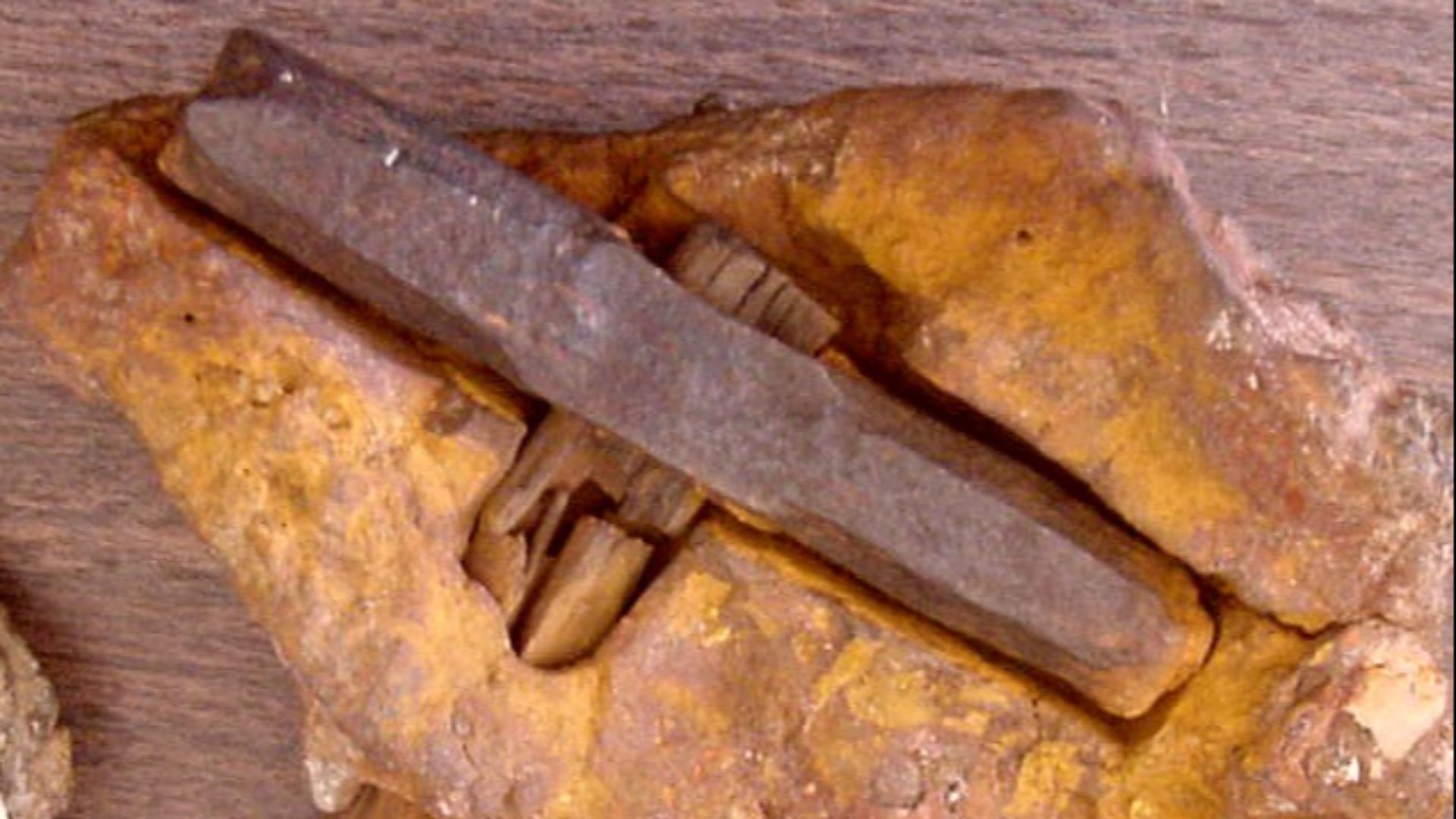
3. The London Hammer
The London Hammer became famous because it was said to be embedded in ancient rock, a claim that gave an ordinary tool an extraordinary setting. Much of the controversy centers on the geology surrounding the object rather than the hammer itself. Even so, its reputation endures because it touches a recurring tension in archaeology: when context seems wrong, even simple objects become difficult to dismiss.
4. The Maine Penny
A Norse coin discovered at a Native American site in Maine raised immediate questions about contact, exchange, and movement across the North Atlantic world. The coin may have passed through many hands before reaching that site, but its presence still mattered. Small finds often do this best, quietly complicating large historical narratives.
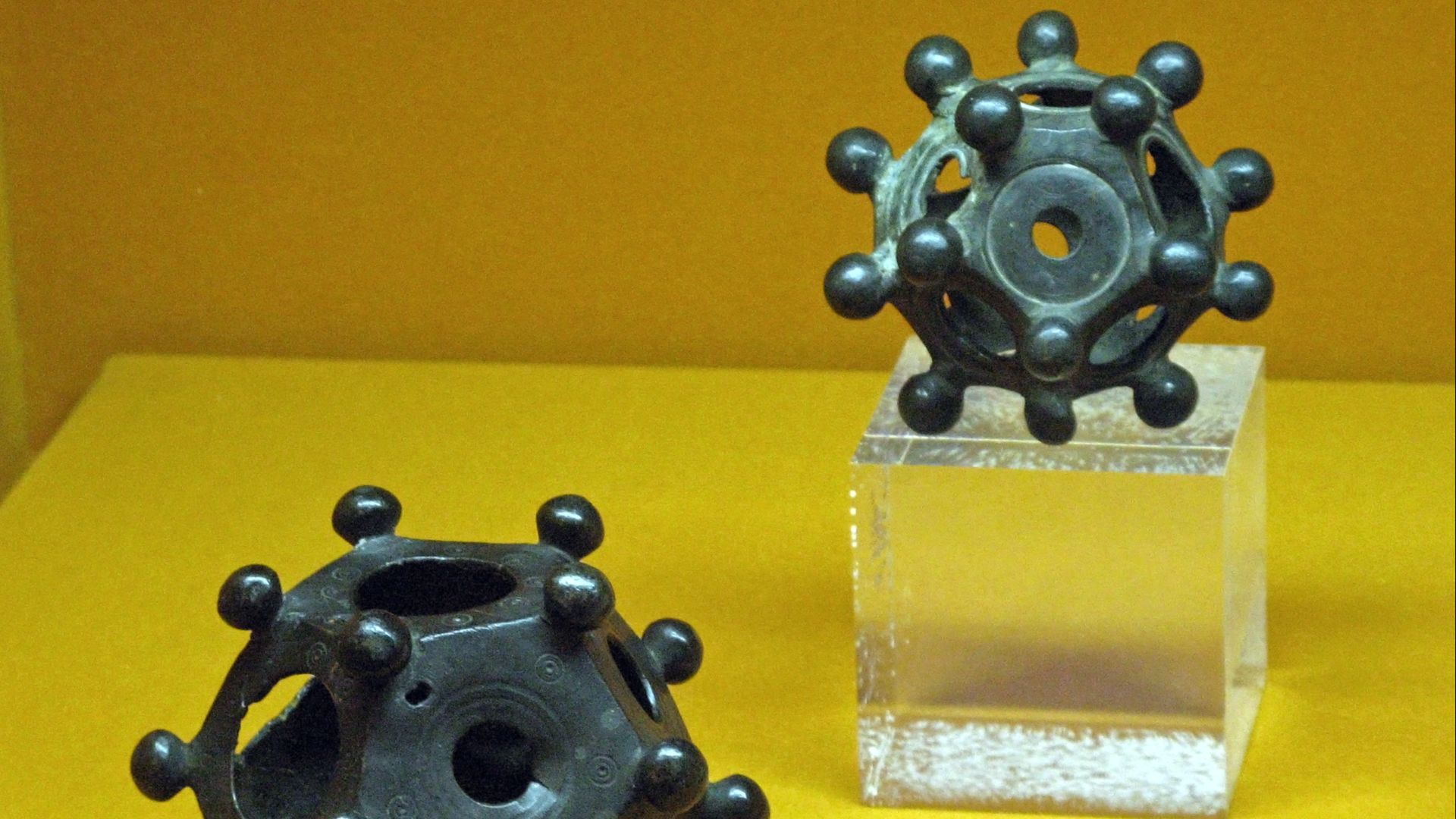
5. The Roman Dodecahedra
These hollow bronze objects, found across parts of Europe, remain unexplained. Their shape is consistent enough to suggest purpose, yet no written source tells us clearly what that purpose was. They occupy an uncomfortable space in the record, recognizable as deliberate artifacts, but still resistant to confident interpretation.
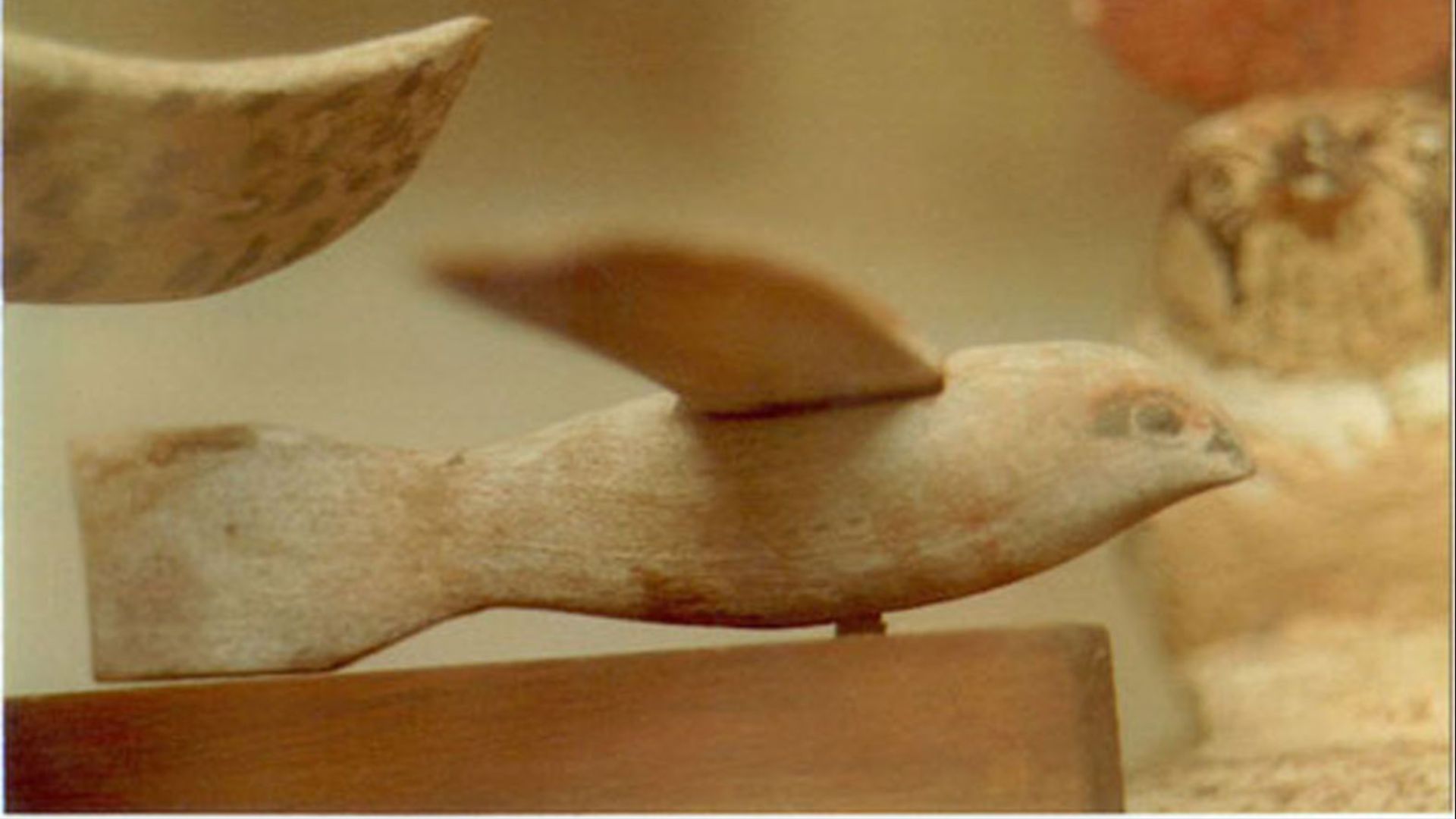
6. The Saqqara Bird
This carved wooden bird from ancient Egypt has inspired more debate than its size would suggest. Some see it as a toy, a symbolic object, or a stylized representation of a bird. Others have argued that its shape hints at a more technical understanding of balance and air movement. Its importance lies in how a modest object can invite very different readings of the same culture.
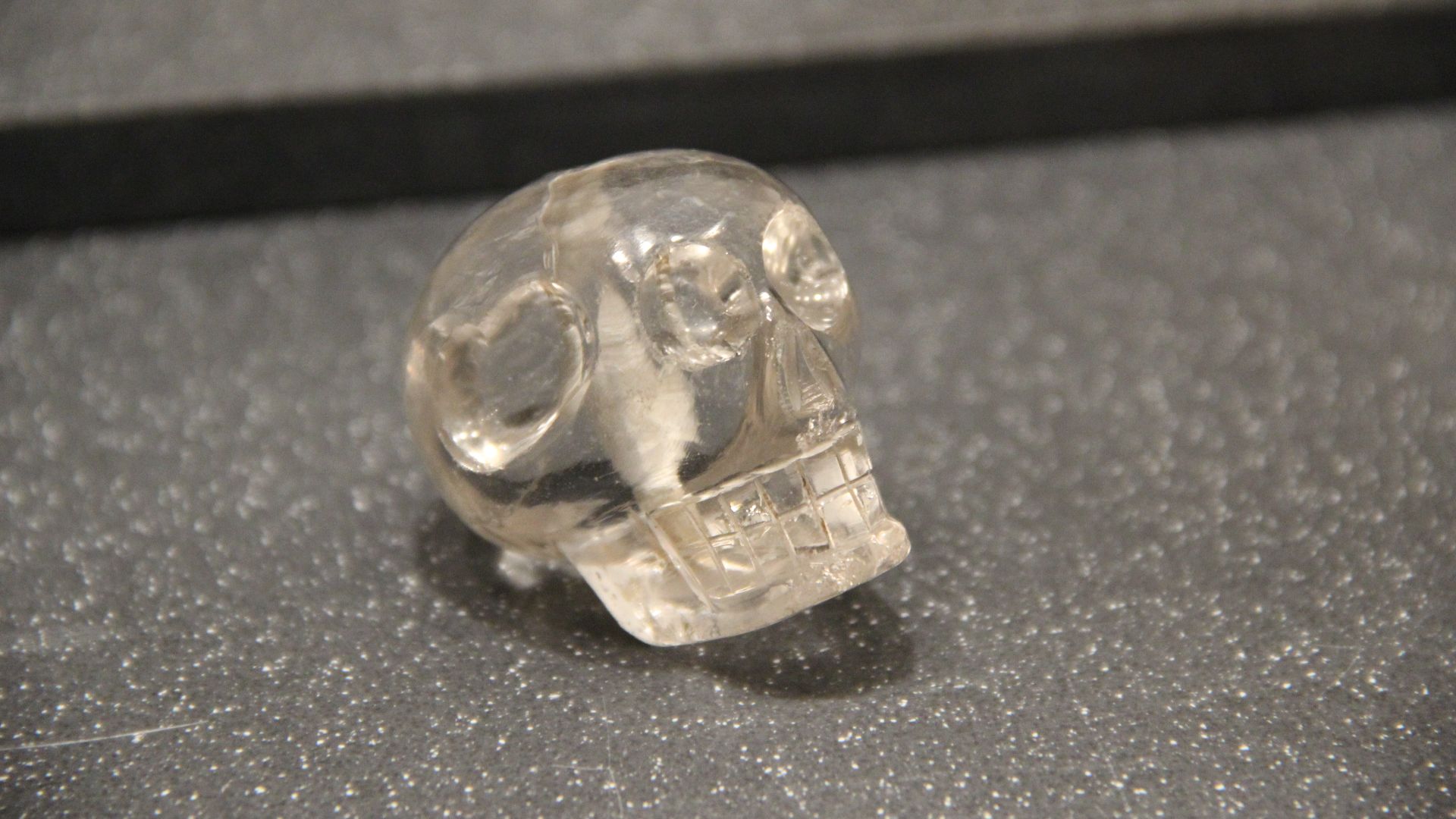
7. The Crystal Skulls
The crystal skulls became famous because they seemed to belong to an ancient ritual world, yet their workmanship raised suspicions. Later analysis suggested that at least some of them were likely produced with more modern tools. They remain instructive not because they confirm a mystery, but because they show how quickly appearance, myth, and desire can overtake evidence.
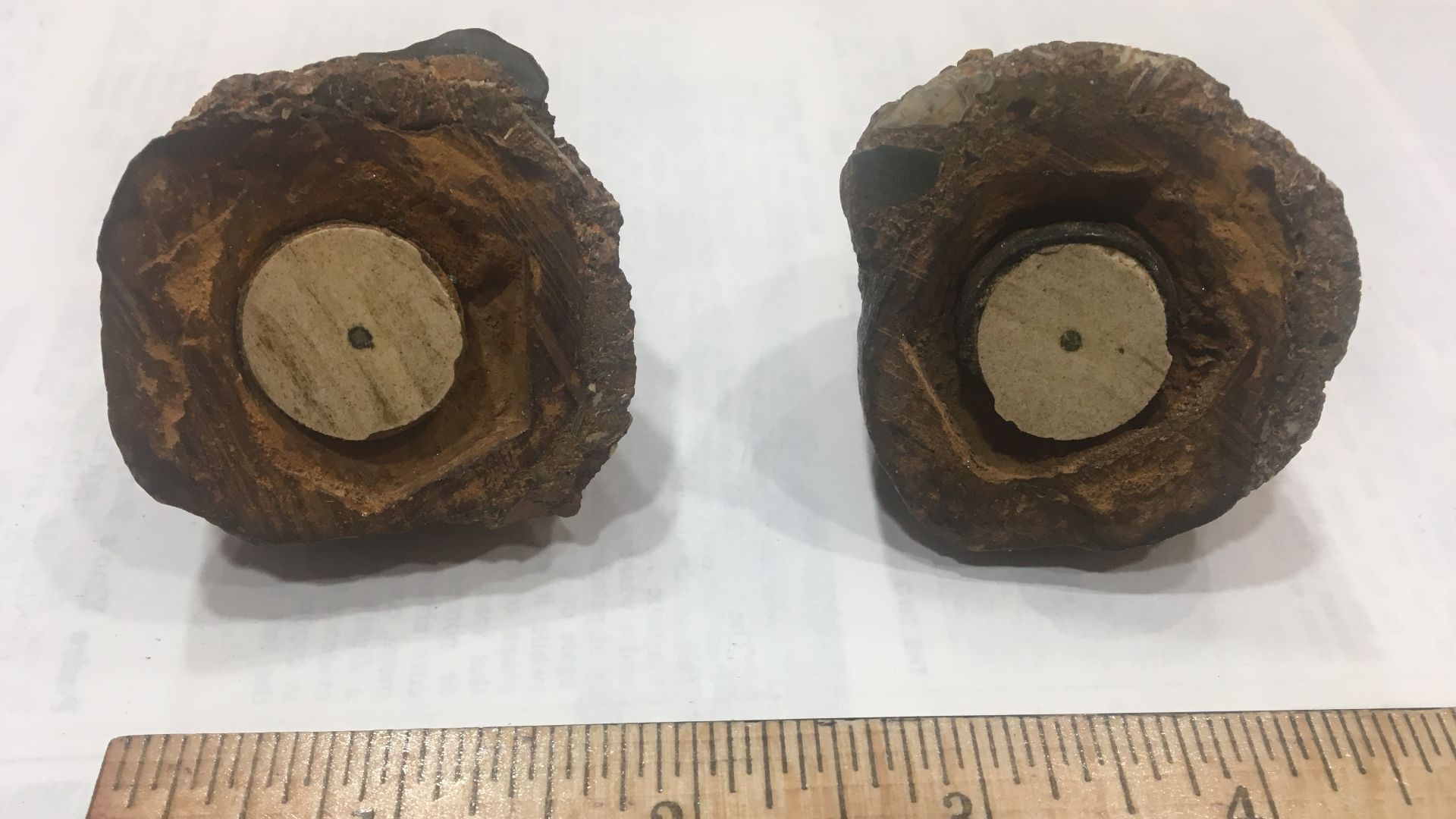
8. The Coso Artifact
Reportedly discovered inside a geode-like formation, the Coso Artifact drew attention because it resembled a modern spark plug. That resemblance was enough to generate sweeping theories well before the object’s history was clearly understood. Cases like this show how fragile interpretation can become when an artifact appears to combine familiar technology with an unfamiliar setting.
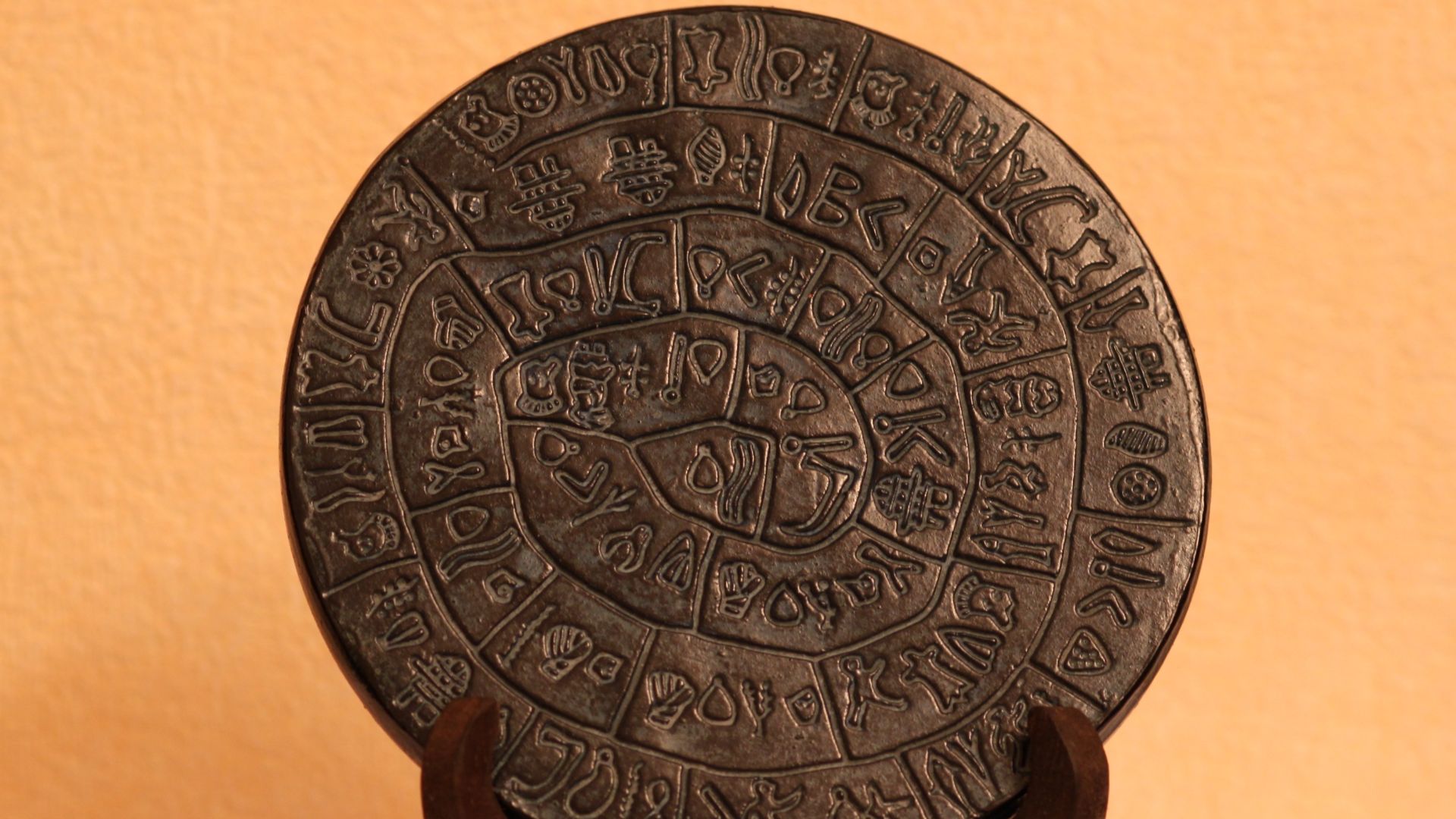
9. The Phaistos Disc
Found on Crete, the Phaistos Disc is a clay object stamped with symbols arranged in a spiral. It has the look of a text, but no reading has gained lasting acceptance. Its power as an artifact comes from that frustrating balance between order and silence. It appears to say something important, yet remains just beyond recovery.
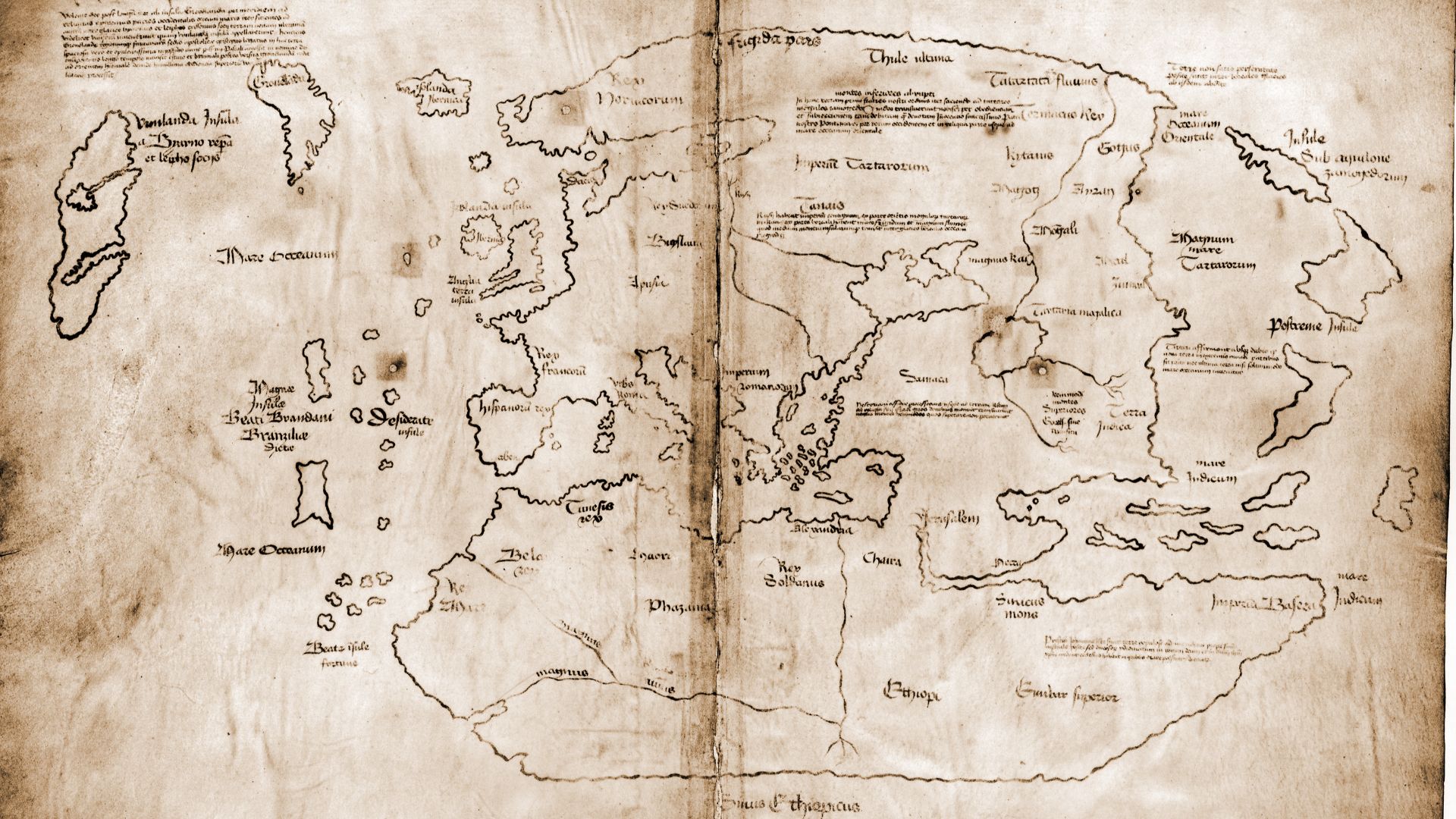
10. The Vinland Map
The Vinland Map drew attention because it seemed to depict parts of the New World before Columbus. If authentic, it would have changed more than one accepted narrative about medieval knowledge and Atlantic travel. Debate over the map has focused on materials, ink, and provenance, turning it into a cautionary example of how much can rest on the credibility of a single document.
 Yale University Press on Wikimedia
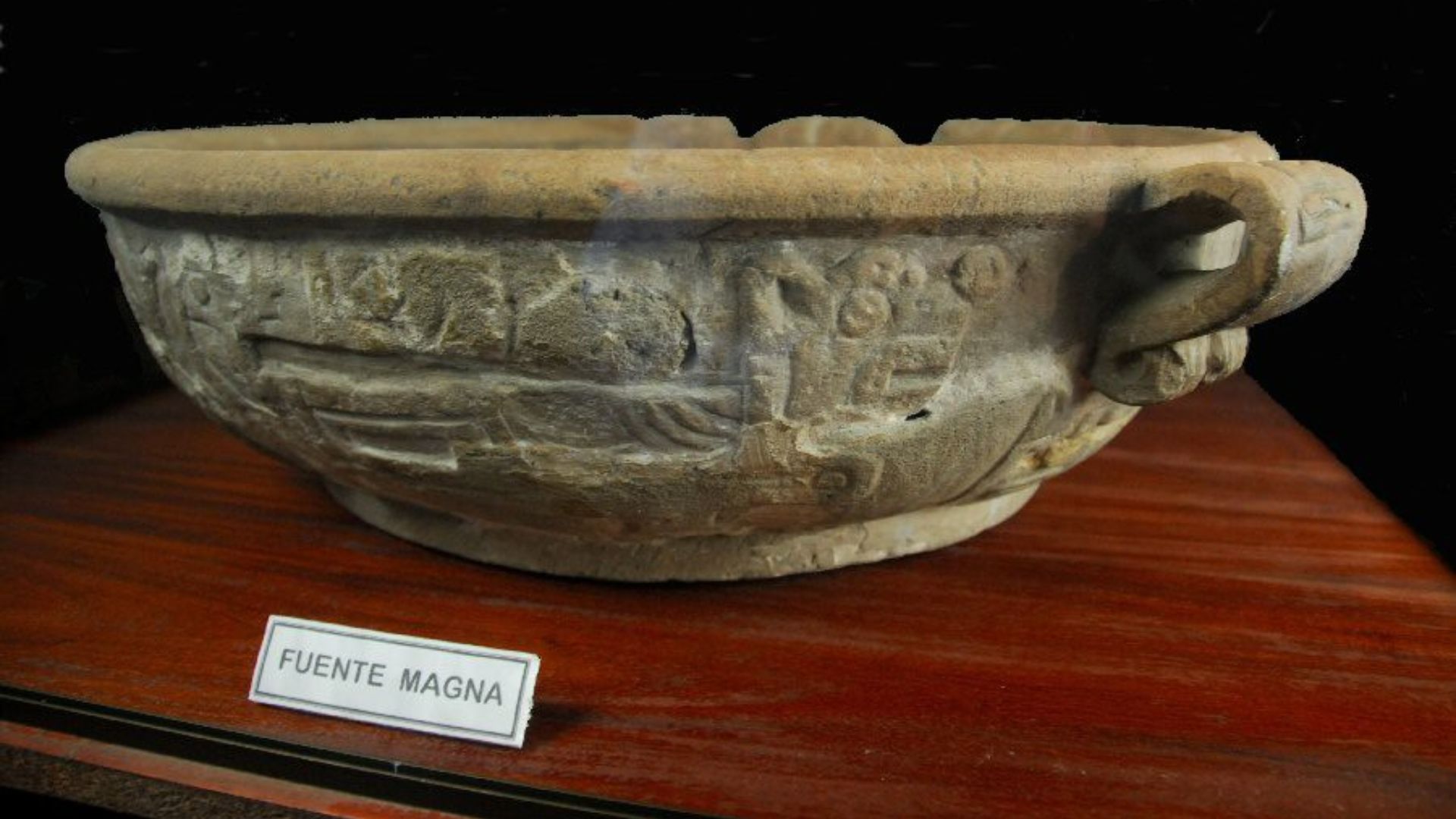
11. The Fuente Magna Bowl
This large stone bowl from Bolivia became controversial because some observers believed its markings resembled ancient Sumerian writing. Such a connection would imply contact or influence across an enormous and highly improbable distance. Whether the claim holds or not, the object remains a powerful example of how script can transform an artifact from local curiosity into global historical problem.
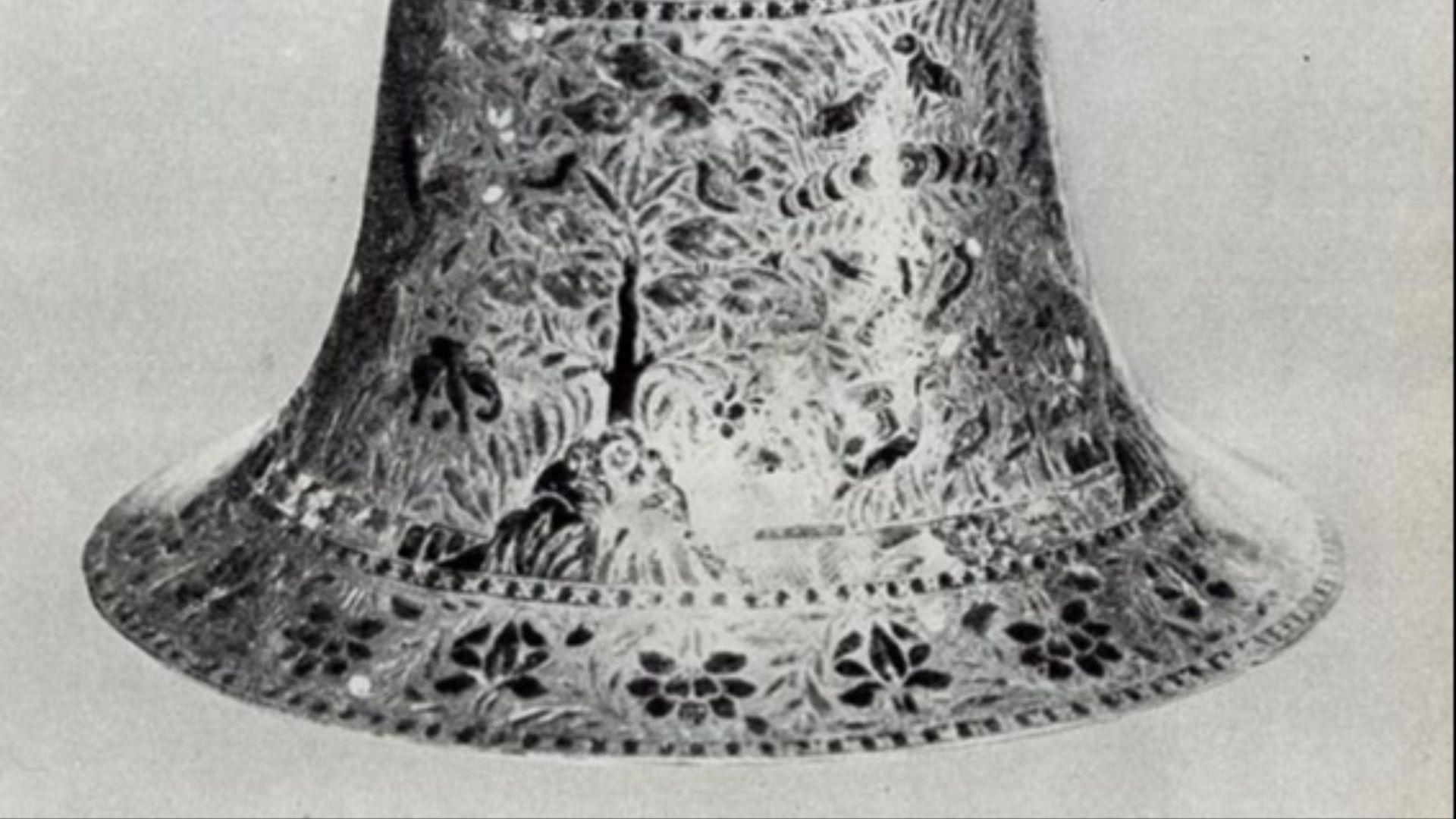
12. The Dorchester Pot
The Dorchester Pot entered public attention after reports claimed it had been blasted from ancient rock during quarry work in the nineteenth century. The object itself appeared decorative and finely made, which only sharpened the contrast with its supposed geological context. It is one of those cases where the force of the story depends almost entirely on whether the setting can be trusted.
 commons.wikimedia.org on Google
13. Roman Heads Found Far From Rome
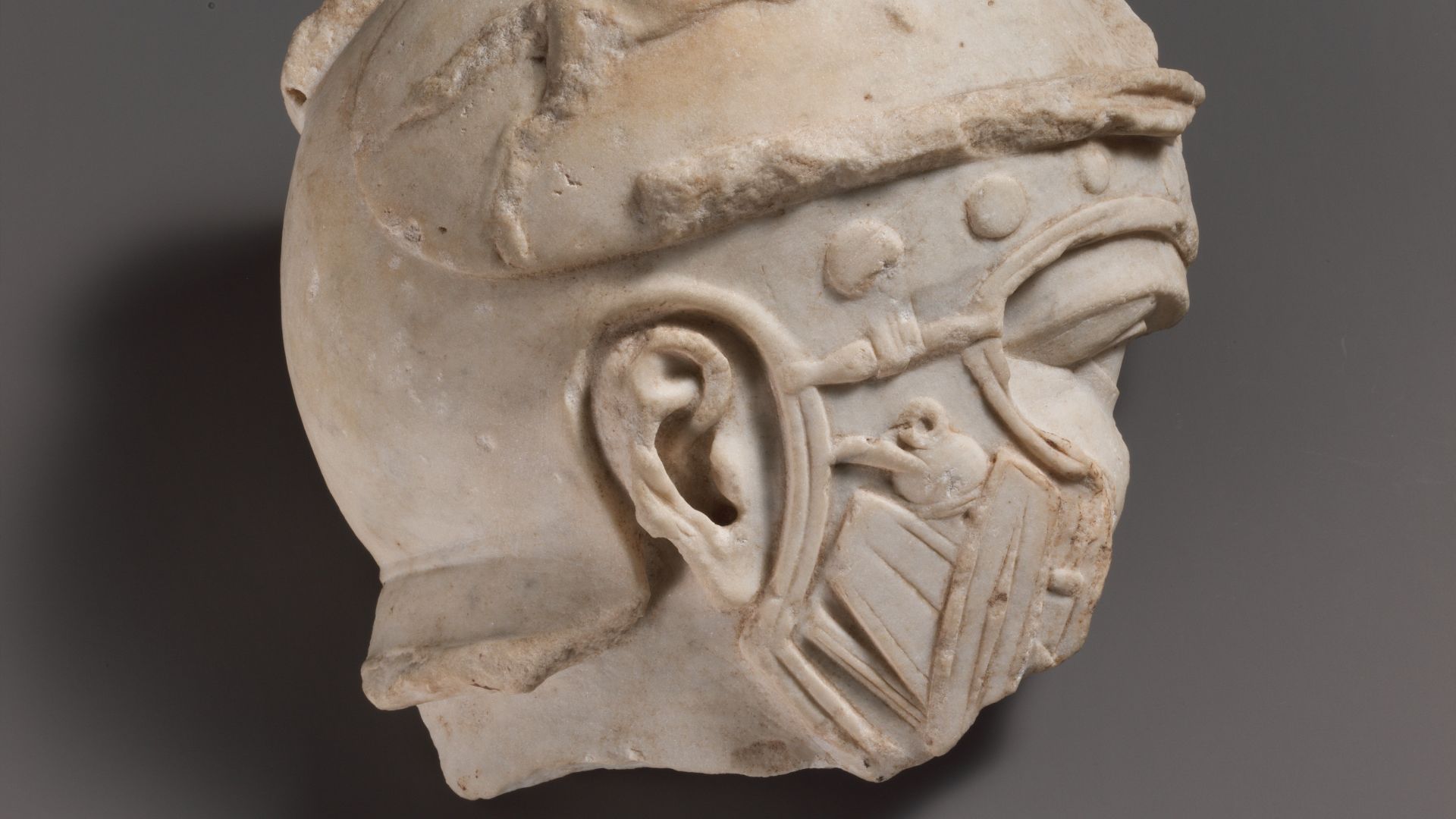
Roman sculpture fragments found far beyond the empire’s expected core have often prompted questions about trade, movement, and cultural reach. A marble head in the wrong region can suggest commerce, collecting, conquest, or later displacement. Whatever the explanation, such finds remind us that ancient objects did not remain still simply because modern maps would prefer them to.
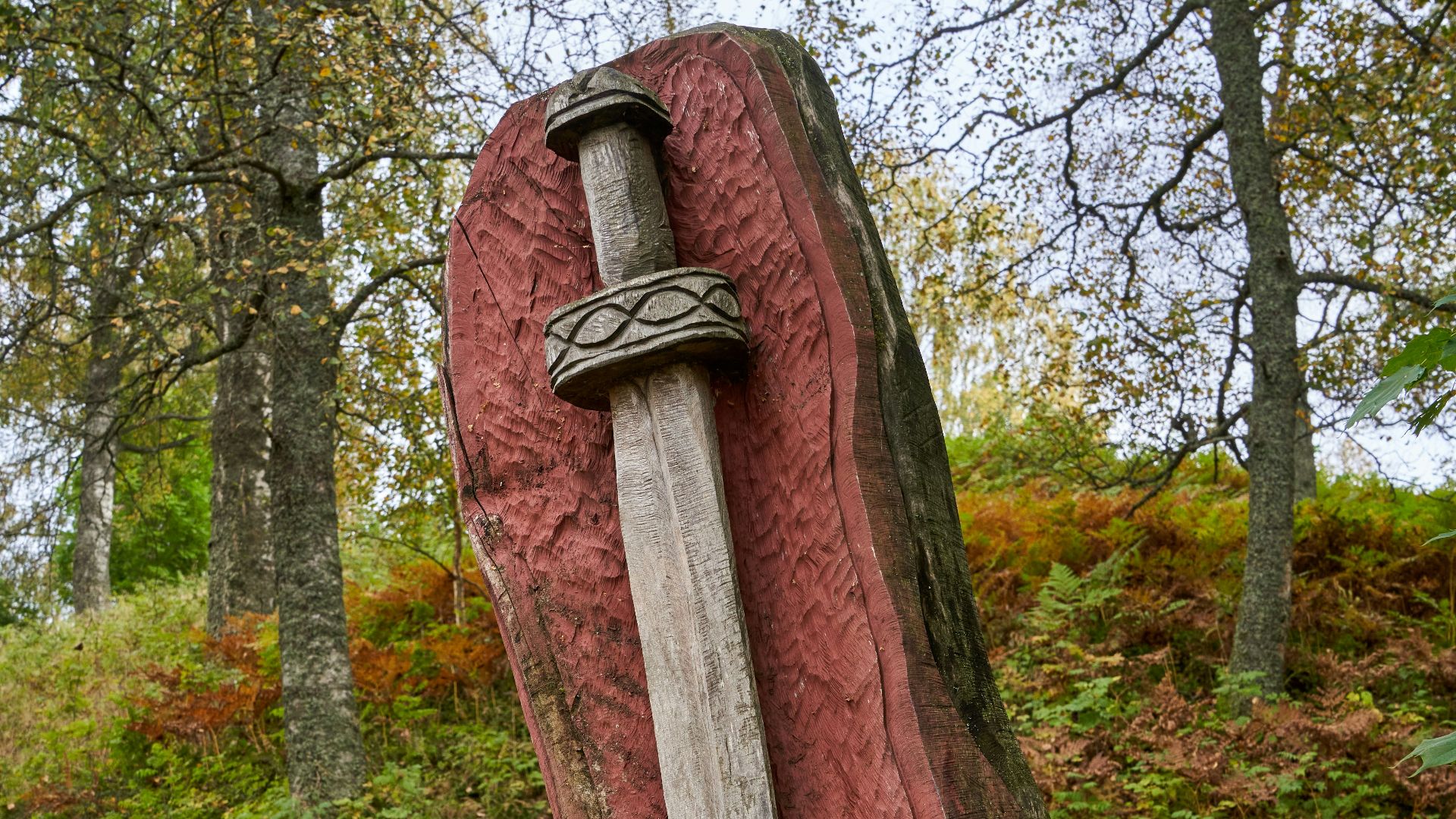
14. The River Witham Sword
The River Witham in Lincolnshire has yielded several historic weapons, including an early medieval sword often associated with the Viking Age world. A sword deposited in a river is harder to explain than one recovered from a grave or battlefield, because it may point to loss, ritual offering, or deliberate disposal.
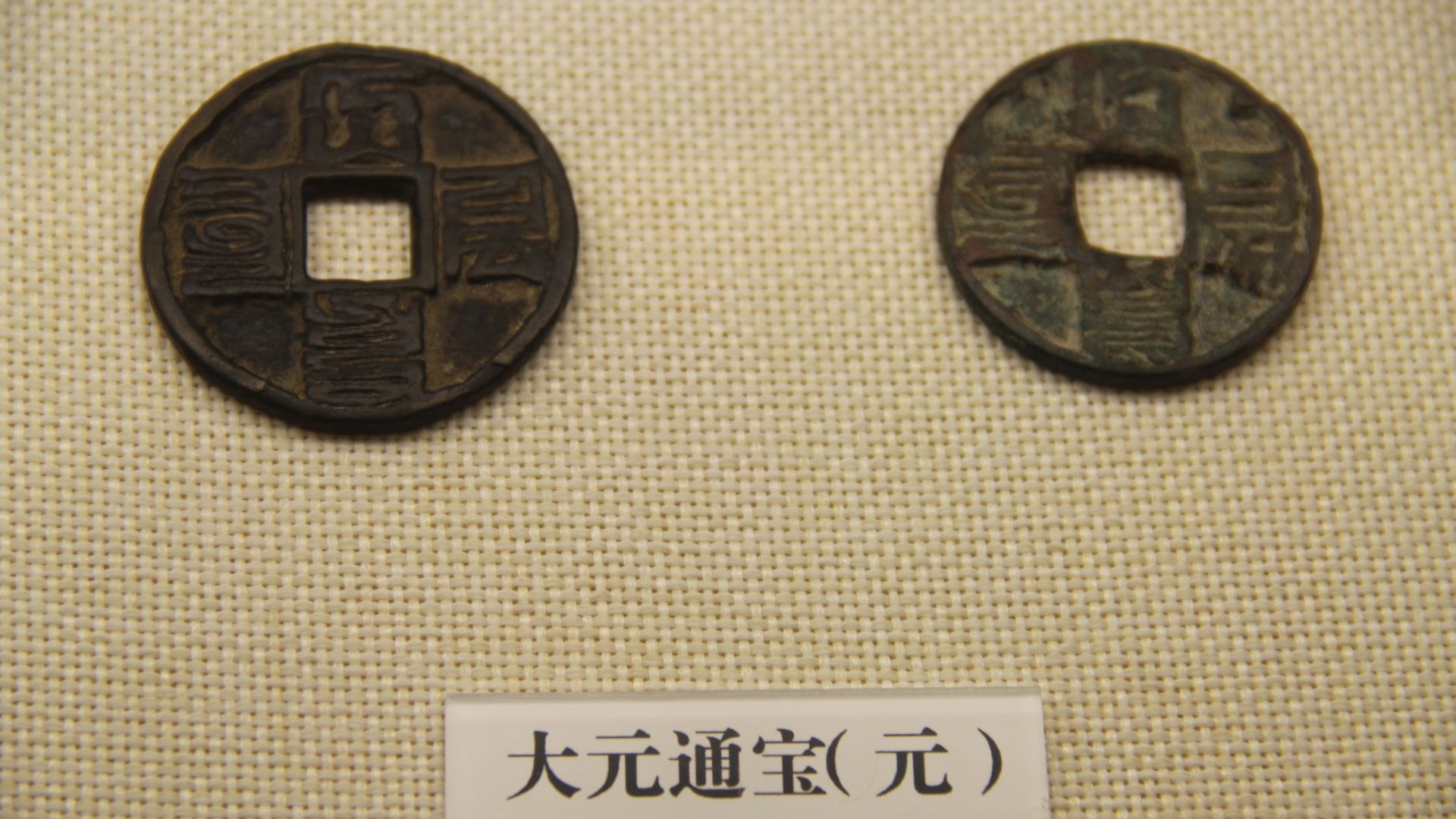
15. Chinese Cash Coins At Yuquot
Chinese cash coins found at Yuquot, also known as Nootka Sound on Vancouver Island, drew attention because they appeared in a North American coastal setting far from their original place of minting. Their presence is usually understood through long-distance trade and later circulation rather than any dramatic revision of global history.
 Gary Todd from Xinzheng, China on Wikimedia
16. The Dropa Stones
The Dropa Stones are tied to a story so disputed that nearly every detail is contested. They are often described as carved discs from a remote cave, linked to inscriptions and theories that move quickly beyond accepted archaeology. Their significance lies less in what they prove than in how readily uncertain objects become vehicles for larger cultural fantasies.
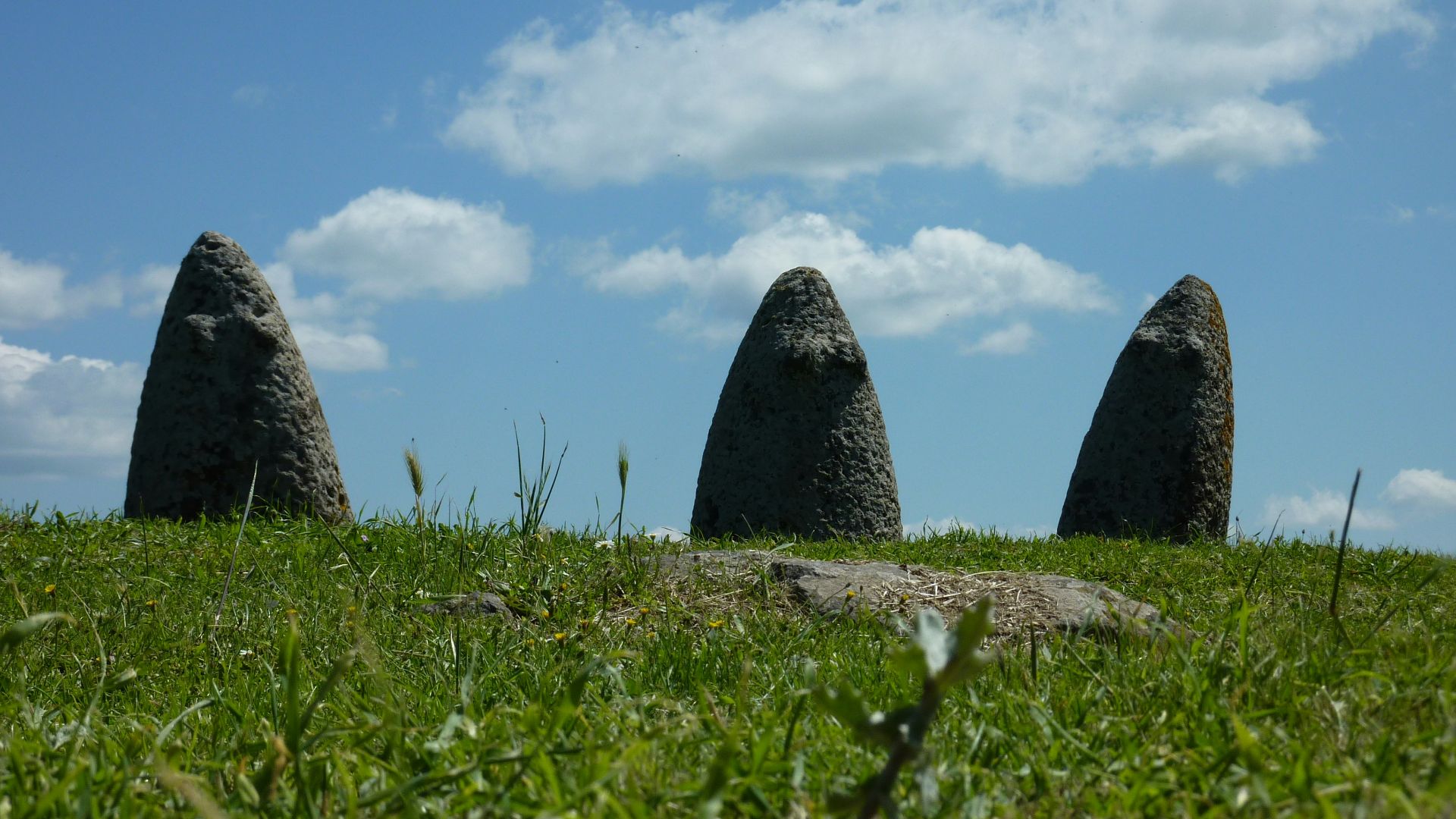
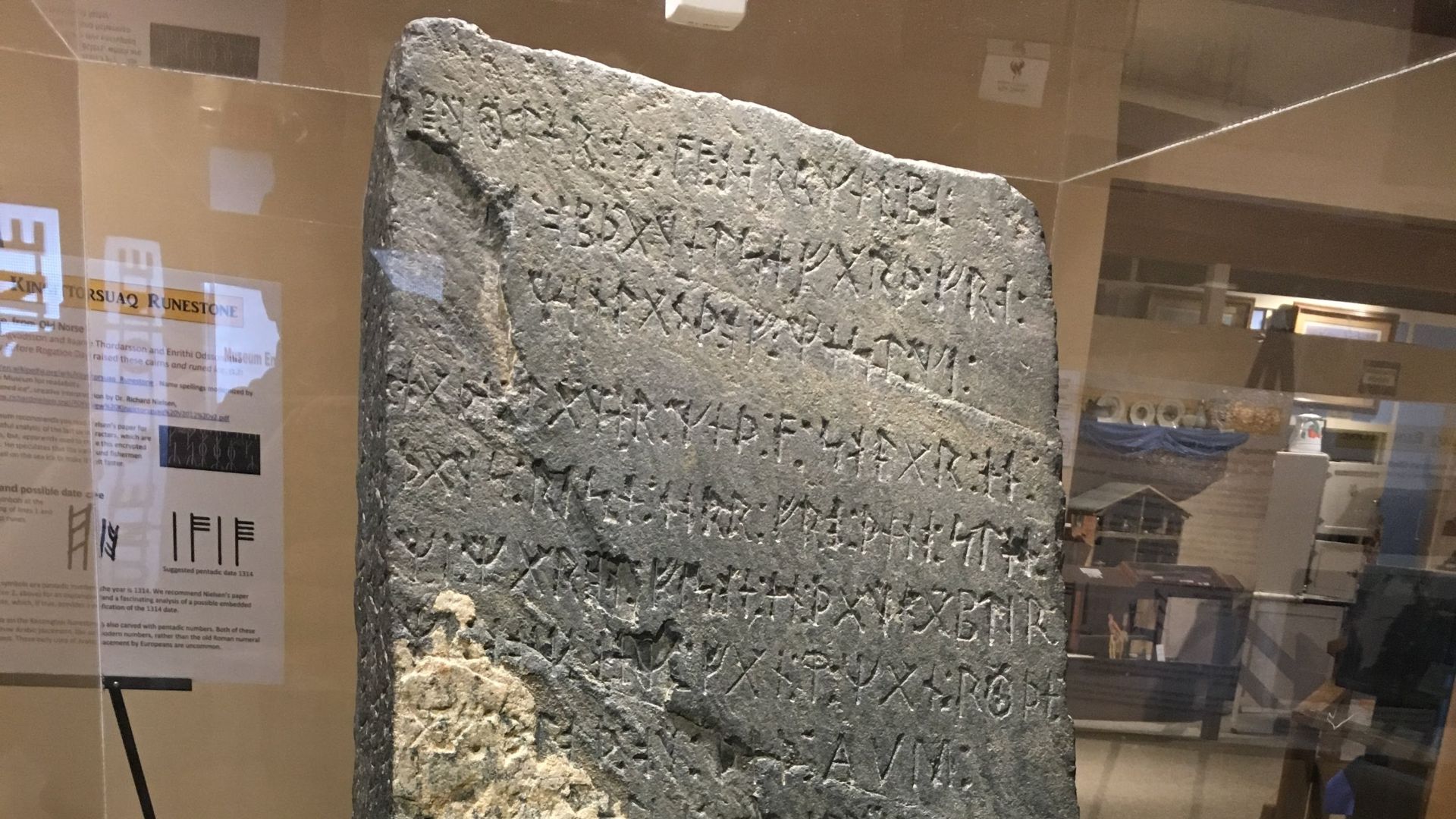
17. The Kensington Runestone
Discovered in Minnesota in the late nineteenth century, the Kensington Runestone was presented as evidence of a medieval Norse presence deep in North America. Its inscription, language, and provenance have been debated ever since, with many scholars treating it as a later fabrication rather than a genuine fourteenth-century artifact. Even so, it remains a striking example of how one object in the wrong place can unsettle historical confidence.
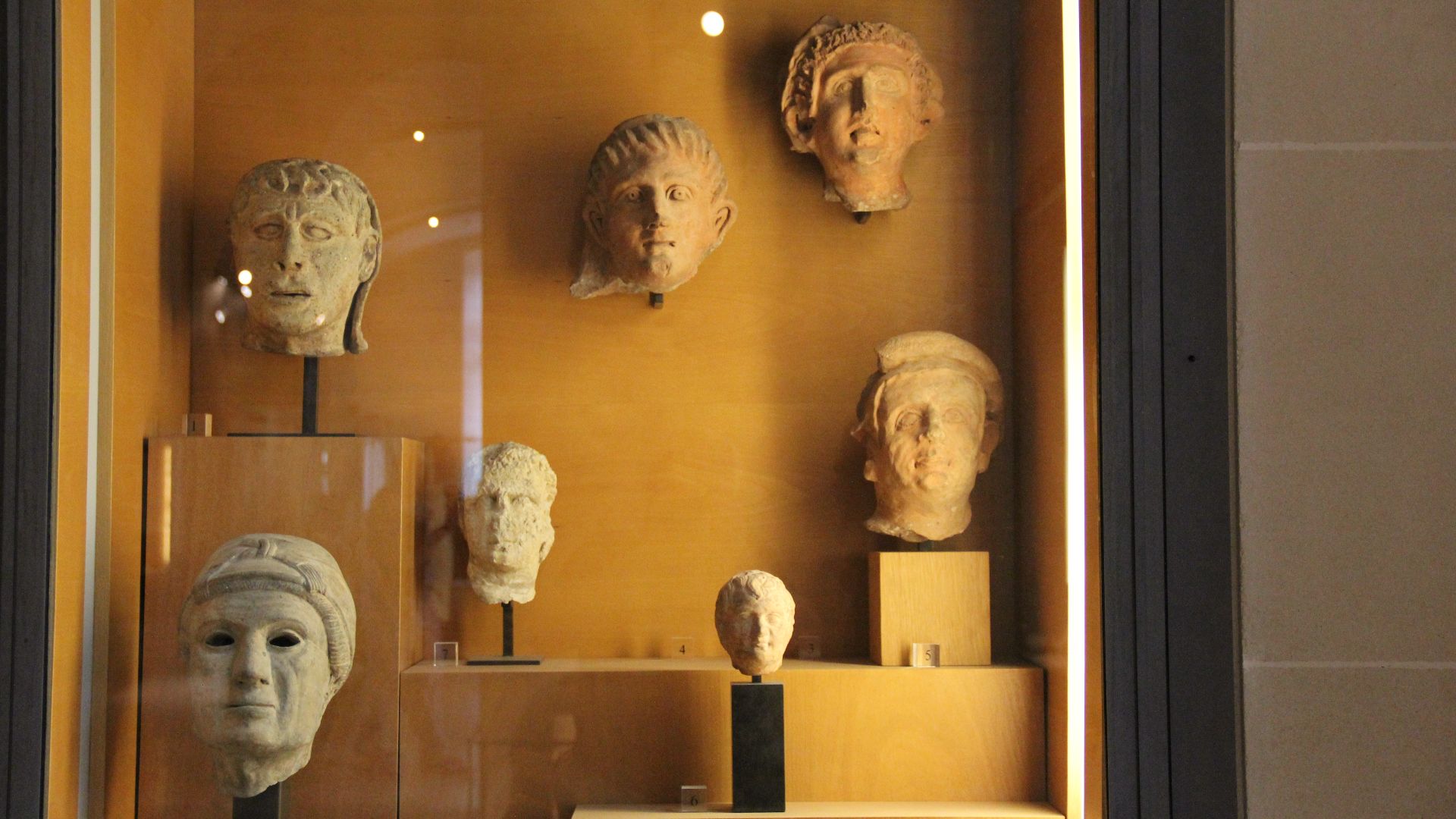
18. The Tecaxic-Calixtlahuaca Head
In 1933, a small terracotta head with distinctly Roman-looking features was reportedly found in a pre-Columbian burial at Calixtlahuaca in Mexico. If the burial context was accurate, the object would suggest a startling case of transatlantic contact or later intrusion into the grave. That uncertainty is exactly what has kept the artifact in serious historical debate.
 Gary Todd from Xinzheng, China on Wikimedia
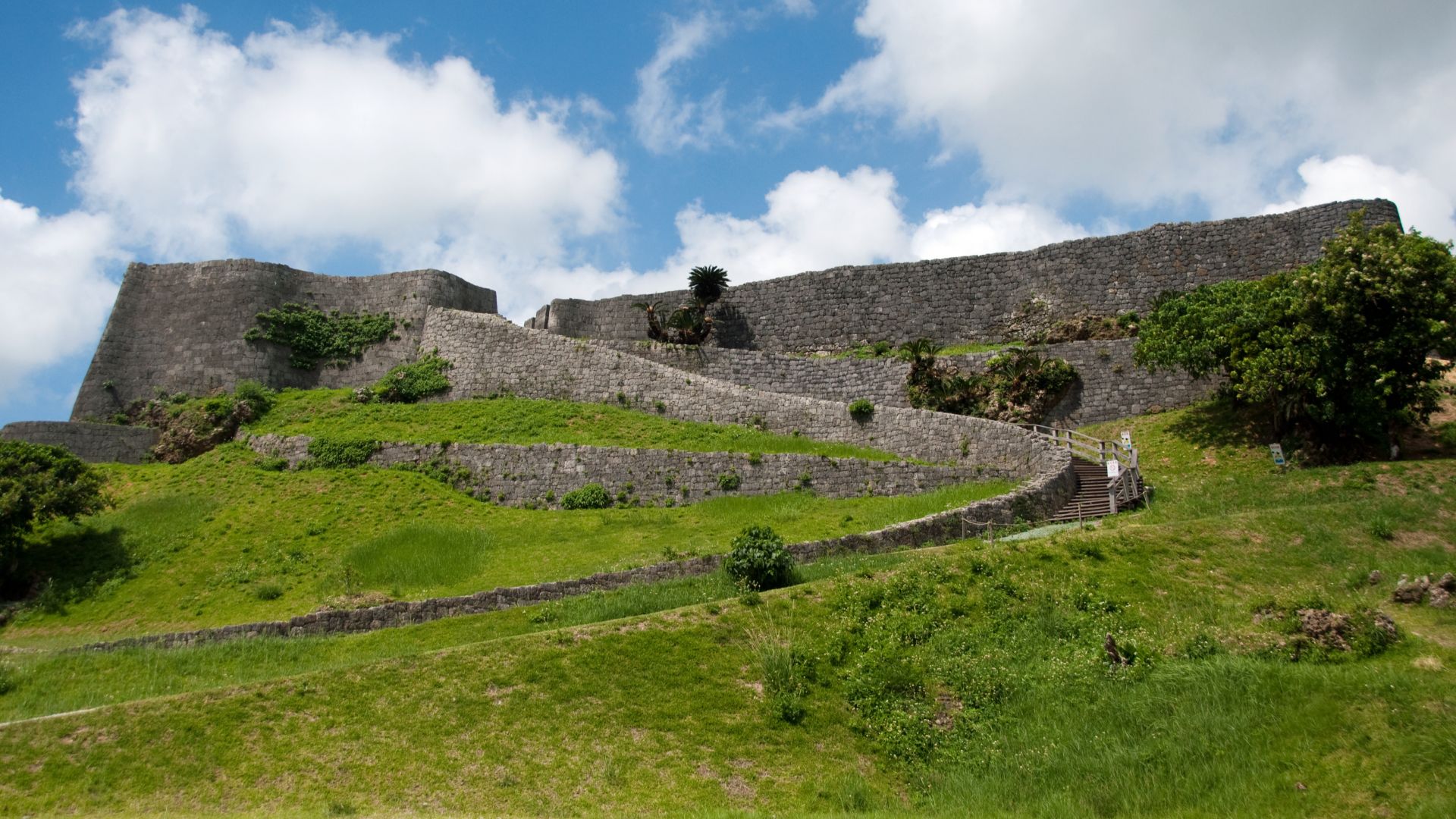
19. The Roman Coins Of Katsuren Castle
Excavations at Katsuren Castle in Okinawa brought to light several Roman coins, an unexpected find at a medieval Japanese site. The coins do not prove direct contact between Rome and Japan, but their presence points to the long, indirect movement of objects across trade networks that could carry artifacts astonishing distances.
20. The Pompeii Lakshmi
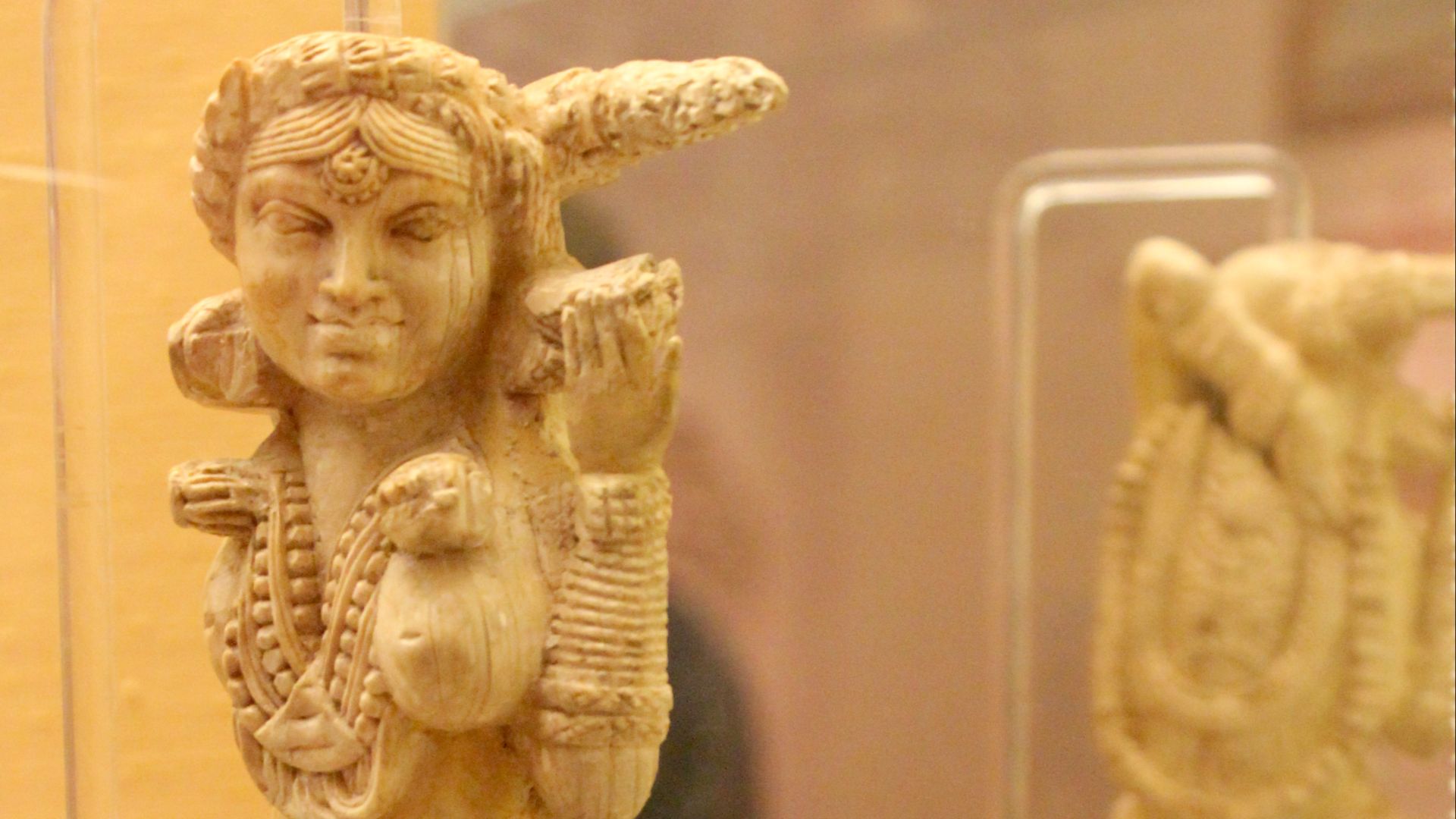
An ivory statuette generally identified as an Indian female figure, often called the Pompeii Lakshmi, was discovered in the ruins of Pompeii. Its presence in a Roman city destroyed in 79 CE offered unusually vivid material evidence of trade between the Mediterranean world and the Indian subcontinent.

KEEP ON READING

The 10 Youngest Monarchs In History & The 10 Oldest
Age Is Just A Number. Imagine being crowned king or…
By Chase Wexler Mar 11, 2025
You Think You Have Problems? These Royal Families Were Cursed
Boasson and Eggler St. Petersburg Nevsky 24. on WikimediaHeavy is…
By Ashley Bast Dec 5, 2025
You Can Thank This Greek-Canadian For Creating Pineapple On Pizza…
Love it or hate it, pineapple on pizza sparks debate…
By David Davidovic Dec 1, 2025
Yes, Female Gladiators Existed, And Here's Everything You Need To…
History of Women in Combat. Most people picture gladiators as…
By David Davidovic Jan 17, 2026
Yes, Australians Once Lost A Battle Against Flightless Birds
David Clode on UnsplashIn 1932, the Australian military went to…
By David Davidovic Nov 24, 2025
The Y2K Bug: Why Did Everyone Think Year 2000 Was…
Alan W on UnsplashOn December 31, 1999, people all over…
By Christy Chan Dec 22, 2025