20 Indian Royal Traditions That Sound Too Strange to Be Real
Royal Life Came With Some Very Unusual Rules
Being a member of Indian royalty wasn't all jeweled crowns, enormous palaces, and elaborate feasts. Depending on the kingdom and era, royal life could involve being weighed against gold, sweeping temple chariots, following oddly specific greeting rules, or even handing your kingdom over to a god. Some traditions were religious, others were political, and more than a few were very dramatic. Here are 20 Indian royal traditions that sound strange today.
 Attributed to Manohar Das on Wikimedia
1. Kings Were Literally Weighed Against Gold
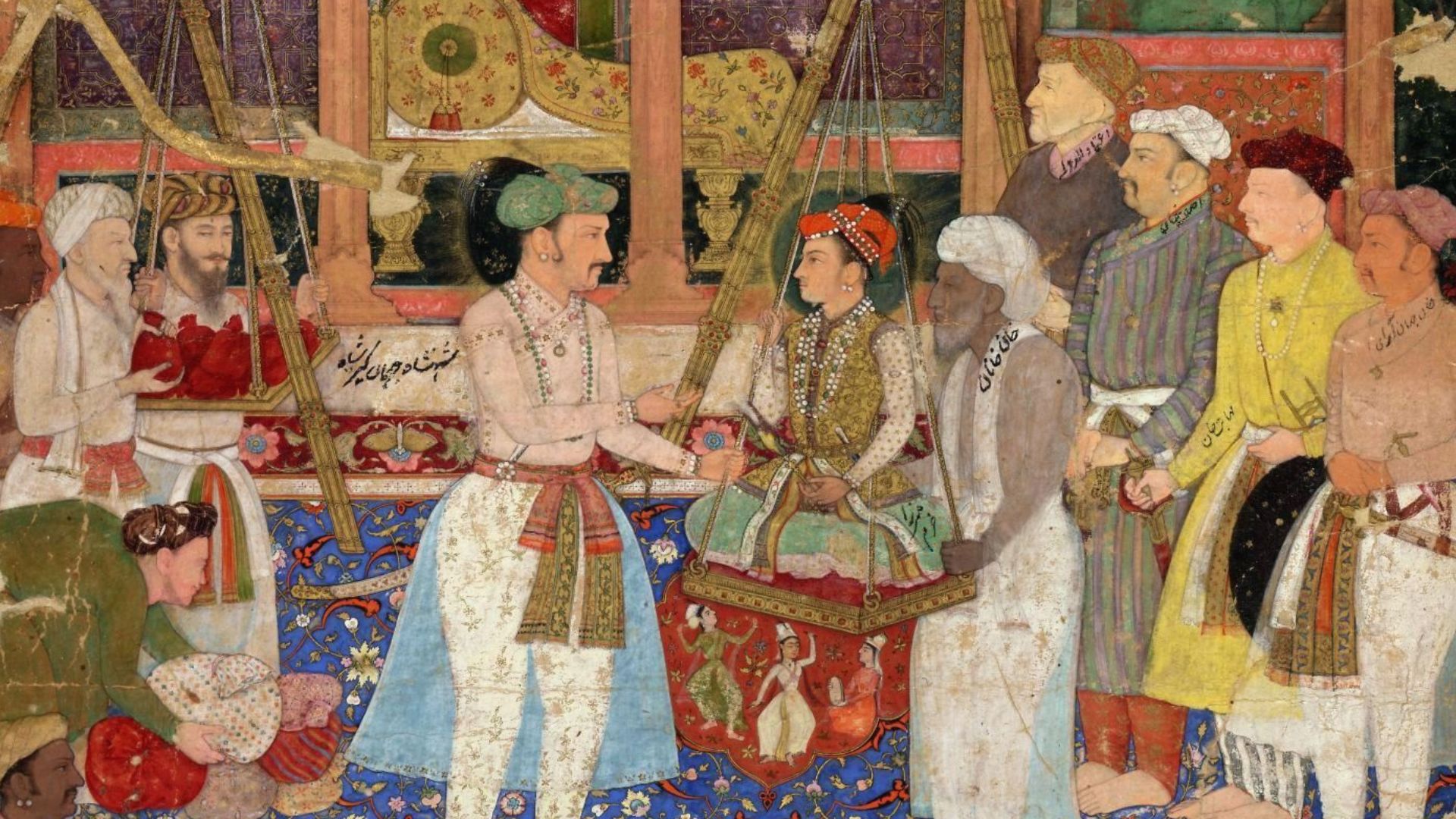
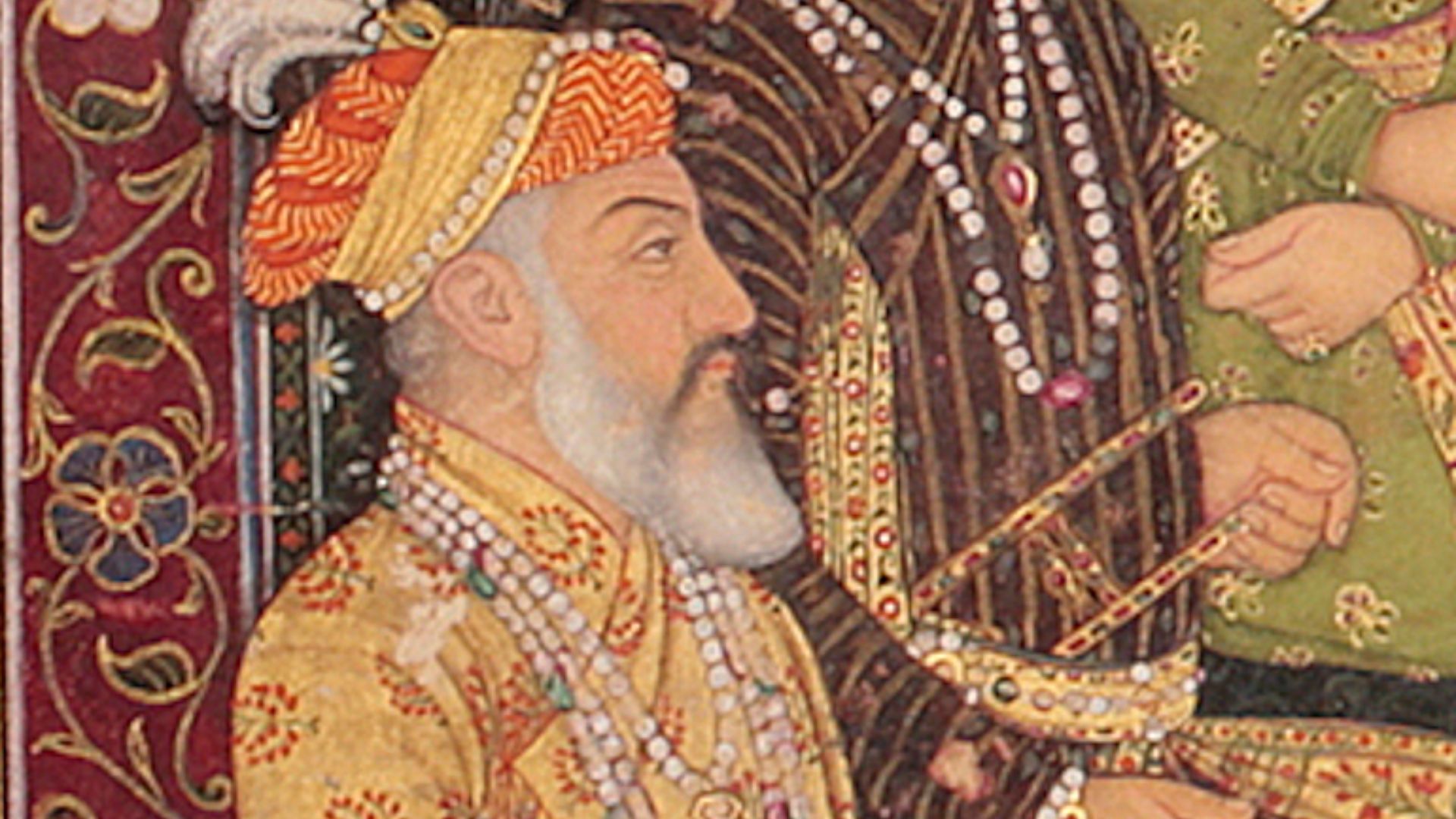
Some Indian rulers took part in a ceremony known as tuladan, in which the royal person sat on one side of a giant balance while gold or other valuable goods were piled onto the other. Mughal emperors, including Akbar and Jahangir, practiced versions of the custom, and it was also associated with rulers in several Hindu kingdoms. The goods could then be distributed as charity, turning the ruler's own body weight into the measurement for an enormous donation.

2. A Mughal Emperor Could Be Weighed More Than Once
One weighing apparently wasn't elaborate enough at the Mughal court. Akbar's solar birthday celebrations involved successive weighings against materials that could include gold, mercury, silk, perfumes, metals, grain, and other goods, while a separate ceremony marked his lunar birthday. Much of what was weighed was ultimately intended for charitable distribution, giving an imperial birthday a very different meaning from simply receiving presents.
3. Subjects Waited for the Emperor to Appear at a Window
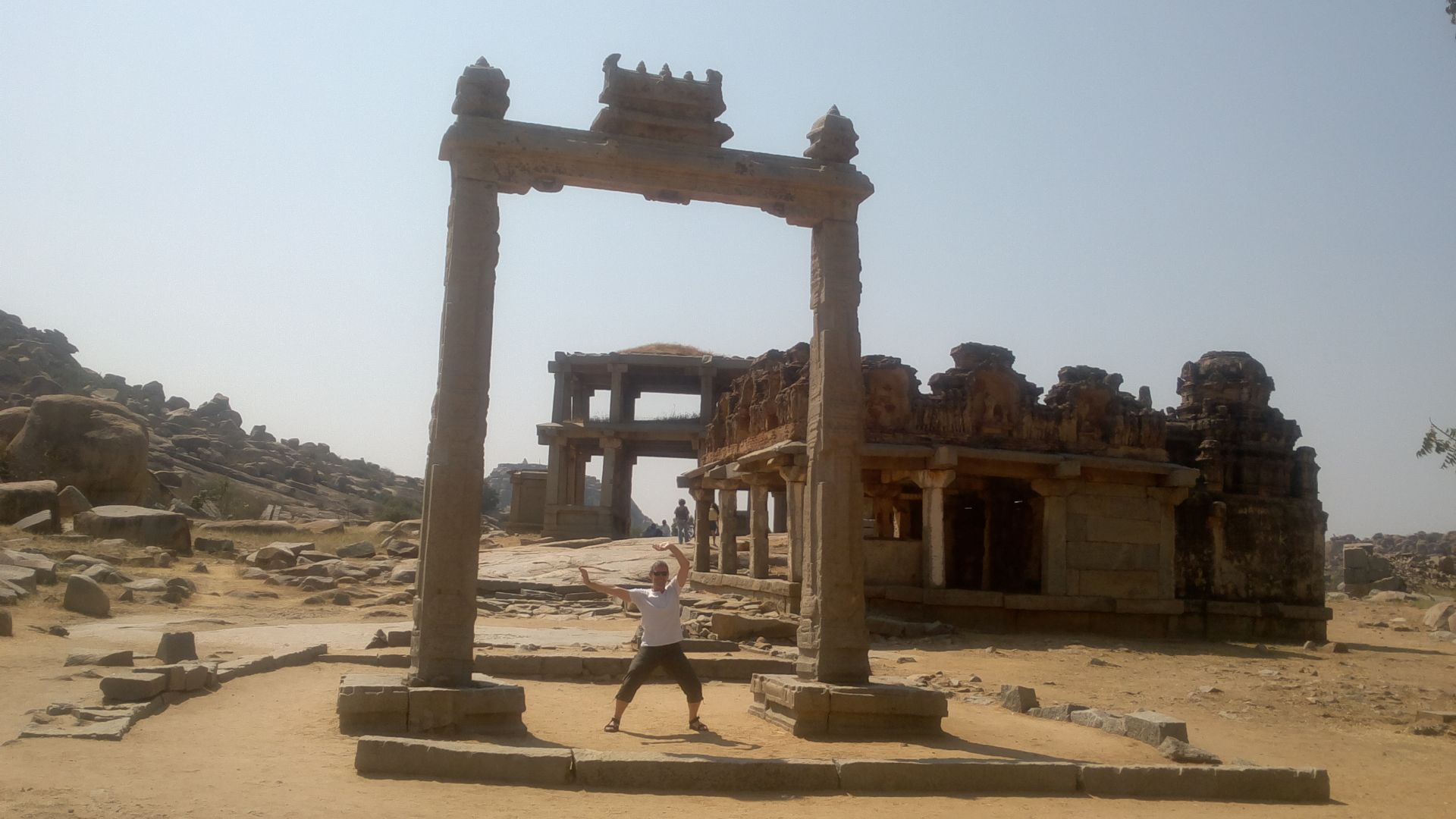
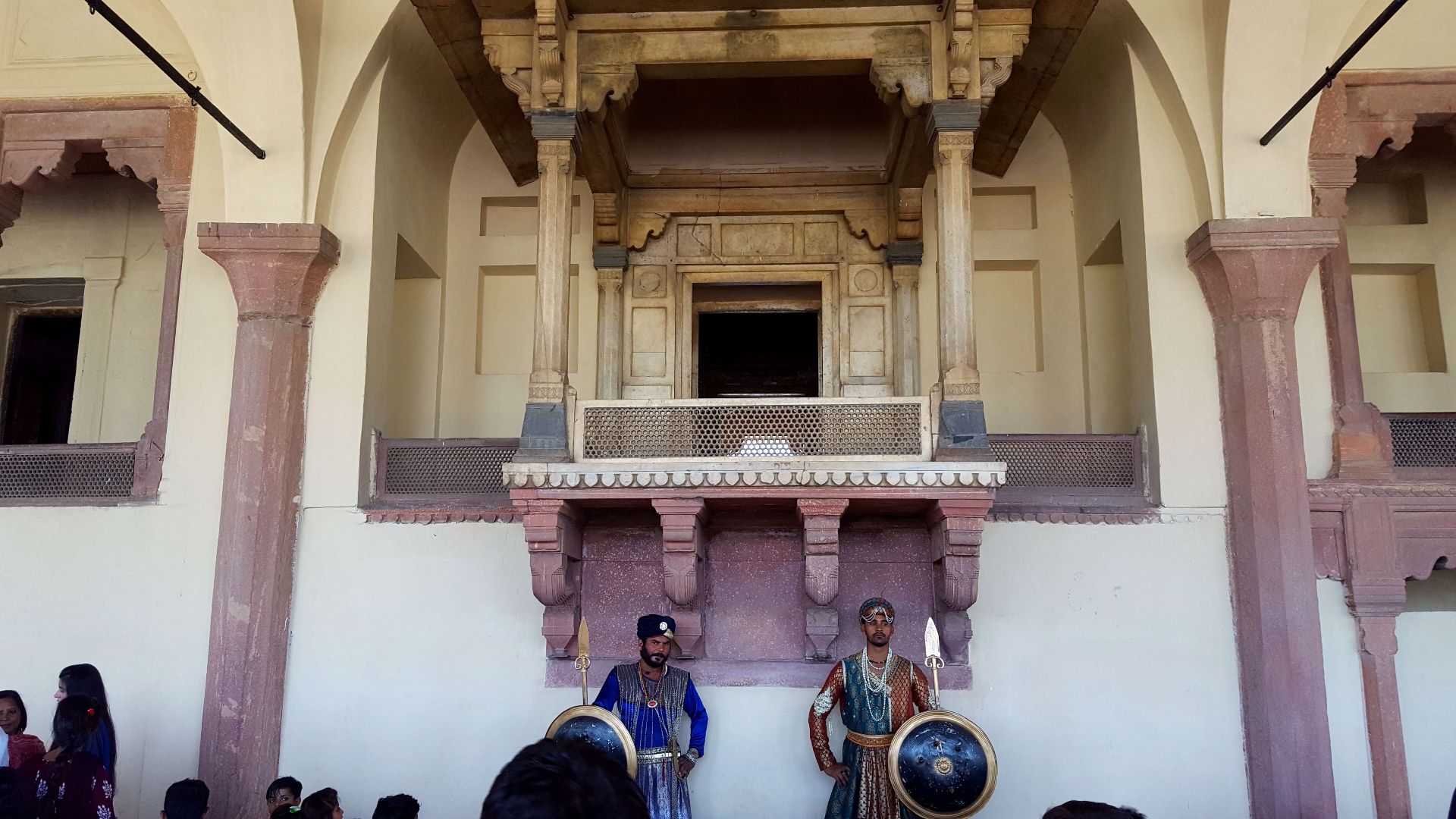
Under emperors such as Akbar and Jahangir, jharoka darshan involved the ruler appearing at an elevated palace window or balcony where the public could see him. The ceremony helped reassure subjects that the emperor was alive, healthy, and present. It became important enough that Jahangir reportedly continued making appearances even while dealing with illness.
 Shahzaib Damn Cruze on Wikimedia
4. The Proper Greeting Could Involve Full Prostration
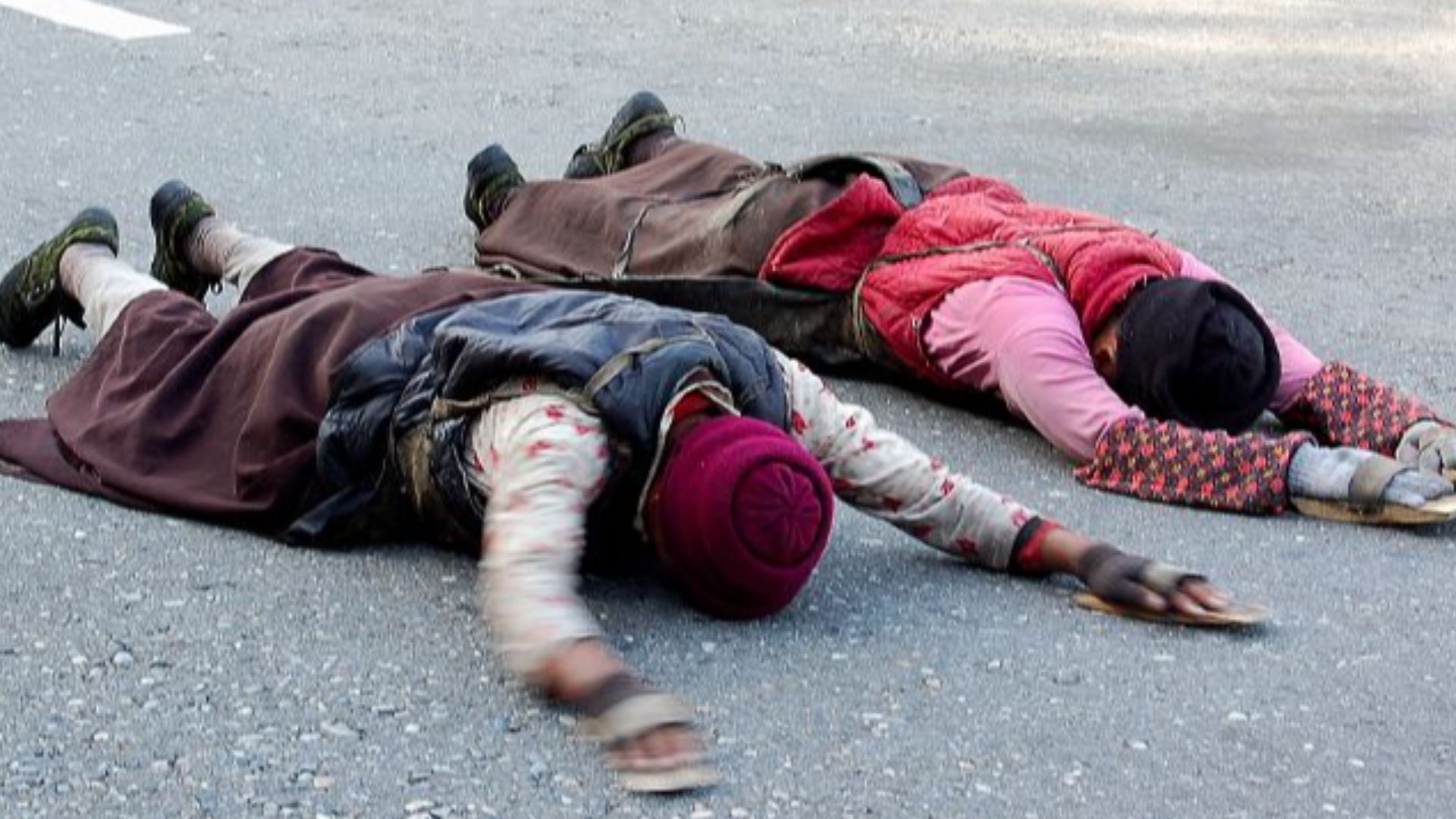
Mughal court etiquette wasn't satisfied with a casual bow or nod. One of the most submissive greetings, sijda, required complete prostration before the emperor, while later conventions included gestures such as zaminbos, or kissing the ground. The depth and form of someone's greeting could actually indicate their position within the court hierarchy.
 Gao from Beijing, China on Wikimedia
5. Another Greeting Had to Be Performed Four Times
Shah Jahan's court used an elaborate salutation known as chahar taslim. A person began by lowering the right hand toward the ground, then gradually raised it before placing the palm on the top of the head. The sequence was performed four times, meaning even saying hello to the emperor could require remembering a fairly specific routine.
6. A King Could Be Forbidden From Eating Before Feeding Brahmins
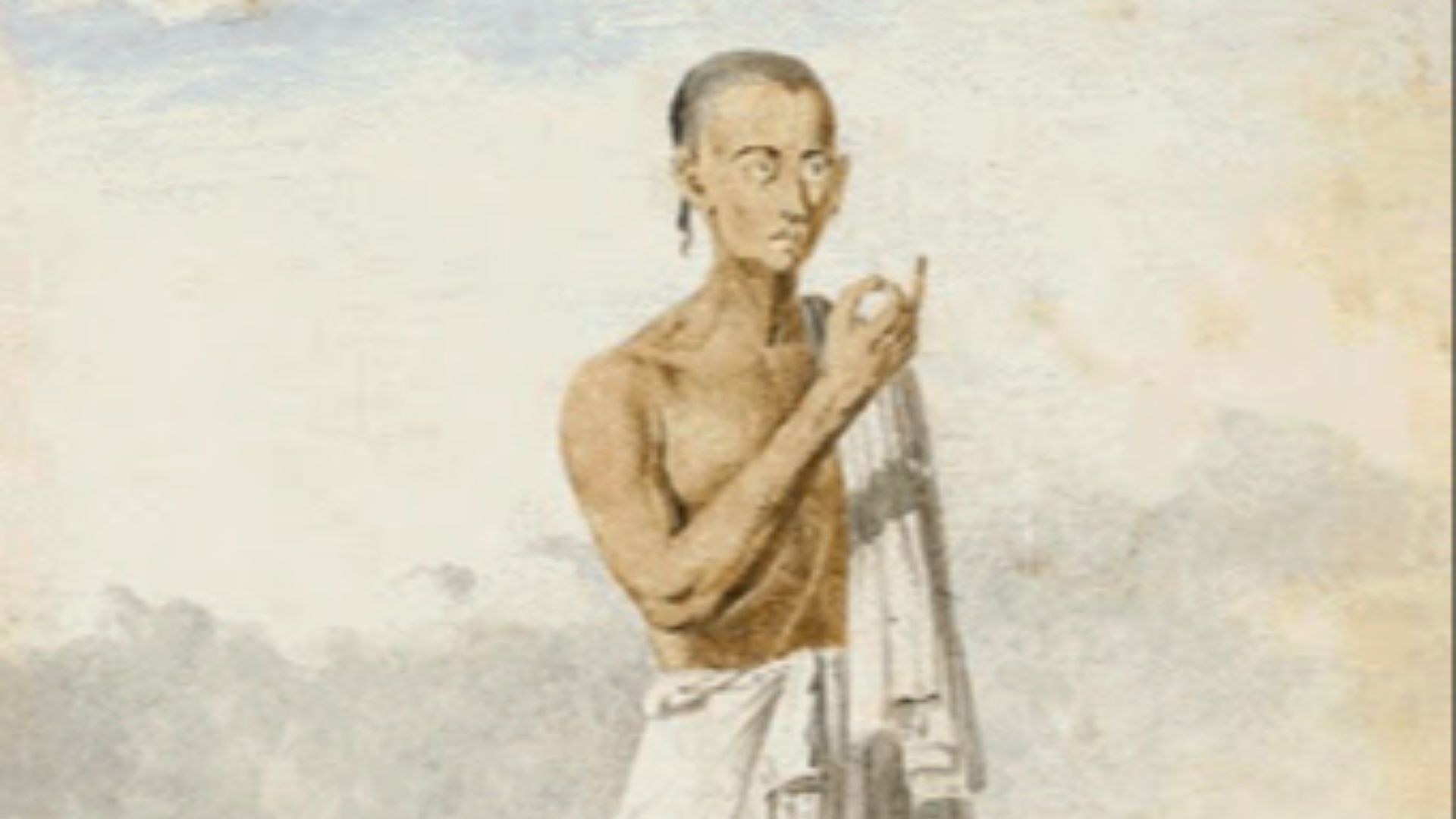
In some Indian royal courts, rulers followed strict religious routines before sitting down to their own meals. Food might first be offered to deities and distributed to Brahmins or other religious figures before the king was permitted to eat. Even the ruler’s lunch could therefore depend on a whole sequence of rituals happening first.
 Frans Balthazar Solvyns on Wikimedia
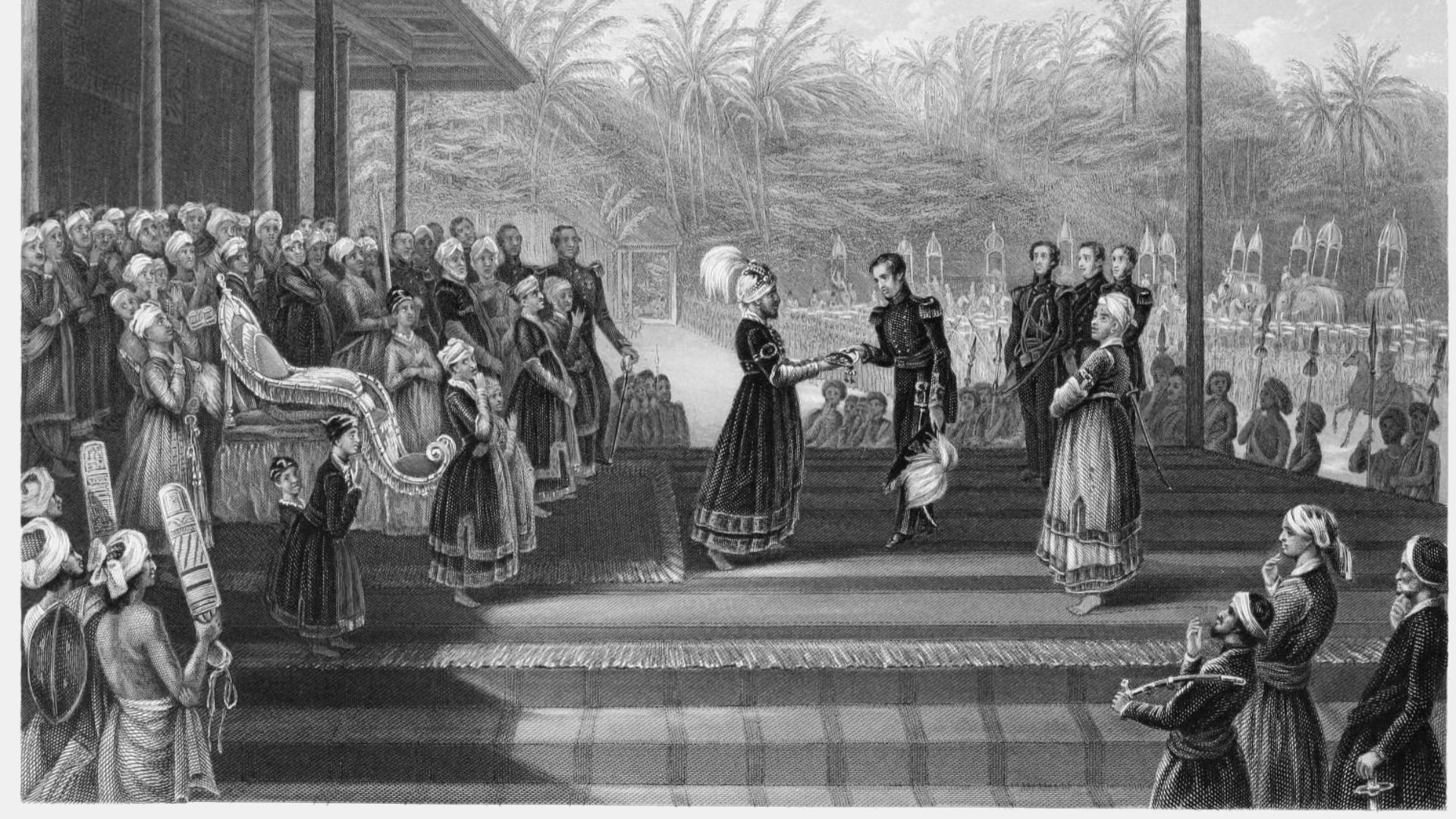
7. Travancore's Crown Could Pass Through the King's Sister
The Travancore royal family traditionally followed a matrilineal system of succession rather than simply passing power from father to son. A king could therefore be succeeded by his sister's son, which would seem highly unusual to anyone expecting a European-style line of inheritance, but the arrangement kept royal descent tied to the female side of the dynasty.
 Unknown author based on F.C. Lewis on Wikimedia
8. The King of Puri Swept the Floor Himself
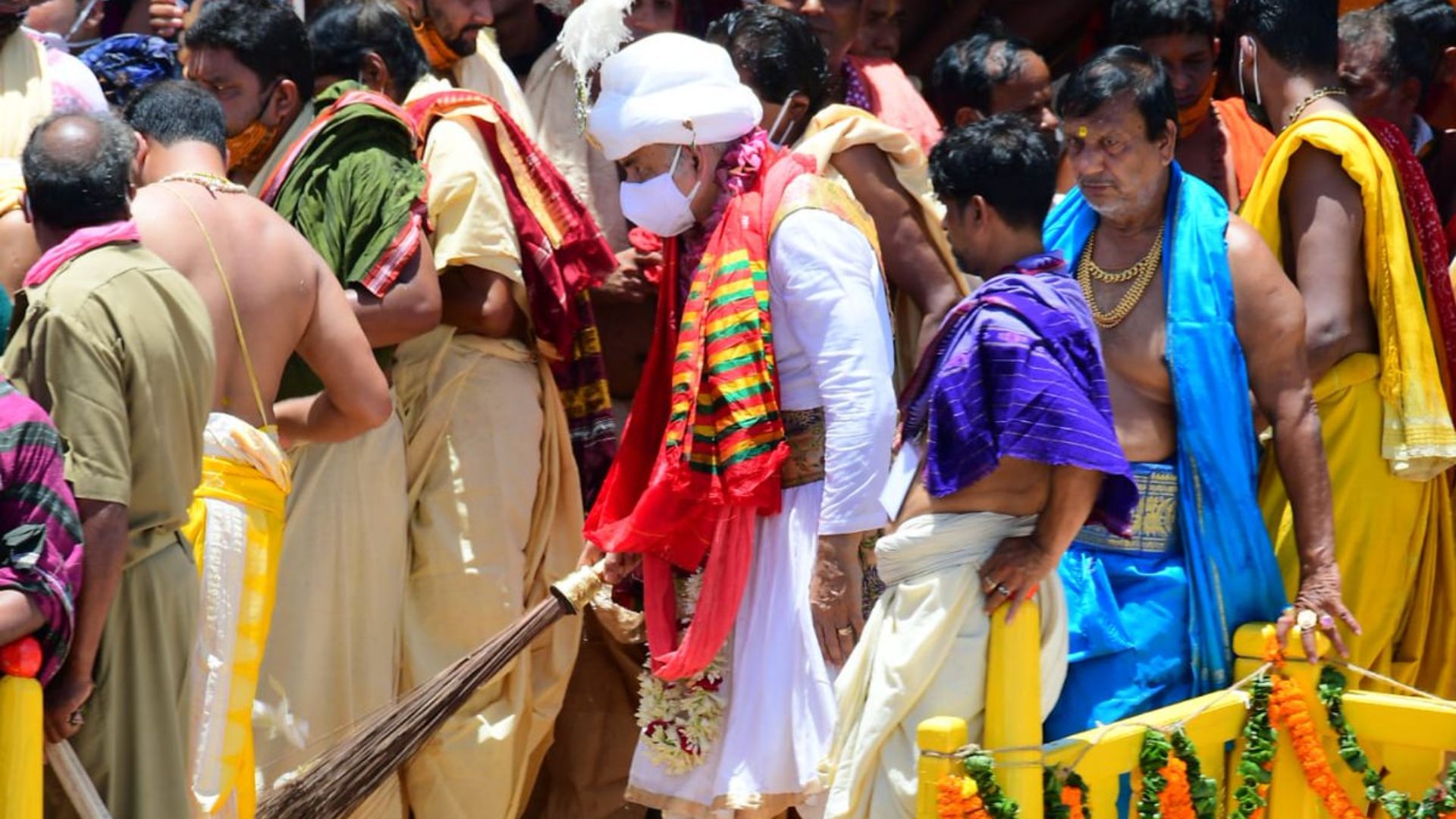
During Puri's famous Rath Yatra, the Gajapati ruler performs Chhera Pahanra, climbing onto the chariots of the deities and ceremonially sweeping their platforms. He uses a gold-handled broom and sprinkles fragrant or sandalwood-scented water as part of the ritual. The act deliberately places the king in the role of a servant before Lord Jagannath, emphasizing that royal status doesn't put him above the deity.
 Government of Odisha on Wikimedia
9. The Royal Sweeping Had to Happen Before the Chariots Moved
The Gajapati's unusual cleaning duty wasn't simply a symbolic side event during Rath Yatra. The sweeping traditionally takes place shortly before devotees begin pulling the enormous chariots, making the king's participation part of the festival's established sequence. The same ritual is also performed during the return journey, so the ruler's golden broom gets more than one ceremonial appearance.
10. A King Could Let a Horse Wander Into Rival Kingdoms
Ancient rulers performing the Ashvamedha released a horse to roam for about a year while soldiers followed behind. Any ruler whose land it entered had to accept the king’s authority or challenge his forces. If the horse returned safely, the ritual ended with a major royal ceremony and sacrifice.
11. A King Could Be Expected to Marry Several Wives
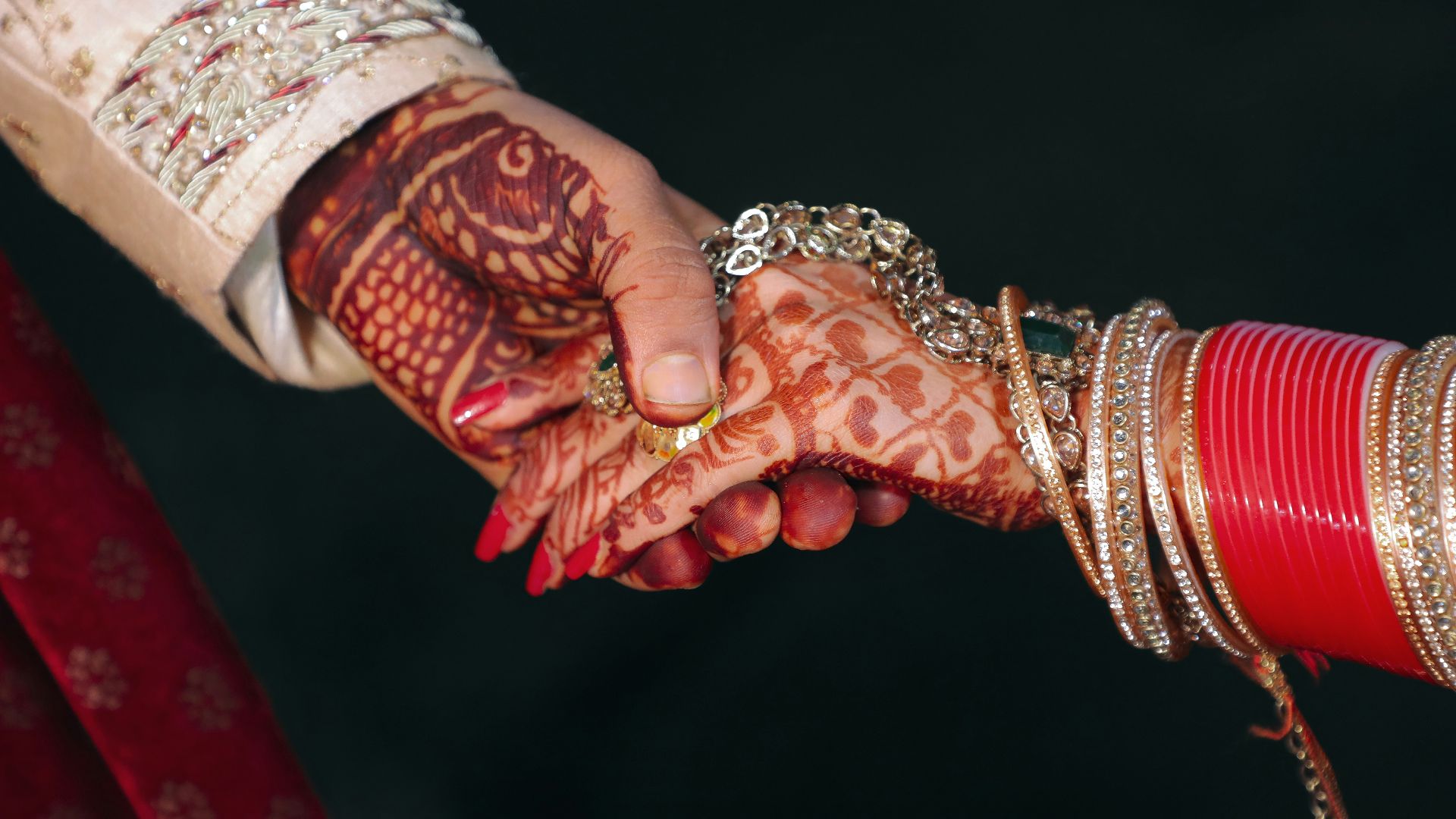
In a number of Indian royal courts, rulers married multiple women to strengthen political alliances between kingdoms and powerful families. Rarely were these marriages about romance, since each bride could bring diplomatic ties, prestige, or territorial advantages. A royal wedding could therefore double as a major political deal.
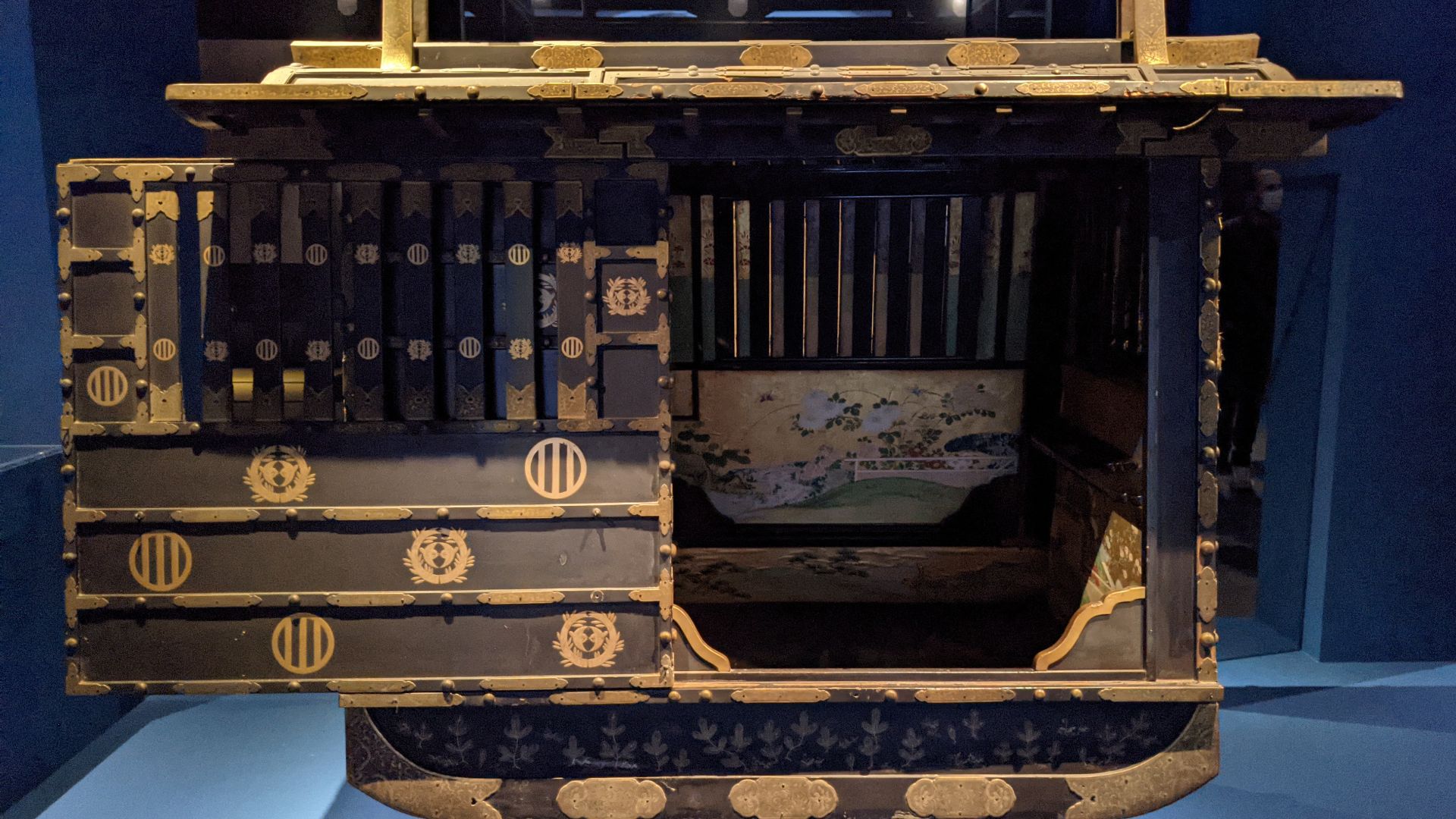
12. A Ruler Could Be Carried in a Silver or Gold Palanquin
Some Indian royals traveled in elaborate palanquins carried on the shoulders of attendants rather than walking or riding themselves. The most extravagant versions were covered in silver, gold, velvet, and intricate decoration, turning basic transportation into a public display of status.
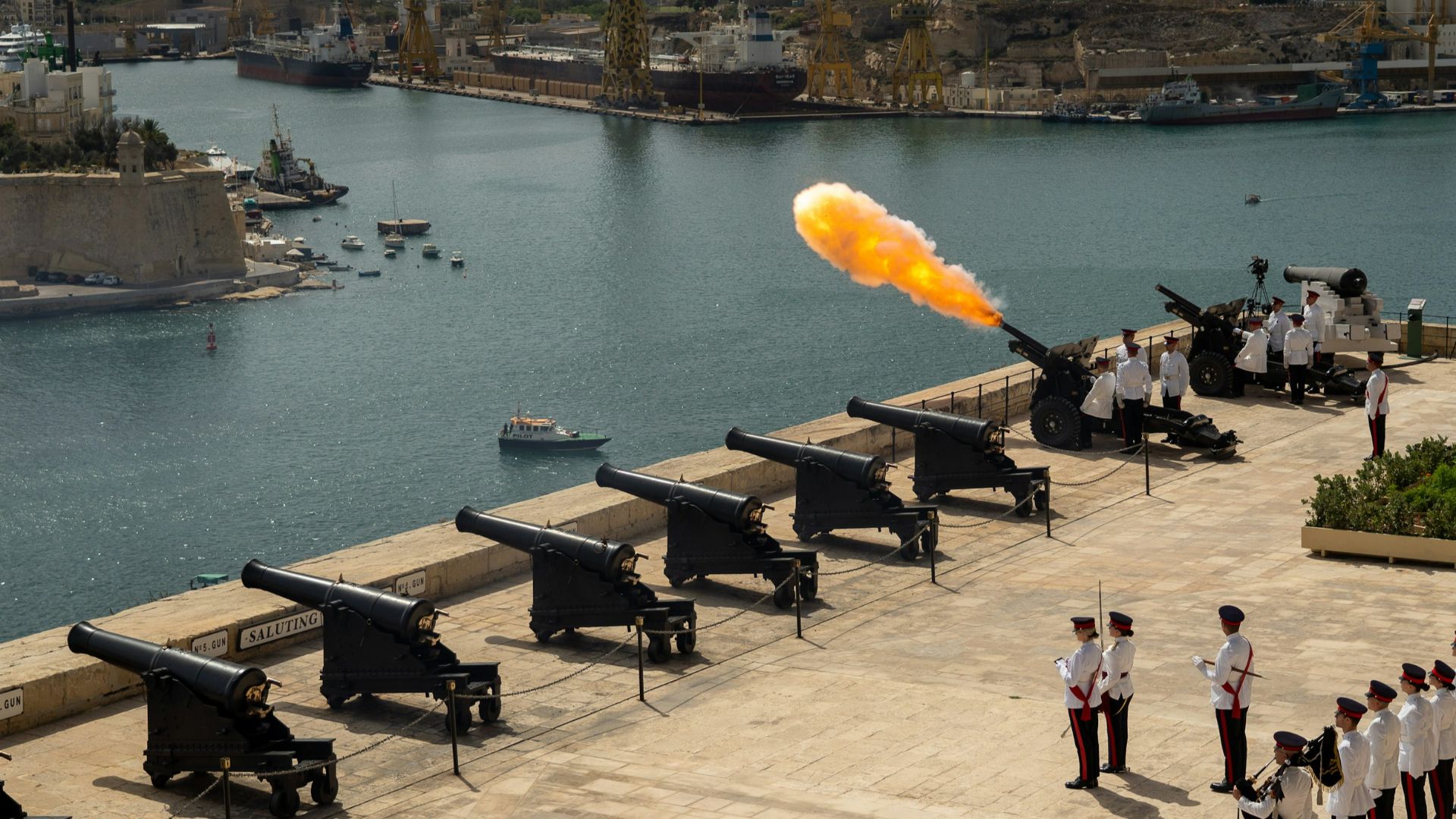
13. Your Importance Could Be Measured in Cannon Fire
During the British Raj, princely rulers were assigned ceremonial gun salutes, and the number of guns reflected their official rank. The most prestigious Indian rulers received larger salutes, turning a blast of artillery into an extremely public announcement of political status. At major imperial gatherings, everyone could effectively hear where a prince stood in the hierarchy before he had even finished arriving.
14. Royal Elephants Were Part of the Dress Code for Big Arrivals
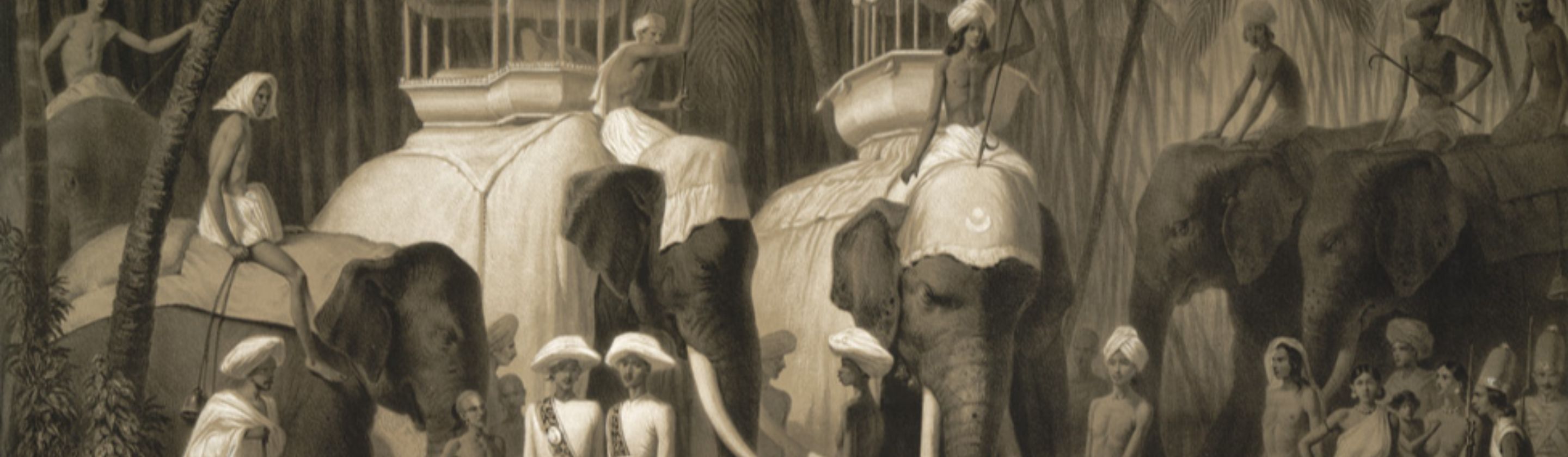
Elephants weren't simply working animals in many Indian courts. At major royal ceremonies and processions, rulers could appear atop elaborately decorated elephants carrying canopied seats called howdahs, sometimes covered with expensive embroidery and gold detailing. The Nizam of Hyderabad, for example, arrived at the 1877 Delhi Durbar on an elephant whose howdah was embroidered with gold thread.
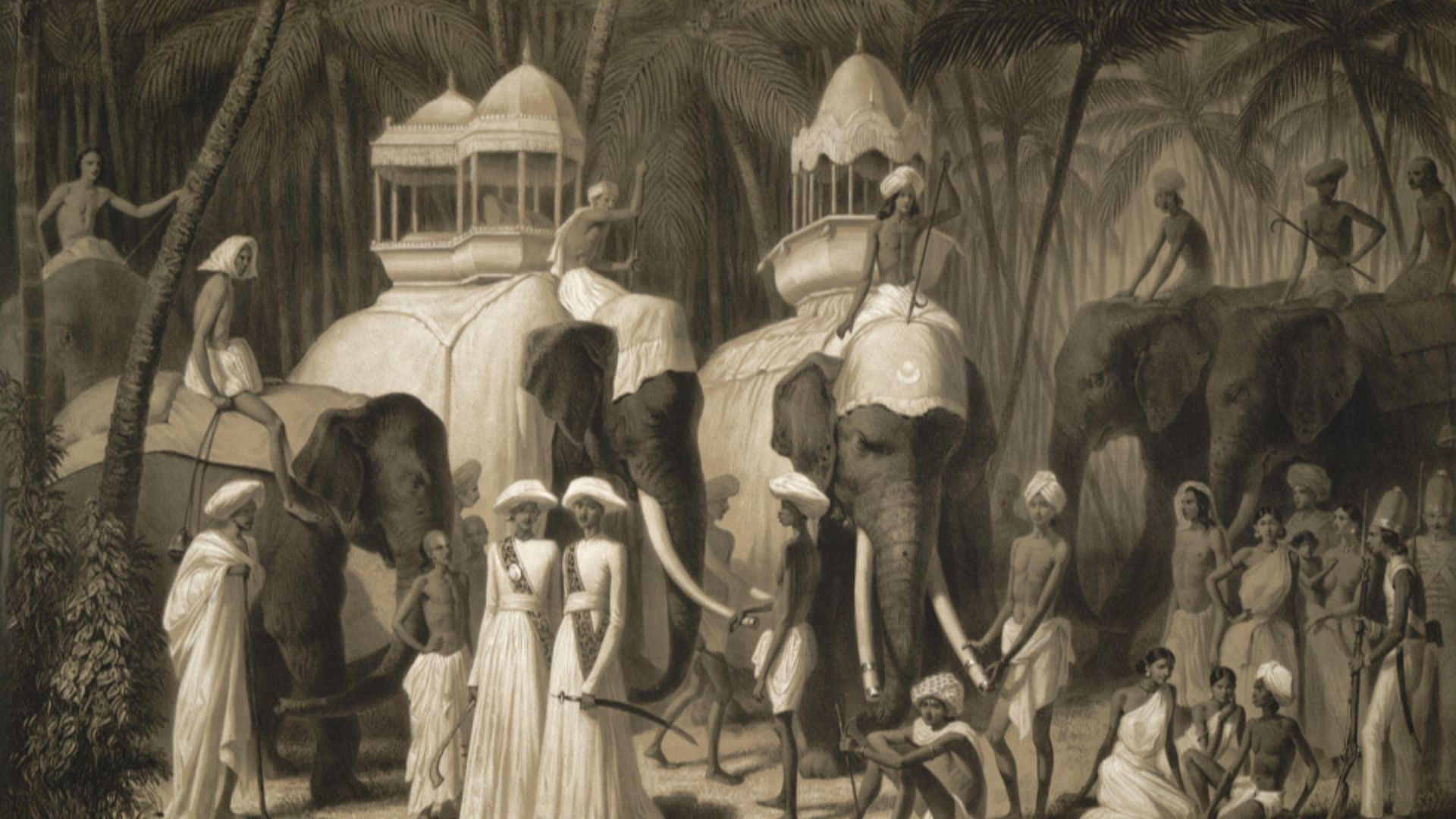 L.H. de Rudder (1807-1881) on Wikimedia
15. The Maharaja Couldn't Bathe or Shave for Days
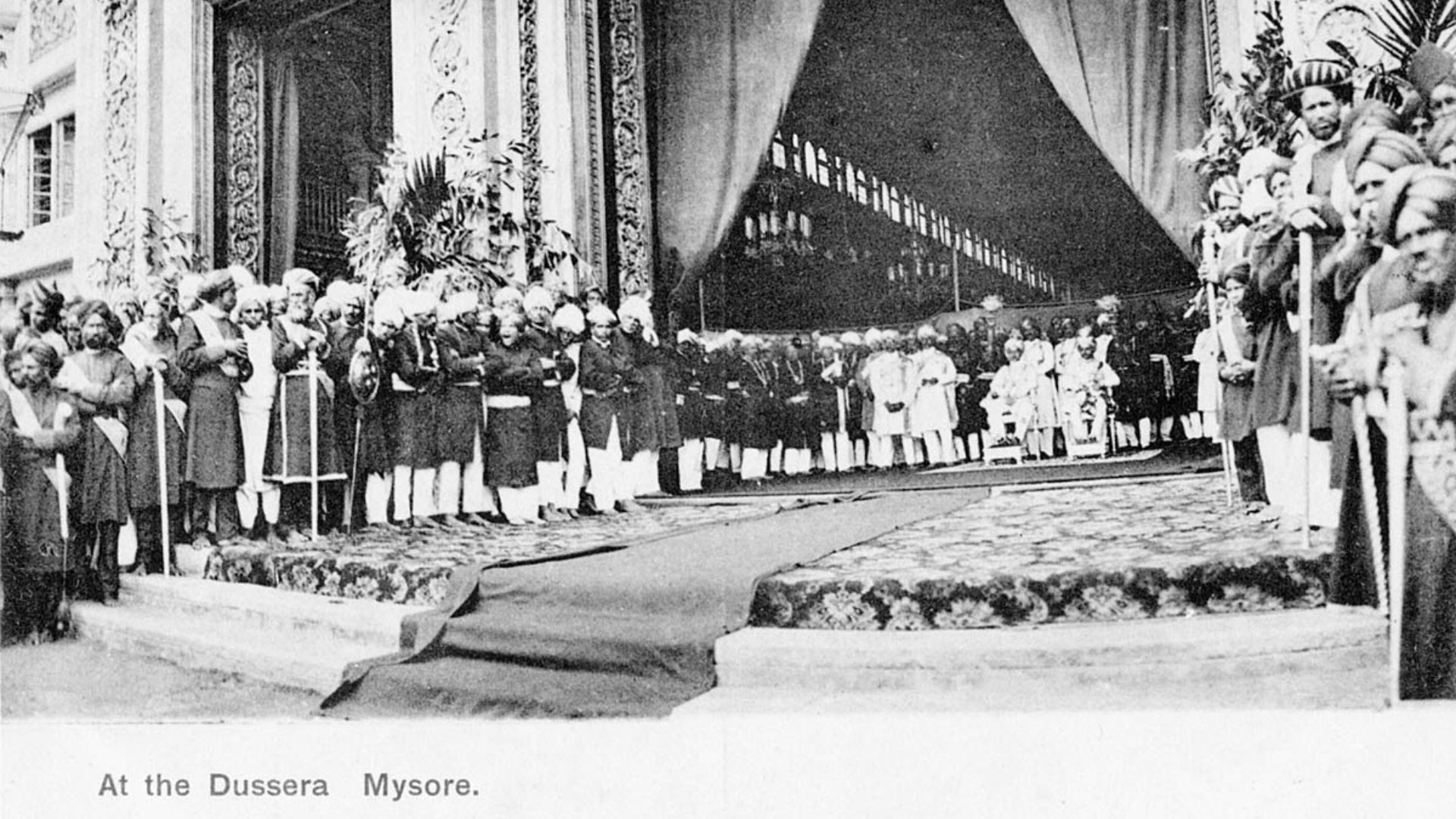
During Mysore's Dasara celebrations, the Maharaja entered a special period of ritual sanctity that came with some unusual restrictions. For much of the festival, he wasn't supposed to wash or shave and remained secluded inside the palace. On the ninth day, he was finally released from the ritual restrictions and ceremonially bathed, shaved, and dressed.
16. People Scrambled for Leaves Treated Like Gold
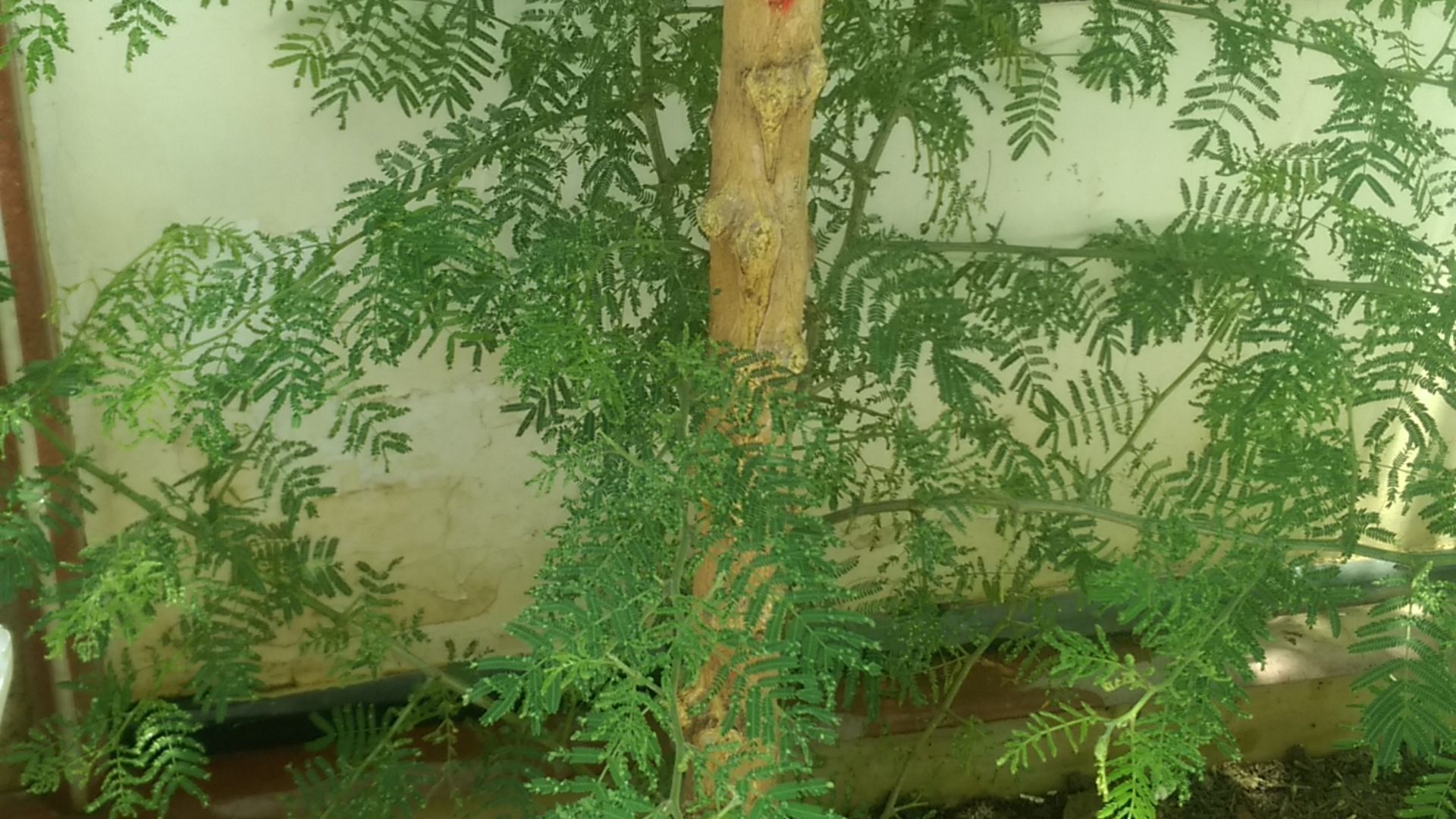
During the Scindia royal family's Dussehra celebrations in Gwalior, the ruler traditionally performs a ceremony involving a shami tree. Its leaves are symbolically treated as gold, and people rush to collect them after the ritual. The centuries-old custom is still carried on by the former royal family today.
17. Some Rulers Worshipped Their Weapons
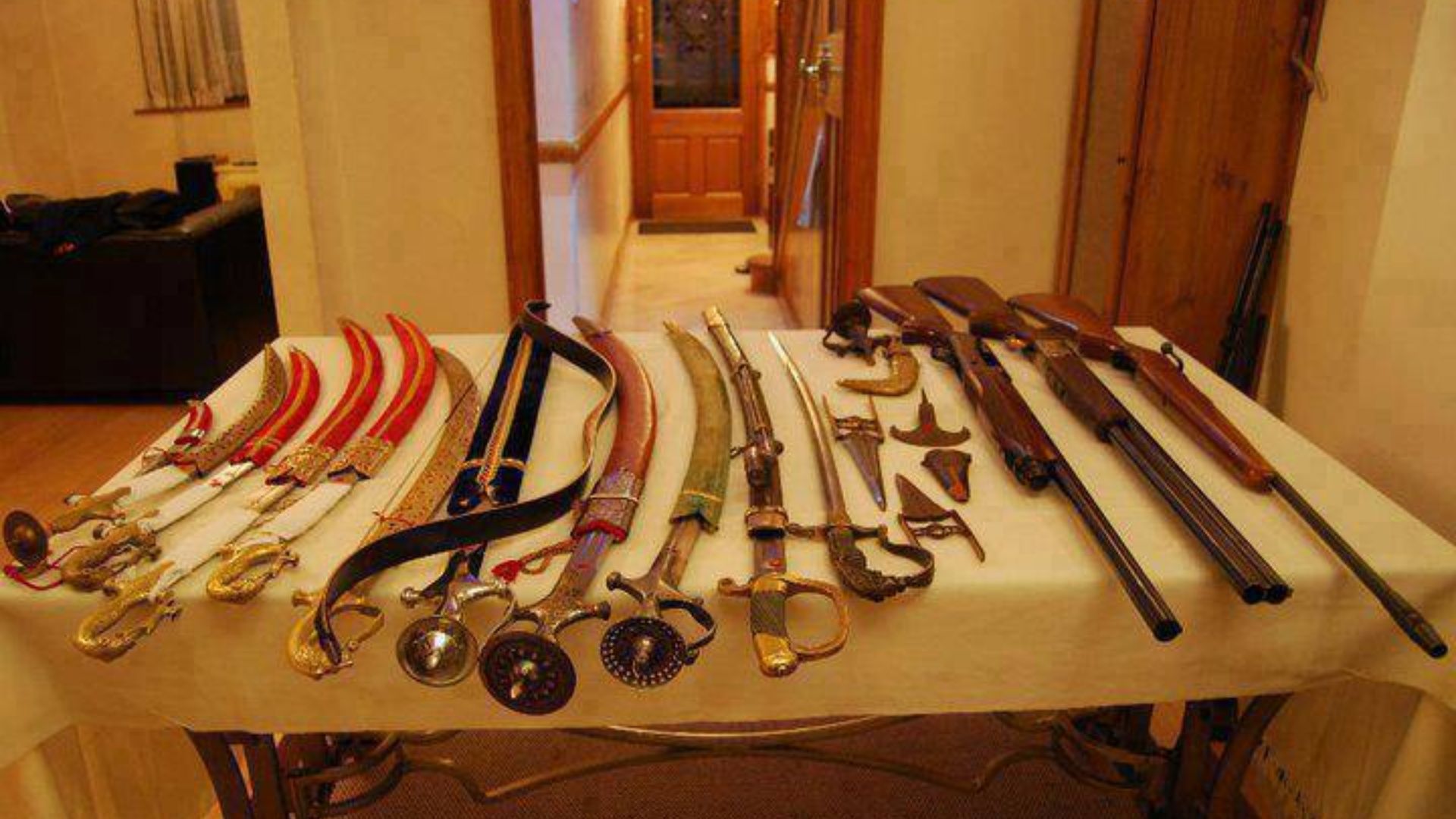
Among several Indian warrior traditions, particularly Rajput royal houses, the Hindu festival Dussehra became associated with the ceremonial worship of swords and other weapons. The practice reflected the idea that weapons carried religious as well as military significance and deserved ritual respect before being used. For a royal warrior, maintaining a sword could therefore involve offerings and prayers rather than just sharpening the blade.
18. Royal Weddings Could Put a Sword at Center Stage
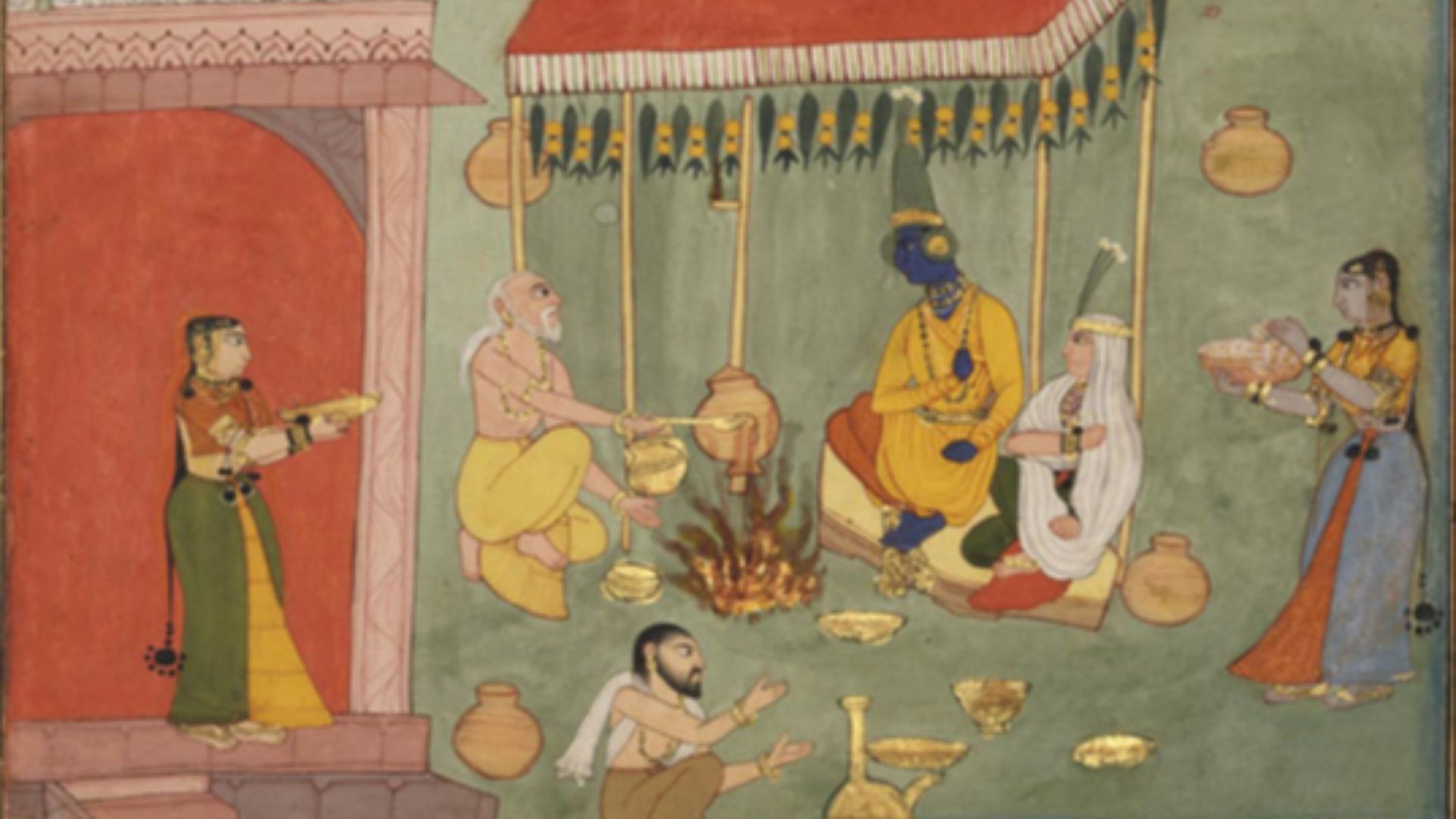
Weapons also appeared prominently in traditional Rajput marriage ceremonies. A groom commonly carried a sword, and customs involving the weapon could include touching or striking ceremonial decorations such as the toran at the bride's entrance. Historians have connected these rituals with older beliefs about protection and warding off harmful forces, giving the groom's sword a job even when nobody was planning to fight.
19. Emperors Watched Animal Contests as Part of Court Life
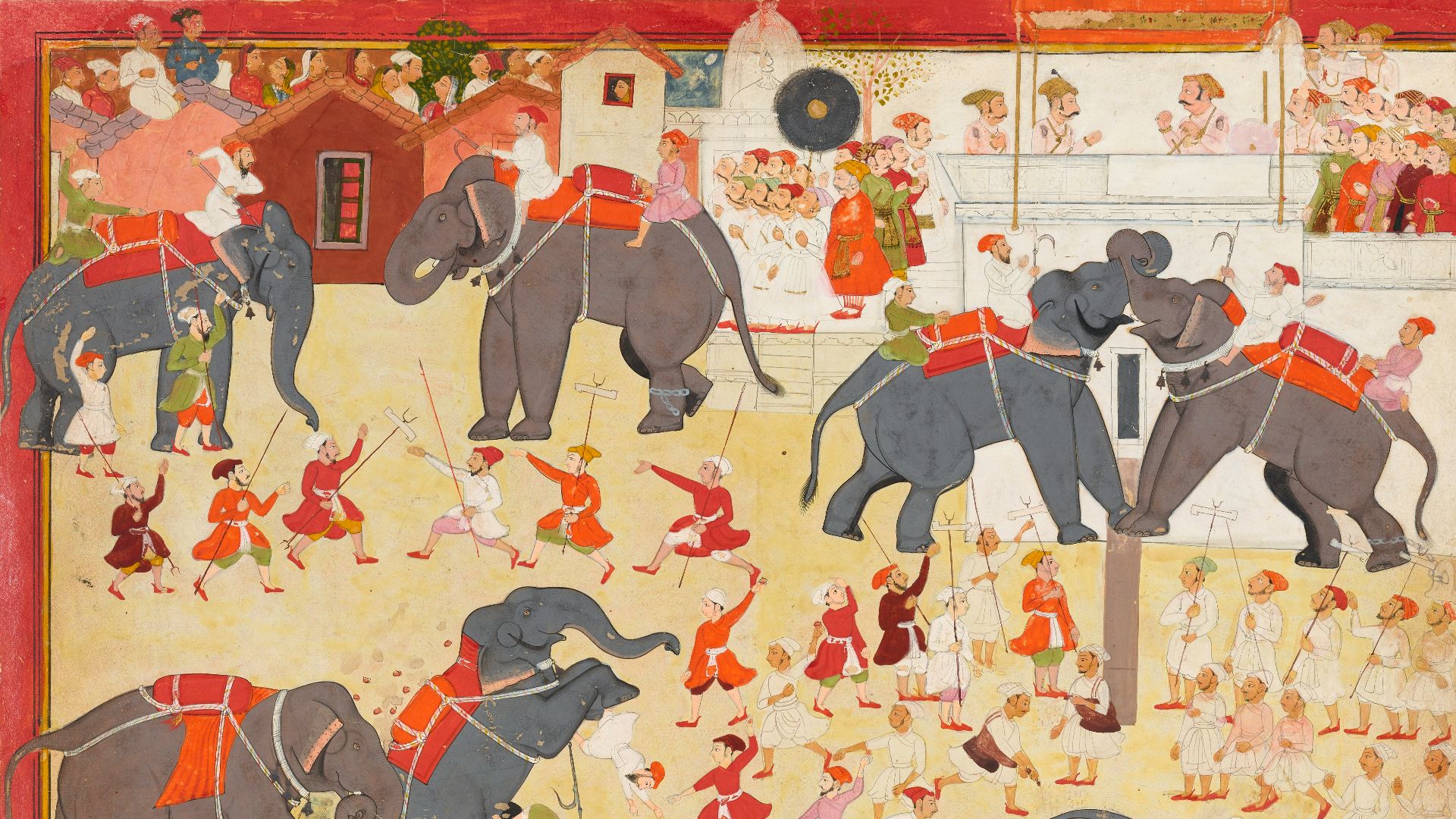
Royal entertainment at some Indian courts could be much rougher than music and dancing. Mughal rulers watched organized contests involving animals, and the emperor's elevated viewing position could be connected with public audiences and other court business. These displays combined spectacle, the ruler's interest in animals, and demonstrations of imperial control in a way that would feel very unfamiliar at a modern state function.
20. A New Ruler Could Receive a Tilak Made With Blood
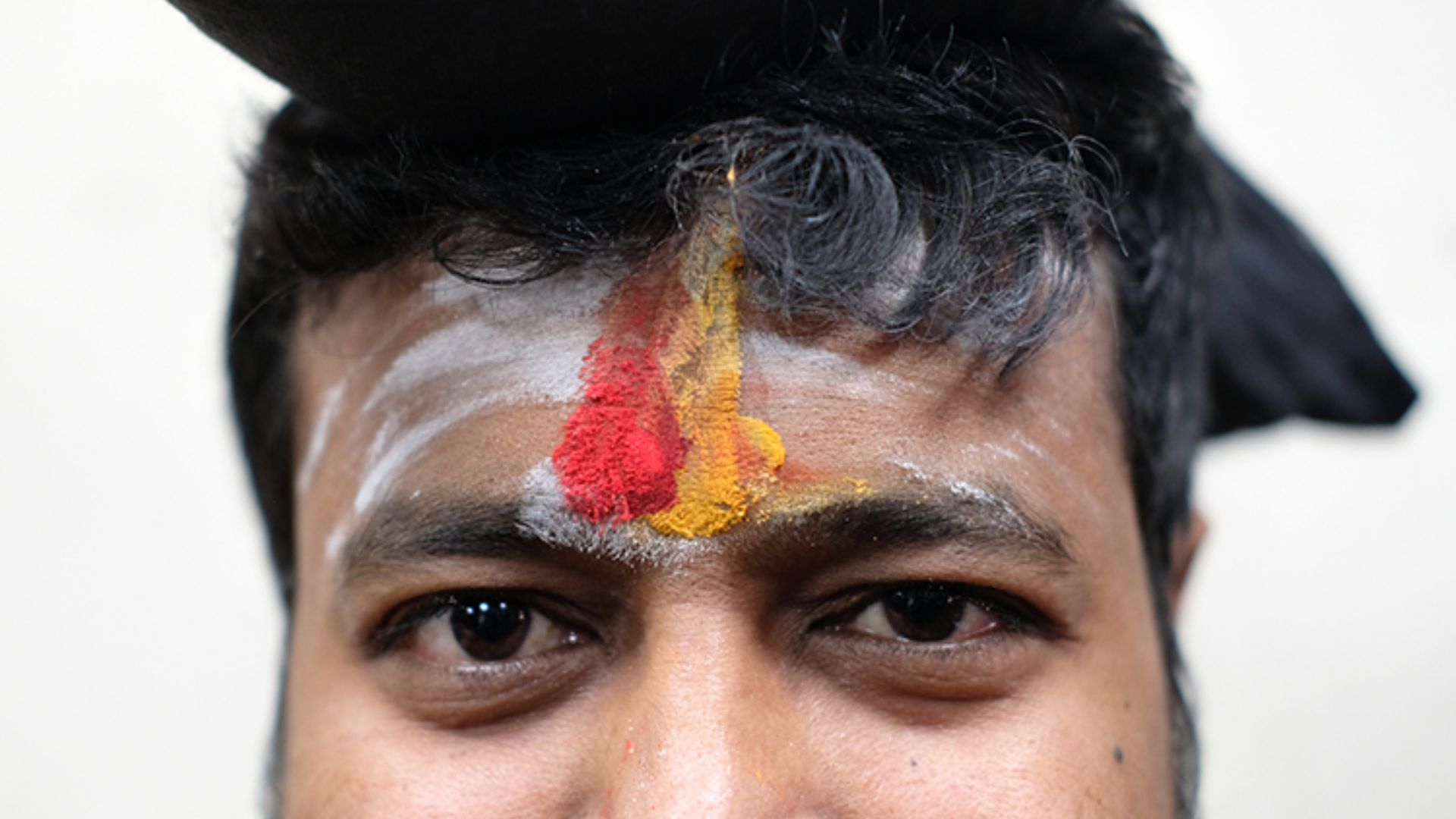
In some Rajput royal traditions, a ruler’s coronation included a tilak, which is a traditional sacred mark worn on the forehead, using blood rather than ordinary ceremonial paste. The act symbolized loyalty, sacrifice, and the ruler’s connection to the warrior community. It made taking the throne quite literally a blood-bound occasion.
KEEP ON READING